Sengoku Seki was an industry: smiths organized under their tutelary Kasuga shrine, arming the war bands of central Japan. Magoroku Kanemoto’s sanbonsugi and the finest Kanesada work prove quality survived inside mass production.
 NihontoWatchNihontoWatch
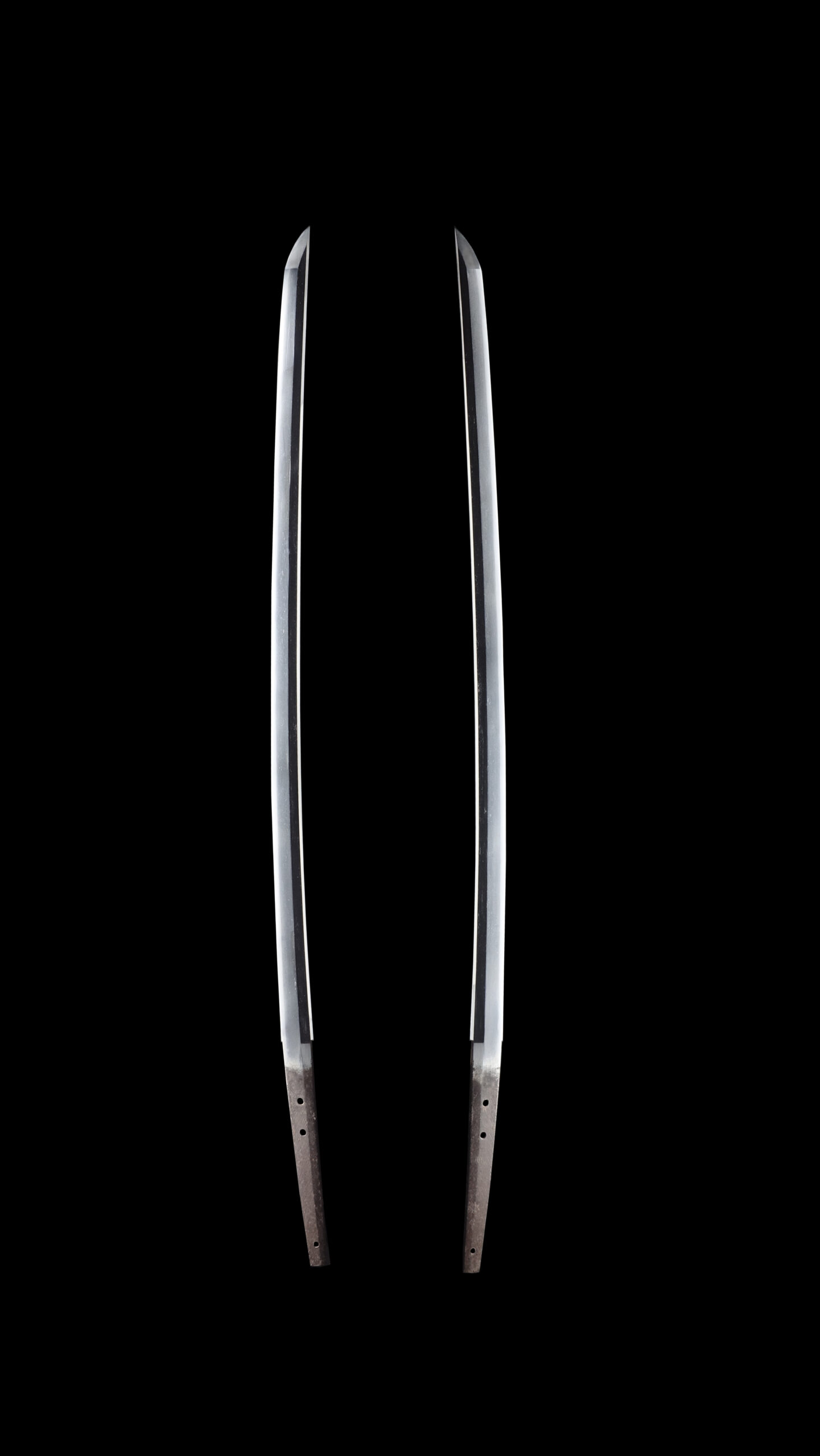
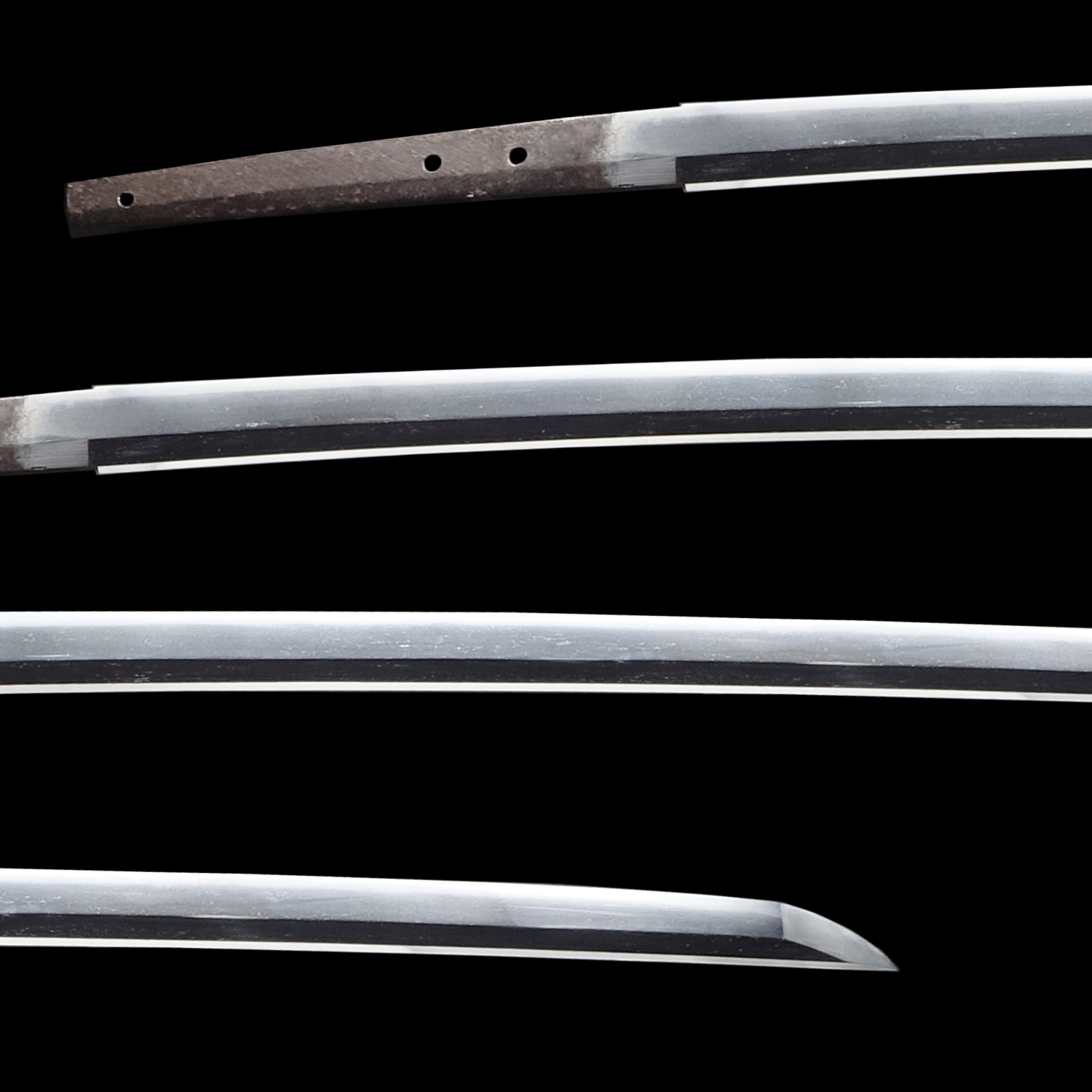
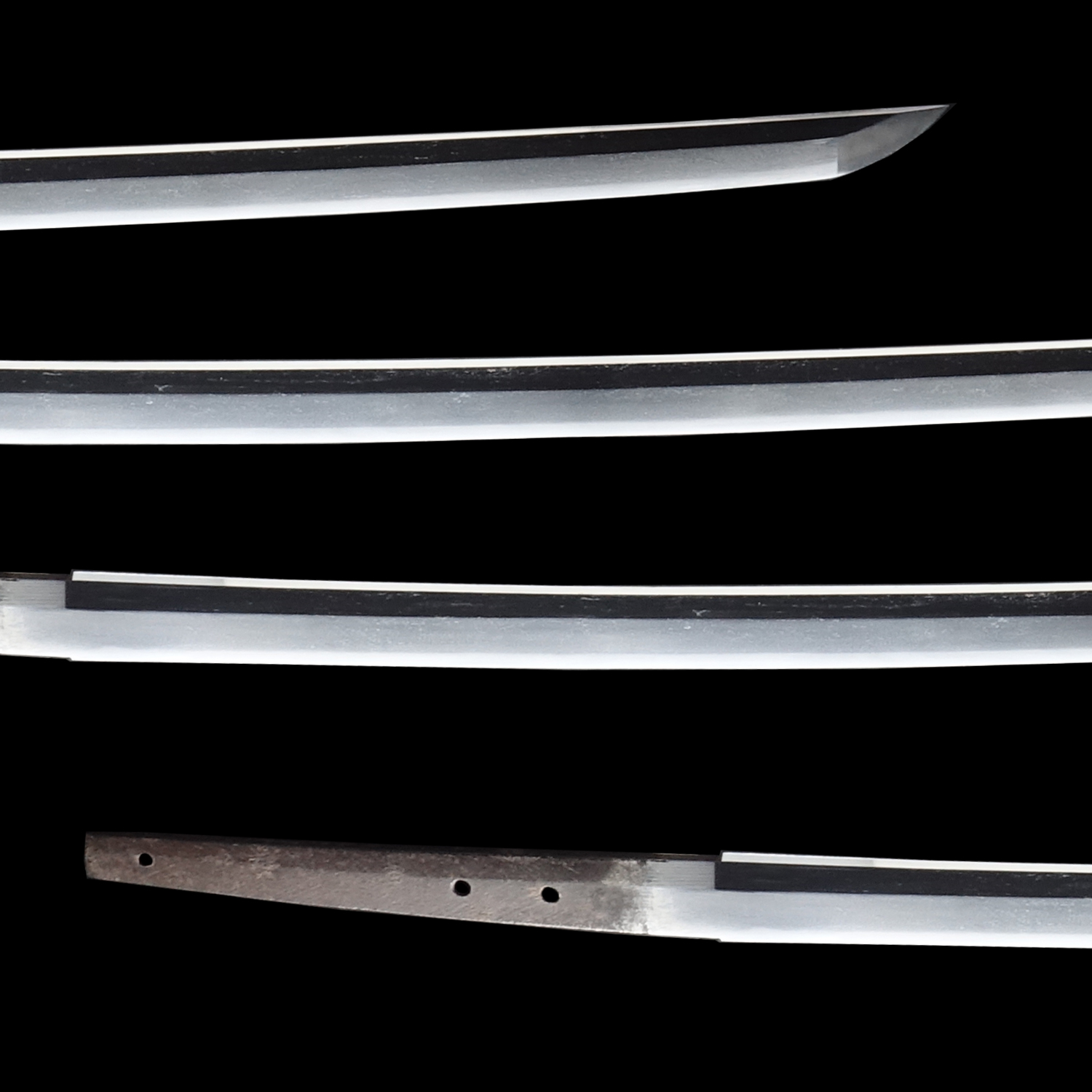
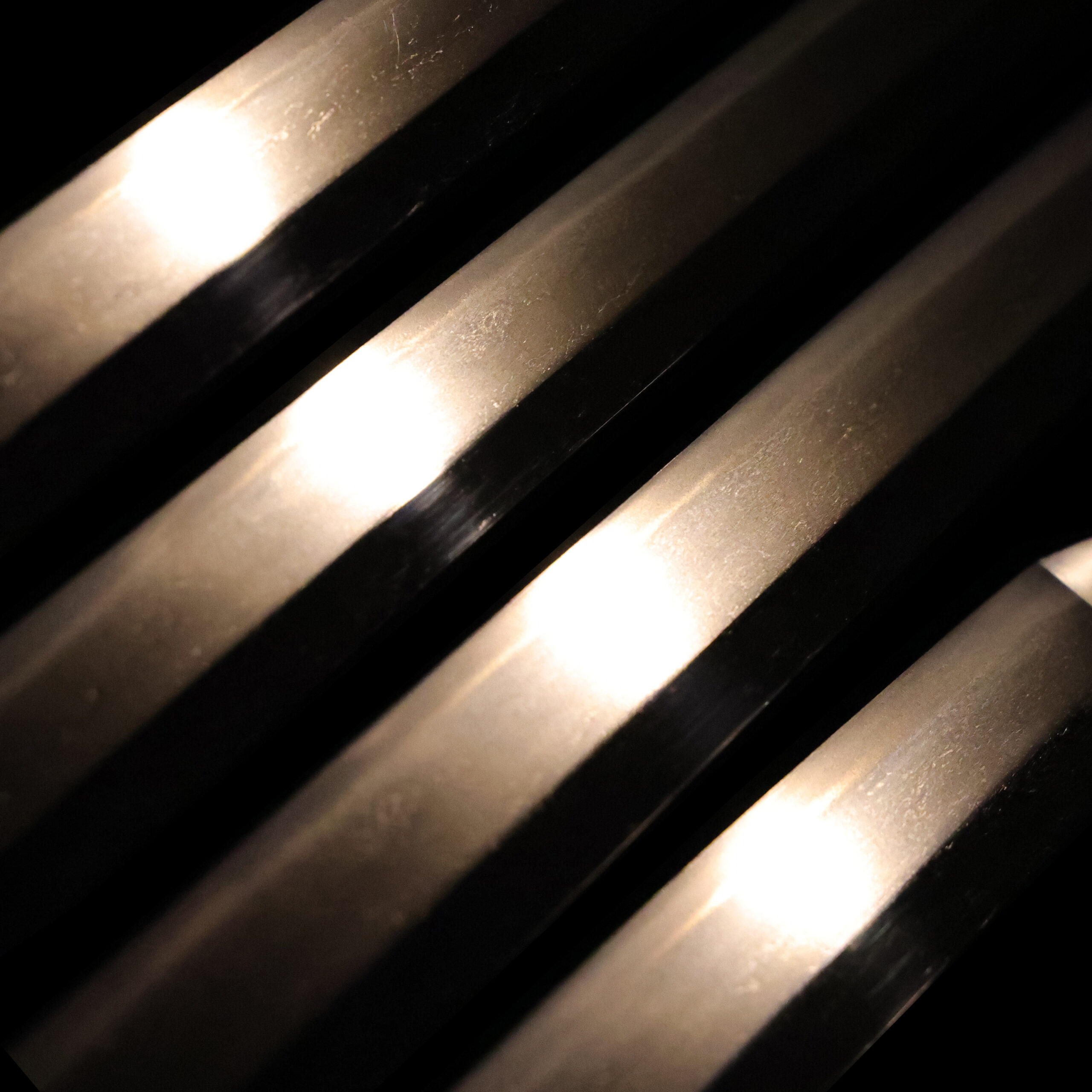
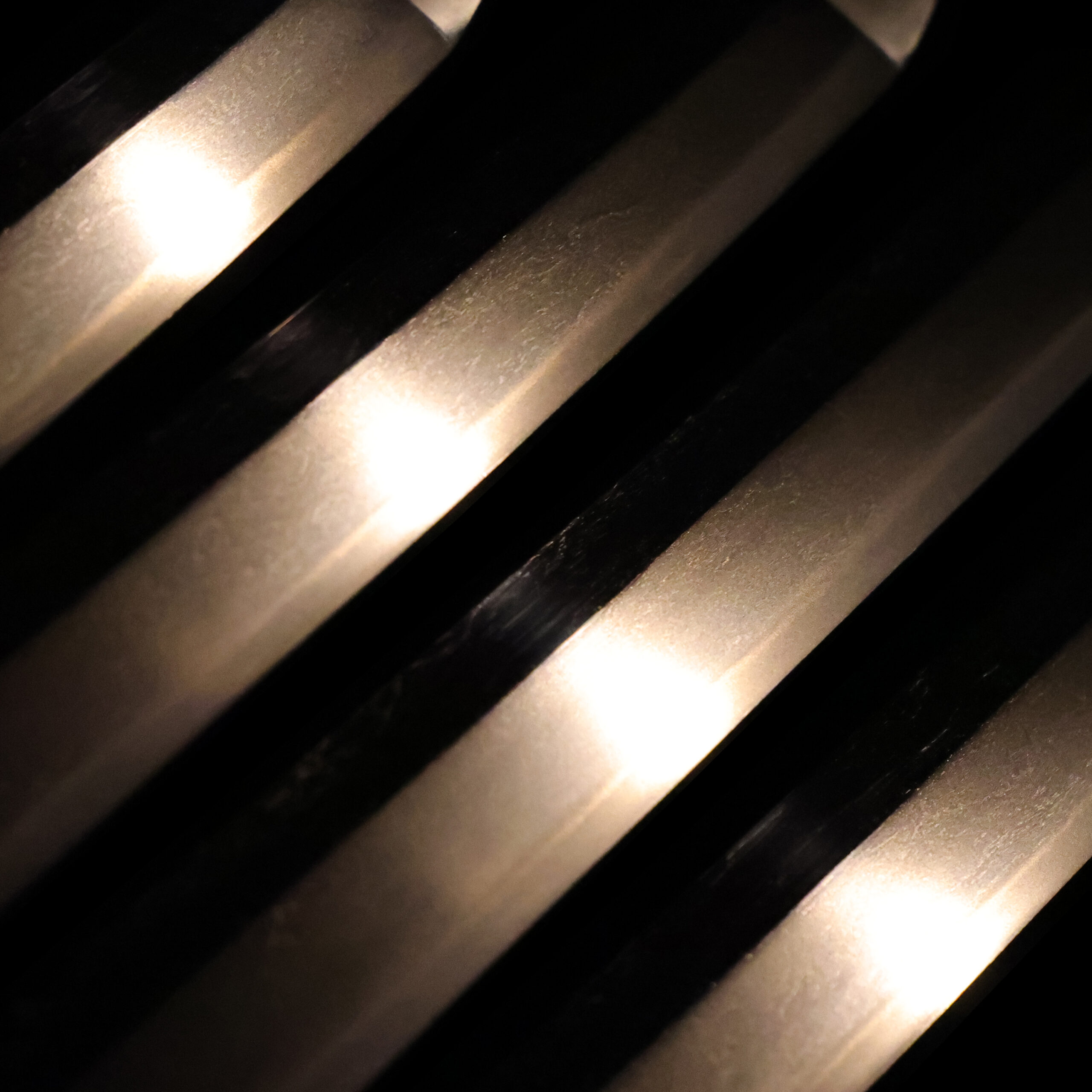
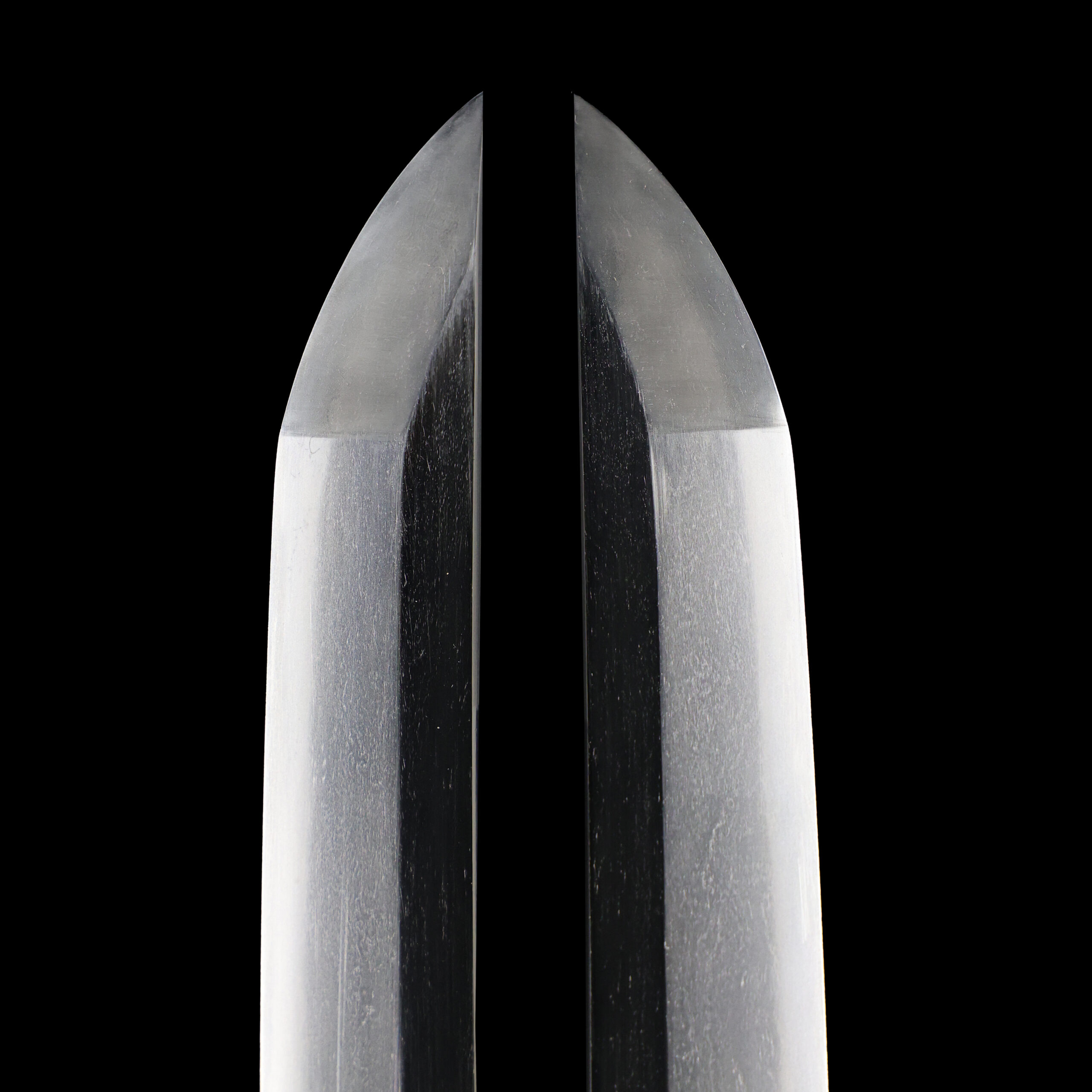
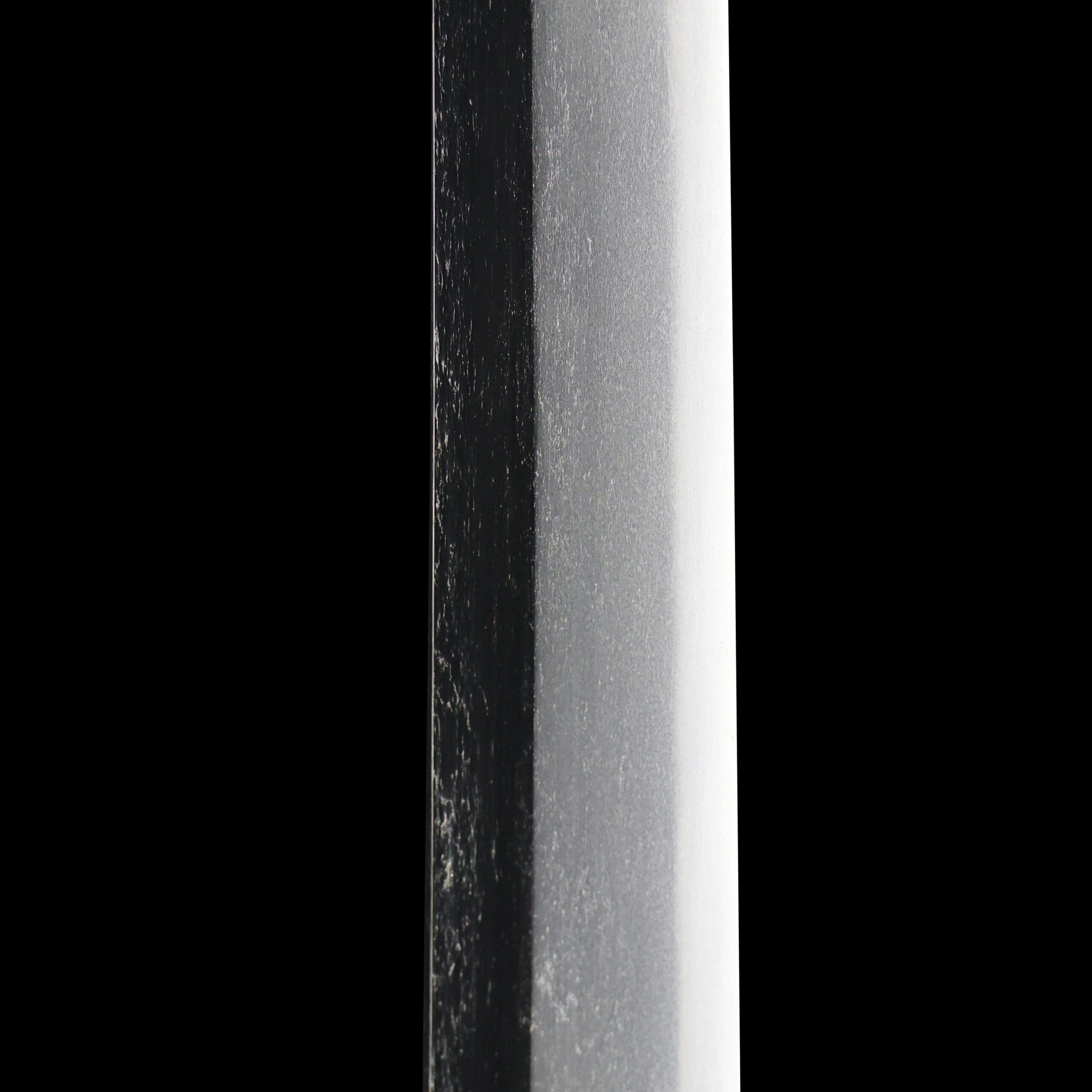
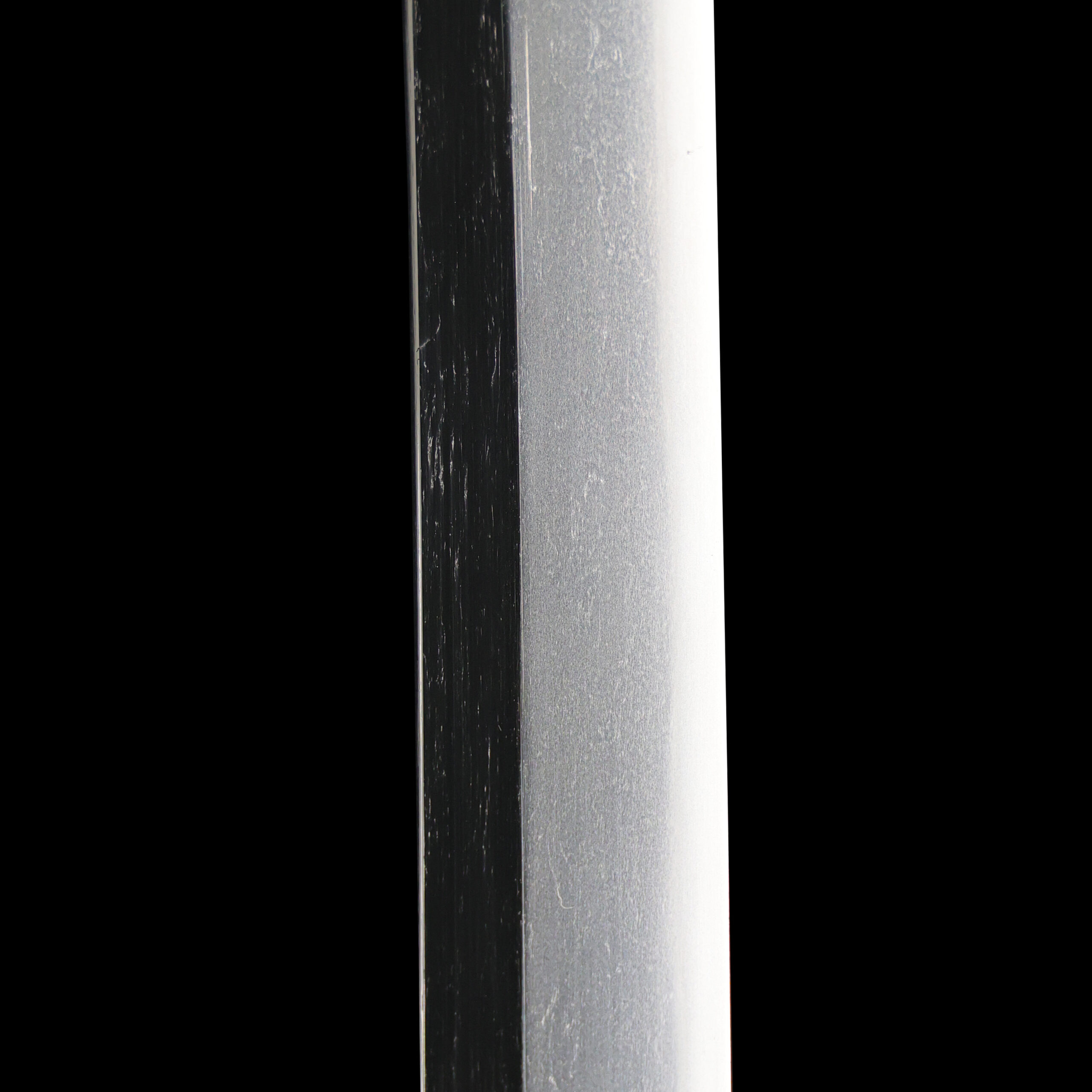
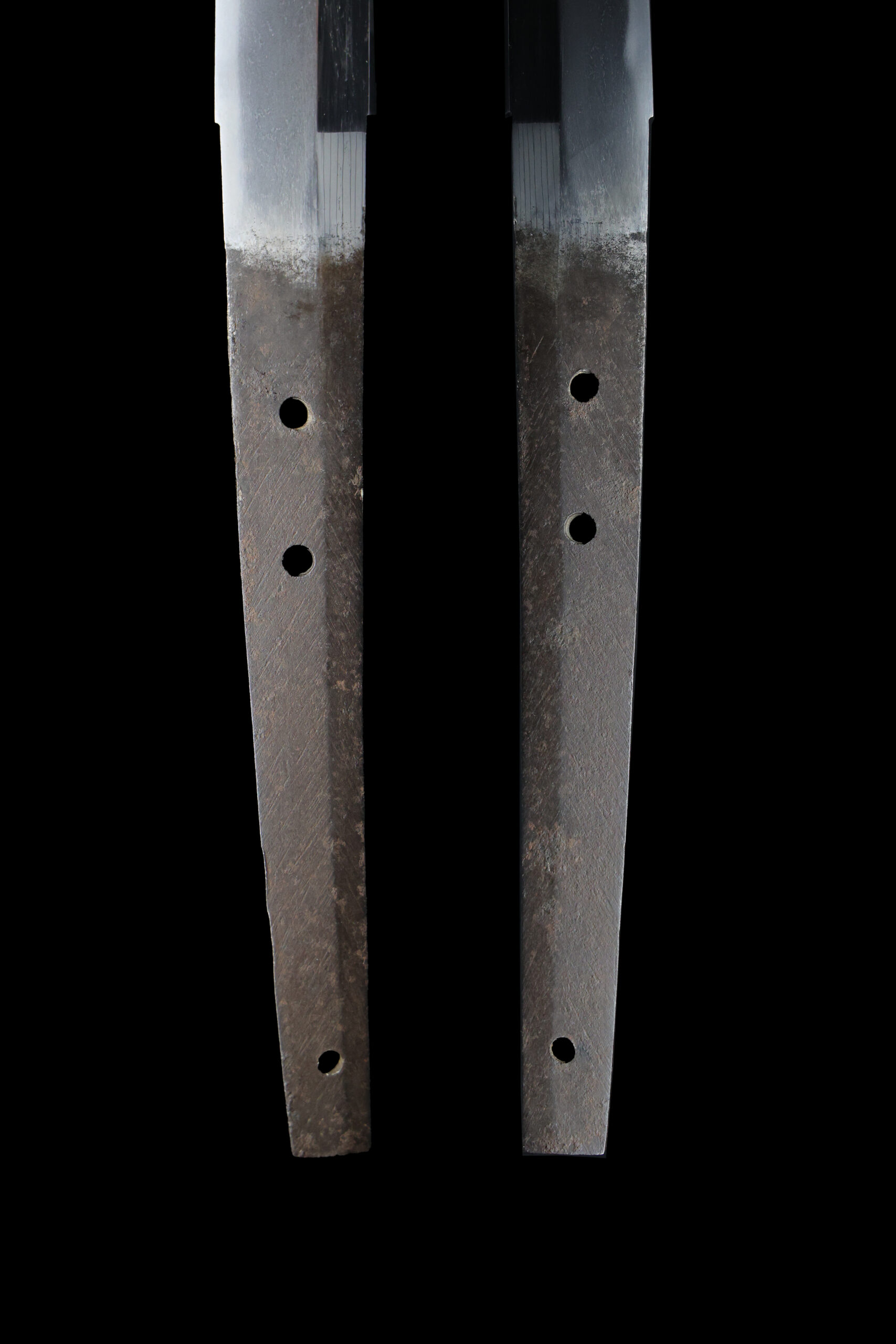
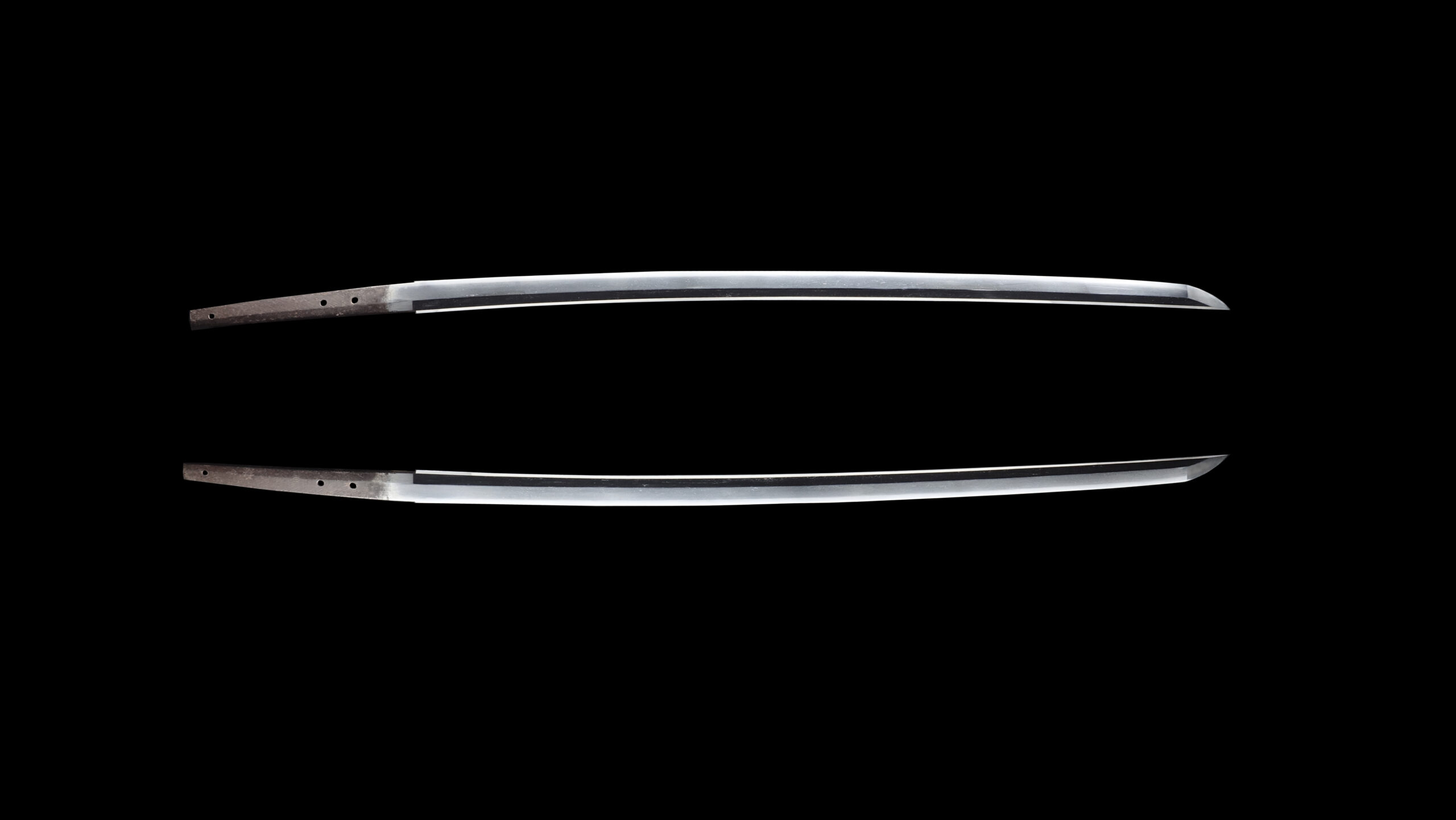
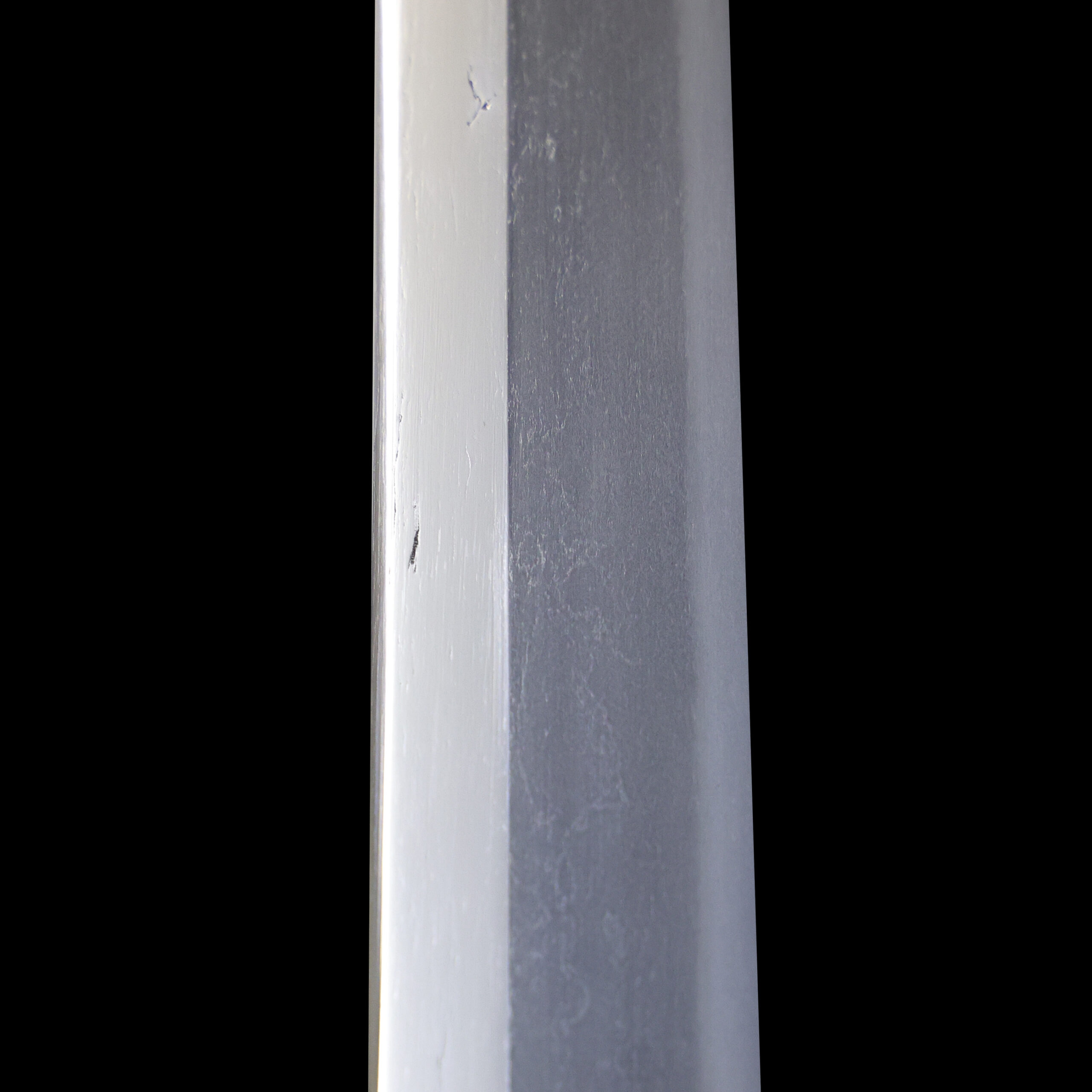
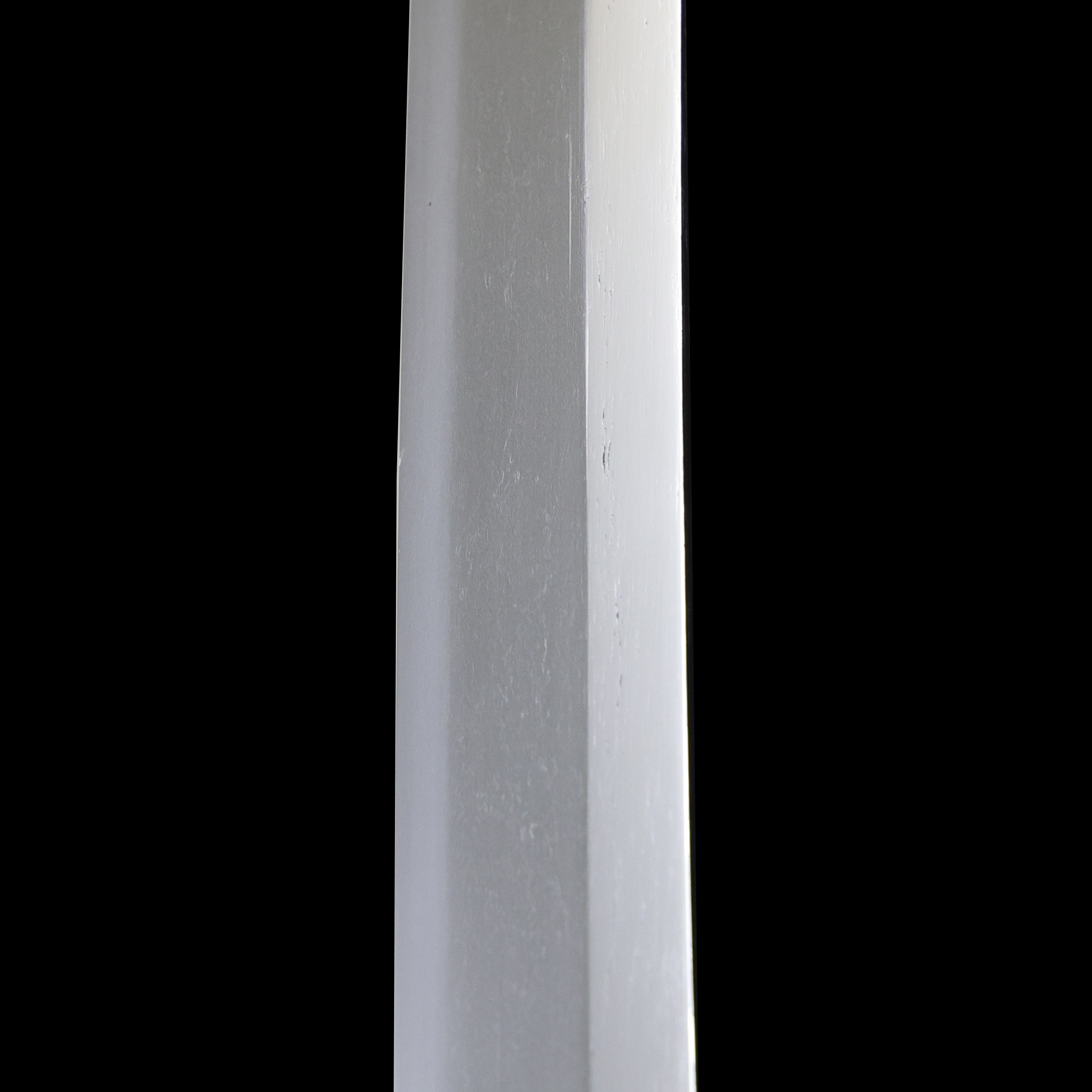
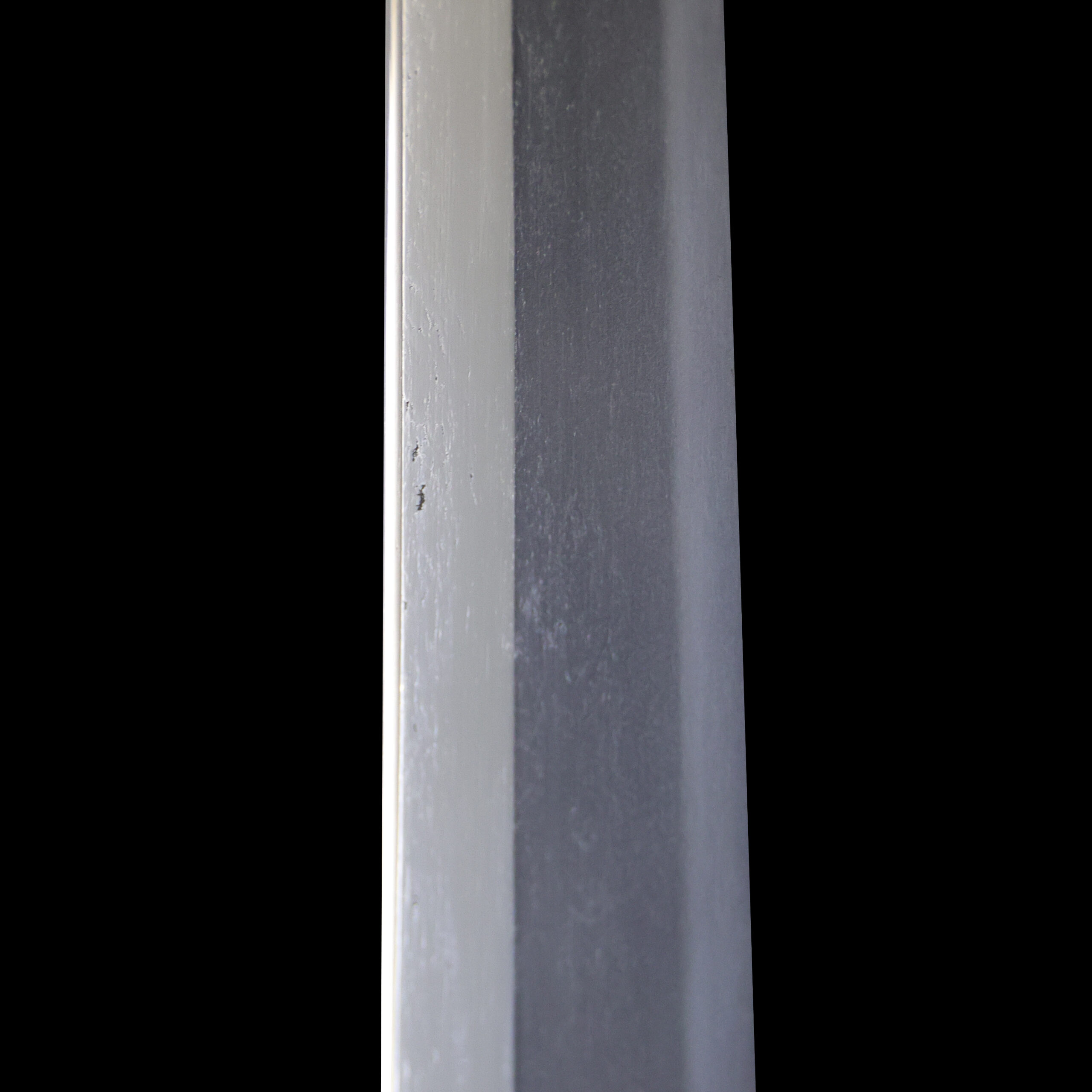
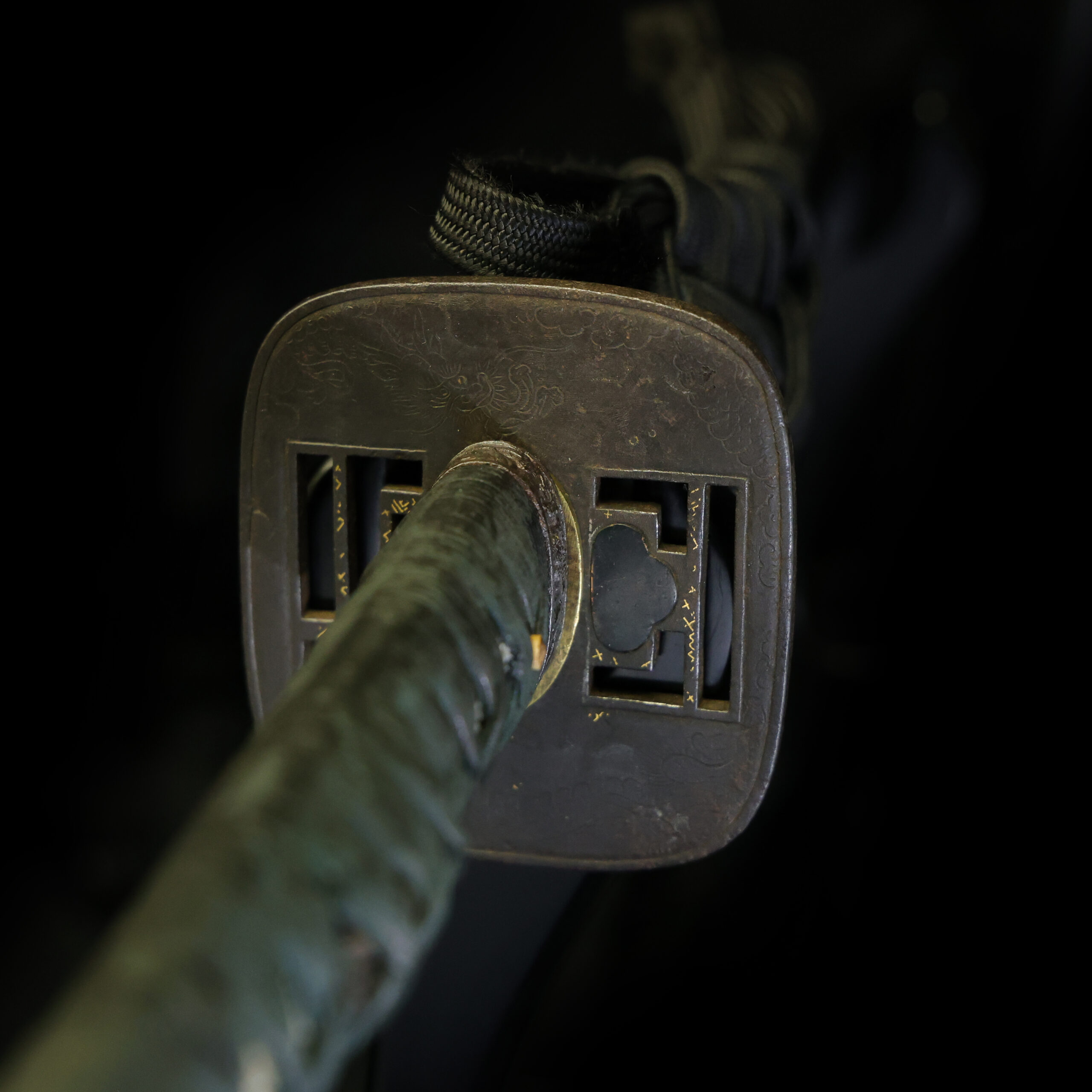
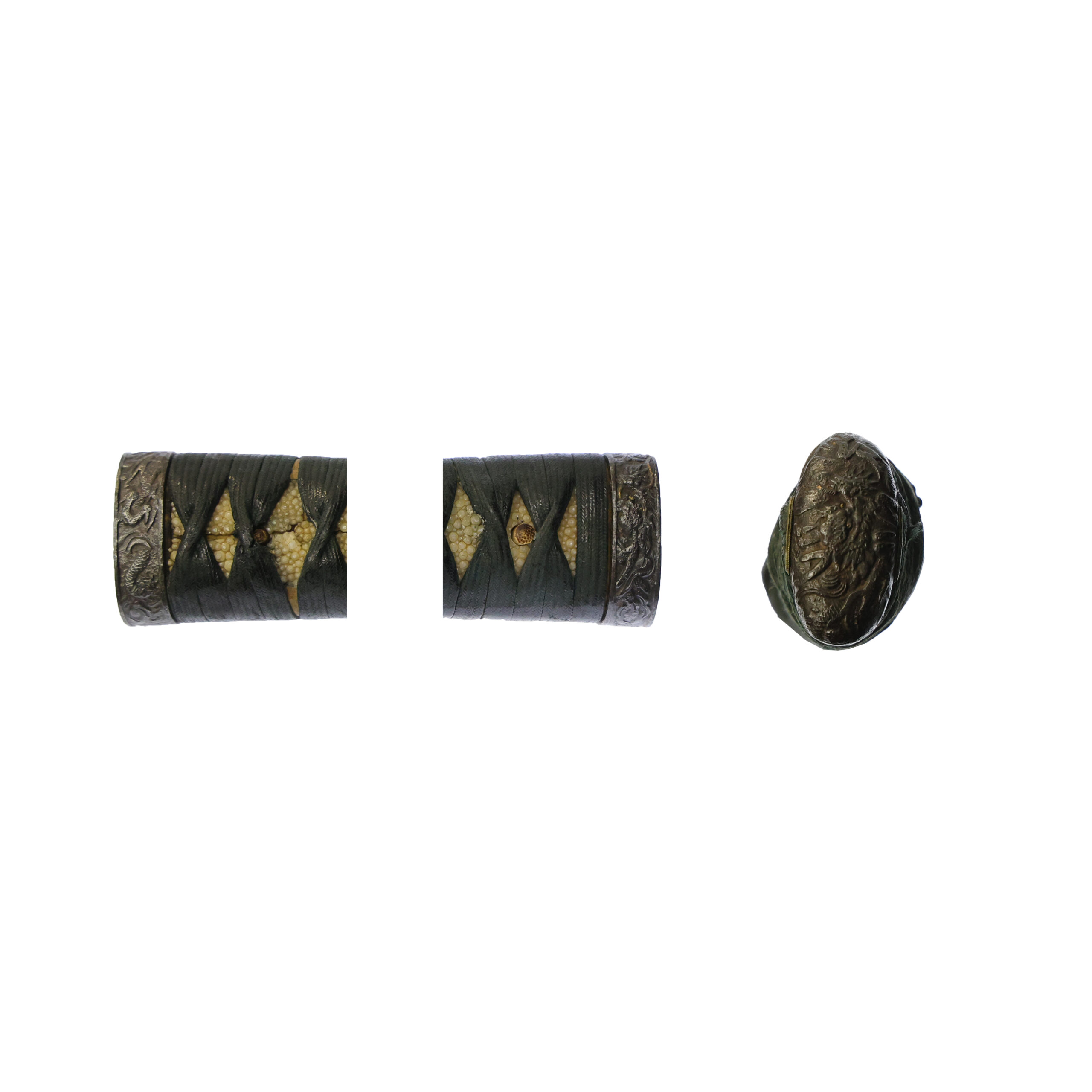
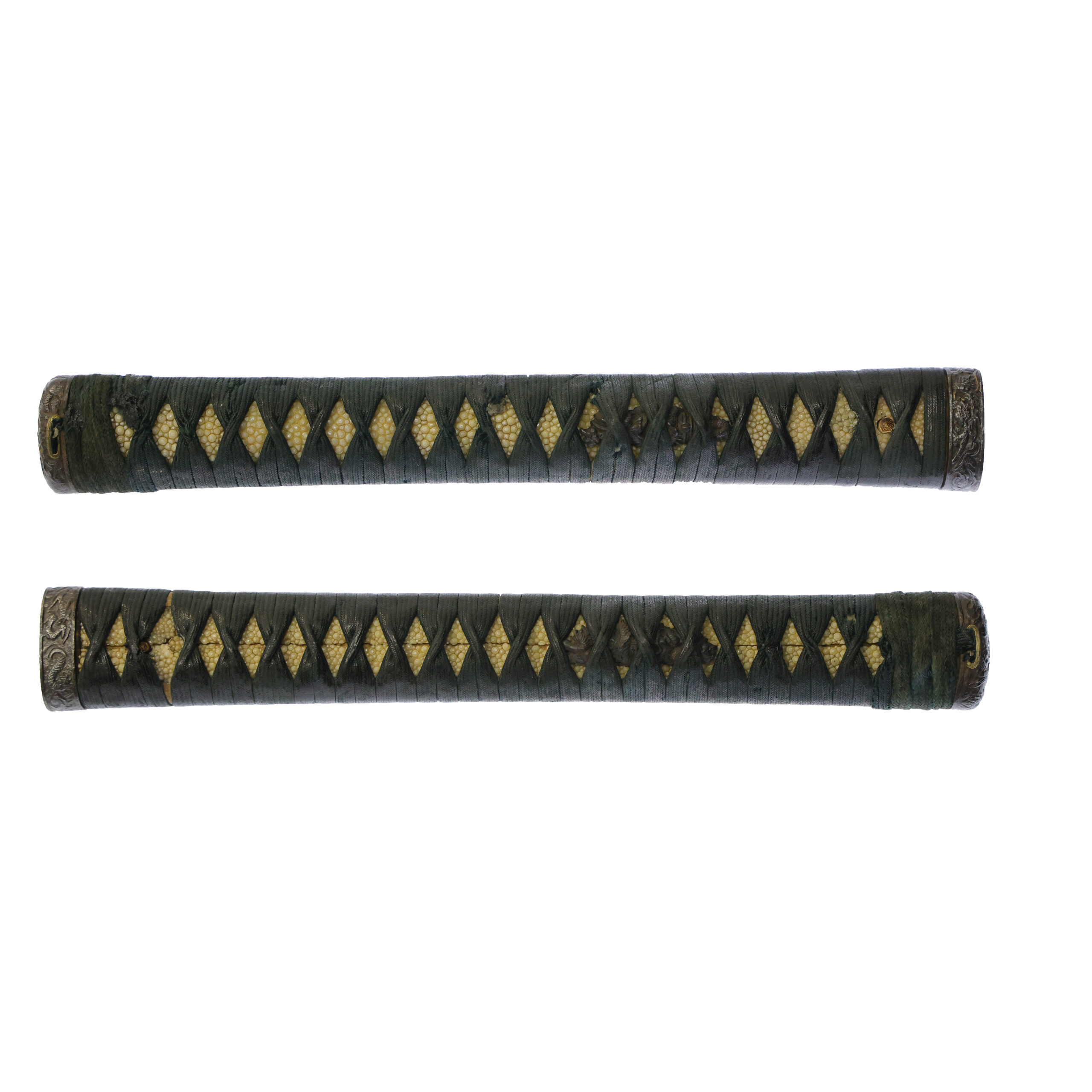
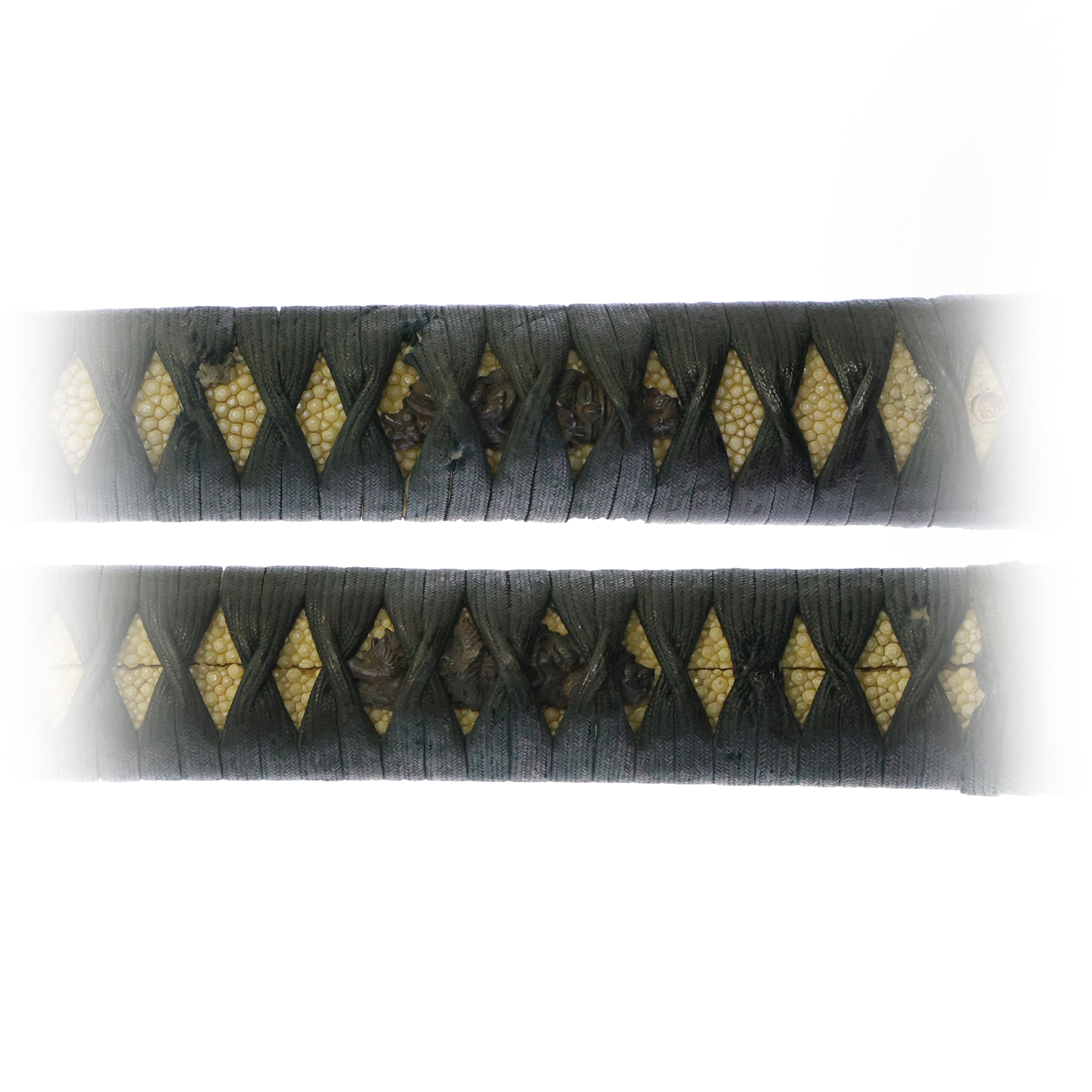
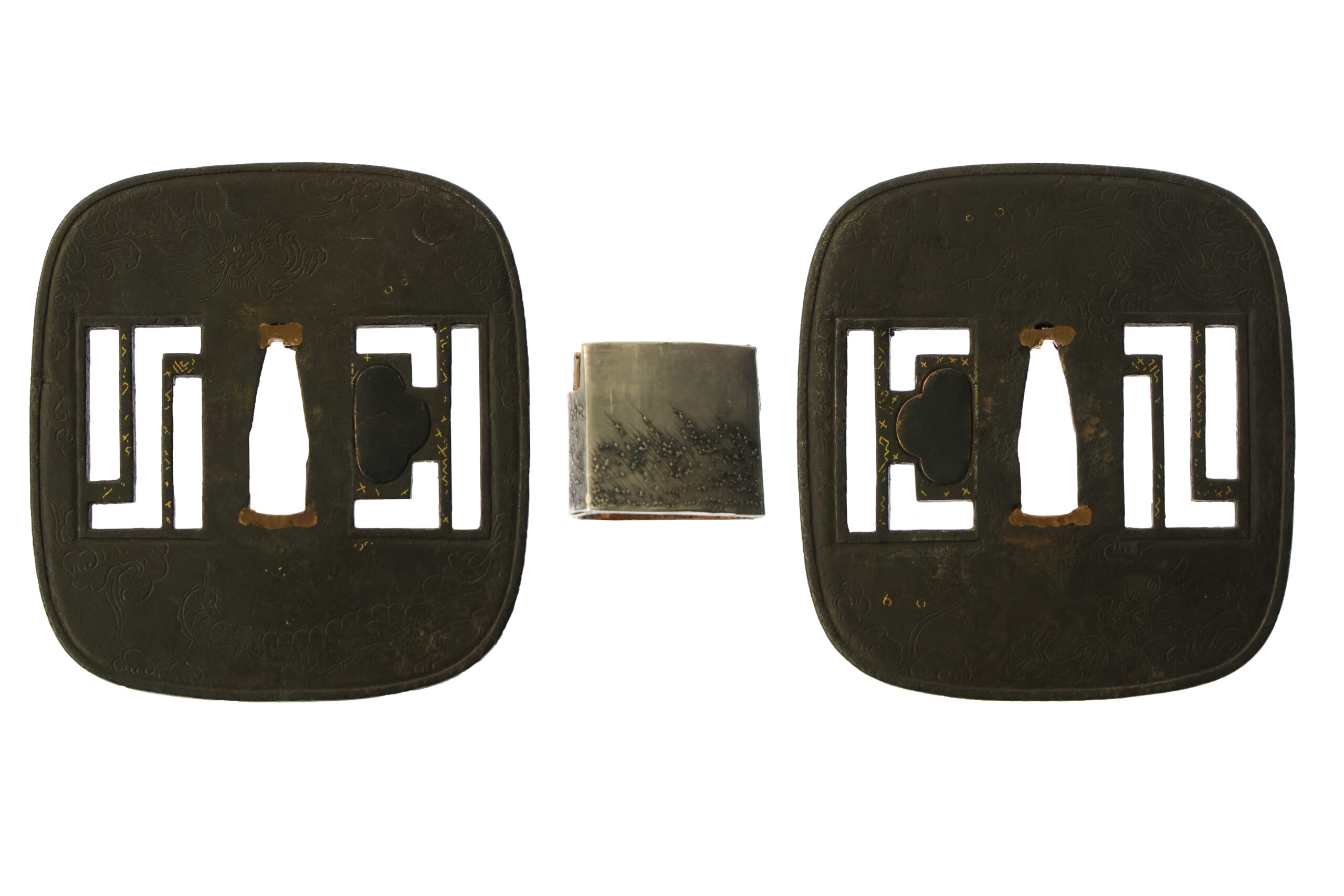
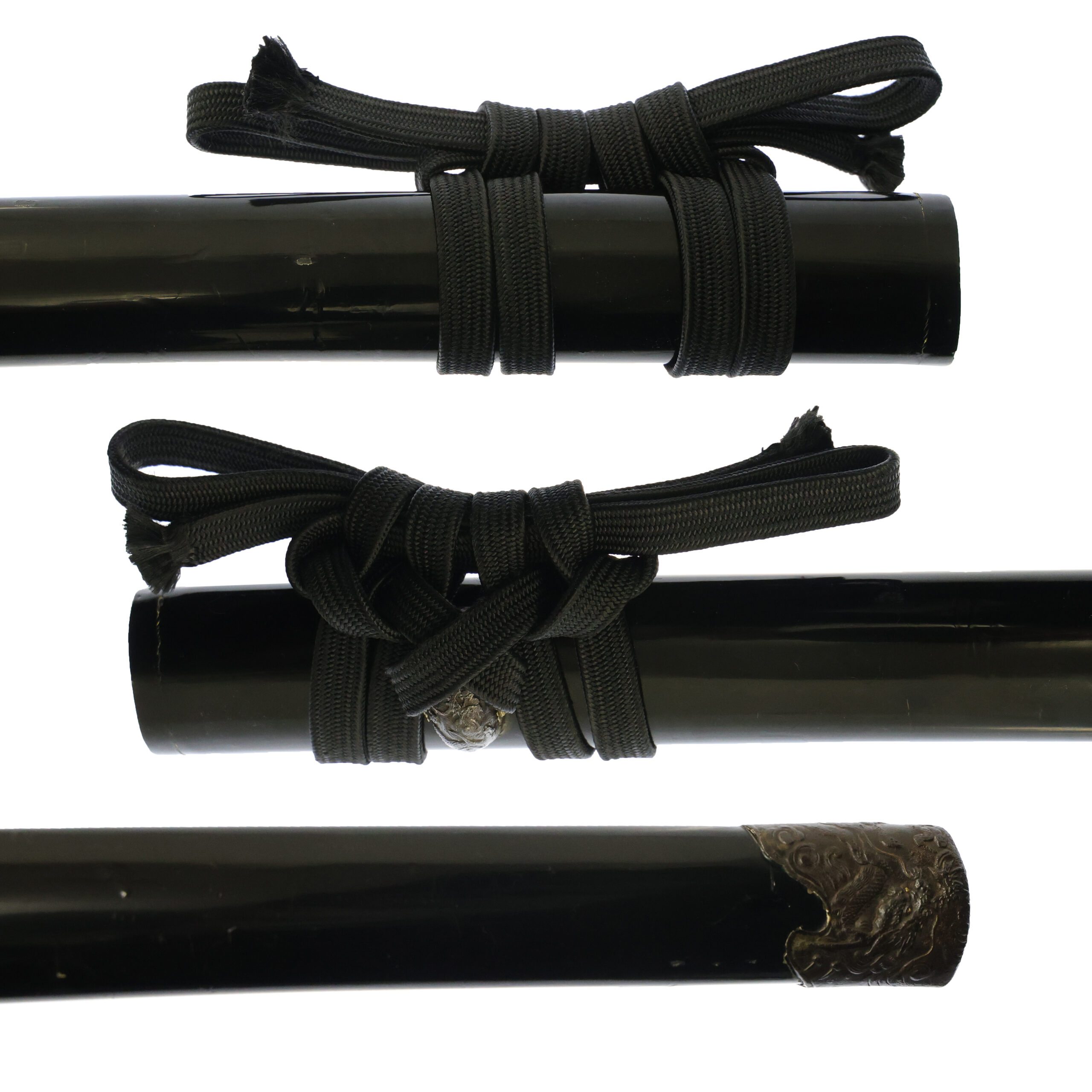
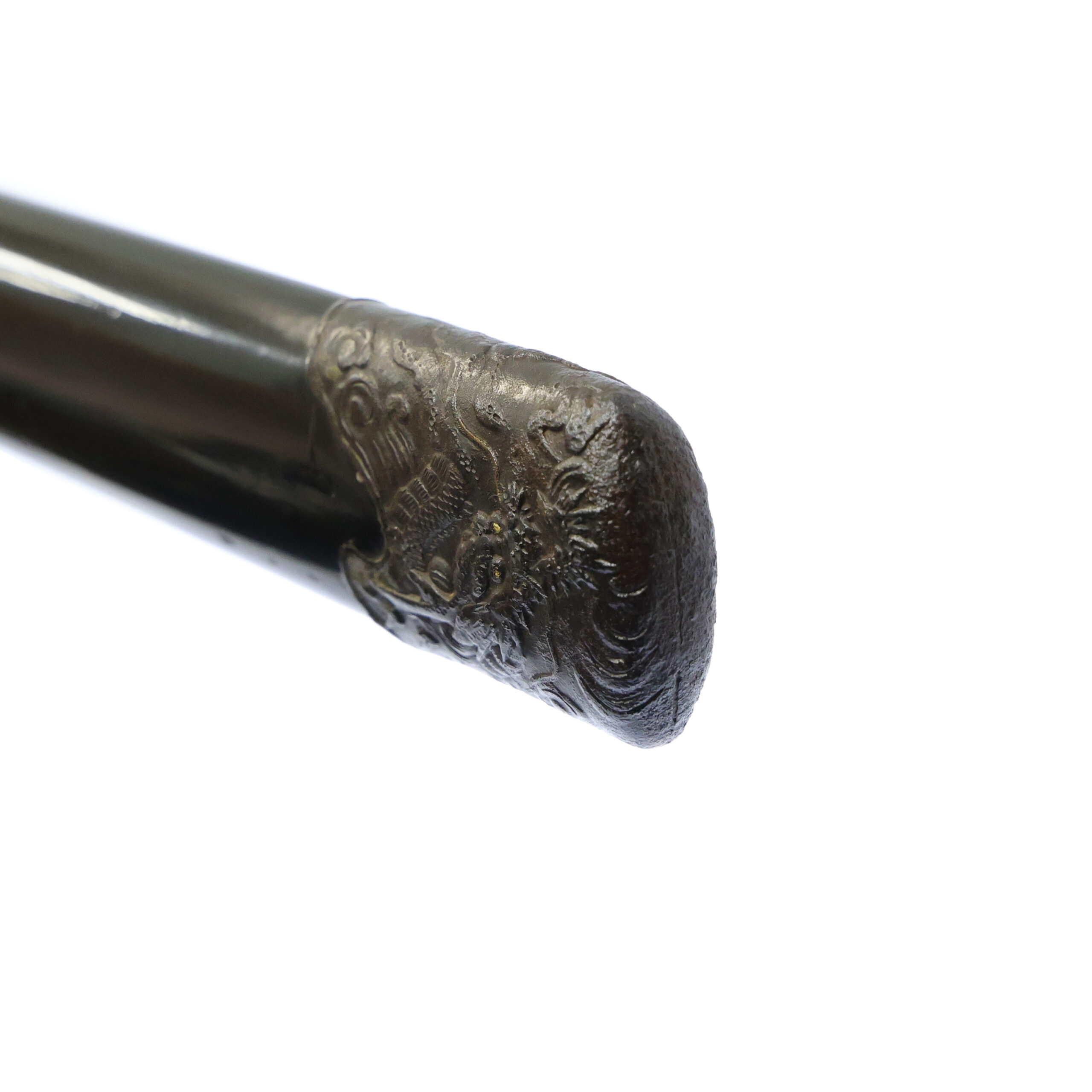
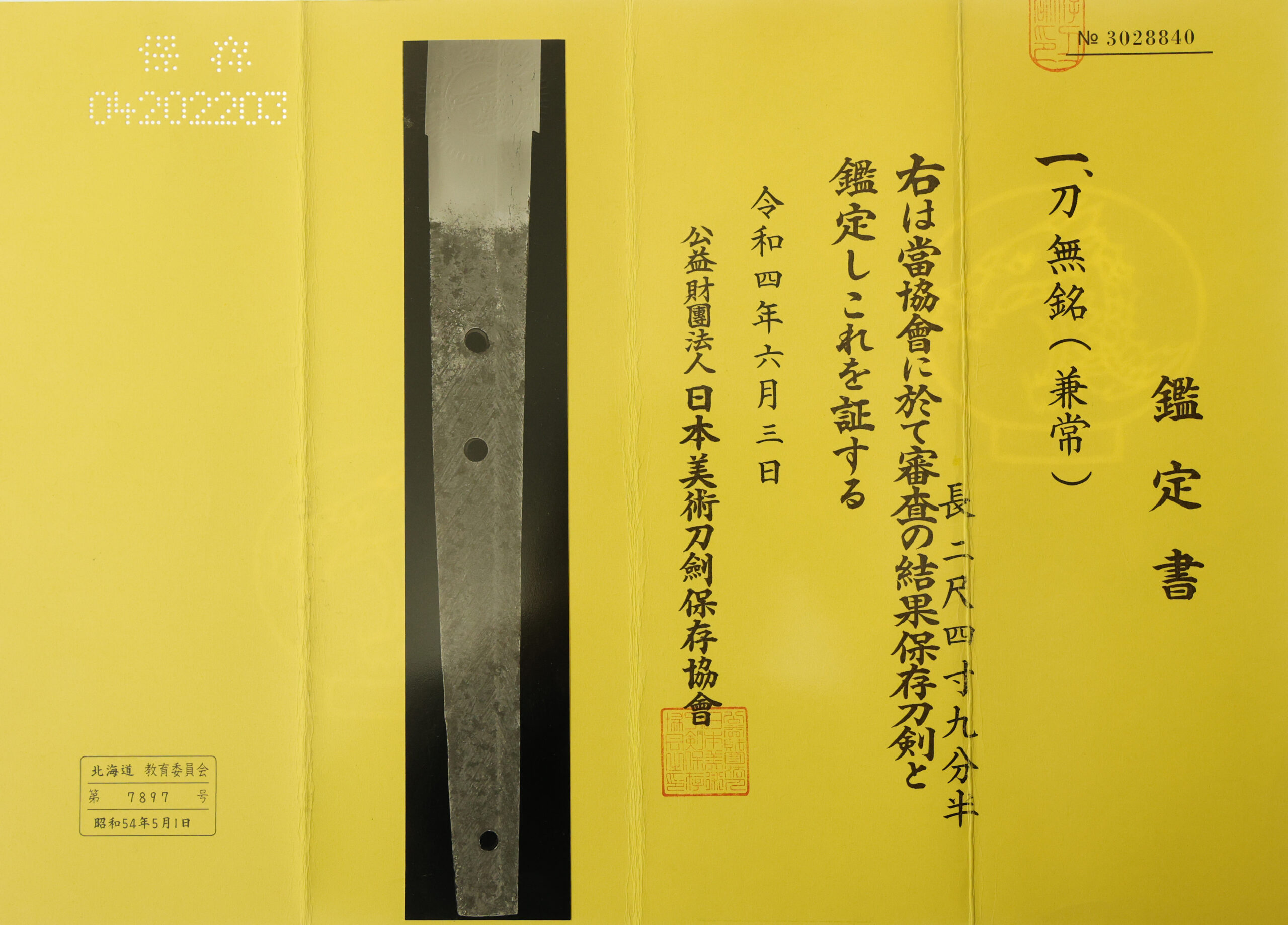
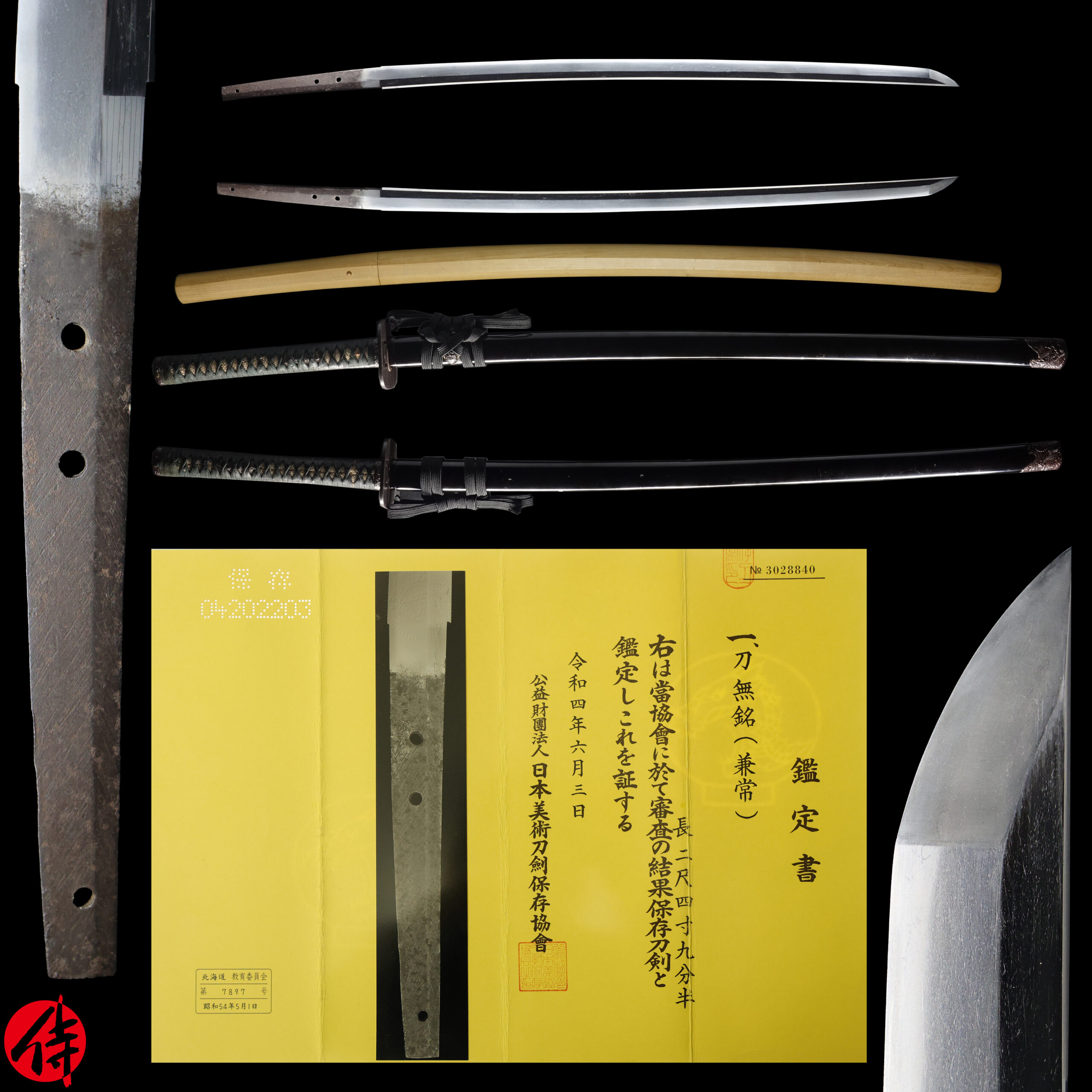
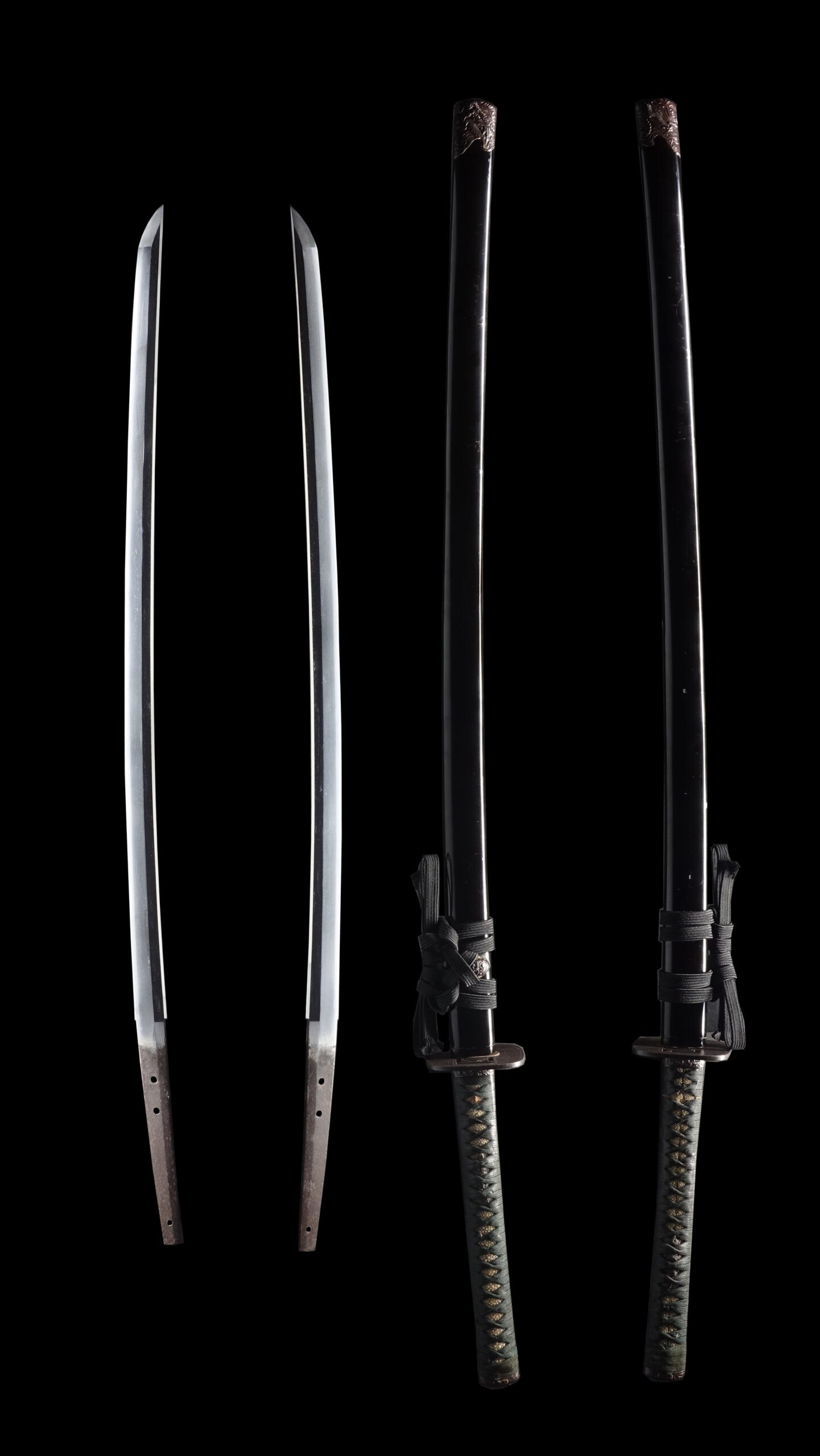
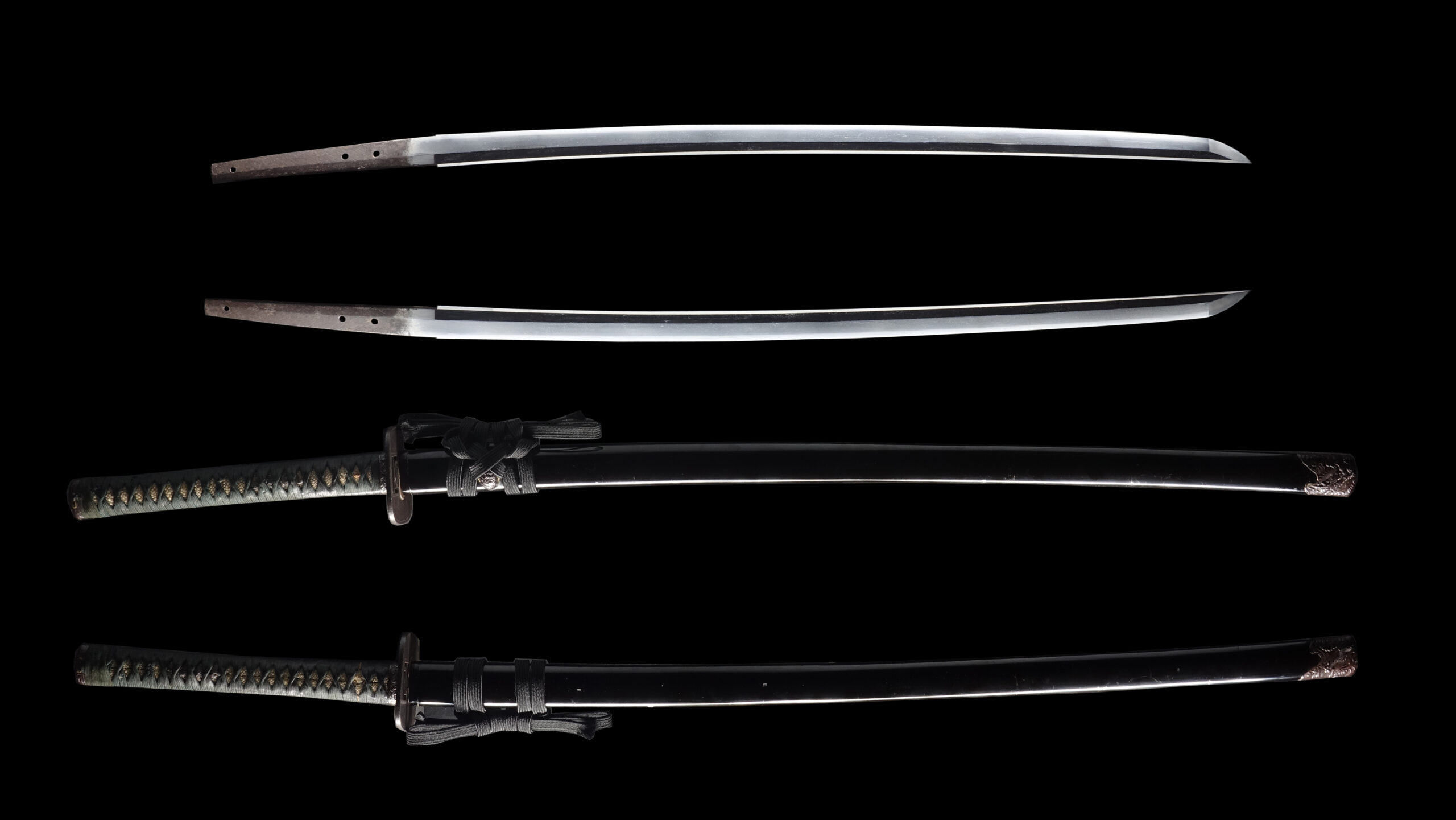
Summary This blade is attributed to Kanetsune(兼常). According to historical records, a few swordsmiths used Kanetsune as his maker’s name during the early-Muromachi period- early Edo period(1394-1644). Based on this blade’s characteristics, we believe the attribution was given to one of Kanetsune in the late Muromachi period(1492-1569) in Mino province( Gifu prefecture today). It is said that the first-gen Kanetsune(初代兼常) belonged to Yamato school in Nara prefecture. And he moved to Mino province in O-Ei era(1394-1428: Early Muromachi period). Since then, the school had flourished for generations. The school’s fame was close to that of Magoroku Kanemoto, Izumono kami Kanesada, prestigious swordsmiths. The MINO swordsmiths style, also known as MINO-DEN, basically has the TOGARI(Pointed shapes protruding from the Hamon )in a classic straight line and random temper line with some white Utsuri. MINO-DEN had its origin from YAMATO-DEN in the late KAMAKURA period(1280-1330). It flourished in the MUROMACHI period(1333-1573) and continued until the EDO period(1603-1868). MINO DEN MINO-DEN exceedingly prospered during Sengoku Jidai (Warring State period) due to the high demand for weapons. And the location of Mino province beat others. Akechi Mitsuhide controlled Mino province, and Nobunaga Oda ruled Owari province. Tokugawa Ieyasu was the lord of Suruga (Neighboring areas). There was high demand from those powerful feudal lords and their retainers. Furthermore, so many wars occurred between the Kanto region and the Kyoto area. Mino is located in the middle, making feudal lords feel convenient to order swords from MINO-DEN. The blades forged in MINO provinces also had the reputation of their practical design and sharpness. Many feudal lords demanded swords forged in the Mino province. This highly skilled sword-forging technique has been passed down for generations. The smith’s name “Kanetsune” was one of the most famous ones even after the warring state ended. It is appraised as a Hozon Token (保存刀剣) issued by NBTHK (Nihon Bijutsu Touken Hozon Kyokai: 日本美術刀剣保存協会). *Please keep in mind that there are couple of Kizu on the Shinogi ji of this blade. Fuchi-Kashira The theme of this fuchi-kashira is a dragon, matching the design of the menuki. Tsuka and Menuki The motif of this Menuki is a dragon (龍, Ryū). The dragon is an imaginary creature originating from ancient Chinese mythology, later introduced to Japan through cultural exchange. In East Asian tradition, dragons are revered as auspicious, divine beings that control water, rain, and fertility, symbolizing strength, wisdom, and good fortune. Its body is likened to nine animals: antlers are deer, the head is a camel, eyes are demons, the neck is a snake, belly is Mizuchi (蛟, mythical animal in Japan which looks like a snake and have a horn and four legs), scales are fish, claws are falcons, palms are tigers, and ears are cows. It was thought that the dragon would reign at the top of all animals because of its odd-looking appearance. In ancient China, the dragon pattern was used for emperors’ clothing so that people strictly defined its shape or even the number of nails. On the other hand, the dragon pattern does not have detailed rules to represent classes in Japan. However, still, it maintains its meaning as the all-purpose auspicious pattern. Also, in Japan, there is a belief that worships dragon as a water god and is called Ryujin Shinkou (竜神信仰). Since rice cultivation flourished in this country, water is always an essential resource. Therefore, the dragon motif has been familiar to Japanese people since a long time ago. Tsuba and Habaki This Tsuba features an openwork (透かし彫り, sukashi-bori) design depicting an elegant geometric design (幾何学模様). This balance between the structured geometry of the sukashi and the softer engraved decoration reflects the refined aesthetic sensibilities of Edo-period iron tsuba craftsmen. Saya This Saya is covered with black lacquer. Due to its high waterproof effect, lacquer has been used since ancient times in Asia. The blade of a Japanese sword is made of iron, and moisture is the greatest enemy of iron. For the purpose of carrying the blade without degrading it, people devised a method of coating the scabbard with lacquer. To prevent not only moisture but also rain and snow from penetrating the inside of the scabbard, it was necessary to apply multiple layers of lacquer. The Nushi (塗師, lacquerers) was born precisely because advanced techniques were required to handle the complicated processes. Also, the tip of the scabbard, known as the kojiri, is also decorated with a dragon motif, consistent with the other elements of this koshirae. Authentication Paper They authenticated the blade on June 3rd in the 4th year of Reiwa (2022). They appraised it as Hozon Touken, the blade worth preserving for Japanese society.
Offered by Samurai Museum

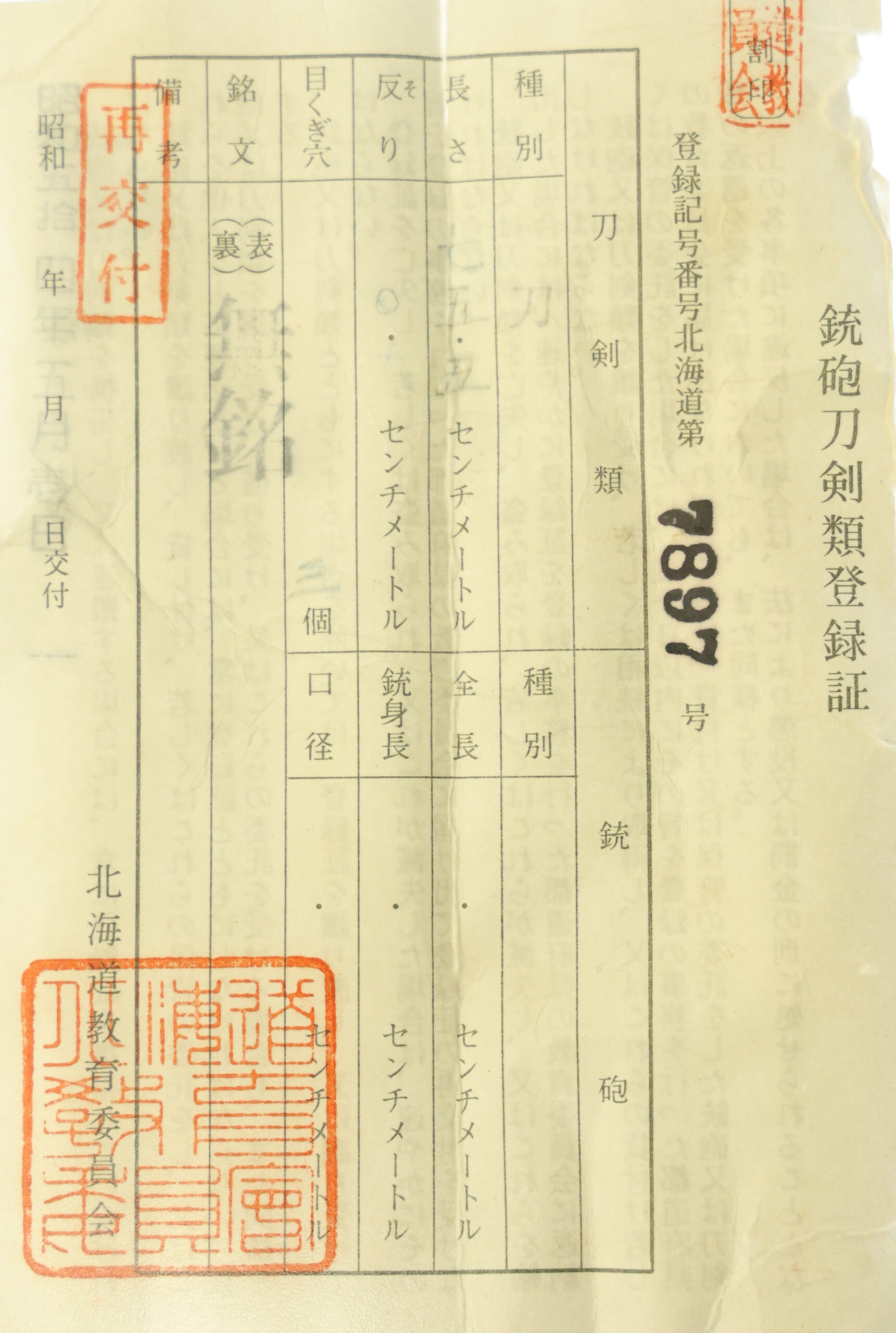
Machine translation of the shop's Japanese ·
Mino-den · Mino
129 pieces on the market now
Seki (関), in Mino Province, grew from two roots set down in the Nanbokuchō period and rose to become the great center of mass sword production in the late medieval age. The published sources trace the wellspring of Mino swordmaking to Kinju (whose name the commentary also reads Kaneshige), counted since antiquity among the Masamune Jittetsu, the ten disciples of Sōshū Masamune, and to Kaneuji of the Shizu line; the Kokon Meizukushi records Kinju as a native of Tsuruga in Echizen who "crossed over to Seki and resided there," carrying the Sōshū-den manner east. Beneath that Sagami inheritance lay a Yamato foundation, legible in the Tegai descent of the Seki Zensada line through Kaneyoshi, so that the Mino-den the Seki workshops forged stands as a fusion of Yamato grain and Sōshū activity in nie. From this Nanbokuchō founding the name multiplied across the Muromachi period into Sue-Seki, the last and largest body of the tradition; its representative masters at the close of the old-sword age were Magoroku Kanemoto, famed for the sanbonsugi, and Izumi no Kami Kanesada, the smith called Nosada, while the Kanefusa, Ujifusa and Daidō hands worked beside them and the move of Wakasa no Kami Ujifusa to Kiyosu carried the Mino body to the threshold of Owari shintō. A common Mino vocabulary binds the Seki body, however widely its members range. The forging is an itame that stands and runs to masame, often mixed with mokume and nagare, over which rises the cool whitish shirake-utsuri of Mino steel rather than the bright midare-utsuri of Bizen; this pale, standing jigane is the constant tell the judges read first, present alike on Kinju's Nanbokuchō katana, Kaneyoshi's Ōei tachi and Nosada's late-Muromachi blades. Over it the smiths temper gunome into which the pointed togariba of Mino enters, with ko-nie clinging to a tight nioiguchi, ashi and yō, and sunagashi streaming through; the bōshi answers in midare-komi turning to a pointed or jizō-cast ko-maru swept with hakikake. From this shared grammar the individual hands diverge.
Kanemoto fixed the regular three-cedar sanbonsugi of pointed teeth; Kanefusa devised the rounded-head, constricted-waist "Kanefusa midare"; Kinju and the early founders held a calmer, rounder gunome away from the restless Shizu line, their work laid with thicker ji-nie and dry, standing grain. The late masters carried the manner to a higher finish: Nosada wove togariba among rounder forms for a broader temper than Kanemoto's one-sided file, and turned at times to a slender Rai-styled suguha with a hidden gunome; Kaneyoshi held instead to a cool ito-suguha, the disciplined Yamato face of late Seki, lightly broken with ko-gunome. A collector seeks Seki because it is the connoisseur's ground for reading Mino-den across a vast body of signed and attributed work. The kantei runs through the jigane first: the standing, masame-leaning itame and the whitish shirake separate a Seki blade from Bizen and Yamashiro, after which the pointed togariba, the dry nie, and the pointed or jizō bōshi confirm the province; the discriminations the judges draw, Kinju held apart from Shizu by his rounder gunome, Nosada parted from Kanemoto by his breadth, give the eye its anchors. Within the school the standing of the best members is settled: Magoroku Kanemoto for the sanbonsugi, Nosada whom the swordbooks call simply "an excellent master" and the most accomplished of the several Kanesada hands, and the early Kinju as a rare and precious founding name, his record running through the Jūyō tier with the signed pieces few and the long blades attributed den. Signature works carry real provenance: a Kinju tantō presented to the Tokugawa shogunal house in 1679, a Nosada katana borne by a chief retainer of the Kii Tokugawa and a tachi forged for the father of Takeda Shingen, a Kaneyoshi tachi transmitted in the Chikuzen Kuroda family. Beyond connoisseurship, Seki's blades earned a battlefield reputation for cutting; the full hiraniku and stout build of the Sue-Seki katana, made to sever, set the wazamono standing that made Mino the working sword of its age. Learn more →
| Smith | Era | Designated |
|---|---|---|
| Kinju金重 | 1340-1346 | 42 |
| Kaneyuki金行 | 1350-1352 | 10 |
| Kanekore兼之 | 1504-1555 | 7 |
| Kanenori兼法 | 1579-1615 | 5 |
| Nagasada永貞 | 1862-1866 | 5 |
Mino in the Muromachi period
Sengoku Seki was an industry: smiths organized under their tutelary Kasuga shrine, arming the war bands of central Japan. Magoroku Kanemoto’s sanbonsugi and the finest Kanesada work prove quality survived inside mass production.
Certifies a genuine blade worth preserving: a signature confirmed correct, or, if unsigned, an era, province, and school that the NBTHK can reliably identify.
The NBTHK (Nihon Bijutsu Tōken Hozon Kyōkai, the Society for the Preservation of Japanese Art Swords) is a public-interest incorporated foundation founded in 1948 and supervised by Japan’s Agency for Cultural Affairs (Bunkachō); it is based at the Japanese Sword Museum in Tokyo. Its expert panels physically examine each submitted work (shinsa) and issue a certificate (kanteishō) ranking it by artistic and historical merit. NBTHK papers are the most widely recognized standard of authentication for Japanese swords and fittings.
NBTHK official siteReturns/exchanges limited to defects caused by shipping (except willful misconduct or gross negligence by the company); customers must contact within 72 hours of receiving the product.
Certificate reading — 無銘(兼常)