Edo was the sword’s age of connoisseurship: the Hon’ami appraisers, the shogunal register of famous blades of 1719, and a thriving literature turned the sword into an object of study even as it ceased to be drawn in war.
 NihontoWatchNihontoWatch
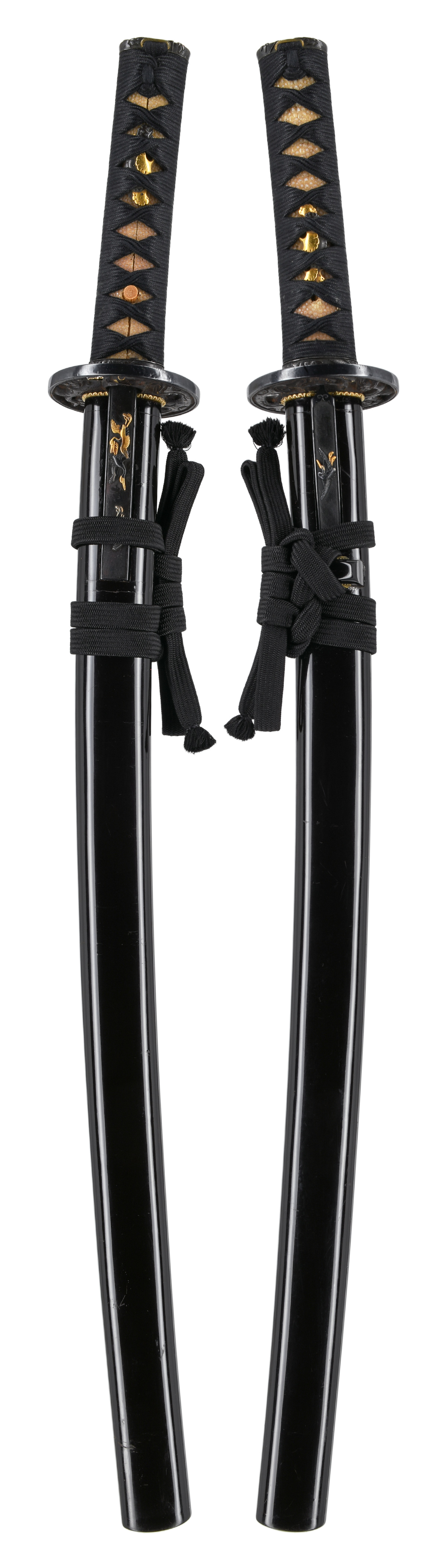
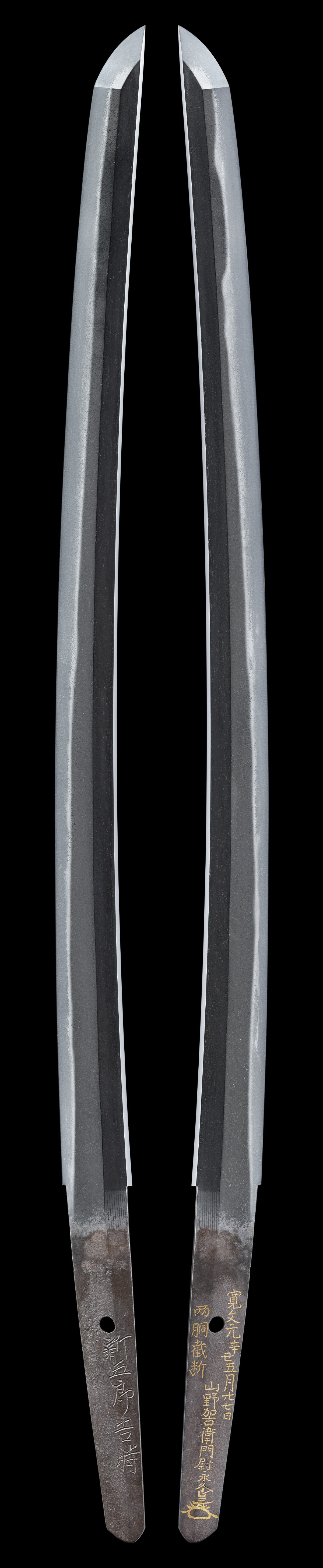
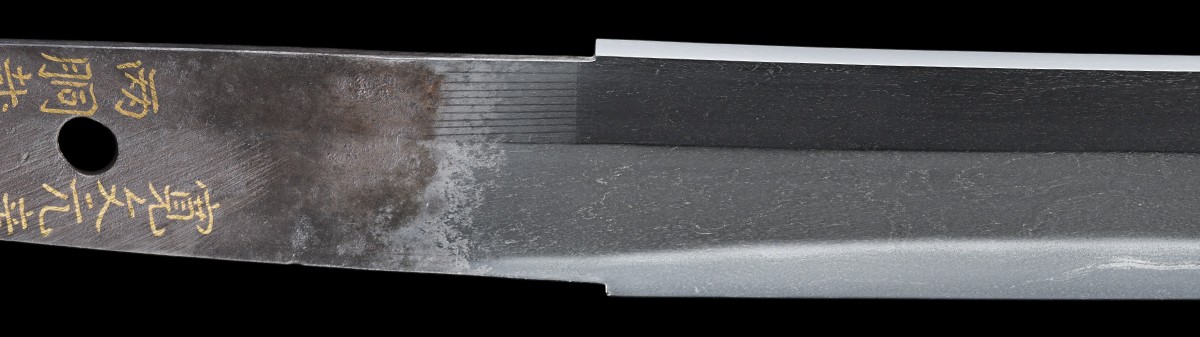
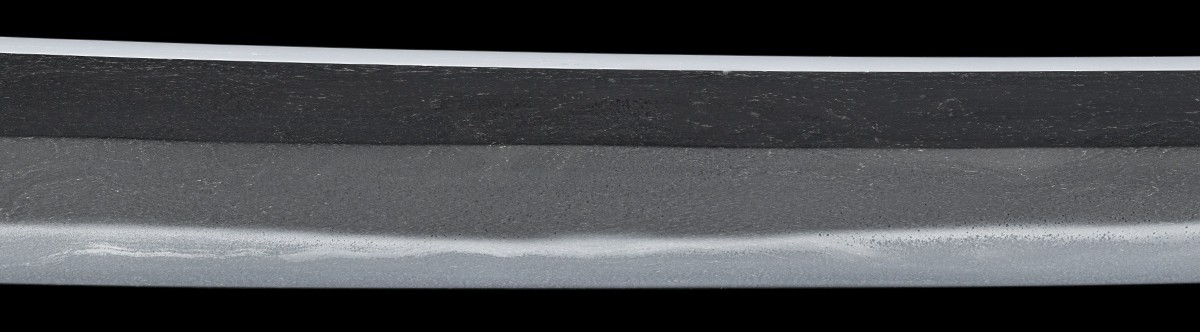
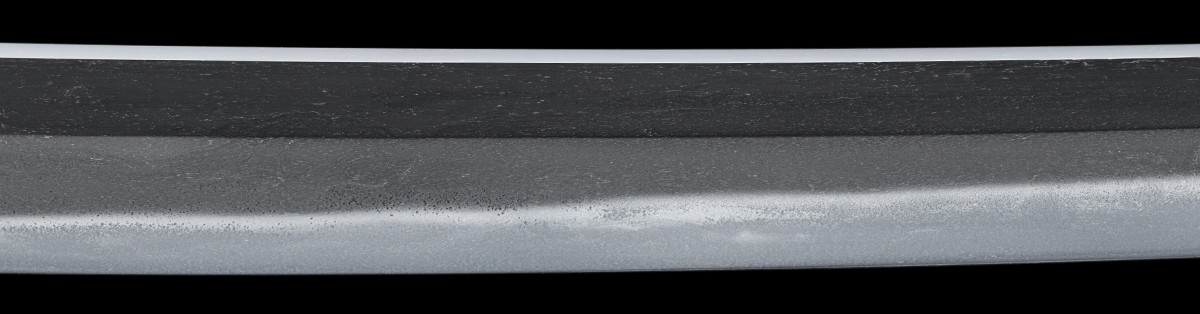
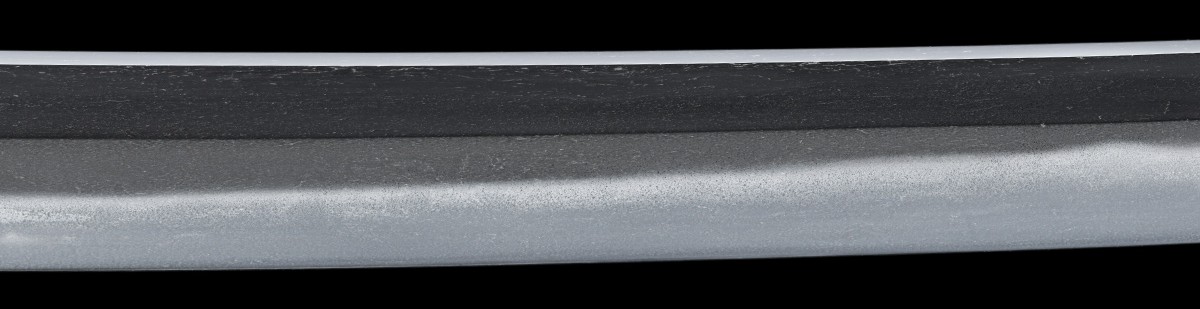
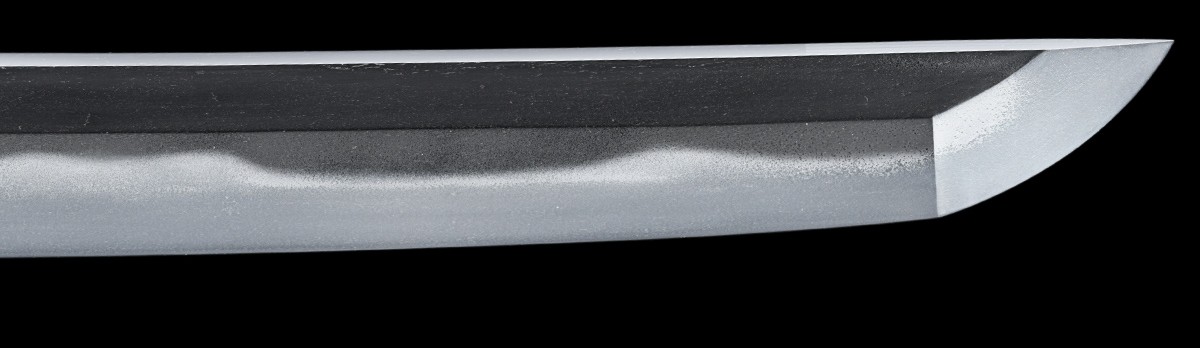
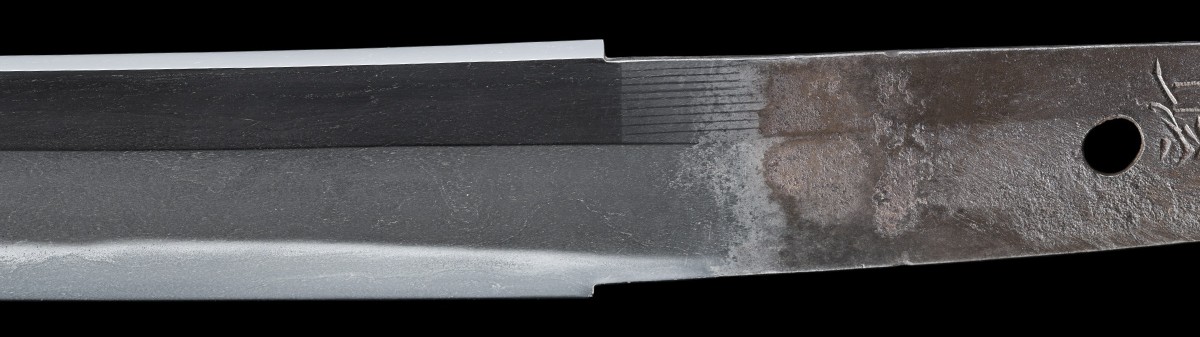
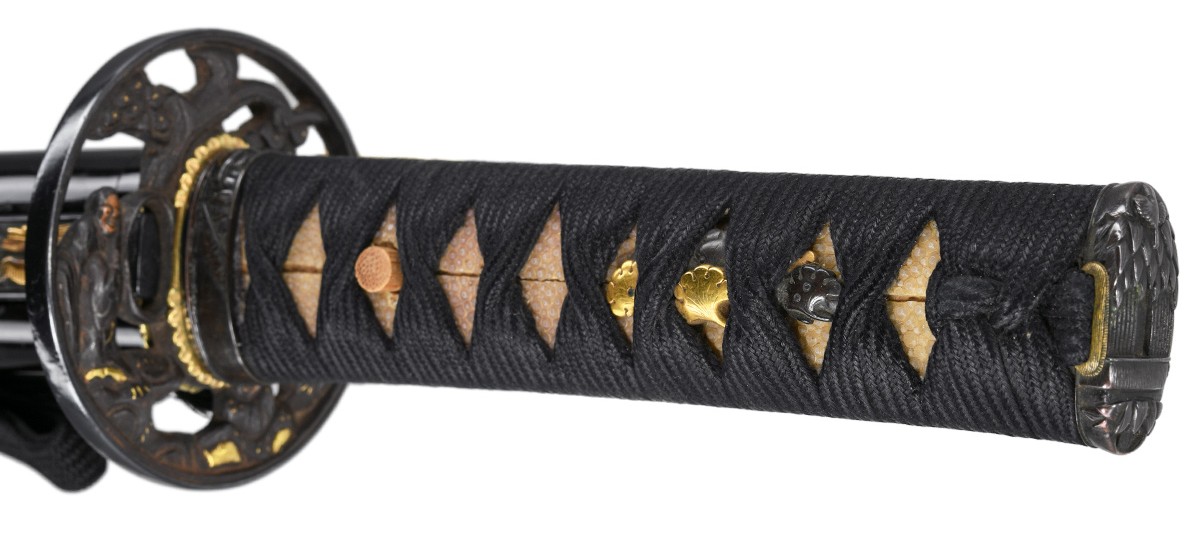
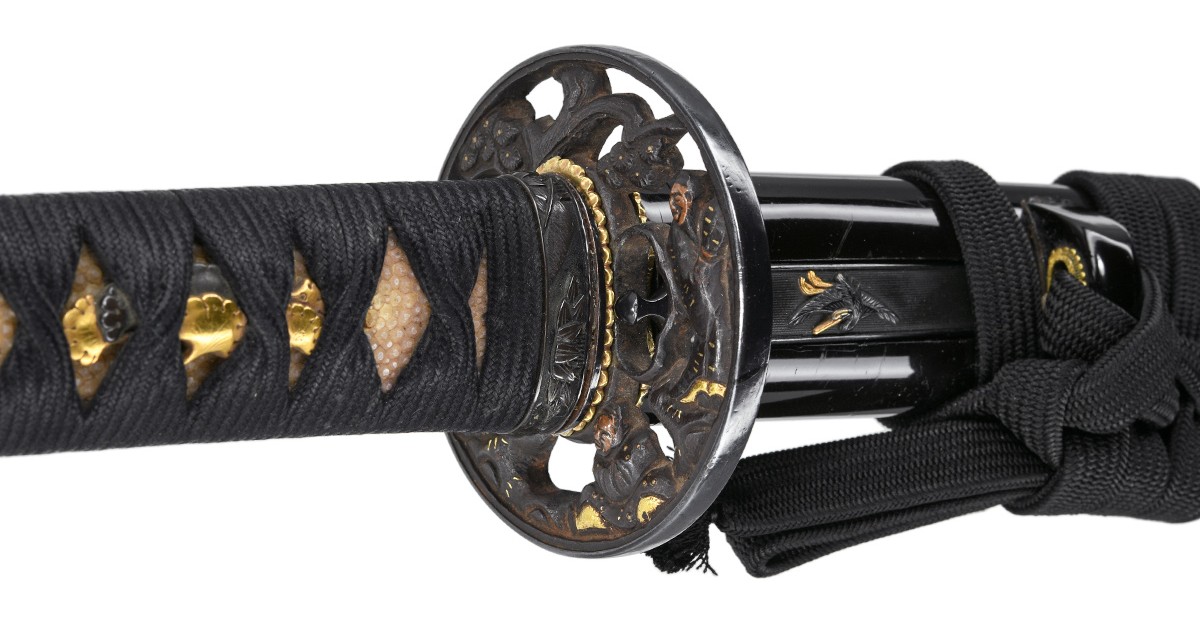
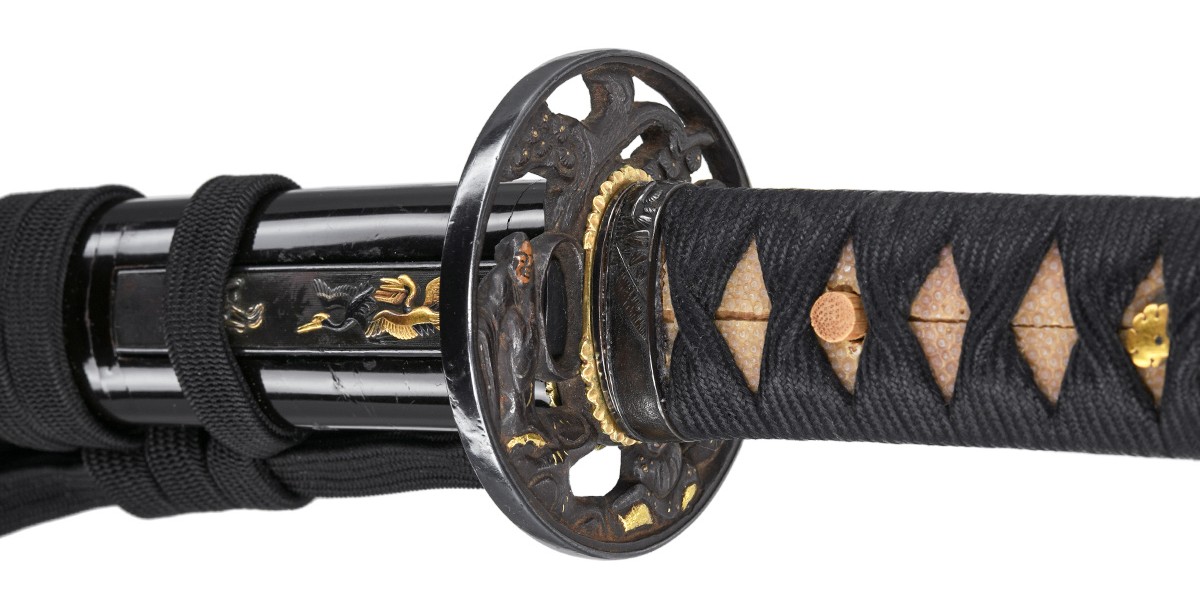
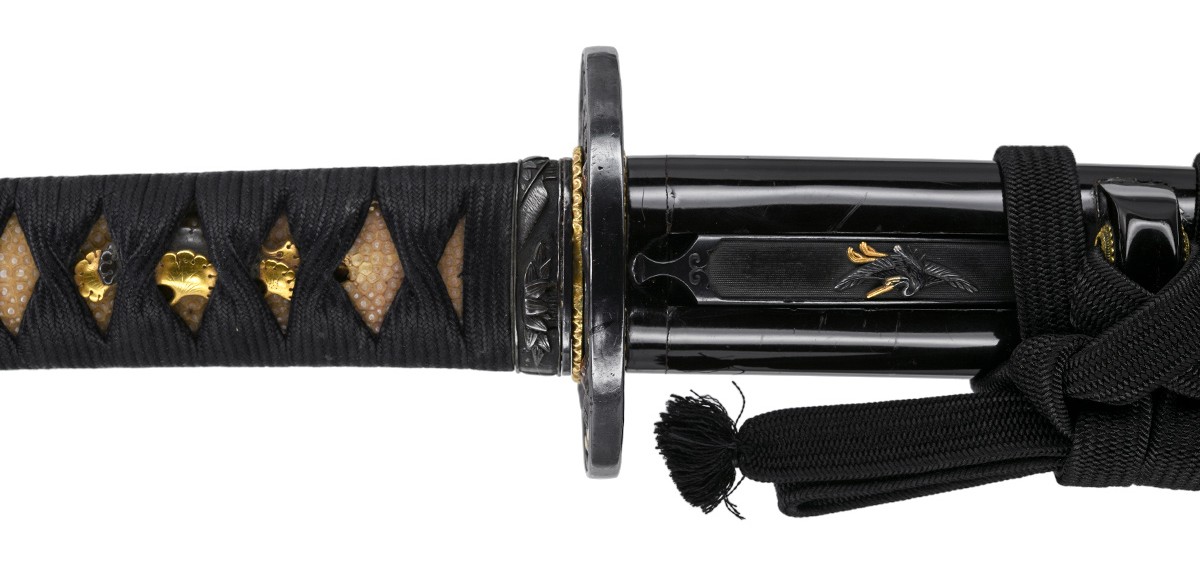
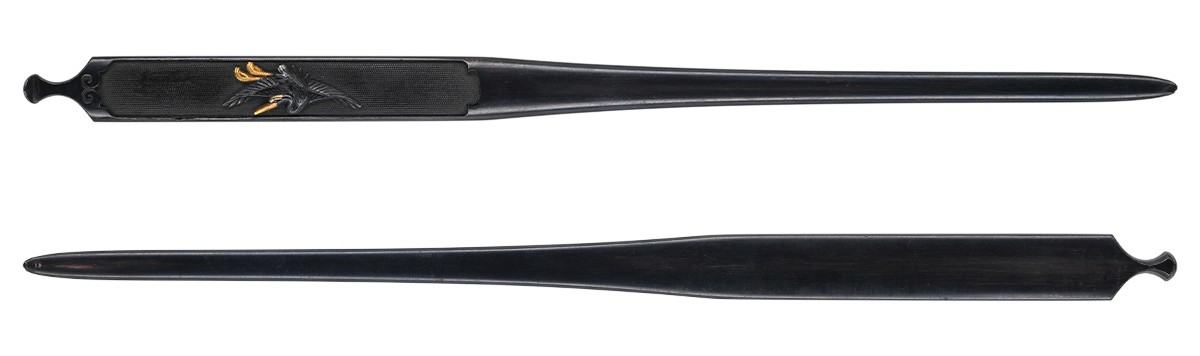
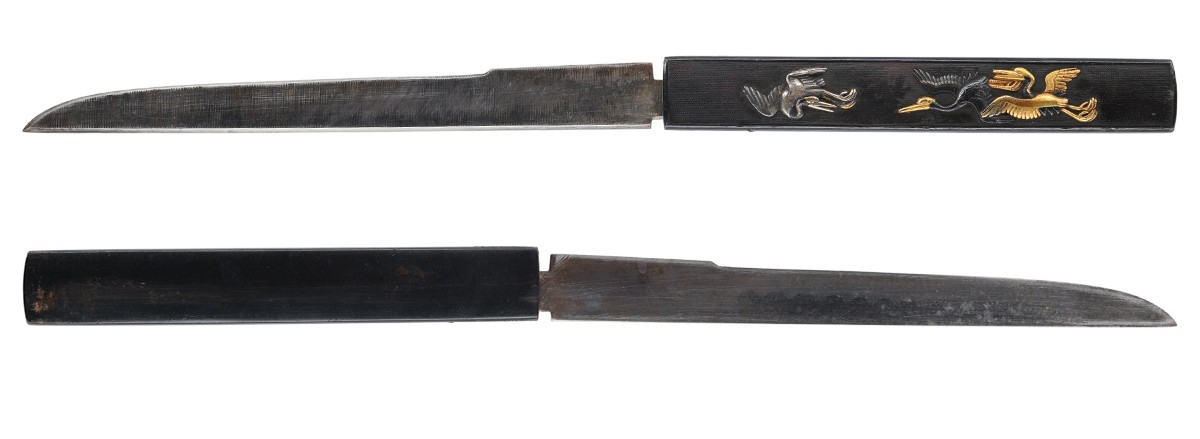
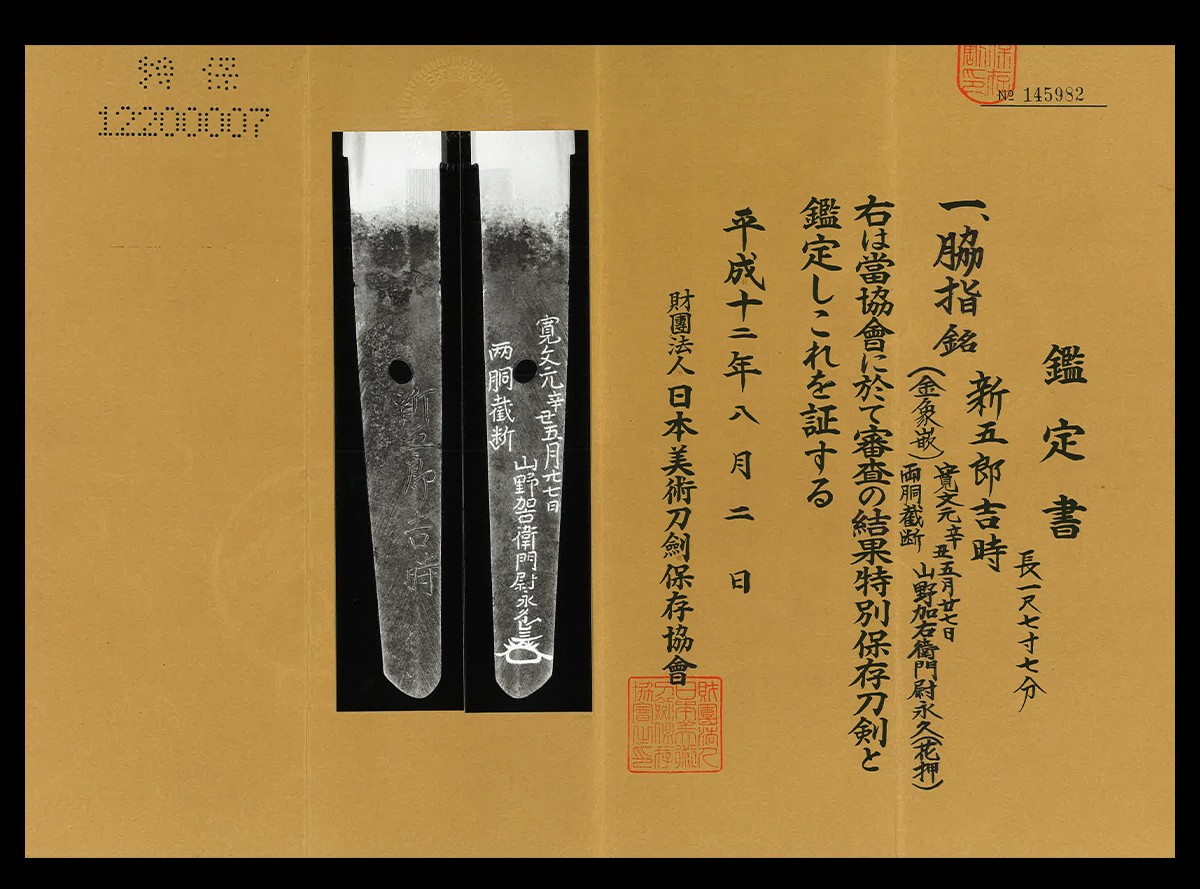
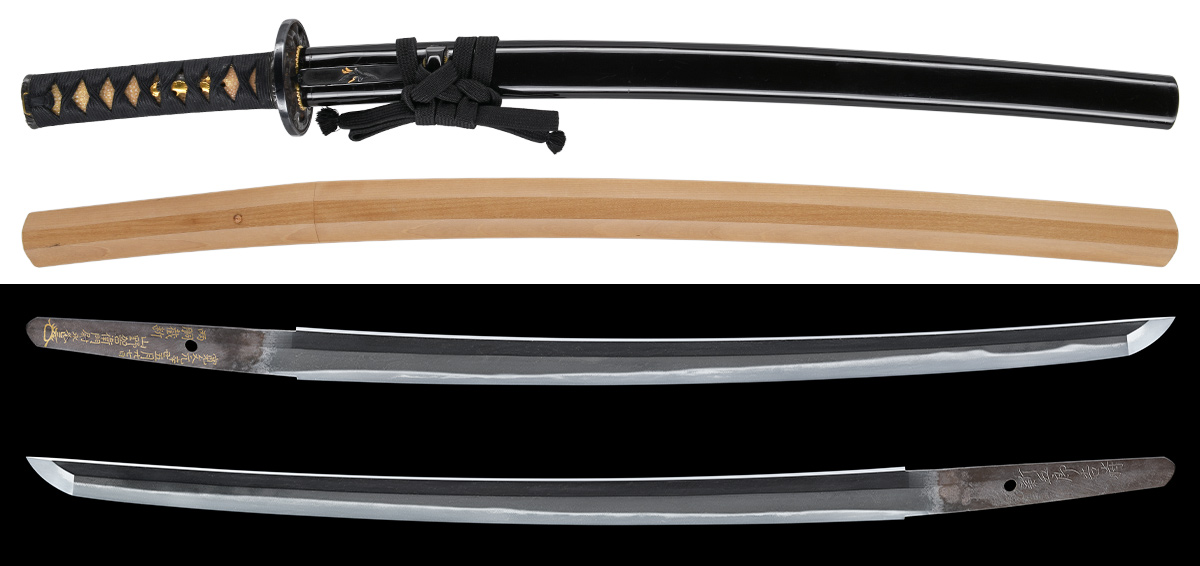
Shingoro Yoshitoki was a Zenjo school swordsmith who is said to have been from Seki in Mino Province and later moved to Edo. The first generation is seen to have been active from the Kanbun to Tenna eras, and signed mei such as "Noshu Seki-ju Sakao Shingoro Minamoto Yoshitoki" and "Shingoro Yoshitoki". The second generation was a person of the Genroku era who signed "Seki Zenjo Kozuke no Suke Sakao Yoshitoki", and the third generation Yoshitoki was active around the Kyoho era and signed "Edo Goro Yoshitoki". This work is appraised as a work by the first generation. This work has a nagasa of 1 shaku 7 sun 7 bu, a wide and solid mihaba, a standard kasane, shallow sori, and a sugata with a chu-kissaki. The kitae is a well-kneaded itame hada mixed in places with nagare hada, with abundant ji-nie and fine chikei. The yakiba is in suguha style with kuichigaiba and yubashiri-fu mixed into the habuchi in places, and the ha-chu is active with ashi and yo. The boshi continues as sugu and returns maru at the tip. The nakago is ubu, with takanoha yasurime, and bears the toko mei. Furthermore, a saidan mei is added to this sword. Yamano Kaemon no Jo Nagahisa was a famous shito-ka who was a predecessor of the Otameshi-goyo of the Yamada family known by the name Yamada Asaemon. Nagahisa's saidan mei remain on works by smiths representing the Shinto period such as Nagasone Kotetsu, Hizen no Kuni Tadayoshi, Yamato no Kami Yasusada, and Hojo-ji Masahiro, conveying their excellent sharpness to future generations. Also, it is said that Eikyu-ji temple, located in present-day Minowa, Taito-ku, Tokyo, was rebuilt by Nagahisa to pray for the souls of the more than 6,000 criminals he tested blades on during his lifetime. This work is one blade by the Mino no Kuni Seki Zenjo school swordsmith Shingoro Yoshitoki. It is a rare and superior sword accompanied by a kinzogan saidan mei of "Ryodo Saidan". Shirasaya, silver-clad ichiju habaki, kuro-roiro nuri saya wakizashi koshirae, Tokubetsu Hozon Token Kanteisho.
Offered by World Seiyudo

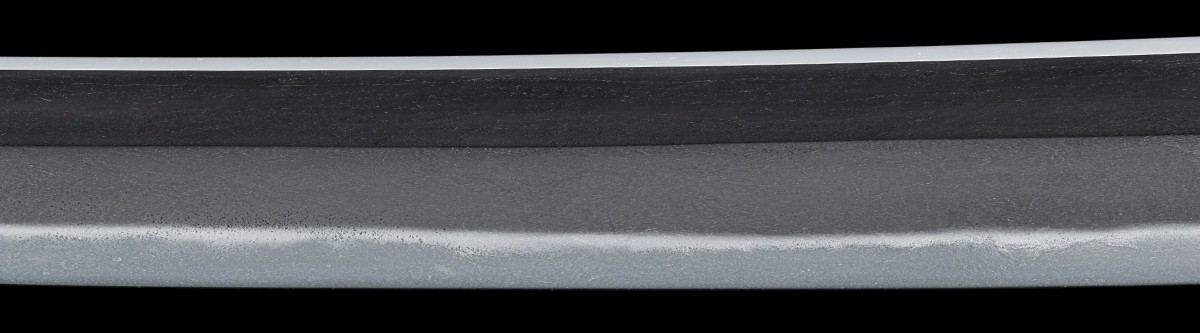
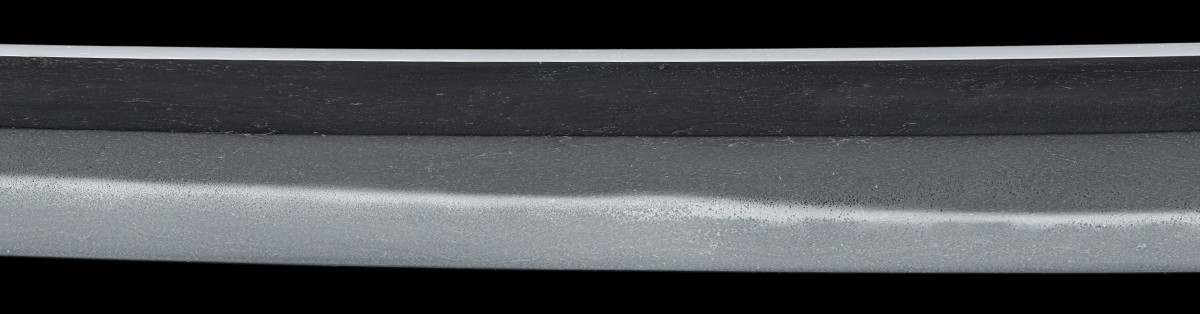
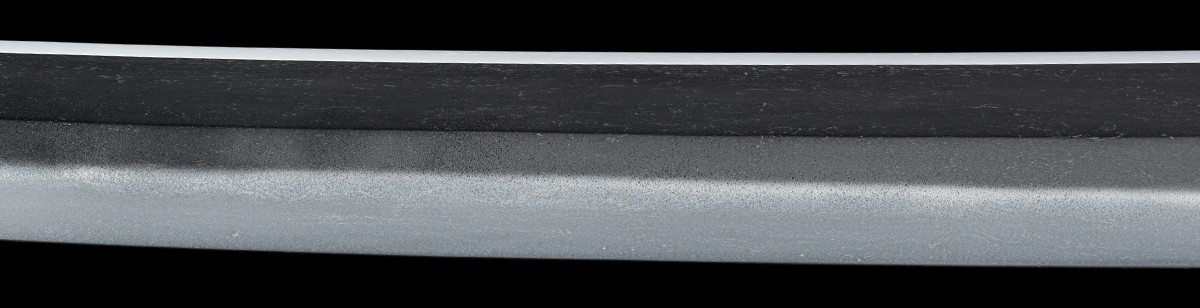
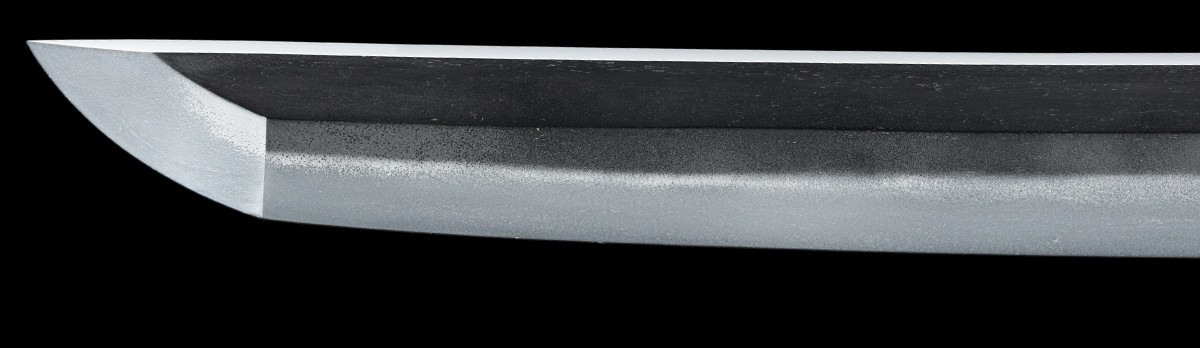
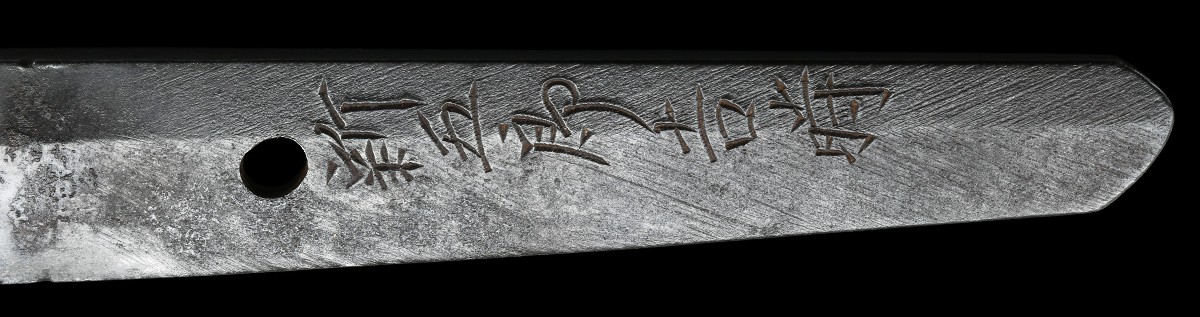
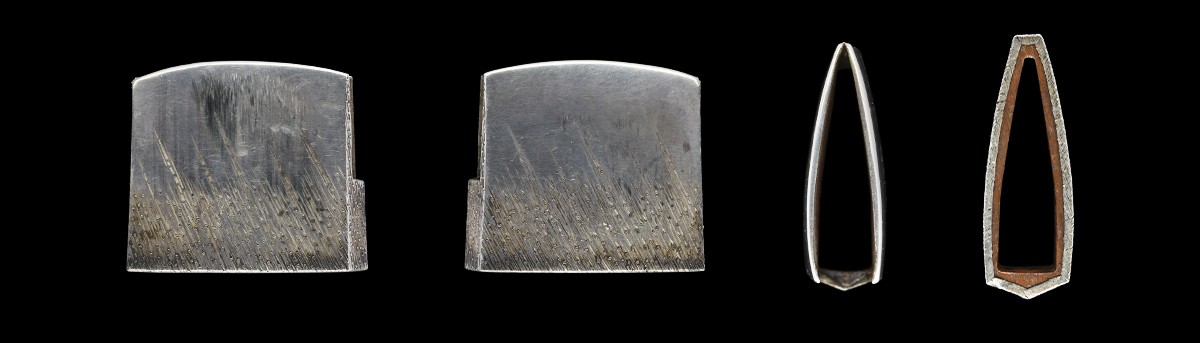
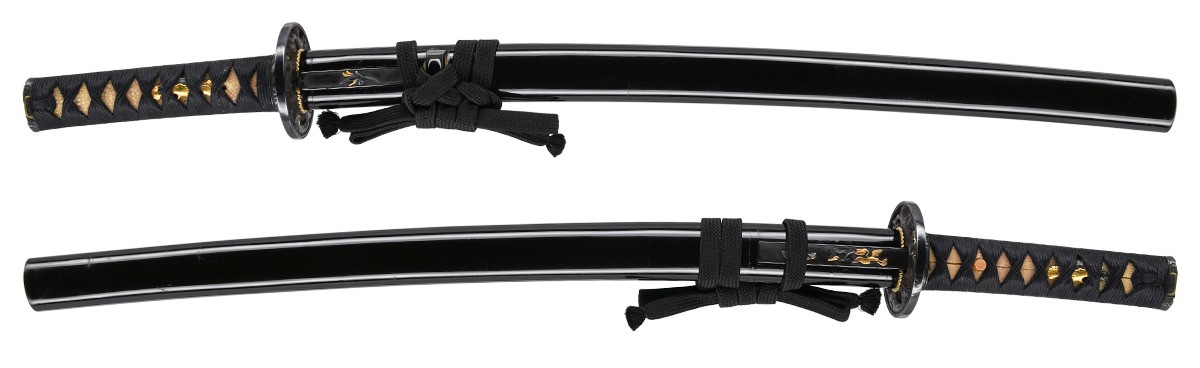
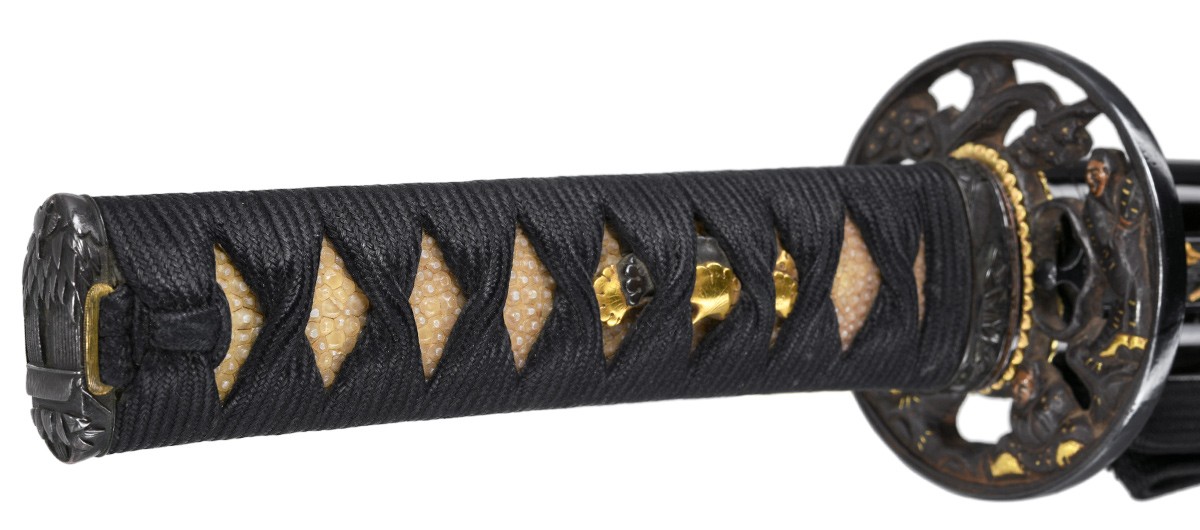
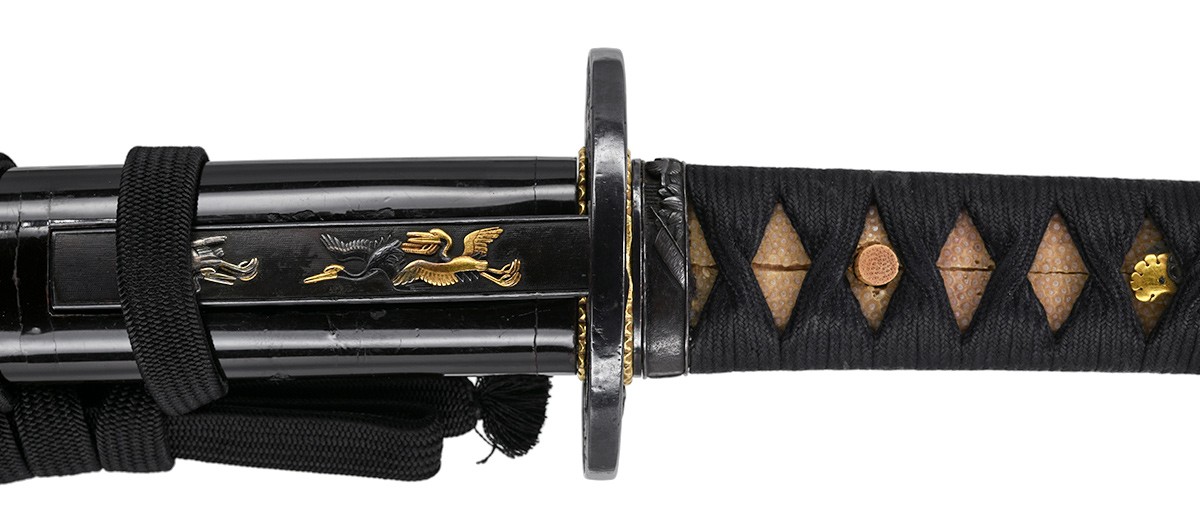
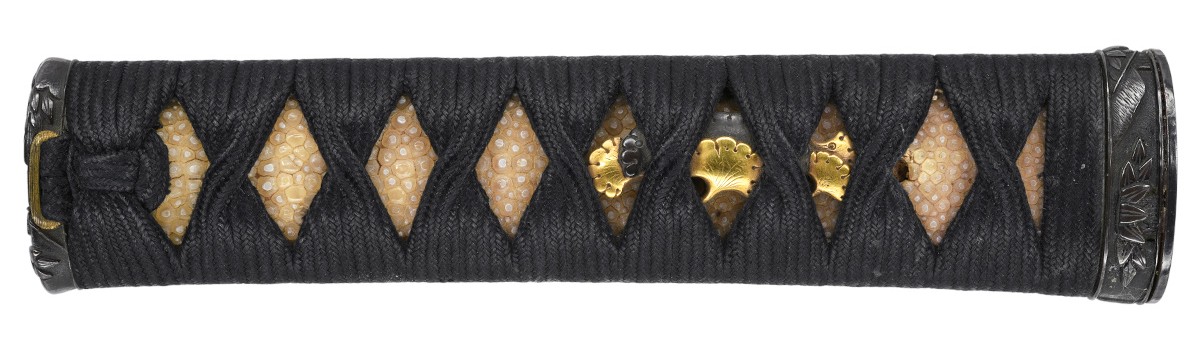
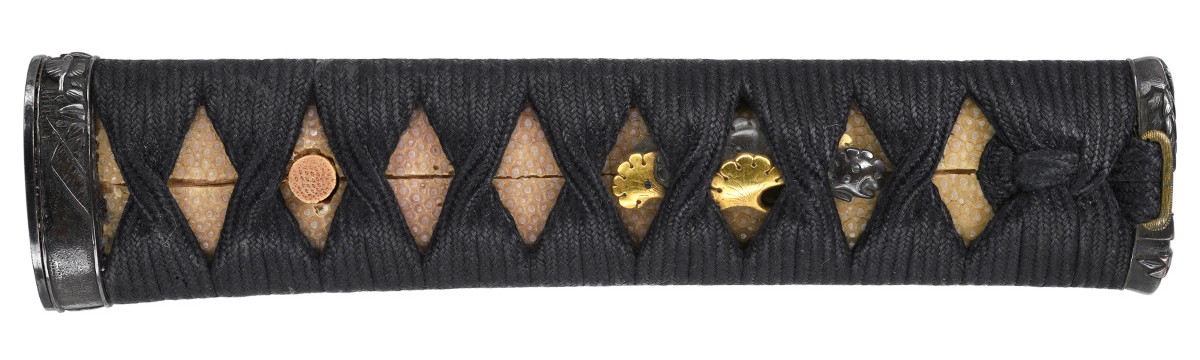
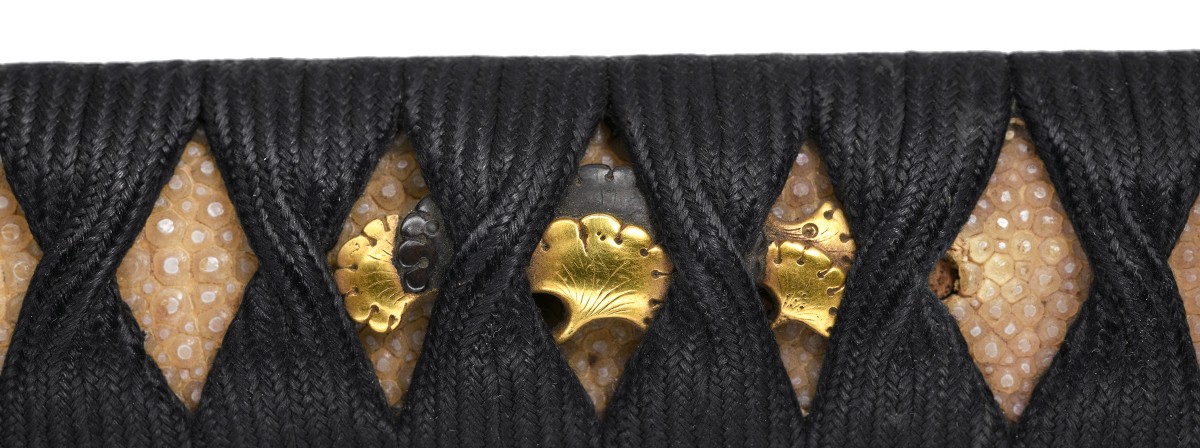
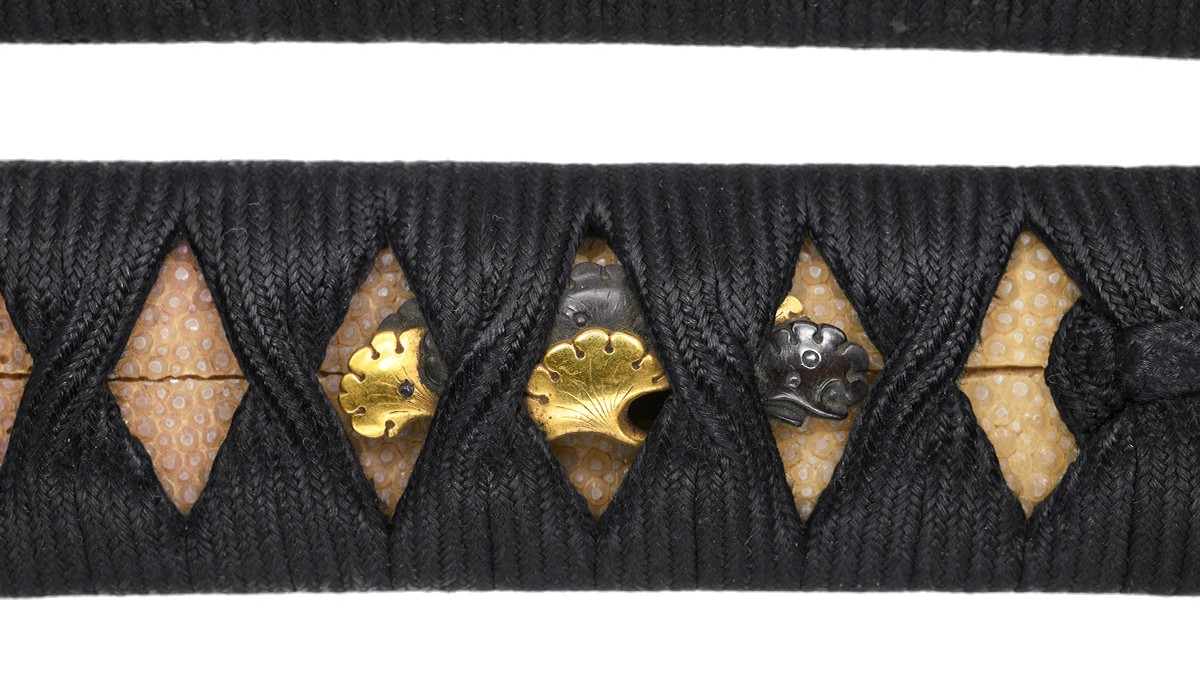
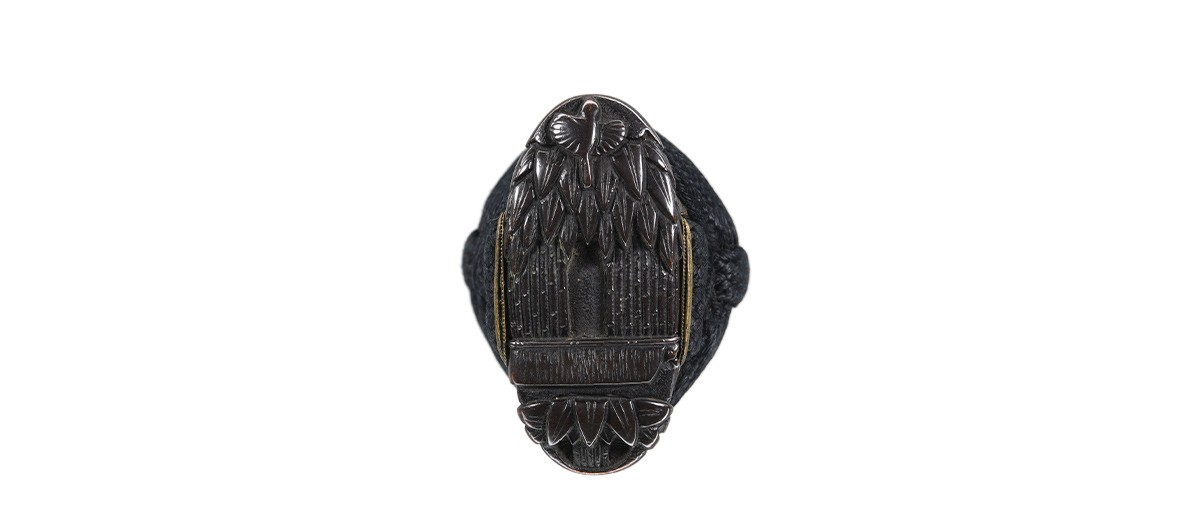
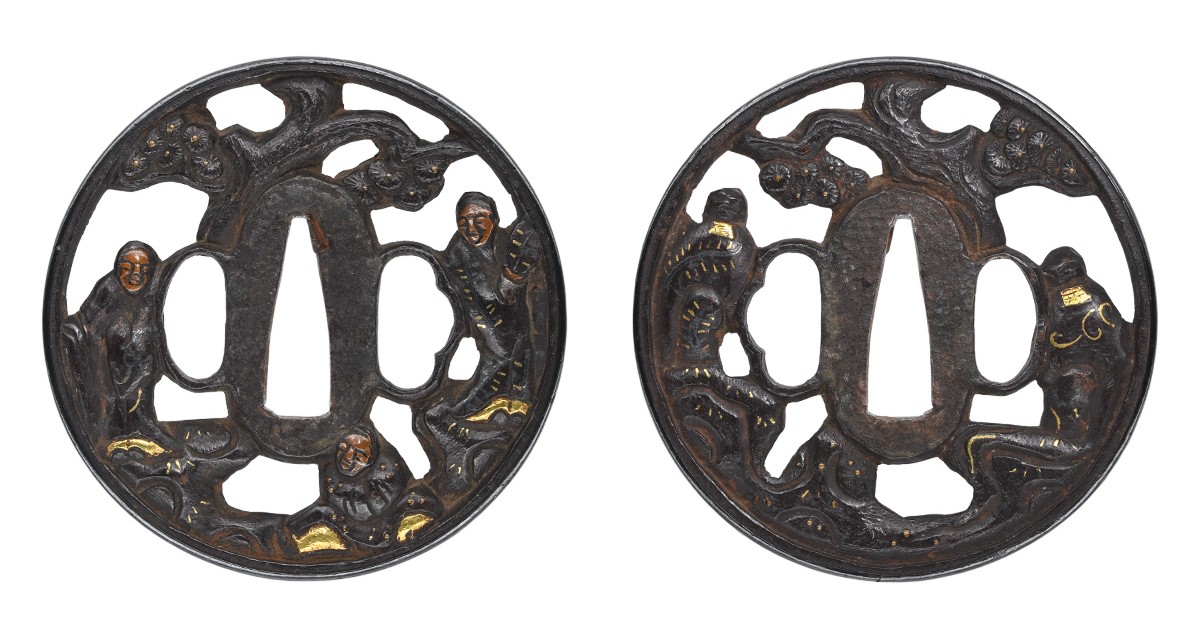
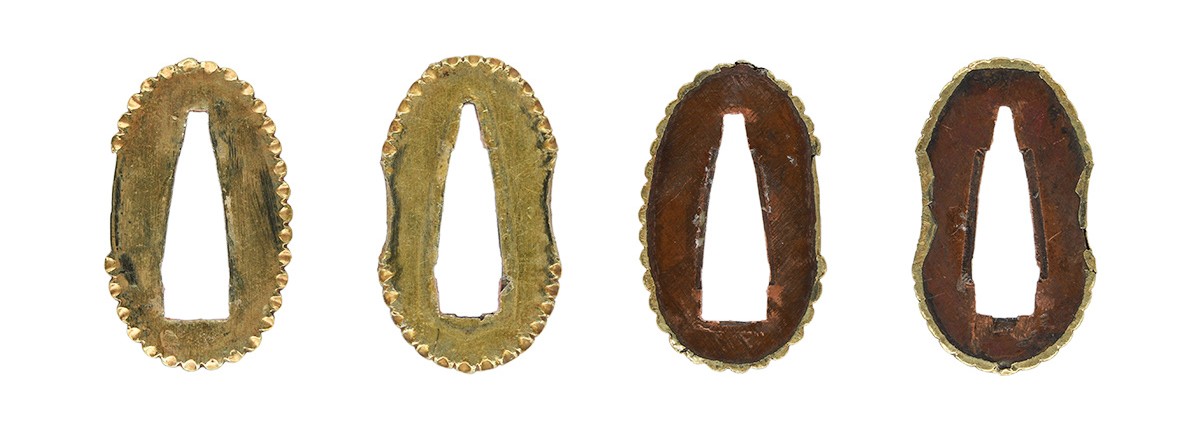
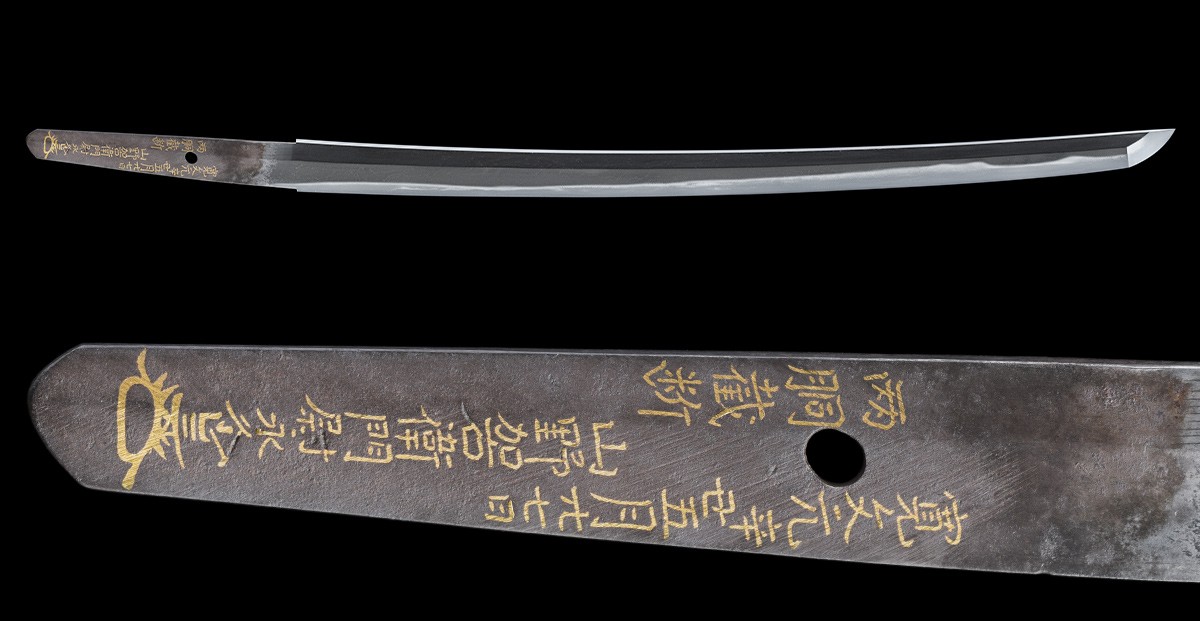
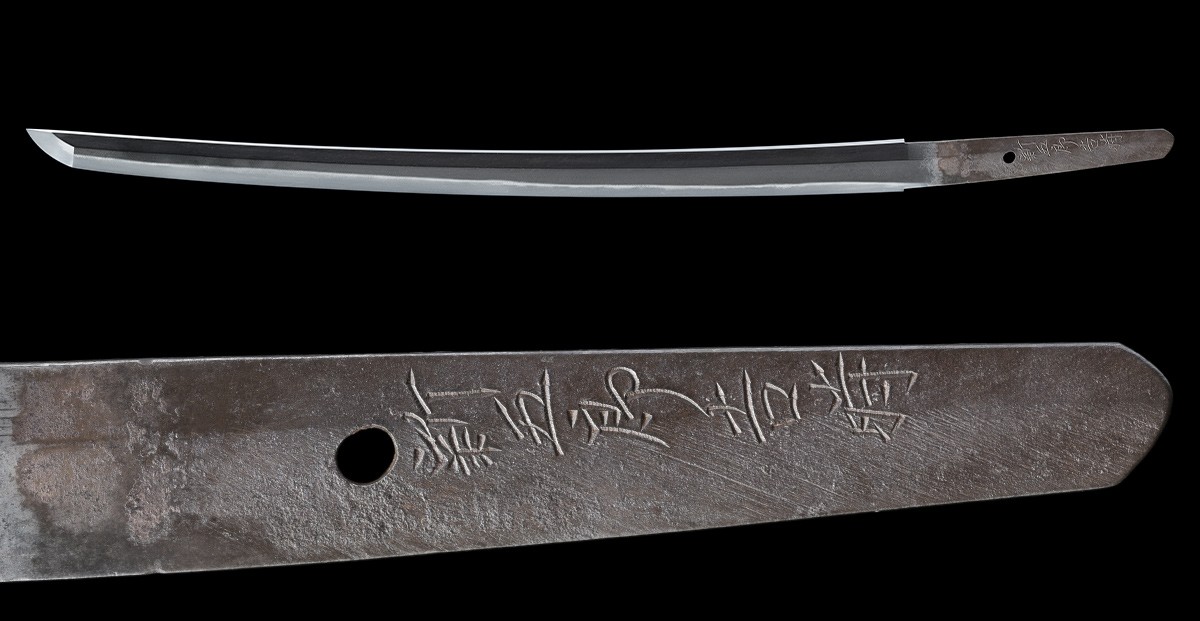
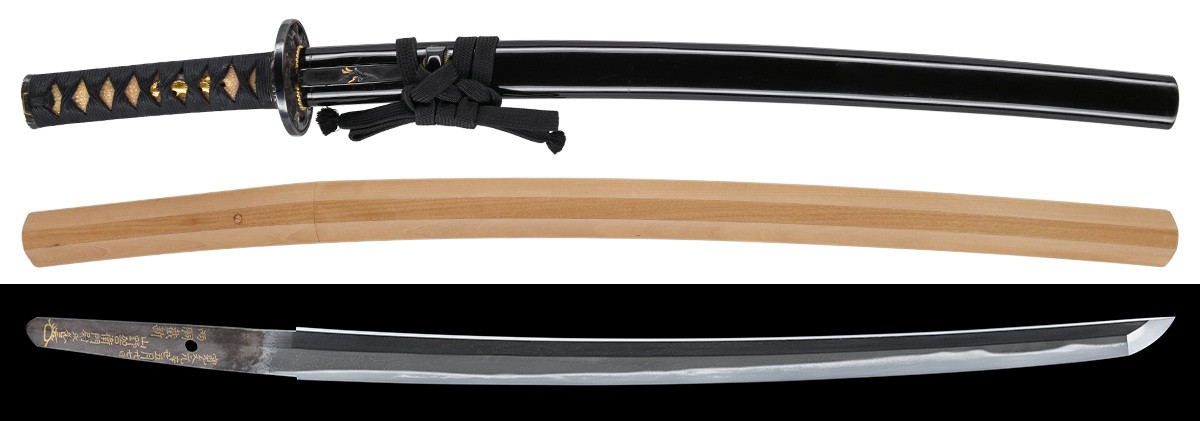
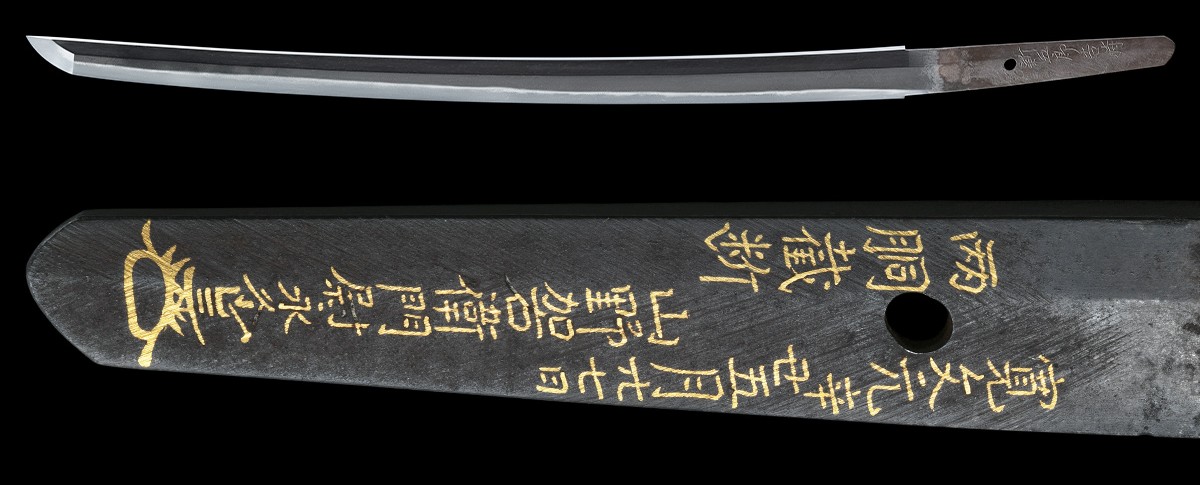
Machine translation from the shop's Japanese · may contain errors ·
Mino-den · Musashi · around 1661-1673
Fujishiro Chu-jo saku · Tōken Taikan top 76%
1 piece on the market now
Mino-den · Mino
4 pieces on the market now
| Smith | Era | Designated |
|---|---|---|
| Kaneshige兼重 | 1504-1521 | 0 |
| Kaneyoshi兼吉 | 1854-1860 | 0 |
| Kanekado兼門 | 1428-1429 | 0 |
| Yoshikado吉門 | 1624-1644 | 0 |
| Chikanori近則 | 1818-1864 | 0 |
The Edo period (1615 to 1868)
Edo was the sword’s age of connoisseurship: the Hon’ami appraisers, the shogunal register of famous blades of 1719, and a thriving literature turned the sword into an object of study even as it ceased to be drawn in war.
A Hozon-certified blade judged to show notably superior workmanship and a better state of preservation. The bar is higher: re-tempered blades and most unsigned Muromachi/Edo works are excluded.
The NBTHK (Nihon Bijutsu Tōken Hozon Kyōkai, the Society for the Preservation of Japanese Art Swords) is a public-interest incorporated foundation founded in 1948 and supervised by Japan’s Agency for Cultural Affairs (Bunkachō); it is based at the Japanese Sword Museum in Tokyo. Its expert panels physically examine each submitted work (shinsa) and issue a certificate (kanteishō) ranking it by artistic and historical merit. NBTHK papers are the most widely recognized standard of authentication for Japanese swords and fittings.
NBTHK official siteNo cooling-off period or returns; refund only if the purchased sword is proven fake, capped at purchase price (excludes commission sales, accessories, auction items).
¥2,700,000