Sengoku Seki was an industry: smiths organized under their tutelary Kasuga shrine, arming the war bands of central Japan. Magoroku Kanemoto’s sanbonsugi and the finest Kanesada work prove quality survived inside mass production.
 NihontoWatchNihontoWatch
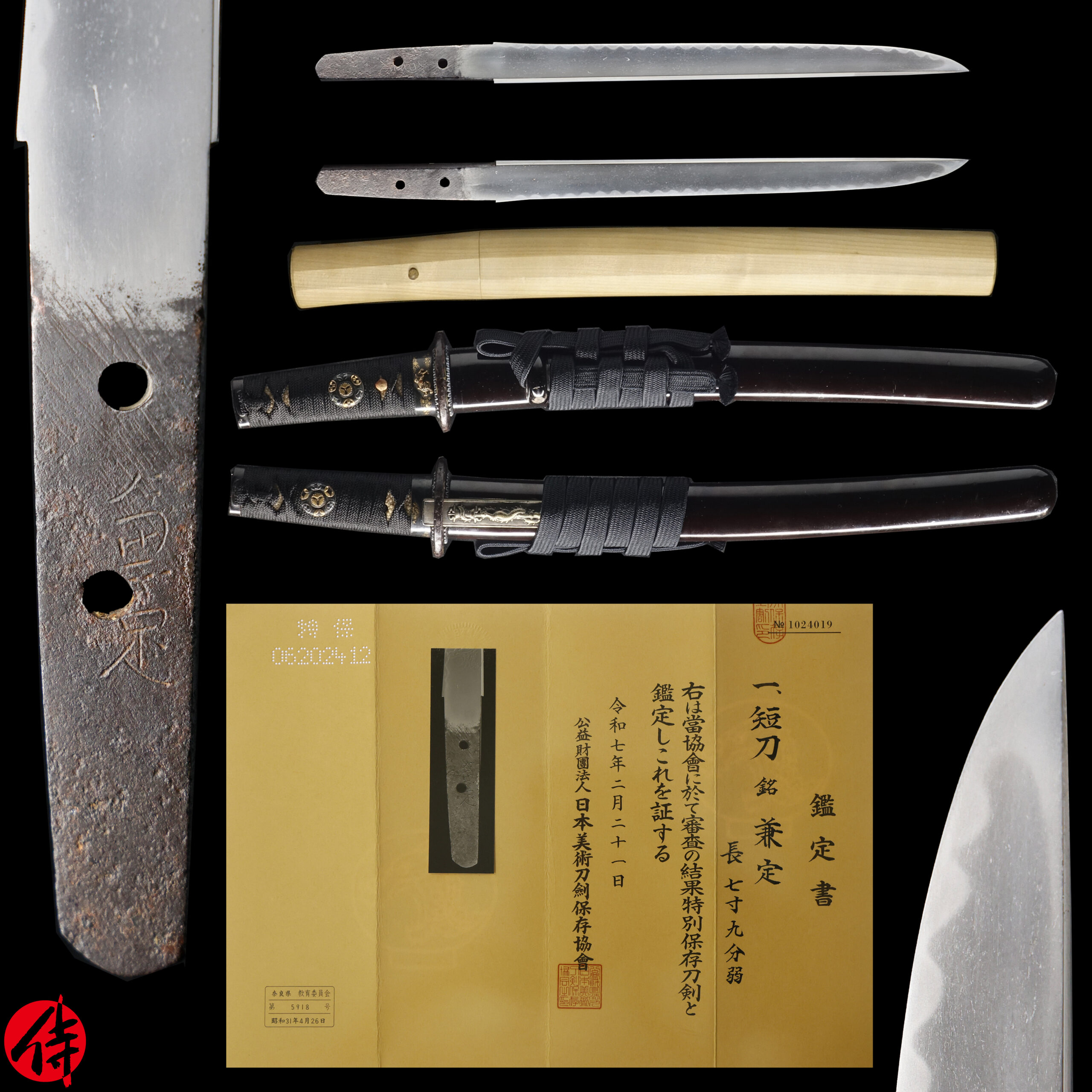
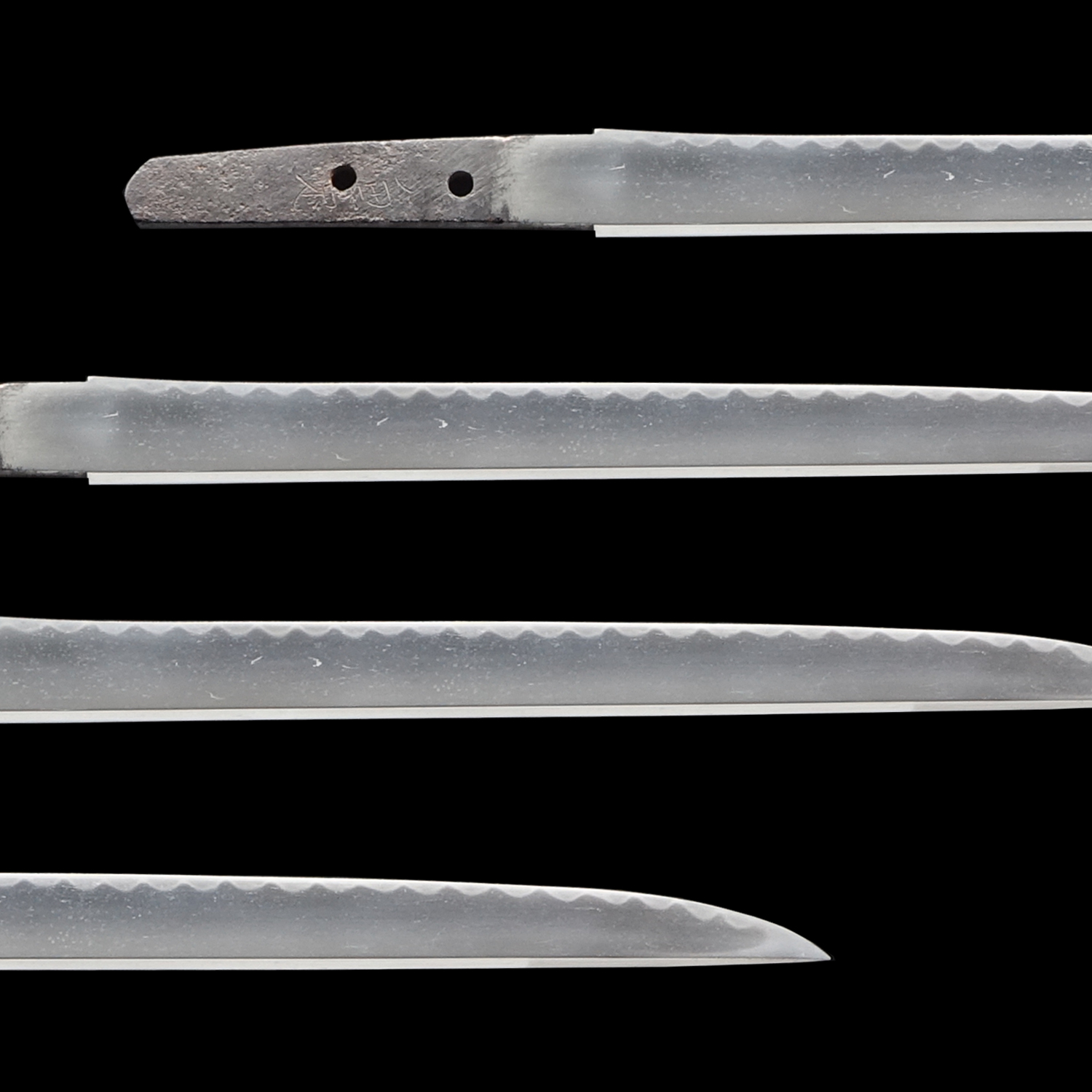
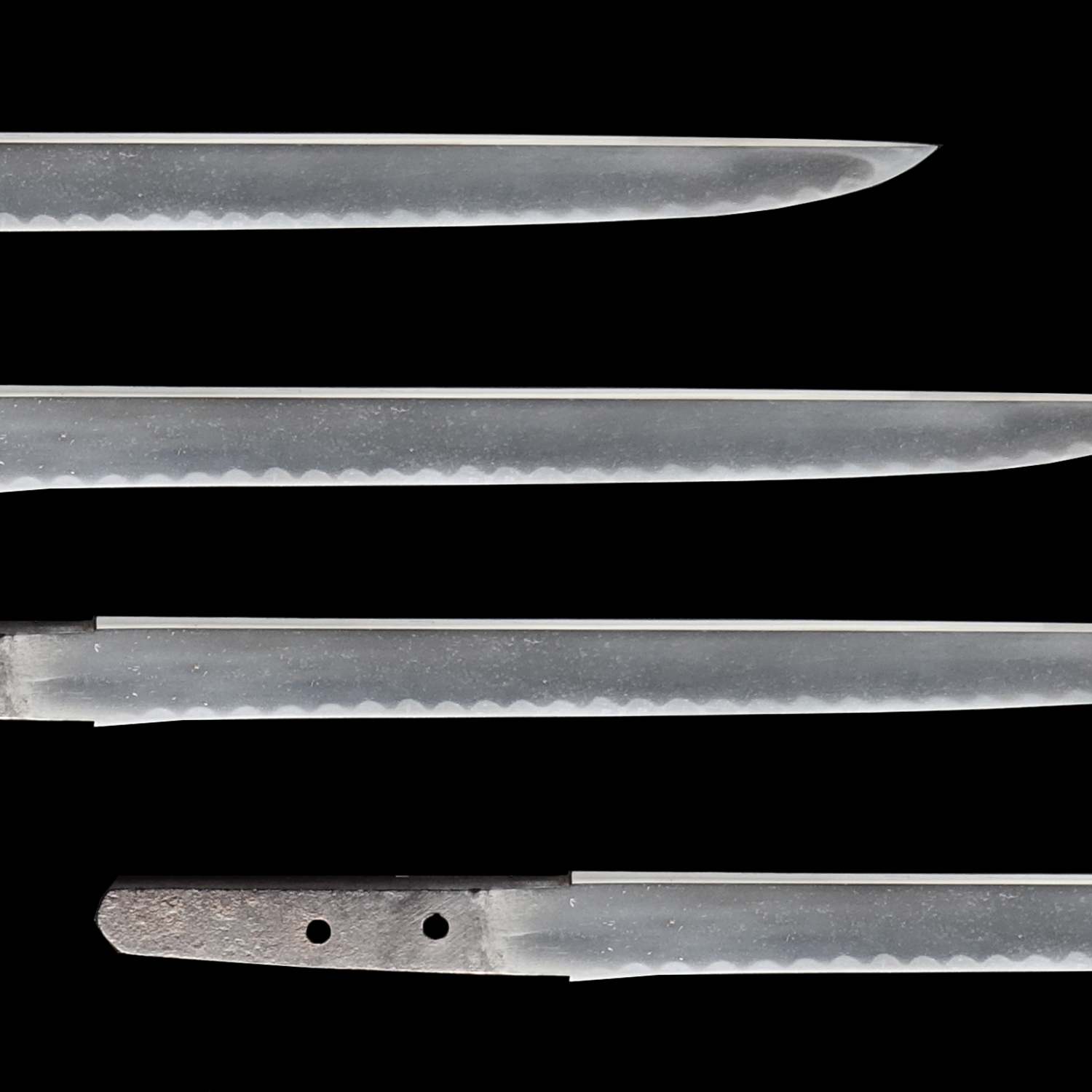
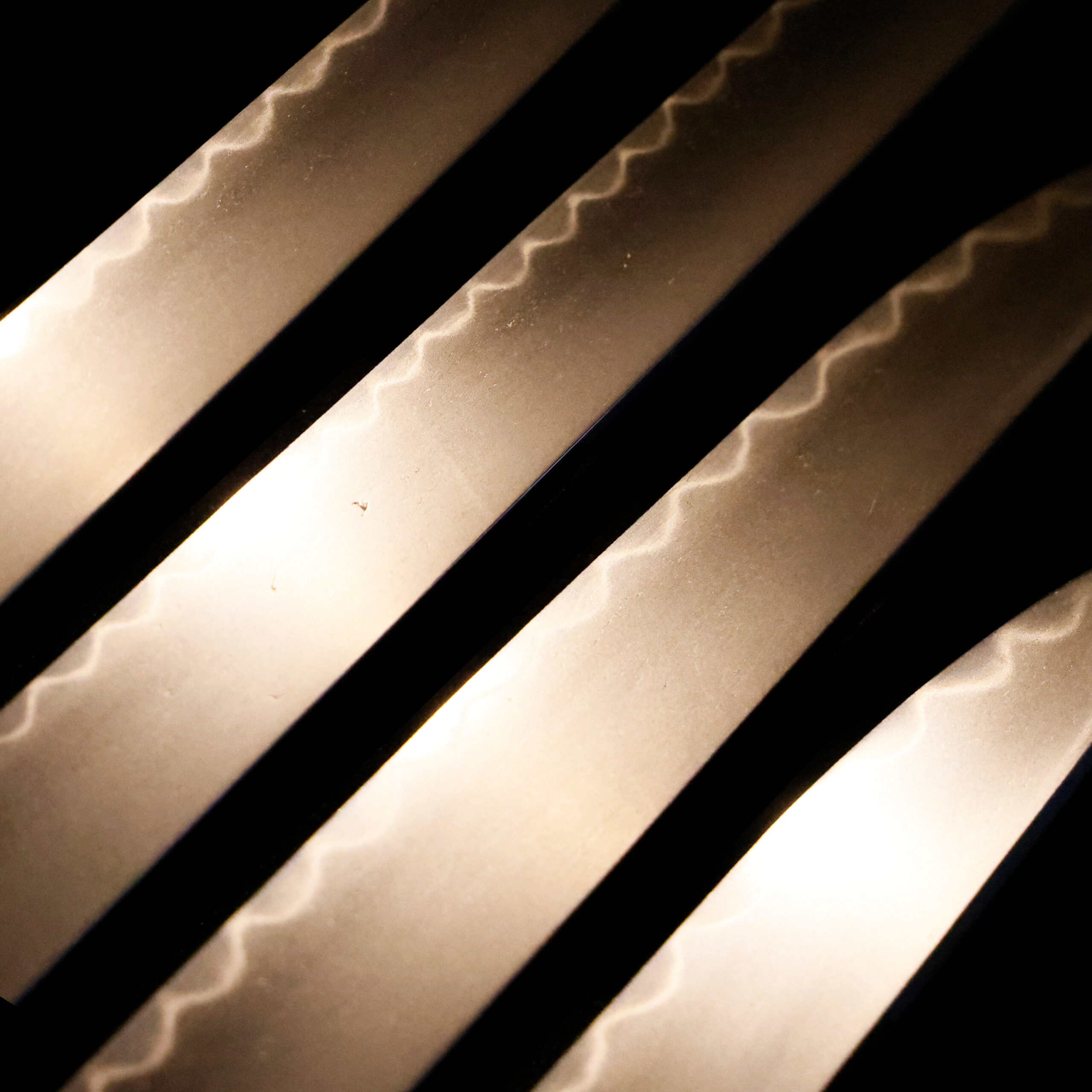
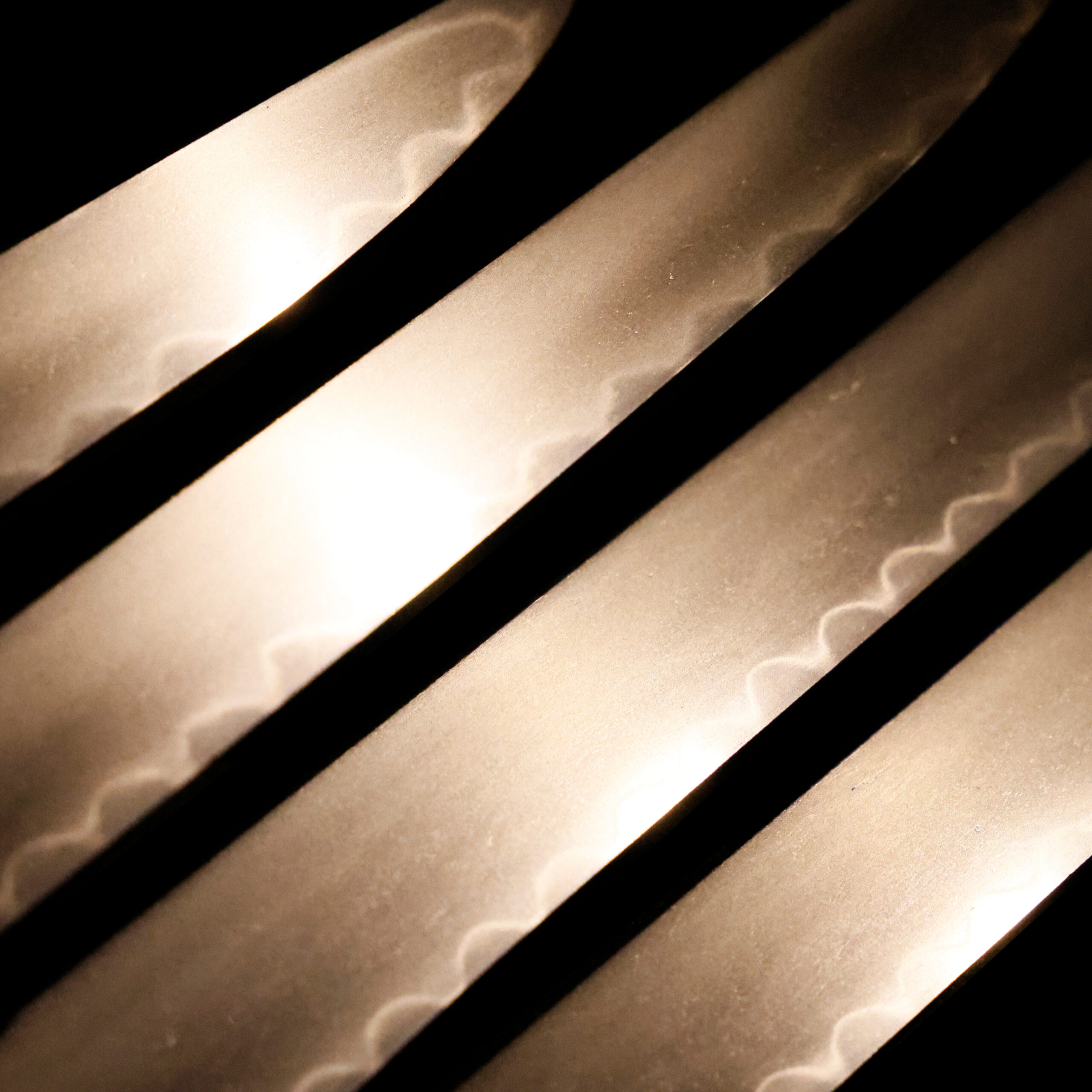
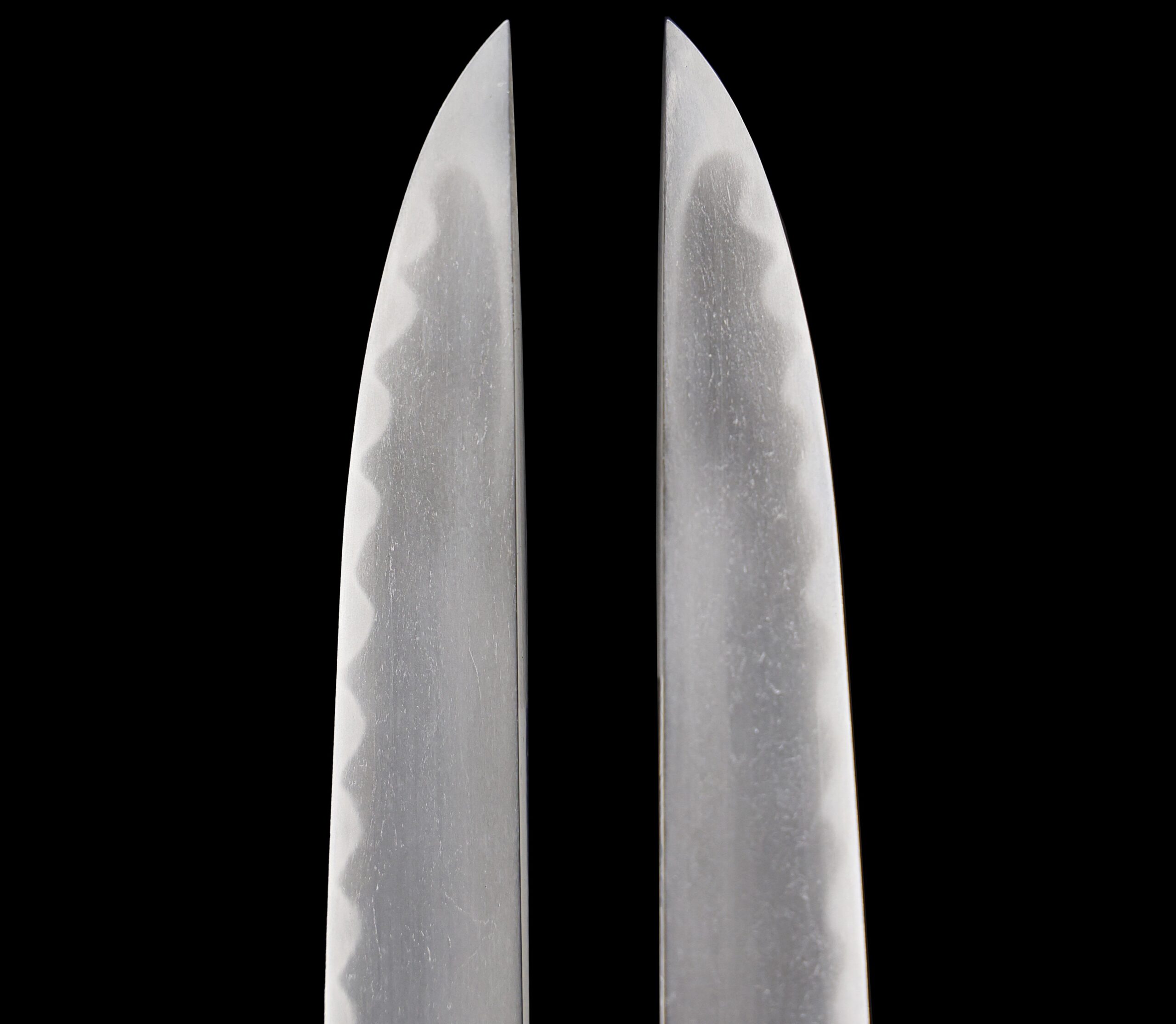
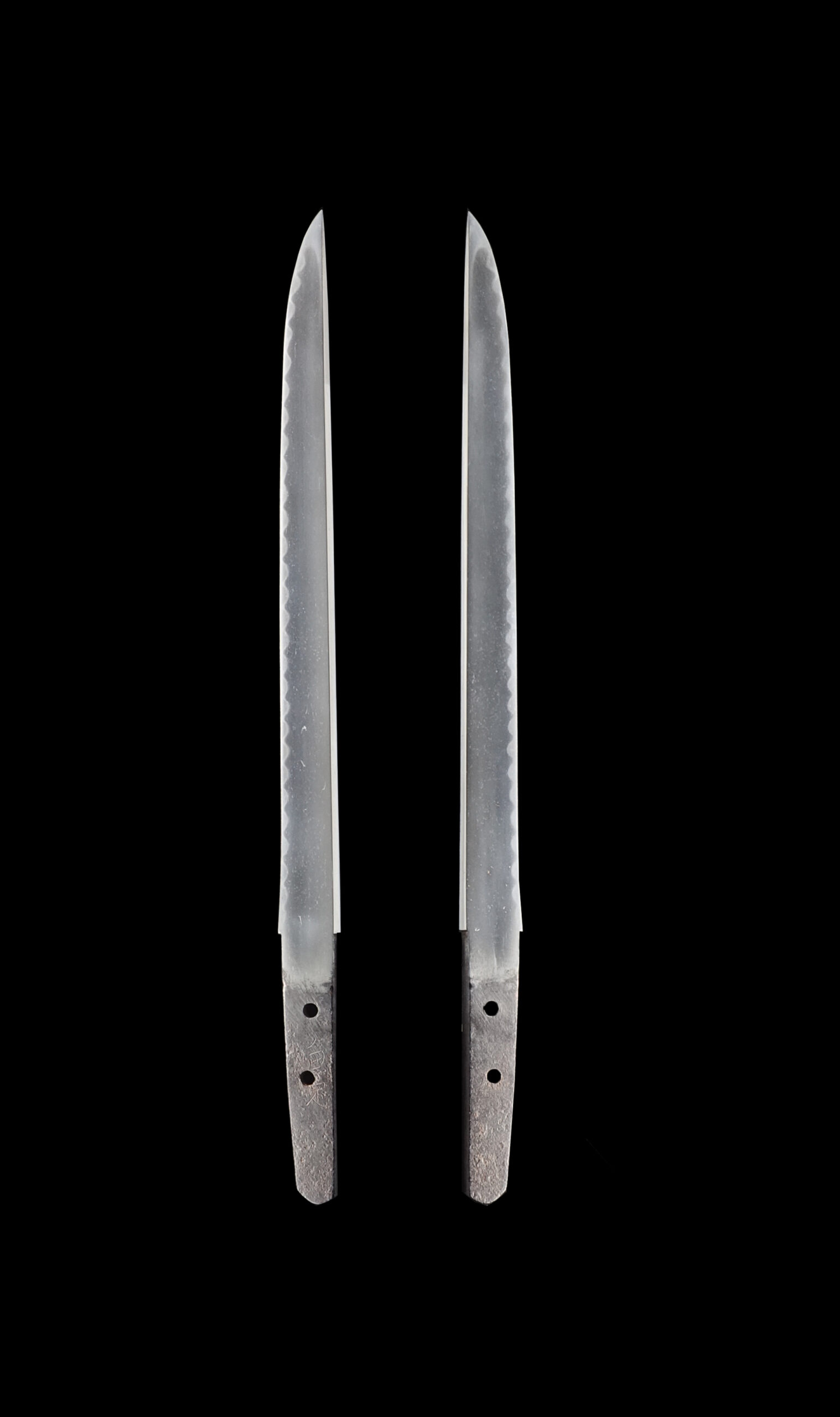
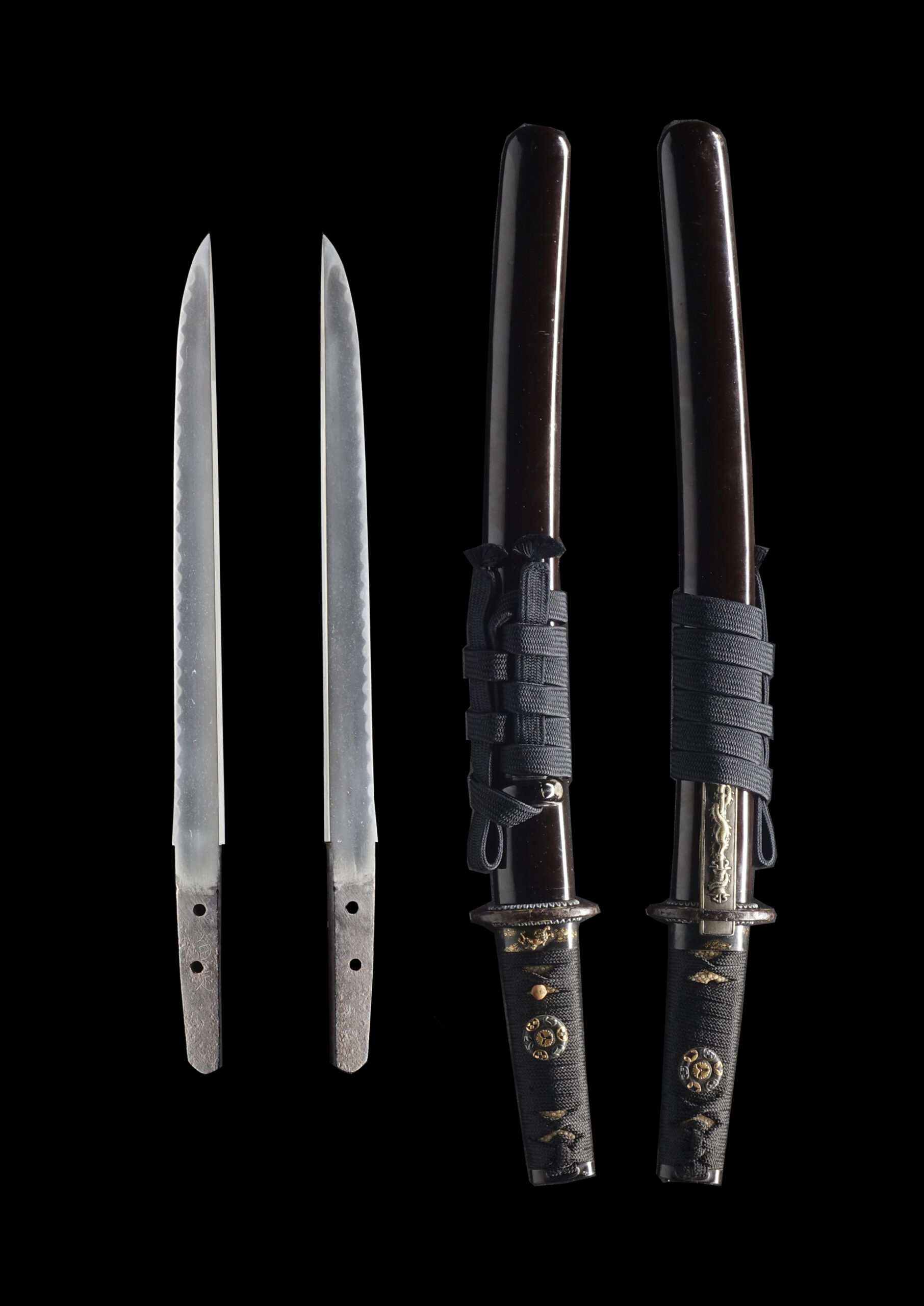
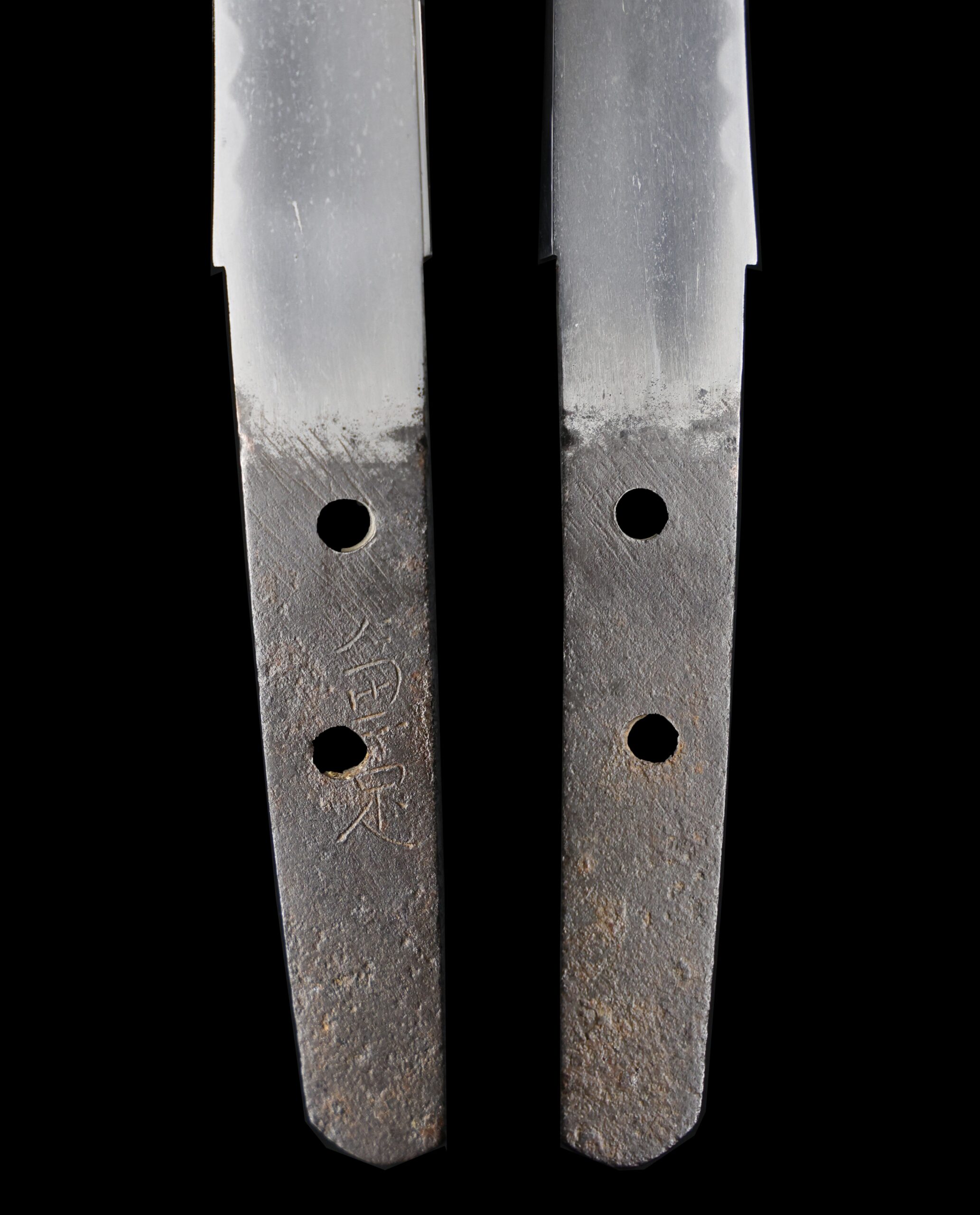
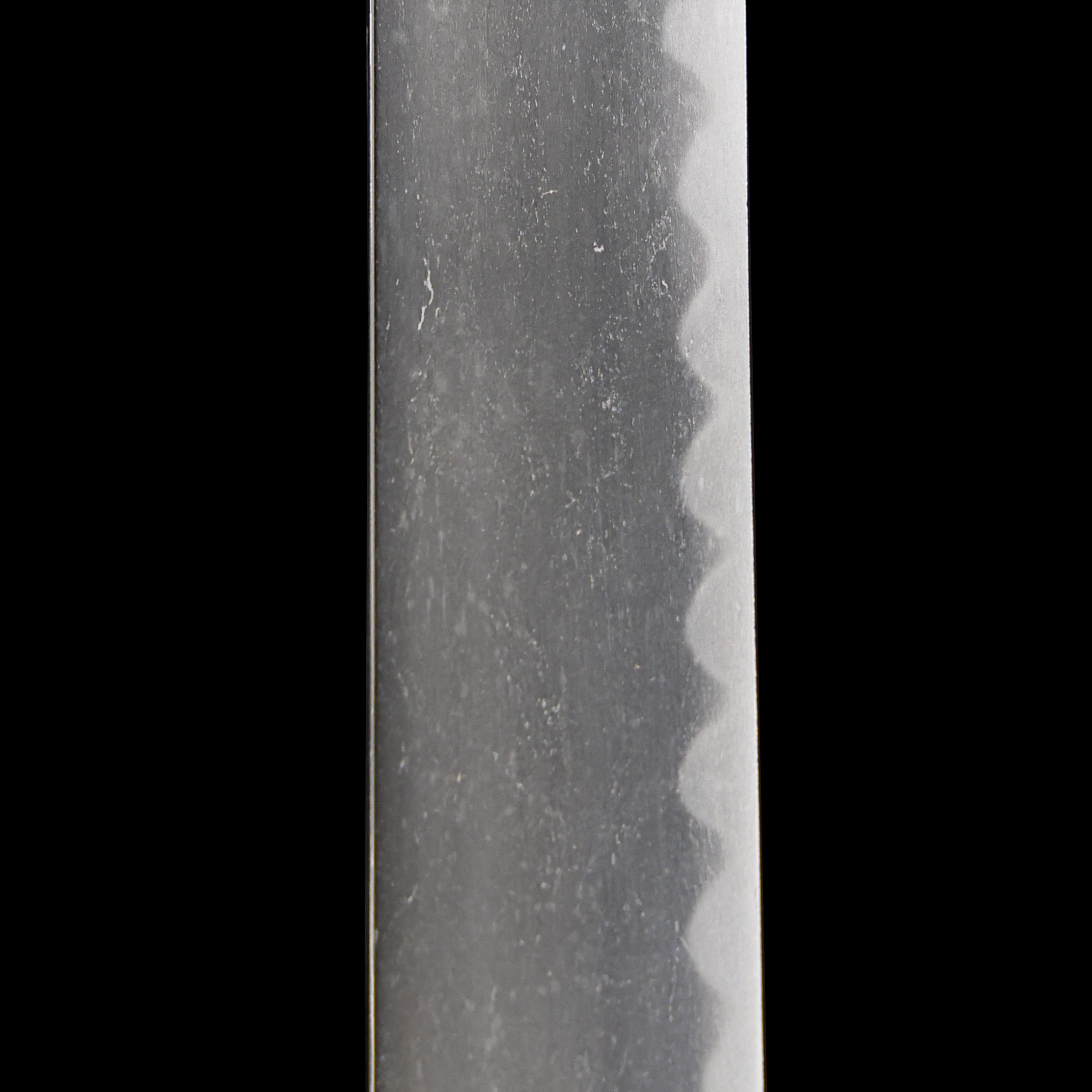
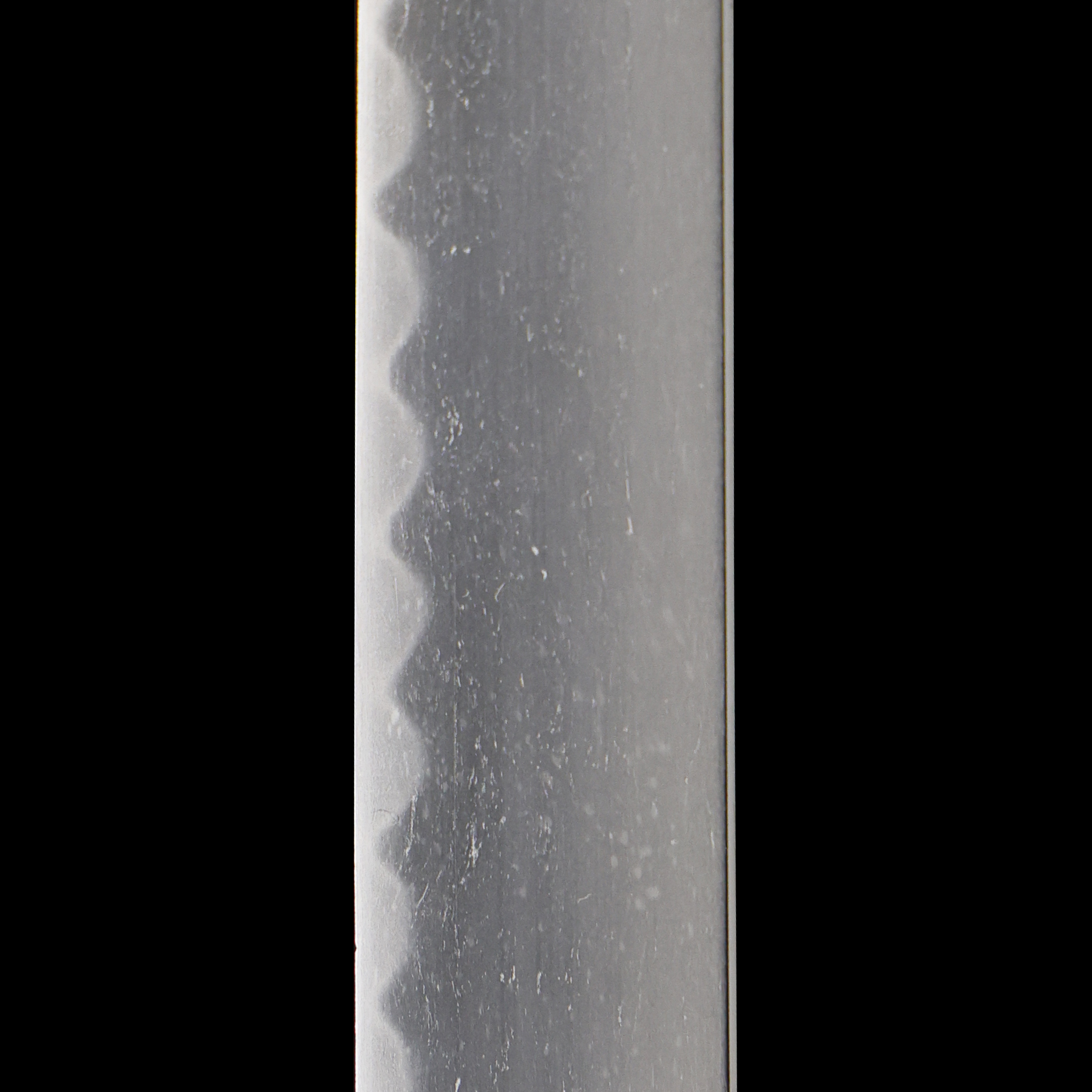
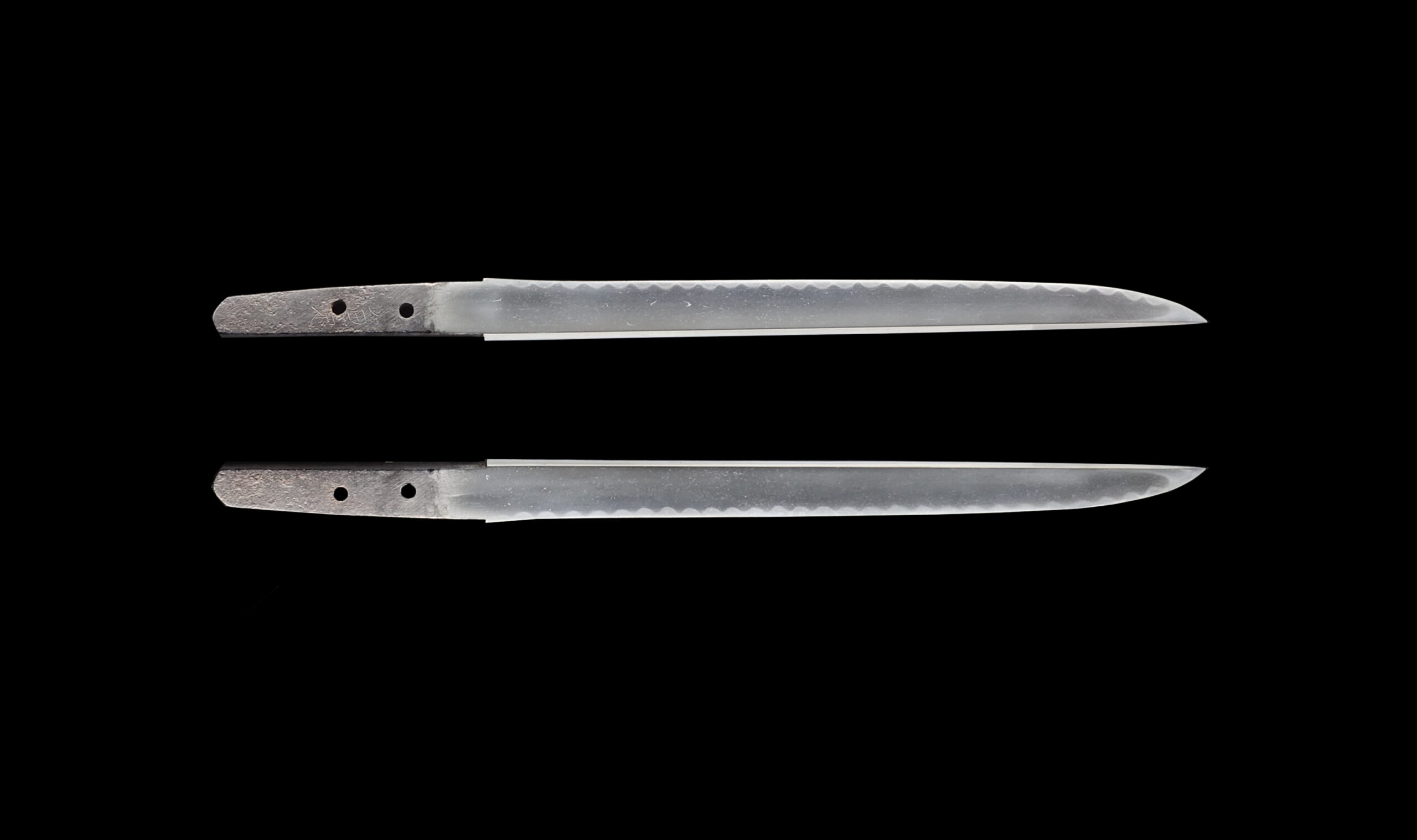
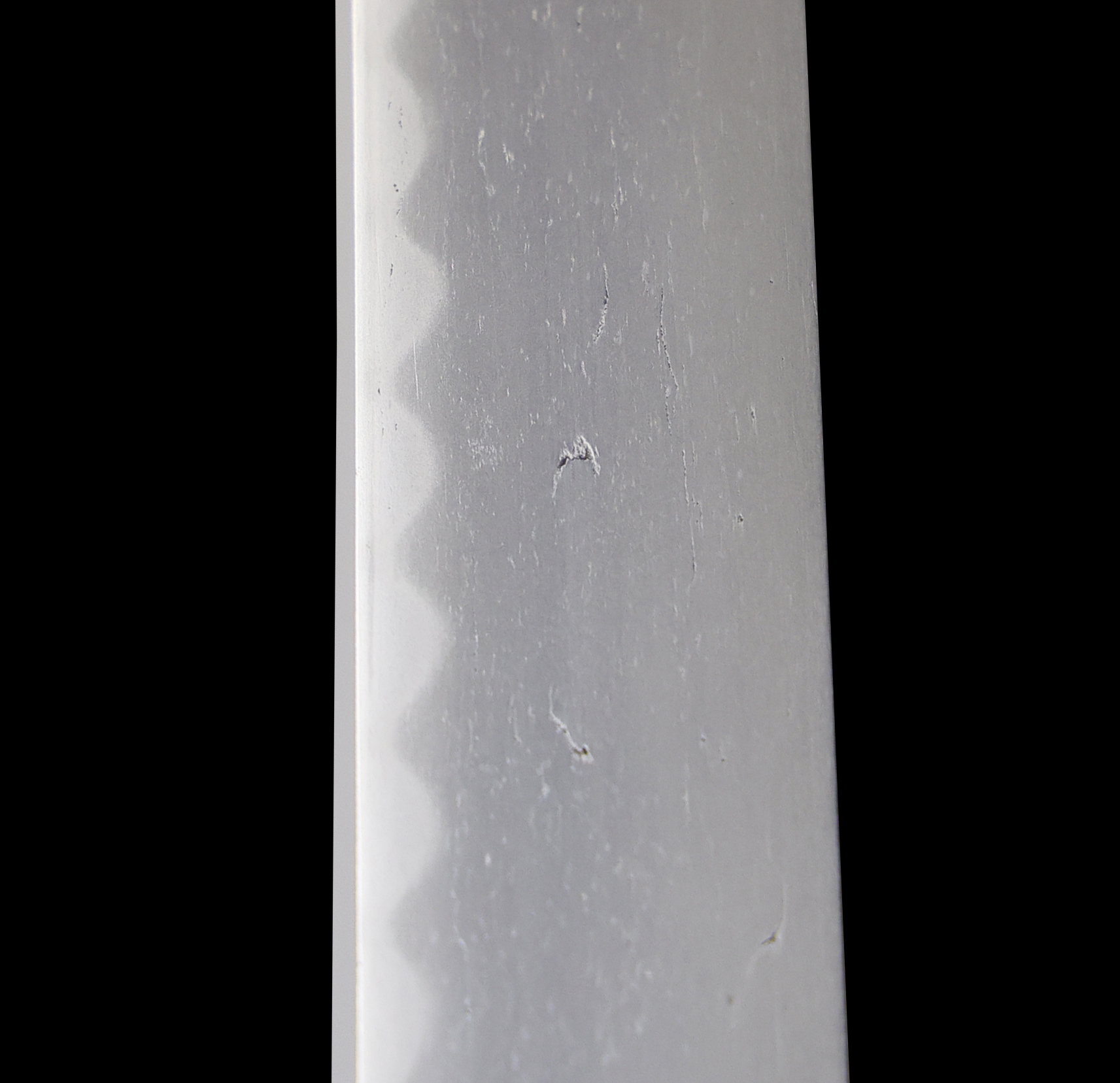
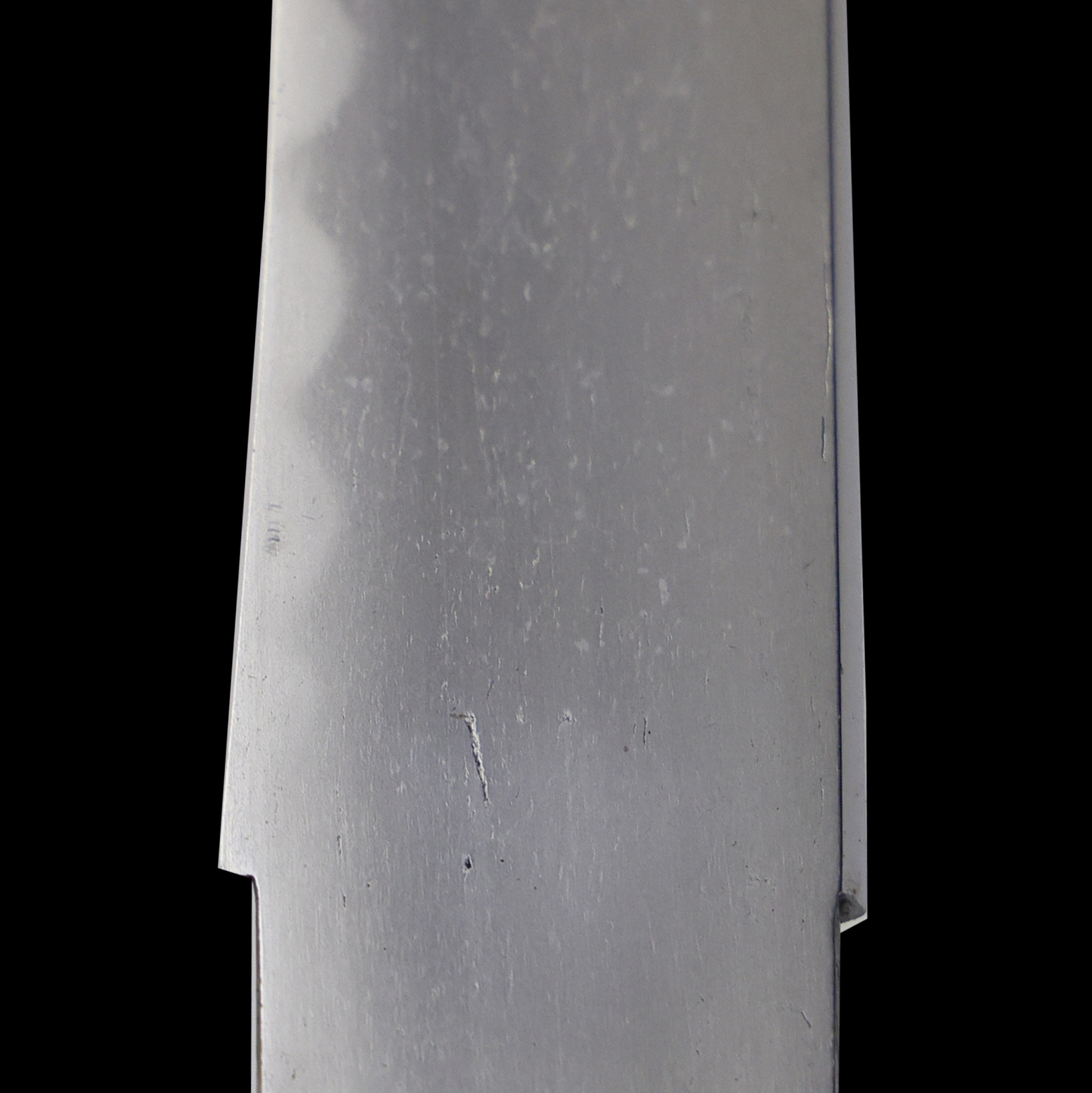
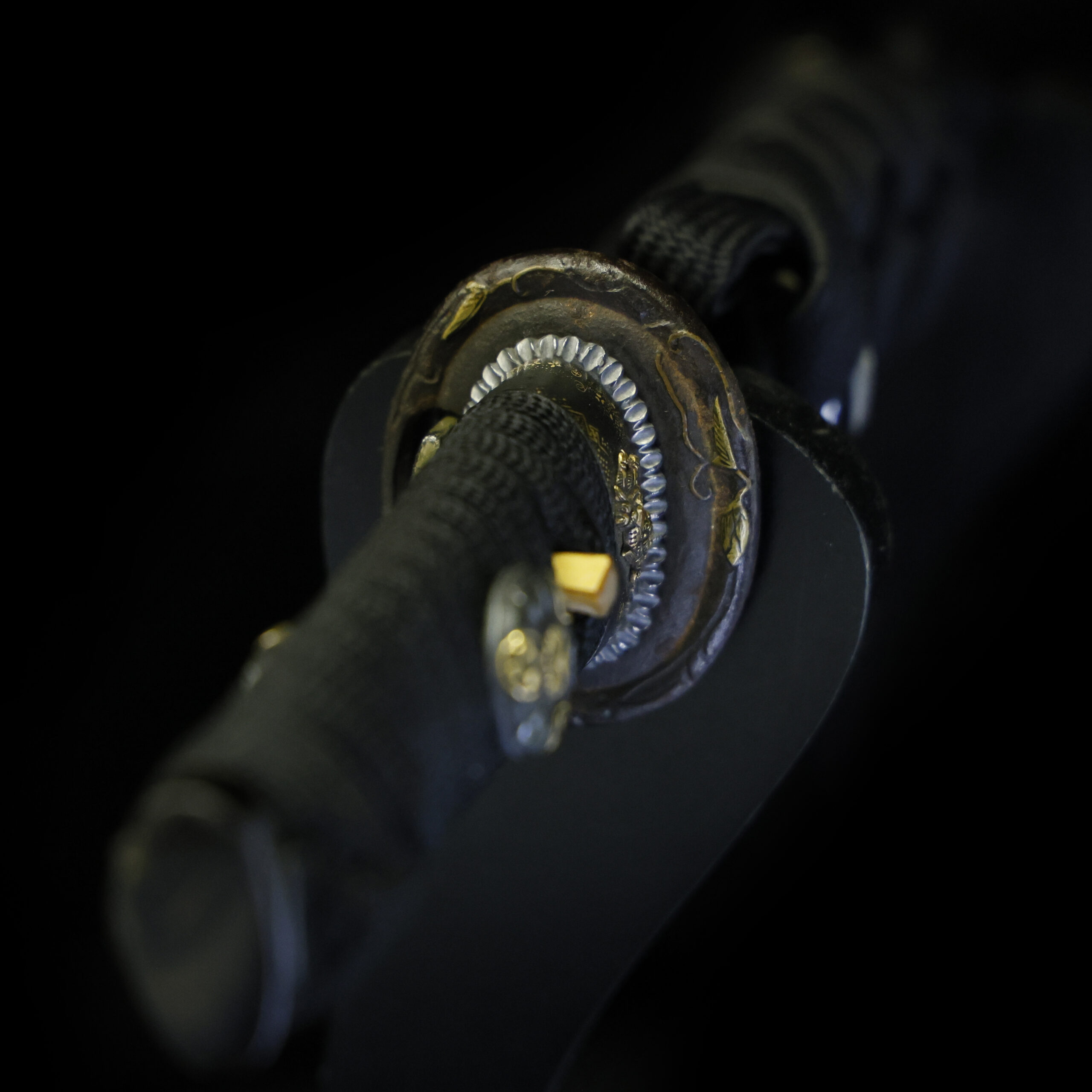
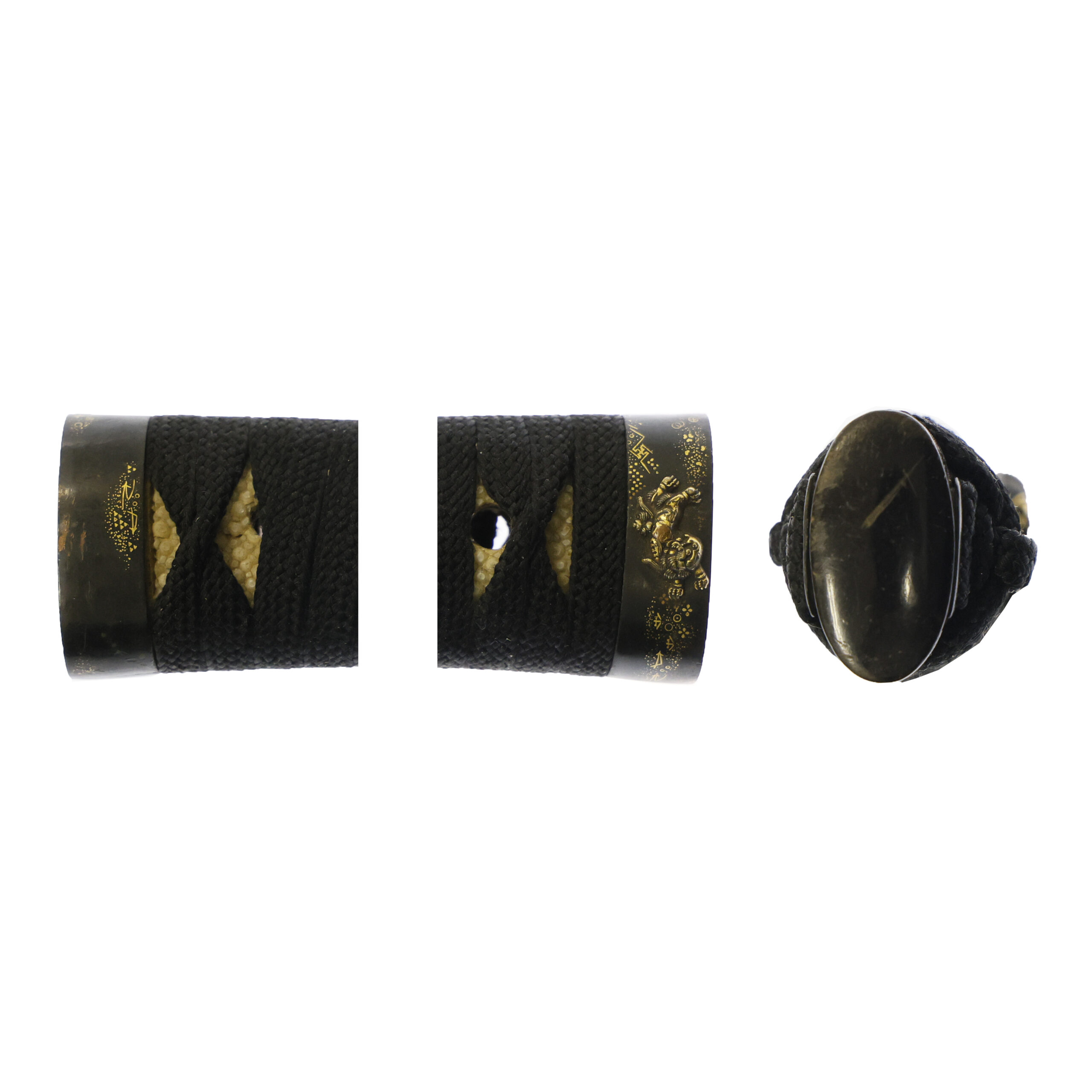
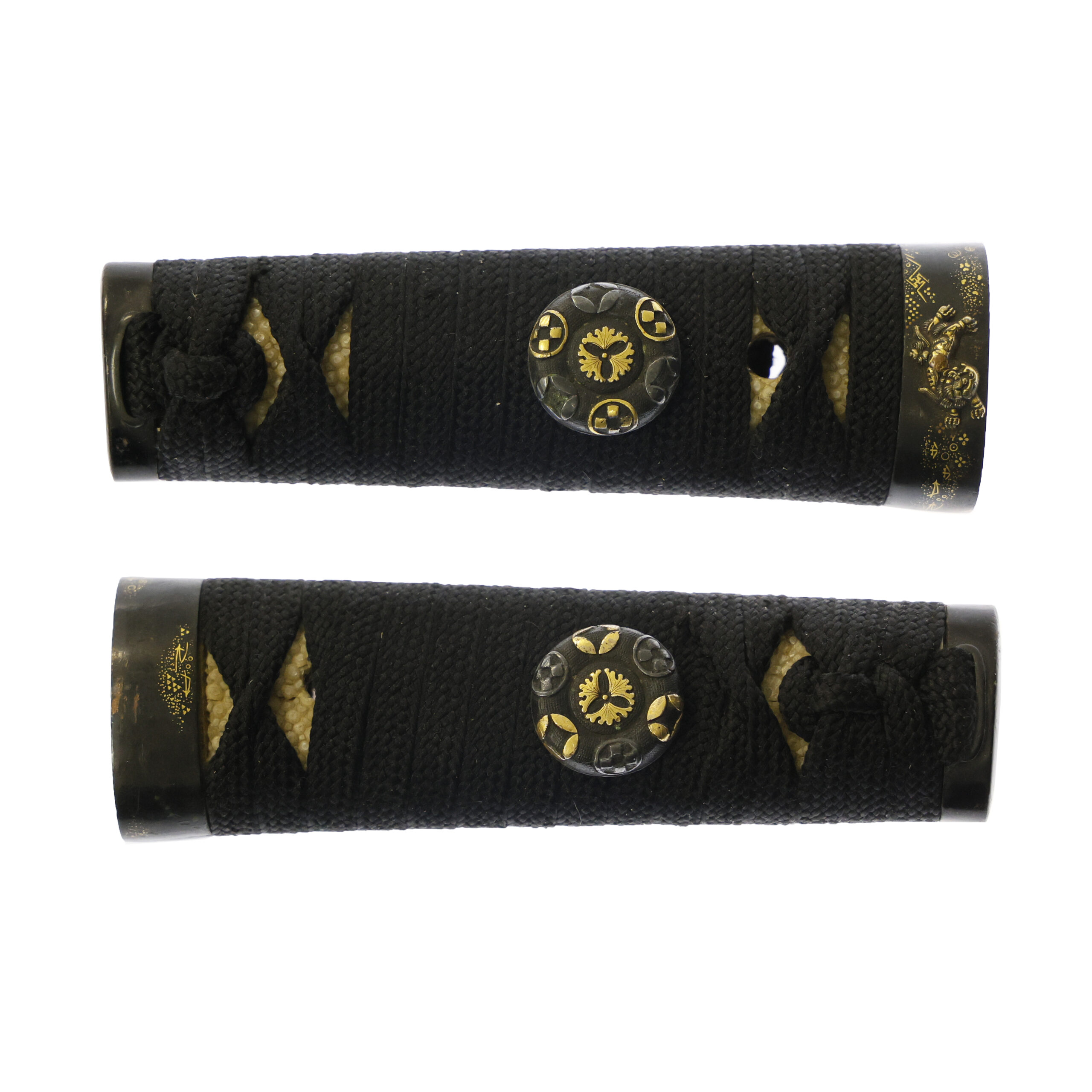
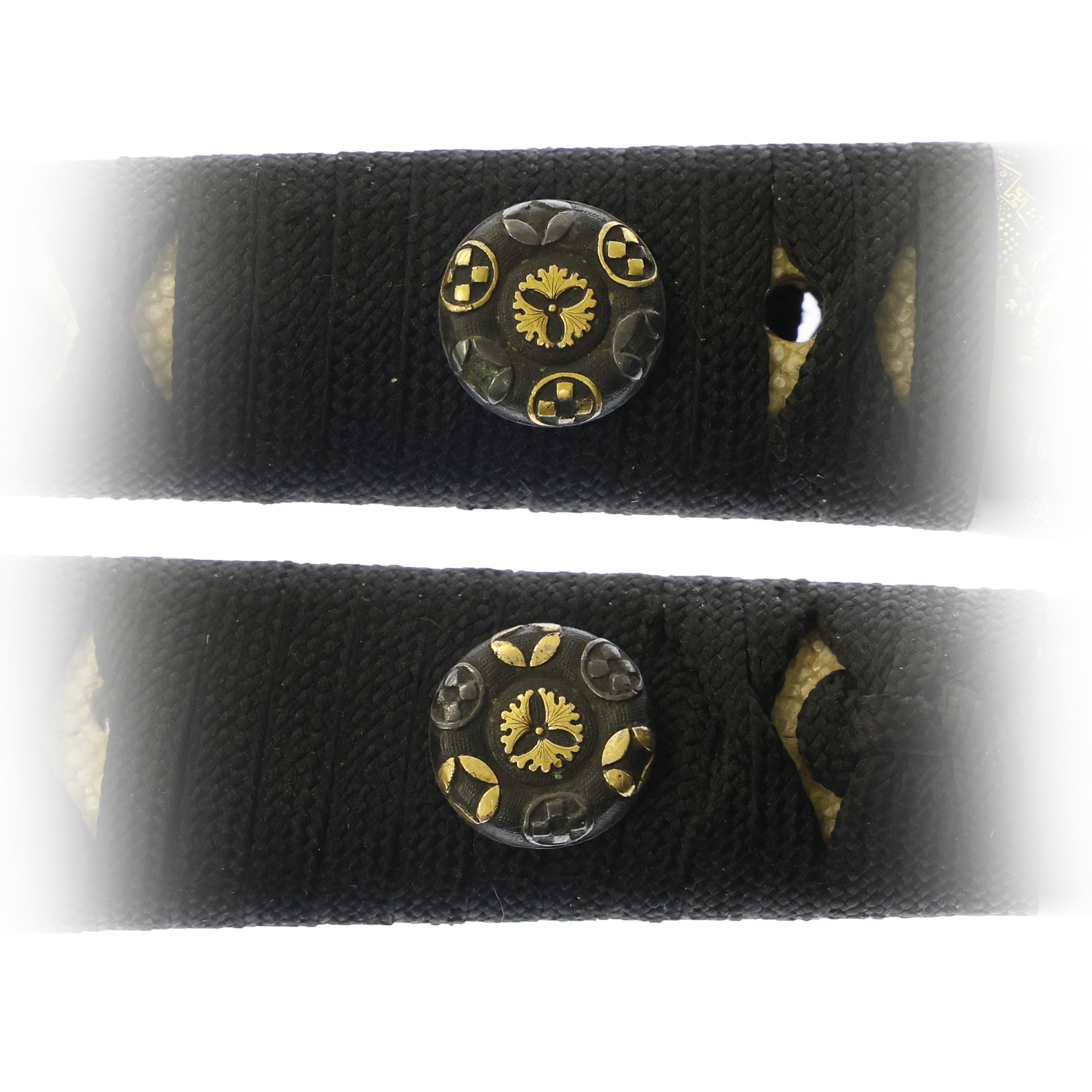
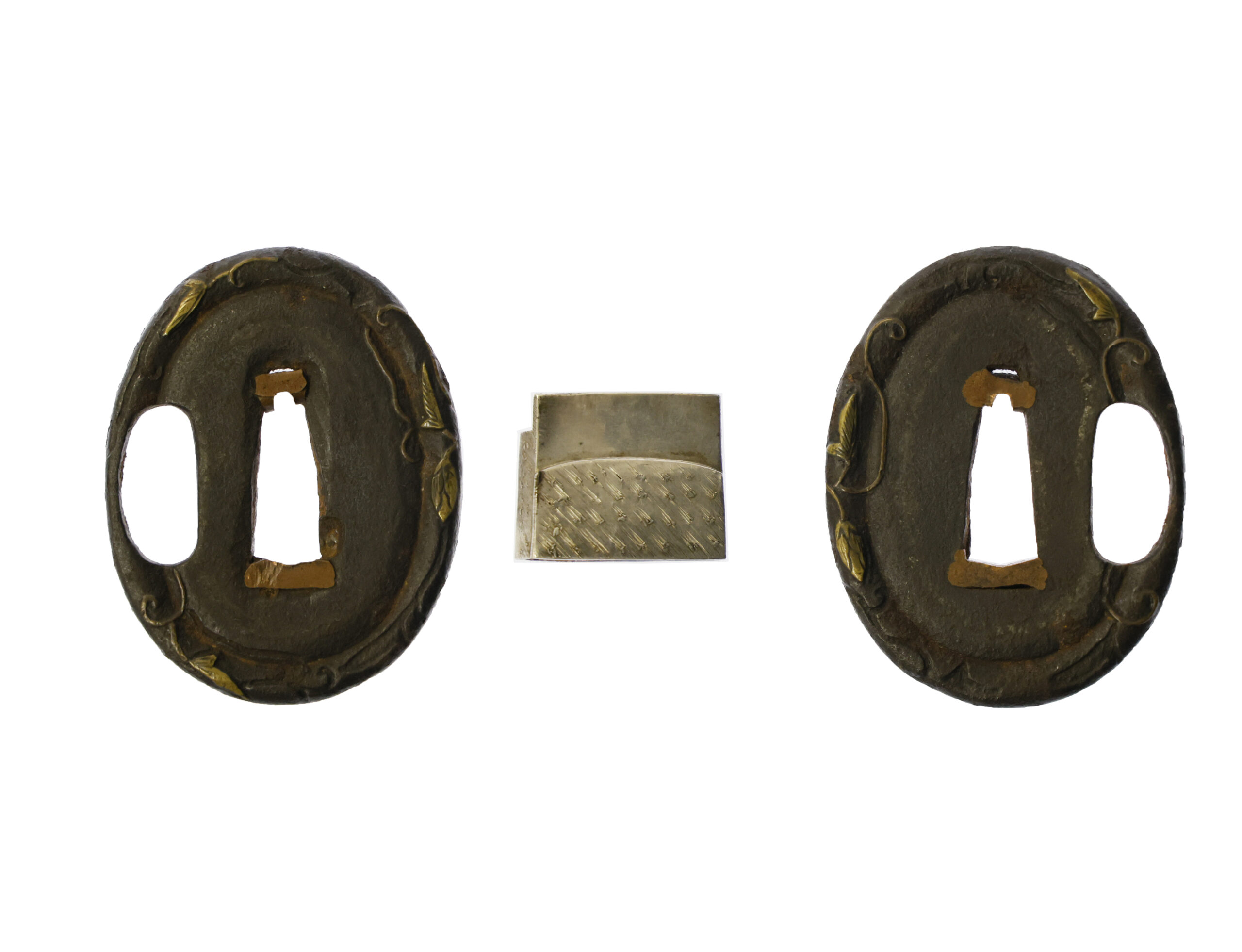
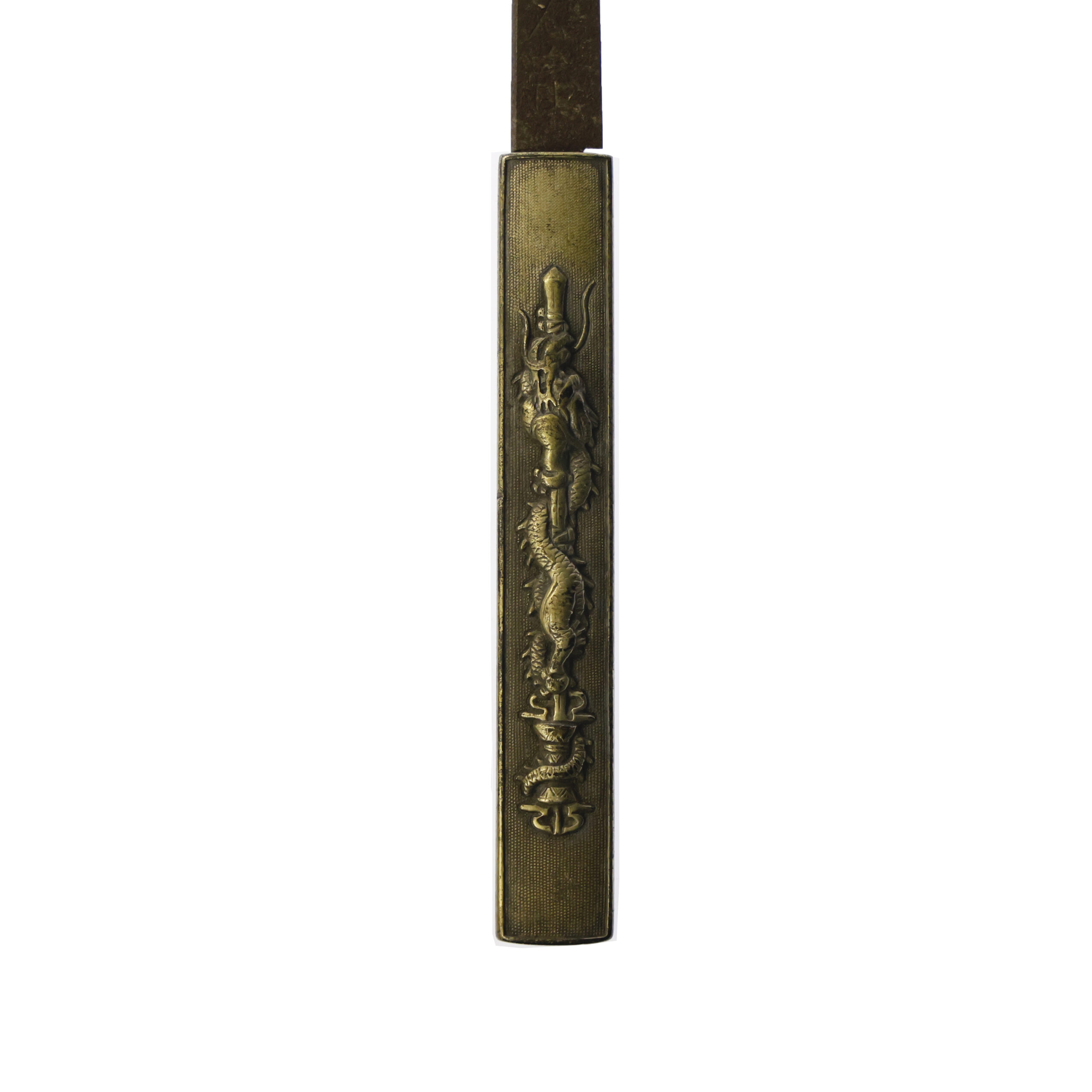
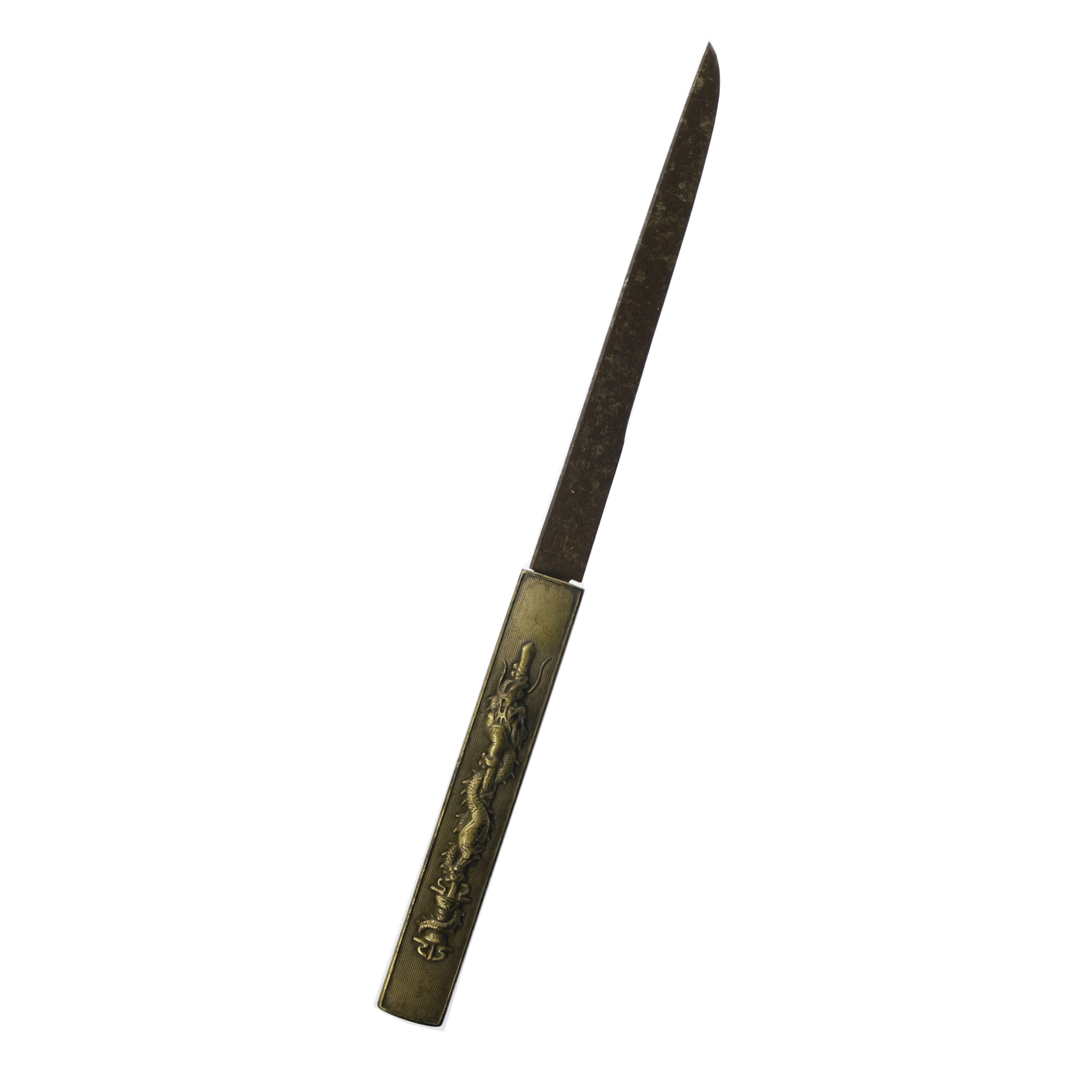
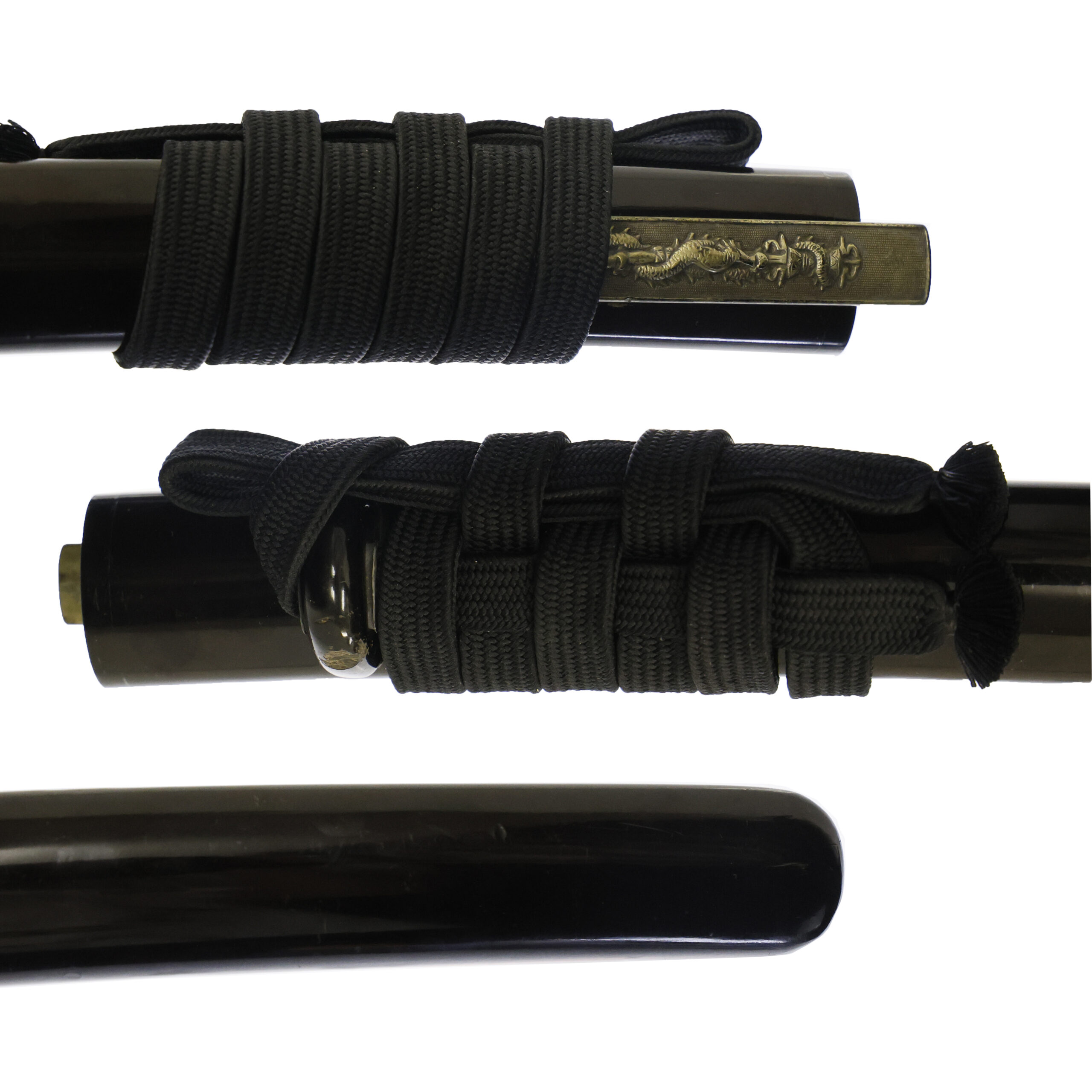
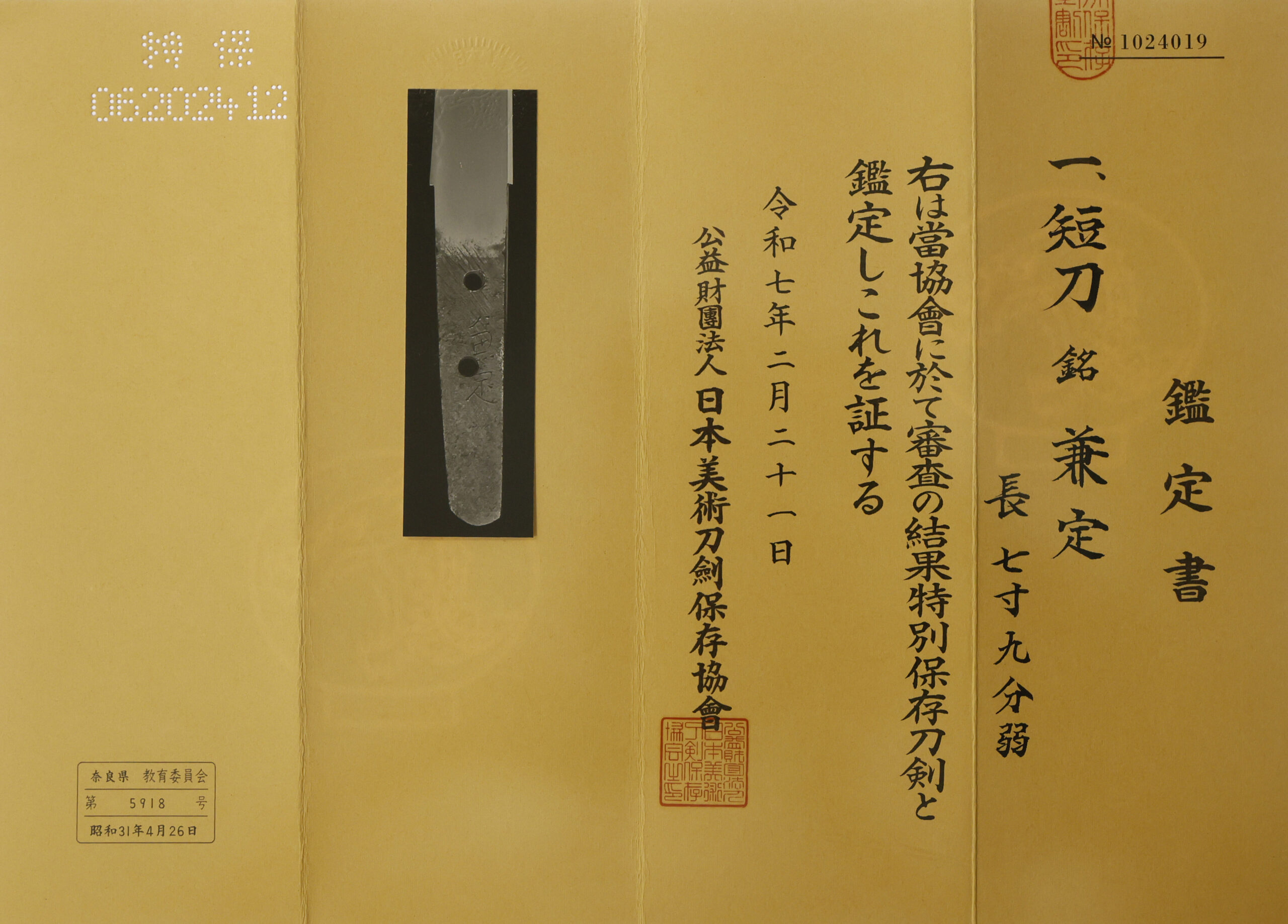
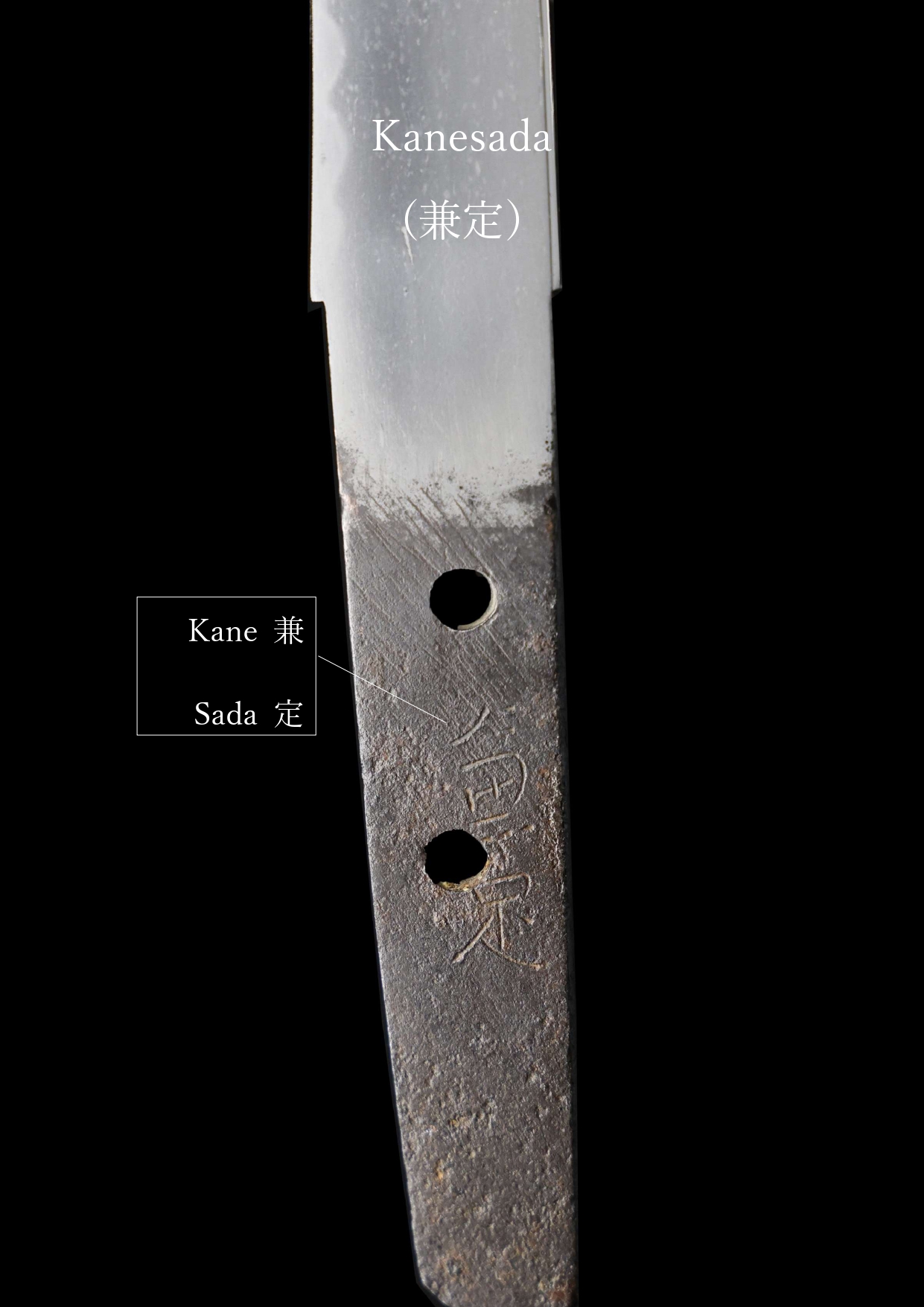
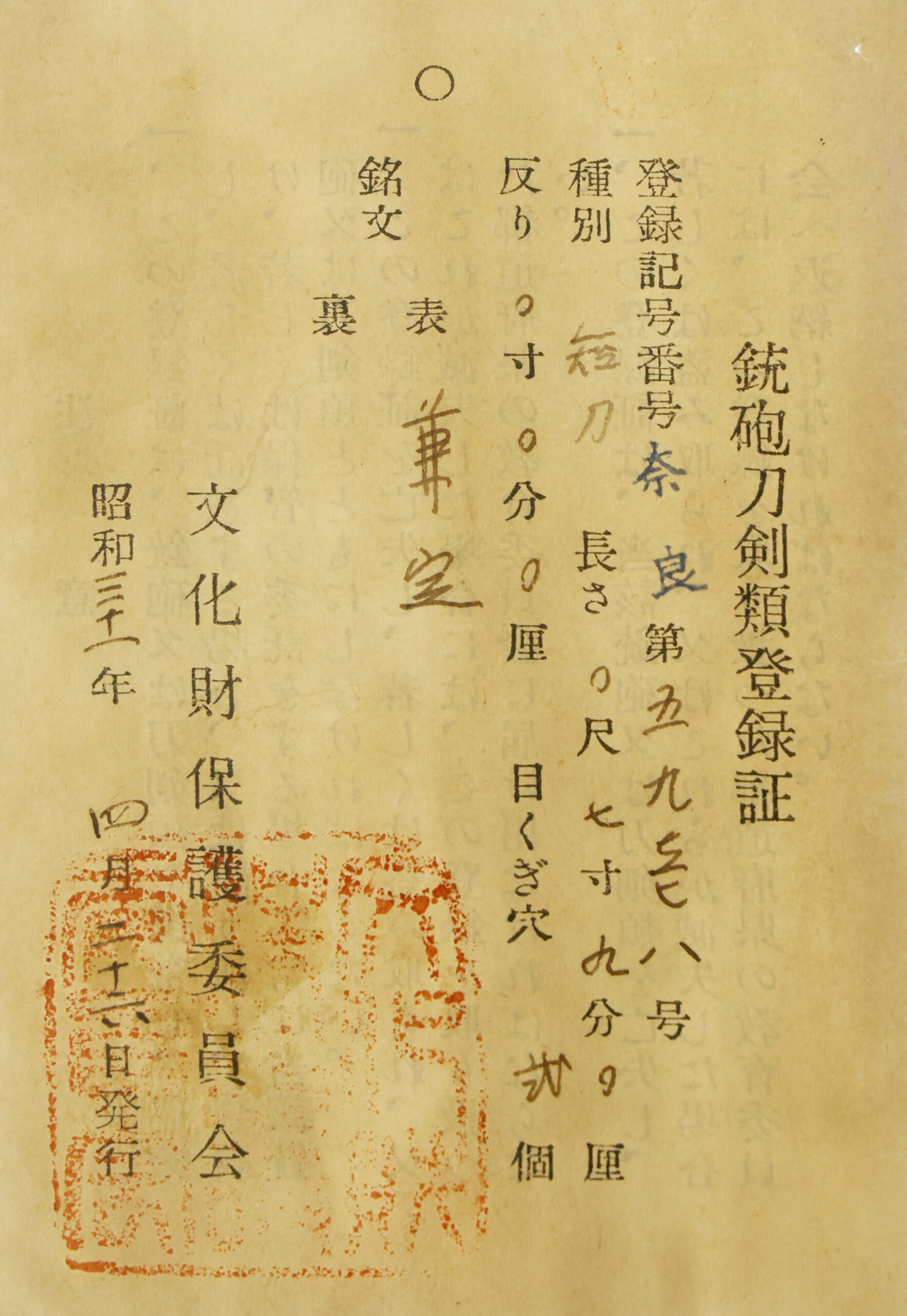
This blade was signed by Kanesada (兼定) during the late Muromachi period (late 15th-early 16th century) in Mino province (today’s Gifu prefecture). He was based in Seki (関), a town known for its high-quality blades. His work is a fine example of the MINO-DEN (美濃伝), a school of sword-making famous for its practical and innovative designs during times of conflict. It is said that the first-gen Kanesada, who was active during the early Muromachi period (Late 14th century), was the son of Sanami Kanenori in Seki city, Mino province (Gifu prefecture). And, the second-gen Kanesada was one of the most famous Japanese swordsmiths in Seki-city alongside Kanemoto Magoroku (兼元孫六). The swordsmith name Kanesada lasted a few generations in Mino, and later on, the school moved to the Aizu domain (Fukushima Prefecture). Those who forged during the late Muromachi period are called Sue-Seki, and Kanesada is categorized as one of the Sue-Seki swordsmiths. The MINO swordsmiths style, also known as MINO-DEN, basically has the TOGARI(Pointed shapes protruding from the Hamon )in a classic straight line and random temper line with some white Utsuri. MINO-DEN had its origin from YAMATO-DEN in the late KAMAKURA period(1280-1330). It flourished in the MUROMACHI period(1333-1573) and continued until the EDO period(was1603-1868). Late Muromachi period was a time of political and social upheaval, especially the Onin War (応仁の乱, 1467-1477) had plunges Japan into chaos, marking the start of the Sengoku period, an age of constant warfare among regional lords. This unrest created a strong demand for well-crafted swords, and Mino province became a center for production. Kaneuji’s work from this era reflects the needs of the time, with a focus on functionality and reliability while maintaining the artistic qualities valued in Japanese blades. MINO DEN MINO-DEN exceedingly prospered during Sengoku Jidai (Warring State period) due to the high demand for weapons. And the location of Mino province beat others. Akechi Mitsuhide controlled Mino province, and Nobunaga Oda ruled Owari province. Tokugawa Ieyasu was the lord of Suruga (Neighboring areas). There was high demand from those powerful feudal lords and their retainers. Furthermore, so many wars occurred between the Kanto region and the Kyoto area. Mino is located in the middle, making feudal lords feel convenient to order swords from MINO-DEN. The blades forged in MINO provinces also had the reputation of their practical design and sharpness. Many feudal lords demanded swords forged in the Mino province. This highly skilled sword-forging technique has been passed down for generations. The smith’s name “Kanesada” was one of the most famous ones even after the warring state ended. It is appraised as a Tokubetsu Hozon Token (特別保存刀剣) issued by NBTHK (Nihon Bijutsu Touken Hozon Kyokai:日本美術刀剣保存協会). *Please keep in mind that is a couple of Kitae Kizu on this blade. Fuchi-Kashira We assume the motif of this Menuki is the Karajishi (唐獅子). The Shishi (獅子) means a lion in Japanese, and the Karajishi is a lion brought from the continent to Japan in the Toh period (唐, Tang dynasty, 618-907). The same as the Fuchi Kashira, this Menuki is also colored with shiny golden paint. It makes this work look gorgeous and enhances the elegant impression of the entire handle part. The Karajishi typically has curly hair for its head, neck, body, and tail, as seen on this work. In Buddhism, the Karajishi is regarded as a symbol of wisdom, and Monju Bosatu (文殊菩薩, Manjushri Bodhisattva) rides lions. According to a theory, the Karajishi is the origin of Komainu (狛犬, stone guardian dogs that exorcize evil spirits). It shows this animal motif has been familiar to Japanese people since ancient times. Dragons and Karajishis, this handle part is decorated with such auspicious beast motifs Tsuka The motif of this Menuki is Kamon-chirashi pattern (家紋散らし). It is a pattern that combines several types of Kamon (家紋, family crest) and very popular since the late Muromachi period. As this Menuki, 3 types of Kamon which are Kage-mitsu-icho (陰三つ銀杏), Maru-ni-yotsuishi (丸に四つ石), and Kokumochi-jinuki-bishi (石持ち地抜き菱) are designed. Tsuba and Habaki The theme of this Tsuba is Karakusa (唐草). It is a pattern in which stems and leaves of vines are twined and make curves. Since ivy has a strong vitality and grows up without interruption, people regarded this design as a symbol of prosperity and longevity. Vine is called Tsuru (蔓) in Japanese, and it has another pronunciation; “Man.” There is a word 万 (it is also read Man), which means ten thousand. In the Karakusa pattern, leaves and vines are connected like Obi (帯, belt). The word “帯” can also be read “Tai.” Due to its pronunciation, the term “代 (Tai)” is associated. From this word-association game, an idiom 万代 is associated, and it means a thousand generations. In other words, we could imagine that people used this design wishing prosperity and longevity for their clans for a long time. Kozuka The motif of this Kozuka is the Kurikara-Ken (倶利伽羅剣). Fudo Myo-O (不動明王, acalanātha) holds this blade with his right hand. Fudo Myo-O is one of the objects of worship in Buddhism. According to a theory, it is the incarnation of Dainichi Nyorai (大日如来, Mahāvairocana, the principal image of esoteric Buddhism). The Kurikara-ken was named due to the appearance that Kurikara Ryu-O (倶利伽羅龍王, dragon) is winding around the sword. It is believed that Kurikara-Ken could cut off worldly desires: Sandoku (三毒). Sandoku is the three fundamental earthly desires: Ton (貪, greed), Jin (瞋, anger, grudge), and Chi (癡, delusion, complaint). Saya This scabbard is covered with black lacquer. Due to its high waterproof effect, lacquer has been used since ancient times in Asia. The blade of a Japanese sword is made of iron, and moisture is the greatest enemy of iron. For the purpose of carrying the blade without degrading it, people devised a method of coating the scabbard with lacquer. To prevent not only moisture but also rain and snow from penetrating the inside of the scabbard, it was necessary to apply multiple layers of lacquer. The Nushi (塗師, lacquerers) was born precisely because advanced techniques were required to handle the complicated processes. Authentication Paper They authenticated the blade on February 21st in the 7th year of Reiwa (2025). They appraised it as Tokubetsu Hozon Touken, the blade especially worth preserving for Japanese society.
Offered by Samurai Museum
This piece has sold
21 on the market
Get an email when new Kanesada School work hits the market.

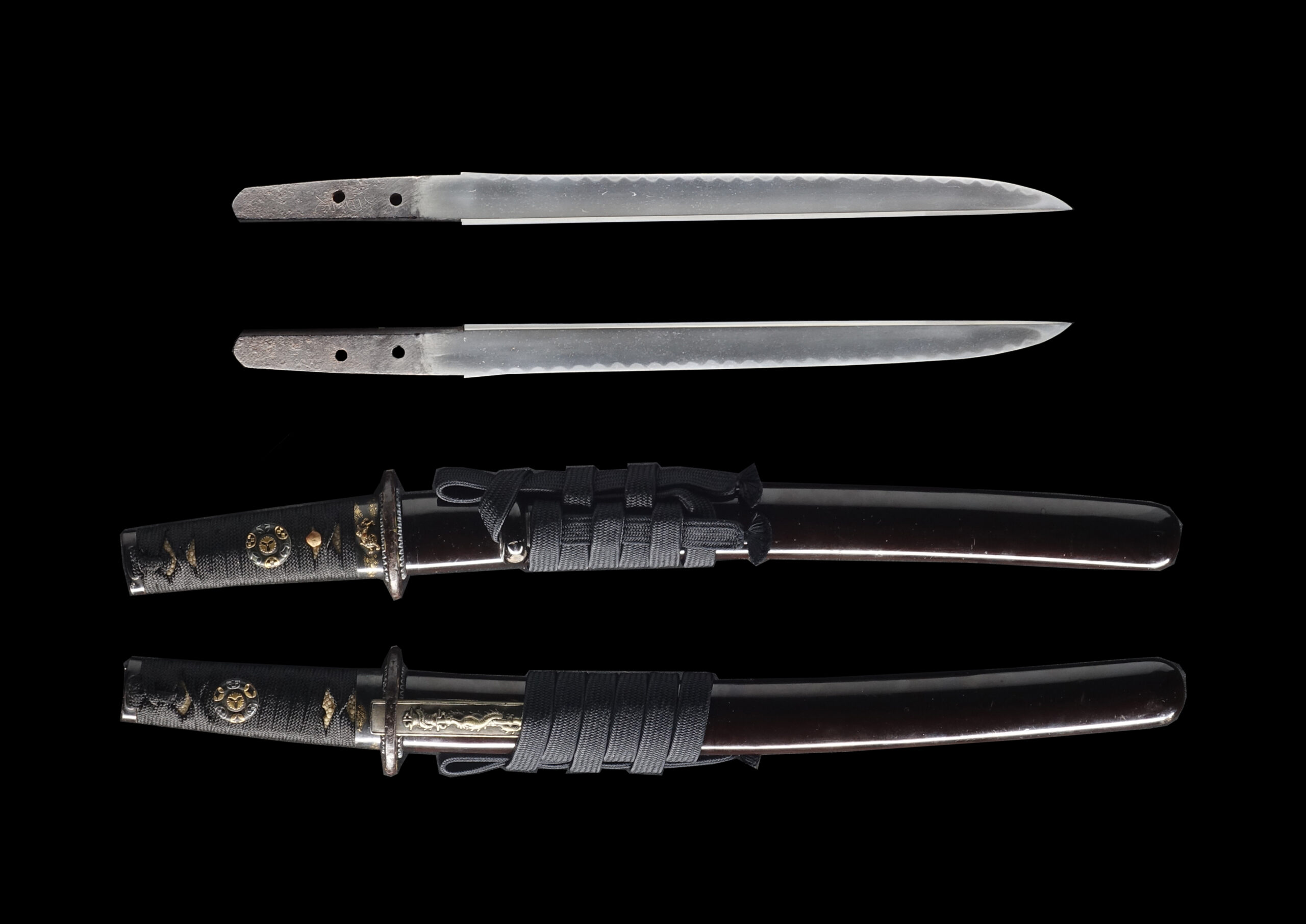
Mino-den · Mino
21 pieces on the market now
Seki in Mino province supplied the base for the Kanesada line, whose blades the NBTHK places among the representative work of the Mino-den in the closing phase of the Muromachi period. The setsumei consistently pair Kanesada with Kanemoto as the two leading masters of Sue-Seki, the late Seki group active with Seki as its center, where (as one 31st-session katana notes) the Mino smiths flourished second only to Bizen. Within the line the signatures sort by how the character sada (定) is cut: when the element under the u-kanmuri (う冠) appears as 之, the smith is called Nosada (之定), and when it appears as 疋, Hikisada (疋定). Several generations and individuals carried each name, which the entries for the tantō in Honma's inventory of the Imperial collection (Kotō #85 to #87) state makes precise identification difficult; a kanwaku of ordinary workmanship is mentioned alongside them, and one entry records that a Kanesada was called Hachiya Seki, residing at Hachiya in the same province. The standout is the second-generation Izumi no Kami Kanesada, the Nosada the records single out for high technical ability and for receiving, rare in the kotō era, the court title Izumi no Kami. Per the Kotō Mei Shūroku cited in the 14th Tokuju setsumei, he first cut sada in kaisho (standard script) and shifted to the 之 form, the change placed by extant works between the eleventh month of Meiō 8 and before the eighth month of Meiō 9, with Nosada signatures running on to about Daiei 6 (1526). Several blades carry domain provenance: Nosada works pass through the Tosa Yamanouchi, Akita Satake, Shimazu, and Tatebayashi Akimoto families, and one was made for Takeda Nobutora, father of Shingen. The shared vocabulary the setsumei draw is a refined itame-hada, frequently mixed with nagare (flowing grain) or mokume and tending to stand up as hada-dachi, carrying ji-nie, chikei, and very often a whitish shirake-utsuri. Against Kanemoto's pointed, togariba-dominant sanbon-sugi, Kanesada is defined by variety: rounded gunome, ko-notare, and gunome-chōji, with togariba and yahazu-like elements mixed in, ashi and yō entering, sunagashi and kinsuji running, and a nioiguchi the records repeatedly call bright and clear (saeru). A second register is the elegant suguha the setsumei name Rai-utsushi, an evocation of Rai work that the 30th-session tantō likens directly to Rai Kuniyoshi; the 45th-session tantō ties the same Kyō-modeled chū-suguha to a Nosada early signature.
The hand is read most clearly in Nosada: a gunome-chōji base broken into modest rises and falls, a jigane that is brighter and more thoroughly nerareta (well-kneaded) than ordinary Sue-Seki, and, on katana, a slender to standard mihaba with pronounced taper and slightly elevated sakizori. When Nosada turns to notare the silhouette broadens with a larger kissaki. The bōshi runs midare-komi to ko-maru, at times Jizō-flavored, and a mizukage-like stand-up at the machi recurs. Lesser Kanesada and the Hikisada works read as plainer and, where togari-heavy gunome dominates a tantō, the inventory entries judge the manner unusual and late. For kantei the registers converge on Seki signatures: taka-no-ha (and on tantō often higaki) yasurime, ubu kurijiri or, in later years, iriyama-gata tangs with sujikai file, and the diagnostic 之-versus-疋 reading of sada. Tang-form drift, higaki kurijiri giving way to sujikai iriyama-gata, lets the 50th-session tantō be dated to late Daiei. The cutting reputation is carried in metal: kinzōgan cutting-test inscriptions appear on the 14th-session Tokuju katana, owned as a personal sash-sword by Miura Shōgen, karō of the Kii Tokugawa, and on a 58th-session katana, while another names Kosuga Tatewaki of the Tsuyama Matsudaira and another the Nawa cutting record. The Jūyō-Bijutsuhin Nosada for Takeda Nobutora is recorded in the Kokon Kaji Bikō and Mino-tō Taikan; the 62nd-session katana survives in the oshigata of Kōzu Haku. On this evidence the line holds standing as the Mino tradition's most accomplished late voice, Nosada its peak hand for a brightness and refinement uncommon for Seki. Learn more →
| Smith | Era | Designated |
|---|---|---|
| Kanesada兼定 | 1492-1515 | 35 |
| Kanesada兼定 | 1532-1555 | 0 |
| Kanesada兼定 | 1558-1570 | 0 |
| Kanesada兼定 | 1573-1592 | 0 |
| Kanesada兼定 | 1469-1487 | 0 |
Mino in the Muromachi period
Sengoku Seki was an industry: smiths organized under their tutelary Kasuga shrine, arming the war bands of central Japan. Magoroku Kanemoto’s sanbonsugi and the finest Kanesada work prove quality survived inside mass production.
A Hozon-certified blade judged to show notably superior workmanship and a better state of preservation. The bar is higher: re-tempered blades and most unsigned Muromachi/Edo works are excluded.
The NBTHK (Nihon Bijutsu Tōken Hozon Kyōkai, the Society for the Preservation of Japanese Art Swords) is a public-interest incorporated foundation founded in 1948 and supervised by Japan’s Agency for Cultural Affairs (Bunkachō); it is based at the Japanese Sword Museum in Tokyo. Its expert panels physically examine each submitted work (shinsa) and issue a certificate (kanteishō) ranking it by artistic and historical merit. NBTHK papers are the most widely recognized standard of authentication for Japanese swords and fittings.
NBTHK official siteReturns/exchanges limited to defects caused by shipping (except willful misconduct or gross negligence by the company); customers must contact within 72 hours of receiving the product.