The divided-courts war impoverished the court society that had sustained Kyōto’s most refined work. With the last Rai masters the classic line effectively closed, while Hasebe and Nobukuni carried the new Sōshū manner into the capital.
 NihontoWatchNihontoWatch
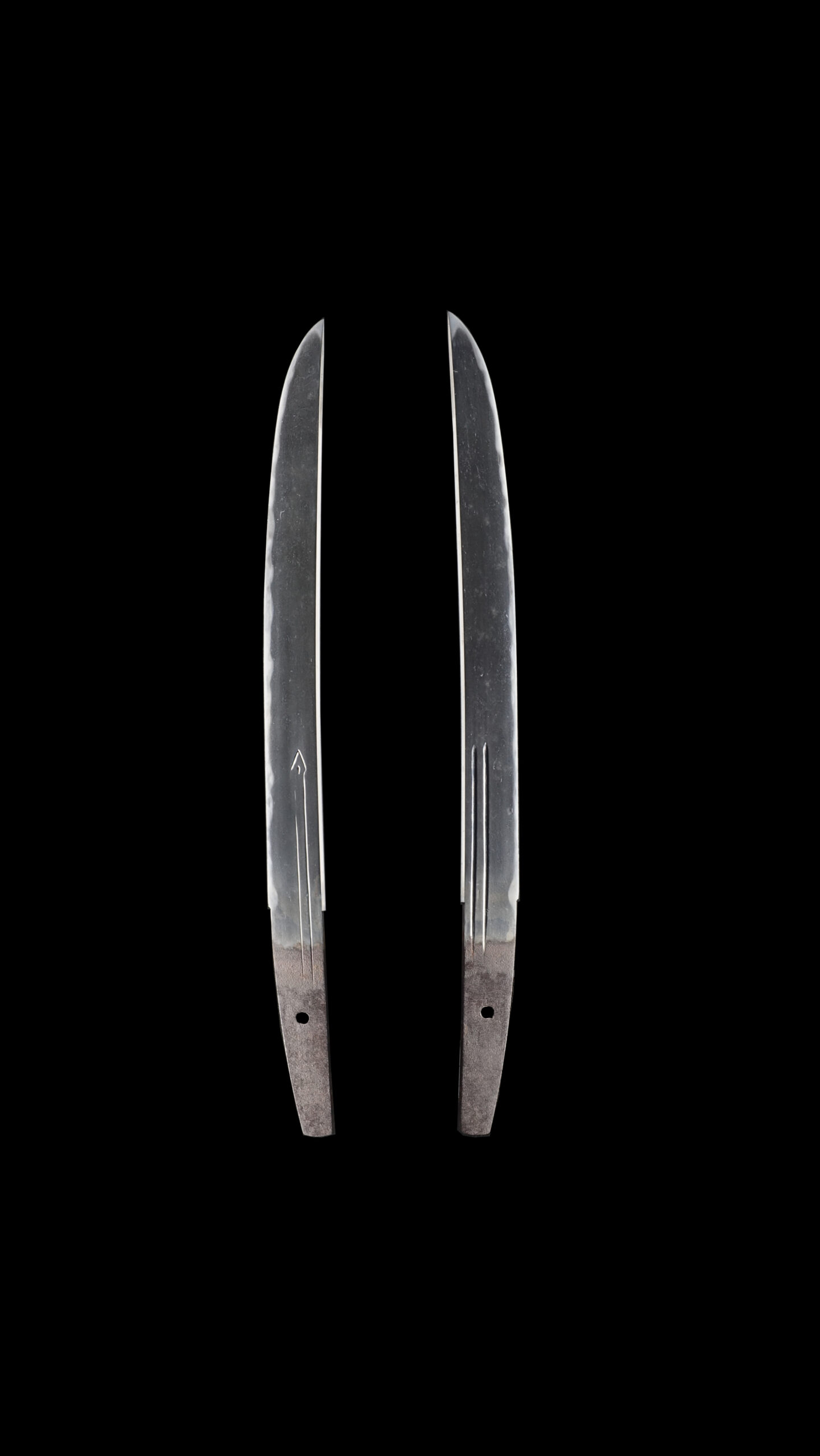
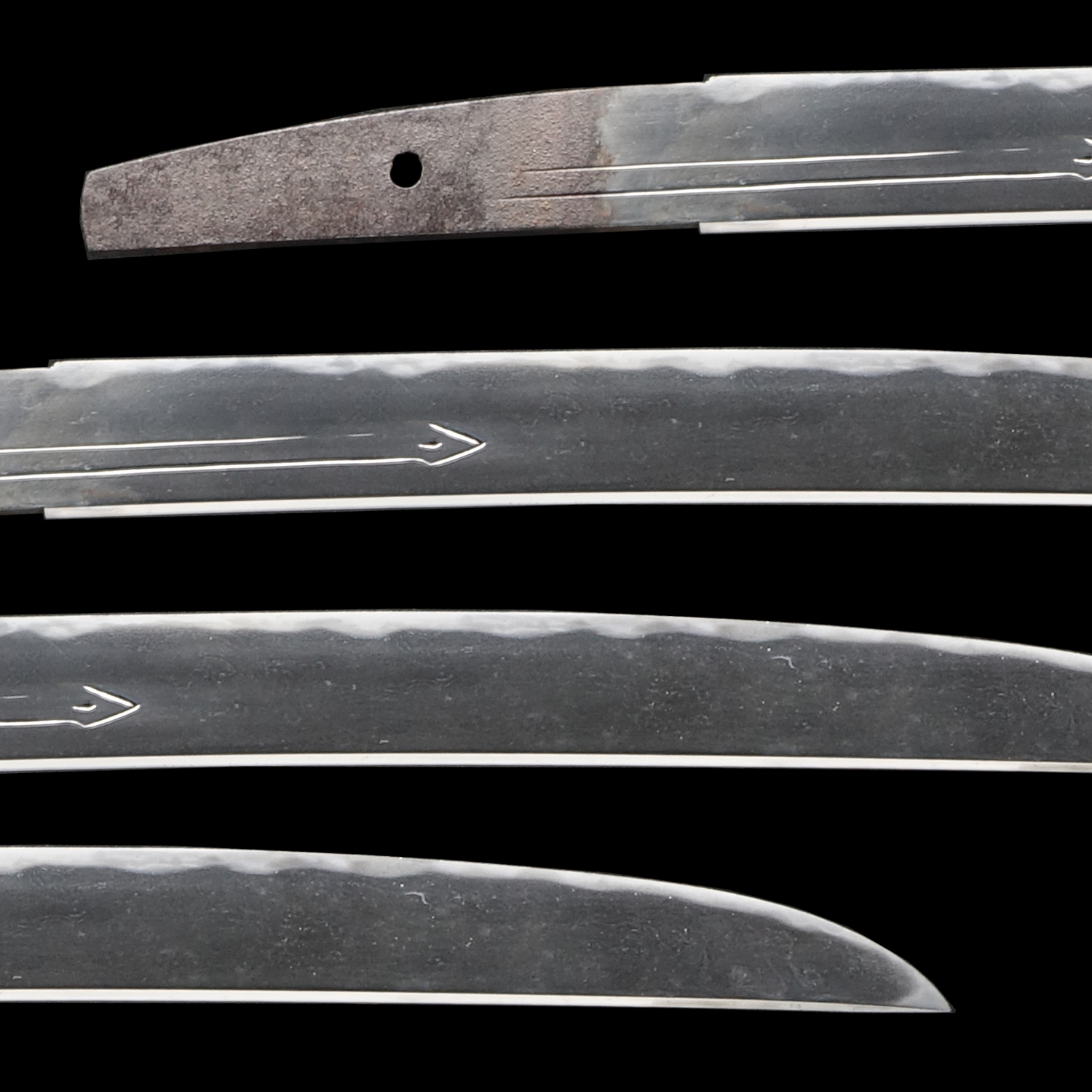
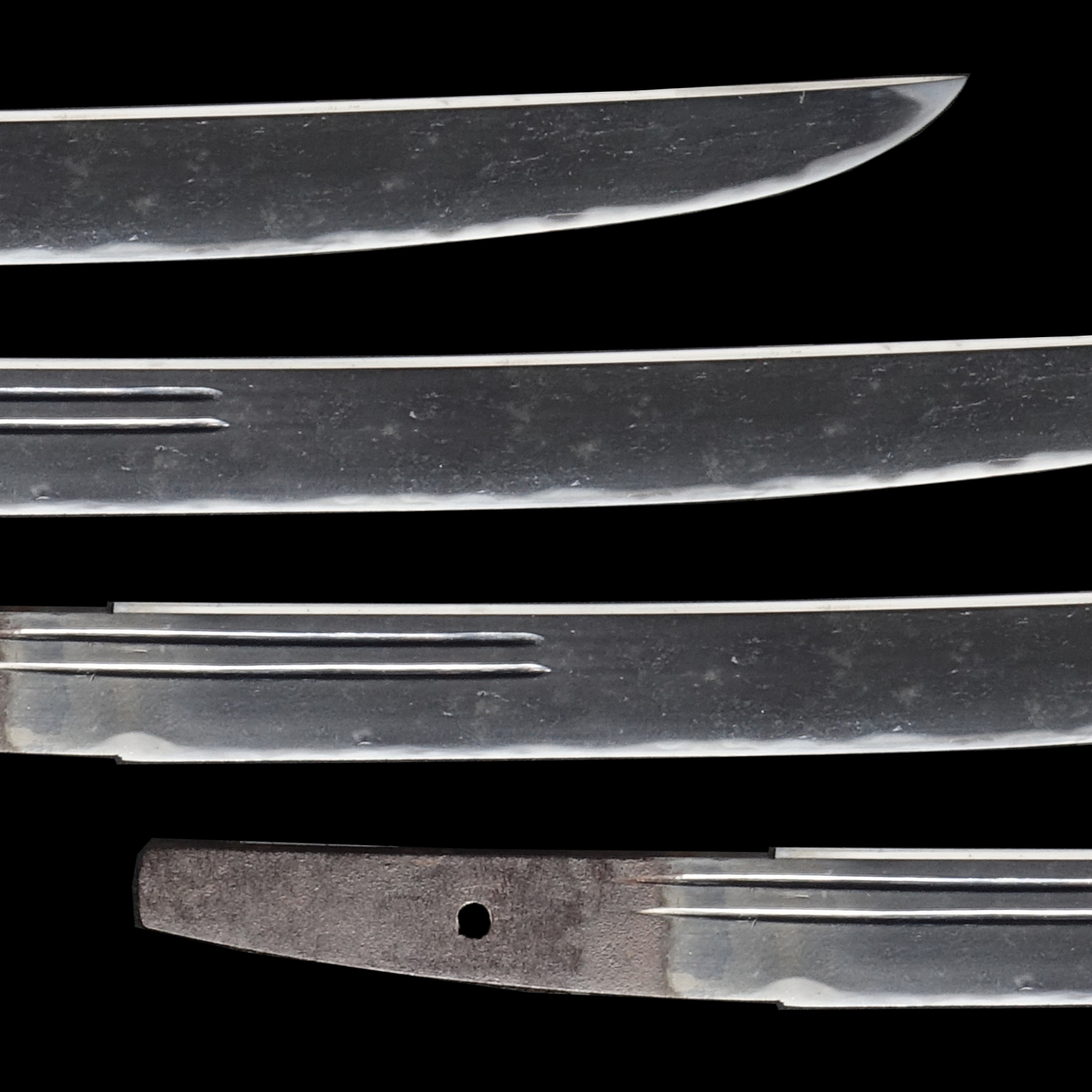
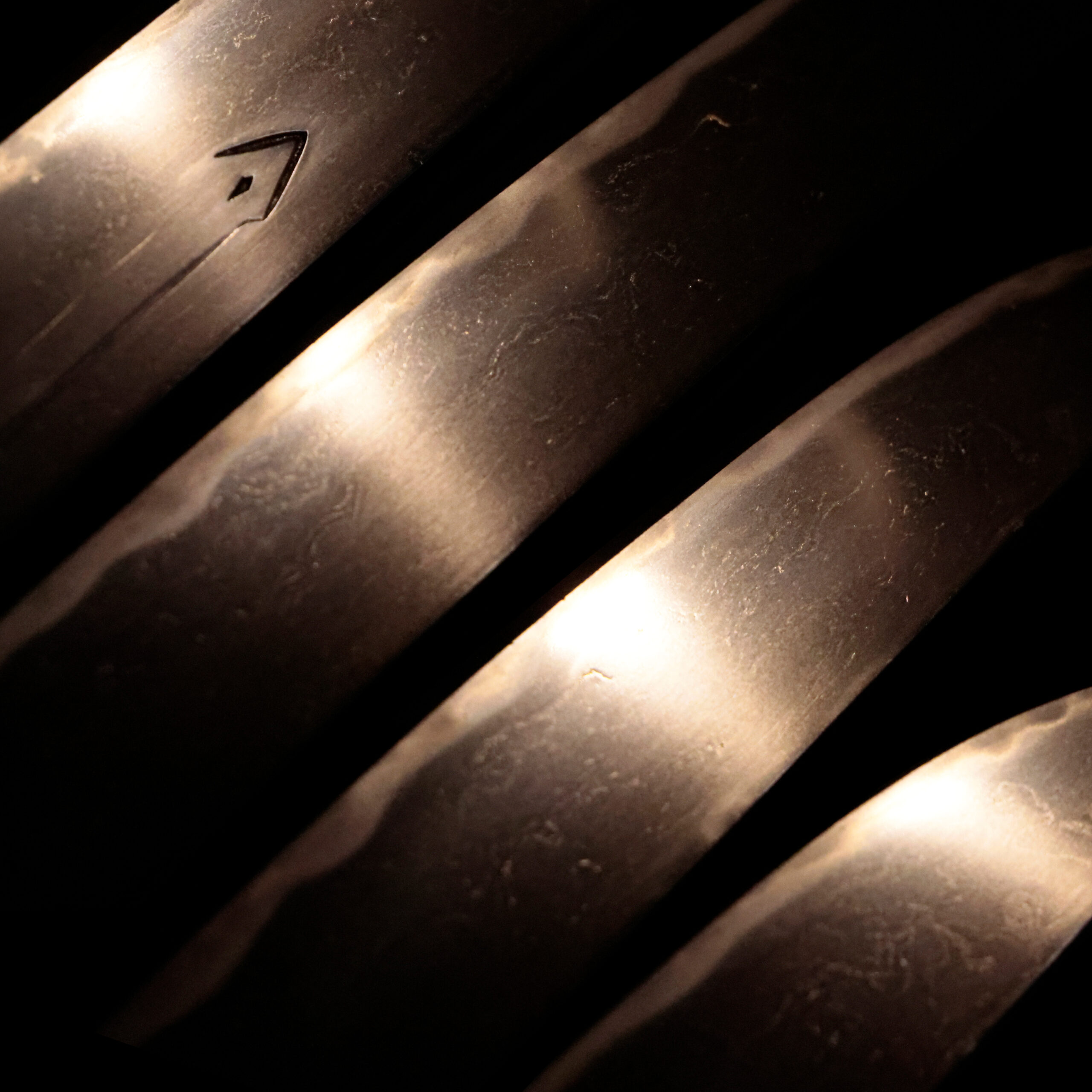
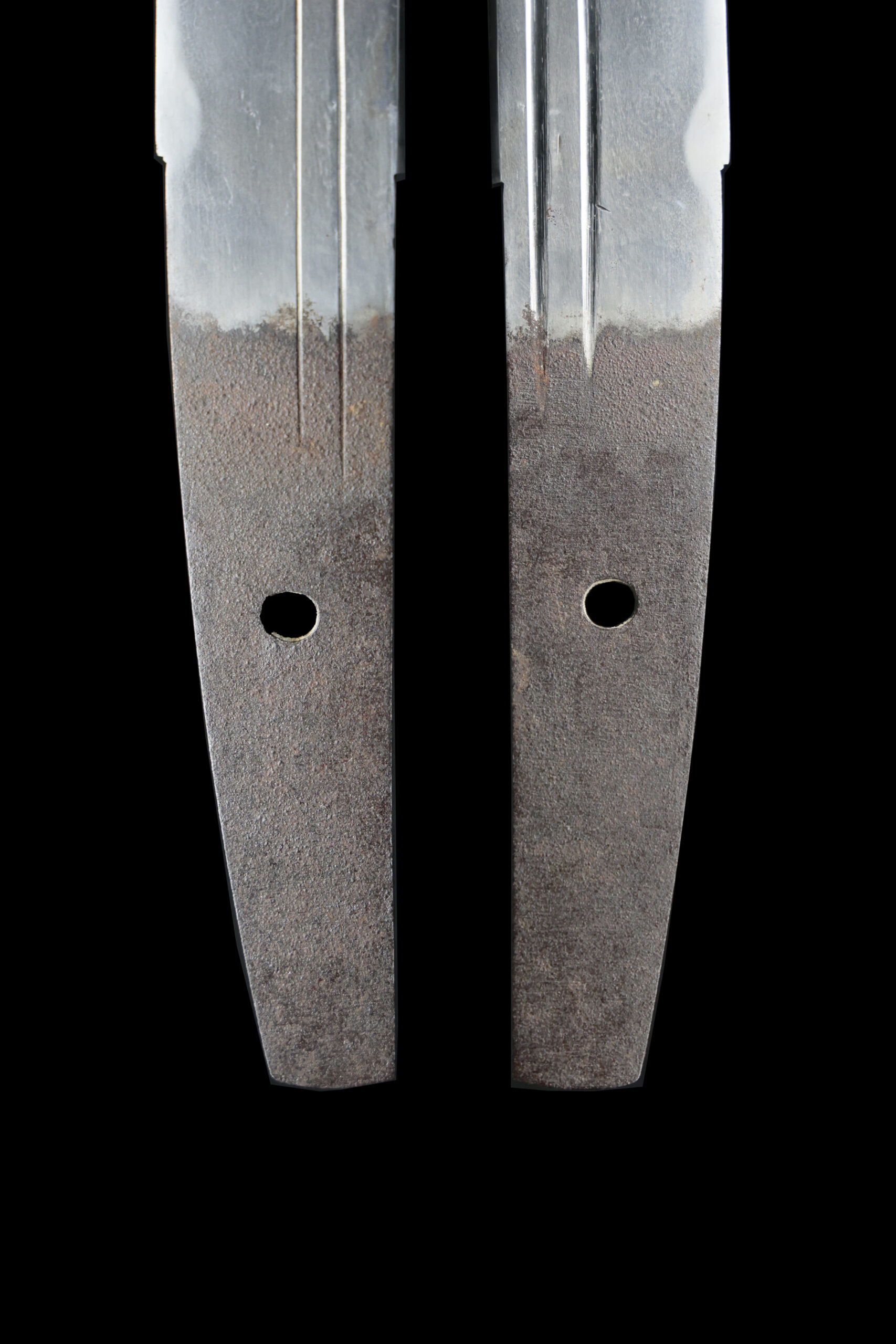
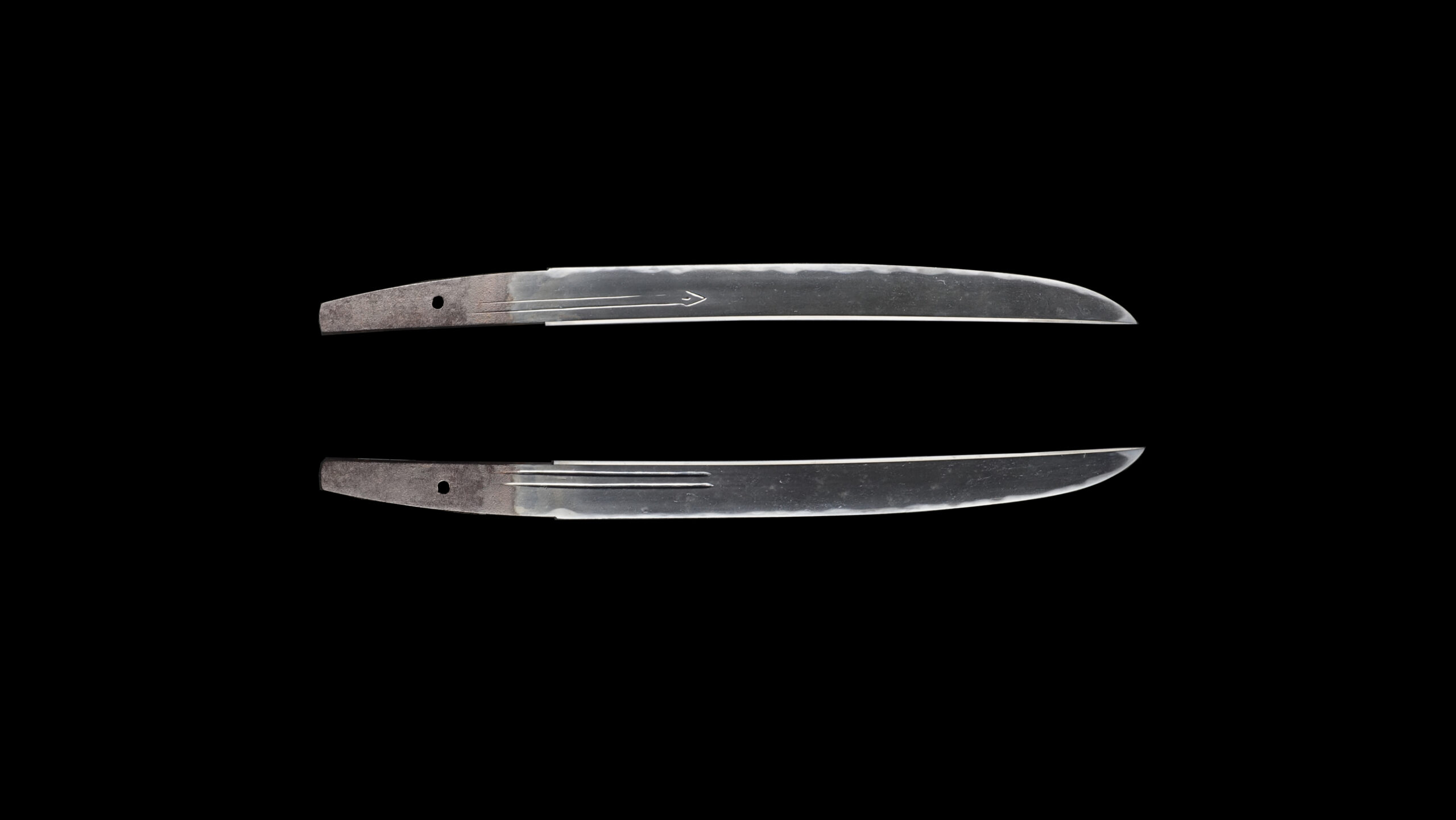
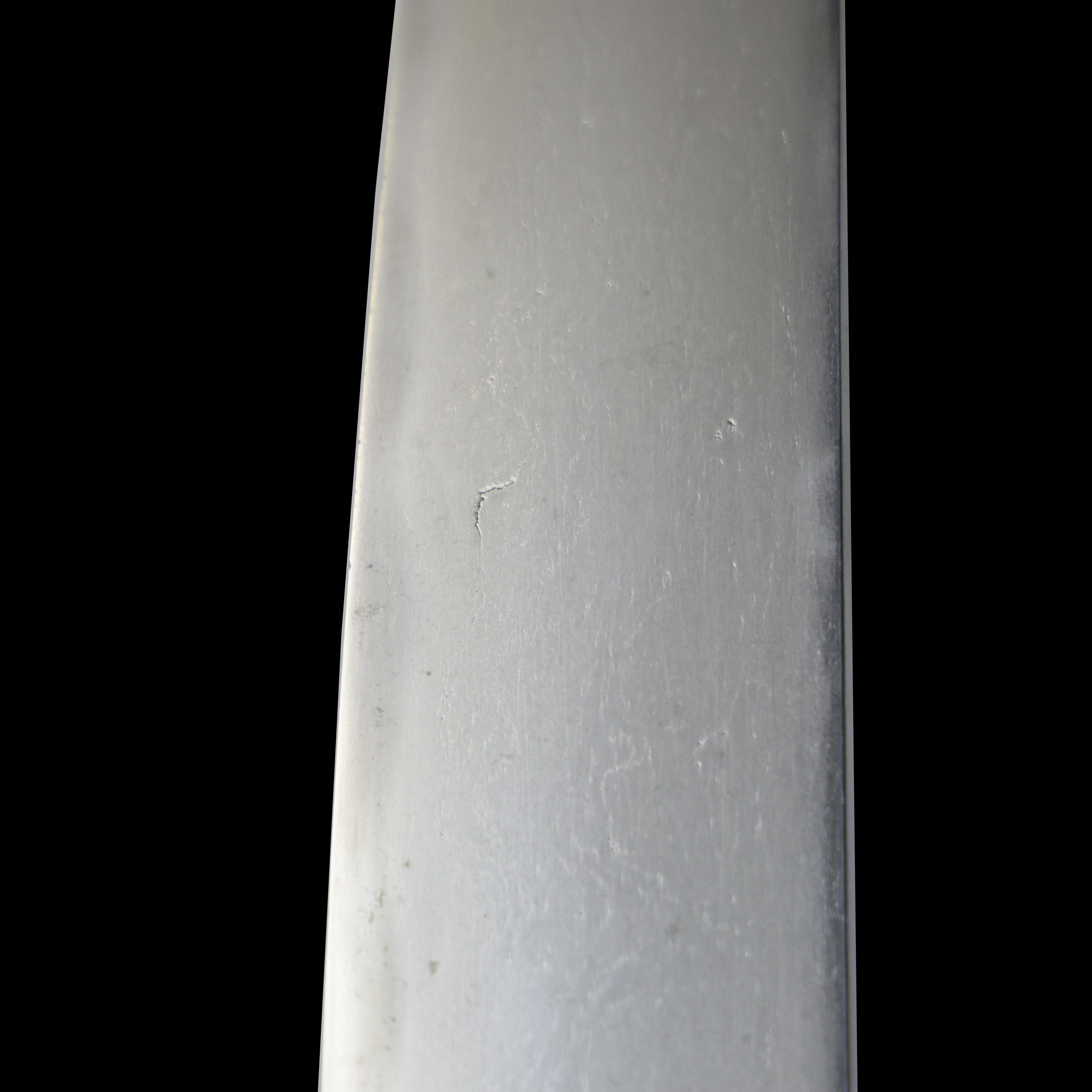
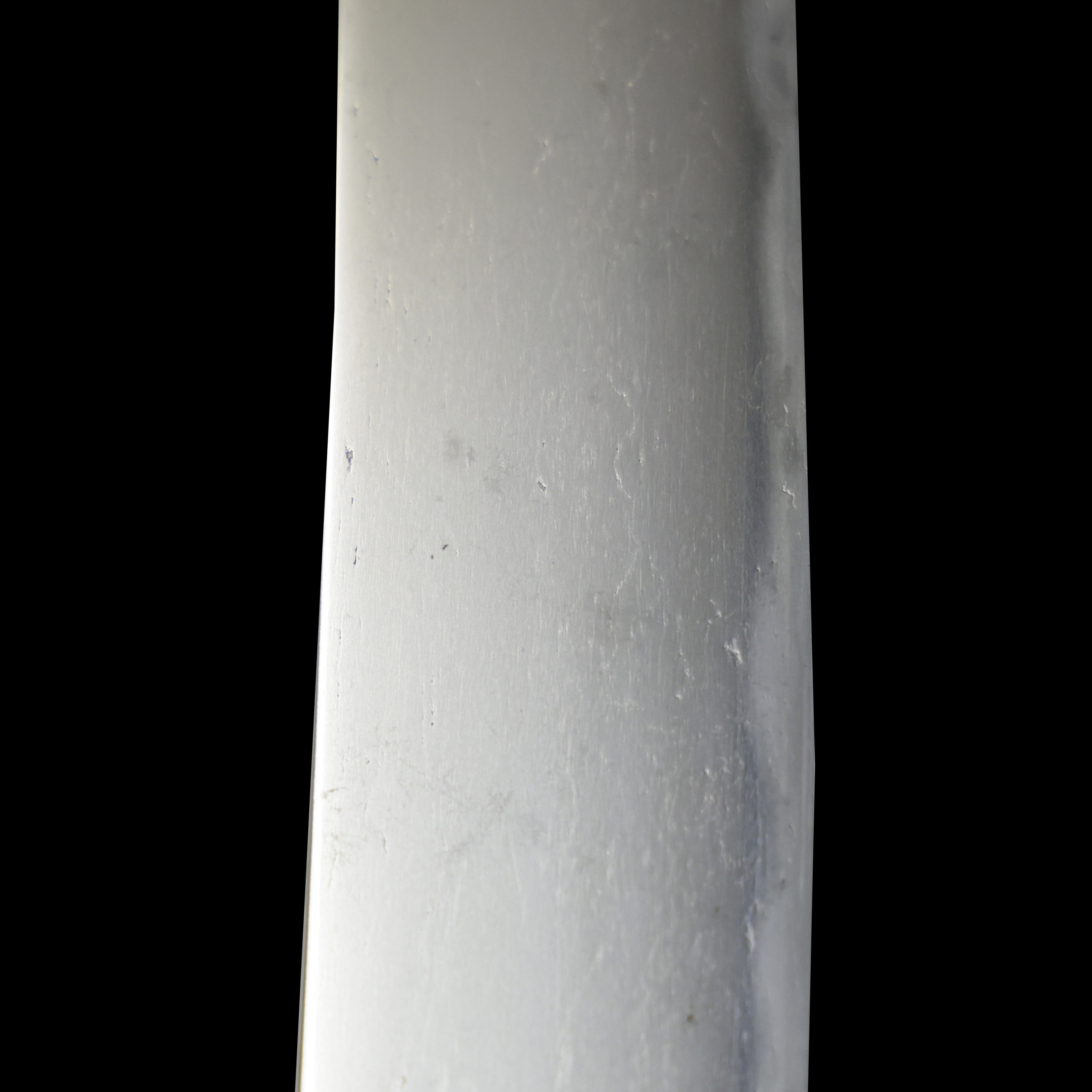
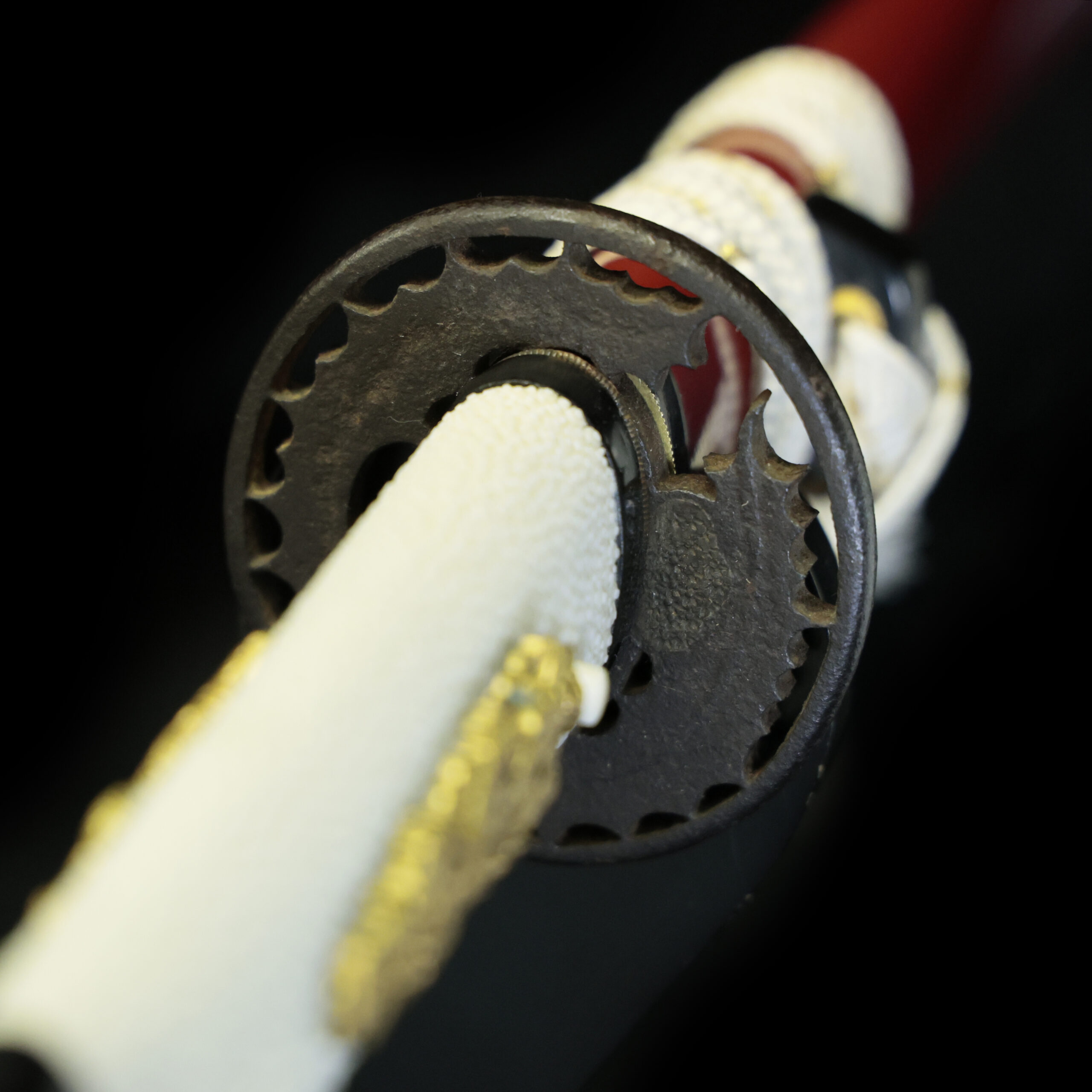
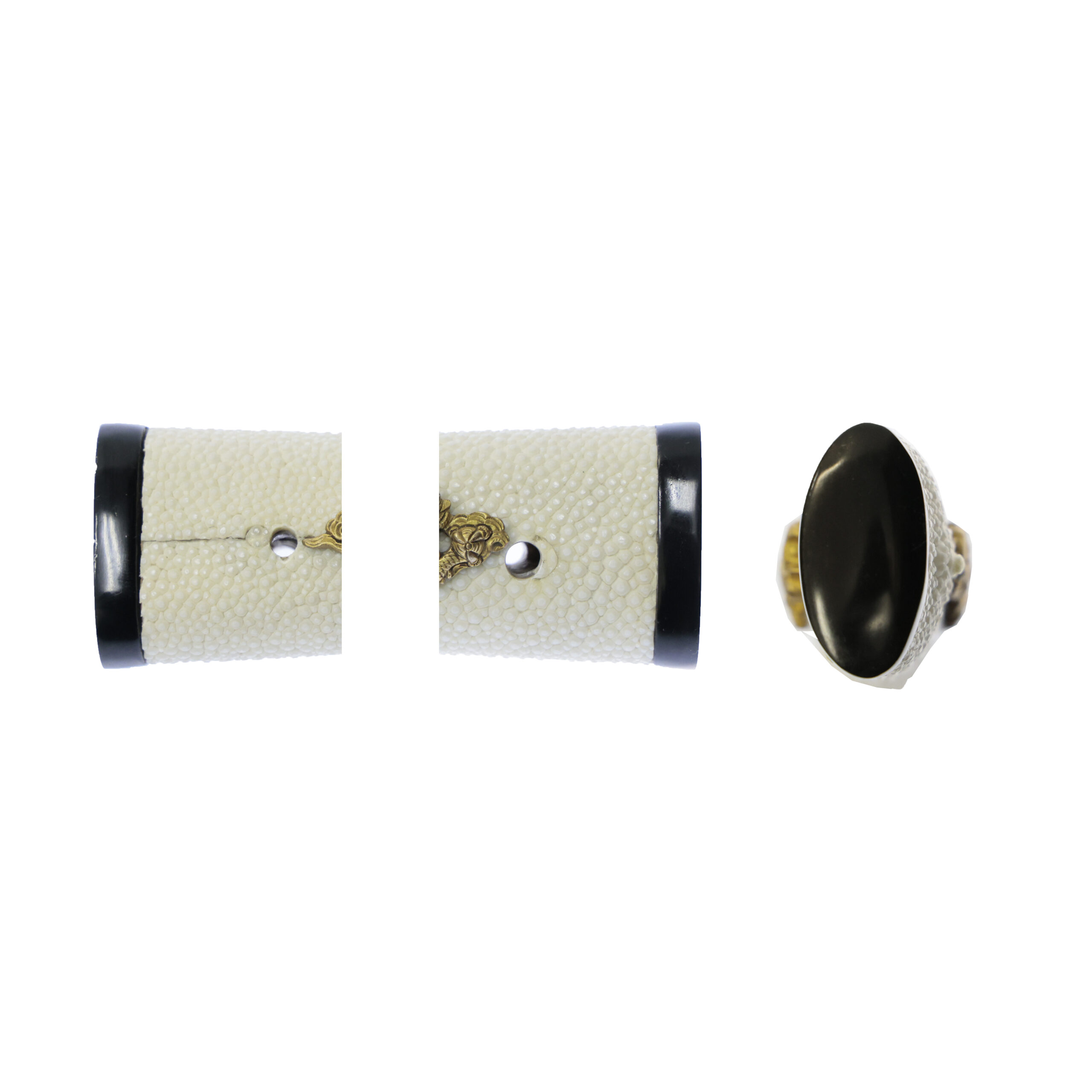
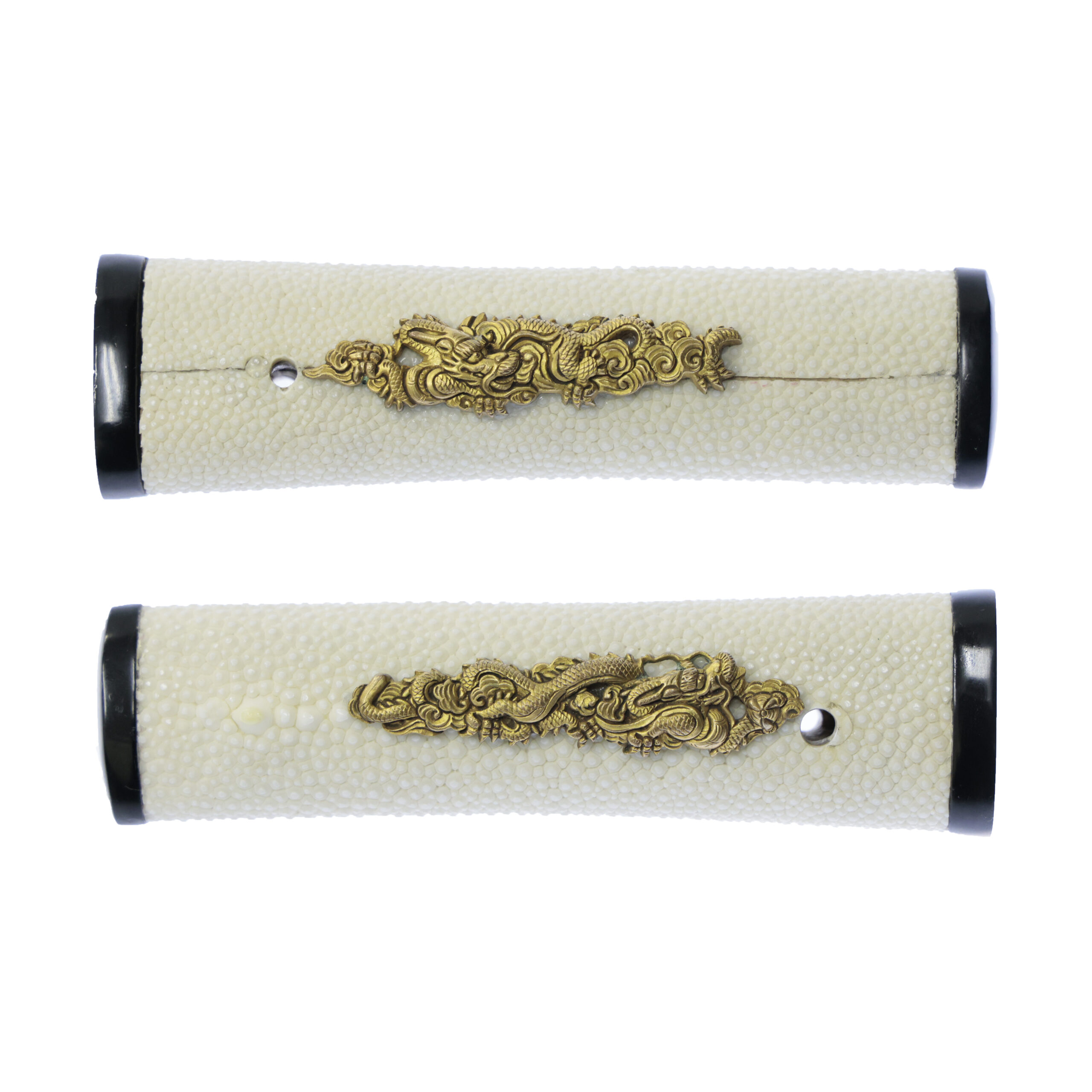
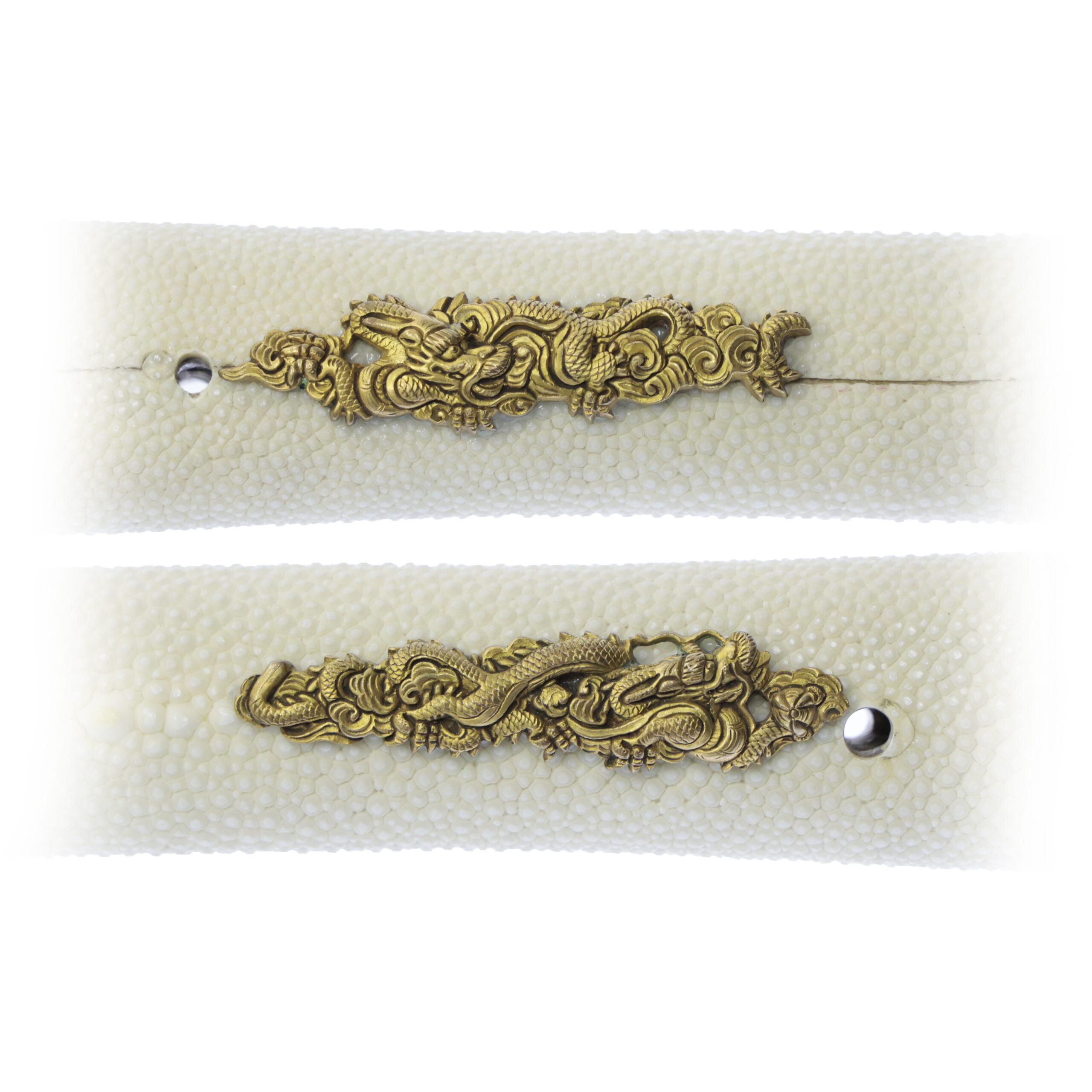
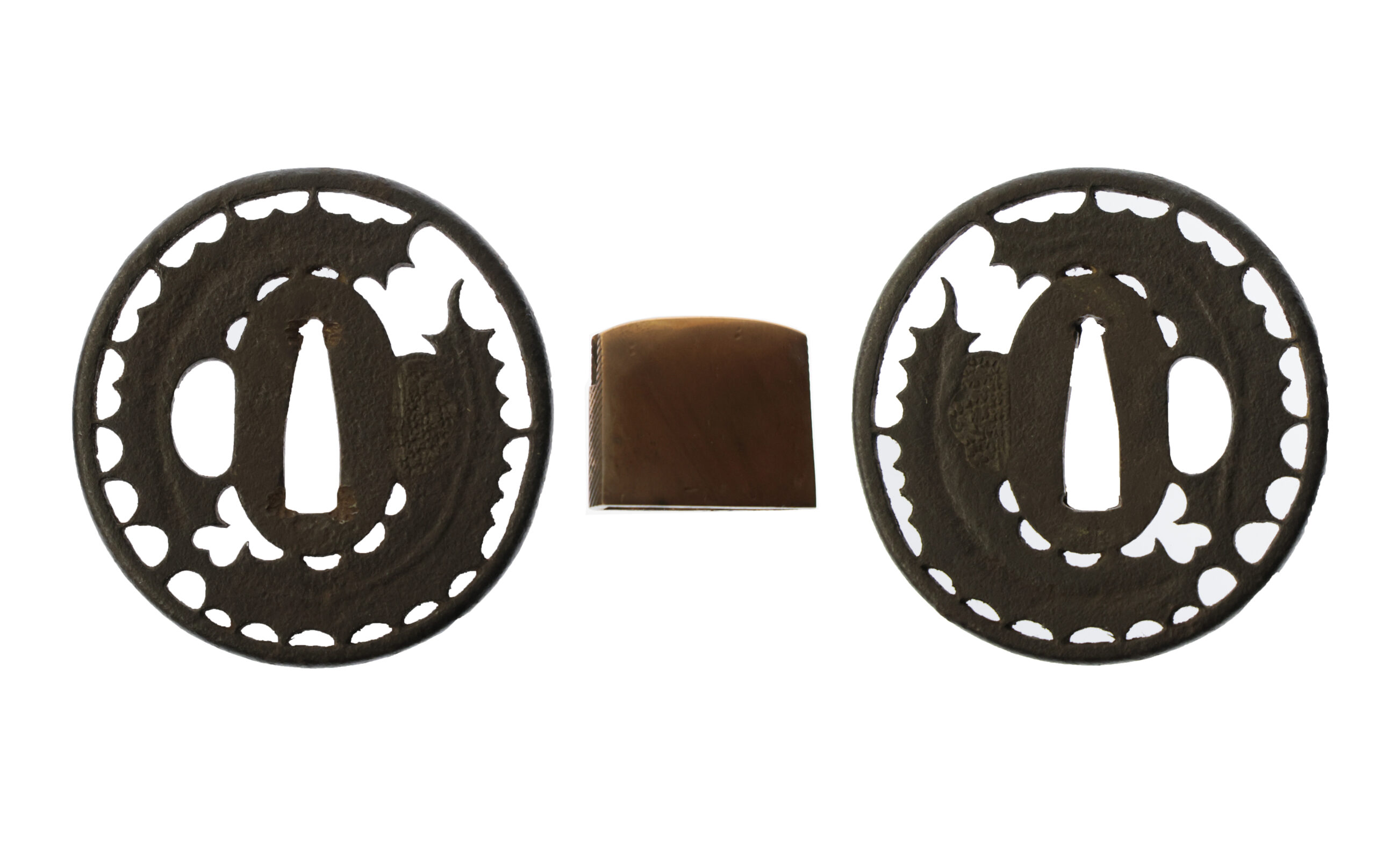
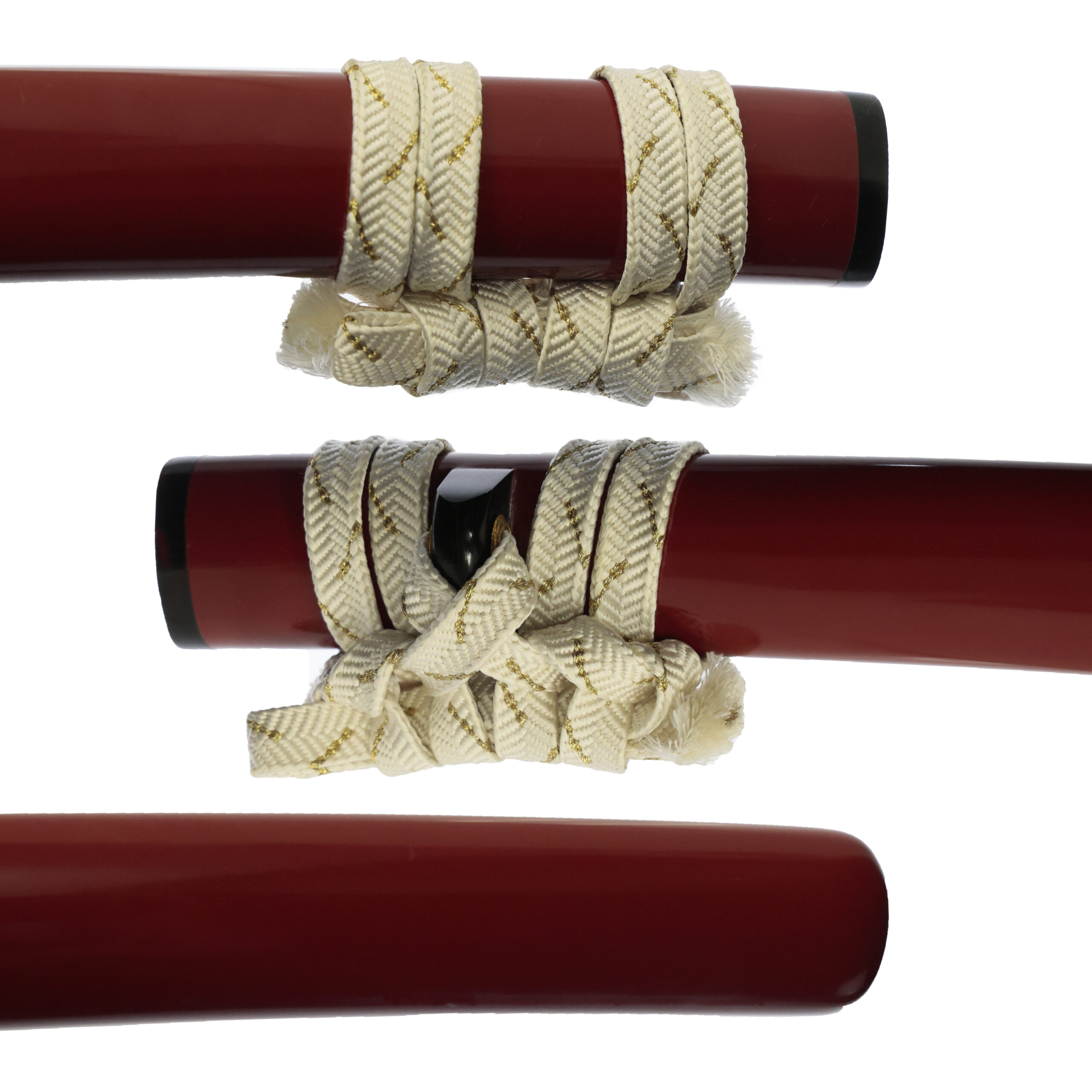
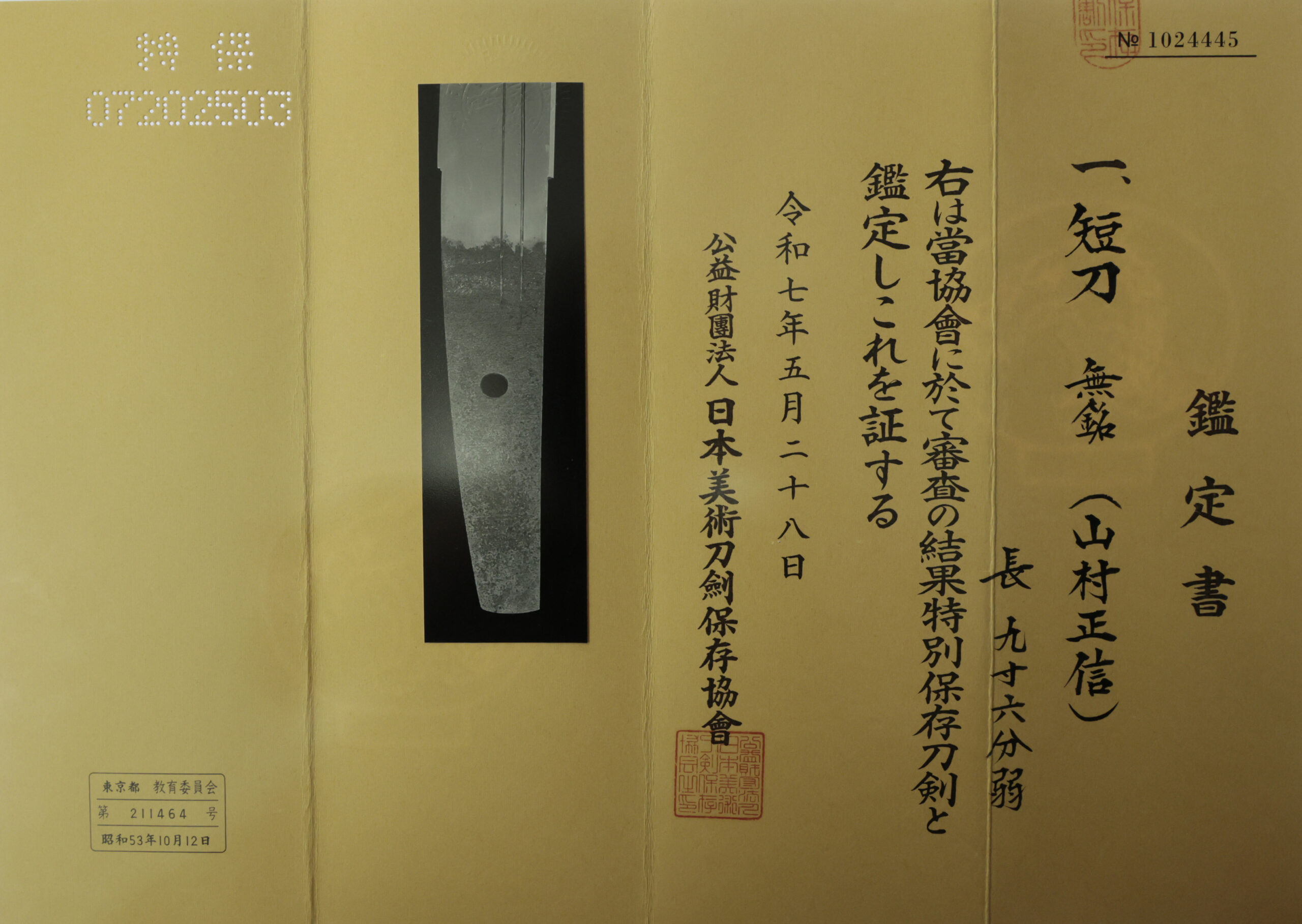
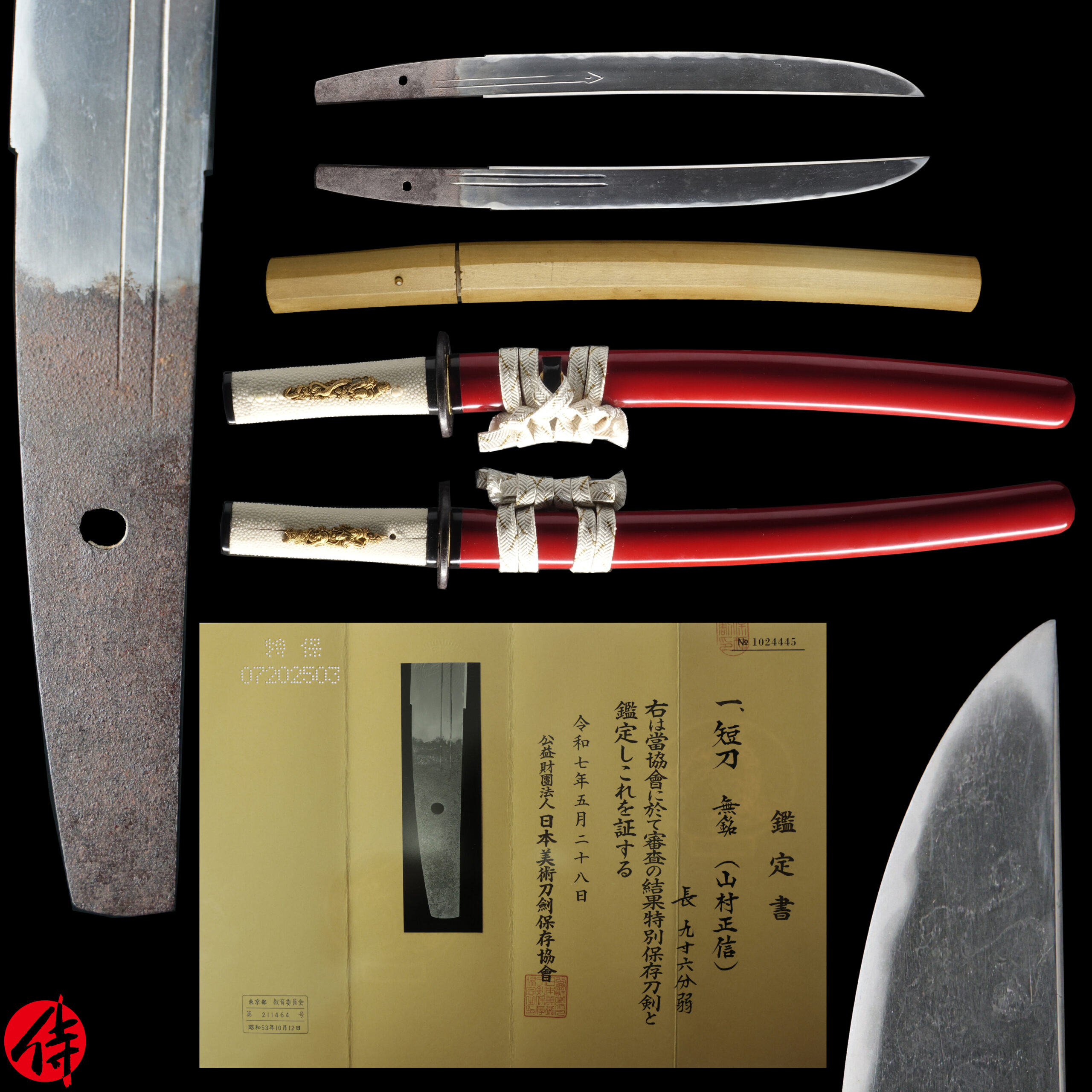
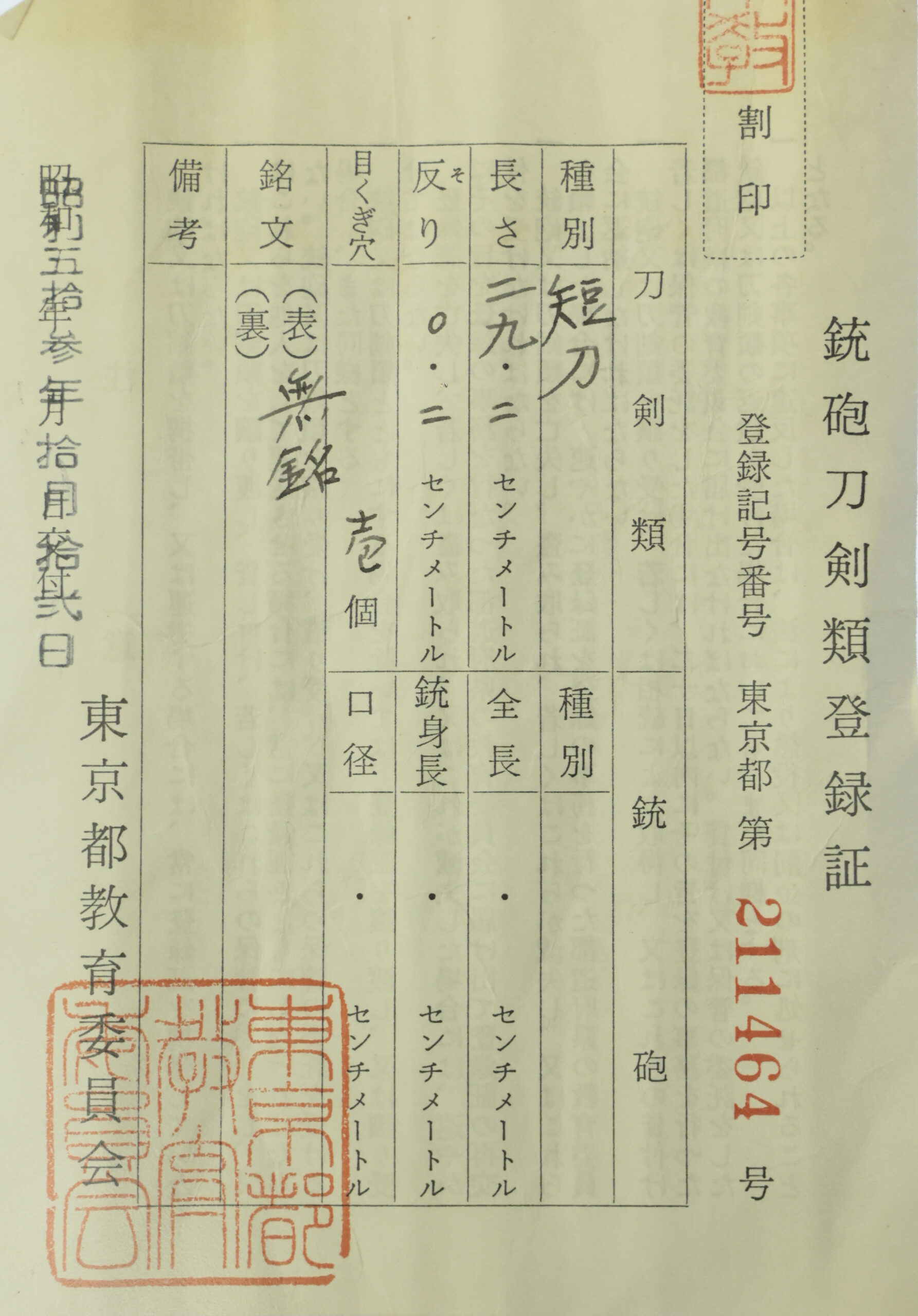
Summary This blade is attributed to Yamamura Masanobu (山村正信) , who founded Yamamura school that flourished during the late Nanbokucho period (Late 14th century) in Echigo province (Today’s Niigata prefecture). Masanobu originally belonged to Nobukuni school in Yamashiro province (Today’s Kyoto prefecture). It is said that Yamamura Masanobu was a feudal lord in Echigo province and learned sword-forging techniques from the second-gen Nobukuni by inviting him from Yamashiro province. Nobukuni school had several branches and Yamamura school is known as Yamamura Nobukuni, one of the most prominent branches. About Yamashiro Province Yamashiro province was famous for its sword-making style called YAMASHIRO-DEN. YAMASHIRO-DEN’s origin dates back to the Heian period (794 A.D) when the capital city was moved from Nara to Kyoto. The swordsmiths in Yamashiro province initially prospered by forging swords for court nobles and imperial families. Later on, they also forged swords for feudal lords after Samurai military government took control of Japan. There are so many renowned swordsmiths from this region. It is said that the founder of YAMASHIRO-DEN was Sanjo Munechika. And there are four prestigious main branches in this region. They are Sanjo, Rai, Nobukuni, and Awataguchi. One of the most characteristics of YAMASHIRO-DEN is its elegant design and beautiful Jigane. You can see beautiful Jigane (steel surface) from this Tanto. It is said that the charateristics of Yamamura scool was very close to that of Nobukuni school. What is Tanto? It was initially used as a supplemental weapon for Samurai on horseback, who used a pole weapon or long sword in the Kamaura-Muromachi period. Samurai aimed at an unprotected area of his enemy’s armor with Tanto while having to fight with close distance. TANTO was named accordingly, depending on how you carry it, such as HUTOKORO-GATANA (懐刀; Stomach-Sword) or KOSHI-GATANA(腰刀; Waist-Sword) or elsewise. TANTO was also a gift for a bride from her family in a traditional Japanese wedding, as it is believed that TANTO would be divine protection from evil power. Horimono (Engraving) This blade has beautiful engravings on both sides. You would find the Horimono (彫り物, sculpture) of Gomahashi (護摩箸) on one side, and on Suken (素剣) on the other. Gomabashi (護摩箸) is a type of carving on the blade of a Japanese sword, consisting of two parallel grooves cut along the surface. It has the same shape as futasuji-hi (二筋樋, “double grooves”), one of the common forms of grooves seen on Japanese swords. The name originates from an implement used in Esoteric Buddhism (Mikkyō). In a ritual called Fudō-goma, offerings were placed into a consecrated fire to pray for the protection of Fudō Myō-ō (Acala, the immovable wisdom king). During this rite, iron chopstick-like tools called gomabashi were used to handle the offerings. Because of this association, the sword carving known as gomabashi came to be regarded as a symbolic representation of Fudō Myō-ō himself. The Suken is a simplified design of the Sanko-Duka-Ken (三鈷柄剣), which is a sword that the Fudo Myo-O (不動明王: acalanātha, one of the objects of worship in Buddhism) brings. It is an esoteric Buddhist tool used for esoteric prayer, meditation, purification, and amulets. It is believed that this sword would exorcize evil spirits. It is appraised as a Tokubetsu Hozon Token (特別保存刀剣) issued by NBTHK (Nihon Bijutsu Touken Hozon Kyokai:日本美術刀剣保存協会). *Please keep in mind that there are a few light black rust spot as well as small Kitae Kizu on the blade. Tsuka and Menuki The theme of this Menuki is a dragon (龍, Ryu). Initially, the dragon is an imaginary creature found in ancient Chinese traditions or myths. Furthermore, it is regarded as a symbolic beast of auspicious signs. Its body is likened to nine animals: antlers are deer, the head is a camel, eyes are demons, the neck is a snake, belly is Mizuchi (蛟, mythical animal in Japan which looks like a snake and have a horn and four legs), scales are fish, claws are falcons, palms are tigers, and ears are cows. It was thought that the dragon would reign at the top of all animals because of its odd-looking appearance. In ancient China, the dragon pattern was used for emperors’ clothing so that people strictly defined its shape or even the number of nails. On the other hand, the dragon pattern does not have detailed rules to represent classes in Japan. However, still, it maintains its meaning as the all-purpose auspicious pattern. Also, in Japan, there is a belief that worships dragon as a water god and is called Ryujin Shinkou (竜神信仰). Since rice cultivation flourished in this country, water is always an essential resource. Therefore, the dragon motif has been familiar to Japanese people since a long time ago. Tsuba and Habaki The theme of this tsuba is Daki-hiiragi (抱き柊, Embracing Holly). The hiiragi-mon is a family crest that features the leaves of the holly (hiiragi), an evergreen tree of the olive family. In Japanese tradition, holly has been regarded as a sacred plant used during the Setsubun festival to ward off evil spirits. For this reason, the motif came to be used in family crests as a symbol of protection, purification, and the wish for safety within the household. Saya This scabbard is covered with red lacquer. Due to its high waterproof effect, lacquer has been used since ancient times in Asia. The blade of a Japanese sword is made of iron, and moisture is the greatest enemy of iron. For the purpose of carrying the blade without degrading it, people devised a method of coating the scabbard with lacquer. To prevent not only moisture but also rain and snow from penetrating the inside of the scabbard, it was necessary to apply multiple layers of lacquer. The Nushi (塗師, lacquerers) was born precisely because advanced techniques were required to handle the complicated processes. *Please note that the scabbard of this tanto is slightly longer than the blade itself. Authentication Paper They authenticated the blade on May 28th in the 7th year of Reiwa (2025). They appraised it as Tokubetsu Hozon Touken, the blade especially worth preserving for Japanese society.
Offered by Samurai Museum

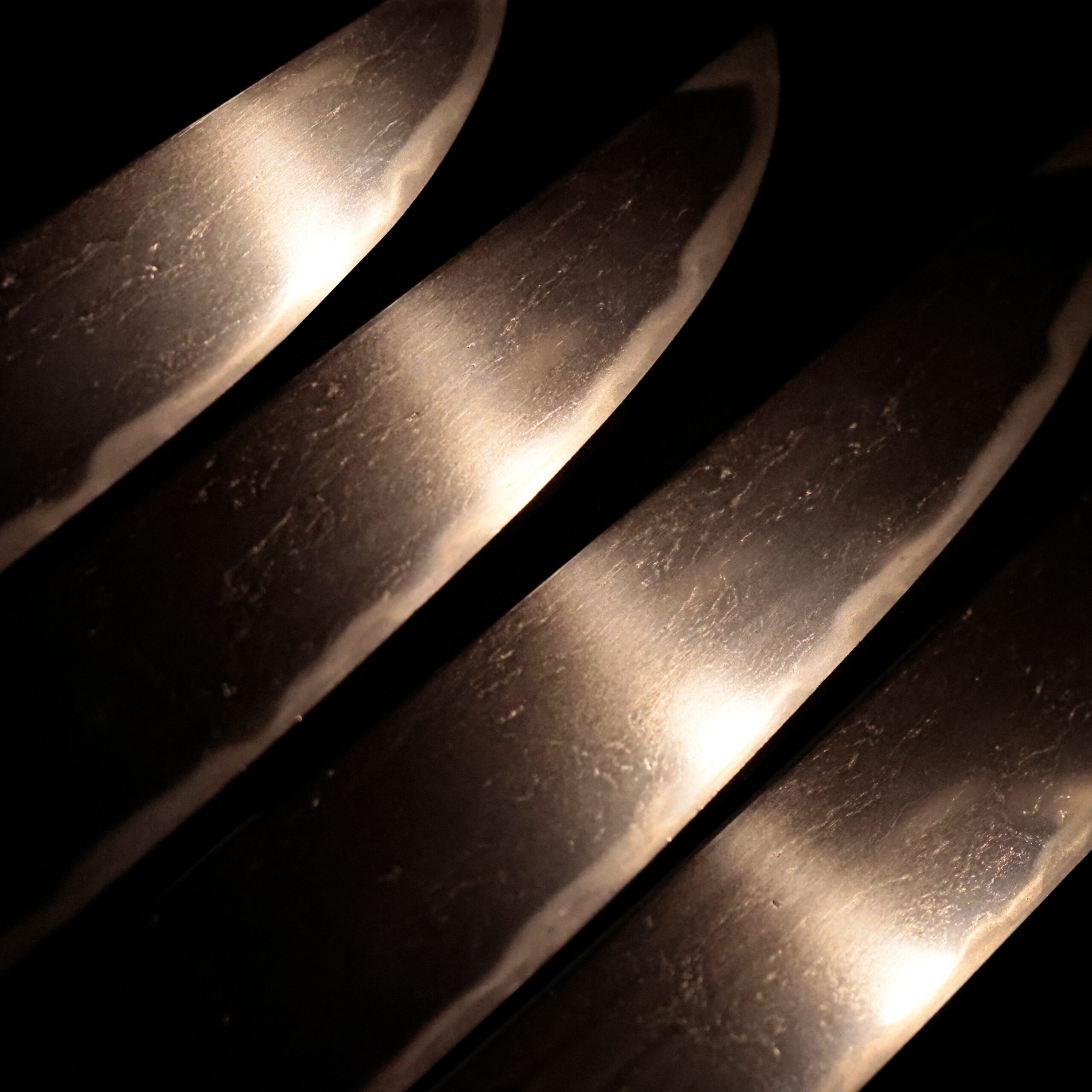
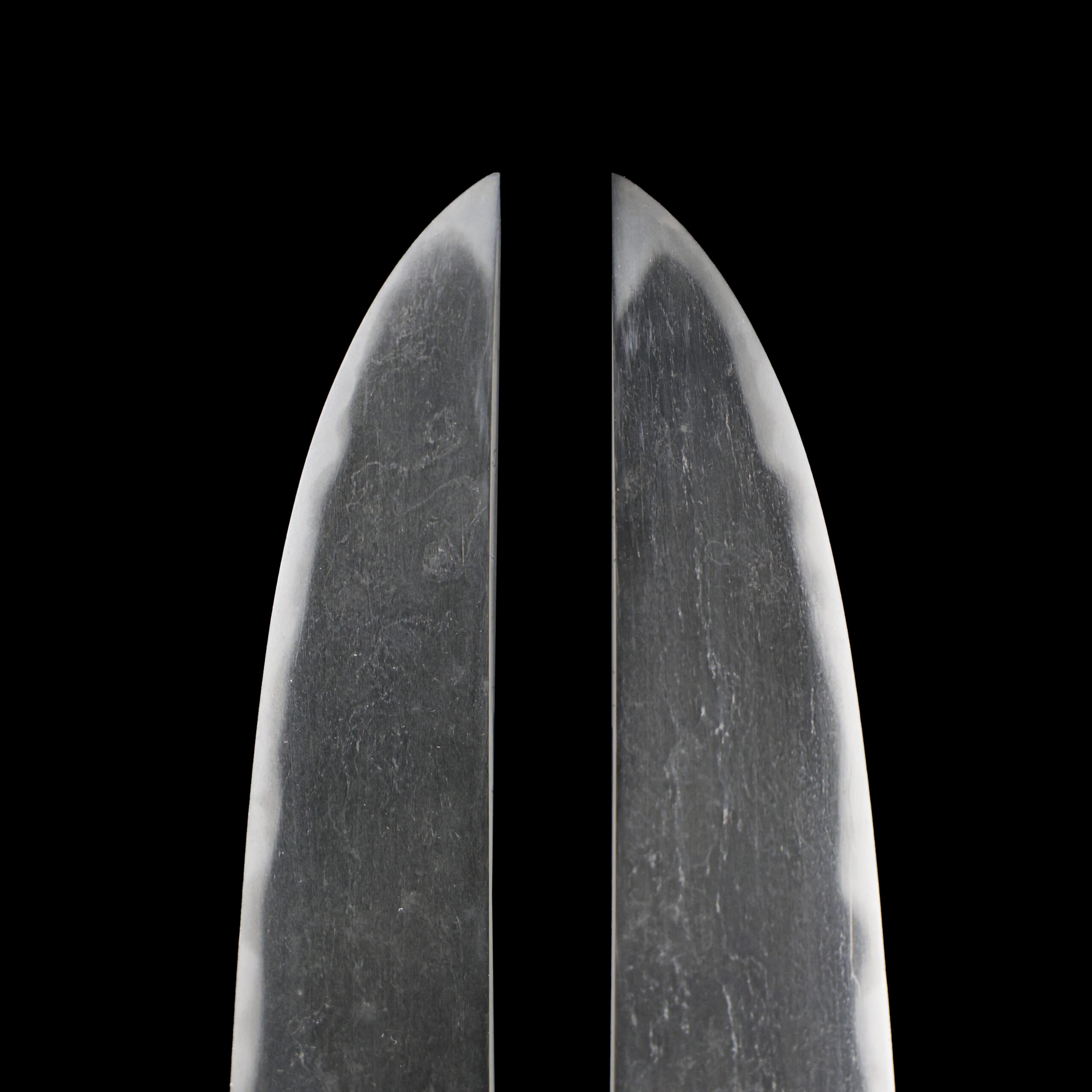
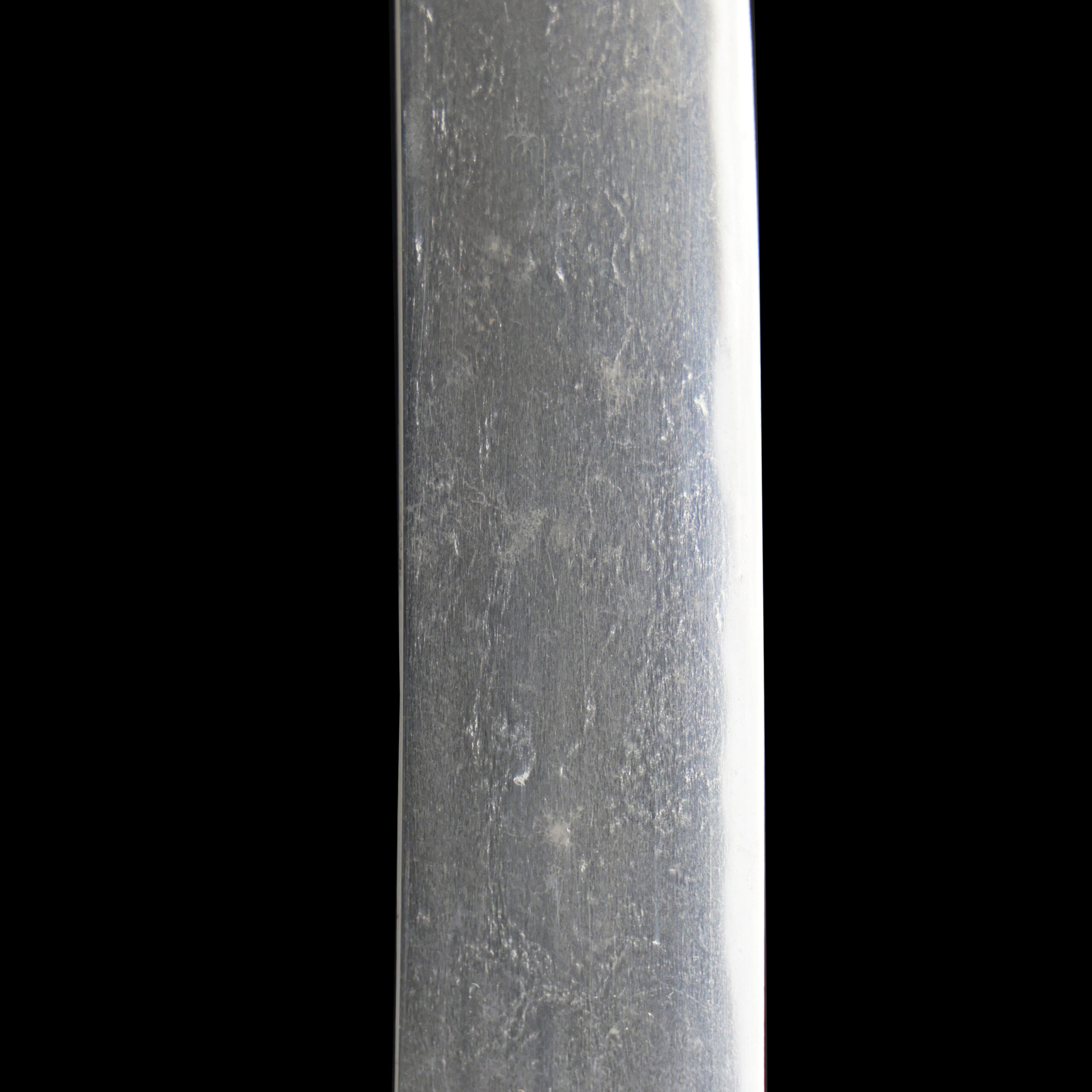
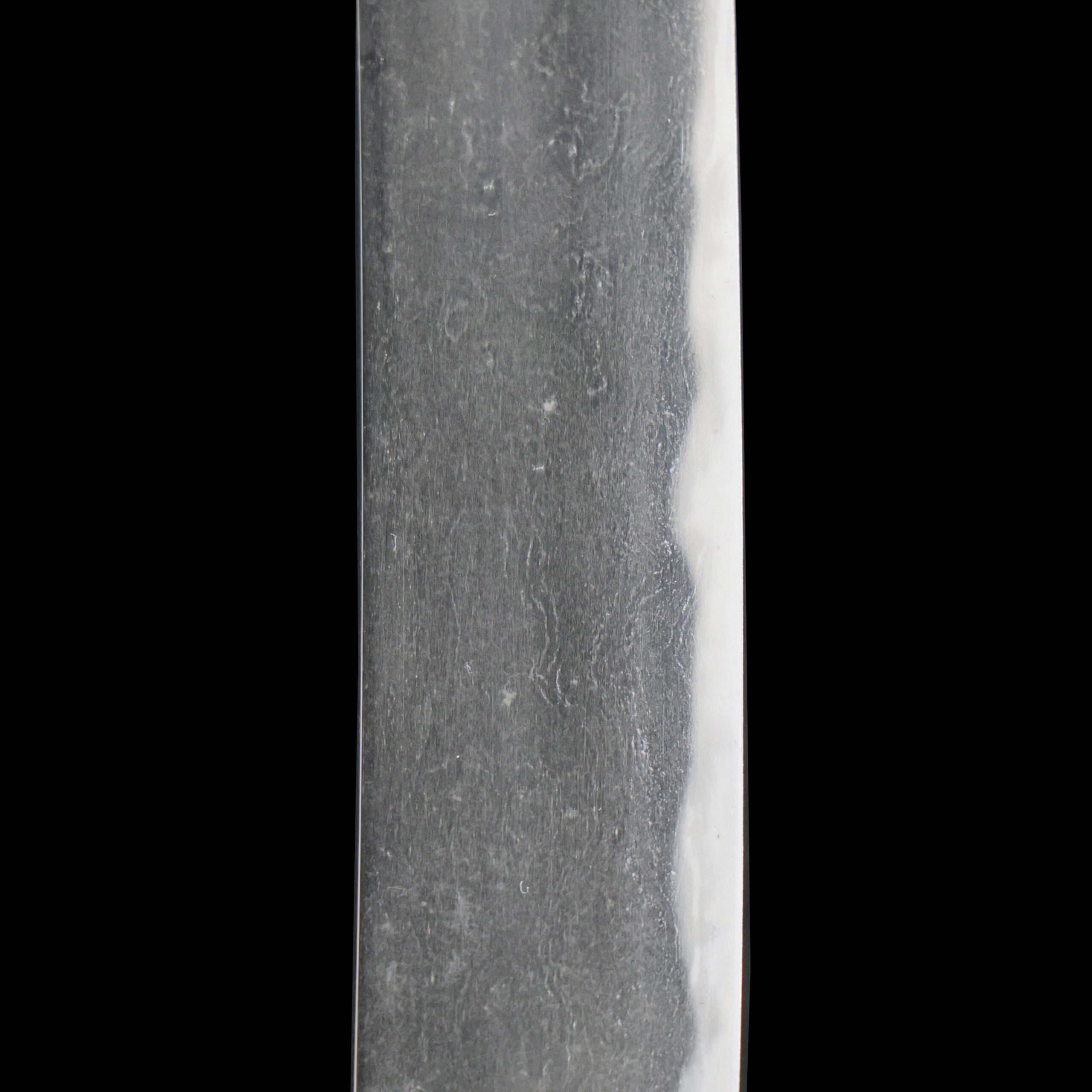
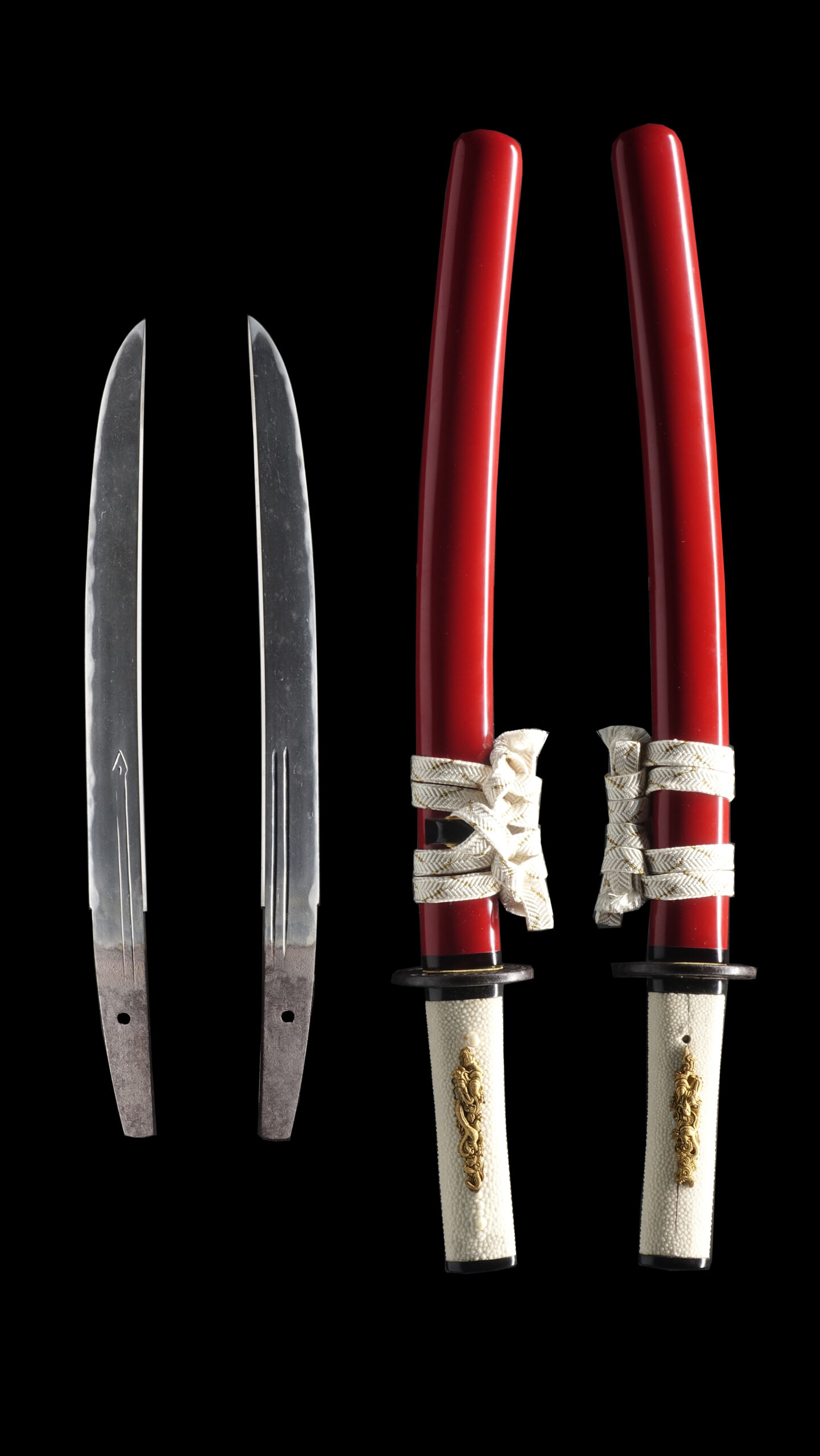
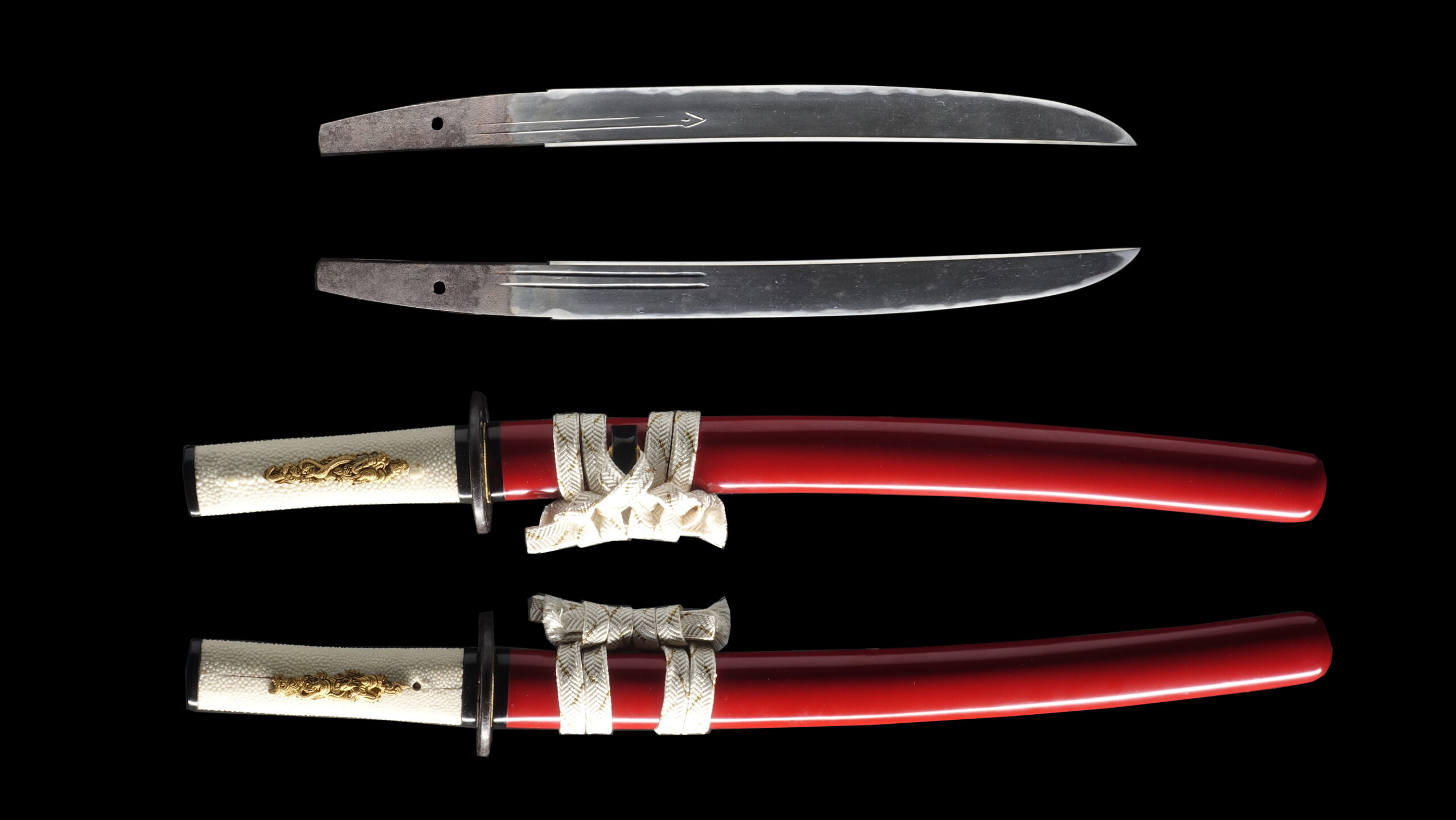
Yamashiro-den · Yamashiro
25 pieces on the market now
Few Kyoto houses bridged two traditions as deliberately as Nobukuni (信国), the Yamashiro-den lineage whose work runs from the Nanbokucho period through Muromachi and on, in a western branch, into the shinto age. The first generation, the smith the NBTHK counts as shodai, is the master of the Enbun, Koan and Joji years; the older registers placed a founding Nobukuni back in the Kenmu era, but the published sources set that legend aside, since no work survives so early and the style of the oldest dated blades connects directly with that of Sadamune. Two inheritances meet in him. By blood he belongs to the Ryokai line, recorded as son or grandson of Ryo Hisanobu and therefore of Rai descent; by training he is said to have studied under Soshu Sadamune, counted among the Sadamune Santetsu, the three brilliant pupils. The name then passed on: a change-of-generation Nobukuni with Eitoku, Shitoku and Meitoku dates stands at the close of Nanbokucho, and in early Muromachi come the so-called Oei Nobukuni, Saemon-no-jo and Shikibu-no-jo, conventionally the third generation. The published commentary keeps these hands apart and notes that several smiths of the same signature appear within the Nanbokucho period alone. Through Muromachi the line moved to Buzen and then Chikuzen, where it served the Kuroda house of Fukuoka as retained smiths and flourished as the Chikuzen Nobukuni group of Yoshisada, Yoshimasa, Yoshitsugu, Yoshikane and Shigekane. A single steel underlies the whole school. The jigane is an itame mixed with mokume that flows toward the ha and stands into masame, with thick ji-nie and chikei entering frequently; on the finer-forged pieces a streak-like nie-utsuri rises, and that masame-tinged surface is read as the visible token of the Ryokai pedigree.
Over it the temper divides into the manners the sources name together: a suguha expressing the Kyoto tradition, refined in ko-nie with fine hotsure and a niju-ba tendency, carried on tanto and ko-wakizashi; and a ko-notare mixed with gunome inheriting the Sadamune style, laid thick in nie, with kinsuji, sunagashi, hotsure and conspicuous yubashiri, on the most flamboyant pieces stringing into a two-tiered ha. From the late Nanbokucho succession into the Oei generation a third range enters, a gunome-led midare whose tell is paired gunome linked across the valleys by a low ko-notare into a yahazu, arrow-notch, profile, with muneyaki, tobiyaki and niju-ba on the liveliest blades. Above all stands the carving the sources call the house art, the horimono of bonji, kurikara, suken, gomabashi, sanko-ken and the invocation of Hachiman Daibosatsu, often layered one over another in kasanebori; few smiths of the age are so consistently identified by what they carved. The Chikuzen branch carried the masame-leaning itame forward and added a choji-midare with midare-utsuri, Yoshikane reaching toward Soshu-den with deep nioi and thick nie, Shigekane ranked highest in skill within his group and noted as a copyist of meibutsu who emulated Fudo Kuniyuki at the Hama Palace. To kantei Nobukuni is to read the Kyoto traces that part him from Sadamune: the nie-utsuri, the niju-ba, and the hada that drifts into masame along the ha. Within the long succession the shodai remains the touchstone, his dated work the standard against which unsigned blades and generation questions are resolved, the reversed left-form kuni marking the Oei Saemon-no-jo, the yahazu the daigawari hand. The best members rank Jo-jo saku under Fujishiro, and the carving reputation is the constant thread, distinguishing these blades from the plainer utilitarian grooving of contemporary Bizen. Provenance runs through the great houses: the Kuroda wakizashi once carried by Kuroda Nagamasa, a Hongan-ji meibutsu held to have been cherished by Rennyo Shonin, the signed Arao Nobukuni descended in the Asano of Geishu, pieces in the Sanada, Tosa Yamauchi and Tamura families, and a tachi bestowed on the Owari Tokugawa. Examples rest today in the Tokugawa Art Museum, the Kyoto National Museum, shrines such as Atsuta and Ise, and long-held private collections, with the Chikuzen smiths' shogunal-command pieces preserving the historical episodes that produced them. Learn more →
| Smith | Era | Designated |
|---|---|---|
| Nobukuni信國 | 1356-1368 | 70 |
| Nobukuni信國 | 1383-1392 | 33 |
| Nobukuni信國 | 1394-1428 | 44 |
| Yoshikane吉包 | 1661-1686 | 6 |
| Masanobu正信 | 1356-1361 | 4 |
Yamashiro in the Nanbokuchō period
The divided-courts war impoverished the court society that had sustained Kyōto’s most refined work. With the last Rai masters the classic line effectively closed, while Hasebe and Nobukuni carried the new Sōshū manner into the capital.
A Hozon-certified blade judged to show notably superior workmanship and a better state of preservation. The bar is higher: re-tempered blades and most unsigned Muromachi/Edo works are excluded.
The NBTHK (Nihon Bijutsu Tōken Hozon Kyōkai, the Society for the Preservation of Japanese Art Swords) is a public-interest incorporated foundation founded in 1948 and supervised by Japan’s Agency for Cultural Affairs (Bunkachō); it is based at the Japanese Sword Museum in Tokyo. Its expert panels physically examine each submitted work (shinsa) and issue a certificate (kanteishō) ranking it by artistic and historical merit. NBTHK papers are the most widely recognized standard of authentication for Japanese swords and fittings.
NBTHK official siteReturns/exchanges limited to defects caused by shipping (except willful misconduct or gross negligence by the company); customers must contact within 72 hours of receiving the product.
Certificate reading — 無銘(山村正信)