The divided-courts war impoverished the court society that had sustained Kyōto’s most refined work. With the last Rai masters the classic line effectively closed, while Hasebe and Nobukuni carried the new Sōshū manner into the capital.
 NihontoWatchNihontoWatch
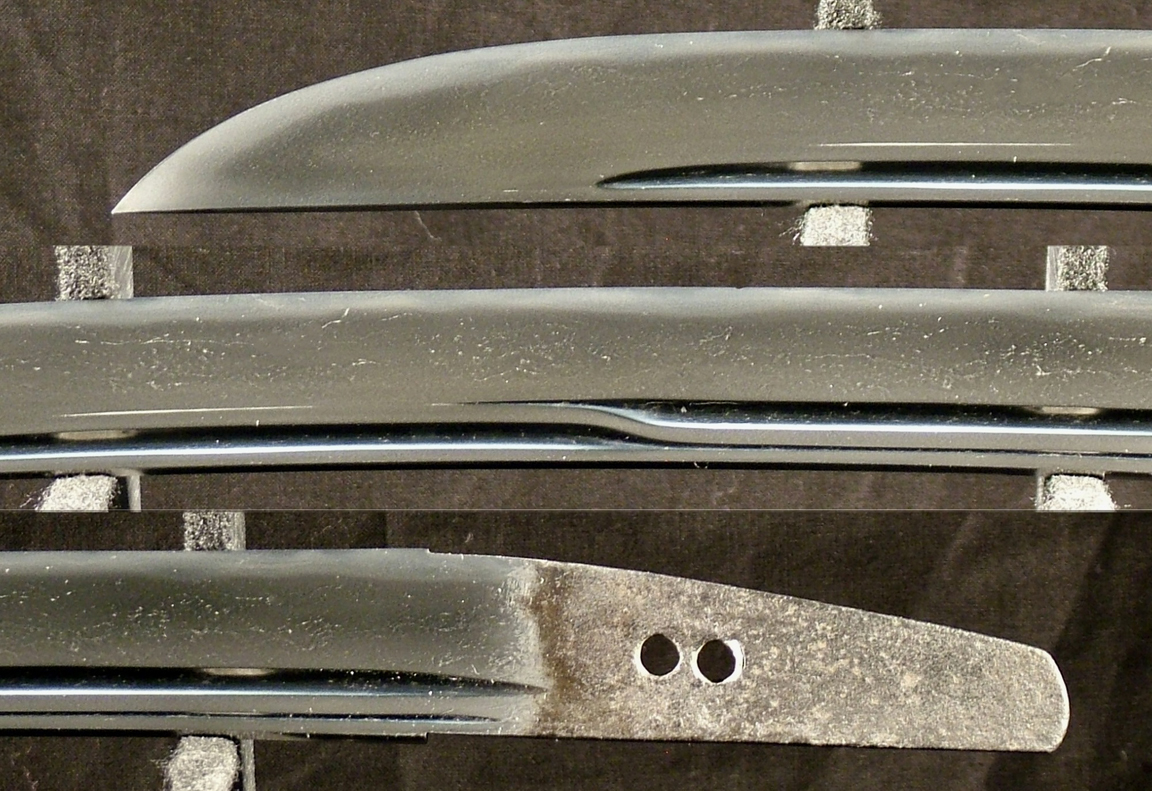
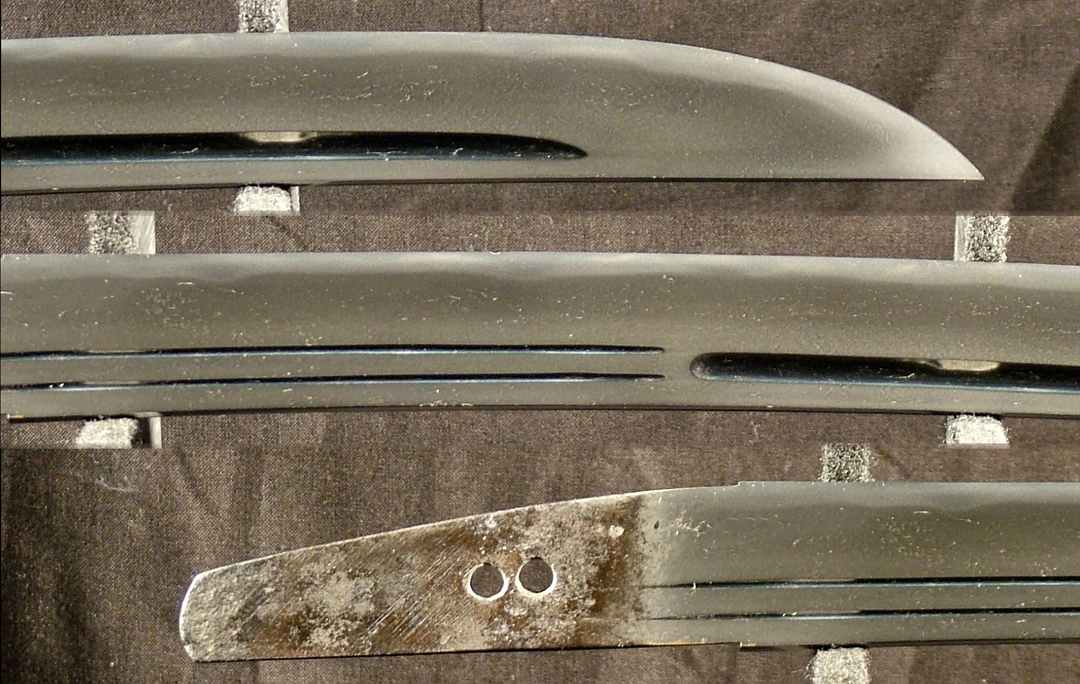
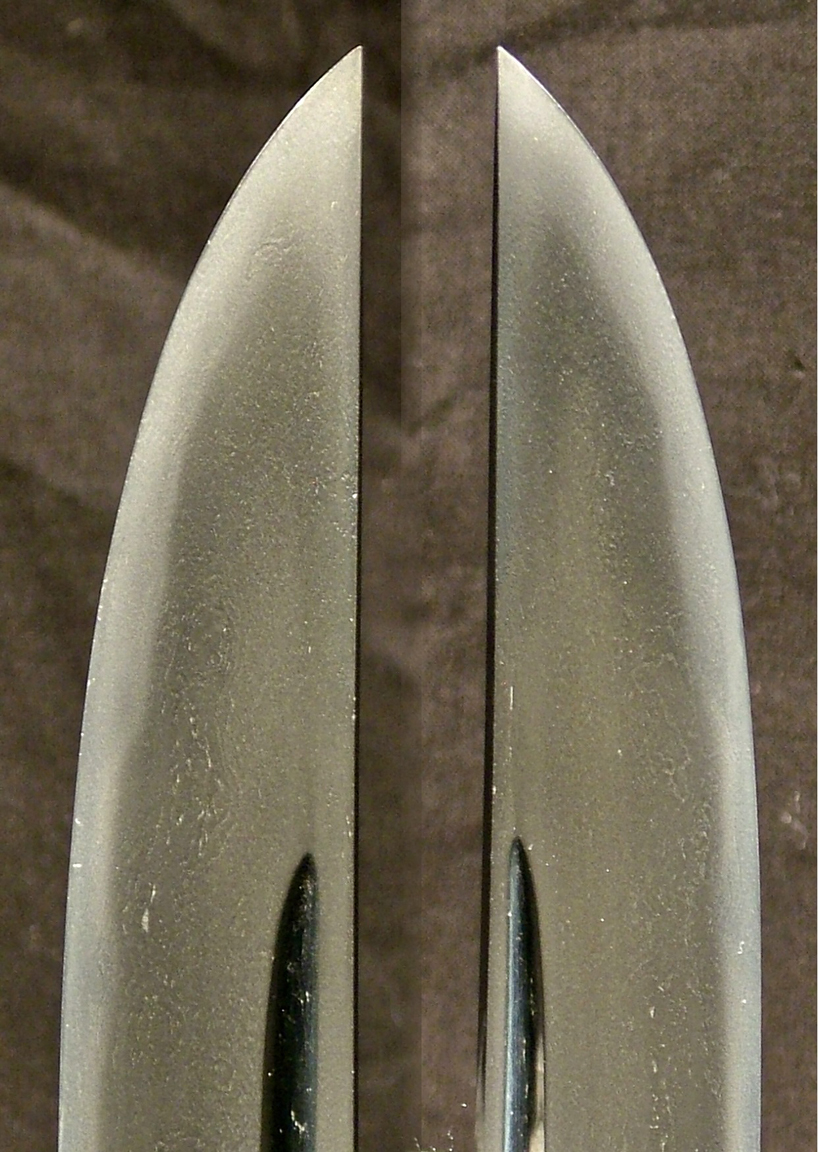
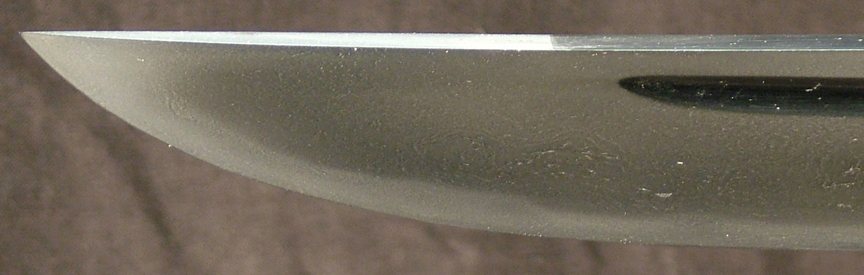
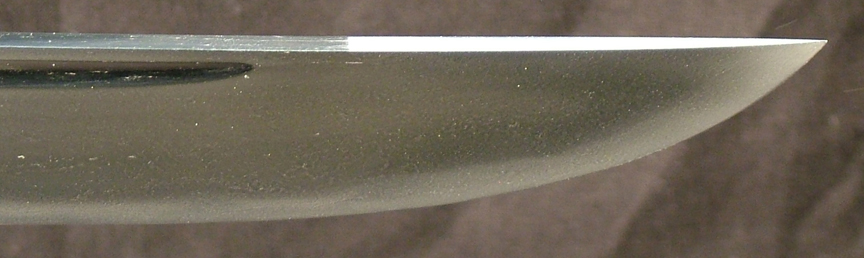
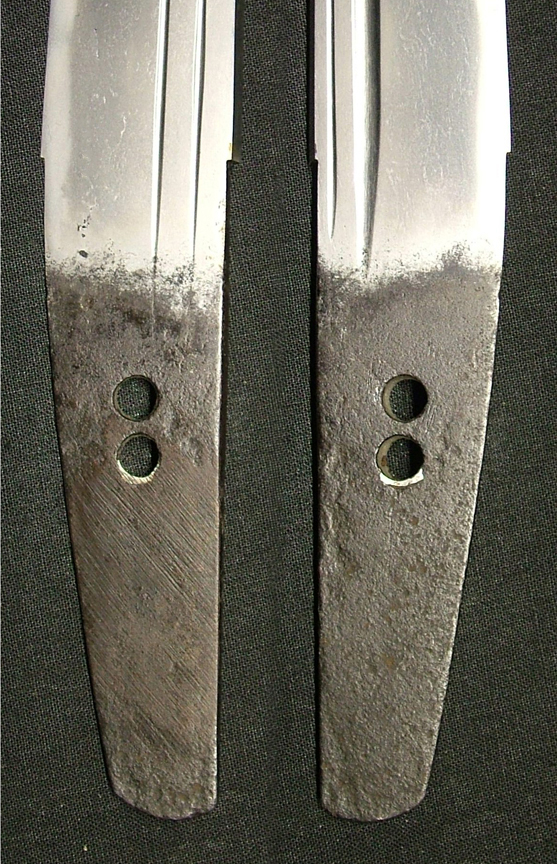
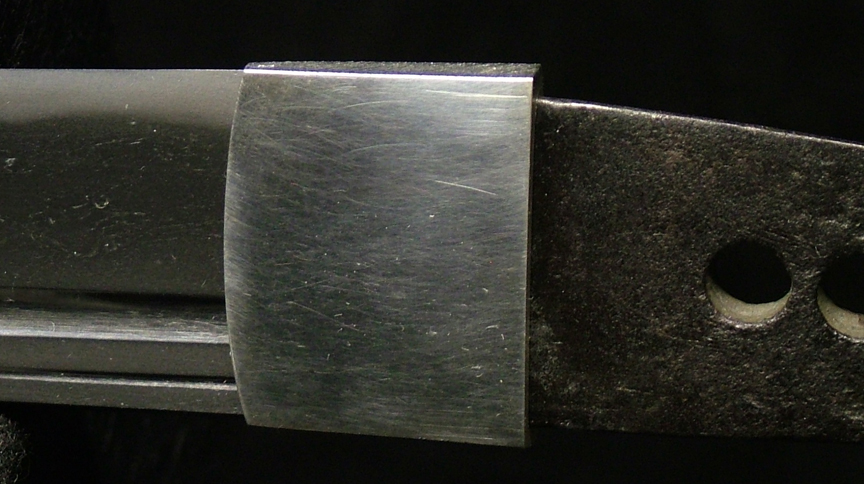
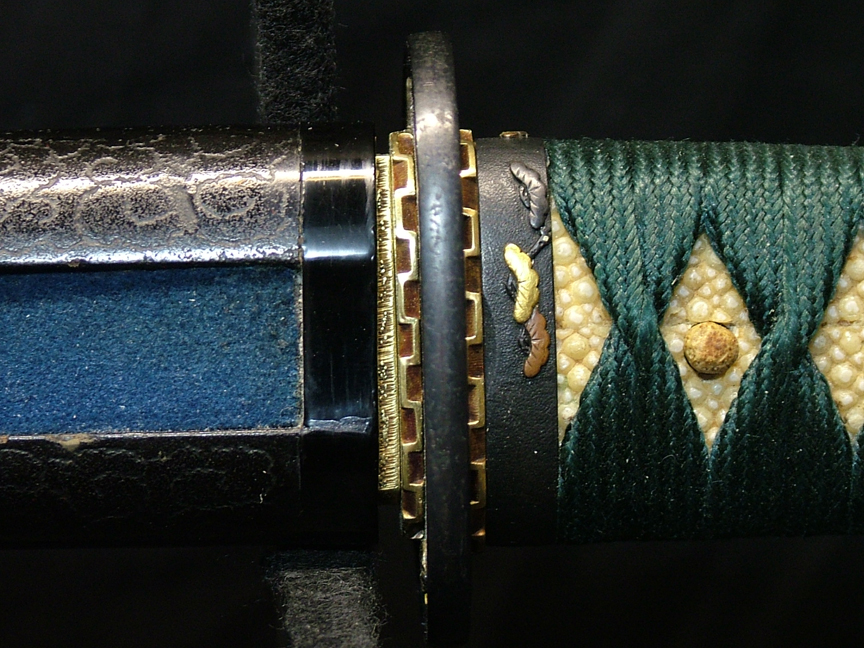
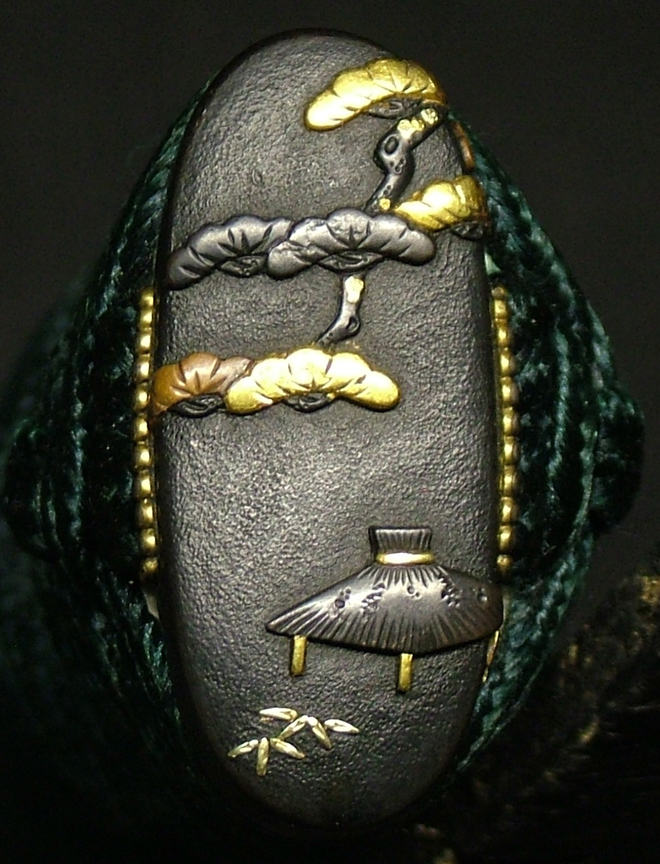
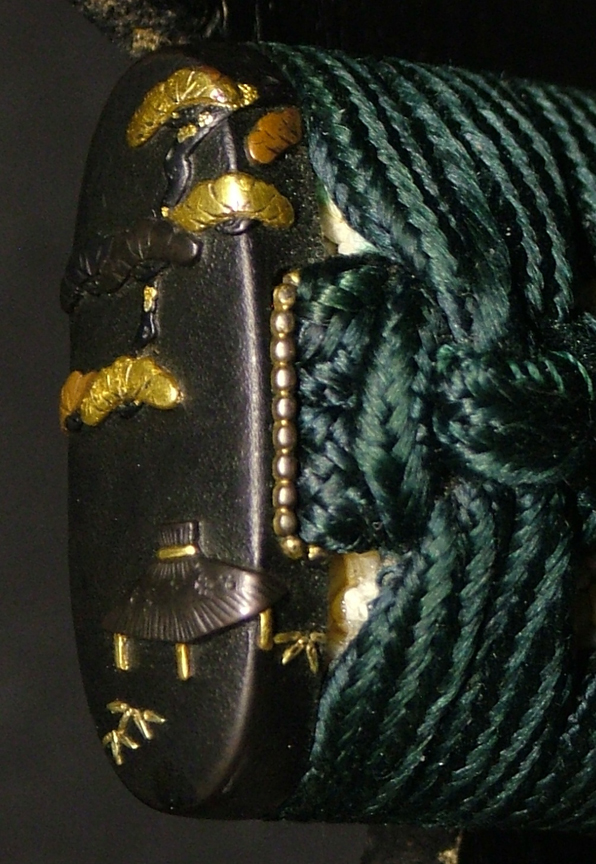
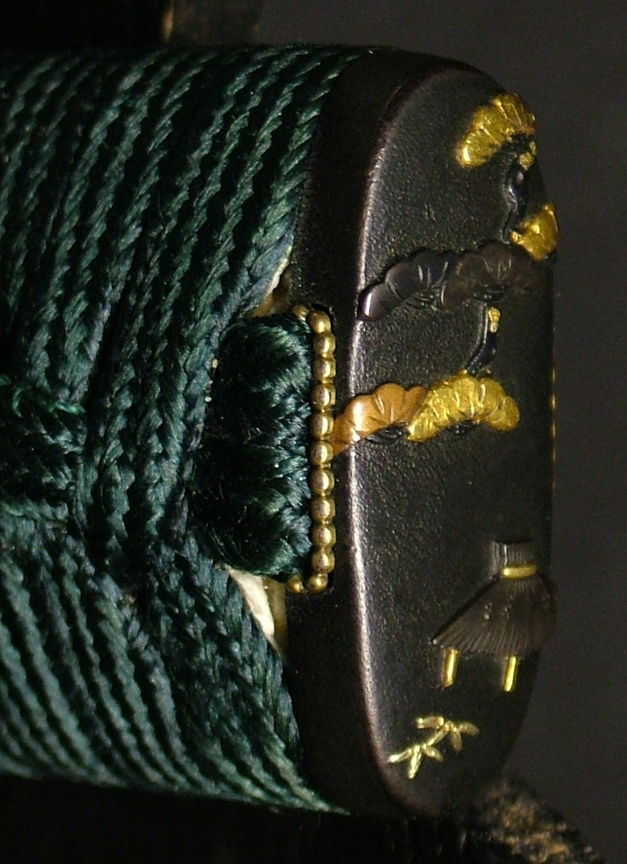
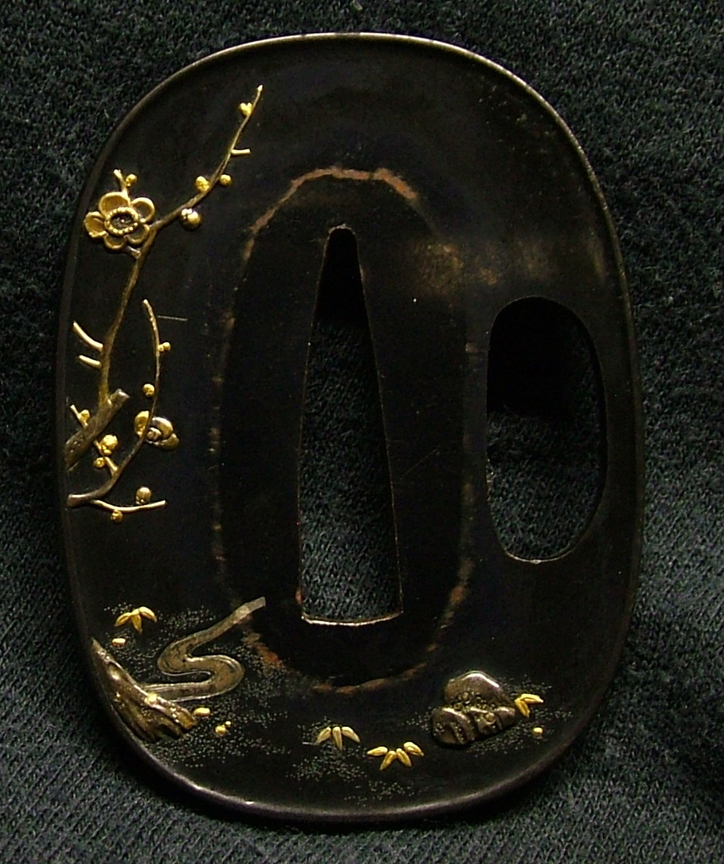
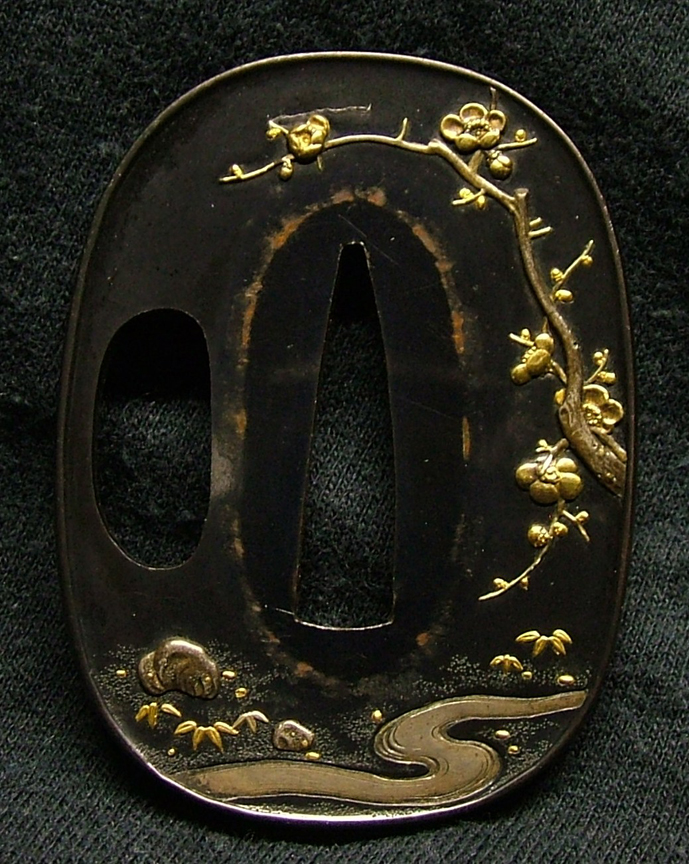
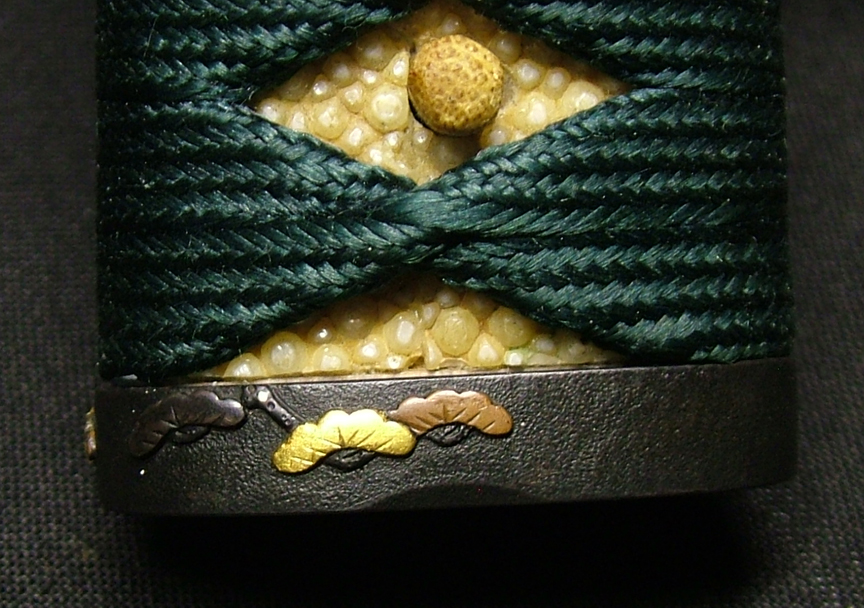
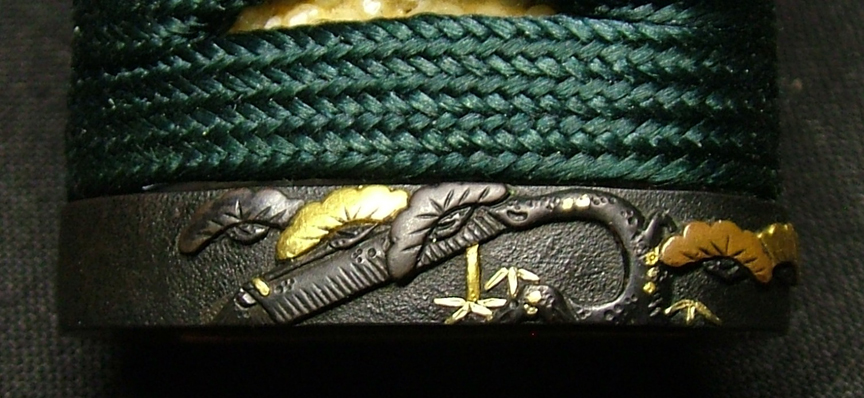
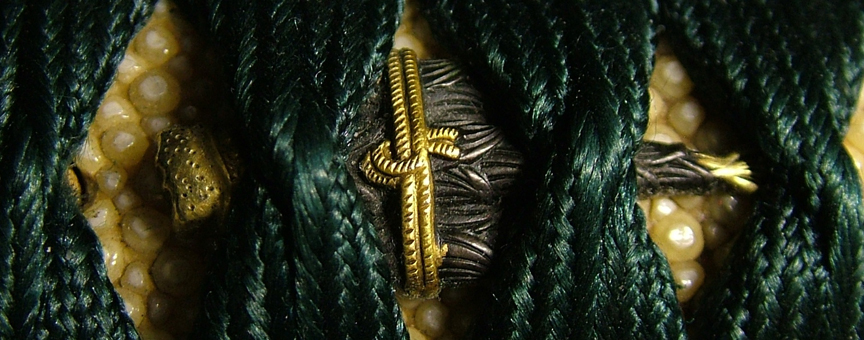
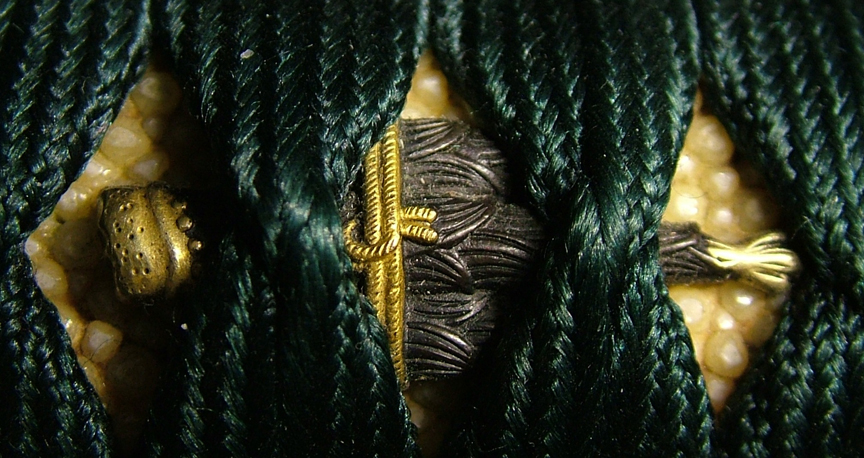
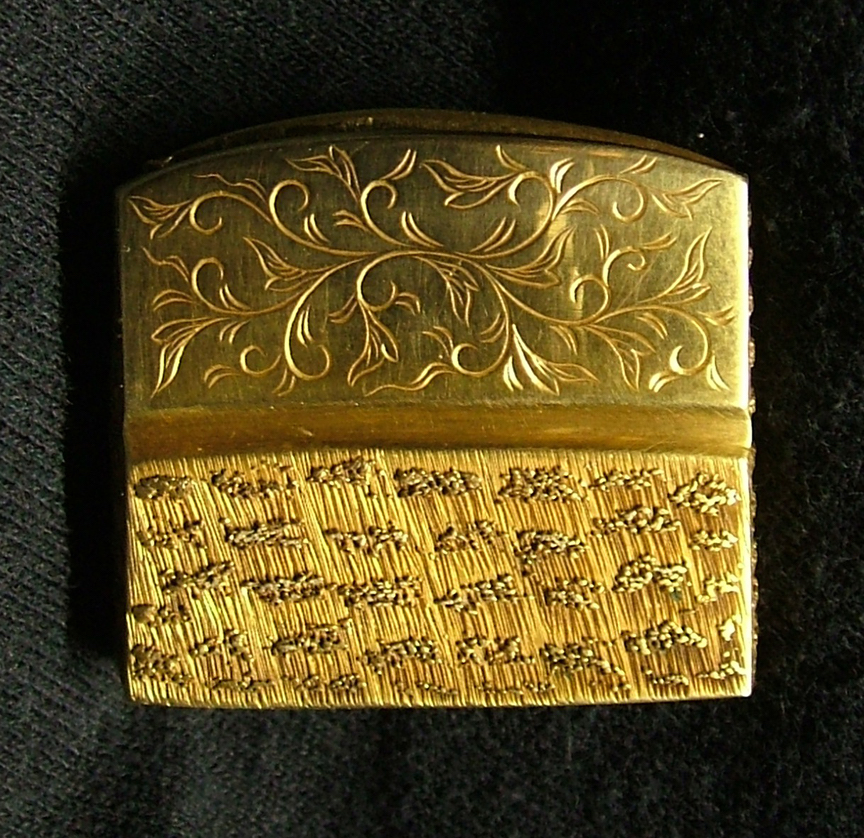
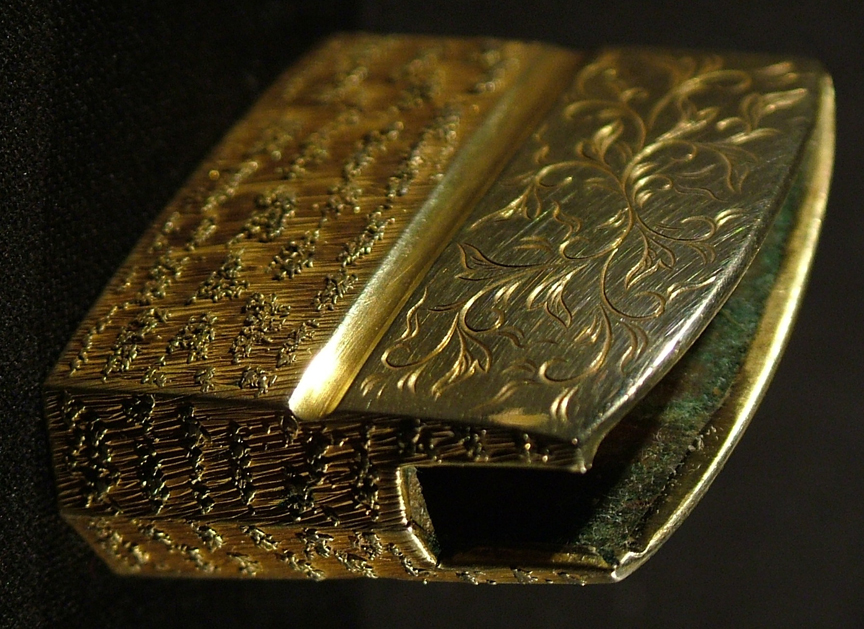
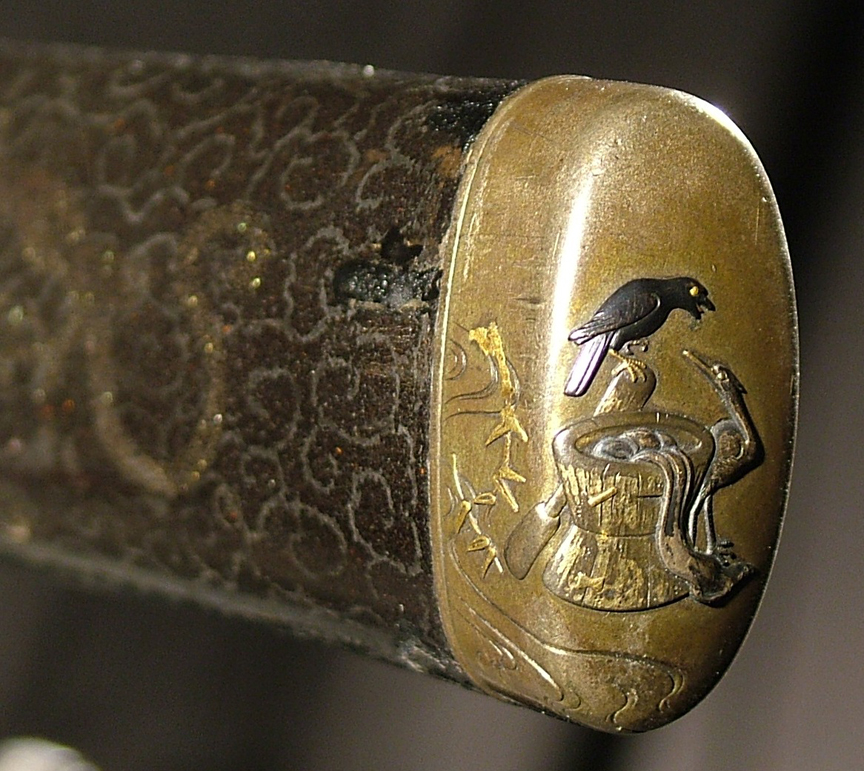
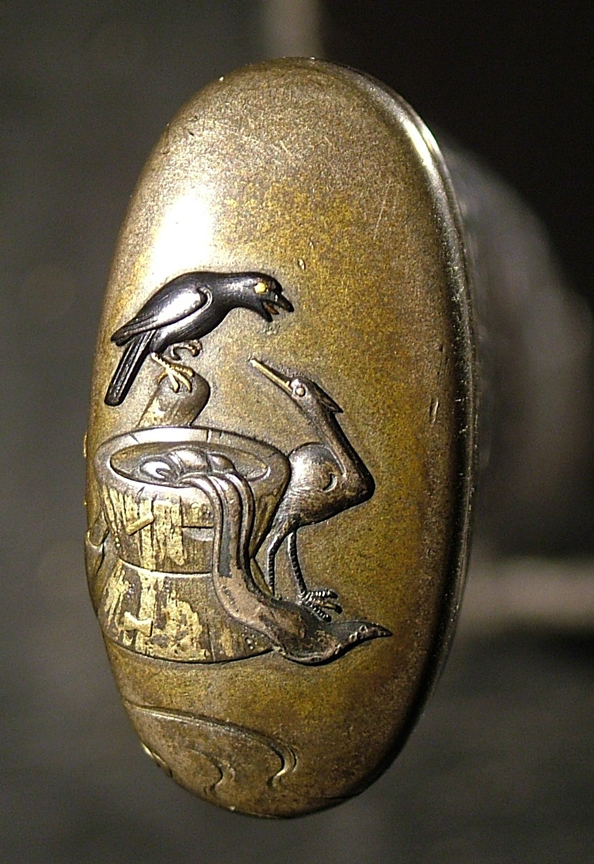
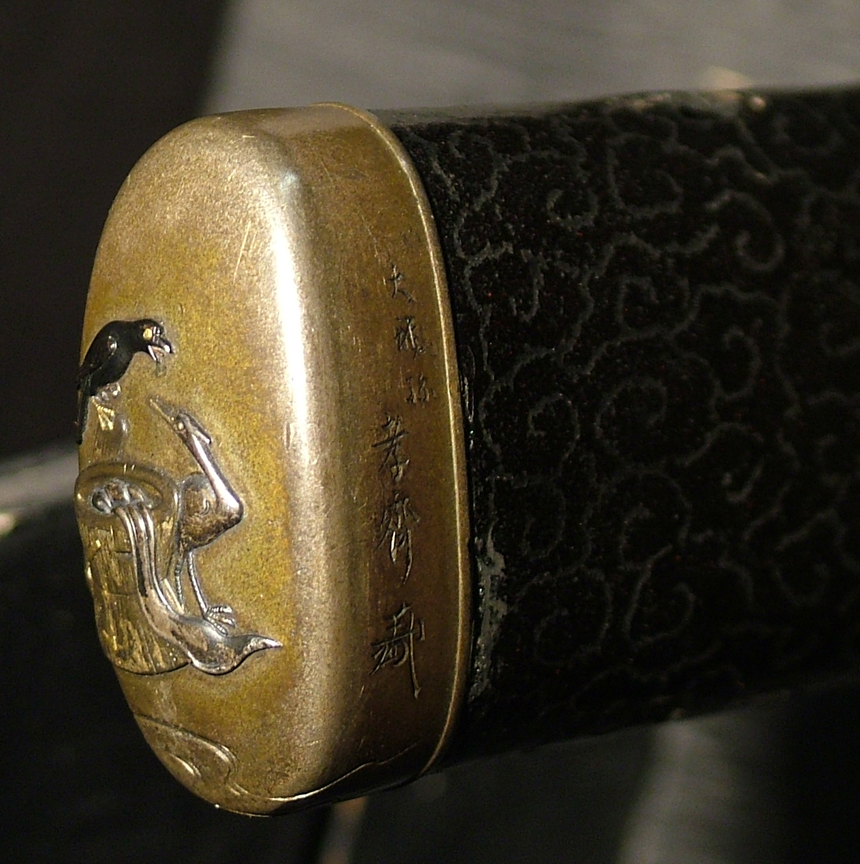
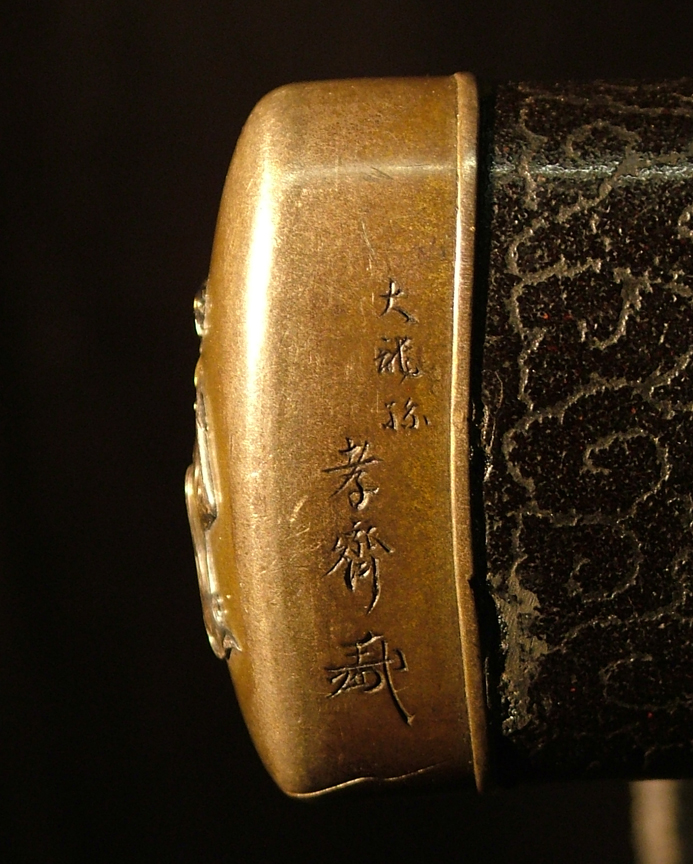
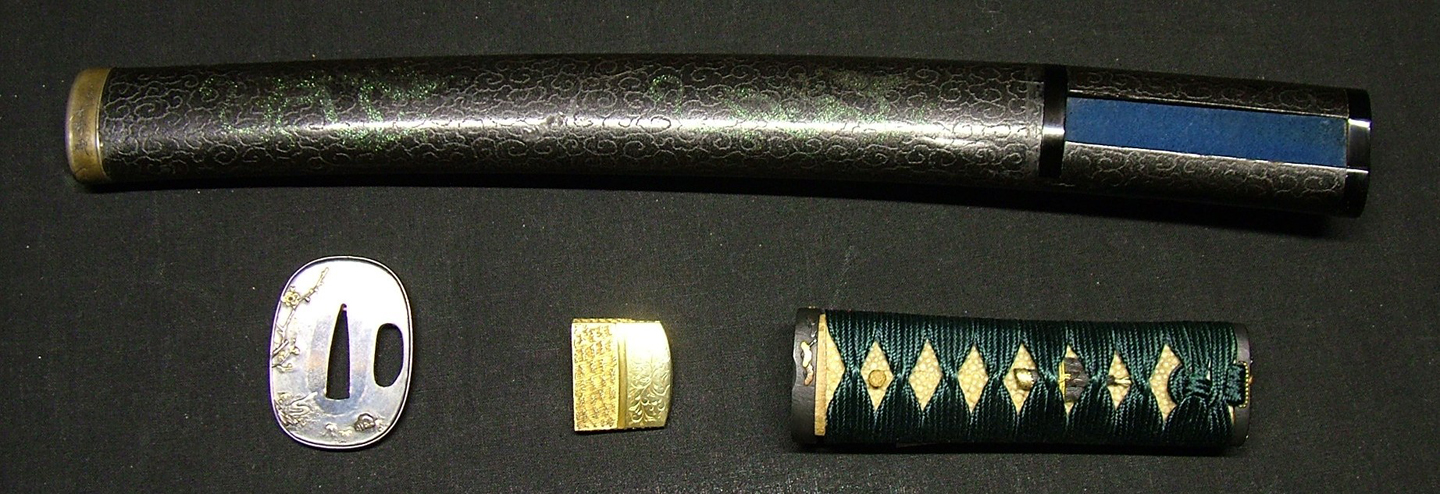
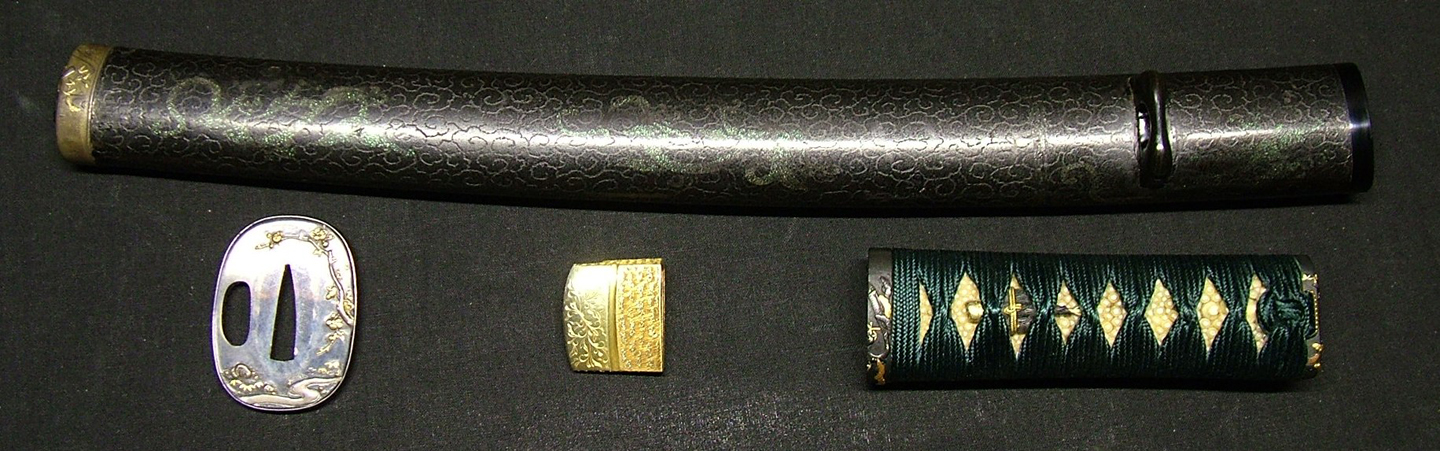
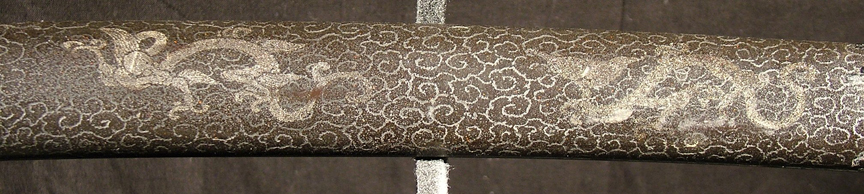
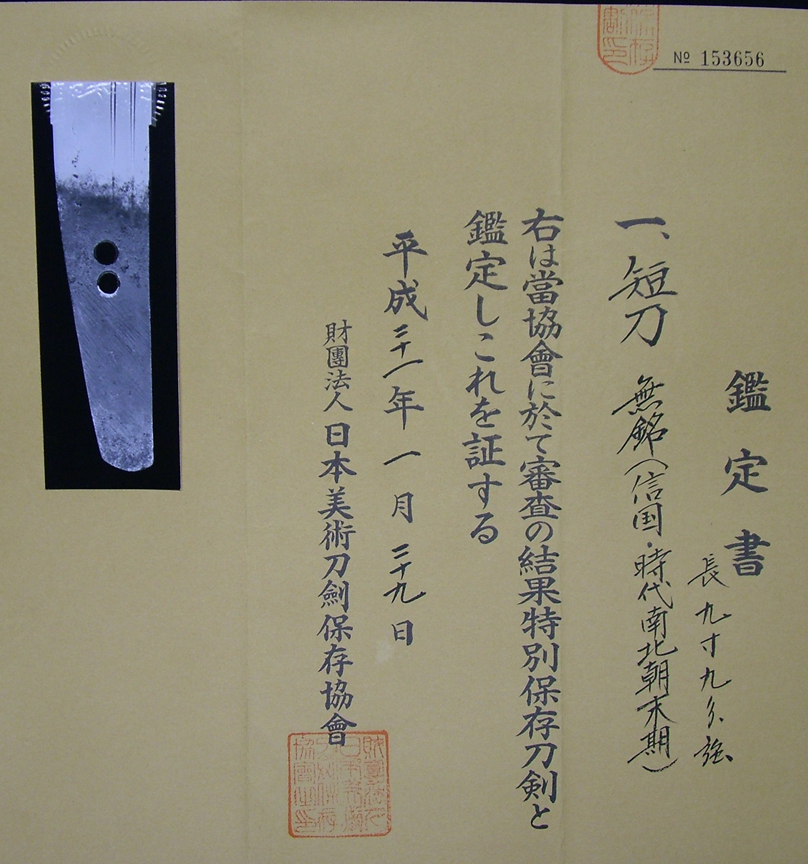
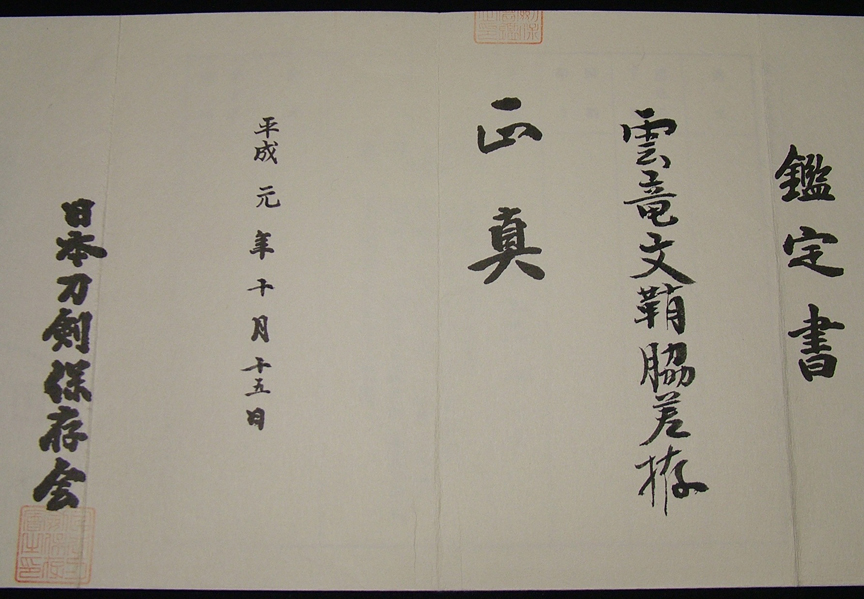
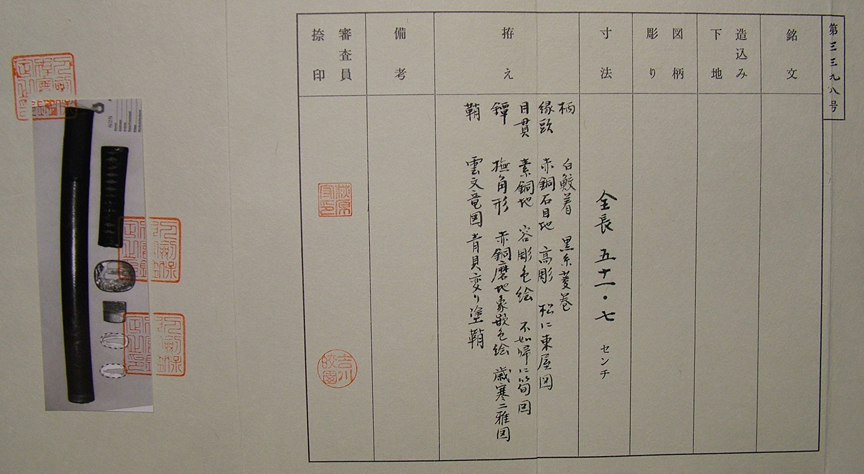
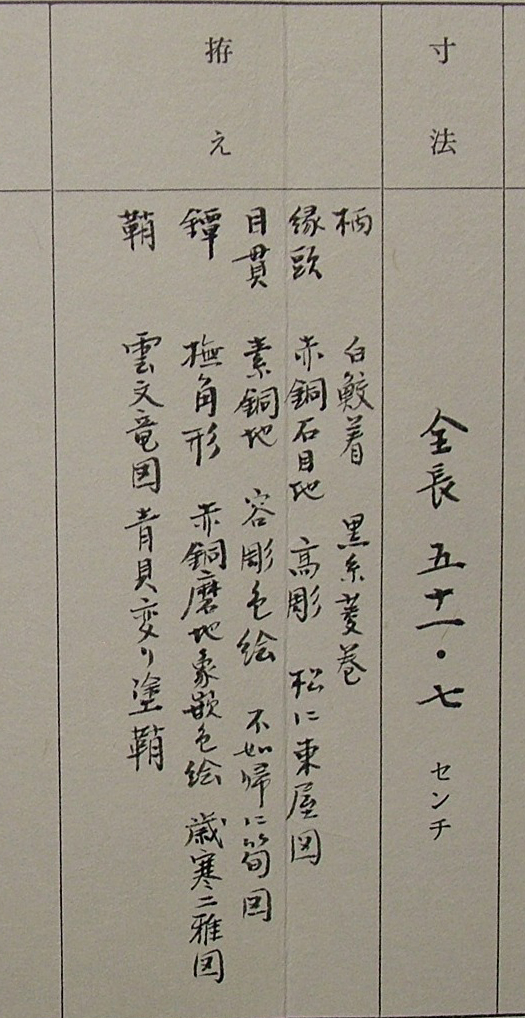
TANTO NAMBOKUCHO PERIOD c. 1390 YAMASHIRO RAI NBTHK TOKUBETSU HOZON ONE PIECE GOLD FOIL (KOSHIRAE) SHIRASAYA / KOSHIRAE TANTO NOBUKUNI YAMASHIRO RAI TOKUBETSU HOZON Most will recognize the name Nobukuni, as an important one. There are several schools of thought on identifying the specific generations of Nobukuni smiths, especially in the Nambokucho era. This is related to the historical records being unclear regarding the precise succession following the Shodai Nobukuni. I will provide a brief synopsis of the main theories, but keep in mind it is open to debate. Even the authorities / scholars of the past as well as today, the NBTHK, NTHK have difficulty discerning the generations, again related to unclear records. In most instances the works of Nobukuni smiths are papered or attributed to a time period or era opposed to a specific generation. The Nobukuni Ichiryu school has its roots in the Yamashiro Rai School, that much is certain. The Shodai Nobukuni is said to be either the son of Ryokai or possibly the son of Ryo Hisanobu or Kunihisa, either of which would make him the grandson of Ryokai. Ryokai being the son of either Niji Kunitoshi or Rai Kunitoshi. The Shodai Nobukuni it is written, first signed Nobuhisa and changed his name to Nobukuni around Kenmu (1334-1336), yet there are no extant works from this period. Shodai Nobukuni was said to have been one of the three Soshu Sadamune Santetsu (Three disciples of Sadamune). The Toko-Taikan dates the Shodai to the Kenmu era (1334-1336) and says that he was the son of Ryo Hisanobu. It says also that there exists the theory that he was the son of Hisanobu’s younger brother Kunihisa and that he signed first with Nobuhisa. Another theory says that he was the nephew of Hisanobu. Further, the oldest extant date signatures is Enbun three (1358) and there are no extant signed blades which could be dated back to the Kenmu era. This led to the theory that the Shodai was actually active around Enbun (1356-1361). The Nidai was the legitimate son of the Shodai and the grandson of Ryoi Hisanobu and supposedly active around the Enbun era. Due to the fact that there are no signed works which can be attributed to the Shodai in the Kenmu era, some scholars believe the previously referred to Nidai (Enbun) is actually the Shodai. He is at times referred to as “Enbun-Nobukuni”. The Sandai was active around Shitoku (1384) and there exists also a date signature from the third year of Meio (1392). Counting the semi-legendary Kenmu-Nobukuni as Shodai, he is the Sandai. If Enbun-Nobukuni was the actual Shodai, then this Nobukuni would be the Nidai. * Albert Yamanaka relates, the Nidai followed very closely upon the time of the Shodai and their production times overlapped. Their workmanship and quality is very similar with only subtle differences in the mei. Works attributed to the Nidai date from the Oan era 1368, to the beginning of Oei 1394. ** The Nihonto Koza states the Shodai was from the Kenmu era, but again works remain nonexistent. As such those works from Enbun (1356-1361) and Joji(1362-1368) are considered to be the Shodai and those from Oan 1368 to Oei 1394 are considered the Nidai. Later works from the Oei period, the beginning of the Muramachi period, to Eikyo1429 to be the Sandai. *** Fujishiro states, Considering the fact the oldest dated blade is from the Joji era(1362), the Shodai Kenmu Nobukuni is thought to be an example of “Moving back the era”. This Nobukuni(joji 1362) is viewed as the Shodai. It is known this smith was in the “Rai” Ha, as his family name was Minamoto, as was Rai Kunitoshi and Rai Kunimitsu. This particular Tanto has received Tokubetsu Hozon papers from the NBTHK which state with certainty “Late Nambokucho”. Keep in mind the beginning of Enbun 1356 to the beginning of Oei 1394 is only 38 years. In such a short time frame more than one generation’s work could easily overlap. It seems most likely to me that this tanto is the work of the Nidai Nobukuni. However, depending on which theory is correct it could easily be the Shodai. Confused yet ? If the NBTHK can’t pinpoint it, I sure as hell can’t. Here is what is certain. The blade itself is in great condition for a sword made in the late 1300’s. It does have a few small kizu which are clearly seen in the photos. There is no damage or anything detrimental to the sword. There is so much to see and enjoy in this sword. There are hi carved on both sides. The hada is a a gorgeous itame with areas of mokume, a profusion of chikei, ji-nie and utsuri. The hamon is notare and there are sunagashi and kinsuji with ko-nie sprinkled lightly along the ha.. The nakago is ubu with two mekugi ana. The tanto has a one-piece silver habaki and is in shirasaya. *Please note: the light reflects dramatically from these small areas and looks worse in the photos than in hand. The Tanto is accompanied by a beautiful koshirae which received a 75pt kanteisho from the NTHK. The Kojiri is signed “Daryuson Kosai (kao), which was the studio name of Tsuchiya Toshichika. The kojiri is shibuichi and depicts a crow and a heron at a washtub. The saya is a black lacquer cloud motif with dragons done in crushed green abalone shell. The kurigata, koiguchi, and aragawara are horn. There is no kozuka, and there is no kogatana slot on the koshirae. The tsuba as well as the fuchi/kasira are shakudo with takobori inlays of gold, silver, and copper depicting forest/floral scenes. Menuki are shakudo and depict bamboo shoots wrapped in gold rope. Habaki is a fine as they come, a gold foil with exquisite scroll carvings. Koshirae comes with a wooden tsunagi blade to hold it together for display. 600+ year old NOBUKUNI Tanto with NBTHK TOKUBETSU HOZON papers, and a 75pt NTHK papered KOSHIRAE. For purchase or inquiries contact me at either:
Offered by Yakiba
21 on the market






Yamashiro-den · Yamashiro
21 pieces on the market now
Few Kyoto houses bridged two traditions as deliberately as Nobukuni (信国), the Yamashiro-den lineage whose work runs from the Nanbokucho period through Muromachi and on, in a western branch, into the shinto age. The first generation, the smith the NBTHK counts as shodai, is the master of the Enbun, Koan and Joji years; the older registers placed a founding Nobukuni back in the Kenmu era, but the published sources set that legend aside, since no work survives so early and the style of the oldest dated blades connects directly with that of Sadamune. Two inheritances meet in him. By blood he belongs to the Ryokai line, recorded as son or grandson of Ryo Hisanobu and therefore of Rai descent; by training he is said to have studied under Soshu Sadamune, counted among the Sadamune Santetsu, the three brilliant pupils. The name then passed on: a change-of-generation Nobukuni with Eitoku, Shitoku and Meitoku dates stands at the close of Nanbokucho, and in early Muromachi come the so-called Oei Nobukuni, Saemon-no-jo and Shikibu-no-jo, conventionally the third generation. The published commentary keeps these hands apart and notes that several smiths of the same signature appear within the Nanbokucho period alone. Through Muromachi the line moved to Buzen and then Chikuzen, where it served the Kuroda house of Fukuoka as retained smiths and flourished as the Chikuzen Nobukuni group of Yoshisada, Yoshimasa, Yoshitsugu, Yoshikane and Shigekane. A single steel underlies the whole school. The jigane is an itame mixed with mokume that flows toward the ha and stands into masame, with thick ji-nie and chikei entering frequently; on the finer-forged pieces a streak-like nie-utsuri rises, and that masame-tinged surface is read as the visible token of the Ryokai pedigree.
Over it the temper divides into the manners the sources name together: a suguha expressing the Kyoto tradition, refined in ko-nie with fine hotsure and a niju-ba tendency, carried on tanto and ko-wakizashi; and a ko-notare mixed with gunome inheriting the Sadamune style, laid thick in nie, with kinsuji, sunagashi, hotsure and conspicuous yubashiri, on the most flamboyant pieces stringing into a two-tiered ha. From the late Nanbokucho succession into the Oei generation a third range enters, a gunome-led midare whose tell is paired gunome linked across the valleys by a low ko-notare into a yahazu, arrow-notch, profile, with muneyaki, tobiyaki and niju-ba on the liveliest blades. Above all stands the carving the sources call the house art, the horimono of bonji, kurikara, suken, gomabashi, sanko-ken and the invocation of Hachiman Daibosatsu, often layered one over another in kasanebori; few smiths of the age are so consistently identified by what they carved. The Chikuzen branch carried the masame-leaning itame forward and added a choji-midare with midare-utsuri, Yoshikane reaching toward Soshu-den with deep nioi and thick nie, Shigekane ranked highest in skill within his group and noted as a copyist of meibutsu who emulated Fudo Kuniyuki at the Hama Palace. To kantei Nobukuni is to read the Kyoto traces that part him from Sadamune: the nie-utsuri, the niju-ba, and the hada that drifts into masame along the ha. Within the long succession the shodai remains the touchstone, his dated work the standard against which unsigned blades and generation questions are resolved, the reversed left-form kuni marking the Oei Saemon-no-jo, the yahazu the daigawari hand. The best members rank Jo-jo saku under Fujishiro, and the carving reputation is the constant thread, distinguishing these blades from the plainer utilitarian grooving of contemporary Bizen. Provenance runs through the great houses: the Kuroda wakizashi once carried by Kuroda Nagamasa, a Hongan-ji meibutsu held to have been cherished by Rennyo Shonin, the signed Arao Nobukuni descended in the Asano of Geishu, pieces in the Sanada, Tosa Yamauchi and Tamura families, and a tachi bestowed on the Owari Tokugawa. Examples rest today in the Tokugawa Art Museum, the Kyoto National Museum, shrines such as Atsuta and Ise, and long-held private collections, with the Chikuzen smiths' shogunal-command pieces preserving the historical episodes that produced them. Learn more →
| Smith | Era | Designated |
|---|---|---|
| Nobukuni信國 | 1356-1368 | 70 |
| Nobukuni信國 | 1383-1392 | 33 |
| Nobukuni信國 | 1394-1428 | 44 |
| Yoshikane吉包 | 1661-1686 | 6 |
| Masanobu正信 | 1356-1361 | 4 |
Yamashiro in the Nanbokuchō period
The divided-courts war impoverished the court society that had sustained Kyōto’s most refined work. With the last Rai masters the classic line effectively closed, while Hasebe and Nobukuni carried the new Sōshū manner into the capital.
A Hozon-certified blade judged to show notably superior workmanship and a better state of preservation. The bar is higher: re-tempered blades and most unsigned Muromachi/Edo works are excluded.
The NBTHK (Nihon Bijutsu Tōken Hozon Kyōkai, the Society for the Preservation of Japanese Art Swords) is a public-interest incorporated foundation founded in 1948 and supervised by Japan’s Agency for Cultural Affairs (Bunkachō); it is based at the Japanese Sword Museum in Tokyo. Its expert panels physically examine each submitted work (shinsa) and issue a certificate (kanteishō) ranking it by artistic and historical merit. NBTHK papers are the most widely recognized standard of authentication for Japanese swords and fittings.
NBTHK official siteAll swords sold for $5000 USD or less are considered final! Swords above the $5000 range may be returned for any reason within 48 hrs. Buyer will receive a full refund minus shipping/handling, insurance and or any fees incurred in shipping or sale.
$7,500
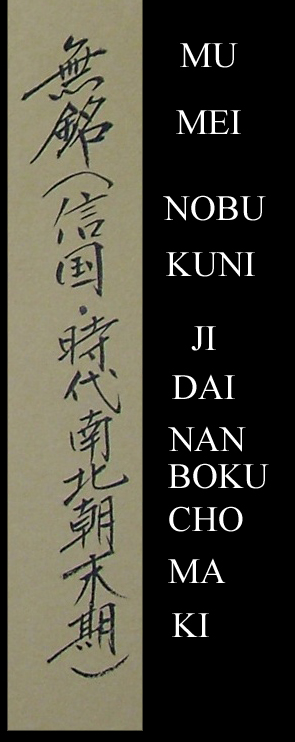
Certificate reading — 無銘(信国)