Perry’s arrival in 1853 unraveled the Tokugawa peace and created the first mass demand for working swords in two centuries. Kiyomaro, called the Masamune of Yotsuya, died on its eve; Munetsugu and Yukihide carried the boom to the end.
 NihontoWatchNihontoWatch
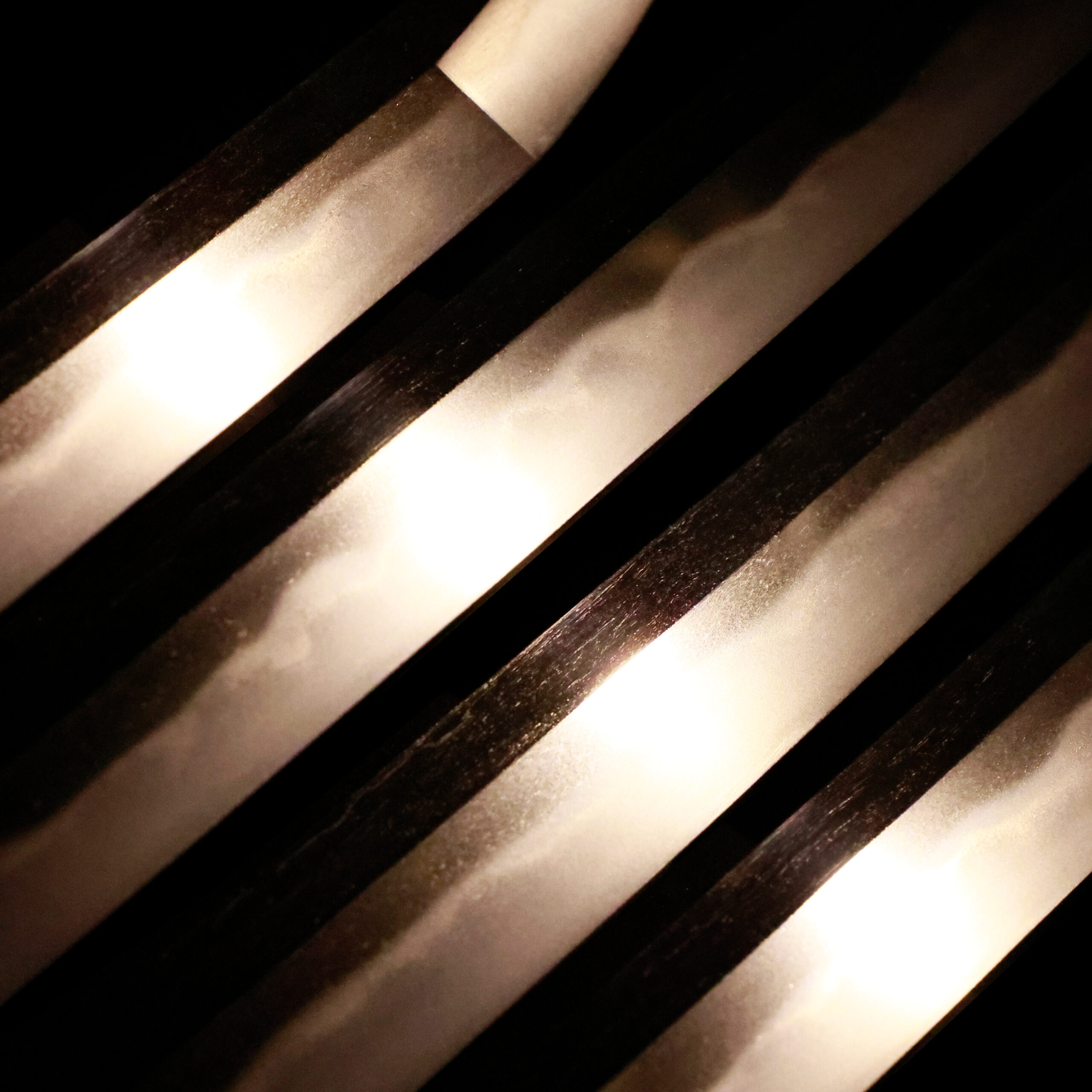
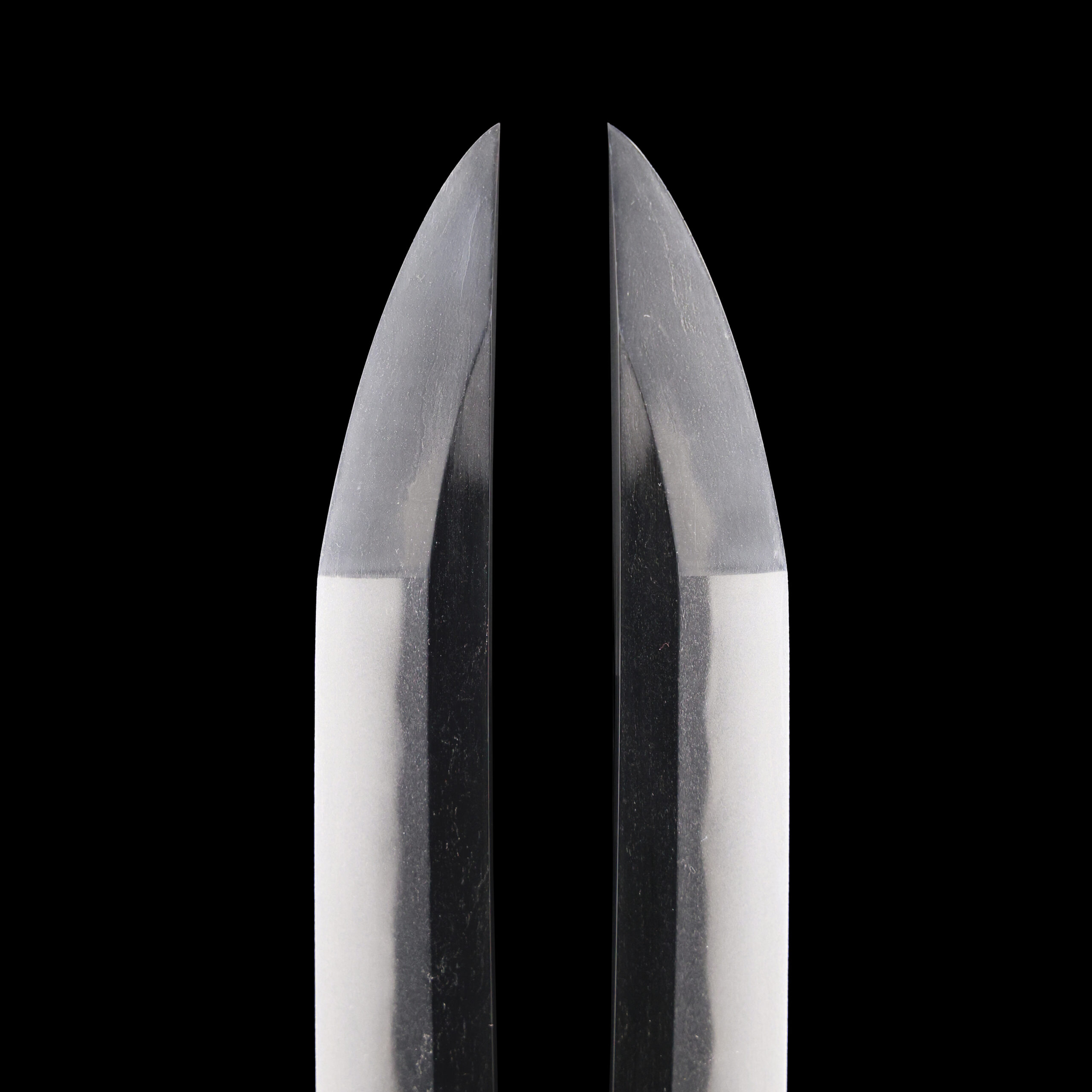
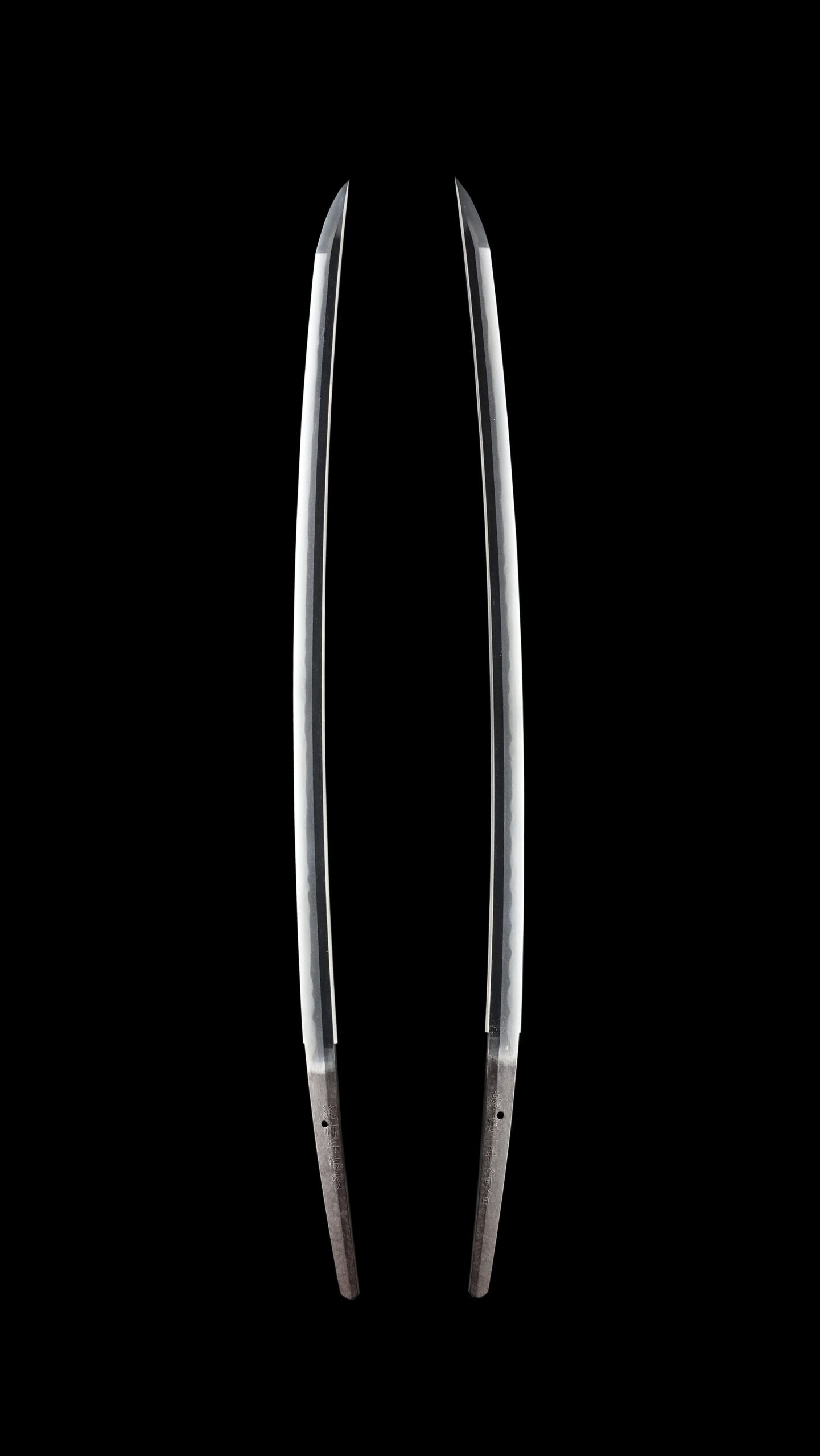
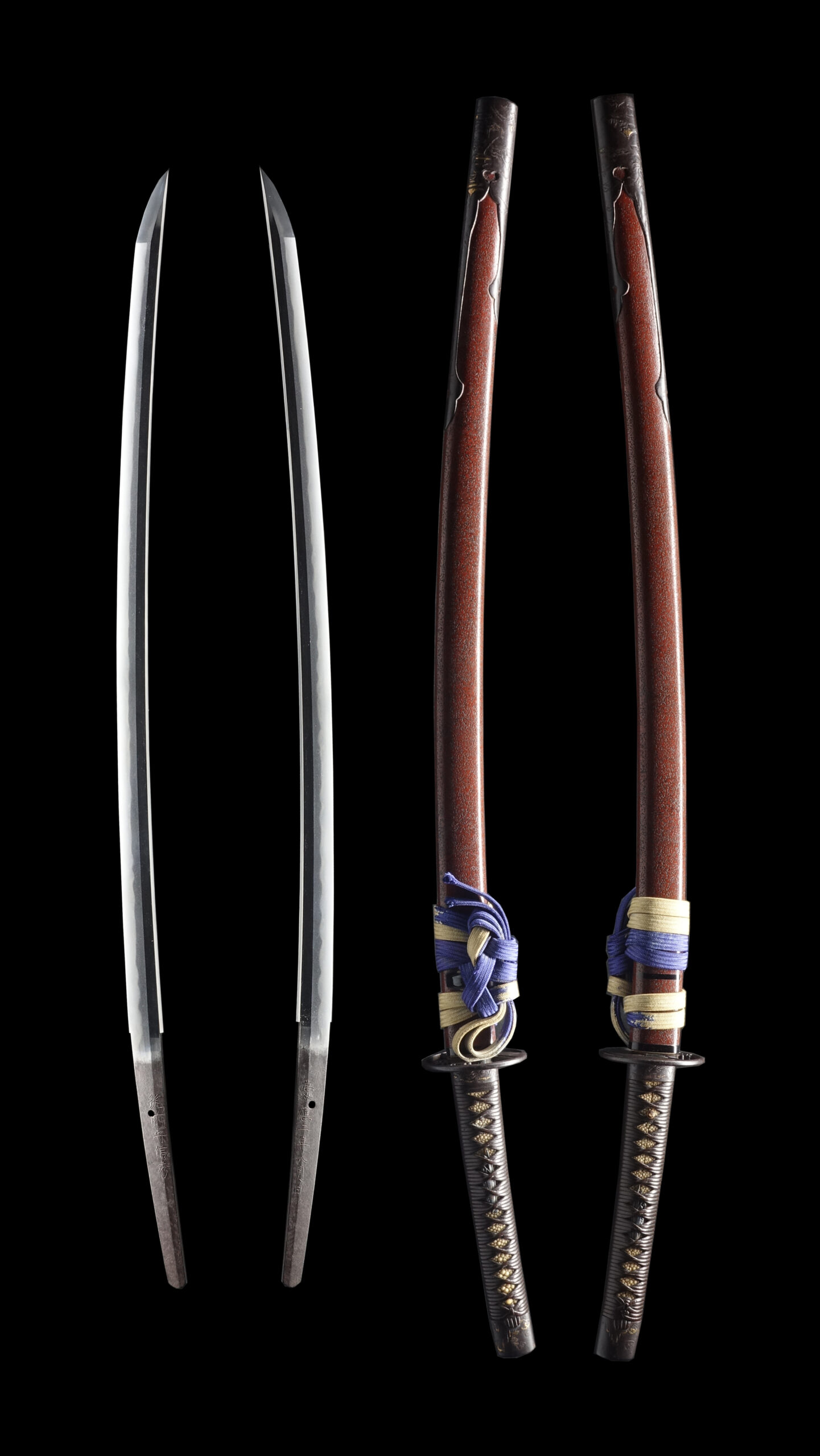
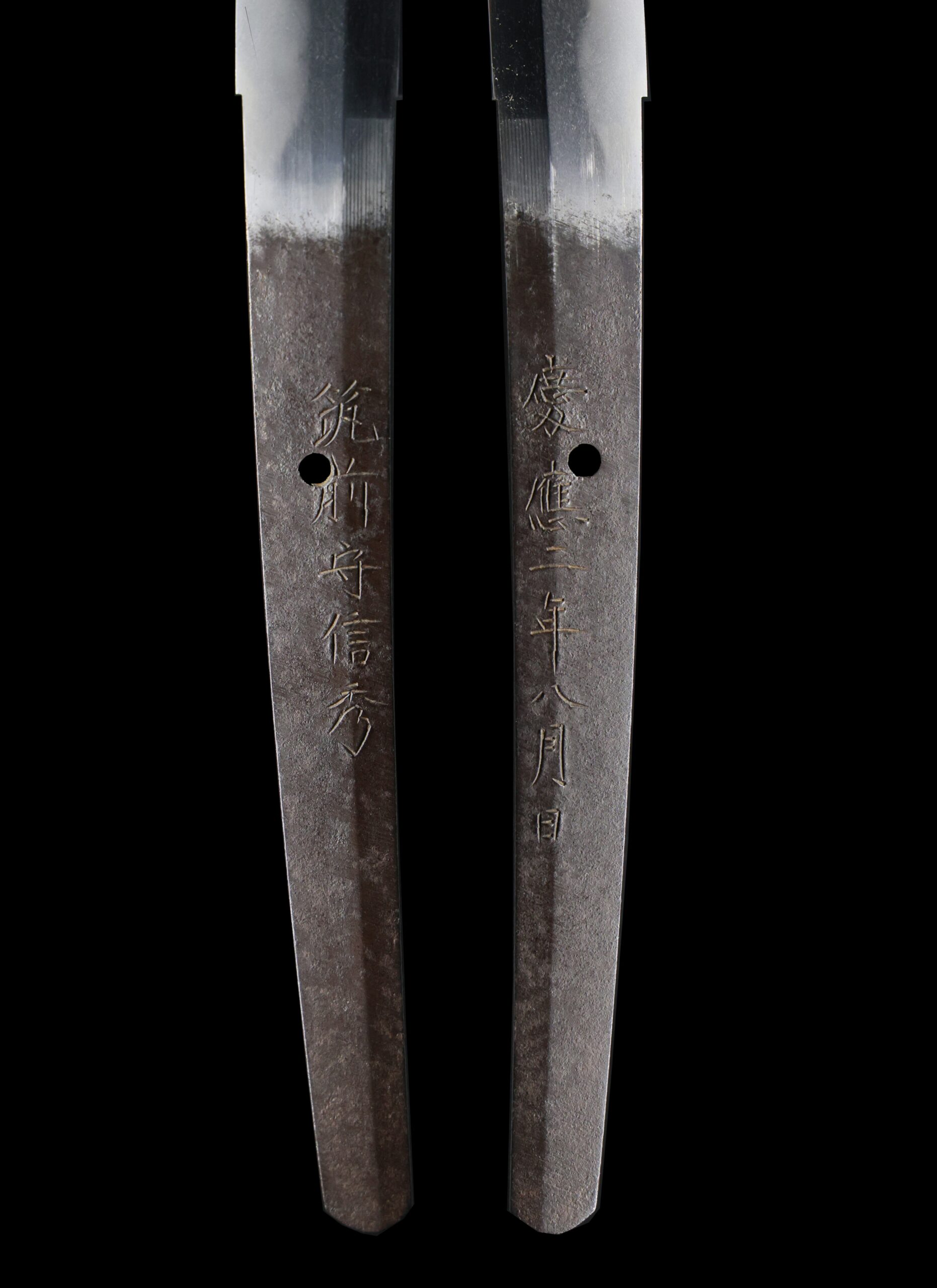
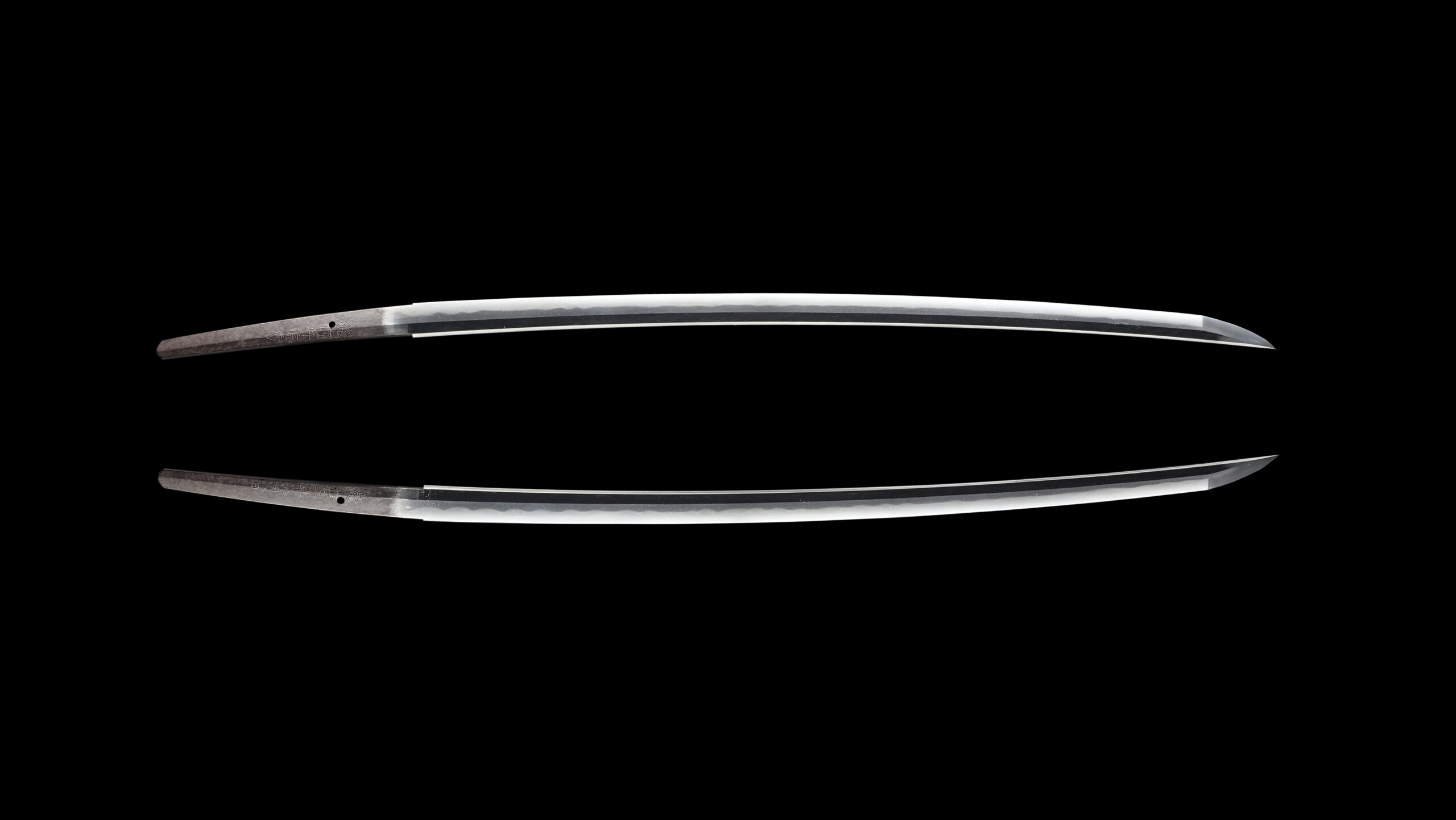
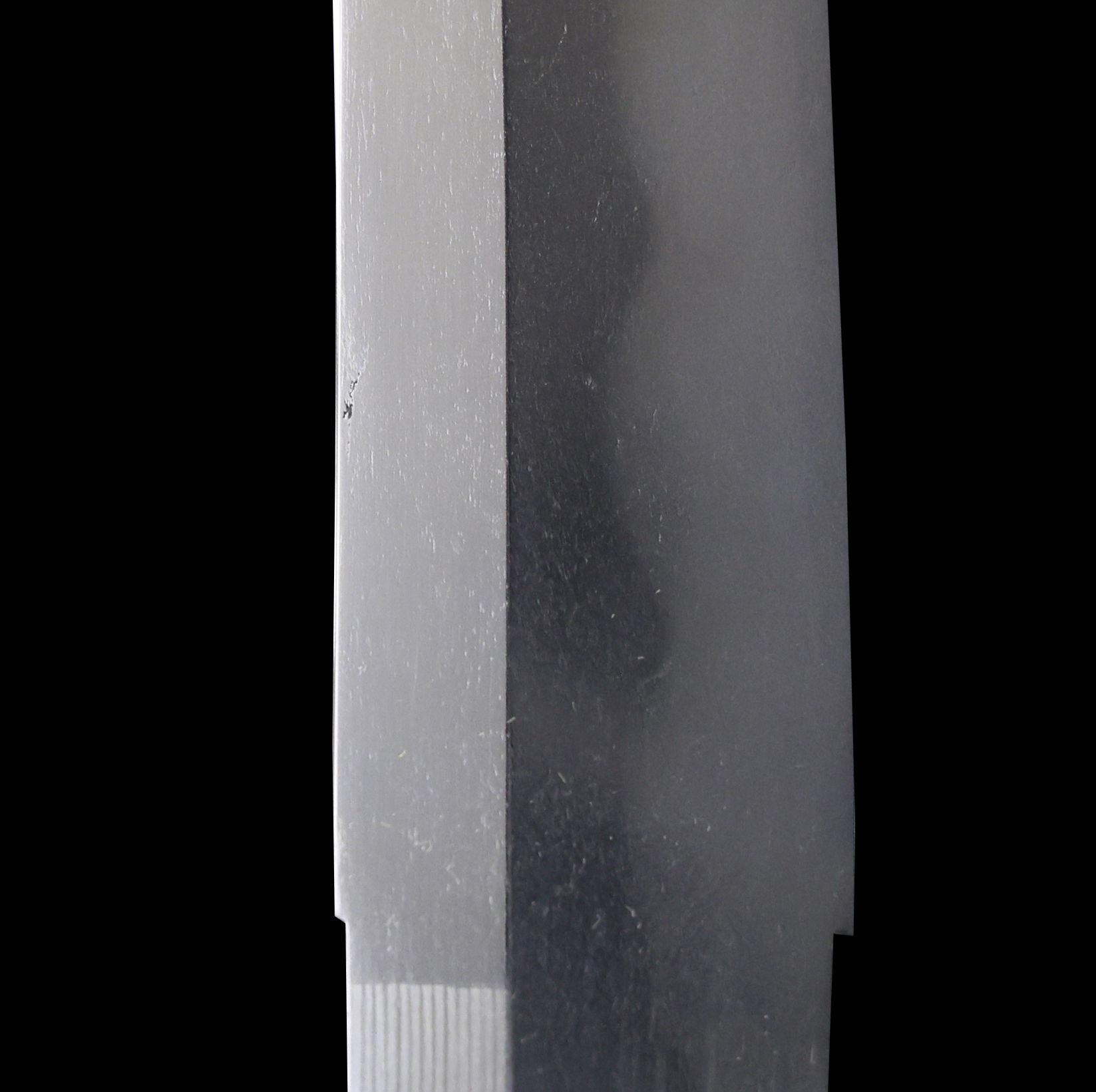
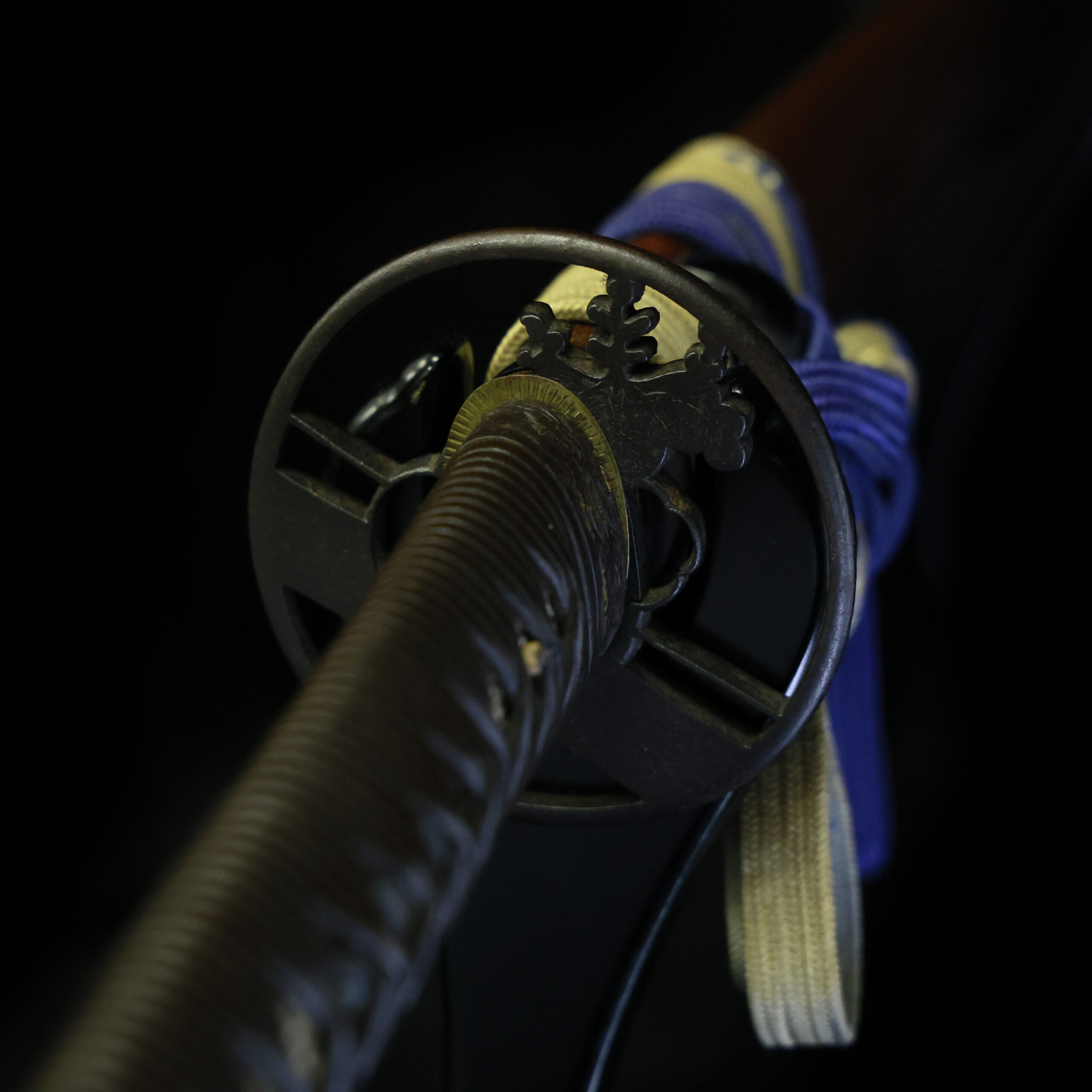
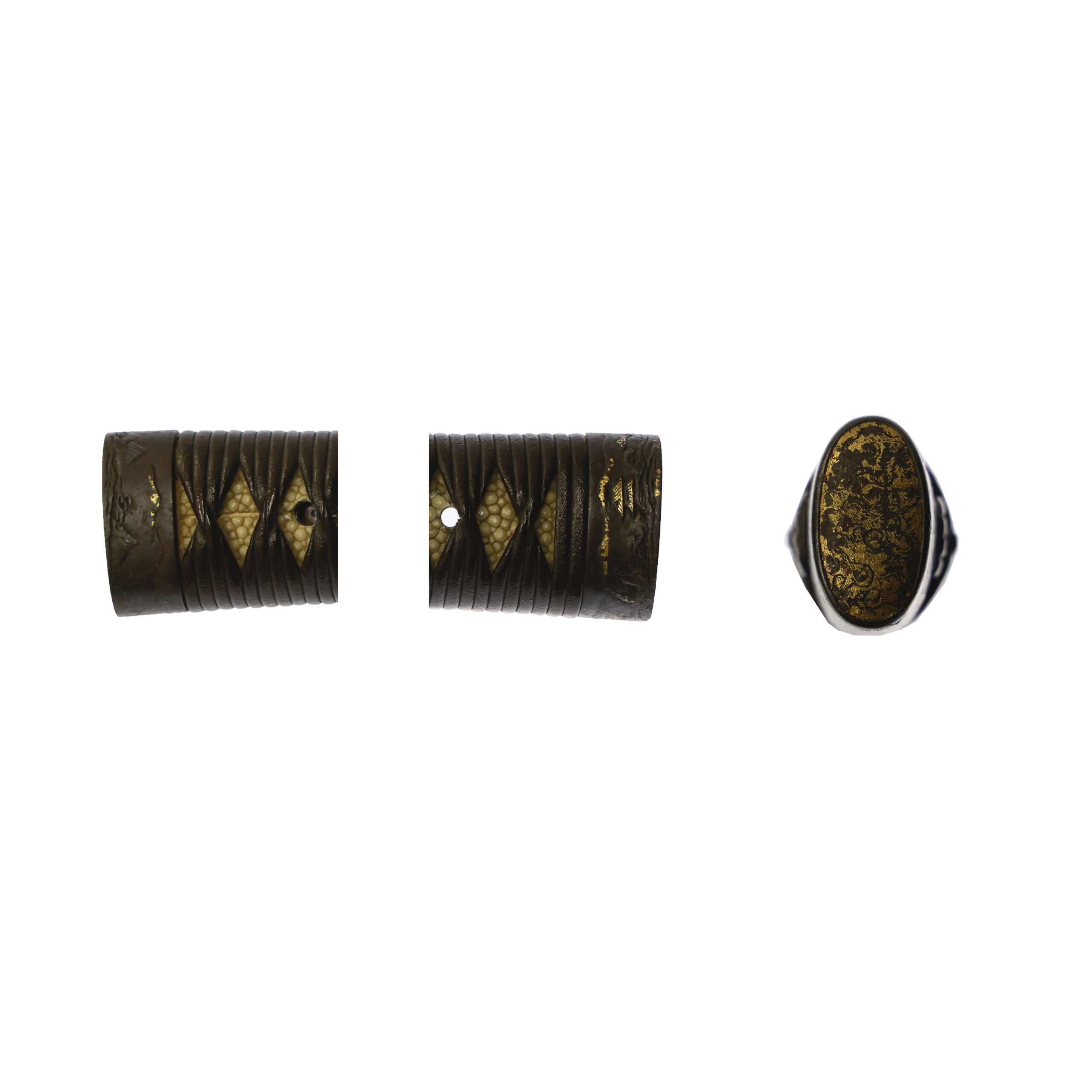
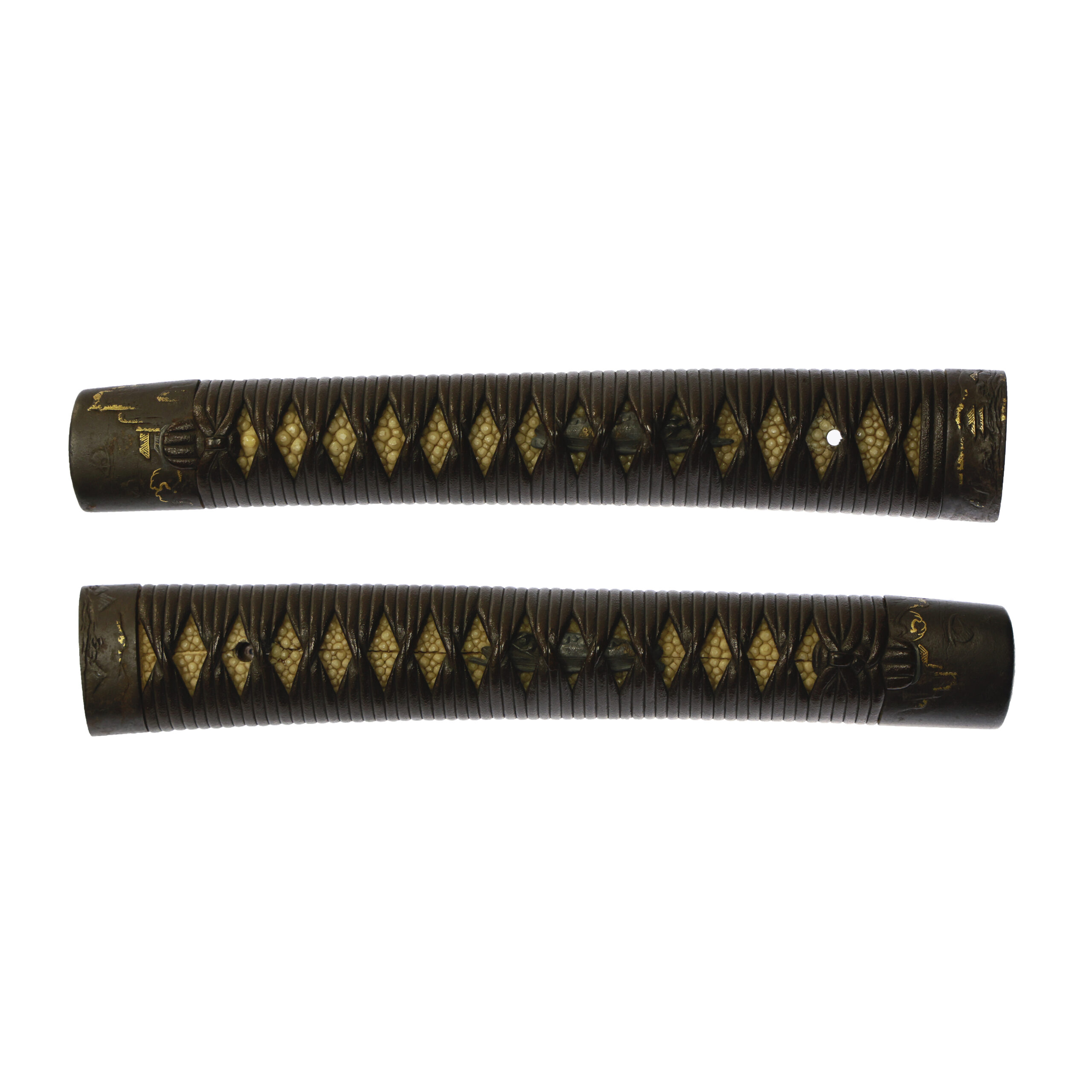
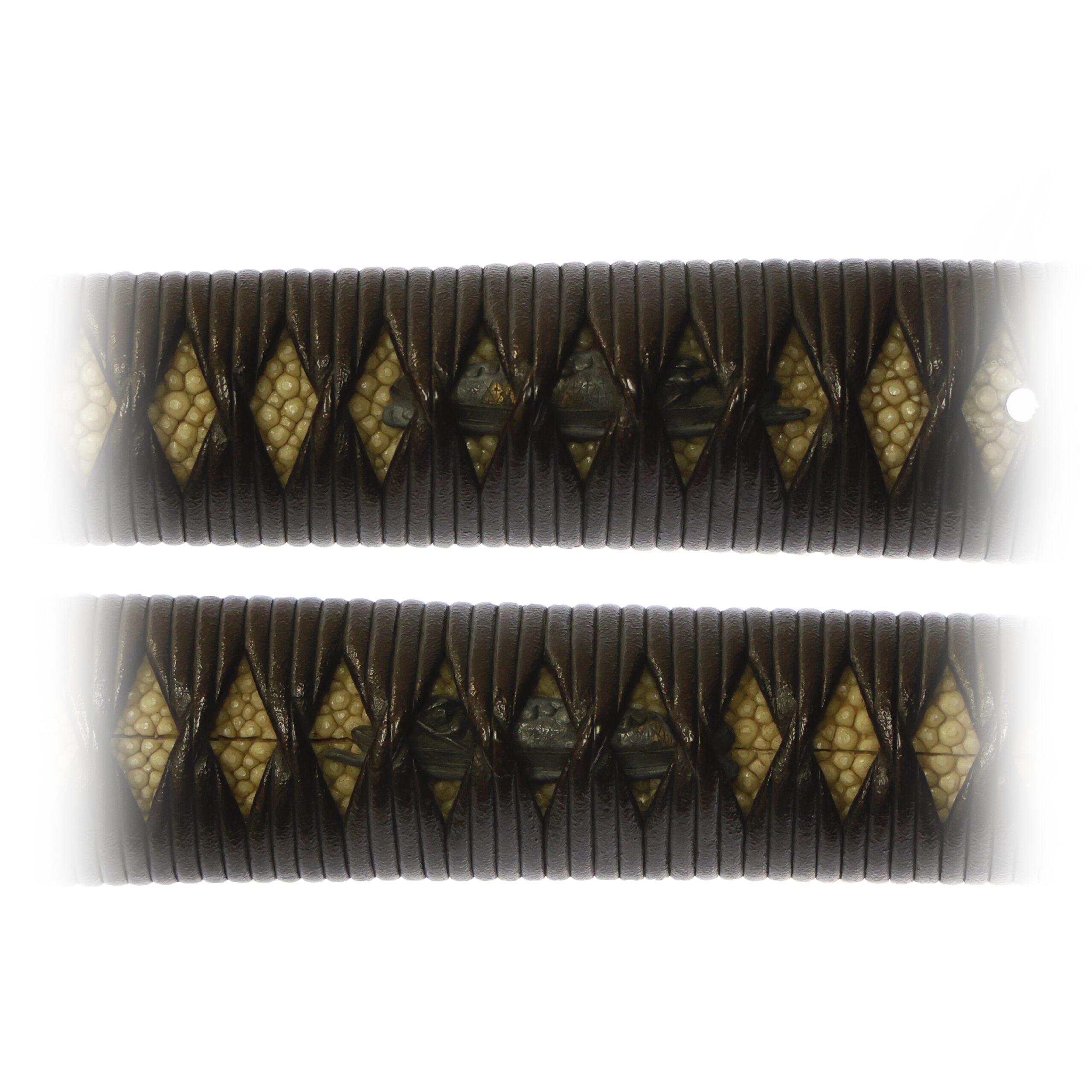
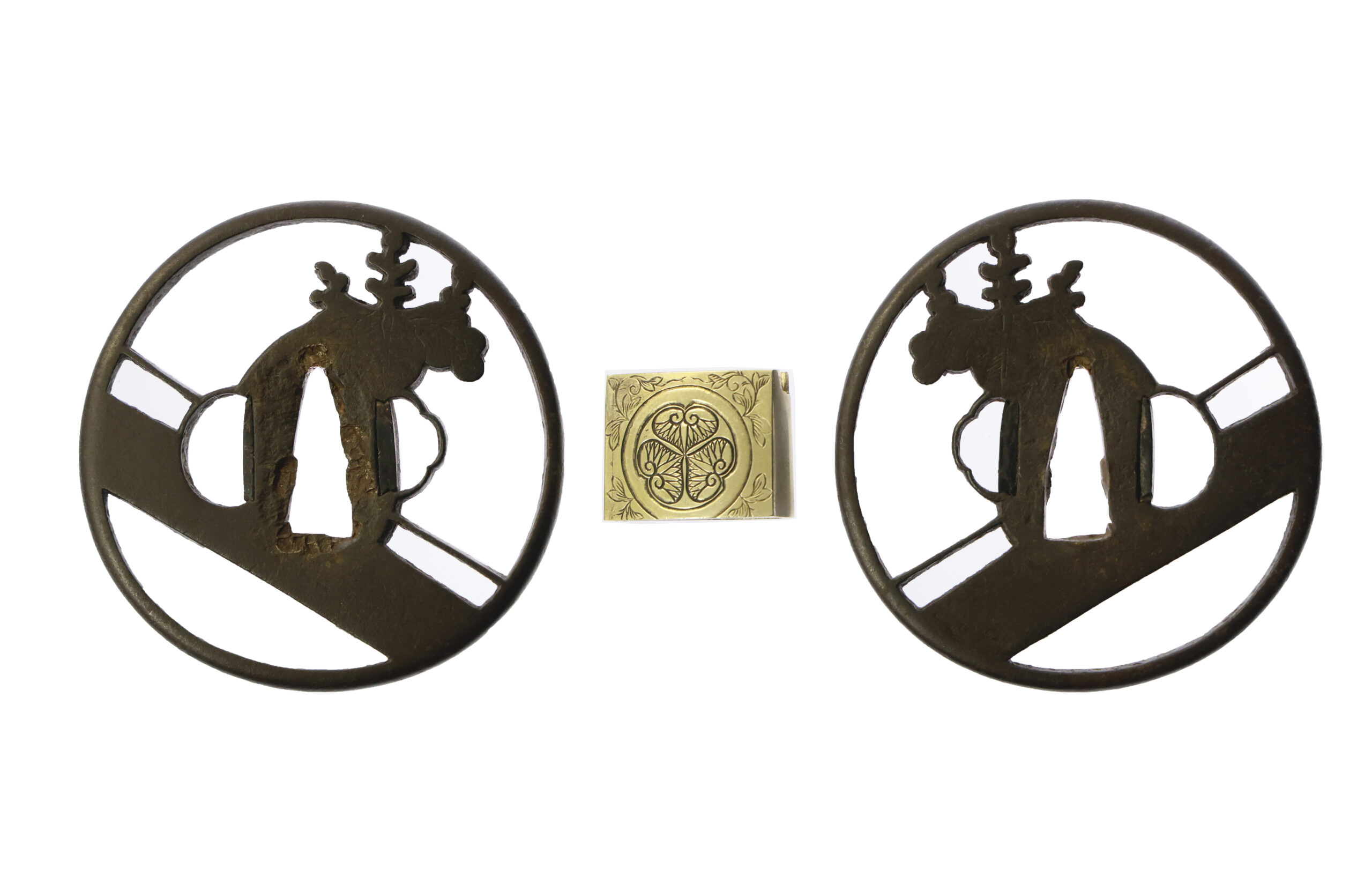
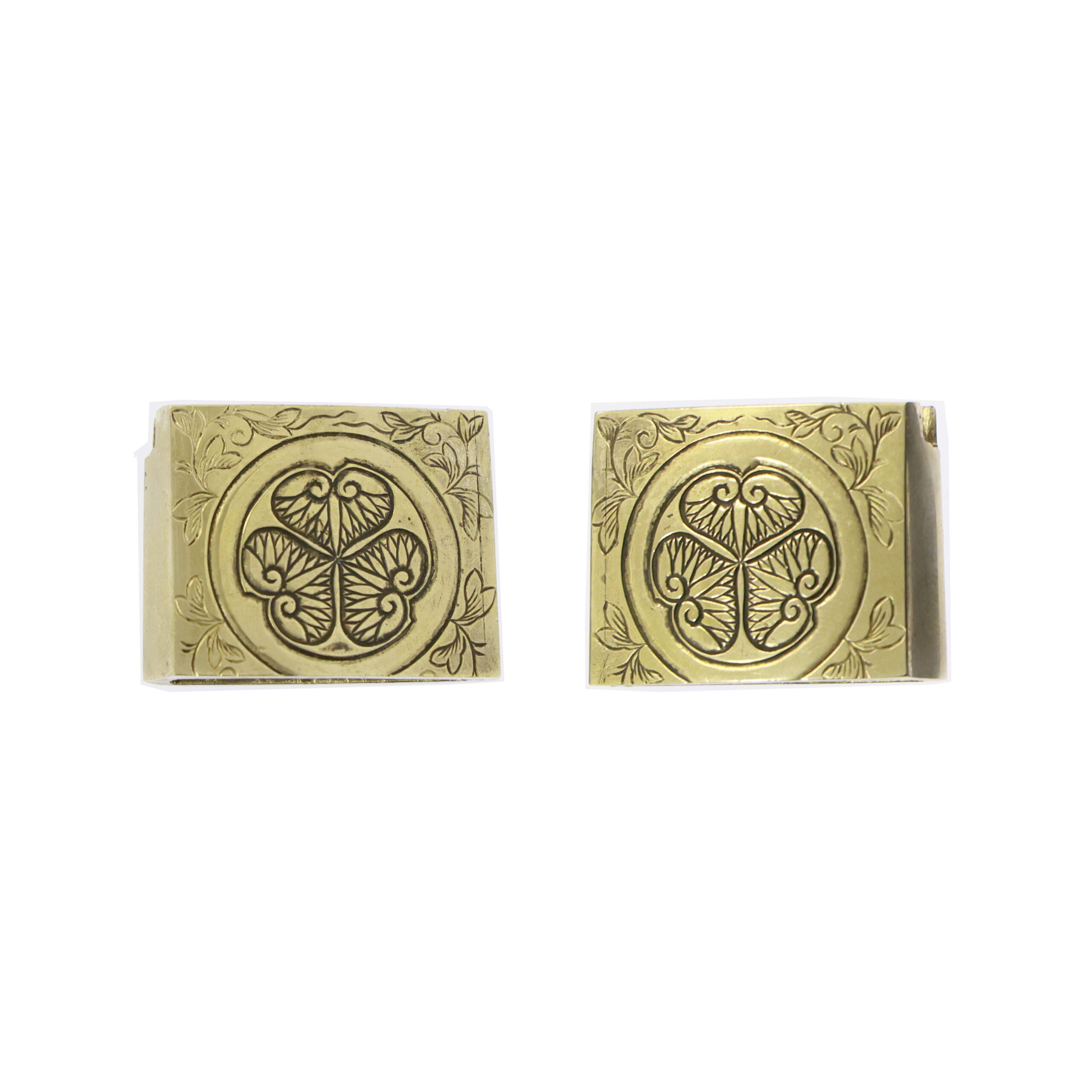
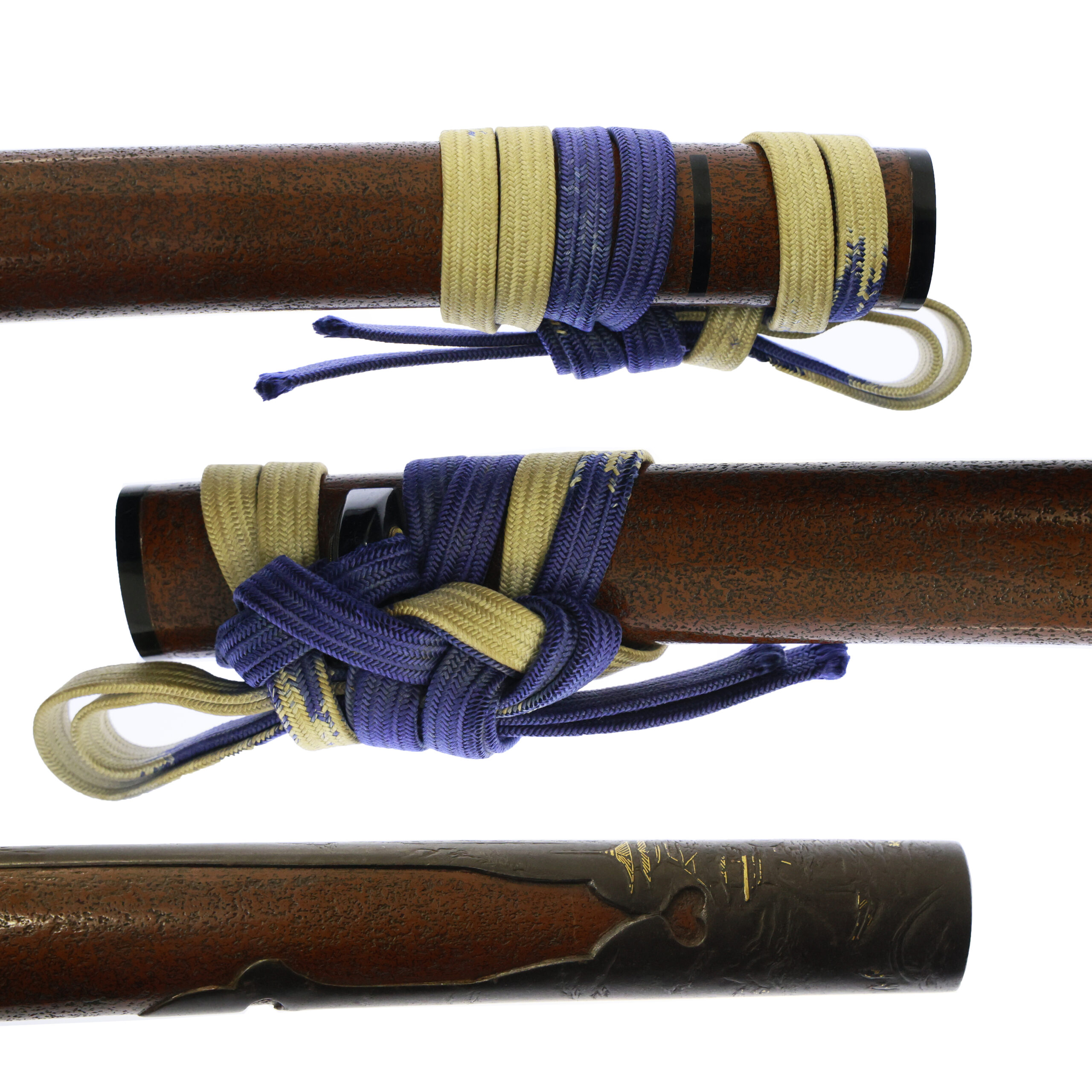
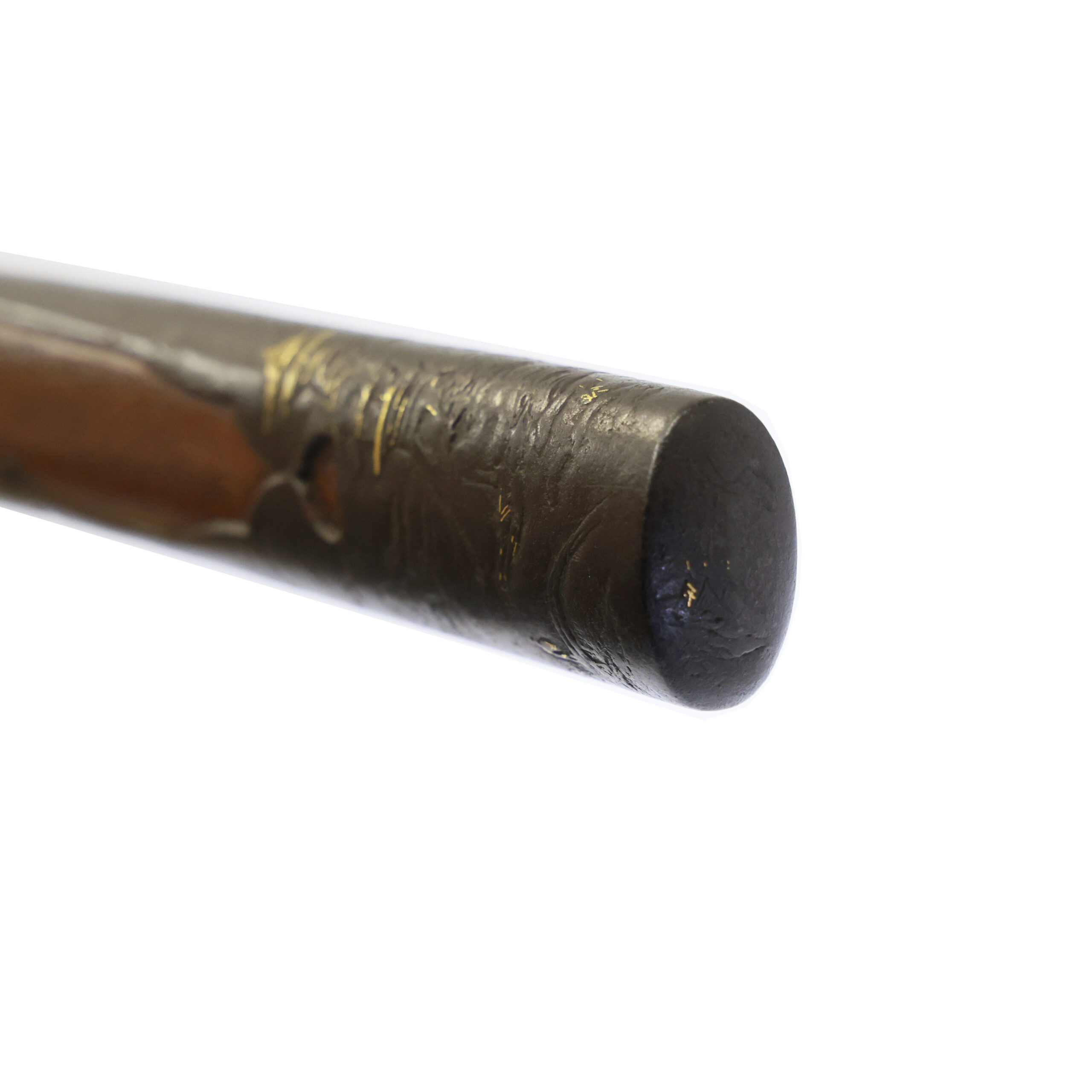
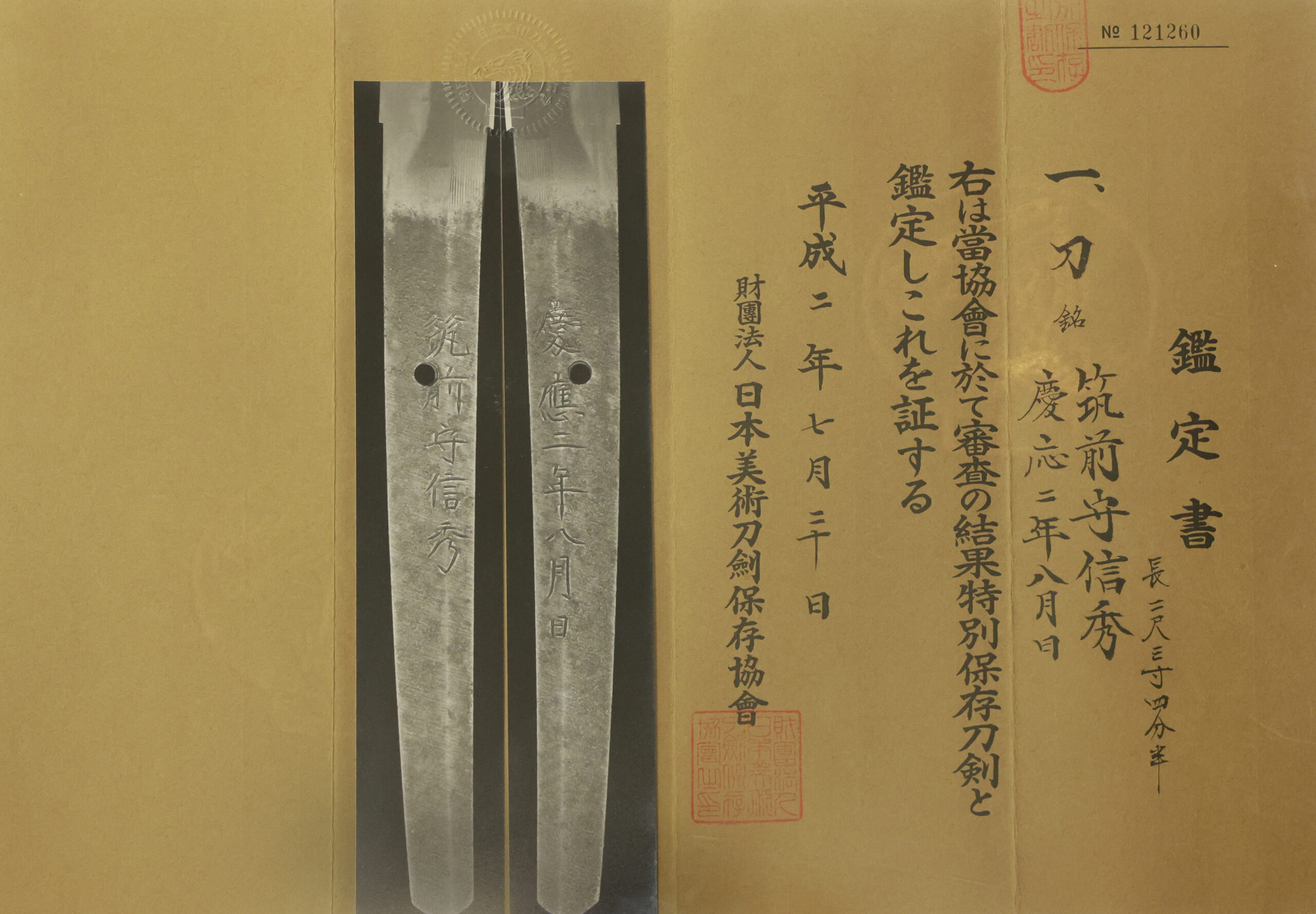
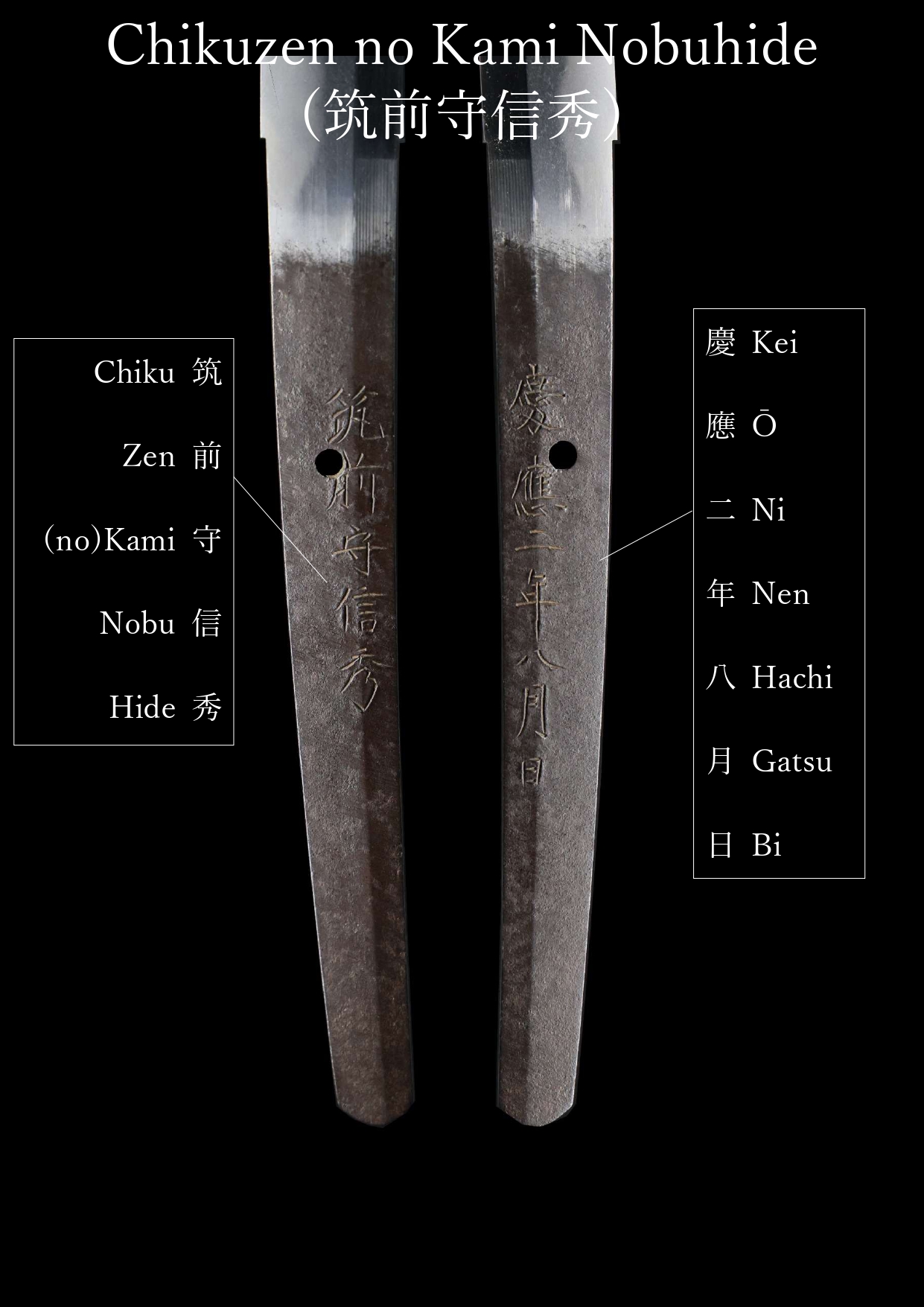
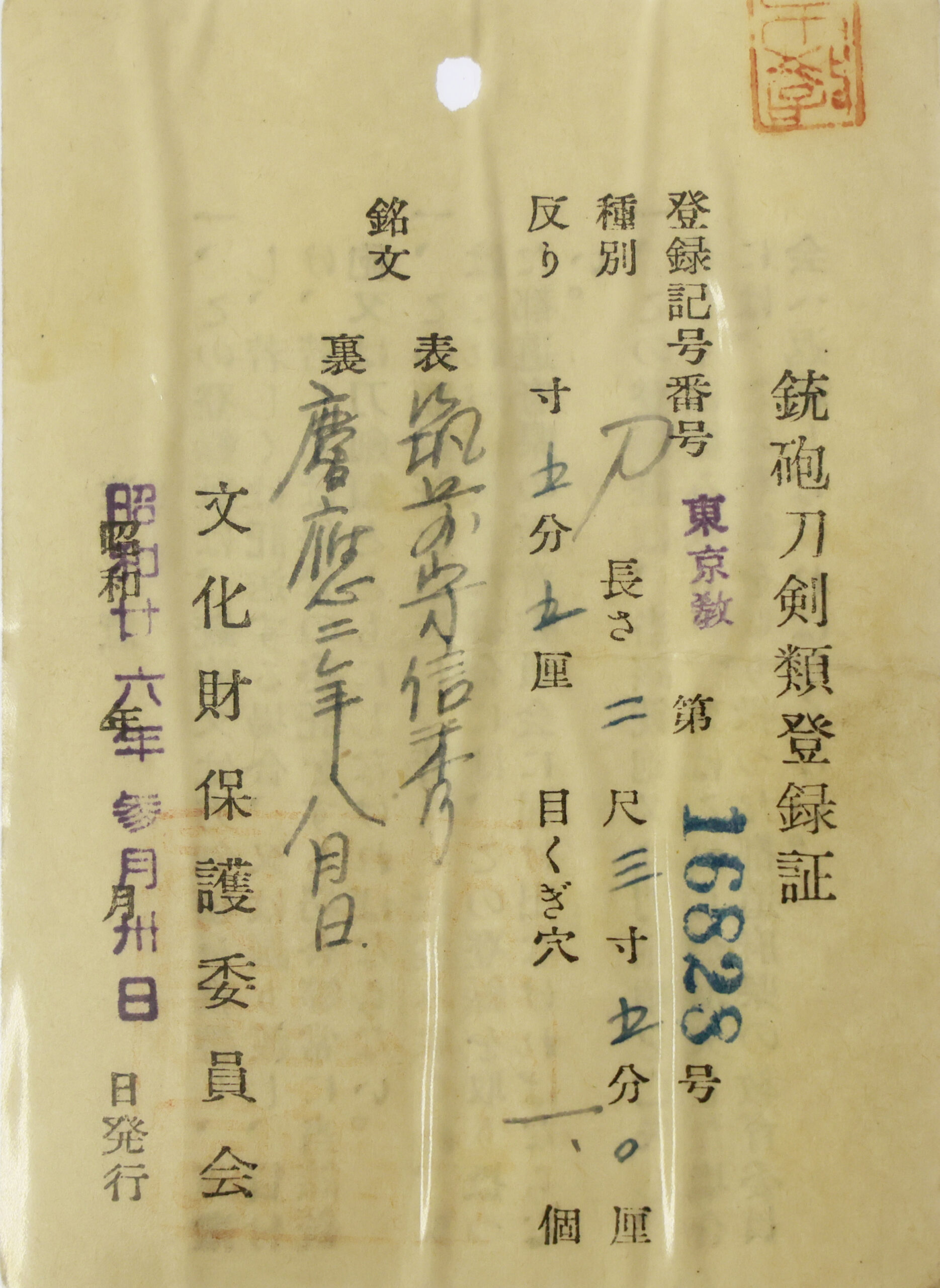
This blade was signed by Chikuzen no Kami Nobuhide (筑前守信秀) in the 2nd year of the Keio era (1866: The end of the Edo period). He is considered a top-tier swordsmith at the end of the Edo period. Nobuhide was born in Echigo province (today’s Nigata prefecture) in the 12th year of the Bunka era (1815). In the 12th year of the Bunsei era (1829), he moved to Kyoto and became a famous mirror craftsman. Eventually, he relocated to Edo city (today’s Tokyo) to become an apprentice of Kiyomaro in the third year of the Ka-Ei era (1850). Nobuhide was about 34-35 years old when he first studied sword-forging techniques from Kiyamaro, one of the most skilled and renowned swordsmiths at the end of the Edo period. Kiyomaro was just two years older than Nobuhide back then. He was so talented that he mastered superb craftsmanship from Kiyomaro in less than three years. Nobuhide was treated as Kiyomaro’s No1 apprentice. Nobuhide became an independent swordsmith in the fifth year of the Ka-Ei era (1852). In the first year of the Keio era (1865), he received an honorable official title Chikuzen no Kami (筑前守) from the emperor Komei. According to historical records, he stayed in Sagami province (today’s Kanagawa prefecture) during 1853-1854. And he resided in Osaka between 1864-1867. Based on this information, we believe this blade was made in Osaka. In his early career, he signed Nobuhide (信秀) and then changed it to Kurihara Kenji Nobuhide (栗原謙司信秀). And lastly, he signed Taira Nobuhide (平信秀). Nobuhide was active between 1852-1877 (the 5th year of Ka-Ei~10th year of the Meiji era). He is known as one of the three masters of the sword-forging at the end of the Edo period. The other two are Gassan Sadakazu and Honjo Yoshitane. Nobuhide is considered one of the top-tier swordsmiths among Japanese sword experts and collectors. Even after the Samurai era ended in 1868, Nobuhide kept forging swords. And in the second year of the Meiji era (1869: post Samurai era), he was requested by the emperor Meiji to forge a ceremonial sword, which was considered one of the highest honors for any swordsmiths. The Meiji government also ordered him to create three divine mirrors and a holy blade for a newly built shrine called Shokonsha (today’s Yasukuni shrine). Shokonsha was built to honor the spirits of those who died during the civil war at the end of the Edo period. This fact suggests that Nobuhide was one of Japan’s most respected and acknowledged swordsmiths. He finished this project in the 7th year of the Meiji era (1874). And, he came back to Echigo province and restarted making mirrors for shrines. He died at the age of 66 in his house in Tokyo. Also, this blade is distinguished by its elegant ō-kissaki (大切先, large point). The long, extended tip not only enhances the sword’s visual presence but also reflects the powerful and refined craftsmanship of its maker. The bold silhouette created by the elongated kissaki lends the entire blade a sense of grandeur and dignity. It is appraised as a Tokubetsu Hozon Token (特別保存刀剣) issued by NBTHK (Nihon Bijutsu Touken Hozon Kyokai:日本美術刀剣保存協会). *Please keep in mind that there is partial Kitae Kizu right above the Habaki area. Fuchi-Kashira The design of the fuchi-kashira appears to be inspired by traditional Chinese landscape paintings (山水画, sansui-ga), which often depict natural scenes such as mountains, rivers, and trees in a harmonious and poetic composition. This motif reflects a deep appreciation for nature and serenity, as well as the cultural exchange between China and Japan in classical art. Tsuka and Menuki This menuki depicts a figure rowing a small boat. Combined with the landscape motifs on the other sword fittings, it creates a harmonious and evocative scene. Tsuba and Habaki This tsuba showcases an intricate openwork design (透かし彫り, sukashi-bori) of the “Go-san no Kiri” (五三の桐, Five-three Paulownia), a traditional Japanese crest composed of stylized paulownia leaves and flowers. This crest has long been associated with imperial authority and later with the Japanese government, symbolizing power, dignity, and tradition. The sukashi-bori technique—where parts of the metal are meticulously cut away to create patterns using negative space—not only highlights the artisan’s skill but also gives the tsuba a sense of lightness and visual depth. The theme of this Habaki is Tokugawa Aoi mon (徳川葵紋). It is known as the family crest of Tokugawa Shogunate family led by Tokugawa Ieyasu, a famous military commander of the Warring States period. This plant pattern has also been used for the crest of the Kamo shrine in Kyoto prefecture. As mentioned above, the famous Shogunate family, the Tokugawa family, had their family crest with three leaves of Aoi due to the relationship with the Kamo shrine. As its leaves have a habit of always facing the sun, and the word “Aoi” is taken as “Aogu (仰ぐ, looking up)” for the sun, people thought the Aoi pattern would bring good fortune. Saya The Kojiri (end cap of the scabbard) is decorated with what appears to be a Buddhist pagoda. Pagodas trace their origins back to the ancient Indian stupa—structures built to house sacred relics—and spread throughout East Asia along with the dissemination of Buddhism. In Japan, they are known for their multi-tiered architecture, with famous examples such as the five-story pagoda at Hōryū-ji Temple in Nara, a UNESCO World Heritage site. These structures are regarded as symbols of sacred space and spiritual elevation in the Buddhist tradition. Authentication Paper They authenticated the blade on July 20th in the 2nd year of Heisei (1990). They appraised it as Tokubetsu Hozon Touken, the blade especially worth preserving for Japanese society.
Offered by Samurai Museum

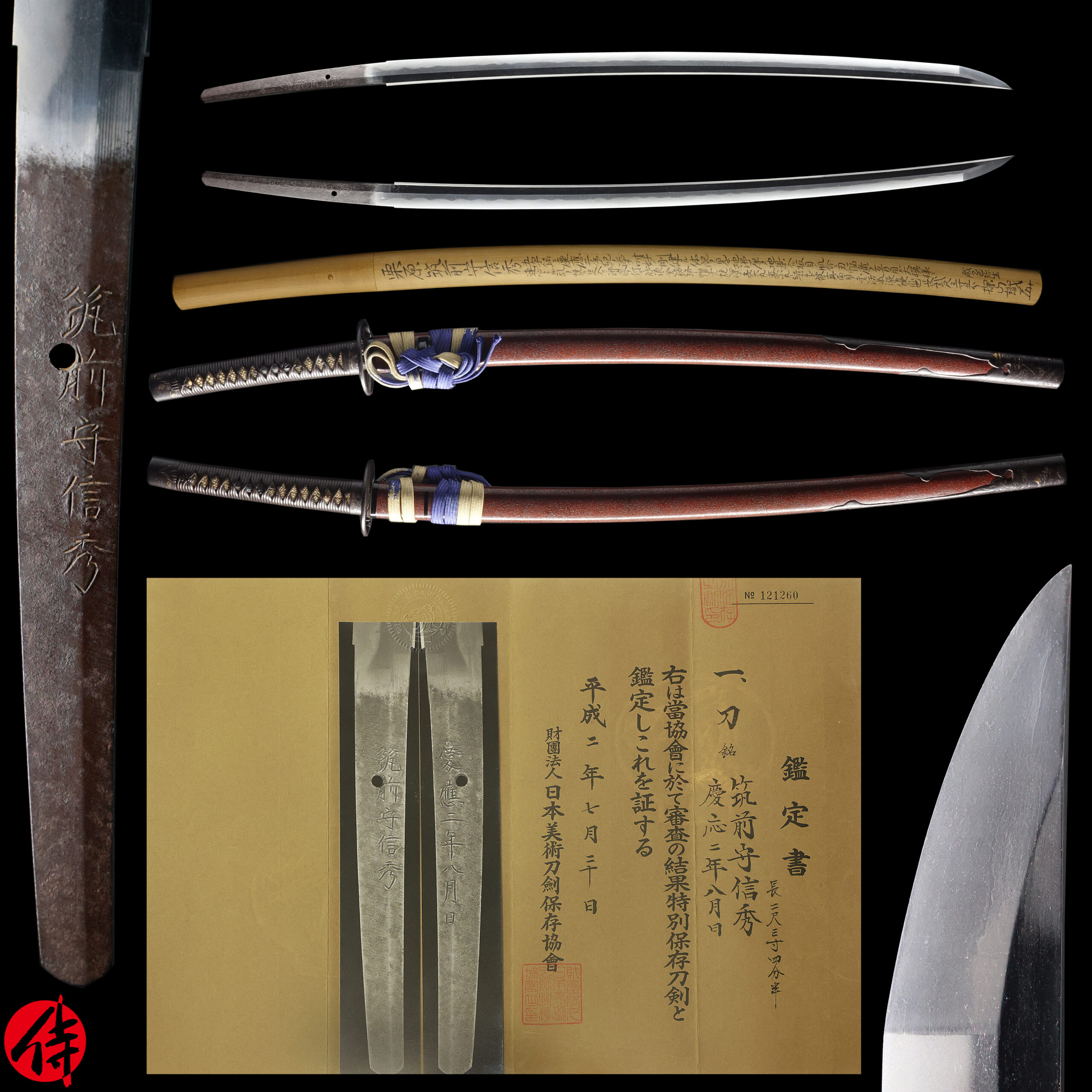
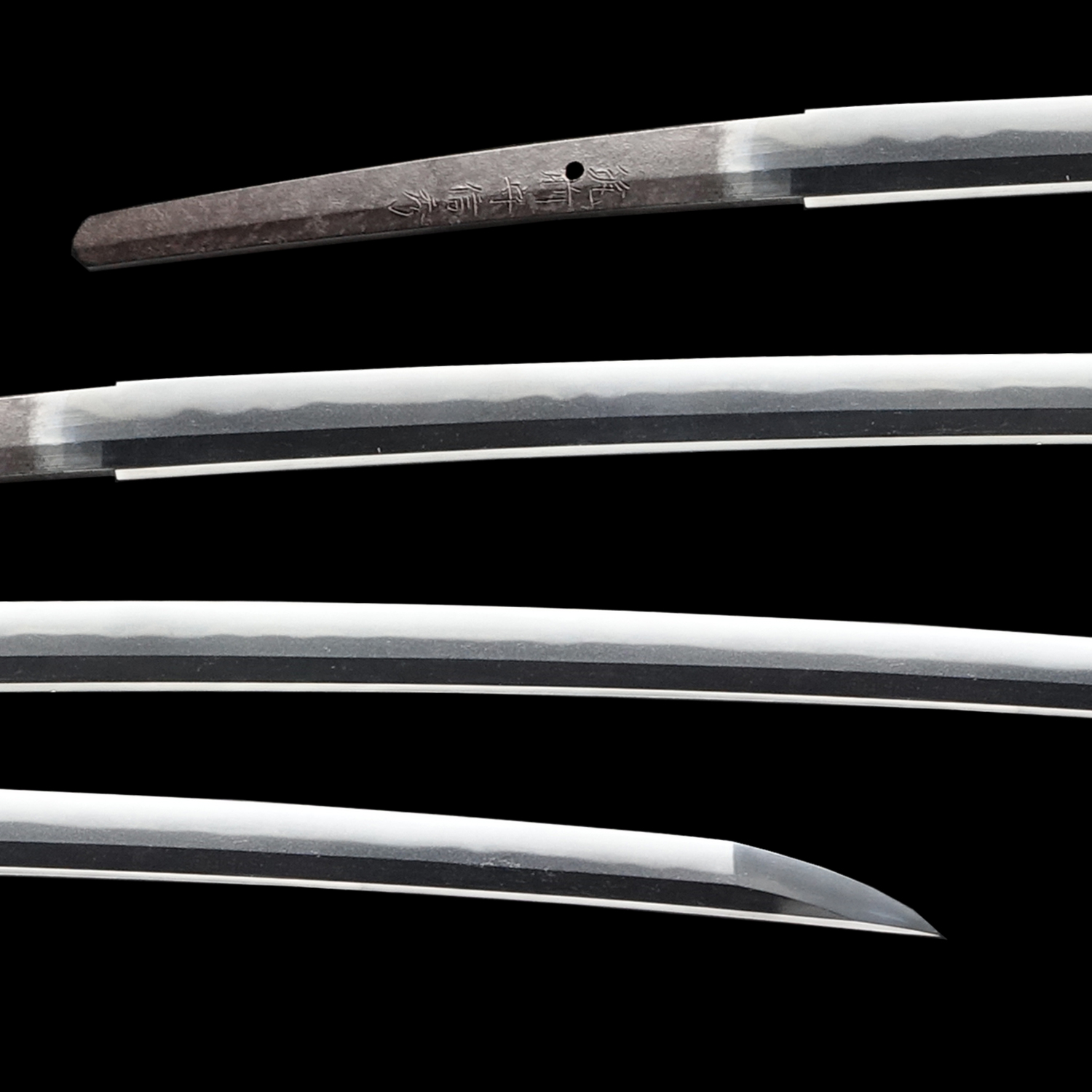
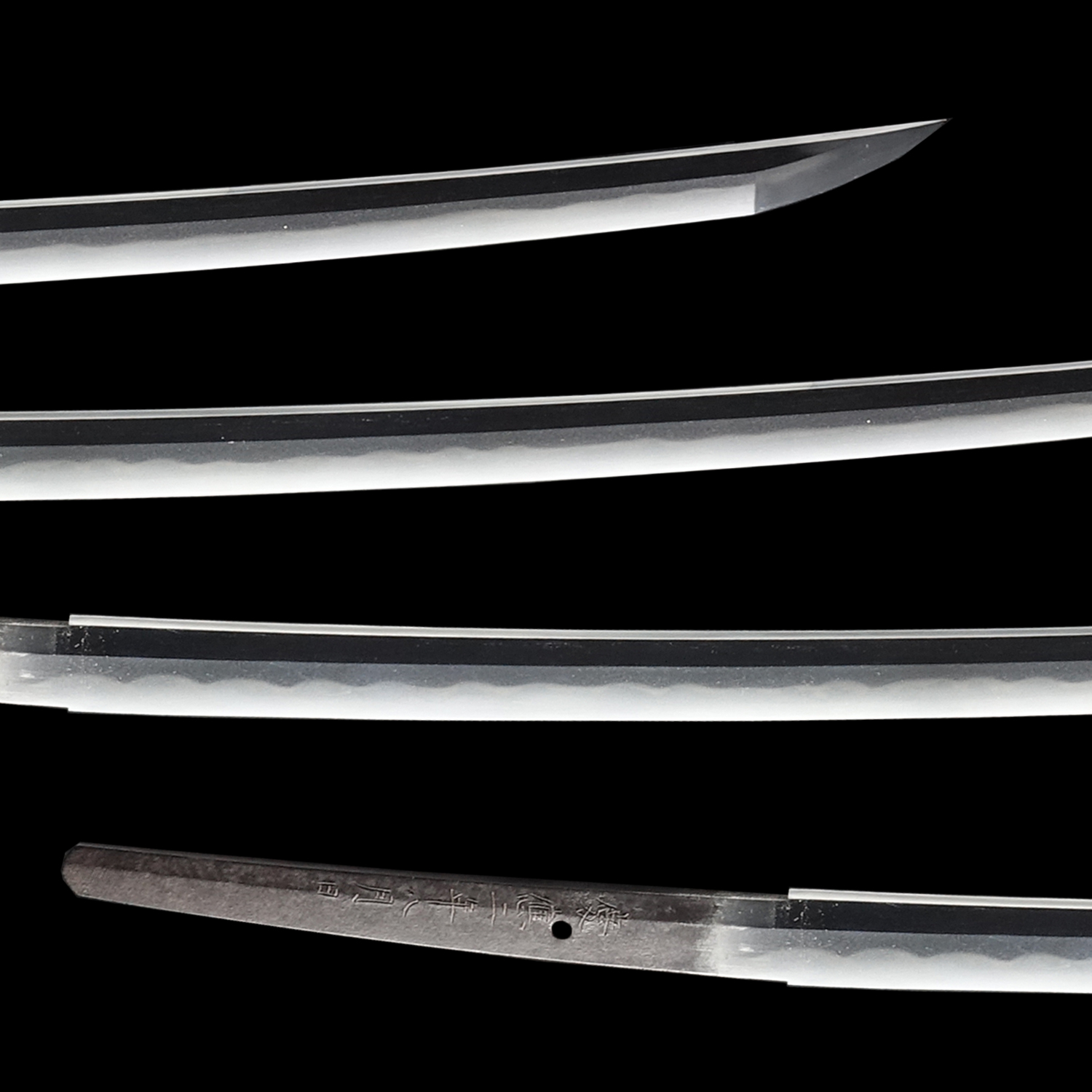
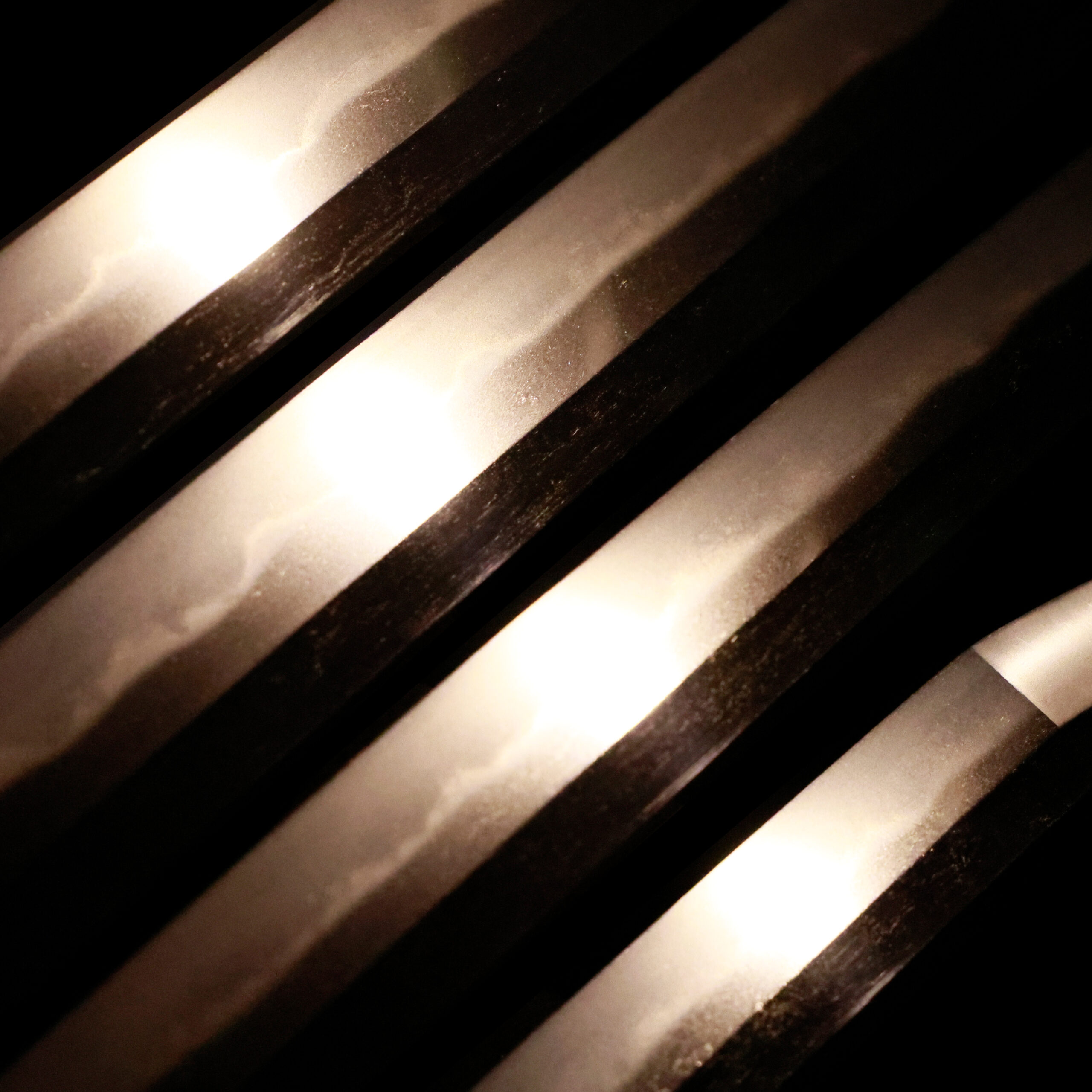
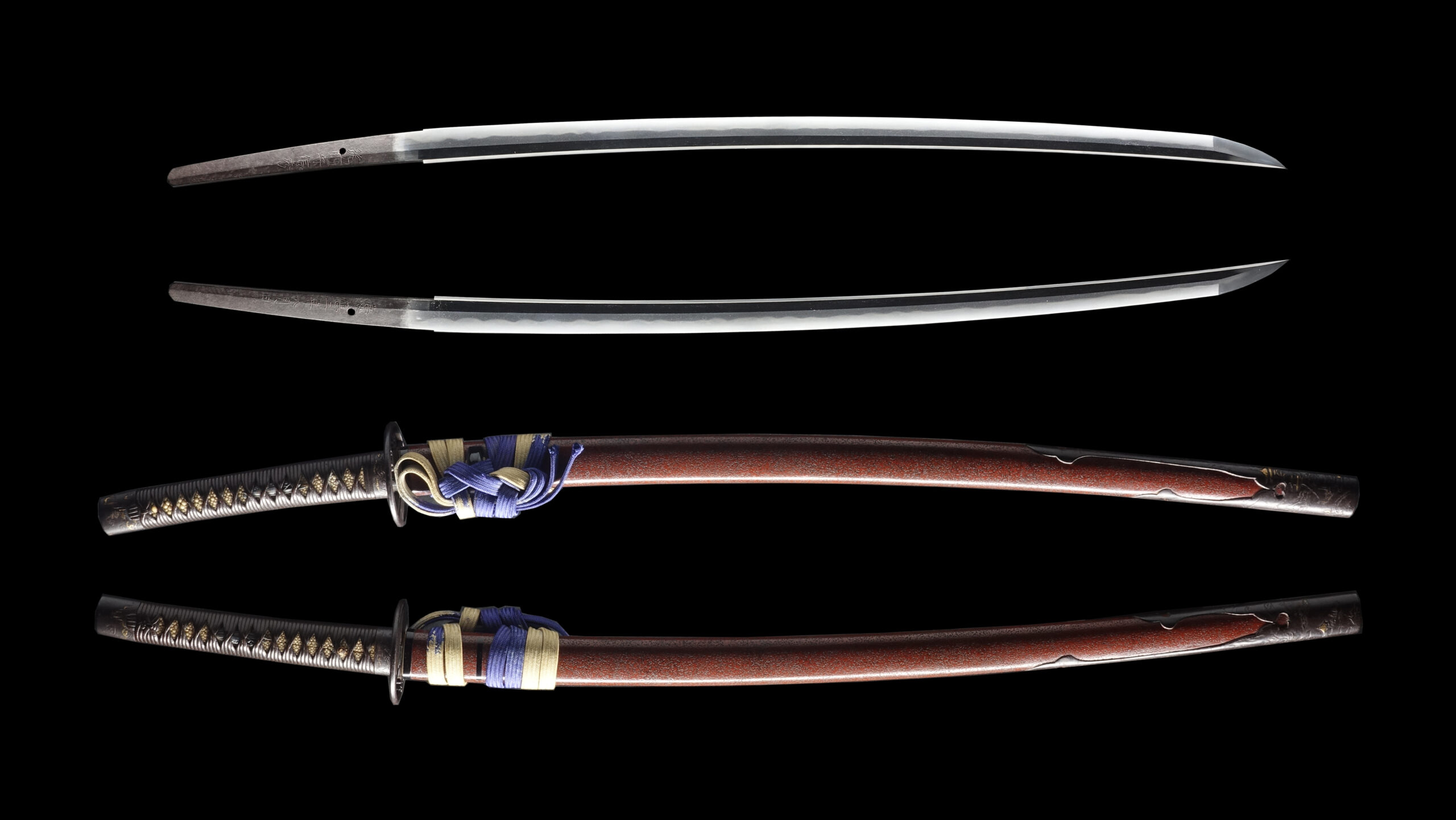
Kurihara Nobuhide, Yamaura Kiyomaro school (shinshinto) · Musashi · around 1857-1867
Fujishiro Jo-jo saku · Tōken Taikan top 10%
4 pieces on the market now
Kurihara Kenji Nobuhide was born at Sanjō in Echigo and began life as a maker of metal mirrors, turning to the sword only around Kaei 3 when he entered the Edo workshop of Yamaura Kiyomaro at Yotsuya. Of the master's pupils he is the one the published sources place nearest the source: examining a blade made before he took his title, the NBTHK writes that 'his technique was, among the members of that school, the closest to approaching the level of his master'[[c:1]]. He received the honorary title Chikuzen no Kami in the fifth month of Keiō 1, lived three years at Osaka, returned to Edo, and after the Haitōrei went home to Echigo and forged only a little until his death in Meiji 13. He signed Nobuhide, often Taira Nobuhide and, after the title, Kurihara Chikuzen no Kami Taira Nobuhide. With Kiyondo he is one of the two hands who carried the Kaei-era Sōshū revival of the Yotsuya Masamune into the Bakumatsu and early Meiji.
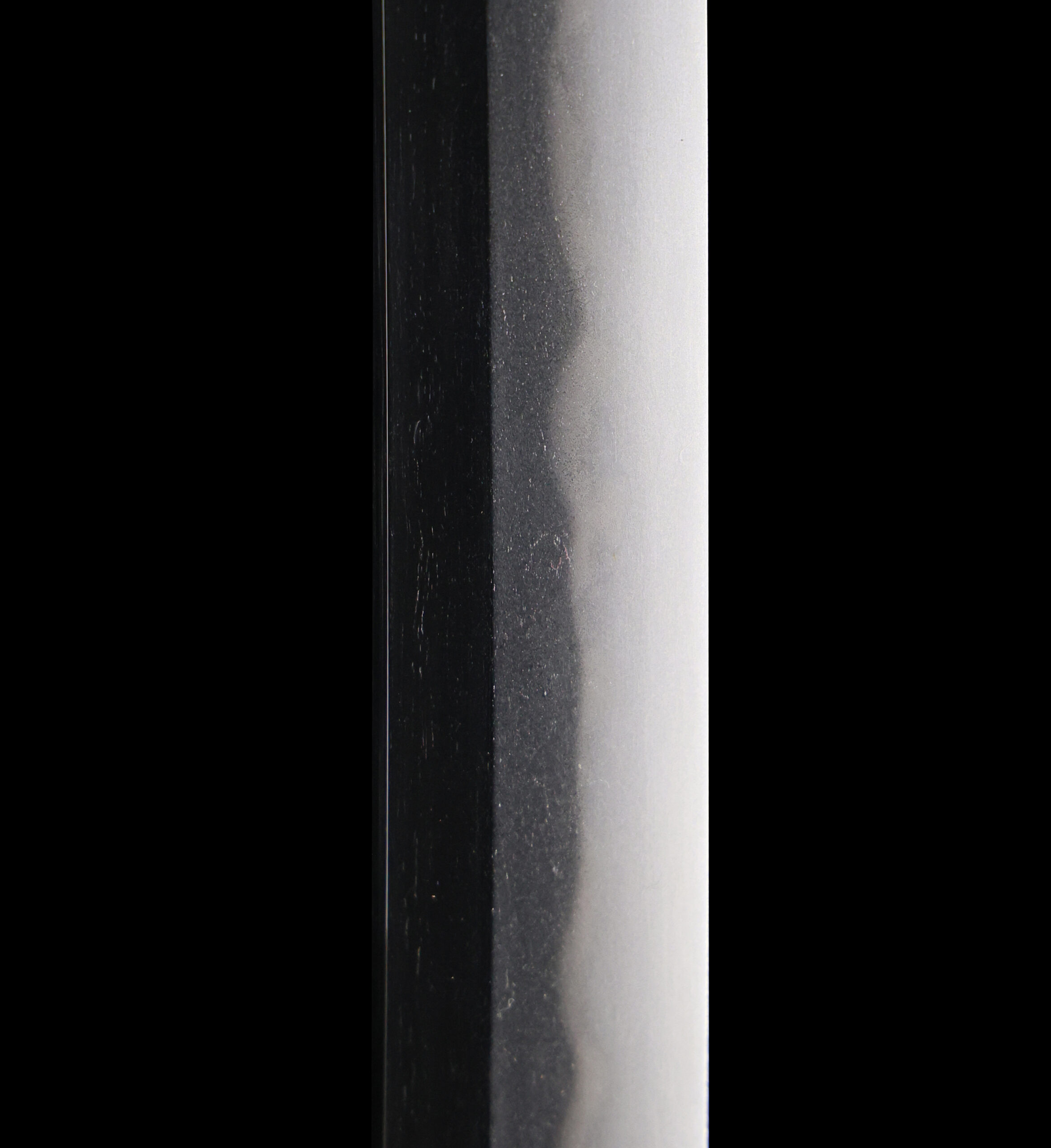
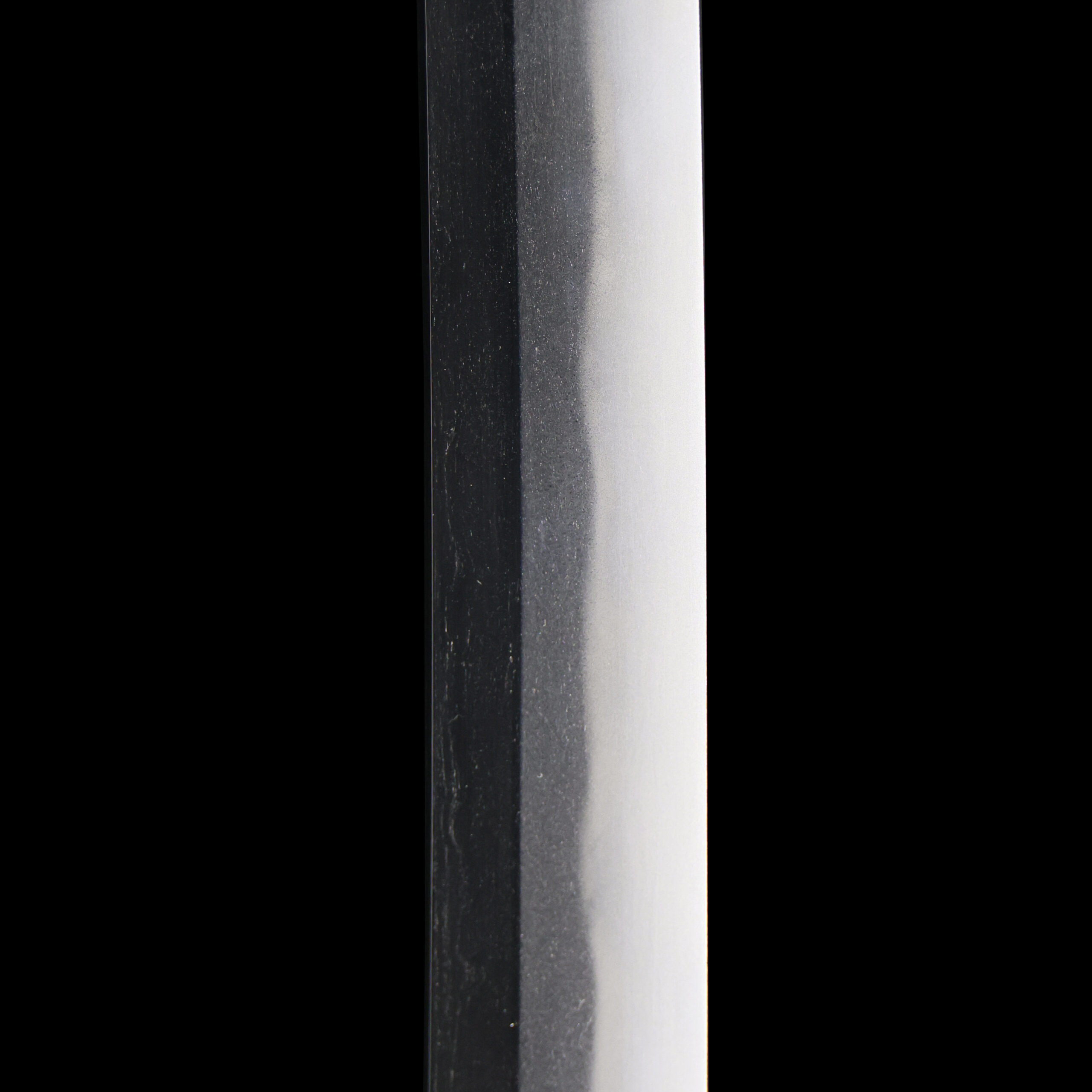
What he aimed at is his teacher's manner, and within it the Shizu vein Kiyomaro favoured most. The published commentary states plainly that his workmanship 'resembles his teacher and excels in the Shizu tradition'[[c:2]]. The temper is a gunome-midare into which he sets togariba and an angular kaku-gunome, a chōji feeling entering and at times mixing in, with ashi and yō well in. The activity is that of a deep nie edge: ko-nie adheres well, sunagashi streams through, and long kinsuji enter frequently, the nioiguchi bright and clear. The bōshi runs midare-komi and turns with a pointed tendency, often with hakikake, sometimes thrusting up to a small round. On a wide hira-zukuri wakizashi the judges read exactly this hand at full strength, 'a work full of commanding spirit, sunagashi and kinsuji operating repeatedly, giving a powerful impression'[[c:3]].
The jigane is where his closeness to Kiyomaro tells most. Over an itame that flows and stands a little, at times mixed with masame and mokume, he lays a thick ji-nie with chikei entering frequently, the steel clear. There is no utsuri: this is a shinshintō hand reaching back to Sōshū through Shizu, not a Bizen one, and the brightness lives in the nie of ji and ha rather than in any reflection. His swords are imposing in shape, wide in body, the kasane often thin and the sori shallow, the kissaki extended or run to an ō-kissaki, several with a sakizori tendency. Set against this strength the published sources are candid about the limit of the inheritance: his spirit and forcefulness, they note more than once, do not reach his master's, even as the deftness of the work is beyond question.
His own tell, the feature that is his alone in the school, is the carving. The mirror-maker's training gave him a hand for metal that the others lacked, and the NBTHK records that within the Yamaura line 'there are no blades but his that bear carvings'[[c:4]]. The motifs are diverse and distinctively his: a grass-style kurikara, a jewel-chasing dragon, a dragon-riding Kannon, Ame-no-Uzume-no-Mikoto and mountain cherry at the koshimoto, bonji and suken beneath futasuji-hi and bō-hi. From Meiji 1, after study with the metal-artist Kanō Natsuo, his carving changes markedly into a shallow, low-relief manner. The form that accompanies the carving is the katakiriba-zukuri, which the published sources note is not uncommonly encountered among his swords, alongside the wide hira-zukuri sunobi wakizashi. Carving was so much the point of his work that on one entirely uncarved katana the judges turn the absence into praise: with no horimono to occupy the eye, they write, the blade is 'all the more such that it could be mistaken for his teacher Kiyomaro'[[c:5]].
What separates him from his teacher is named in the commentary itself, and it is a matter of degree, not of kind. He works the same flowing itame with thick ji-nie and chikei, the same gunome-midare deep in nie with sunagashi and kinsuji, the same pointed bōshi; but where Kiyomaro's hand is read as overwhelming in spirit, Nobuhide's is read as the most skillful approach to it, the closest the school came. Among the Kiyomaro pupils his is the carved hand, the Osaka and Echigo wandering hand, the one whose blades can be dated and placed by their signatures and titles. He is therefore the open, knowable face of a school whose founder is the more mythologized for his short and violent life.
For the collector he is an attainable Kiyomaro-school name of real quality. Fujishiro grades him Jō-jō saku, and the Tōkō Taikan values his work highly among shinshintō smiths. He has no National Treasures and no Important Cultural Properties; his record runs instead through the Jūyō Tōken rank, where something over thirty of his signed katana, wakizashi and naginata are designated. His provenance is grounded and historically resonant rather than broad: one katakiriba wakizashi of Keiō 1, the published sources record, 'was presented to Shogun Yoshinobu'[[c:6]], and a blade is preserved at the Hachiman shrine of his native Sanjō in Echigo. Most designated blades are held rather than traded, and only a small share fall in the tradeable tier, so a signed Nobuhide reaches the market only from time to time. When one does, it is among the most rewarding ways a collector can hold the Kiyomaro Sōshū manner, signed, dated, and often carried by his own carving.
Where Nobuhide stands among comparable artisans: across all of nihontō, and within tradition, era, and period. The tiers (Foremost · Leading · Major · Notable) weigh official designations from the NBTHK and Japan's Agency for Cultural Affairs, together with historical honors of lasting repute such as the Sansaku and Meibutsu-chō.
Select a lens to see how it's measured.
Years he was demonstrably active, proven by signed-and-dated blades
Shinshinto · Musashi
14 pieces on the market now
The Kiyomaro school gathered in the workshops of Yotsuya in Edo around the middle of the nineteenth century, its founder Yamaura Kiyomaro (清麿) born in Bunka 10 (1813) at Akaiwa village in the Komoro district of Shinano, the second son of the country gentry-warrior Yamaura Nobukaze. He learned forging first under the Ueda-domain smith Kawamura Toshitaka, signing his early blades Masayuki, went up to Edo in Tenpo 6 (1835) under the patronage of the military scholar Kubota Kiyone, and in the autumn of Koka 3 (1846) settled at Iga-cho in Yotsuya and changed his signature to Kiyomaro; he died by his own hand at forty-two in Kaei 7 (1854). Around him moved his elder brother Yamaura Masao (真雄/正雄), who took the same instruction from Toshitaka and walked the same course from choji into Soshu-den, and the pupils who entered the Yotsuya forge in its final years: Kurihara Nobuhide (信秀), a mirror-maker from Sanjo in Echigo whom the published sources place nearest the master's hand; Saito Kiyondo (清人) of Dewa, who afterward settled his teacher's sword debts and carried the manner into early Meiji; and the wider circle of associates and patrons through which the line passed. The shared vocabulary of the school is a powerful Soshu-revival manner. Over an itame that flows and stands a little, well packed and at times opening into mokume and o-itame, the smiths lay thick ji-nie with frequent chikei, the steel clear and without utsuri, for this is a late hand reaching back five centuries to Sagami rather than a Bizen revival. The temper is an o-midare or gunome-midare mixed with ko-notare, the ashi and yo entering, the nie thick and gathering coarse in clusters of ara-nie, with long kinsuji and streaming sunagashi running through nearly every blade; the boshi answers in a midare-komi turning pointed with hakikake. A Bizen-leaning side survives from the early years in the residual choji that shades into the mature work. Within this common ground the hands diverge. Kiyomaro's is read as the overwhelming one, his Soshu-den reaching the upper transmission with the Shizu vein as his forte of fortes, the NBTHK calling his work 「覇気に満ちている」, filled with commanding spirit.
Masao's grounded forging is candidly weighed against his brother's, the texts noting that his chikei, sunagashi, and kinsuji run fewer and the quality does not reach Kiyomaro's level. Nobuhide is named the closest approach to the master and is alone in the school for his carving, a mirror-maker's hand that set kurikara, dragons, and bonji into blades the others left plain. Kiyondo holds the round-headed gunome-midare at full strength and adds a manner of his own, a bright suguha aligned with the Yamato tradition that Kiyomaro never worked. To kantei the school, read first the imposing shape particular to the Yamaura line: a wide body with little taper, the sori toward the point, a chu-kissaki extended or run to an o-kissaki whose fukura is allowed to wither for a sharp impression, often a shobu-zukuri or kanmuri-otoshi wakizashi. Read then the nie, thick in ji and ha, the chikei and the conspicuous kinsuji and sunagashi that mark the force of the steel rather than any borrowed pattern. Carving narrows the field to Nobuhide; a Yamato suguha narrows it to Kiyondo. Kiyomaro stands at the head of the line, ranked by the published sources as high as Kotetsu and named without question the leading master among the shinshinto, the smith called the Yotsuya Masamune (四谷正宗). His extant work is scarce and closely held, passing through documented hands such as the Iwasaki family and the Seikado Bunko, and reaches the market only from time to time and at the very top of it. The pupils and the elder brother offer the more attainable face of the circle, signed and dated blades that come to a collector with patience; a signed example of any of these hands is a document of the moment when Soshu was reborn in Edo. Learn more →
| Smith | Era | Designated |
|---|---|---|
| Kiyomaro清麿 | 1839-1854 | 73 |
| Nobuhide信秀 | 1857-1867 | 34 |
| Kiyondo清人 | 1848-1868 | 10 |
| Masao真雄 | 1844-1866 | 7 |
| Masanao正直 | 1865-1868 | 3 |
Bakumatsu: the last war market
Perry’s arrival in 1853 unraveled the Tokugawa peace and created the first mass demand for working swords in two centuries. Kiyomaro, called the Masamune of Yotsuya, died on its eve; Munetsugu and Yukihide carried the boom to the end.
A Hozon-certified blade judged to show notably superior workmanship and a better state of preservation. The bar is higher: re-tempered blades and most unsigned Muromachi/Edo works are excluded.
The NBTHK (Nihon Bijutsu Tōken Hozon Kyōkai, the Society for the Preservation of Japanese Art Swords) is a public-interest incorporated foundation founded in 1948 and supervised by Japan’s Agency for Cultural Affairs (Bunkachō); it is based at the Japanese Sword Museum in Tokyo. Its expert panels physically examine each submitted work (shinsa) and issue a certificate (kanteishō) ranking it by artistic and historical merit. NBTHK papers are the most widely recognized standard of authentication for Japanese swords and fittings.
NBTHK official siteReturns/exchanges limited to defects caused by shipping (except willful misconduct or gross negligence by the company); customers must contact within 72 hours of receiving the product.