NihontoWatch MonNihontoWatch
Market
Encyclopedia
Kantei

Description

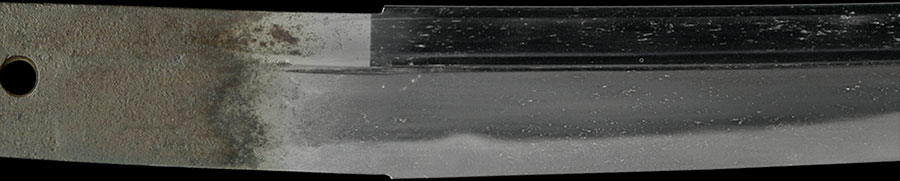
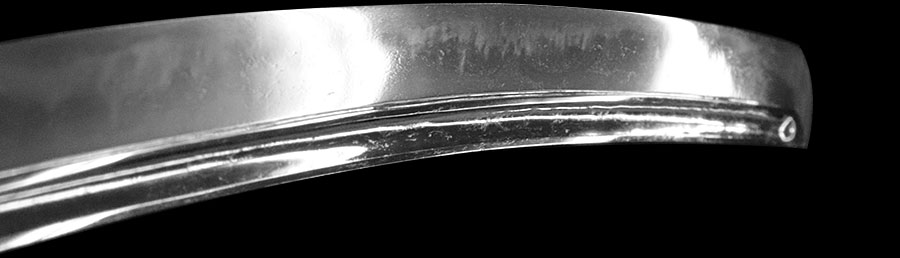
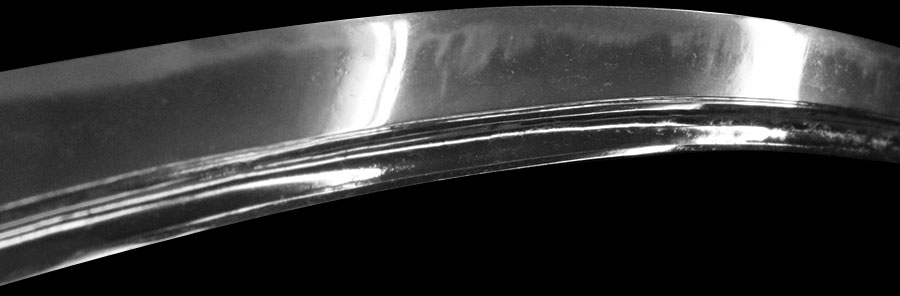
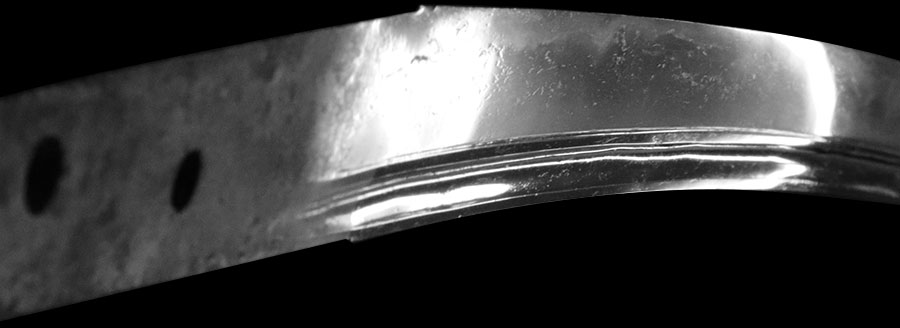
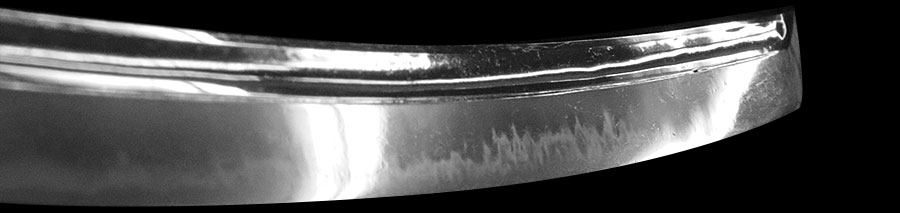
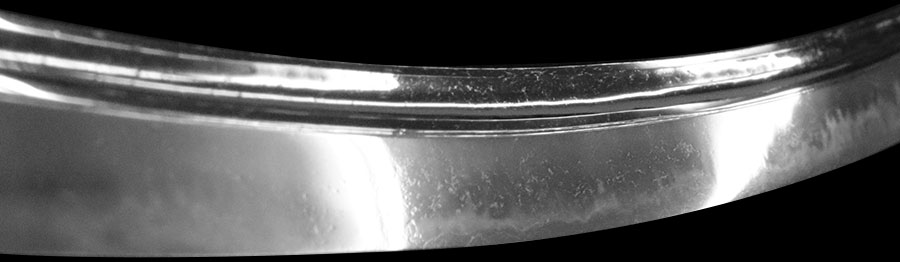
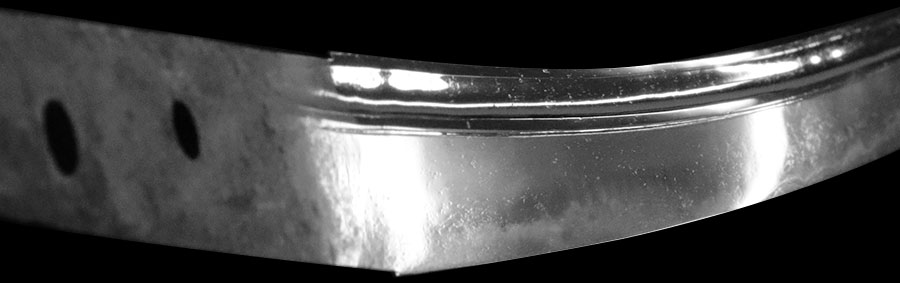
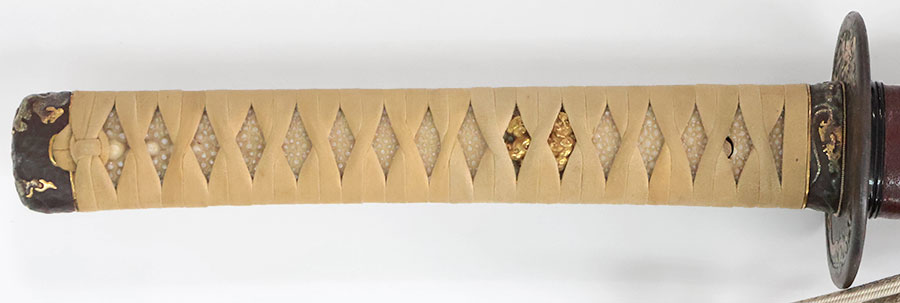
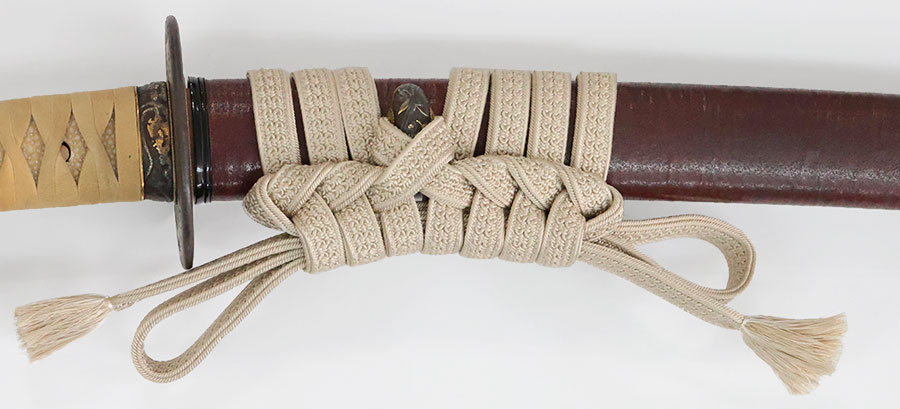
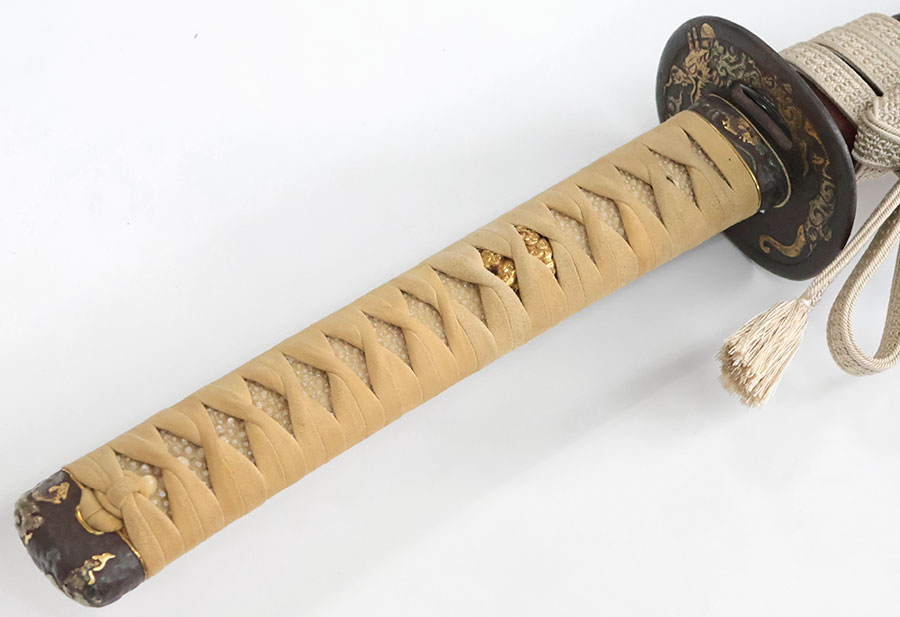
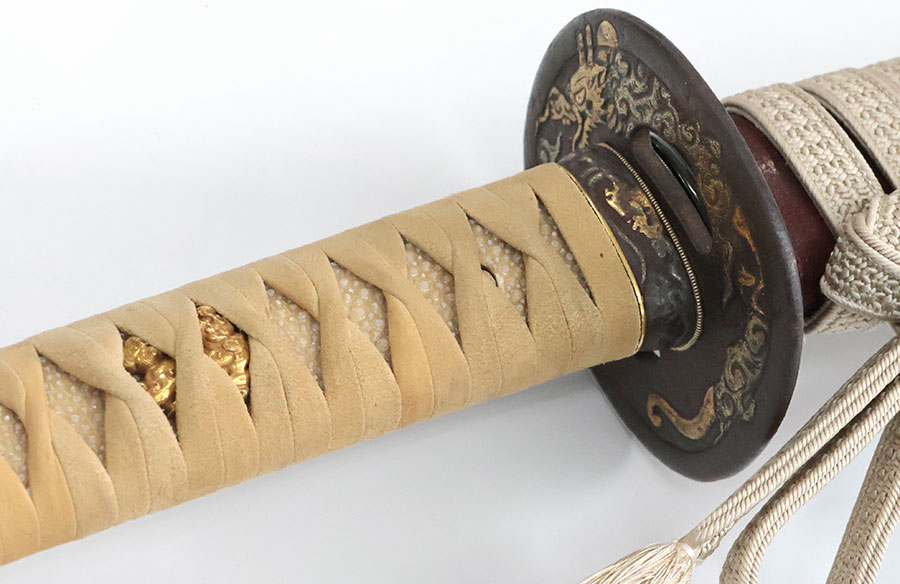
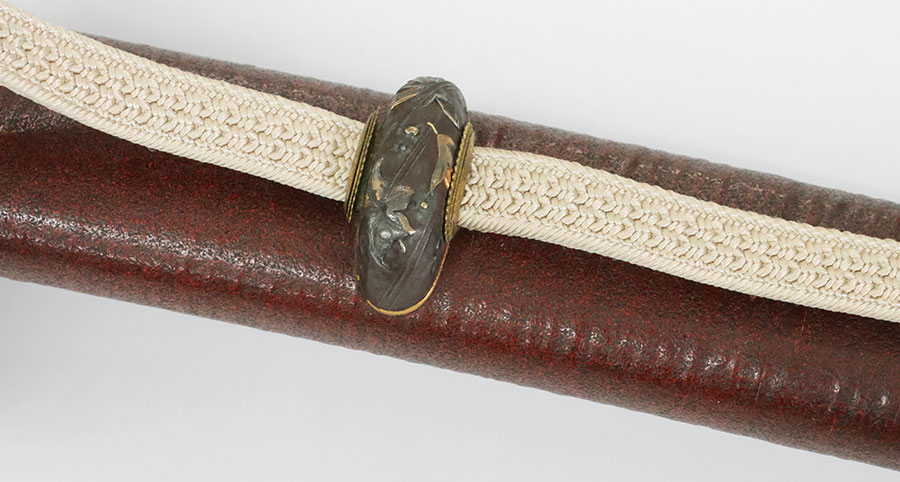
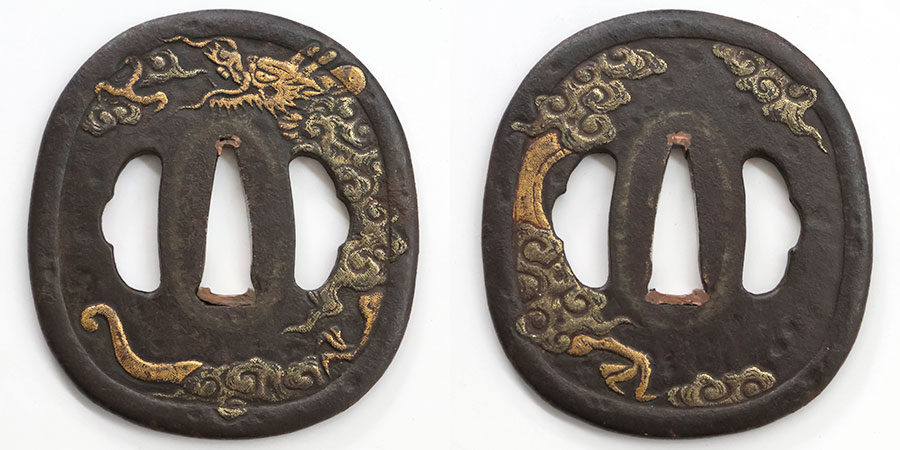
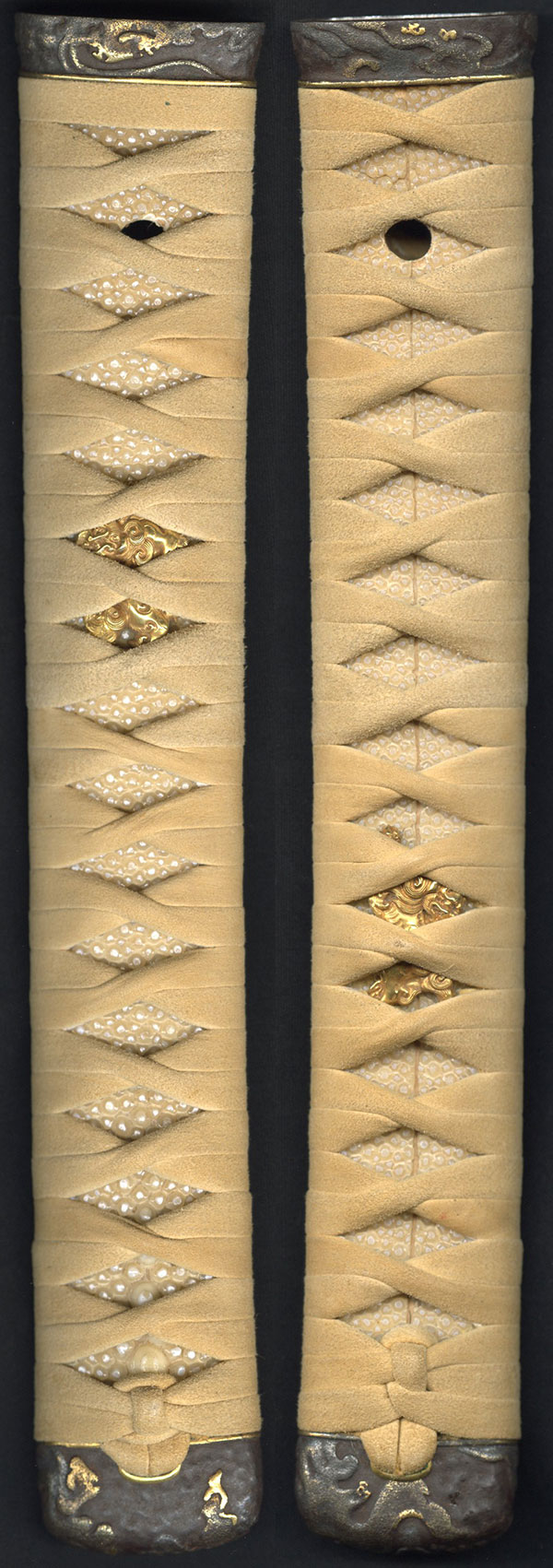
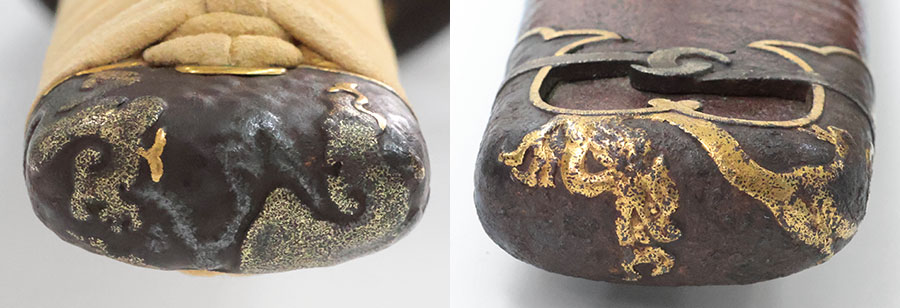
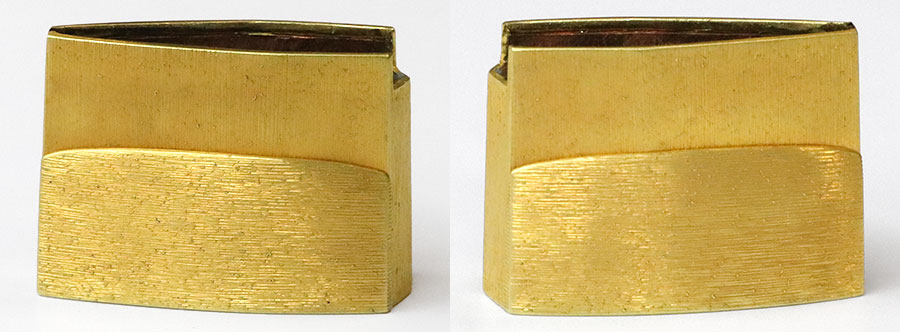
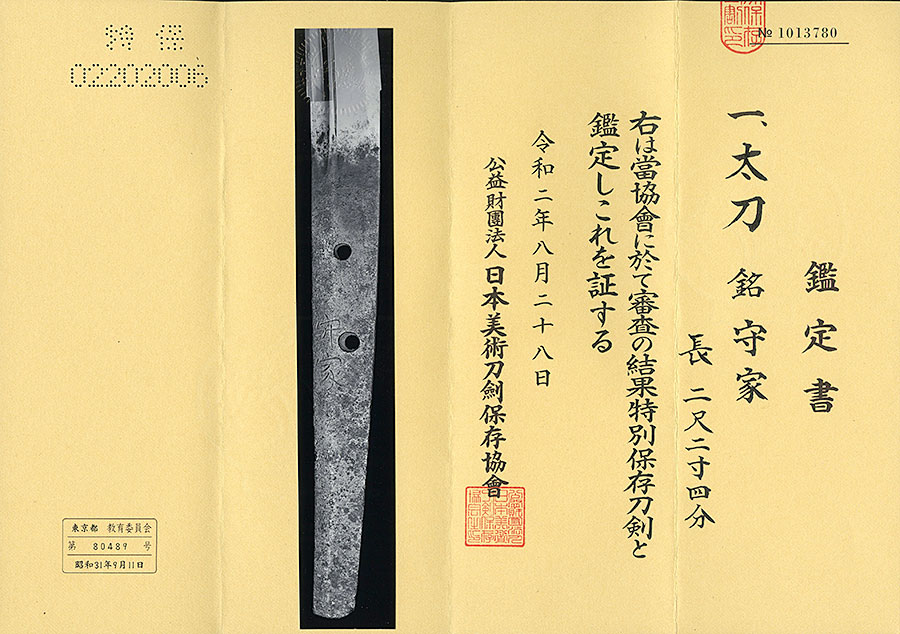
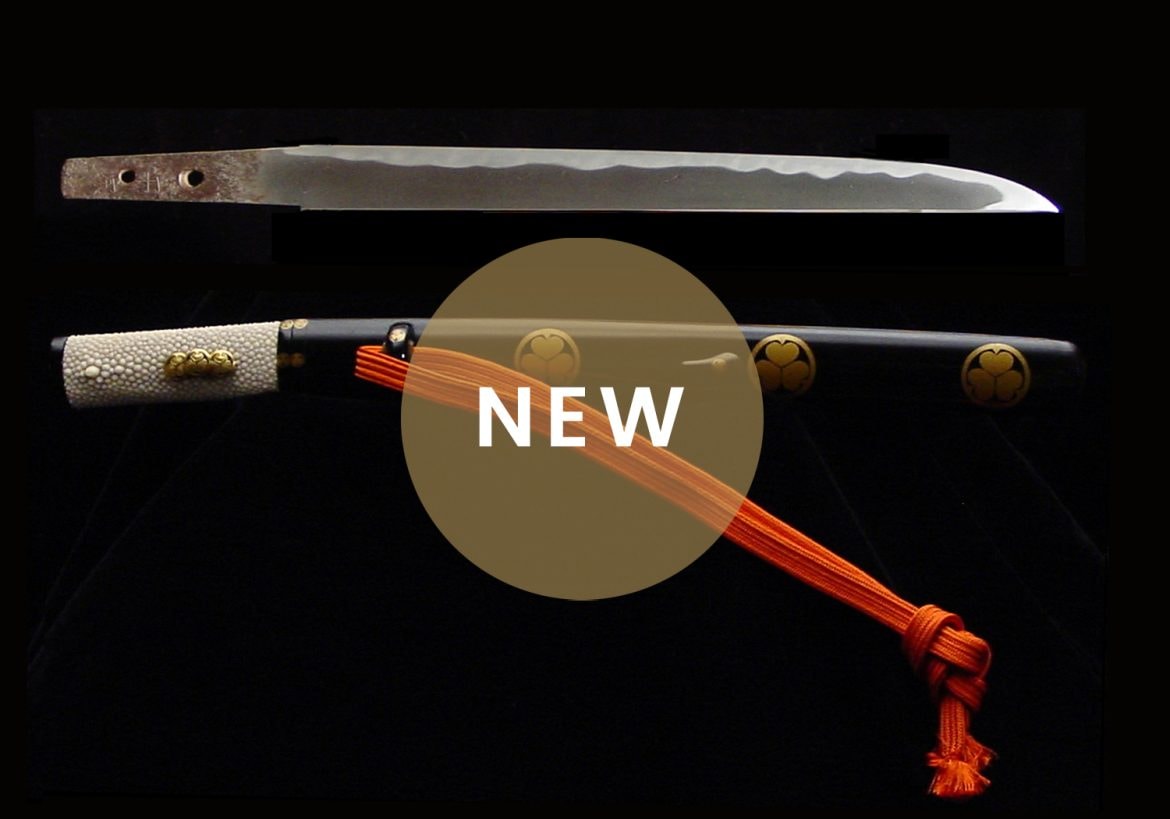
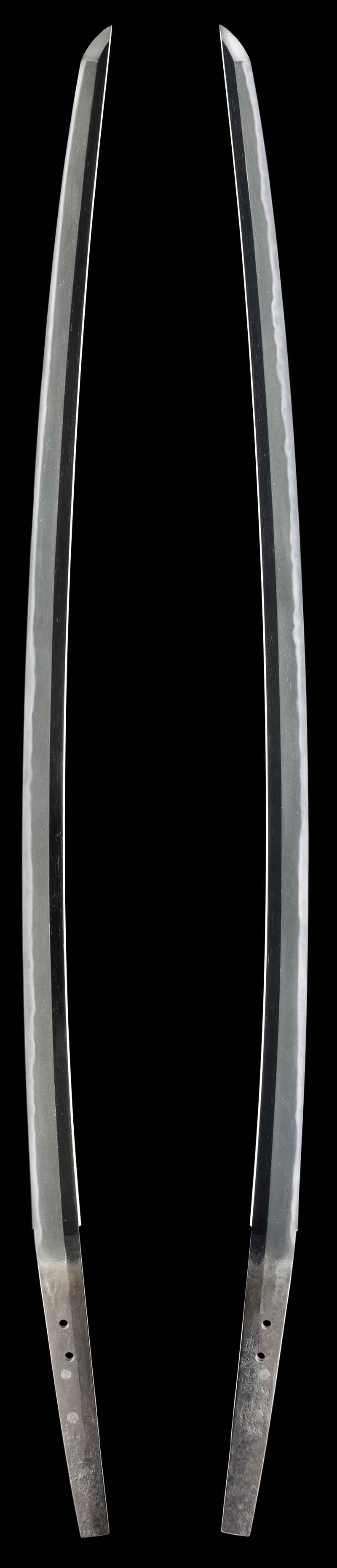
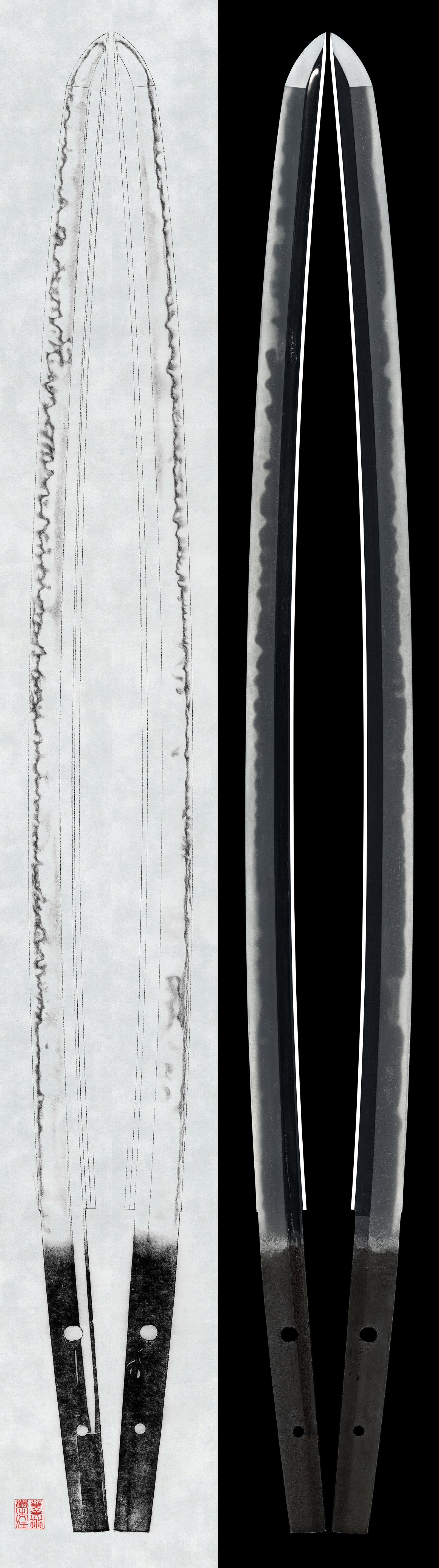
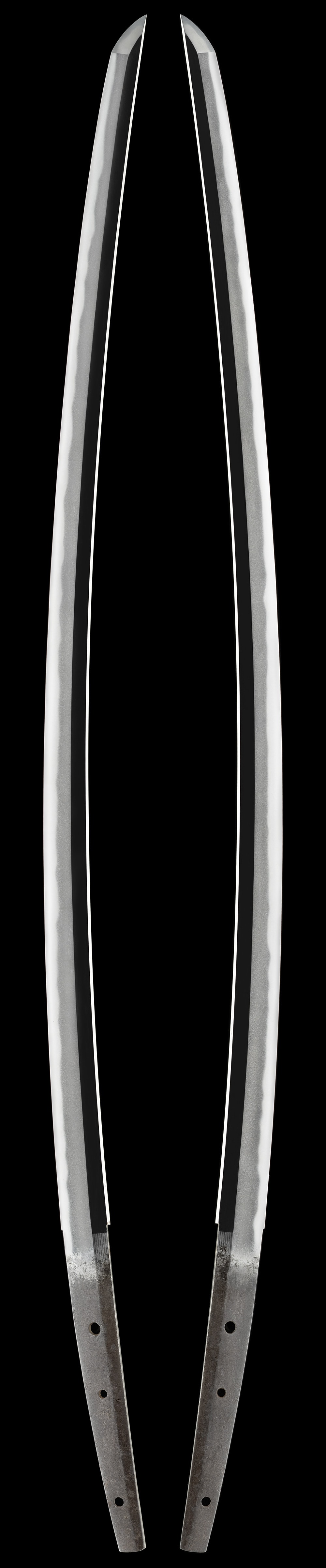
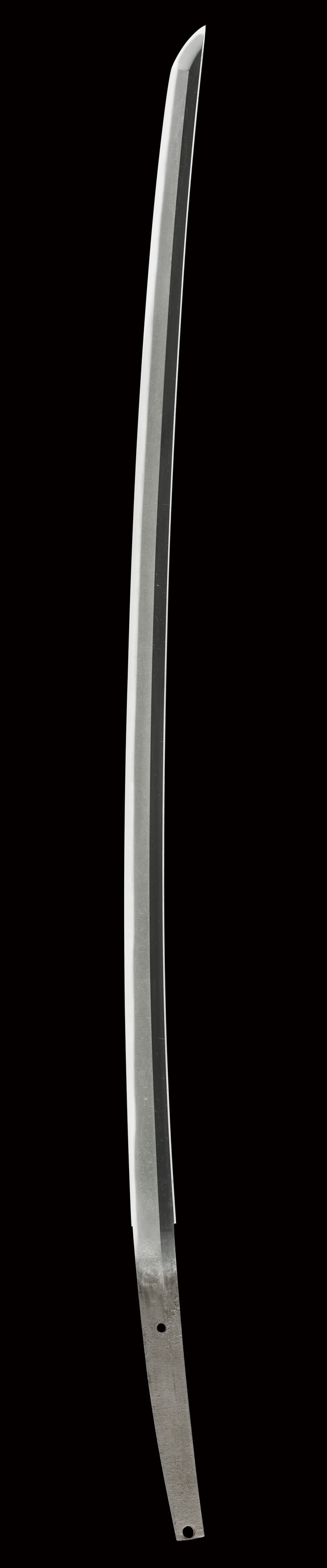
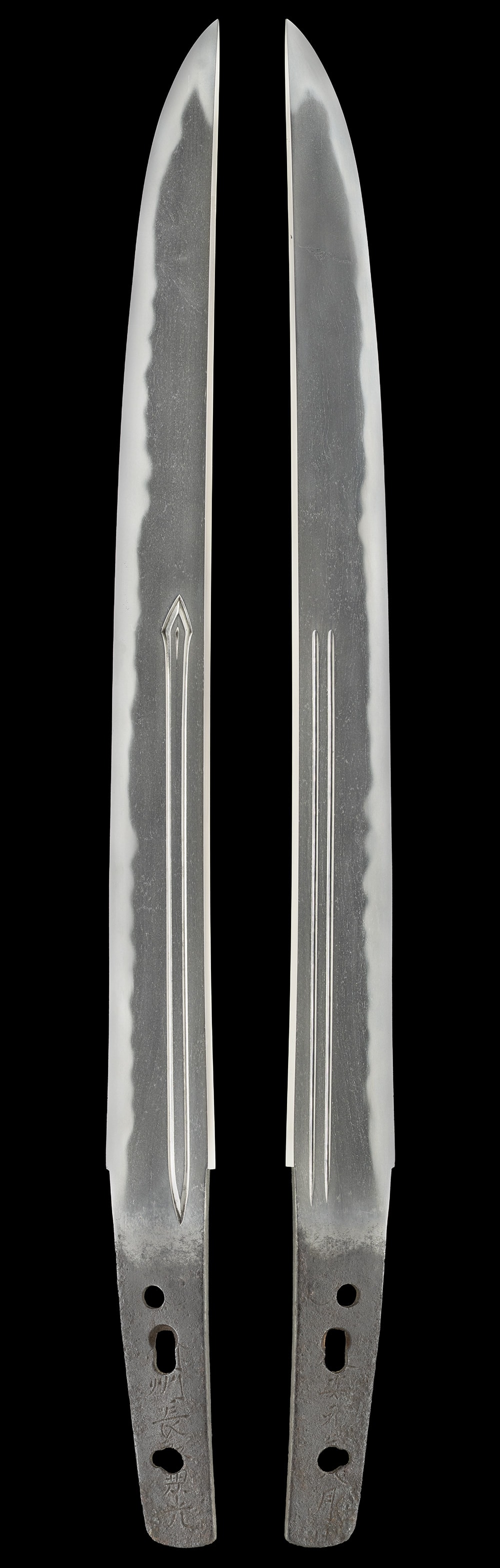
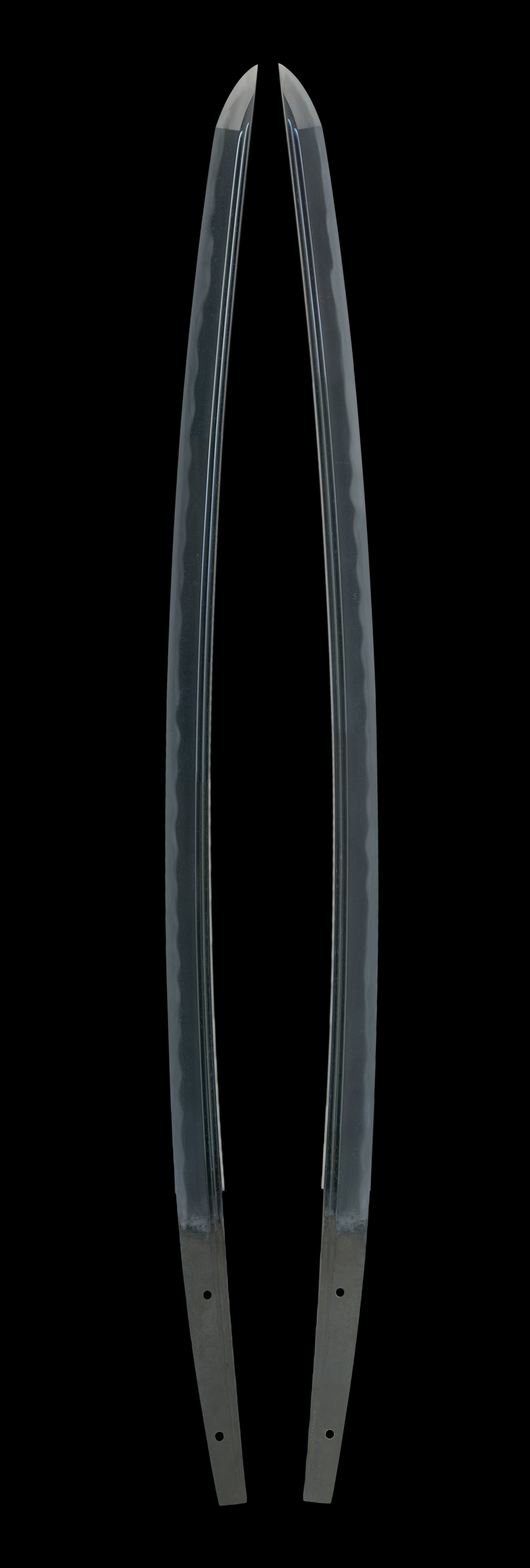
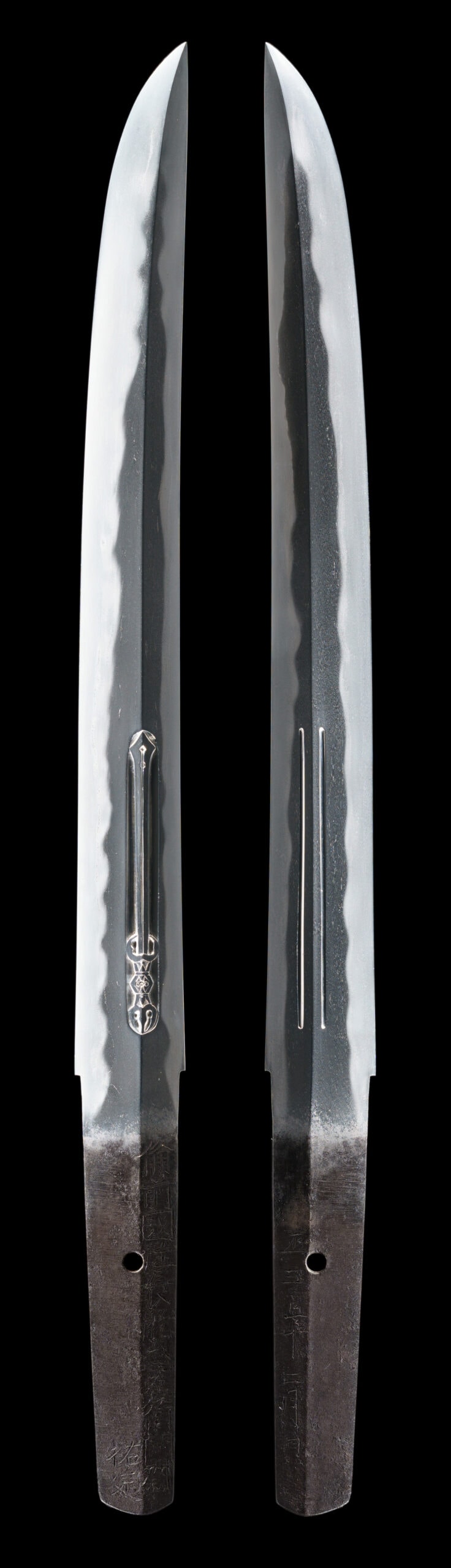
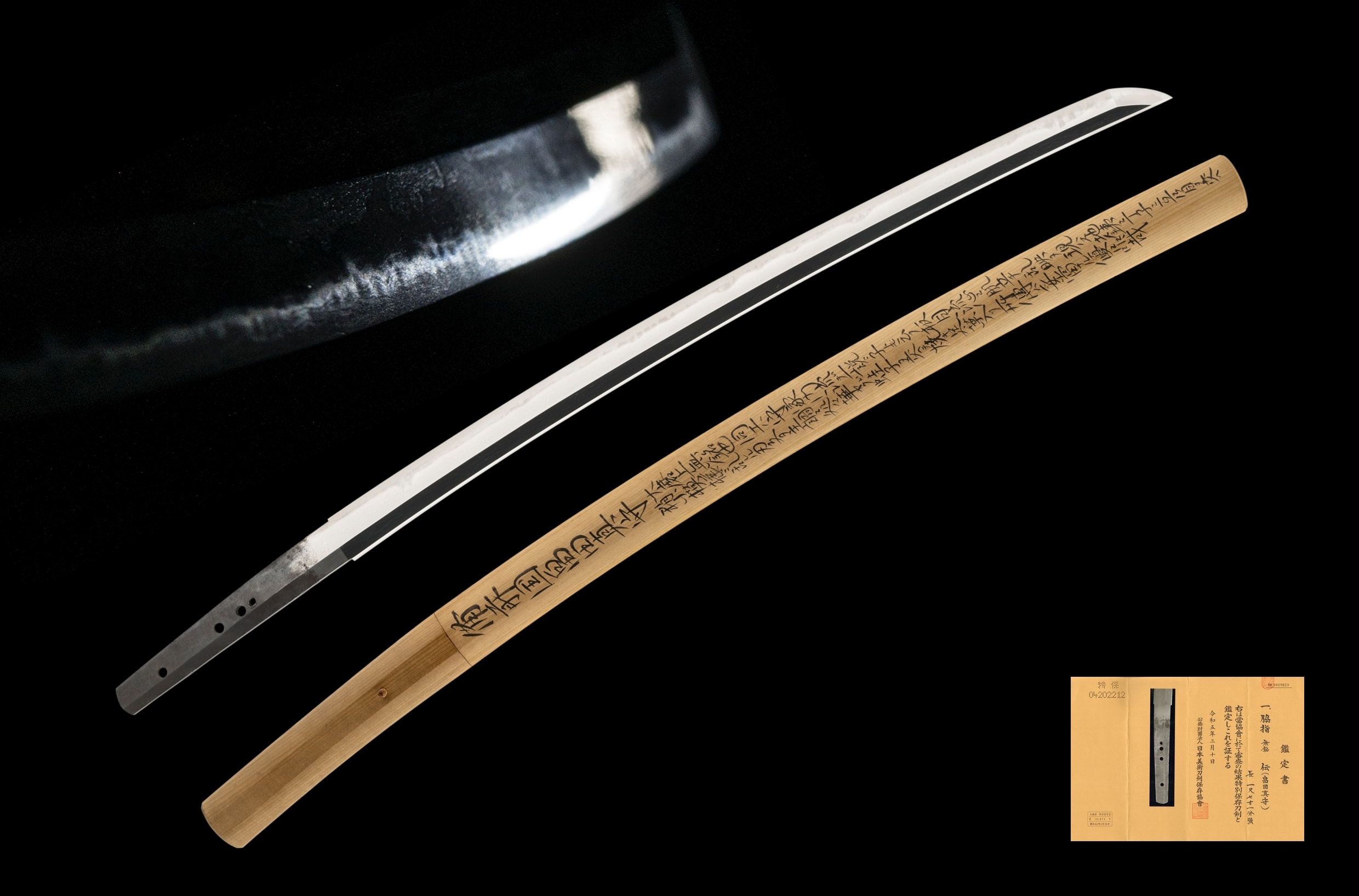
The works of Hon-Bizen Hatakeda Moriie are precious meito, with 11 pieces designated as National Important Cultural Properties. This Moriie (Hatakeda) is an ancient and famous Moriie zaimei meito from the era of the Kamakura Bakufu Shikken Hojo Yasutoki—exactly the period depicted in the highly acclaimed NHK Taiga Drama "The 13 Lords of the Shogun" starring actor Shun Oguri—dating back to around the Juei era (1232) of the mid-Kamakura period (790 years ago), 12 years after the Jokyu War where Retired Emperor Go-Toba planned the overthrow of the Kamakura Bakufu. This Moriie is wonderfully famous as the founder of the Bizen Hatakeda-ha. The son of Fukuoka Ichimonji Morichika, he became the founder of the Hatakeda-ha in the land of Hatakeda, near Bizen Osafune. He was a contemporary of Mitsutada, the founder of the Bizen Osafune-ha, and their homes were close; they were so intimate that stories remain of them lending and borrowing swords when they were busy, and the works of Mitsutada and Moriie resemble each other as they were swordsmiths who interacted closely. This tachi has funbari at the moto, a koshi-zori, and a tachi-sugata with a kissaki that has a slight feeling of being extended. The jigane is ko-itame hada with midare-utsuri appearing in the ji. The horimono consists of bo-hi and soe-hi. The hamon is a nioi-deki notare-style blade mixed with gunome, featuring skillful, flamboyant kawazuko-choji where the yakigashira seems to smoke into the ji. While Moriie zaimei tachi are famous, one rarely has the chance to see extant works; with a good togi, this is a meito that holds expectations for great future advancement. The Edo-period Edo-Higo koshirae adds further splendor to this tachi by the Hatakeda founder Moriie. On this occasion, an elderly connoisseur has entrusted this to us, saying they have grown old and wish for it to be passed down to the next generation at a low price, so we are offering it at a special bargain price. Please by all means enjoy this precious zaimei tachi by Hatakeda Moriie, who stands as a peer to the Bizen Osafune founder Mitsutada.

NihontoWatch MonNihontoWatch
MarketEncyclopediaKantei
Swords›Bizen-den›Hatakeda›Moriie›Japanese Sword Tachi by Moriie (Friend of Mitsutada, Founder of Hatakeda School)
tachiTokubetsu Hozon
Hatakeda Moriie

Japanese Sword Tachi by Moriie (Friend of Mitsutada, Founder of Hatakeda School)

Kamakura · nagasa 67.9cm · sori 1.8cm

¥5,800,000
Visit seller website →
Hatakeda Moriie (守家) · Kamakura1 work for sale →
Tachi
Could you name the smith from the blade alone? Today’s kantei →
Hatakeda Moriie — 1 of 33
Hatakeda Moriie — 2 of 33
Hatakeda Moriie — 3 of 33
Hatakeda Moriie — 4 of 33
Hatakeda Moriie — 5 of 33
Hatakeda Moriie — 6 of 33
Hatakeda Moriie — 7 of 33
Hatakeda Moriie — 8 of 33
Hatakeda Moriie — 9 of 33
Hatakeda Moriie — 10 of 33
Hatakeda Moriie — 11 of 33
Hatakeda Moriie — 12 of 33
Hatakeda Moriie — 13 of 33
Hatakeda Moriie — 14 of 33
Hatakeda Moriie — 15 of 33
Hatakeda Moriie — 16 of 33
Hatakeda Moriie — 17 of 33
Hatakeda Moriie — 18 of 33
Hatakeda Moriie — 19 of 33
Hatakeda Moriie — 20 of 33
Hatakeda Moriie — 21 of 33
Hatakeda Moriie — 22 of 33
Hatakeda Moriie — 23 of 33
Hatakeda Moriie — 24 of 33
Hatakeda Moriie — 25 of 33
Hatakeda Moriie — 26 of 33
Hatakeda Moriie — 27 of 33
Hatakeda Moriie — 28 of 33
Hatakeda Moriie — 29 of 33
Hatakeda Moriie — 30 of 33
Hatakeda Moriie — 31 of 33
Hatakeda Moriie — 32 of 33
Hatakeda Moriie — 33 of 33
1 / 33
1 / 33
Hatakeda Moriie — 1 of 33Hatakeda Moriie — 2 of 33Hatakeda Moriie — 3 of 33Hatakeda Moriie — 4 of 33Hatakeda Moriie — 5 of 33Hatakeda Moriie — 6 of 33Hatakeda Moriie — 7 of 33Hatakeda Moriie — 8 of 33Hatakeda Moriie — 9 of 33Hatakeda Moriie — 10 of 33Hatakeda Moriie — 11 of 33Hatakeda Moriie — 12 of 33Hatakeda Moriie — 13 of 33Hatakeda Moriie — 14 of 33Hatakeda Moriie — 15 of 33Hatakeda Moriie — 16 of 33Hatakeda Moriie — 17 of 33Hatakeda Moriie — 18 of 33Hatakeda Moriie — 19 of 33Hatakeda Moriie — 20 of 33Hatakeda Moriie — 21 of 33Hatakeda Moriie — 22 of 33Hatakeda Moriie — 23 of 33Hatakeda Moriie — 24 of 33Hatakeda Moriie — 25 of 33Hatakeda Moriie — 26 of 33Hatakeda Moriie — 27 of 33Hatakeda Moriie — 28 of 33Hatakeda Moriie — 29 of 33Hatakeda Moriie — 30 of 33Hatakeda Moriie — 31 of 33Hatakeda Moriie — 32 of 33Hatakeda Moriie — 33 of 33
Hatakeda Moriie (守家) · Kamakura1 work for sale →
Tachi
Could you name the smith from the blade alone? Today’s kantei →
Measurements & details
Smith
Hatakeda Moriie
Type
Tachi
School
Hatakeda
Period
Around 1259–1299(Shogen)
Province
備前
Measurements
Nagasa 67.9cmSori 1.8cmMotohaba 3cmSakihaba 2.03cmKasane 0.7cm
Description

The works of Hon-Bizen Hatakeda Moriie are precious meito, with 11 pieces designated as National Important Cultural Properties. This Moriie (Hatakeda) is an ancient and famous Moriie zaimei meito from the era of the Kamakura Bakufu Shikken Hojo Yasutoki—exactly the period depicted in the highly acclaimed NHK Taiga Drama "The 13 Lords of the Shogun" starring actor Shun Oguri—dating back to around the Juei era (1232) of the mid-Kamakura period (790 years ago), 12 years after the Jokyu War where Retired Emperor Go-Toba planned the overthrow of the Kamakura Bakufu. This Moriie is wonderfully famous as the founder of the Bizen Hatakeda-ha. The son of Fukuoka Ichimonji Morichika, he became the founder of the Hatakeda-ha in the land of Hatakeda, near Bizen Osafune. He was a contemporary of Mitsutada, the founder of the Bizen Osafune-ha, and their homes were close; they were so intimate that stories remain of them lending and borrowing swords when they were busy, and the works of Mitsutada and Moriie resemble each other as they were swordsmiths who interacted closely. This tachi has funbari at the moto, a koshi-zori, and a tachi-sugata with a kissaki that has a slight feeling of being extended. The jigane is ko-itame hada with midare-utsuri appearing in the ji. The horimono consists of bo-hi and soe-hi. The hamon is a nioi-deki notare-style blade mixed with gunome, featuring skillful, flamboyant kawazuko-choji where the yakigashira seems to smoke into the ji. While Moriie zaimei tachi are famous, one rarely has the chance to see extant works; with a good togi, this is a meito that holds expectations for great future advancement. The Edo-period Edo-Higo koshirae adds further splendor to this tachi by the Hatakeda founder Moriie. On this occasion, an elderly connoisseur has entrusted this to us, saying they have grown old and wish for it to be passed down to the next generation at a low price, so we are offering it at a special bargain price. Please by all means enjoy this precious zaimei tachi by Hatakeda Moriie, who stands as a peer to the Bizen Osafune founder Mitsutada.

About the maker

Moriie

守家

Hatakeda (Bizen) · Bizen · around 1259-1299

Fujishiro Sai-jo saku · Tōken Taikan top 2%

1 piece on the market now

›

The oldest dated work bearing the name Moriie is a tachi of Bun'ei 9 (1272), and around that date the published sources place the first master of the Hatakeda school of Bizen, a contemporary of Osafune Mitsutada in the middle Kamakura period. He is called Hatakeda Moriie because he lived at Hatakeda, hard beside Osafune; yet neither Moriie nor Sanemori and the rest of his school ever signed "Hatakeda-ju"[[c:1]], while inscriptions such as "Bizen no Kuni Osafune-ju Moriie saku"[[c:2]] survive, and from this the published record concludes that Hatakeda was most likely a small place-name within Osafune village itself. The meikan set his line under Moritsune of the Fukuoka Ichimonji school.

Across decades of designations the NBTHK characterizes him in nearly the same sentence each time: his workmanship broadly resembles that of the contemporary Osafune smiths, but generally "the jigane tends to stand, and kawazuko-choji is conspicuous in the tempered edge"[[c:3]]. The kawazuko, the choji whose head swells like frog-spawn, is named "the most characteristic yakiba of Moriie and Mitsutada"[[c:4]]; it persists among the juniors of the Hatakeda school and is only rarely seen in Mitsutada's son Nagamitsu. The appraisers read the trait at depth. On one Tokubetsu Juyo tachi where the kawazuko is not especially overt in the yakiba itself, they note instead that the valleys of the midare turn kawazuko-shaped toward the edge[[c:5]], and count that, with the standing forging, among the major points of his recognition. On unsigned blades the deciding point is the kawazuko breaking into great clusters midway along the blade, where, the published record states, "lies the point of attribution to Moriie"[[c:6]]. Quality alone can carry the judgment: of an ubu, unsigned tachi the commentary writes flatly that work rising to this level of technique "could be no one but Moriie"[[c:7]].

His tachi carry high koshi-zori, funbari at the base and a chu-kissaki; several are long with thick kasane, and the designations praise the dignity of the ubu examples. The jigane is itame that tends to stand, with ji-nie, and over it a vivid midare-utsuri rises; the notes return to that utsuri again and again. The temper at full power is a flamboyant choji-midare mixing ko-choji, gunome and pointed elements with the kawazuko, at times large choji as well; ashi and yo enter well, the temper is nioi-primary with ko-nie, kinsuji and sunagashi run through, tobiyaki appear in places, and the nioiguchi is bright. The boshi runs midare-komi or settles toward ko-maru. Of a signed Tokubetsu Juyo tachi whose midare-utsuri stands vividly and whose deep-nioi choji-midare carries an exceptionally clear nioiguchi, the NBTHK writes a finish that "must be called his masterpiece"[[c:8]].

Beside that flamboyance the published sources recognize a second register, which they call his subdued class[[c:9]]. A kodachi carries a hoso-suguha base mixed with ko-gunome and ko-notare over a standing itame with the finest ji-nie, its nioiguchi tightening; a ken, a rare survivor in his name, shows tight ko-itame and a narrow suguha with yubashiri-like tobiyaki and nijuba; and one signed tachi turns wholly small-patterned, its ko-choji and ko-gunome set over a dense, tightly knit ko-itame that the notes single out for praise. The large, boldly cut signature sits even over this quiet manner, and the kodachi so signed is judged a precious document for the relation between his mei and his workmanship. The generations behind the name are an open question, and the sources are candid about it. The standard view posits two, the first beside Mitsutada and the second beside Nagamitsu, yet the same designations state that "a clear division between the first and second generations remains a subject for future research"[[c:10]] and that "some advocate a single-smith theory"[[c:11]]. Honma went further, seeing at least three generations within the Kamakura period alone and allowing that more than one hand may have cut the same mei within a single workshop. Large characters on tachi are traditionally read as the first generation, but the record warns that the generations cannot be divided by the size of the characters alone, and it notes that extant signed works of the first generation are comparatively few[[c:12]]. Among the designated works gathered here sixty-four are signed against eleven unsigned, most with the large two-character mei; on two blades a kao accompanies the signature, a point of documentary value with a parallel in a tanto published in the Kozan Oshigata.

His place in the school map is fixed by Mitsutada. The two worked in neighboring villages in the same years, and the published sources say their manners show much in common; the differences they give are drawn from Moriie's own work, a jihada that stands more often than the Osafune forging, and the kawazuko a degree more insistent in the yakiba. That temper passed to the juniors of the Hatakeda line, and the school continued under Sanemori, who signed "Bizen no Kuni Osafune junin Umanojo Sanemori saku"[[c:13]]; the Moriie name itself runs on into the Nanbokucho, the latest dated examples reaching the Koan and Kentoku eras.

Fujishiro grades him Sai-jo saku, the top grade of his scale. Seventy-five designated works stand on record: twelve Important Cultural Properties, nine Juyo Bijutsuhin, four in the Imperial collection, and fifty blades in the Tokubetsu Juyo and Juyo tiers, eight of them at the higher rank. The provenance recorded against twenty of his blades runs through the great houses: the Tokugawa, among them Tokugawa Iesato and Tokugawa Kunijun, the Mitsui, the Hosokawa, the Uesugi, the Okudaira and the Imperial Family. Of recorded whereabouts, examples rest today with the Kyoto National Museum and the Eisei Bunko, and with the shrines Hie Jinja and Sumiyoshi Taisha; the Important Cultural Properties remain in such custody as cultural patrimony and do not trade. What a private collector may realistically encounter is the Tokubetsu Juyo and Juyo tier, fifty blades in all, held closely and appearing on the market only at long intervals; when one does appear it is most often a Juyo example, and a signed tachi carrying the large two-character mei stands at the very top of what the name can offer.


Historical importance

Where Moriie stands among comparable artisans: across all of nihontō, and within tradition, era, and period. The tiers (Foremost · Leading · Major · Notable) weigh official designations from the NBTHK and Japan's Agency for Cultural Affairs, together with historical honors of lasting repute such as the Sansaku and Meibutsu-chō.

随一
Foremost
屈指
Leading
有数
Major
著名
Notable

Select a lens to see how it's measured.

Designation record
75 designated works
Jūyō Bunkazai
12
Jūyō Bijutsuhin
9
Gyobutsu (Imperial)
4
Tokubetsu Jūyō
8
Jūyō
42
1 work by Moriie on the market→
Moriie — full profileHatakeda (Bizen) school

Dated Works

Years he was demonstrably active, proven by signed-and-dated blades

Active period
1280Editorial estimate: 1259–1299
1 of 48 designated works carry a date

Study this maker →

About the school

Hatakeda

畠田

Bizen-den · Bizen

6 pieces on the market now

›

The Hatakeda school (畠田) takes its name from a hamlet in Bizen lying hard against Osafune village, and from that address its founder, Moriie, is called Hatakeda Moriie. The published sources place his line across the great middle decades of Kamakura, the earliest dated work a tachi of Bun'ei 9 (1272), with the name running on through the Nanbokucho years. The standard reading sets two generations under Moriie, the first contemporary with Osafune Mitsutada and the second with Nagamitsu, though the same designations are candid that a clean division of generations on the carved characters alone is difficult and remains a subject for future study, and that some advocate a single-smith theory. Neither Moriie nor his fellow Sanemori ever signed Hatakeda-ju (畠田住); their residence always reads Osafune, as in inscriptions such as Bizen no Kuni Osafune-ju Moriie[[c:1]], and from this the record concludes that Hatakeda was a small place-name within Osafune village itself. The meikan set the line under Moritsune of the Fukuoka Ichimonji school, and the school worked the same bright Bizen steel as the smiths around whom the Osafune tradition first took its classic form. Across decades of NBTHK commentary the Hatakeda manner is fixed in nearly the same sentence: the workmanship broadly resembles that of the contemporary Osafune smiths, yet the jigane tends to stand and the kawazuko-choji (蛙子丁子), the waist-pinched, tadpole-headed clove, is conspicuous in the tempered edge. The forging is itame run with mokume, tending to hada-dachi and to stand in the grain where the Osafune masters close into a tight ko-itame, carrying thick fine ji-nie, fine chikei, and a vivid midare-utsuri that rises on nearly every blade. Over that standing, utsuri-lit ji the school forges at full power a flamboyant choji-midare mixing fukuro-choji, juka-choji, ko-choji and gunome with the tadpole clove, ashi and yo entering vigorously, ko-nie attaching, tobiyaki and yubashiri about the monouchi, fine kinsuji and sunagashi running, and a bright nioiguchi; the boshi runs midare-komi to a ko-maru, often turning pointed and sweeping out in hakikake. Moriie carries this flamboyance at its boldest, his ha-nie the stronger and his clove the more insistent, with a quieter second register of kataochi-gunome and tight suguha-cho on his later pieces.

His pupil or son Sanemori reads one degree calmer, the midare tending toward a somewhat smaller pattern and the rise and fall less pronounced, his finest work at a glance recalling a superior Nagamitsu. Among the juniors, Mitsumori widens a nioi-based clove led by the tadpole heads, while the late Morinaga turns wholly toward a nie-laden, notare-based Soden-Bizen hand, and Morishige drifts toward the Osafune mainline as the school assimilated into it. To kantei a Hatakeda blade is to read the standing, utsuri-lit Bizen ji against the round-headed clove. Where the choji of Mitsutada and Nagamitsu swells round and full, the Hatakeda clove pinches at the waist, and on unsigned blades the deciding point is the kawazuko breaking into great clusters midway along the edge, the place where, the published record states, lies the point of attribution to Moriie. Against Fukuoka Ichimonji the Hatakeda ji stands more and the utsuri reads as the old Bizen reflection rather than the Ichimonji exuberance of pure clove; against the Osafune mainline the standing grain and the pinched clove give the line away, the kissaki tending to extend where Mitsutada and the Osafune smiths keep theirs compact. Moriie stands at the head of the school, graded Sai-jo saku by Fujishiro and ranked beside the Osafune founders, his blades carrying the histories of the great houses, the Tokugawa, Mitsui, Hosokawa, Uesugi and Okudaira among them, and held in such collections as the Tokyo and Kyoto National Museums, the Tokugawa Art Museum and the Eisei Bunko. Sanemori, Jo-jo saku, is the more approachable name, most of his circulating work osuriage mumei resting on the smaller-patterned tadpole clove, his signed and dated tachi rare events when they appear. For the Bizen collector a standing, kawazuko-laden ji-ha reads as Hatakeda almost on that count, a blade from the circle in which the Osafune tradition first took its classic shape. Learn more →

9 recorded smiths163 designated works
Leading smiths
SmithEraDesignated
Moriie守家1259-129975
Sanemori眞守1277-129357
Mitsumori光守1278-128813
Morinaga守長1326-13584
Morichika守近1184-11850
Explore the Hatakeda school →

Historical context

Bizen in the Kamakura period

›

Kamakura was Bizen’s summit. Tradition places Ichimonji smiths among Go-Toba’s goban kaji, Mitsutada founded the Osafune line at mid-century, and orders flowed from the court and the warrior government alike. No province holds more National Treasure blades.

Bizen in the Kamakura period →

NBTHK Certificate
Tokubetsu Hozon Tōken特別保存刀剣
Sword Especially Worthy of Preservation
›

A Hozon-certified blade judged to show notably superior workmanship and a better state of preservation. The bar is higher: re-tempered blades and most unsigned Muromachi/Edo works are excluded.

About the NBTHK›

The NBTHK (Nihon Bijutsu Tōken Hozon Kyōkai, the Society for the Preservation of Japanese Art Swords) is a public-interest incorporated foundation founded in 1948 and supervised by Japan’s Agency for Cultural Affairs (Bunkachō); it is based at the Japanese Sword Museum in Tokyo. Its expert panels physically examine each submitted work (shinsa) and issue a certificate (kanteishō) ranking it by artistic and historical merit. NBTHK papers are the most widely recognized standard of authentication for Japanese swords and fittings.

NBTHK official site→
Seller
N
Nipponto
Established 1953 · 73 yrs on the market
🇯🇵Ships from Japan
›
✓Verified dealernipponto.co.jp
Settles in JPY
✓Ships worldwide✓English supportPayPalCredit card
Return policy

For returns due to customer circumstances, the cost is the customer's responsibility. For returns due to our mis-shipment or a defective item, we bear the cost.

View all of Nipponto’s listings→View this item on the dealer’s site→

Previously sold by Hatakeda Moriie

View all →
Nihonto.com
Tokujū
Tanto - Tokuju - by Hatakeda Moriie - Tokubetsu Juyo Tanto by MoriieTanto - Tokuju - by Hatakeda Moriie - Tokubetsu Juyo Tanto by Moriie
Sold

Tantō

ByHatakeda Moriie
SOLD

More from the Hatakeda school

View all →
Tsuruginoya
Jūyō
Tachi - Jūyō - by Hatakeda Sanemori - Hatakeda Sanemori - Formerly owned by General Sadao ArakiTachi - Jūyō - by Hatakeda Sanemori - Hatakeda Sanemori - Formerly owned by General Sadao Araki

Tachi

ByHatakeda Sanemori
¥14,500,000
Aoi Art
Jūyō
Wakizashi - Jūyō - by Hatakeda Sanemori - Mumei (attributed to Hatakeda Sanemori)Wakizashi - Jūyō - by Hatakeda Sanemori - Mumei (attributed to Hatakeda Sanemori)

Wakizashi

ByHatakeda Sanemori
¥4,800,000
Choshuya
Jūyō
Katana - Jūyō - by Hatakeda Moritoshi - Kinpun-mei Hatakeda Moritoshi, Date Family (Kao)Katana - Jūyō - by Hatakeda Moritoshi - Kinpun-mei Hatakeda Moritoshi, Date Family (Kao)

Katana

ByHatakeda Moritoshi
¥5,000,000
Unique Japan
Tokuho
Wakizashi - Tokuho - by Hatakeda School - A Sanemori WakizashiWakizashi - Tokuho - by Hatakeda School - A Sanemori Wakizashi

Wakizashi

ByHatakeda School
Ask
Samurai Shokai
Hozon
Tanto - Hozon - by Hatakeda School - Moriie (Hatakeda) (Koto Saijo Saku) (Re-quenched)Tanto - Hozon - by Hatakeda School - Moriie (Hatakeda) (Koto Saijo Saku) (Re-quenched)

Tantō

ByHatakeda School
¥850,000

More from the Bizen tradition

View all →
Eirakudo
Jūyō
Katana - Jūyō - by Osafune Kagemitsu - Kagemitsu - Juyo TokenKatana - Jūyō - by Osafune Kagemitsu - Kagemitsu - Juyo Token

Katana

ByOsafune Kagemitsu
Ask
Nipponto
Tokuho
Wakizashi - Tokuho - by Fukuoka Ichimonji Yoshihira - Japanese Sword Wakizashi by Yoshihira (Fukuoka Ichimonji) with Gaku-Mei, attributed as an excellent piece by Tanobe-sensei, a representative smith of the peak period of Bizen Fukuoka IchimonjiWakizashi - Tokuho - by Fukuoka Ichimonji Yoshihira - Japanese Sword Wakizashi by Yoshihira (Fukuoka Ichimonji) with Gaku-Mei, attributed as an excellent piece by Tanobe-sensei, a representative smith of the peak period of Bizen Fukuoka Ichimonji
Koshirae

Wakizashi

ByFukuoka Ichimonji Yoshihira
Ask
Samurai Nippon
Jūyō
Katana - Jūyō - by Ukai Unsho - Unsho (Mumei)Katana - Jūyō - by Ukai Unsho - Unsho (Mumei)
Koshirae

Katana

ByUkai Unsho
¥5,900,000
Eirakudo
Tokuho
Tanto - Tokuho - by Osafune Kanemitsu - Kanemitsu - Tokubetsu Hozon TokenTanto - Tokuho - by Osafune Kanemitsu - Kanemitsu - Tokubetsu Hozon Token

Tantō

ByOsafune Kanemitsu
¥4,500,000
Toukentakarado
Jūyō
Katana - Jūyō - by Osafune Tomomitsu - Mumei Attributed to TomomitsuKatana - Jūyō - by Osafune Tomomitsu - Mumei Attributed to Tomomitsu
Koshirae

Katana

ByOsafune Tomomitsu
¥6,300,000
Hyozaemon
Hozon
Tanto - Hozon - by Sukesada - Sue-Bizen, Yozaemonjo Sukesada with common name, magnificent double-edged tantoTanto - Hozon - by Sukesada - Sue-Bizen, Yozaemonjo Sukesada with common name, magnificent double-edged tanto
Koshirae

Tantō

BySukesada
¥2,900,000
Goushuya
Jūyō Bijutsuhin
Tachi - Jubi - by Ukai Unsho - Juyo Bijutsuhin Tachi by Unsho, formerly owned by the Ogochi family, lords of Otaki Domain in Kazusa ProvinceTachi - Jubi - by Ukai Unsho - Juyo Bijutsuhin Tachi by Unsho, formerly owned by the Ogochi family, lords of Otaki Domain in Kazusa Province

Tachi

ByUkai Unsho
Ask
Tsuruginoya
Jūyō
Katana - Jūyō - by Fukuoka Ichimonji School - Mumei Fukuoka IchimonjiKatana - Jūyō - by Fukuoka Ichimonji School - Mumei Fukuoka Ichimonji
Koshirae

Katana

ByFukuoka Ichimonji School
Ask

Swords

  • Katana
  • Wakizashi
  • Tantō
  • Tachi
  • Naginata
  • Yari
  • Japanese Swords
  • Samurai Swords

Fittings

  • Tsuba
  • Fuchi-Kashira
  • Kozuka
  • Menuki
  • Sword Guards (Tsuba)

Armor

  • Kabuto
  • Samurai Armor
  • All Samurai Armor

By Certification

  • Tokujū
  • Jūyō
  • Tokuho
  • Hozon

Resources

  • Dealer Directory
  • Artist Directory
  • The Daily Kantei
  • Glossary
  • Browse All
Nihontowatch© 2026
TermsPrivacyCookiesAbout

¥5,800,000

View on Nipponto
NihontoWatch MonNihontoWatch
Market
Encyclopedia
Kantei