NihontoWatch Mon

NihontoWatch

Market
Encyclopedia
Kantei
NihontoWatch Mon

NihontoWatch

Market
Encyclopedia
Kantei

Description

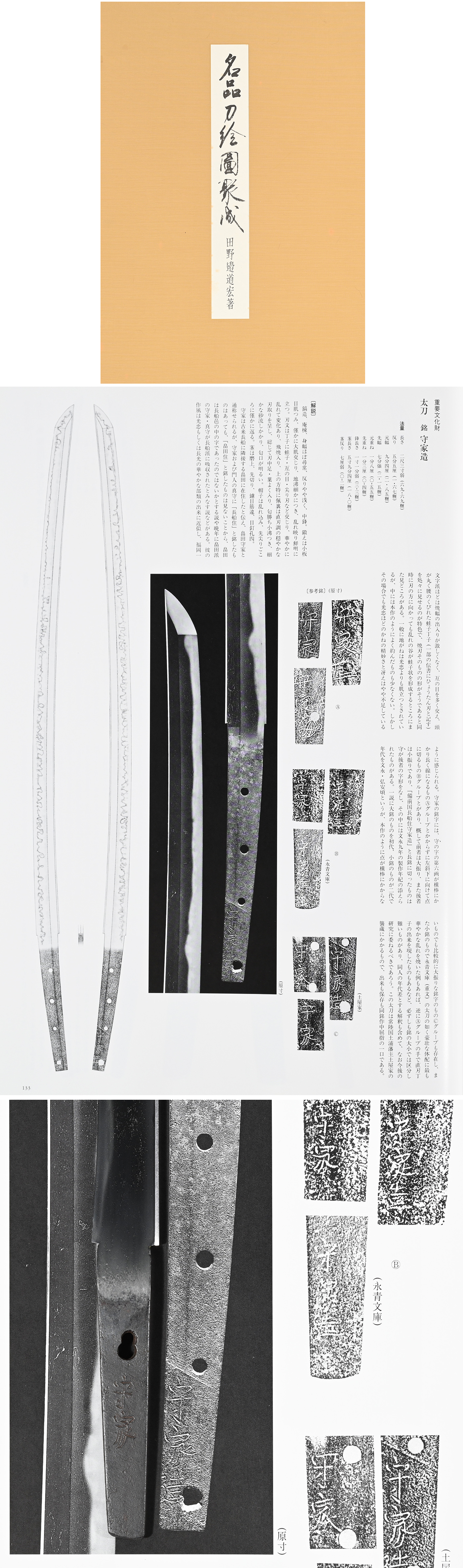
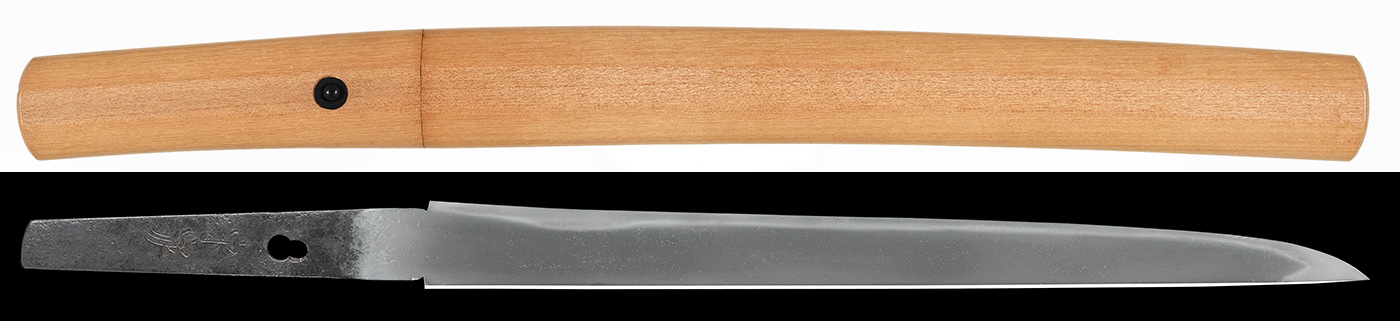
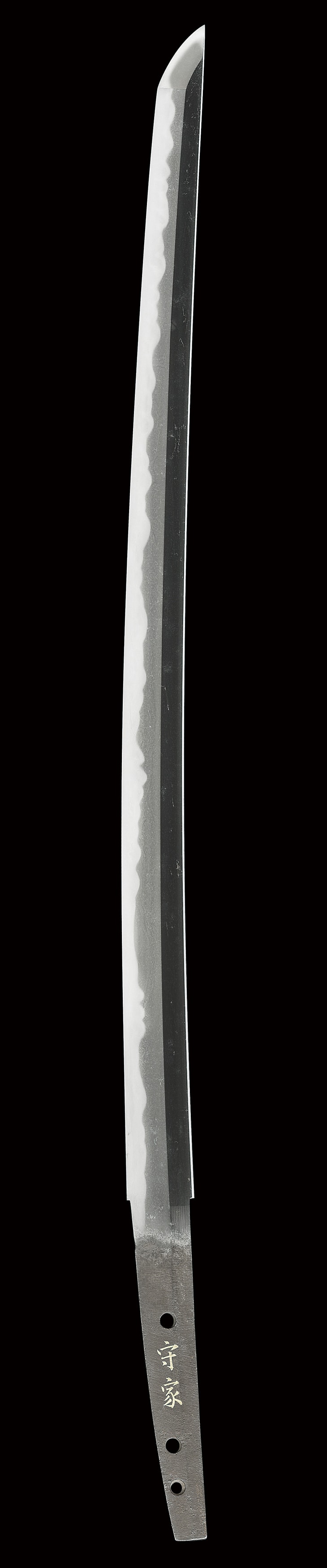
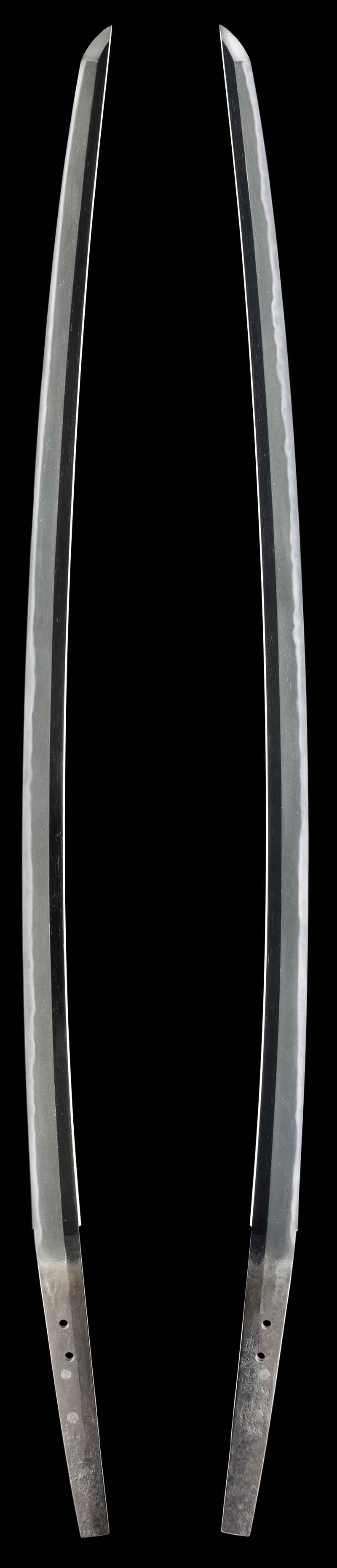
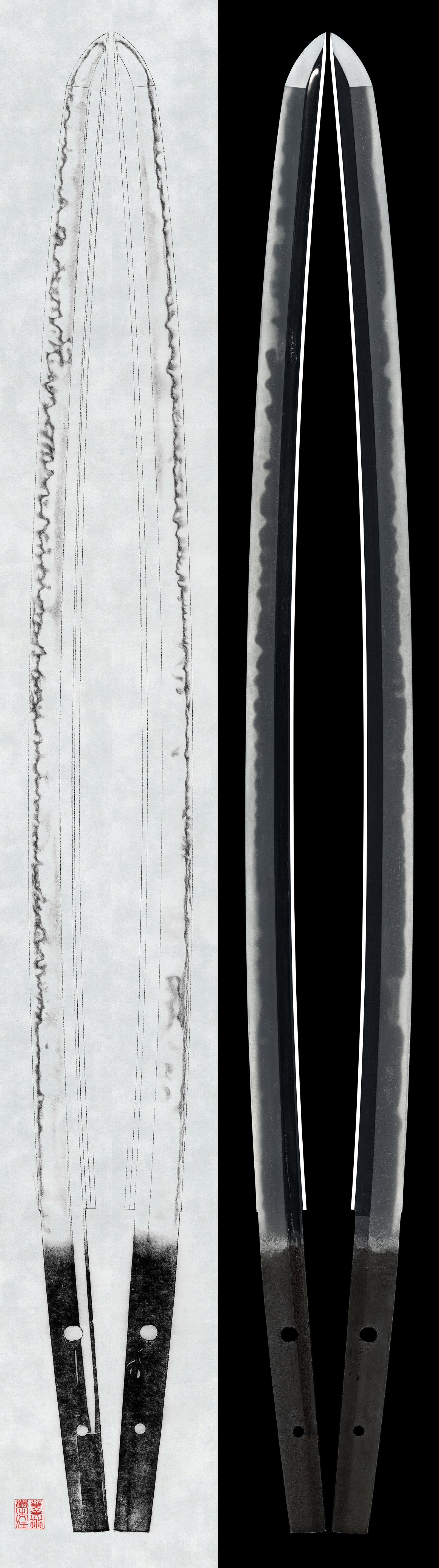
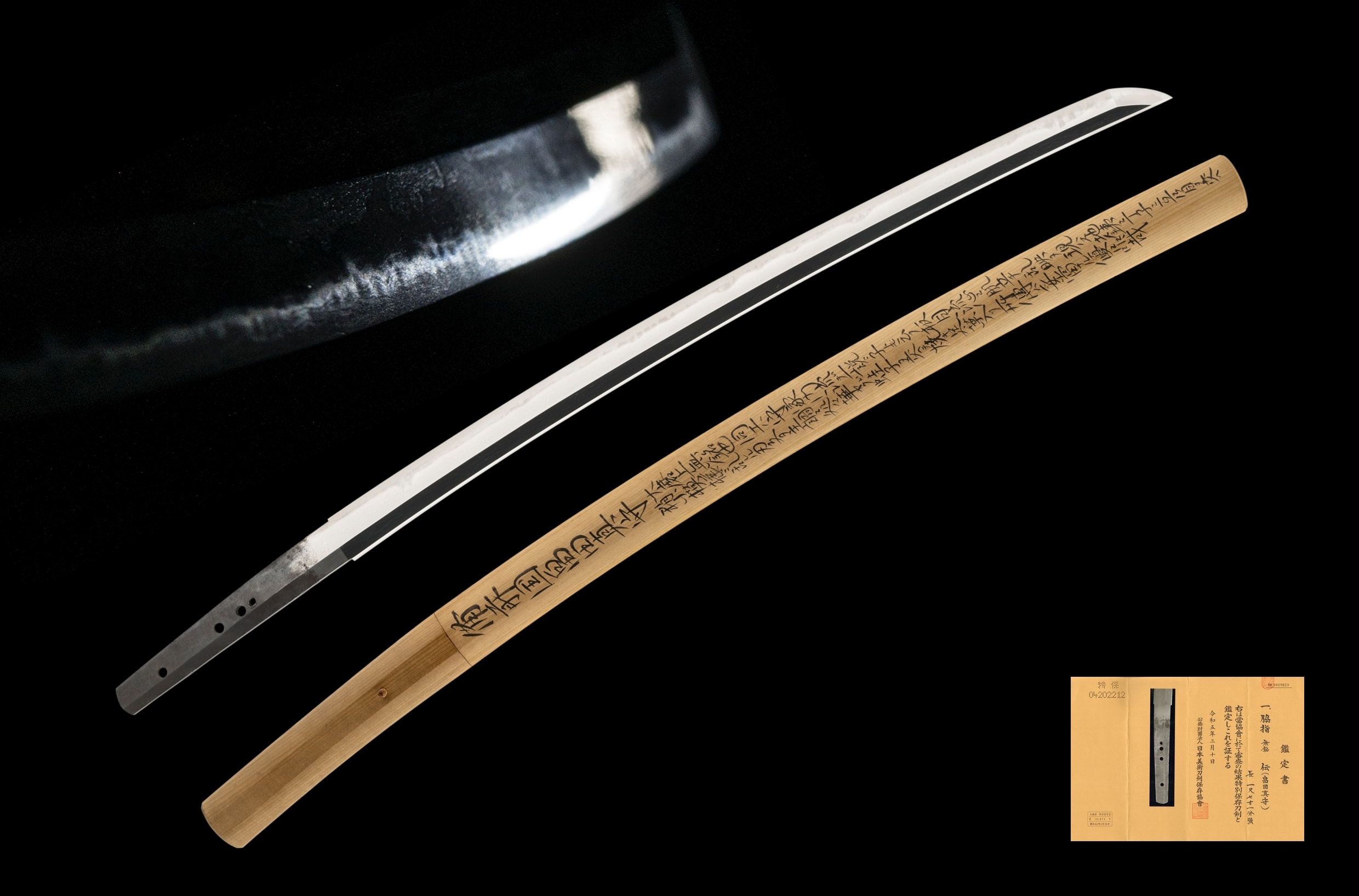
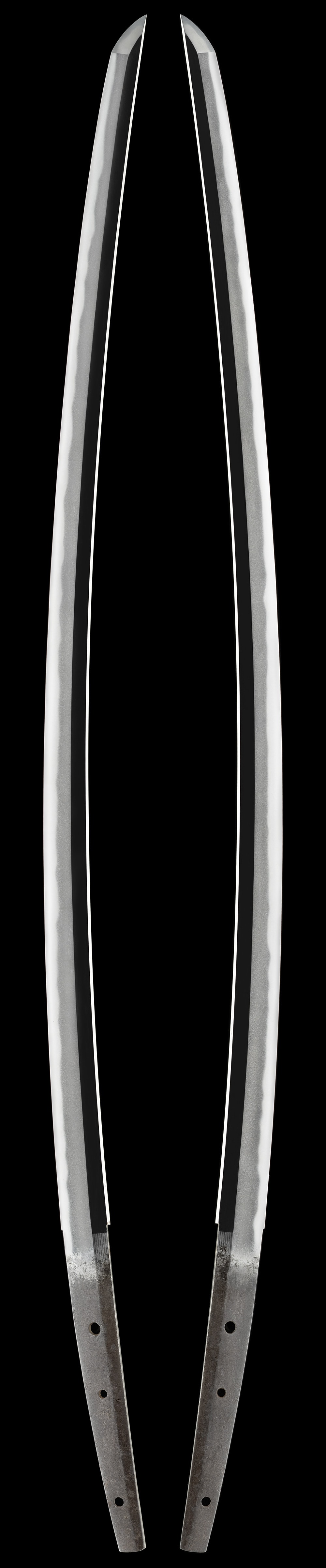
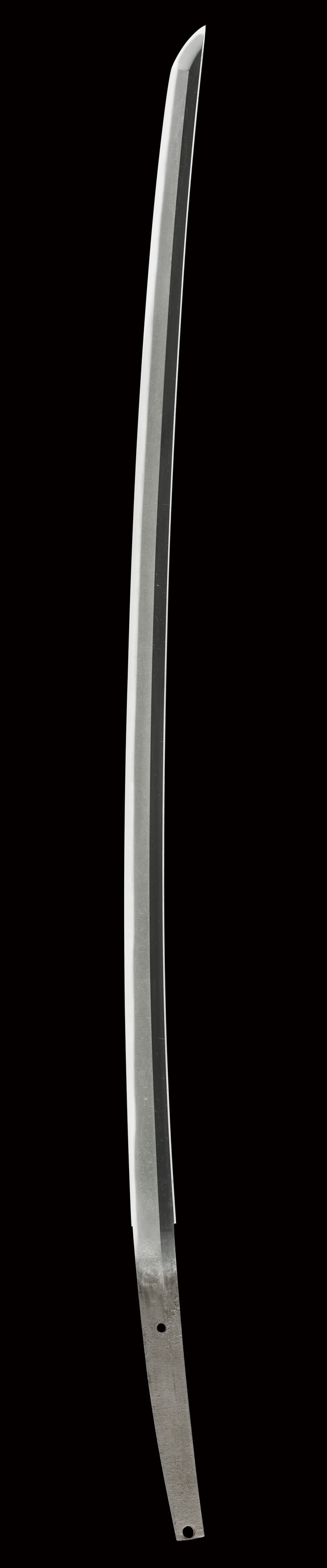
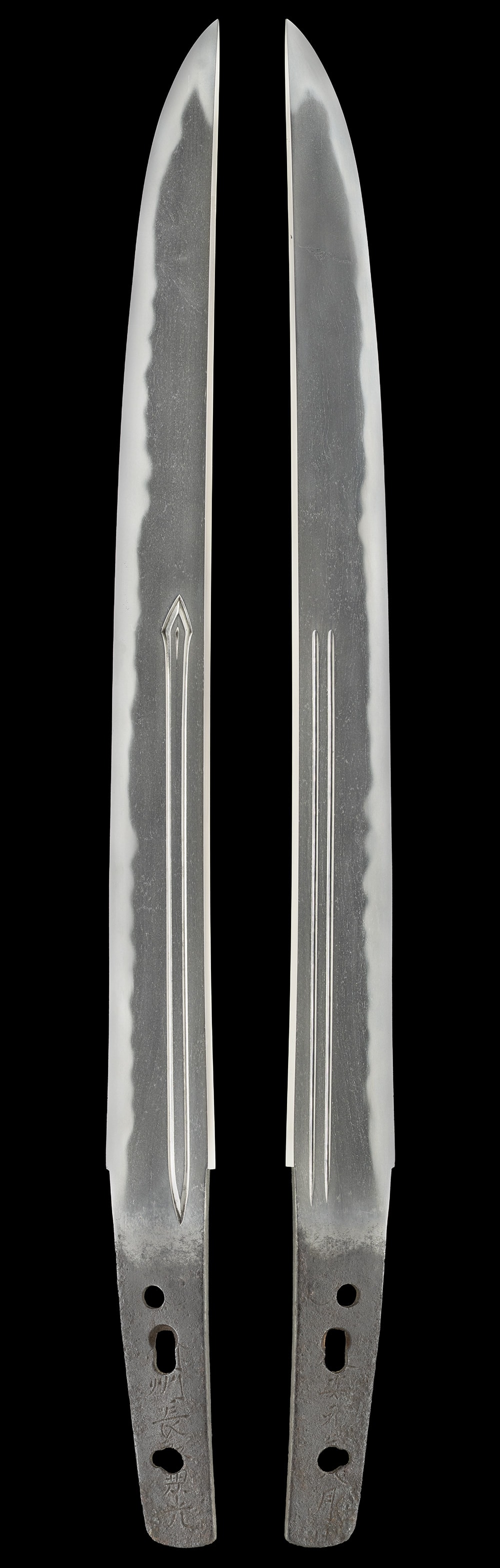
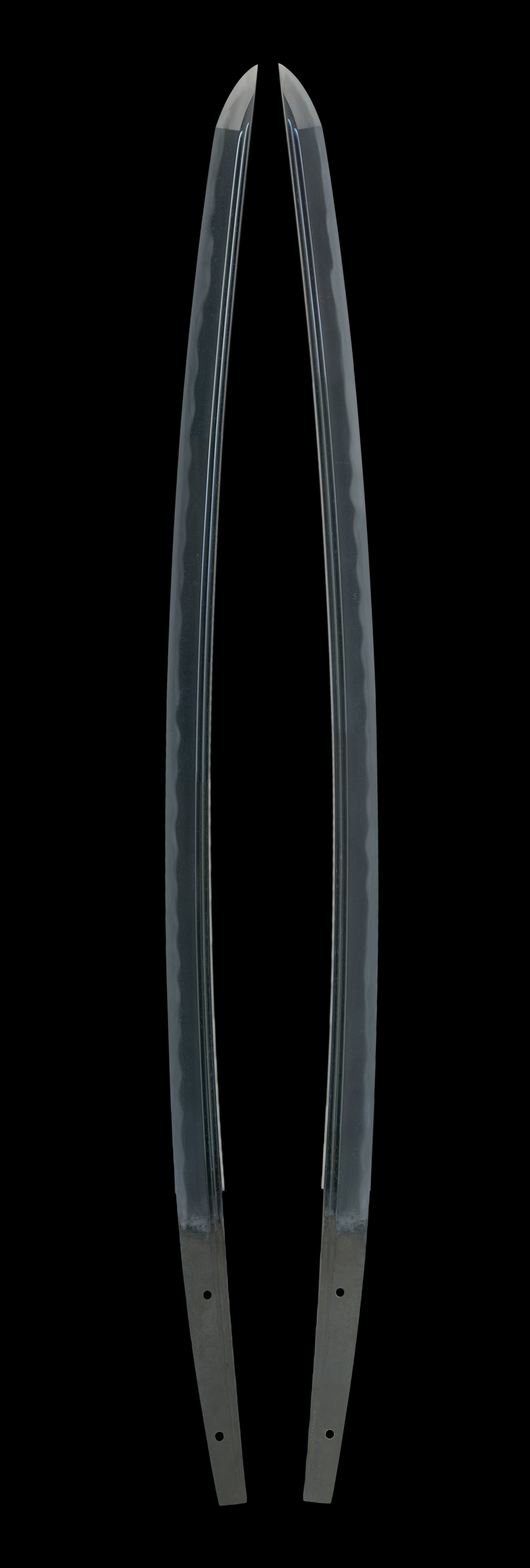
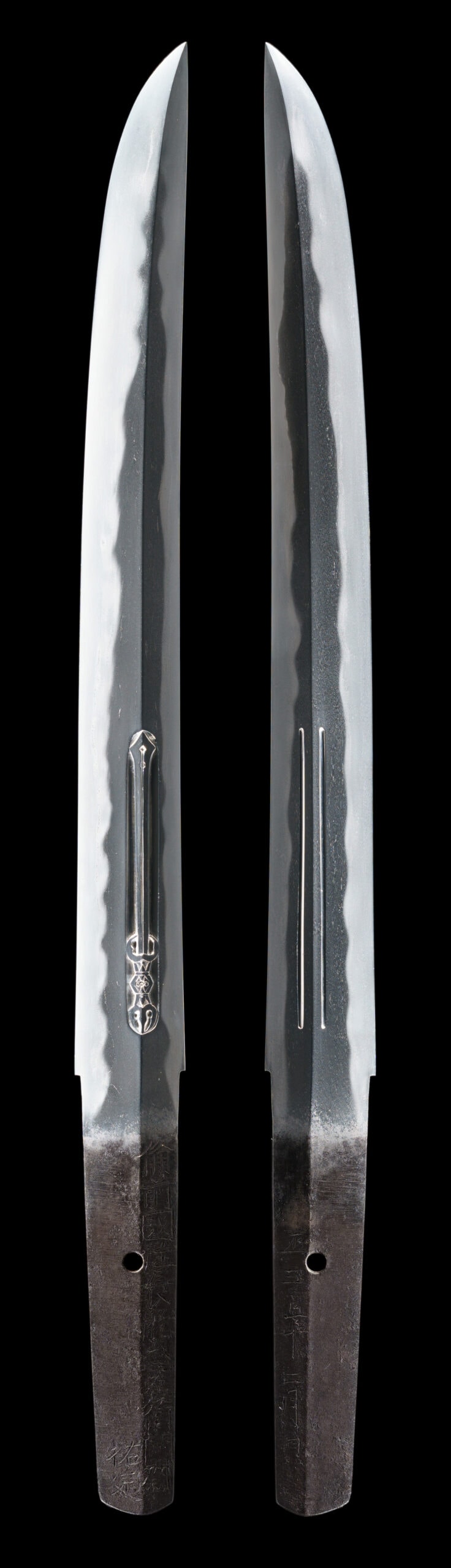
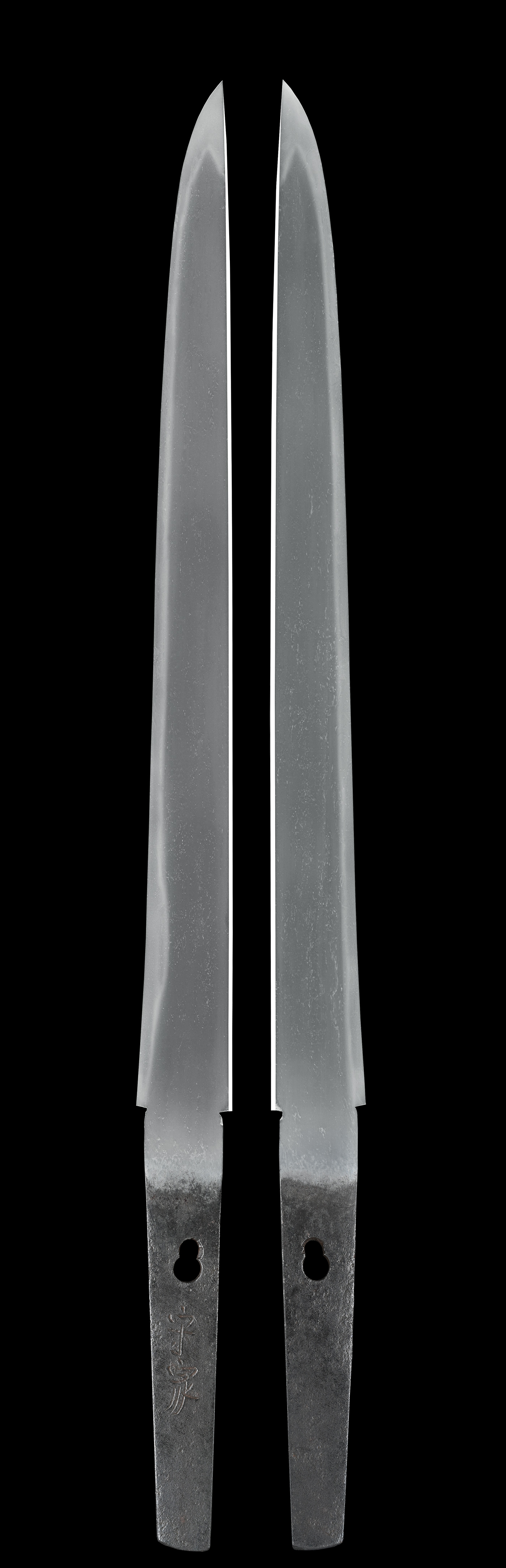
This is a tanto by Hatakeda Moriie, a swordsmith from the Bizen province during the Kamakura era (around 1259 AD). While it has been re-quenched (saiha), signed examples by Moriie, especially tanto, are rare and highly valued. Most of his existing works are tachi, many of which are designated as Important Cultural Properties or Important Art Objects.

Certificate Reading

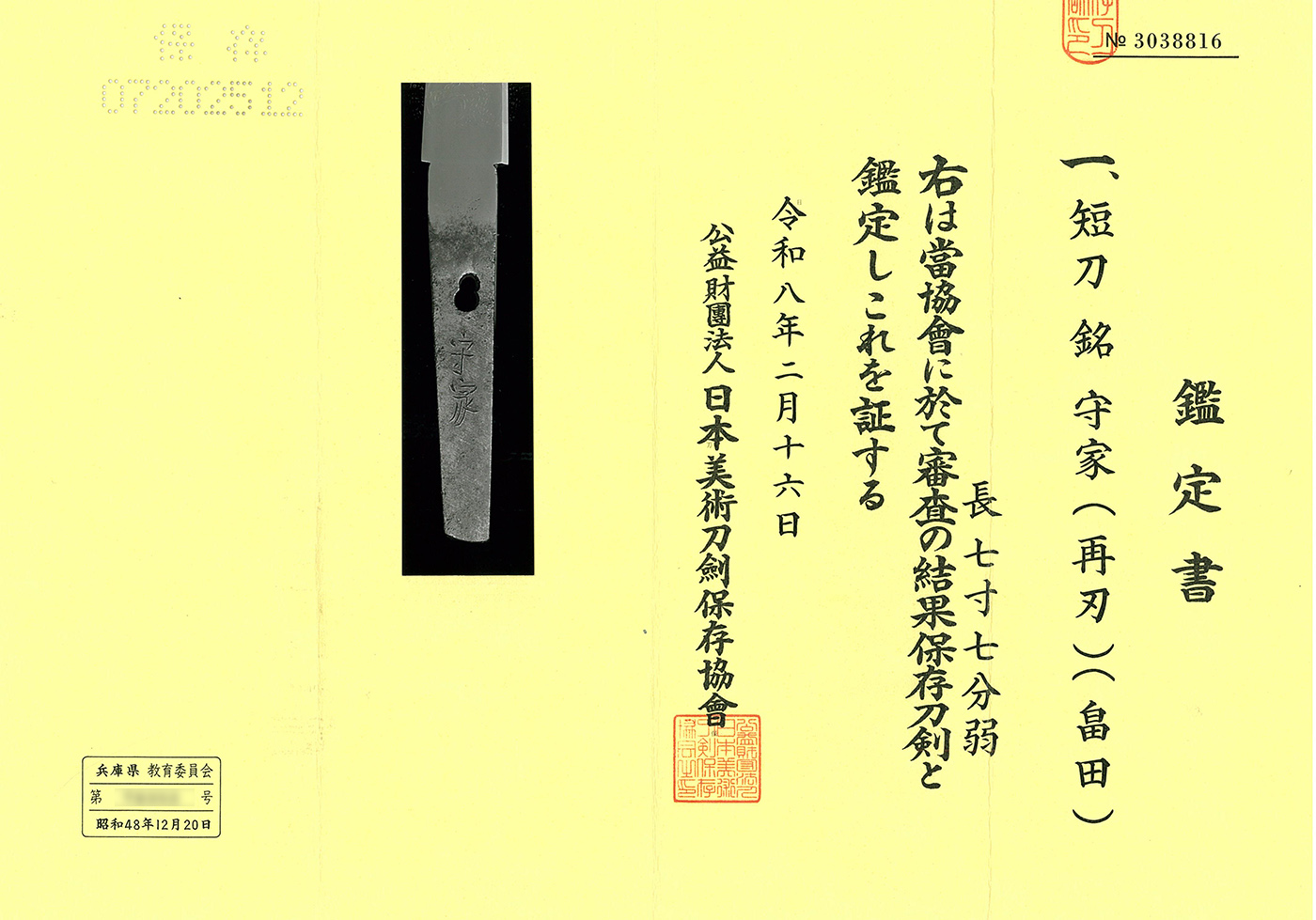
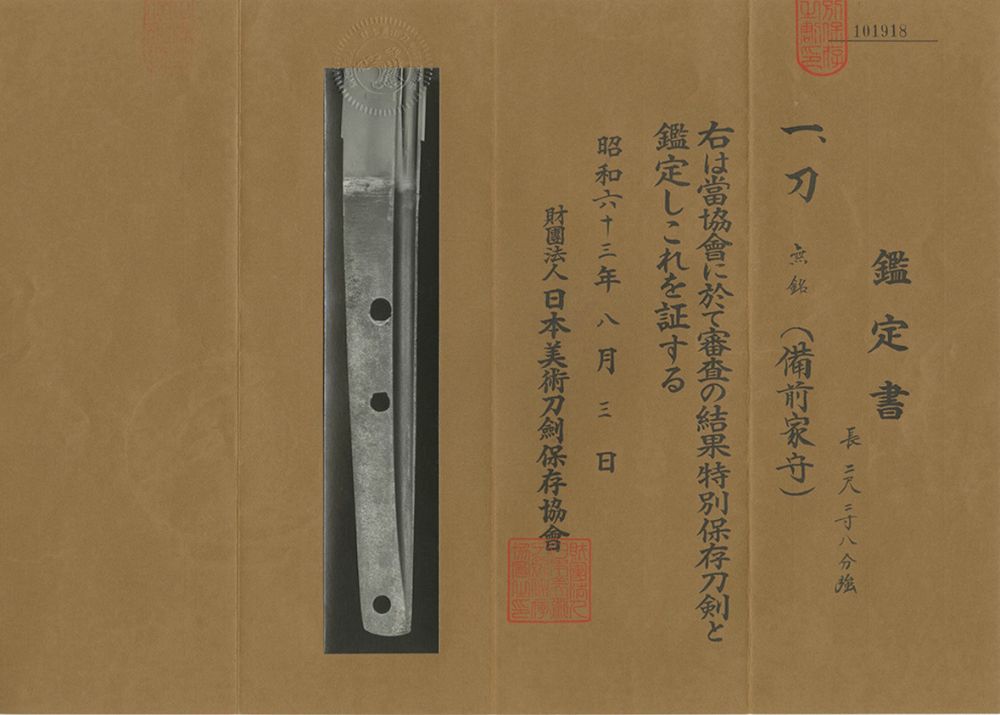
Certificate reading — 銘 守家

NihontoWatch MonNihontoWatch
MarketEncyclopediaKantei
Swords›Bizen-den›Hatakeda›Tanto: Moriie (Hatakeda) (Koto Saijo Saku) (Re-quenched)
tantoHozon
Hatakeda School

Tanto: Moriie (Hatakeda) (Koto Saijo Saku) (Re-quenched)

mei · Hatakeda · Kamakura · nagasa 23.3cm

¥850,000
Visit seller website →
Hatakeda School — 1 of 5
Hatakeda School — 2 of 5
Hatakeda School — 3 of 5
Hatakeda School — 4 of 5
Hatakeda School — 5 of 5
1 / 5
1 / 5
Hatakeda School — 1 of 5Hatakeda School — 2 of 5Hatakeda School — 3 of 5Hatakeda School — 4 of 5Hatakeda School — 5 of 5
Measurements & details
Smith
Hatakeda School
Type
Tanto
School
Hatakeda
Period
Kamakura
Province
Bizen
Signature
Signed(0% of this smith's designated works are signed)
Measurements
Nagasa 23.3cmMotohaba 2.3cmKasane 0.5cm
Description

This is a tanto by Hatakeda Moriie, a swordsmith from the Bizen province during the Kamakura era (around 1259 AD). While it has been re-quenched (saiha), signed examples by Moriie, especially tanto, are rare and highly valued. Most of his existing works are tachi, many of which are designated as Important Cultural Properties or Important Art Objects.

About the school

Hatakeda

畠田

Bizen-den · Bizen

7 pieces on the market now

›

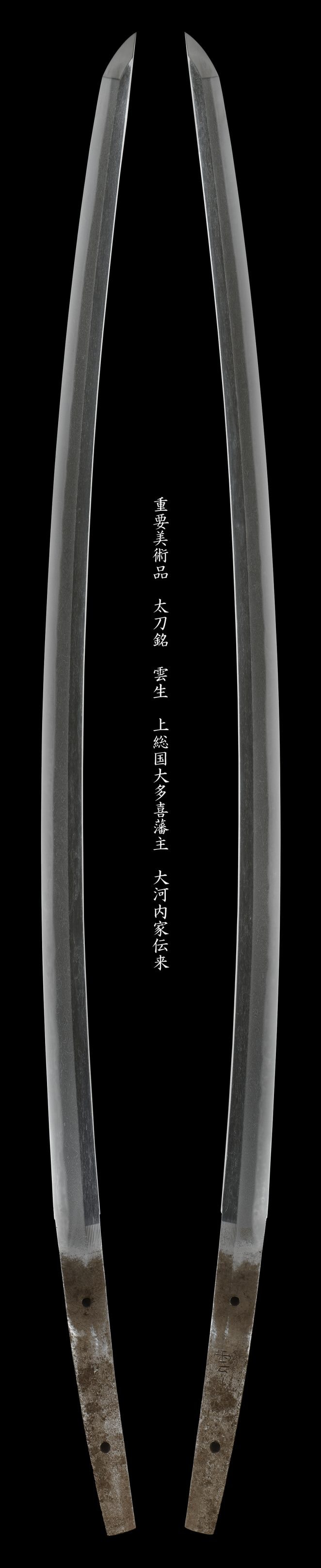
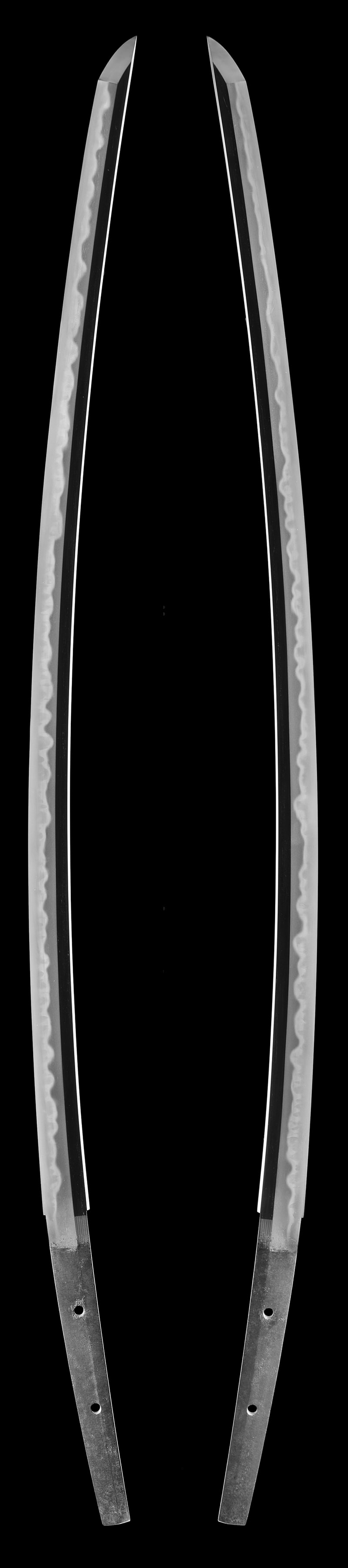
The Hatakeda school (畠田) takes its name from a hamlet in Bizen lying hard against Osafune village, and from that address its founder, Moriie, is called Hatakeda Moriie. The published sources place his line across the great middle decades of Kamakura, the earliest dated work a tachi of Bun'ei 9 (1272), with the name running on through the Nanbokucho years. The standard reading sets two generations under Moriie, the first contemporary with Osafune Mitsutada and the second with Nagamitsu, though the same designations are candid that a clean division of generations on the carved characters alone is difficult and remains a subject for future study, and that some advocate a single-smith theory. Neither Moriie nor his fellow Sanemori ever signed Hatakeda-ju (畠田住); their residence always reads Osafune, as in inscriptions such as Bizen no Kuni Osafune-ju Moriie[[c:1]], and from this the record concludes that Hatakeda was a small place-name within Osafune village itself. The meikan set the line under Moritsune of the Fukuoka Ichimonji school, and the school worked the same bright Bizen steel as the smiths around whom the Osafune tradition first took its classic form. Across decades of NBTHK commentary the Hatakeda manner is fixed in nearly the same sentence: the workmanship broadly resembles that of the contemporary Osafune smiths, yet the jigane tends to stand and the kawazuko-choji (蛙子丁子), the waist-pinched, tadpole-headed clove, is conspicuous in the tempered edge. The forging is itame run with mokume, tending to hada-dachi and to stand in the grain where the Osafune masters close into a tight ko-itame, carrying thick fine ji-nie, fine chikei, and a vivid midare-utsuri that rises on nearly every blade. Over that standing, utsuri-lit ji the school forges at full power a flamboyant choji-midare mixing fukuro-choji, juka-choji, ko-choji and gunome with the tadpole clove, ashi and yo entering vigorously, ko-nie attaching, tobiyaki and yubashiri about the monouchi, fine kinsuji and sunagashi running, and a bright nioiguchi; the boshi runs midare-komi to a ko-maru, often turning pointed and sweeping out in hakikake. Moriie carries this flamboyance at its boldest, his ha-nie the stronger and his clove the more insistent, with a quieter second register of kataochi-gunome and tight suguha-cho on his later pieces.

His pupil or son Sanemori reads one degree calmer, the midare tending toward a somewhat smaller pattern and the rise and fall less pronounced, his finest work at a glance recalling a superior Nagamitsu. Among the juniors, Mitsumori widens a nioi-based clove led by the tadpole heads, while the late Morinaga turns wholly toward a nie-laden, notare-based Soden-Bizen hand, and Morishige drifts toward the Osafune mainline as the school assimilated into it. To kantei a Hatakeda blade is to read the standing, utsuri-lit Bizen ji against the round-headed clove. Where the choji of Mitsutada and Nagamitsu swells round and full, the Hatakeda clove pinches at the waist, and on unsigned blades the deciding point is the kawazuko breaking into great clusters midway along the edge, the place where, the published record states, lies the point of attribution to Moriie. Against Fukuoka Ichimonji the Hatakeda ji stands more and the utsuri reads as the old Bizen reflection rather than the Ichimonji exuberance of pure clove; against the Osafune mainline the standing grain and the pinched clove give the line away, the kissaki tending to extend where Mitsutada and the Osafune smiths keep theirs compact. Moriie stands at the head of the school, graded Sai-jo saku by Fujishiro and ranked beside the Osafune founders, his blades carrying the histories of the great houses, the Tokugawa, Mitsui, Hosokawa, Uesugi and Okudaira among them, and held in such collections as the Tokyo and Kyoto National Museums, the Tokugawa Art Museum and the Eisei Bunko. Sanemori, Jo-jo saku, is the more approachable name, most of his circulating work osuriage mumei resting on the smaller-patterned tadpole clove, his signed and dated tachi rare events when they appear. For the Bizen collector a standing, kawazuko-laden ji-ha reads as Hatakeda almost on that count, a blade from the circle in which the Osafune tradition first took its classic shape. Learn more →

11 recorded smiths162 designated works
Leading smiths
SmithEraDesignated
Moriie守家1259-126033
Moriie守家1232-123327
Sanemori眞守1277-129357
Mitsumori光守1278-128813
Moriie守家1280-129914
Explore the Hatakeda school →

Historical context

Kamakura was Bizen’s summit. Tradition places Ichimonji smiths among Go-Toba’s goban kaji, Mitsutada founded the Osafune line at mid-century, and orders flowed from the court and the warrior government alike. No province holds more National Treasure blades.

Bizen in the Kamakura period →

NBTHK Certificate
Hozon Tōken保存刀剣
Sword Worthy of Preservation
›

Certifies a genuine blade worth preserving: a signature confirmed correct, or, if unsigned, an era, province, and school that the NBTHK can reliably identify.

Signed: 守家 (Hatakeda School)
As written on the certificate
About the NBTHK›

The NBTHK (Nihon Bijutsu Tōken Hozon Kyōkai, the Society for the Preservation of Japanese Art Swords) is a public-interest incorporated foundation founded in 1948 and supervised by Japan’s Agency for Cultural Affairs (Bunkachō); it is based at the Japanese Sword Museum in Tokyo. Its expert panels physically examine each submitted work (shinsa) and issue a certificate (kanteishō) ranking it by artistic and historical merit. NBTHK papers are the most widely recognized standard of authentication for Japanese swords and fittings.

NBTHK official site→
Seller
S
Samurai Shokai
🇯🇵Ships from Japan
›
✓Verified dealersamuraishokai.jp
Settles in JPY
·Domestic shipping onlyWire transferCredit card
Return policy

Returns possible within 3 days of arrival. Customer pays return shipping and bank transfer fees. Excluded: condition differs from sale, 3+ days passed, overseas delivery, in-store purchases, and deposit transactions.

View all of Samurai Shokai’s listings→View this item on the dealer’s site→

Previously sold — Hatakeda School

Taiseido
Tokuho
Tokuho - by Hatakeda School - ご注文・お問い合わせTokuho - by Hatakeda School - ご注文・お問い合わせ
Sold

ご注文・お問い合わせ

ByHatakeda School
SOLD
Kusanagi
Hozon
Katana - Hozon - by Hatakeda School - 畠田守家の名跡を継ぐ刀匠銘『守家』保存刀剣鑑定書Katana - Hozon - by Hatakeda School - 畠田守家の名跡を継ぐ刀匠銘『守家』保存刀剣鑑定書
Sold

Katana

ByHatakeda School
SOLD
Samurai Nippon
Tokuho
Wakizashi - Tokuho - by Hatakeda School - Moriie (Hatakeda) with Gold Inlay MeiWakizashi - Tokuho - by Hatakeda School - Moriie (Hatakeda) with Gold Inlay Mei
Sold

Wakizashi

ByHatakeda School
SOLD
Tokka Biz
Tokuho
Katana - Tokuho - by Hatakeda School - Mumei HatakedaKatana - Tokuho - by Hatakeda School - Mumei Hatakeda
Sold

Katana

ByHatakeda School
SOLD
World Seiyudo
Tokuho
Wakizashi - Tokuho - by Hatakeda School - Bishu Osafune Tuneie (Wazamono) [NBTHK] Tokubetsu Hozon TokenWakizashi - Tokuho - by Hatakeda School - Bishu Osafune Tuneie (Wazamono) [NBTHK] Tokubetsu Hozon Token
Sold

Wakizashi

ByHatakeda School
SOLD
Ikeda Art
Katana - by Hatakeda School - Bizen Osafune Moriie - Fantastic HamonKatana - by Hatakeda School - Bizen Osafune Moriie - Fantastic Hamon
Sold

Katana

ByHatakeda School
SOLD

More from the Hatakeda school

View all →
Tsuruginoya
Jūyō
Tachi - Jūyō - by Hatakeda Sanemori - Hatakeda Sanemori - Formerly owned by General Sadao ArakiTachi - Jūyō - by Hatakeda Sanemori - Hatakeda Sanemori - Formerly owned by General Sadao Araki

Tachi

ByHatakeda Sanemori
¥14,500,000
Aoi Art
Jūyō
Wakizashi - Jūyō - by Hatakeda Sanemori - Mumei (attributed to Hatakeda Sanemori)Wakizashi - Jūyō - by Hatakeda Sanemori - Mumei (attributed to Hatakeda Sanemori)

Wakizashi

ByHatakeda Sanemori
¥4,800,000
Aoi Art
Jūyō
Katana - Jūyō - by Hatakeda Sanemori - Mumei (Unsigned) (Hatakeda Sanemori)Katana - Jūyō - by Hatakeda Sanemori - Mumei (Unsigned) (Hatakeda Sanemori)

Katana

ByHatakeda Sanemori
¥6,000,000
Choshuya
Jūyō
Katana - Jūyō - by Hatakeda Moritoshi - Kinpun-mei Hatakeda Moritoshi, Date Family (Kao)Katana - Jūyō - by Hatakeda Moritoshi - Kinpun-mei Hatakeda Moritoshi, Date Family (Kao)

Katana

ByHatakeda Moritoshi
¥5,000,000
Samurai Museum
Jūyō
Katana - Jūyō - by Hatakeda Sanemori - Antique Japanese Sword Katana Attributed to Hatakeda Sanemori NBTHK JUYO TOKEN CertificateKatana - Jūyō - by Hatakeda Sanemori - Antique Japanese Sword Katana Attributed to Hatakeda Sanemori NBTHK JUYO TOKEN Certificate

Katana

ByHatakeda Sanemori
¥43,382
Unique Japan
Tokuho
Wakizashi - Tokuho - by Hatakeda School - A Sanemori WakizashiWakizashi - Tokuho - by Hatakeda School - A Sanemori Wakizashi

Wakizashi

ByHatakeda School
Ask

More from the Bizen tradition

View all →
Aoi Art
Jūyō
Jūyō - by Ichimonji School - Naginata-Naoshi Katana: Mumei (Ichimonji)Jūyō - by Ichimonji School - Naginata-Naoshi Katana: Mumei (Ichimonji)

Naginata-Naoshi Katana: Mumei (Ichimonji)

ByIchimonji School
Starting Bid¥9,500,000
Aoi Art
Jūyō Bijutsuhin
Daisho - Jubi - by Osafune Nagamitsu - Dai Sho: Katana (Important Art Object): Mumei (Den Nagamitsu) / Wakizashi: Mumei (Sekishu Naotsuna)Daisho - Jubi - by Osafune Nagamitsu - Dai Sho: Katana (Important Art Object): Mumei (Den Nagamitsu) / Wakizashi: Mumei (Sekishu Naotsuna)

Daishō

ByOsafune Nagamitsu
Ask
Nihonto.com
Jūyō
Tanto - Jūyō - by Osafune Kagemitsu - Juyo Tanto by Bizen KagemitsuTanto - Jūyō - by Osafune Kagemitsu - Juyo Tanto by Bizen Kagemitsu

Tantō

ByOsafune Kagemitsu
¥89,500
Tsuruginoya
Jūyō
Katana - Jūyō - by Fukuoka Ichimonji School - Mumei Fukuoka IchimonjiKatana - Jūyō - by Fukuoka Ichimonji School - Mumei Fukuoka Ichimonji

Katana

ByFukuoka Ichimonji School
Ask
Eirakudo
Hozon
Katana - Hozon - by Sukesada - Yosouzaemonnojo Sukesada - Hozon TokenKatana - Hozon - by Sukesada - Yosouzaemonnojo Sukesada - Hozon Token

Katana

BySukesada
¥3,800,000
Eirakudo
Jūyō Bijutsuhin
Katana - Jubi - by Chu-Aoe School - Aoe Sadatsugu Katana Juyo BijutsuhinKatana - Jubi - by Chu-Aoe School - Aoe Sadatsugu Katana Juyo Bijutsuhin

Katana

ByChu-Aoe School
Ask
Toyuukai
Jūyō
Katana - Jūyō - by Aoe School - Mumei (Aoe) - 51st Juyo TokenKatana - Jūyō - by Aoe School - Mumei (Aoe) - 51st Juyo Token

Katana

ByAoe School
¥5,500,000
Samurai Museum
Tokuho
Wakizashi - Tokuho - by Osafune Kagemitsu - Antique Japanese Sword Wakizashi attributed to Den Osafune Kagemitsu NBTHK Tokubetsu Hozon CertificateWakizashi - Tokuho - by Osafune Kagemitsu - Antique Japanese Sword Wakizashi attributed to Den Osafune Kagemitsu NBTHK Tokubetsu Hozon Certificate

Wakizashi

ByOsafune Kagemitsu
¥20,748

Swords

  • Katana
  • Wakizashi
  • Tantō
  • Tachi
  • Naginata
  • Yari

Fittings

  • Tsuba
  • Fuchi-Kashira
  • Kozuka
  • Menuki

Armor

  • Kabuto
  • Samurai Armor

By Certification

  • Tokujū
  • Jūyō
  • Tokuho
  • Hozon

Resources

  • Dealer Directory
  • Artist Directory
  • The Daily Kantei
  • Glossary
  • Browse All
Nihontowatch© 2026
TermsPrivacyCookiesAbout

Description

This is a tanto by Hatakeda Moriie, a swordsmith from the Bizen province during the Kamakura era (around 1259 AD). While it has been re-quenched (saiha), signed examples by Moriie, especially tanto, are rare and highly valued. Most of his existing works are tachi, many of which are designated as Important Cultural Properties or Important Art Objects.

Certificate Reading

Certificate reading — 銘 守家

NihontoWatch MonNihontoWatch
MarketEncyclopediaKantei
Swords›Bizen-den›Hatakeda›Tanto: Moriie (Hatakeda) (Koto Saijo Saku) (Re-quenched)
tantoHozon
Hatakeda School

Tanto: Moriie (Hatakeda) (Koto Saijo Saku) (Re-quenched)

mei · Hatakeda · Kamakura · nagasa 23.3cm

¥850,000
Visit seller website →
Hatakeda School — 1 of 5
Hatakeda School — 2 of 5
Hatakeda School — 3 of 5
Hatakeda School — 4 of 5
Hatakeda School — 5 of 5
1 / 5
1 / 5
Hatakeda School — 1 of 5Hatakeda School — 2 of 5Hatakeda School — 3 of 5Hatakeda School — 4 of 5Hatakeda School — 5 of 5
Measurements & details
Smith
Hatakeda School
Type
Tanto
School
Hatakeda
Period
Kamakura
Province
Bizen
Signature
Signed(0% of this smith's designated works are signed)
Measurements
Nagasa 23.3cmMotohaba 2.3cmKasane 0.5cm
Description

This is a tanto by Hatakeda Moriie, a swordsmith from the Bizen province during the Kamakura era (around 1259 AD). While it has been re-quenched (saiha), signed examples by Moriie, especially tanto, are rare and highly valued. Most of his existing works are tachi, many of which are designated as Important Cultural Properties or Important Art Objects.

About the school

Hatakeda

畠田

Bizen-den · Bizen

7 pieces on the market now

›

The Hatakeda school (畠田) takes its name from a hamlet in Bizen lying hard against Osafune village, and from that address its founder, Moriie, is called Hatakeda Moriie. The published sources place his line across the great middle decades of Kamakura, the earliest dated work a tachi of Bun'ei 9 (1272), with the name running on through the Nanbokucho years. The standard reading sets two generations under Moriie, the first contemporary with Osafune Mitsutada and the second with Nagamitsu, though the same designations are candid that a clean division of generations on the carved characters alone is difficult and remains a subject for future study, and that some advocate a single-smith theory. Neither Moriie nor his fellow Sanemori ever signed Hatakeda-ju (畠田住); their residence always reads Osafune, as in inscriptions such as Bizen no Kuni Osafune-ju Moriie[[c:1]], and from this the record concludes that Hatakeda was a small place-name within Osafune village itself. The meikan set the line under Moritsune of the Fukuoka Ichimonji school, and the school worked the same bright Bizen steel as the smiths around whom the Osafune tradition first took its classic form. Across decades of NBTHK commentary the Hatakeda manner is fixed in nearly the same sentence: the workmanship broadly resembles that of the contemporary Osafune smiths, yet the jigane tends to stand and the kawazuko-choji (蛙子丁子), the waist-pinched, tadpole-headed clove, is conspicuous in the tempered edge. The forging is itame run with mokume, tending to hada-dachi and to stand in the grain where the Osafune masters close into a tight ko-itame, carrying thick fine ji-nie, fine chikei, and a vivid midare-utsuri that rises on nearly every blade. Over that standing, utsuri-lit ji the school forges at full power a flamboyant choji-midare mixing fukuro-choji, juka-choji, ko-choji and gunome with the tadpole clove, ashi and yo entering vigorously, ko-nie attaching, tobiyaki and yubashiri about the monouchi, fine kinsuji and sunagashi running, and a bright nioiguchi; the boshi runs midare-komi to a ko-maru, often turning pointed and sweeping out in hakikake. Moriie carries this flamboyance at its boldest, his ha-nie the stronger and his clove the more insistent, with a quieter second register of kataochi-gunome and tight suguha-cho on his later pieces.

His pupil or son Sanemori reads one degree calmer, the midare tending toward a somewhat smaller pattern and the rise and fall less pronounced, his finest work at a glance recalling a superior Nagamitsu. Among the juniors, Mitsumori widens a nioi-based clove led by the tadpole heads, while the late Morinaga turns wholly toward a nie-laden, notare-based Soden-Bizen hand, and Morishige drifts toward the Osafune mainline as the school assimilated into it. To kantei a Hatakeda blade is to read the standing, utsuri-lit Bizen ji against the round-headed clove. Where the choji of Mitsutada and Nagamitsu swells round and full, the Hatakeda clove pinches at the waist, and on unsigned blades the deciding point is the kawazuko breaking into great clusters midway along the edge, the place where, the published record states, lies the point of attribution to Moriie. Against Fukuoka Ichimonji the Hatakeda ji stands more and the utsuri reads as the old Bizen reflection rather than the Ichimonji exuberance of pure clove; against the Osafune mainline the standing grain and the pinched clove give the line away, the kissaki tending to extend where Mitsutada and the Osafune smiths keep theirs compact. Moriie stands at the head of the school, graded Sai-jo saku by Fujishiro and ranked beside the Osafune founders, his blades carrying the histories of the great houses, the Tokugawa, Mitsui, Hosokawa, Uesugi and Okudaira among them, and held in such collections as the Tokyo and Kyoto National Museums, the Tokugawa Art Museum and the Eisei Bunko. Sanemori, Jo-jo saku, is the more approachable name, most of his circulating work osuriage mumei resting on the smaller-patterned tadpole clove, his signed and dated tachi rare events when they appear. For the Bizen collector a standing, kawazuko-laden ji-ha reads as Hatakeda almost on that count, a blade from the circle in which the Osafune tradition first took its classic shape. Learn more →
11 recorded smiths162 designated works
Leading smiths
SmithEraDesignated
Moriie守家1259-126033
Moriie守家1232-123327
Sanemori眞守1277-129357
Mitsumori光守1278-128813
Moriie守家1280-129914
Explore the Hatakeda school →

Historical context

Kamakura was Bizen’s summit. Tradition places Ichimonji smiths among Go-Toba’s goban kaji, Mitsutada founded the Osafune line at mid-century, and orders flowed from the court and the warrior government alike. No province holds more National Treasure blades.

Bizen in the Kamakura period →

NBTHK Certificate
Hozon Tōken保存刀剣
Sword Worthy of Preservation
›

Certifies a genuine blade worth preserving: a signature confirmed correct, or, if unsigned, an era, province, and school that the NBTHK can reliably identify.

Signed: 守家 (Hatakeda School)
As written on the certificate
About the NBTHK›

The NBTHK (Nihon Bijutsu Tōken Hozon Kyōkai, the Society for the Preservation of Japanese Art Swords) is a public-interest incorporated foundation founded in 1948 and supervised by Japan’s Agency for Cultural Affairs (Bunkachō); it is based at the Japanese Sword Museum in Tokyo. Its expert panels physically examine each submitted work (shinsa) and issue a certificate (kanteishō) ranking it by artistic and historical merit. NBTHK papers are the most widely recognized standard of authentication for Japanese swords and fittings.

NBTHK official site→
Seller
S
Samurai Shokai
🇯🇵Ships from Japan
›
✓Verified dealersamuraishokai.jp
Settles in JPY
·Domestic shipping onlyWire transferCredit card
Return policy

Returns possible within 3 days of arrival. Customer pays return shipping and bank transfer fees. Excluded: condition differs from sale, 3+ days passed, overseas delivery, in-store purchases, and deposit transactions.

View all of Samurai Shokai’s listings→View this item on the dealer’s site→

Previously sold — Hatakeda School

Taiseido
Tokuho
Tokuho - by Hatakeda School - ご注文・お問い合わせTokuho - by Hatakeda School - ご注文・お問い合わせ
Sold

ご注文・お問い合わせ

ByHatakeda School
SOLD
Kusanagi
Hozon
Katana - Hozon - by Hatakeda School - 畠田守家の名跡を継ぐ刀匠銘『守家』保存刀剣鑑定書Katana - Hozon - by Hatakeda School - 畠田守家の名跡を継ぐ刀匠銘『守家』保存刀剣鑑定書
Sold

Katana

ByHatakeda School
SOLD
Samurai Nippon
Tokuho
Wakizashi - Tokuho - by Hatakeda School - Moriie (Hatakeda) with Gold Inlay MeiWakizashi - Tokuho - by Hatakeda School - Moriie (Hatakeda) with Gold Inlay Mei
Sold

Wakizashi

ByHatakeda School
SOLD
Tokka Biz
Tokuho
Katana - Tokuho - by Hatakeda School - Mumei HatakedaKatana - Tokuho - by Hatakeda School - Mumei Hatakeda
Sold

Katana

ByHatakeda School
SOLD
World Seiyudo
Tokuho
Wakizashi - Tokuho - by Hatakeda School - Bishu Osafune Tuneie (Wazamono) [NBTHK] Tokubetsu Hozon TokenWakizashi - Tokuho - by Hatakeda School - Bishu Osafune Tuneie (Wazamono) [NBTHK] Tokubetsu Hozon Token
Sold

Wakizashi

ByHatakeda School
SOLD
Ikeda Art
Katana - by Hatakeda School - Bizen Osafune Moriie - Fantastic HamonKatana - by Hatakeda School - Bizen Osafune Moriie - Fantastic Hamon
Sold

Katana

ByHatakeda School
SOLD

More from the Hatakeda school

View all →
Tsuruginoya
Jūyō
Tachi - Jūyō - by Hatakeda Sanemori - Hatakeda Sanemori - Formerly owned by General Sadao ArakiTachi - Jūyō - by Hatakeda Sanemori - Hatakeda Sanemori - Formerly owned by General Sadao Araki

Tachi

ByHatakeda Sanemori
¥14,500,000
Aoi Art
Jūyō
Wakizashi - Jūyō - by Hatakeda Sanemori - Mumei (attributed to Hatakeda Sanemori)Wakizashi - Jūyō - by Hatakeda Sanemori - Mumei (attributed to Hatakeda Sanemori)

Wakizashi

ByHatakeda Sanemori
¥4,800,000
Aoi Art
Jūyō
Katana - Jūyō - by Hatakeda Sanemori - Mumei (Unsigned) (Hatakeda Sanemori)Katana - Jūyō - by Hatakeda Sanemori - Mumei (Unsigned) (Hatakeda Sanemori)

Katana

ByHatakeda Sanemori
¥6,000,000
Choshuya
Jūyō
Katana - Jūyō - by Hatakeda Moritoshi - Kinpun-mei Hatakeda Moritoshi, Date Family (Kao)Katana - Jūyō - by Hatakeda Moritoshi - Kinpun-mei Hatakeda Moritoshi, Date Family (Kao)

Katana

ByHatakeda Moritoshi
¥5,000,000
Samurai Museum
Jūyō
Katana - Jūyō - by Hatakeda Sanemori - Antique Japanese Sword Katana Attributed to Hatakeda Sanemori NBTHK JUYO TOKEN CertificateKatana - Jūyō - by Hatakeda Sanemori - Antique Japanese Sword Katana Attributed to Hatakeda Sanemori NBTHK JUYO TOKEN Certificate

Katana

ByHatakeda Sanemori
¥43,382
Unique Japan
Tokuho
Wakizashi - Tokuho - by Hatakeda School - A Sanemori WakizashiWakizashi - Tokuho - by Hatakeda School - A Sanemori Wakizashi

Wakizashi

ByHatakeda School
Ask

More from the Bizen tradition

View all →
Aoi Art
Jūyō
Jūyō - by Ichimonji School - Naginata-Naoshi Katana: Mumei (Ichimonji)Jūyō - by Ichimonji School - Naginata-Naoshi Katana: Mumei (Ichimonji)

Naginata-Naoshi Katana: Mumei (Ichimonji)

ByIchimonji School
Starting Bid¥9,500,000
Aoi Art
Jūyō Bijutsuhin
Daisho - Jubi - by Osafune Nagamitsu - Dai Sho: Katana (Important Art Object): Mumei (Den Nagamitsu) / Wakizashi: Mumei (Sekishu Naotsuna)Daisho - Jubi - by Osafune Nagamitsu - Dai Sho: Katana (Important Art Object): Mumei (Den Nagamitsu) / Wakizashi: Mumei (Sekishu Naotsuna)

Daishō

ByOsafune Nagamitsu
Ask
Nihonto.com
Jūyō
Tanto - Jūyō - by Osafune Kagemitsu - Juyo Tanto by Bizen KagemitsuTanto - Jūyō - by Osafune Kagemitsu - Juyo Tanto by Bizen Kagemitsu

Tantō

ByOsafune Kagemitsu
¥89,500
Tsuruginoya
Jūyō
Katana - Jūyō - by Fukuoka Ichimonji School - Mumei Fukuoka IchimonjiKatana - Jūyō - by Fukuoka Ichimonji School - Mumei Fukuoka Ichimonji

Katana

ByFukuoka Ichimonji School
Ask
Eirakudo
Hozon
Katana - Hozon - by Sukesada - Yosouzaemonnojo Sukesada - Hozon TokenKatana - Hozon - by Sukesada - Yosouzaemonnojo Sukesada - Hozon Token

Katana

BySukesada
¥3,800,000
Eirakudo
Jūyō Bijutsuhin
Katana - Jubi - by Chu-Aoe School - Aoe Sadatsugu Katana Juyo BijutsuhinKatana - Jubi - by Chu-Aoe School - Aoe Sadatsugu Katana Juyo Bijutsuhin

Katana

ByChu-Aoe School
Ask
Toyuukai
Jūyō
Katana - Jūyō - by Aoe School - Mumei (Aoe) - 51st Juyo TokenKatana - Jūyō - by Aoe School - Mumei (Aoe) - 51st Juyo Token

Katana

ByAoe School
¥5,500,000
Samurai Museum
Tokuho
Wakizashi - Tokuho - by Osafune Kagemitsu - Antique Japanese Sword Wakizashi attributed to Den Osafune Kagemitsu NBTHK Tokubetsu Hozon CertificateWakizashi - Tokuho - by Osafune Kagemitsu - Antique Japanese Sword Wakizashi attributed to Den Osafune Kagemitsu NBTHK Tokubetsu Hozon Certificate

Wakizashi

ByOsafune Kagemitsu
¥20,748

Swords

  • Katana
  • Wakizashi
  • Tantō
  • Tachi
  • Naginata
  • Yari

Fittings

  • Tsuba
  • Fuchi-Kashira
  • Kozuka
  • Menuki

Armor

  • Kabuto
  • Samurai Armor

By Certification

  • Tokujū
  • Jūyō
  • Tokuho
  • Hozon

Resources

  • Dealer Directory
  • Artist Directory
  • The Daily Kantei
  • Glossary
  • Browse All
Nihontowatch© 2026
TermsPrivacyCookiesAbout
NihontoWatch Mon

NihontoWatch

Market
Encyclopedia
Kantei
NihontoWatch Mon

NihontoWatch

Market
Encyclopedia
Kantei