徳川の泰平のもと、大小は法度の定める身分の制服となり、需要は城下町、とりわけ江戸に集まった。工芸は二つに分かれる。目利きのための華やかな鑑賞の作と、截断の結果を金象嵌に刻む実証の刀である。
 NihontoWatchNihontoWatch
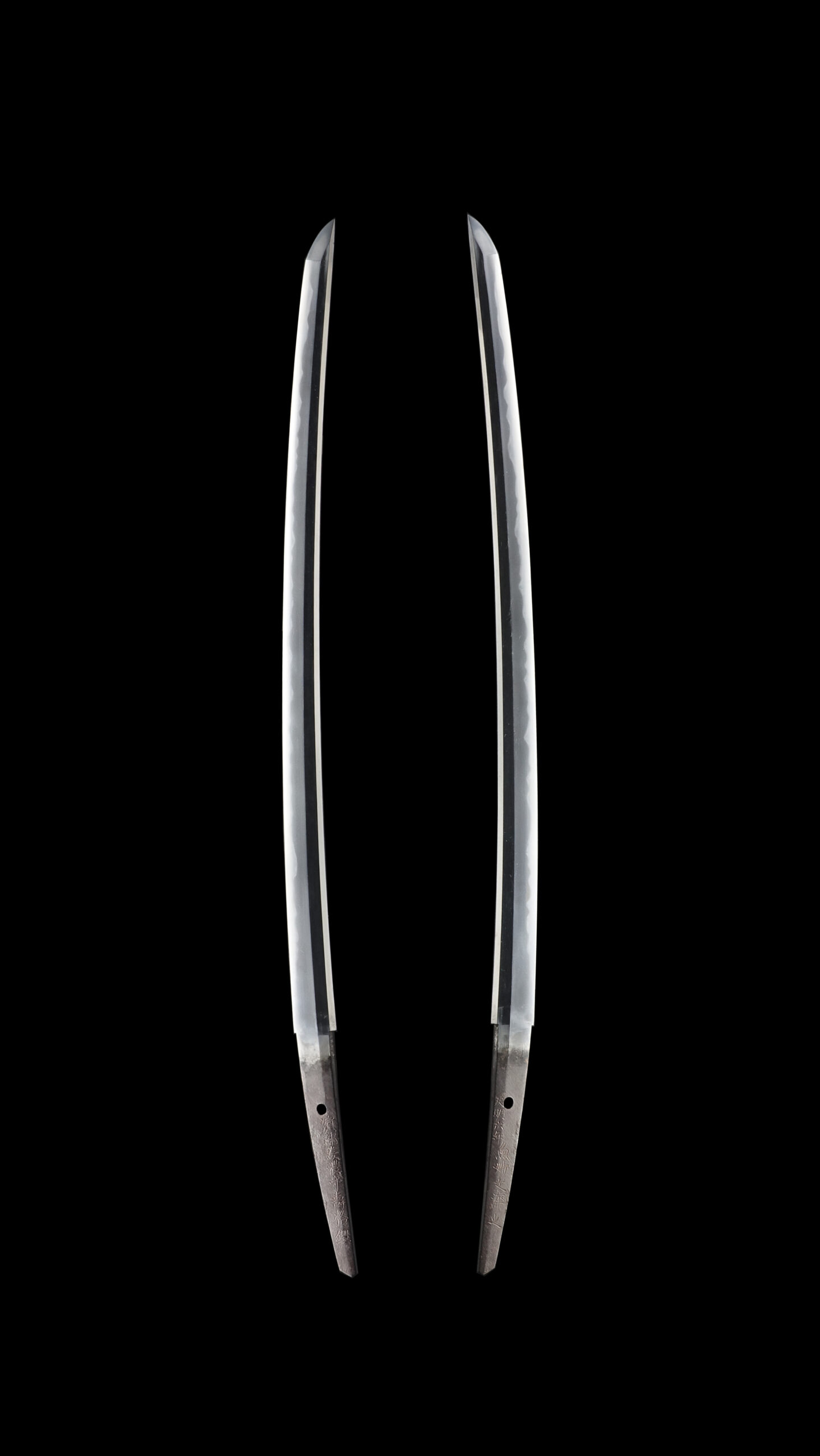
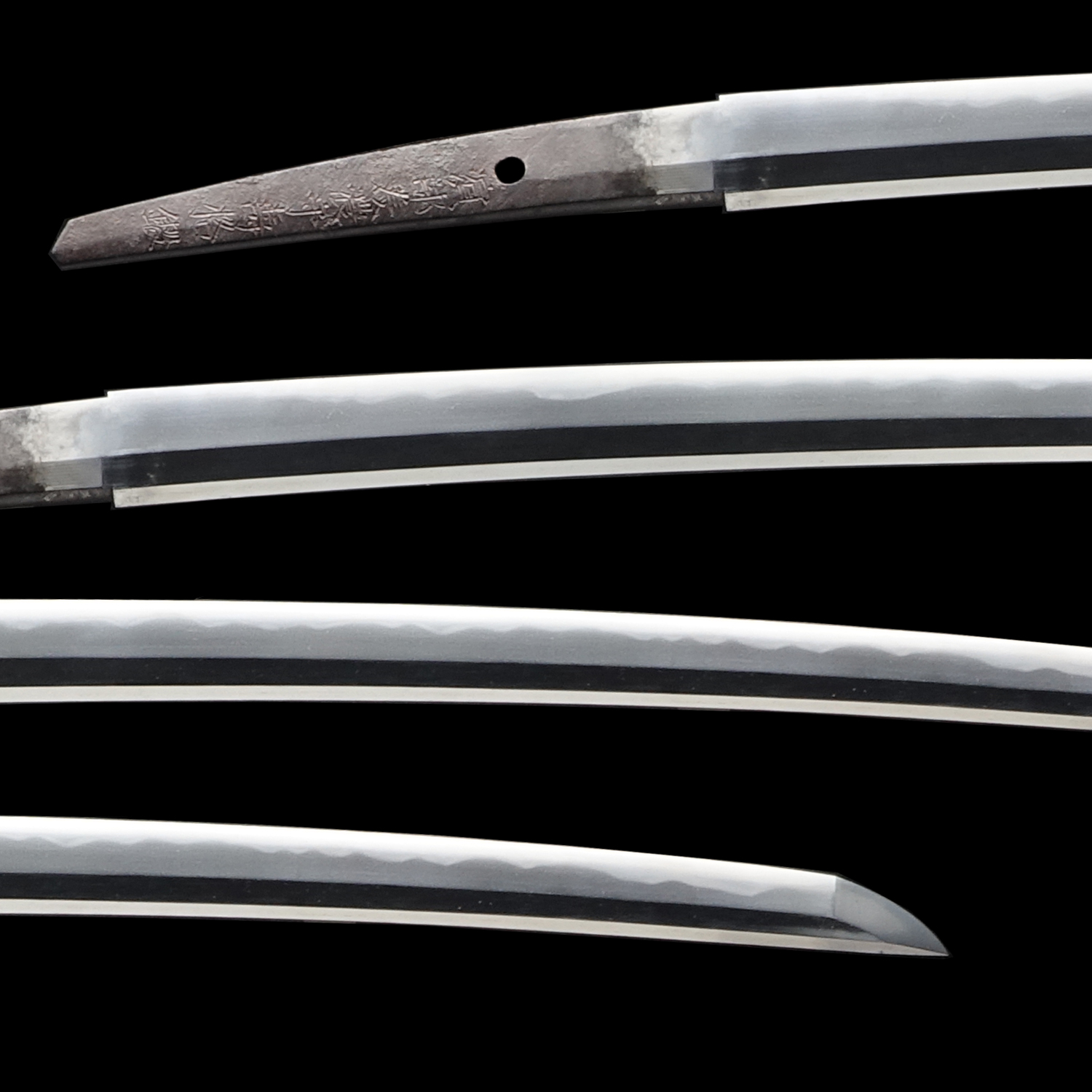
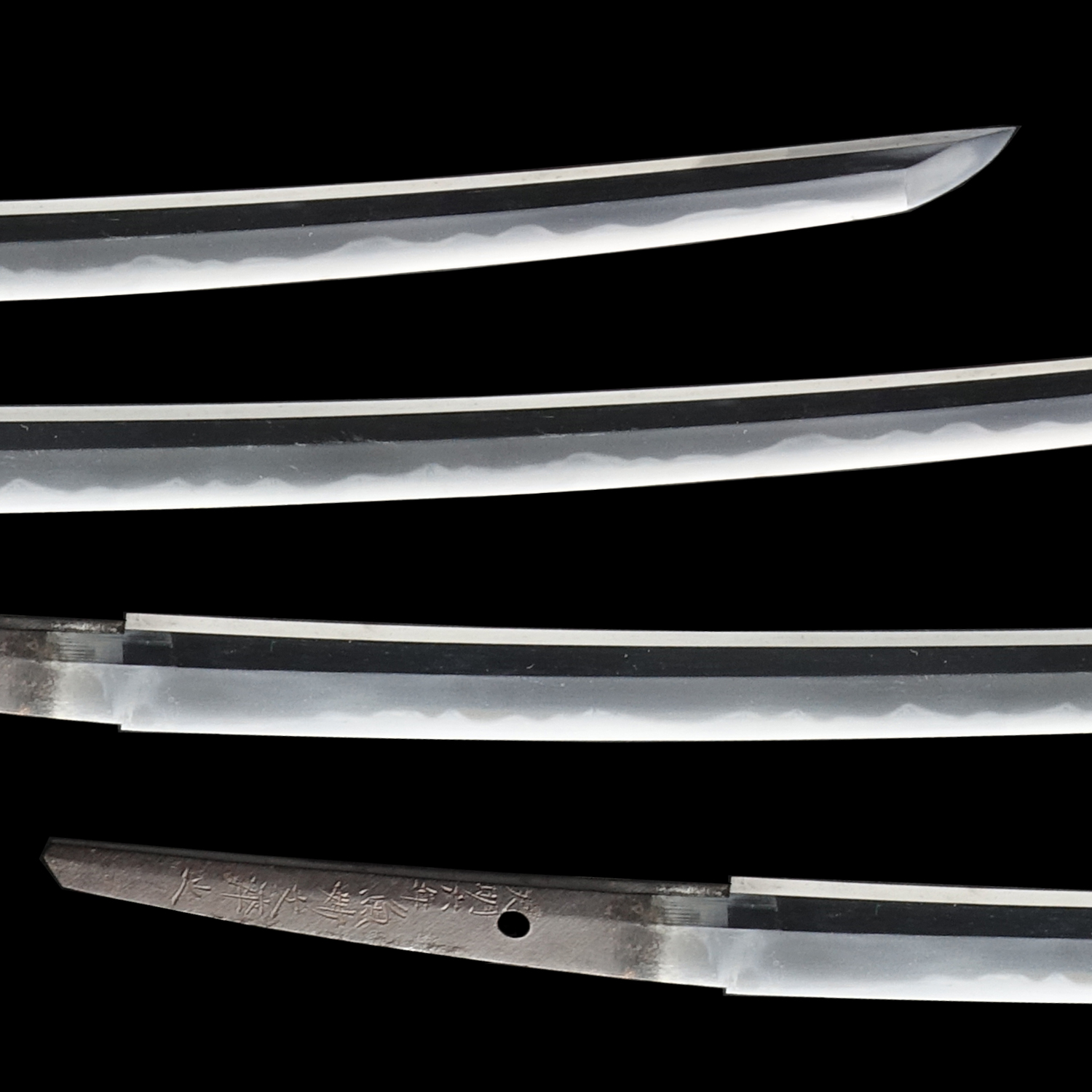
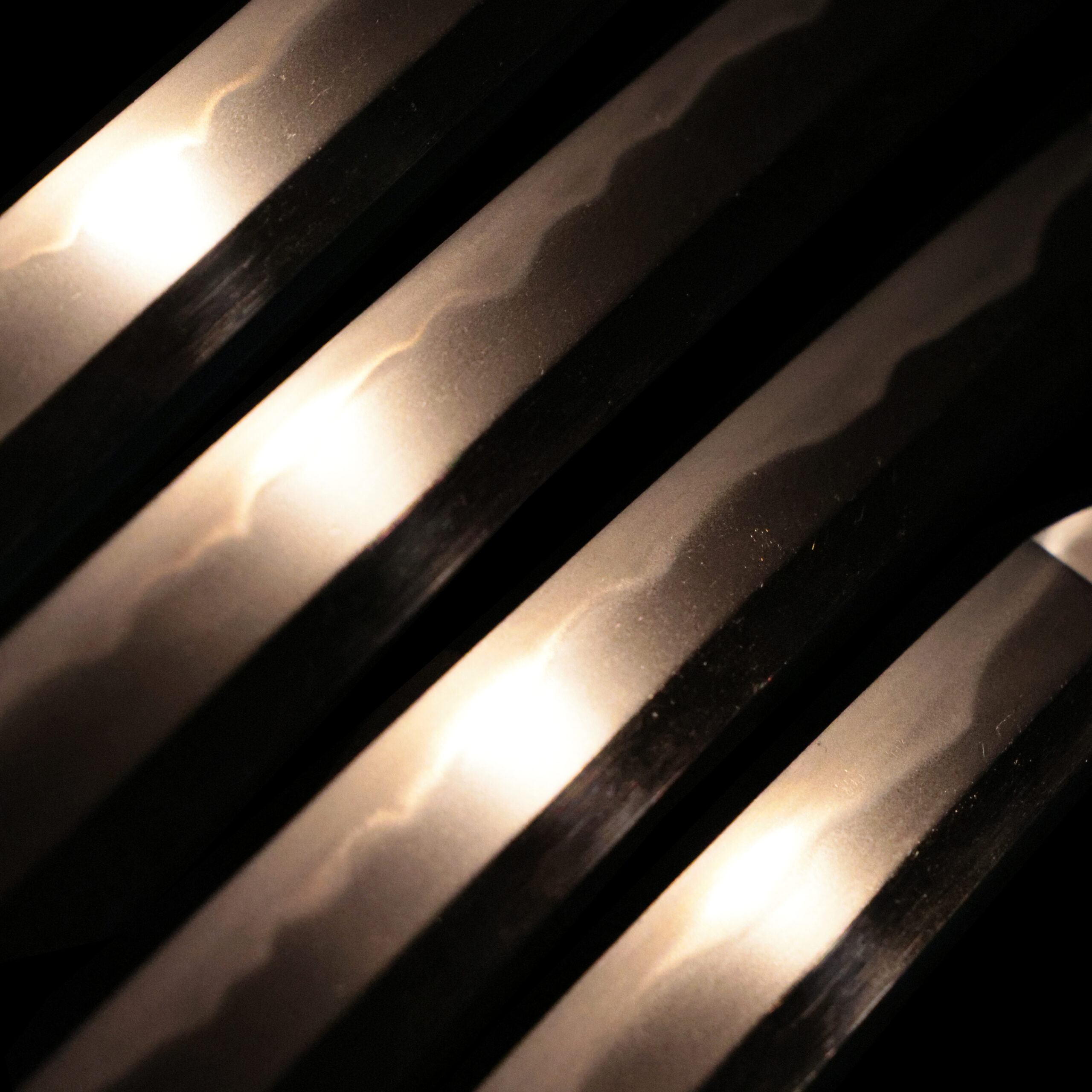
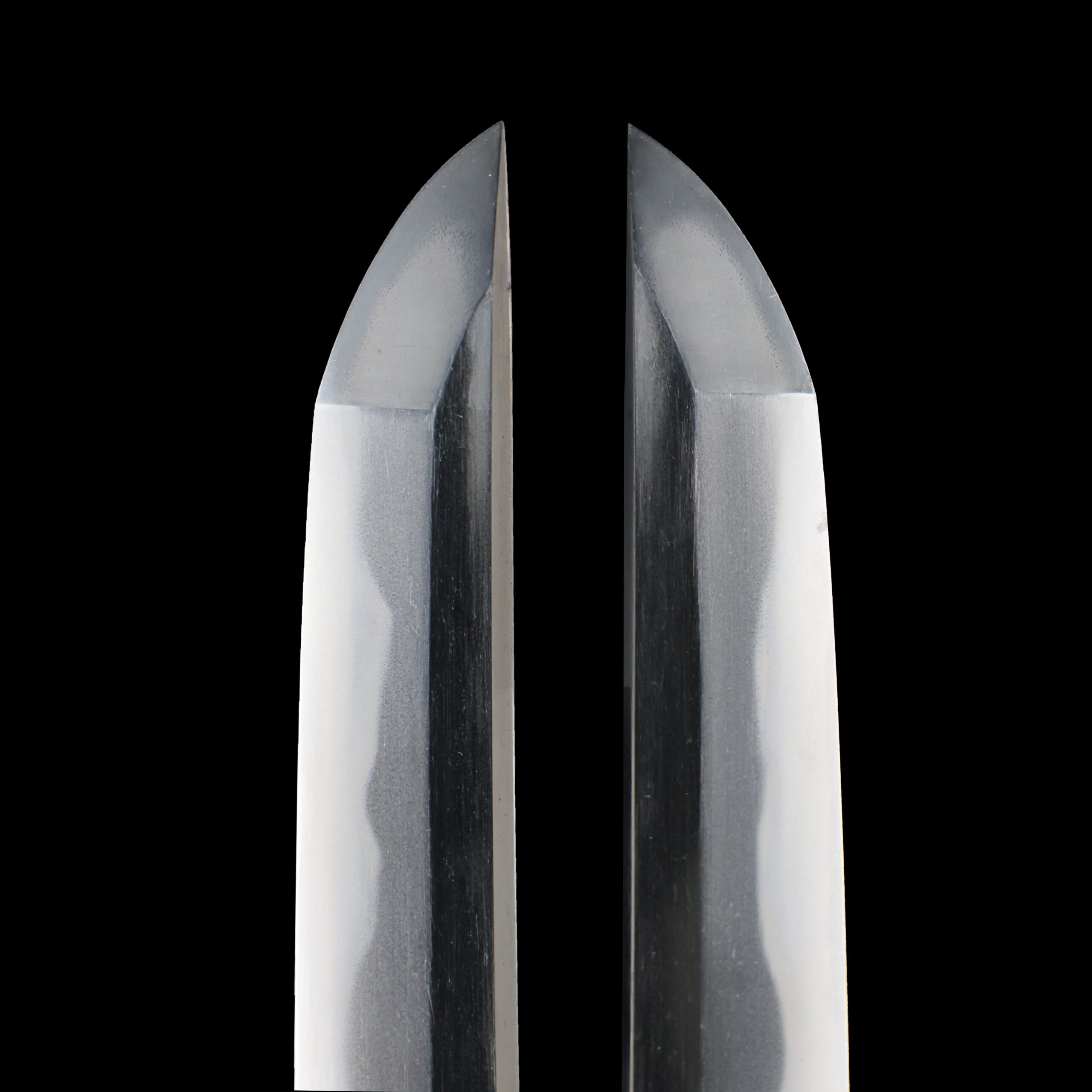
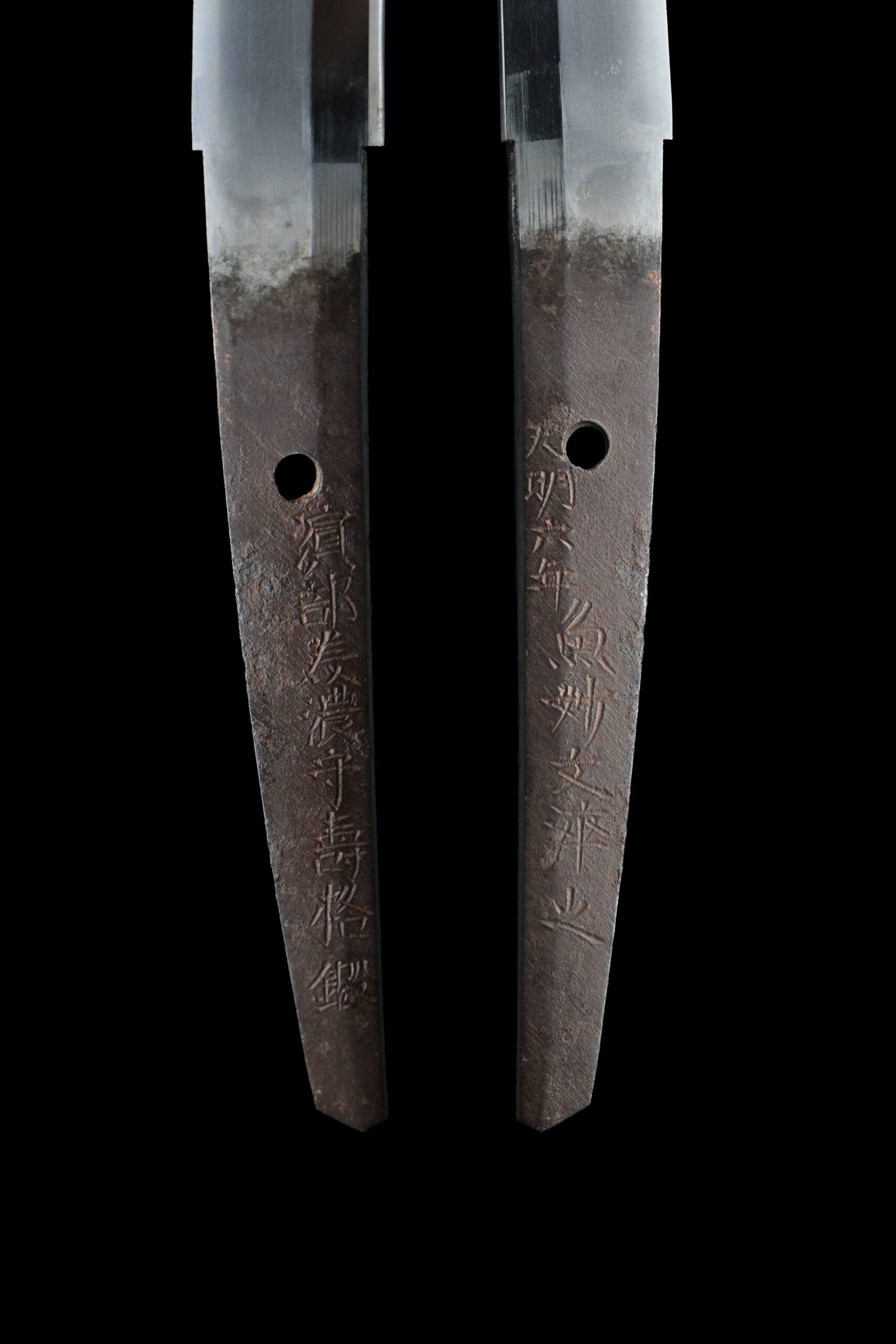
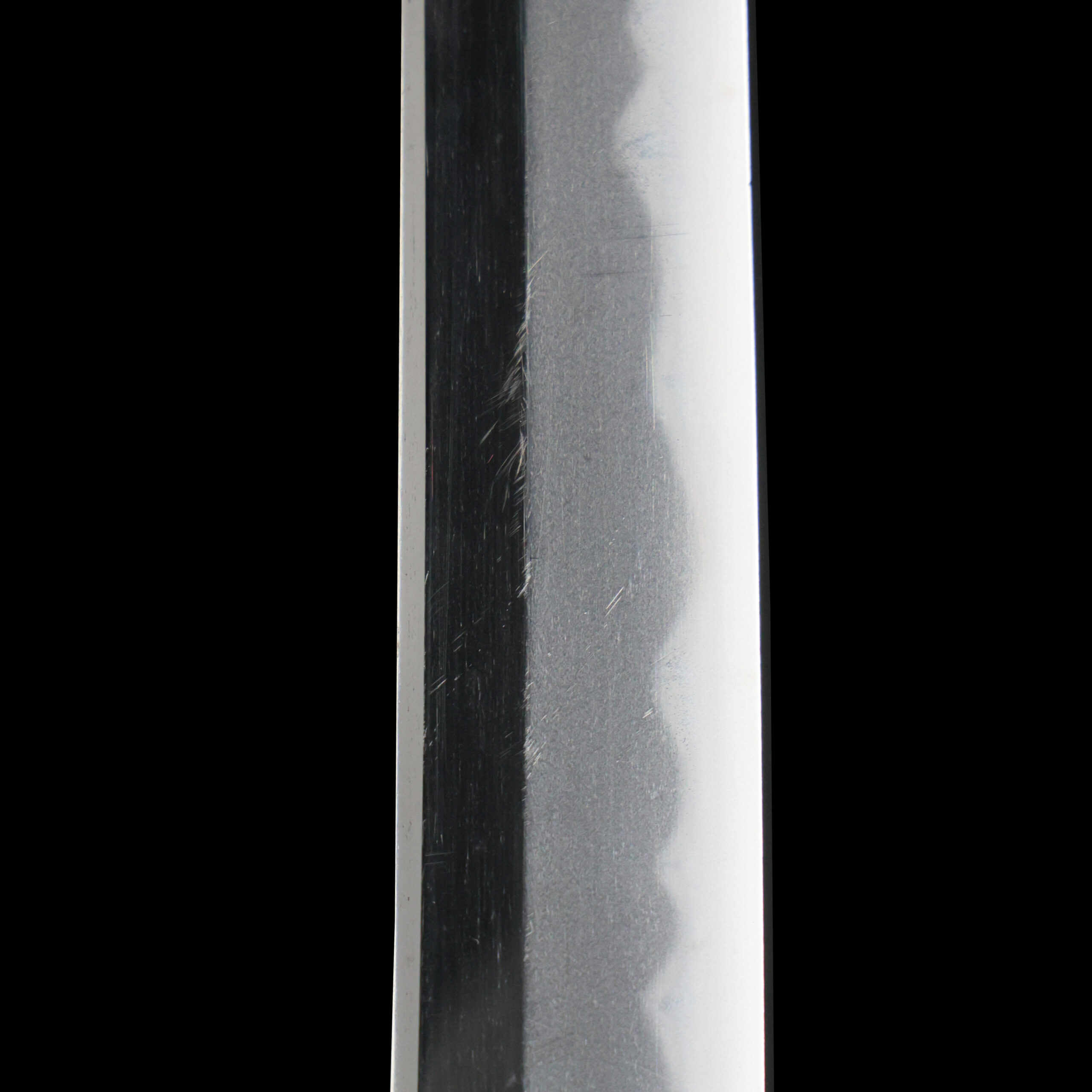
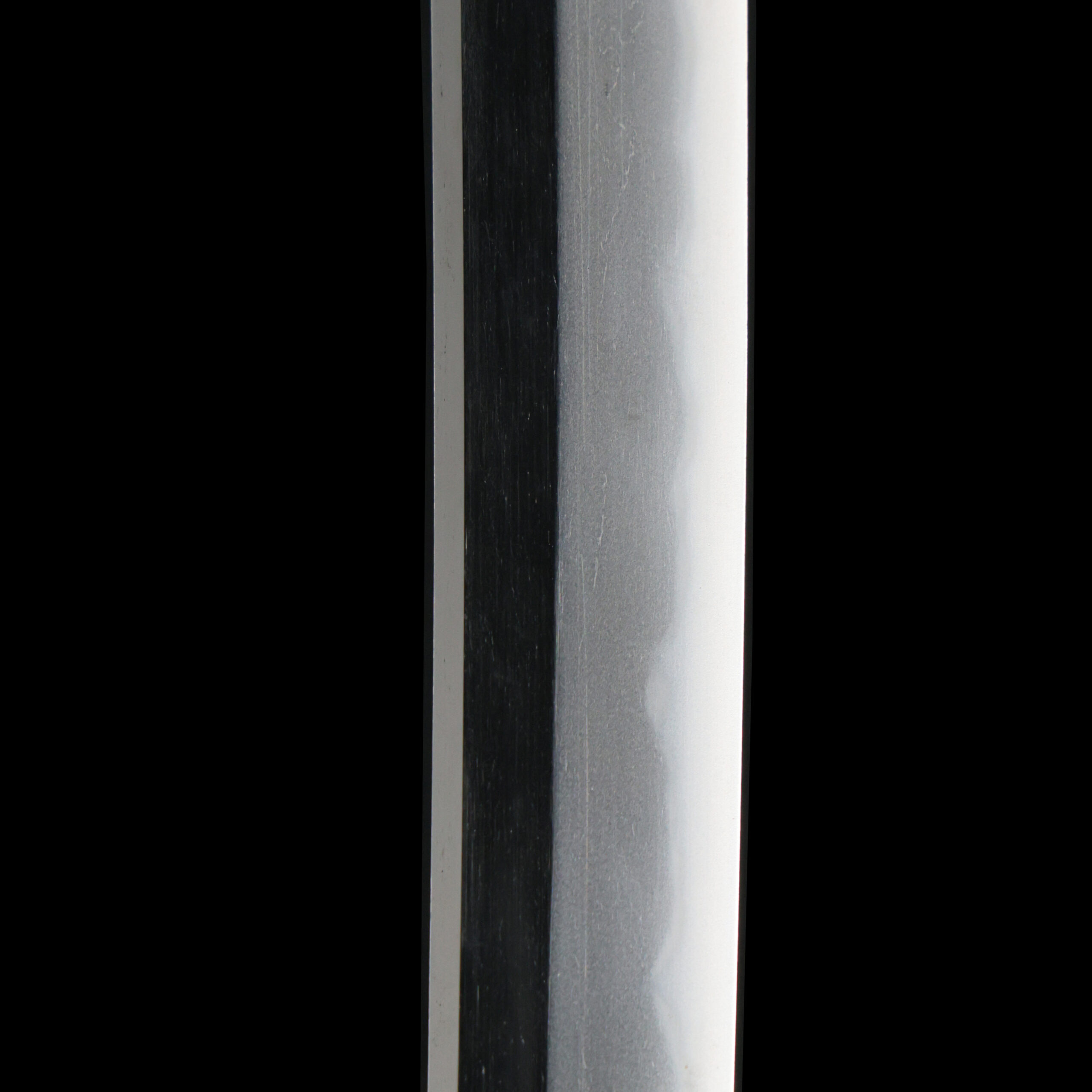
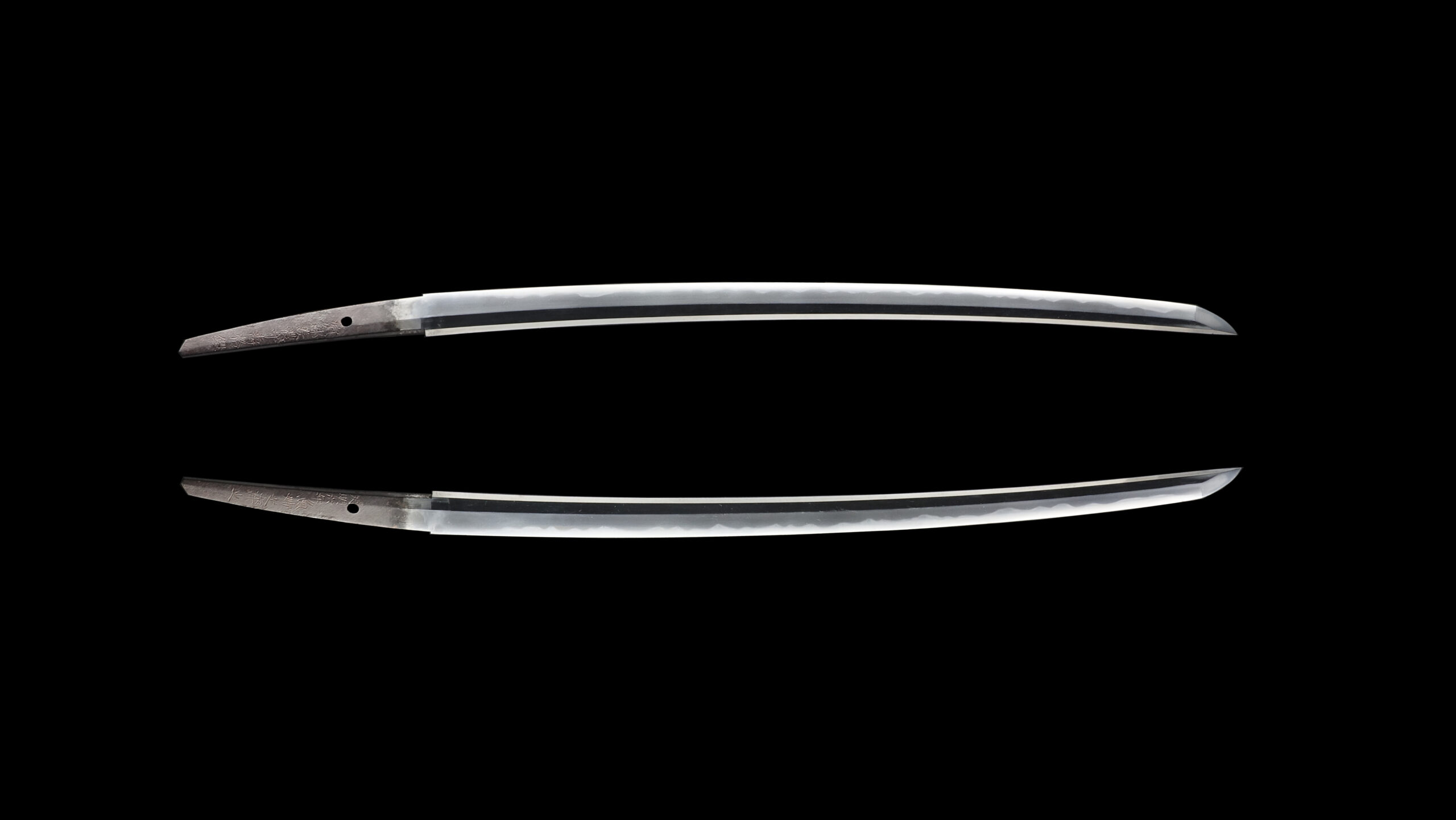
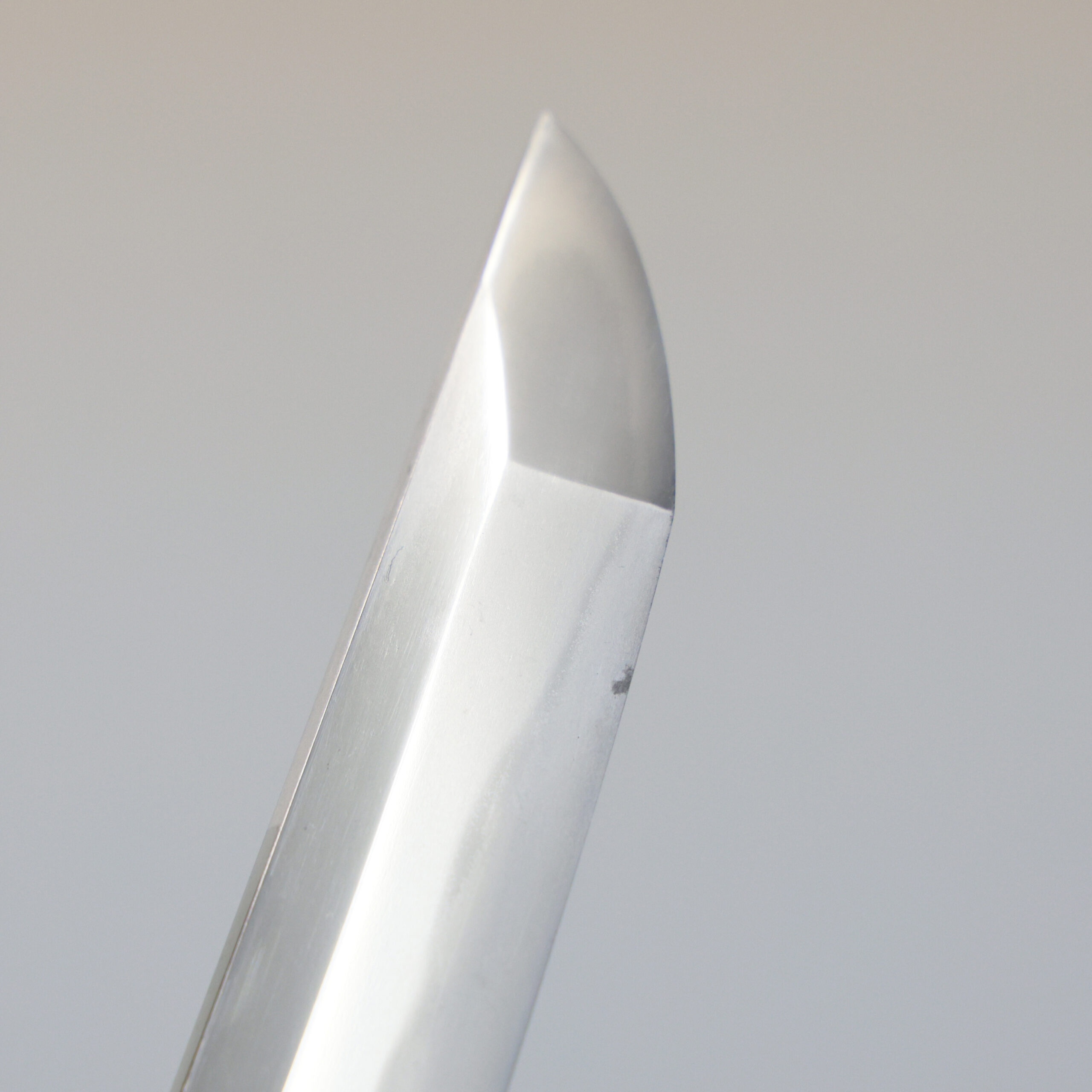
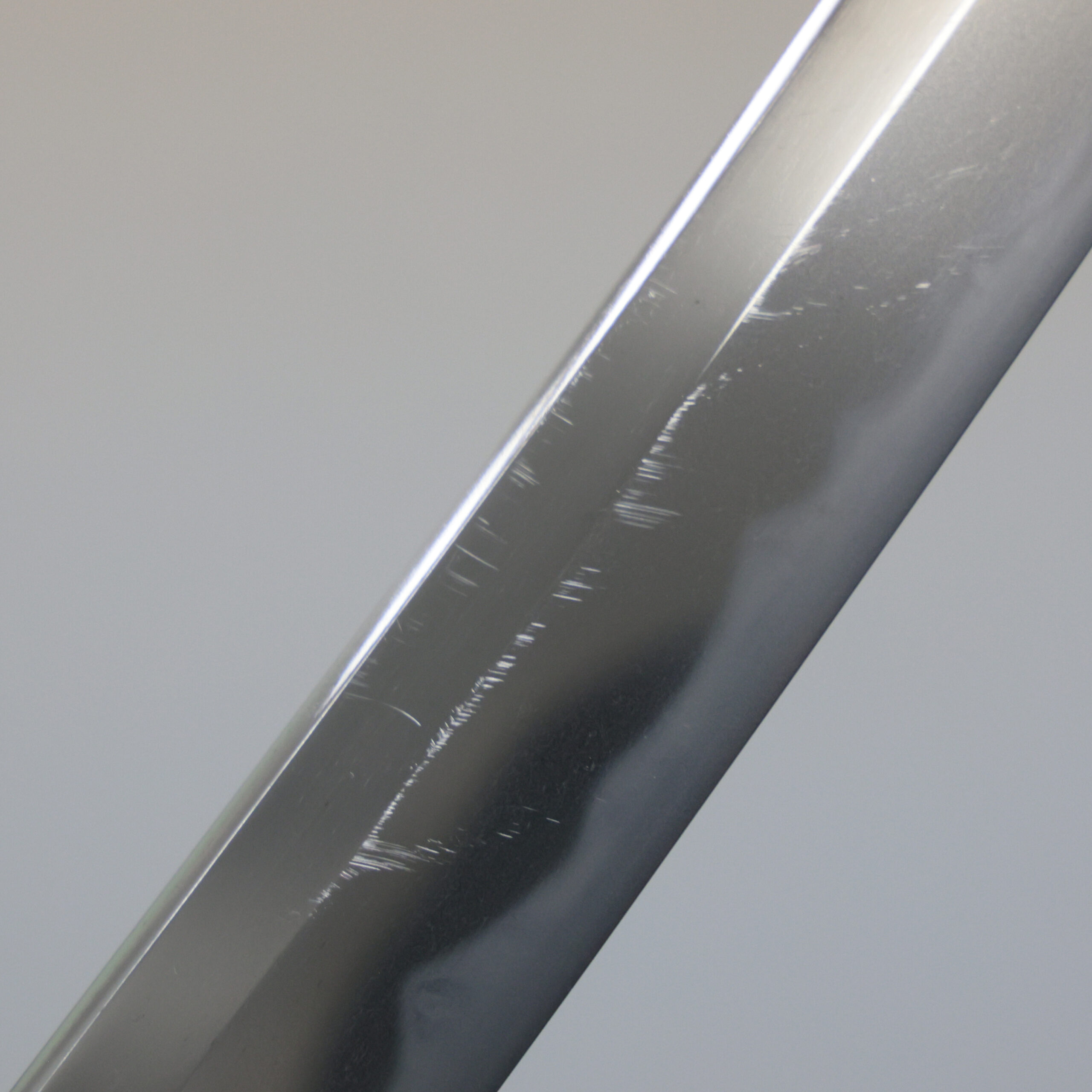
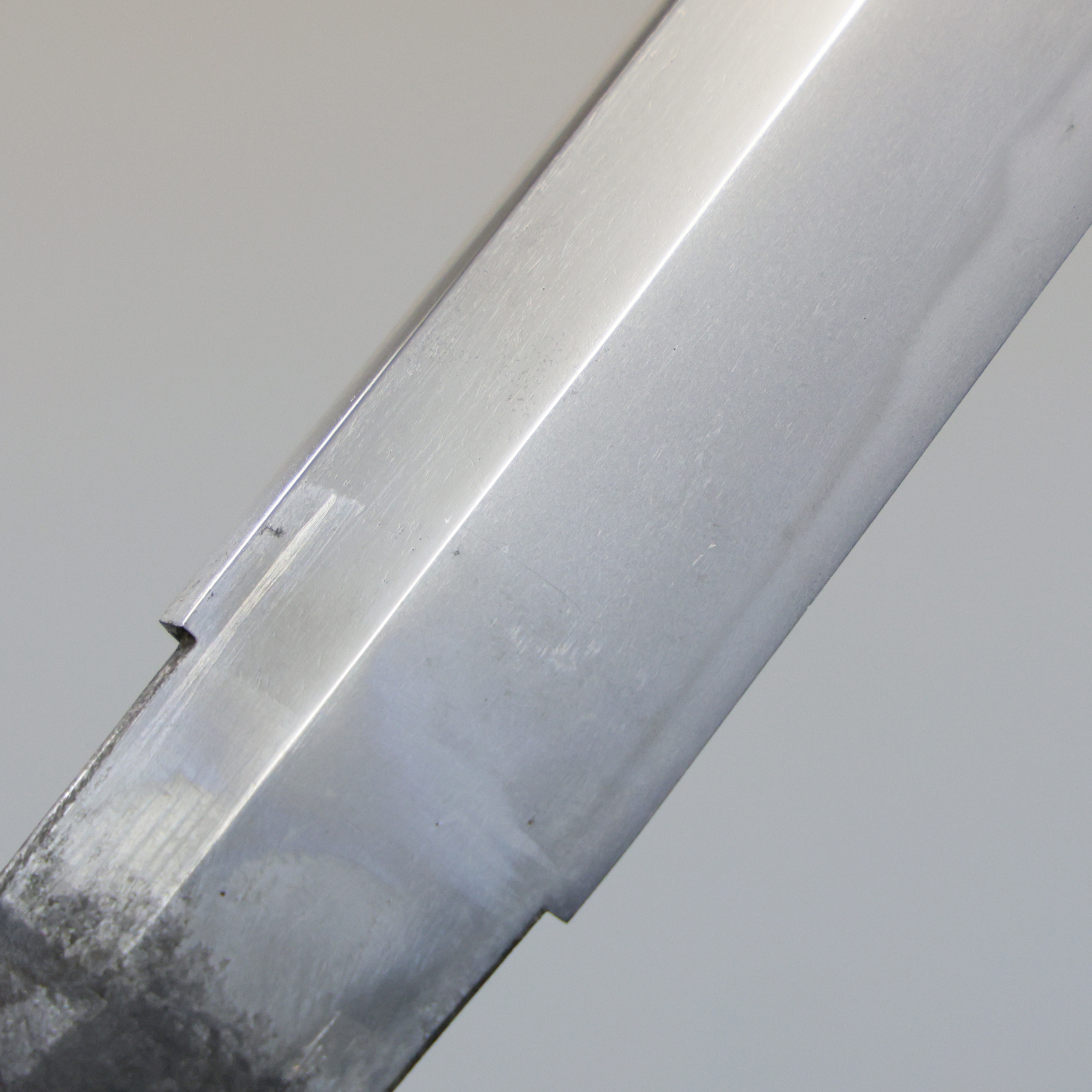
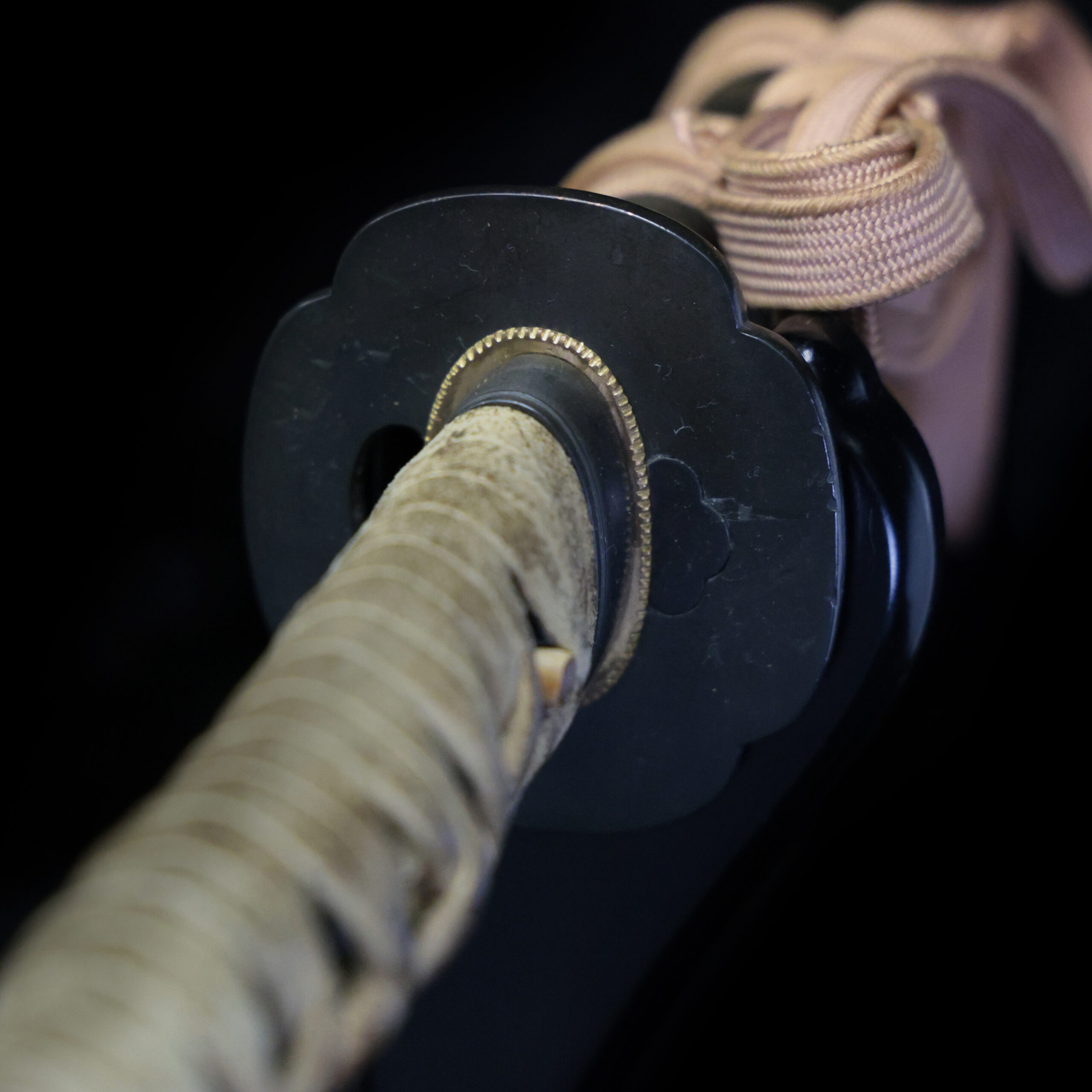
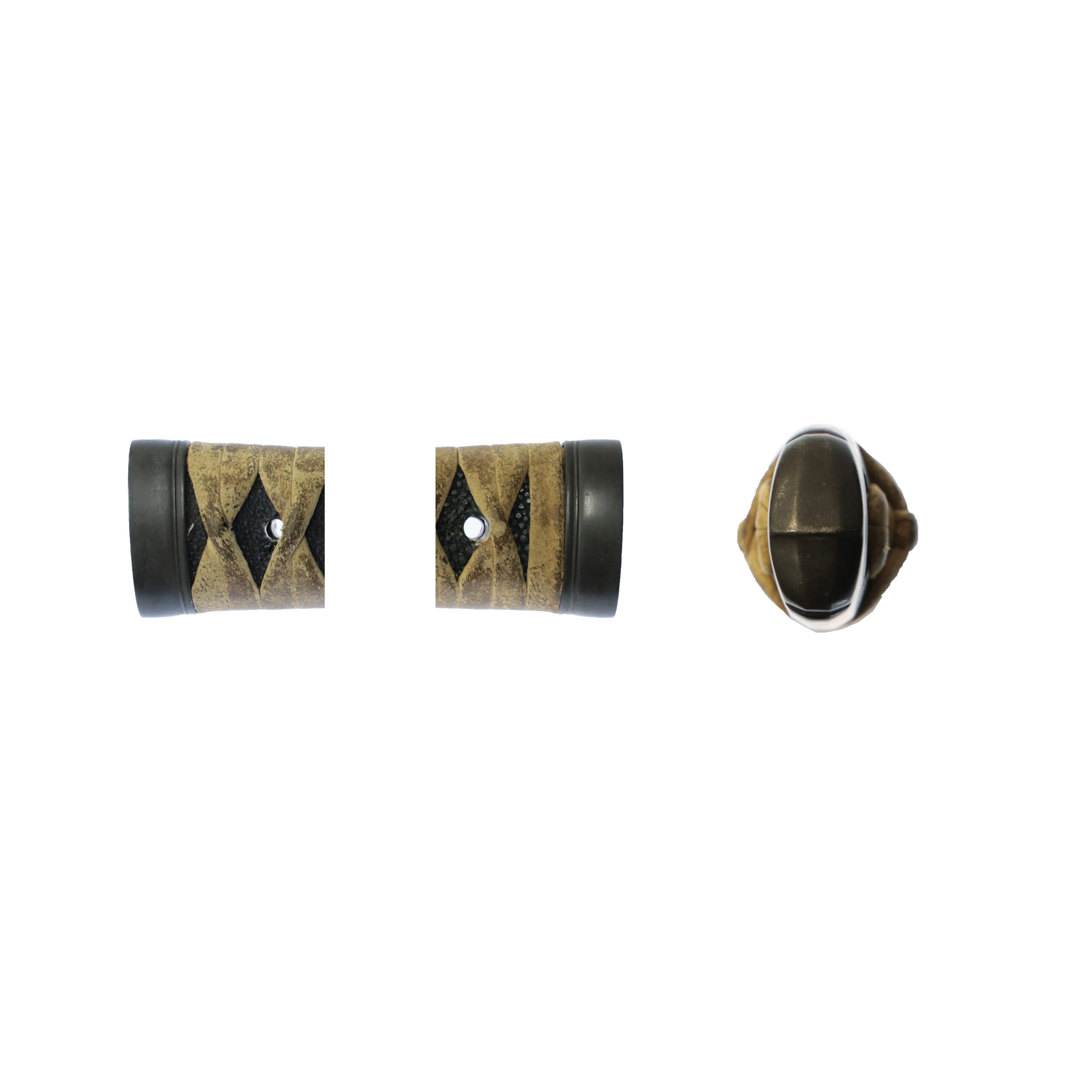
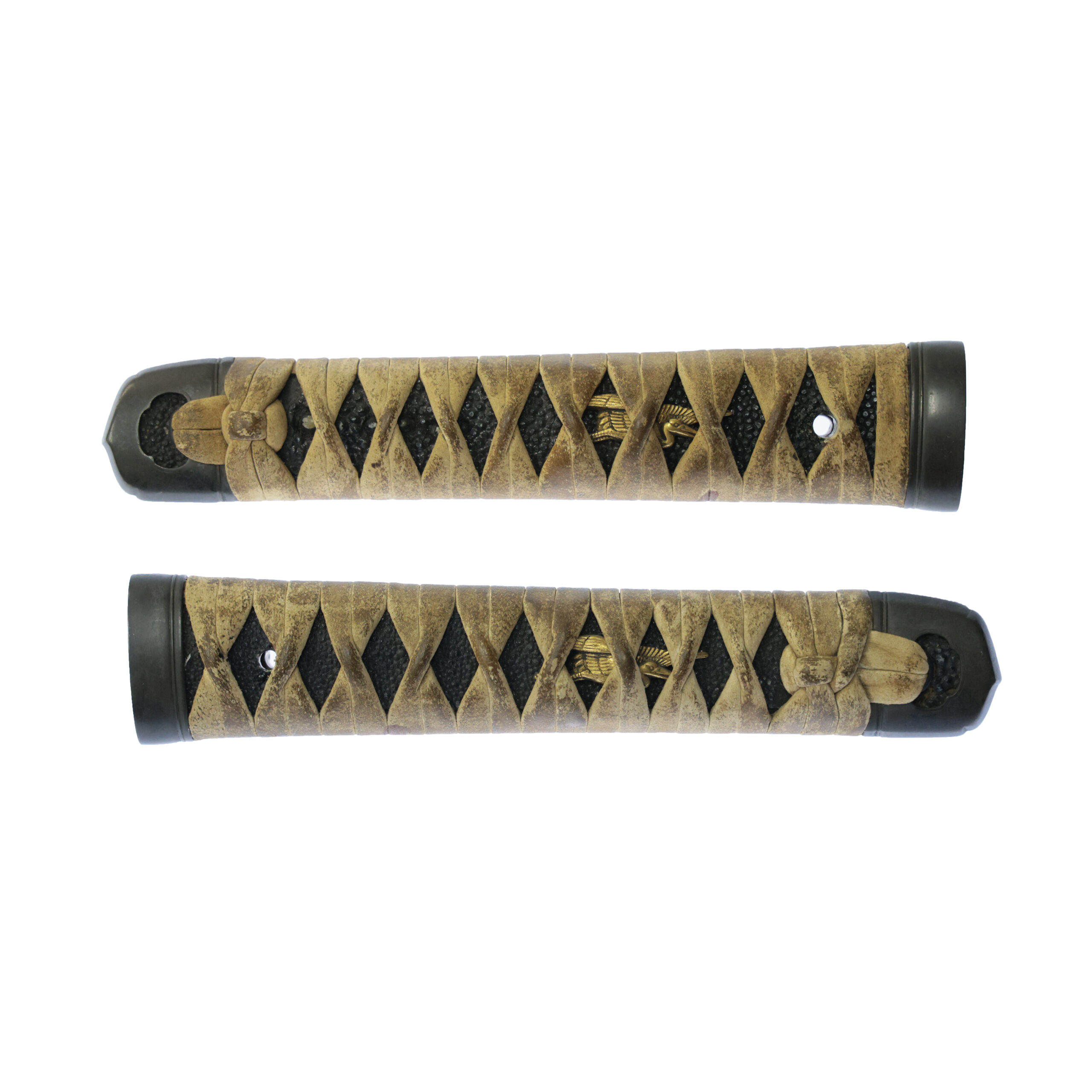
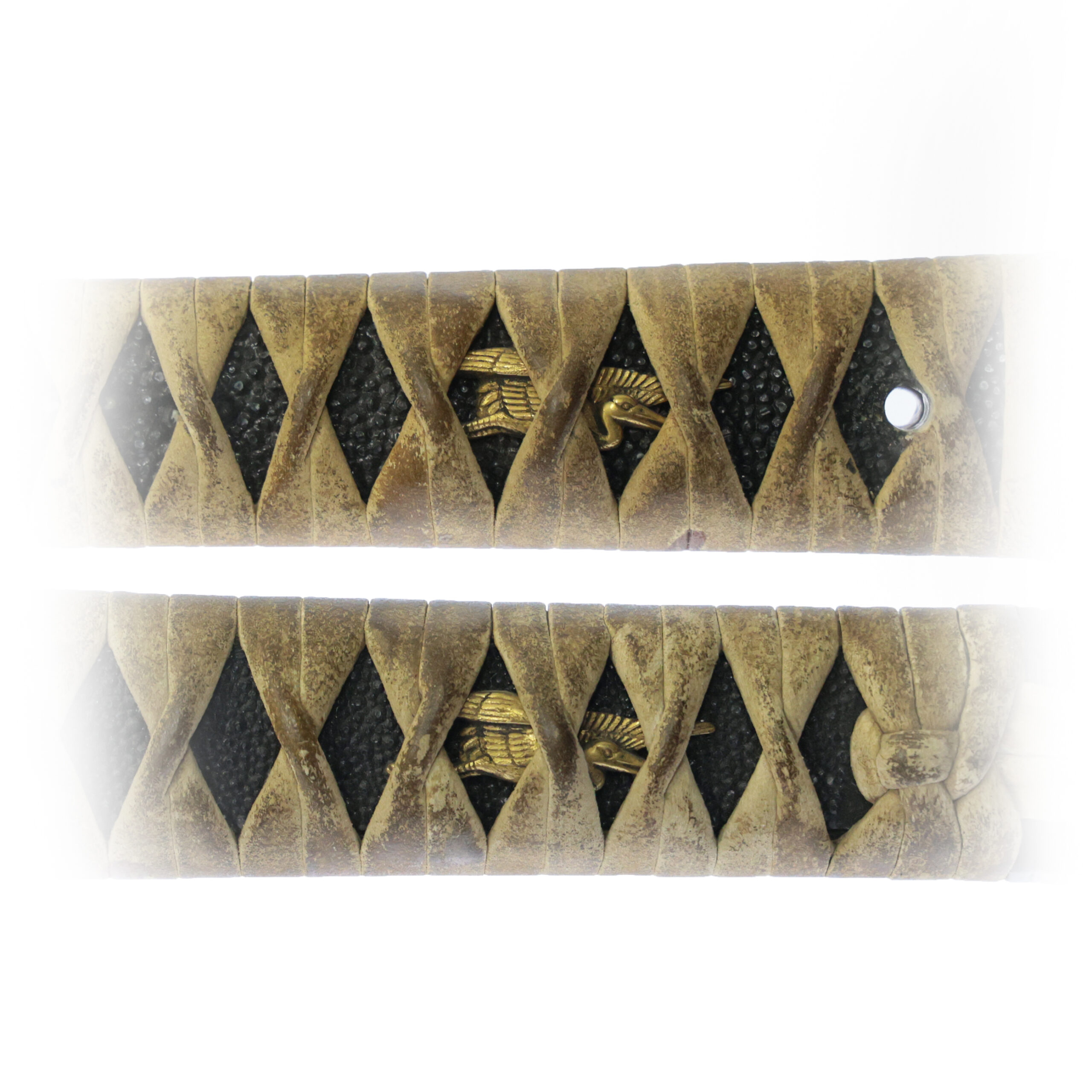
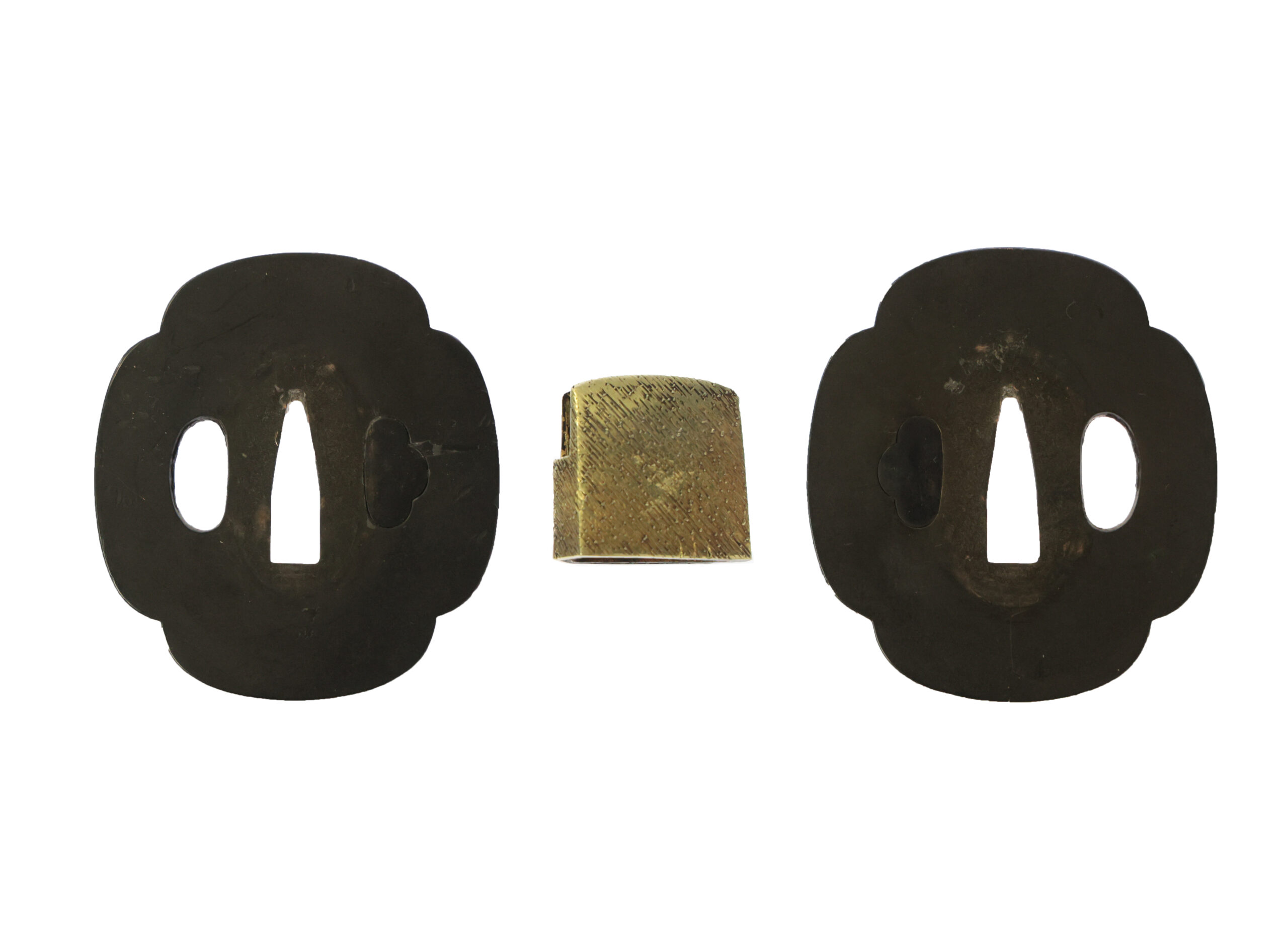
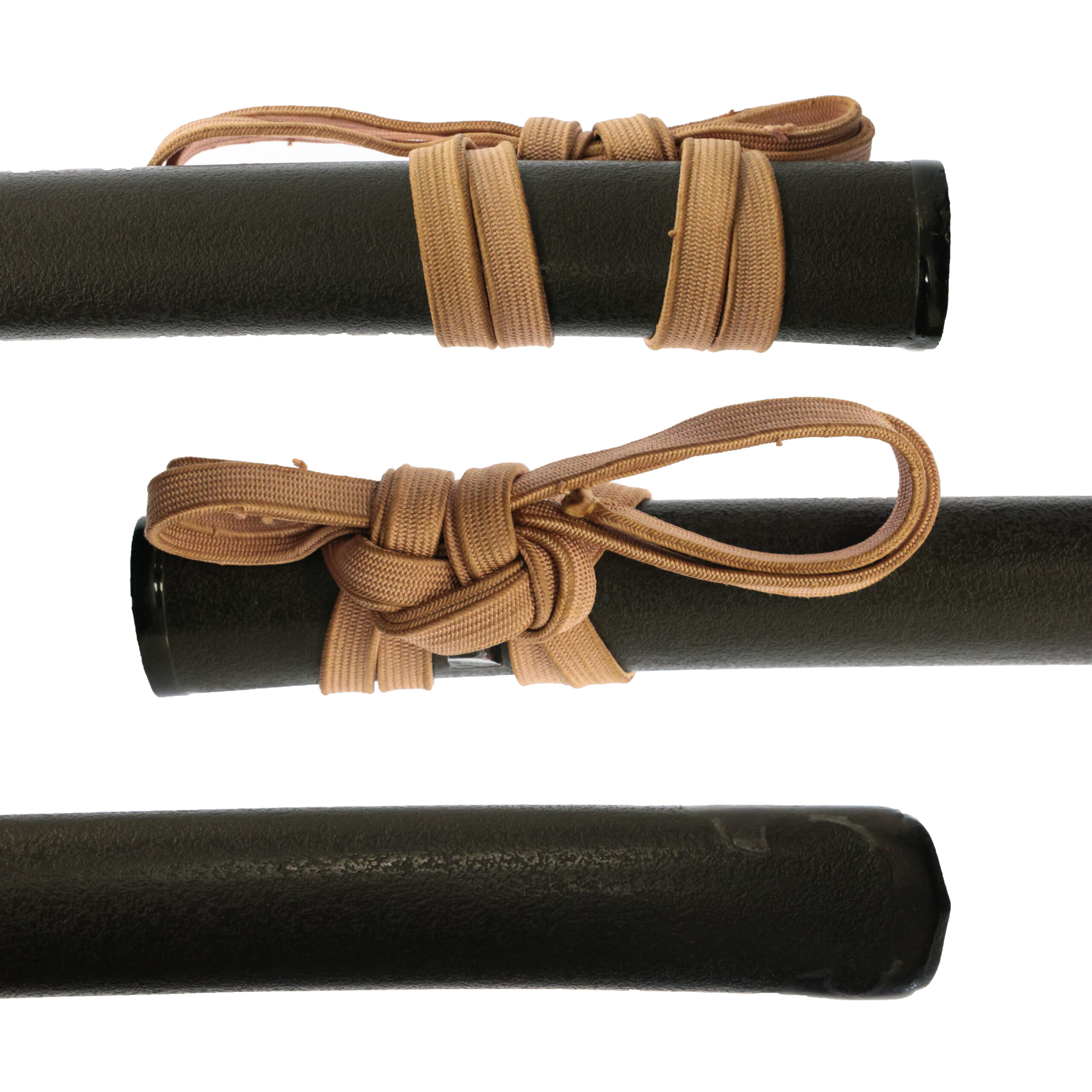
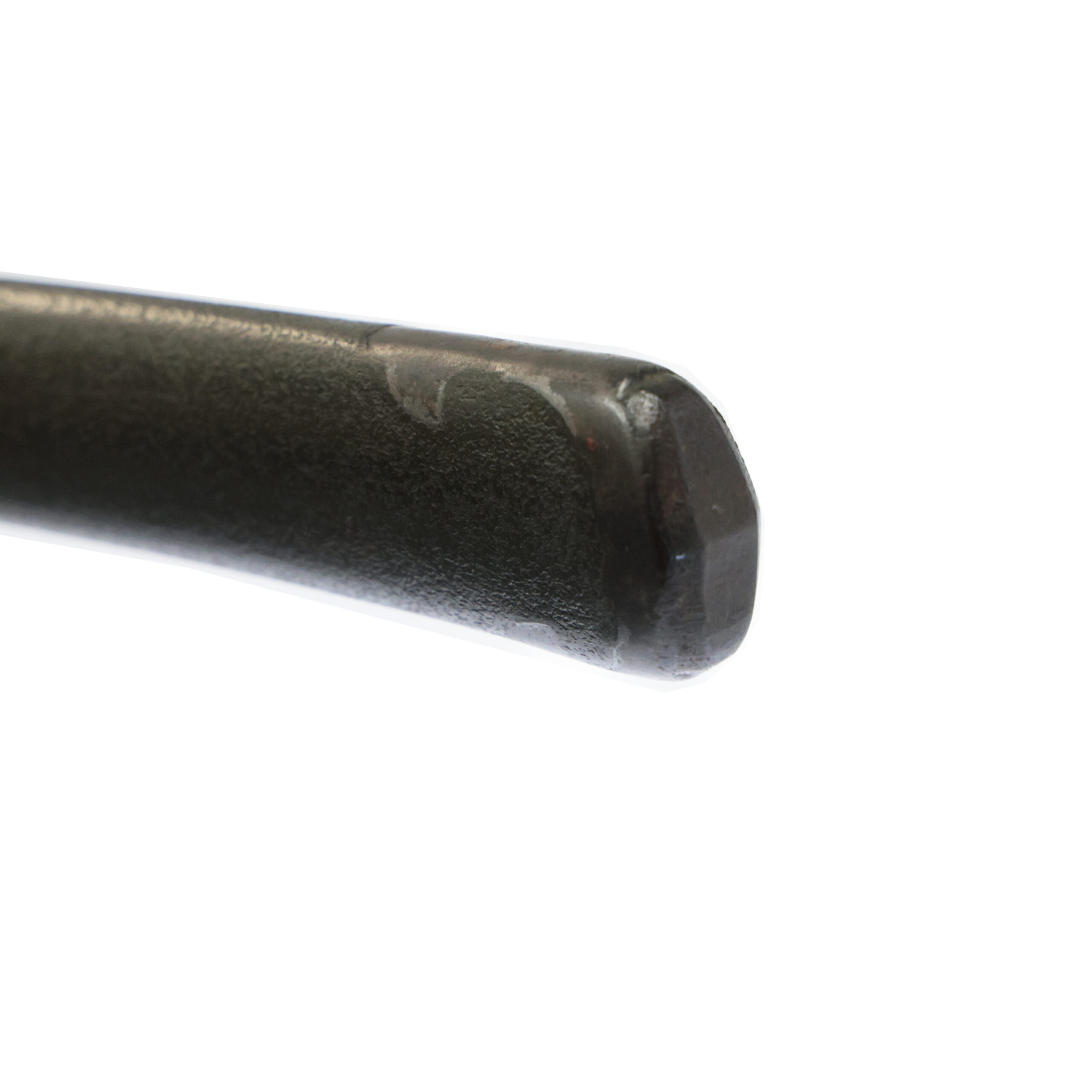
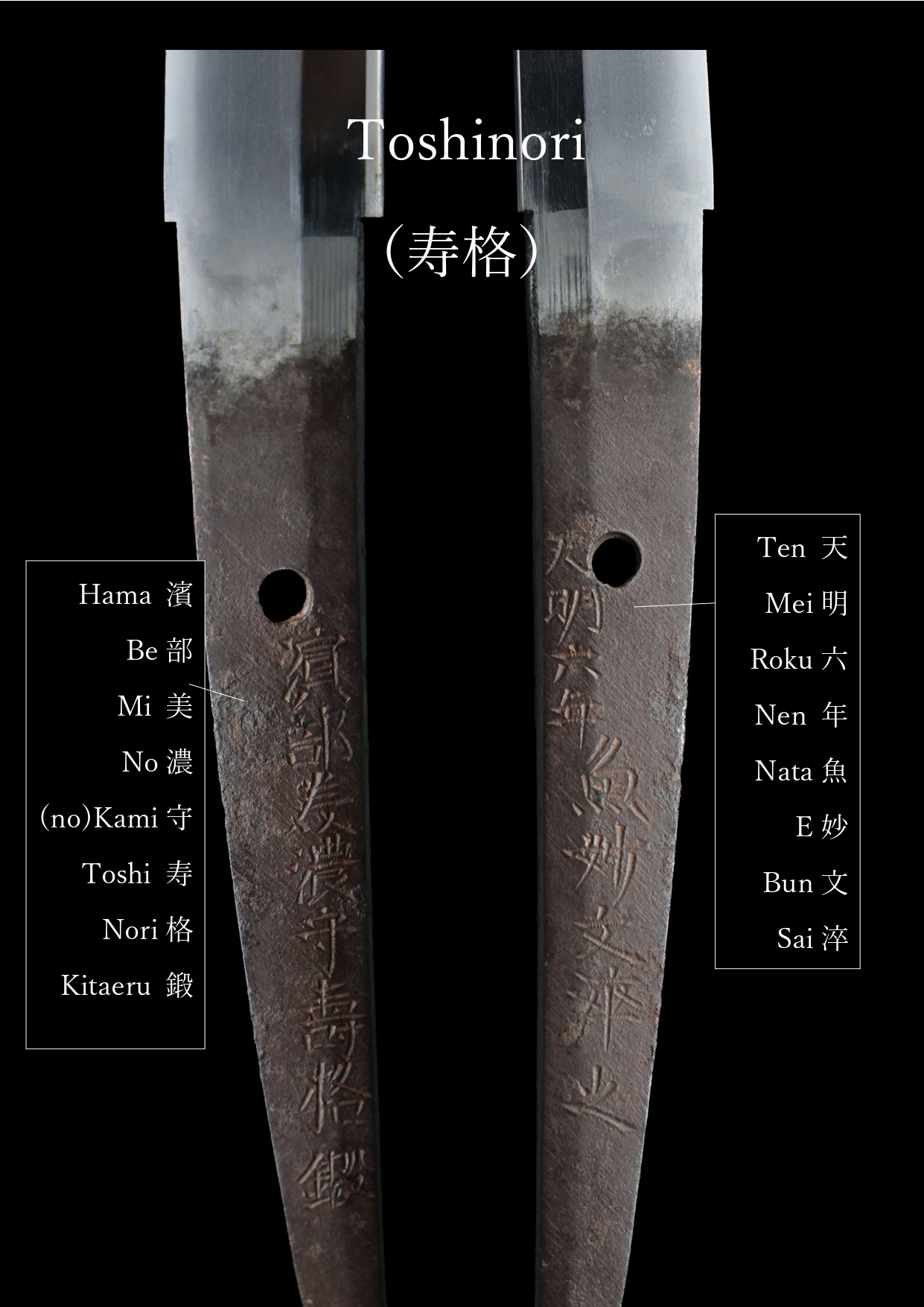
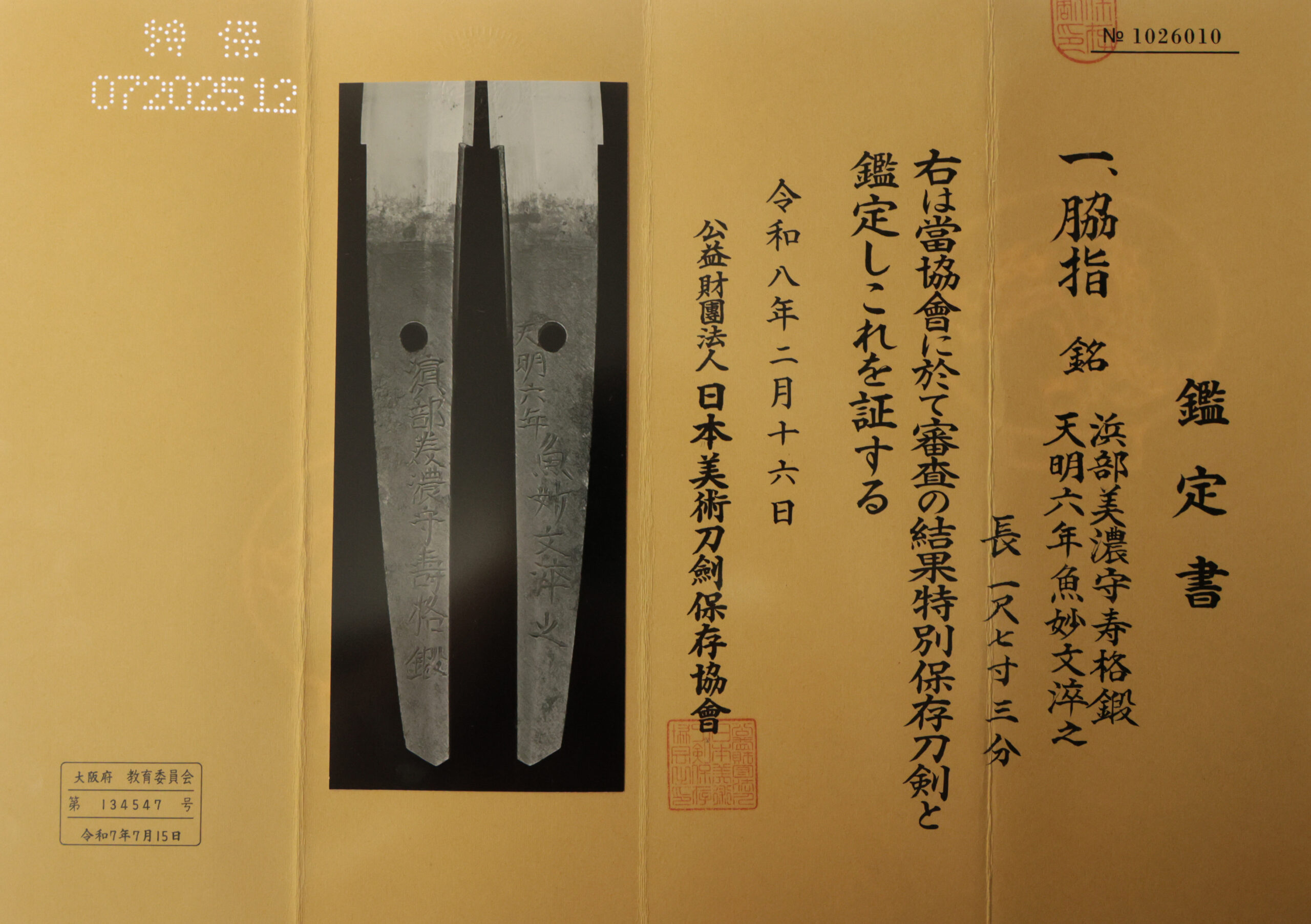
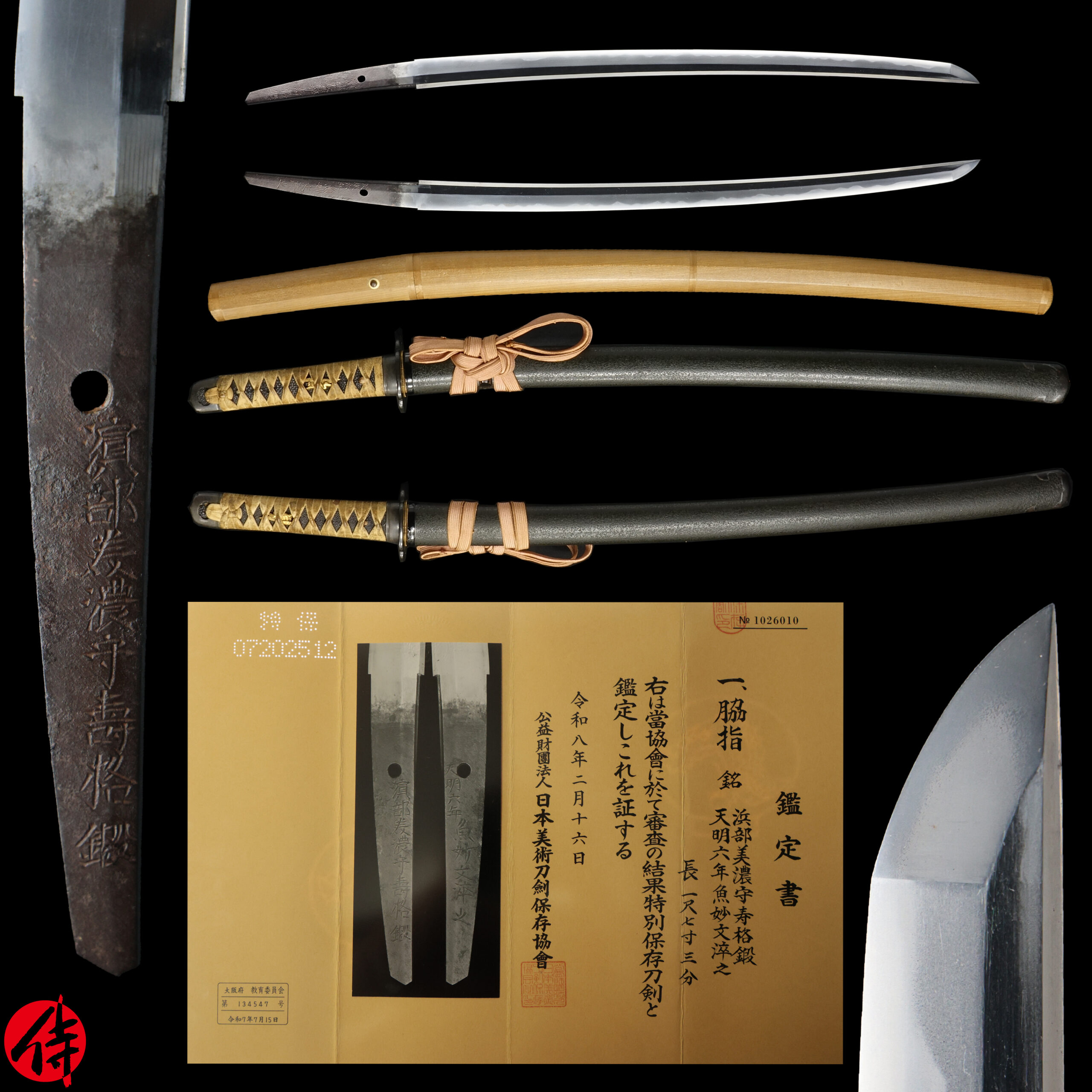
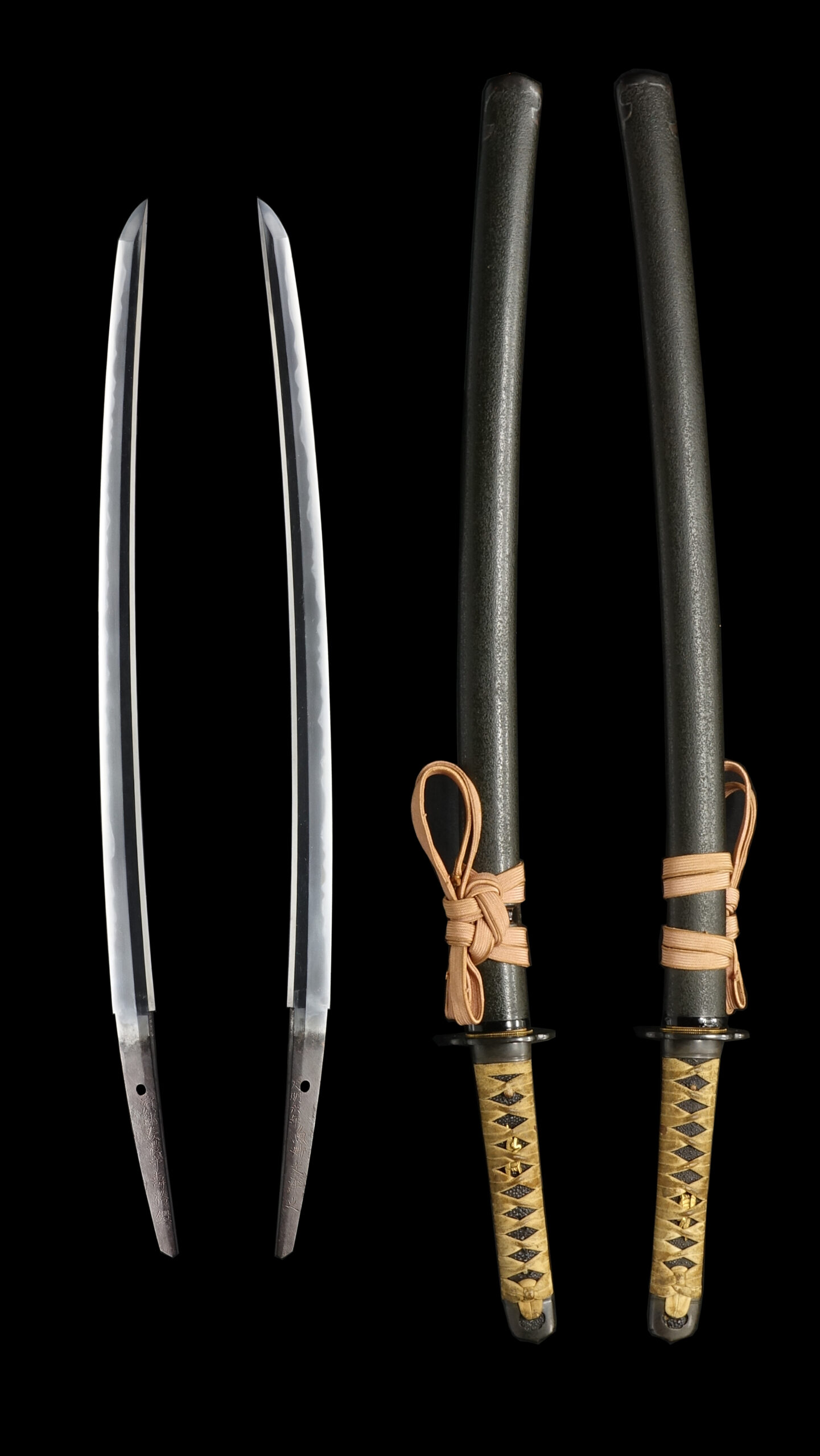
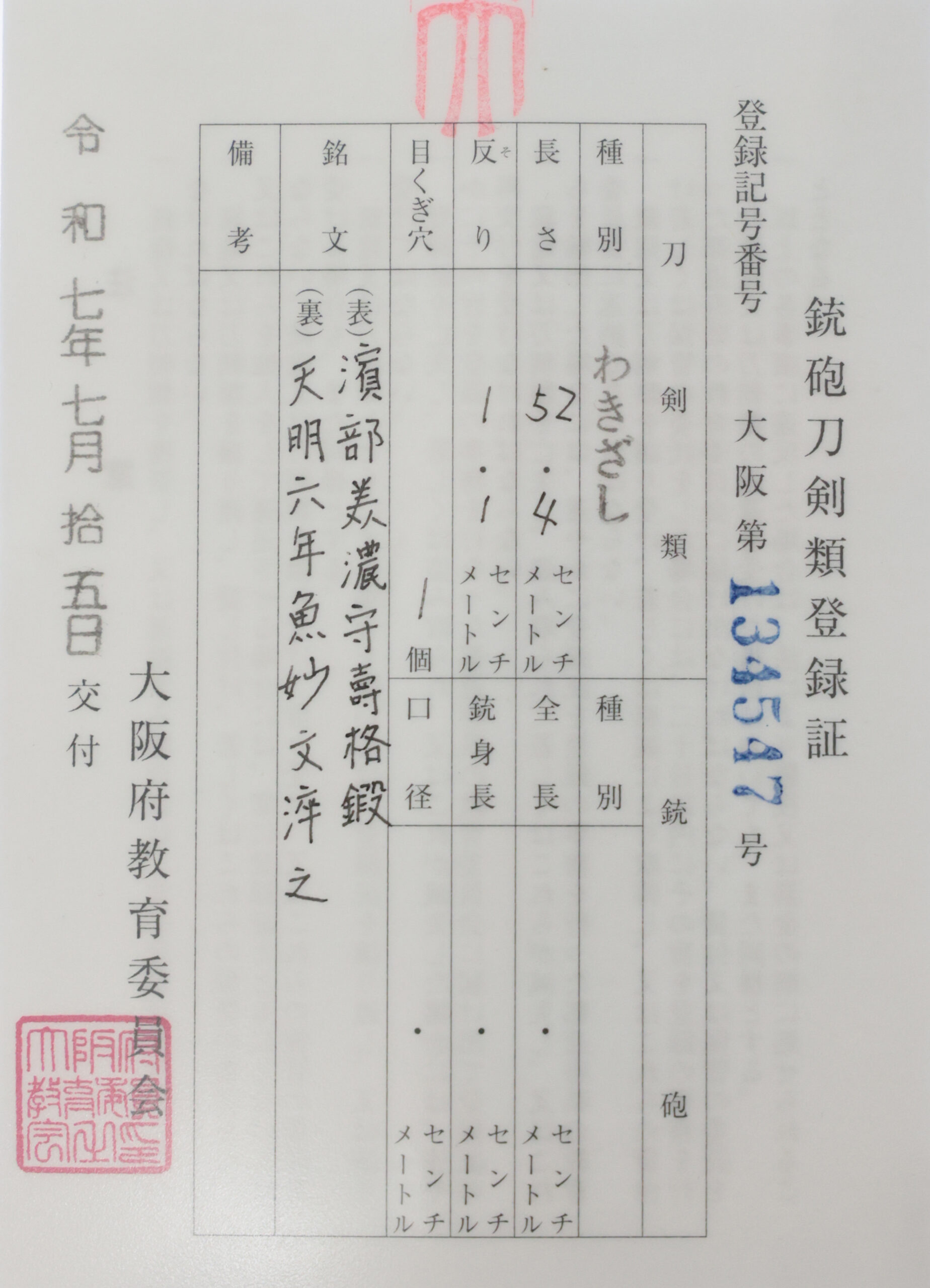
Summary This blade was signed by Hamabe Mino no Kami Toshinori (浜部美濃守寿格). On the reverse side of the tang is an inscription said to have been engraved by Natae (魚妙), a renowned sword scholar and connoisseur of the Edo period, in Tenmei 6 (1786). Hamabe Toshinori was born in 1746 in present-day Tottori Prefecture. He first studied sword forging under Hioki Kanesaki in Tottori and later traveled to Edo on two occasions to further refine his skills under various masters. He also spent time in Osafune, Bizen Province, where he studied the traditions of the celebrated Bizen-den school under Sukesada. At the age of forty-one, he was granted the honorary title Mino no Kami and thereafter adopted the smith name Toshinori. He later served the Tottori Domain and trained numerous disciples. His skill and accomplishments earned him a distinguished reputation that remains well known among Japanese sword enthusiasts and scholars today. It is appraised as a Tokubetsu Hozon Token (特別保存刀剣) issued by NBTHK (Nihon Bijutsu Touken Hozon Kyokai: 日本美術刀剣保存協会). *Please keep in mind that there are some noticedable Hike Kizu (scratch) and a couple of black rust on this blade. Tsuka and Menuki We believe the motif of this Menuki is Tsuru (鶴: crane), which symbolizes longevity. The pattern that describes flying cranes is called “Tobi Tsuru Mon (飛鶴文)” in Japanese. There is a proverb that says cranes and turtles live a long life. It says cranes have even one thousand years lifespan; therefore, cranes and turtles have been considered as the symbol of longevity since a long time ago. Also, as cranes make compatible couples, its pattern represents happy marriage. Due to its pure white feathers and dignified appearance, it was favorably used as a good omen design for various ornaments or furnishings such as Kimono (着物, traditional Japanese costume) or Obi (帯, belt for Kimono). Senbazuru (千羽鶴, thousand cranes) is one of Japan’s most popular Origami craft, which is made of Origami paper. A thousand cranes of paper are jointed, and it is mainly used for wishes of recovering. Tsuba and Habaki This tsuba is mokkō-shaped (木瓜型, mokko-gata), a form resembling a cross-section of a gourd or the Japanese quince flower, which was a popular shape for sword guards from the Muromachi through the Edo period(15th–19th centuries). Saya The surface of these Saya is decorated with the Ishime-Ji (石目地). Its base was hit by Tagane (鏨, chisel for metalworking), and it makes a rough surface that seems stone. Authentication Paper They authenticated the blade on February 16th in the 8th year of Reiwa (2026). They appraised it as Tokubetsu Hozon Touken, the blade especially worth preserving for Japanese society.

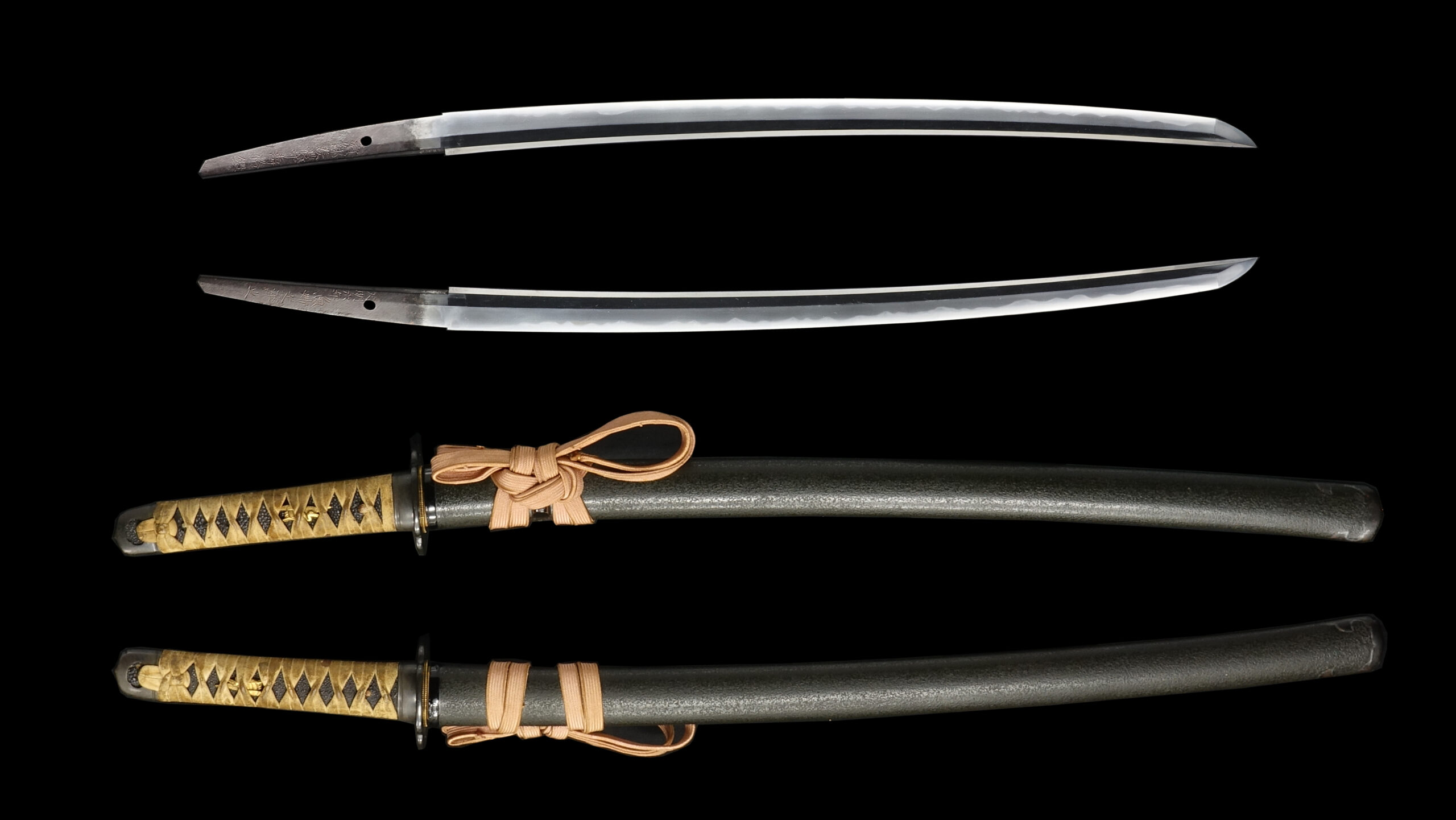
販売店の記載のまま
因幡 · 1781-1789頃
藤代 上作 · 刀剣大鑑 上位31%
江戸時代
徳川の泰平のもと、大小は法度の定める身分の制服となり、需要は城下町、とりわけ江戸に集まった。工芸は二つに分かれる。目利きのための華やかな鑑賞の作と、截断の結果を金象嵌に刻む実証の刀である。
保存刀剣のうち、出来が一層優れ、保存状態も良好と認められたものです。再刃や、室町・江戸期の多くの無銘作は対象外となり、保存刀剣より高い基準が課されます。
日本美術刀剣保存協会(NBTHK)は、1948年に設立され、文化庁の監督を受ける公益財団法人で、東京・刀剣博物館に本部を置きます。専門の審査員が出品作を直接審査し、美術的・歴史的価値に応じた鑑定書を発行します。NBTHKの鑑定書は、日本刀および刀装具の真正性を示す最も広く認知された基準です。
NBTHK公式サイトReturns/exchanges limited to defects caused by shipping (except willful misconduct or gross negligence by the company); customers must contact within 72 hours of receiving the product.
Certificate reading — 銘 濱部美濃守壽格鍛 天明六年魚妙文淬之