二世紀半の泰平のあいだ、刀は武器である以上に武士の身分の標章であった。江戸の実証と大坂の華やぎのように都市ごとの作風が育ち、時代の末には需要も細っていく。
 NihontoWatchNihontoWatch
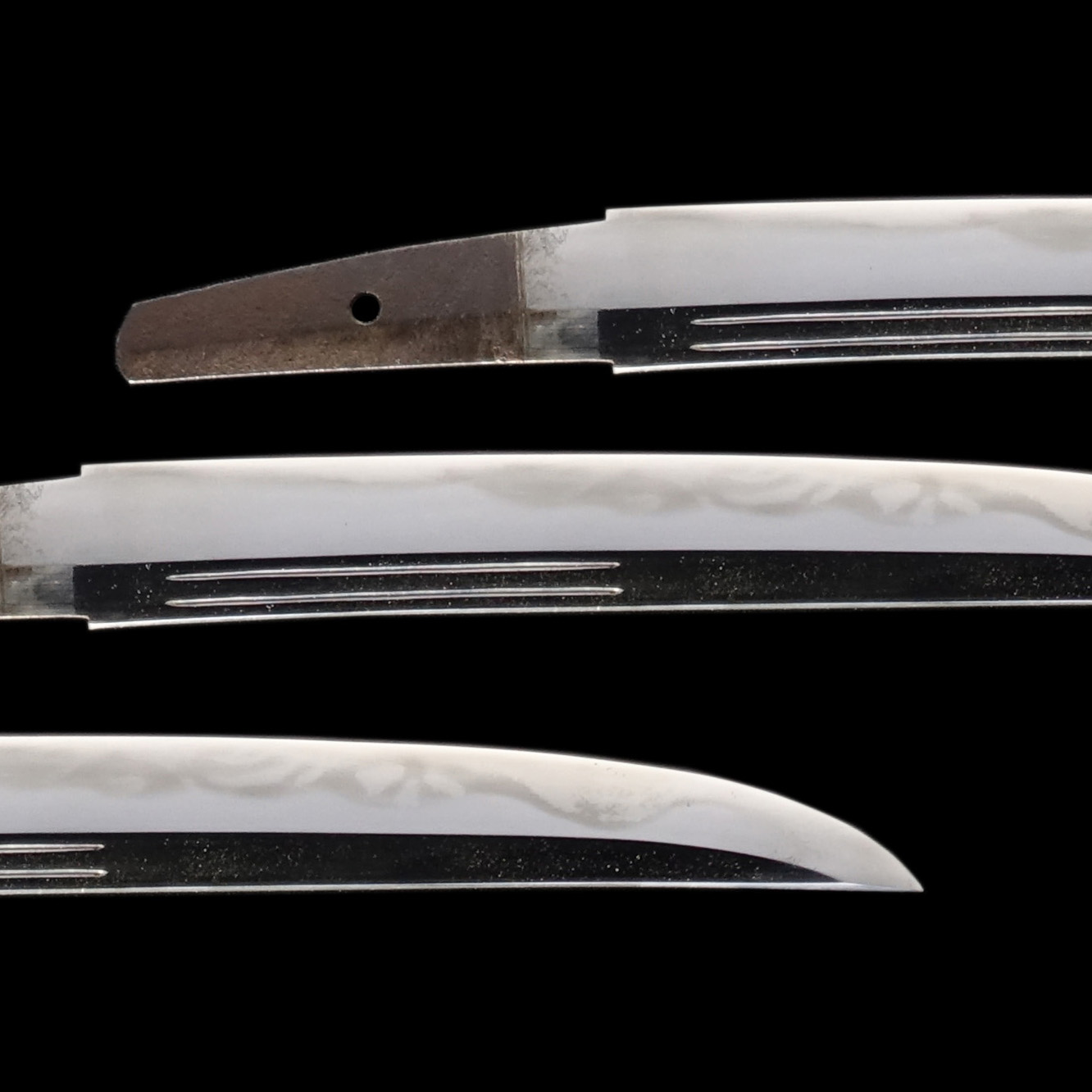
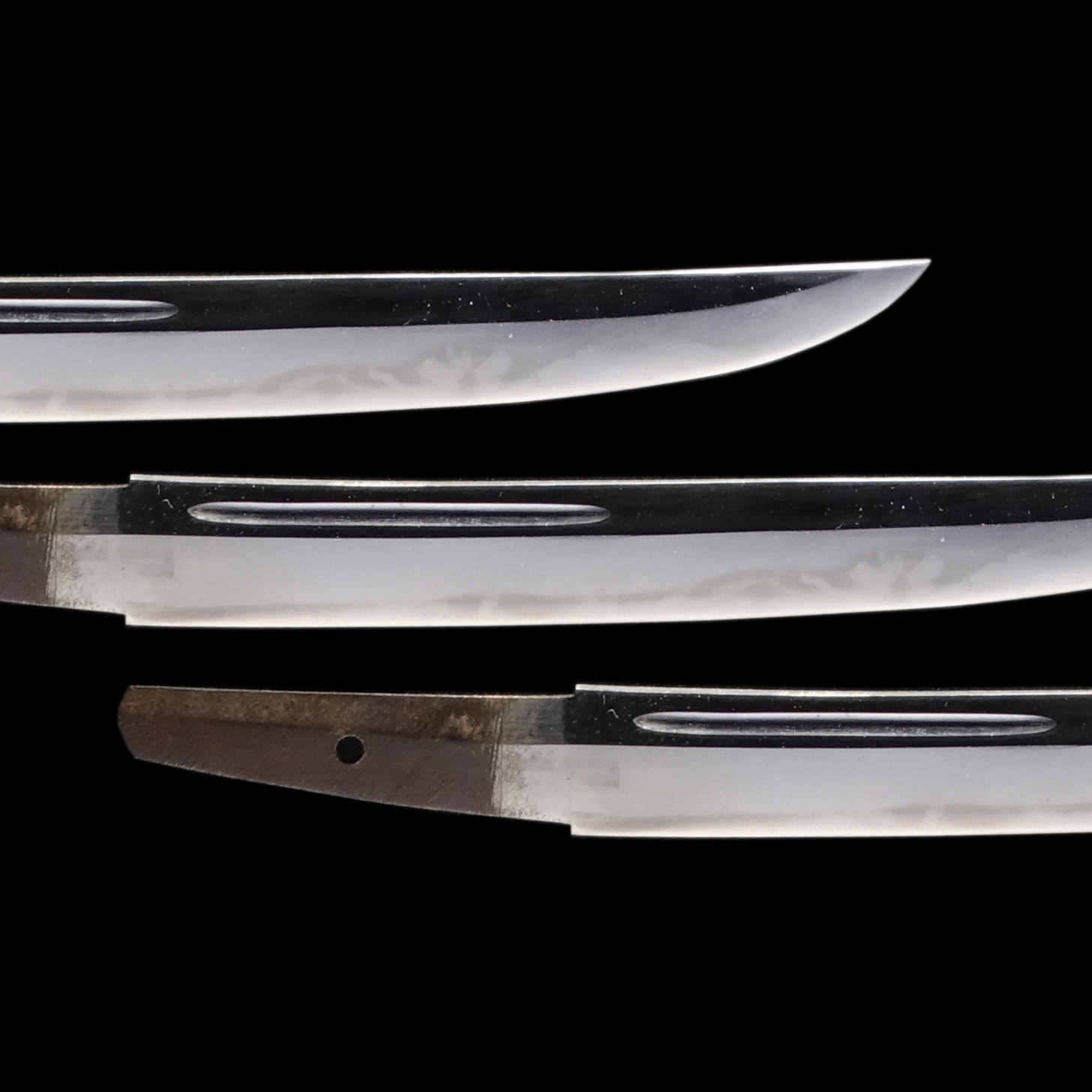
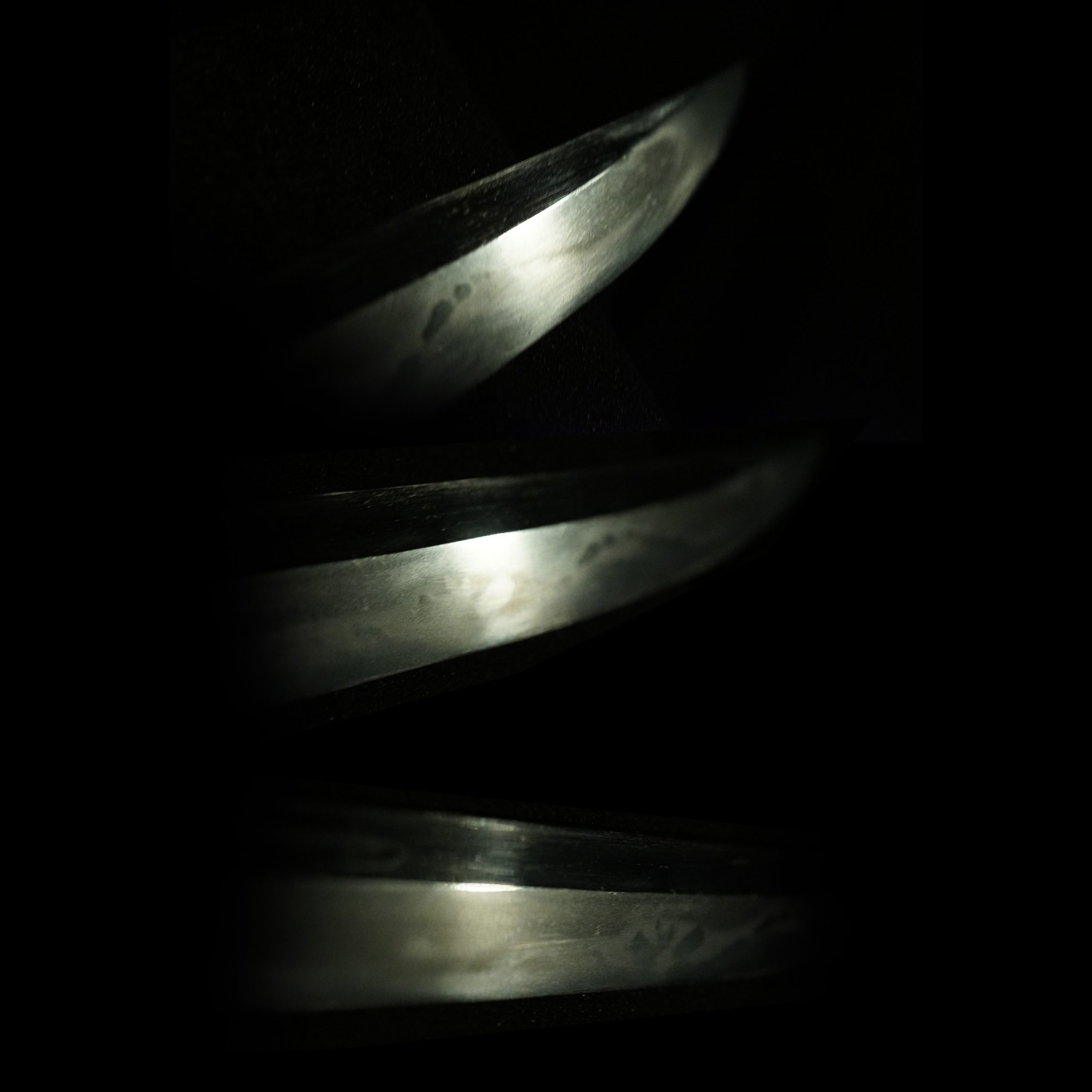
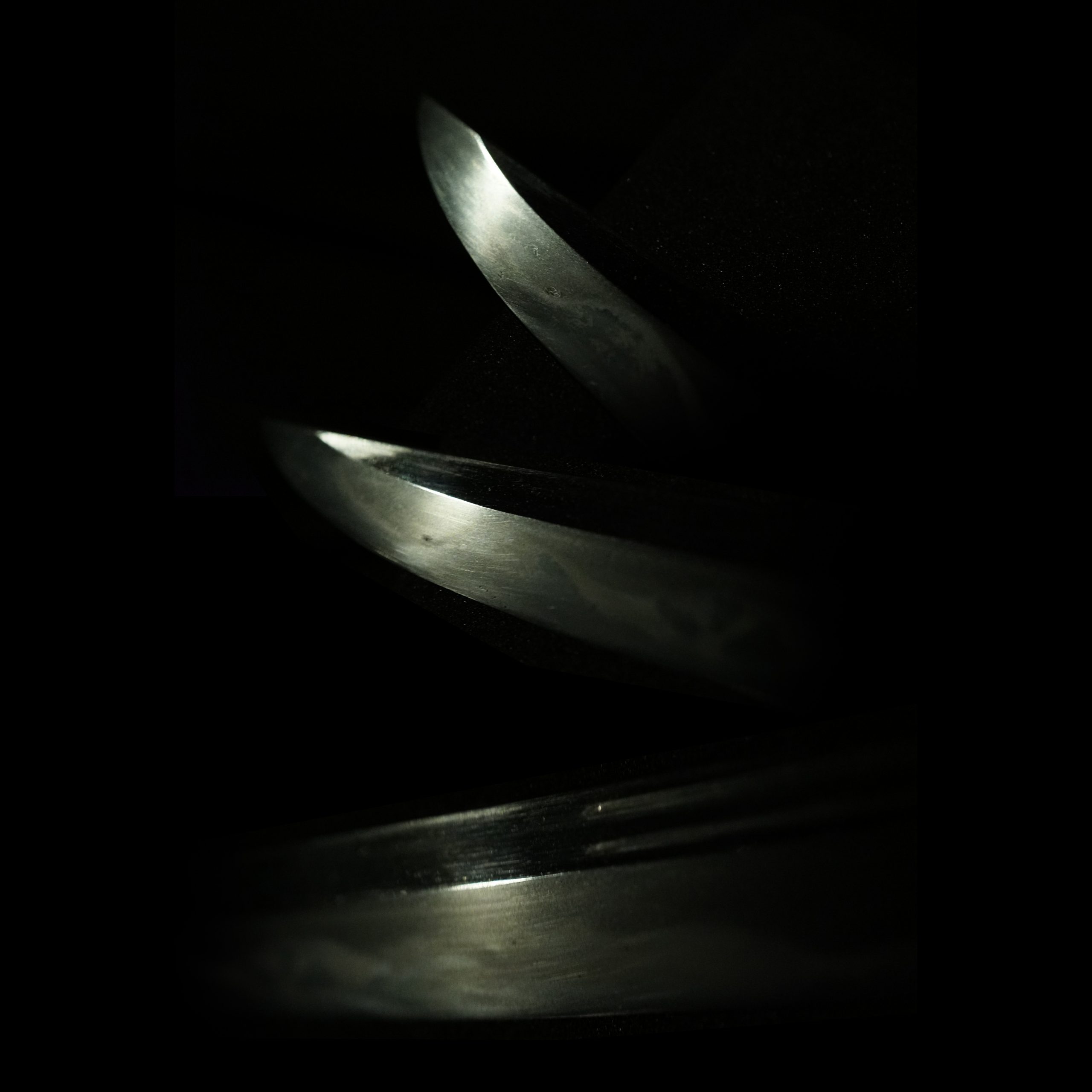
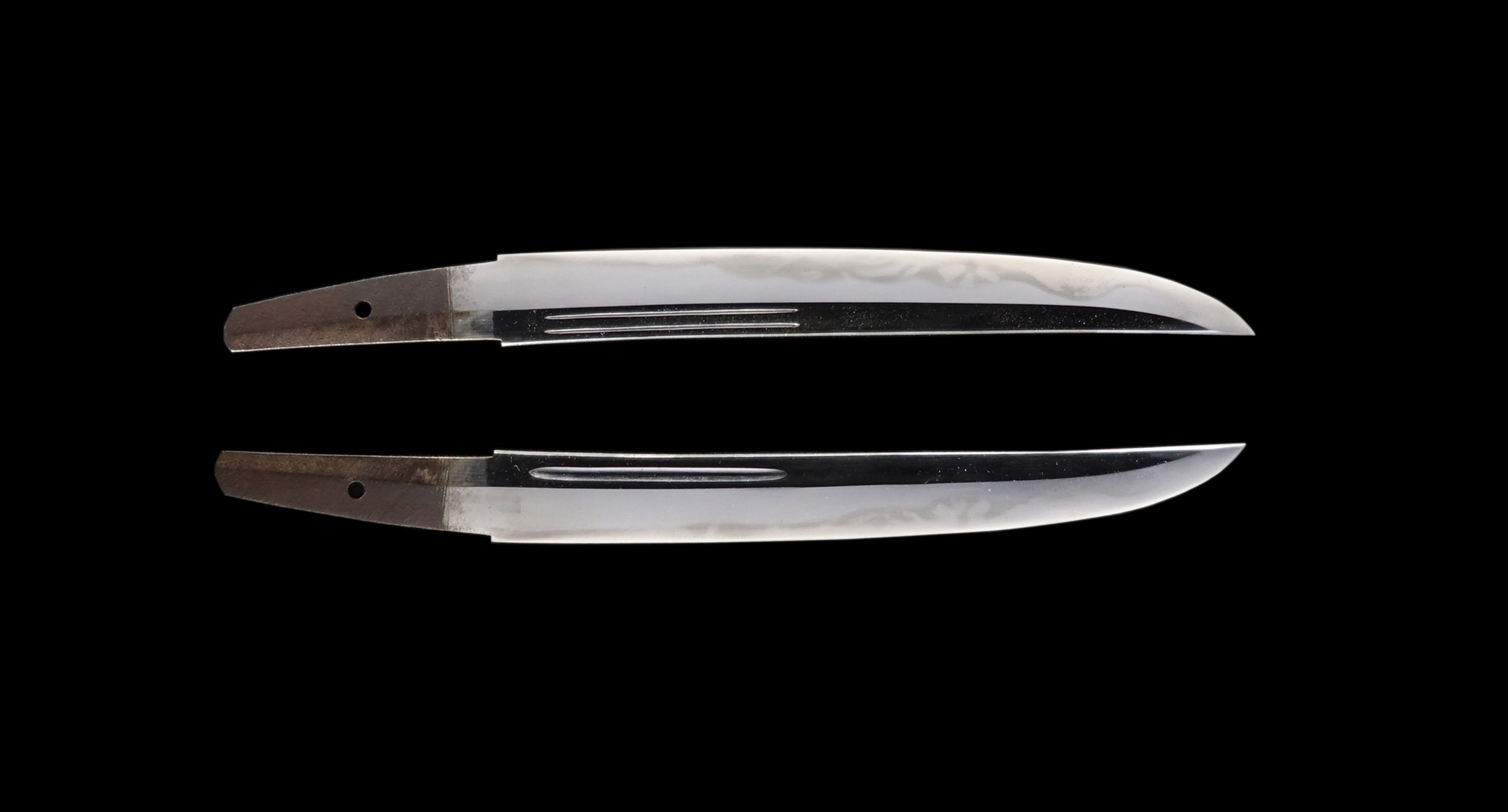
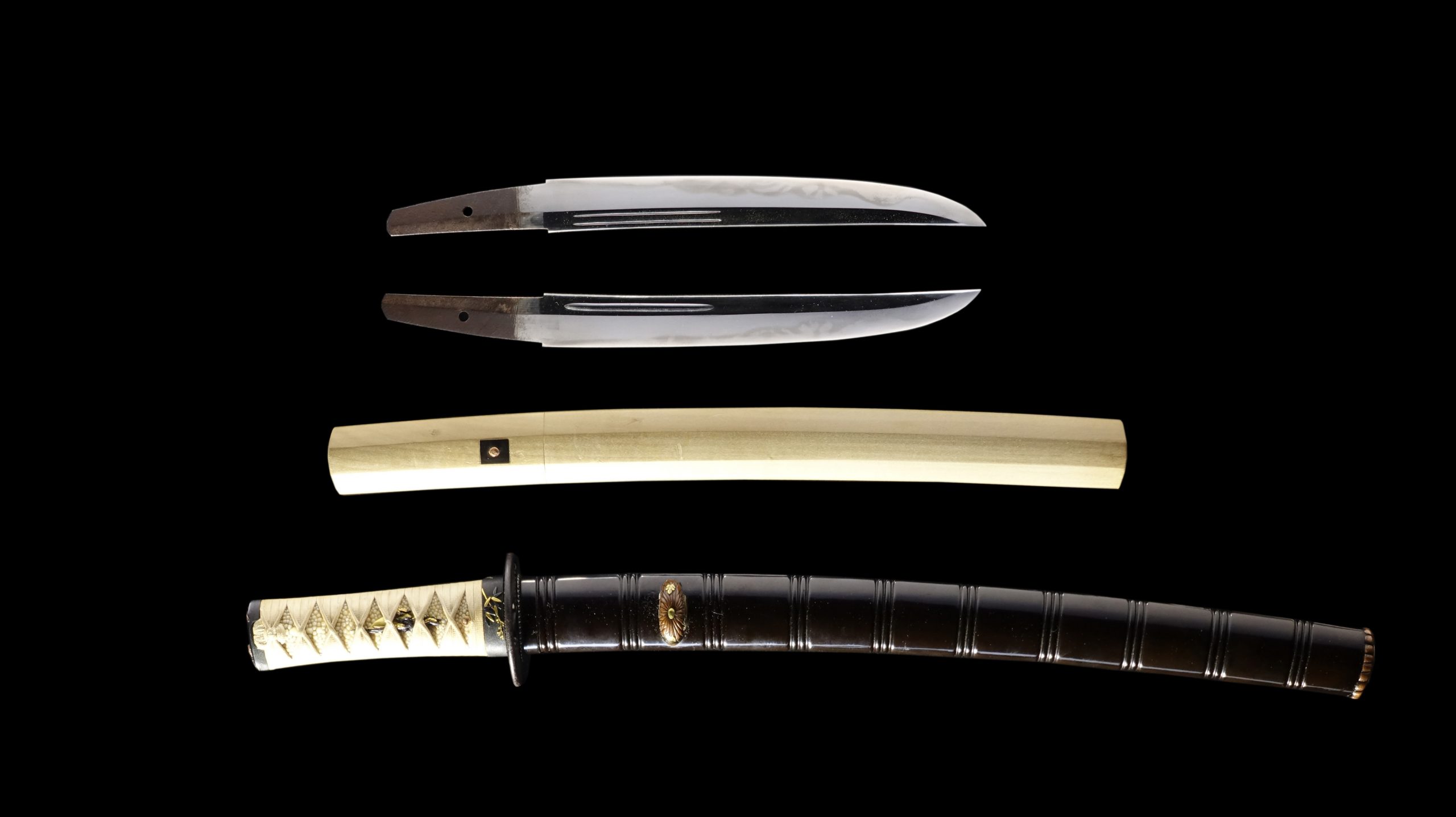
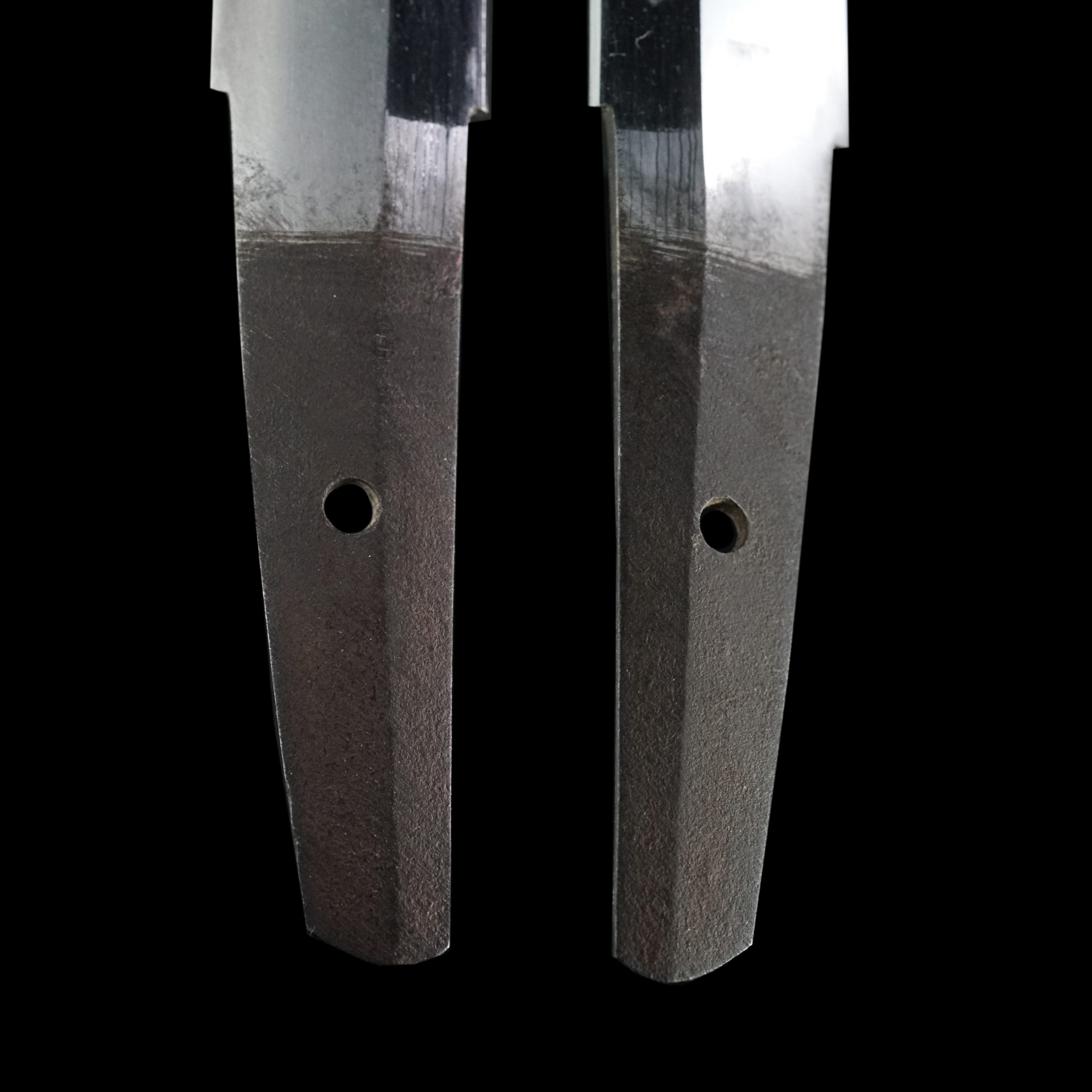
Hamabe Toshinori(浜部寿格) was born in 1746 in Tottori prefecture. He first learned sword forging techniques from Hioki Kanesaki in Tottori prefecture. And he also went to Edo city twice during 1781-1800 to study sword making under different masters. He stayed in Bizen Osafune as well to master Bizen Den from Sukesada. When he became 41 years old, he received the title of Minonokami and changed his maker’s name to Toshinori. Then, he worked for the Tottori clan. He had a lot of apprentices, and his fame and achievement are well-known even today among Japanese sword connoisseurs. This blade has beautiful Hamon pattern, which looks like Mt. Fuji and the petal of chrysanthemum(Fuji ni Kikka Ba). The scabbard was custom made for this Tanto sword. Samurai could pretend he carried wakizashi sword while carrying the short lengthened blade. Hamon The blade pattern created by the tempering process.Fuji Ni Kikka Ba Hamon Jimon Visible surface pattern on the steel. Koitame Koshirae Tsuba and Habaki Circle-shaped iron Tsuba with Kozuka and Kougai holes Takara-Dukushi-Mon is engraved with the openwork. This is a kind of traditional Japanese auspicious pattern, the combination of several treasures. For example, a key is curved at the upper side of the Tsuba. It is the key to the storehouse that lodges essential things. Uchide-no-Koduchi (打ち出の小槌, mallet of good luck) and Kinnou (金嚢, a bag to store gold dust or gold coins) are also designed. All of them are considered as elements of good luck bringers. Fuchi-Kashira Bamboo leaves, Japanese apricot blossoms, bunches of rice, and a sickle are designed on the Fuchi Kashira. In Japan, rice farming has been widespread since ancient times, and rice is the staple food for Japanese people. Therefore, rice has been revered as a treasure in this country. It is said people have introduced to use rice pattern with the wishes for plentiful harvest and wealth. This Fuchi Kashira’s surface is decorated with Nanako-Ji (魚子地). The groundwork was hit by Nanakoji-Tagane (chisel for metalworking), so small dents cover the background. Each little dot looks like a fish egg; therefore, its name “Nanako” is written as children of fish in Kanji (a kind of Japanese character). Tsuka and Menuki Pine needles and twigs of pine are designed for the Menuki. As mentioned above, bamboo leaves and Japanese apricot blossoms decorate the Fuchi Kashira. The combination of these three plants is called Sho-Chiku-Bai in Japanese, one of the most famous auspicious patterns. As these plants grow withstanding cold, this pattern represents the power of perseverance, strong vitality, and prosperity. Saya Kiri-Mon and Kiku-Mon are designed for the Saya. Kiri means paulownia, and Kiku is a chrysanthemum in Japanese. It is believed Houou (Fenghuang, a member of four fantasy beasts) lives at paulownia trees. Therefore, this plant pattern has been treated as a sacred design. A long time ago, the chrysanthemum was used as a medicine for long life in China, and it was brought to Japan with this thought in the Nara period (648-781). It symbolizes fall, and people appreciate this flower very much since ancient times. As its petals form radially, chrysanthemum has been likened to the sun. That’s why this flower pattern is treated as the symbol of perpetual youth and longevity or good health. Authentication Paper NTHK, also known as NPO Nihon Touken Hozon Kai, is the oldest organization for sword authentication of Japanese swords in modern times. It was established in 1889 during the post-Samurai era. They authenticated the blade on Jan 19th in the second year of Reiwa (2020).The purchaser will receive this original certificate as well.
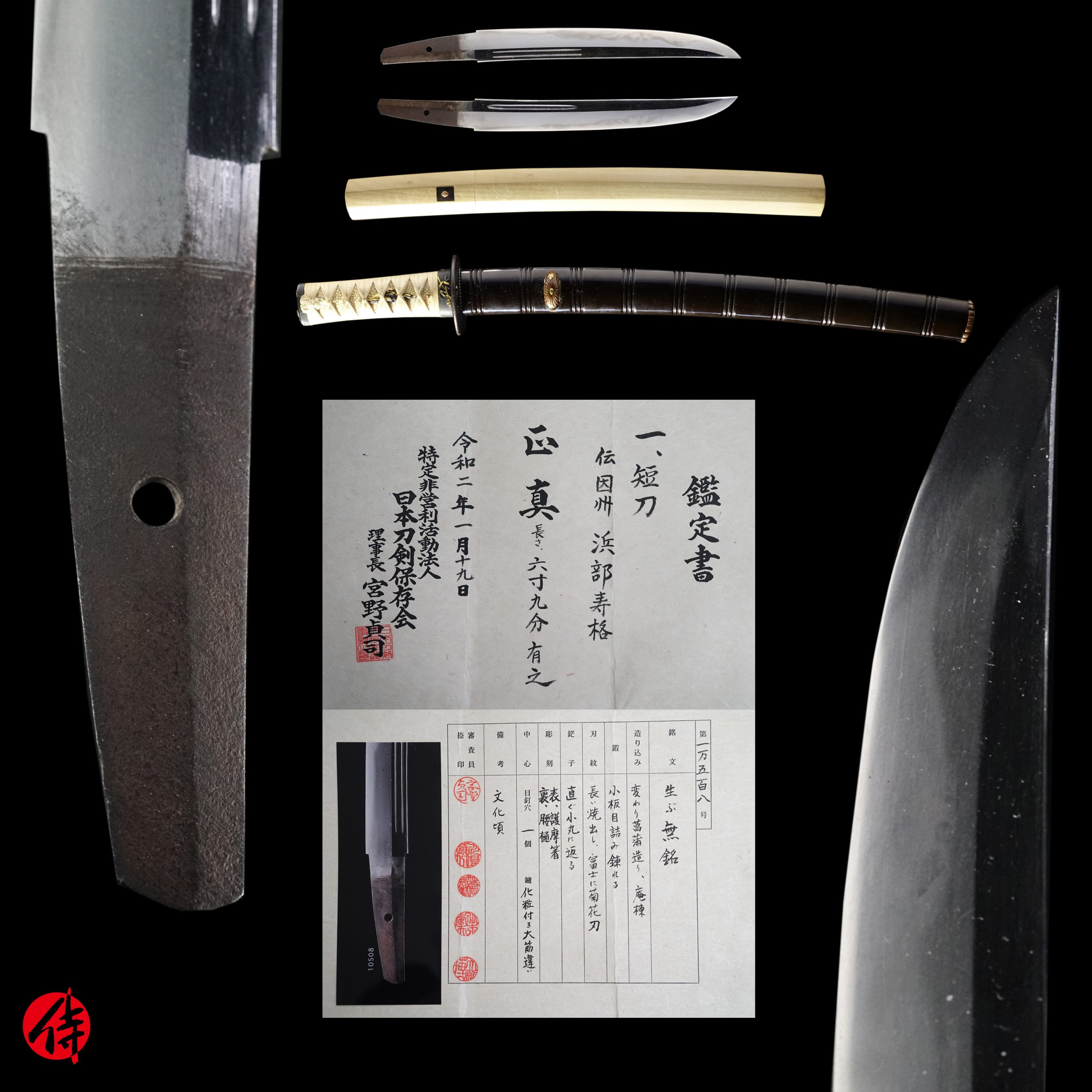
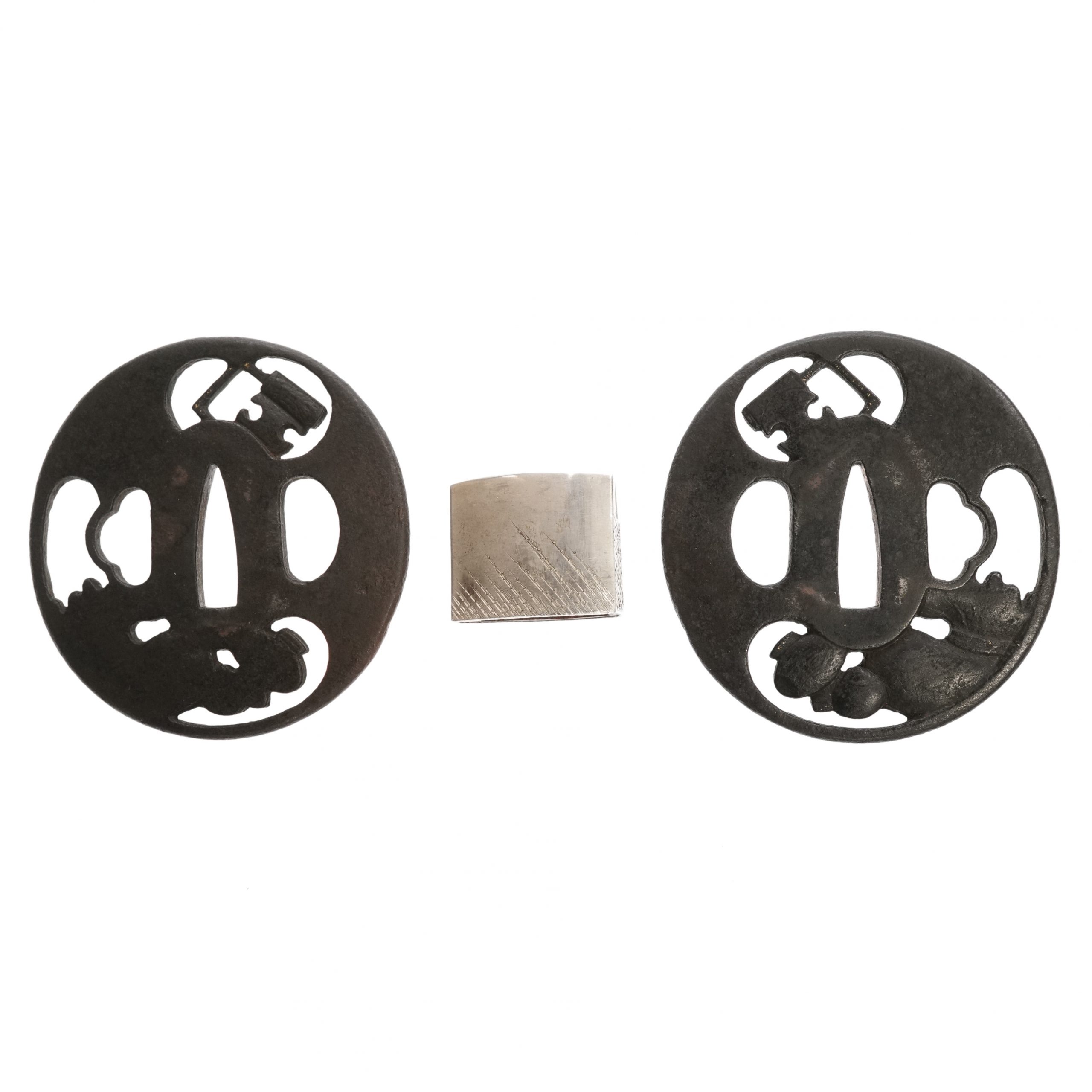
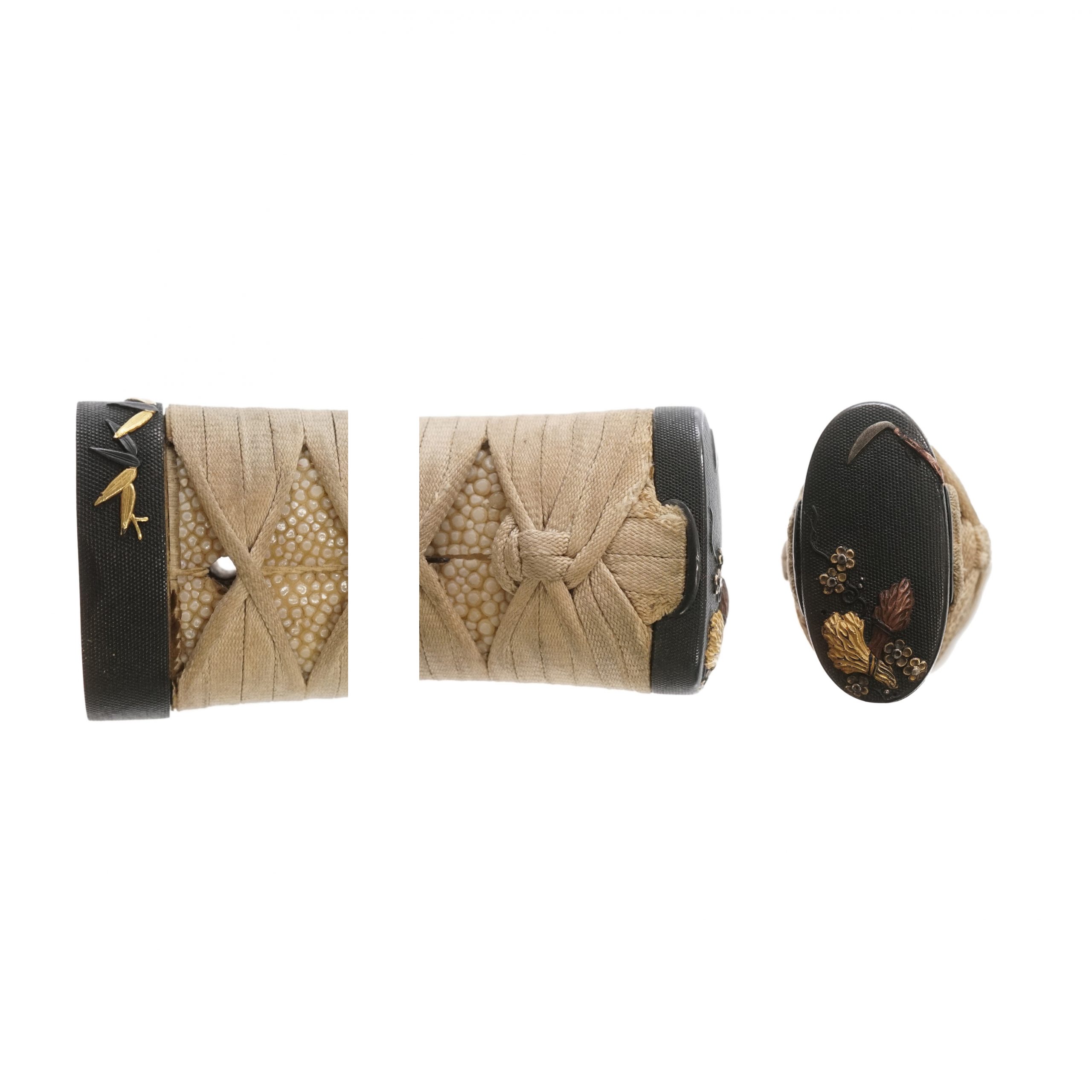
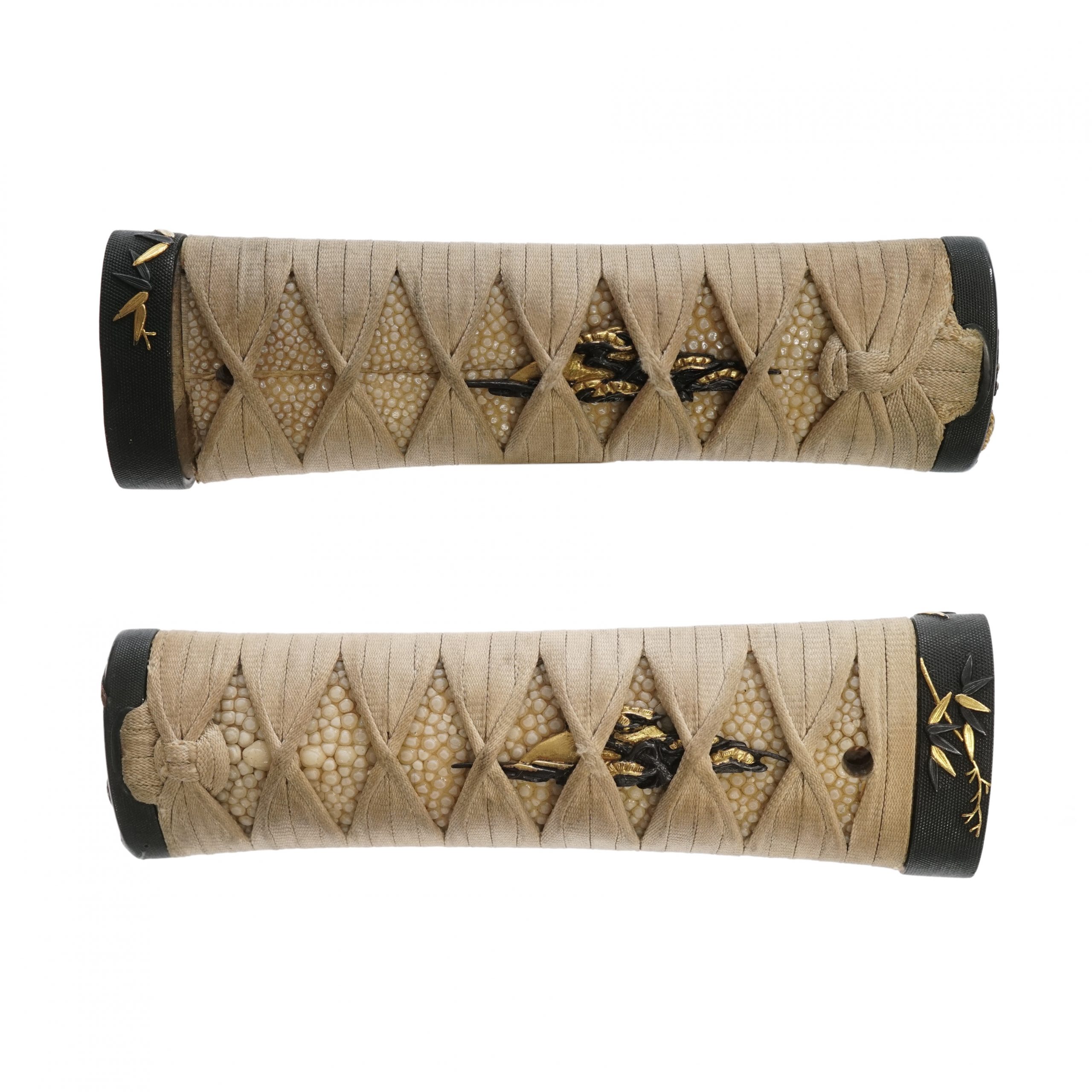
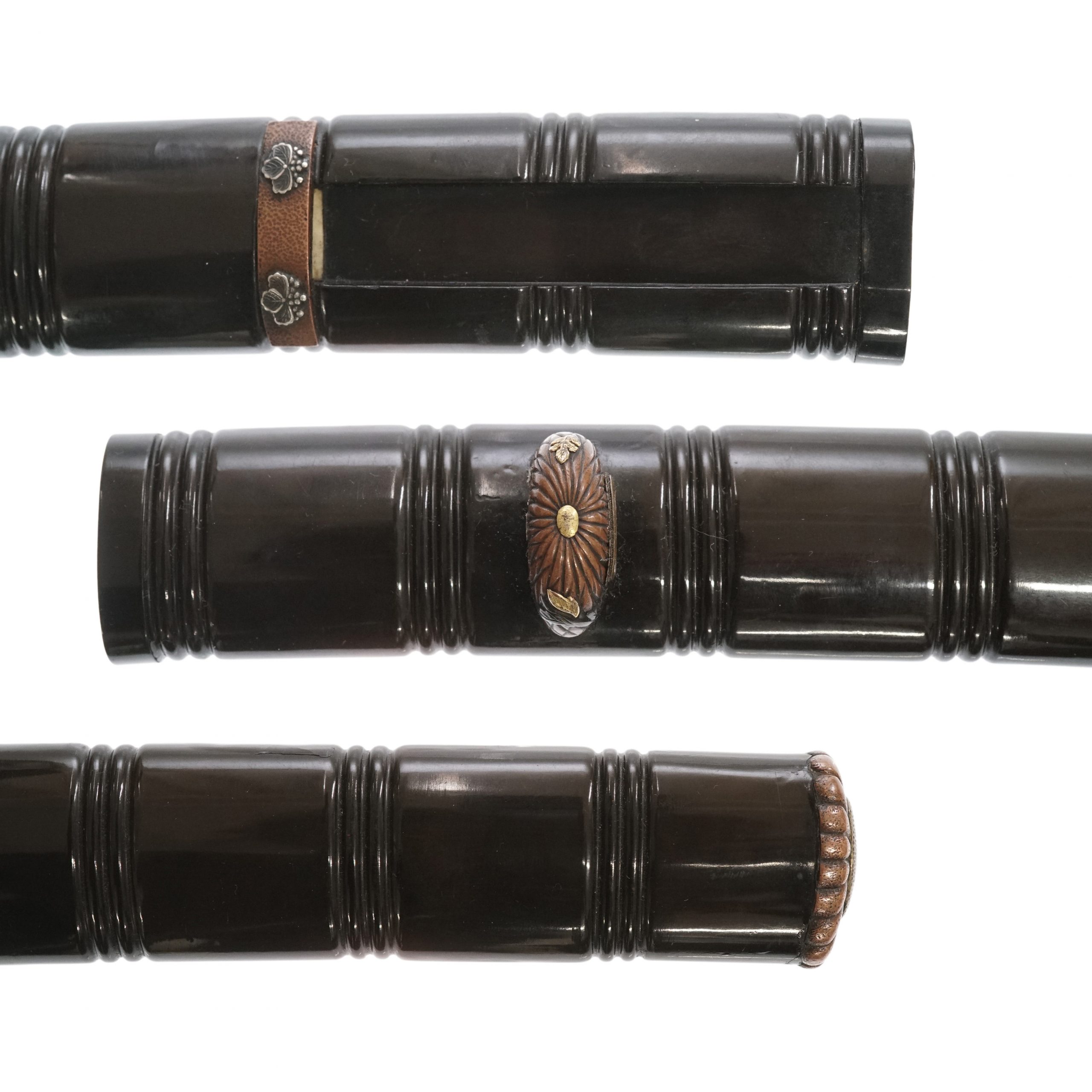
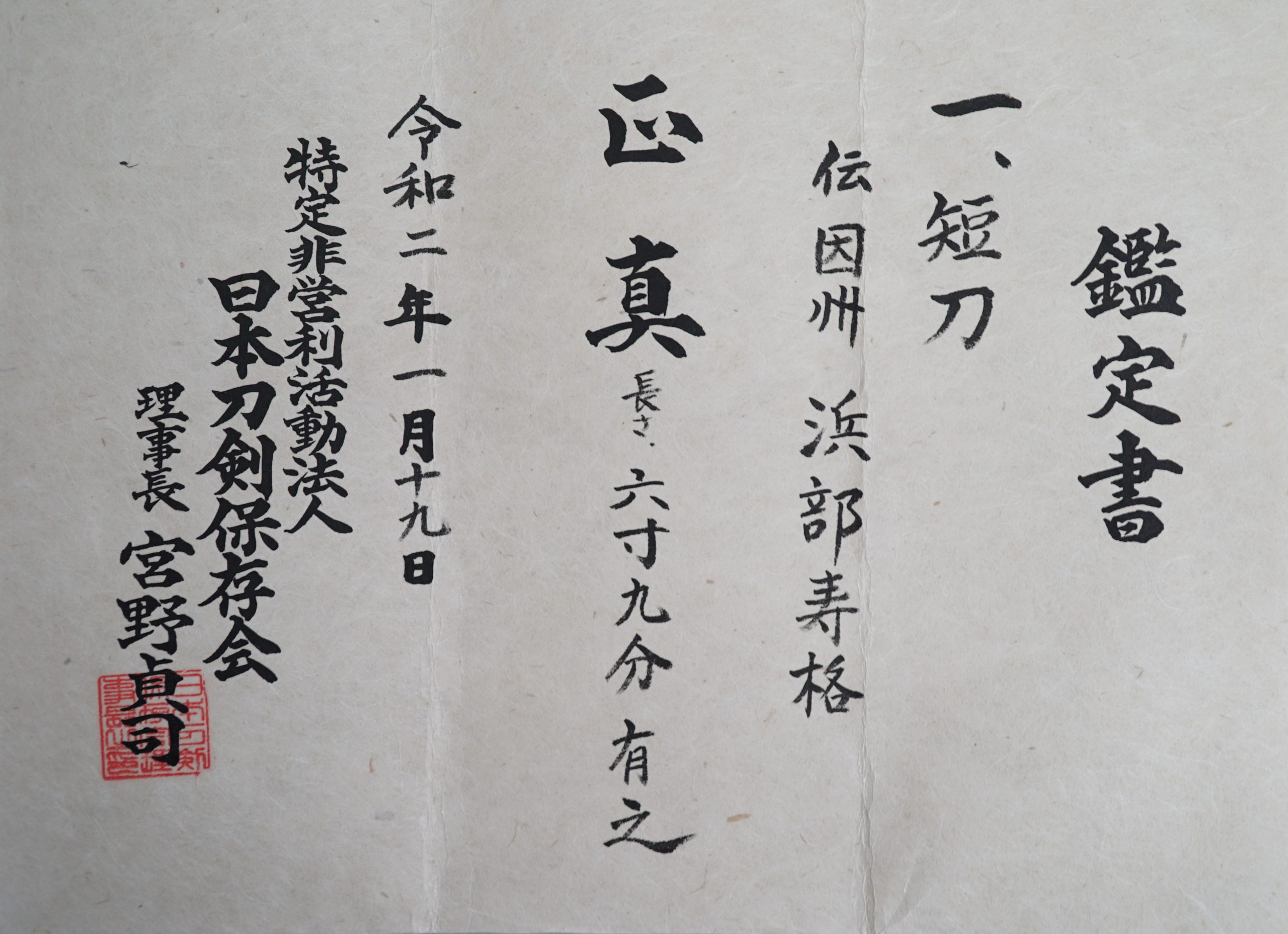
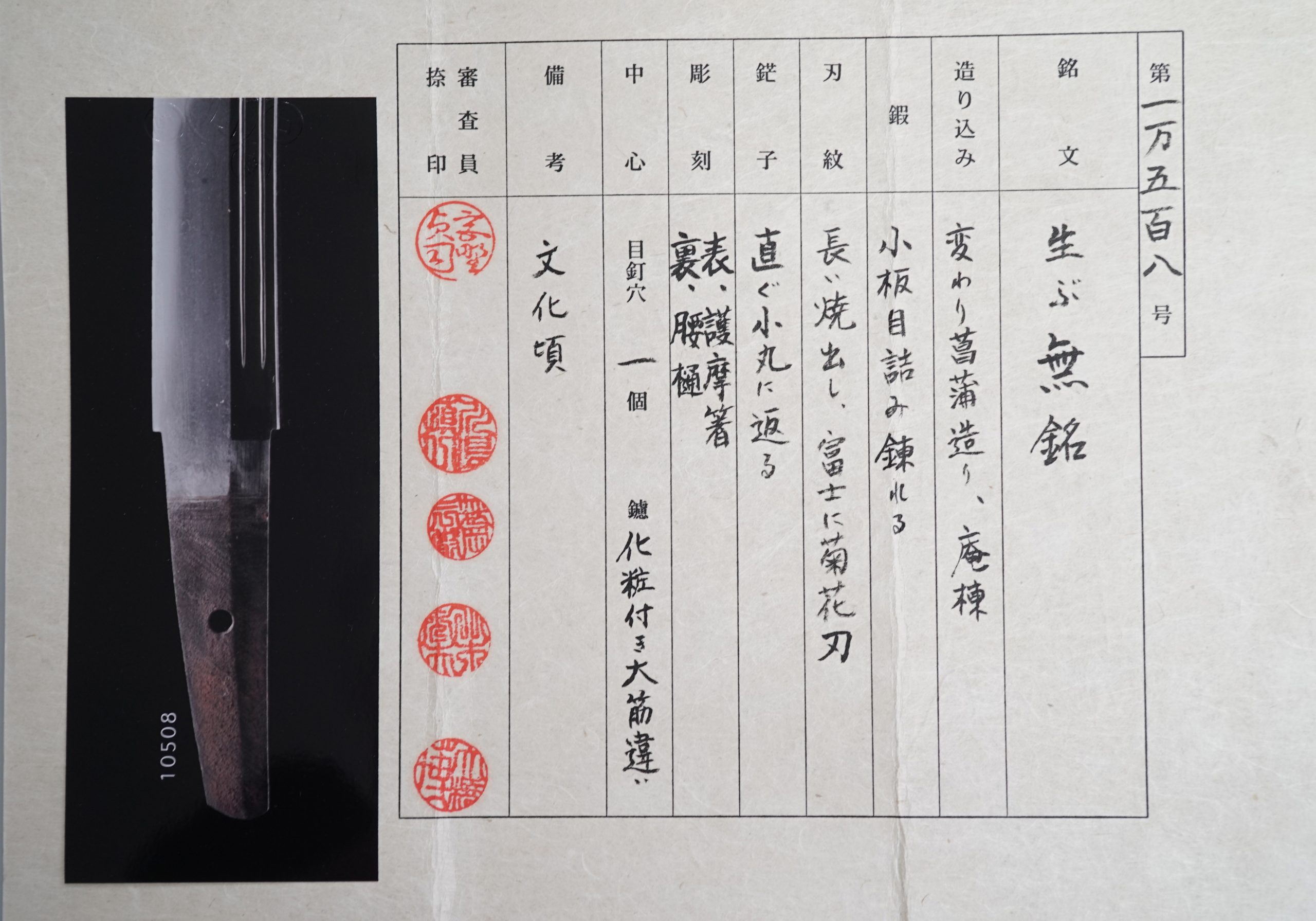
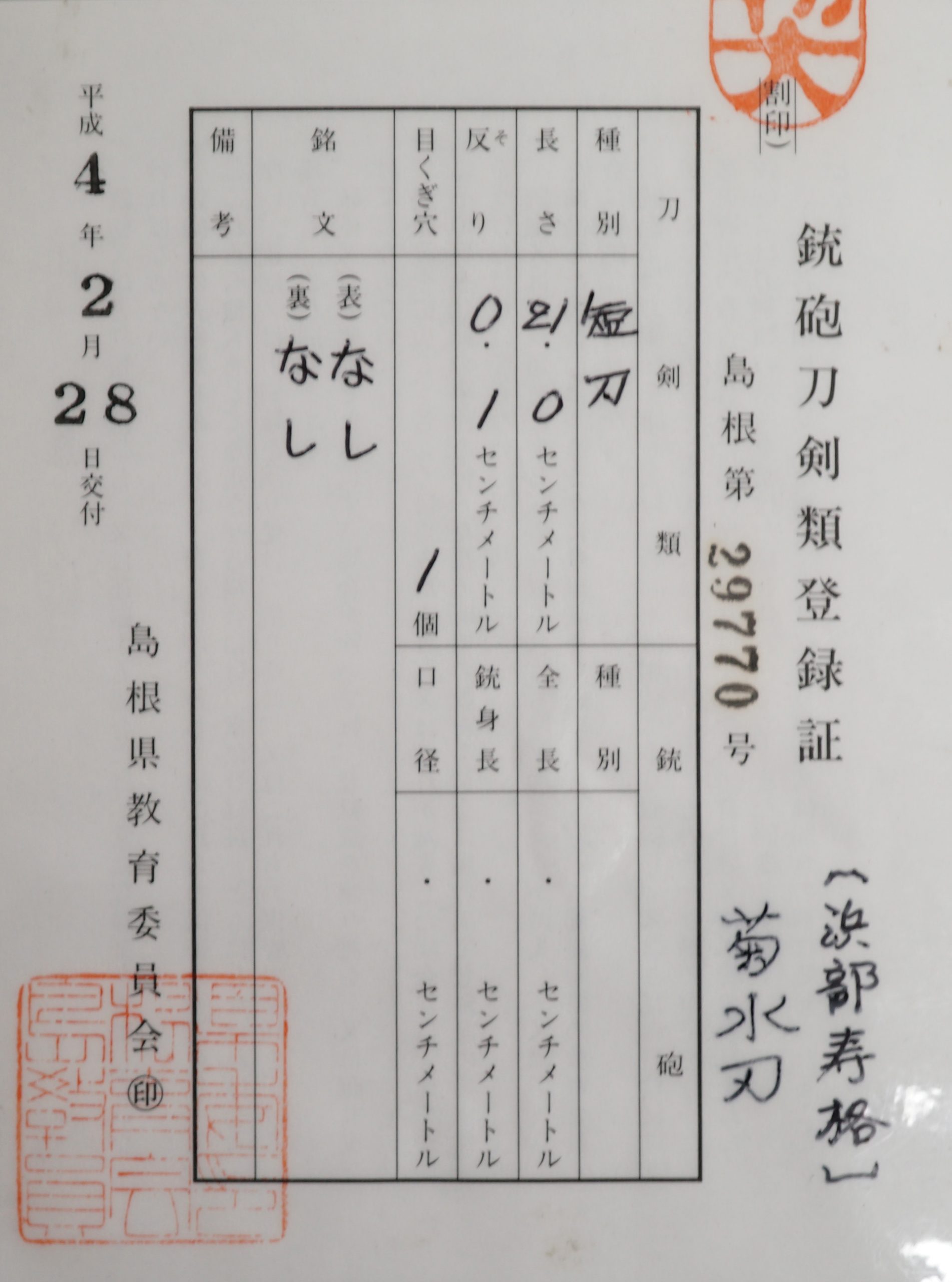
販売店の記載のまま
因幡 · 1781-1789頃
藤代 上作 · 刀剣大鑑 上位31%
江戸時代
二世紀半の泰平のあいだ、刀は武器である以上に武士の身分の標章であった。江戸の実証と大坂の華やぎのように都市ごとの作風が育ち、時代の末には需要も細っていく。
NTHKの中心的な鑑定書で、相応の出来を備えた刀剣に発行されます。在銘作は銘の正真を、無銘作は審査員による刀工・流派の極めを示します。点数を記す詳細な審査表が付されます。
NTHK(日本刀剣保存会)は、NBTHK(1948年設立)に先立つ1910年に創立された、日本で最も古い刀剣鑑定団体です。長く会を率いた会長の没後、NTHKとNTHK-NPOの二つに分かれ、いずれも審査を続けています。刀剣に対するNTHKの鑑定書は、点数と審査員の所見を併記する詳細な審査表が特徴です(刀装具の鑑定書に点数は付されません)。特に無銘作の極めに定評があります。
Returns/exchanges limited to defects caused by shipping (except willful misconduct or gross negligence by the company); customers must contact within 72 hours of receiving the product.