天下統一は大量の市場を閉じ、関の鍛冶は新しい富の在り処へ移った。三品の一門は受領名を得て京に、大道系は諸国の城下町に。美濃は新刀時代の最大の祖先となった。
 NihontoWatchNihontoWatch
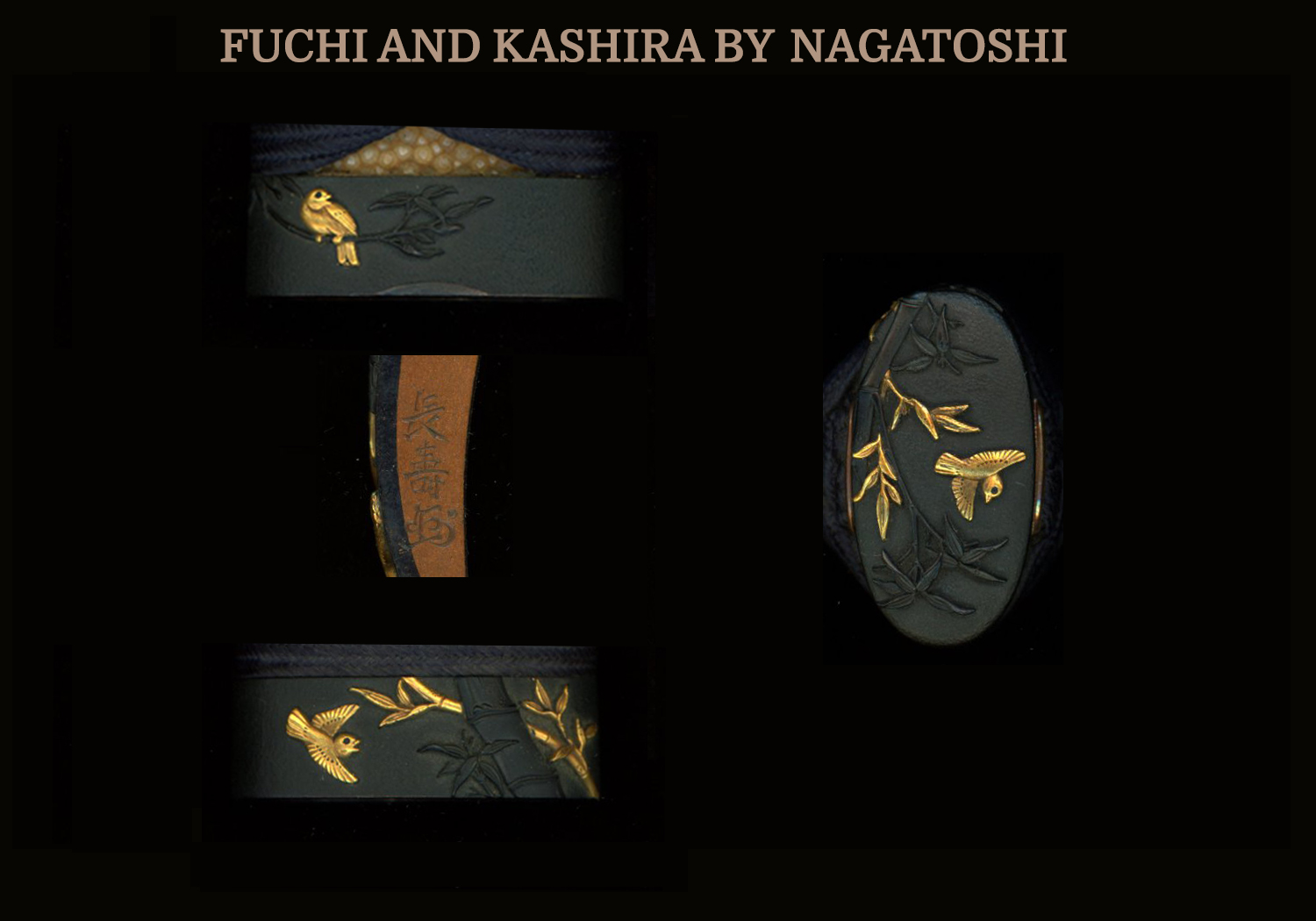
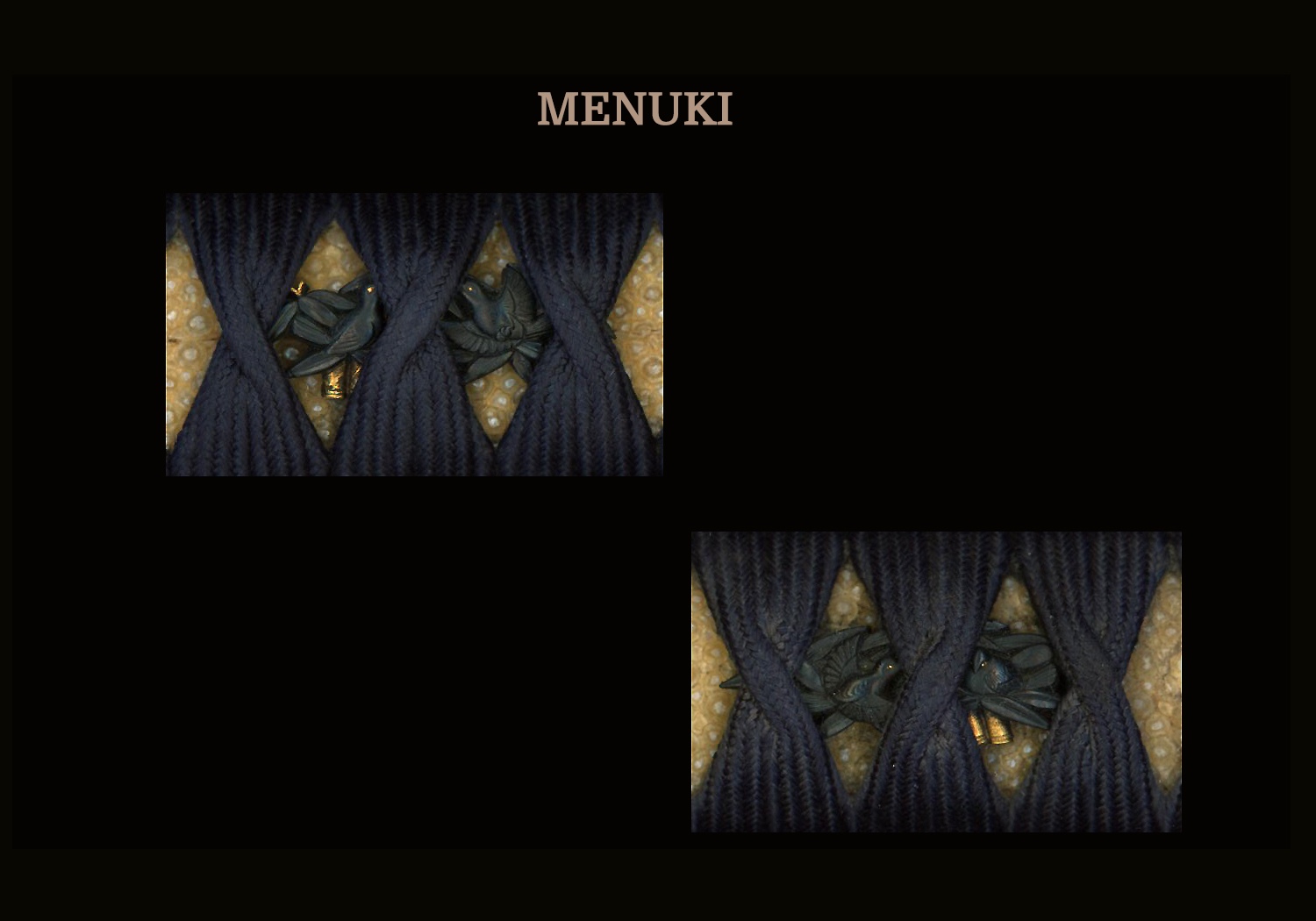
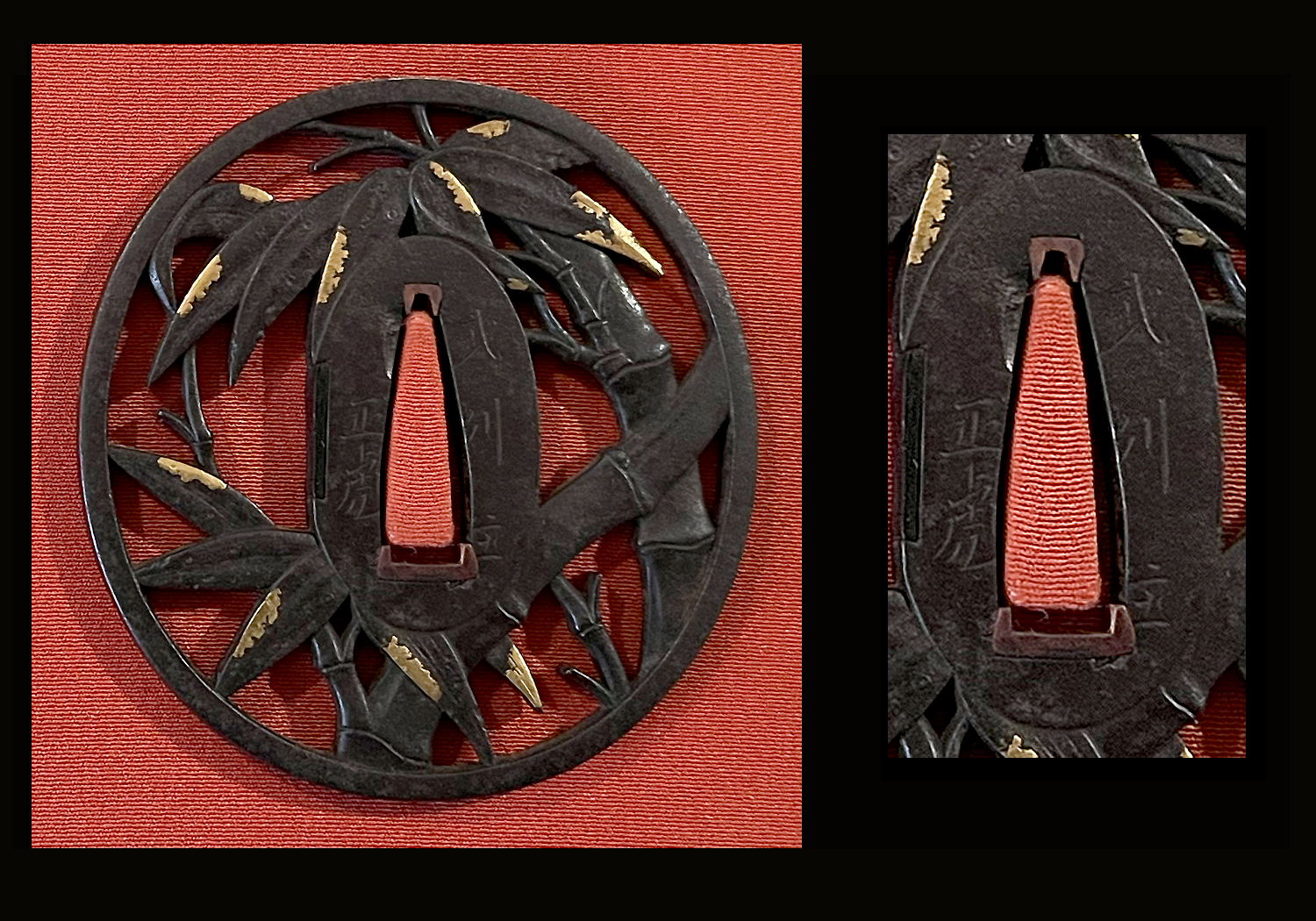
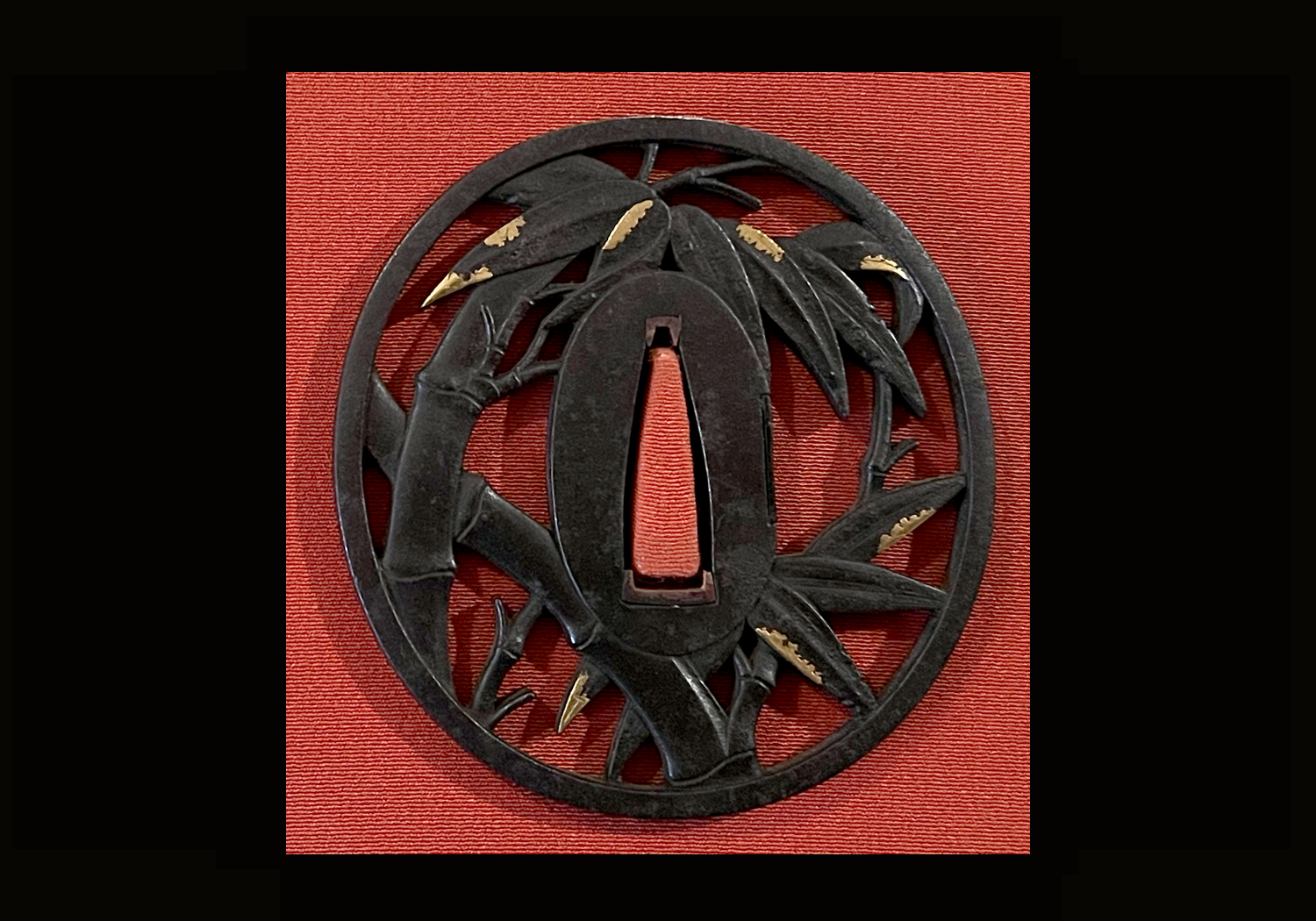
Nihonto.com is pleased to present this very well mounted katana by the Kotô smith, Kanetsune of the Mino school. He worked in the late kotô period around the Tenshô era (1573-1592). Several sub-schools existed in the Mino area and Kanetsune belonged to the Nara-Tarô School. The Nara-Tarô School of Kanetsune (兼常) dates to circa Ôei (1394-1428); however, they are said to have originated from the Tegai School of Nara and taken their name from the first generation. The majority of extant works seen date from circa Eishô to Tenshô (1504-1592). Their style of workmanship consists of shinogi-zukuri katana and wakizashi, hira-zukuri wakizashi and tantô and rarely unokubi-zukuri wakizashi. The jigane (grain of the metal) is ko-itame mixed with masame. The hamon (temper style) are typically a nioi based suguha; however, ô-notare, gunome-midare and very rarely hitatsura-ba are also seen. The yasuri (file marks) on the nakago for katana is typically takanoha and for tantô it is typically higaki. Nakago-jiri (end of the tang) are kurijiri (rounded). A detailed description of this sword and its koshirae is as follows: Signature: Kanetsune saku [兼常作] (attributed to eighth generation Sukeuemon [助右衛門] of the Nara Tarô School [奈良太郎系]). Length: 2 Shaku, 2 Sun, 9 Bu. This equals 27 5/16 inches or 69.4 cm. Sori: 4 Bu This equals 0.44 inches or 1.13 cm. Moto-Haba: This is the width at the base of the sword. 1.22 inches or 3.1 cm. Saki-Haba: This is the width at the point of the sword. 0.89 inches or 2.3 cm. Province: Mino [美濃] Period: c. Tenshô [天正] (1573-1592) Description: The construction is hon-zukuri with an iori-mune. The blade is wide and thick. The shinogi (ridgeline) is high, and the ko-shinogi is long. The shape is stout with shallow curvature. Kitae: The kitae is ko-mokume (small wood burl) mixed with masame (straight grain) that is very well worked, and the hada pattern is prominent and covered in ji-nie. There is a mixing in of tobiyaki from around the middle of the blade and mune-yaki. These give it an almost hitatsura (full temper) like feeling. Hamon: The hamon (temper line) is a large patterned togari-gunome-midare with a mixing in of kake-dashi style sanbonsugi. The habuchi (top edge of the temper line where it meets the untempered part of the sword) is covered in nie with a mixing in of ara-nie, and there are streaks of sunagashi, brushing and kinsuji activity. The nioiguchi is tight, bright and vivid. Bôshi: The bôshi (point of the sword) is midare-komi and kaen in style with powerful brushing. Nakago: The nakago (tang) is ubu (unshortened), and the yasuri (file marks) are higaki. The signature is as noted above, and there is one mekugi-ana. This blade comes with a beautiful koshirae (mountings). The saya is a striking hanakairagi-samezaya (plum blossom shaped ray skin scabbard). The tsuka is blue silk ito wrapped over a white same handle. The tsuba is signed: Bushû jû Masatora [武州住正虎] (attributed to a member of either the Nishikawa [西川] or Sunagawa [砂川] families and with a connection to the Akasaka School; middle Edo period) maru-gata (round shape), iron, sukashi (with cut-outs) with gold numome-zôgan in the design of bamboo. Fuchi-kashira are signed: Nagatoshi kaô [長寿(花押)]. Naotoshi worked in the late Edo period in Edo (present day Tokyo) and was a member of the Ido School. These kodogu (fittings) are exquisite with a shakudô ishime ground with high relief carvings and gold iroe of sparrows and bamboo. Menuki are unsigned and from the middle Edo period. They are made of shakudô ground katachi-bori with gold iroe in the shape of sparrows and bamboo. This katana is in excellent polish with no problems or flaws. It comes with three sets of certification papers. The blade has both a Tokubetsu Hozon certification from the NBTHK and also a kanteisho certification from the NTHK. The set of fuchi and kashira also comes with a Tokubetsu Hozon kodôgu certification from the NBTHK. This is a wonderful sword with great koshirae that would be welcomed in any collection. We highly recommend this blade.
NihontoWatch
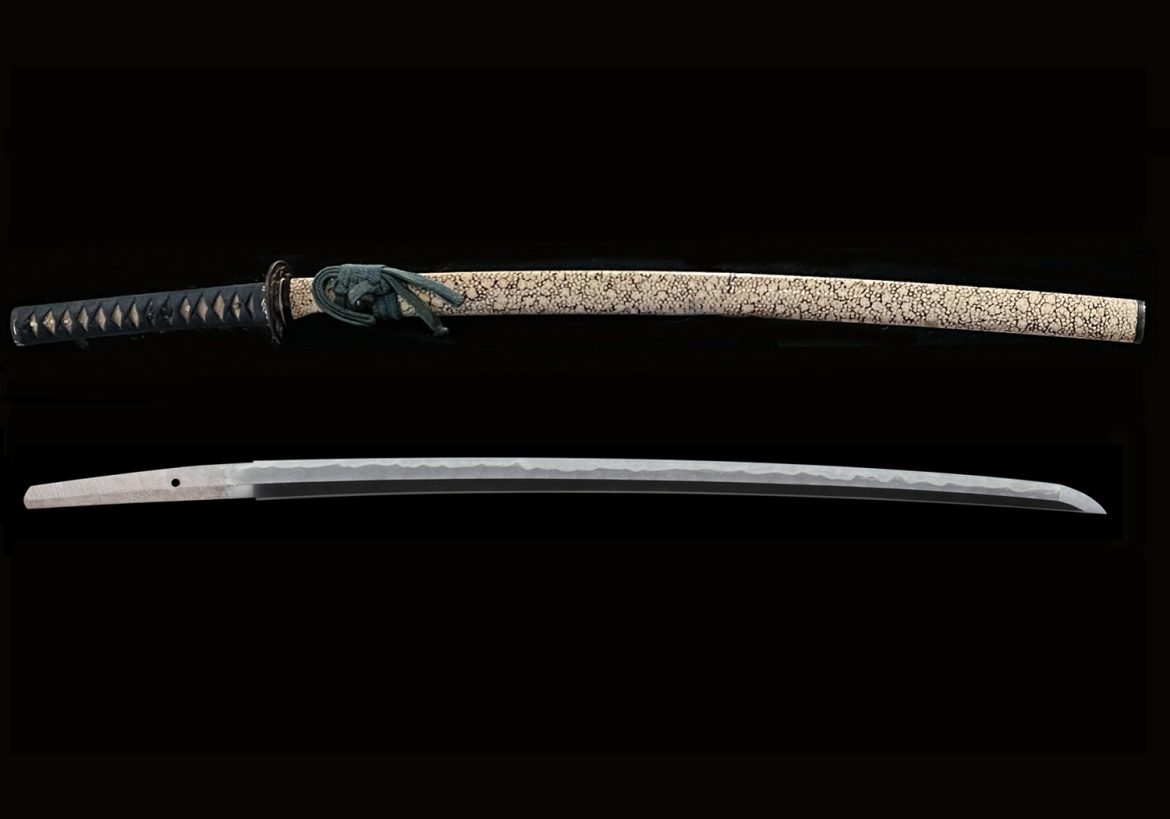
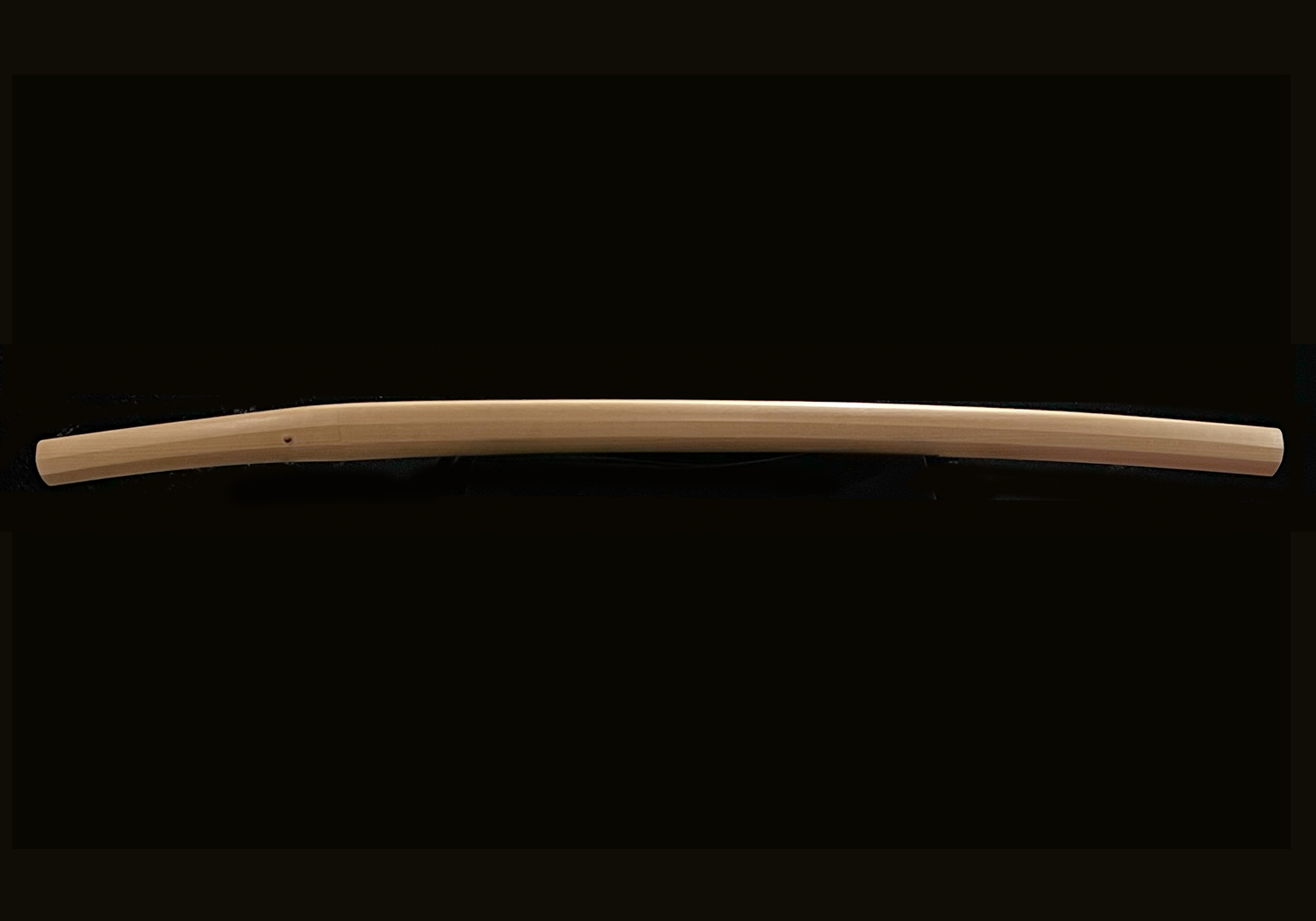
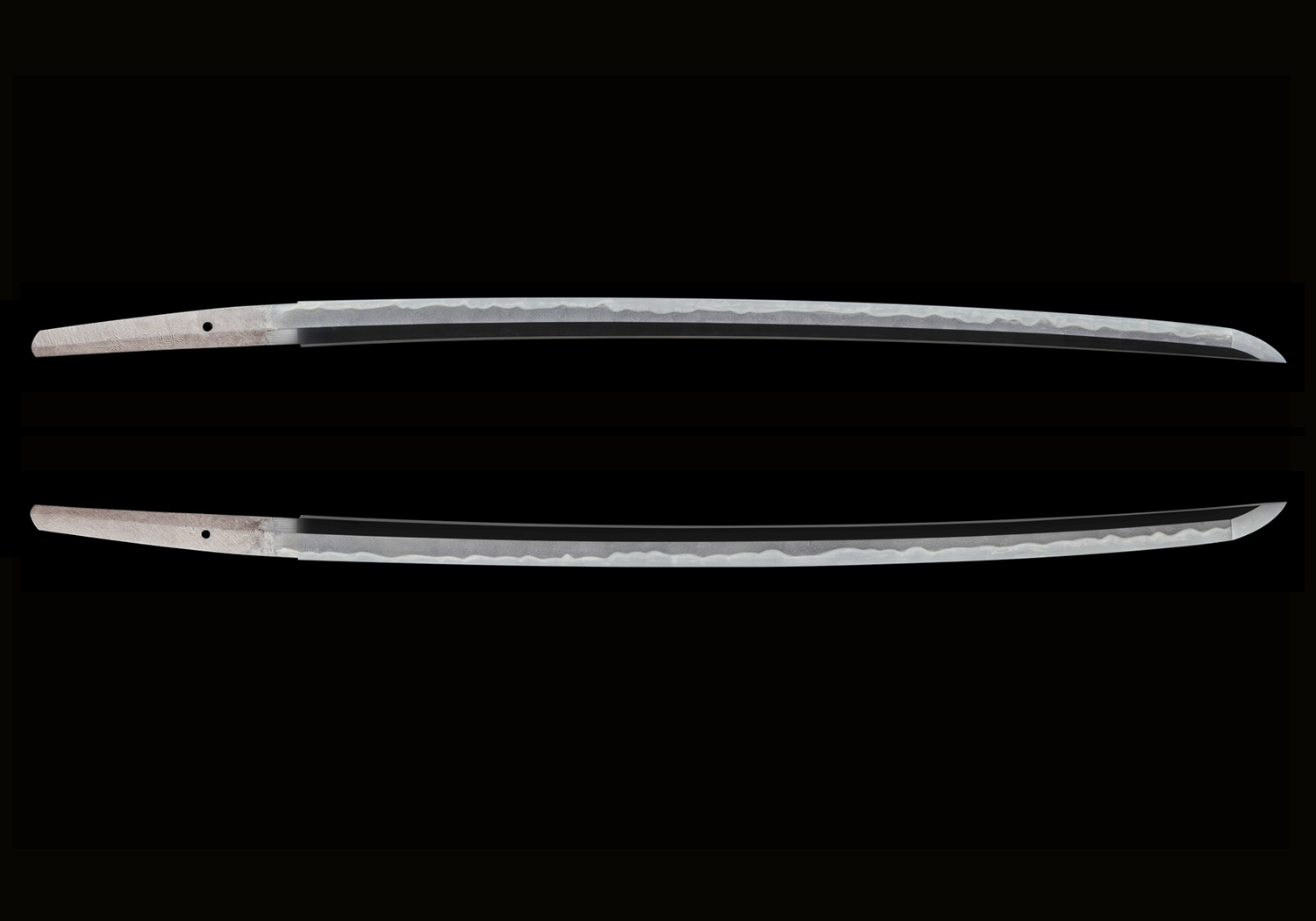
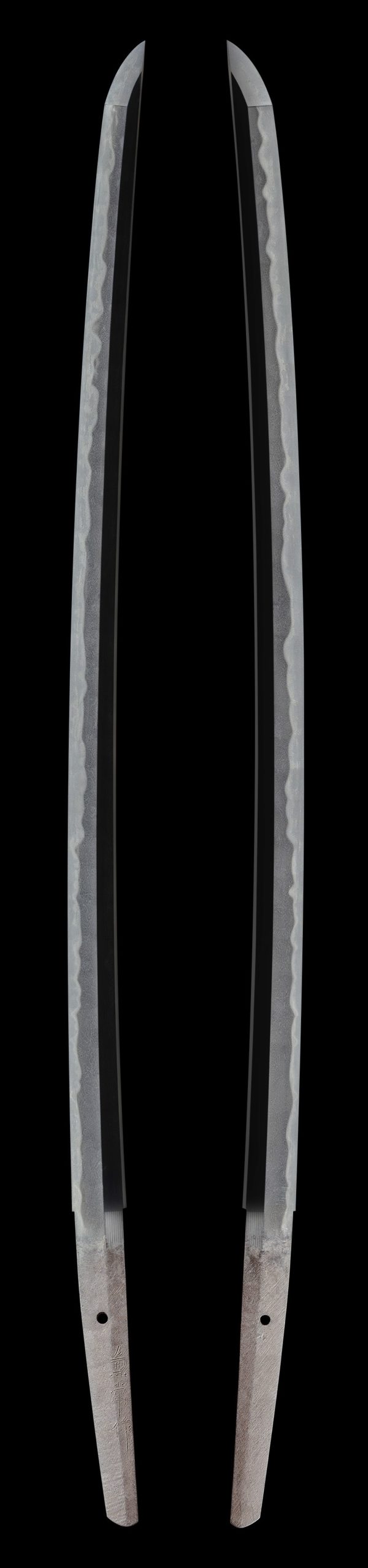
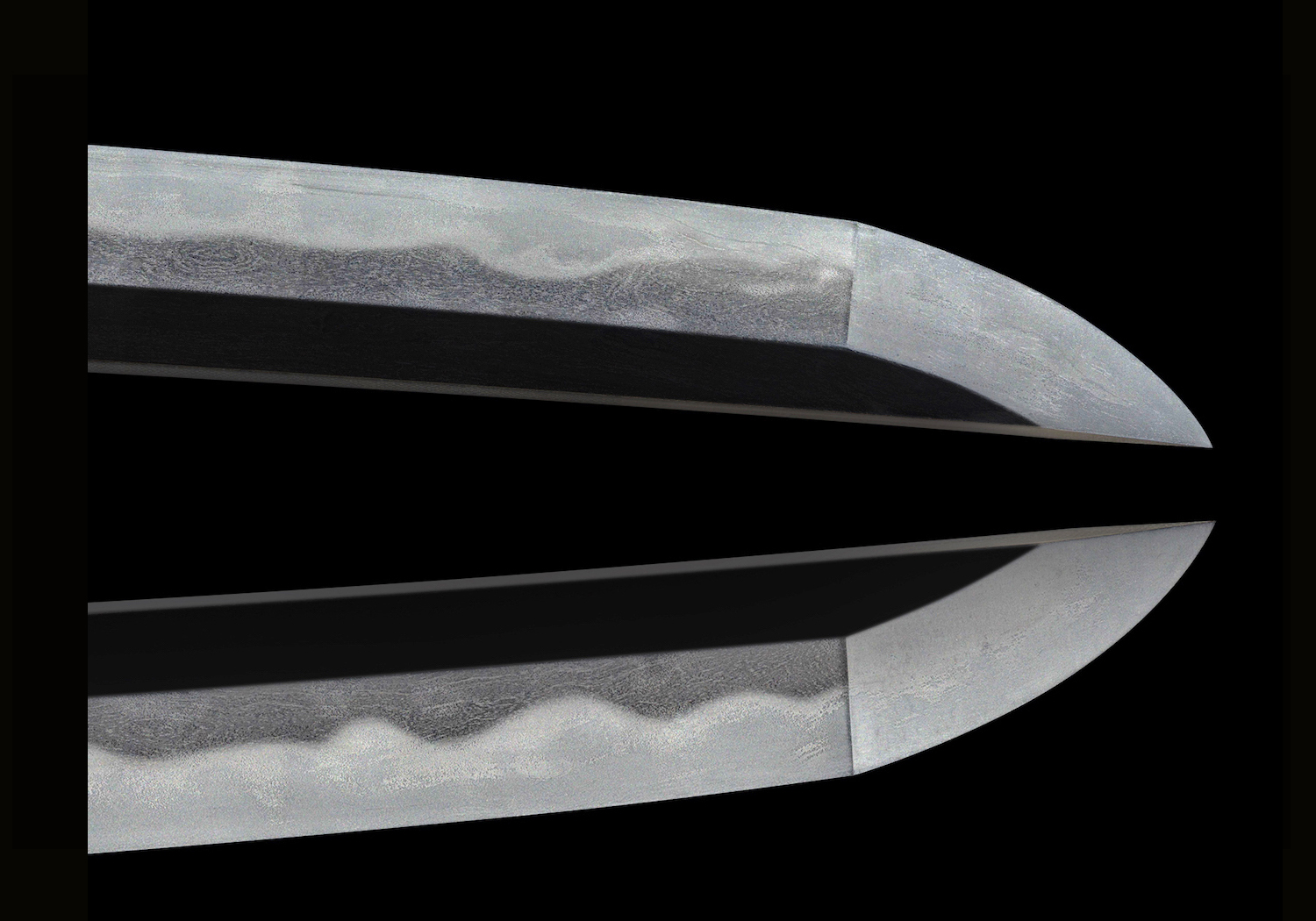
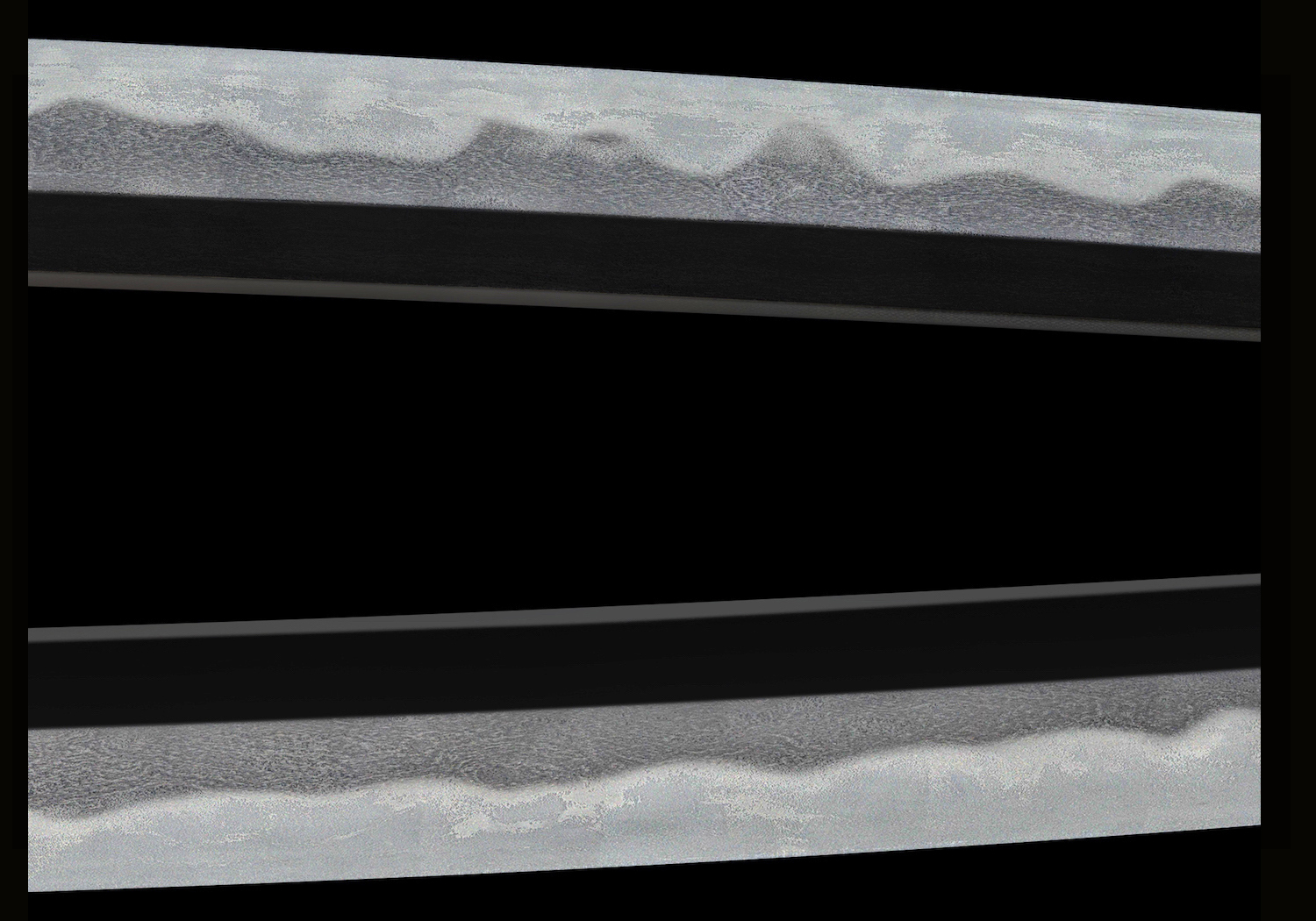
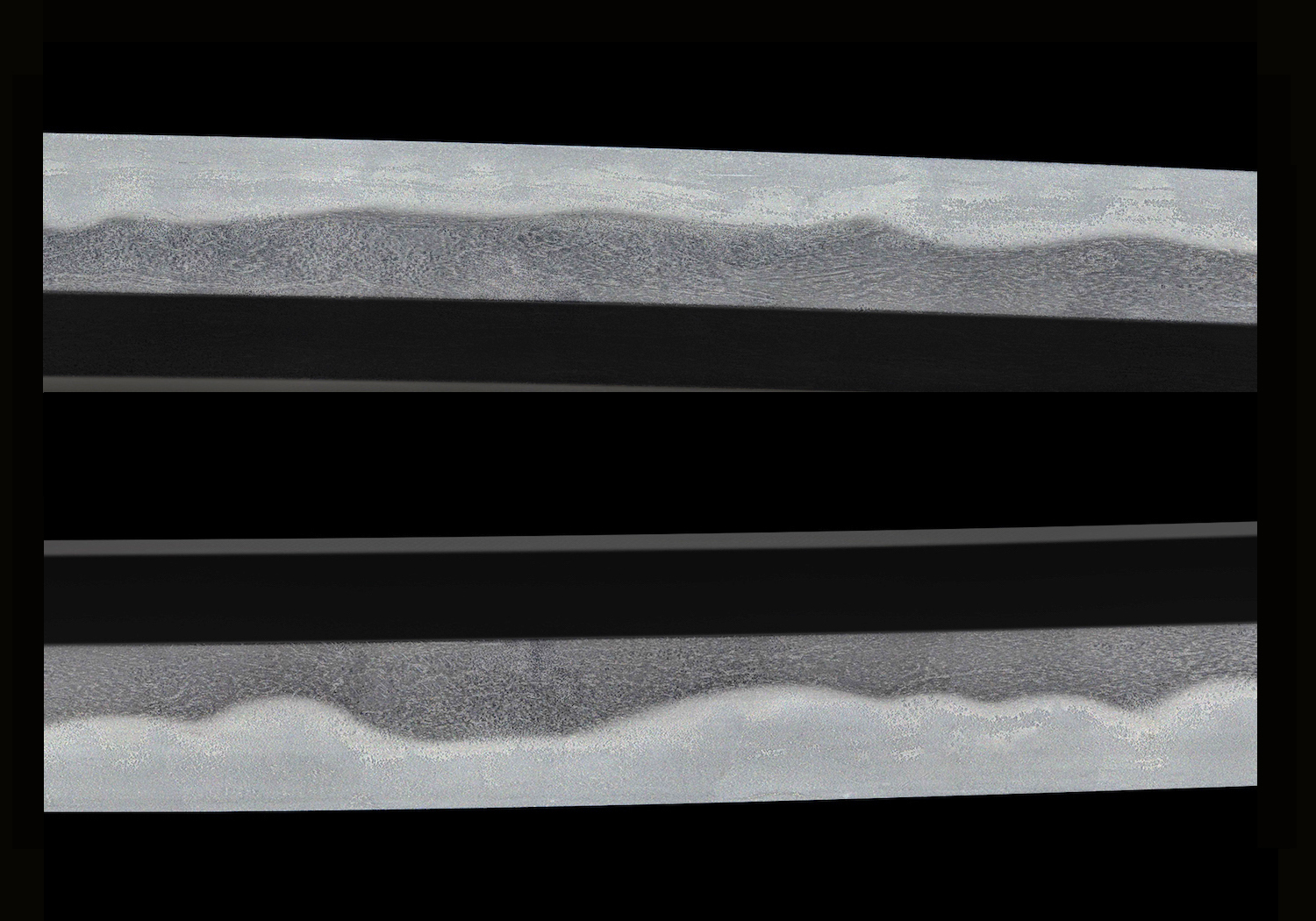
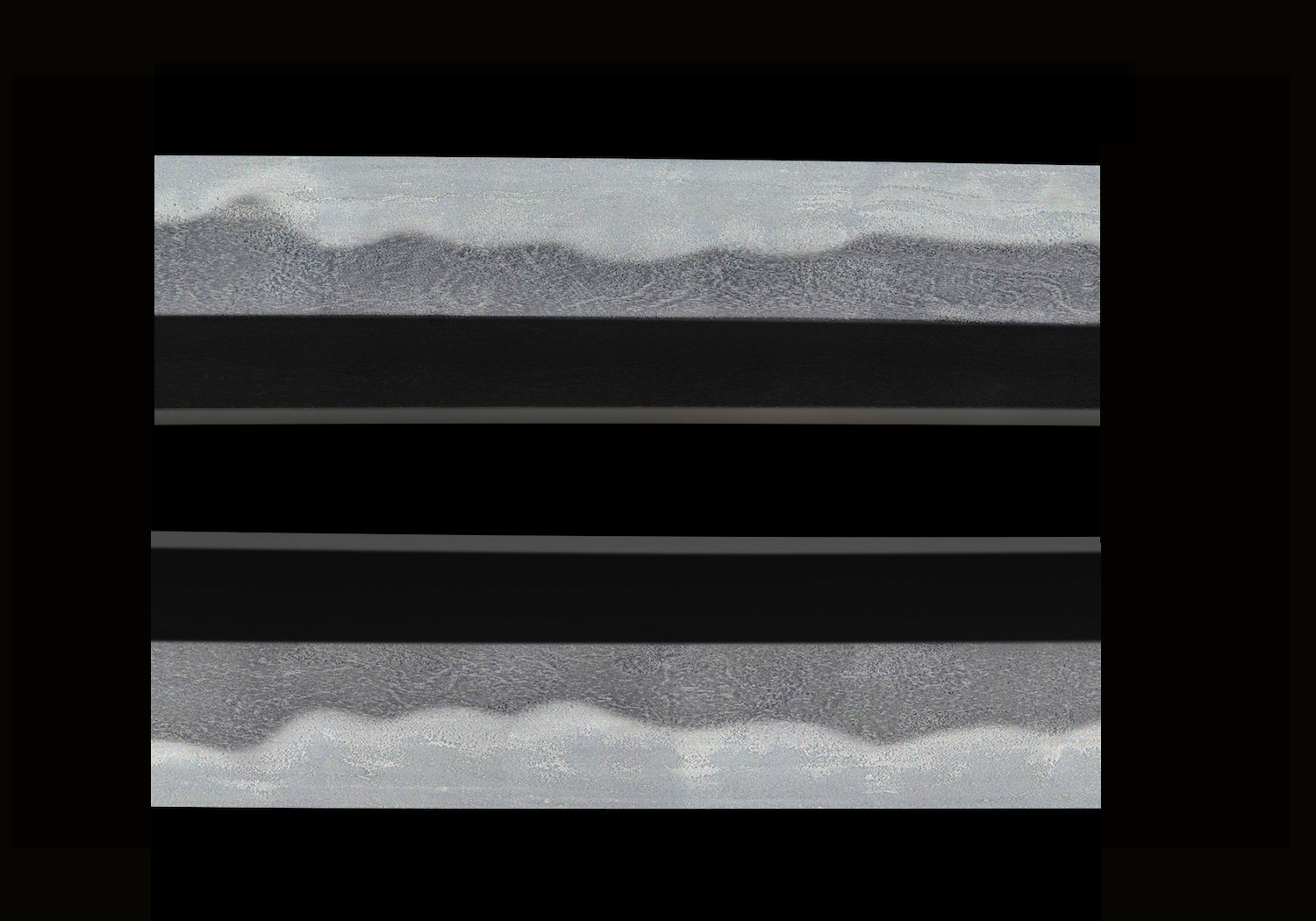
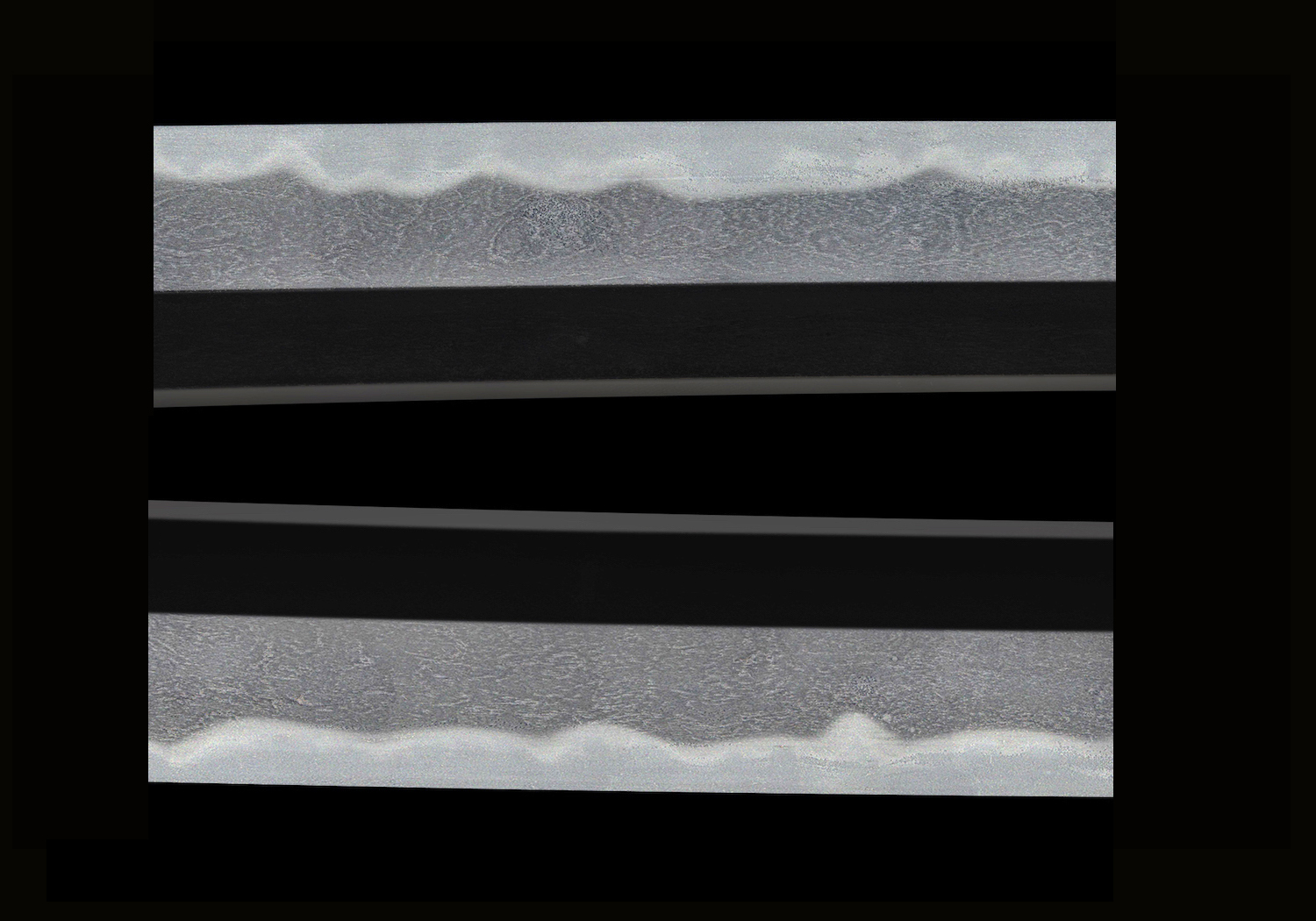
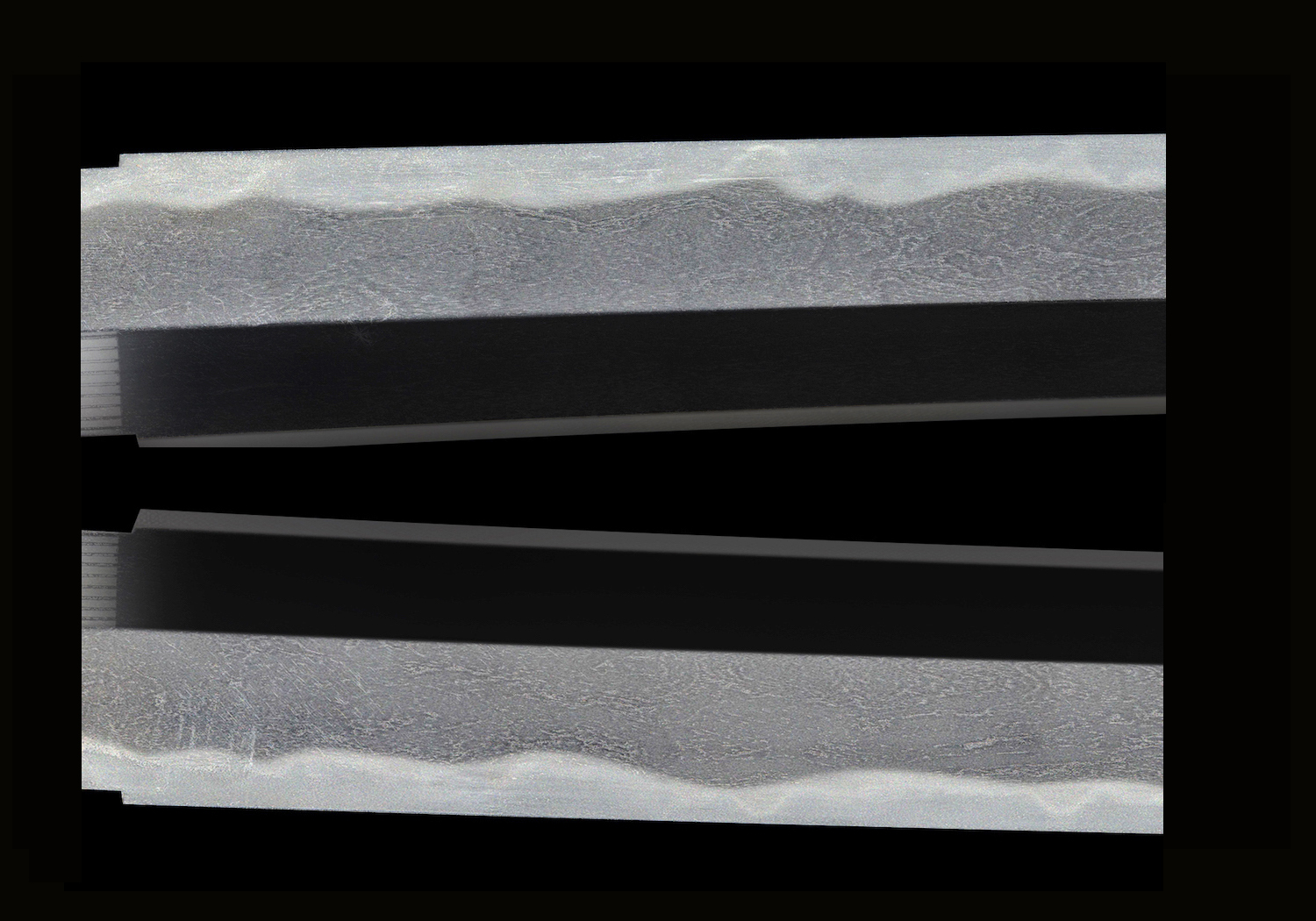
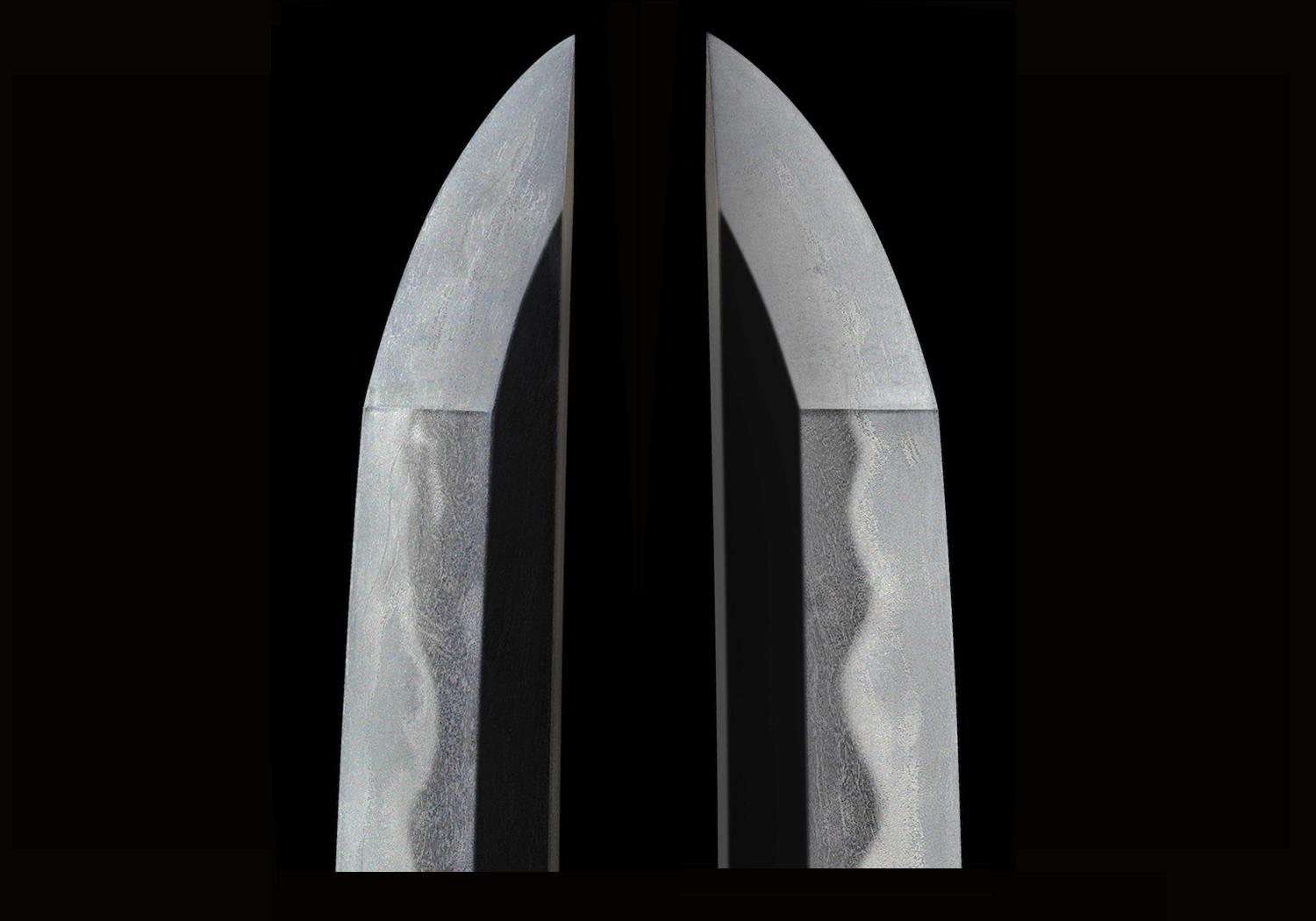
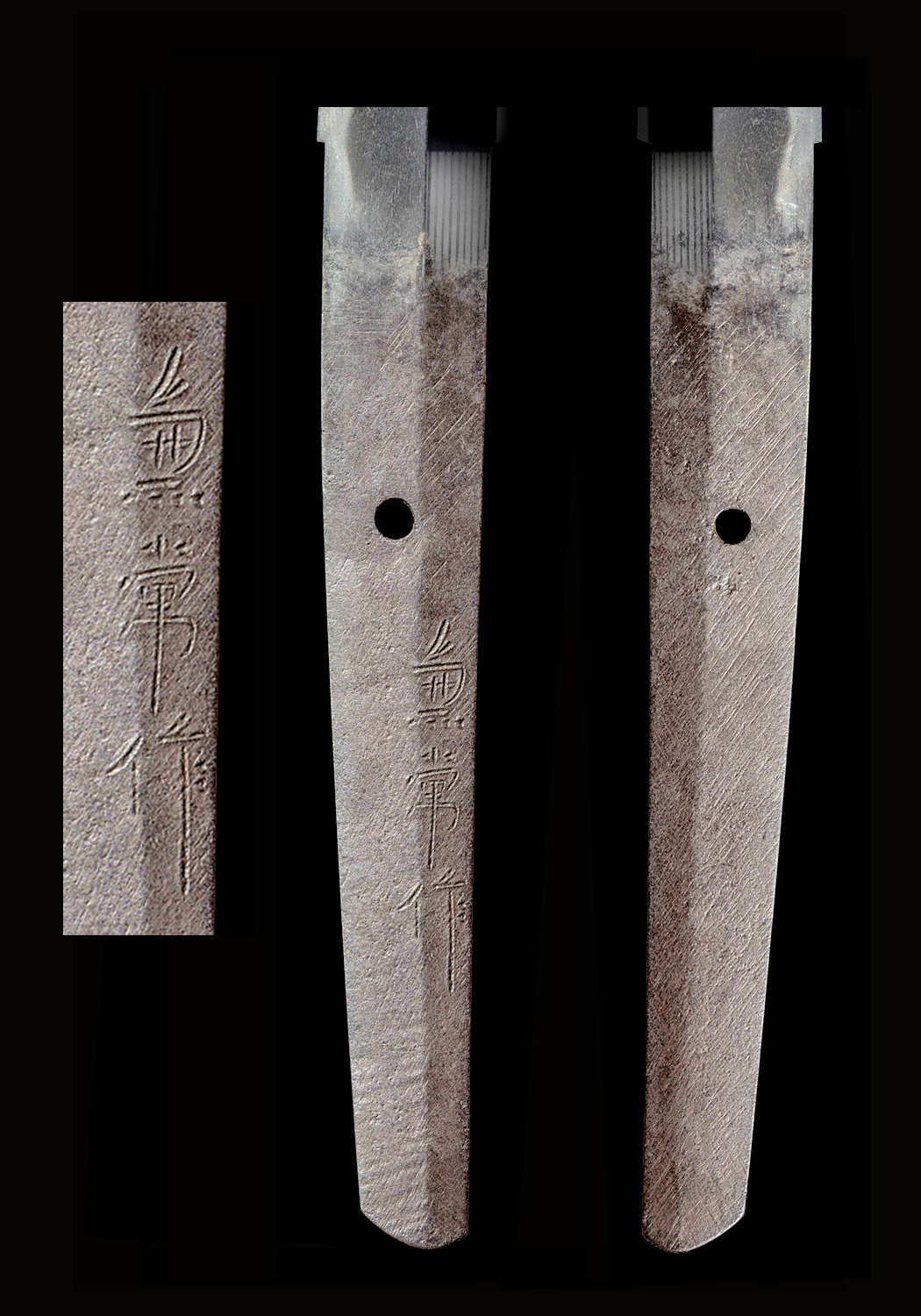
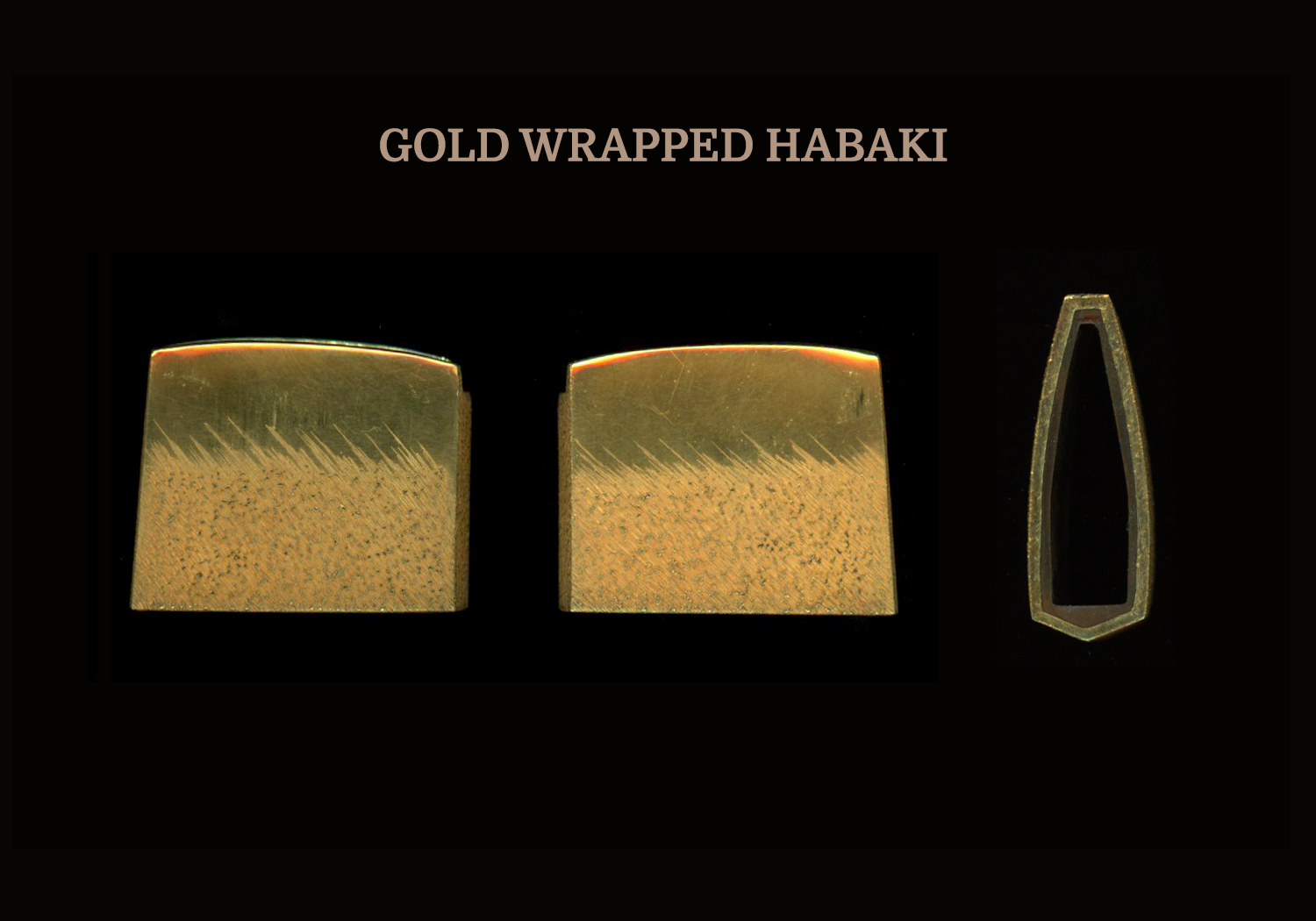
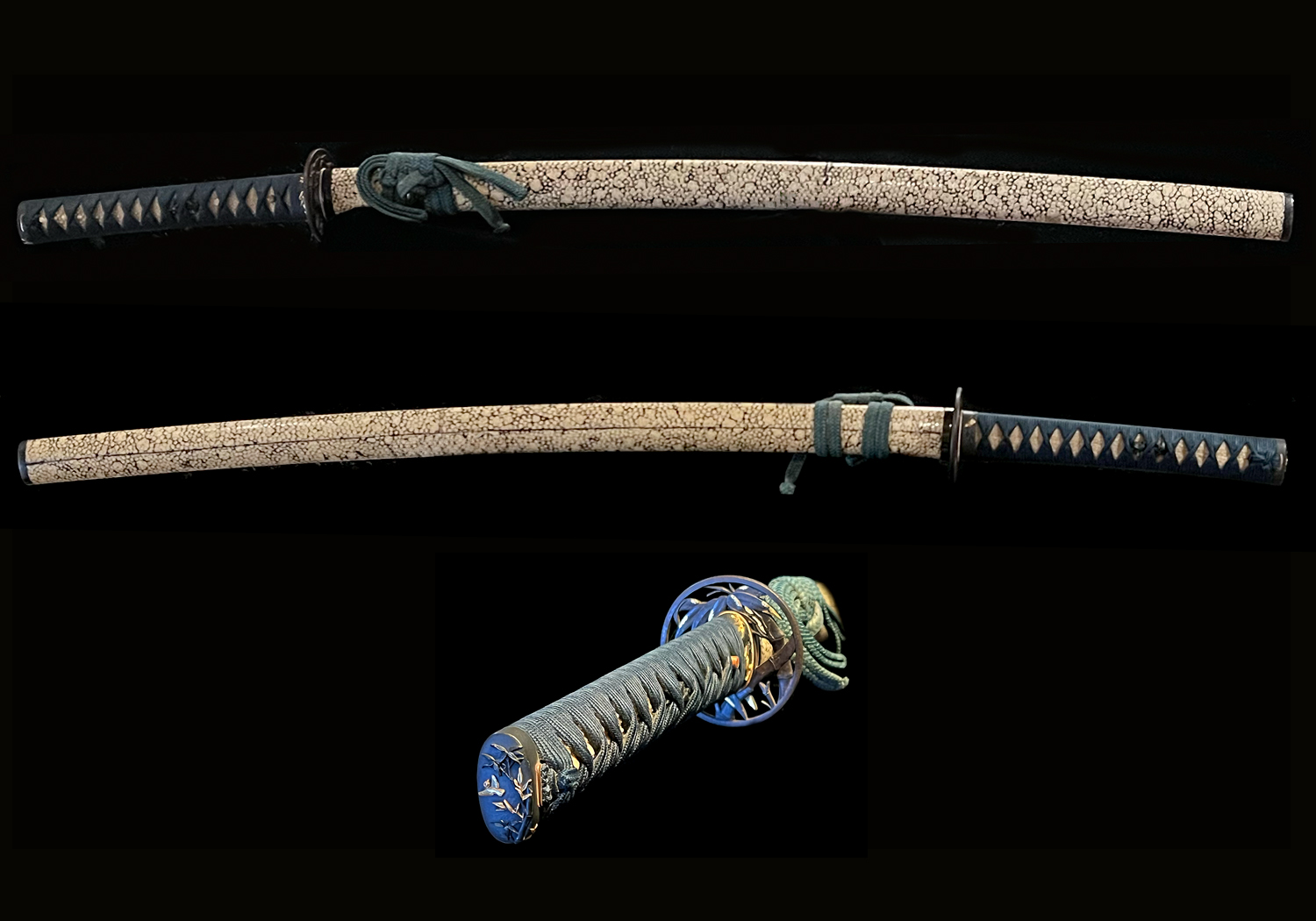
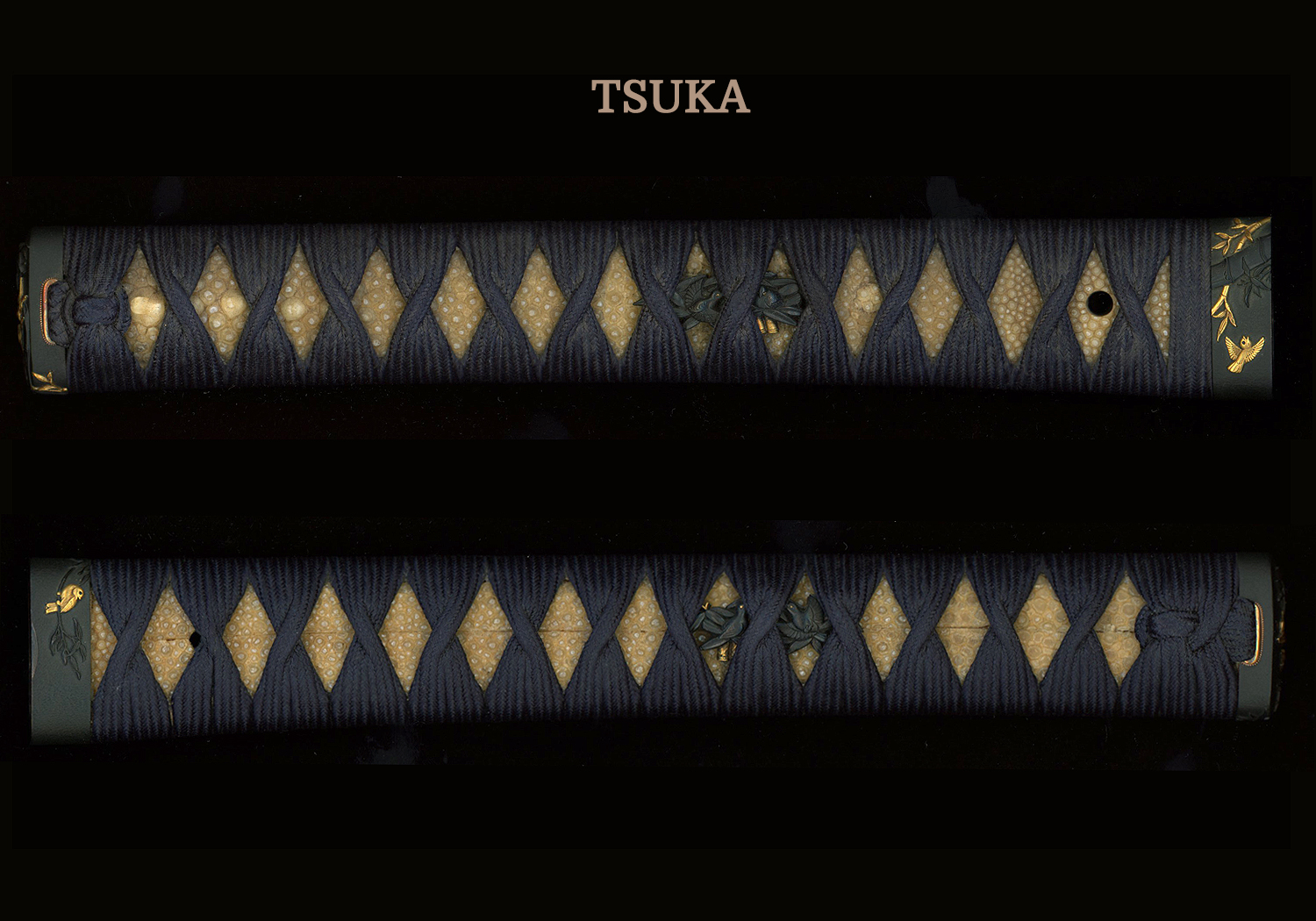
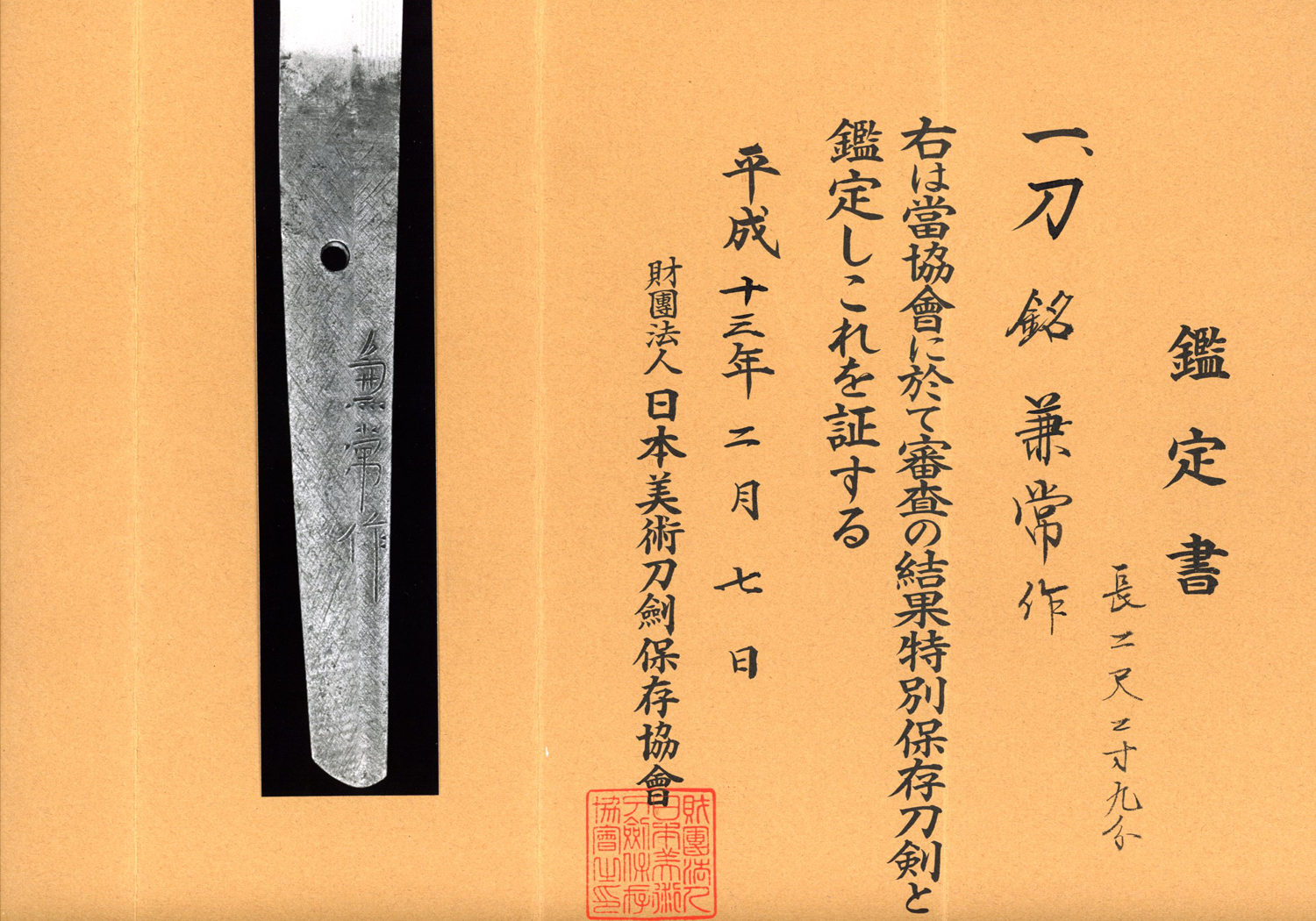
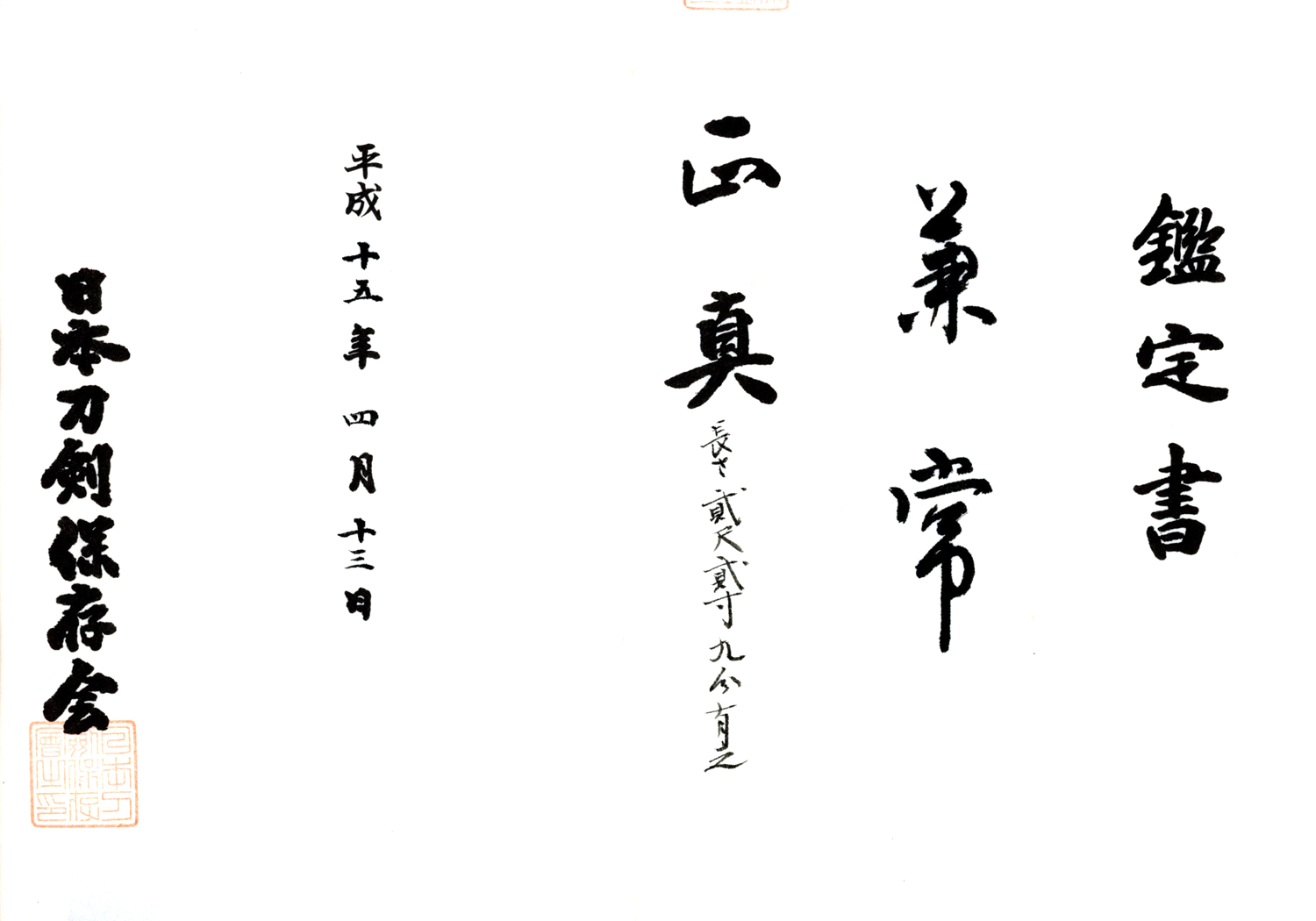
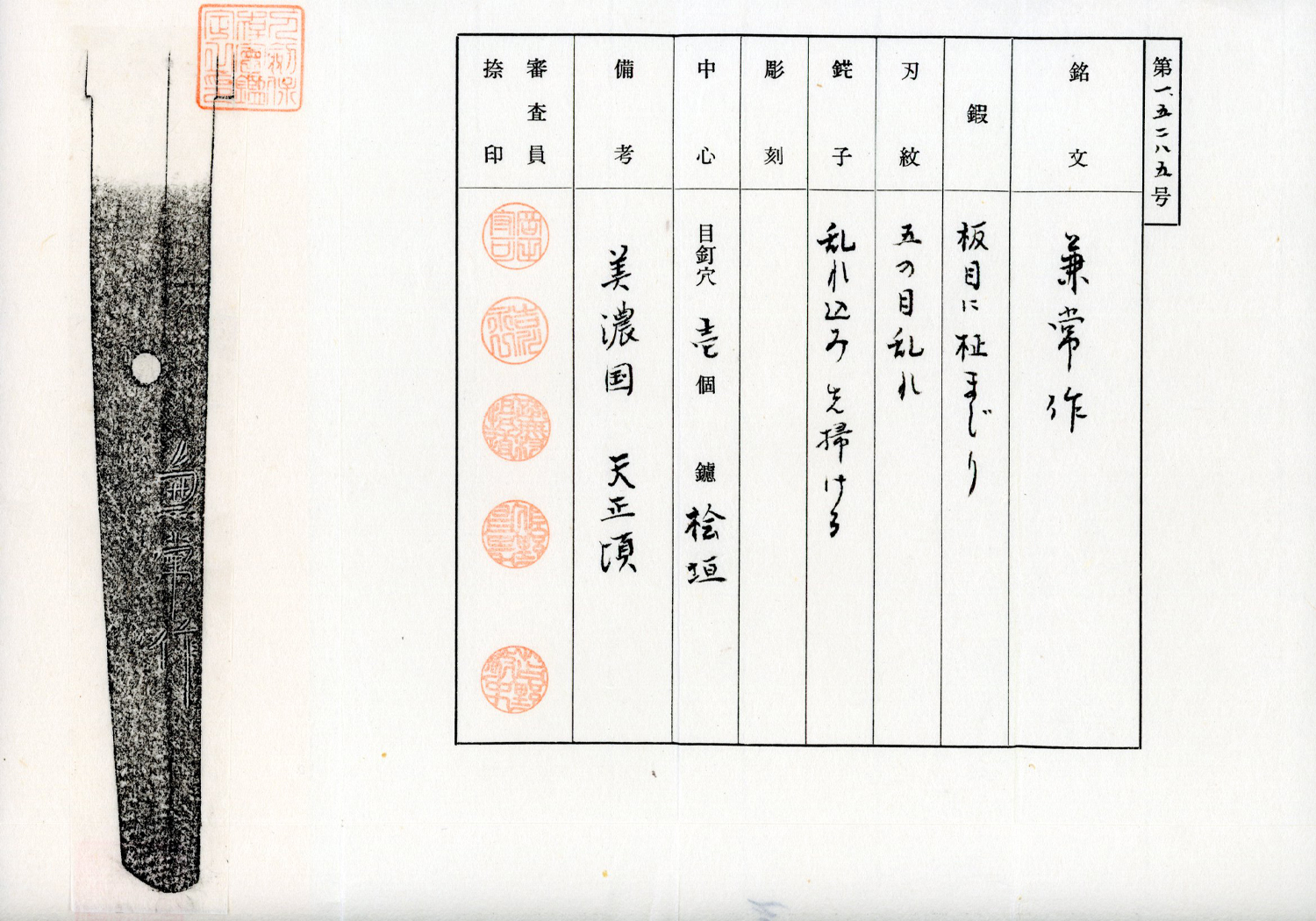
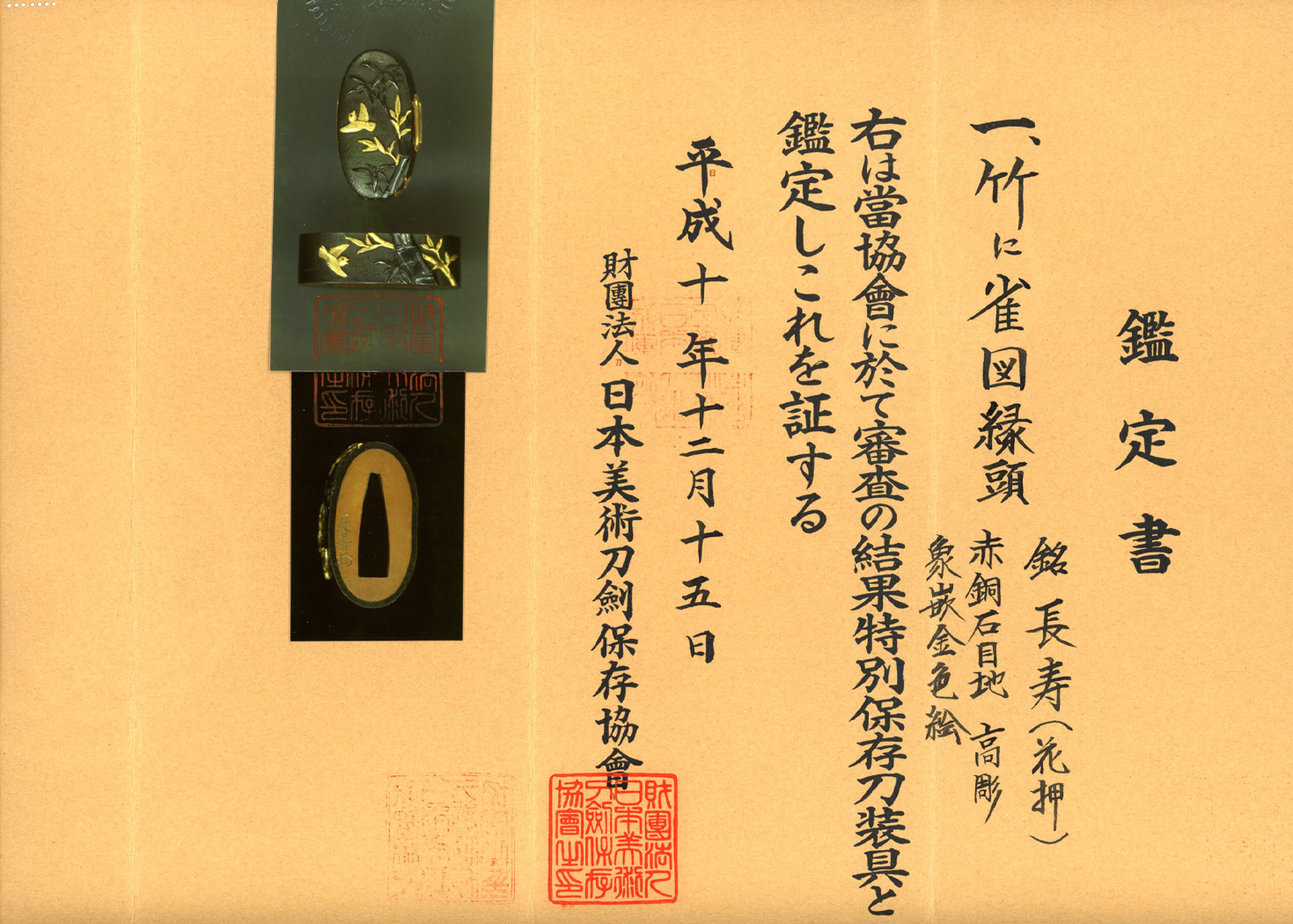
(翻訳なし) 店主の原文のまま表示しています。正確さの確認を通った翻訳のみを表示します。
美濃伝 · 美濃 · 1573-1592頃
藤代 中上作 · 刀剣大鑑 上位49%
現在2点販売中
兼常の位置づけを、日本刀全体および伝法・時代・時期ごとに示します。各区分(随一・屈指・有数・著名)は、日刀保および文化庁による指定に加え、三作や名物帳などの歴史的栄誉を加味したものです。
各項目を選ぶと評価方法が表示されます。
美濃伝 · 尾張
現在7点販売中
尾張政常は、美濃国納土に生まれた相模守政常を祖とする一系である。政常は初め兼常と銘し、永禄十年に分家独立して小牧村に移り、この頃に名を政常と改めたとみられる。天正十九年五月に相模守を受領し、慶長五年、松平忠吉に従って清洲に移った。清洲では伯耆守信高、飛騨守氏房とともに鍛刀し、後世に尾張三作と称される一人となり、やがて尾張徳川家の抱え工となっている。慶長十二年には入道隠居してその子に相模守政常の名を継がせたが、二代が急逝したため再び現役に復し、以後政常入道と入道銘を用いたといい、元和五年、八十四歳で歿したと伝える。説示が扱う工は、この相模守政常を中心とし、兼常と二字に銘した初期作から、相模守を受領して以後の政常時代、さらに政常入道銘の時期に及ぶ。あわせて、岐阜大道の子で相模守政常の養子となり二代目を継いだ美濃守政常も含まれ、本国美濃の関鍛冶を根に、清洲移住を経て尾張藩の庇護下に展開した一門である。 作風は説示が繰り返し記すところに明瞭である。鍛えは板目に杢を交え、棟寄りに流れて柾がかる傾向を示し、地沸が微塵によくつき、地景がよく入る。区下や区際から水影風の立つ例も認められる。刃文は中直刃を基調とし、処々に小互の目・小丁子を交え、小足・葉が入り、小沸がよくつく。刃縁にはほつれ・二重刃・喰違刃・打のけがあらわれ、金筋・砂流しが細かにかかって匂口は明るい。帽子は直ぐに小丸、あるいは浅くのたれて返り、先を掃きかける。彫物には素剣・護摩箸・梵字・倶梨迦羅などがみられ、刀身によく調和して作を引き締めている。現存する作は平造の脇指・短刀が最も多く、しかも上手であって、刀および鎬造の脇指は極めて少ない。一方で槍・薙刀を得意とし、槍は平三角造の直槍が多く、稀に両鎬造や十文字を見る。見分けの要は、柾がかる地鉄に明るい直刃を主体とする端正な作柄と、刃縁の二重刃・喰違刃や帽子の掃きかけにあり、互の目が箱がかって沸の強まる乱刃の一作風も知られる。 鑑定にあたっては、まず銘の推移を押さえることが肝要である。兼常二字銘は政常受領以前の初期作にあたり、室町後期永禄頃の体配を示すため、同工の作域を知るうえで資料的価値が高い。政常入道銘は二代の急逝後に再び鍛刀した時期のもので、太鏨の長銘や七字銘を指表に切る例が多い。代表的な作には、相州貞宗や信国に範を求めたとみられる乱刃の優品、得意の直刃を端正に焼いた脇指・短刀、笹穂や両鎬の槍、大振りの薙刀があり、藻柄子宗典一作の拵に納められた脇指のように後世まで伝えられた例もある。刀や鎬造脇指の遺例が乏しいことから、これらは政常研究の資料としても重んじられる。尾張三作の一として清洲鍛冶の系譜に位置づけられ、美濃伝を根としながら相州風をも取り入れた点に、桃山から江戸初期の尾張新刀を代表する地位がある。 詳しく見る →
桃山時代の美濃
天下統一は大量の市場を閉じ、関の鍛冶は新しい富の在り処へ移った。三品の一門は受領名を得て京に、大道系は諸国の城下町に。美濃は新刀時代の最大の祖先となった。
保存刀剣のうち、出来が一層優れ、保存状態も良好と認められたものです。再刃や、室町・江戸期の多くの無銘作は対象外となり、保存刀剣より高い基準が課されます。
日本美術刀剣保存協会(日刀保)は、1948年に設立され、文化庁の監督を受ける公益財団法人で、東京・刀剣博物館に本部を置きます。専門の審査員が出品作を直接審査し、美術的・歴史的価値に応じた鑑定書を発行します。日刀保の鑑定書は、日本刀および刀装具の真正性を示す最も広く認知された基準です。
日刀保公式サイトThree-day inspection period and seven-day return period; buyer notifies by email within three days of receipt, no reason needed; full refund once item returned undamaged and unaltered.