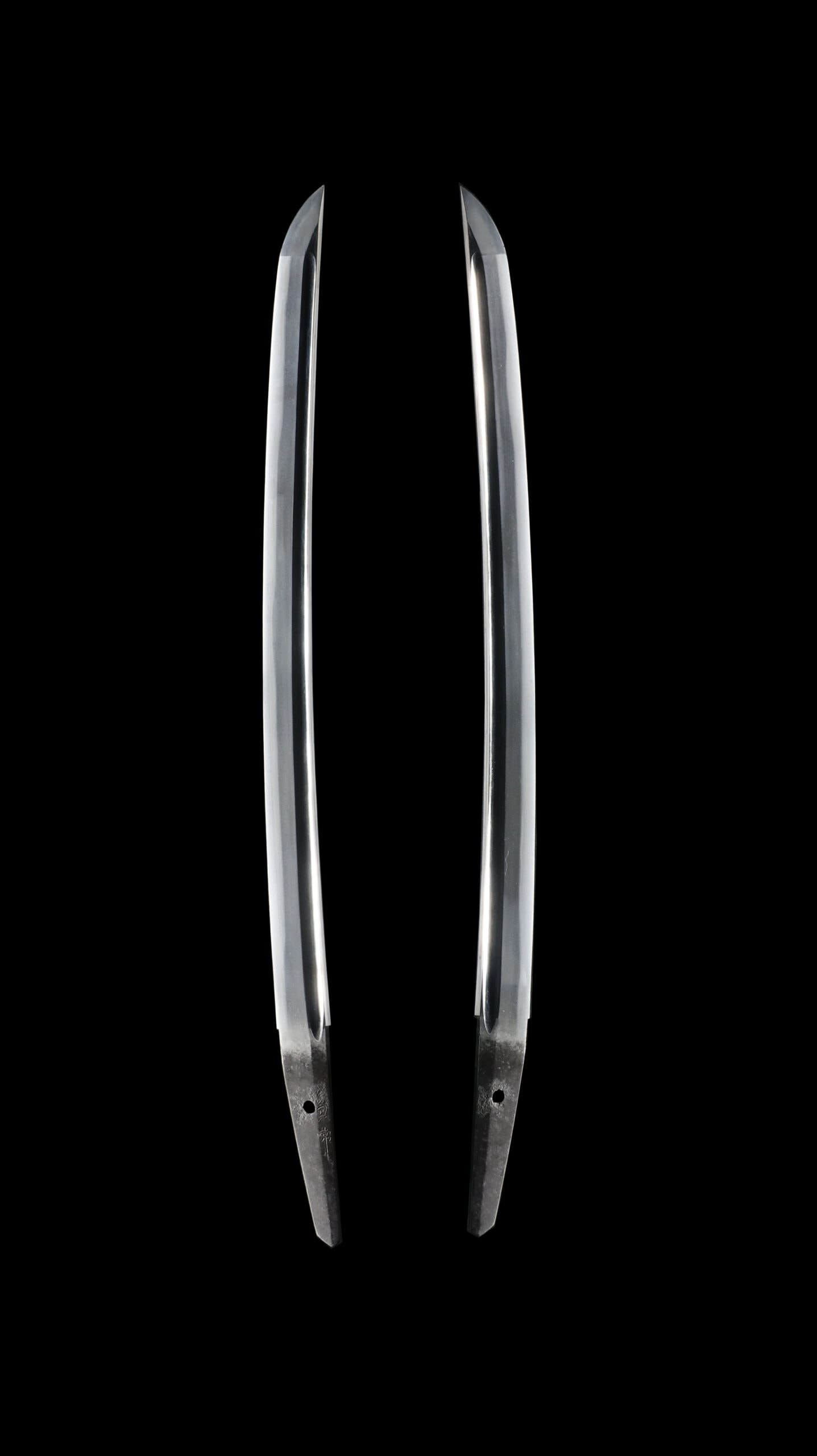
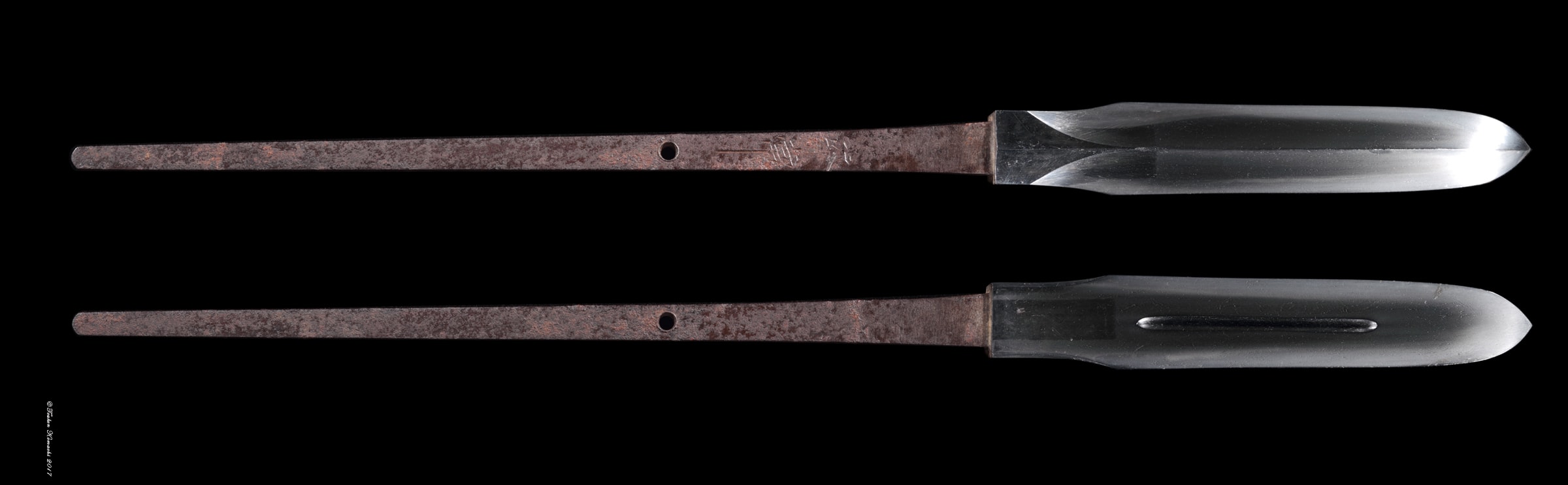
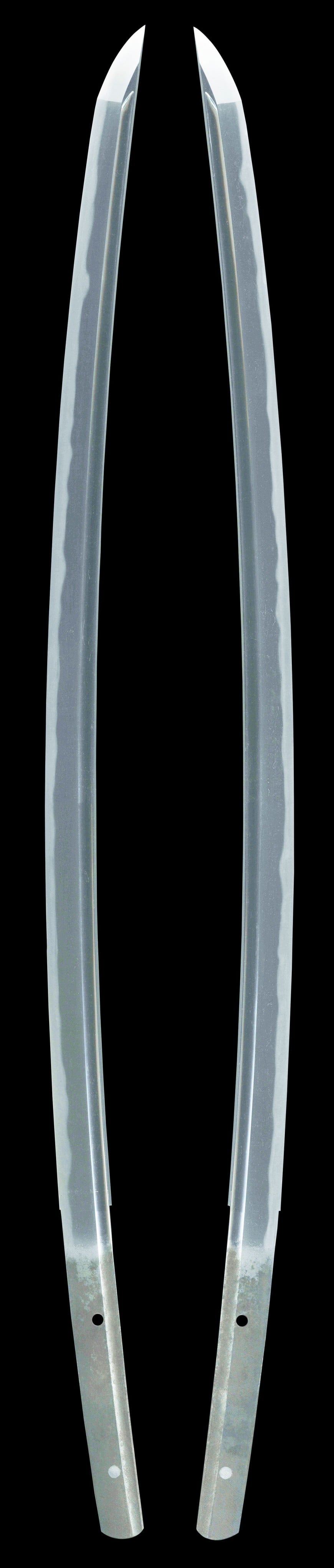
Masatsune was born at Nodo in Province and first signed Kanetsune, a smith of the Seki tradition who carried that root into the new swords of Owari. The published sources follow his career in unusual detail. In Eiroku 10 he set up an independent branch and moved to Komaki village, changing his name to Masatsune around that time; in Tensho 19 he received the court title no Kami; in Keicho 5 he followed Matsudaira to Kiyosu, and he became a retained smith of the Owari Tokugawa house. In Keicho 12 he took the tonsure and retired, passing the name no Kami Masatsune to his son, but when the second generation died suddenly two years later he returned to the forge, and from that time he signed Masatsune Nyudo. He died in Genna 5 at the age of eighty-four. In later generations he was counted among the Owari Sansaku, the three founding smiths of Owari , beside Hoki no Kami Nobutaka and Hida no Kami Ujifusa.
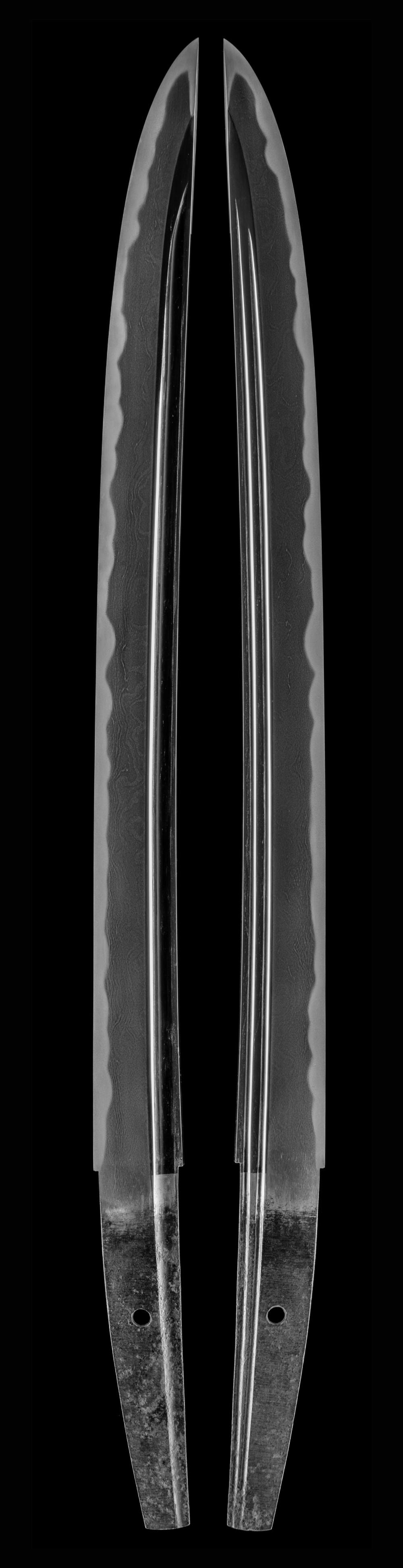
His recognized hand is the bright straight temper of his and , the form in which his surviving work is most numerous. Over a tightly forged mixed with , the steel flows toward and carries thick , with fine entering and, on several pieces, a -like feature rising diagonally from below the . The temper is a , at times a wide , laid in , into which small enter with . What separates his from a plain Seki straight temper is the worked : it frays into , with , and mixed in and fine running through, while the stays bright. The published commentary calls one such a thoroughly characteristic example, with 「相模守政常の典型的な直刃の作例」 (a typical example of no Kami Masatsune's ).
The is the constant beneath both of his manners. It is an that overall tends toward , with attached and, on the better , standing out and the steel reading bright. Where the forging tightens into mixed with the impression is of strength, and the published sources single out the diagonal at the and the abundant as the marks of his sound forging. On the the grain at times stands a little, with the upper half flowing toward the , and the carvings he favours, a or above the with on the reverse, are described as crisp and well harmonised with the blade.
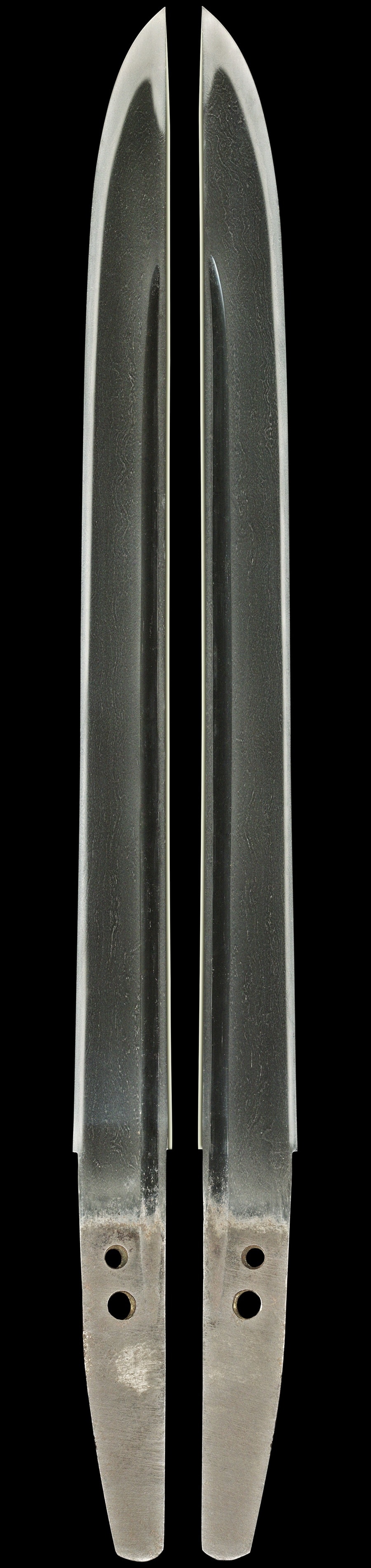
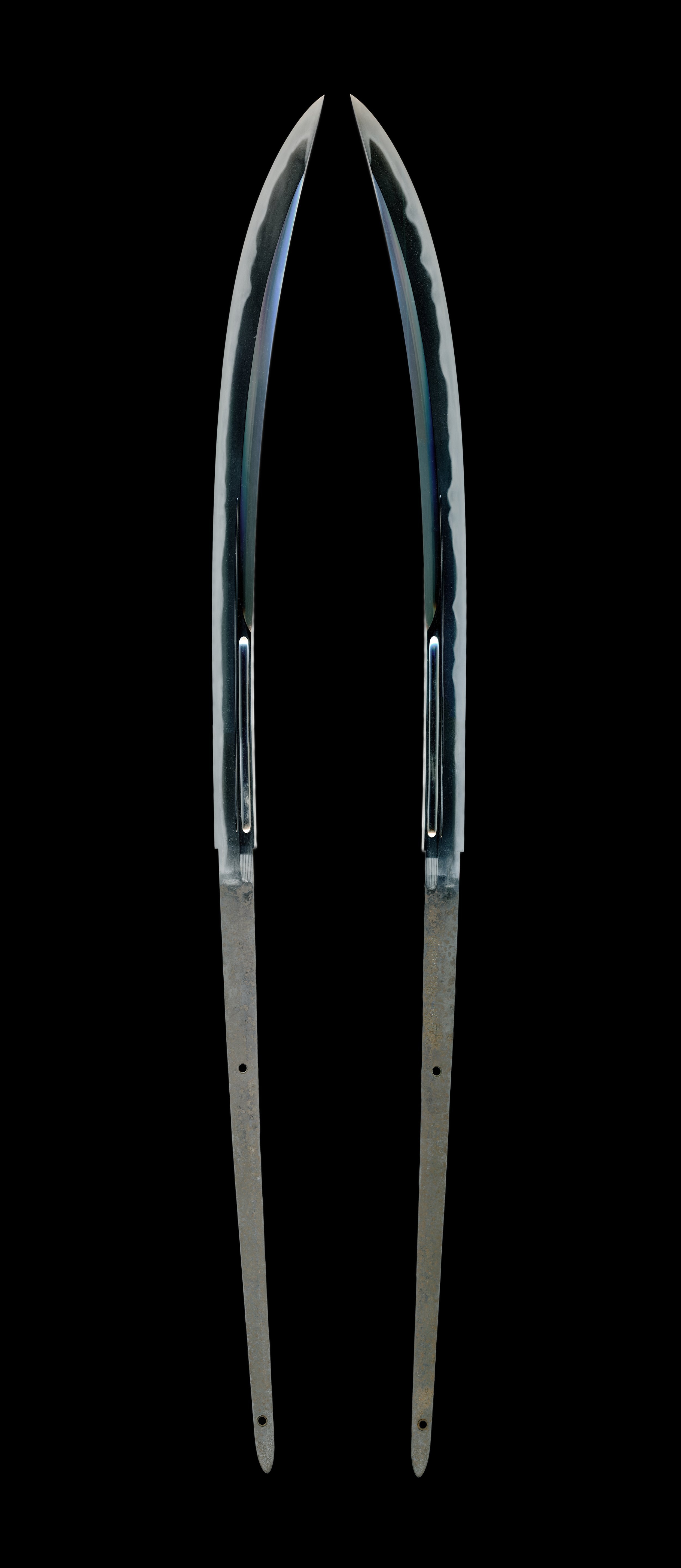
His second manner is the Owari-Seki wet temper, carried on his , and . Over an that flows into with , he tempers a wide tone or a shallow base with and small mixed in, and entering, the sometimes coarse and gathered in clusters, and seen, and the tending to a subdued . The published sources name this directly: on his large Keicho-form they read 「尾張関得意の濡れ刃」 (the wet temper for which the Owari-Seki smiths are noted). His and are large and dignified, the at times pointed and Jizo-like; the sources credit him as 「短刀、薙刀の名手として名高い」 (famed as an outstanding maker of and ), while noting that the very finest among the are few.
What sets him apart within Owari is exactly what the judges name. His hand, with its fraying , bright and -flowing , is the constant by which his are known, and his wet temper marks the -into-Owari Seki descent that the other Owari founders share. On one that departs from his usual restraint, bolder in temper and brighter in with an antique flavour in the , the published sources judge that he was reaching higher still, 「相州上工、就中貞宗や信国あたりを狙ったものであろうか」 (aiming, it would seem, at the superior craftsmen, especially such masters as Sadamune and ), and call the result 「同作中出色の一口」 (an outstanding example among his works). His line continued through the second-generation no Kami Fujiwara Masatsune, an adopted son and son of Gifu Daido, whose signed and survive in the record.
For the collector, Masatsune is a well-documented founder of an Owari line rather than a rare ghost. Fujishiro grades him Jo . He has no National Treasures and no Important Cultural Properties; his record runs instead through the modern rank, with seventeen blades in the and tiers, and two further pieces designated in the prewar Bijutsuhin, among them a that passed through the Tokugawa Iesato collection and is now held by the Tokugawa Reimeikai Foundation. Provenance touches the and court houses, with recorded to the Tokugawa family and the Imperial family, and one blade preserved at Akihasan Hongu Akiha Shrine. Because the published sources are agreed that 「刀及び鎬造の脇指は極めて少ない」 ( and are extremely few), a signed is the scarce thing, valued as material for the study of the smith himself; his , , and come to the serious collector from time to time, and a signed Owari Masatsune of his own hand, not the second generation, remains a satisfying and reachable document of how Owari began.