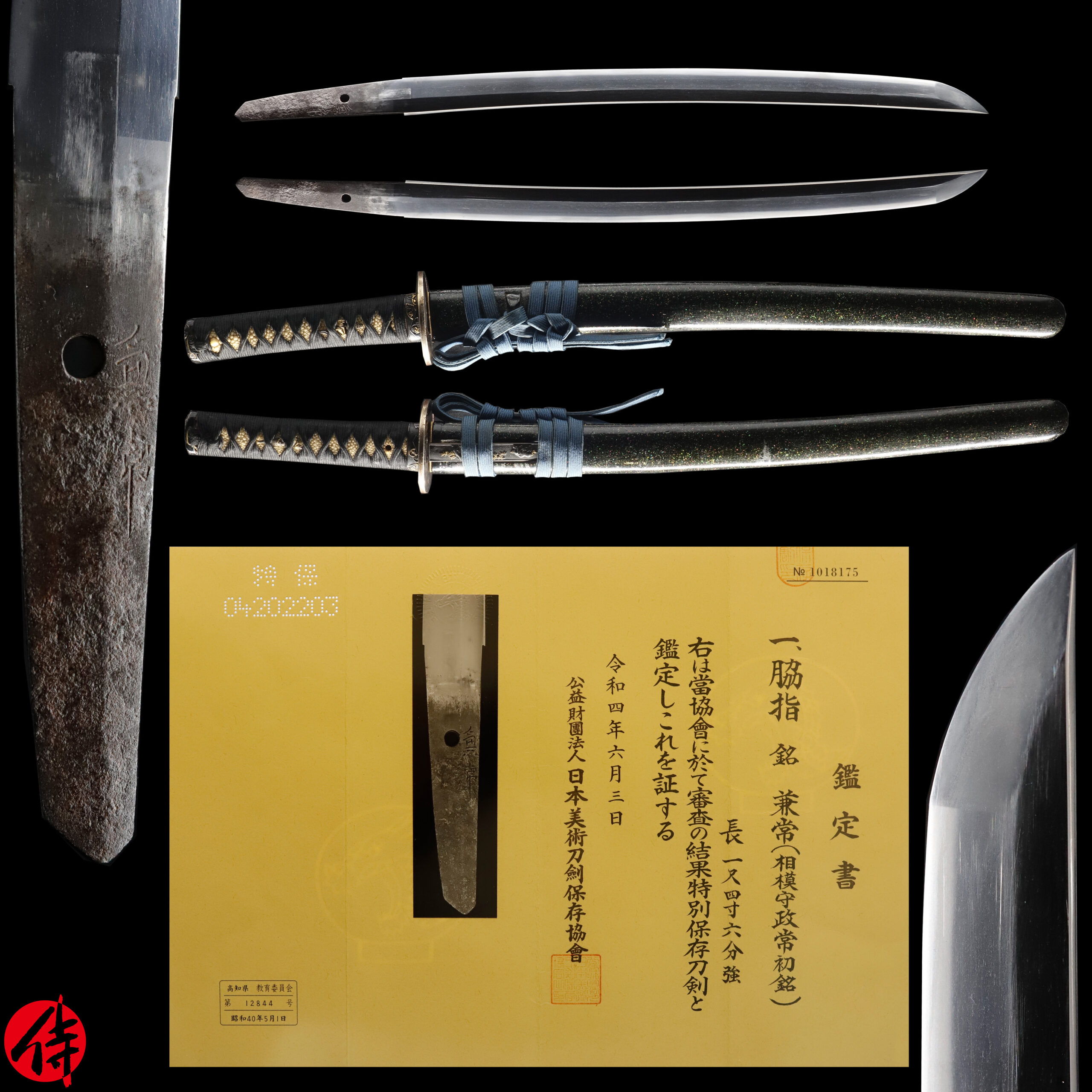
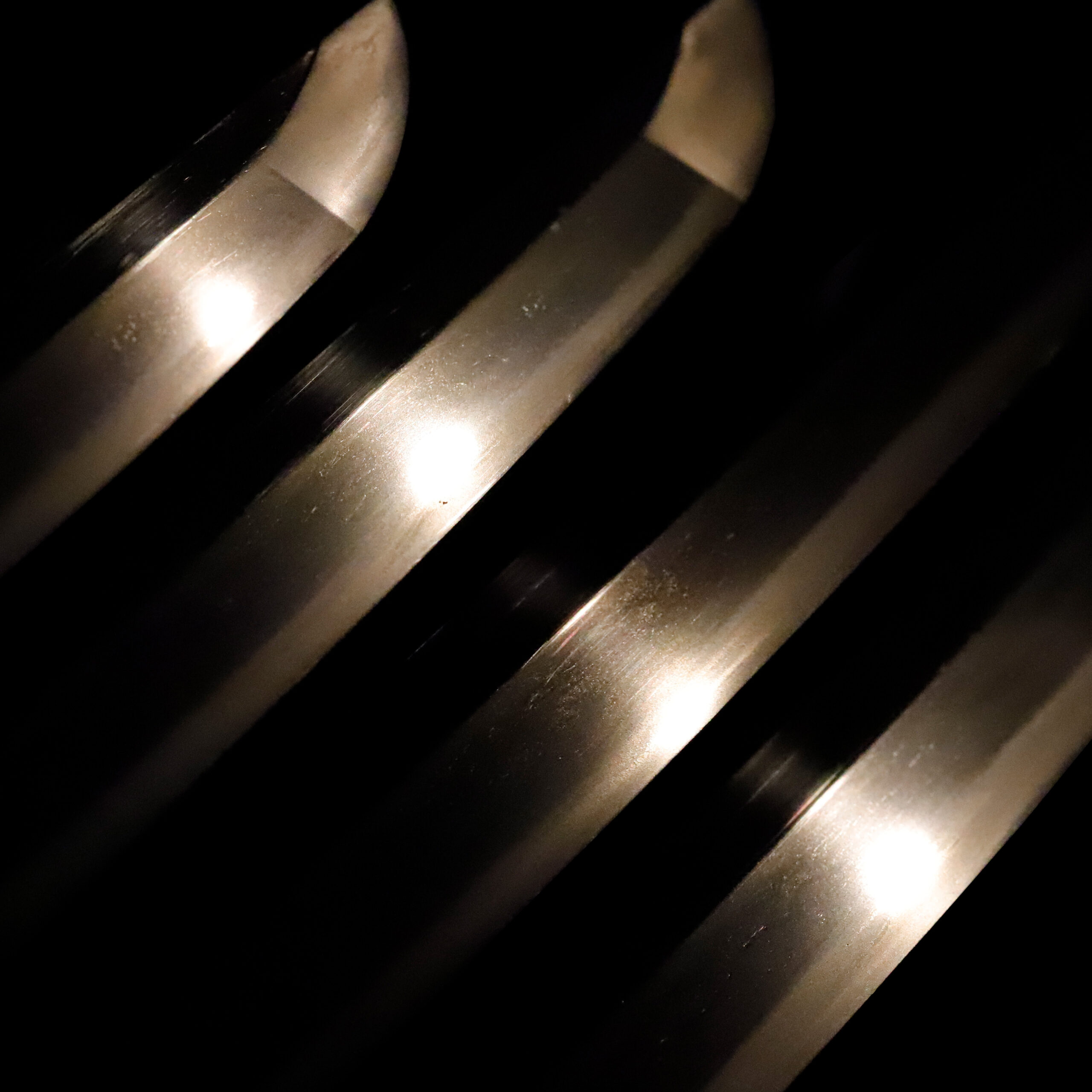
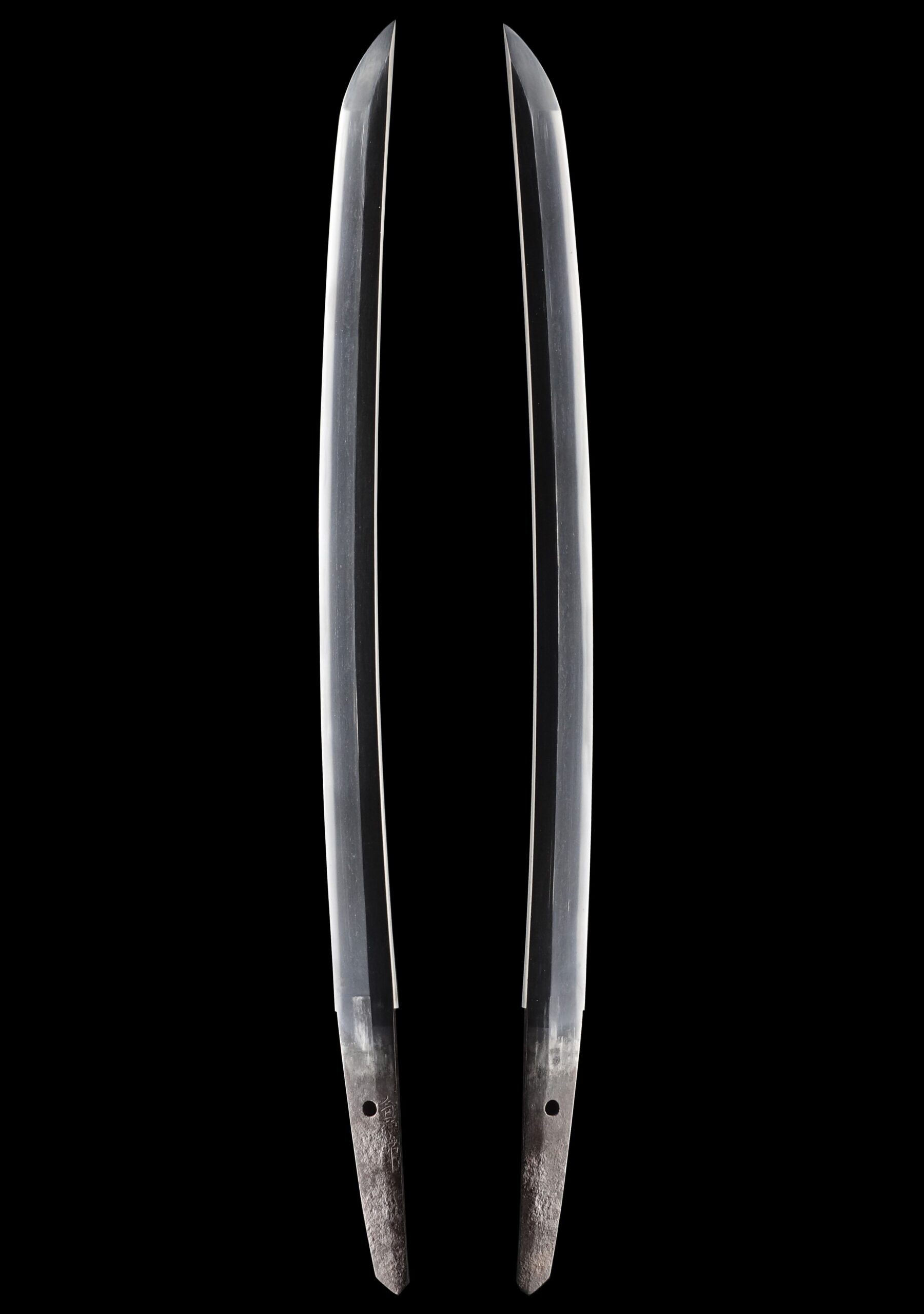
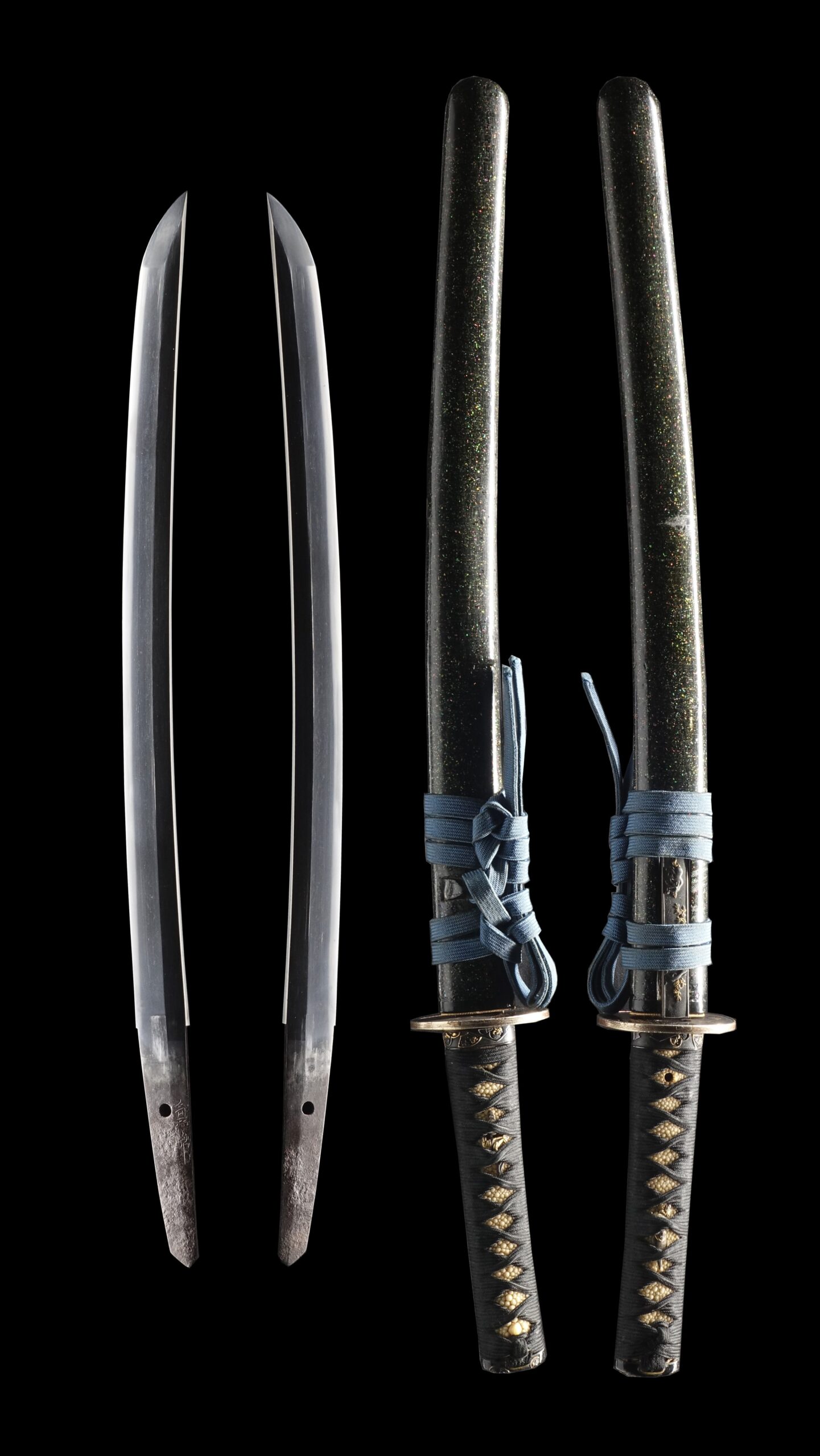
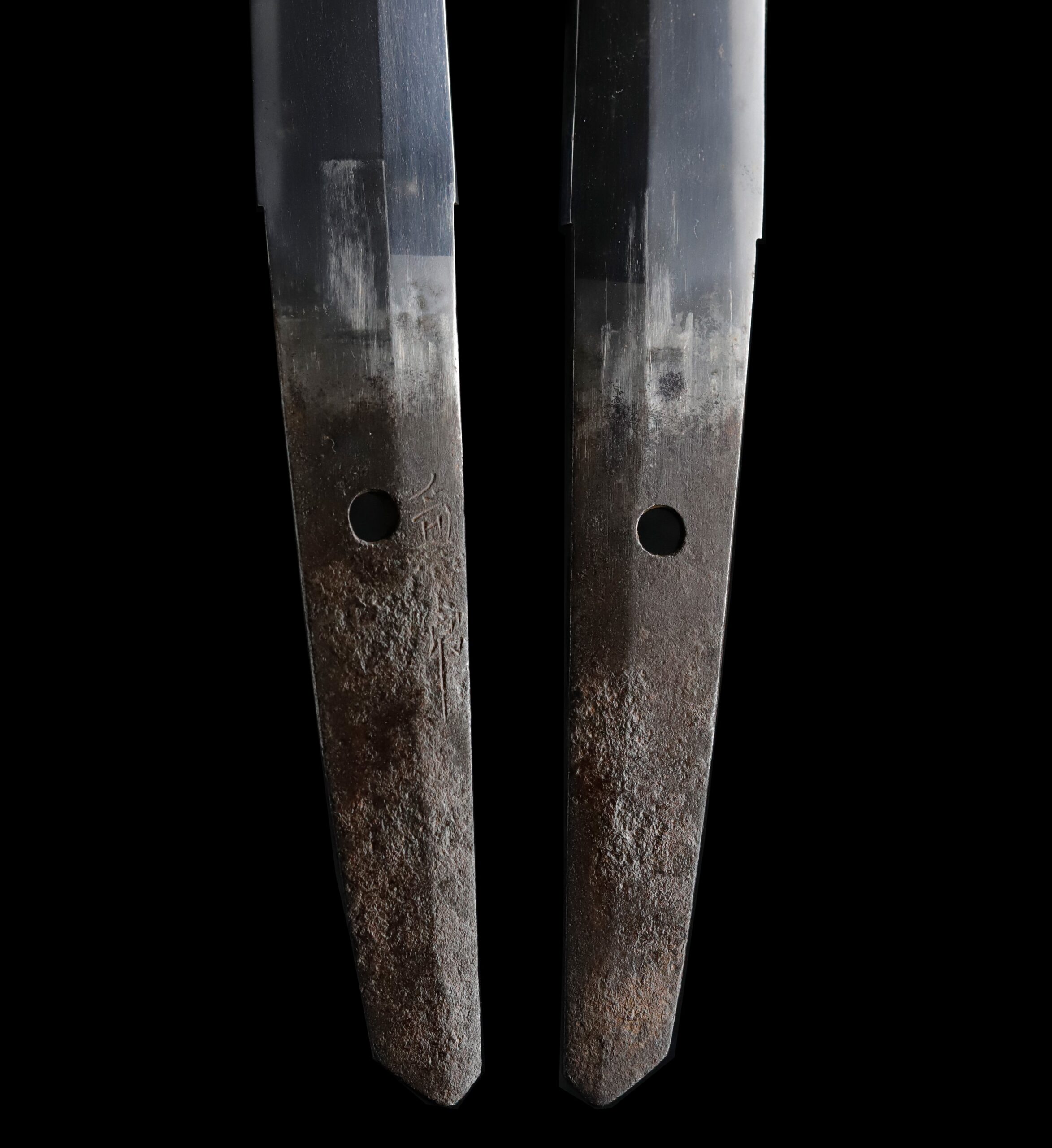
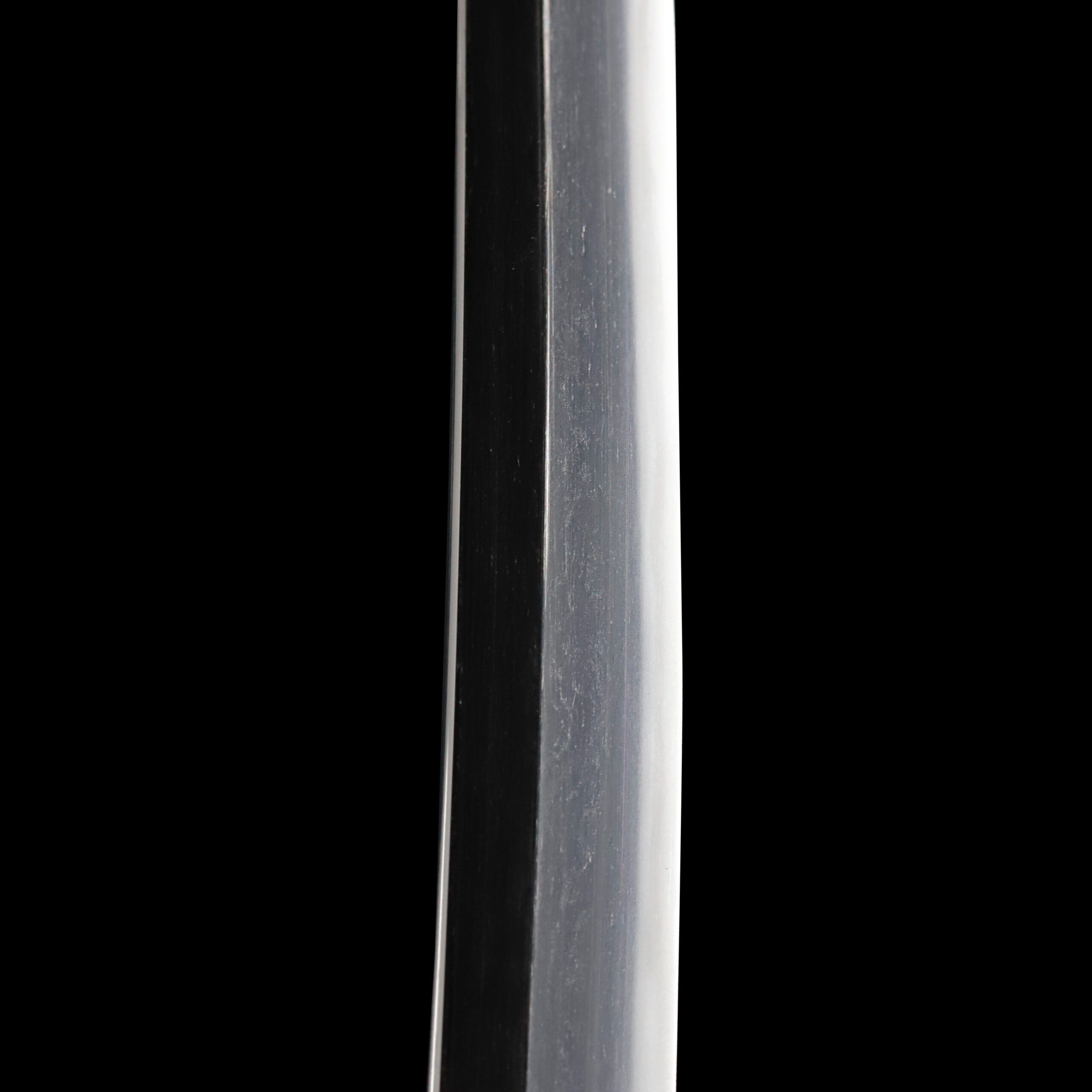
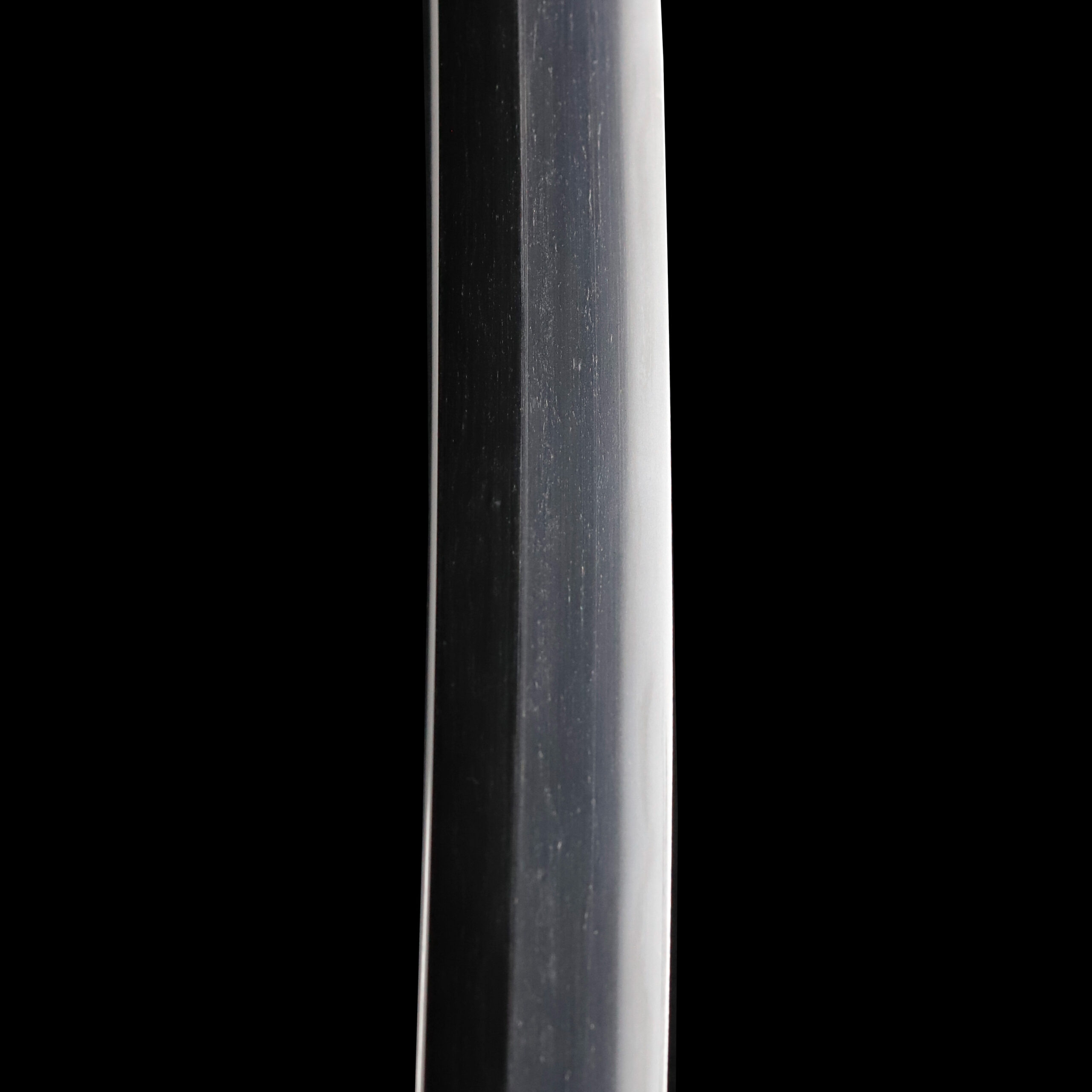
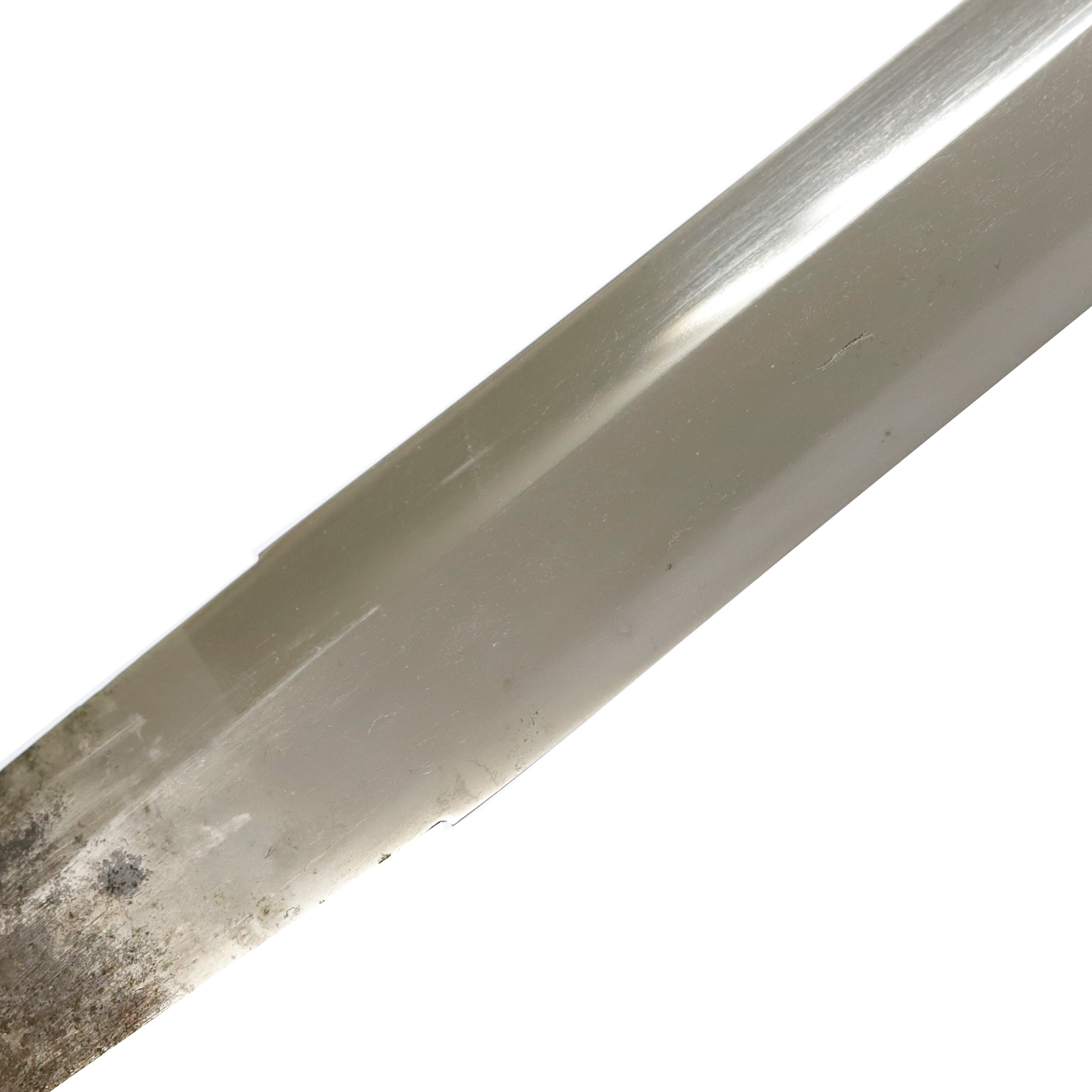
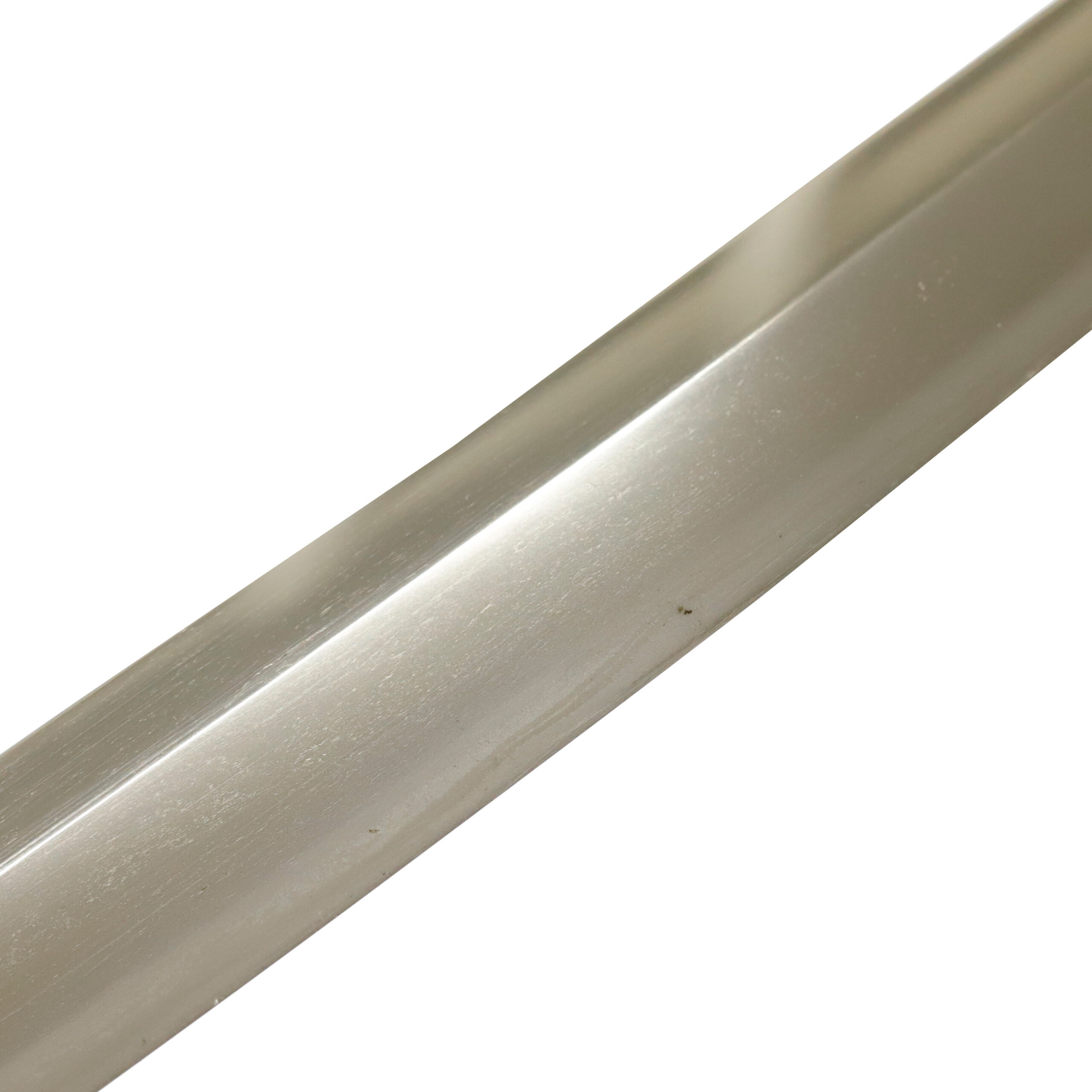
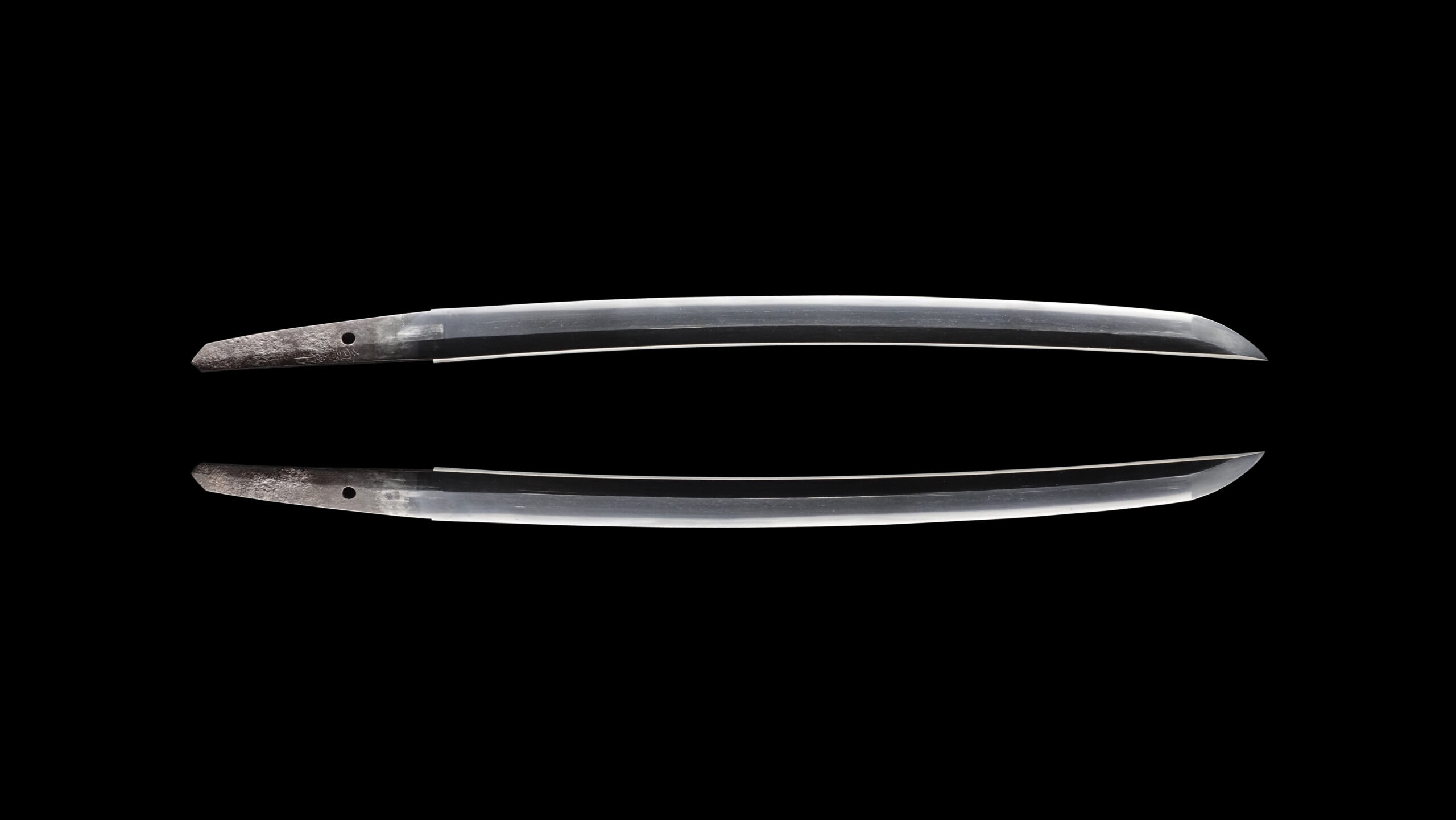
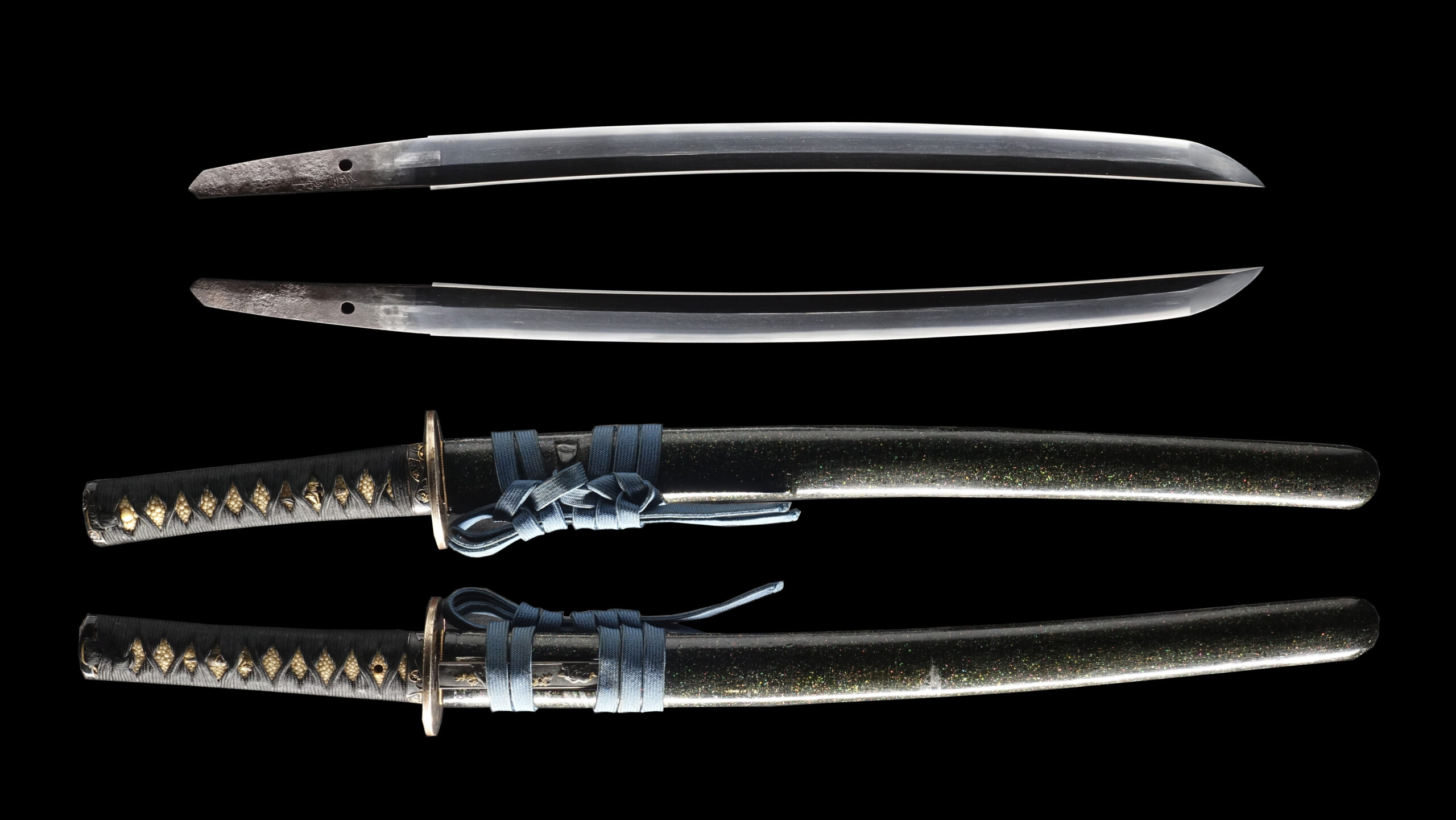
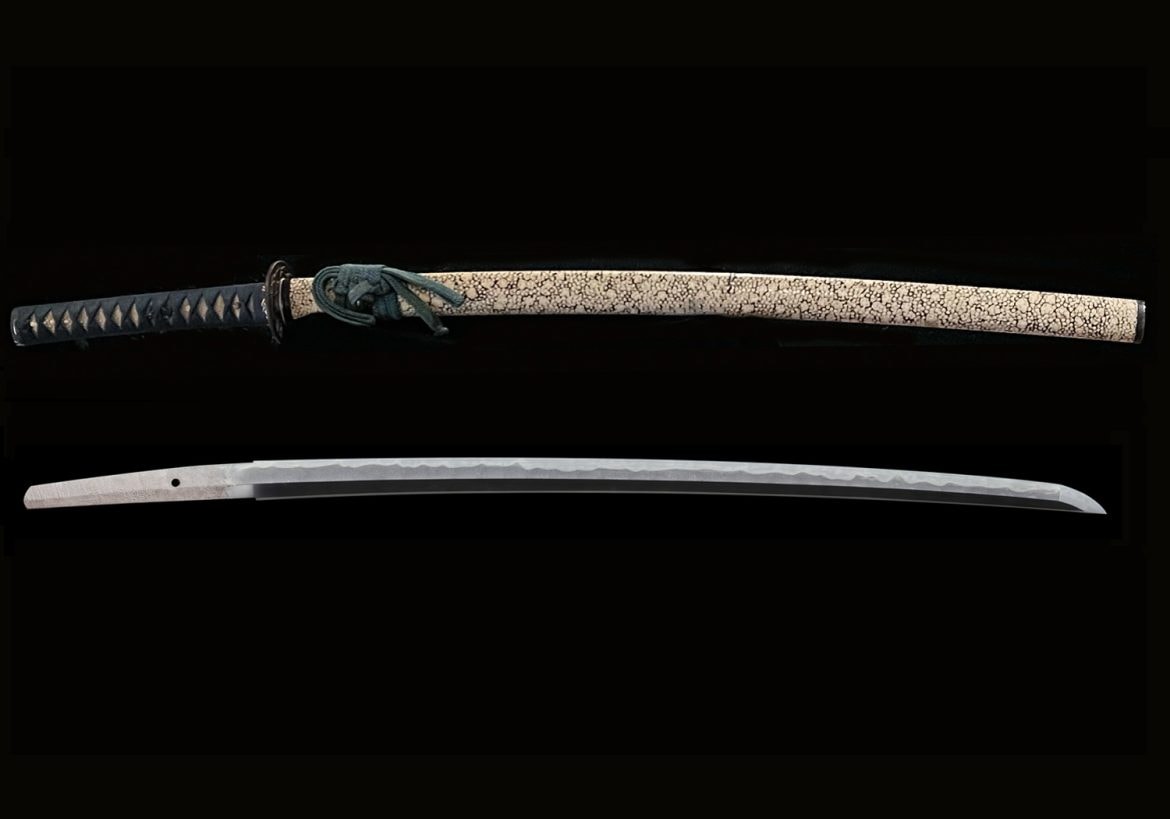
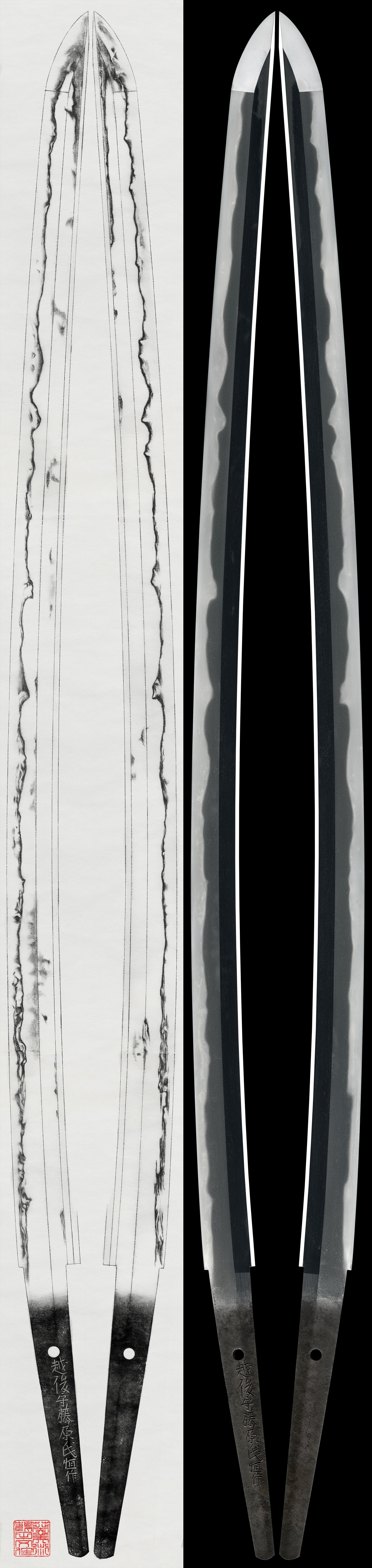
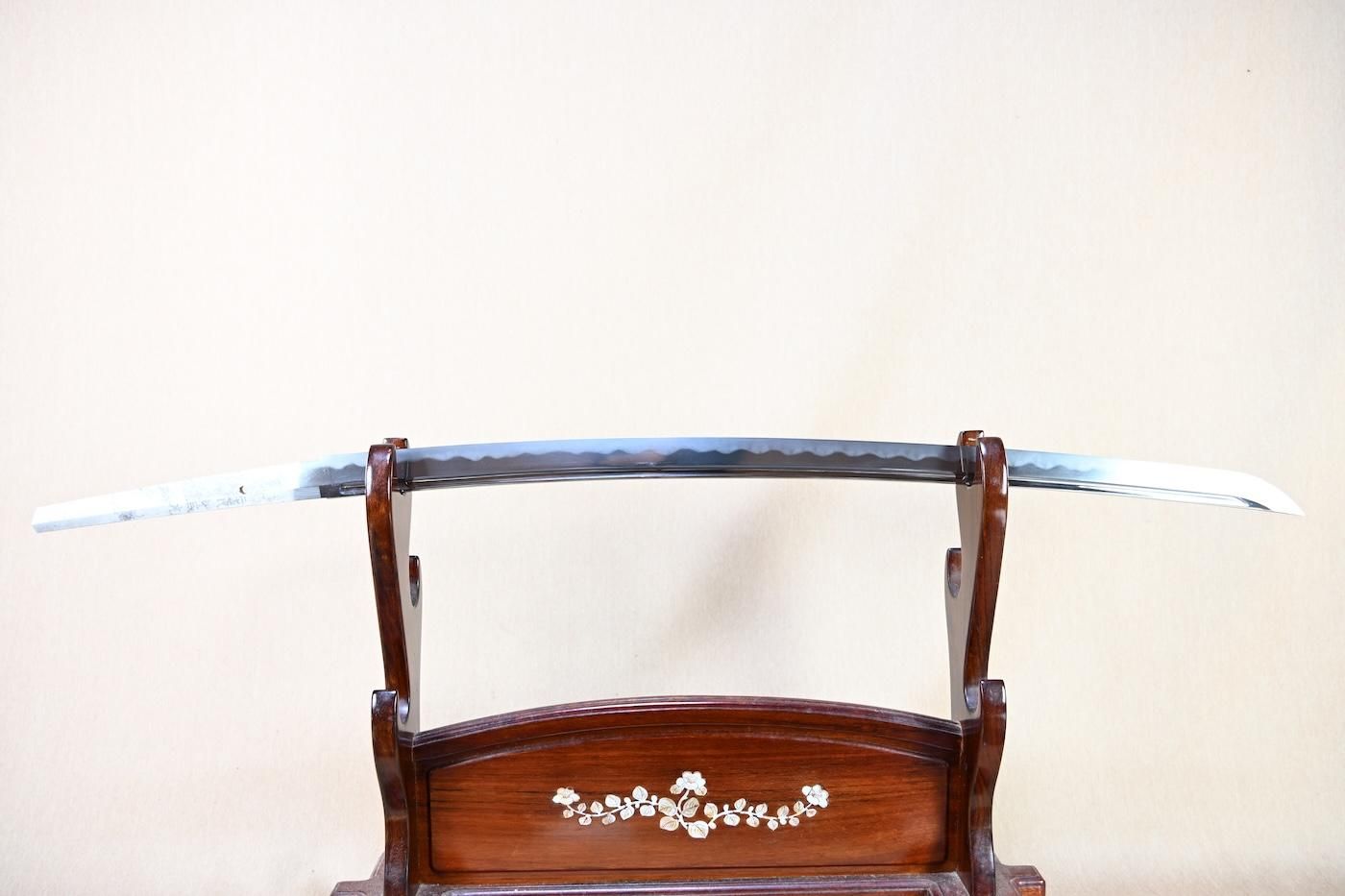
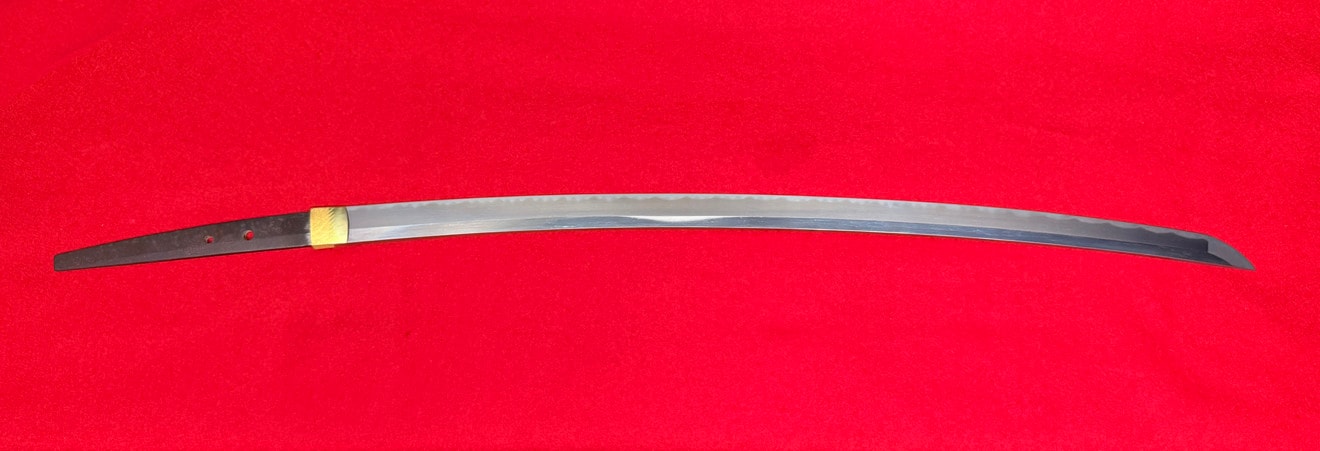
Antique Japanese Sword Wakizashi Signed by Kanetsune NBTHK Tokubetsu Hozon Certificate
売却済
世界81社の刀剣商を横断追跡 · 価格履歴 · 売却アーカイブ
Momoyama
仕様
44.4 cm
1 cm
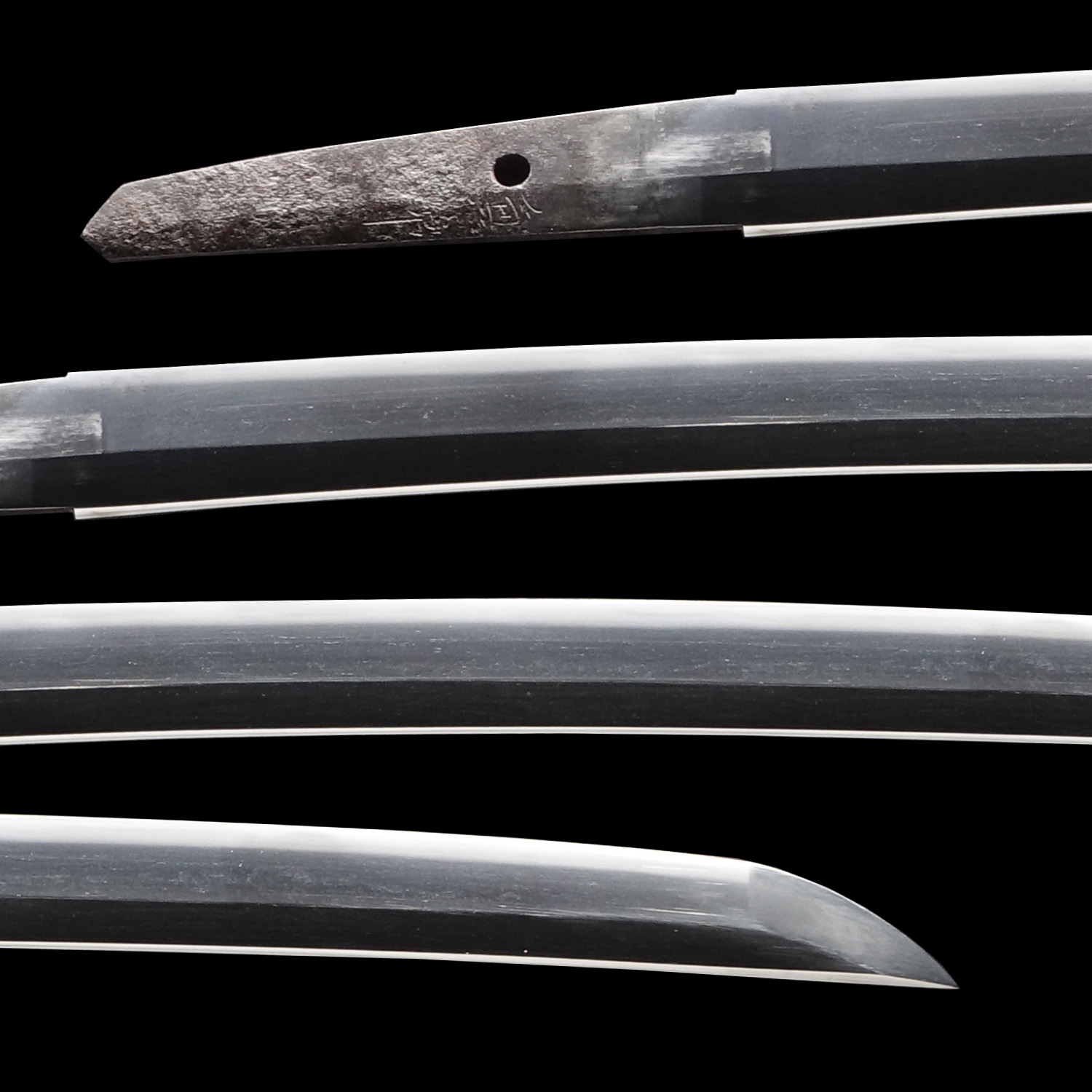
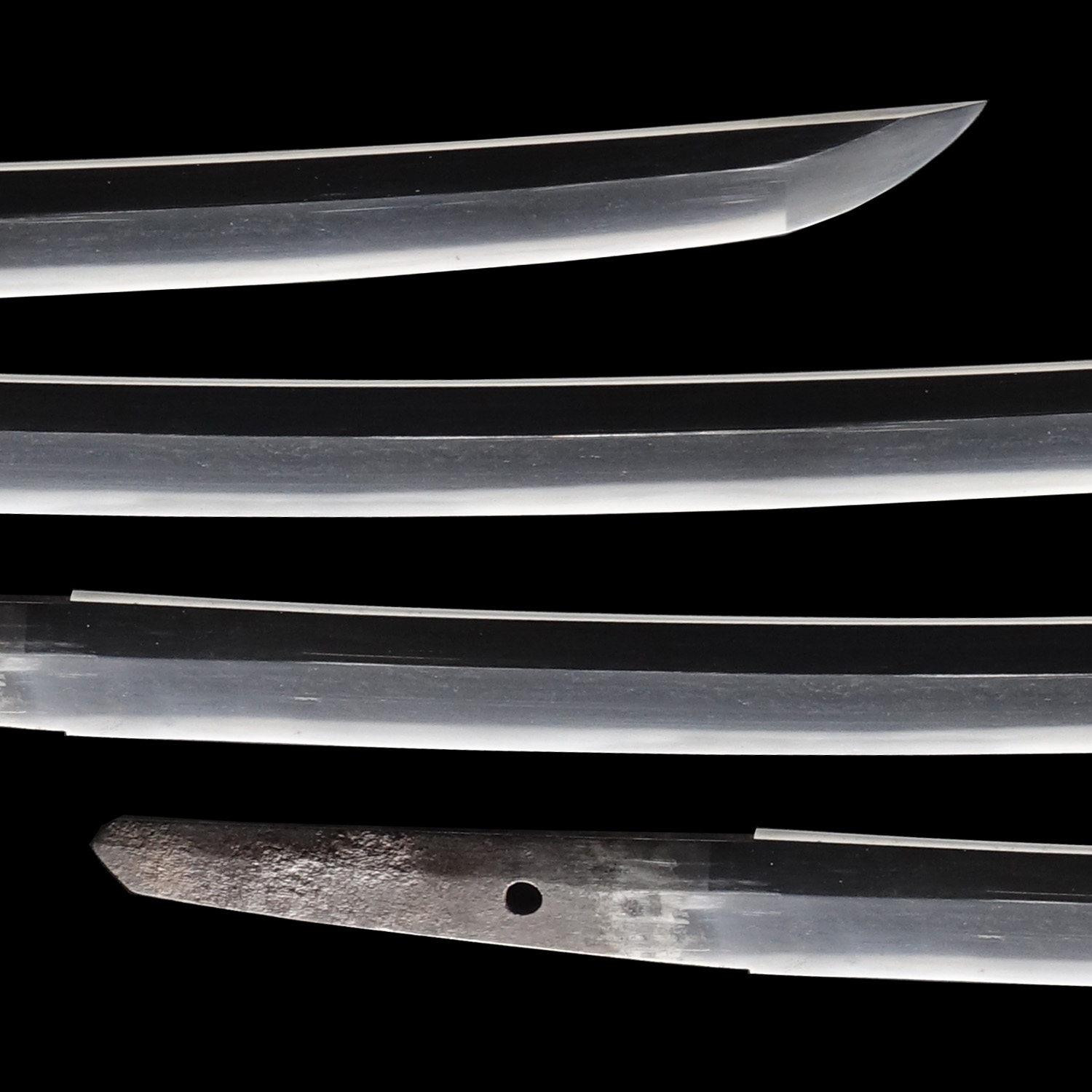
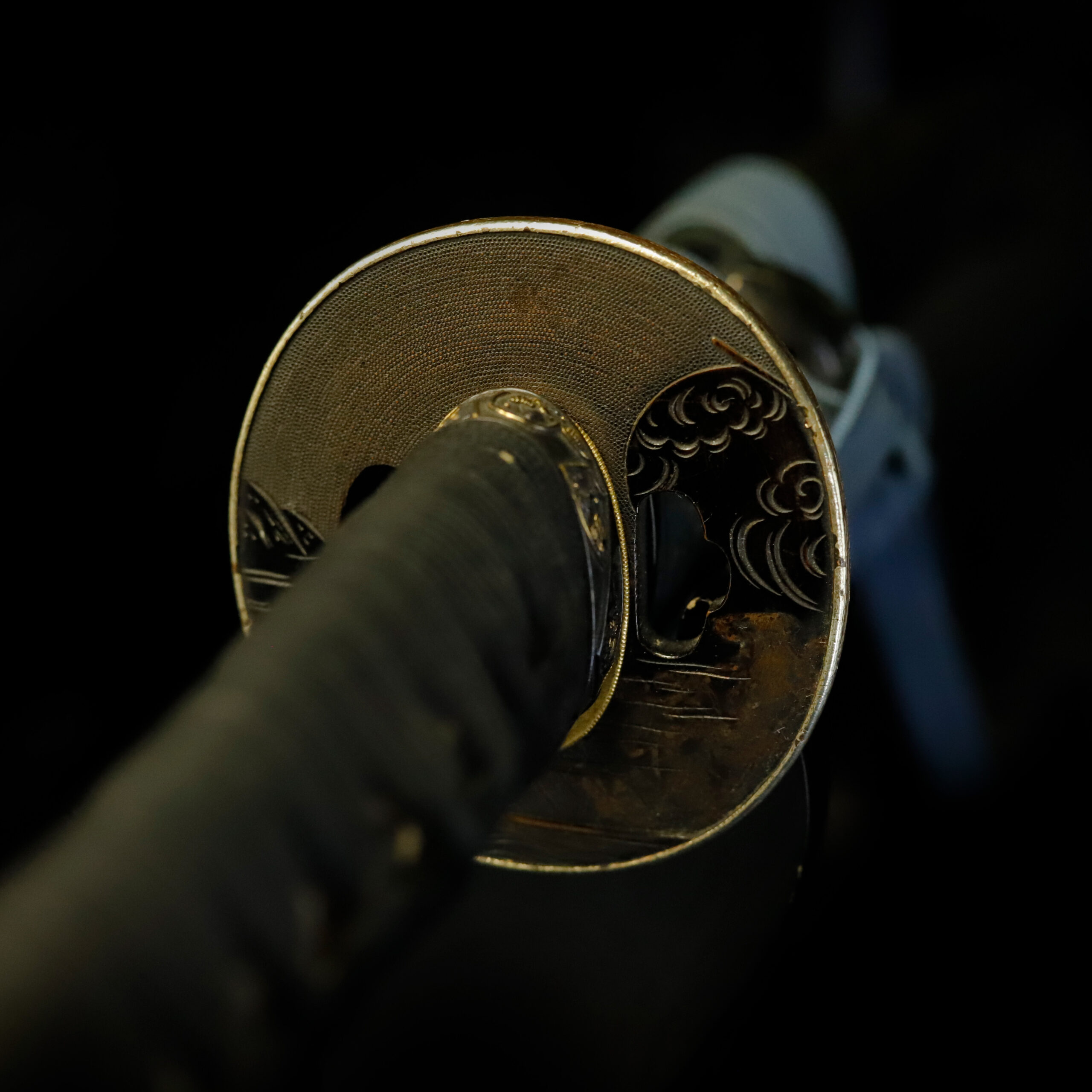
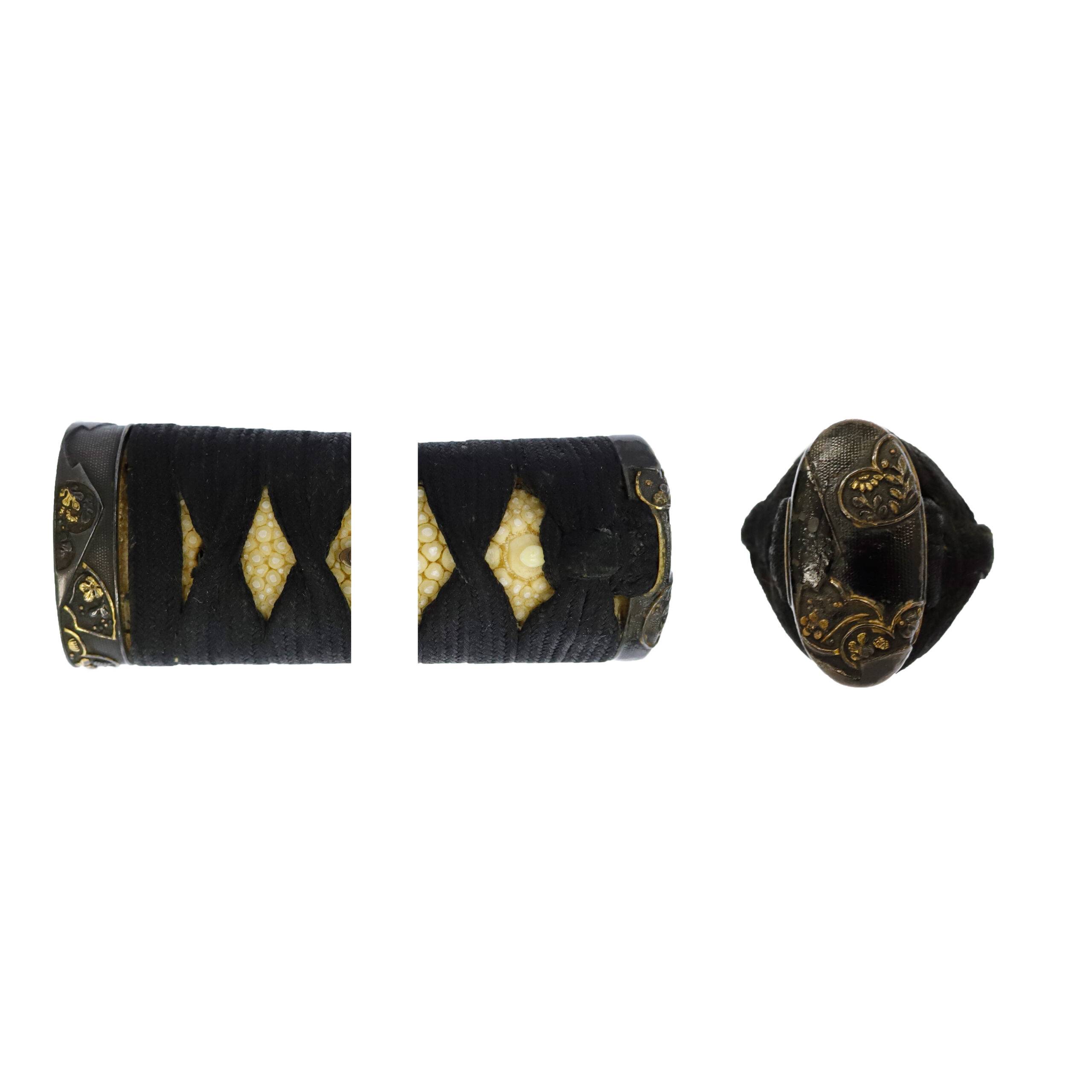
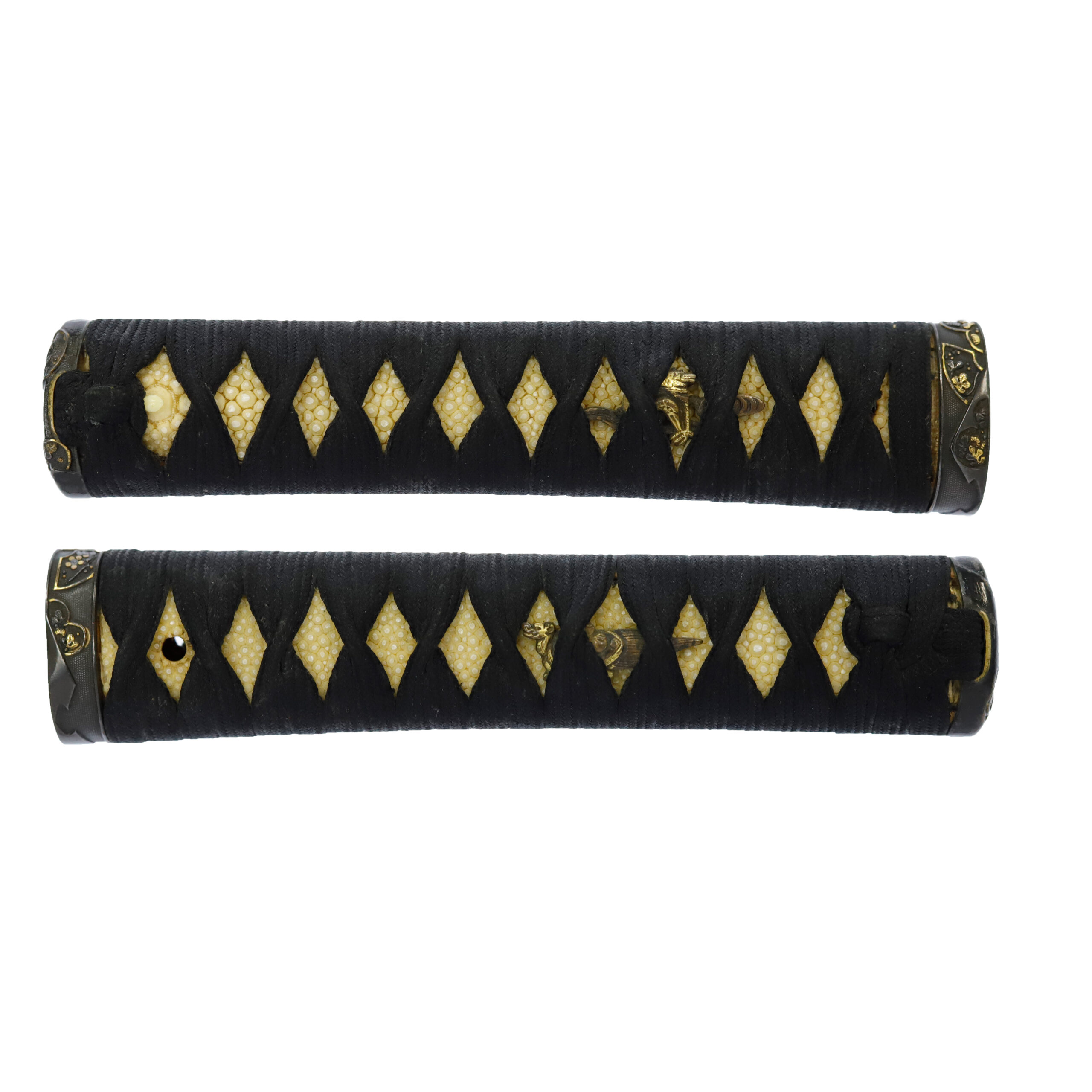
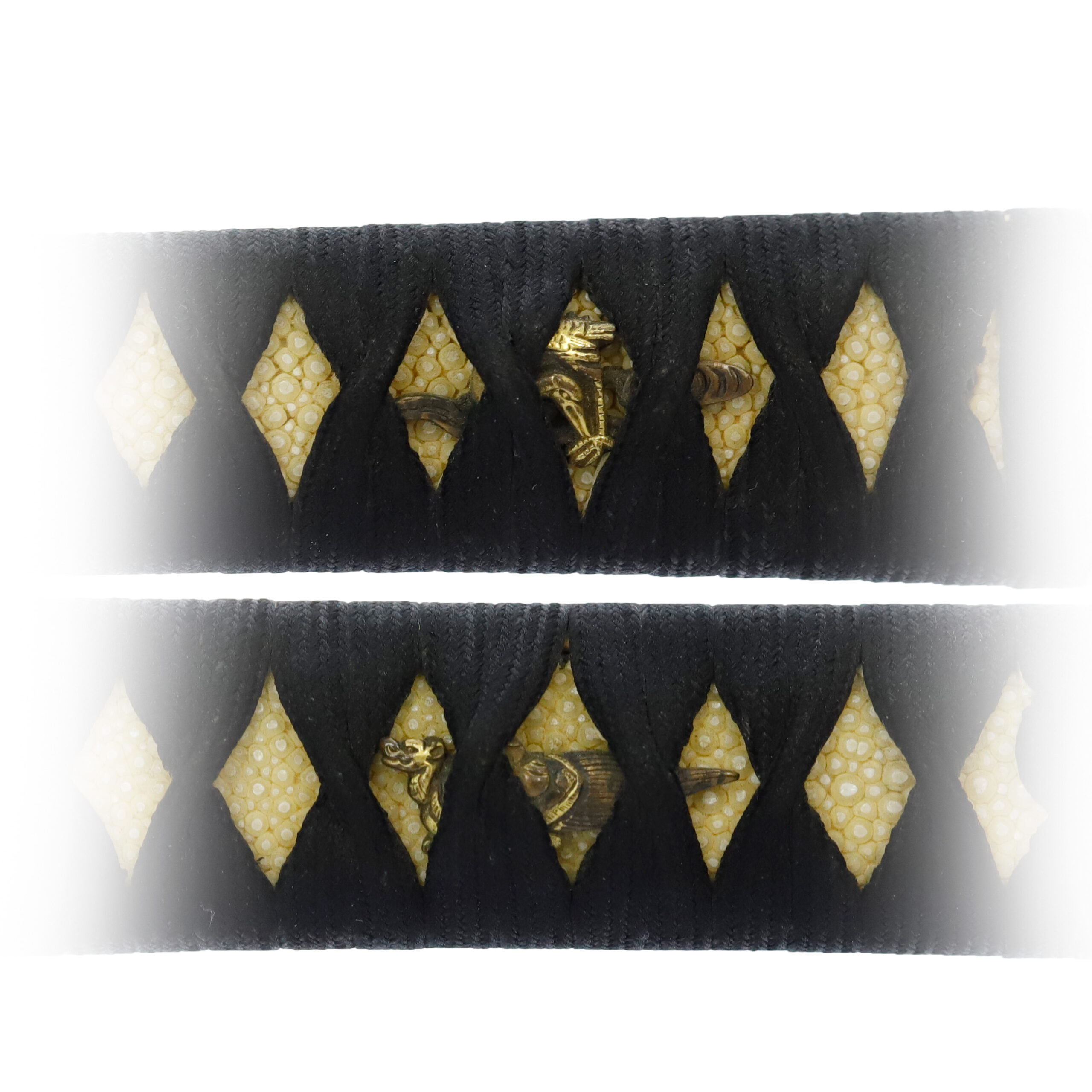
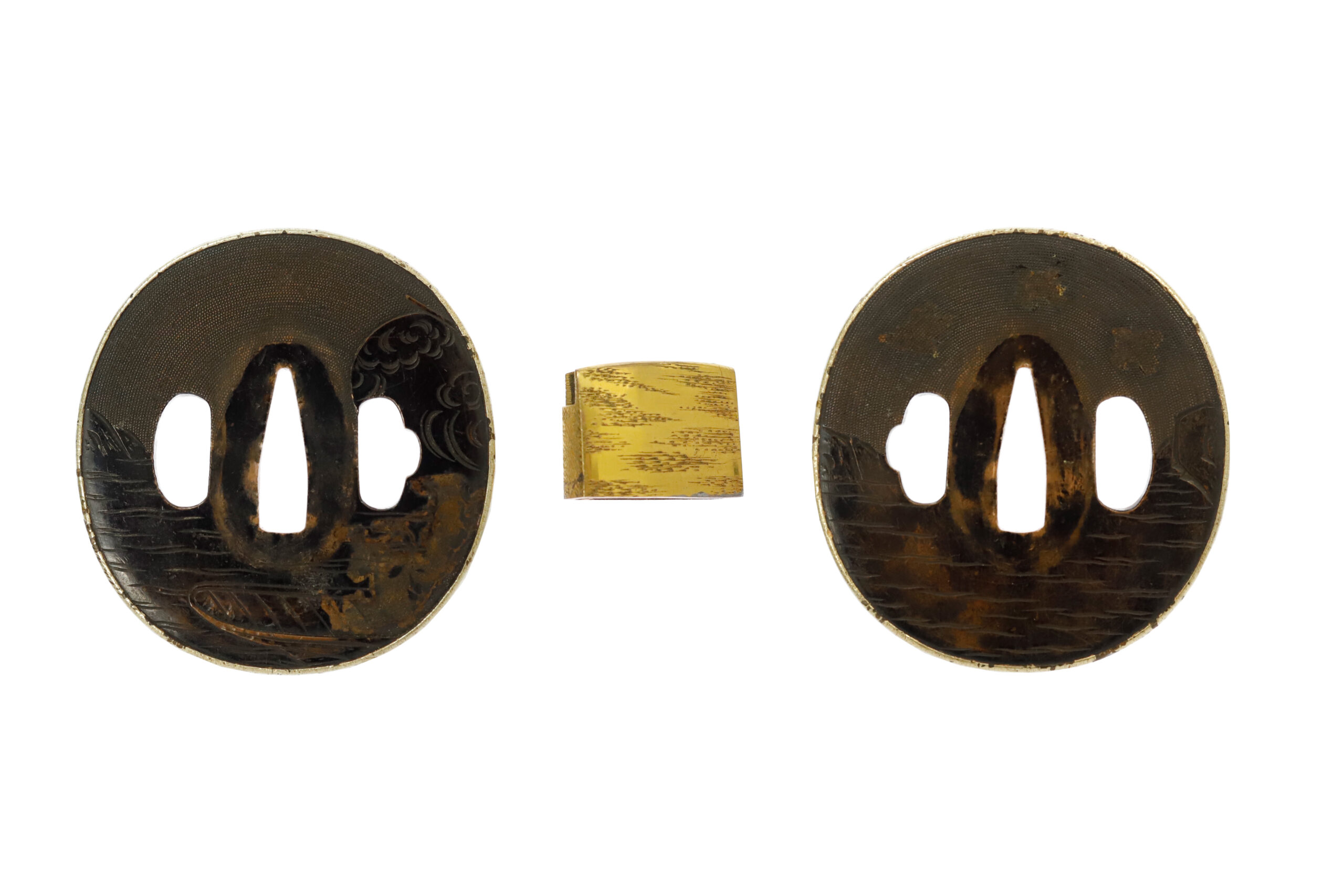
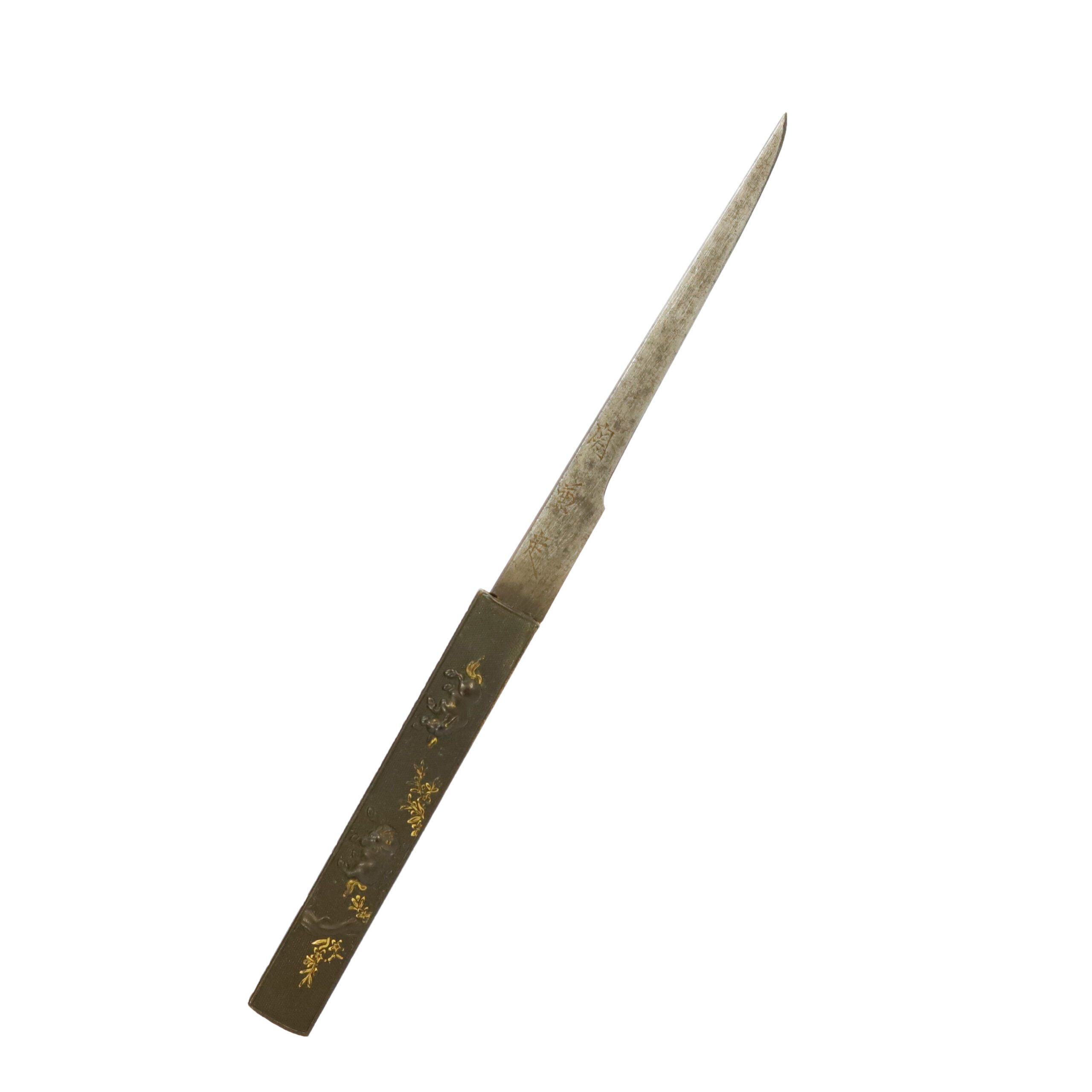
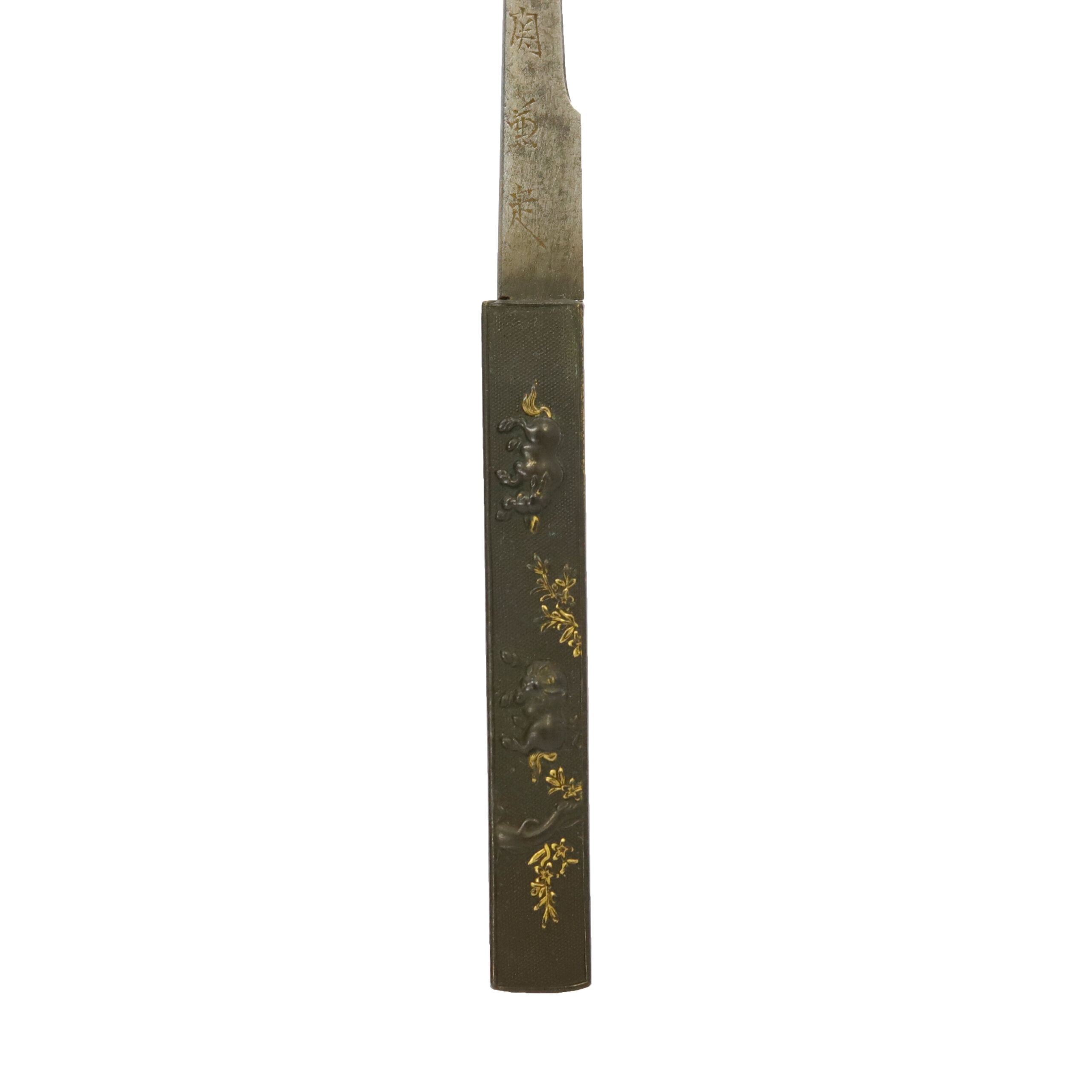
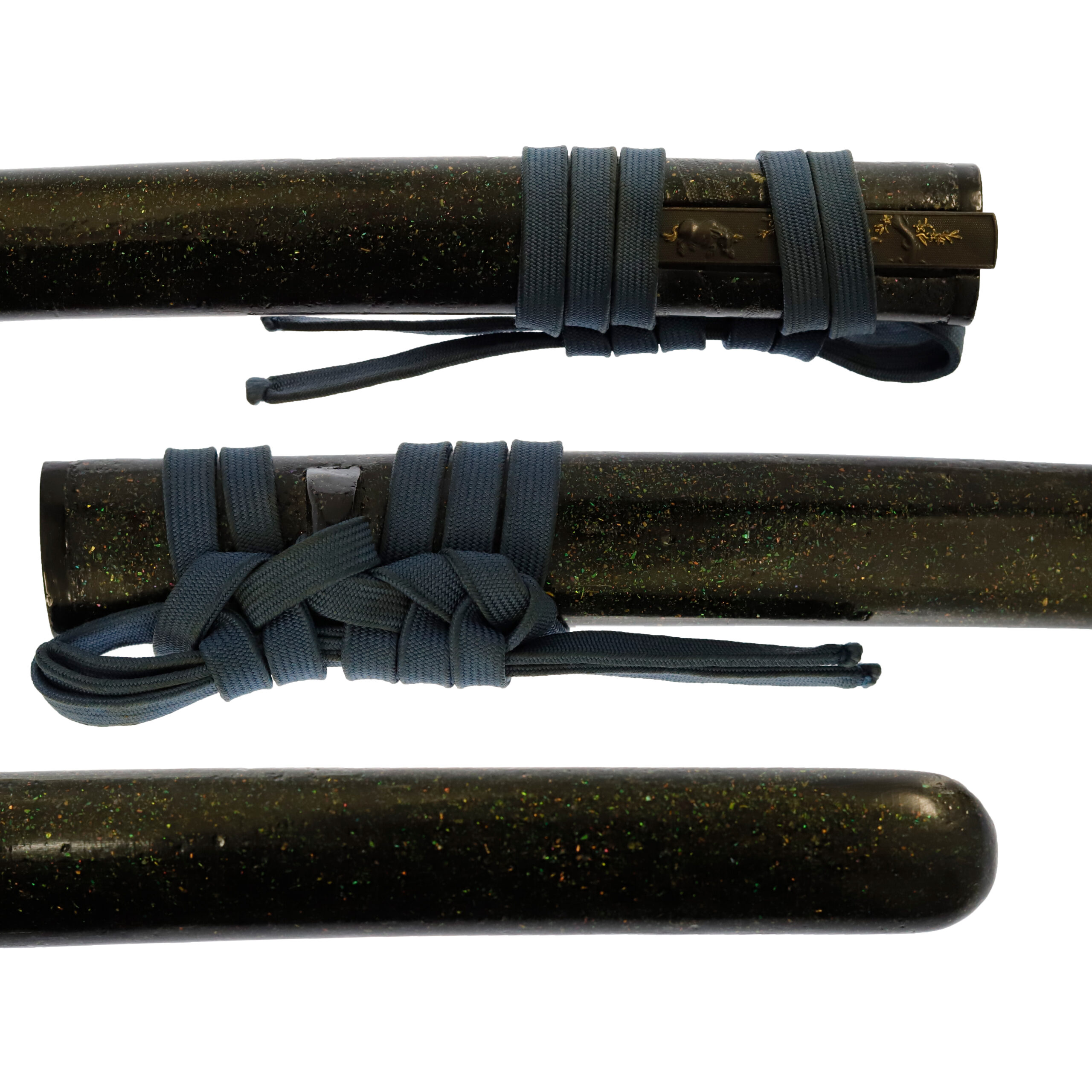
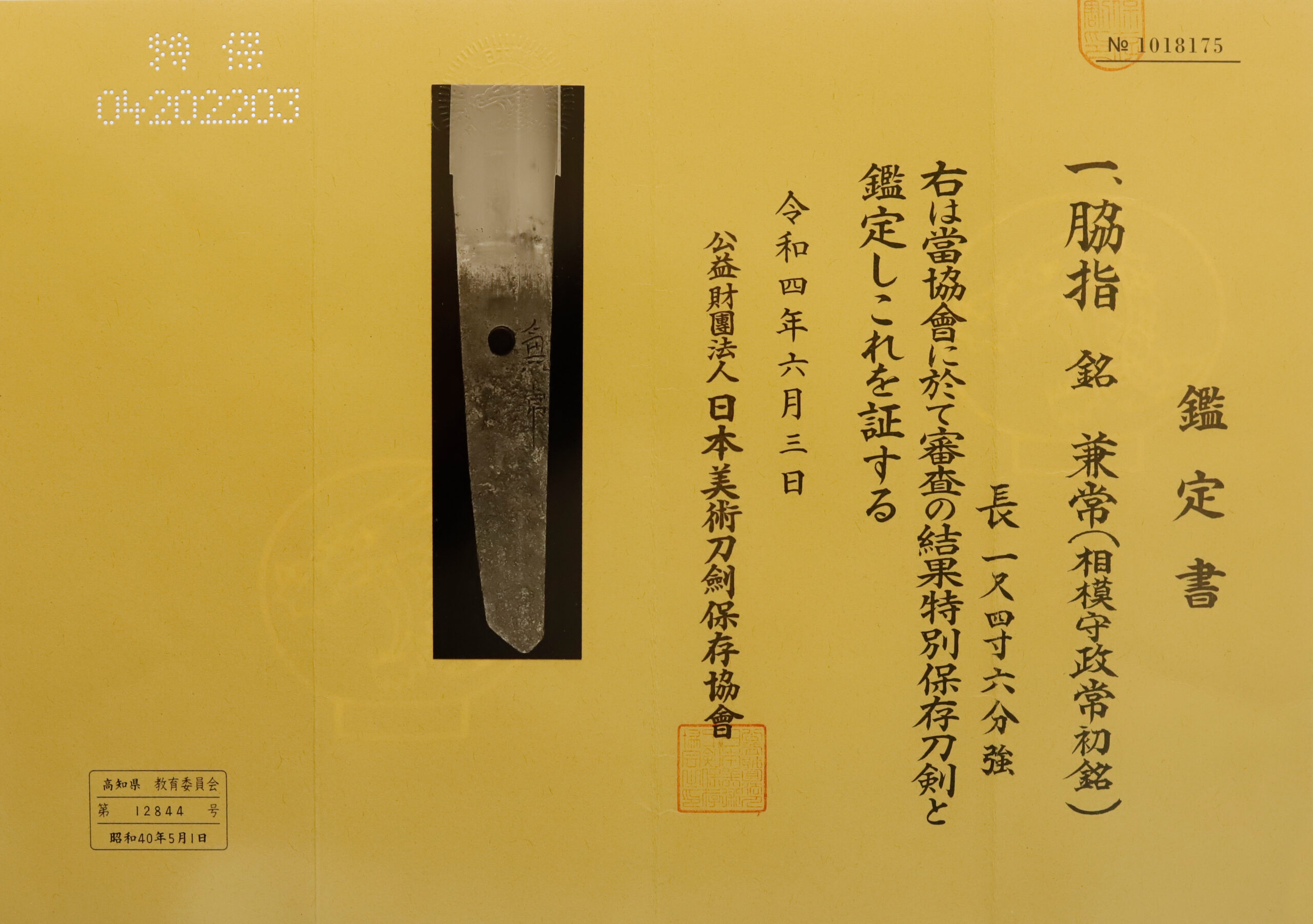
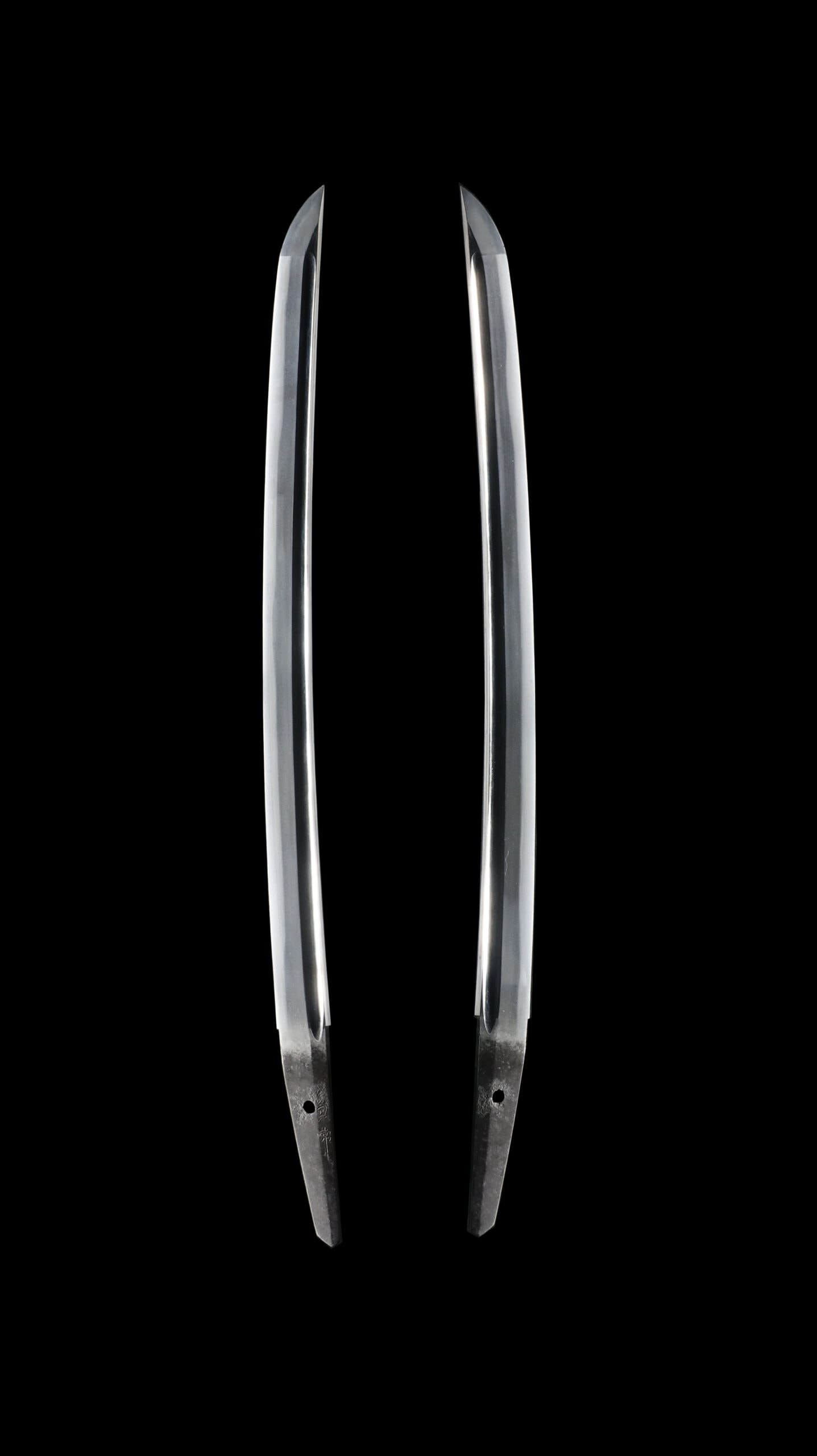
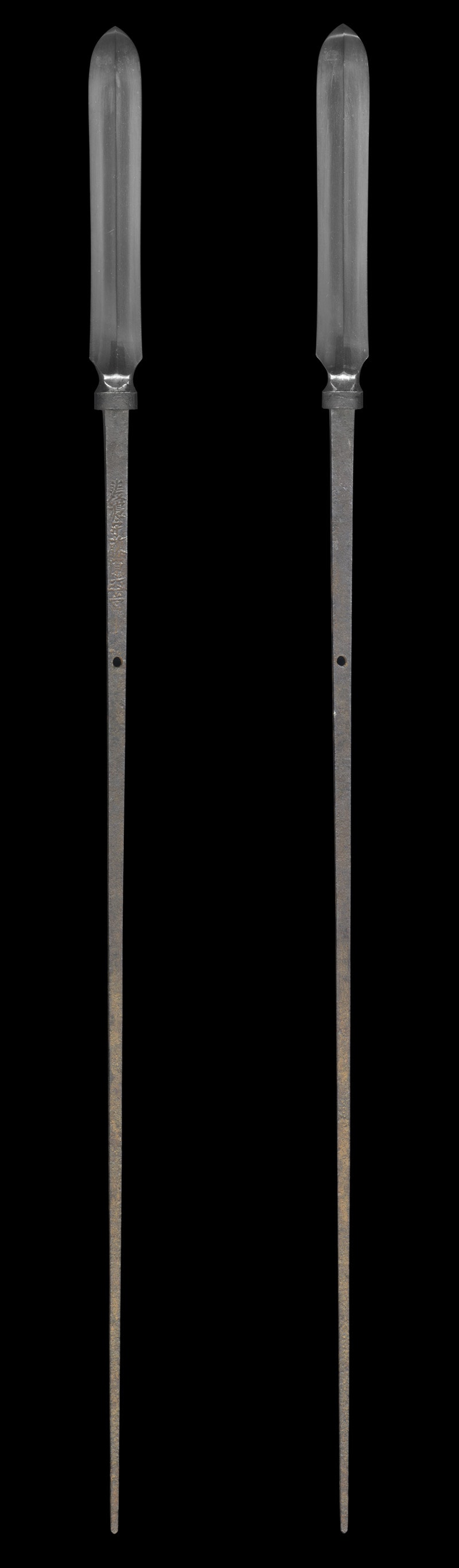
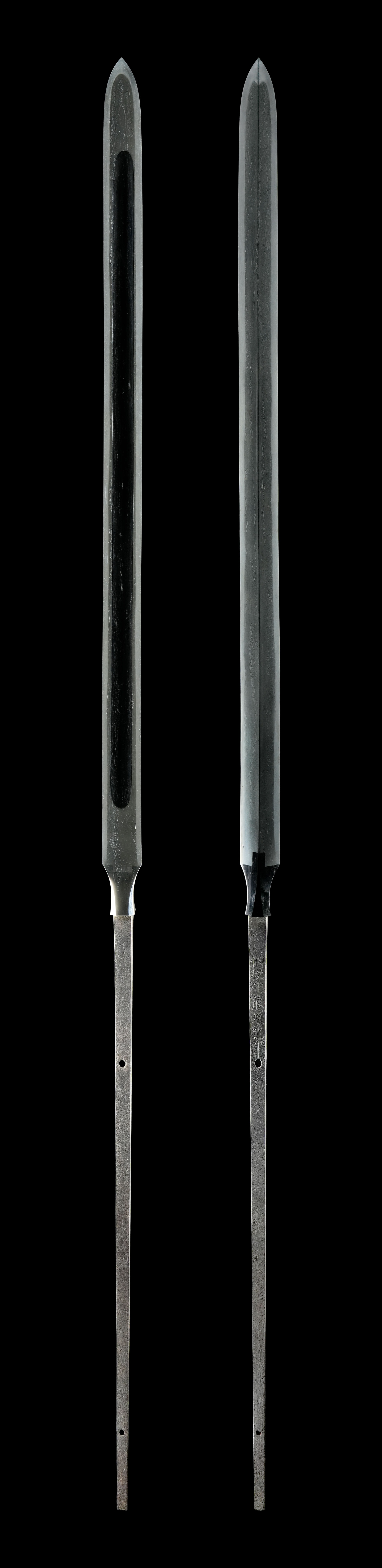
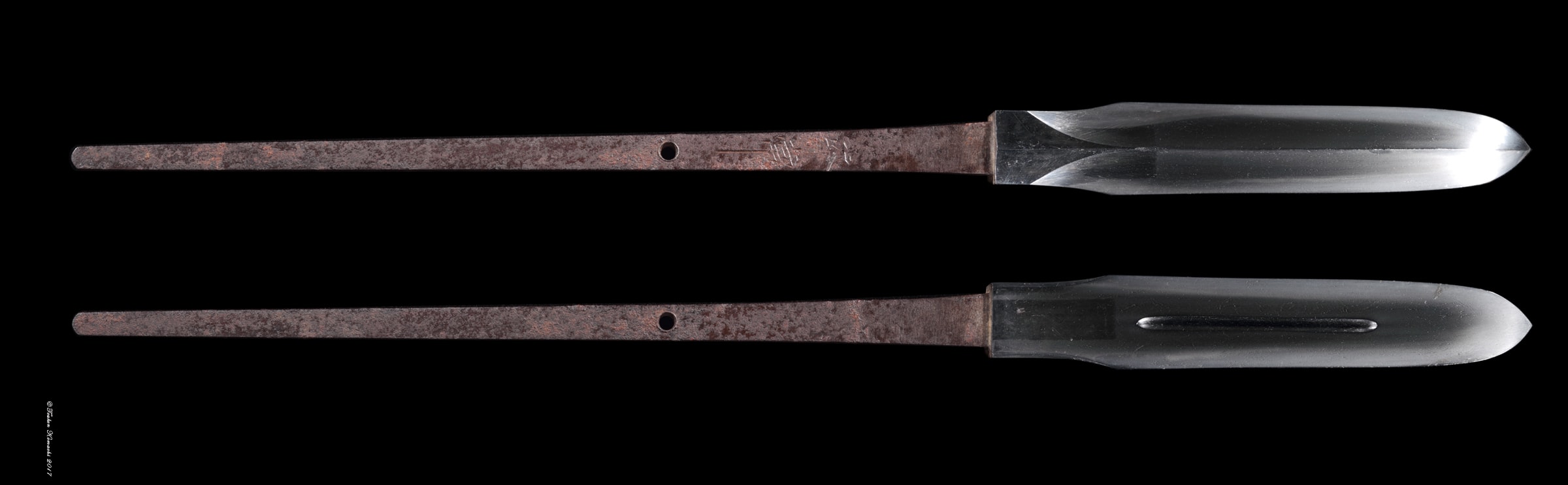
Antique Japanese Sword Wakizashi Signed by Kanetsune with NBTHK Tokubestsu Hozon Certificate 【Description】 This blade was signed by Kanetsune (兼常), also known as Sagami no Kami Masatsune (相模守政常). Kanetsune was the previous maker’s name used by Masatsune. He was active during 1573-1592 (Azuchi Momoyama period). In this description, we will address him as Kanetsune and Masatsune. Kanetsune was born as the second son of Suke Uemon Kanetsune in the third year of the Tenbun era (1534: Late Muromachi period). His father was also a renowned swordsmith in Mino province (Today’s Gifu prefecture). It is said that he learned sword-forging techniques from his father. And, in 1567, when he was 33 years old, he became an independent swordsmith and signed as Kanetsune (兼常), moving to Komaki village in Owari domain (Today’s Aichi prefecture). According to available records, he and his school forged 100 spear swords, which Tokugawa Ieyasu ordered for Komaki Nagakute Battle in 1584. Masatsune received an honorable official title of Sagami no Kami in 1592 and changed his maker’s name to Masatsune after Ikeda Terumasa (池田輝政), the head of the Kamaki domain, gave one of his letters to Kanetsune. It was common to let a swordsmith use one of the Kanjis in one lord’s first name as a token of great craftsmanship, such as Masatsune (政常). When Masatsune was 66 years old in 1600, Satsuma no Kami Matsudaira Tadayoshi, the 4th son of Tokugawa Ieyasu, became the head of the Kiyosu castle, the headquarter of Owari domain. And, Fukushima Masanori, one of the most famous Samurai who served Hideyoshi Toyotomi, ordered Masatsune to relocate from Komaki village to the castle town near the Kiyosu castle. And, Masatsune started to serve Tadayoshi as an Okakaekaji, exclusively forging blades for his master. In the same year, the head of the Owari domain changed to Tokugawa Yoshinao, 9th son of Tokugawa Ieyasu. And Masatsune and his son started serving Yoshinao. Masatsune once retired in the 12th year of the Keicho era (1607), but he returned to forge blades because his son died unexpectedly. He eventually adopted his heir from Omichi school in Mino province. Masatsune lived until he was 85 years old. As Owari province(today’s Aichi prefecture) was active in martial arts during the early Edo period, there was much demand among high-class Samurai to order swords forged by Masatsune. Masatsune is also known as an Owari Sanketsu, one of the three famous swordsmiths in Owari province. The other two are Hidano Kami Ujifusa and Hoki no Kami Nobutaka. This blade is appraised as a Tokubetsu Hozon Token (特別保存刀剣) issued by NBTHK(Nihon Bijutsu Touken Hozon Kyokai:日本美術刀剣保存協会). This authentication paper was only given to authentic Japanese swords, especially well preserved and high quality with artistic value. *Please keep in mind that there is a couple of Kitae Kzu on the blade. If you like to see the detailed condition, please feel free to contact us. 【Blade】 Cutting Edge Length(Nagasa) : 44.4 cm (17.5 inches) Curvature(Sori) : 1.0 cm (0.39 inches) Hamon : The crystalline structure which forms along the cutting edge of a blade as a result of the hardening process Jimon(Jihada) : visible steel surface pattern created by folding and hammering during forging process Nakago : Nakago is the tang of the Japanese sword. Japanese swordsmiths left the black rust on the tang because it prevents red rust while the tang is in its handle. And the discoloration of the tang was created over time, and it is a great indicator for a Japanese sword specialist to estimate when the sword was forged. Koshirae: Koshirae is the mounting of the Japanese sword. There are several parts that consist of Koshirae such as Saya(Scabbard), Tsuka( Handle), Tsuba(Handguard). Fuchi-Kashira : A pair of matching sword fittings that cover the upper and bottom parts of its sword hilt. The surface of this Fuchi Kashira is decorated with the Nanako-Ji (魚子地) technique. This process makes a uniform minimal protrusions pat

売却済
世界81社の刀剣商を横断追跡 · 価格履歴 · 売却アーカイブ
Momoyama
44.4 cm
1 cm

Antique Japanese Sword Wakizashi Attributed to Mihara NBTHK Hozon Certificate
$2,170

Antique Japanese Sword Wakizashi Signed by Kanemori NBTHK Tokubetsu Hozon Certificate
$5,881

Antique Japanese Sword Wakizashi Attributed to Den Nohshu Daido NTHK Kanteisho for the blade
$1,984

Antique Japanese Sword Wakizashi Signed by Kanefusa with NBTHK Kicho Certificate
$2,971
Antique Japanese Sword Wakizashi Signed by Kanetsune with NBTHK Tokubestsu Hozon Certificate 【Description】 This blade was signed by Kanetsune (兼常), also known as Sagami no Kami Masatsune (相模守政常). Kanetsune was the previous maker’s name used by Masatsune. He was active during 1573-1592 (Azuchi Momoyama period). In this description, we will address him as Kanetsune and Masatsune. Kanetsune was born as the second son of Suke Uemon Kanetsune in the third year of the Tenbun era (1534: Late Muromachi period). His father was also a renowned swordsmith in Mino province (Today’s Gifu prefecture). It is said that he learned sword-forging techniques from his father. And, in 1567, when he was 33 years old, he became an independent swordsmith and signed as Kanetsune (兼常), moving to Komaki village in Owari domain (Today’s Aichi prefecture). According to available records, he and his school forged 100 spear swords, which Tokugawa Ieyasu ordered for Komaki Nagakute Battle in 1584. Masatsune received an honorable official title of Sagami no Kami in 1592 and changed his maker’s name to Masatsune after Ikeda Terumasa (池田輝政), the head of the Kamaki domain, gave one of his letters to Kanetsune. It was common to let a swordsmith use one of the Kanjis in one lord’s first name as a token of great craftsmanship, such as Masatsune (政常). When Masatsune was 66 years old in 1600, Satsuma no Kami Matsudaira Tadayoshi, the 4th son of Tokugawa Ieyasu, became the head of the Kiyosu castle, the headquarter of Owari domain. And, Fukushima Masanori, one of the most famous Samurai who served Hideyoshi Toyotomi, ordered Masatsune to relocate from Komaki village to the castle town near the Kiyosu castle. And, Masatsune started to serve Tadayoshi as an Okakaekaji, exclusively forging blades for his master. In the same year, the head of the Owari domain changed to Tokugawa Yoshinao, 9th son of Tokugawa Ieyasu. And Masatsune and his son started serving Yoshinao. Masatsune once retired in the 12th year of the Keicho era (1607), but he returned to forge blades because his son died unexpectedly. He eventually adopted his heir from Omichi school in Mino province. Masatsune lived until he was 85 years old. As Owari province(today’s Aichi prefecture) was active in martial arts during the early Edo period, there was much demand among high-class Samurai to order swords forged by Masatsune. Masatsune is also known as an Owari Sanketsu, one of the three famous swordsmiths in Owari province. The other two are Hidano Kami Ujifusa and Hoki no Kami Nobutaka. This blade is appraised as a Tokubetsu Hozon Token (特別保存刀剣) issued by NBTHK(Nihon Bijutsu Touken Hozon Kyokai:日本美術刀剣保存協会). This authentication paper was only given to authentic Japanese swords, especially well preserved and high quality with artistic value. *Please keep in mind that there is a couple of Kitae Kzu on the blade. If you like to see the detailed condition, please feel free to contact us. 【Blade】 Cutting Edge Length(Nagasa) : 44.4 cm (17.5 inches) Curvature(Sori) : 1.0 cm (0.39 inches) Hamon : The crystalline structure which forms along the cutting edge of a blade as a result of the hardening process Jimon(Jihada) : visible steel surface pattern created by folding and hammering during forging process Nakago : Nakago is the tang of the Japanese sword. Japanese swordsmiths left the black rust on the tang because it prevents red rust while the tang is in its handle. And the discoloration of the tang was created over time, and it is a great indicator for a Japanese sword specialist to estimate when the sword was forged. Koshirae: Koshirae is the mounting of the Japanese sword. There are several parts that consist of Koshirae such as Saya(Scabbard), Tsuka( Handle), Tsuba(Handguard). Fuchi-Kashira : A pair of matching sword fittings that cover the upper and bottom parts of its sword hilt. The surface of this Fuchi Kashira is decorated with the Nanako-Ji (魚子地) technique. This process makes a uniform minimal protrusions pat

売却済
世界81社の刀剣商を横断追跡 · 価格履歴 · 売却アーカイブ
Momoyama
44.4 cm
1 cm

Antique Japanese Sword Wakizashi Attributed to Mihara NBTHK Hozon Certificate
$2,170

Antique Japanese Sword Wakizashi Signed by Kanemori NBTHK Tokubetsu Hozon Certificate
$5,881

Antique Japanese Sword Wakizashi Attributed to Den Nohshu Daido NTHK Kanteisho for the blade
$1,984

Antique Japanese Sword Wakizashi Signed by Kanefusa with NBTHK Kicho Certificate
$2,971