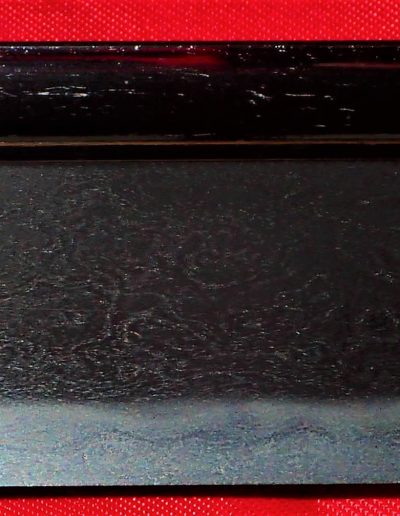
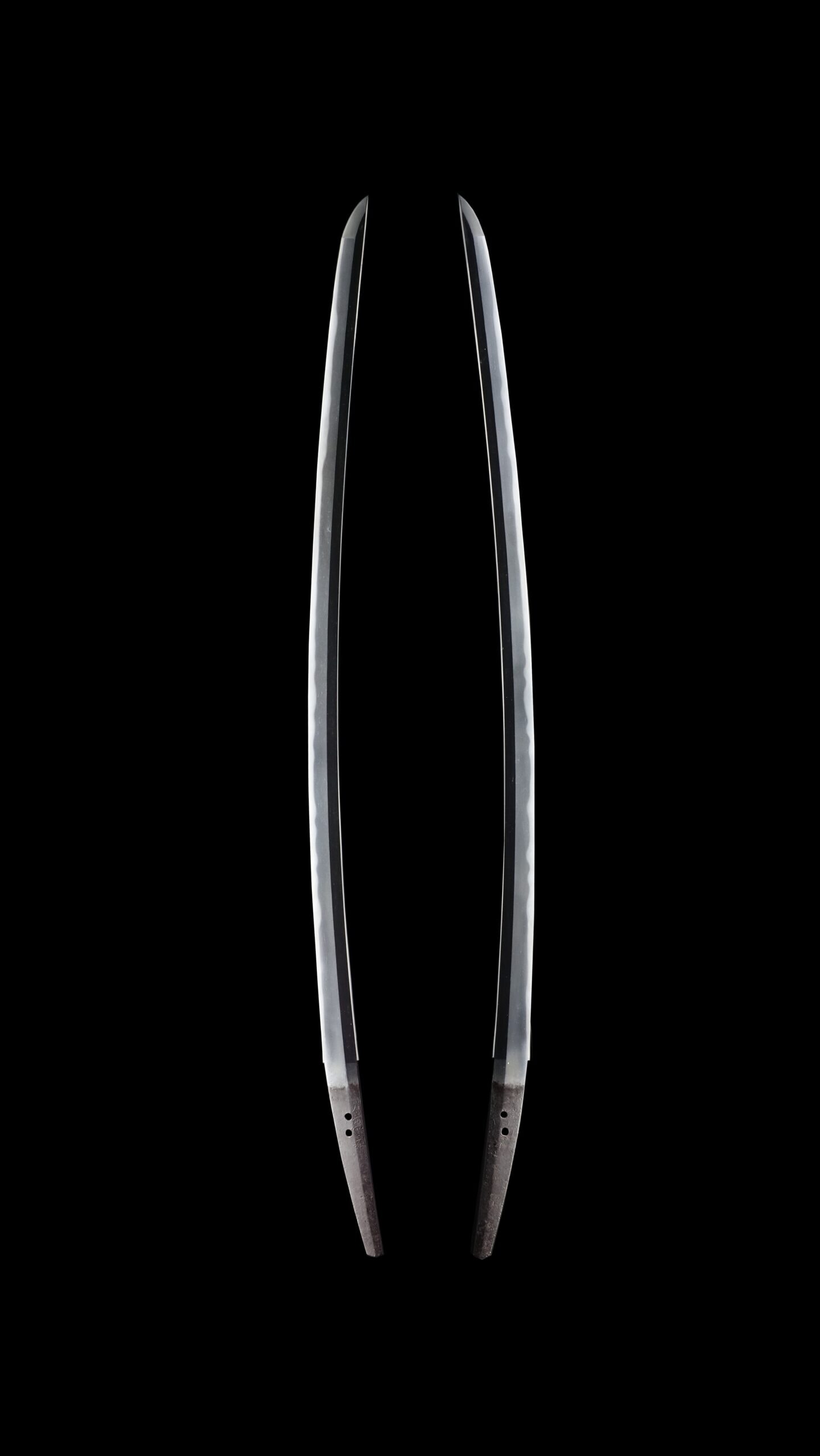
応仁の乱が足利の体制を砕いた後、戦国の一世紀はほとんどすべての国を武装させた。この時代は選ぶ目に報いる。並の作は多いが、その傍らには第一級の注文打ちが立っている。
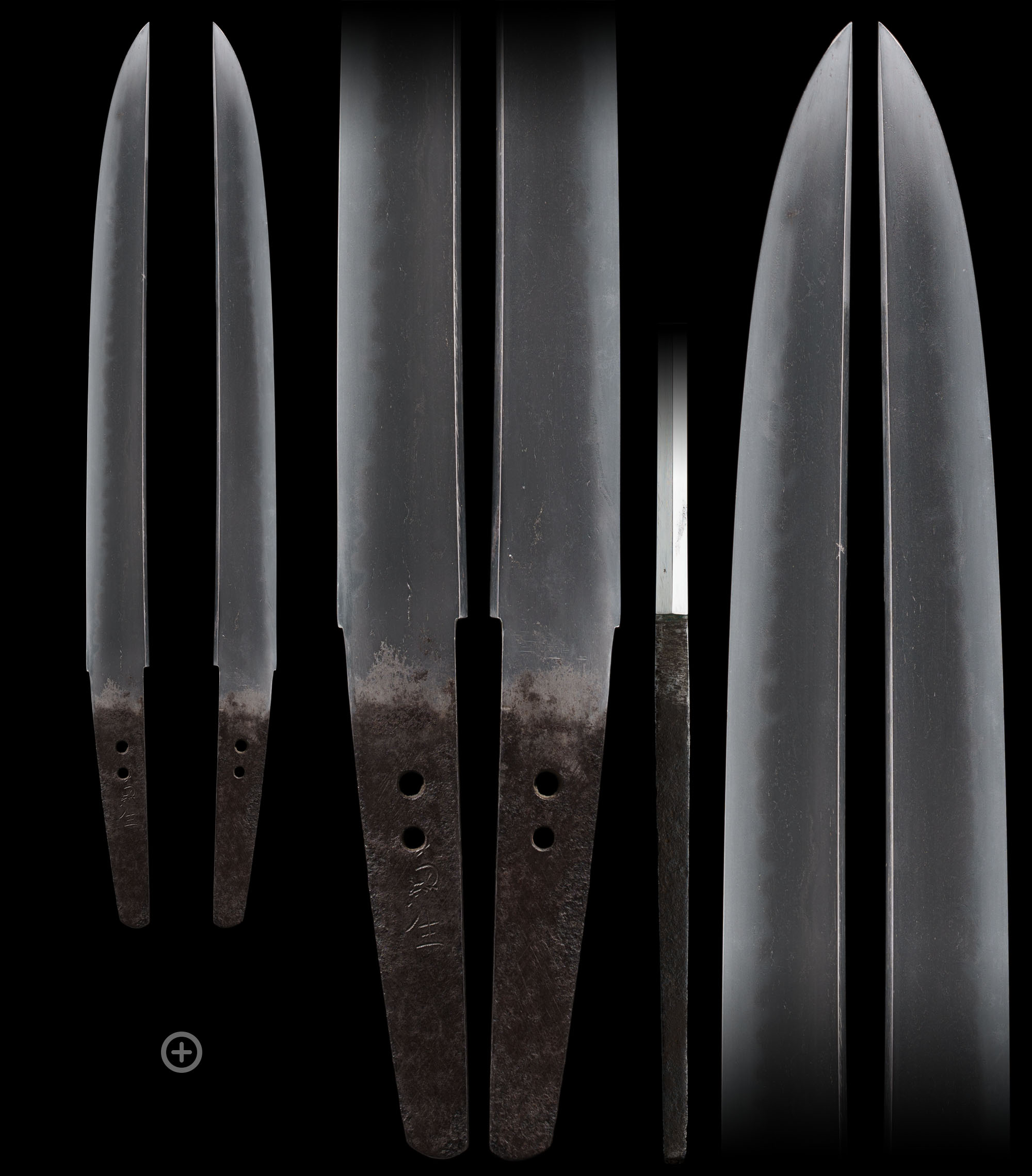
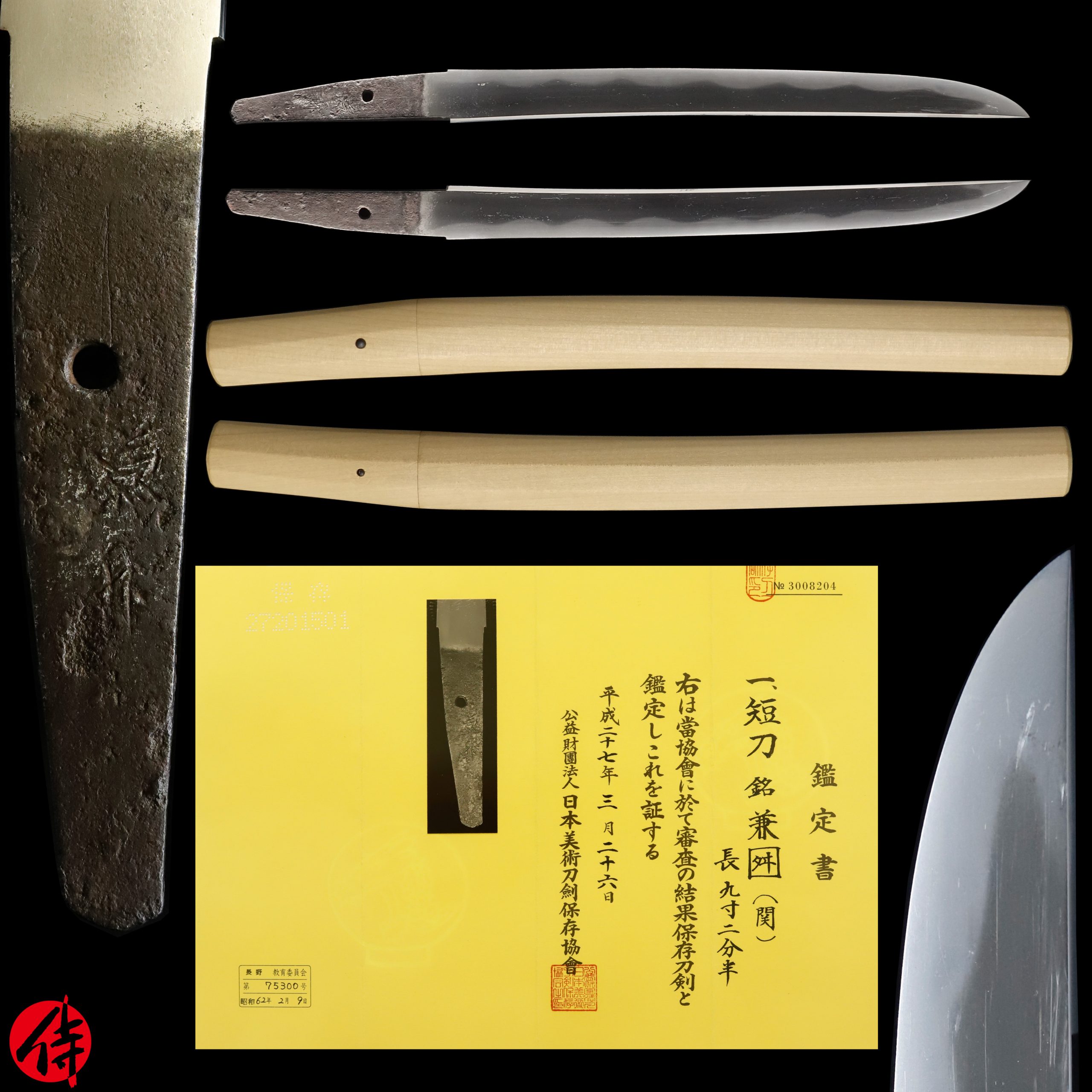
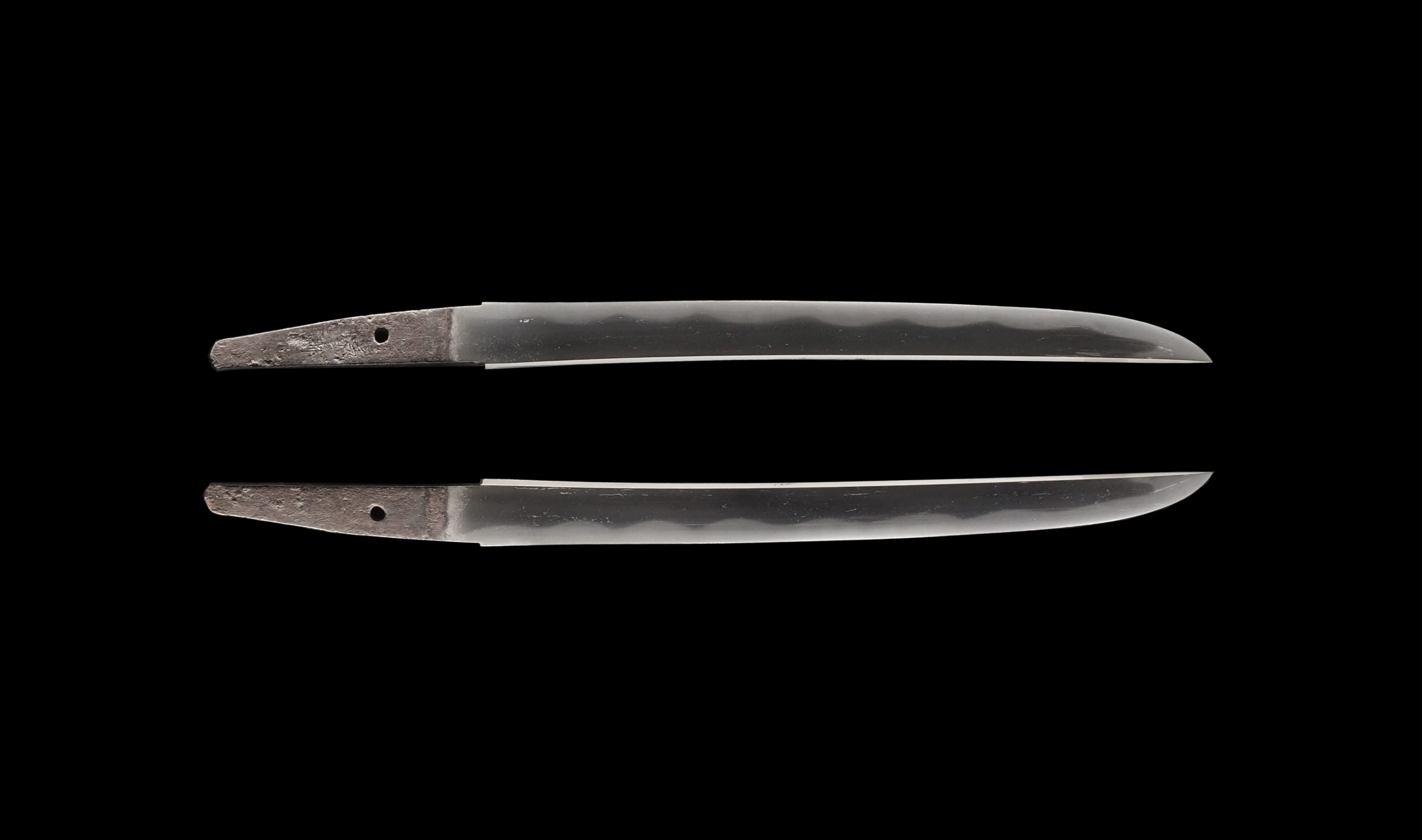
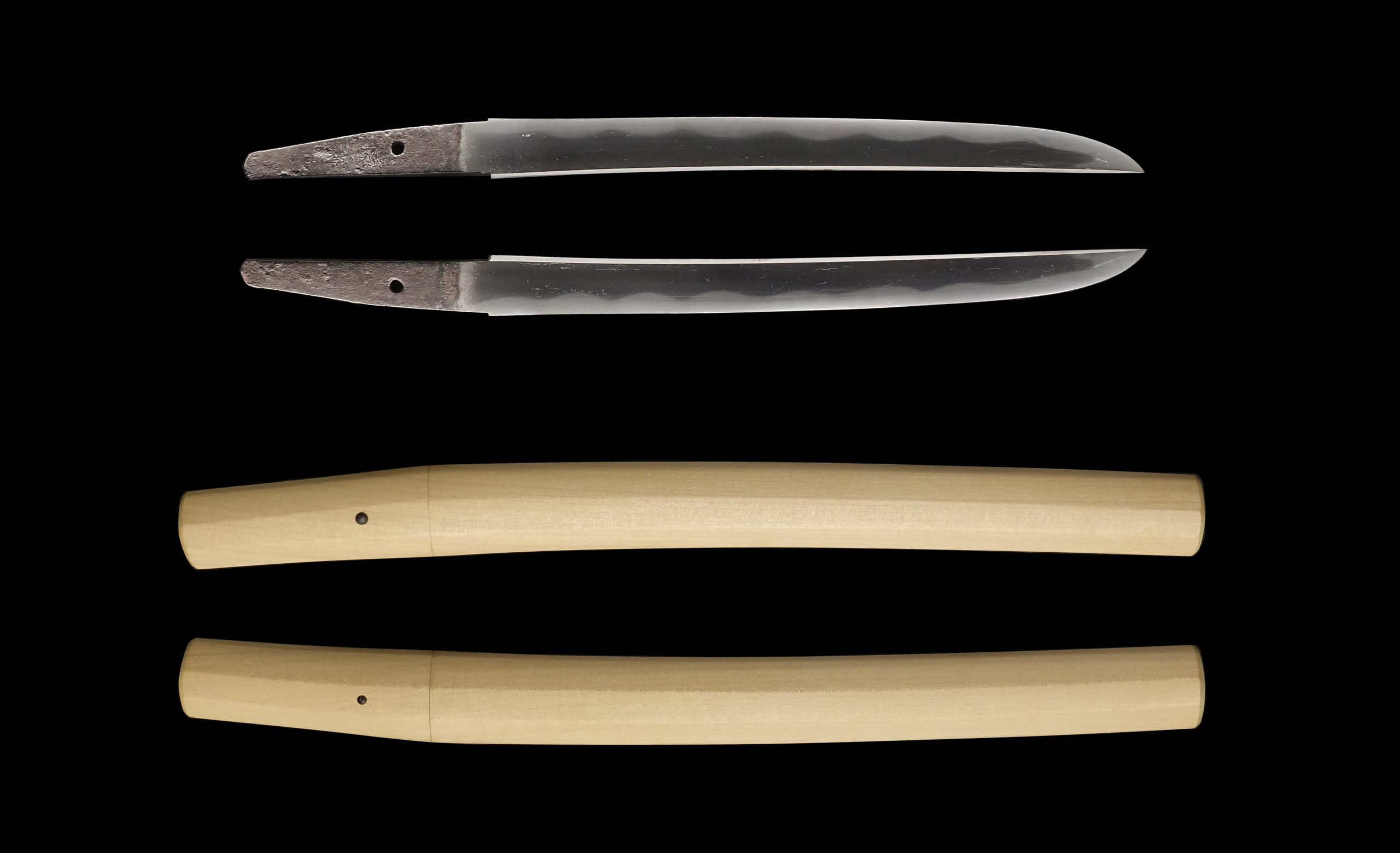
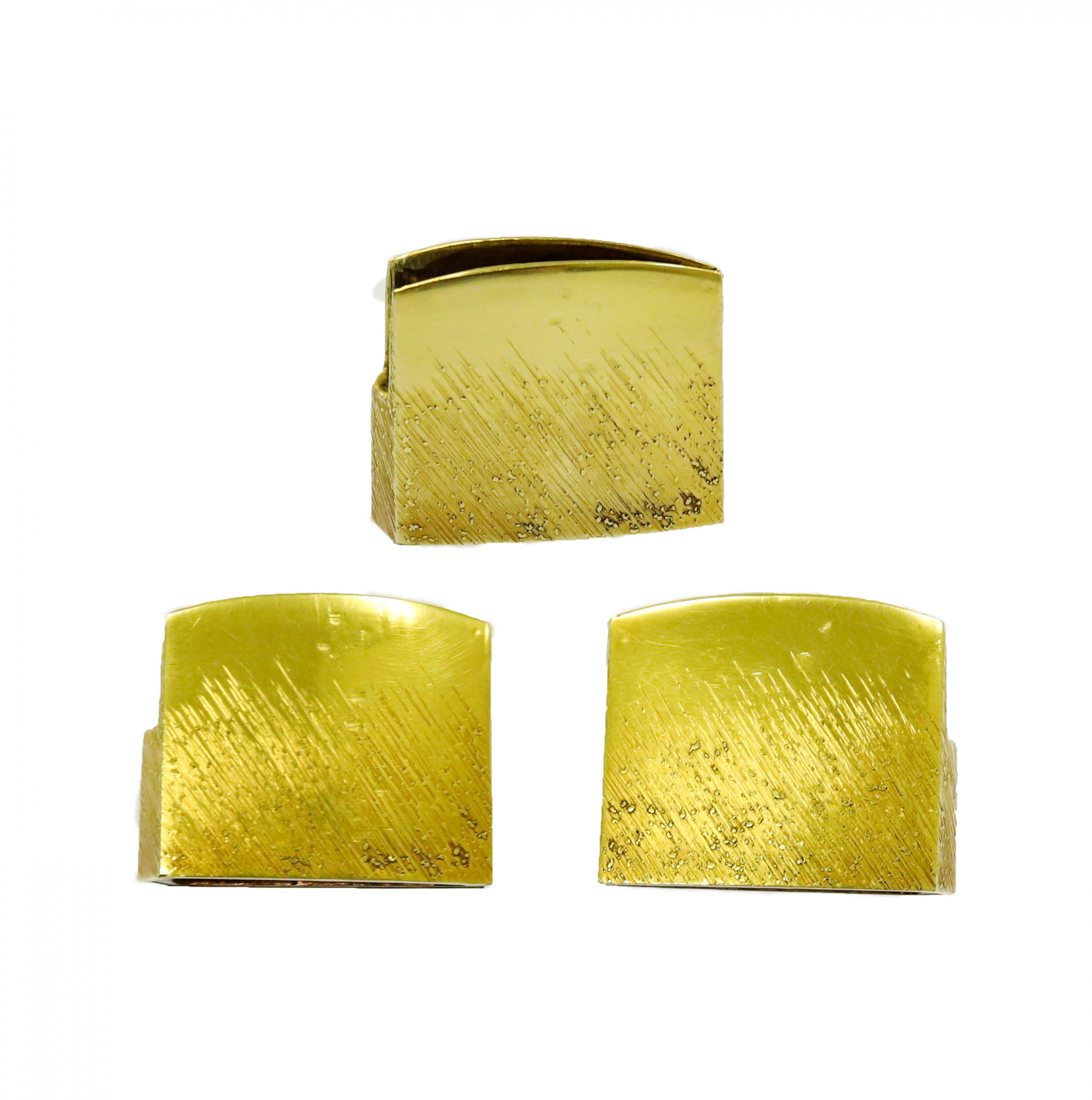
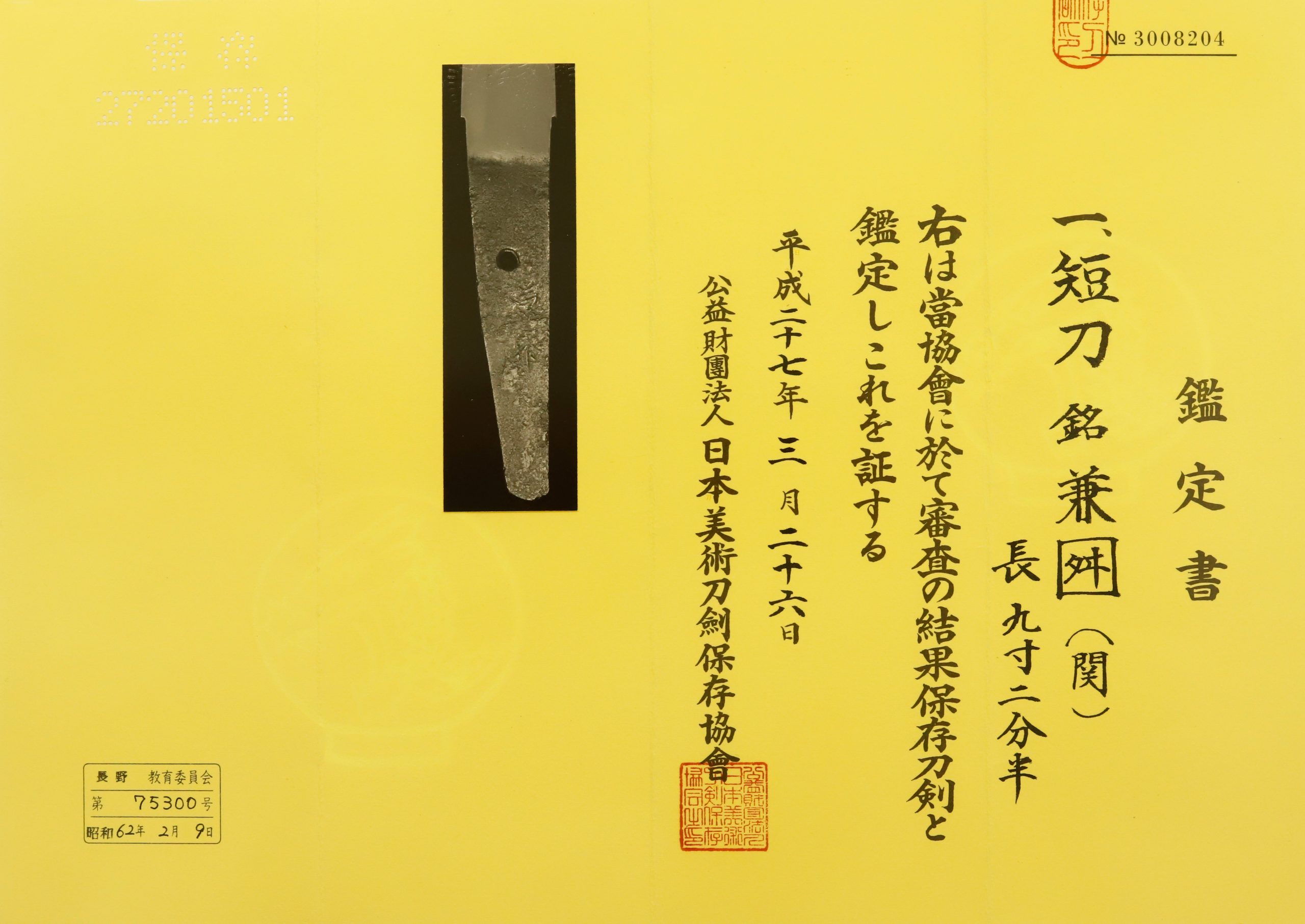
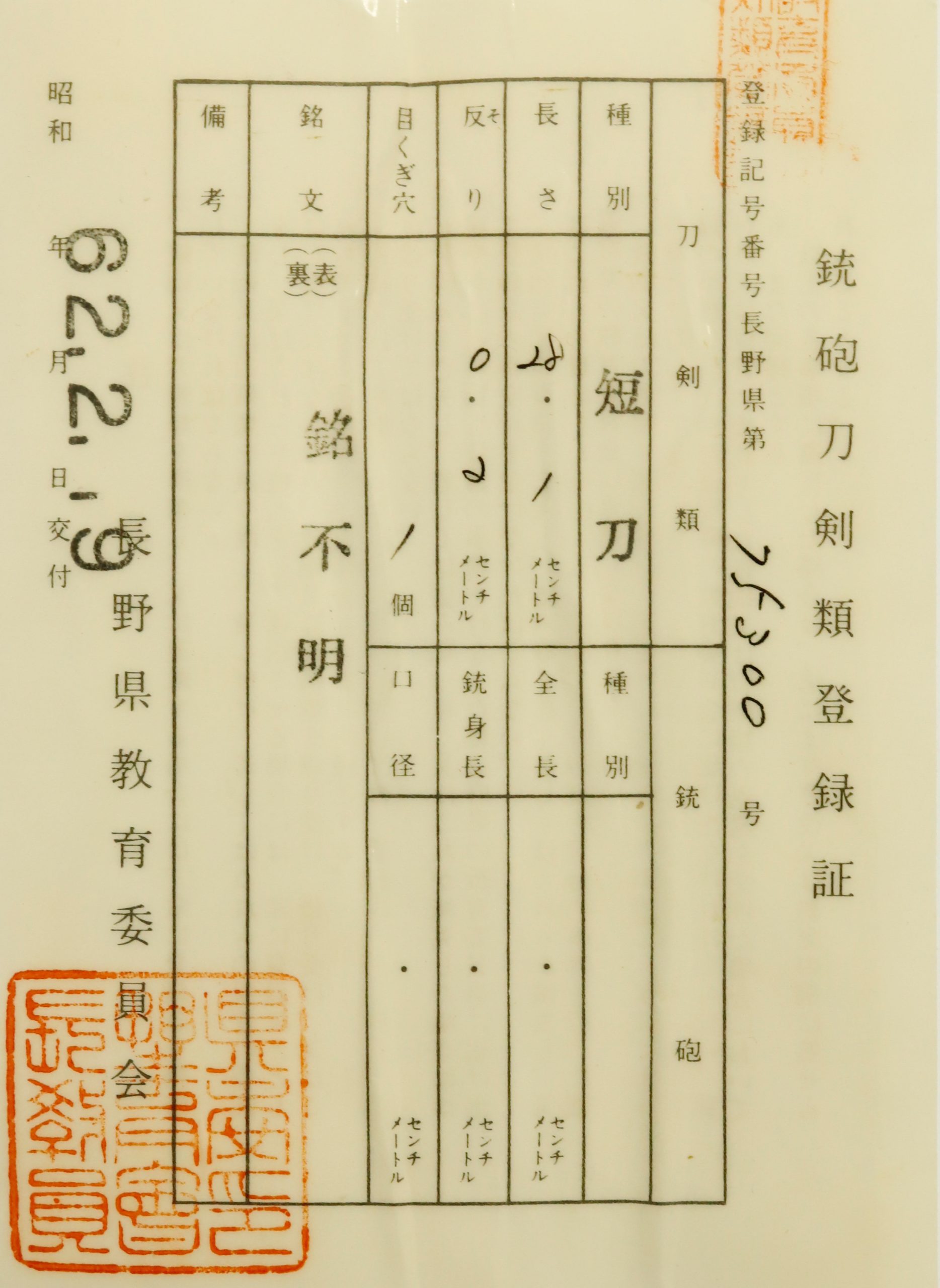
Antique Japanese Sword Tanto Attributed to Kanemasu with Tokubetsu Hozon Certificate 【Description】 This blade is attributed to Kanemasu (兼升) by NBTHK, while the letter升 isn’t legible in the signature. Kanemasu was a swordsmith who resided in Seki city, Mino province, during the late Muromachi period (early 16th century). He is categorized as a Mino swordsmith. Kane also means money, and Masu has a meaning of increasing in Japanese. Because of this pronunciation, the blades forged by Kanemasu were treated as an auspicious symbol to gain more money. The MINO swordsmiths style, also known as MINO-DEN, basically has the TOGARI(Pointed shapes protruding from the Hamon )in a classic straight line and random temper line with some white Utsuri. MINO-DEN had its origin from YAMATO-DEN in the late KAMAKURA period(1280-1330). It flourished in the MUROMACHI period(1333-1573) and continued until the EDO period(1603-1868). MINO-DEN especially prospered during Sengoku Jidai(Warring State period) due to the high demand for weapons. And the location of Mino province beat others. Akechi Mitsuhide controlled Mino province, and Nobunaga Oda ruled Owari province, and Tokugawa Ieyasu was the lord of Suruga (Neighboring areas). There was high demand from those powerful feudal lords and their retainers. Furthermore, so many wars occurred between the Kanto region and the Kyoto area. Mino is located in the middle, making feudal lords feel convenient to order swords from MINO-DEN. The blades forged in MINO provinces also had the reputation of its practical design and sharpness. Many feudal lords demanded swords forged in the Mino province. This blade is appraised as a Hozon Token(保存刀剣) issued by NBTHK(Nihon Bijutsu Touken Hozon Kyokai:日本美術刀剣保存協会). This authentication paper was only given to authentic Japanese swords, well preserved and high quality with artistic value. 【 Blade】 Cutting Edge Length(Nagasa) : 28.1 cm (11.0 inches) Curvature(Sori) : 0.2 cm (0.08 inches) Hamon : The crystalline structure which forms along the cutting edge of a blade as a result of the hardening process Jimon(Jihada) : visible steel surface pattern created by folding and hammering during forging process Nakago : Nakago is the tang of the Japanese sword. Japanese swordsmiths left the black rust on the tang because it prevents red rust while the tang is in its handle. And the discoloration of the tang was created over time, and it is a great indicator for a Japanese sword specialist to estimate when the sword was forged. Habaki : Habaki is the equipment to make the blade not touch its scabbard inside. It prevents the blade from getting rusty and chipped. Authentication Paper : NBTHK Hozon Certificate for the blade (No. 300824) NBTHK , also known as Nihon Bijutsu Touken Hozon Kyokai (the Society for the Preservation of the Japan Art Sword), is one of the oldest Japanese sword appraising organizations in modern-day Japan. They authenticated the blade on March 26th in the 27th year of Heisei (2015). They appraised it as Tokubetsu Hozon Touken, the blade worth preserving for Japanese society. The purchaser will receive this original certificate as well. We can also translate what is written into English and make a PDF file for your record if you request. Registration Number : Nagano 75300 The Board of Education in Nagano prefecture issued a registration paper for this sword . It is called Jyu Token Rui Torokusho(銃刀剣類登録証). Bunkacho(The Agency for Cultural Affairs) acknowledges a Japanese sword with this paper as a work of art. The sword needs to be traditionally hand-forged and made of Tamahagane carbon steel to be registered in the system. With this paper, its owner in Japan can legally own an authentic Japanese sword. Based on this registration number, we will apply for its export permit. This paper will need to be returned to the board of education when the sword is being shipped abroad, but you can receive a copy of it. An English translation of this registration paper is avail
 NihontoWatch
無銘 · Mino · 室町 · 長さ 28.1cm · 反り 0.2cm
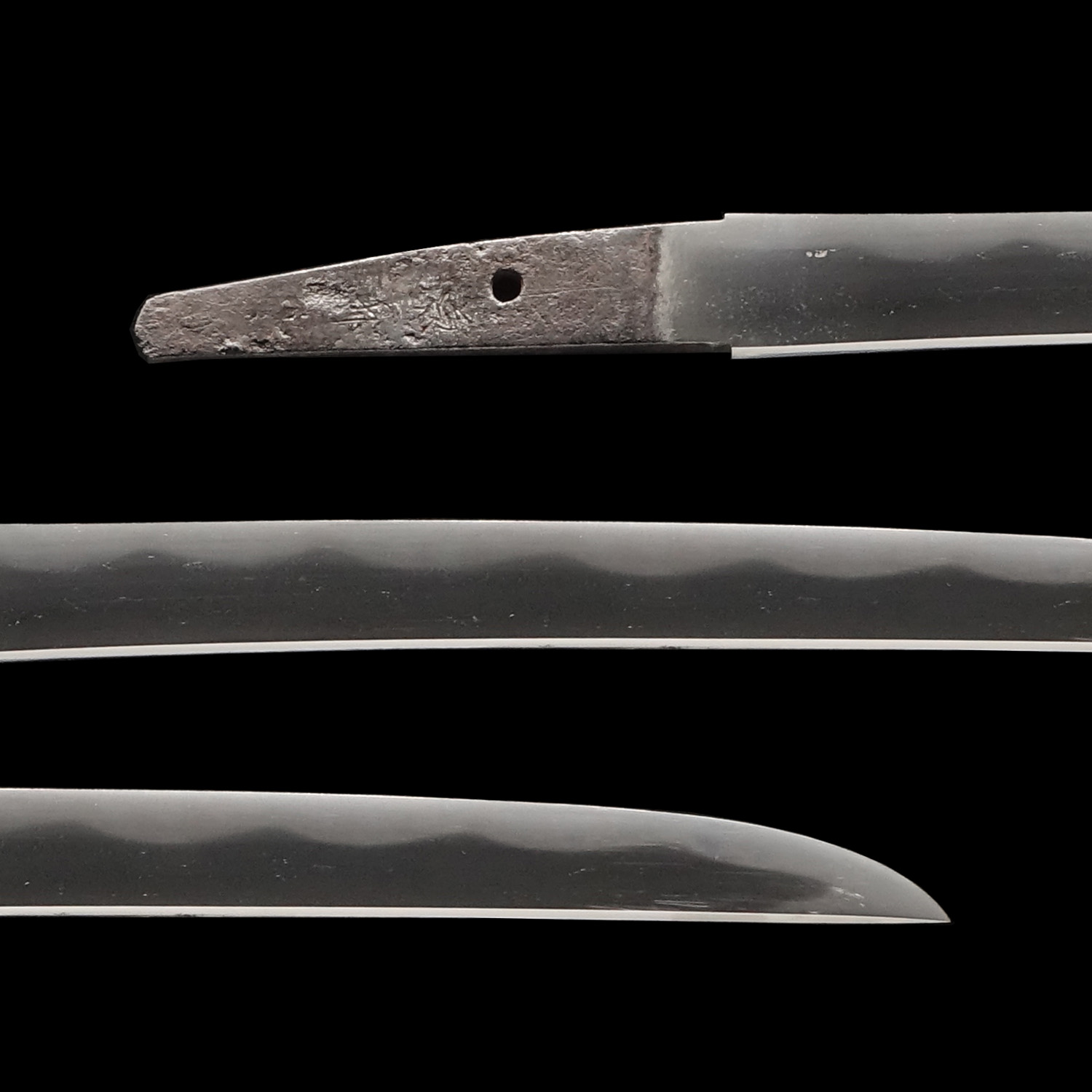
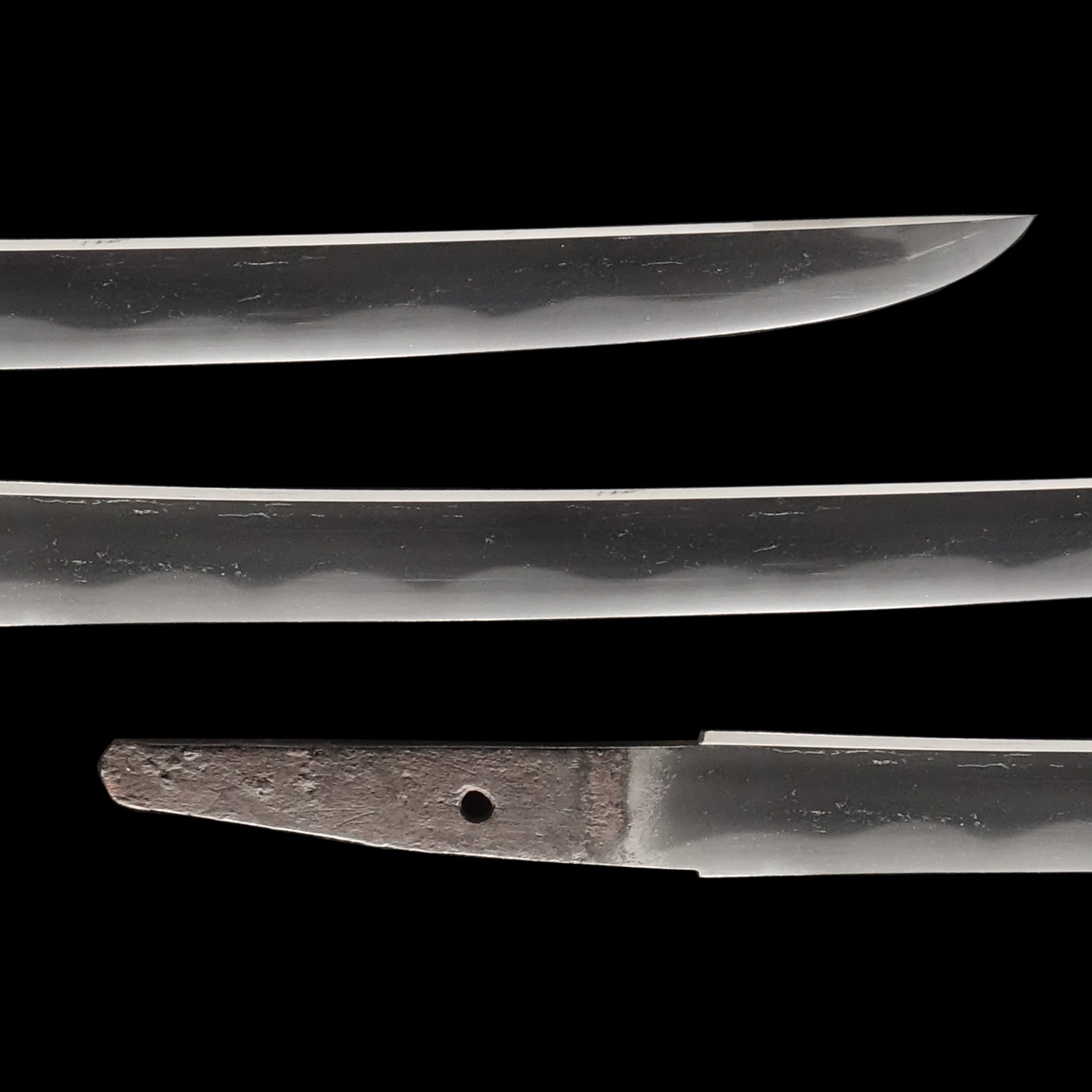
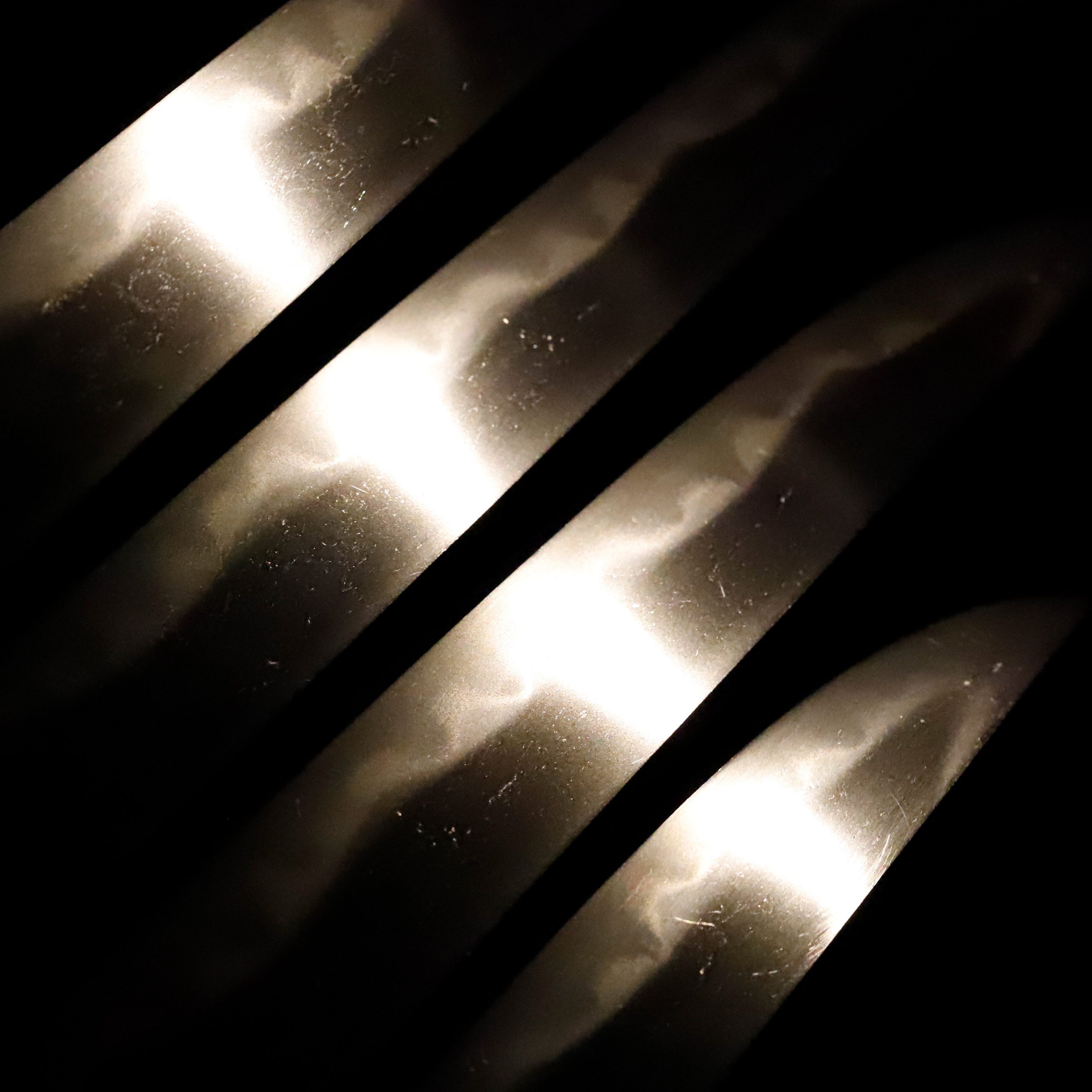
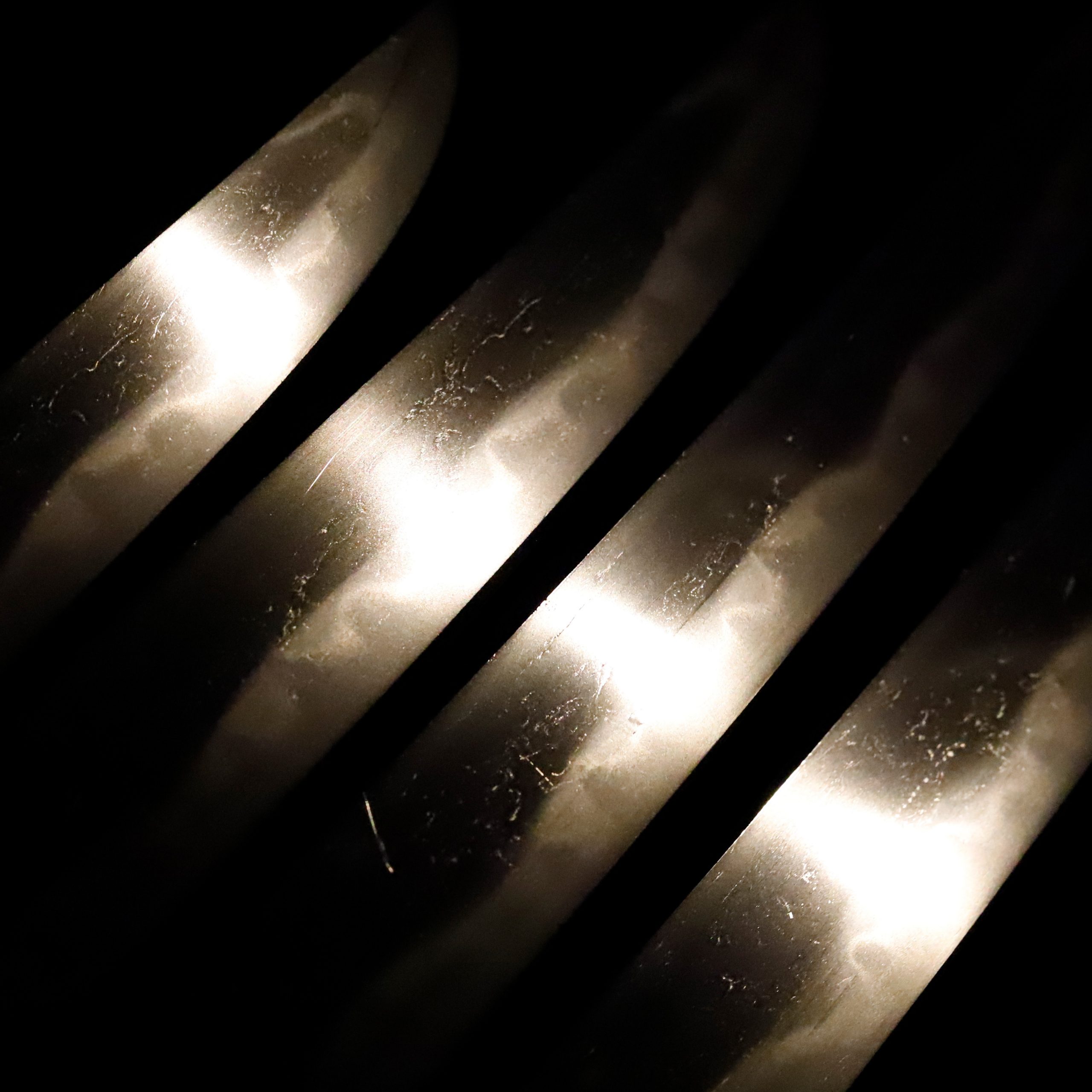
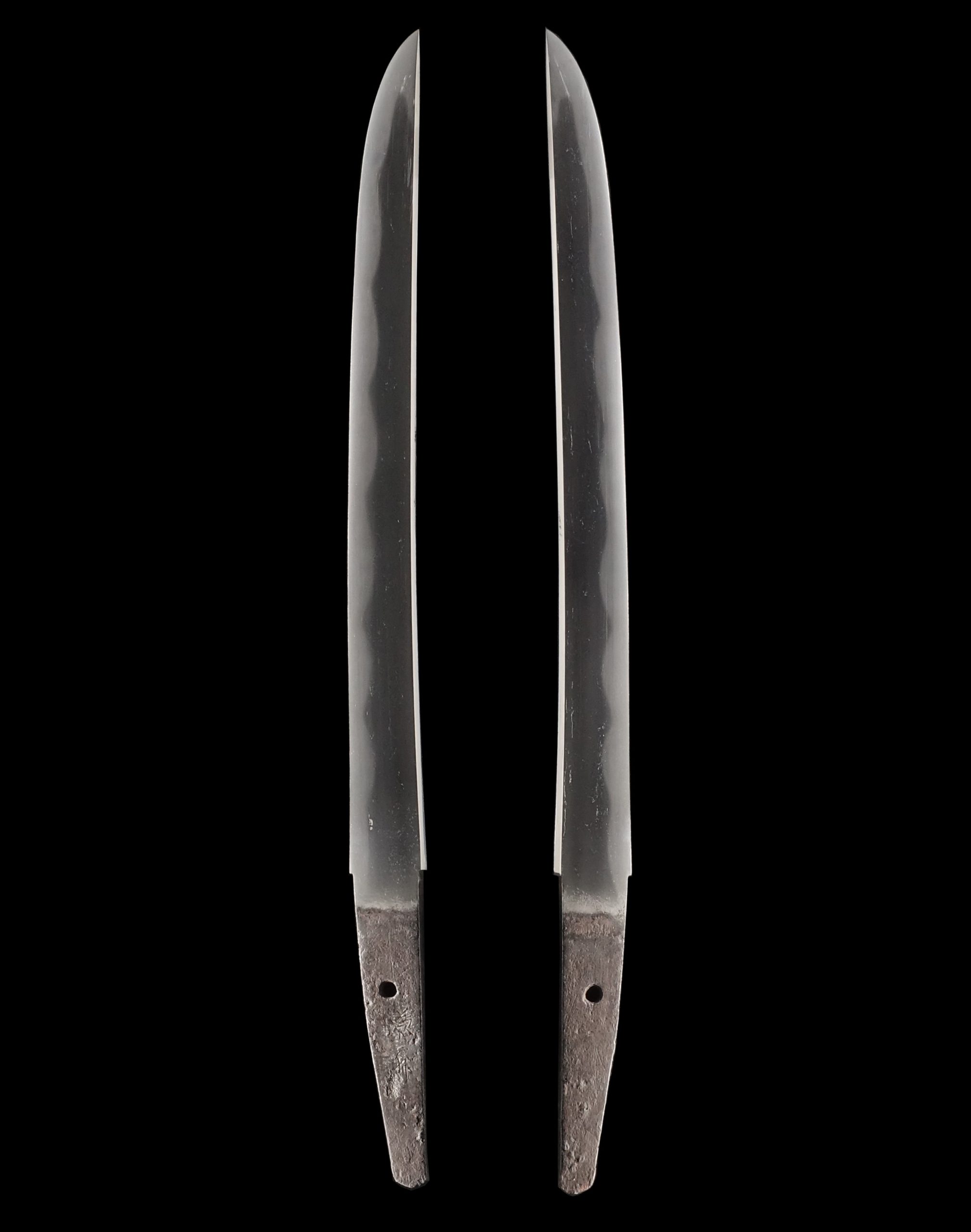
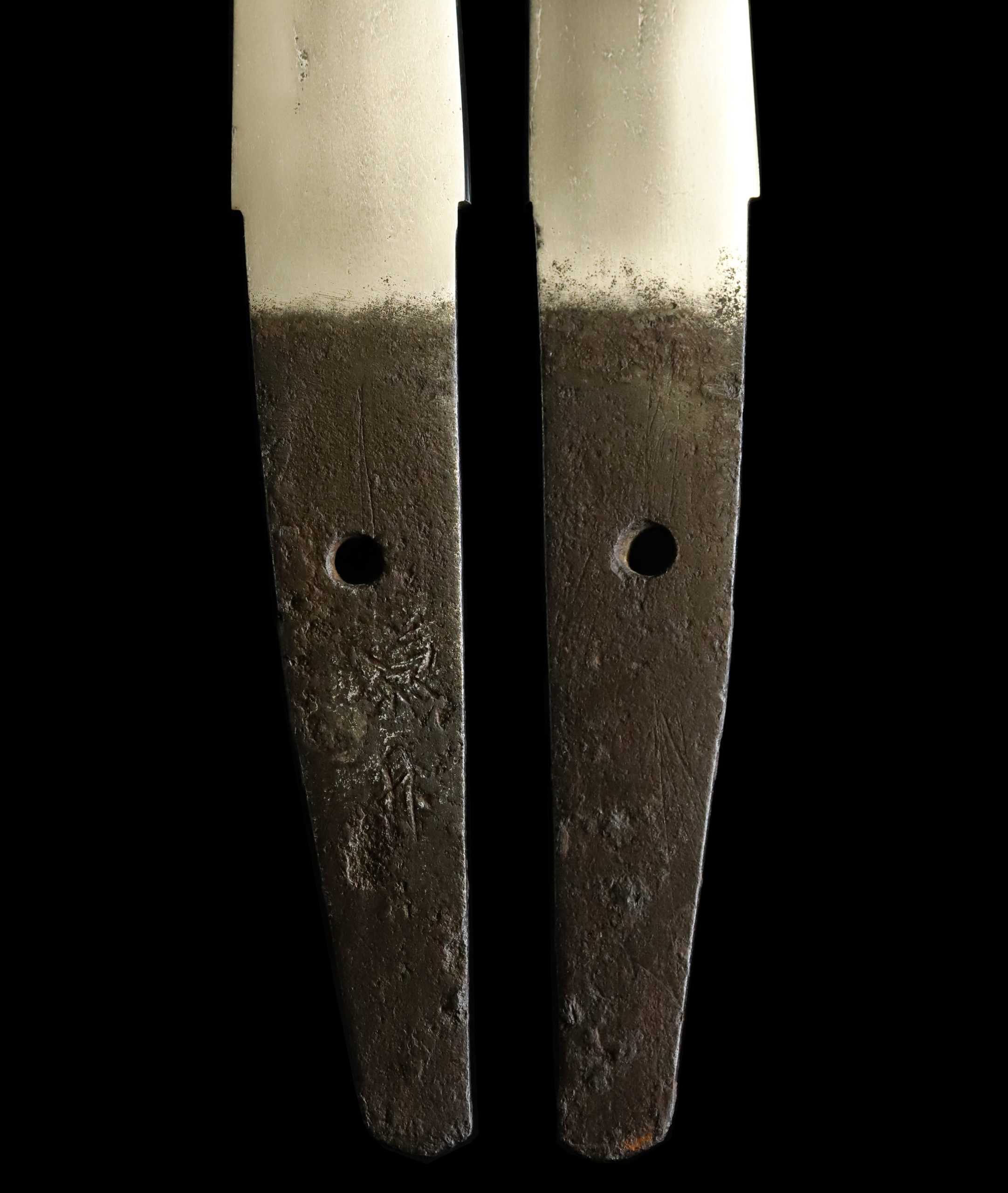
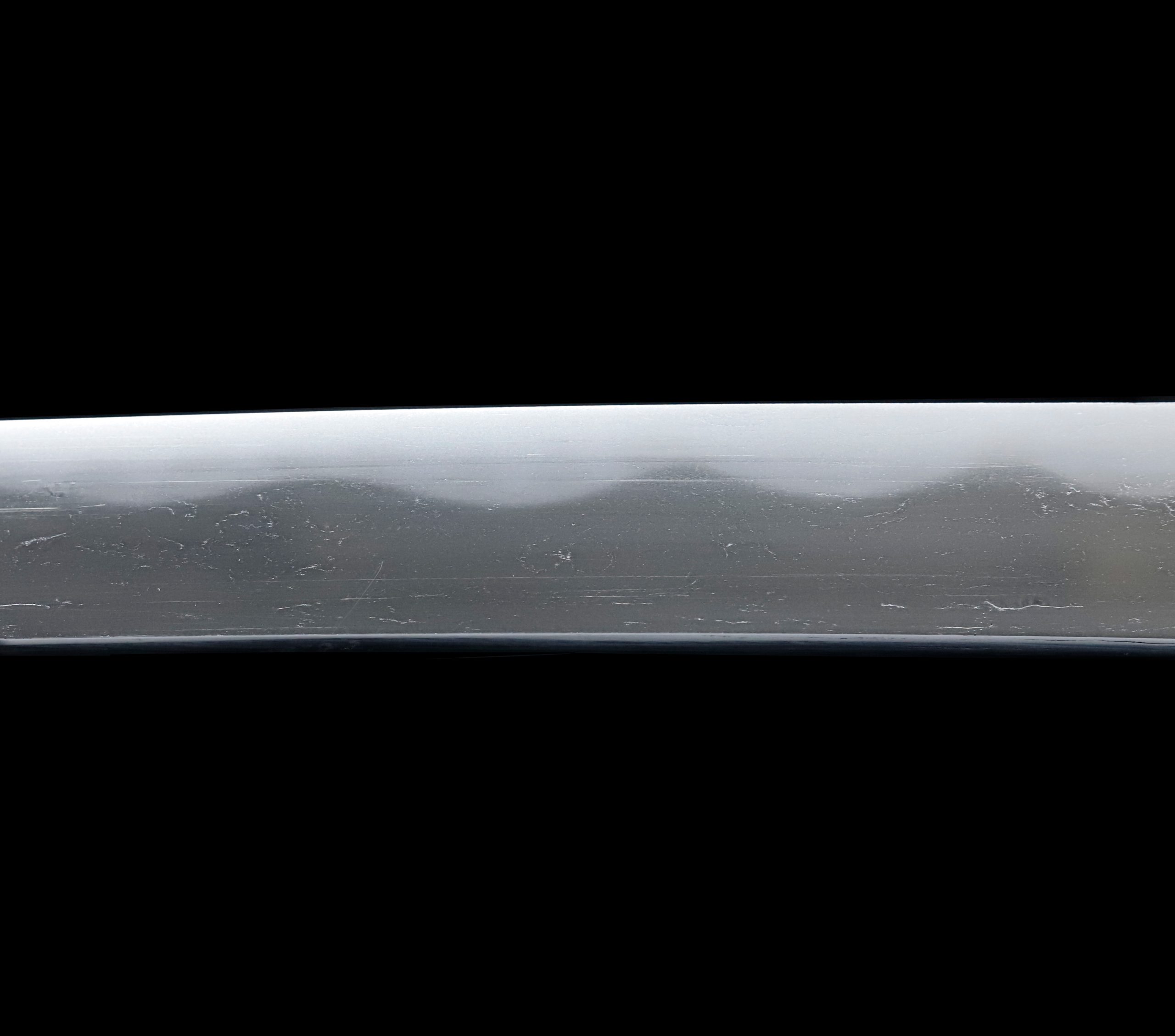
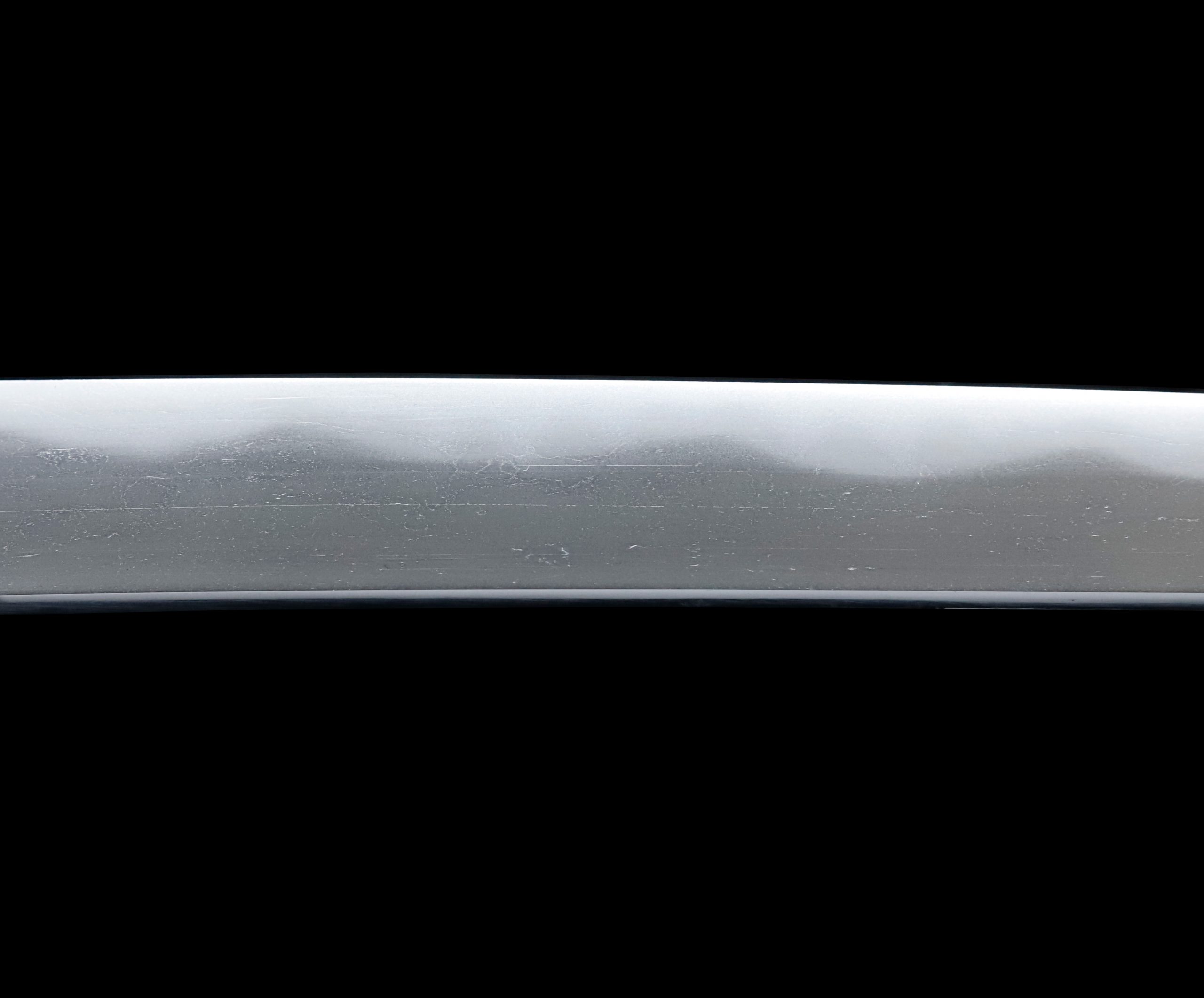
美濃 · 1532-1555頃
室町時代
応仁の乱が足利の体制を砕いた後、戦国の一世紀はほとんどすべての国を武装させた。この時代は選ぶ目に報いる。並の作は多いが、その傍らには第一級の注文打ちが立っている。
銘が正しい、または無銘でも年代・国・系統を確実に指摘できる、保存に値する真正の作と鑑定されたものです。
日本美術刀剣保存協会(NBTHK)は、1948年に設立され、文化庁の監督を受ける公益財団法人で、東京・刀剣博物館に本部を置きます。専門の審査員が出品作を直接審査し、美術的・歴史的価値に応じた鑑定書を発行します。NBTHKの鑑定書は、日本刀および刀装具の真正性を示す最も広く認知された基準です。
NBTHK公式サイトReturns/exchanges limited to defects caused by shipping (except willful misconduct or gross negligence by the company); customers must contact within 72 hours of receiving the product.