徳川の泰平のもと、大小は法度の定める身分の制服となり、需要は城下町、とりわけ江戸に集まった。工芸は二つに分かれる。目利きのための華やかな鑑賞の作と、截断の結果を金象嵌に刻む実証の刀である。
 NihontoWatchNihontoWatch
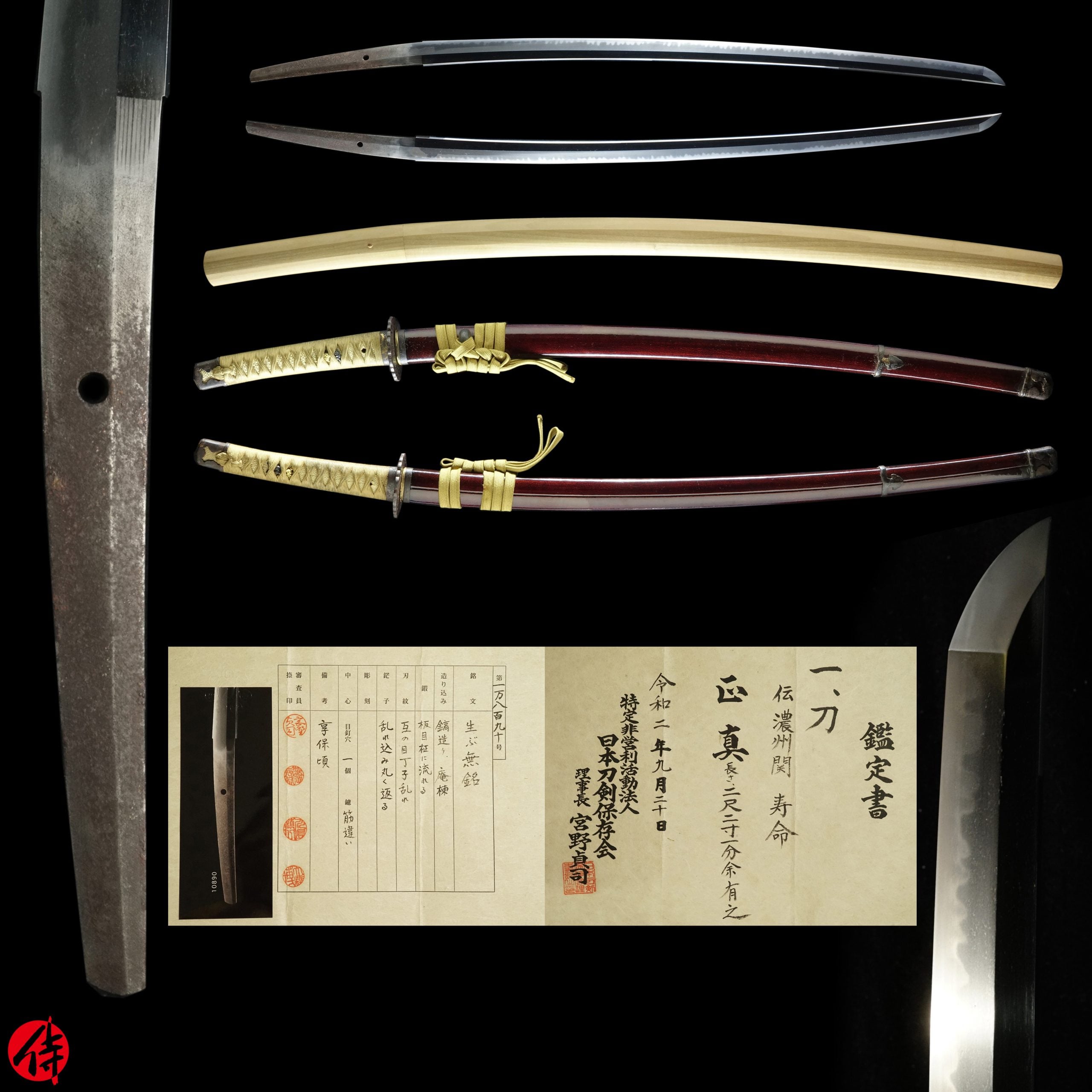
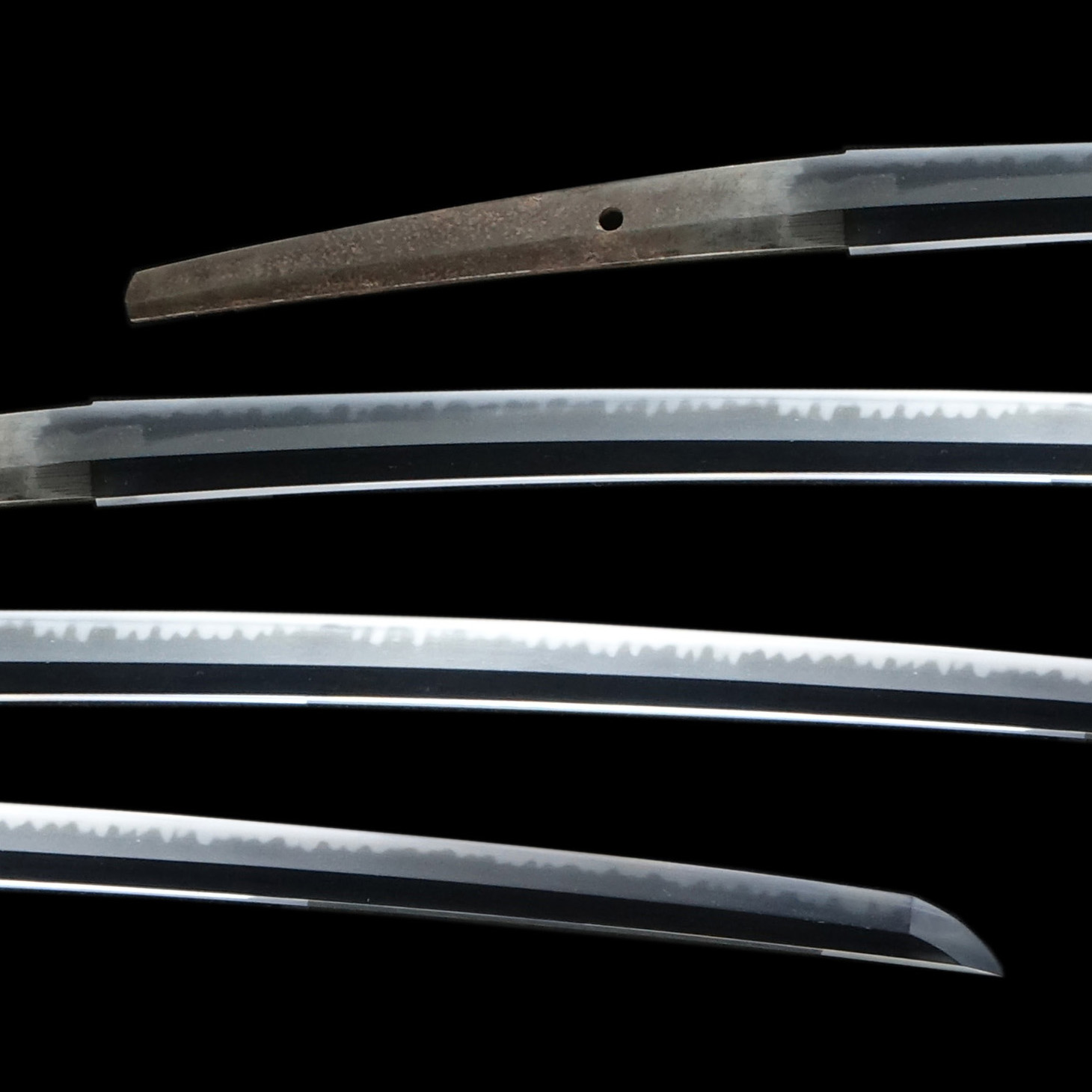
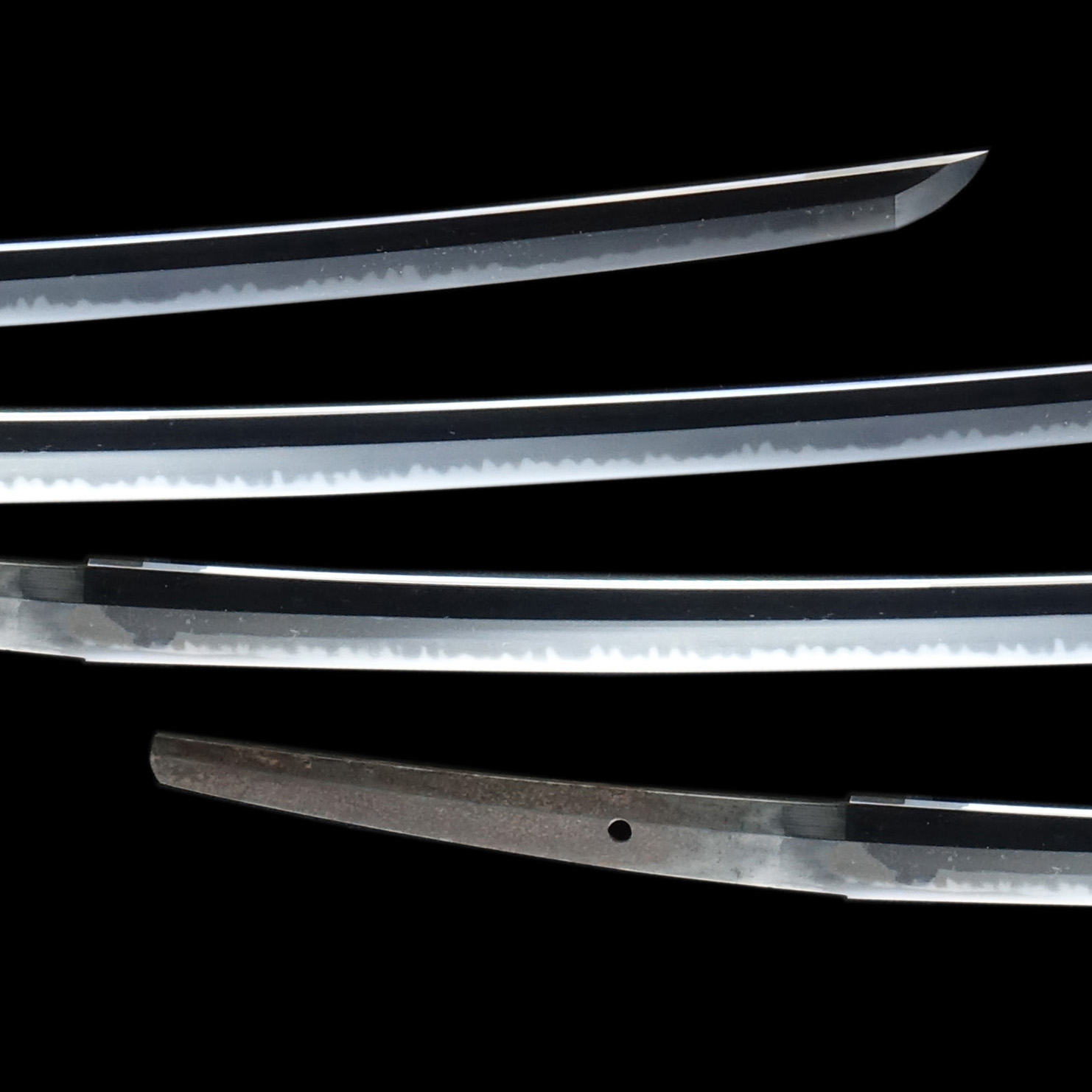
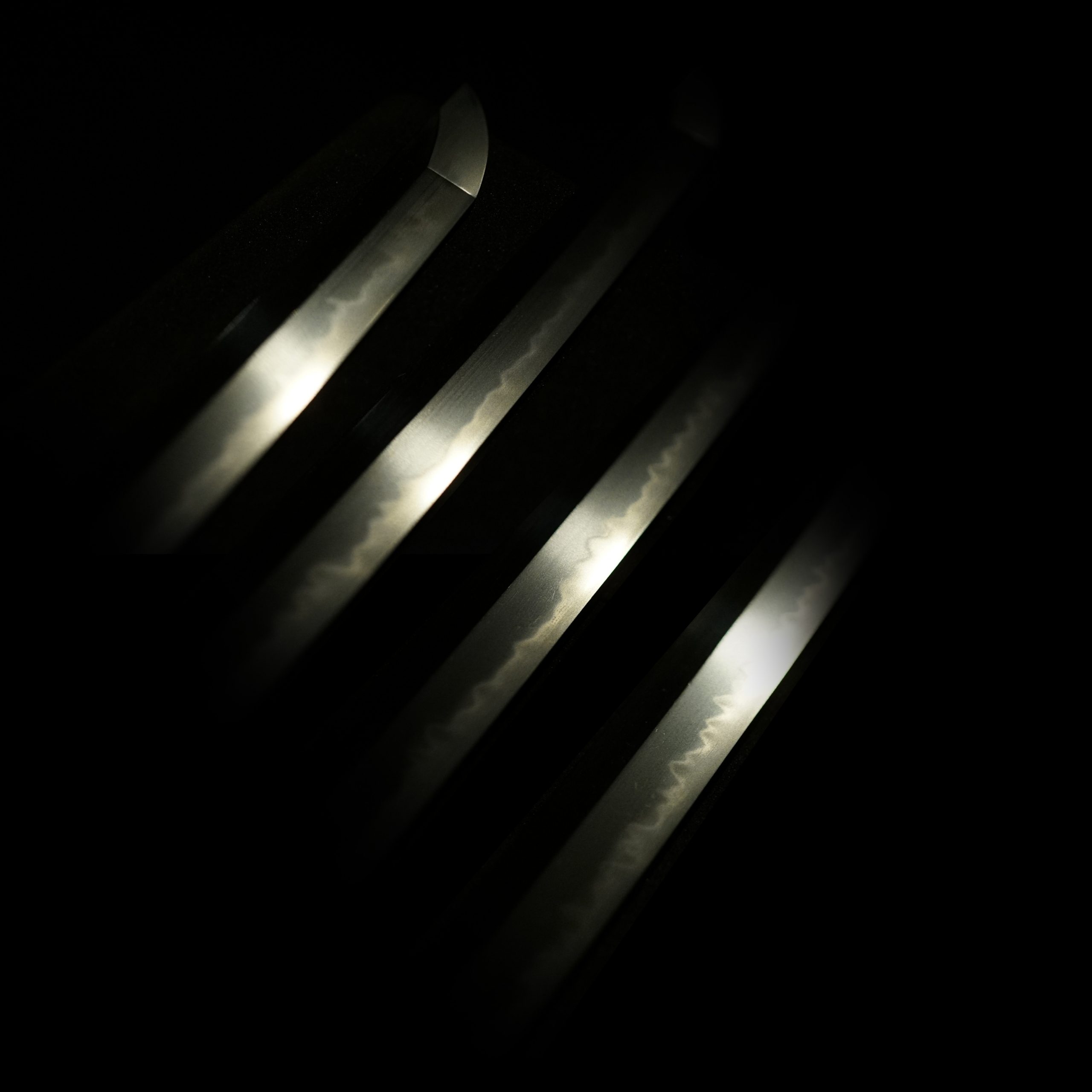
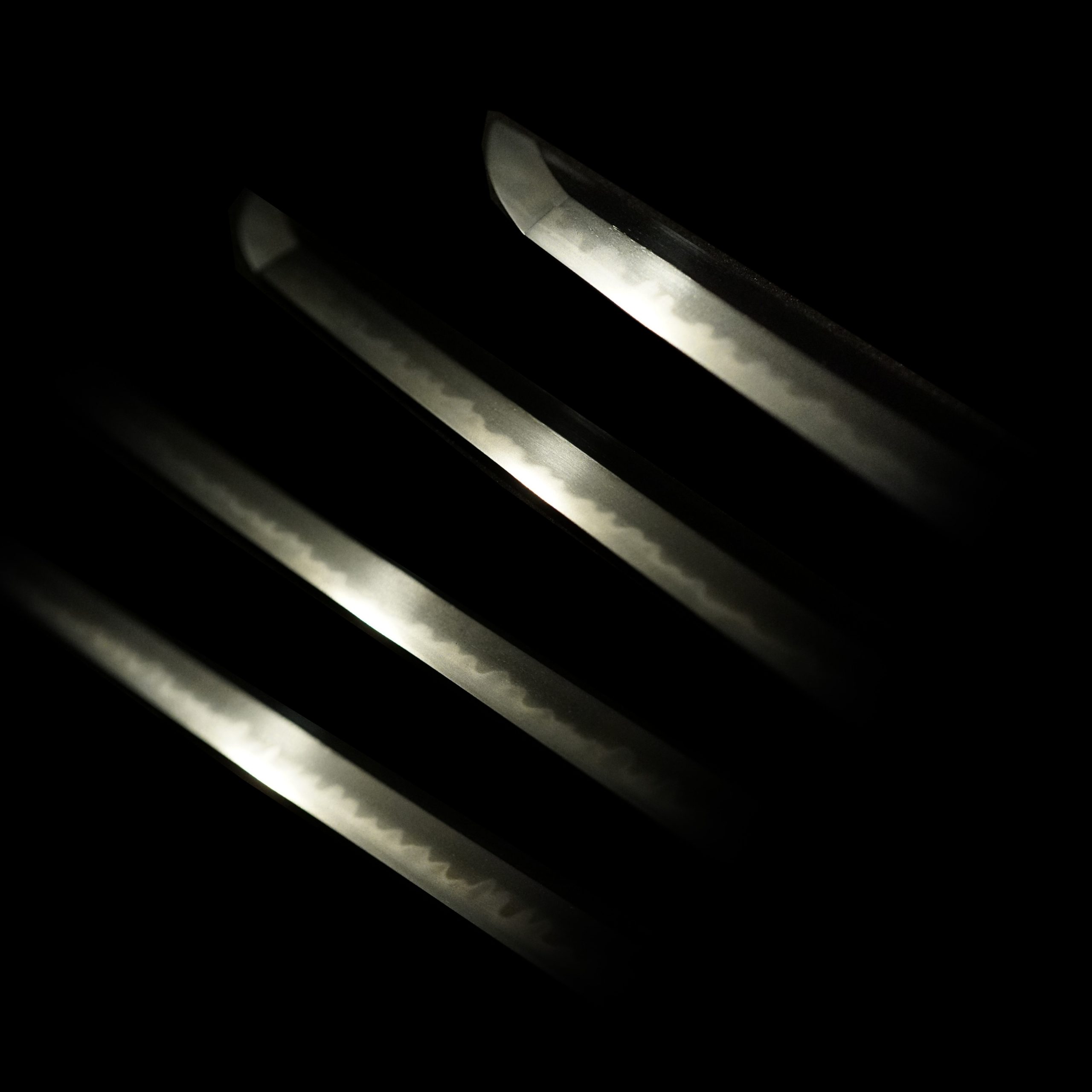
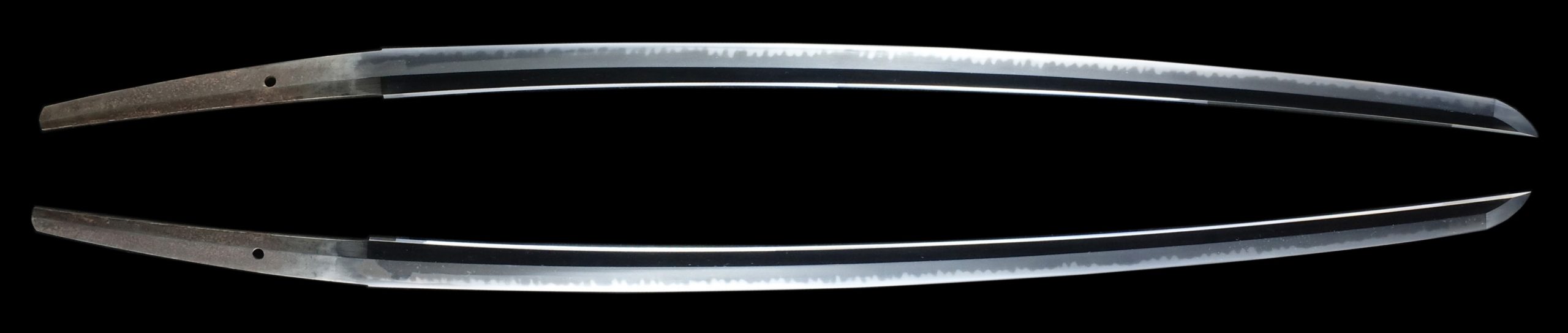
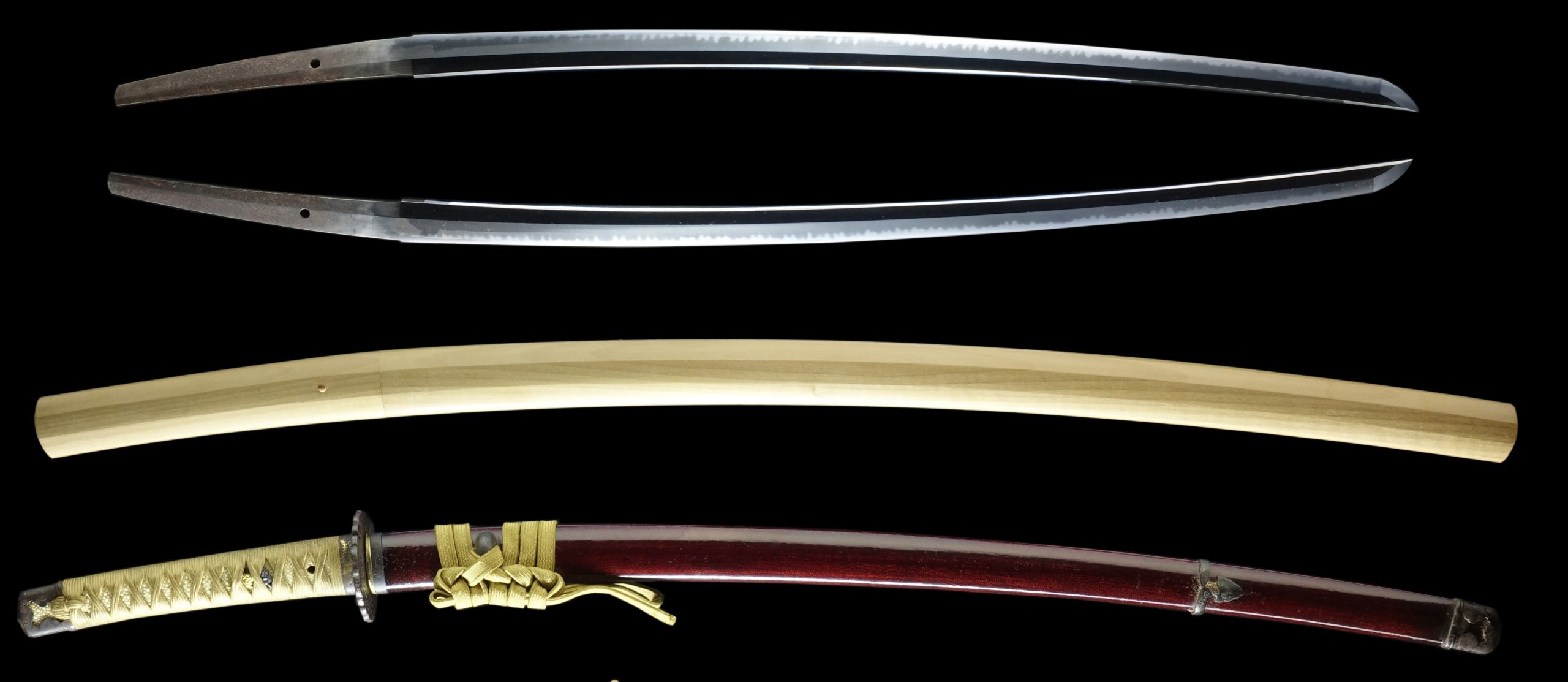
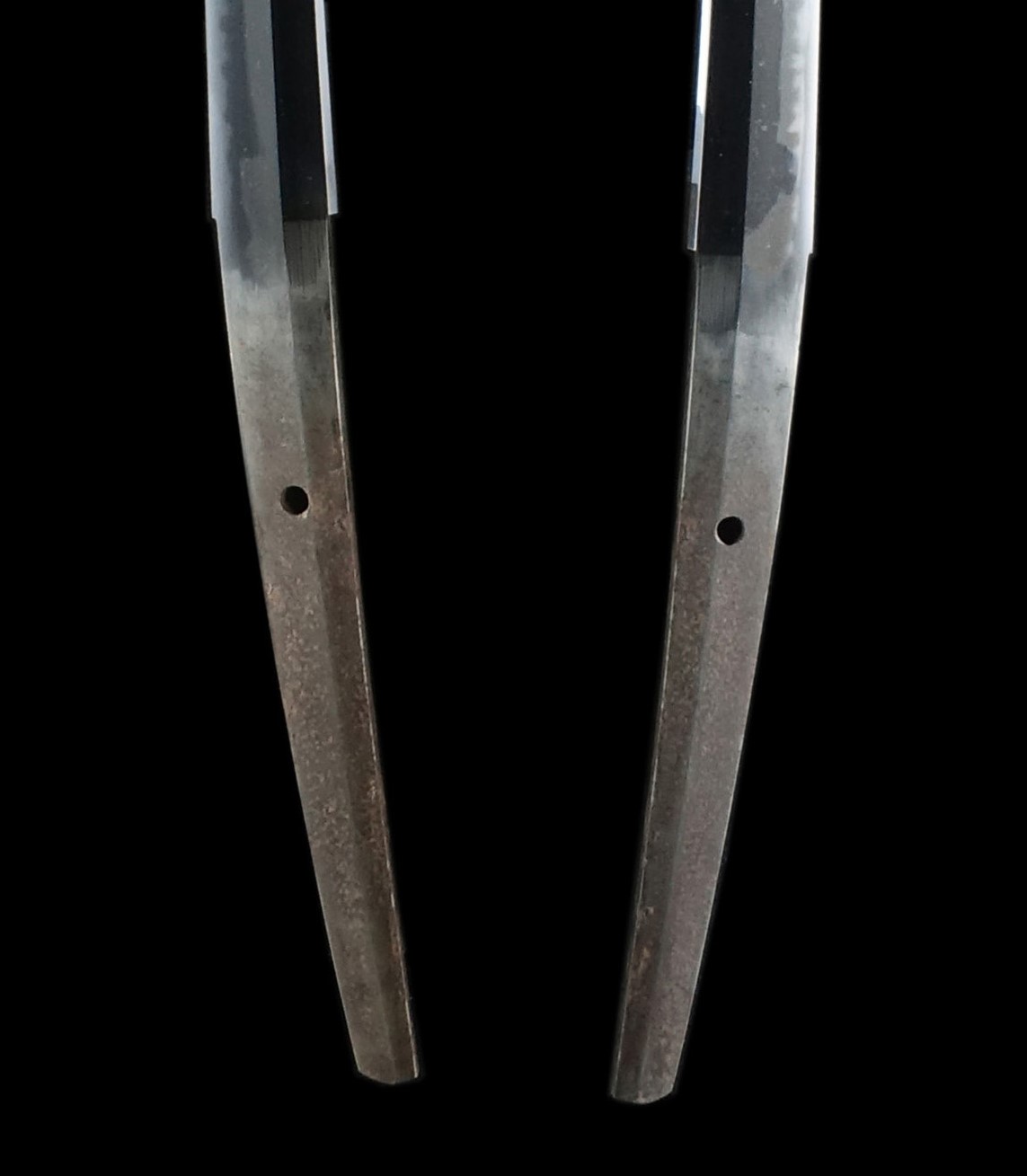
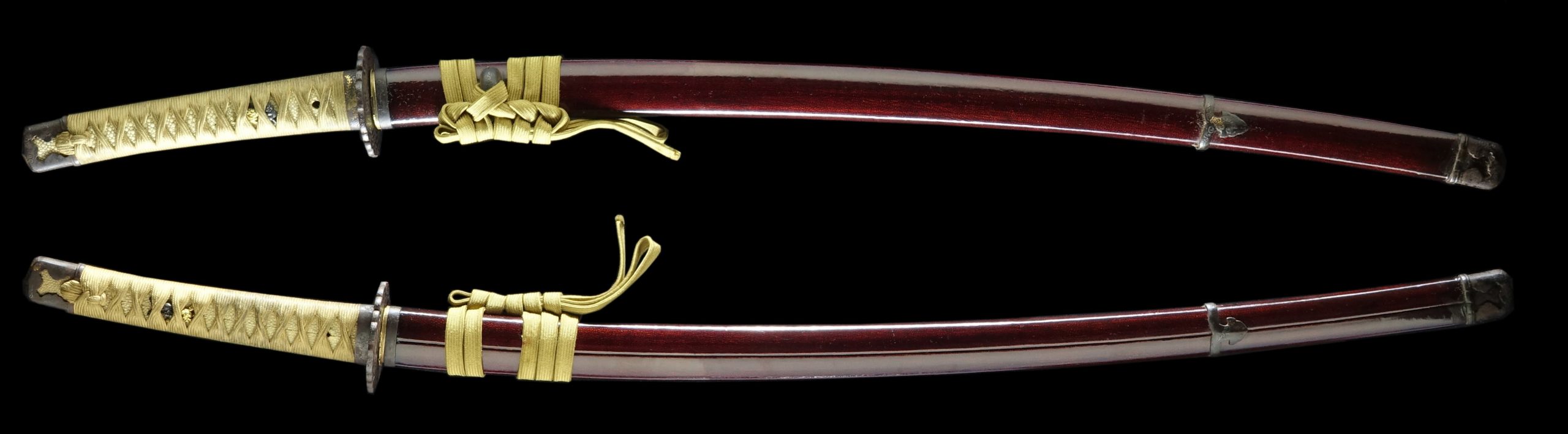
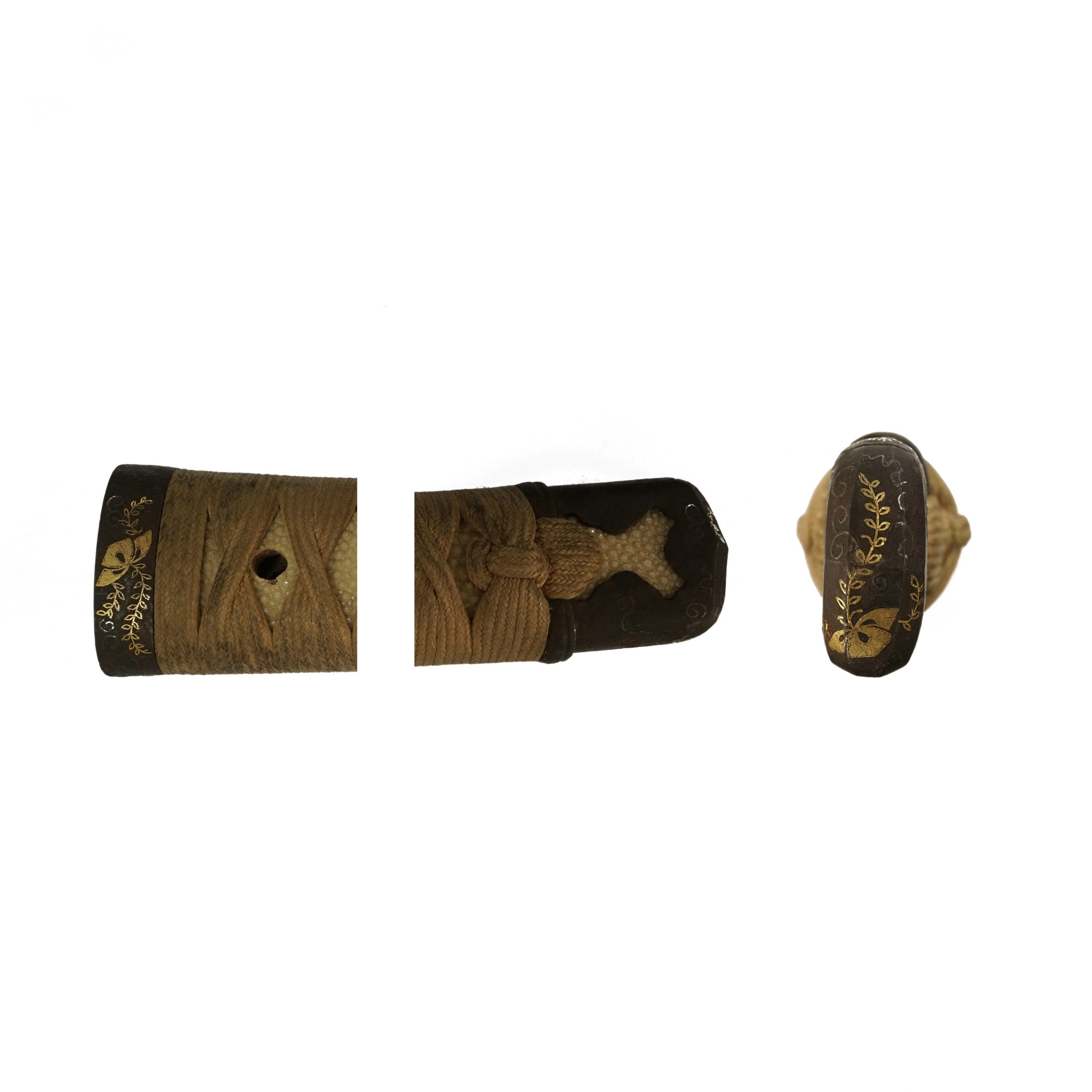
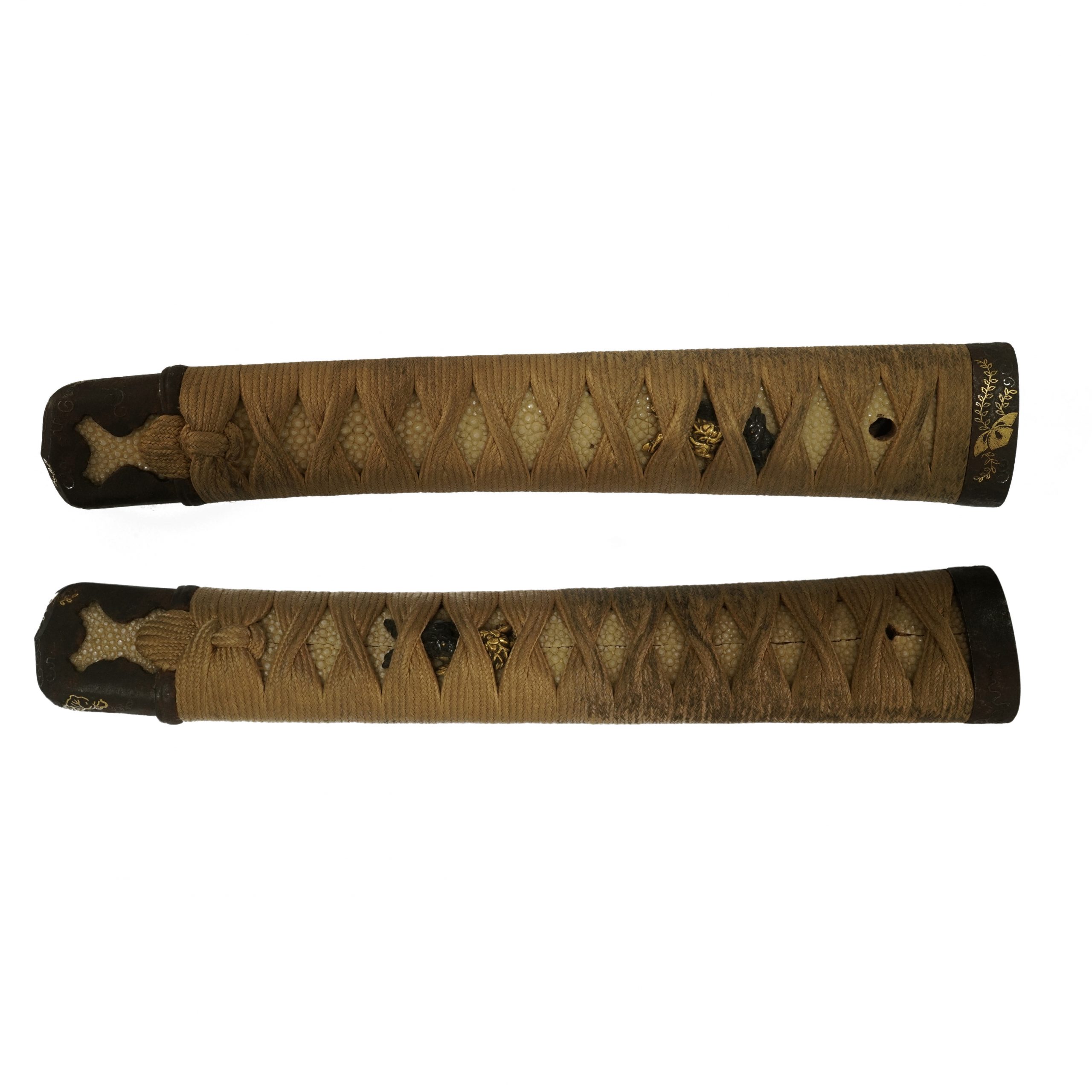
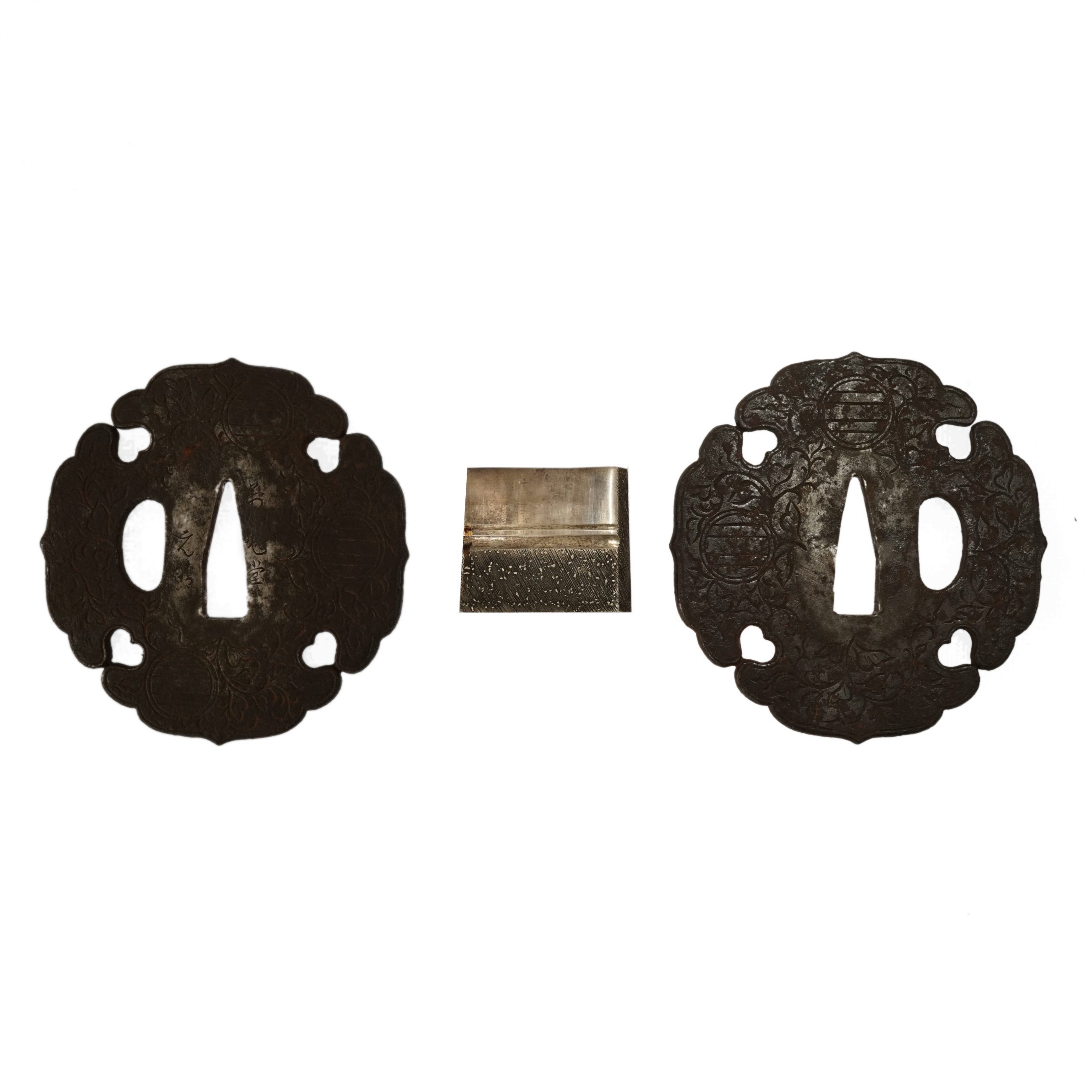
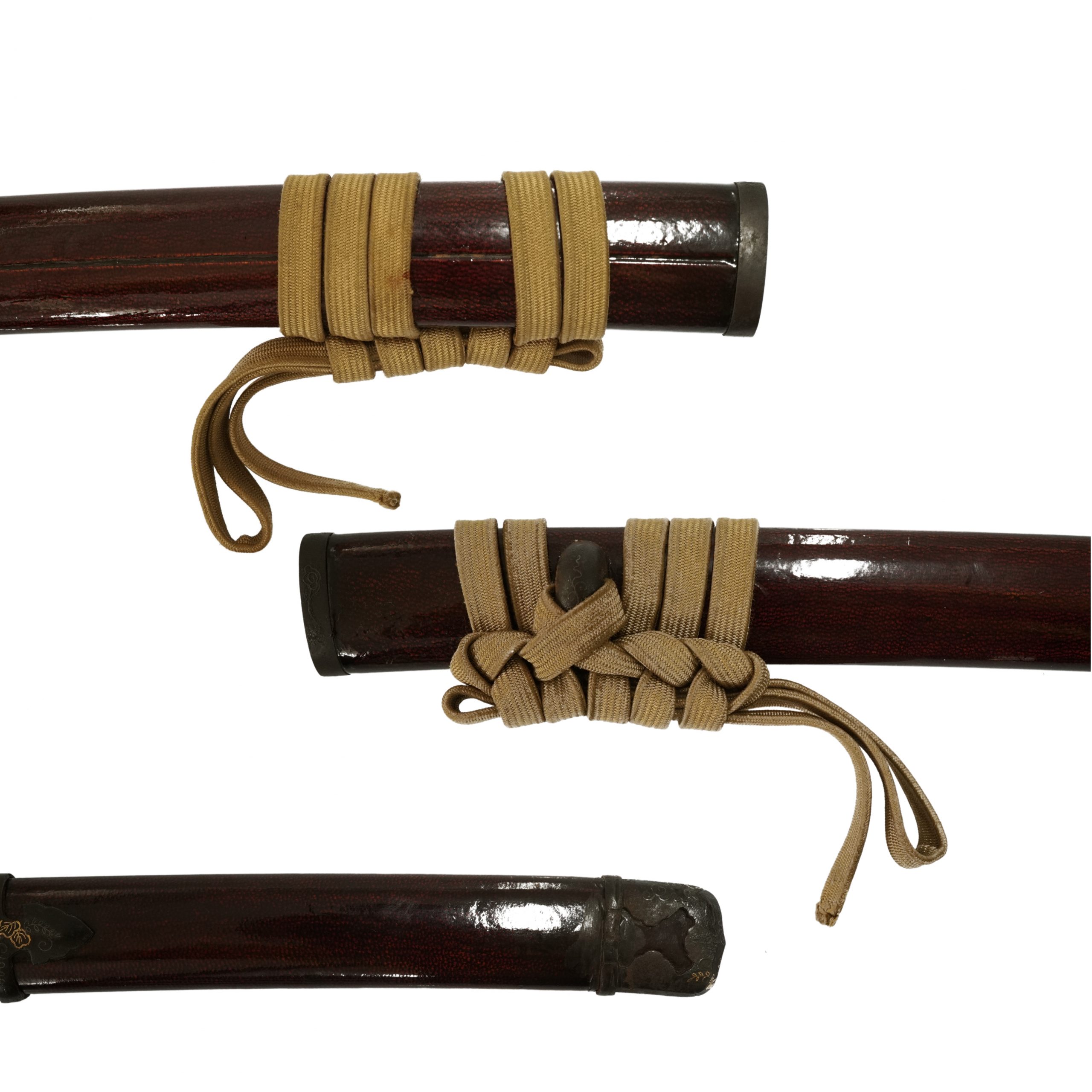
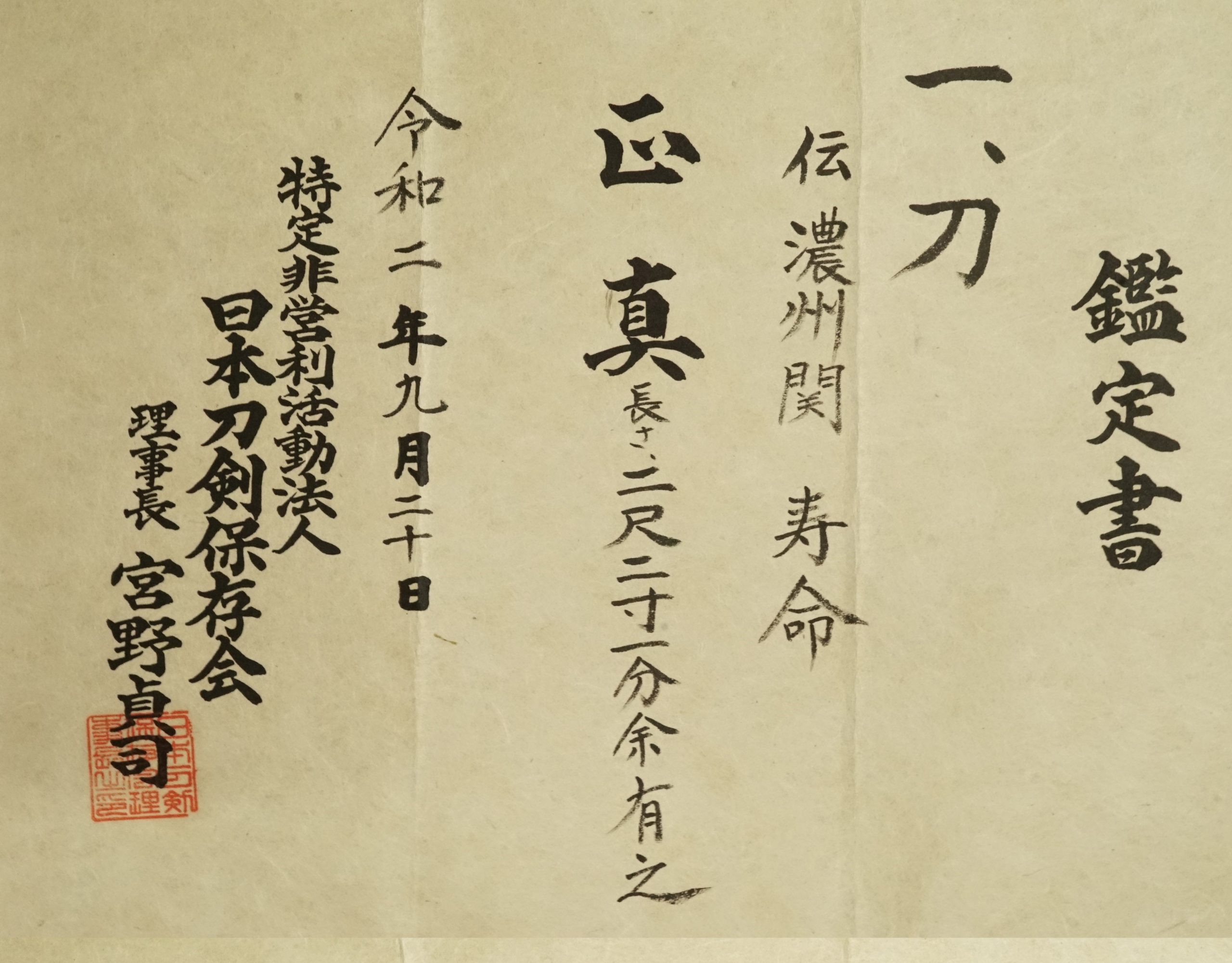
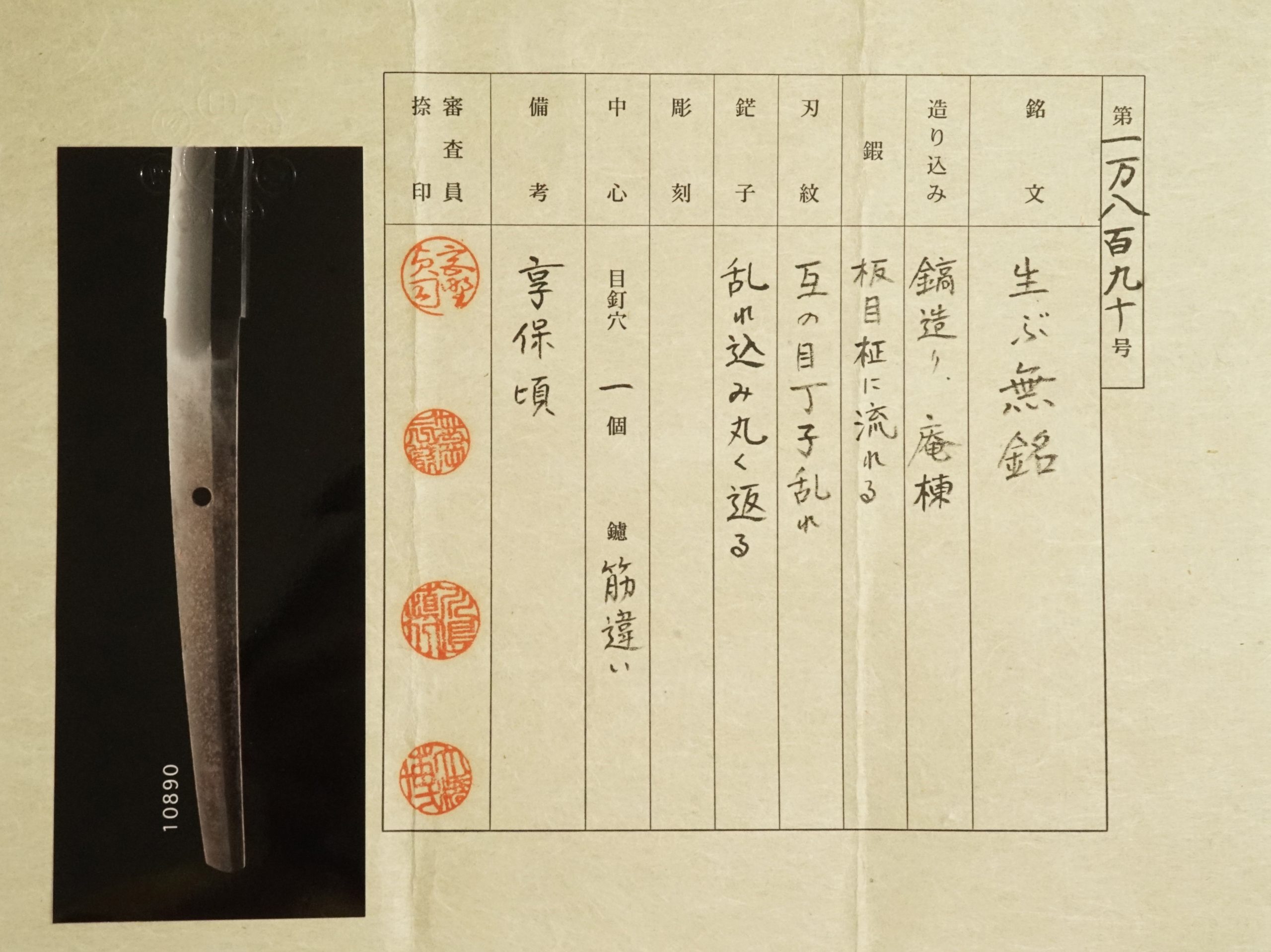
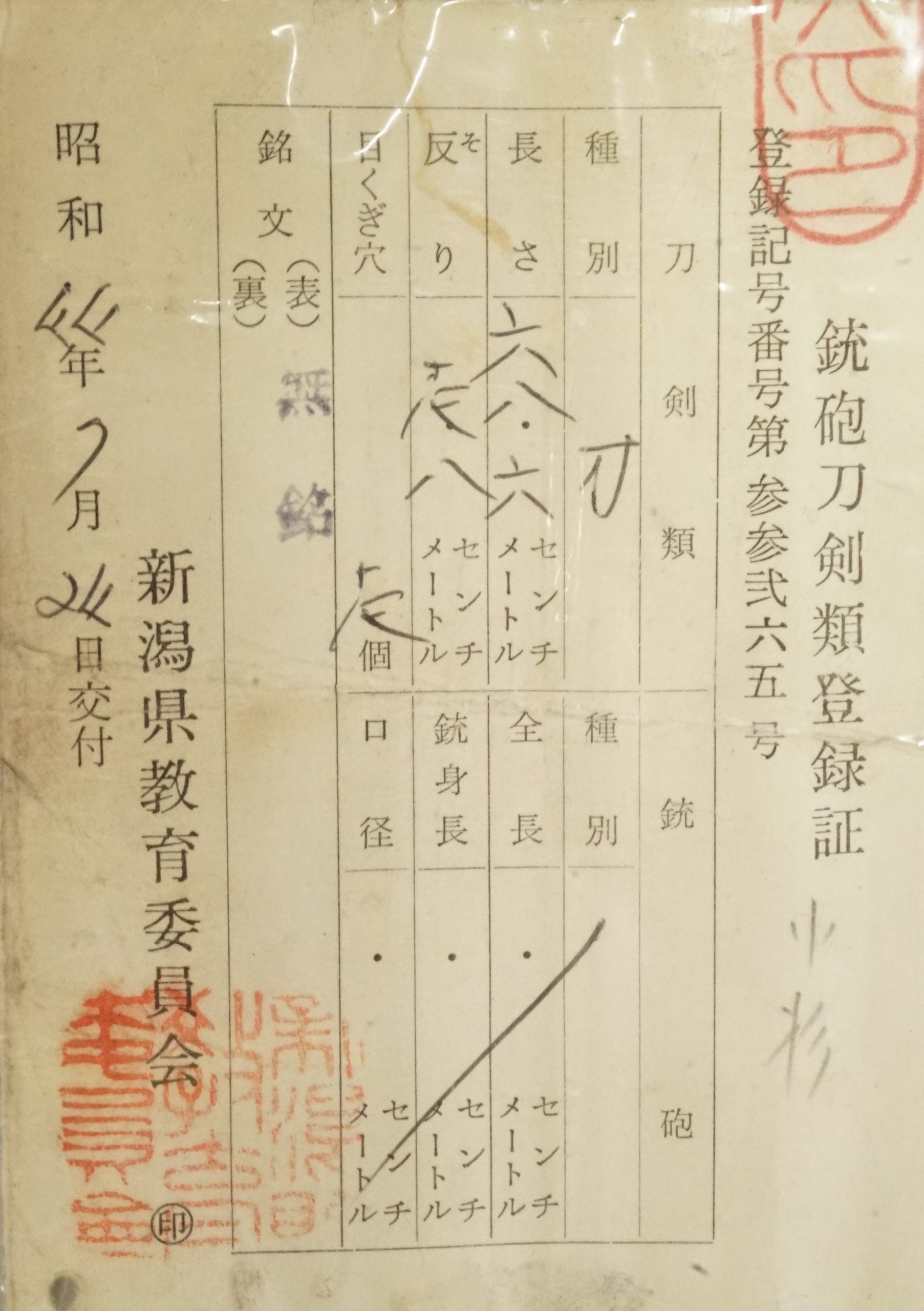
The JYUMYO school has its origins from YAMATO(NARA Pref.) and moved to MINO province in KAMAKURA period. The tradition continued for centuries right up until the end of EDO period. Their name “JYUMYO” means life span or longevity. As it’s meaning is so hopeful, their swords were prized as celebrated gift to DAIMYO great families among the SAMURAI society. The MINO swordsmiths style, also known as MINO-DEN, basically has the TOGARI(Pointed shapes protruding from the Hamon )in a classic straight line and random temper line with some white Utsuri. MINO-DEN had its origin from YAMATO-DEN in the late KAMAKURA period(1280-1330). It flourished in the MUROMACHI period(1333-1573) and continued until the EDO period(1603-1868). MINO-DEN especially prospered during Sengoku Jidai(Warring State period) due to the high demand for weapons. And the location of Mino province beat others. Akechi Mitsuhide controlled Mino province, and Nobunaga Oda ruled Owari province, and Tokugawa Ieyasu was the lord of Suruga (Neighboring areas). There was high demand from those powerful feudal lords and their retainers. Furthermore, so many wars occurred between the Kanto region and the Kyoto area. Mino is located in the middle, making feudal lords feel convenient to order swords from MINO-DEN. The blades forged in MINO provinces also had the reputation of its practical design and sharpness. Many feudal lords demanded swords forged in the Mino province. The tradition of excellent sword forging skills had been passed to the Edo period, and Jyumyo is a good example. Hamon The blade pattern created by the tempering process Jimon Visible surface pattern on the steel Fuchi-Kashira The plants with elongated stems and small leaves are designed and inlaid with brass. Vines are entwining with them. Tsuka and Menuki Kind of animals is designed. They could be considered sacred beasts such as dragons or lions. These creatures are popular motifs for sword mountings because of their magical power and auspicious meanings. Tsuba and Habaki Aoi-Gata (葵形) Tsuba made from iron. Its four edges are carved with the Inome (猪の目, boar’s eyes) pattern. This pattern has been being used since ancient times, and it looks similar to a heart mark. Some people believed the Inome pattern would bring good luck and protect people from evil spirits or fire. This pattern is often found in traditional Japanese architectures such as shrines or temples and used Gegyo (decoration under the roof, where the roof is jointed) or metal fittings for hiding timber joints. The leaf pattern and the Futatsu-Hikiryou (二つ引両) pattern are designed. Futasu-Hikiryou is a type of crests that two horizontal lines are drawn inside of the circle. According to a theory, these lines represent dragons; therefore, this design means two dragons are flying into the sky (take the world). The Futastu-Hiki pattern is famous for Ashikaga Shogun’s family crests. Authentication Paper NTHK, also known as NPO Nihon Touken Hozon Kai, is the oldest organization for sword authentication of Japanese swords in modern times. It was established in 1889 during the post-Samurai era. They authenticated the blade on Sep 20th in the second year of Reiwa (2020).The purchaser will receive this original certificate as well.

販売店の記載のまま
美濃伝 · 美濃
現在9点販売中
江戸時代
徳川の泰平のもと、大小は法度の定める身分の制服となり、需要は城下町、とりわけ江戸に集まった。工芸は二つに分かれる。目利きのための華やかな鑑賞の作と、截断の結果を金象嵌に刻む実証の刀である。
NTHKの中心的な鑑定書で、相応の出来を備えた作に発行されます。在銘作は銘の正真を、無銘作は審査員による刀工・流派の極めを示します。点数を記す詳細な審査表が付されます。
NTHK(日本刀剣保存会)は、NBTHK(1948年設立)に先立つ1910年に創立された、日本で最も古い刀剣鑑定団体です。長く会を率いた会長の没後、NTHKとNTHK-NPOの二つに分かれ、いずれも審査を続けています。NTHKの鑑定書は、点数と審査員の所見を併記する詳細な審査表が特徴で、特に無銘作の極めに定評があります。
Returns/exchanges limited to defects caused by shipping (except willful misconduct or gross negligence by the company); customers must contact within 72 hours of receiving the product.