二つの朝廷、六十年の戦、そして刀剣史上もっとも劇的な姿。幅広の刀身、延びた切先、後代に磨上げられて雄大な刀となった大太刀。相州風がこの時代の様式であった。
 NihontoWatchNihontoWatch
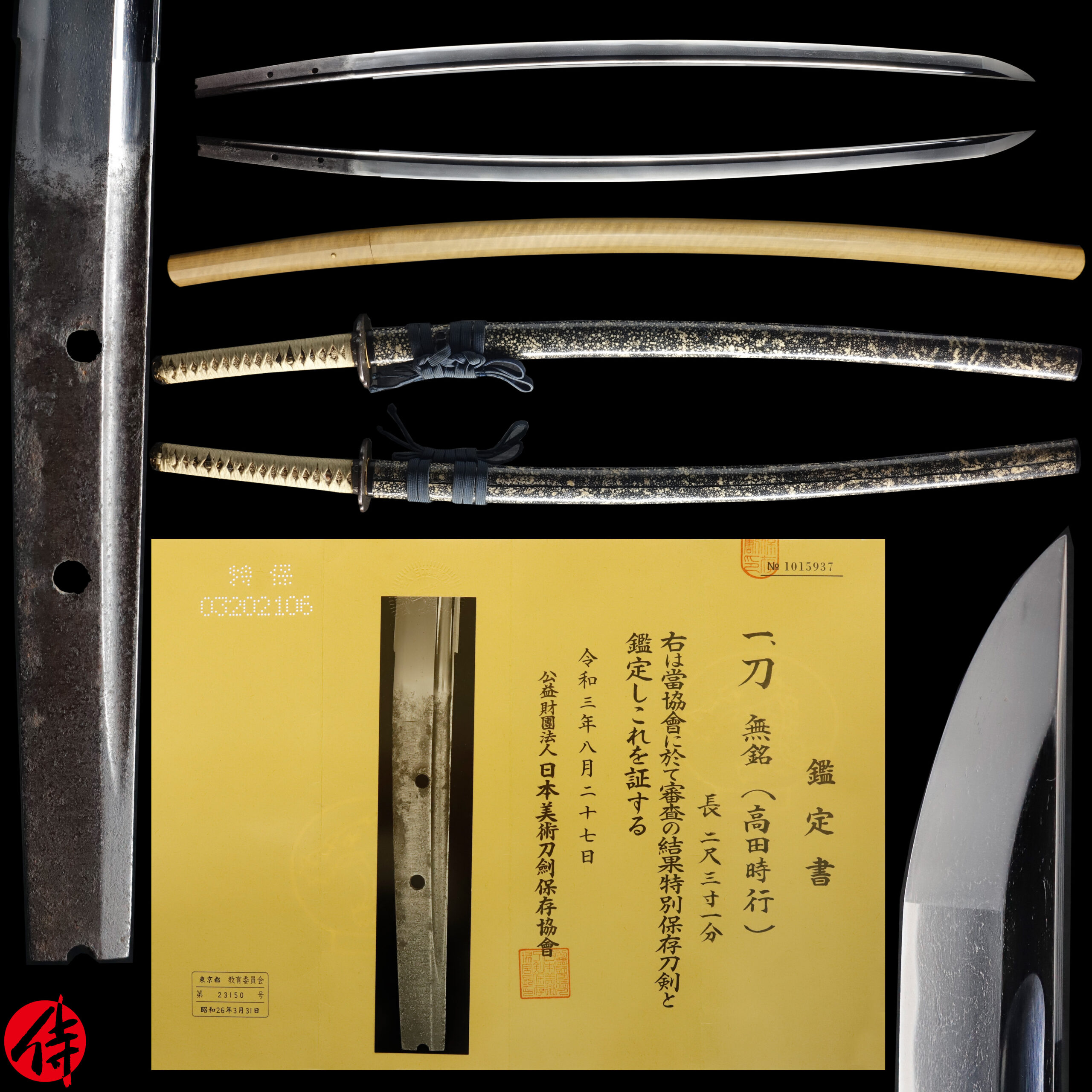
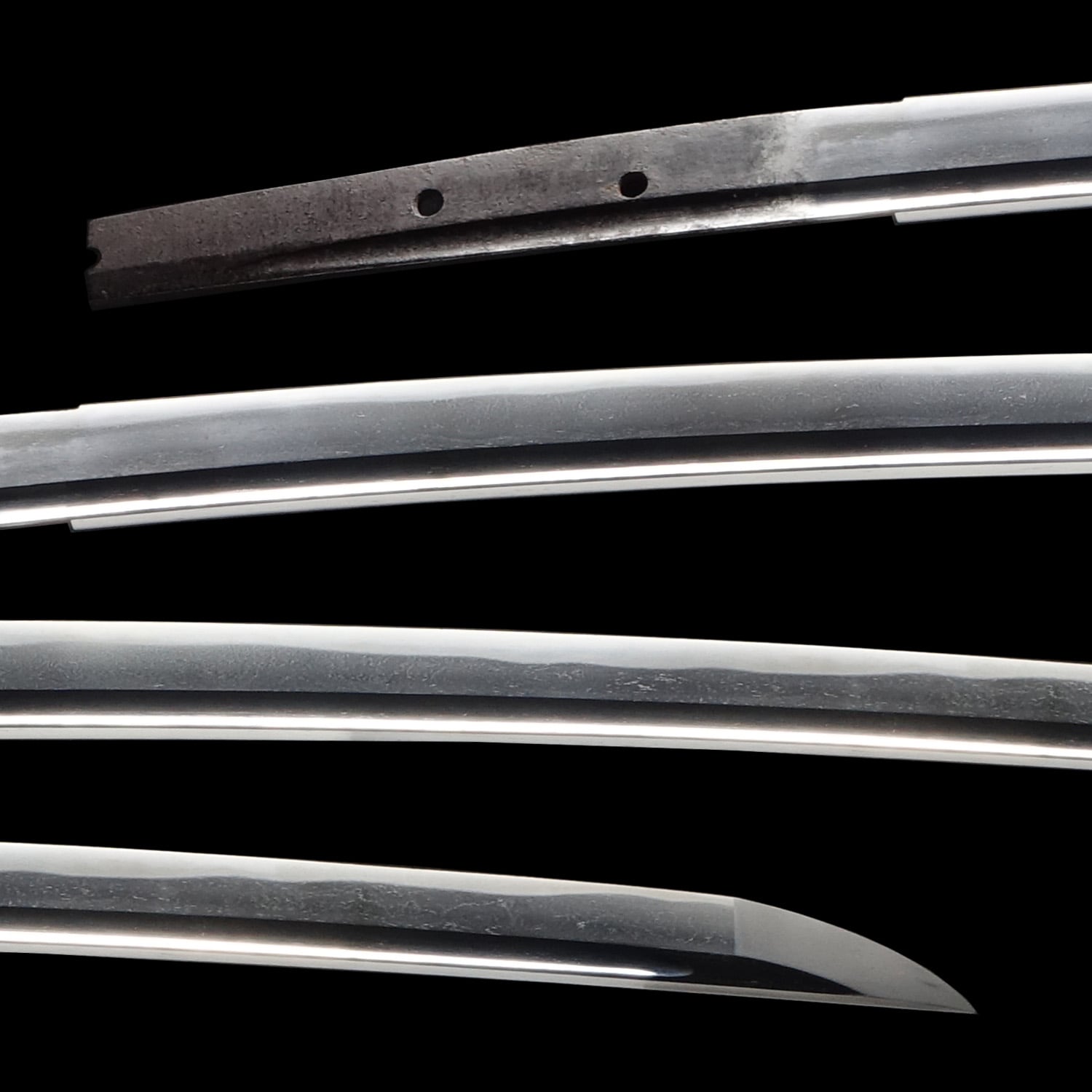
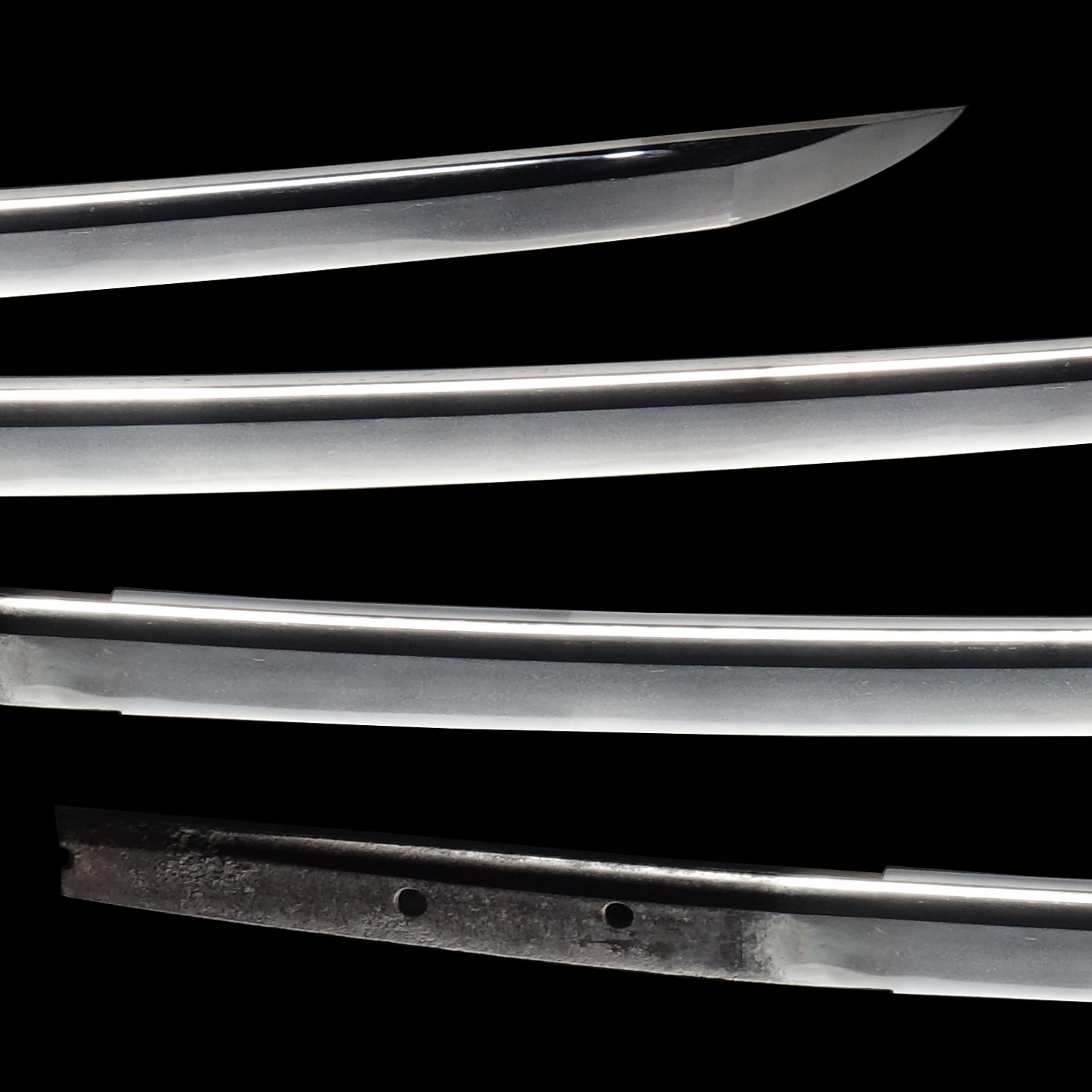
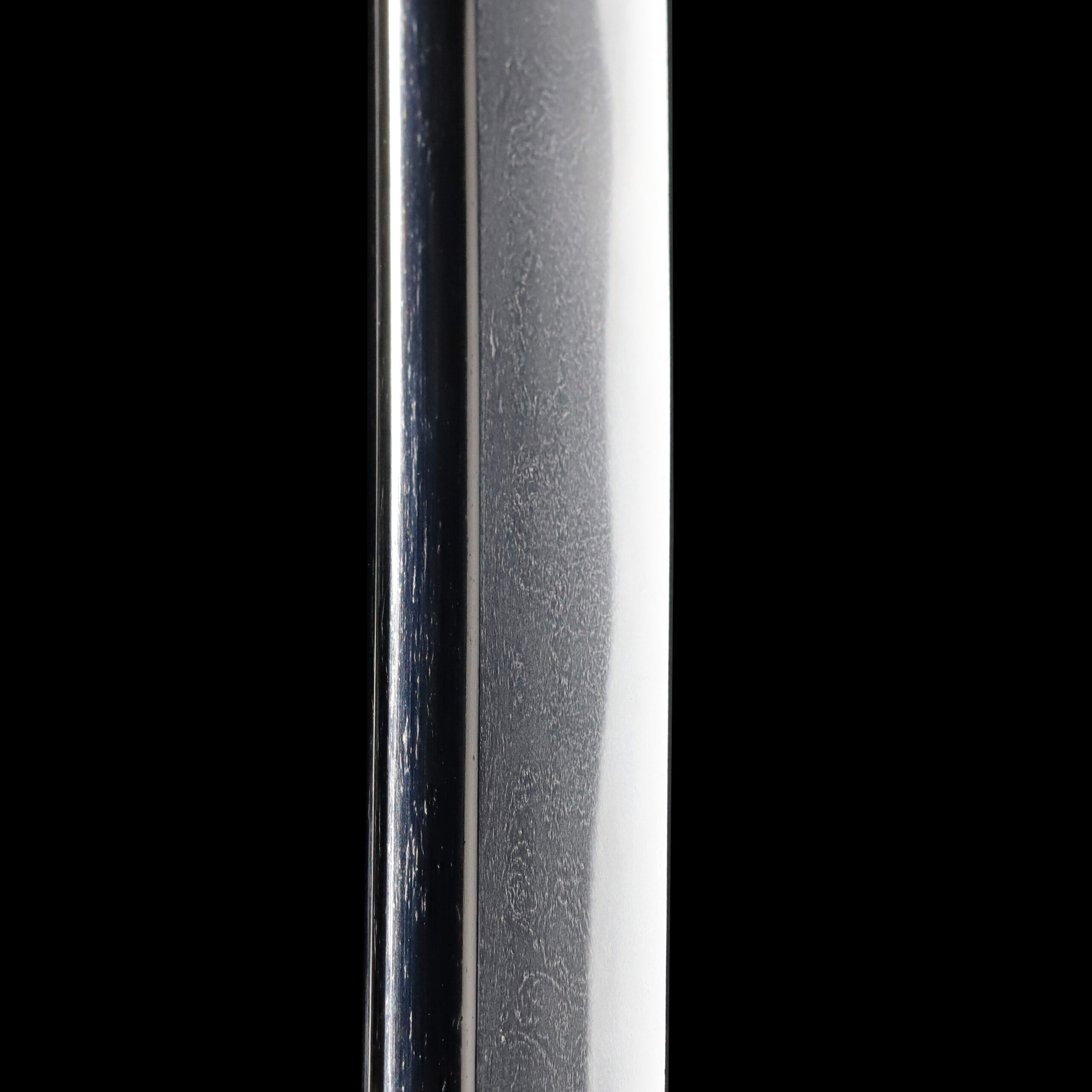
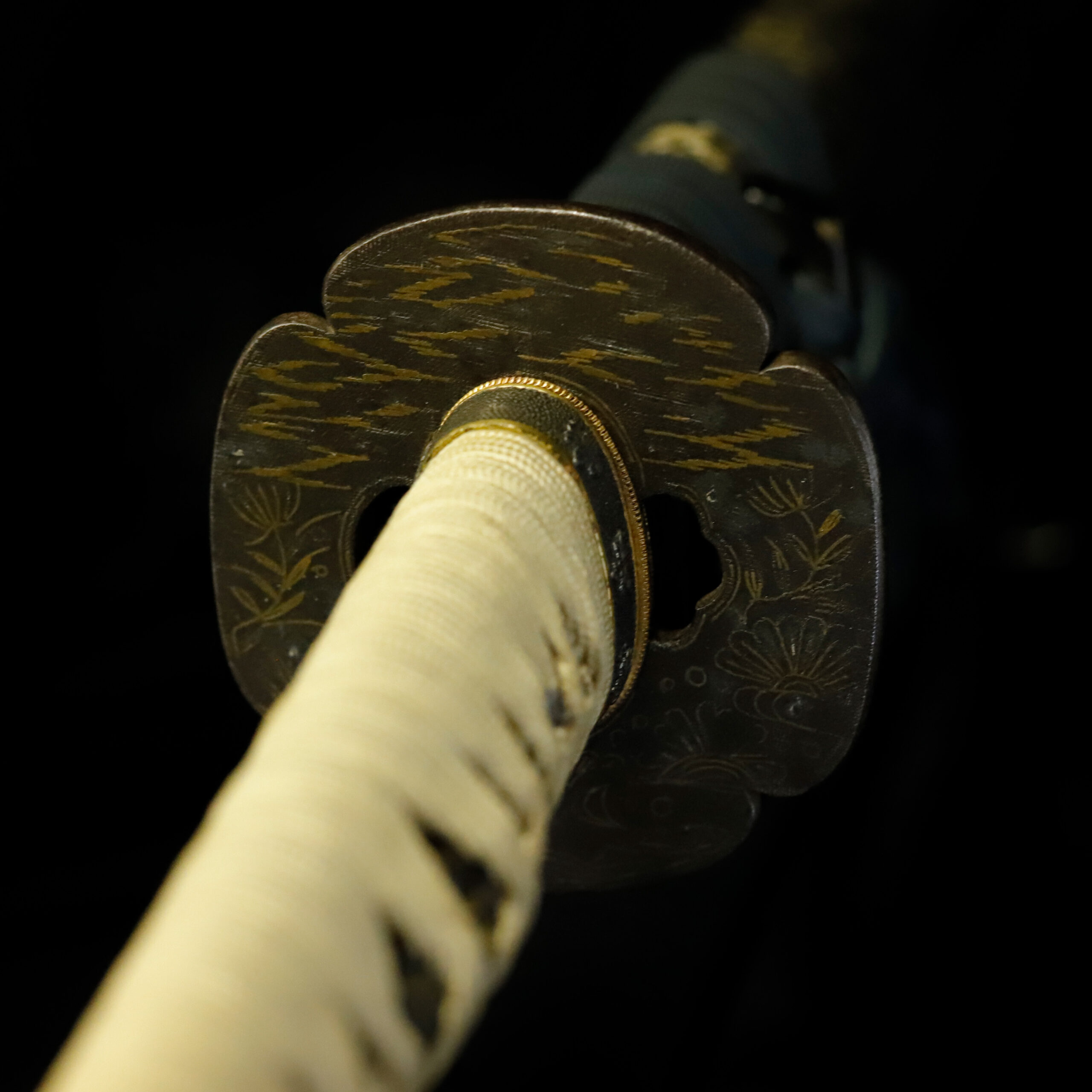
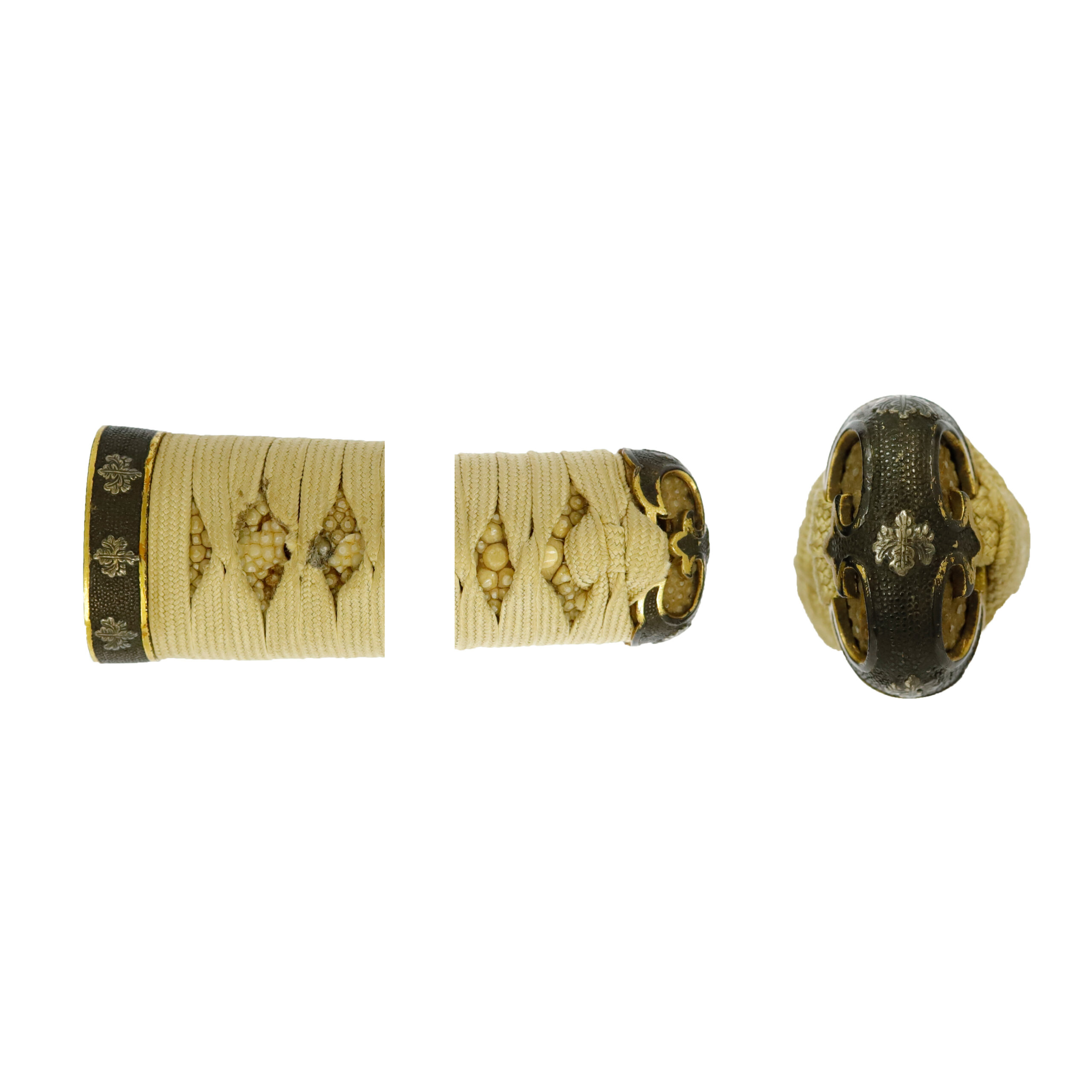
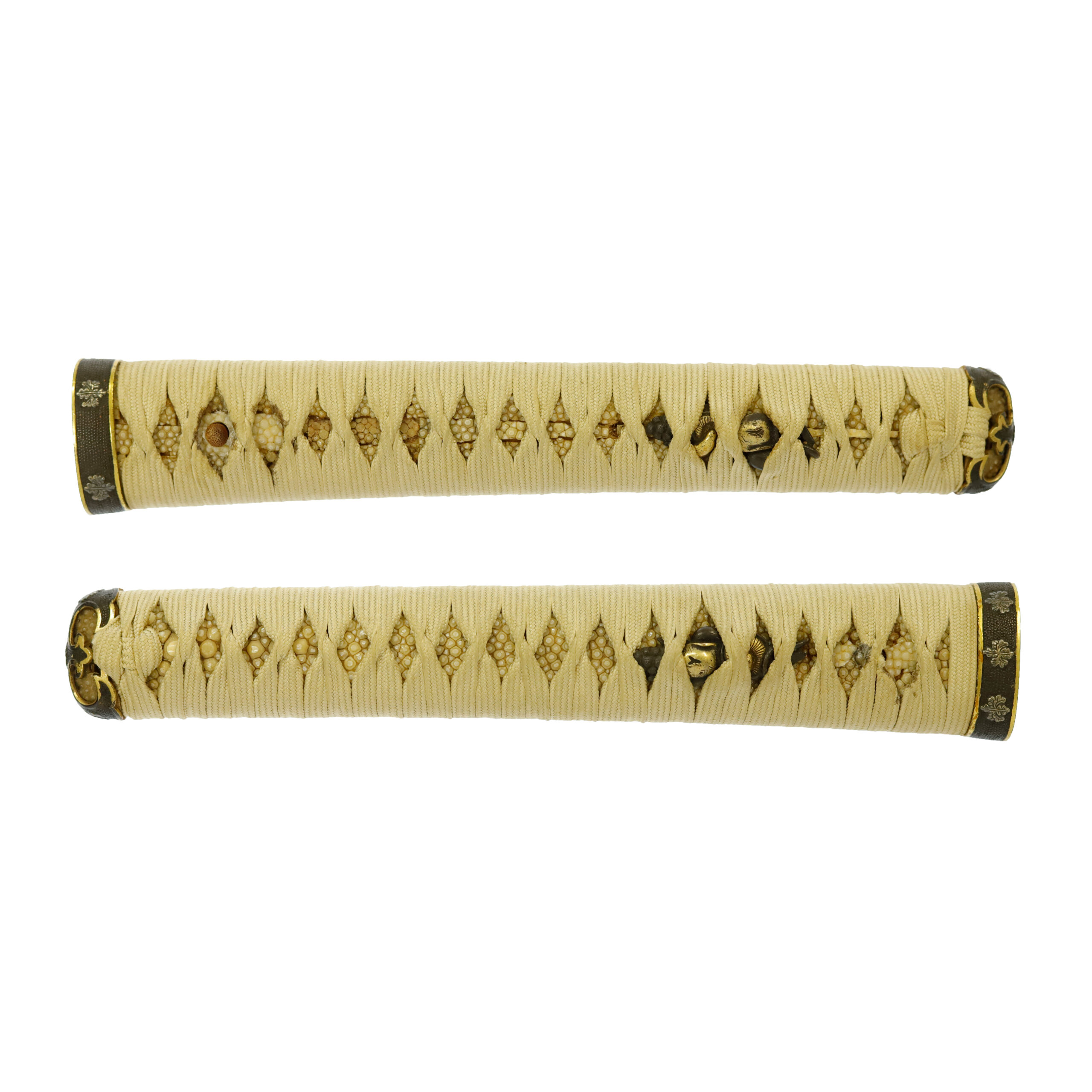
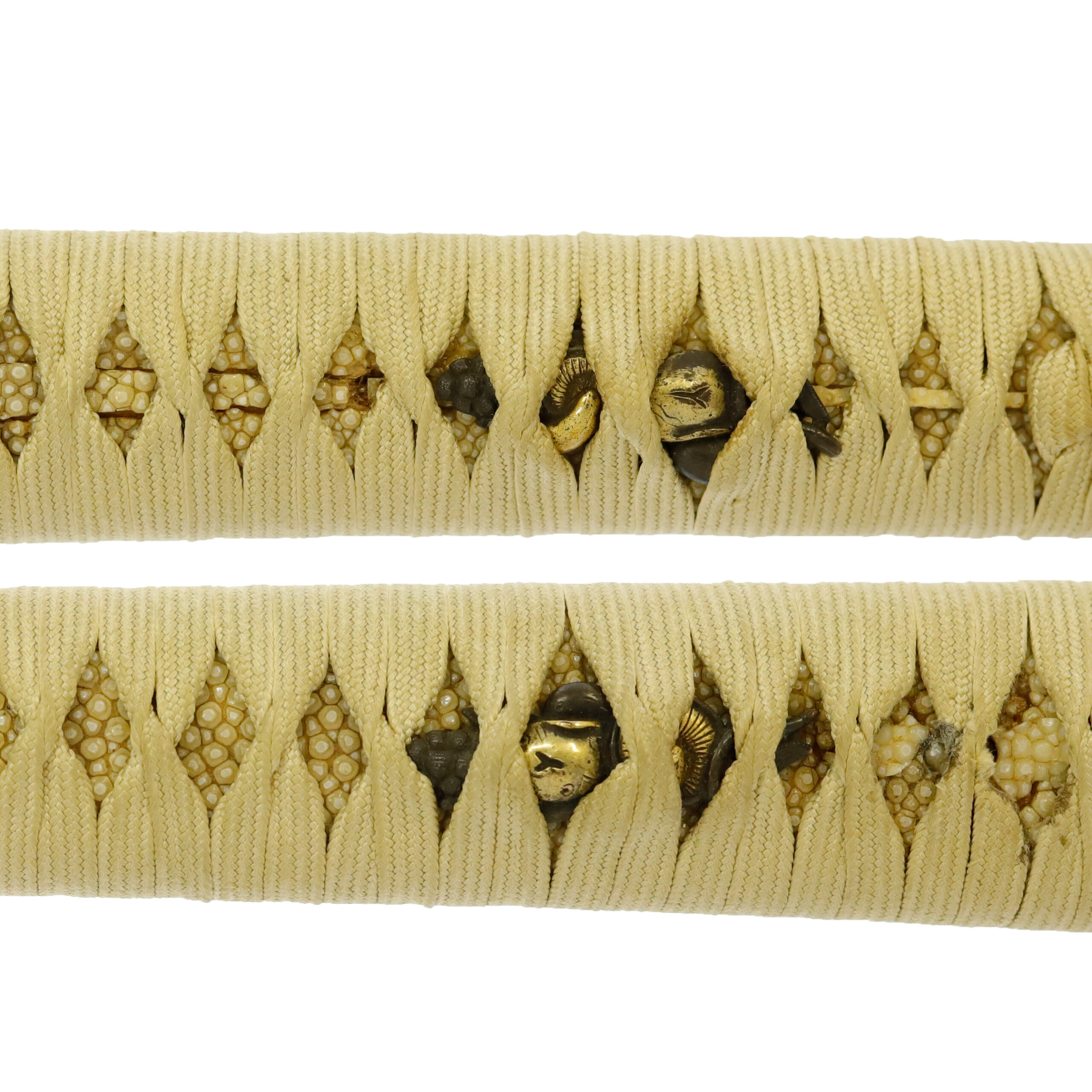
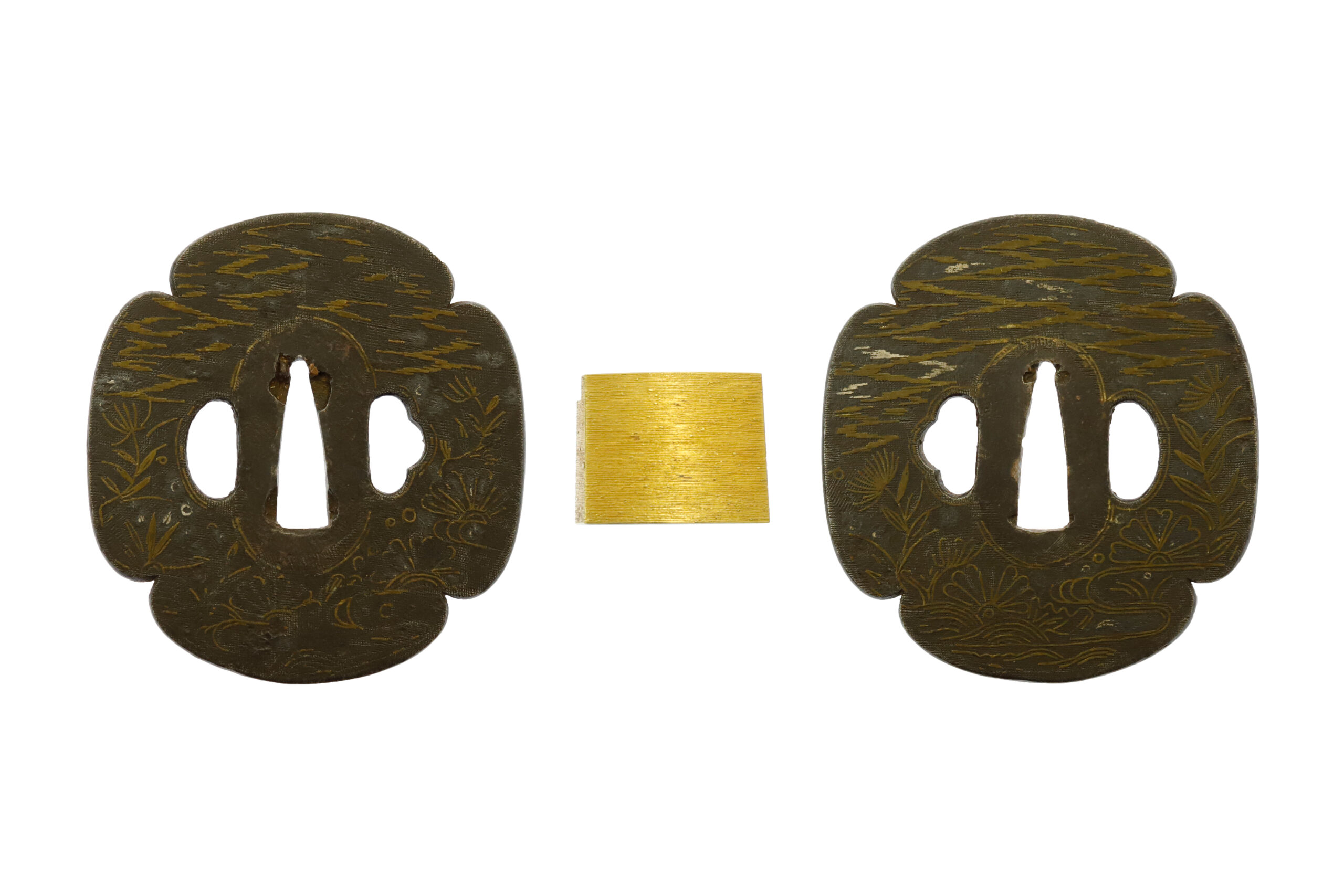
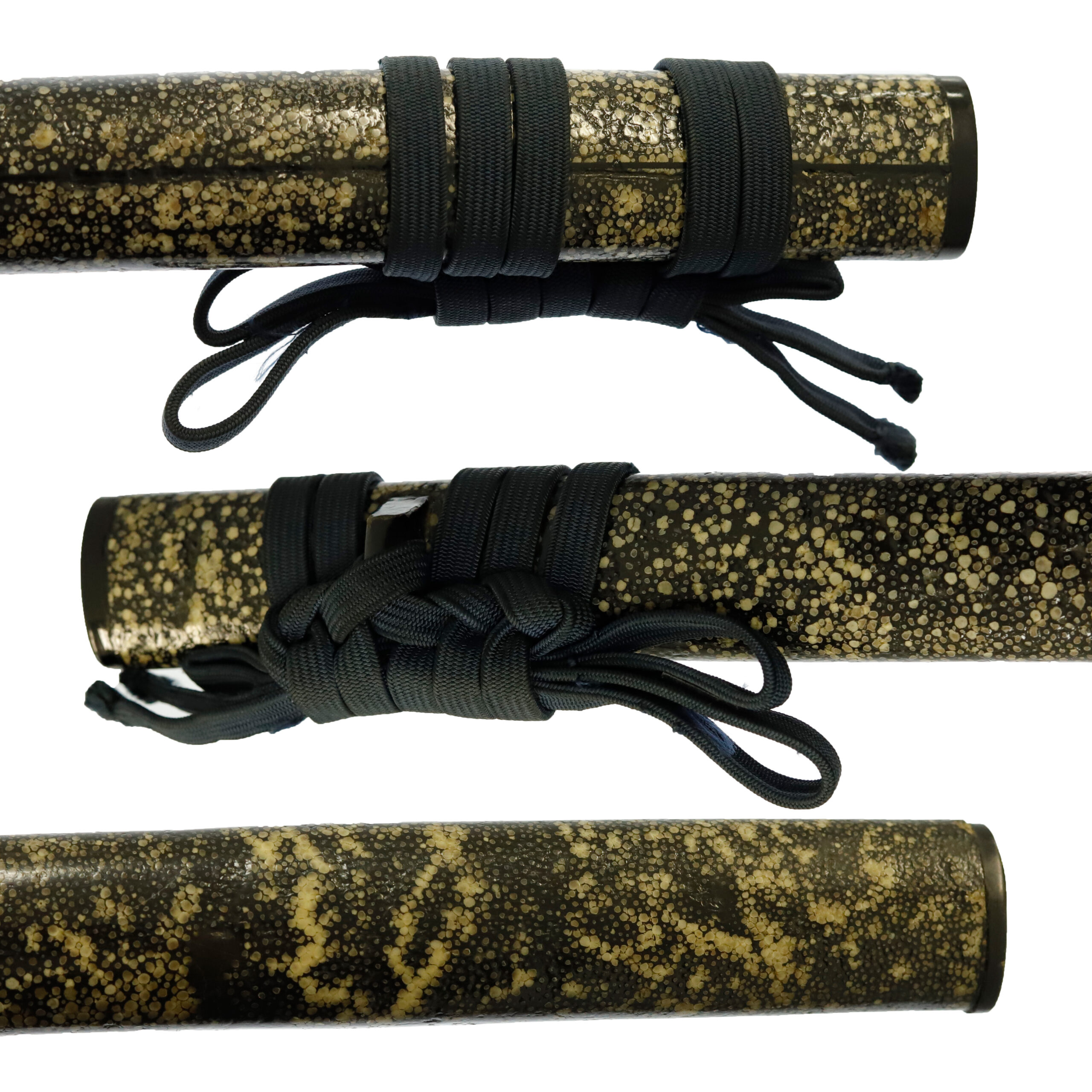
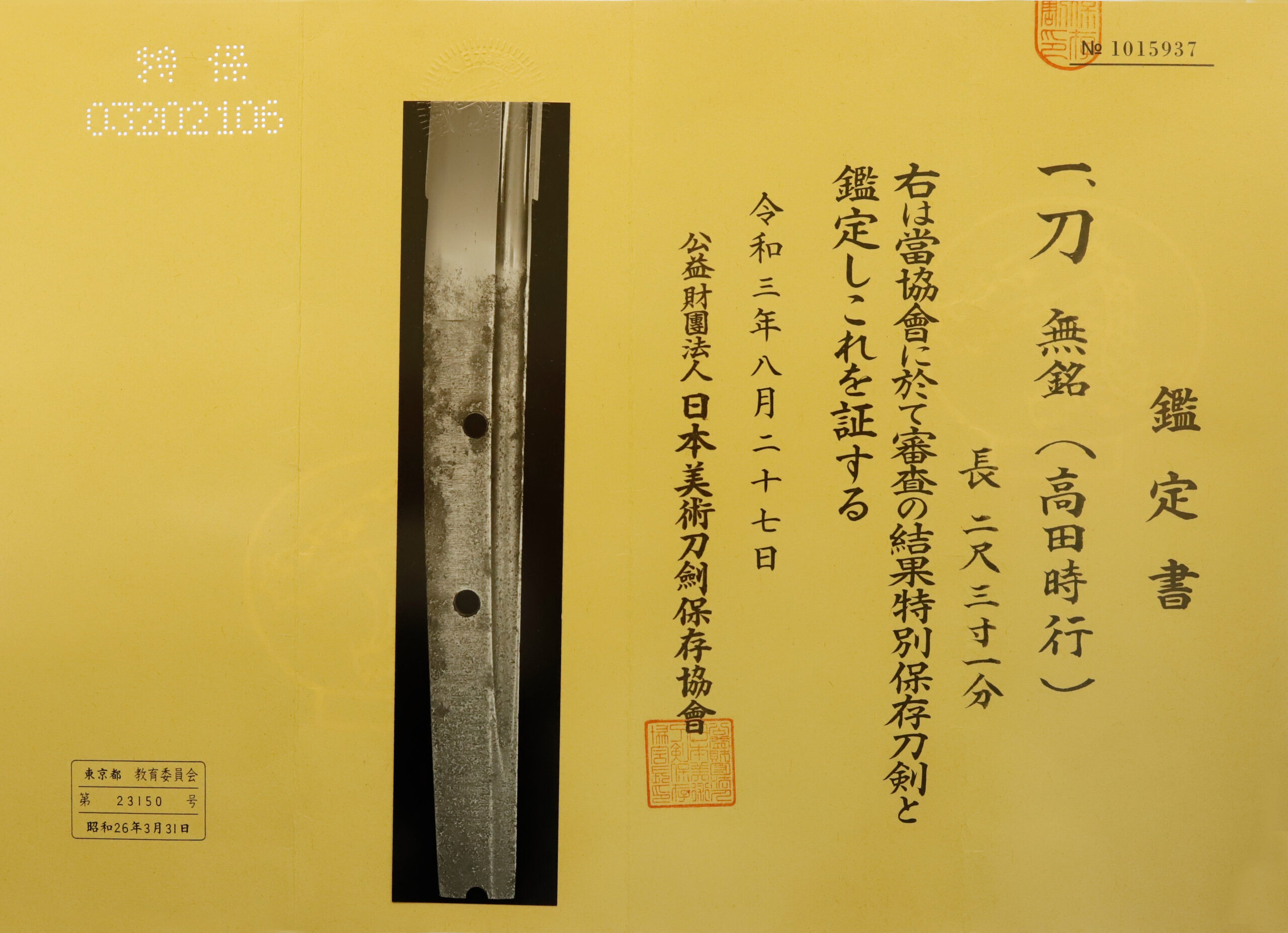
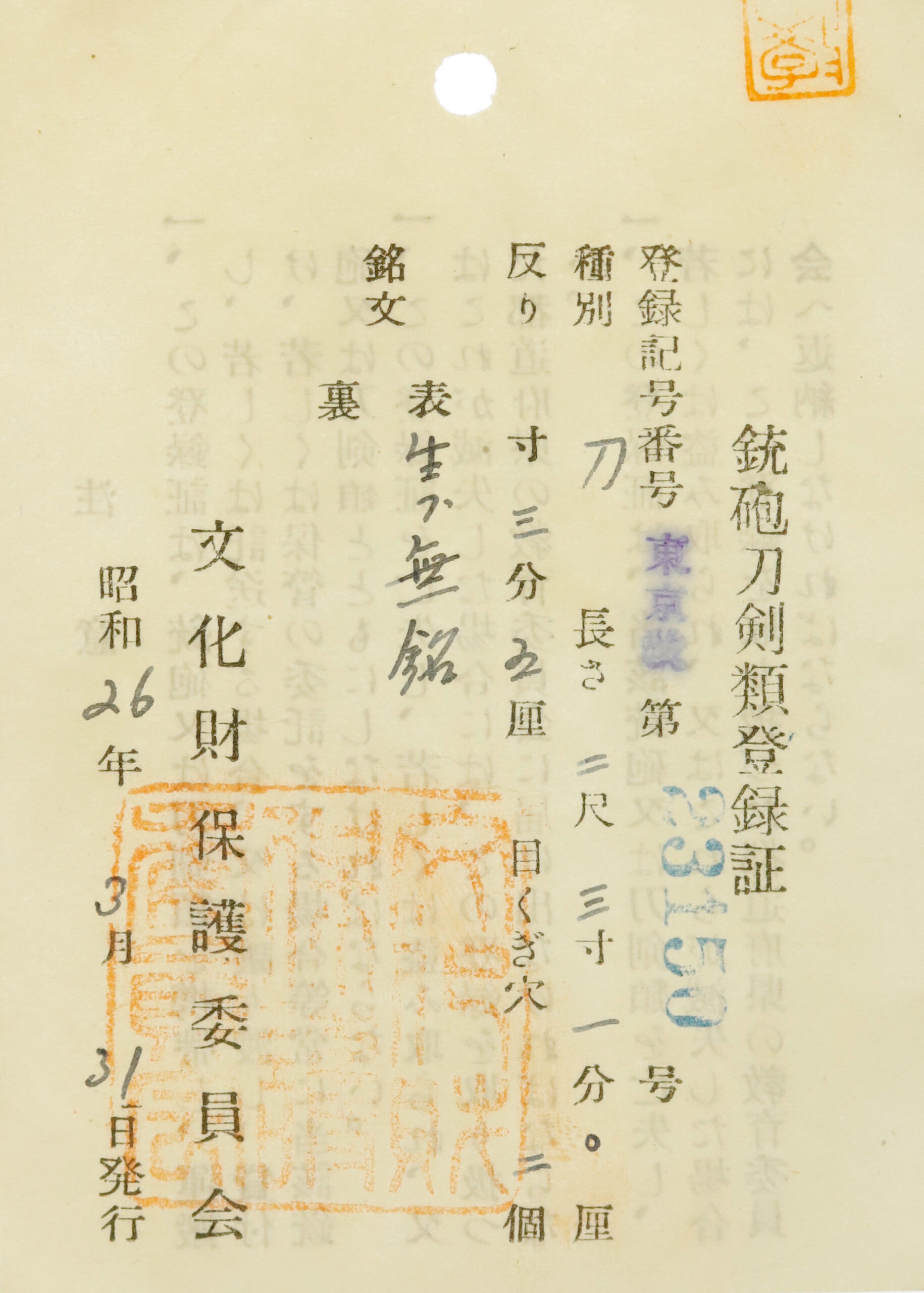
This blade is attributed to Takada Tokiyuki (高田時行) , who was active during the mid Nabokucho period (1368-1375). Tokiyuki belonged to Takada school. Takada school was founded by Takada Tomoyuki, the father of Tokiyuki, in Takada village, Ohita prefecture, during the Nanbokucho period. (1334-1338 A.D). Tomoyuki went to Bizen province(today’s Okayama prefecture) to master the sword-forging techniques of BIZEN and came back to the village and trained his apprentices. That is how Takada school started. Those who forged swords in Takada village before the Edo period are called Taira Takada and Fujiwara Takada during the Edo period. The blades made before the Muromachi period are categorized as Ko-Takada (Old Takada) swords. The blades made by Tokiyuki are considered this Ko-Takada. Generally speaking, Kyushu island was prosperous in sword-making because of the long trading history with Asian countries. To gain an advantage in trading, many feudal lords on this island fought against each other. Takada school was able to receive many orders as the demand increased among those lords. The material of Japanese swords(high-quality iron sand and charcoal) was abundant in the mount Sobo Katamuki, located near Takada village. We believe Takada school prospered because of its geographic location and natural resources. It is appraised as a Tokubetsu Hozon Token(特別保存刀剣) issued by NBTHK(Nihon Bijutsu Touken Hozon Kyokai:日本美術刀剣保存協会). *Please keep in mind that there are a couple of Kitae Kizu on the Hi (groove) on the blade. Fuchi-Kashira The surface of this Fuchi Kashira is decorated with the Nanako-Ji (魚子地) technique. This process makes a uniform minimal protrusions pattern by hitting the Nanako-Ji Tagane (魚子地鏨, a chisel for this technique) on a metal surface. This decorative technique is often seen on sword mountings. In addition, golden paint is applied to edges; it is also an element for making its ornamental look. The Gosan-no Kiri (五三の桐) pattern is designed on both Fuchi and Kashira parts. It is a kind of Kiri (桐, paulownia) design. This plant pattern is generally composed of three standing straight inflorescences and three leaves. The number of blooming flowers at each inflorescence means the ranks of this design. Today, this plant pattern is used as the crest of the Japanese Government. The Gosan-no Kiri pattern was once used by the imperial family and people in authority at that time. Today, it is permitted to use by ordinary households and is appreciated as their family crests. According to a tradition, the Houou (鳳凰, Fenghuang, a kind of sacred beast) rests its wings at the paulownia tree; therefore, it has come to be regarded as a sacred plant. Tsuba and Habaki Yotsu-Mokkou-shaped Tsuba that has Kozuka and Kougai holes. About the design, this Tsuba depicts a waterside scenery, as if we are submerged in water like a river and see a landscape with aquatic plants growing. Line patterns expressing water flow and aquatic plants are probably drawn using the technique of brass inlay. Saya The Sayanuri (鞘塗, coating of sheath) of this scabbard is categorized as a type of the Same Zaya (鮫鞘). This is a highly decorative scabbard that utilizes the surface of stingray skin. Many of them were processed to smoothen the uneven surface of the skin, and such sheaths were called the Samegawa Togidashi Saya (鮫皮研出鞘). Authentication Paper They authenticated the blade on August 27th in the 3rd year of Reiwa (2021). They appraised it as Tokubetsu Hozon Touken, the blade especially worth preserving for Japanese society.


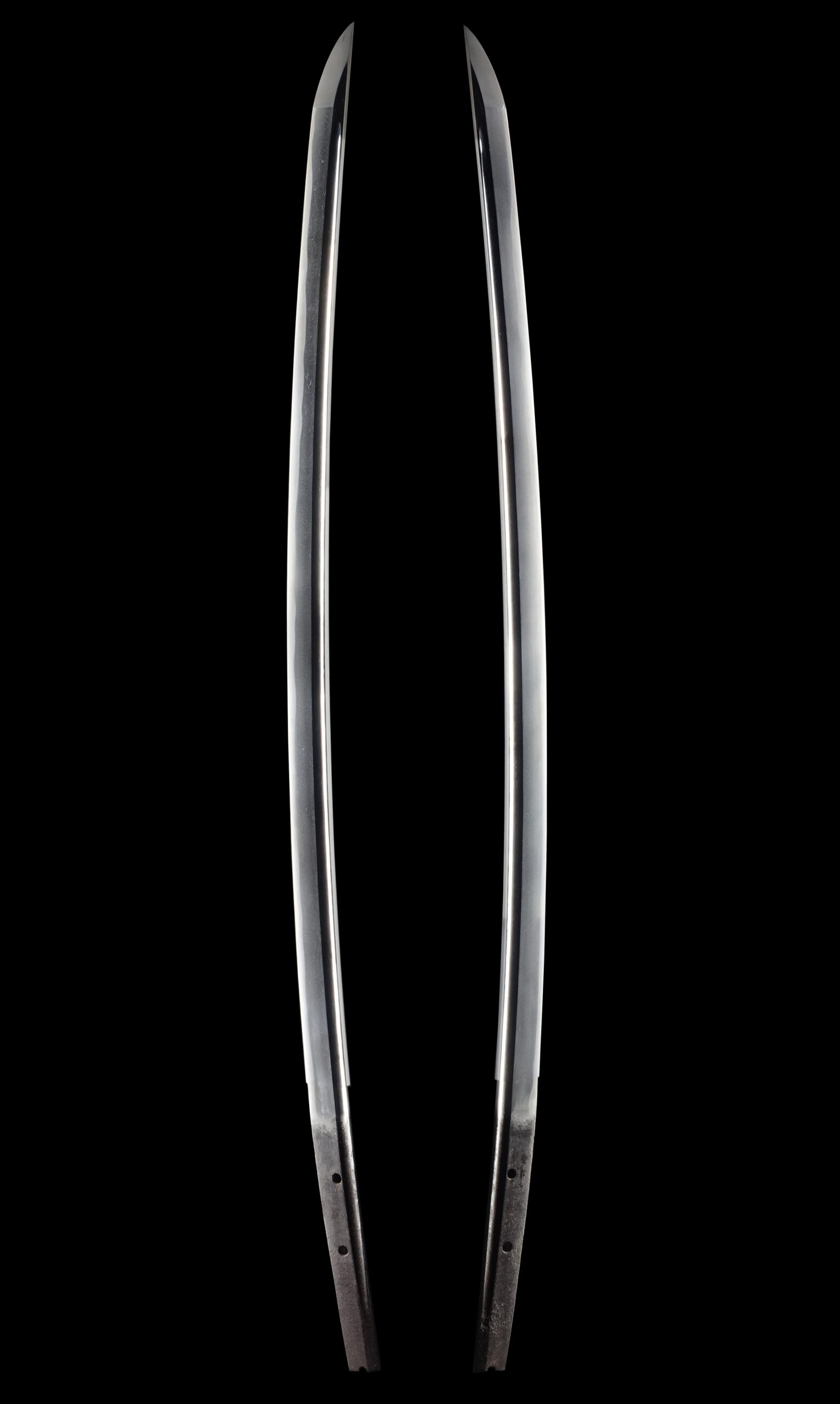
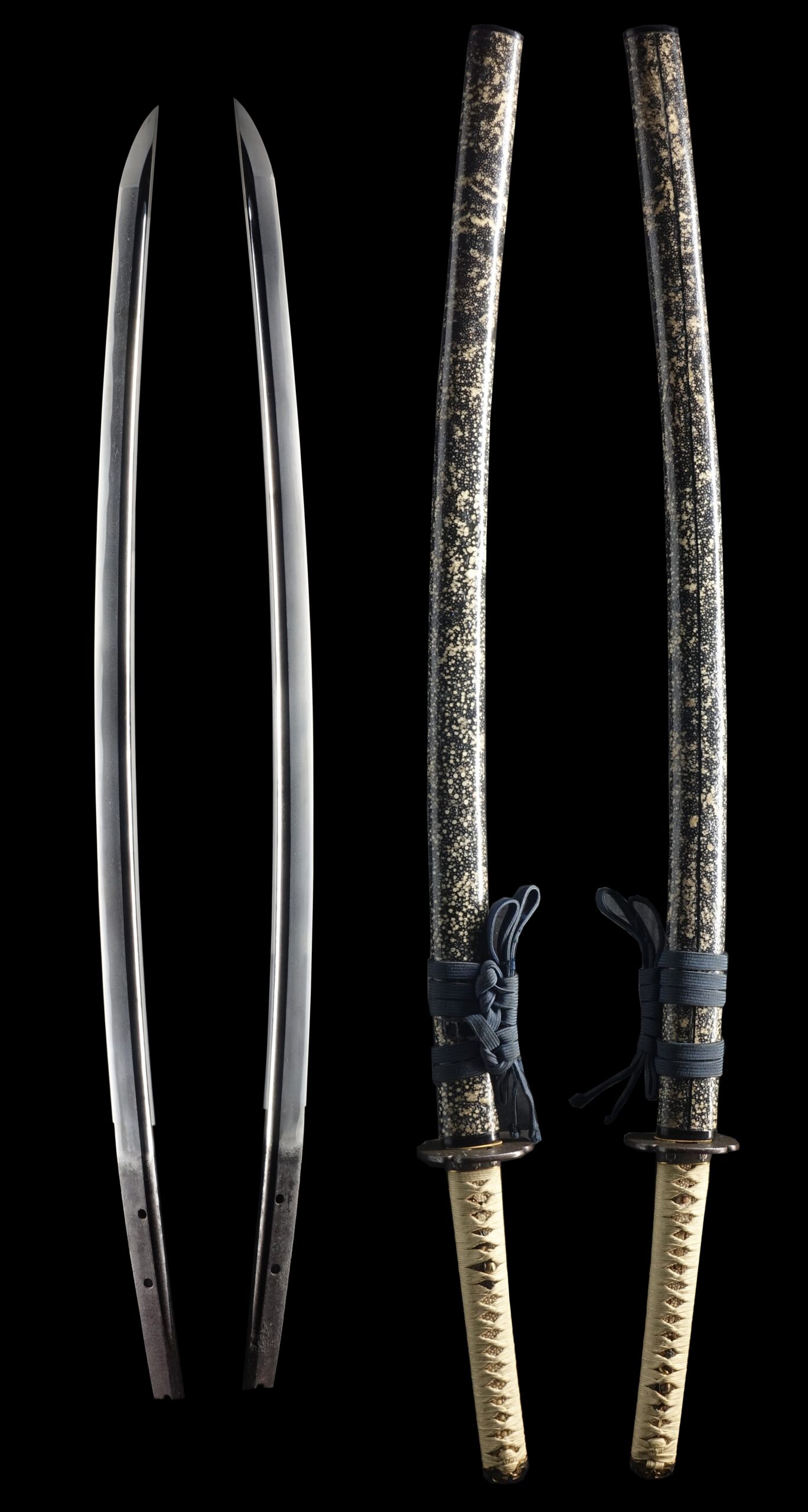
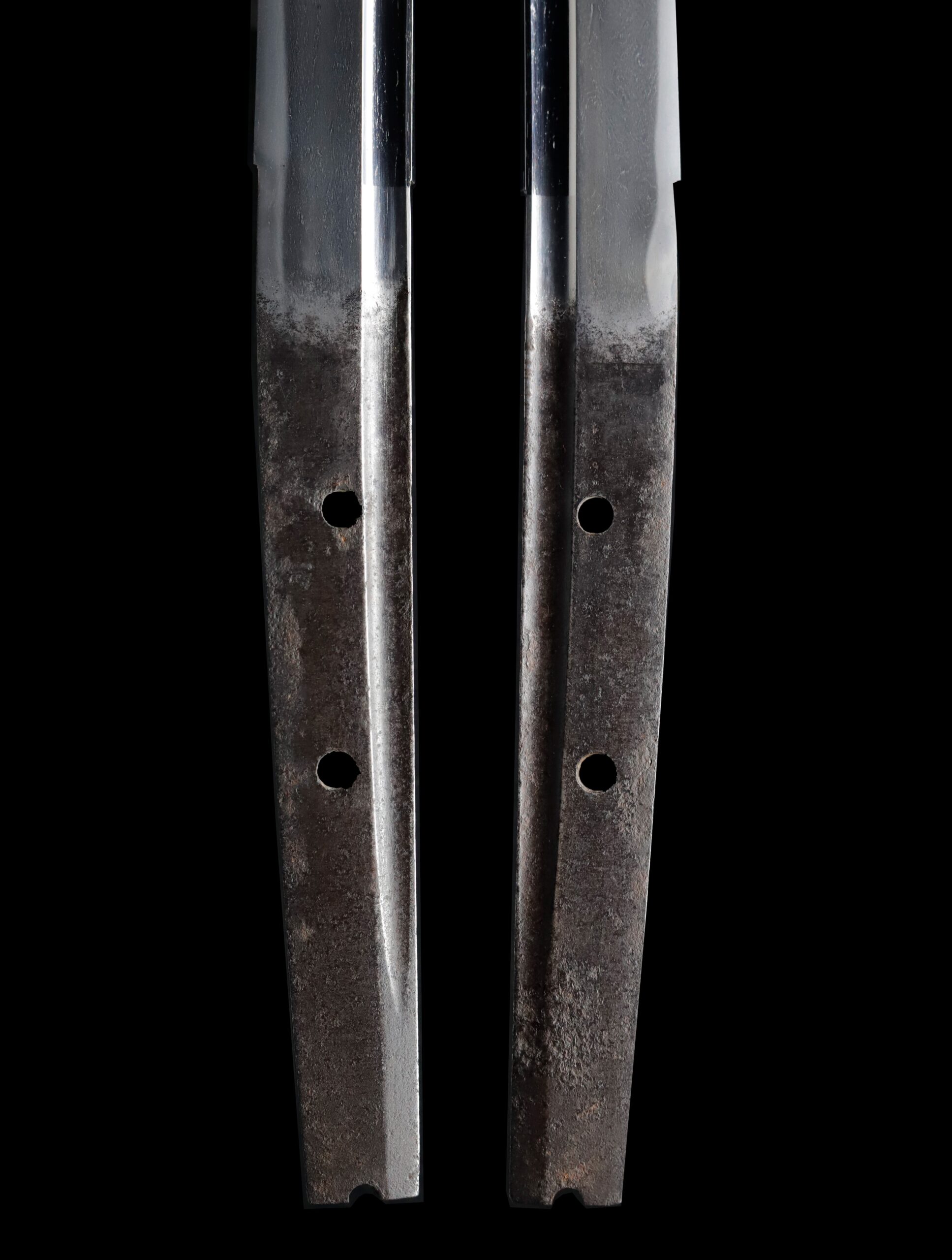
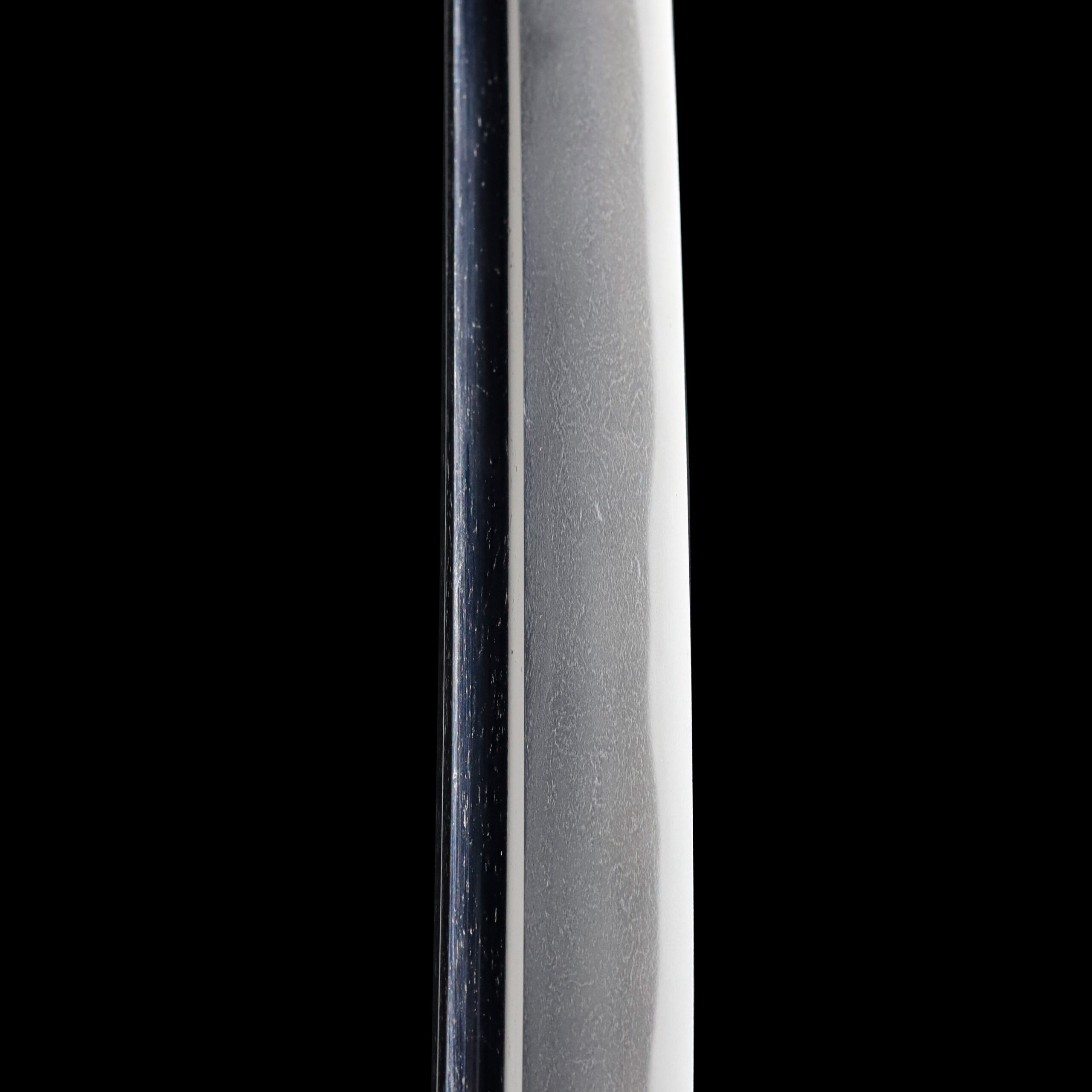
販売店の記載のまま
豊後 · 1368-1375頃
刀剣大鑑 上位23%
現在1点販売中
南北朝時代
二つの朝廷、六十年の戦、そして刀剣史上もっとも劇的な姿。幅広の刀身、延びた切先、後代に磨上げられて雄大な刀となった大太刀。相州風がこの時代の様式であった。
保存刀剣のうち、出来が一層優れ、保存状態も良好と認められたものです。再刃や、室町・江戸期の多くの無銘作は対象外となり、保存刀剣より高い基準が課されます。
日本美術刀剣保存協会(NBTHK)は、1948年に設立され、文化庁の監督を受ける公益財団法人で、東京・刀剣博物館に本部を置きます。専門の審査員が出品作を直接審査し、美術的・歴史的価値に応じた鑑定書を発行します。NBTHKの鑑定書は、日本刀および刀装具の真正性を示す最も広く認知された基準です。
NBTHK公式サイトReturns/exchanges limited to defects caused by shipping (except willful misconduct or gross negligence by the company); customers must contact within 72 hours of receiving the product.