室町は刀剣業を産業に変えた。徒歩の集団戦とともに打刀が興り、長船と関は数打ち物と注文打ちを並行して産し、勘合貿易は日本刀を数万振の単位で海外へ運んだ。
 NihontoWatchNihontoWatch
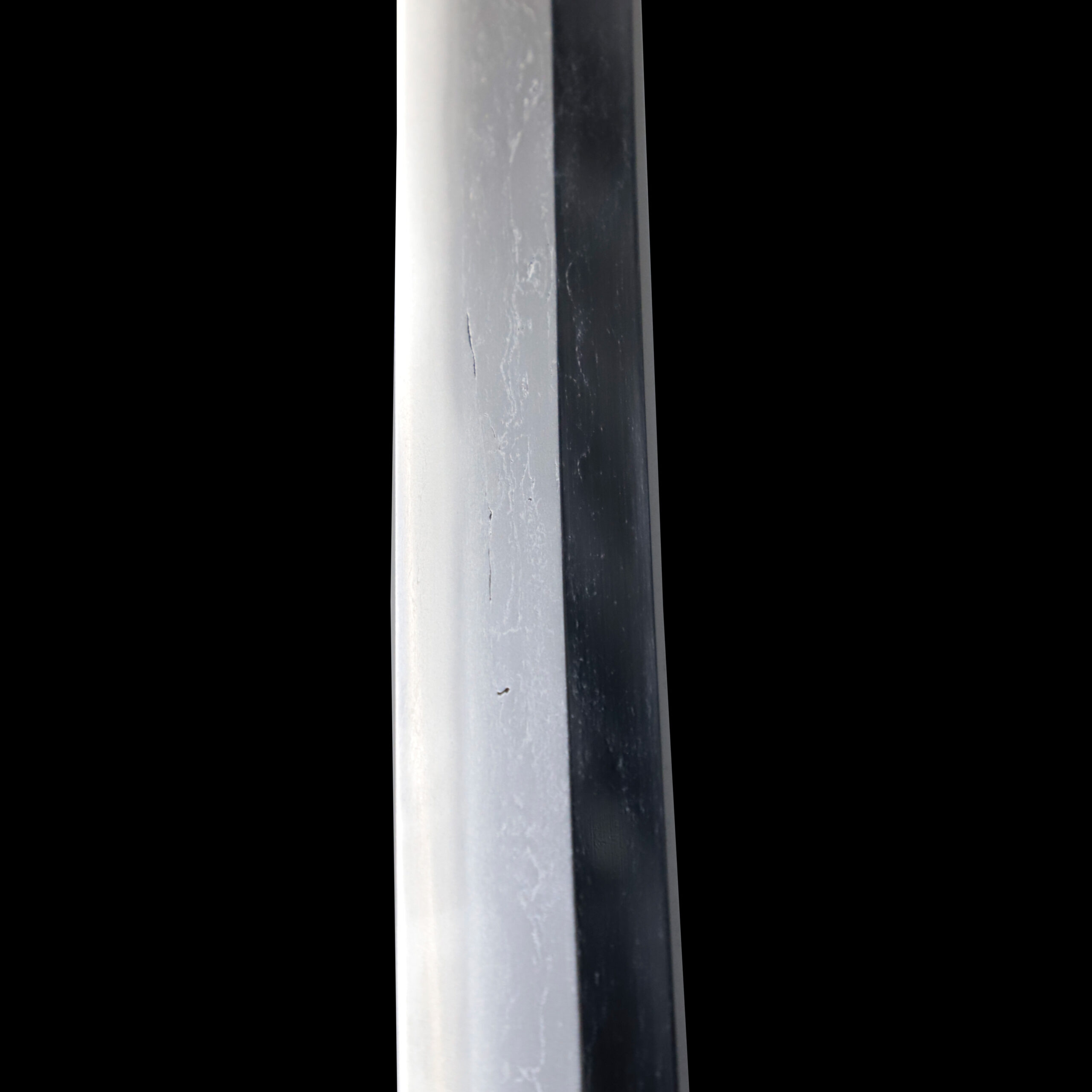
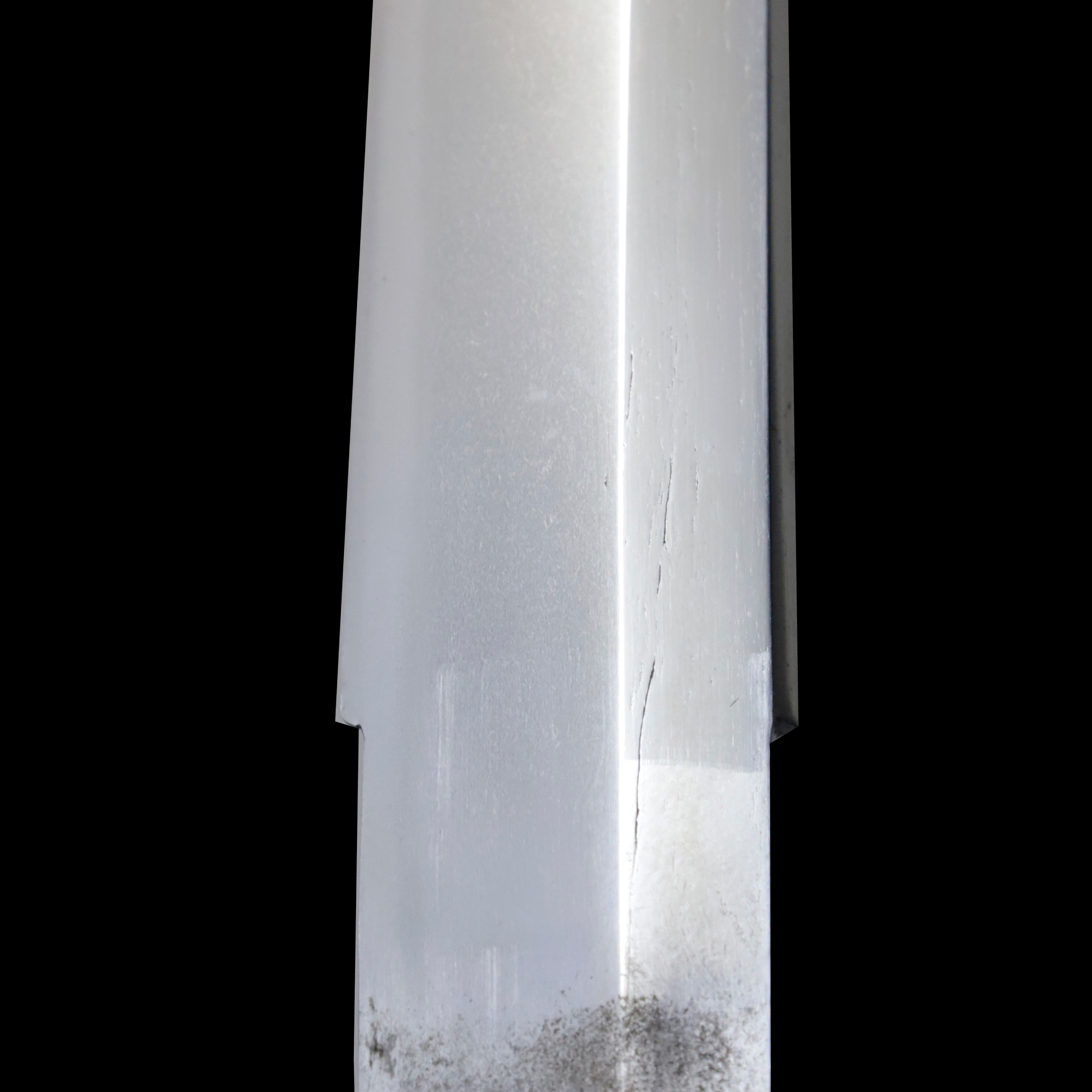
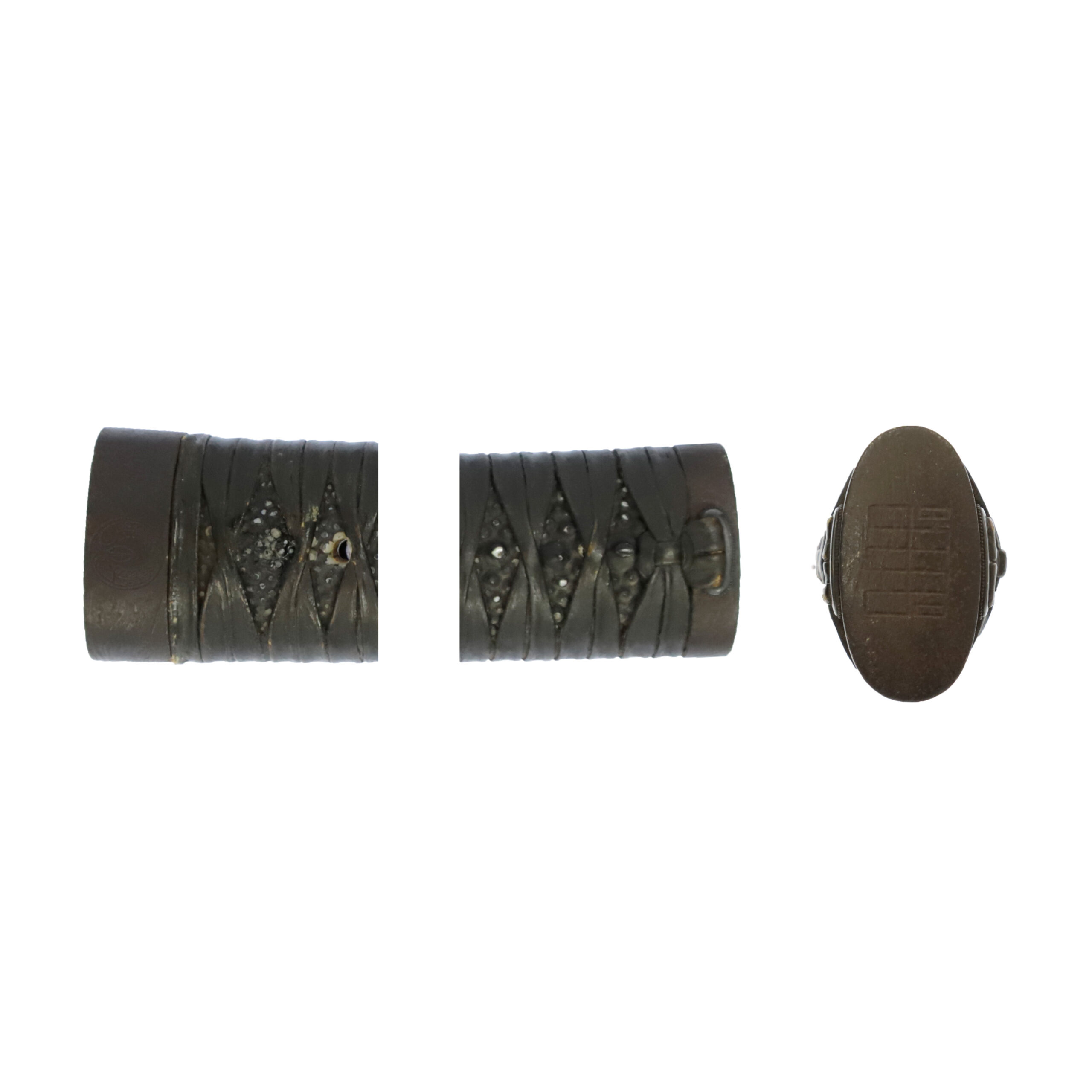
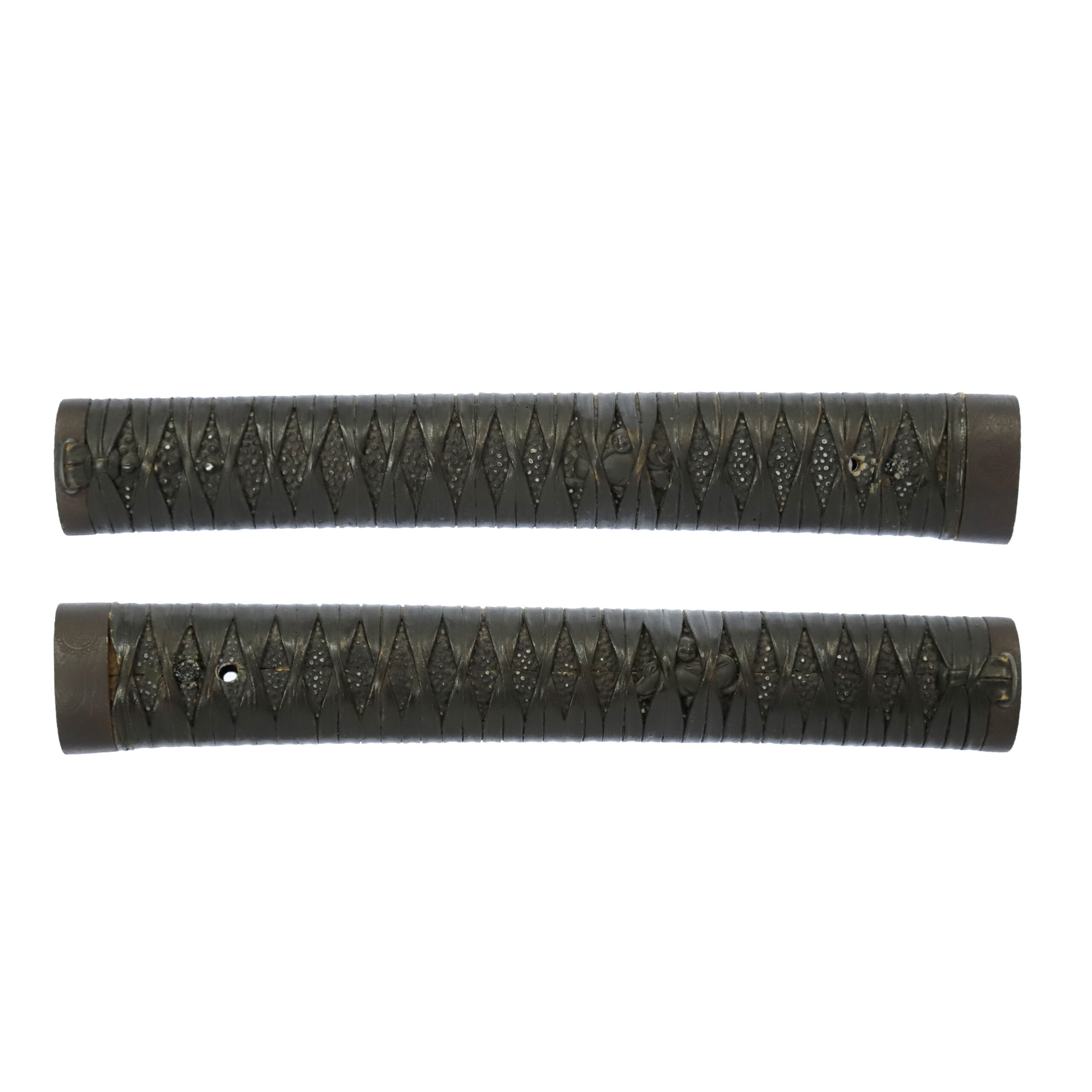
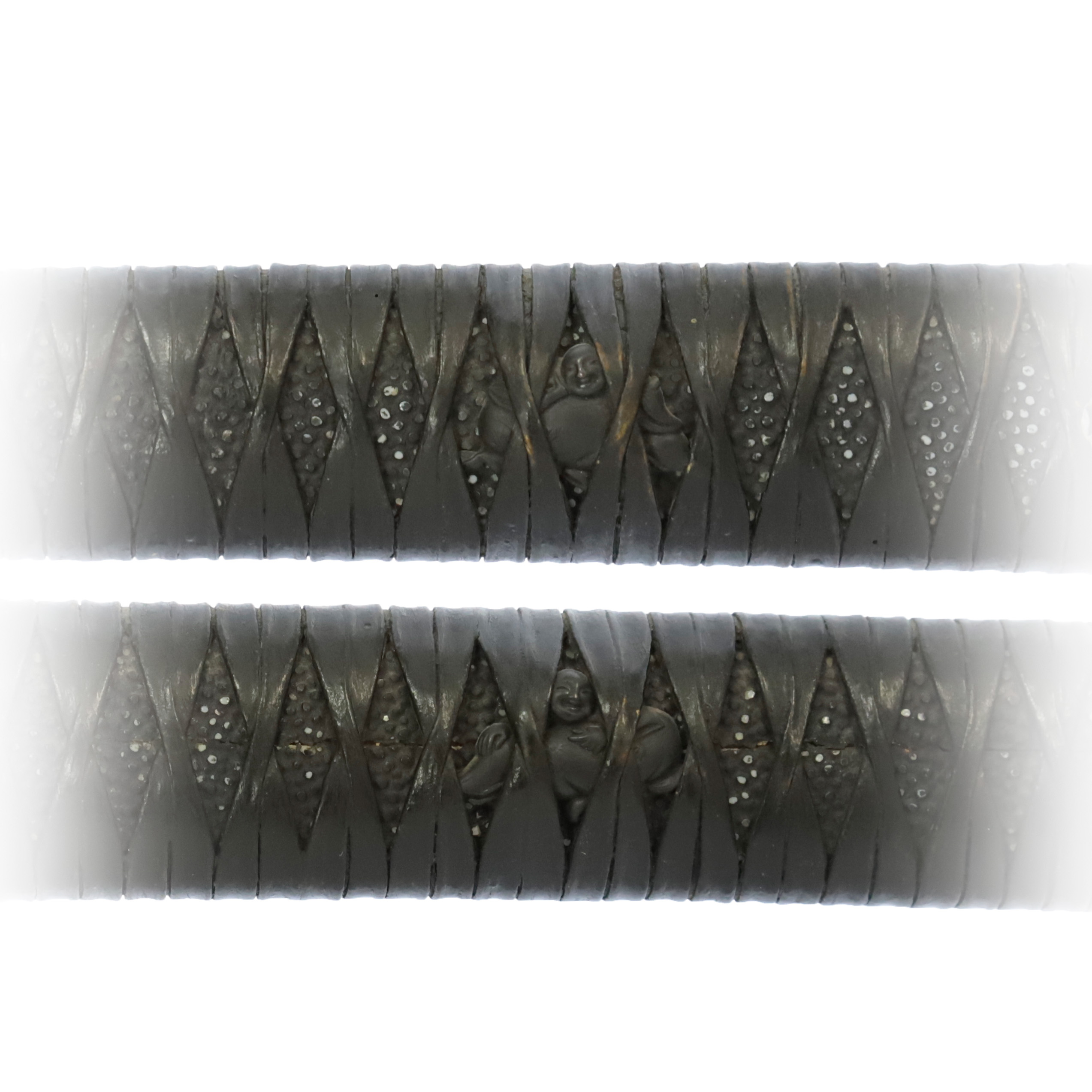
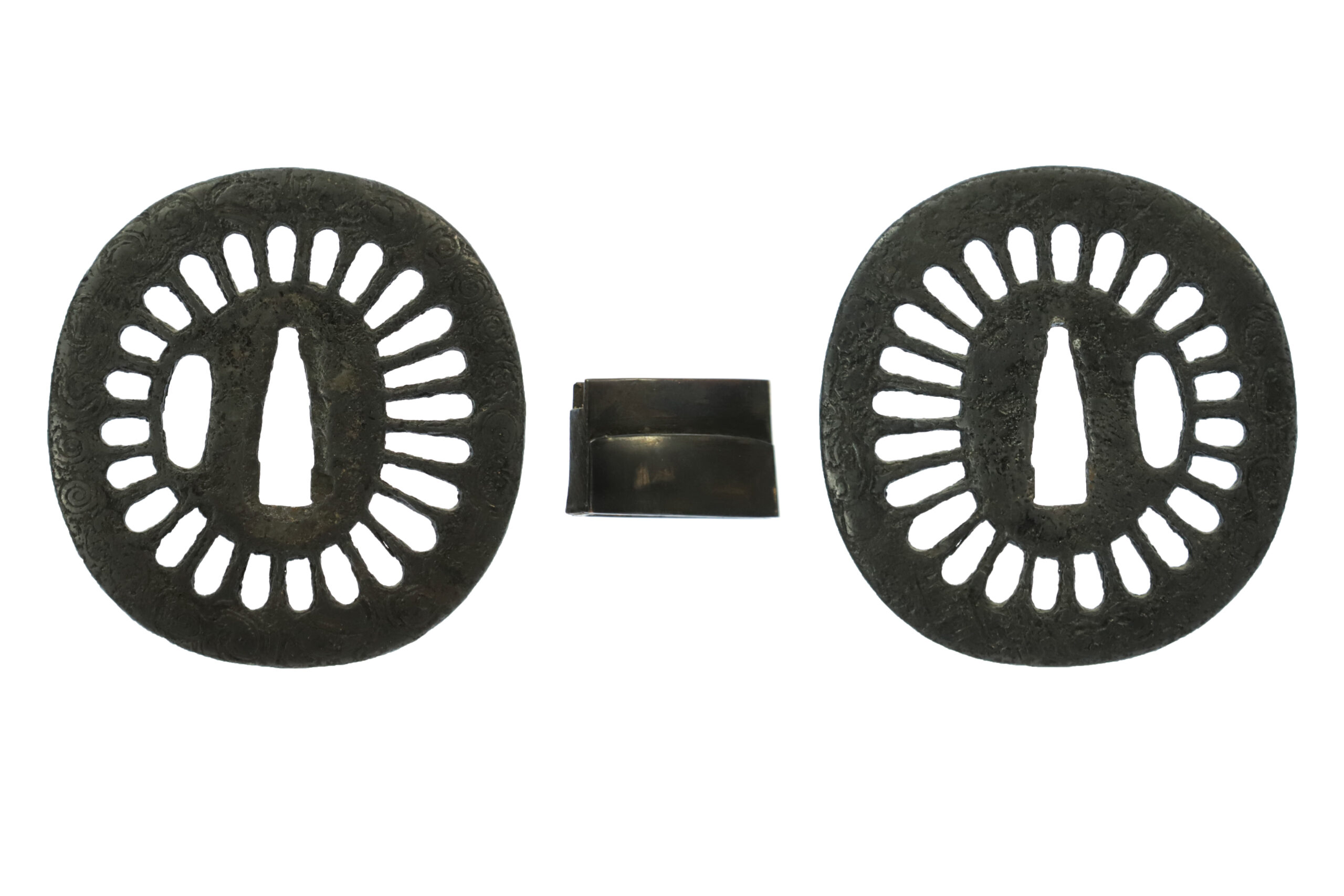
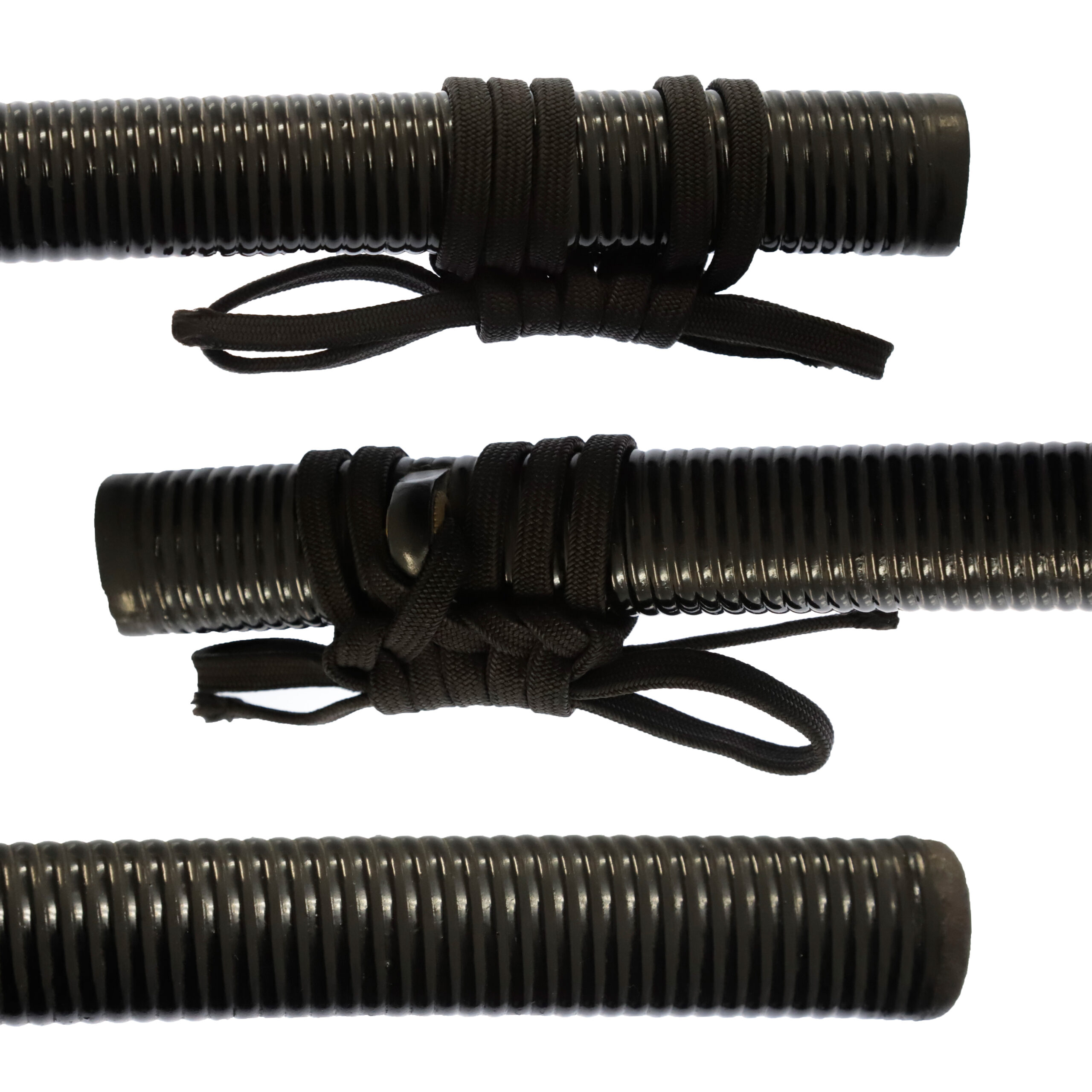
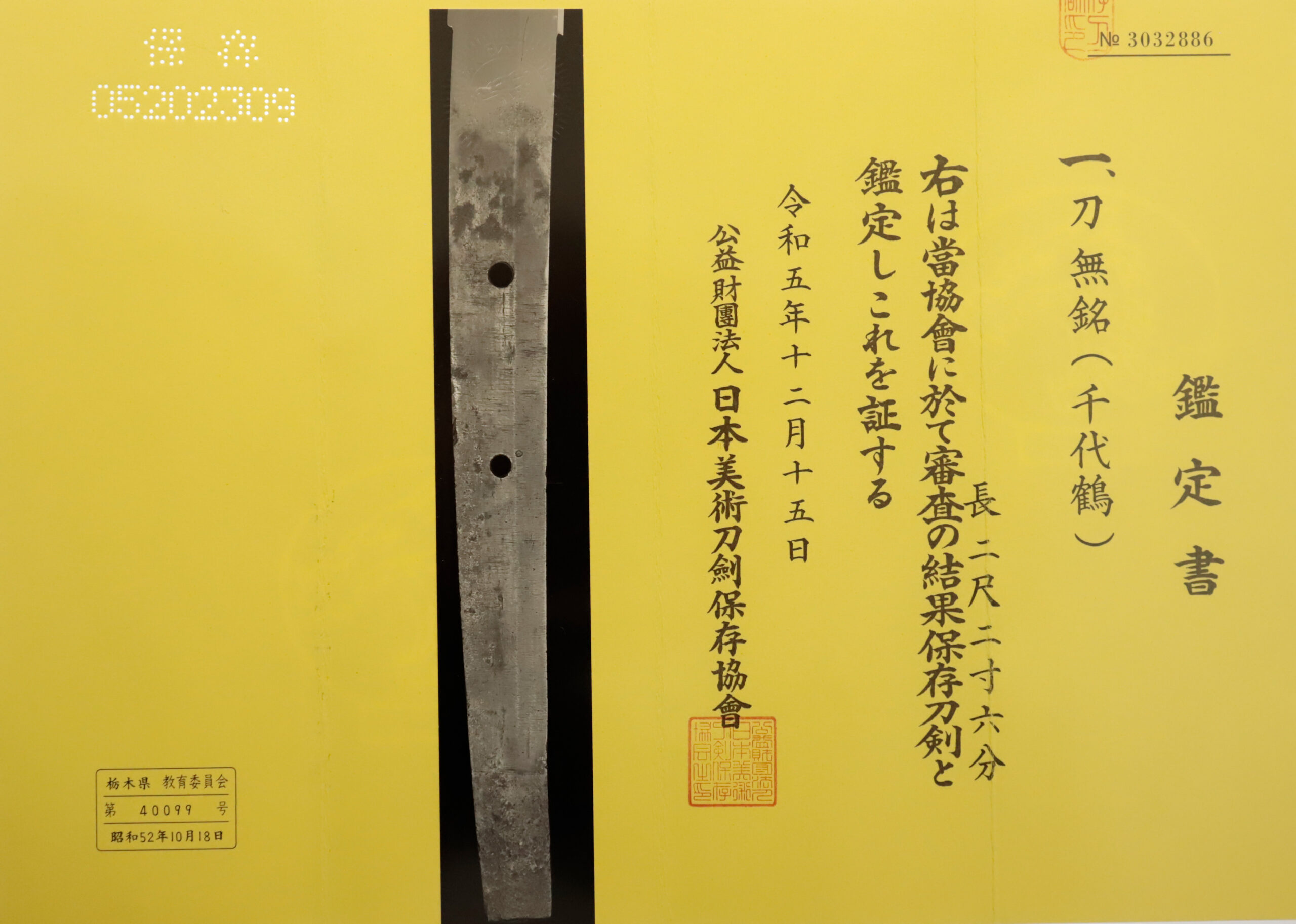
This blade is attributed to Chiyozuru school(千代鶴). It is estimated it was forged during the last years of the Nanbokucho-early Muromachi period(late 14th century-early 15th century). Chiyozuru school The founder of Chiyozuru school was Kuniyasu(國安). It is said that Kuniyasu was the grandson of Kunimatsu, a younger brother of Rai Kunitoshi. Rai Kunitoshi was one of the most famous swordsmiths in Yamashiro province(Kyoto). Kuniyasu is known as the prominent figure of the Echizen Rai school. Kuniyasu was forging swords in Yamashiro province but moved to Echizen prefecture and founded Chiyozuru school. The name of Chiyozuru(千代鶴) came from the fact that Kuniyasu’s name during his childhood was Chiyozurumaru. The school prospered during the last years of the Nanbokucho-early Muromachi period(late 14th century-early 15th century). Rai school&Yamashiro province Yamashiro province was famous for its sword-making style called YAMASHIRO-DEN. YAMASHIRO-DEN’s origin dates back to the Heian period(794 A.D), when the capital city was moved from Nara to Kyoto. The swordsmiths in Yamashiro province initially prospered by forging swords for court nobles and imperial families. Later on, they also forged swords for feudal lords after Samurai military government took control of Japan. There are so many renowned swordsmiths from this region. It is said that the founder of YAMASHIRO-DEN was Sanjo Munechika. And there are seven prestigious schools in this region. One of them is Rai school is one of the most prestigious ones among YAMASHIRO-DEN. And swords forged by members of Chiyozuru school have characteristics of Rai school. The significance of the school’s name Chiyo(千代) means one thousand years, and Zuru(Tsuru:鶴) means crane in Japanese. The name Chiyozuru sounds very auspicious in Japanese. Therefore, the sword forged by this school were popular for any ceremony or events such as weeding from ancient times. There is a proverb that says cranes and turtles live a long life. It says cranes have even one thousand years lifespan; therefore, cranes and turtles have been considered as the symbol of longevity since a long time ago. Also, as cranes make compatible couples, it represents happy marriage. This blade is appraised as a Hozon Touken (保存刀剣) issued by NBTHK (Nihon Bijutsu Touken Hozon Kyokai: 日本美術刀剣保存協会). Please keep in mind that there are a couple of visible Kitae Kizu on this blade. If you like to see the detailed condition before placing an order, please make sure to ask us to send you additional photos first. Fuchi-Kashira We could see several marks are engraved on this Fuchi Kashira. We assume each of them was designed as a family crest. We believe one of these family crests on the Fuchi part is a Fuji (藤, wisteria) pattern called the Sagari-Fuji (下り藤). It depicts a round shape of a wisteria flower cluster hanging down. Since wisterias have strong fertility and grow being entwined with other trees, people regarded this flower as a symbol of longevity and prosperity for future generations. Also, its Japanese name, Fuji, is likened to another word, Fushi (不死), which means immortality. According to a theory, that is why the Fujiwara (藤原) family, who reached the height of glory in the Heian (平安, 794-1185) period, used this motif for their family name and family crest. It is said there were Samurai families who used Fuji-designed family crests due to the admiration of the Fujiwara clan, which once occupied most of the upper aristocrats. Also, it might be because they wanted to share the prosperity of the Fujiwara clan. Tsuka and Menuki You would find the figure of a man-designed Menuki through the gaps of the Tsukamaki thread. We think one of the members of Shichifukujins (七福神, the Seven Gods of Good Fortune), Hoteison (布袋尊), was modeled. Hotei is a legendary priest in ancient China. According to a theory, Hotei is the incarnation of Miroku Bosatsu (弥勒菩薩, the Bodhisattva Maitreya). He has an obese body and brings a big sack that is full of treasures. He was always in contact with people with a smile and gave his prizes to religious people. Due to his mild-mannered attitude, he was surrounded by children and became a topic of people’s conversations. And then, he was started to be treated as a theme in paintings or poetry. Still today, he is gathering people’s faith as the symbol of happiness, happy marriage, and prosperity for future generations. Tsuba and Habaki The same elongated shapes are engraved with the openwork inside of the edge. We think it expresses a Kikuka (菊花, chrysanthemum flower) pattern in an abstract design. The chrysanthemum symbolizes autumn, and people have greatly appreciated it since ancient times. This flower has been likened to the sun as its petals form radially. That is why this flower pattern is treated as the symbol of perpetual youth and longevity or good health. If you focus on the Mimi (耳, edge) part, you will find that irregular cloud-like patterns are engraved. Whilw the surface of this Tsuba has worn due to aging, it seems its entire surface is decorated with this design. Clouds bring rain and snow, and their movements significantly affect the day’s weather. Due to its supernatural power, a theory says that gods, spirits, and dragons dwell in the clouds. The cloud pattern has been associated with magical power, and people thought it an omen of lucky things. In addition, some people wish to have a leisurely life in comfort by seeing the movements of clouds. Also, as clouds appear repeatedly, cloud design represents reincarnation. Samurai warriors were always on the verge of life and death on the battlefields. They might have believed in the power of this pattern. And they had incorporated it into the design of their sword mountings, such as Tsuba. Authentication Paper They authenticated the blade on Dec 15th in the 5th year of Reiwa (2023). They appraised it as Hozon Touken, the blade worth preserving for Japanese society.

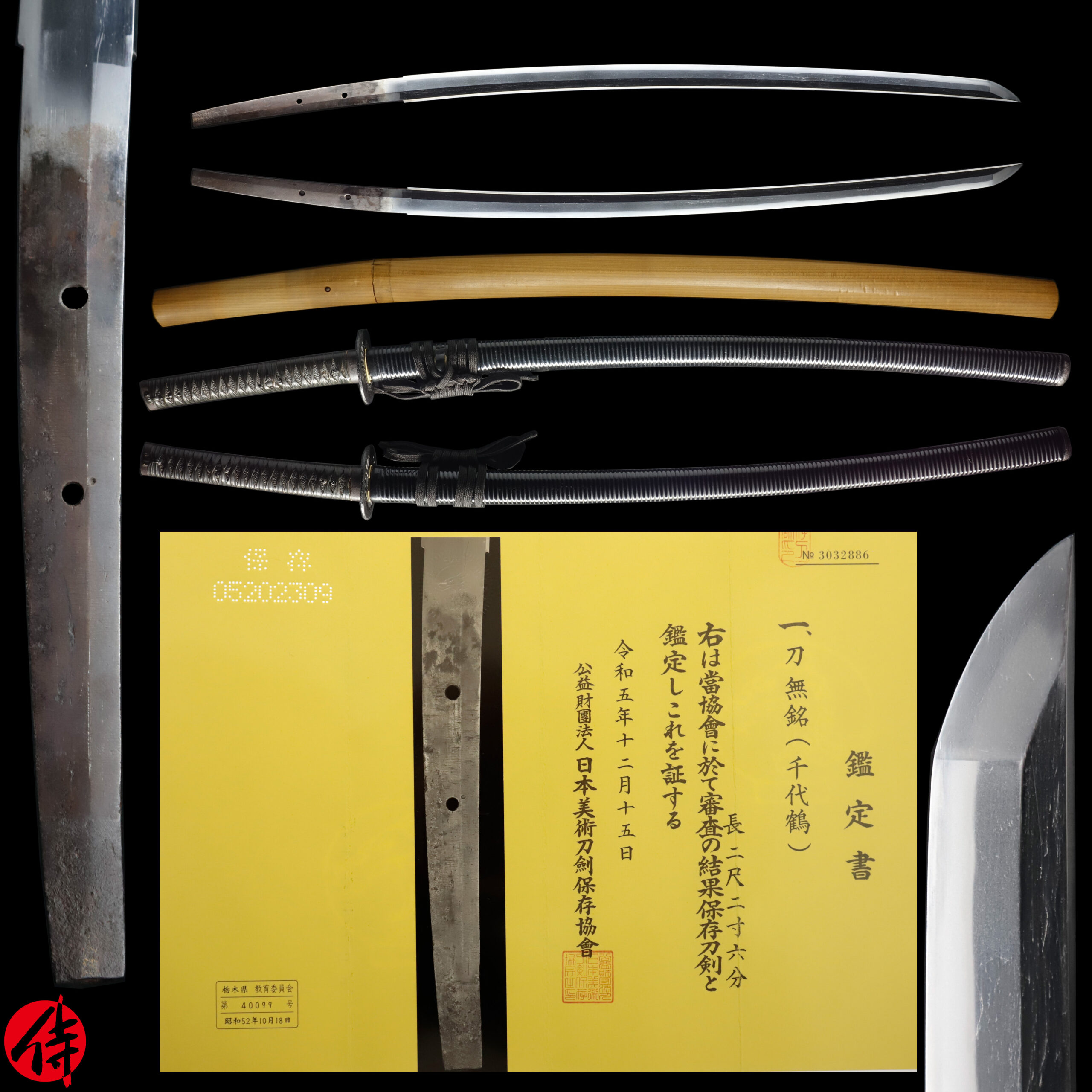
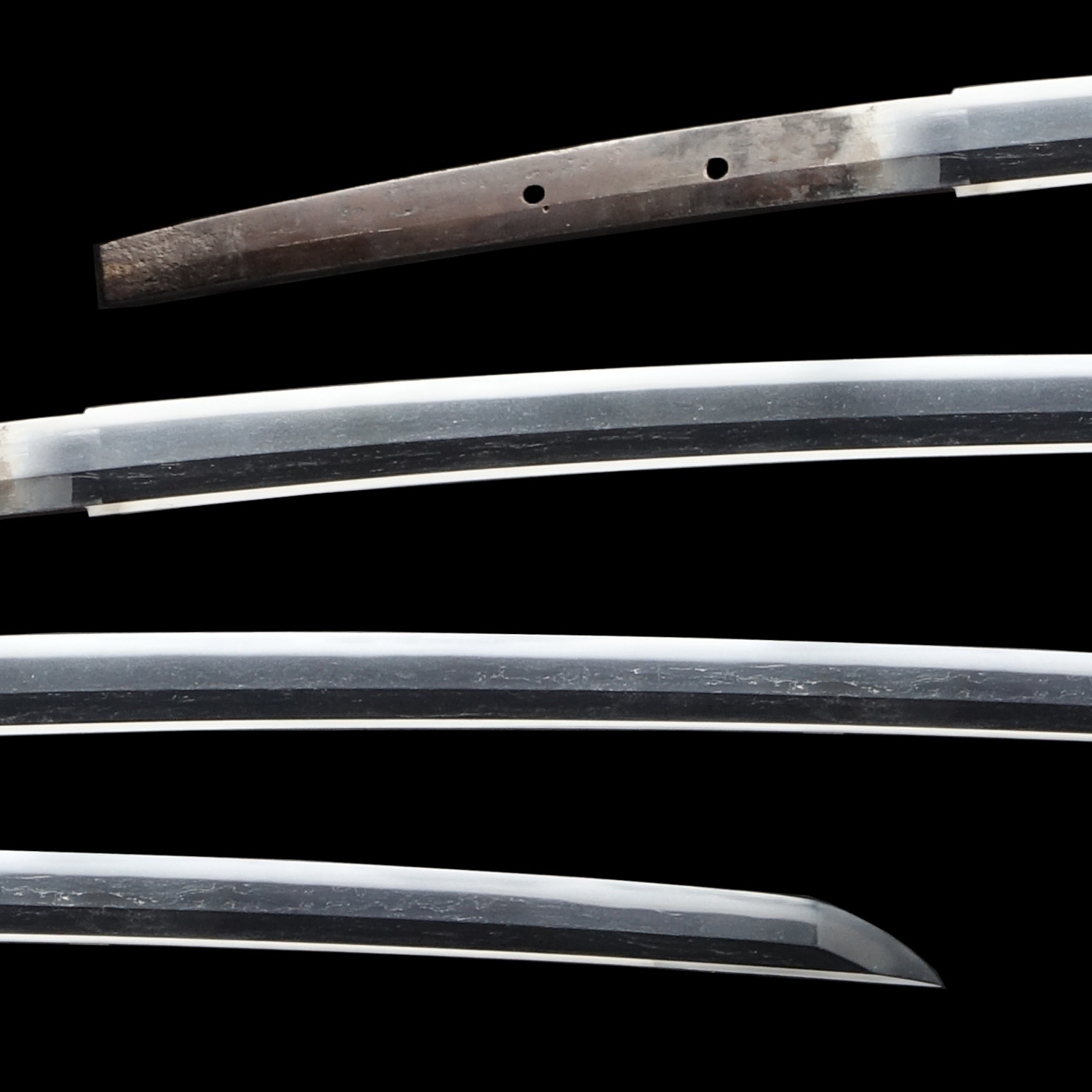
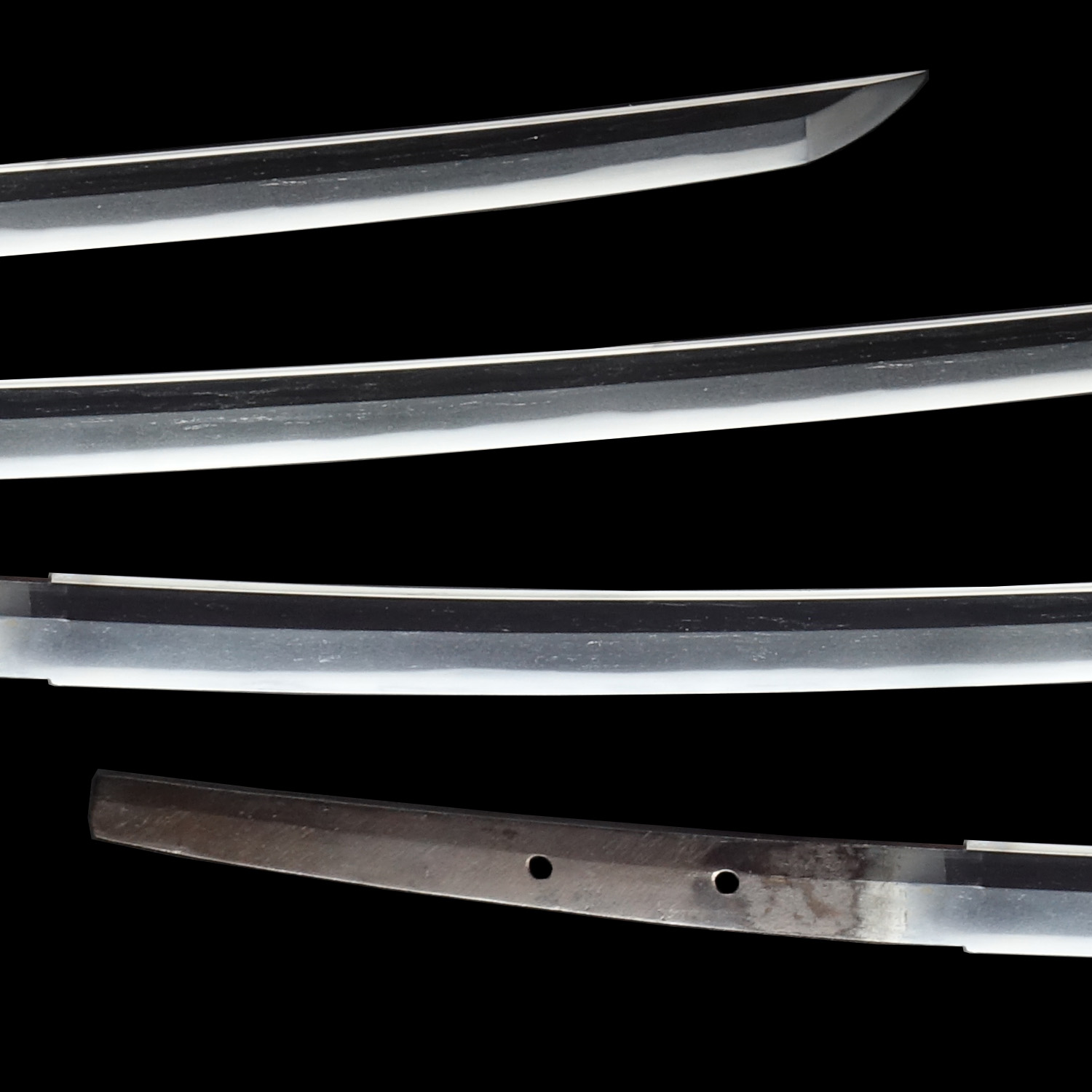
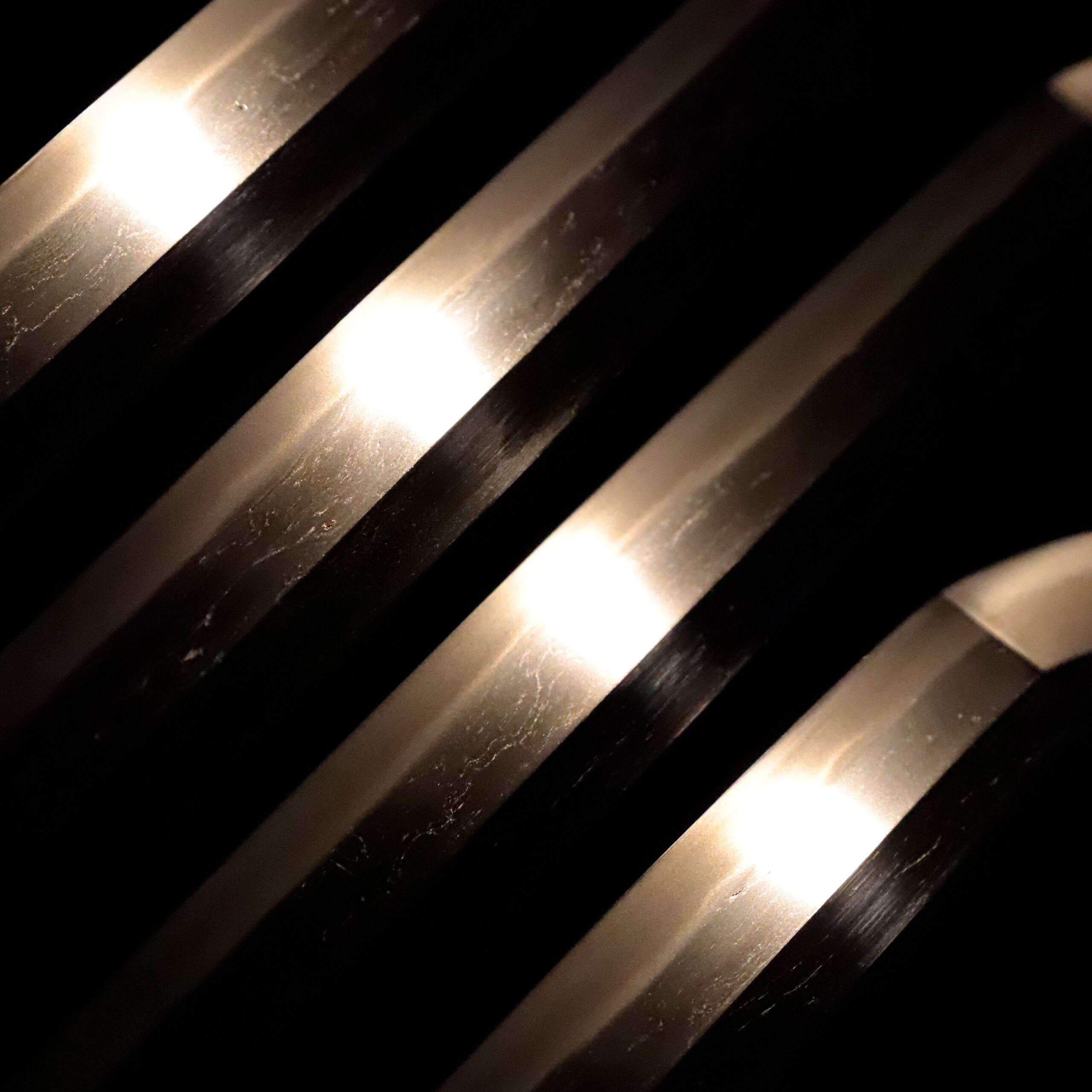

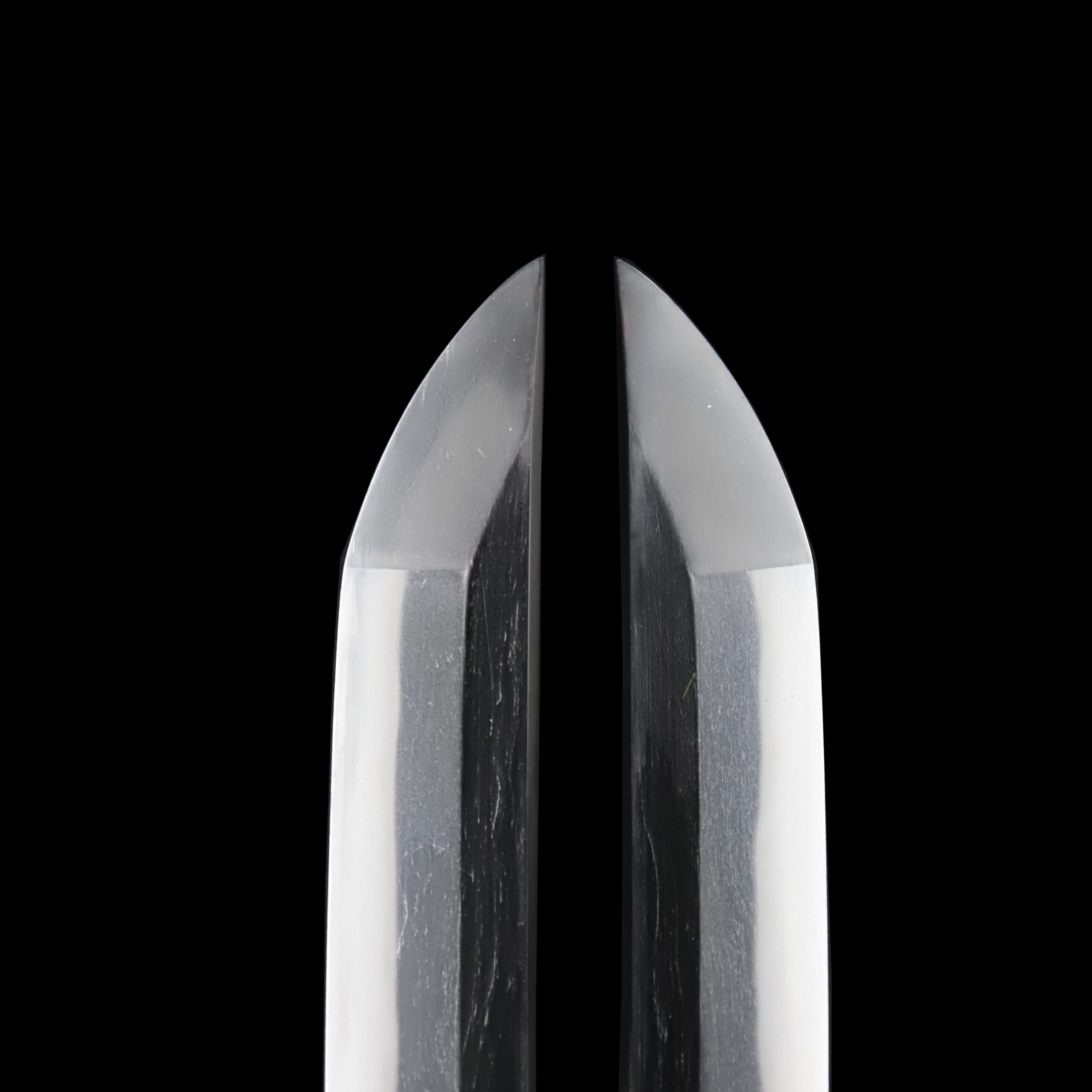
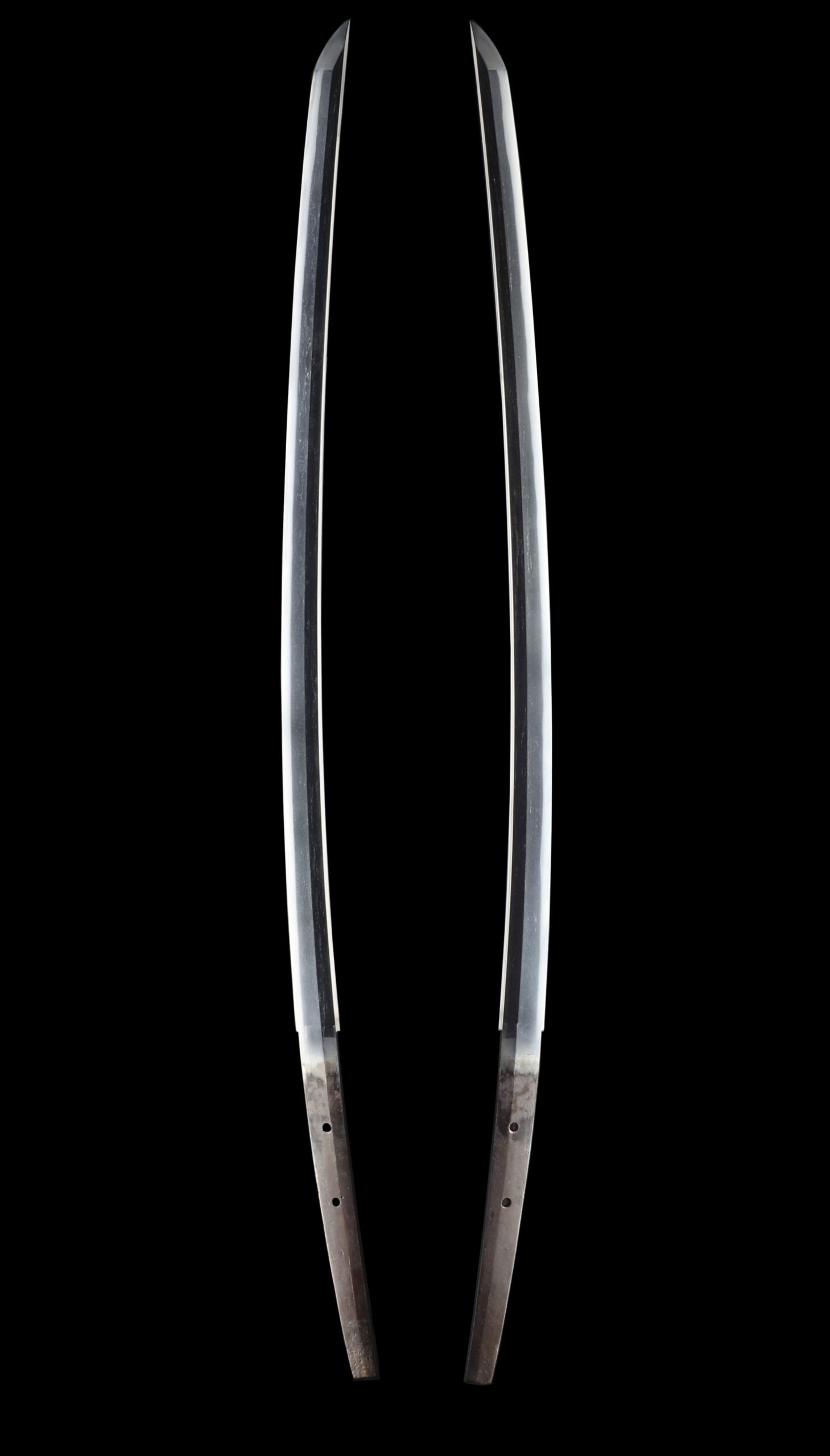
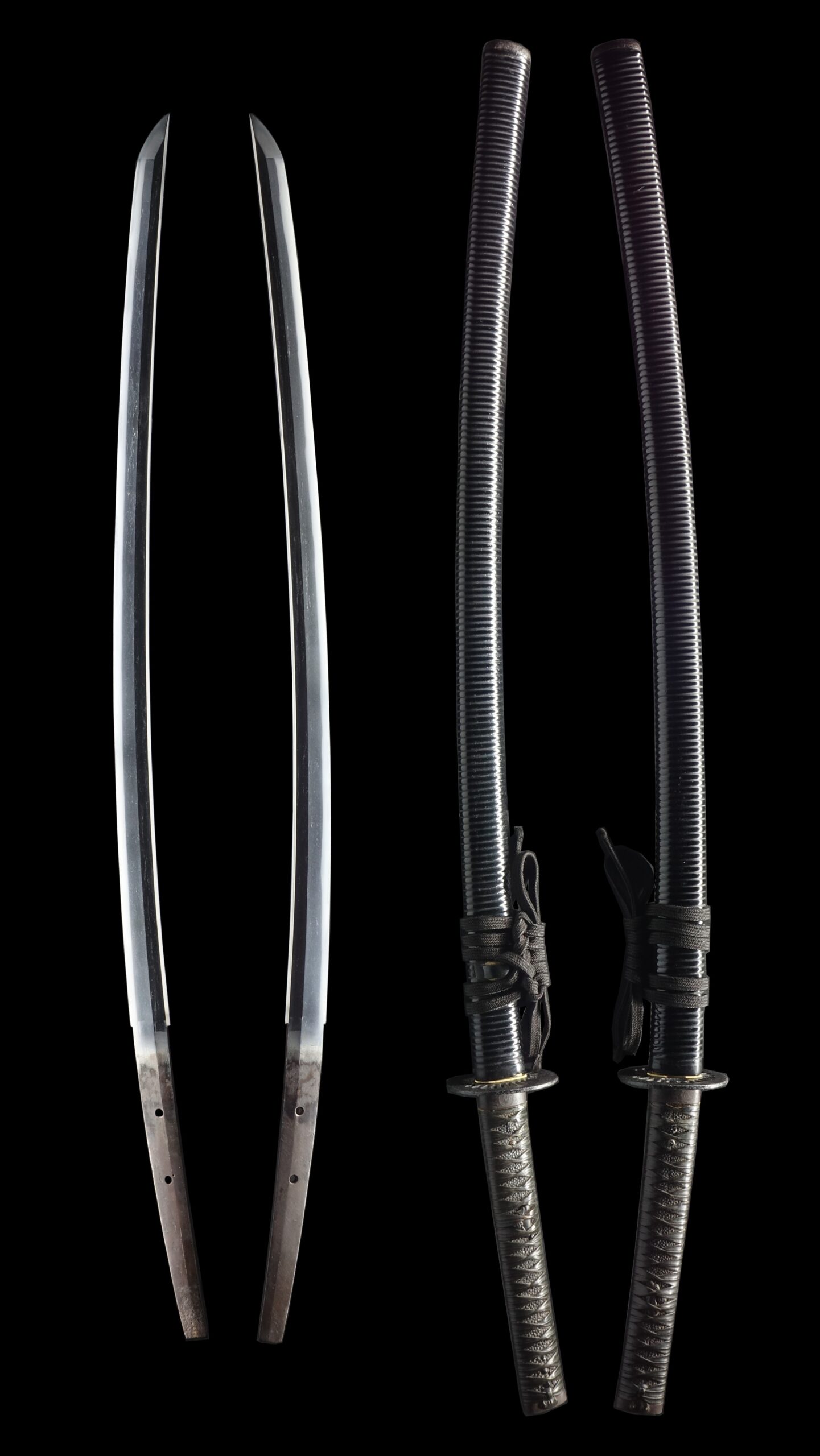
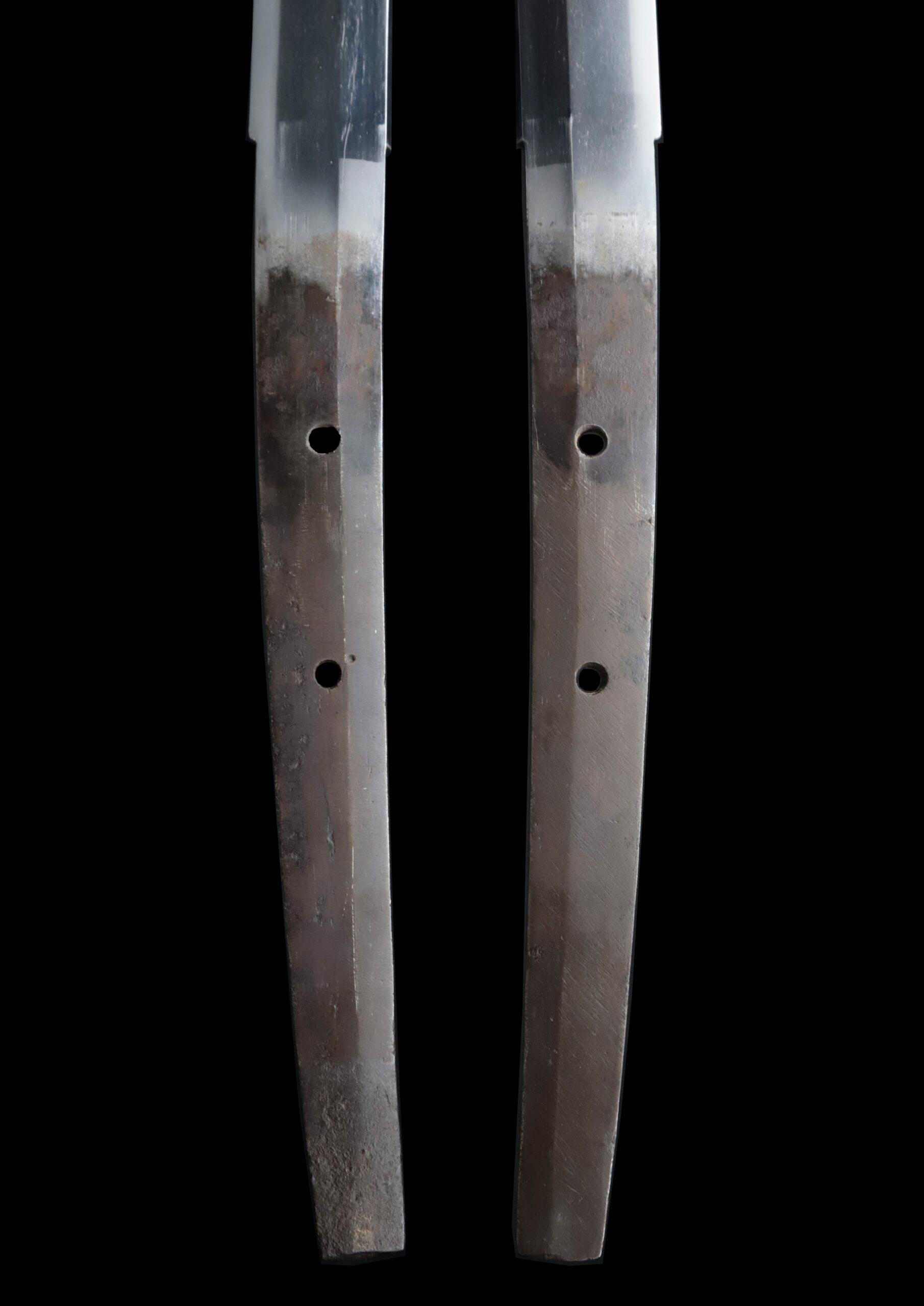
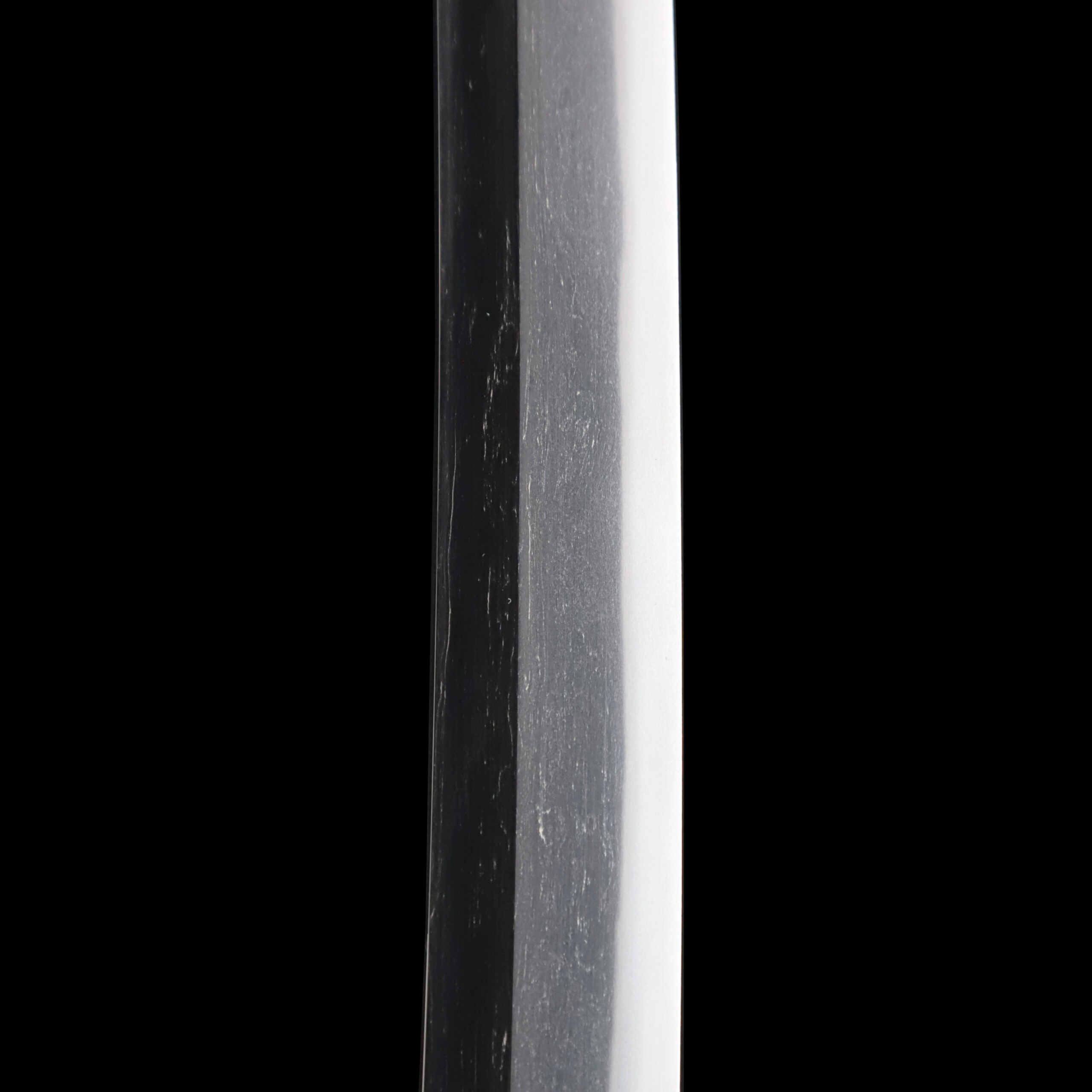
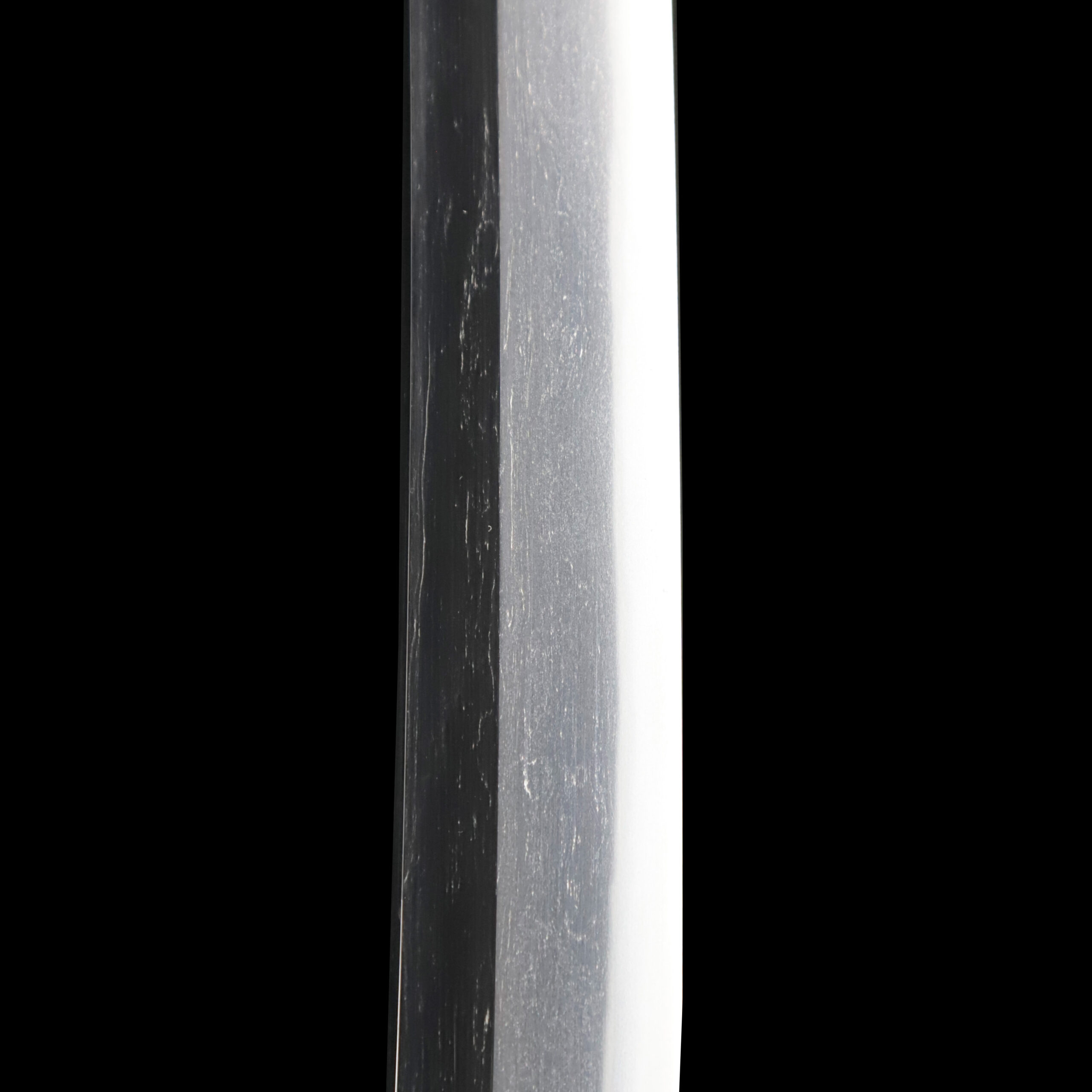
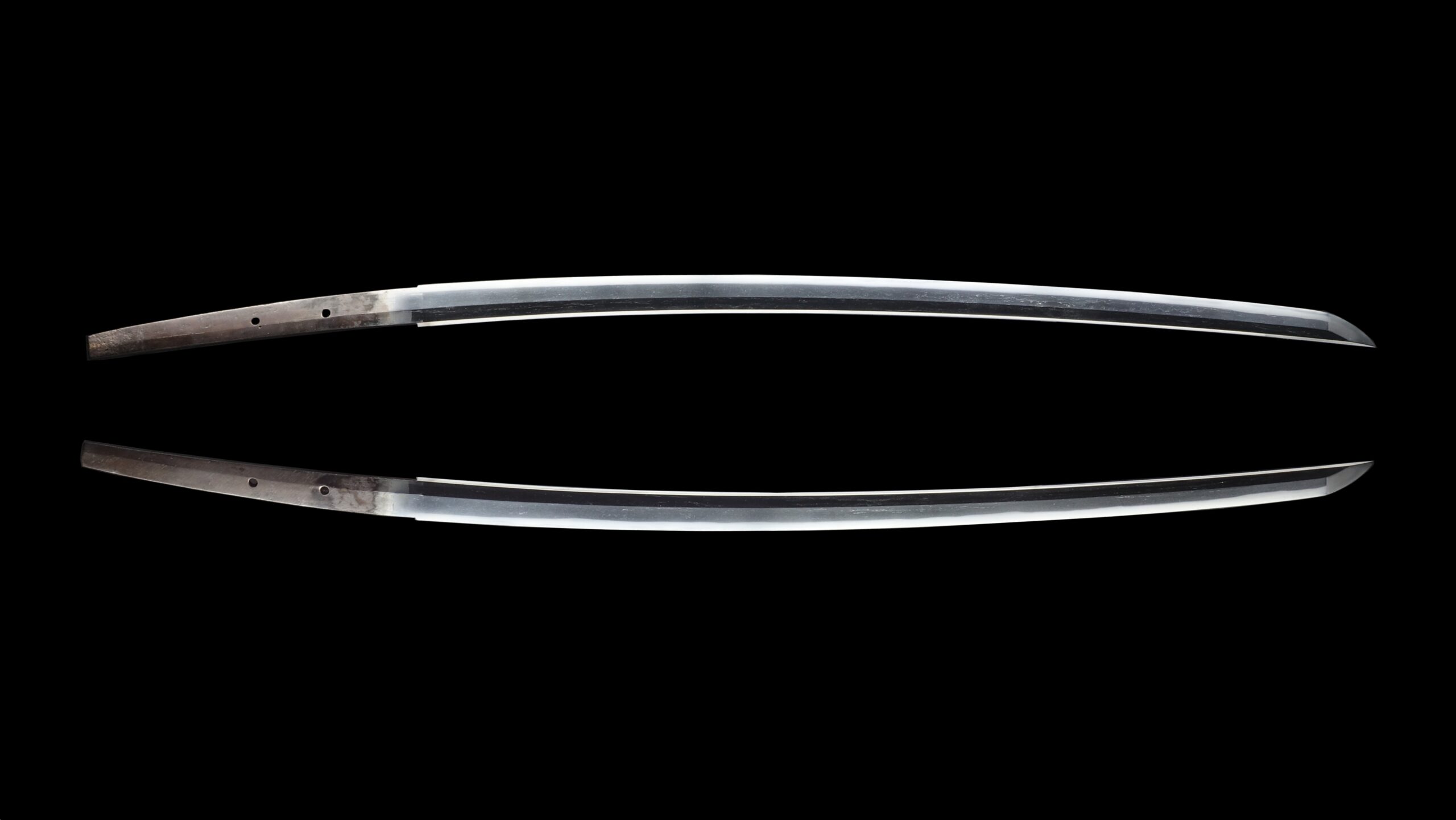
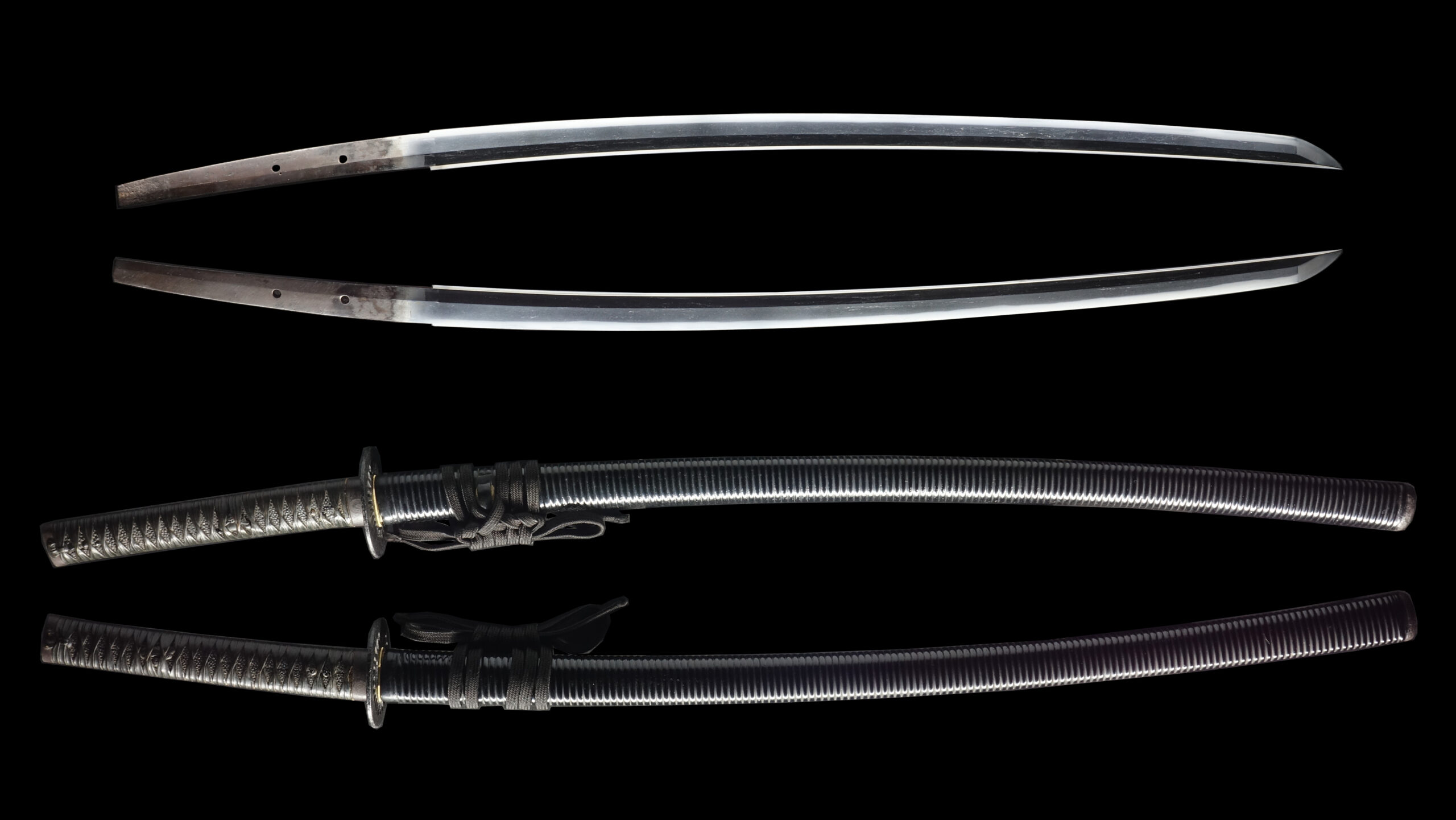

販売店の記載のまま
山城伝 · 越前
現在9点販売中
千代鶴派は越前を本拠とした一門である。説示によれば、その祖は来国安に求められる。来国安は生国を山城とし、一説に来国末の孫といい、のちに越前へ移住して千代鶴派の祖となったと伝え、銘鑑はその年代を貞治の頃とする。あわせて越前には来国安の弟子と伝える千代鶴国安なる工があり[[c:1]]、これを祖とする伝えもあって、時代を同じく貞治の頃という。いずれにせよ一門は山城の来派を源流に置き、これを越前の地に移したものとして説示は位置づけている。以後この派は室町期まで続き、国安系の守弘が現れる。守弘は同名に複数代があり、銘鑑は初代を応永、二代を嘉吉あるいは文安の頃とし、藤左衛門尉と称した者もあるという。さらに越前敦賀の光行のごとく[[c:2]]、一説に越前国行の門と伝える年紀作の工も説示に名を連ねる。 作風は、来派を承けた地刃に越前という地方色が加わる点に特徴がある。鍛えは板目に杢目や流れ肌を交え、総じて肌立ちごころとなり、地沸が厚くつき、地景がしきりに入り、白けごころを帯び、鉄色がやや黒みがかるものがある。刃文は来国安に擬せられる一類では中直刃を基調に小互の目を交え、足が入り、刃縁にほつれ・喰違刃・二重刃が現れ、沸がよくついて匂口が明るい。一方、守弘ら国安系の作では互の目調の乱れ刃となり、丁子ごころや尖りごころの刃を交え、飛焼が入り、棟焼がしきりにかかり、砂流し・金筋がかかって地刃ともによく沸づくものが目立つ。帽子は直ぐごころに小丸となるもの、乱れ込んで掃きかけるもの、焼き詰めるものなど作により変化する。見分けにあたっては、肌立ちと白けごころ、黒みがかる鉄色、帽子に見える野趣ある働きなどが手掛かりとなる。 鑑定では、一見すると山城本国の来国光あたりにも見えるが、注視すれば地刃の出来に一歩を譲り、肌立ちが強く帽子の働きが本国以上に野趣を示すところに、来国安の極めが首肯される、と説示はくり返し述べる。守弘の作は互の目調の乱れ刃で地刃ともによく沸え、来風とは趣を異にするとされ、有銘作が珍重される。代表的な遺例としては、無銘ながら身幅広く大鋒に結ぶ南北朝期の姿を示す来国安極めの刀、互の目調の乱れ刃を焼いた守弘の太刀や年紀ある脇指、越前敦賀の光行の年紀短刀などが説示に挙げられる。現存する作刀は少なく、来派の正系を越前に伝えた一門として位置づけられている。 詳しく見る →
室町時代
室町は刀剣業を産業に変えた。徒歩の集団戦とともに打刀が興り、長船と関は数打ち物と注文打ちを並行して産し、勘合貿易は日本刀を数万振の単位で海外へ運んだ。
銘が正しい、または無銘でも年代・国・系統を確実に指摘できる、保存に値する真正の作と鑑定されたものです。
日本美術刀剣保存協会(NBTHK)は、1948年に設立され、文化庁の監督を受ける公益財団法人で、東京・刀剣博物館に本部を置きます。専門の審査員が出品作を直接審査し、美術的・歴史的価値に応じた鑑定書を発行します。NBTHKの鑑定書は、日本刀および刀装具の真正性を示す最も広く認知された基準です。
NBTHK公式サイトReturns/exchanges limited to defects caused by shipping (except willful misconduct or gross negligence by the company); customers must contact within 72 hours of receiving the product.