参勤交代が集めた日本最大の帯刀人口が江戸にあった。御用鍛冶康継は茎に葵紋を許され、虎徹の刀は截断銘の金象嵌を帯びる。この町では、証こそが物を言った。
 NihontoWatchNihontoWatch
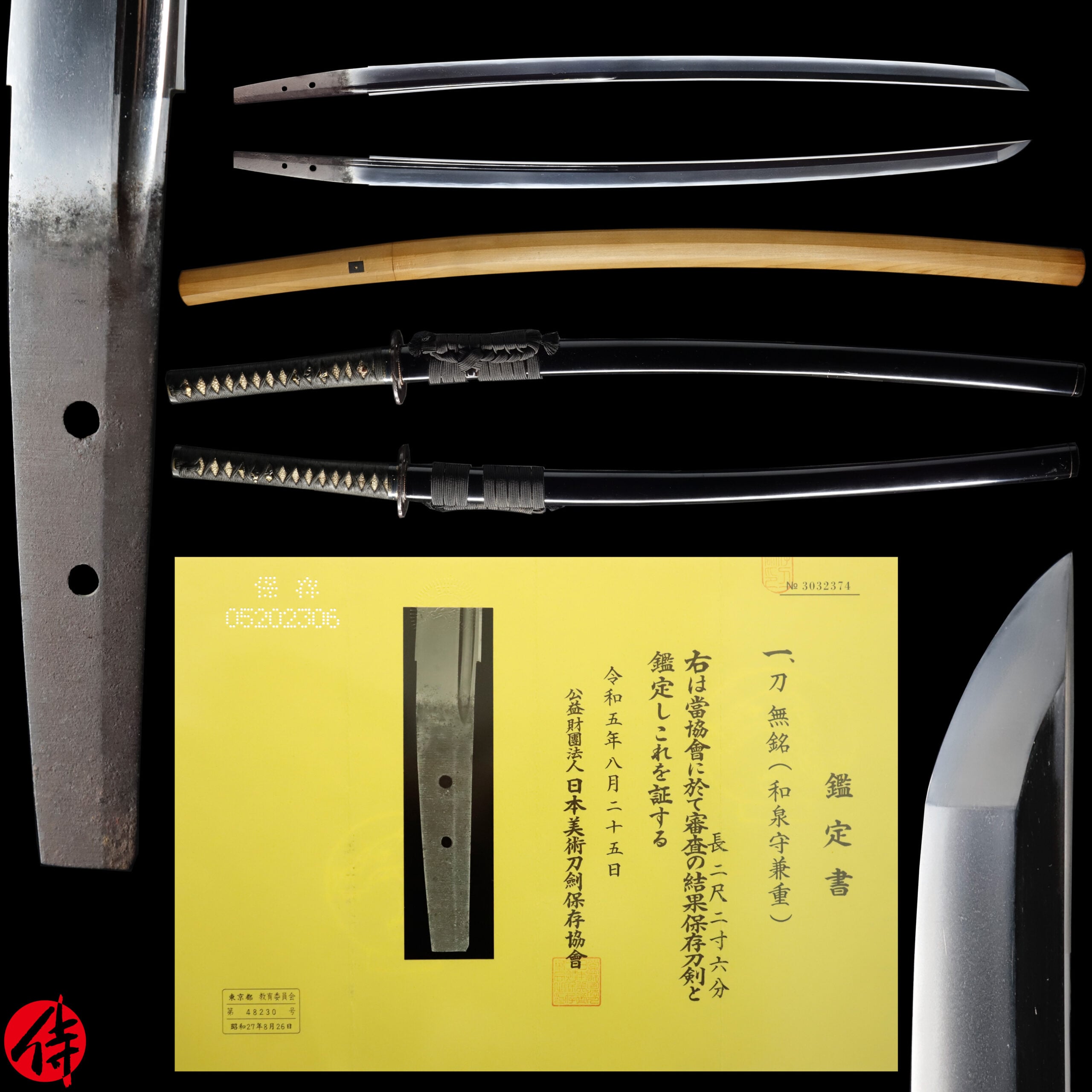
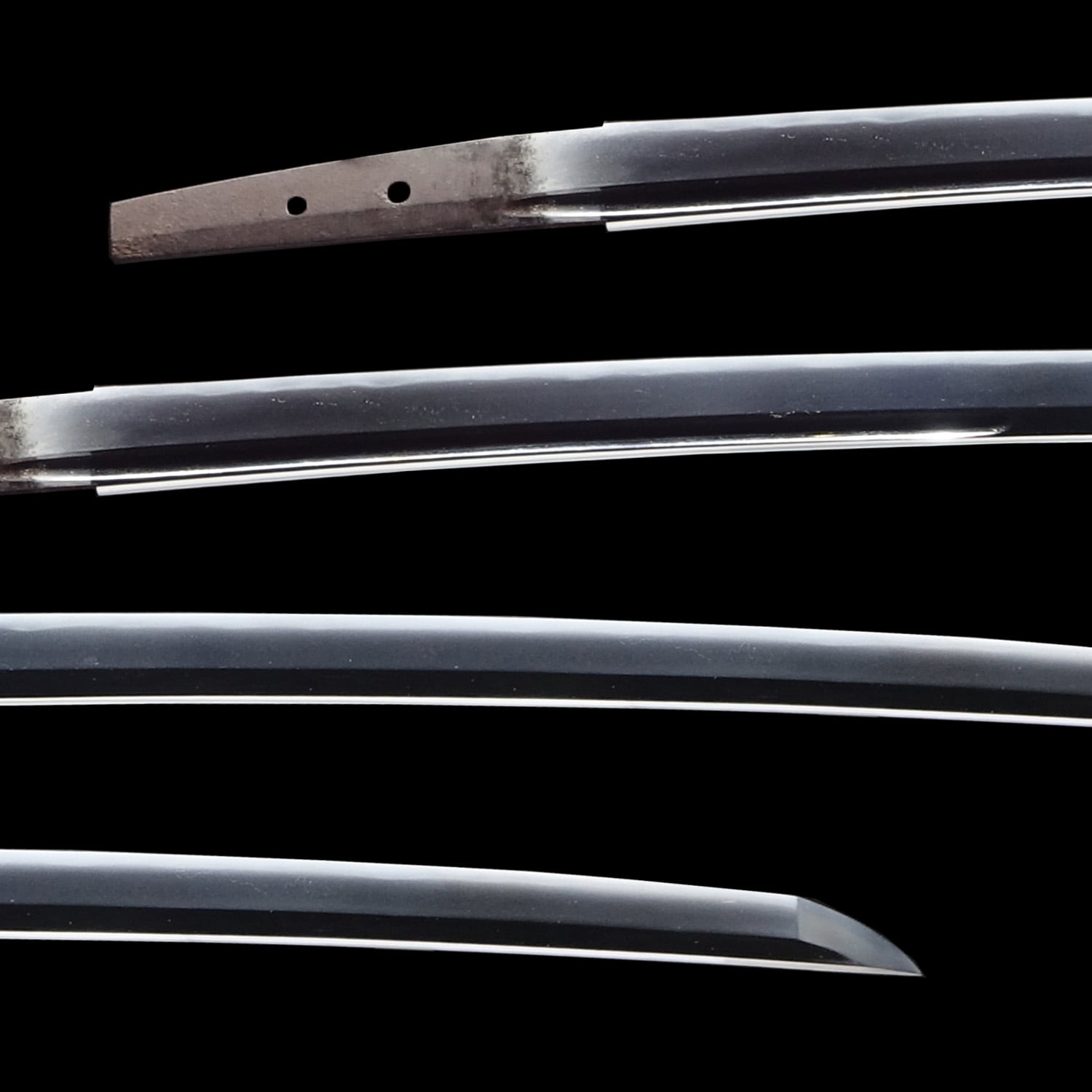
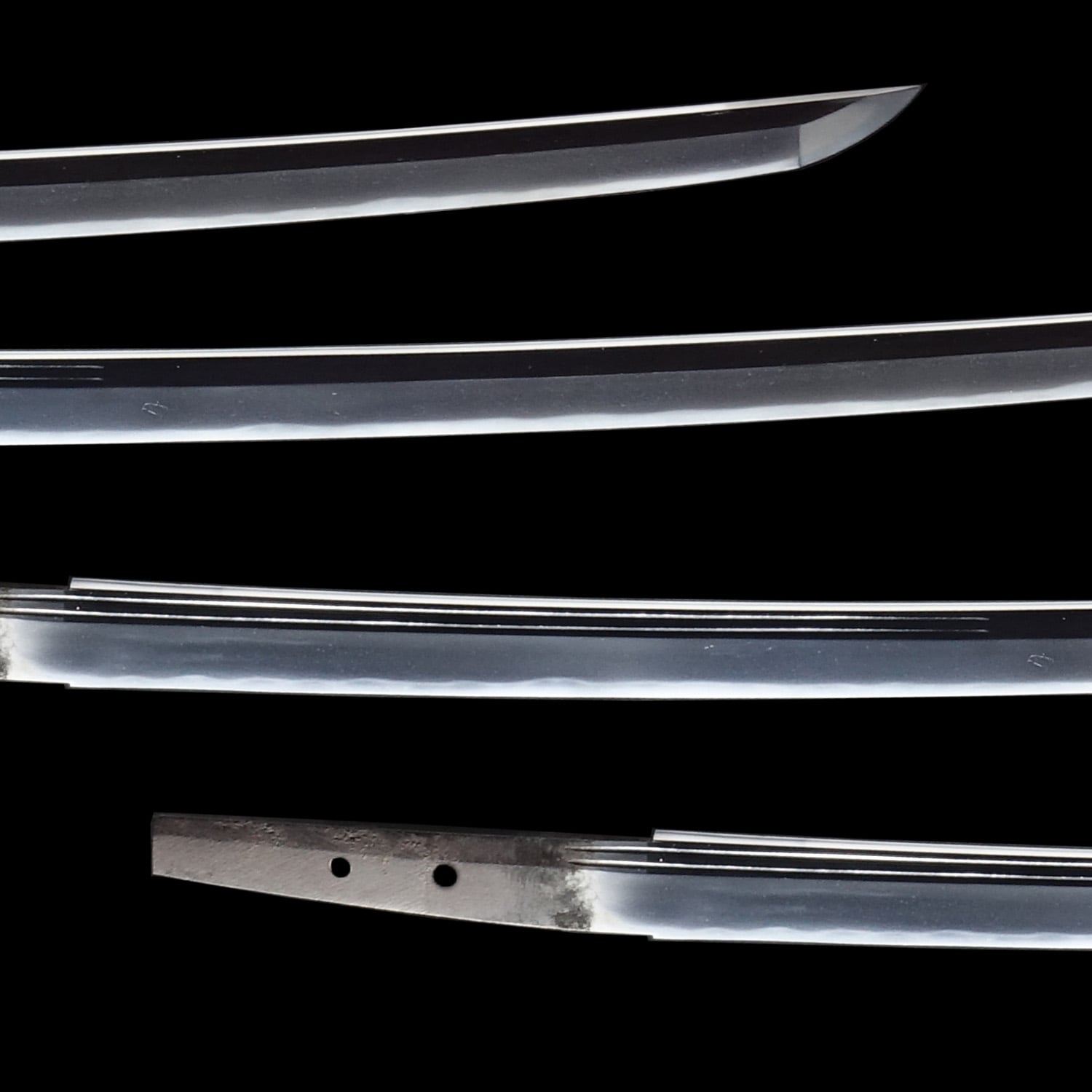
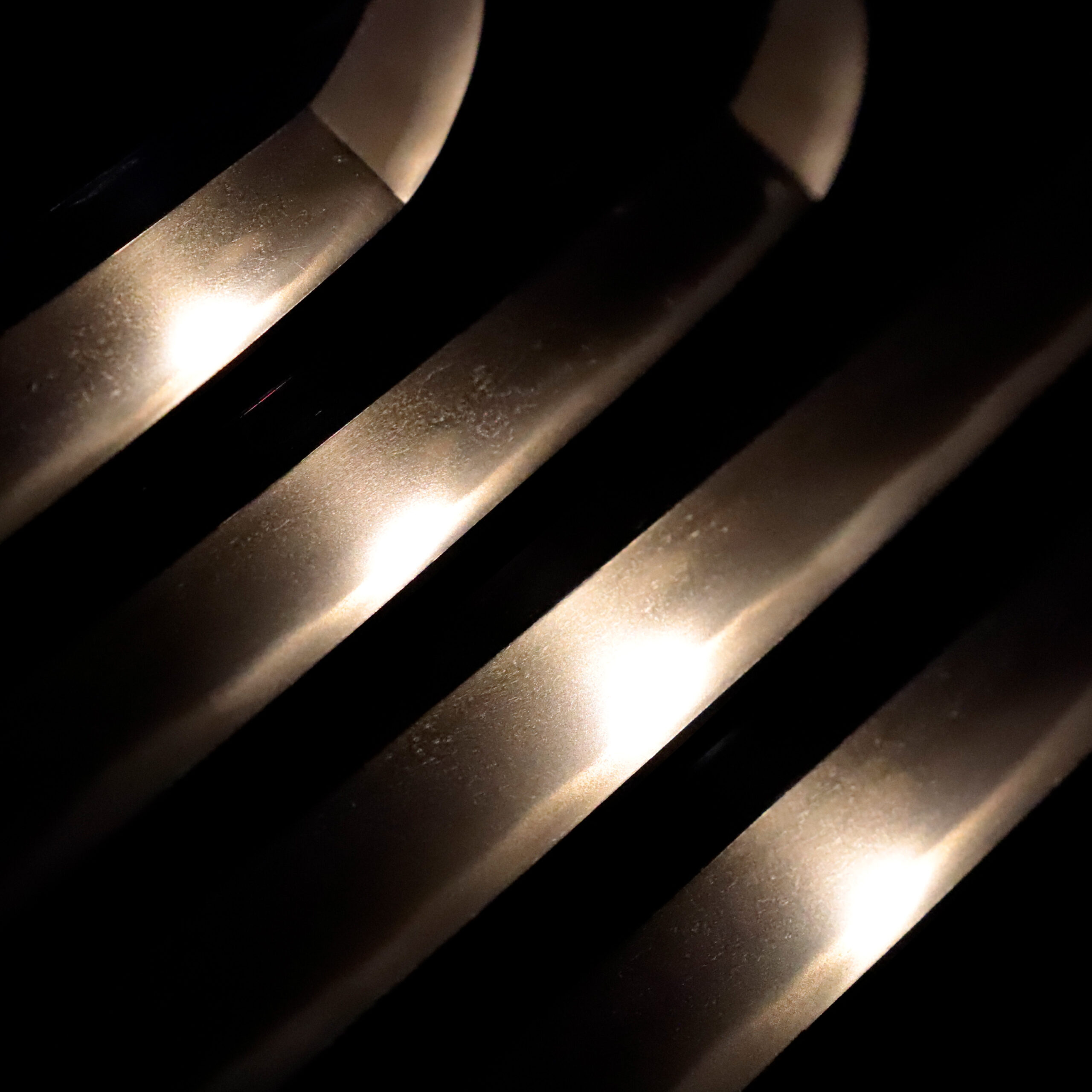
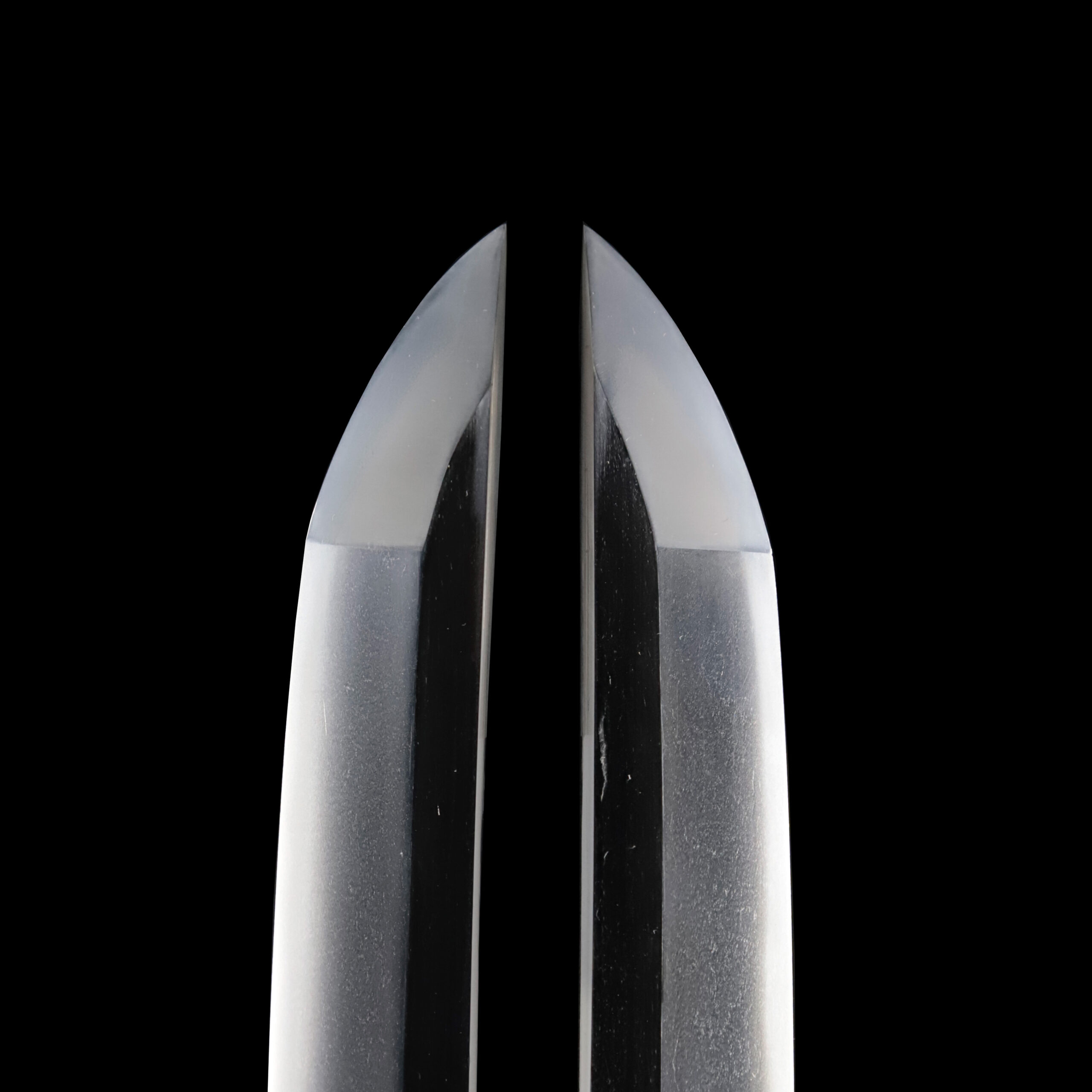
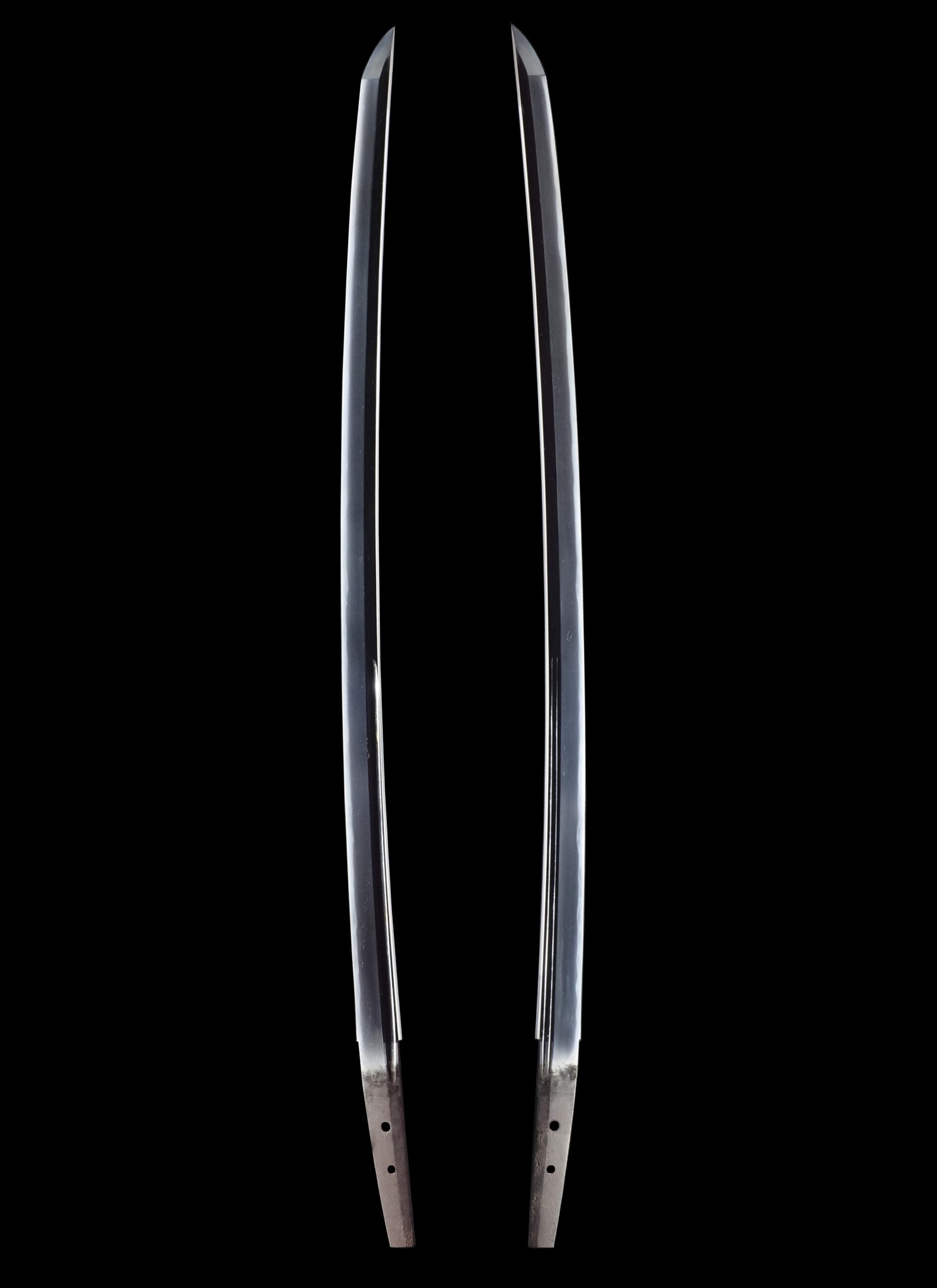
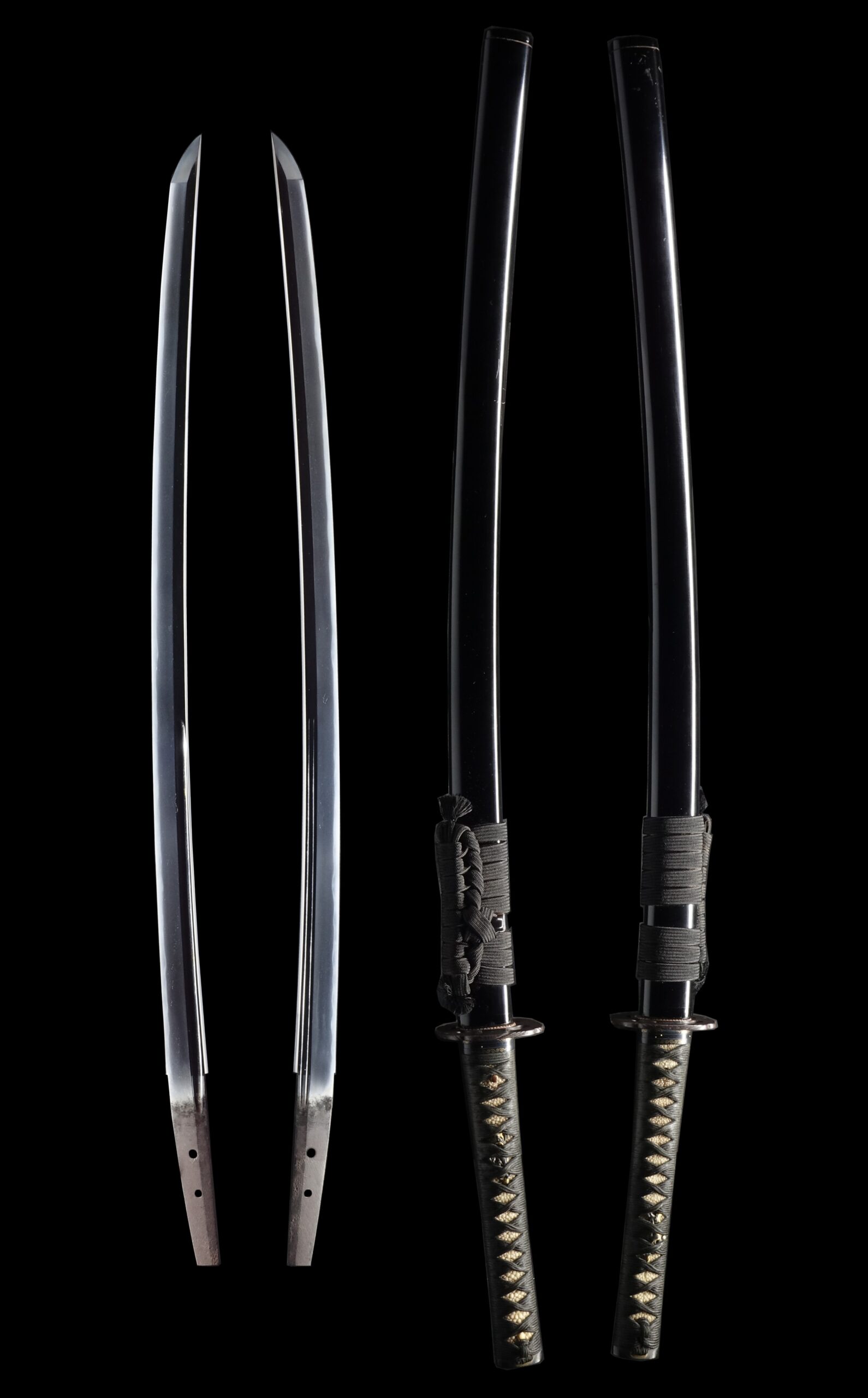
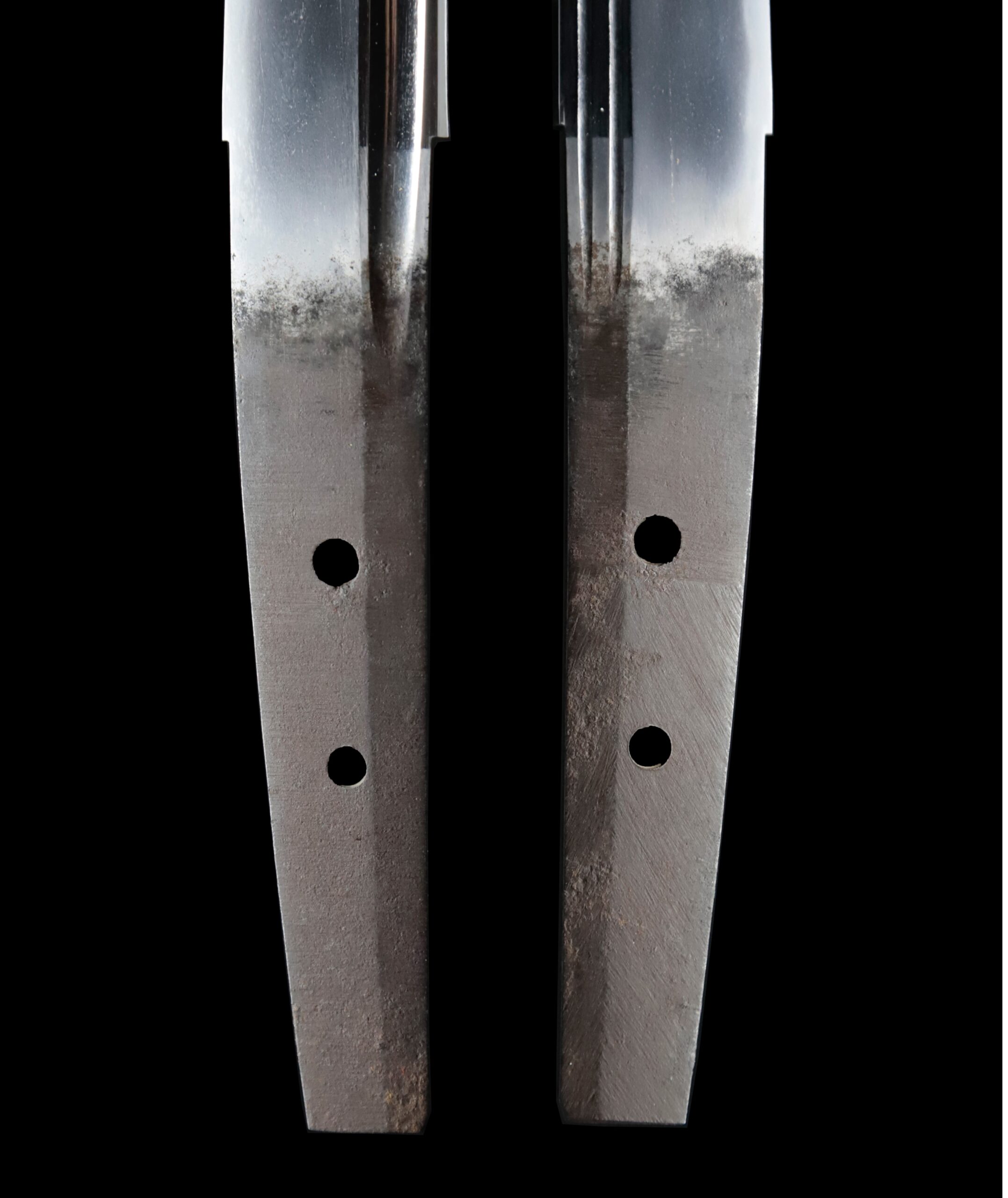
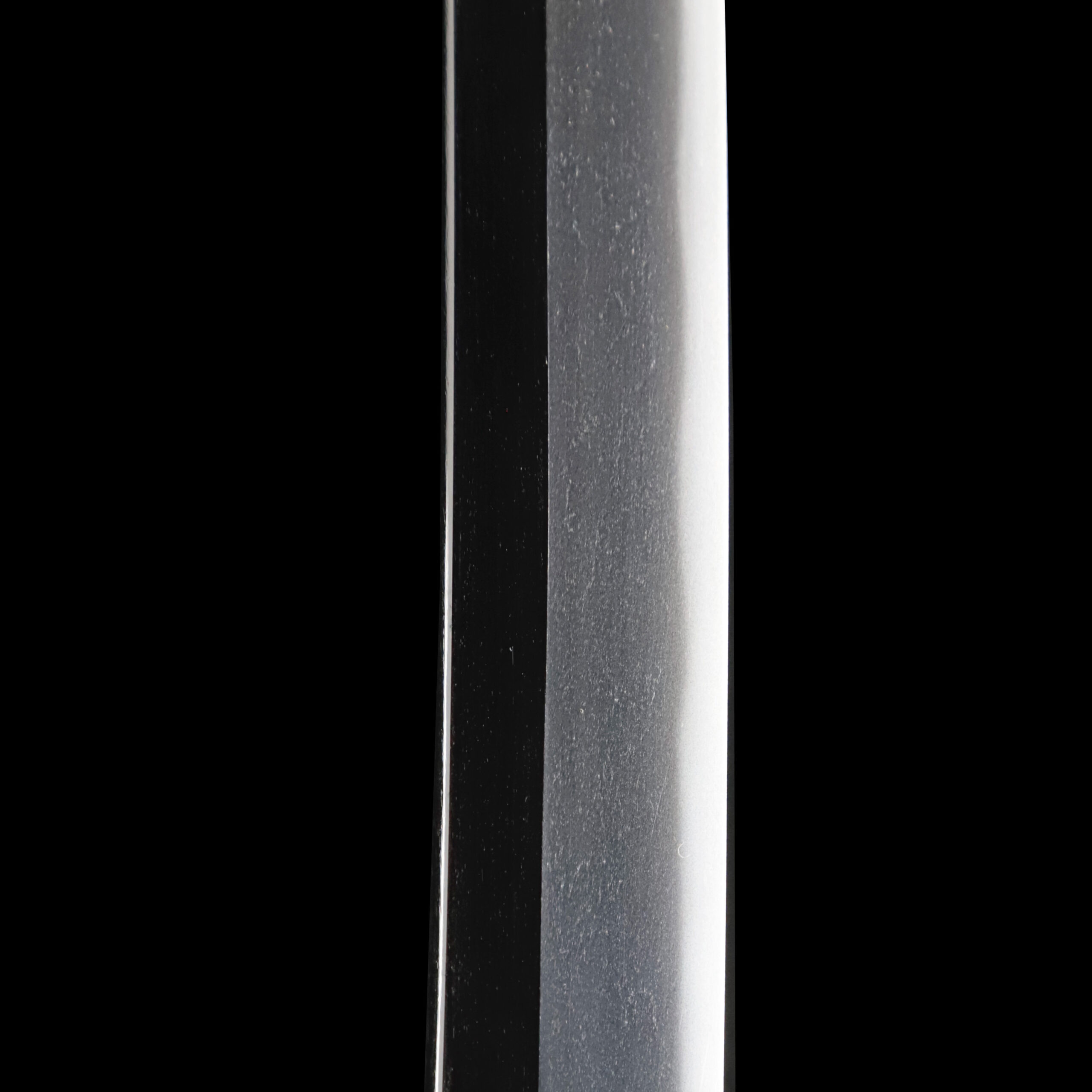
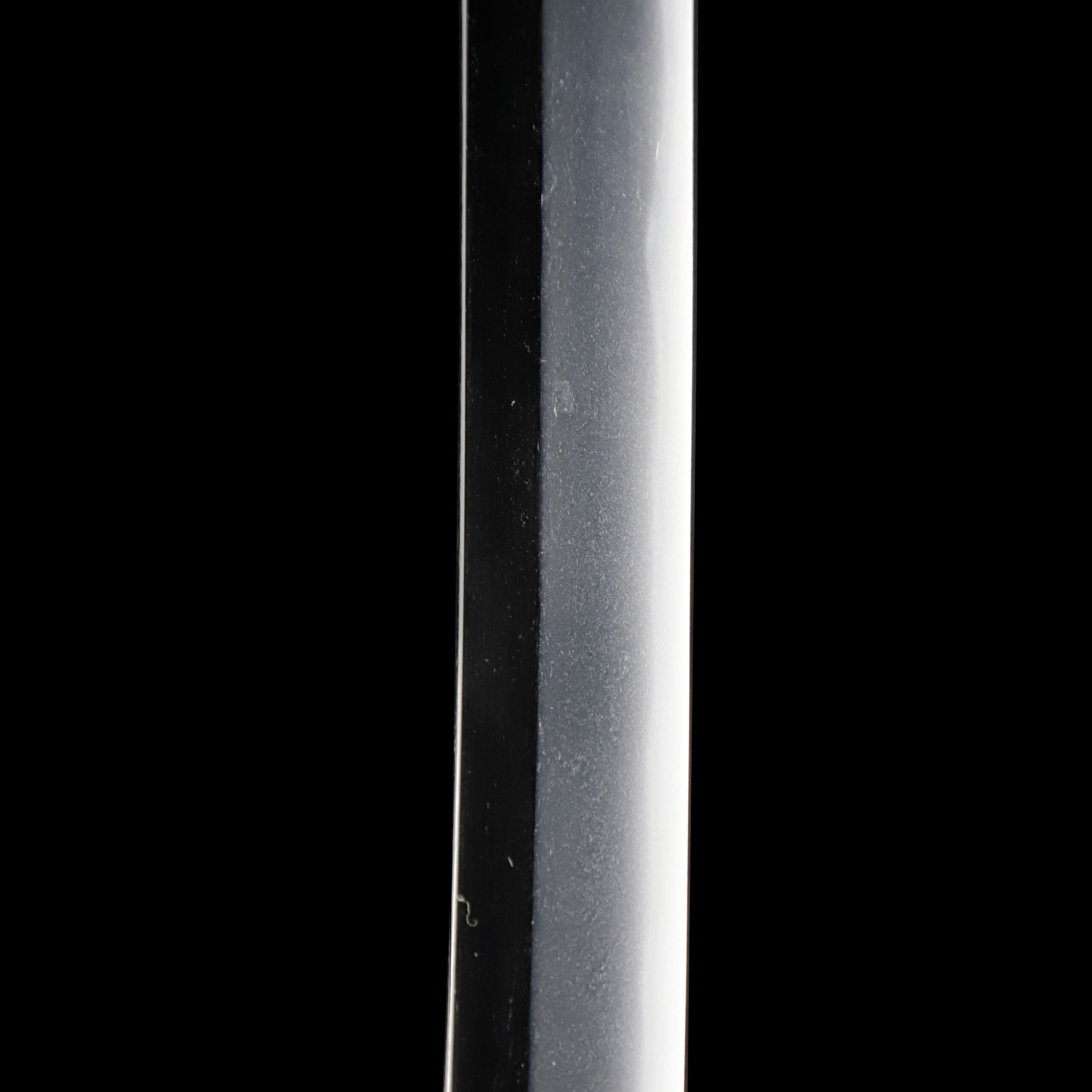
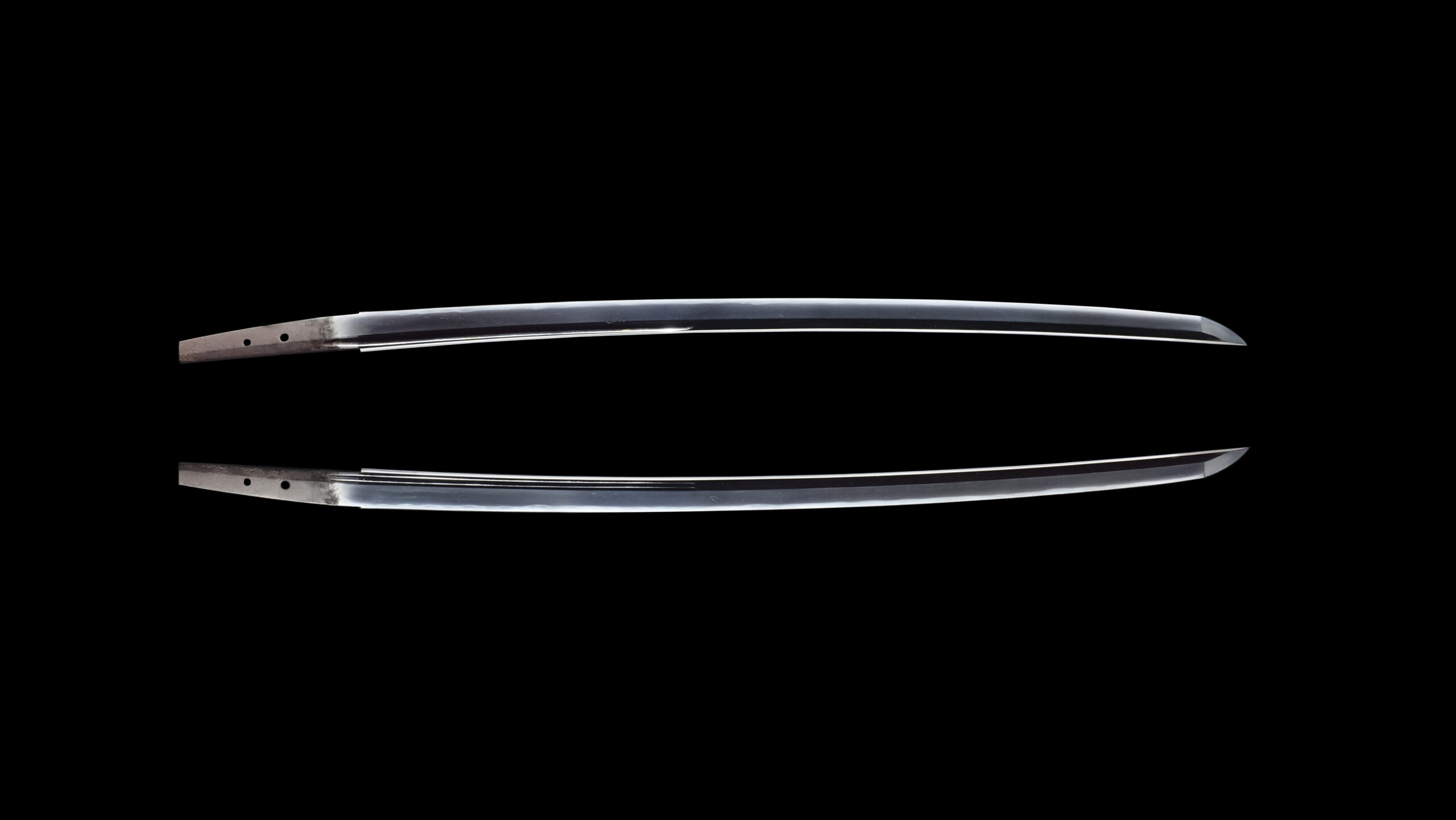
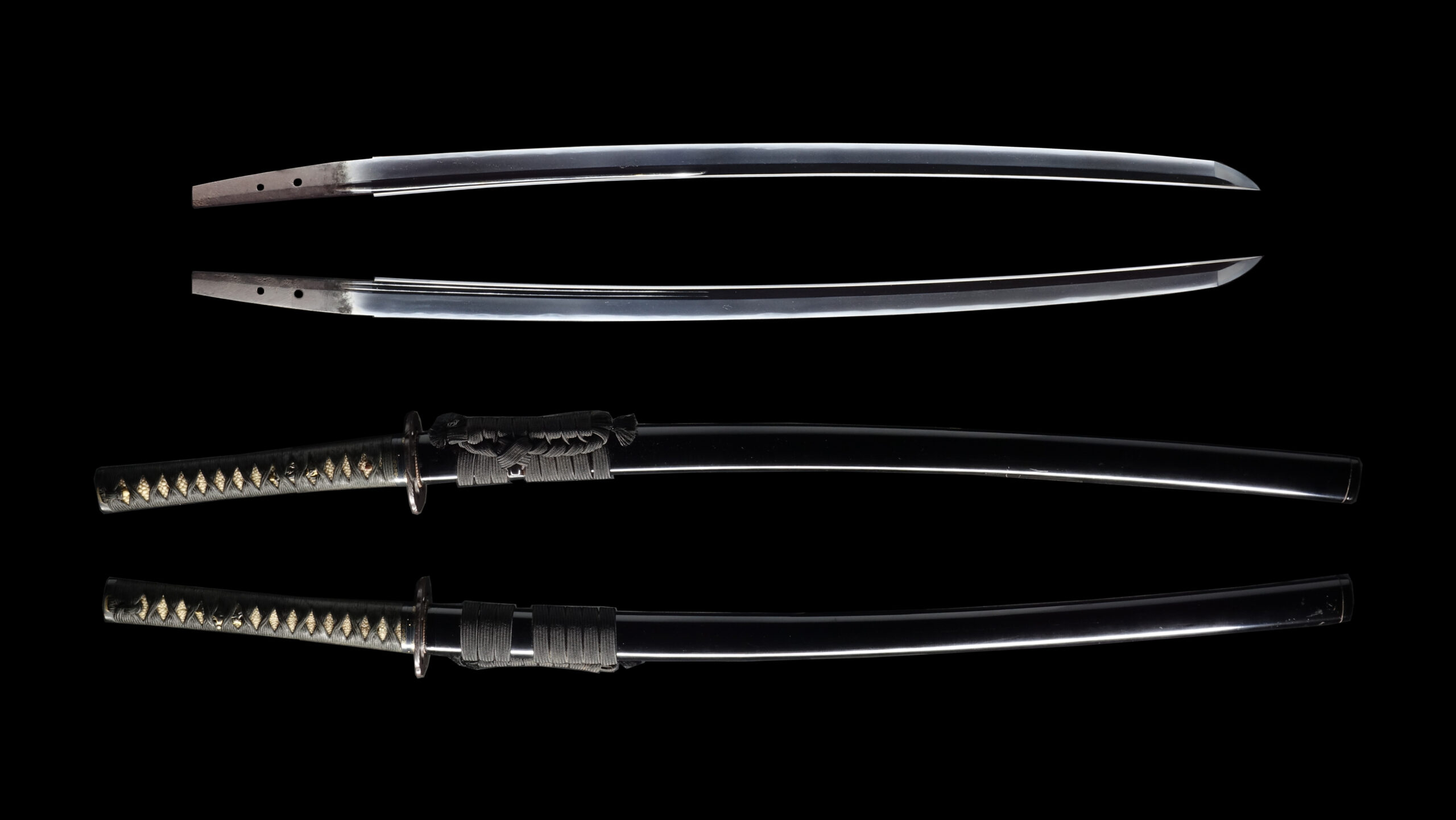
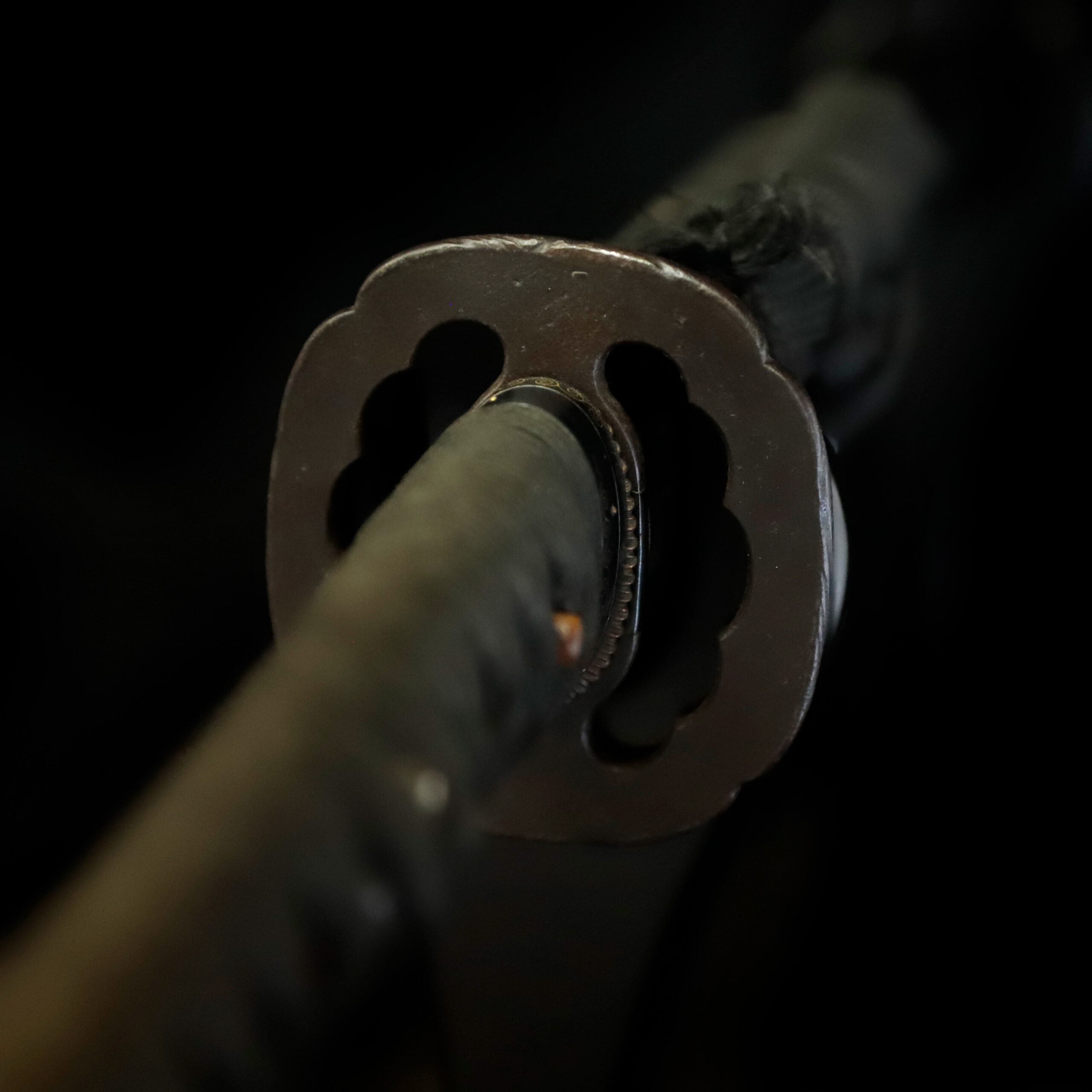
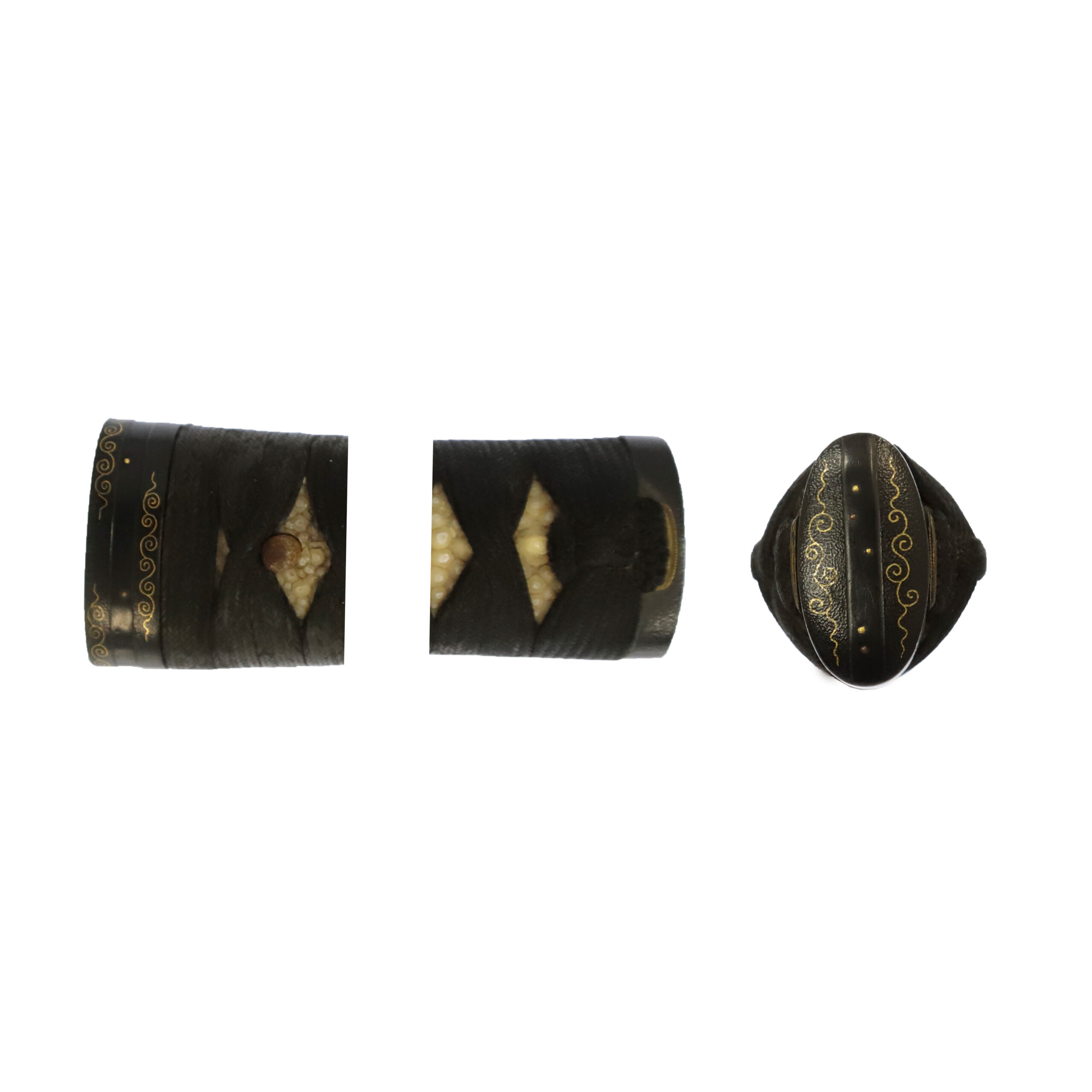
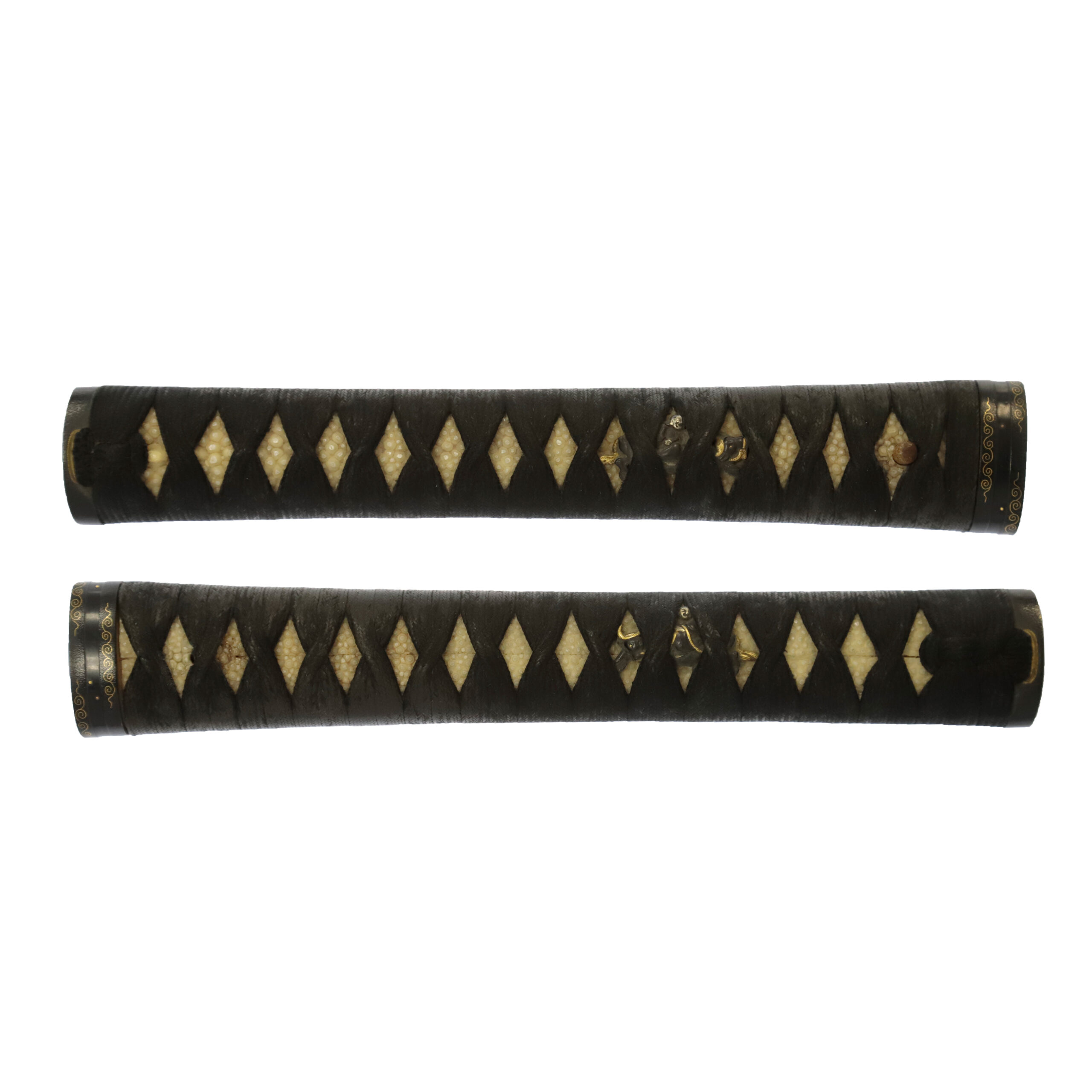
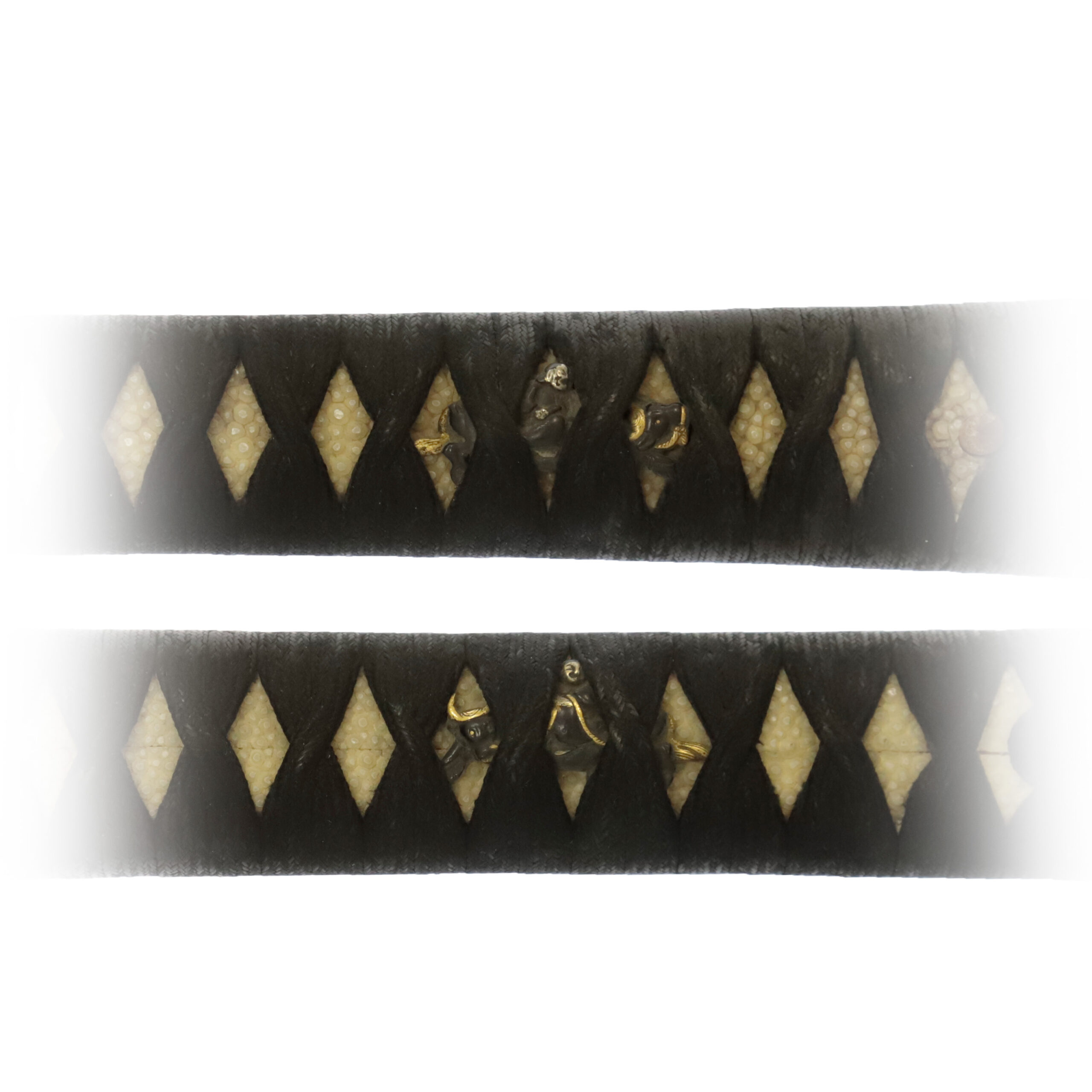
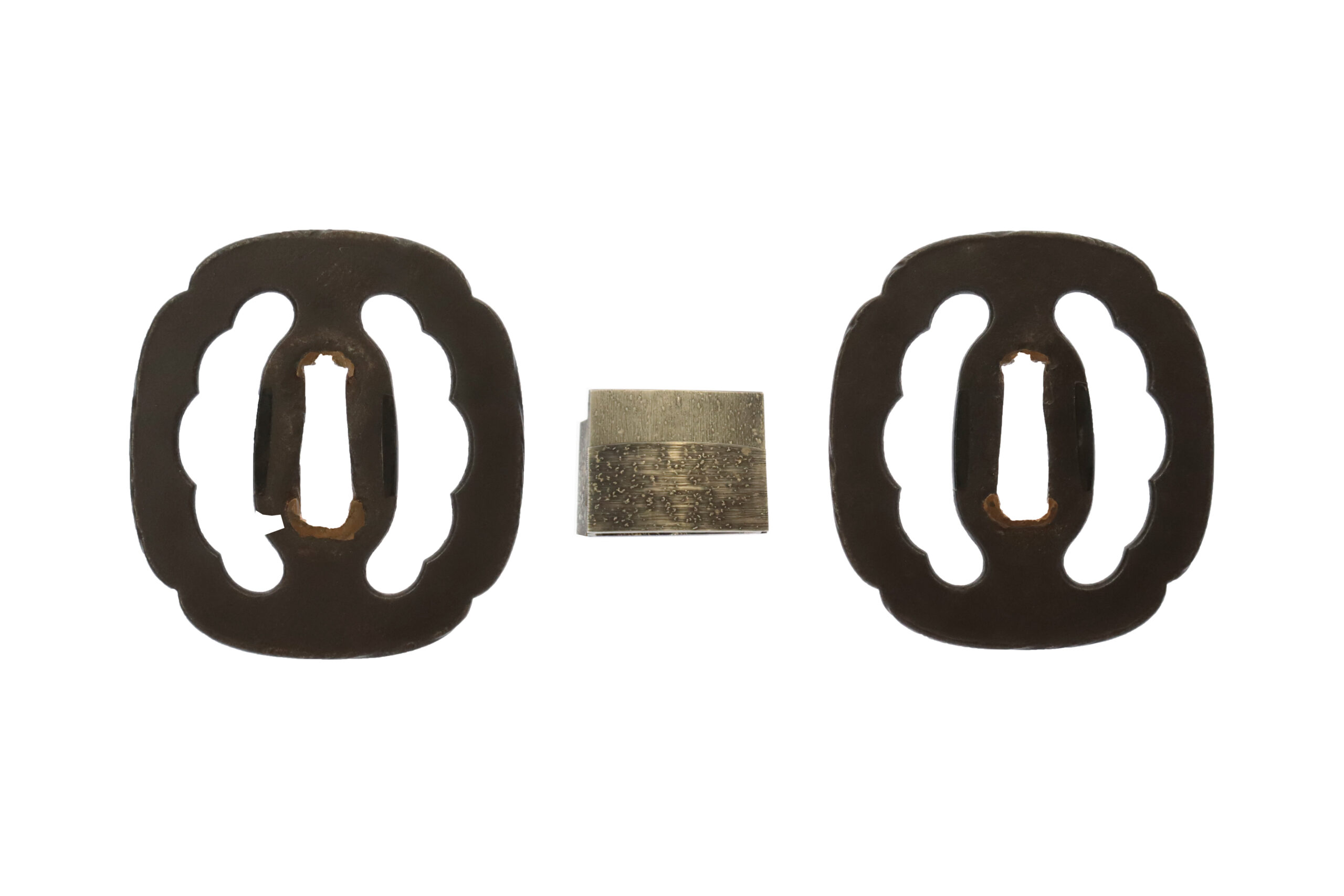
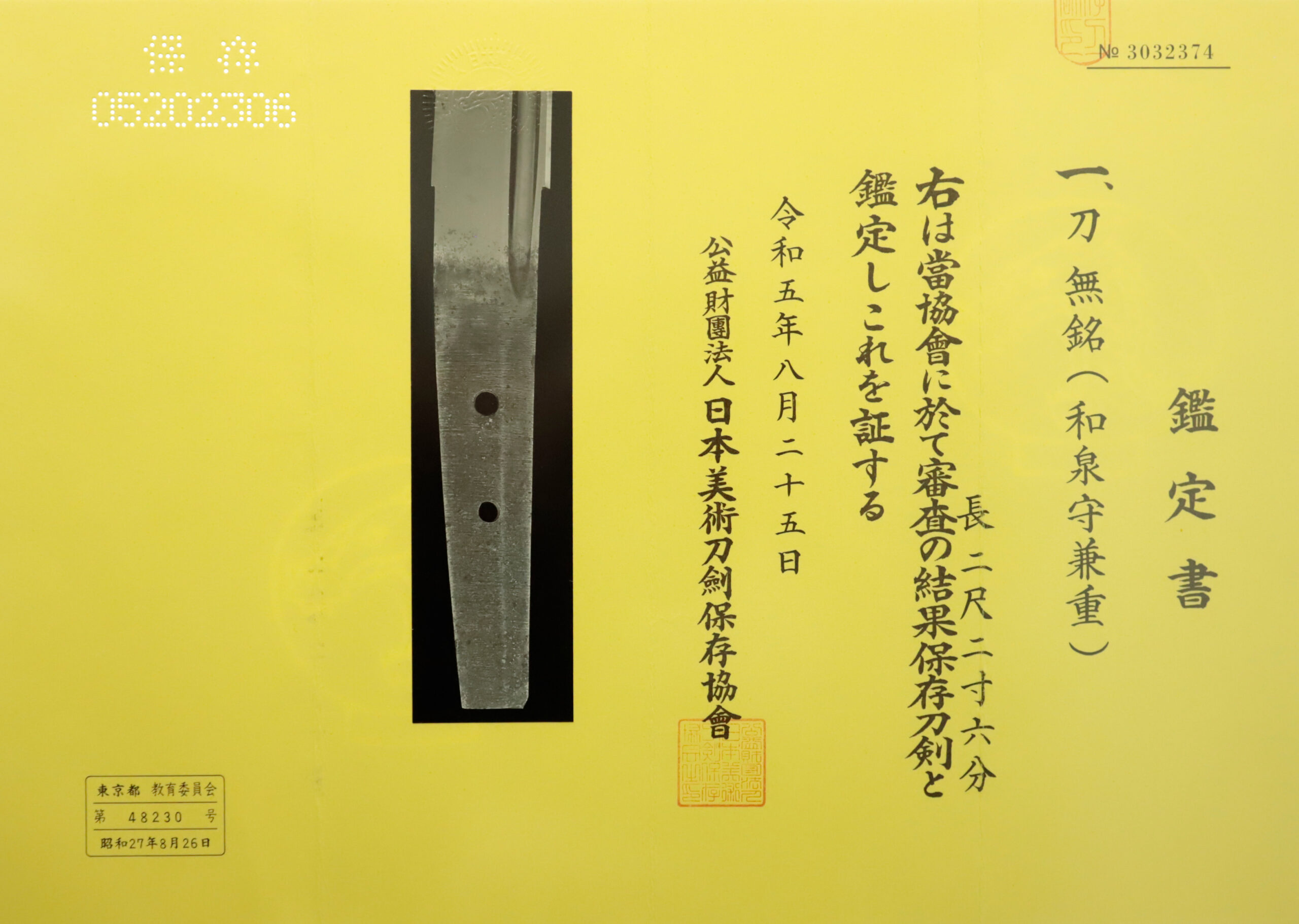
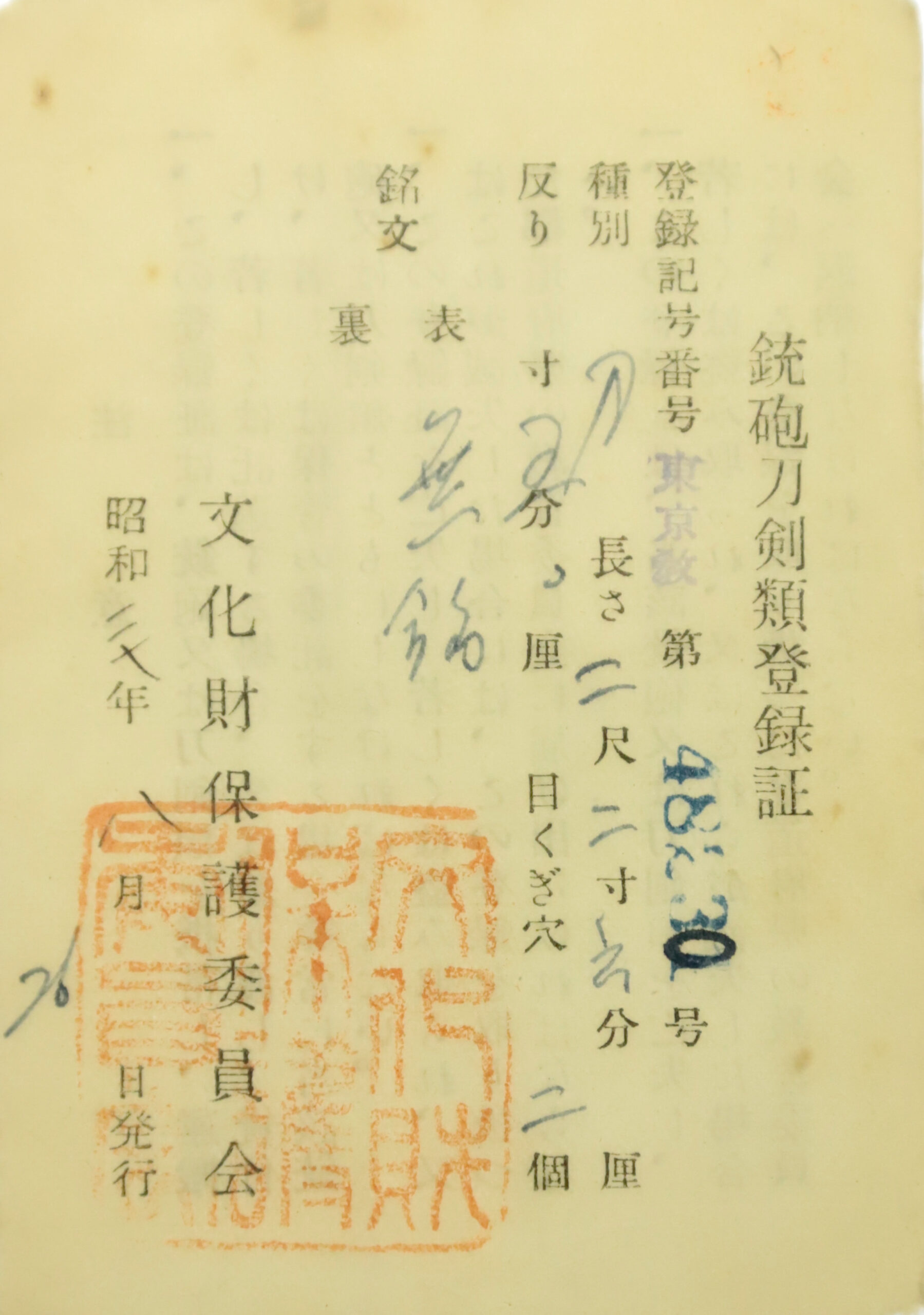
This blade is attributed to Izumi no Kami Kaneshige (和泉守兼重), who was active during the early Edo period (early-mid 17th century: 1624-1652). It is said that Kaneshige was originally from the Echizen province, which was ruled by the Matsudaira clan, a direct retainer of the Tokugawa Shogunate. In the first year of the Kan-Ei era (1624), he moved from Echizen to Edo. In the third year of the Kan-Ei era (1626), he received the honorable official title of Izumi Daijo from the imperial court for his excellent craftsmanship. He was promoted to Izumi no Kami in his late career. Kaneshige served Todo Takatora, one of the most famous feudal lords during the warring state and early Edo periods. Takatora was the head of the Ise domain (Today’s Mie prefecture). His son, the second-gen Kaneshige, is known as Kazusa no Suke Kaneshige. He was also a reputable sword maker. It is said that a famous swordsman, Musashi Miyamoto, once owned a sword forged by the second-gen Kaneshige. One of Izumi no Kami Kaneshige’s apprentices was Kotesu (虎徹), another prominent swordsmith in the early Edo period. During the early Edo period, Izumi no Kami Kaneshige was one of the most acknowledged figures in Edo city, along with the first-gen Yasutsugu and Hankei. Izumi no Kami Kaneshige is also known for forging very sharp swords, which made him and his work classified as Yoki Wazamono Toko( 良業物刀工). Wazamono is a classification of Japanese swords and swordsmiths used in Japan to identify historic blades of exceptional quality in the book written by Kaiho Kenjaku ( 懐宝剣尺 ) in 1797. Many Tameshigiri (test cutting) were conducted by Yamano Kauemon Nagahisa and Yamano Kanjyuro Hisahide by using the blades signed by Izumi no Kami Kaneshige, based on the remaining works. They were famous Tameshigri conductors. This fact indicates that his works were widely recognized as extremely sharp blades. This blade is appraised as a Hozon Touken (保存刀剣) issued by NBTHK (Nihon Bijutsu Touken Hozon Kyokai: 日本美術刀剣保存協会). *Please keep in mind that there is tiny Kitae Kizu near the Hi (groove of the blade). Fuchi-Kashira The Karakusa (唐草, arabesque) pattern decorates this Fuchi Kashira. Its golden coloring makes an elegant color combination with Fuchi Kashira’s metal black color. A pattern in which vine stems and leaves are twined and make curves. Since ivy has a strong vitality and grows without interruption, people regarded this design as a symbol of prosperity and longevity. Vine is called the Tsuru (蔓) in Japanese, and it has another pronunciation; “Man.” There is a word 万 (it is also read Man), which means ten thousand. In the Karakusa pattern, leaves and vines are connected like Obi (帯, belt). The word “帯” can also be read “Tai.” Due to its pronunciation, the term “代 (Tai)” is associated. From this word-association game, an idiom 万代 is associated, and it means a thousand generations. In other words, we could imagine that people used this design to wish their clansclans’ prosperity and longevity for a long time. Tsuka and Menuki You could find the figure of a man riding on a cow. It is challenging to tell where the cows are running, whether they are running away from something, or what kind of scene they are portraying. However, there is a sense of tension in the air. Cows have been familiar with human life since ancient times. They are indispensable in multiple situations: food, labor force for farming, or carrying goods. People have thought this hard-working animal’s figure symbolizes integrity. According to a theory, that is why cows were added to the twelve signs of the Japanese zodiac. In addition, the Japanese name of cow, “牛,” is also written as “丑.” There is the letter “紐,” which means string in Japanese. Now you would notice that “丑” is used in the “紐” letter. Therefore, there is an idea that considers “丑” has a meaning such as connect (tie) or take (grasp). Based on these ideas, Samurai might have associated this animal design with meanings such as “form a connection” or “grab the victory” and incorporated this design for sword mountings, as you see in this Menuki. Tsuba and Habaki This iron Tsuba has Yotsu-Mokkou (四ツ木瓜) shape. It is a type of the Mokkou (木瓜) shape. Yotsu-Mokkou is a combination of four Mokkou shapes. The Mokkou pattern has also been incorporated into family crests. This pattern is a design that has been depicted on a Mokou (帽額, cloths for decorating the hanging edge of the curtain and blinds). According to a theory, the Mokkou was named after the name of this silk cloth made of silk, “帽額 (Mokou).” Another view says that it was modeled after the cut end of a Boke (木瓜), which is a plant of the rose family. The Mokkou pattern is one of the five major family crests used in many houses. As a design to pray for the prosperity of descendants, it is speculated that many people favored its good omen. Authentication Paper They authenticated the blade on August 25th in the 5th year of Reiwa (2023). They appraised it as Hozon Touken, the blade worth preserving for Japanese society.

販売店の記載のまま
和泉守兼重 · 武蔵 · 1624-1661頃
藤代 上作 · 刀剣大鑑 上位23%
現在4点販売中
初代和泉守藤原兼重は江戸兼重一系の祖で、説明書は江戸新刀の中にその位置を定める。「康継、繁慶についであらわれた江戸鍛冶が和泉守兼重である」[[c:1]]。伝にもと越前の矢ノ根鍛冶で、江戸に出て刀鍛冶に転じたという。年紀は寛永から明暦にわたり、「最も早い年紀は寛永二年であり、最後は明暦に及んでいる」[[c:2]]。主君藤堂和泉守を憚って上総介に改めたとして長く上総介兼重と同人とされてきたが、在銘・年齢入りの作から上総介は寛永三年生まれと知れ、説明書は「和泉守と上総介兼重は明らかに別人であることが判る」[[c:3]]とする。
作はほとんど刀・脇指で、「彼の作刀は多く刀及び脇指であって、短刀は見えない」[[c:4]]。姿は寛永・正保頃の身幅尋常で元先の幅差つき踏張りごころのある中鋒詰まりの体配で、説明書はこれを「慶長新刀から寛文新刀へと移行する過渡的な姿」[[c:5]]とする。地鉄は小板目よくつみ、時に流れて肌立ちごころとなり、地沸・地景つく。
説明書はその作風を「大別して二様がある」[[c:6]]とする。一はのたれを基調に互の目が連れて交じり足の入るもので、匂深く沸厚くつき金筋・砂流しかかり匂口明るい。その一口は「元に焼出しを見せ」[[c:7]]て浅いのたれに互の目を交え、重ね厚く平肉豊かな健全な姿である。二は沸匂が深く直刃仕立に浅くのたれをおびて匂口明るく冴えるもので、その典型について説明書は、匂がより深く一段と沸が厚くつき匂口が明るく冴えわたる状を「彼がこの種の作域を手懸けた時の特色である」[[c:8]]とする。中には「純然たる直刃もある」[[c:9]]とされ、その一口は「地沸のよくついた小板目で匂口は明るくよく冴え傑出の一口である」[[c:10]]。ほかに「浅い湾れを焼いて上手であり」[[c:11]]とされるもの、「湾れごころの直刃の刃中がよく働いている」[[c:12]]もの、「殊に匂口が深い」ものがある。帽子は直ぐに小丸、時に先掃きかける。
茎もまた見どころである。長銘は「銘は独得の隷書体で」[[c:14]]、晩年作では銘字がやや小振りで自然、鏨も細くなる。鑢には化粧風のものがあり、説明書は「装飾的な化粧鑢とまではいかないまでも、その原形と見られるものである」[[c:15]]とする。身幅広く寸の延びた平造の脇指は「数少ない平造の作例で出来もよい」[[c:16]]とされる。
その作は江戸の試し切りの名手と深く結び、多くが山野家の金象嵌截断銘を負う。説明書はこれによって年代を考え、勘十郎の名の截断銘から「加右衛門が未だ勘十郎と称したときのもので、正保二、三年頃までの作である」[[c:17]]とする。古来長曽祢虎徹の師と伝えられ、子または弟子の上総介兼重が連れた互の目を数珠刃へと高めた。
藤代は上作とし、指定を受けた作は十四口ですべて重要刀剣である。説明書は最も優れた一口を「焼刃に覇気が漲ぎり、迫力を感じさせる一口で」[[c:18]]出来が傑出しているとする。収集の上では、山野家の截断銘を伴うことの多い在銘の刀が時折出会える現実的な作であり、年紀作や平造の脇指に出会うことは稀である。
兼重の位置づけを、日本刀全体および伝法・時代・時期ごとに示します。各区分(随一・屈指・有数・著名)は、NBTHK および文化庁による指定に加え、三作や名物帳などの歴史的栄誉を加味したものです。
各項目を選ぶと評価方法が表示されます。
在銘年紀作が示す、確実に活動していた年代
新刀 · 武蔵
現在6点販売中
兼重は、初代康継・繁慶についで江戸にあらわれた鍛冶で、説示は初代和泉守兼重をもと越前の矢ノ根鍛冶とし、のちに江戸へ出て刀鍛冶に転じたと伝える。古今鍛冶備考の説に拠るとあり、その現存作で最も早い年紀は寛永二年八月日紀の薙刀で、作刀は明暦の頃にまで及ぶ。和泉守と上総介の両者は従来同人とされ、藤堂和泉守に抱えられたために主君と受領銘が同じであることを憚って上総介に改めたと伝えられてきたが、辻上総介藤原兼重四十三歳於江戸作之康継下坂市之丞云々と銘じた脇指、ならびに寛文六年紀の康継合作刀の存在によって、上総介兼重は寛永三年の生まれと算せられ、和泉守とは明らかに別人であることが説示に示される。二代上総介兼重は和泉守兼重の子または弟子とみられる兼重二代目であり、上総守と冠することもあって、作刀はおよそ明暦・万治から始まり、寛文・延宝の頃が活躍期で、虎徹と同時代に位置する。近年は両者の銘字を比較検討して代替りの時期を慶安期とし、二代も初期には和泉守を冠したのち上総守・上総介を交互に用い、さらに二代の子と伝える助九郎兼常による代銘を指摘するなど、新説が打ち出されているという。 作風は説示が初二代に分けて記す。初代和泉守の作は大別して二様で、一はのたれを基調に互の目が連れて交じり足の入ったもの、一は沸匂深く直刃仕立に浅くのたれをおびた刃取りで匂口が明るく冴えるものである。鍛えは小板目肌がよくつみ、あるいは板目に杢・流れ肌を交えて肌立ちごころとなり、地沸が微塵に厚くつき地景が細かによく入る。直刃の作では広直刃に浅いのたれをおびて沸筋がかかり、匂が一段と深く沸が厚くつくところが、この作域を手懸けた折の特色とされる。二代上総介の作は、直刃調に互の目が連れて数珠刃風となるのが本領で、足太く頻りに入り、金筋・砂流しがかかって匂口が明るい。互の目を一つ焼くと次は二つ焼くというふうに、一つ二つと繰り返して焼く一定のリズムが見られ、これが大きな見どころと説示は繰り返す。姿は身幅尋常、元先の幅差つき、反り浅く中鋒の詰まった寛文新刀の体配を示し、寛永・正保頃の作には慶長新刀から寛文新刀へ移行する過渡的な姿もあらわれる。茎には化粧風の鑢がかかり、後世の装飾的な化粧鑢の原形とみられると説示はほぼ一様に記す。 伝承の要点として説示が重んじるのは虎徹との関係である。二代は虎徹同様に数珠刃を得意とし、万治四年の山野加右衛門尉永久の金象嵌截断銘の脇指に虎徹に先立って完全な数珠刃を焼いた作があることから、その作風が後の虎徹の数珠刃に大きな影響を及ぼしたと想像に難くないとし、初代もまた虎徹の師と云われるとの伝を引く。一見虎徹を髣髴させ、ほとんど虎徹に見紛う程の出来とする評が諸作に見え、長曽祢虎徹や法城寺一派と類似した数珠刃風の互の目を江戸鍛冶相互の影響のうちに焼いたとも説く。截断銘を伴う作が多いのも特色で、山野加右衛門尉永久、勘十郎時代の同人、柴崎伝左衛門正次、前島八郎友次らの金象嵌截断銘が裏に添えられ、三ツ胴・二ツ胴截断の業物として遇されたことを示す。茎の隷書風の独特の書体による五字・七字・長銘も同工識別の手懸りであり、銘字の太細や大小の推移が前後期の判別に資する。明暦三年紀や寛文・延宝紀の作を含め、説示は数珠刃の完成度と直刃の冴えの両面に同派の到達を見ている。 詳しく見る →
江戸 将軍の御膝元
参勤交代が集めた日本最大の帯刀人口が江戸にあった。御用鍛冶康継は茎に葵紋を許され、虎徹の刀は截断銘の金象嵌を帯びる。この町では、証こそが物を言った。
銘が正しい、または無銘でも年代・国・系統を確実に指摘できる、保存に値する真正の作と鑑定されたものです。
日本美術刀剣保存協会(NBTHK)は、1948年に設立され、文化庁の監督を受ける公益財団法人で、東京・刀剣博物館に本部を置きます。専門の審査員が出品作を直接審査し、美術的・歴史的価値に応じた鑑定書を発行します。NBTHKの鑑定書は、日本刀および刀装具の真正性を示す最も広く認知された基準です。
NBTHK公式サイトReturns/exchanges limited to defects caused by shipping (except willful misconduct or gross negligence by the company); customers must contact within 72 hours of receiving the product.