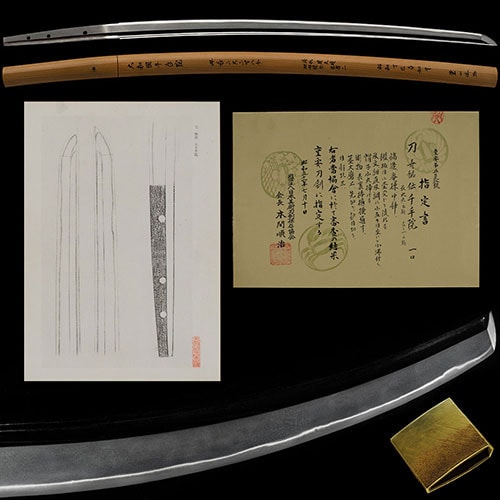
大和五派は奈良の大寺の影で育った。手掻の名は東大寺転害門に由来する。柾目と静かな直刃の厳格は寺の美学であり、後世はまさにその節度を賞美してきた。
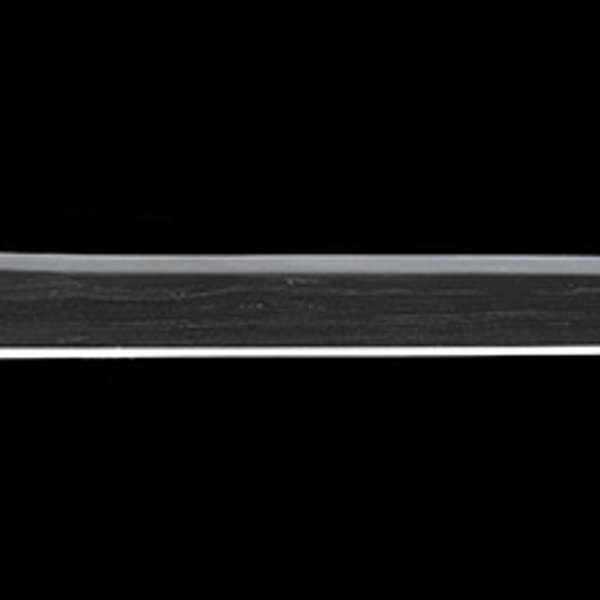
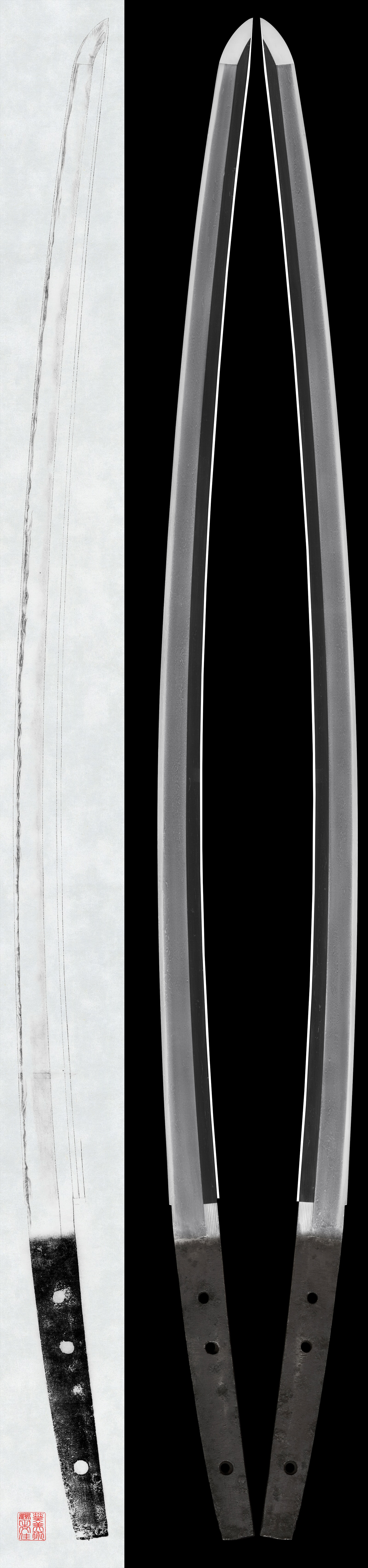
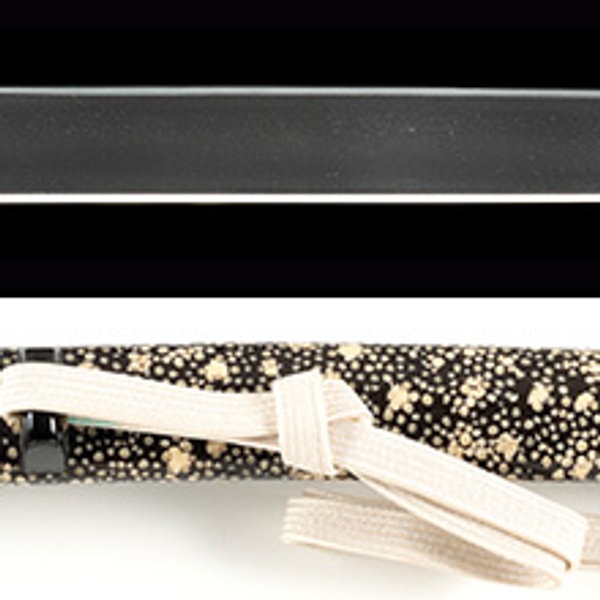
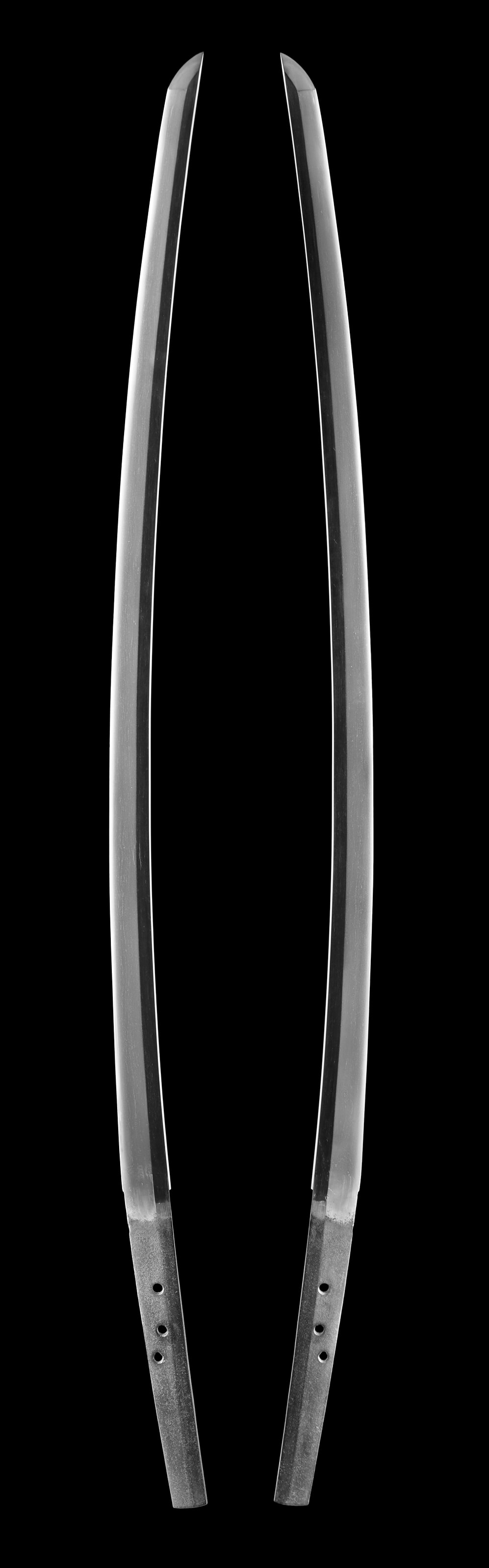
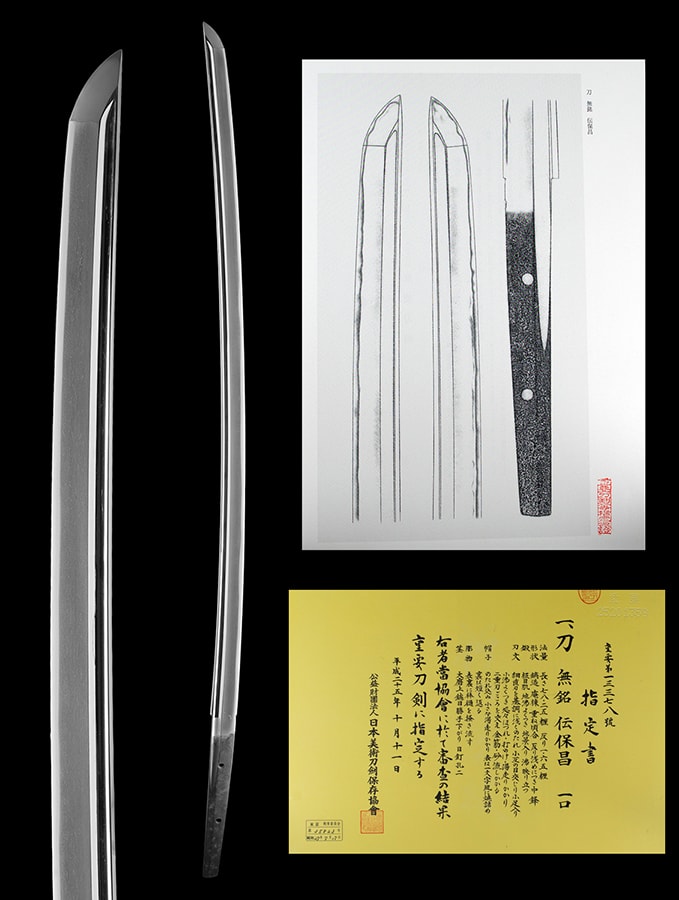
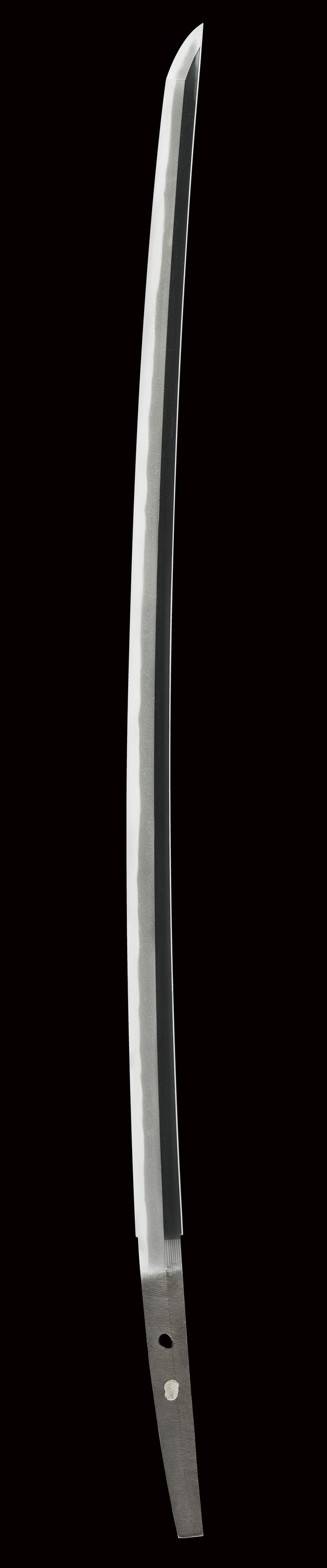
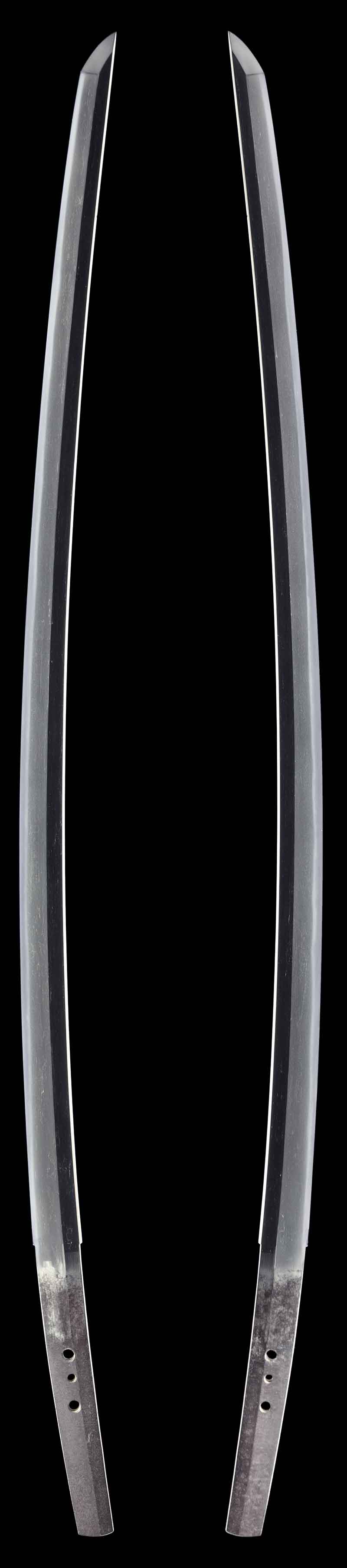
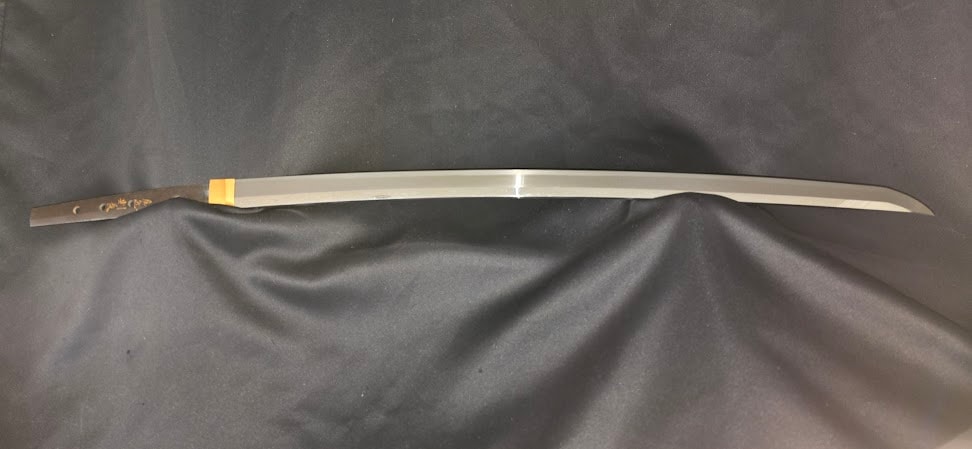
ITEM# UJKA171 – Catalogue 31 – 売約済 大和伝保昌派 刀 (保昌) 大和五派の中でも、保昌派は極めて独自の地位を占めています。それは五派の中で唯一、柾目肌(まさめはだ)のみを専ら焼く流派であるためです。鎌倉中期(1280年頃)から元弘の変(1333年頃)にかけて隆盛を極め、その最上作は、静謐かつ力強い地鉄と、抑制の効いた直刃(すぐは)の美しさから、大和物の中でも最も珍重されるものの一つに数えられます。代表的な工には貞宗、貞吉、貞継らが名を連ねます。 本作は、保昌派の全盛期を象徴する白眉の一振りです。地肌は沸出来(にえでき)の純然たる柾目肌で、茎から先まで川の流れのような清冽な層を成し、地中には美しい地景(ちけい)が鮮やかに浮かび上がります。刃文は匂口(においぐち)の明るい直刃を基調とし、二重刃(にじゅうば)や喰違刃(くいちがいば)が交じり、鍛えに沿って金筋(きんすじ)や砂流し(すながし)が豊富に働きます。帽子は美しく掃き掛け(はきかけ)となります。また、表裏に棒樋(ぼうひ)を掻き通しており、2016年には日本屈指の研師である佐々木先生の手により研磨が施されています。 特筆すべきは、約700年の歳月を経ながらも、この刀の茎(なかご)が「生(うぶ)」であることです。作刀当時の姿をそのままに留めています。大和伝の刀剣は、寺院の抱え工によって打たれたため、組織的な需要から無銘とされるのが通例でした。 付属の打刀拵(うちがたなこしらえ)もまた見事な逸品です。鞘は赤と黒の渦が目を引く変り塗(黒と赤変わり塗り)が施され、目貫には牡丹、縁頭には鉄地磨地に金象嵌の井筒家紋があしらわれています。さらに、鉄地真鍮象嵌の車透図(くるますかしず)平安城鐔が添えられており、これら一式はNTHK-NPO(日本刀剣保存会)の鑑定書が付随し、1700年から1780年頃の作と極められています。 商品番号 UJKA171 種別 刀 極め 保昌(無銘) 流派 保昌 国 大和(現在の奈良県)
 NihontoWatch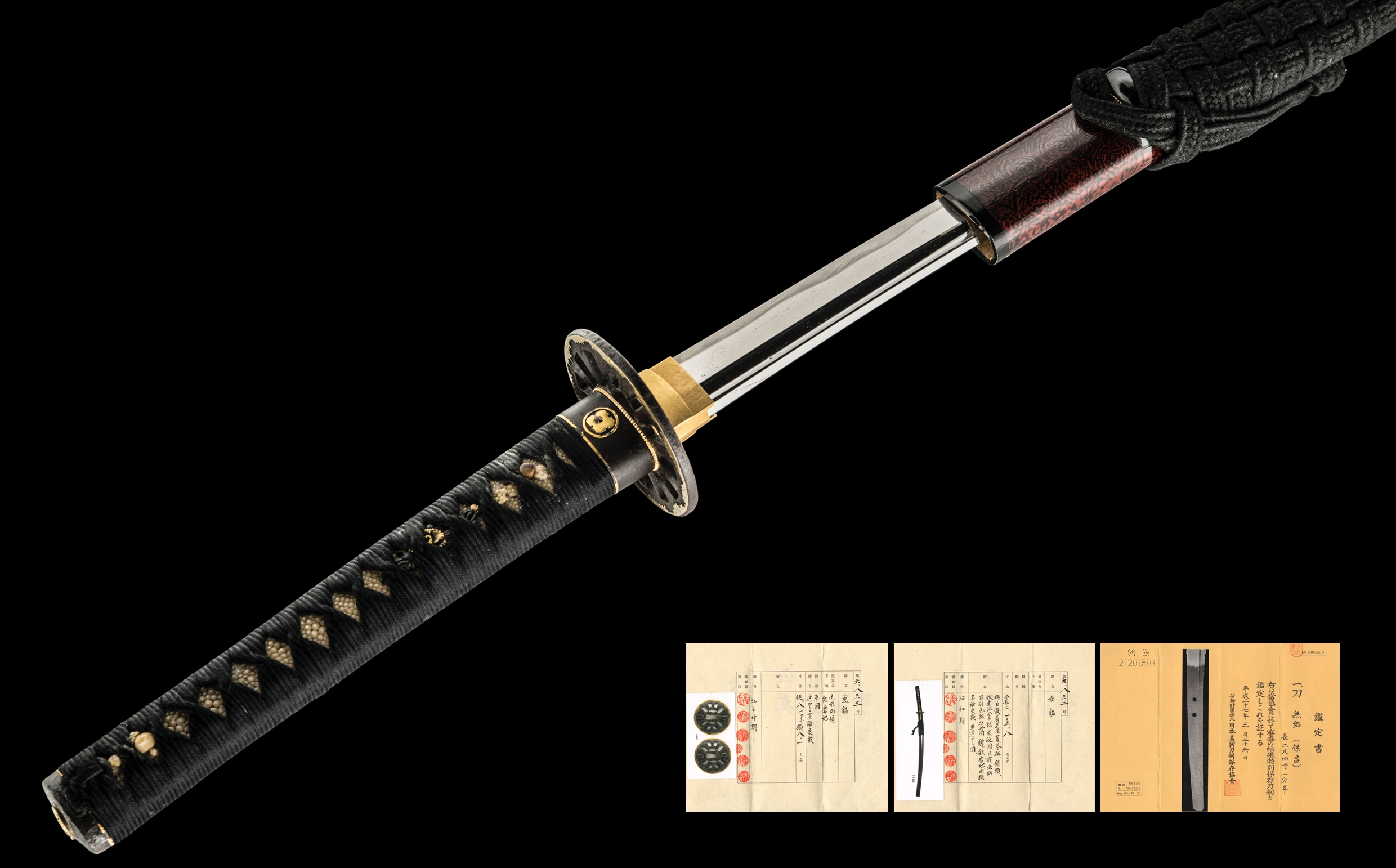
大和伝 · 大和
現在6点販売中
大和五派のうち、地鉄に総柾目を貫いたただ一門が保昌派である。その本拠は大和国高市郡、成立は鎌倉時代の末葉に置かれ、南北朝期へと続いた。古来寺院に付属して刀を鍛えた大和鍛冶の流れを汲み、同派の工は皆「貞」を通字とする。祖と仰がれるのは貞宗・貞吉で、両者は共に保昌五郎と称したと伝え、その下に貞清・貞興・貞光らが連なる。中にあって居住地と制作年紀を最も多く銘に記すのが貞吉であり、嘉暦三年紀の太刀に「大和国高市郡住」と切って活躍地・年代を明らかにする。貞清・貞興は貞宗あるいは貞吉に続く手とされ、現存する作はおおむね鎌倉末に収まる。 作風は一門を通じて均質で、まず地鉄に集約される。在銘・無銘を問わず総柾目肌を鍛え、柾が区より先まで通って棟へ抜け、地沸が厚くつき地景が頻りに入る。手掻・千手院・尻懸・当麻が柾がかった板目を鍛えるのに対し、保昌はこの純然たる総柾に徹し、説示も大和五派の中で最も作風の個性が顕著な一派と記す。刃文はその柾目に応じ、匂深く小沸のついた直刃を主とし、刃は地鉄と別に立つのではなく肌目にからんで頻りにほつれ、刃縁に喰違刃・二重刃・打のけを集め、金筋・砂流しがかかる。物打辺より上で焼幅が広がり一段と沸が強くつくのも一派の所作である。帽子は直ぐに掃きかけて焼詰めとなり、多くは返りを持たず、時に火焔風となる。茎には檜垣鑢をかけ先をぶっ切りとし、これも銘と並ぶ見どころをなす。工により振幅には差があり、貞吉の地刃は荒く沸が強く、やや時代の下る貞清・貞興の手は地刃ともに静かで精良に読まれる。短刀には小振りで重ねの厚い品のよいものが多い。 鑑定の勘所は何よりこの純然たる総柾目にあり、これによって同じ大和の手掻・千手院・尻懸・当麻と分かたれる。一門の諸工に際立った個性は見出しにくく、無銘作は個ではなく時代と作域から保昌と極められ、ゆえに在銘作では銘振りこそが工を分かつ。年紀と居住地まで記す貞吉が最も知り得る工で、藤代の極めでは最上作にあたり、貞清・貞興は二字銘や藤原を冠する四字銘を残すのみで年紀作を見ない。在銘作は短刀に多く、大磨上無銘の刀は後に金象嵌の極めを受け、埋忠家や本阿弥光一の銘を留めるものがある。伝来は大名家を貫き、肥後細川家を経た短刀をはじめ、毛利元康所持を記す大磨上の刀などが知られる。総柾目に徹したこの一門の作が市に現れることは稀で、ことに年紀ある貞吉の在銘作に接する機会は少ない。 詳しく見る →
鎌倉時代の大和
大和五派は奈良の大寺の影で育った。手掻の名は東大寺転害門に由来する。柾目と静かな直刃の厳格は寺の美学であり、後世はまさにその節度を賞美してきた。
保存刀剣のうち、出来が一層優れ、保存状態も良好と認められたものです。再刃や、室町・江戸期の多くの無銘作は対象外となり、保存刀剣より高い基準が課されます。
日本美術刀剣保存協会(NBTHK)は、1948年に設立され、文化庁の監督を受ける公益財団法人で、東京・刀剣博物館に本部を置きます。専門の審査員が出品作を直接審査し、美術的・歴史的価値に応じた鑑定書を発行します。NBTHKの鑑定書は、日本刀および刀装具の真正性を示す最も広く認知された基準です。
NBTHK公式サイトAll swords come with a three-day inspection period beginning from the date of delivery. If not satisfied, the sword may be returned within this period for a full refund of the purchase price. Outside of this period, all sales are final. Swords purchased on a layaway payment plan are not eligible for the three-day inspection period.