二十世紀は二度この工芸を殺しかけた。戦時の歪みと、占領下の禁令である。1948年の日刀保設立と1953年の作刀再開が刀を美術として再建し、人間国宝と無鑑査がその頂に立つ。
 NihontoWatchNihontoWatch
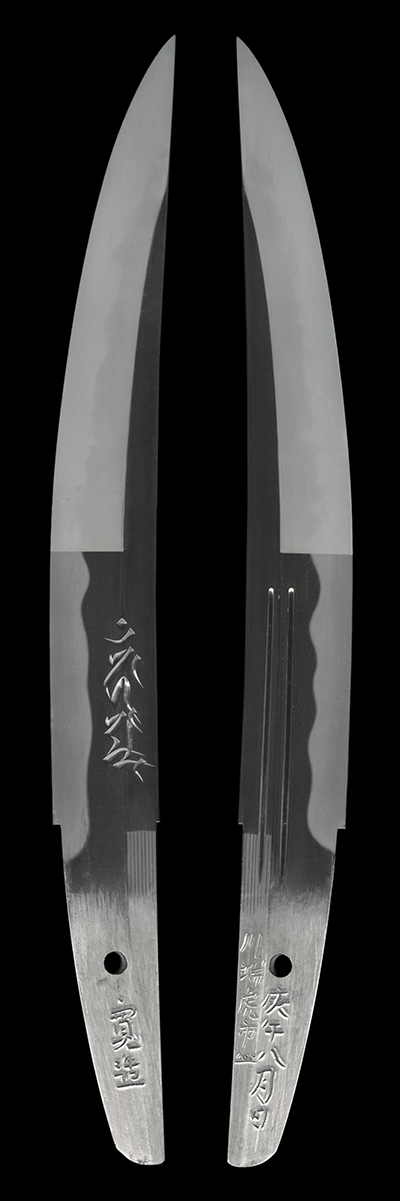
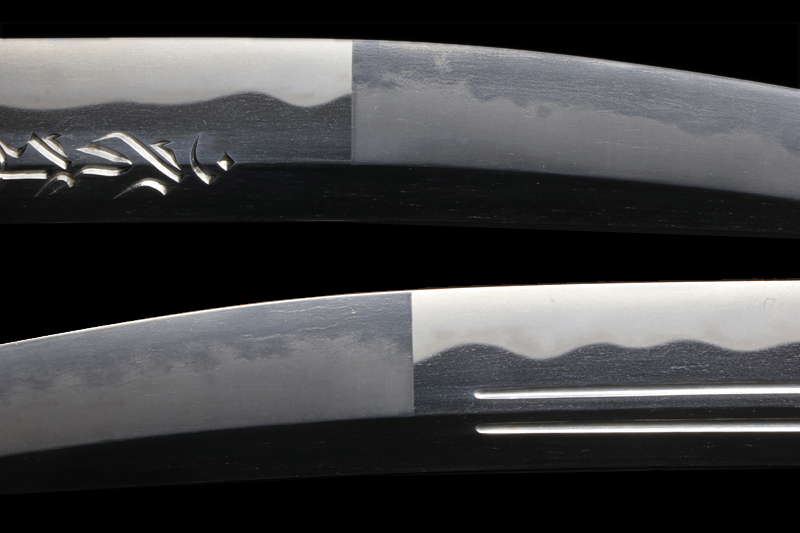
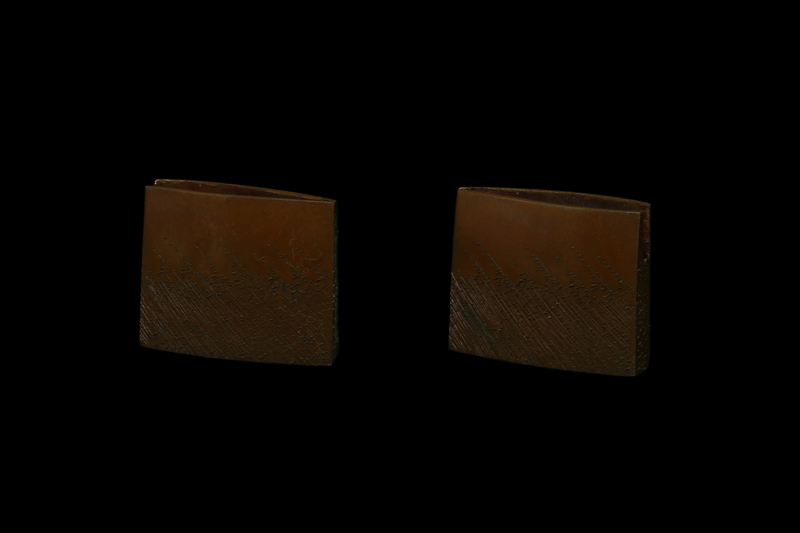
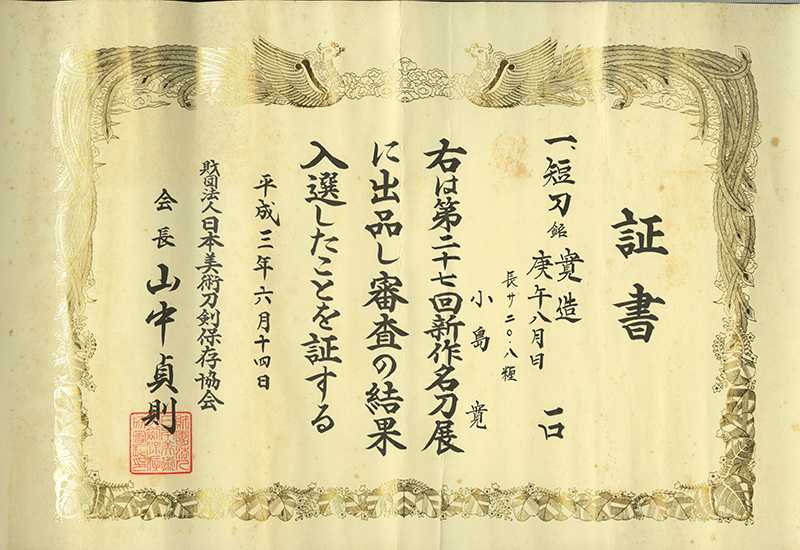
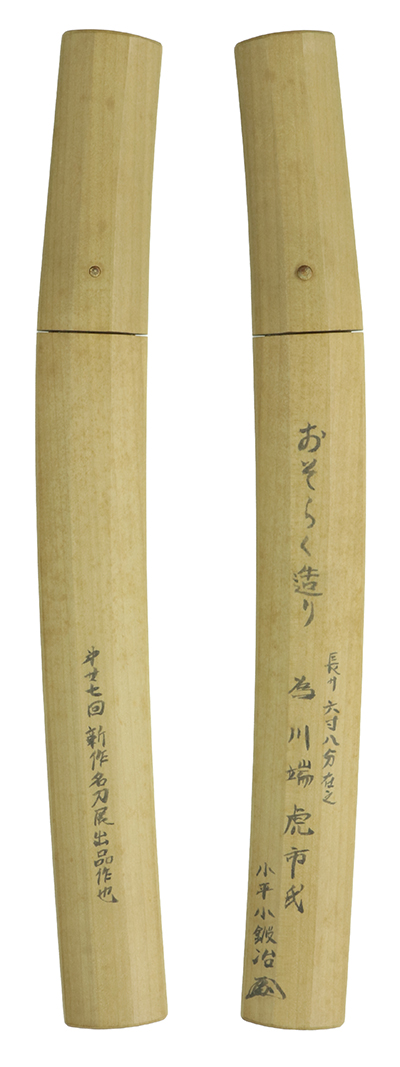
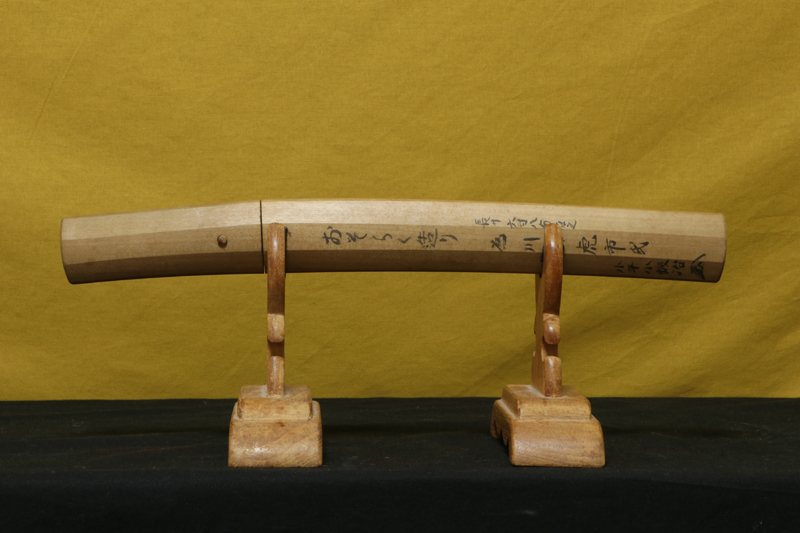
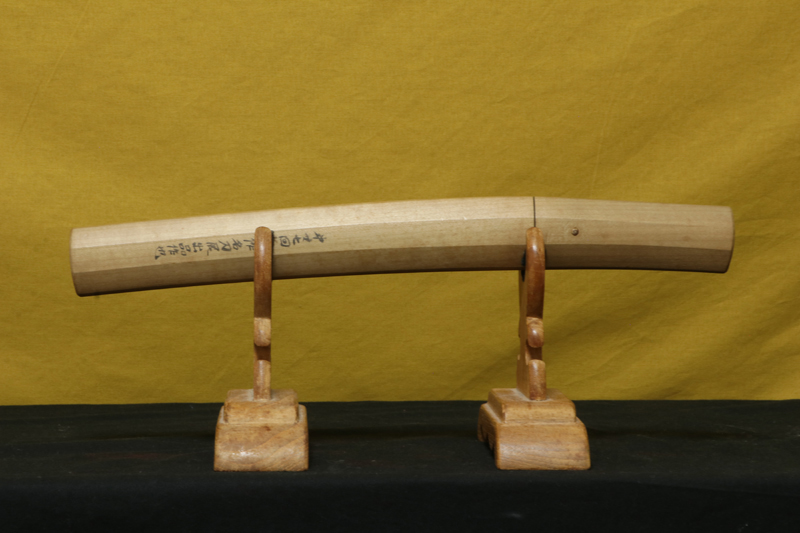
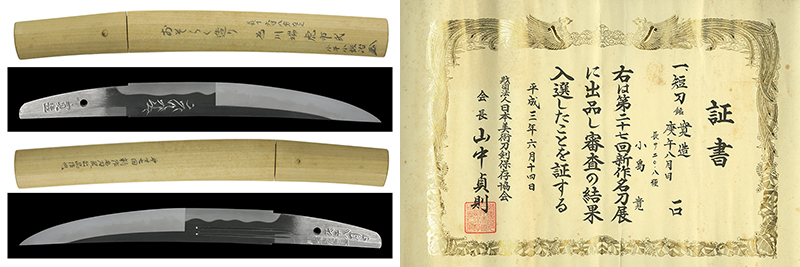
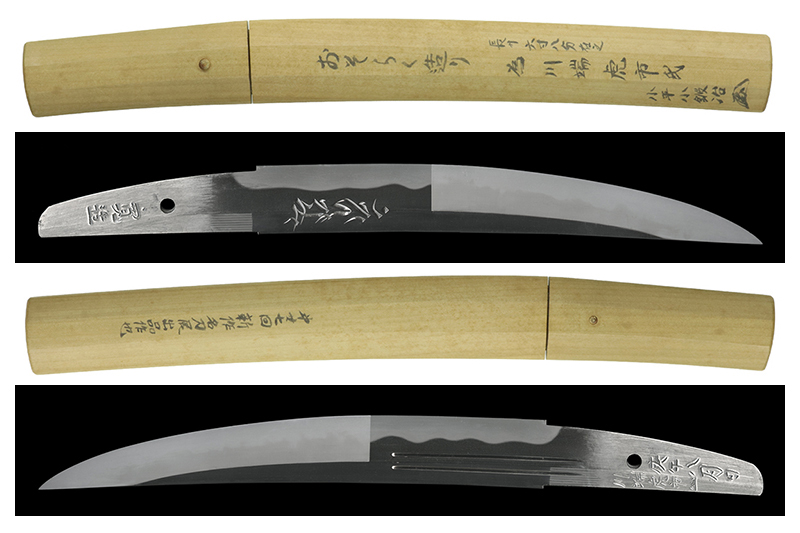
Selected for the 27th Shinsaku Meito Exhibition Modern sword Hiroshi tsukuru with Shirosaya. 寛(現・慶雲直弘)は、五代直弘を襲名した実力派刀匠です。 本作は第二十七回新作名刀展入選作で、おそらく造りの豪壮な短刀。柾がかった板目肌に見事な互の目乱れを焼き、上質な研ぎが施された優品です。刀身の状態も良好で、見応えのある一振りです。 Hiroshi (now Keiun Naohiro) is a highly skilled swordsmith who succeeded to the name of the fifth-generation Naohiro. This impressive Osoraku-zukuri tanto was selected for the 27th Shinsaku Meito Exhibition. It features an itame-hada with masame tendencies and a beautifully executed gunome-midare hamon. The blade is finely polished and in excellent condition, making it a truly impressive piece. 「刀姿 sword figure」 おそらく造り庵棟、身幅太く重尋常、鳥居反り大鋒、茎は生でせんすき鑢がかかり、茎尻は刃上がりの栗尻。 Osoraku-zukuri, iori-mune, wide mihaba, standard kasane, torii-zori, and o-kissaki. The nakago is ubu, with sensuki yasurime and a ha-agari kurijiri tip. 「彫物 carving」 彫物は差表に不動明王が彫られ、差裏には護摩箸が彫られる。 The horimono features Fudo Myo-o carved on the sashi-omote side and gomabashi on the sashi-ura side. 「地鉄 jigane」 地鉄は板目肌が流れ柾と成り、地沸付く。 The jihada is flowing itame tending toward masame, with ji-nie. 「刃紋 hamon」 刃紋は互の目乱れ刃、刃縁沸が付き砂流し栄んにかかり、刃中は金筋が働く。釯子は乱れ込み尖り返る。 The hamon is gunome-midare, with nie along the habuchi and prominent sunagashi. Kinsuji can be seen within the hamon. The boshi is midare-komi with a pointed kaeri. 「特徴 detailed」 寛(本名・小島寛)は、昭和32年(1957年)1月22日、埼玉県所沢市生まれ。18歳で三代直弘刀匠に入門し、7年間の修業を経て独立しました。当初は本名の「寛」を刀匠銘としていましたが、後に五代直弘を襲名。埼玉県本庄市で作刀を続け、現在は「慶雲直弘」と名乗っています。 本作は、第二十七回新作名刀展に入選した、おそらく造りの短刀です。流れて柾がかった板目肌に、見事な互の目乱れを焼いた出来の良い一振りです。身幅が広く、堂々とした豪壮な刀姿が魅力です。 新作名刀展への出品作にふさわしい上質な研ぎが施され、地刃の美しさを存分に鑑賞できます。刀身のコンディションも良好です。 寛(現・慶雲直弘)刀匠の技量が存分に発揮された、見応えのある魅力的な短刀です。 Hiroshi (real name: Kojima Hiroshi) was born on January 22, 1957, in Tokorozawa City, Saitama Prefecture. At the age of 18, he became an apprentice to the third-generation Naohiro and trained under him for seven years before becoming an independent swordsmith. He initially signed his swords “Hiroshi,” using his given name, but later succeeded to the name of the fifth-generation Naohiro. He continued forging swords in Honjo City, Saitama Prefecture, and currently works under the name Keiun Naohiro. This tanto, crafted in the Osoraku-zukuri style, was selected for the 27th Shinsaku Meito Exhibition. It features a flowing itame-hada with masame tendencies and a beautifully executed gunome-midare hamon. Its wide blade gives it a powerful and imposing appearance. As befits an exhibition piece, the blade has received a high-quality polish that beautifully reveals the jihada and hamon. The blade is also in excellent condition. This is an impressive and attractive tanto that fully demonstrates the exceptional skill of Hiroshi (now Keiun Naohiro). 「拵 koshirae」 ハバキ(habaki) :銀無垢一重の腰祐乗。 鞘(saya) : 白鞘。 「刀身の状態 condition of blade」 研:良好です。 傷: 欠点に成るような傷は有りません。

昭和から現代へ 断絶と再生
二十世紀は二度この工芸を殺しかけた。戦時の歪みと、占領下の禁令である。1948年の日刀保設立と1953年の作刀再開が刀を美術として再建し、人間国宝と無鑑査がその頂に立つ。
ご購入頂いた商品の到着してから3日以内であれば返金もしくは交換対応をいたします。返品時の送料と返金する際の振込手数料はお客様のご負担とさせていただきます。