二十世紀は二度この工芸を殺しかけた。戦時の歪みと、占領下の禁令である。1948年の日刀保設立と1953年の作刀再開が刀を美術として再建し、人間国宝と無鑑査がその頂に立つ。
 NihontoWatchNihontoWatch
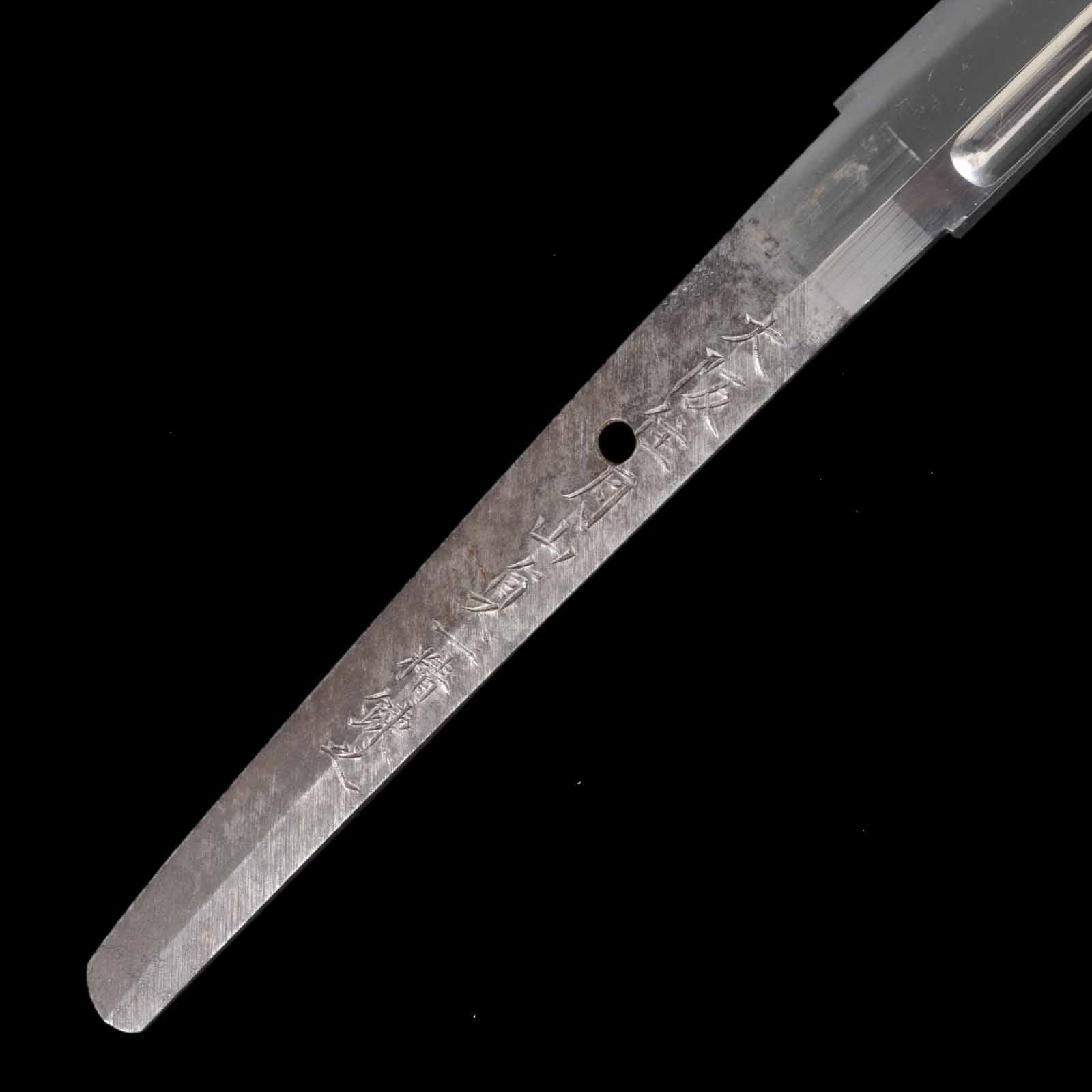
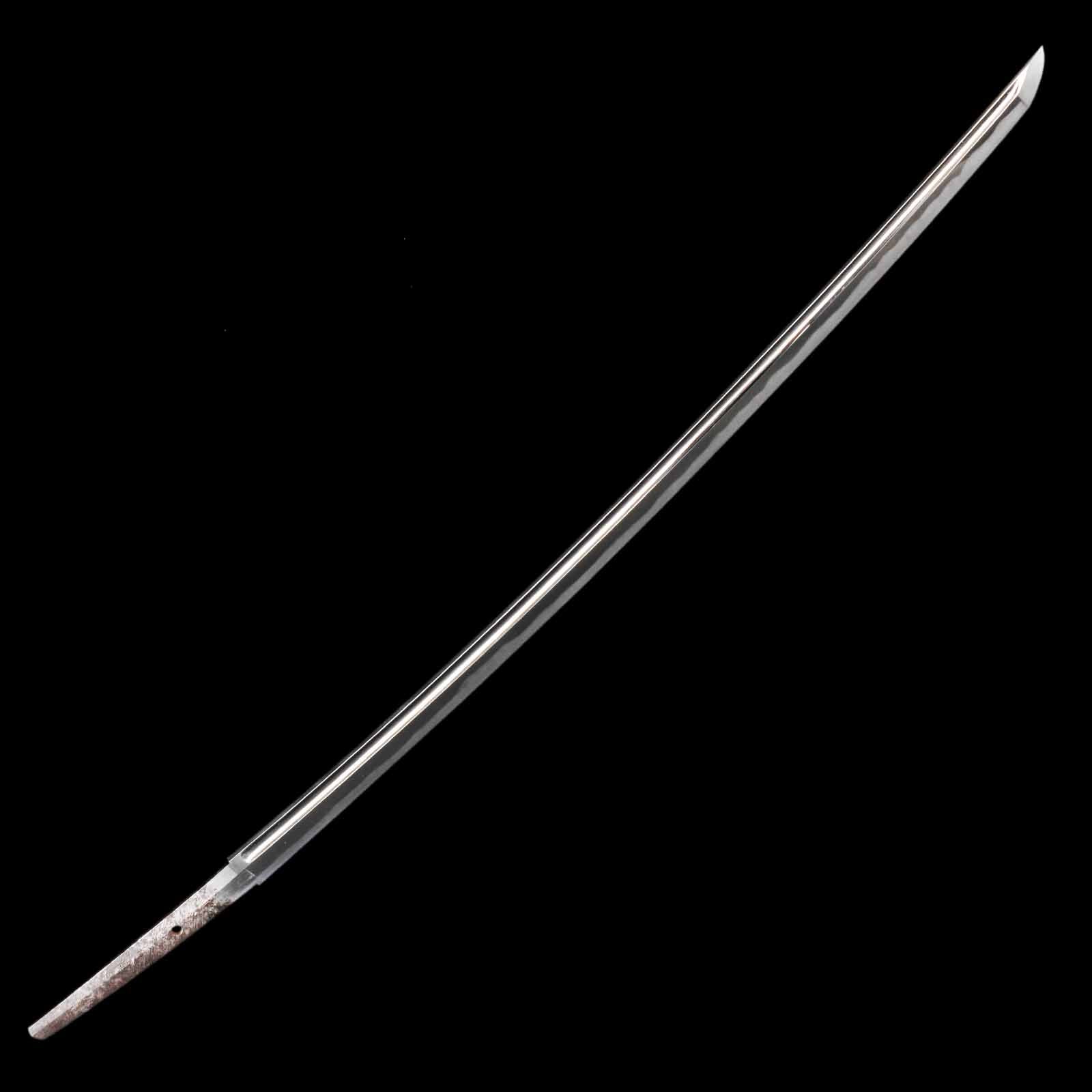
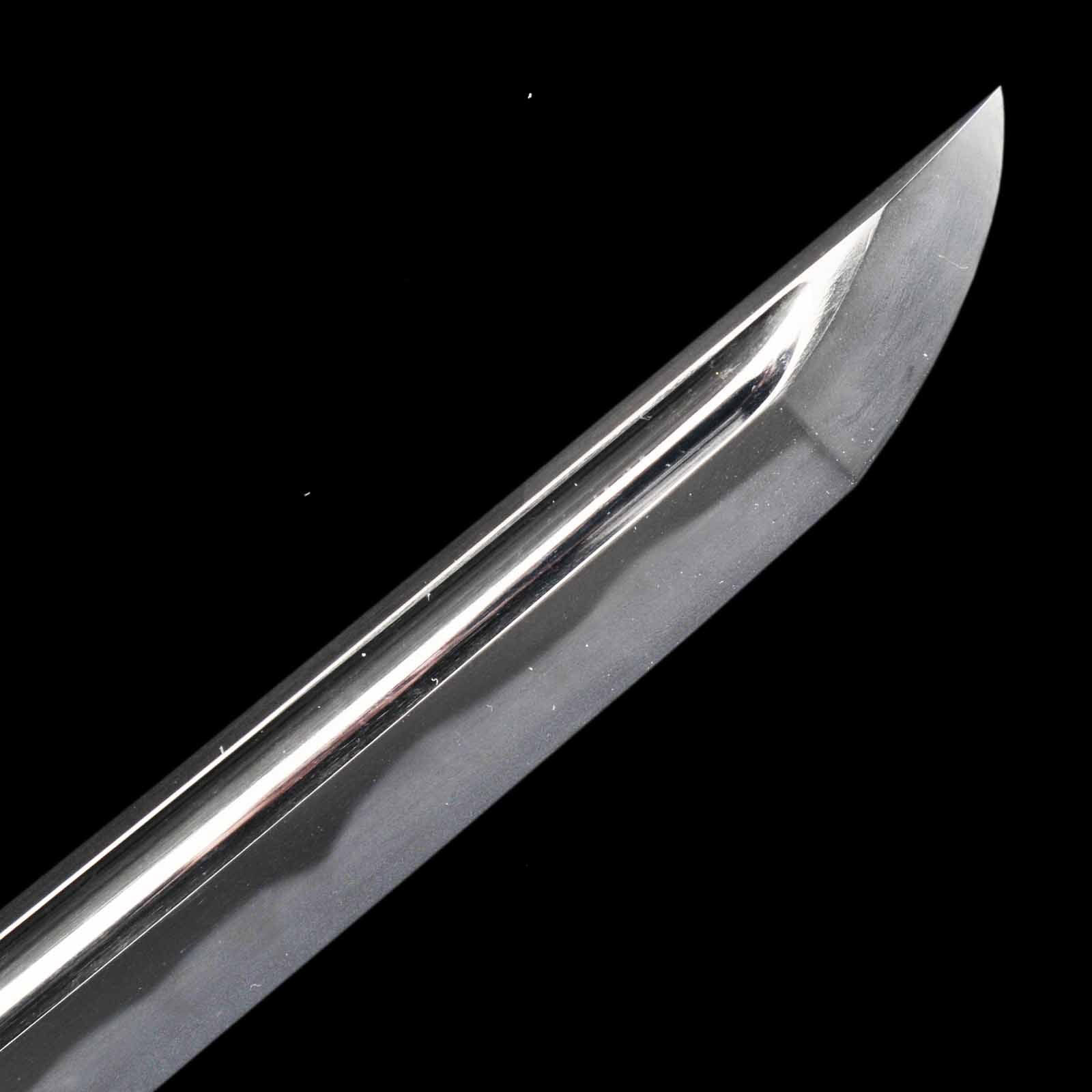
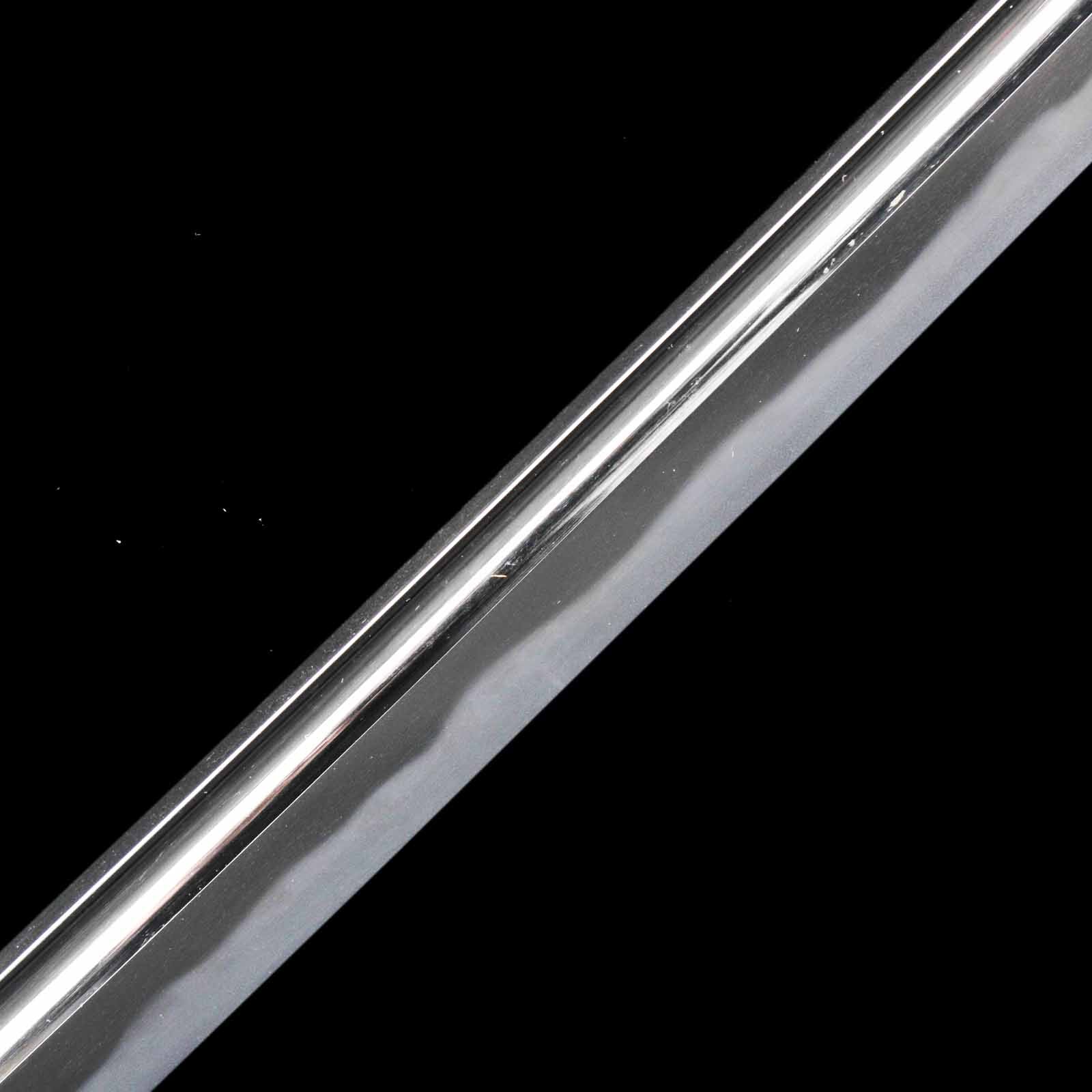
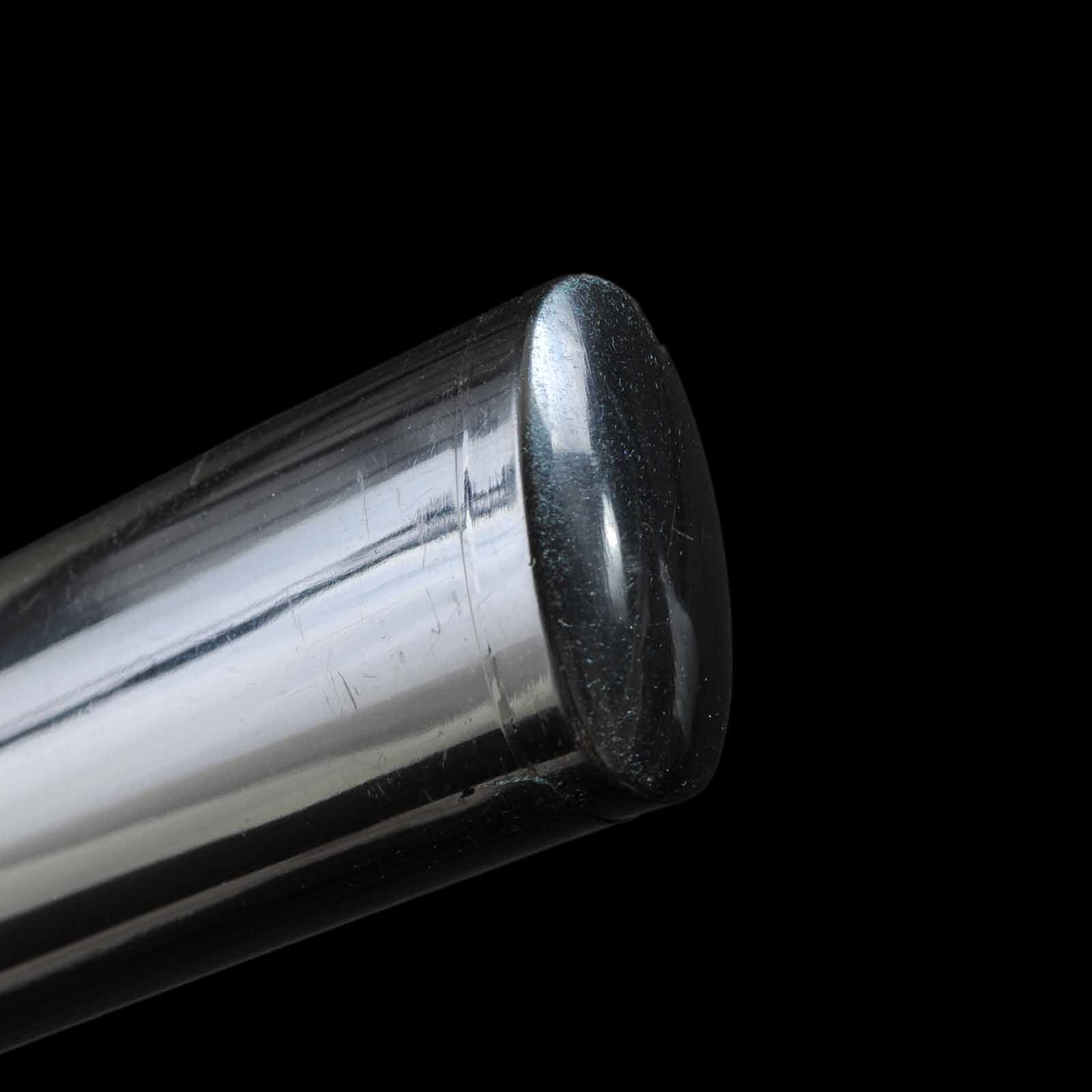
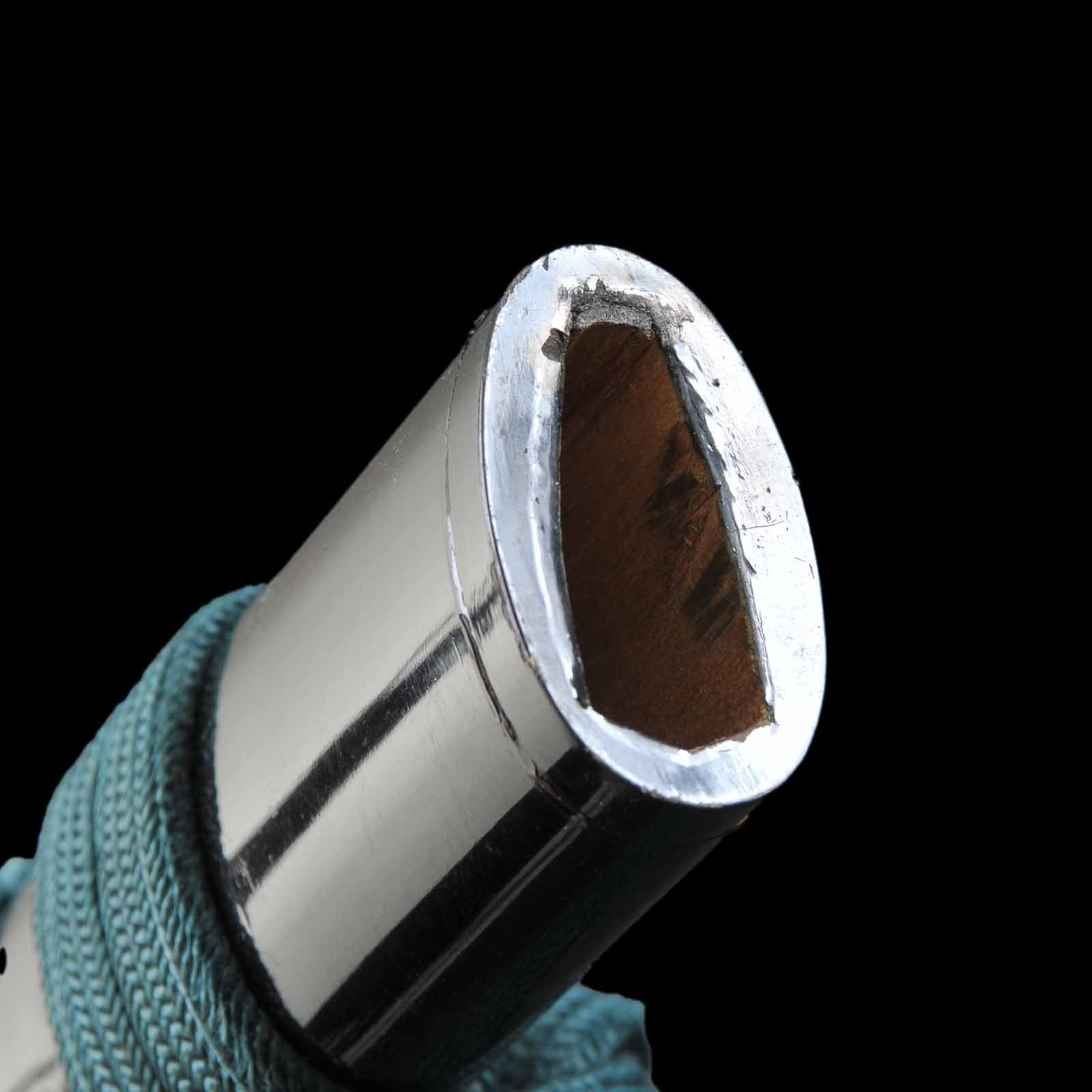
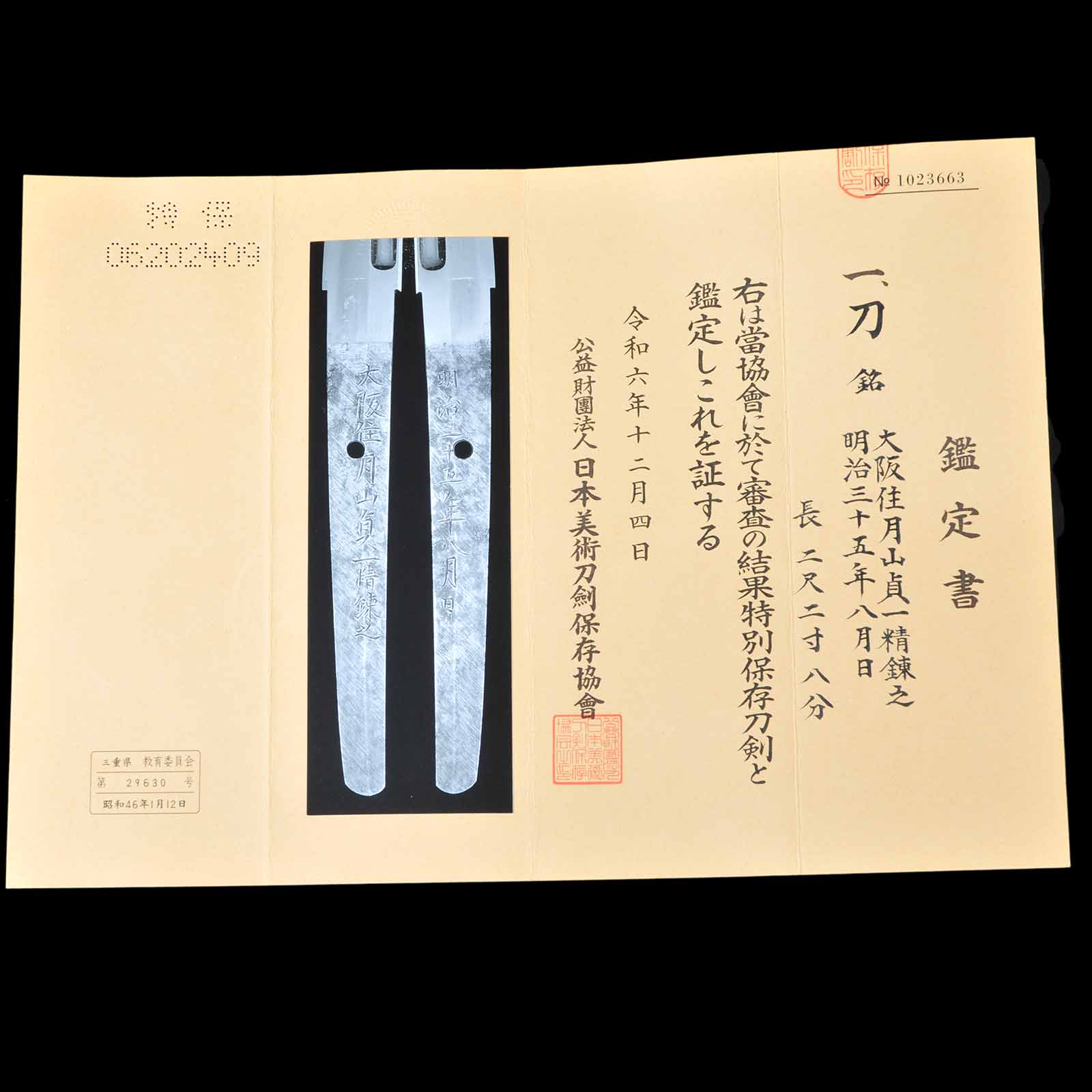
This piece is a masterpiece made by Gassan Sadakazu I during the Meiji period. The sword is extremely well preserved, with zero flaws, chips, dents, or rust. The jigane is well packed with itame and the hamon is sakachoji with long ashi in notare. Boshi is midarekomi and is breathtaking at first glance. The nakago is engraved on the sashiomote side with osaka ju gassan sada kazu kore wo seiren, and on the sashiura side with meiji sanjugonen hachigatsubi. In other words, this work was made in August 1902. Gassan Sadakazu was born in 1836 in Omi Province (present-day Shiga Prefecture) as a child of the Tsukamoto family. At the age of seven, he was adopted by Gassan Sadayoshi, an active swordsmith in Osaka. He began training as a swordsmith at the age of 11, and his progress was remarkable. In 1851, at the age of 16, he made a highly finished wakizashi that astonished everyone around him, and his talent was noticed from early on. In the Meiji period (1868-1912), when the Sword Law was enacted in 1876, demand for Japanese swords declined dramatically, forcing many swordsmiths to change or close their businesses. Sadakazu, however, remained dedicated to sword making, and in 1906 he was appointed “Imperial Household Artisan,” the highest honor for a swordsmith at the time, in other words, an official swordsmith to the Ministry of the Imperial Household. As a result, he left his mark on the swordsmith world by making swords for the Emperor Meiji, who was renowned for his love of swords, as well as swords for members of the Imperial Family and other prominent figures. His grandson and successor, Sadakazu II, was designated a Living National Treasure (holder of Important Intangible Cultural Property) in 1971. This sword was made in 1902, four years before he became the Imperial Household Artisan, and its form and beauty as a Japanese sword show his maturity. In its perfection, the Society for Preservation of Japanese Art and Swords issued a certificate of authenticity in Dec
NihontoWatch
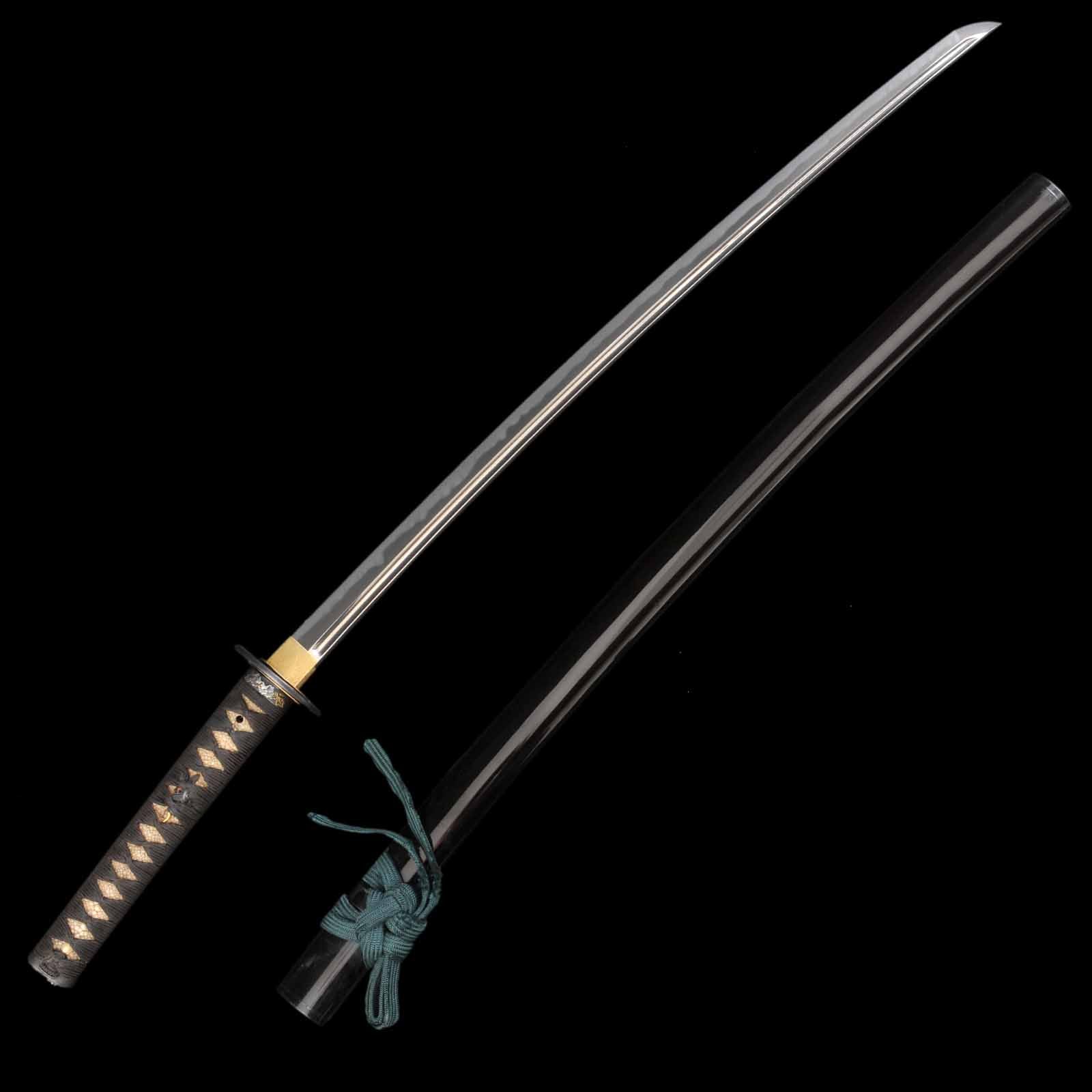
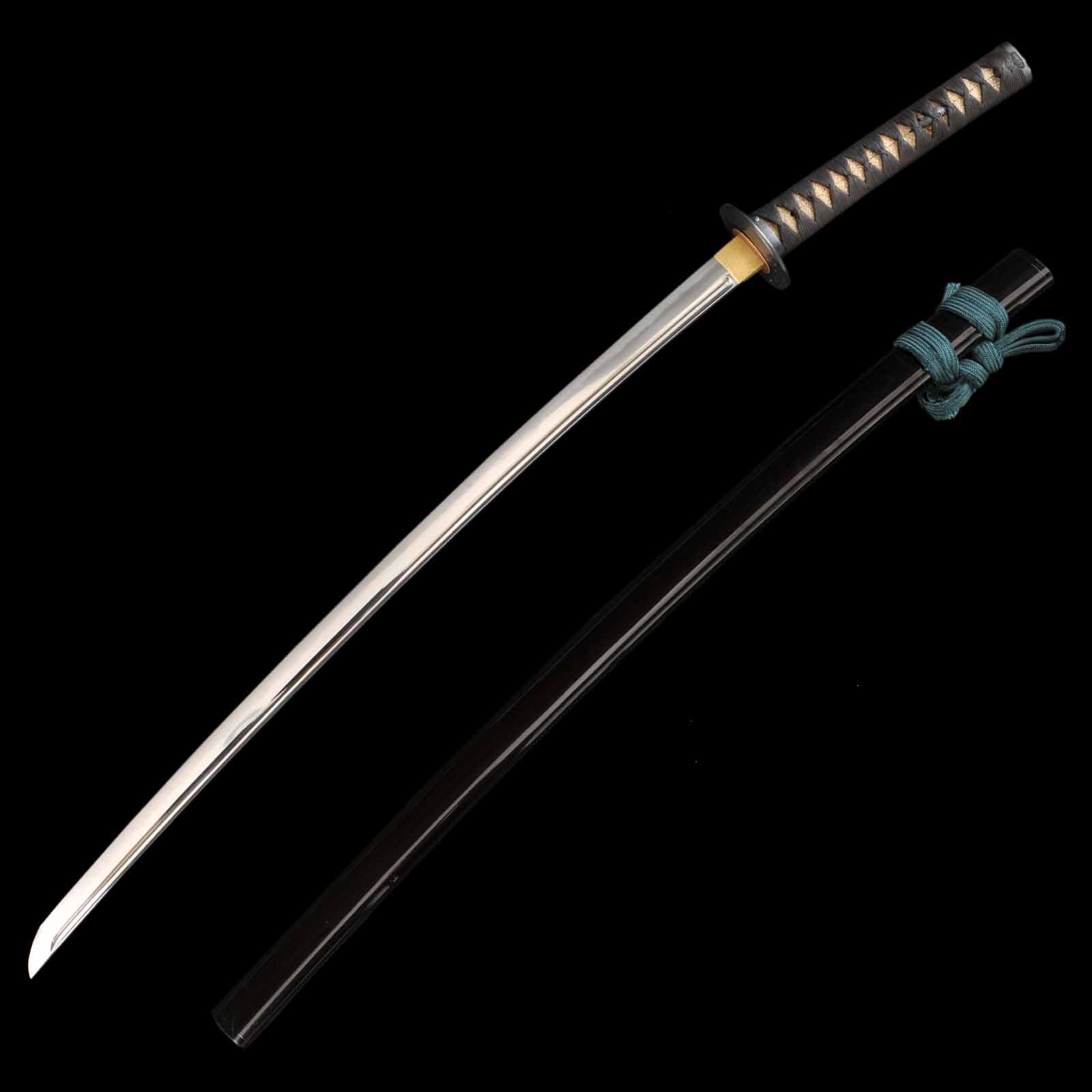
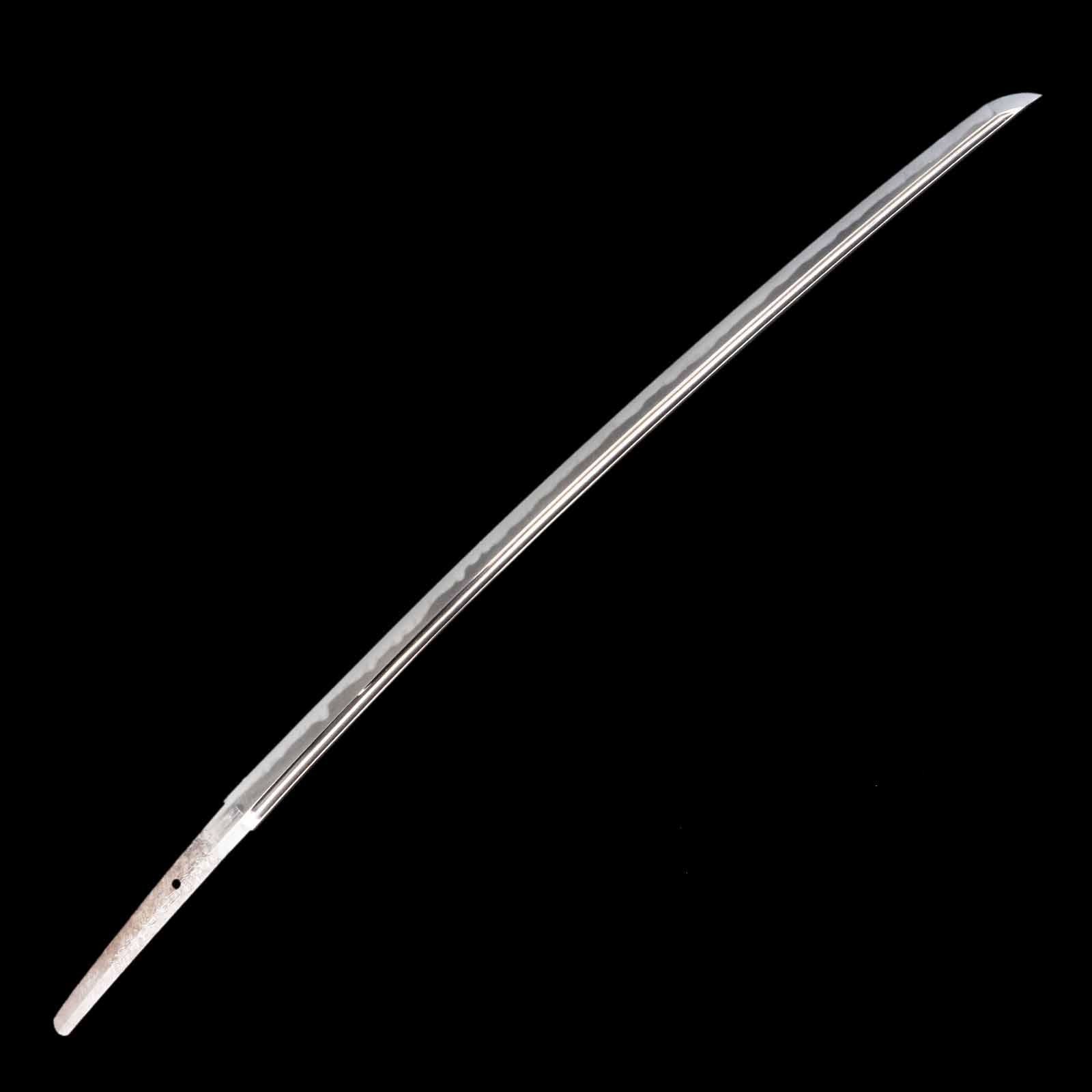
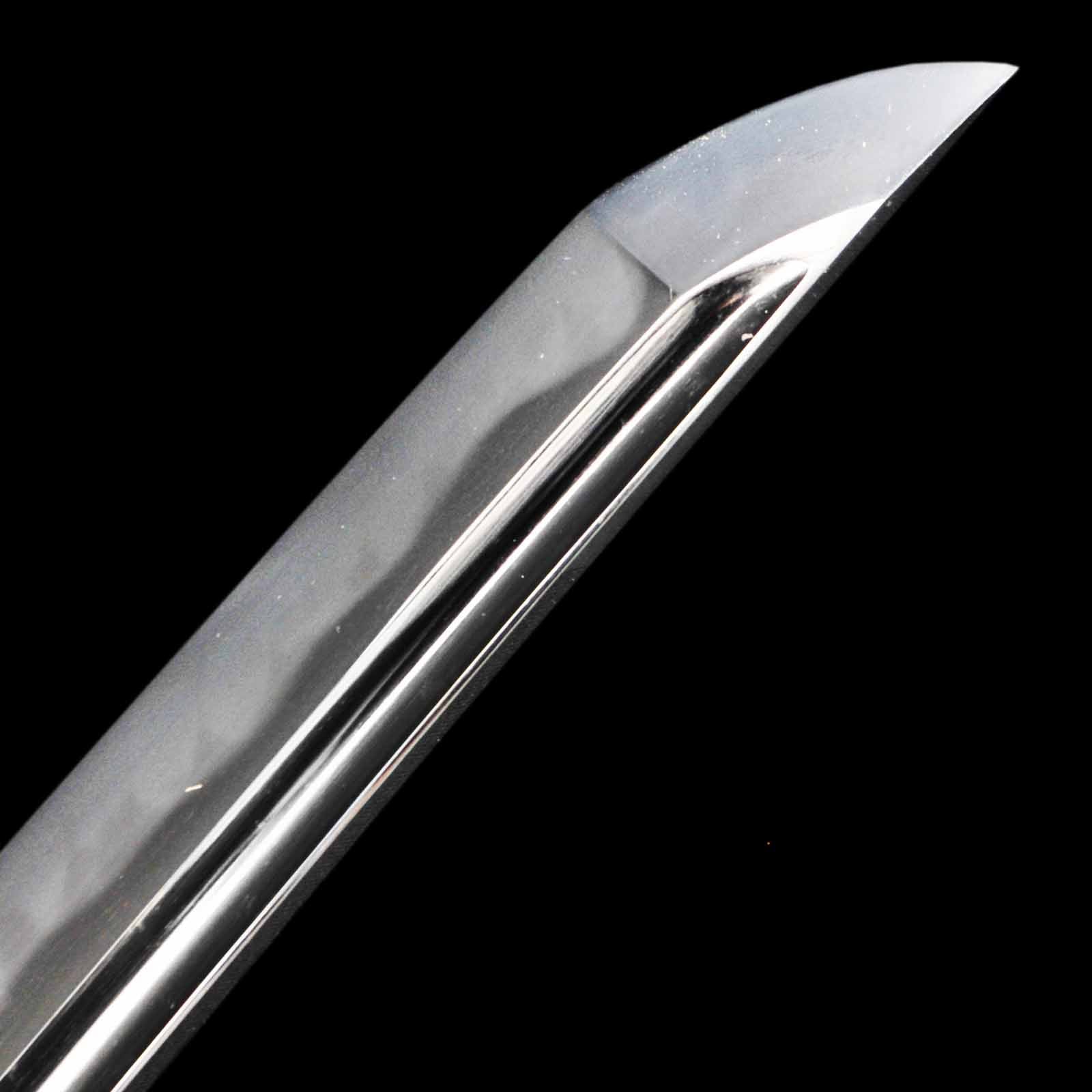
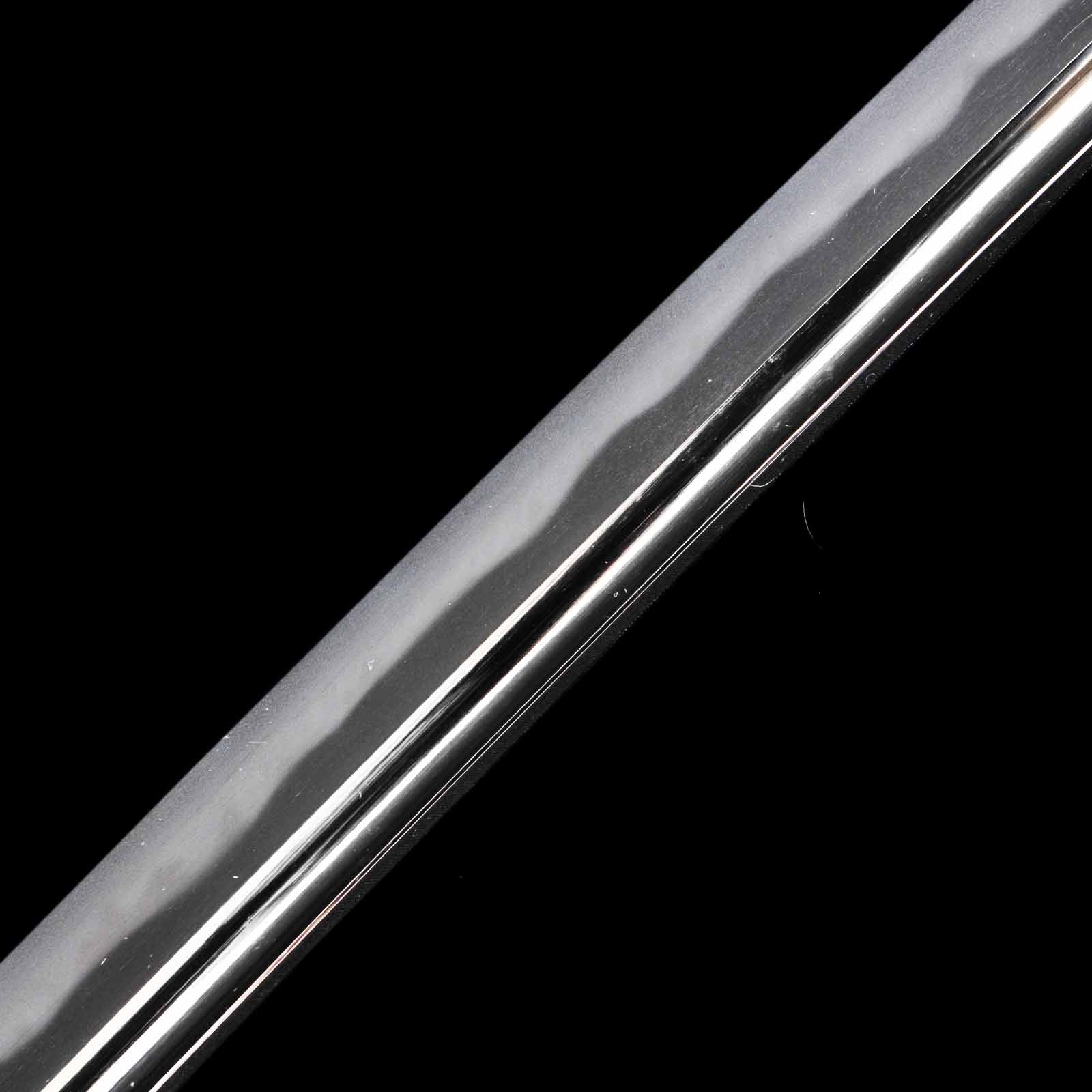
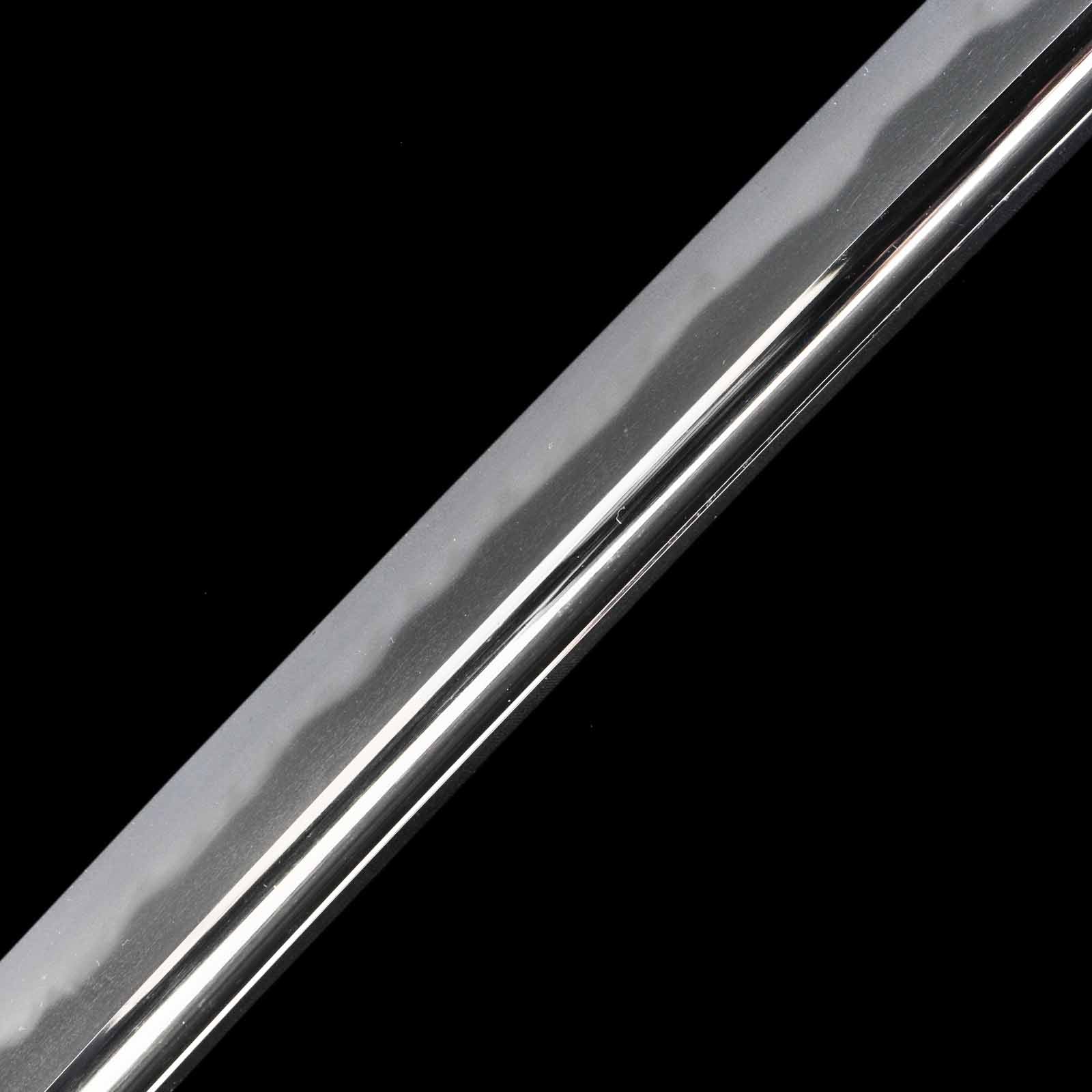
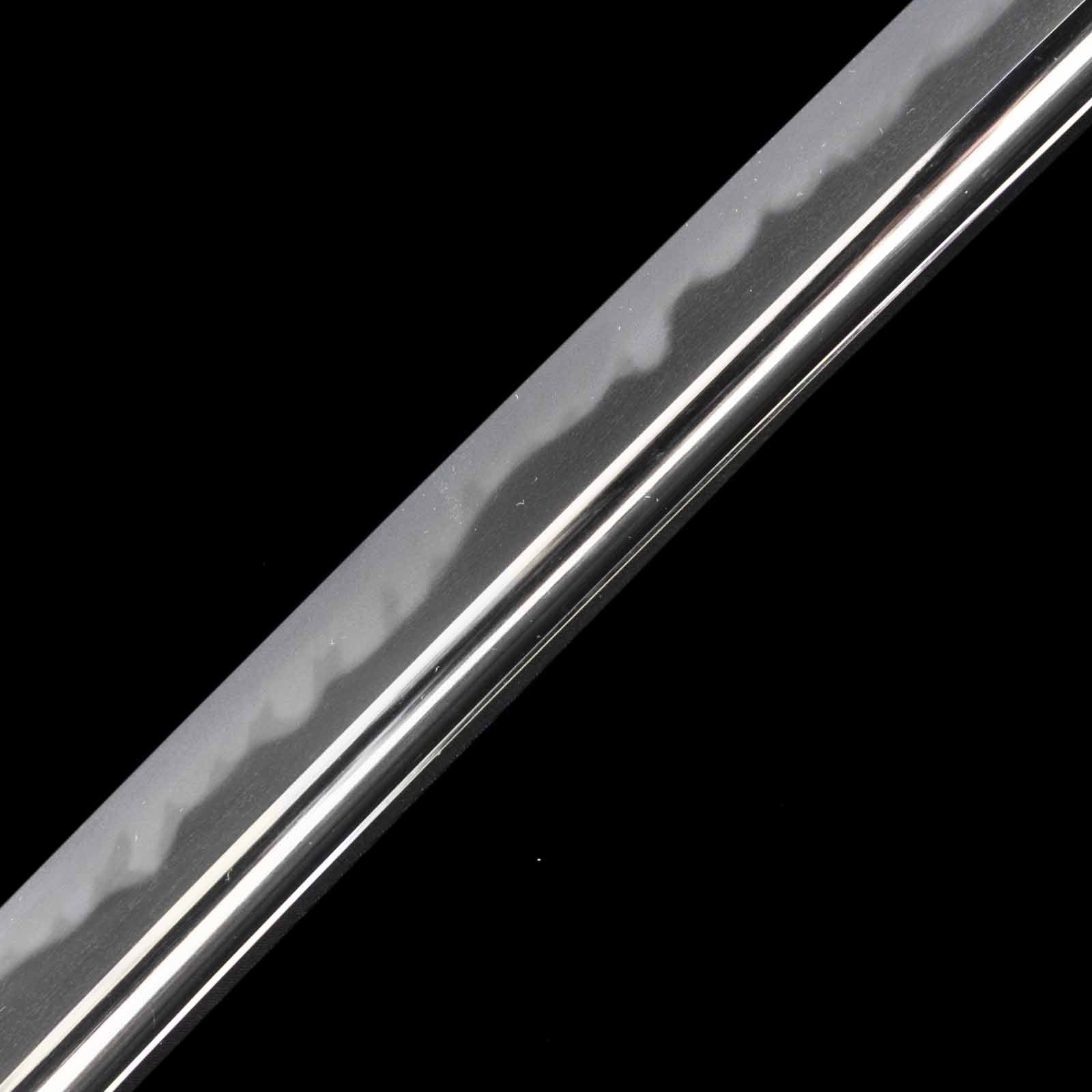
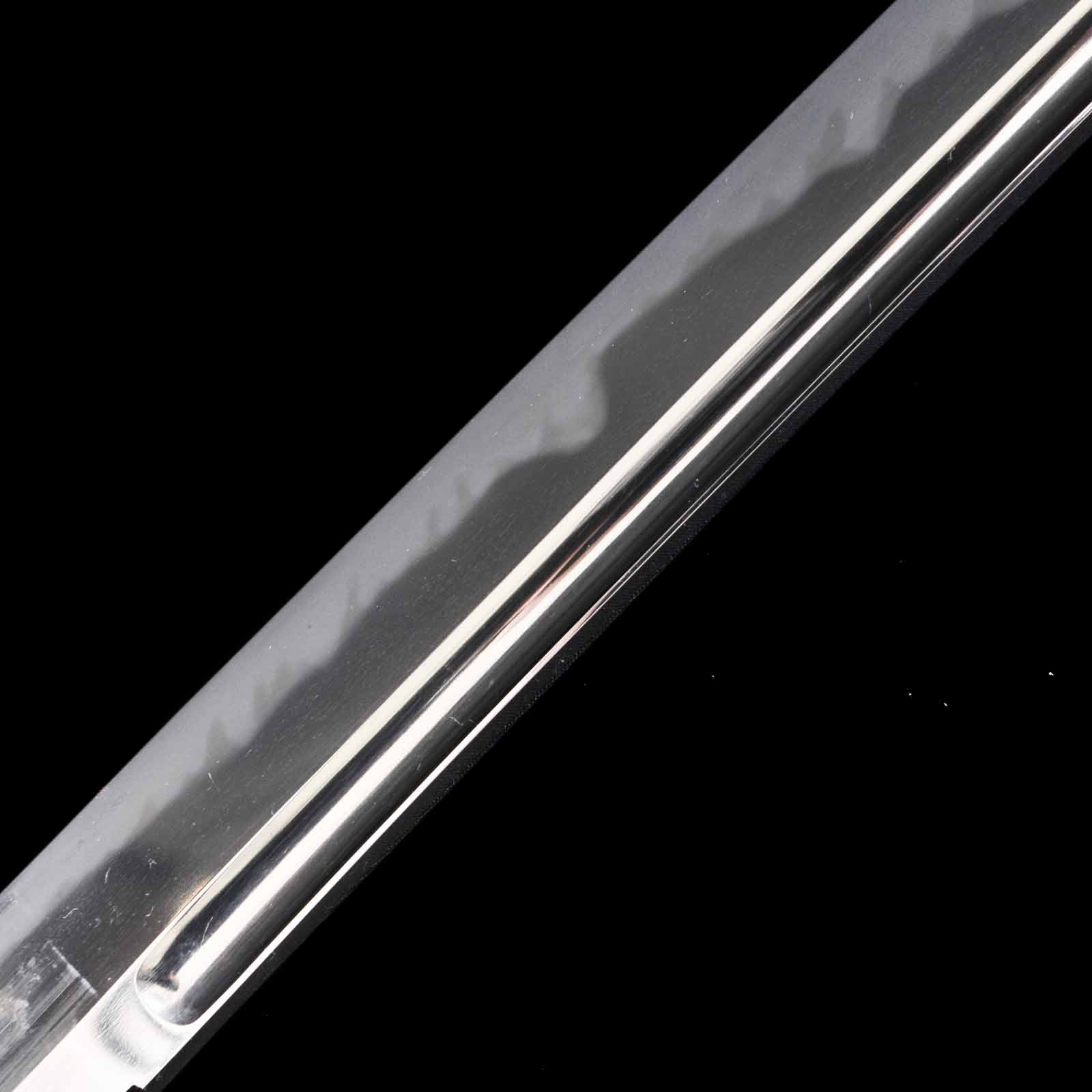
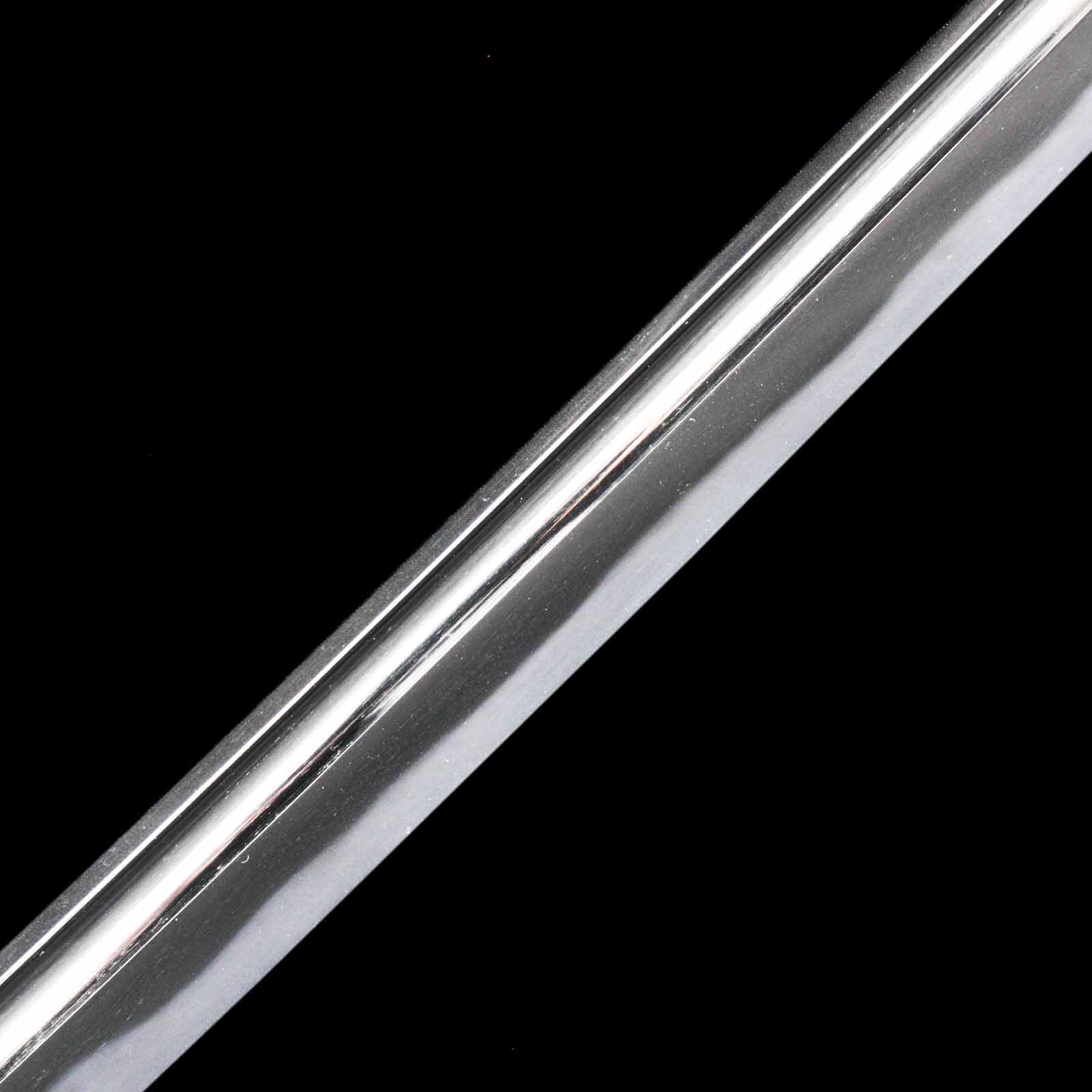
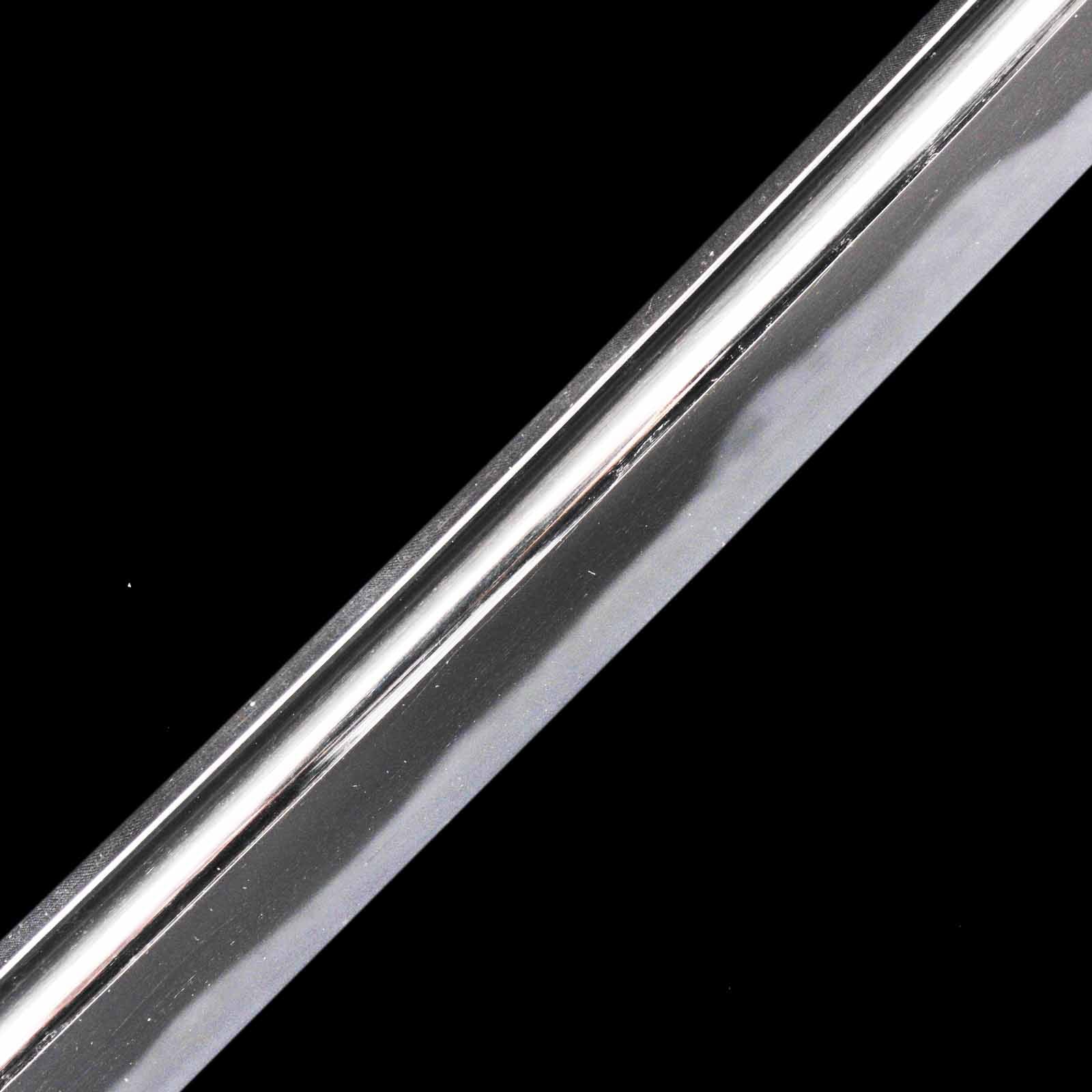
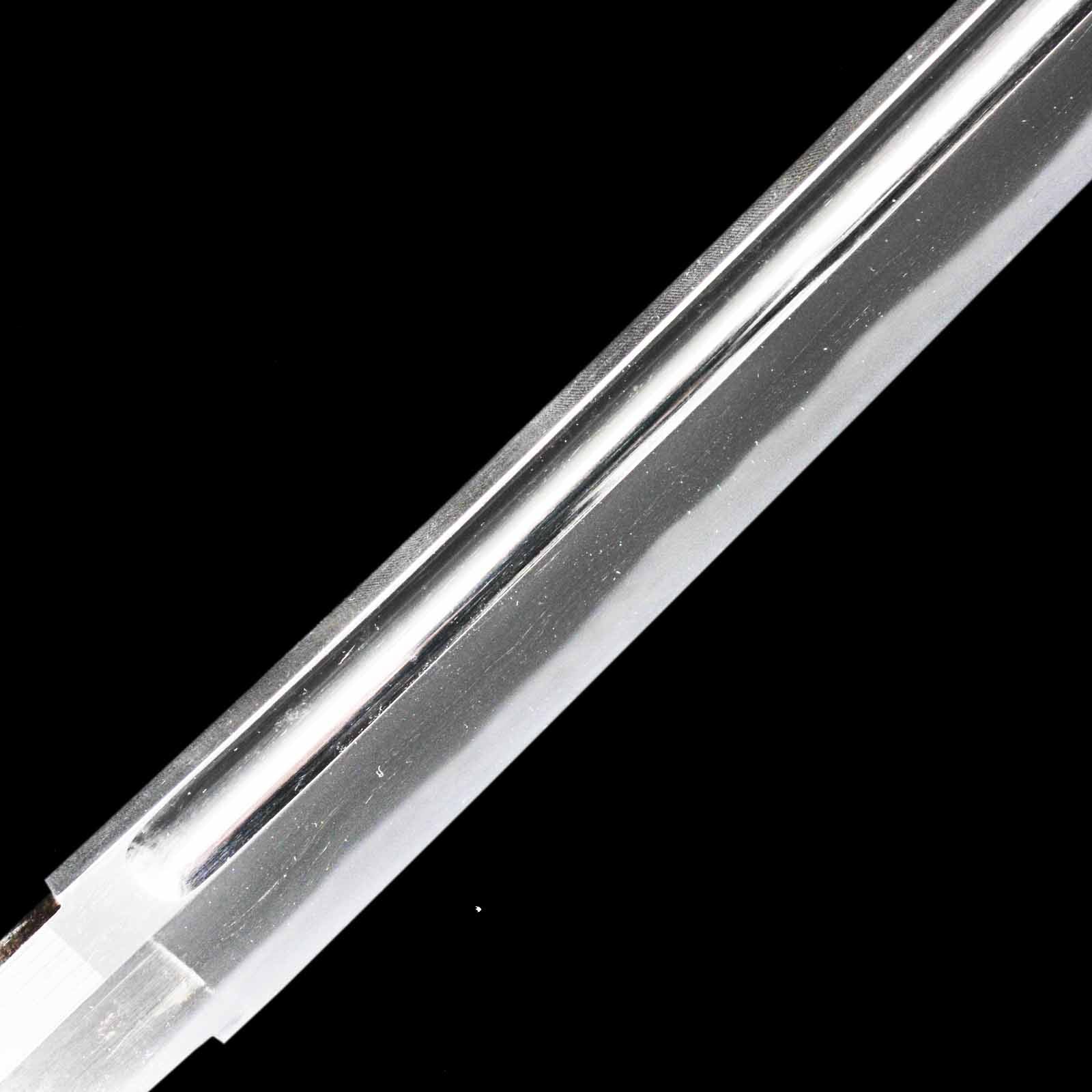
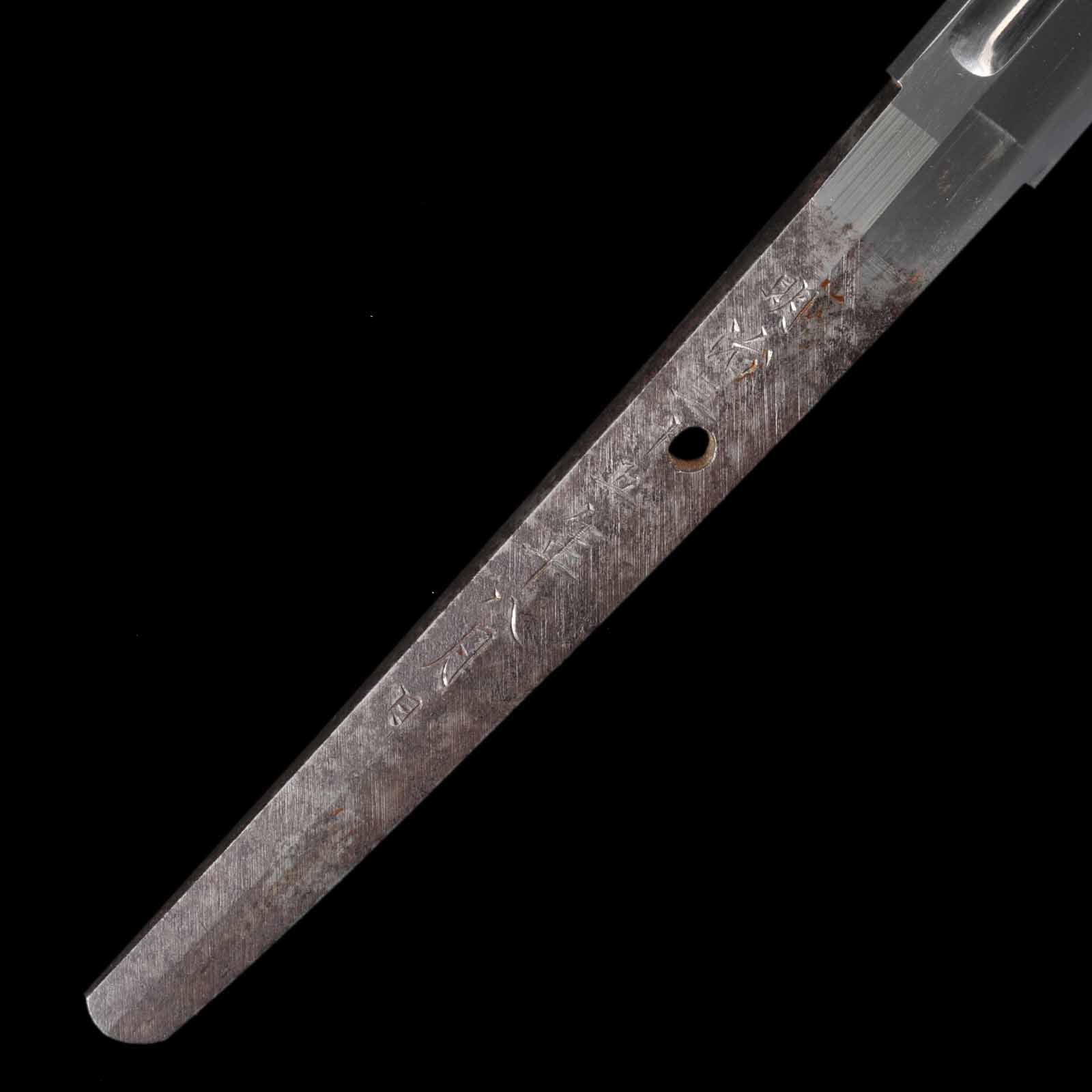
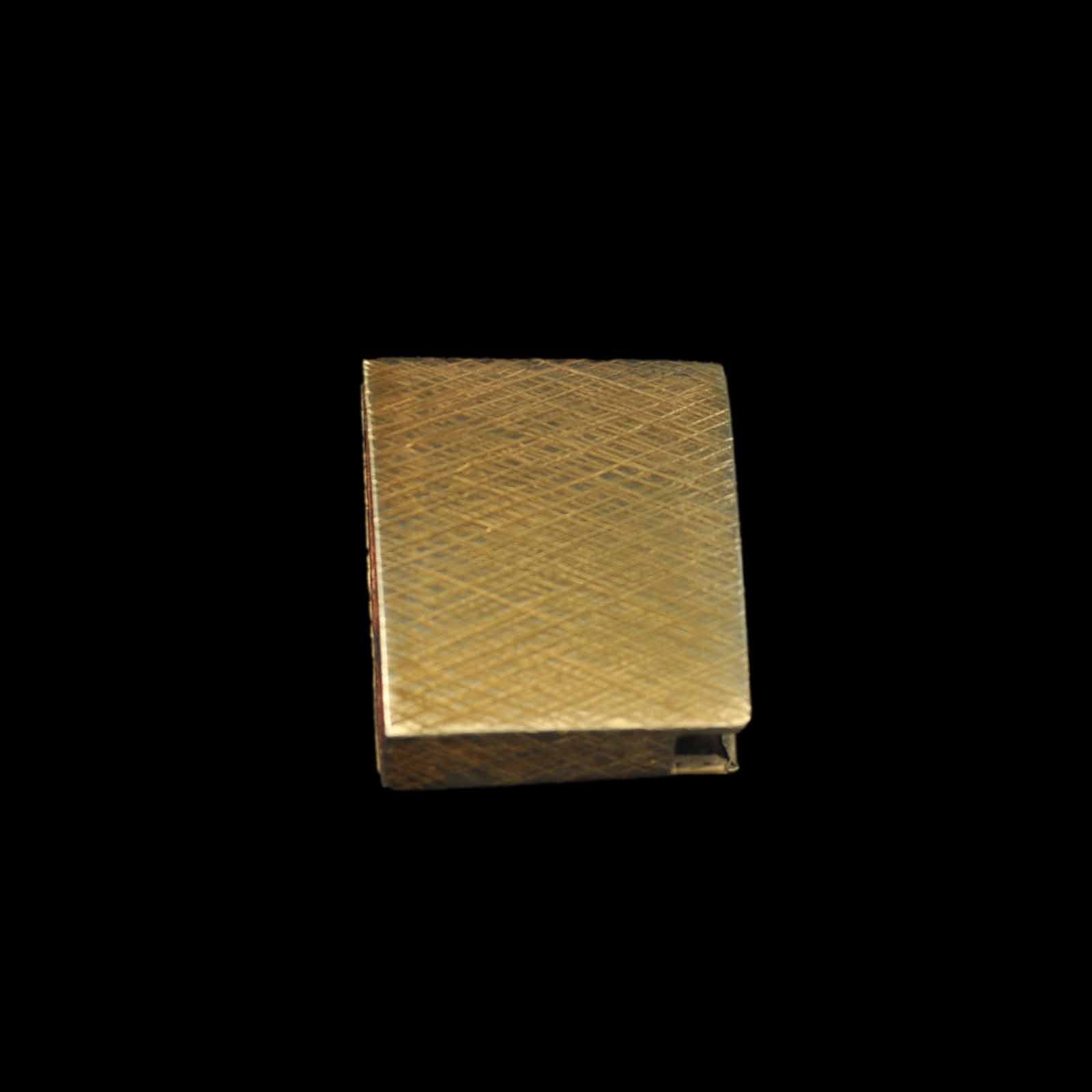
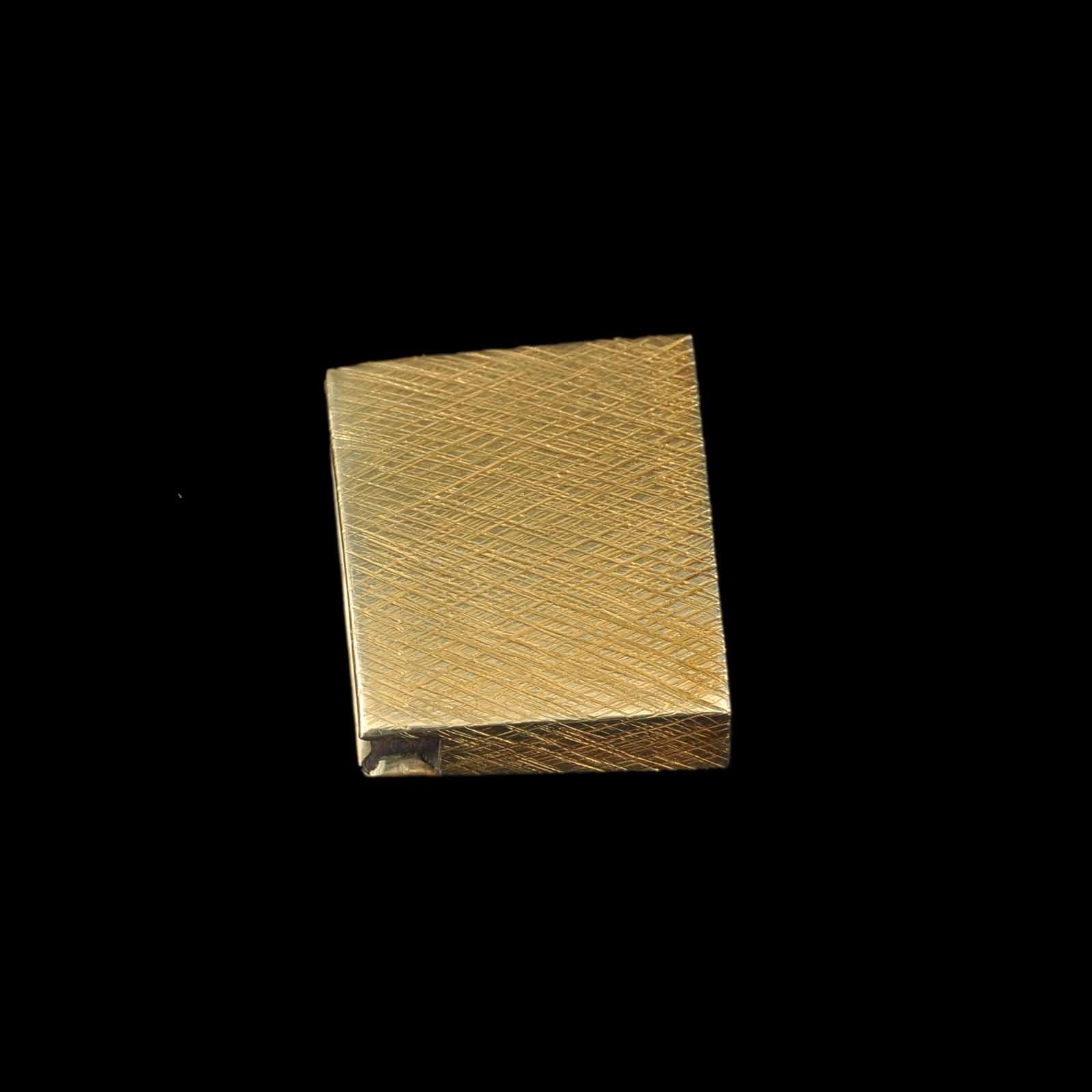
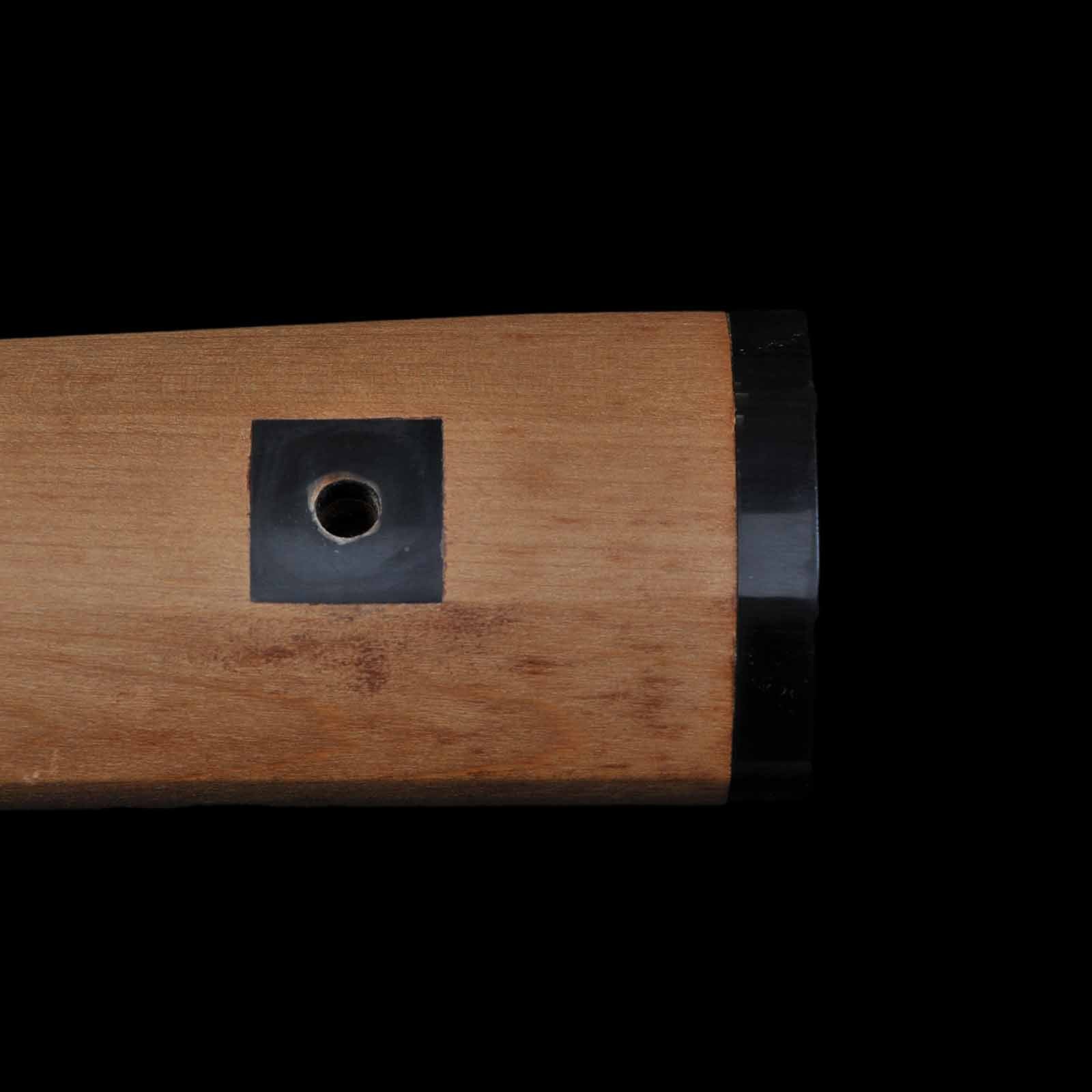
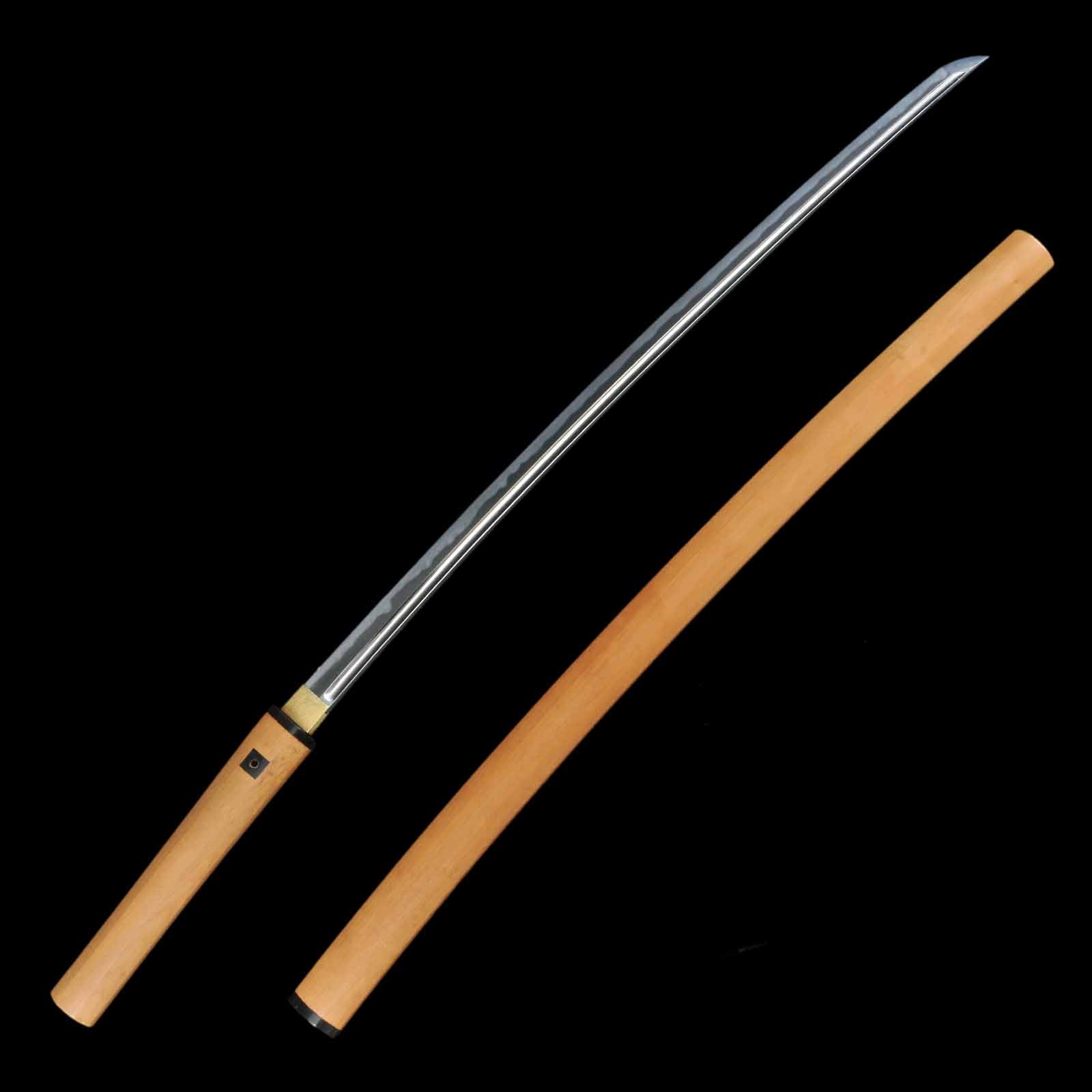
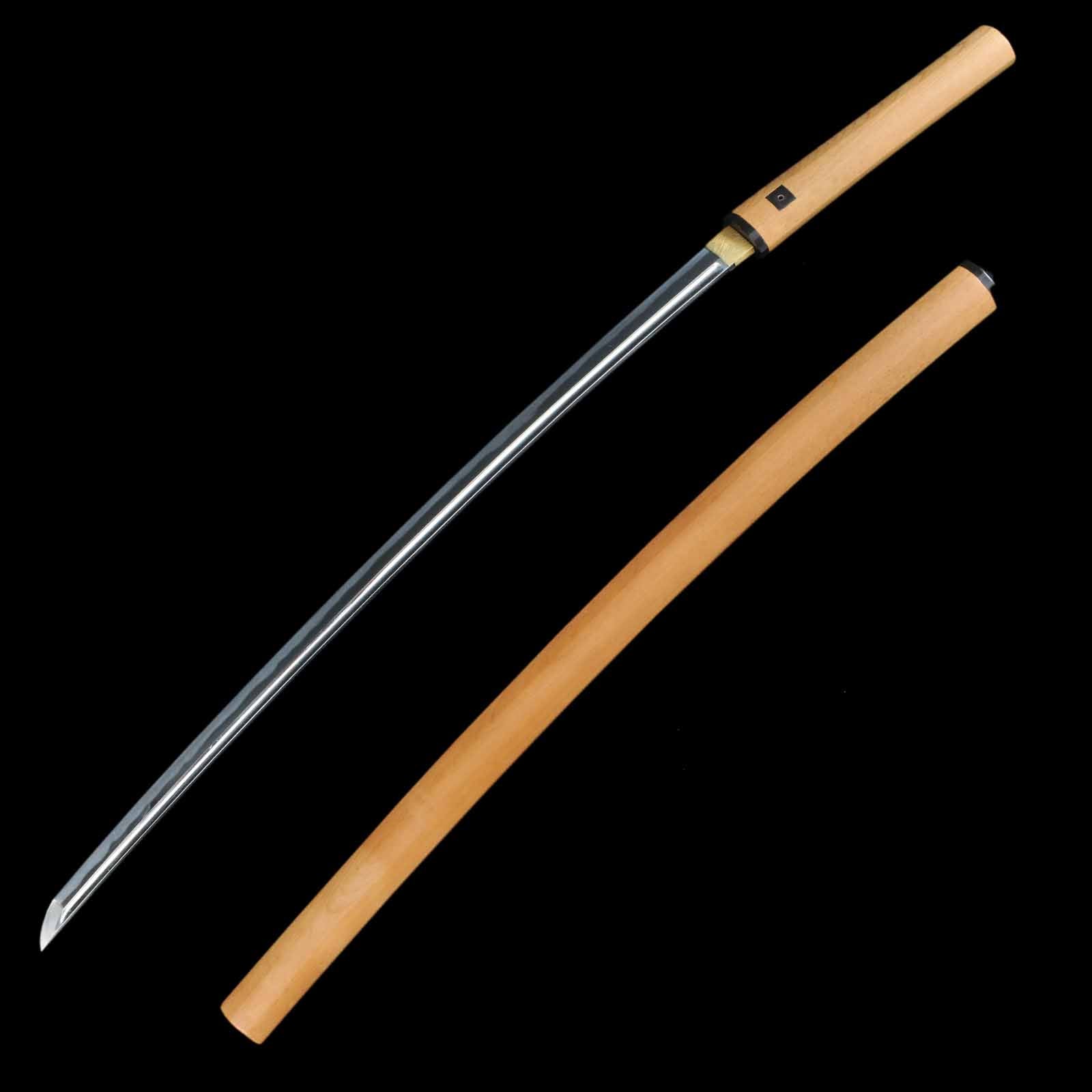
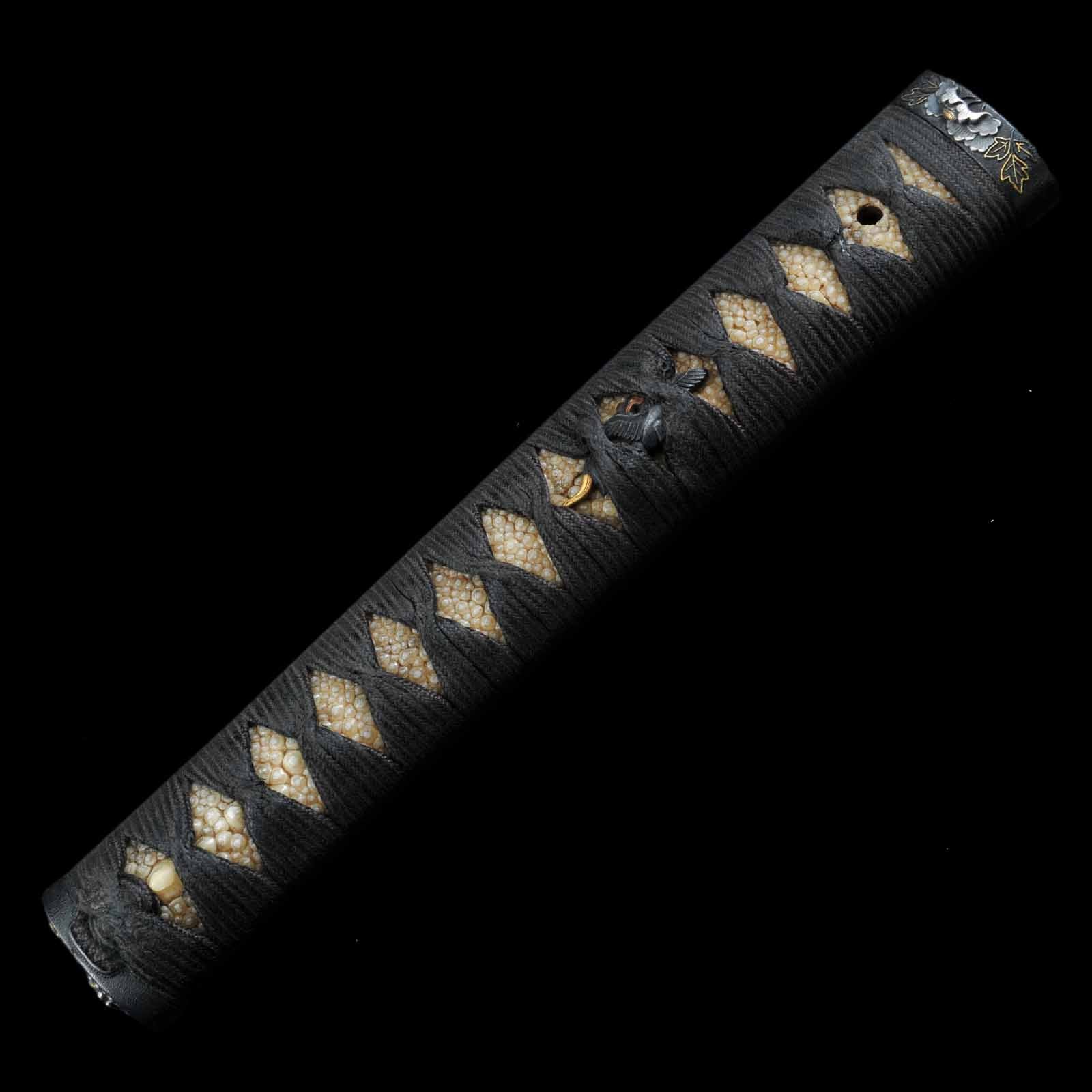
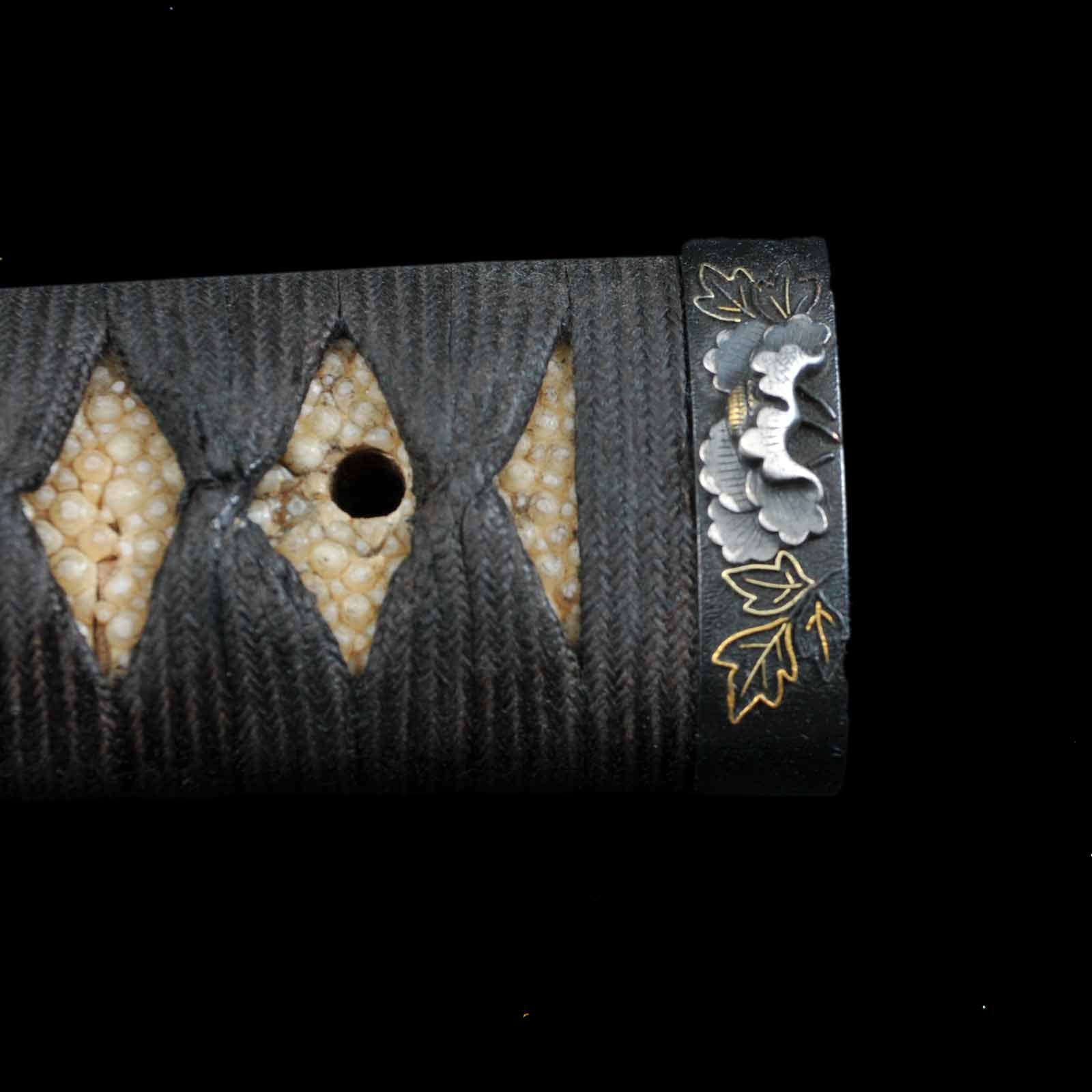
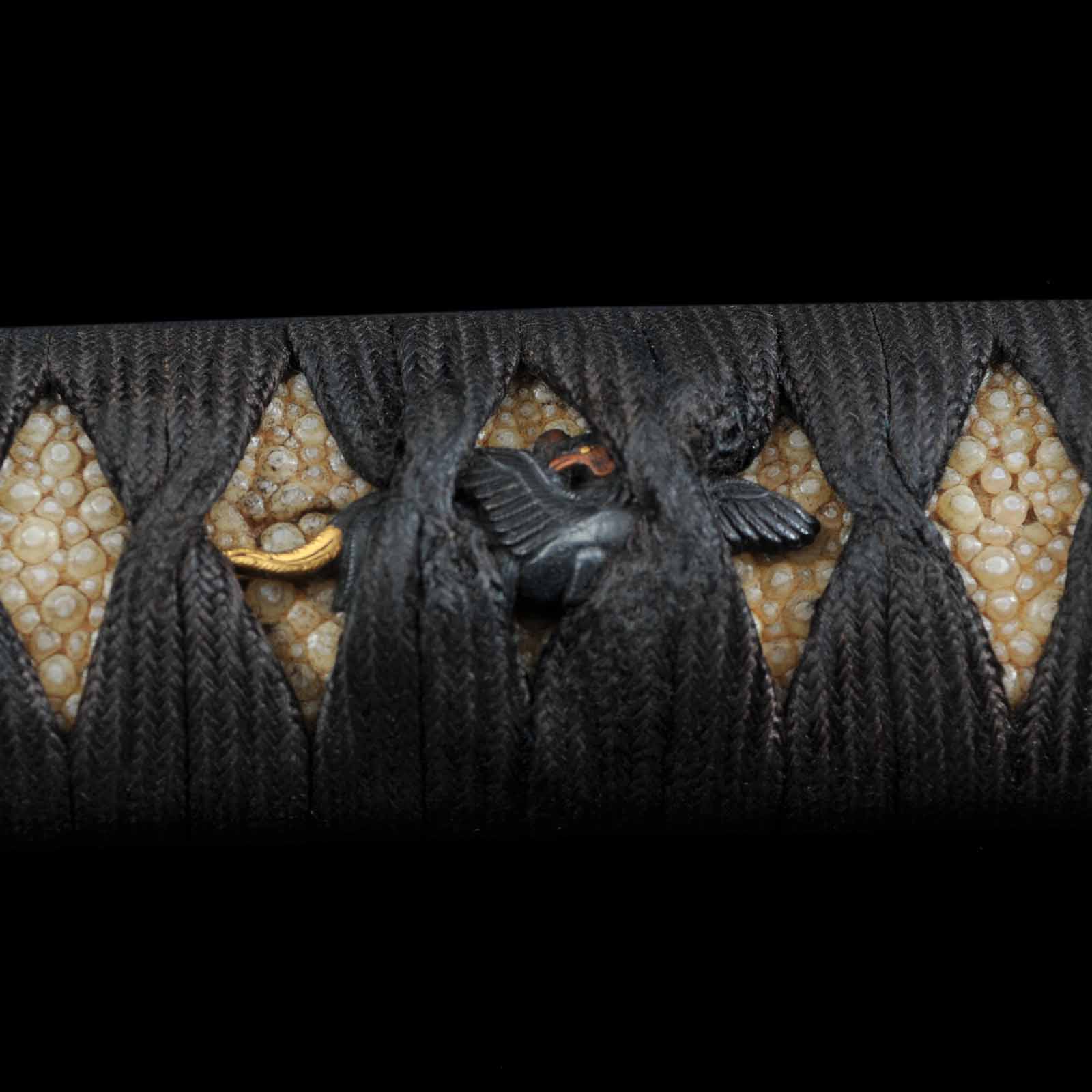
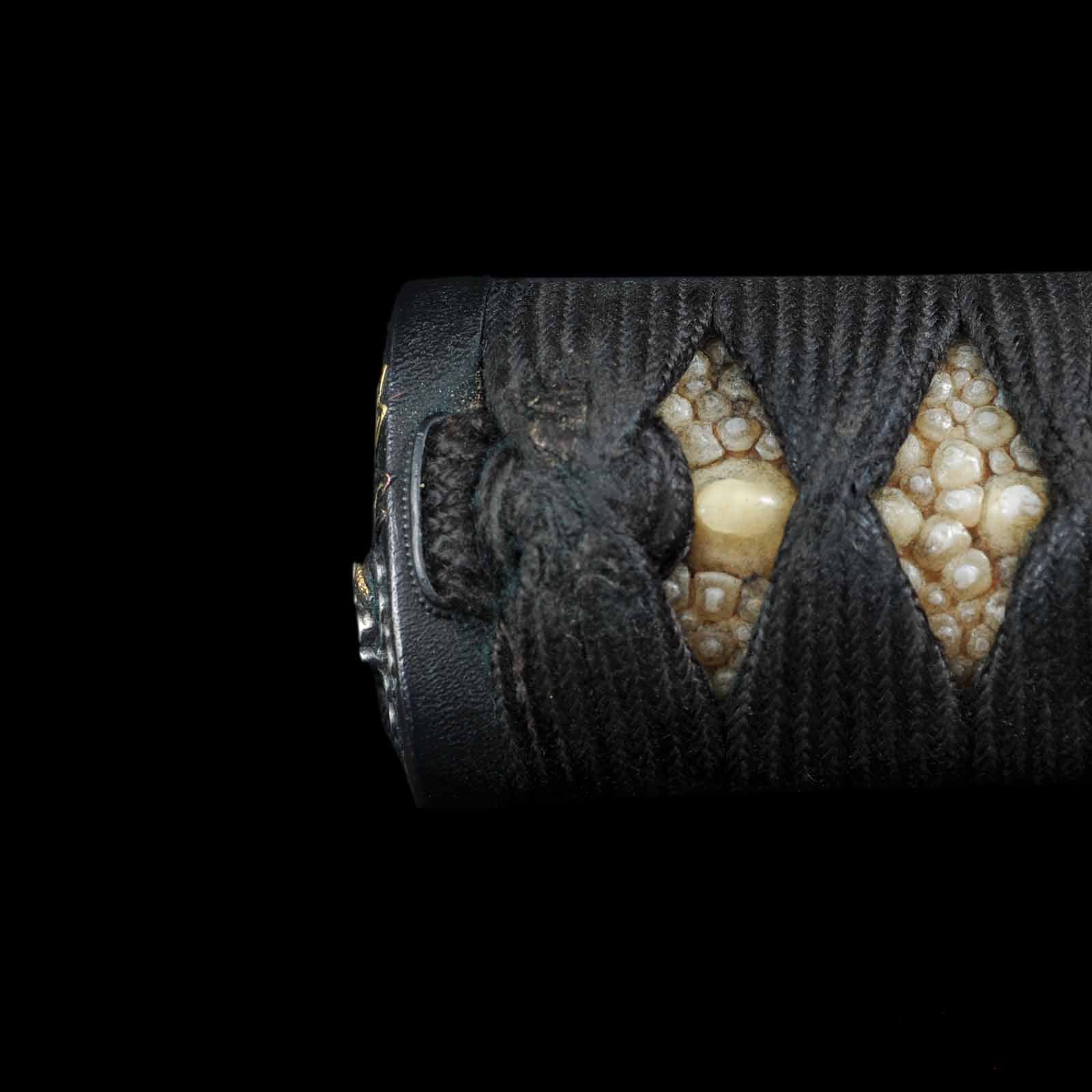
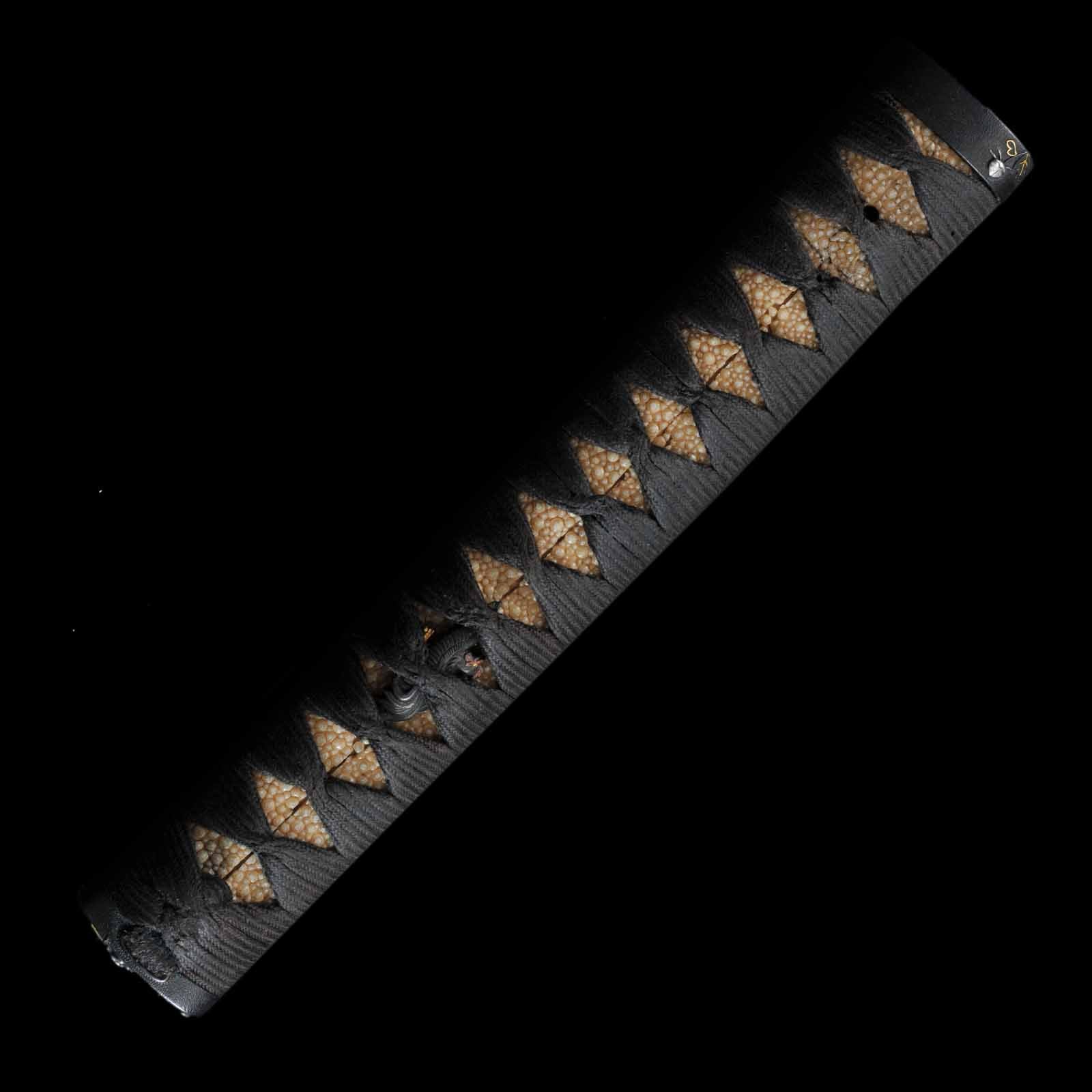
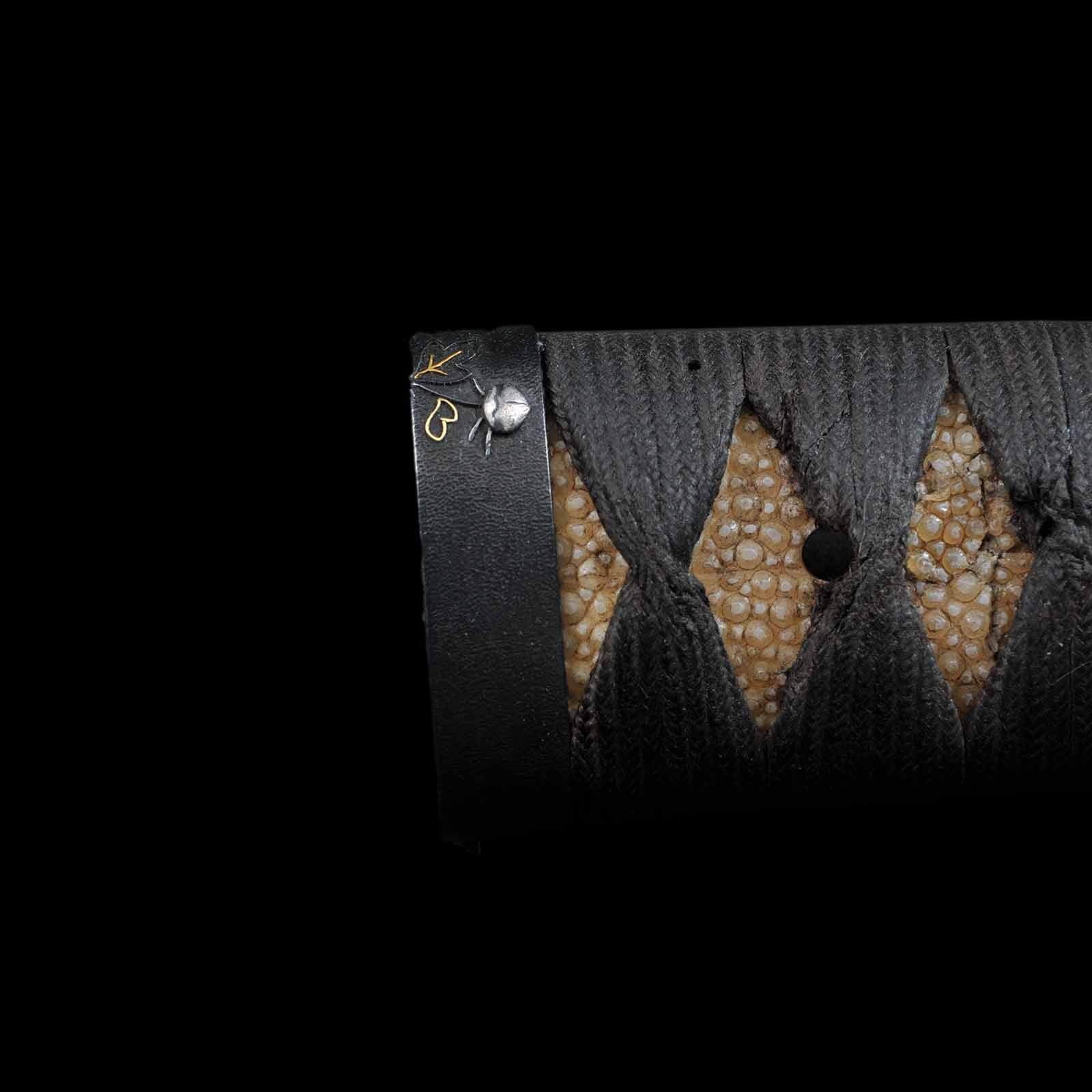
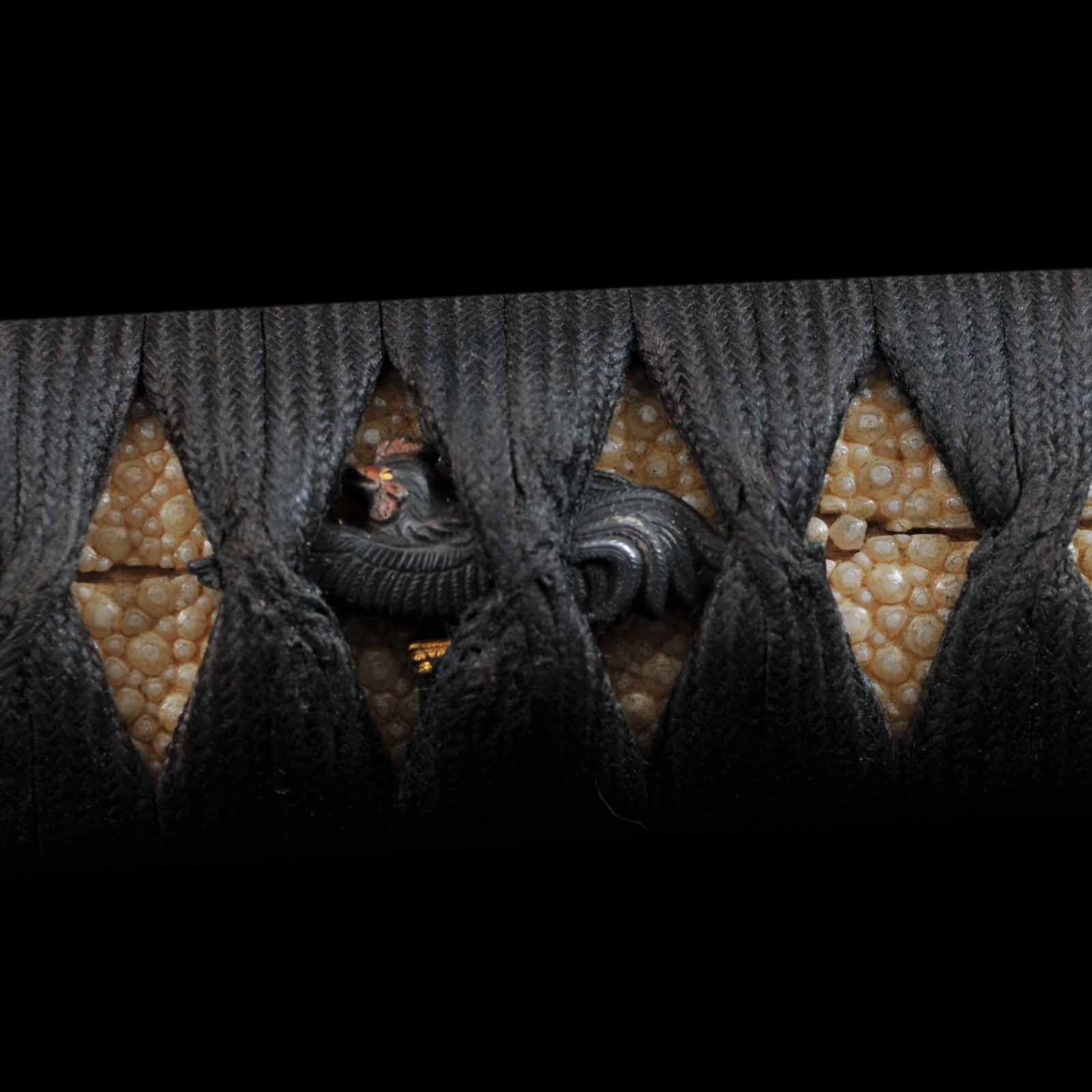
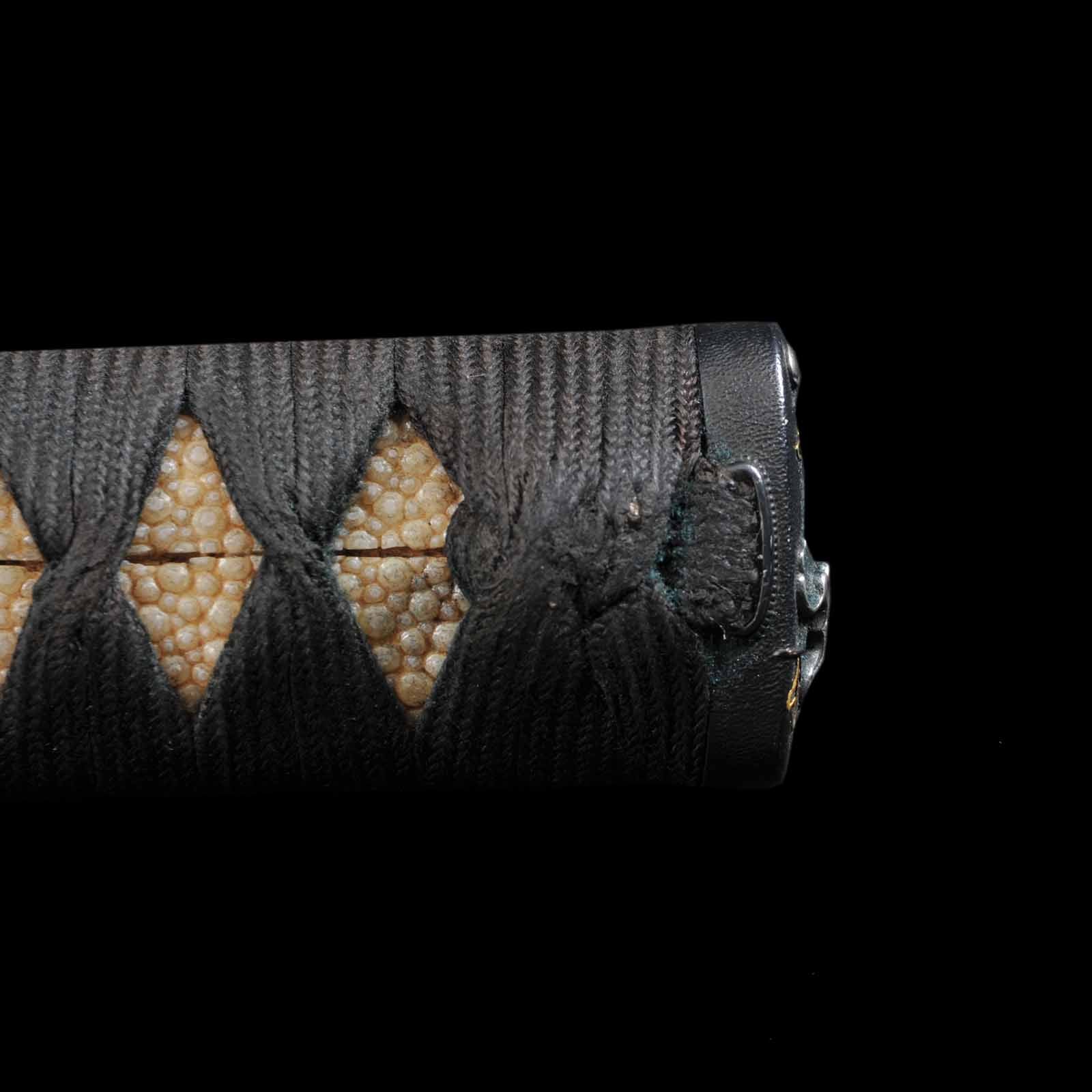
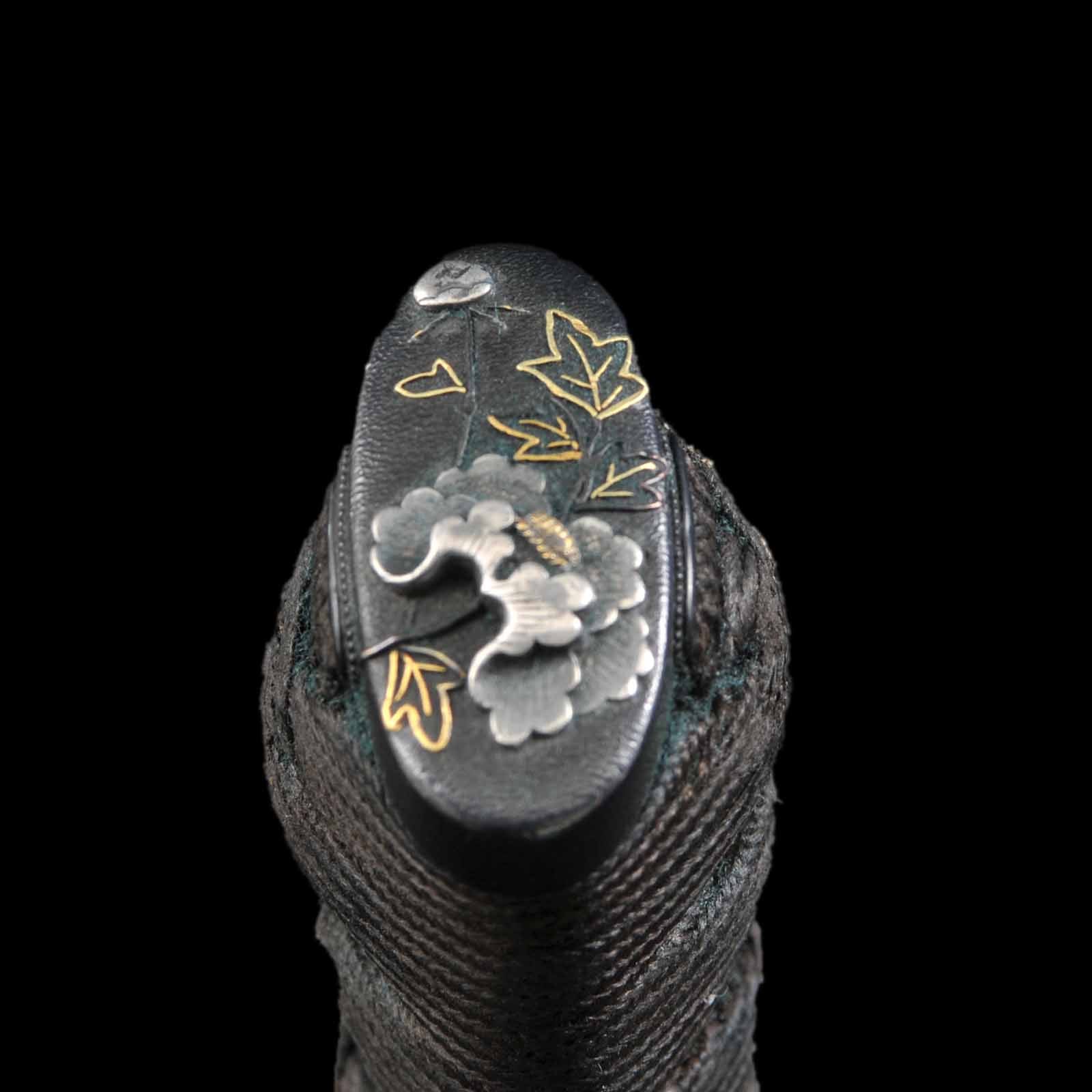
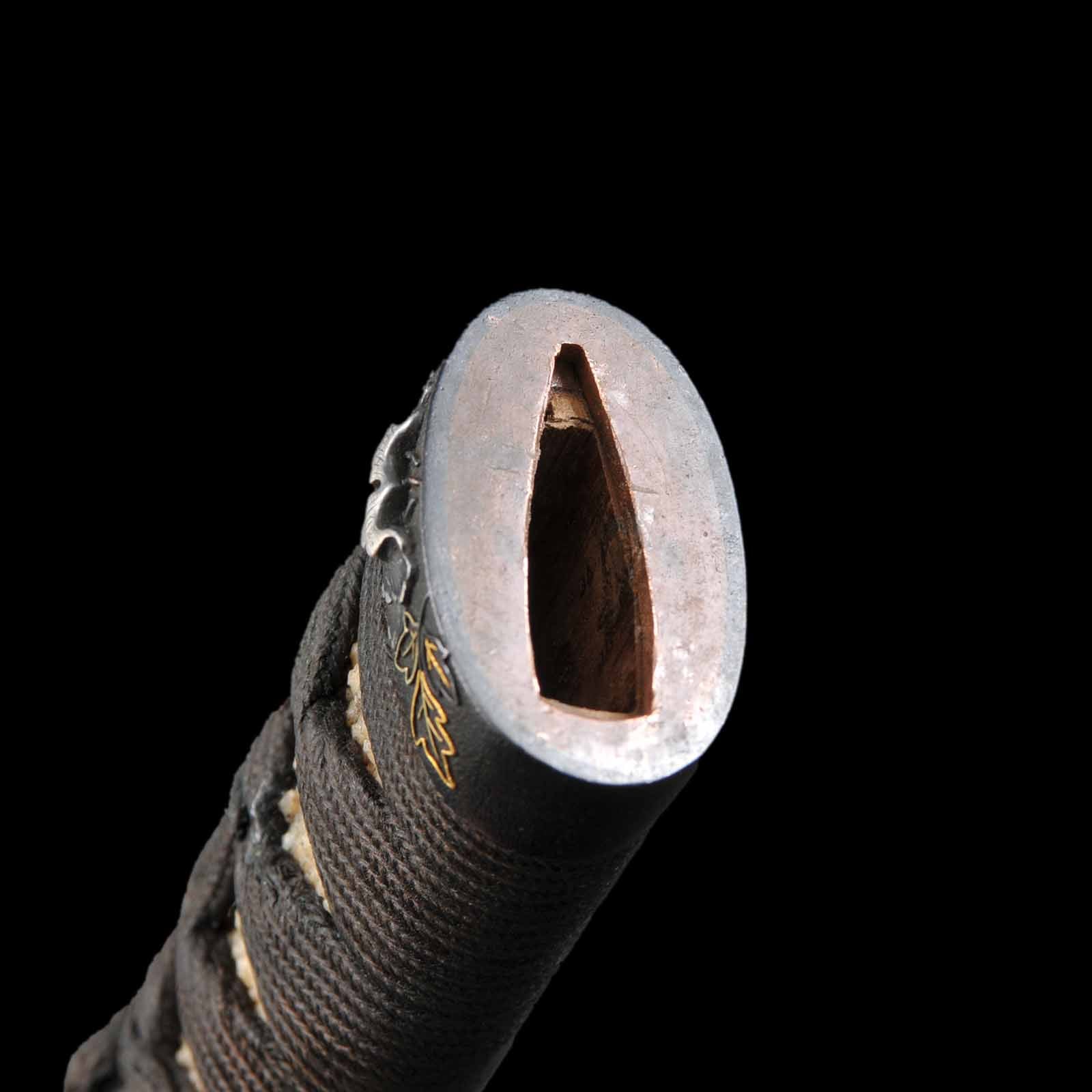
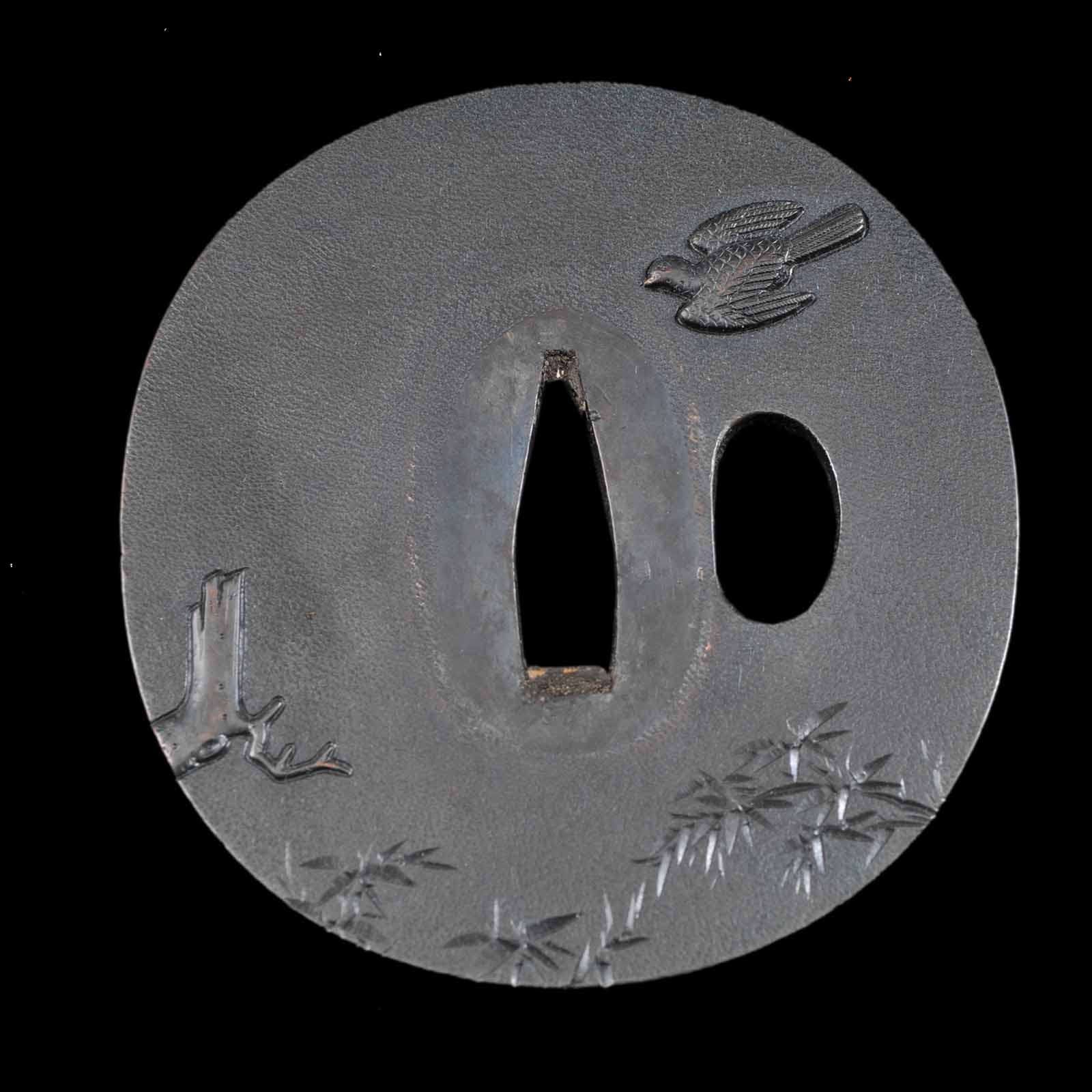
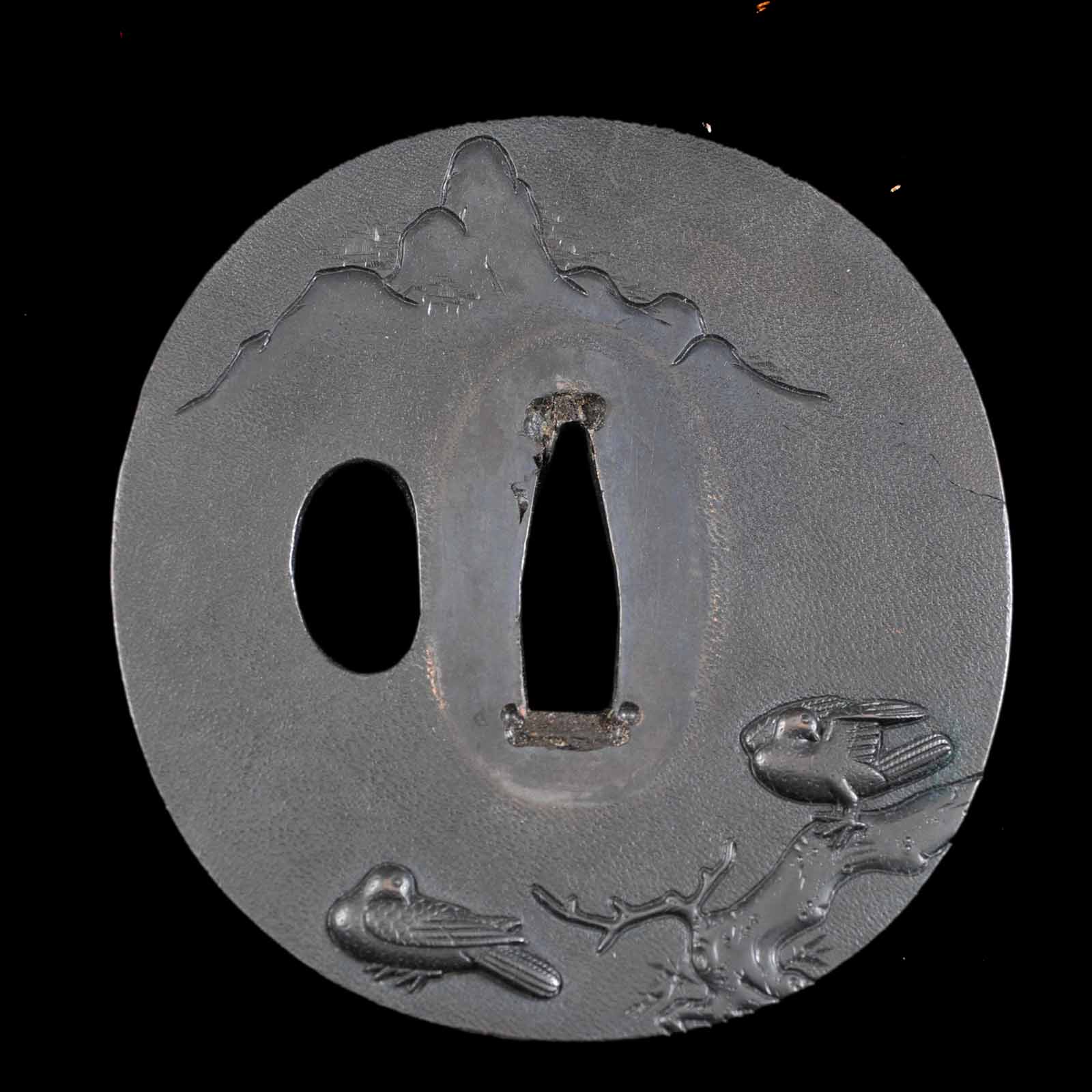
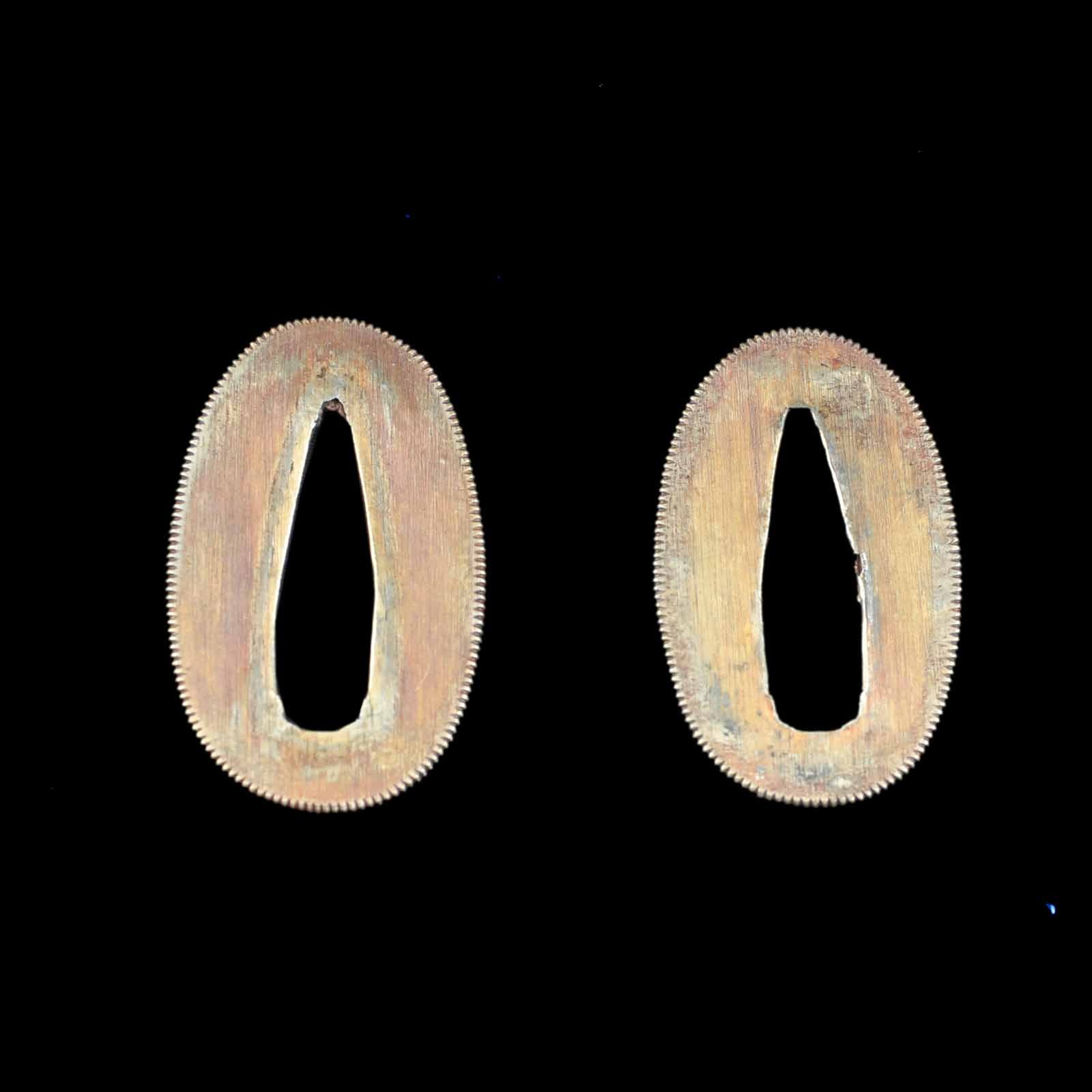
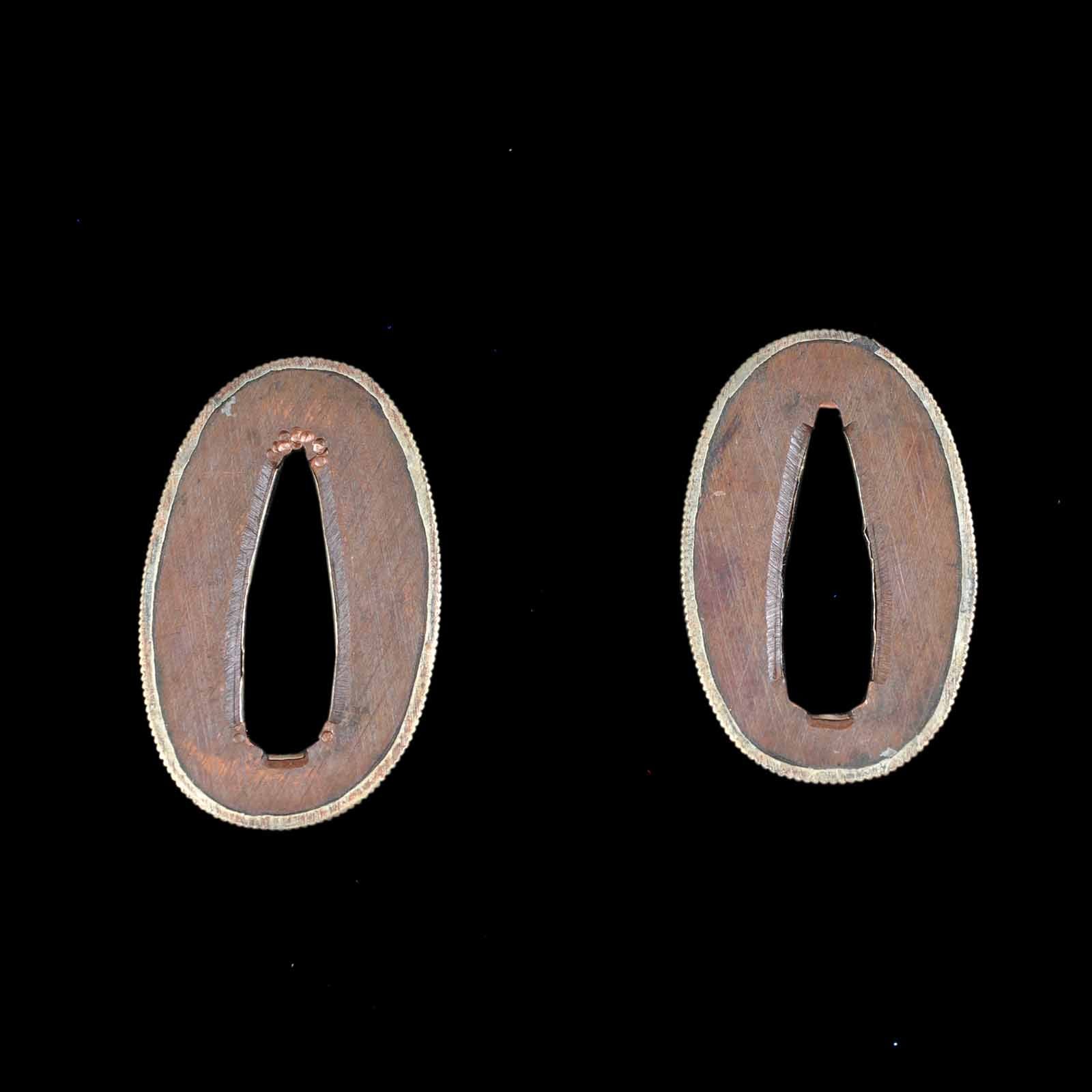
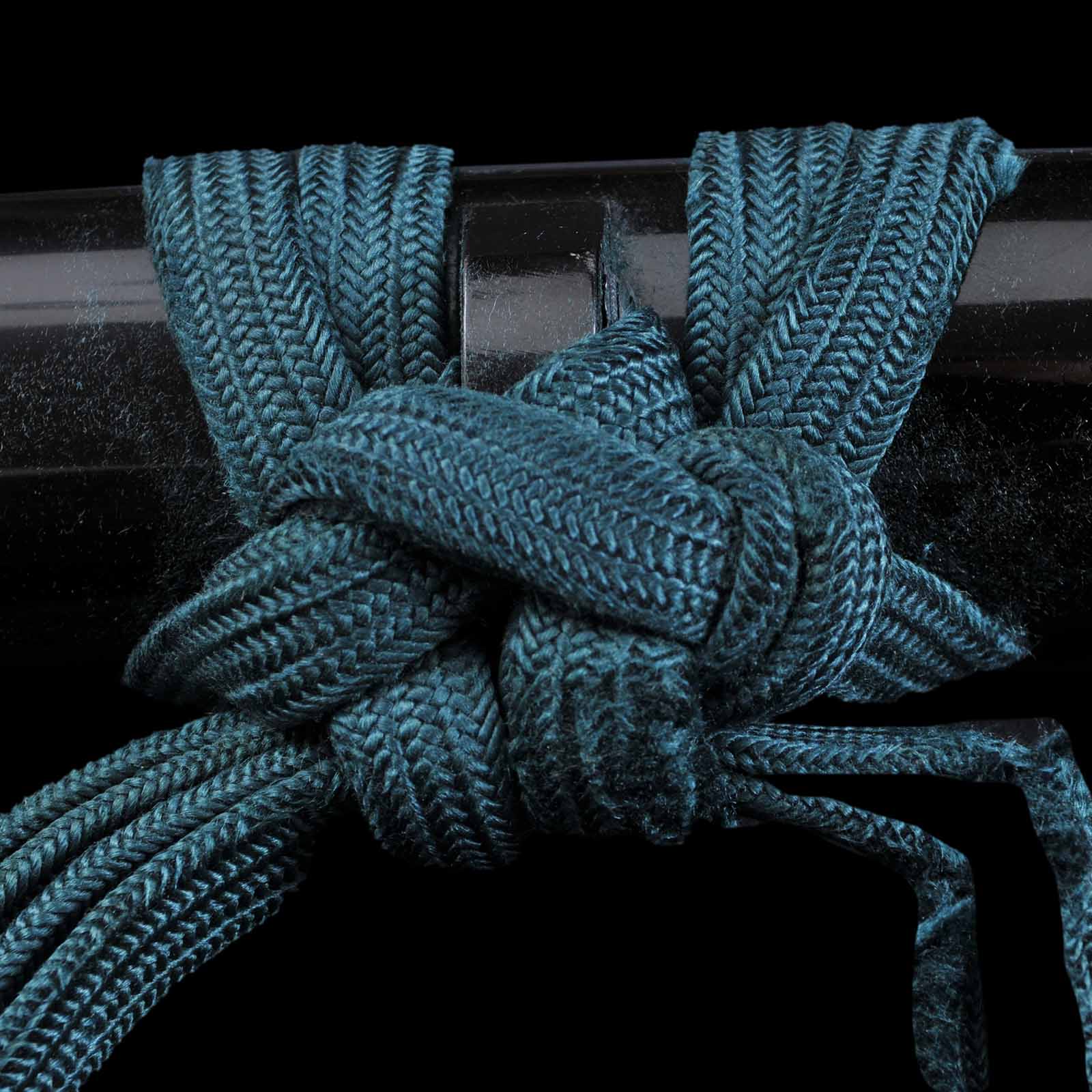
新々刀 · 摂津 · 1864-1865頃
藤代 上作 · 刀剣大鑑 上位23%
現在6点販売中
貞一の位置づけを、日本刀全体および伝法・時代・時期ごとに示します。各区分(随一・屈指・有数・著名)は、日刀保および文化庁による指定に加え、三作や名物帳などの歴史的栄誉を加味したものです。
各項目を選ぶと評価方法が表示されます。
新々刀 · 摂津
現在26点販売中
昭和から現代へ 断絶と再生
二十世紀は二度この工芸を殺しかけた。戦時の歪みと、占領下の禁令である。1948年の日刀保設立と1953年の作刀再開が刀を美術として再建し、人間国宝と無鑑査がその頂に立つ。
保存刀剣のうち、出来が一層優れ、保存状態も良好と認められたものです。再刃や、室町・江戸期の多くの無銘作は対象外となり、保存刀剣より高い基準が課されます。
日本美術刀剣保存協会(日刀保)は、1948年に設立され、文化庁の監督を受ける公益財団法人で、東京・刀剣博物館に本部を置きます。専門の審査員が出品作を直接審査し、美術的・歴史的価値に応じた鑑定書を発行します。日刀保の鑑定書は、日本刀および刀装具の真正性を示す最も広く認知された基準です。
日刀保公式サイトAs a general rule, returns/exchanges are not accepted on Japanese sword orders unless damaged upon delivery. Other items: returns/exchanges accepted within 7 days of delivery. Cancellation for personal reasons incurs a 30% restocking fee (70% refunded). Return shipping must be prepaid and insured by the buyer; shipping/handling fees are non-refundable. Contact katana@tozando.co.jp to initiate a return.