新刀の時代は、その大部分が京都で発明された。埋忠明寿の工房が運動を育て、堀川国広が一世代を鍛え、鎚を持たぬ本阿弥家が名刀の意味を司った。
 NihontoWatchNihontoWatch
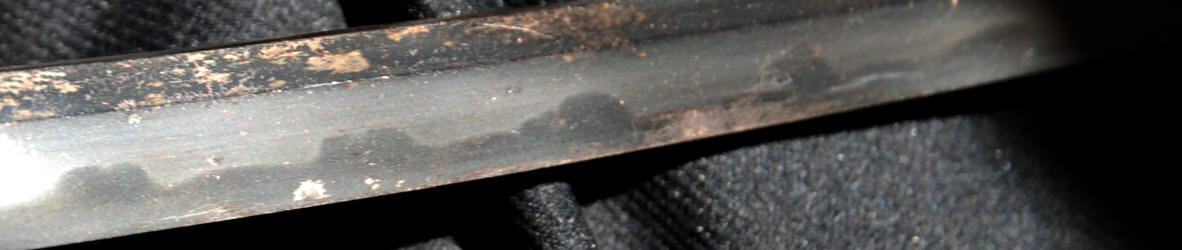
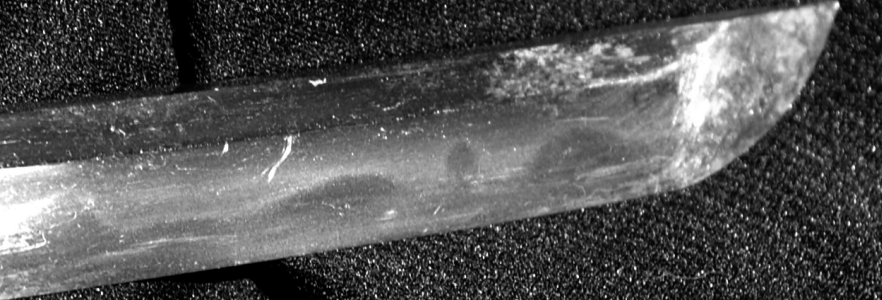
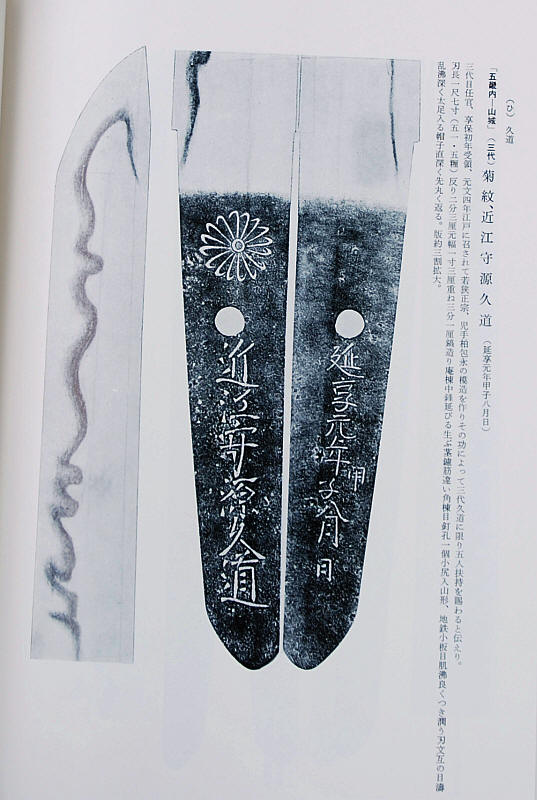
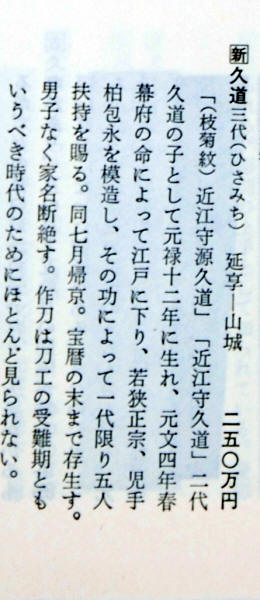
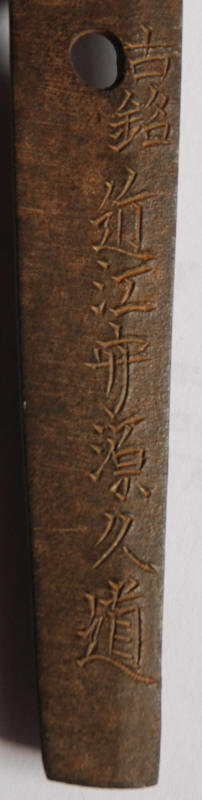
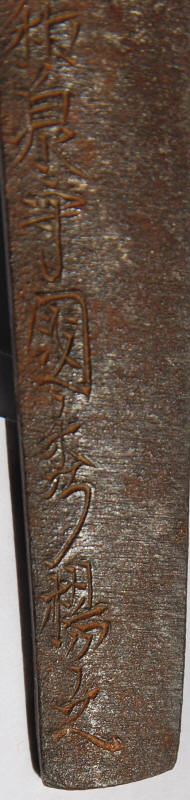
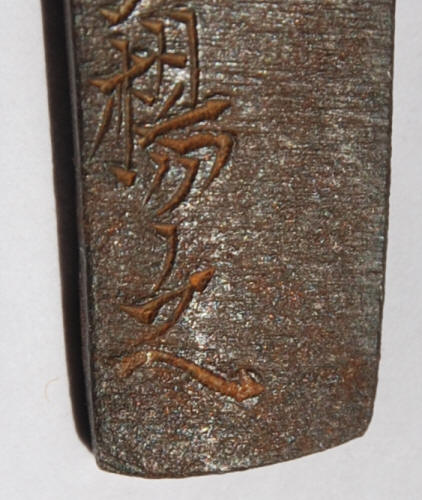
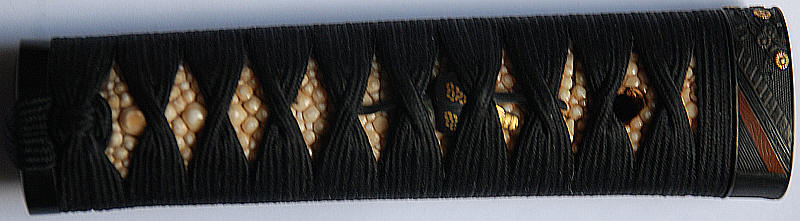
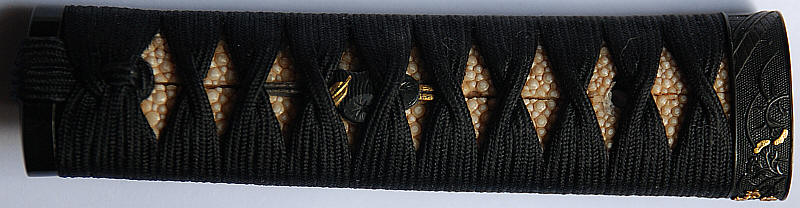
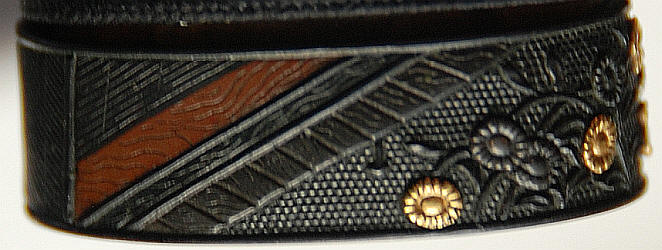
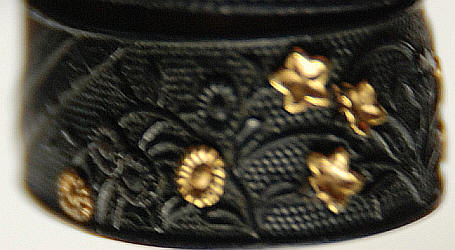
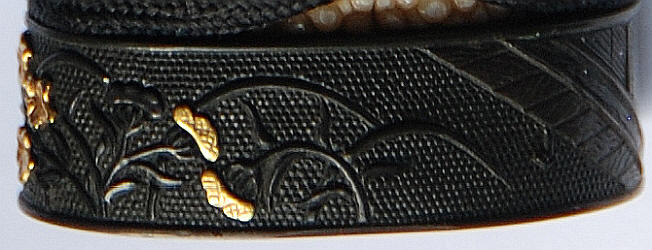
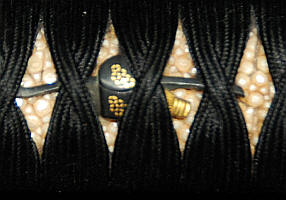
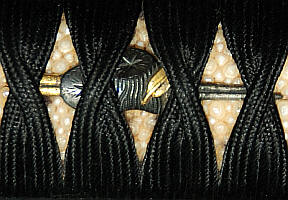
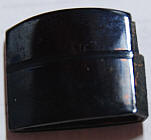
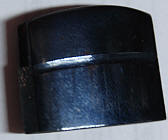
An interesting o-suriage wakizashi inscribed, "Komei (old signature) Omi no Kami Minamoto Hisamichi / Izumi no Kami Kunihide Ageru* Kore (presents this)." Shinogizukure, iroi mune, chu kissaki. Hawatare: 1 Shaku 2 sun 5 bu 3 rin ( 38.1 cm / 15"). Motohaba: 2.26. Sakihaba: 1.54. Kasane: 4.3 mm. The hamon is an o-gunome midare. There will be ashi iri and ko-nie. The boshi will be in Mishina school style. The condition of the blade precludes a better description. The hada will be itame. The style of the Hisamichi signature is very much in keeping with how the three generations signed, to the point of accepting the mei at first glance. There were three generations of Hisamichi, all of whom signed Omi no Kami Minamoto Hisamichi. The sugata and hamon indicate that this would be the work of the sandai, who worked around Shotoku (1711-1716). Note the Shinto Taikan reference below. Valued at 2,500,000 yen in Toko Taikan. This is a sword well worth a polish. Izumi no Kami Kunihide, who shortened the blade, was a student of Satsuma Masayoshi (正幸). He worked around Bunka (1804-1818). The black tsuka ito over good quality same. The fuchi is Mino school shakudo nanako with flowers in shakudo, gold, and silver takazogan. Planks in shakudo and red copper. The kashira black horn. The well detailed menuki are shakudo gold and silver. I don't understand the image, but it has what is perhaps a shakudo hat, a feather and hashi. The other looks like a lunch box, again in shakudo and gold. The waisted habaki is high quality blue black shakudo. The tsuba and kozuka are missing. The saya is good black lacquer with some damage. *With thanks to Fred Weissberg and Bob Benson for supplying information on an alternate reading and meaning for the kanji for present, that wasn't in my dictionaries. Hamon as shown in Shinto Taikan (picture below) Shinto Taikan - Third Generation Hisamichi Toko Taikan Komei Omi no Kami Hisamichi Izumi no Kami Kunihide Ageru Kore An atypical kanji, normally read yo (willow) in this case read ageru (to present) Mino Fuchi The ito is not this sharp, the pictures are edited to show menuki. Blue-black Shakudo Habaki
NihontoWatch



新刀 · 山城 · 1716-1748頃
刀剣大鑑 上位76%
現在1点販売中
新刀 · 山城
現在55点販売中
三品派は、美濃国関の兼道を源流とし、その子らが京へ上って興した新刀の一門である。説明書は、兼道の四子すなわち長兄伊賀守金道、来金道、丹波守吉道、末弟越中守正俊が父と共に美濃より上京し、西洞院夷川に住して三品派の名を大いに高めたと記す。長兄金道は京五鍛冶の頭領にして、その家は刀工の受領を朝廷に推薦する権を世襲し、銘に「日本鍛冶宗匠」と添えて幕末に及んだ。やがて一門は京にとどまらず大坂へも枝を張り、京初代丹波守吉道の子が大坂に移って大坂丹波の祖となり、その周囲に大和守吉道が連なり、丹後守兼道のごとく大坂に住して元禄頃に活躍した工も出た。末関の量産地に発しながら、堀川派と並ぶ京新刀の一大勢力に育ち、さらに大坂へと展開した点に、この一門の歩みがある。 作風を貫くのは、工と世代の差を越えて繰り返される三品の共通語法である。地鉄は板目に杢や流れ肌を交えて棟寄りに強く流れ、刃寄りで柾がかって肌立ち、地沸微塵に厚くつき地景のよく入るもので、美濃関の継承を京の作にまで伝える。京の古い手が肌立つ板目を見せるのに対し、大坂の系では小板目をよくつめ清く澄んだ地に転ずる差がある。刃文は美濃由来の互の目と尖り刃を基調に、これを京風に洗練して小のたれの大乱れに展開し、沸が強く時に荒くむら立ち、砂流しさかんに金筋長く入る。最も明快な見どころは帽子で、のたれ込みに先尖って掃きかける三品帽子は一門の標識をなし、末弟正俊にことに顕著である。いま一つの標識が丹波守吉道の創案した簾刃で、湯走り・飛焼・砂流しが幾重にも縞がかって簾の如く焼かれる。金道と正俊が志津風を共に得意として作域広く、吉道はこの簾刃の一手に己を結び、大坂の系はその簾刃を最もよく継いだ。同じ語法のうちに、各工の手が読み分けられる。 収集の観点では、三品派は新刀草創の格と明快な鑑定の勘所をあわせ持つ一門である。先尖って掃きかける三品帽子と、縞がかって平行に焼かれる簾刃の二つの見どころは、地と刃のいずれにも紛れなく現れて工と作域を定める手懸りとなり、大坂の直ぐで均一の焼出しは京の手と分かつ目印となる。主要工の格は説明書の評にそのまま現れ、初代伊賀守金道は一派中最も優れた手とされ、初代丹波守吉道は初期新刀屈指の名工に数えられ、末弟正俊は器用さ兄弟中第一と評される。一門の作はおおむね在銘で、銘そのものが時の標識となり、由緒の確かさをもって賞翫される。来歴の知られる作は谷干城の愛刀、佐竹家、織田有楽斎、北野天満宮、皇室、大坂城代青山家の蔵を経て伝わり、一口は京都国立博物館に納まる。最上手の在銘作が市に現れるのは折々のことで容易ではないが、一たび相見えれば、三品派が美濃関より京・大坂へいかに展開したかを語る確かな証となる。 詳しく見る →
京 新刀の源流
新刀の時代は、その大部分が京都で発明された。埋忠明寿の工房が運動を育て、堀川国広が一世代を鍛え、鎚を持たぬ本阿弥家が名刀の意味を司った。
Three day, no penalty, inspection on every item. Returns must be in the same condition as shipped. Actual costs will be charged on returned items. No restocking fee. If you did not like the item is a good enough reason for return.