二世紀半の泰平のあいだ、刀は武器である以上に武士の身分の標章であった。江戸の実証と大坂の華やぎのように都市ごとの作風が育ち、時代の末には需要も細っていく。
 NihontoWatchNihontoWatch
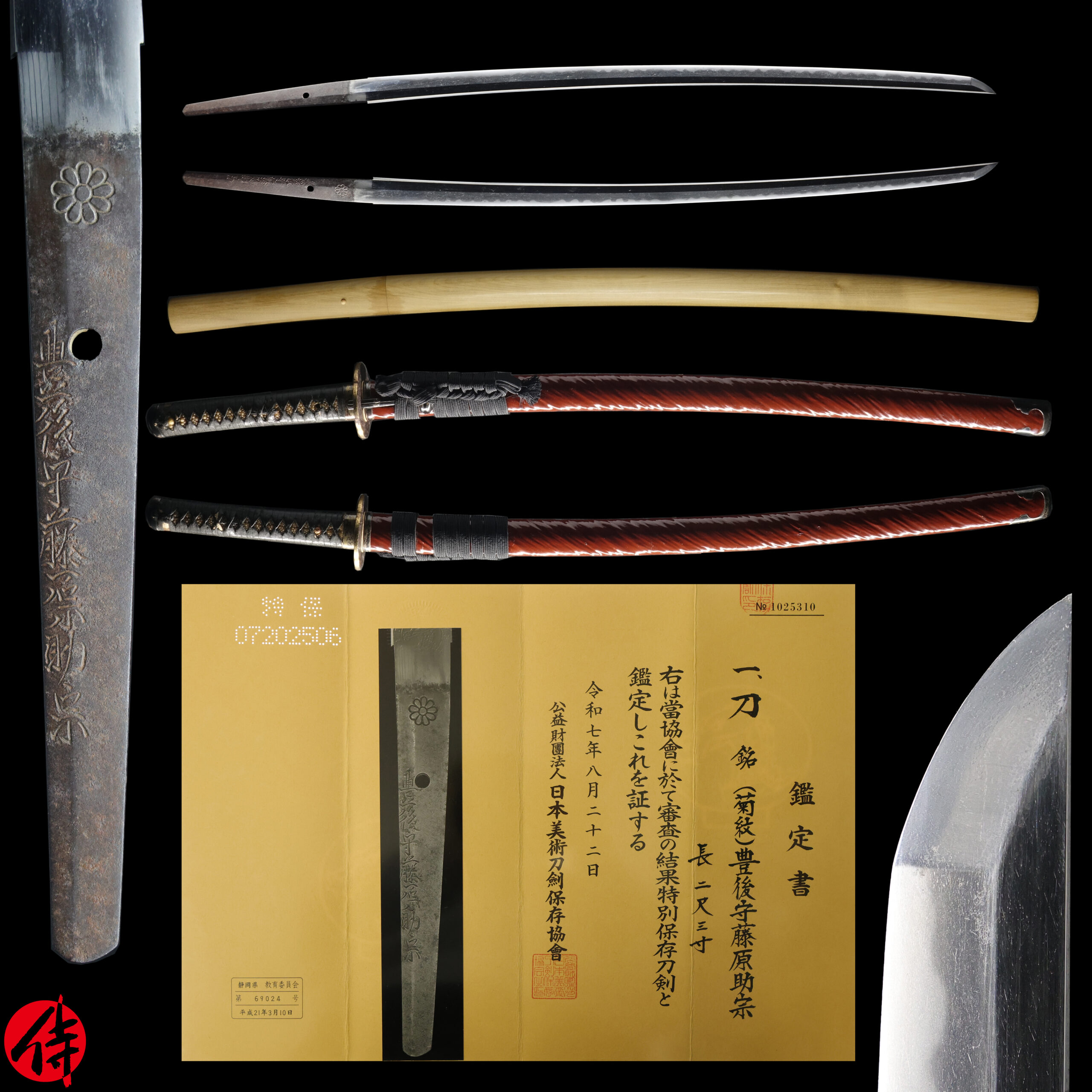
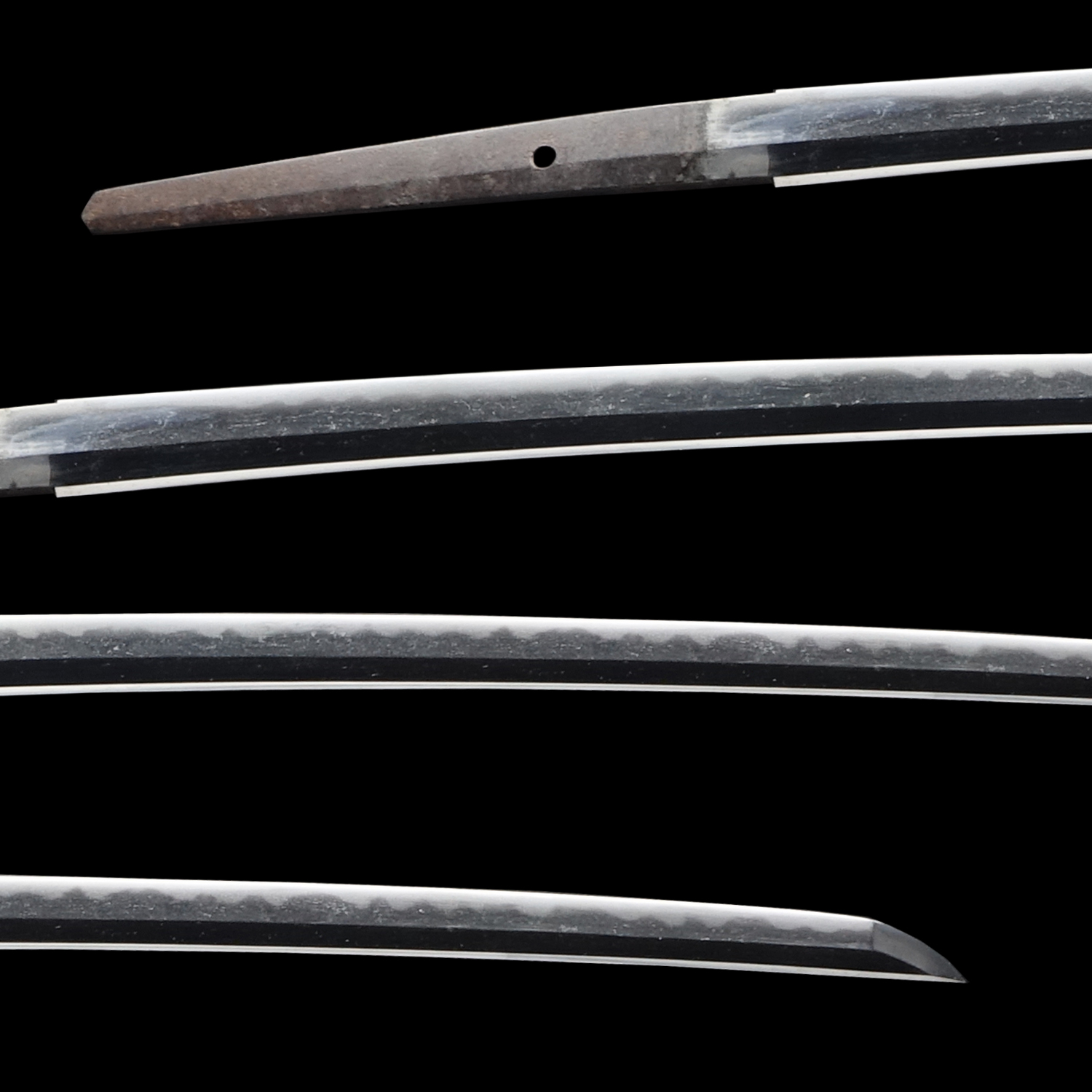
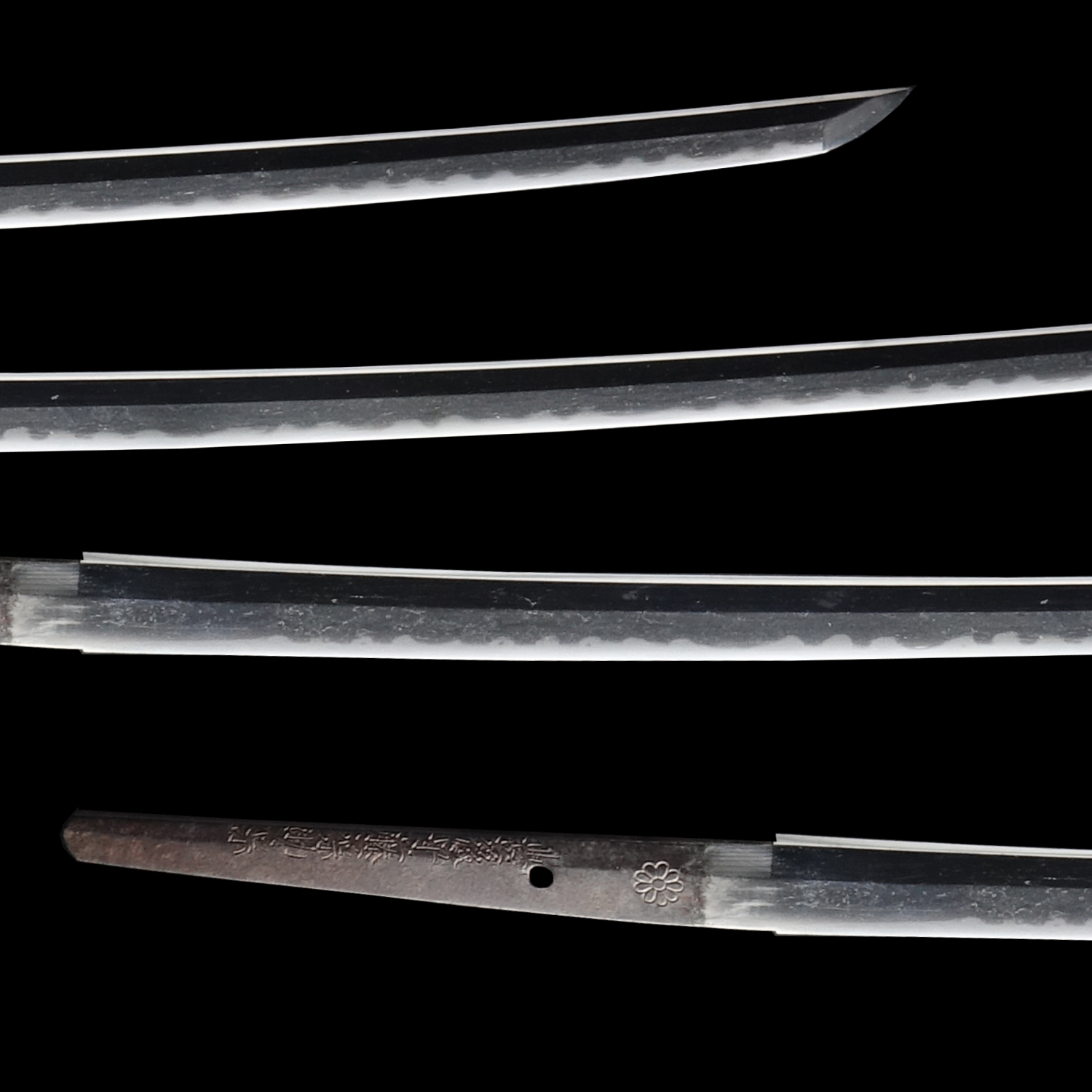
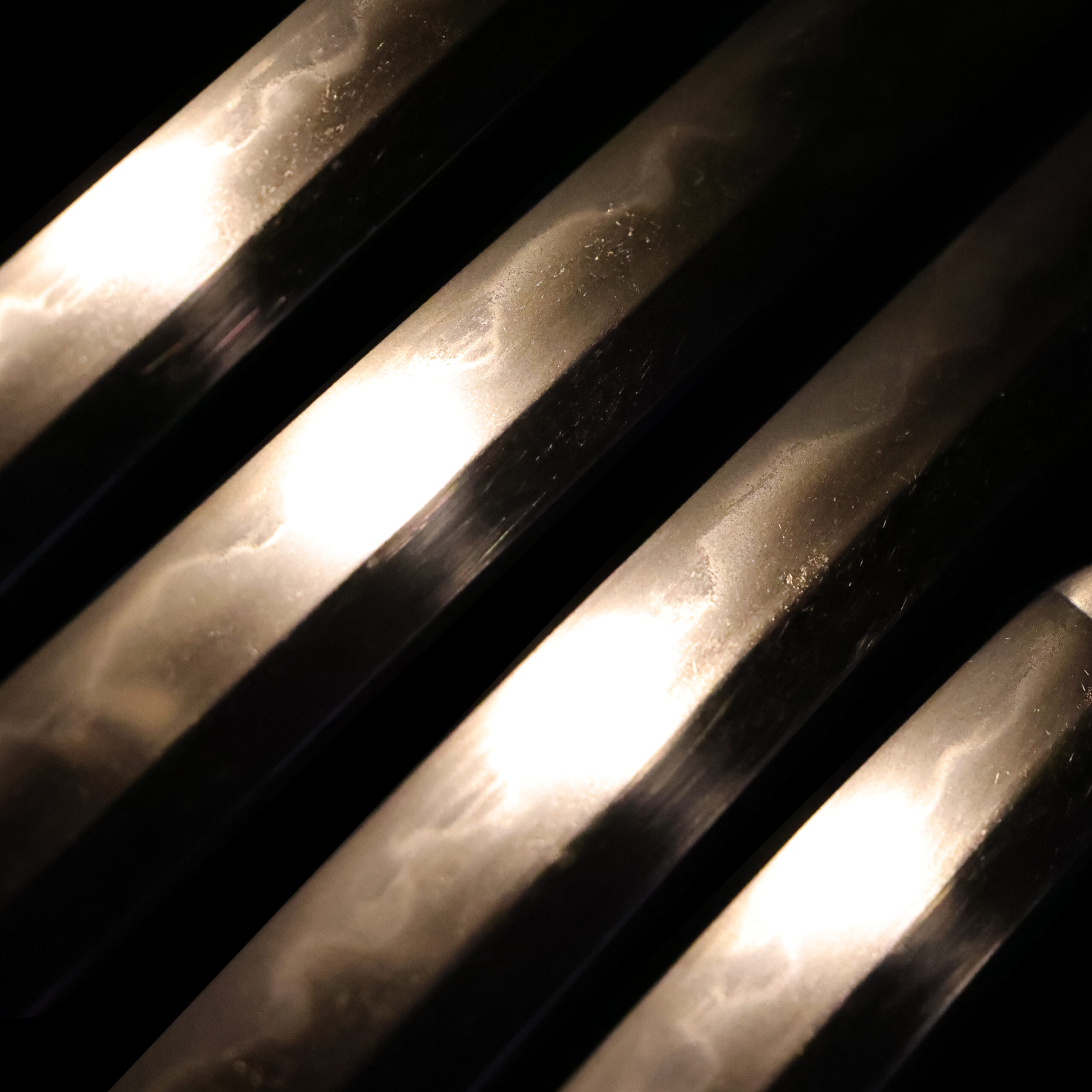
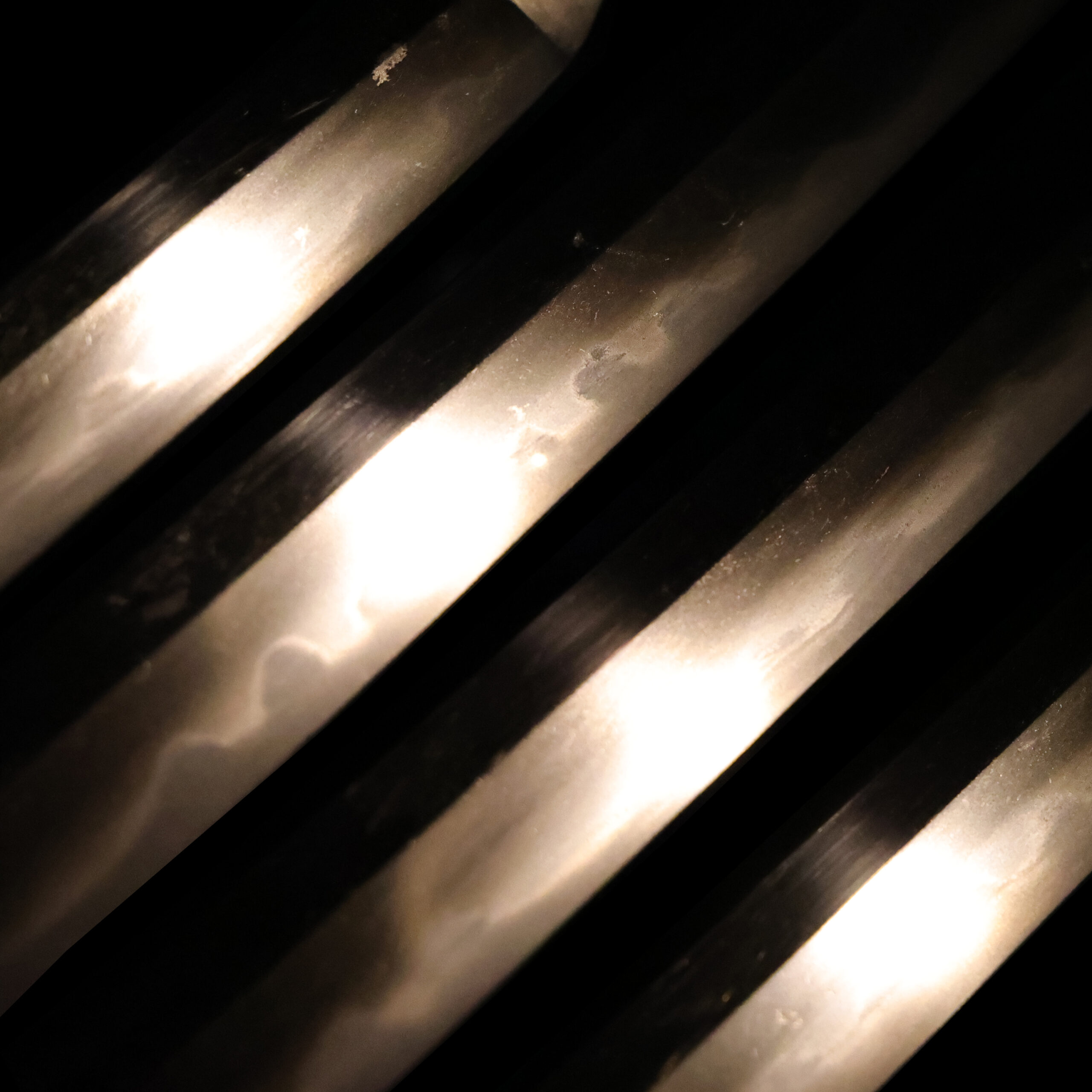
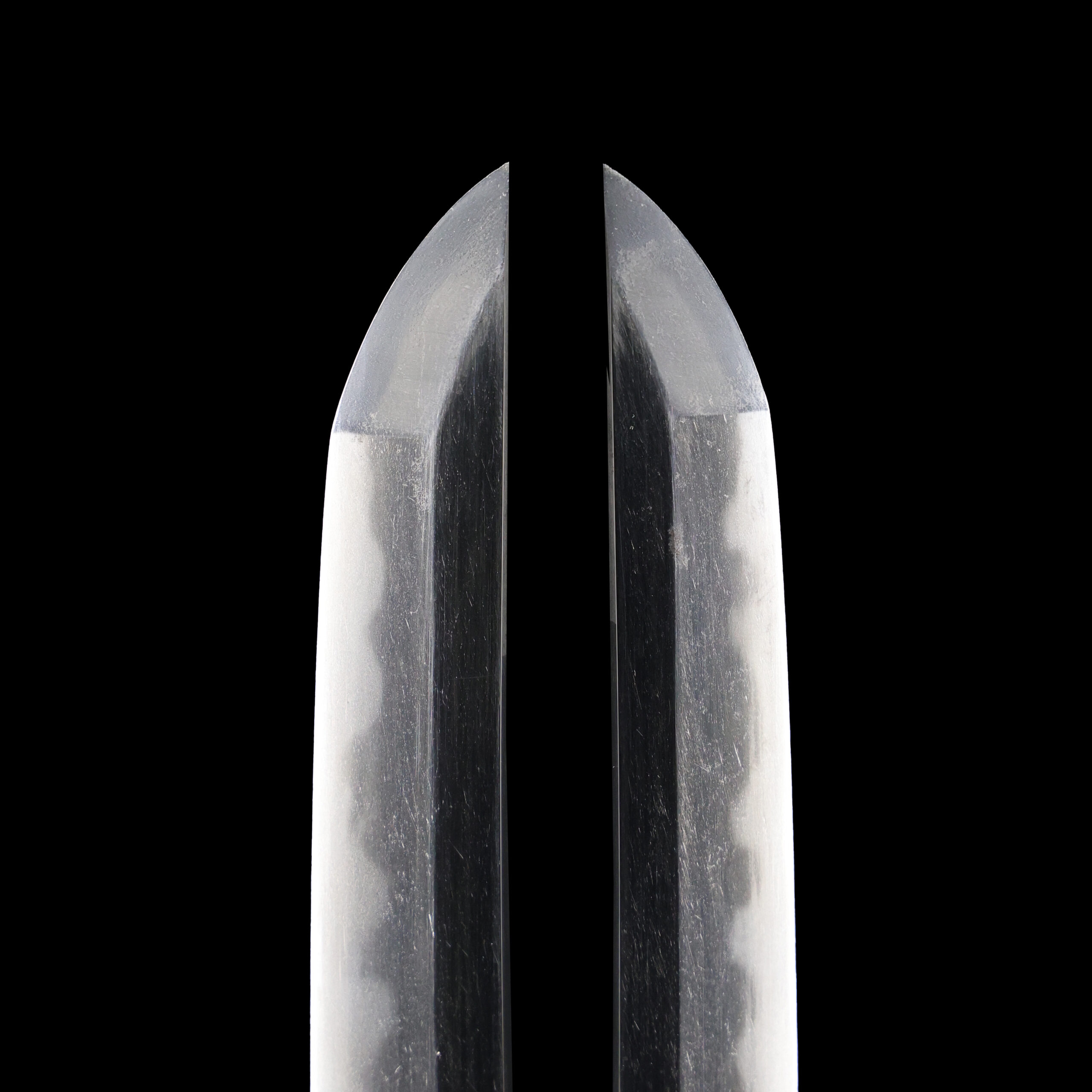
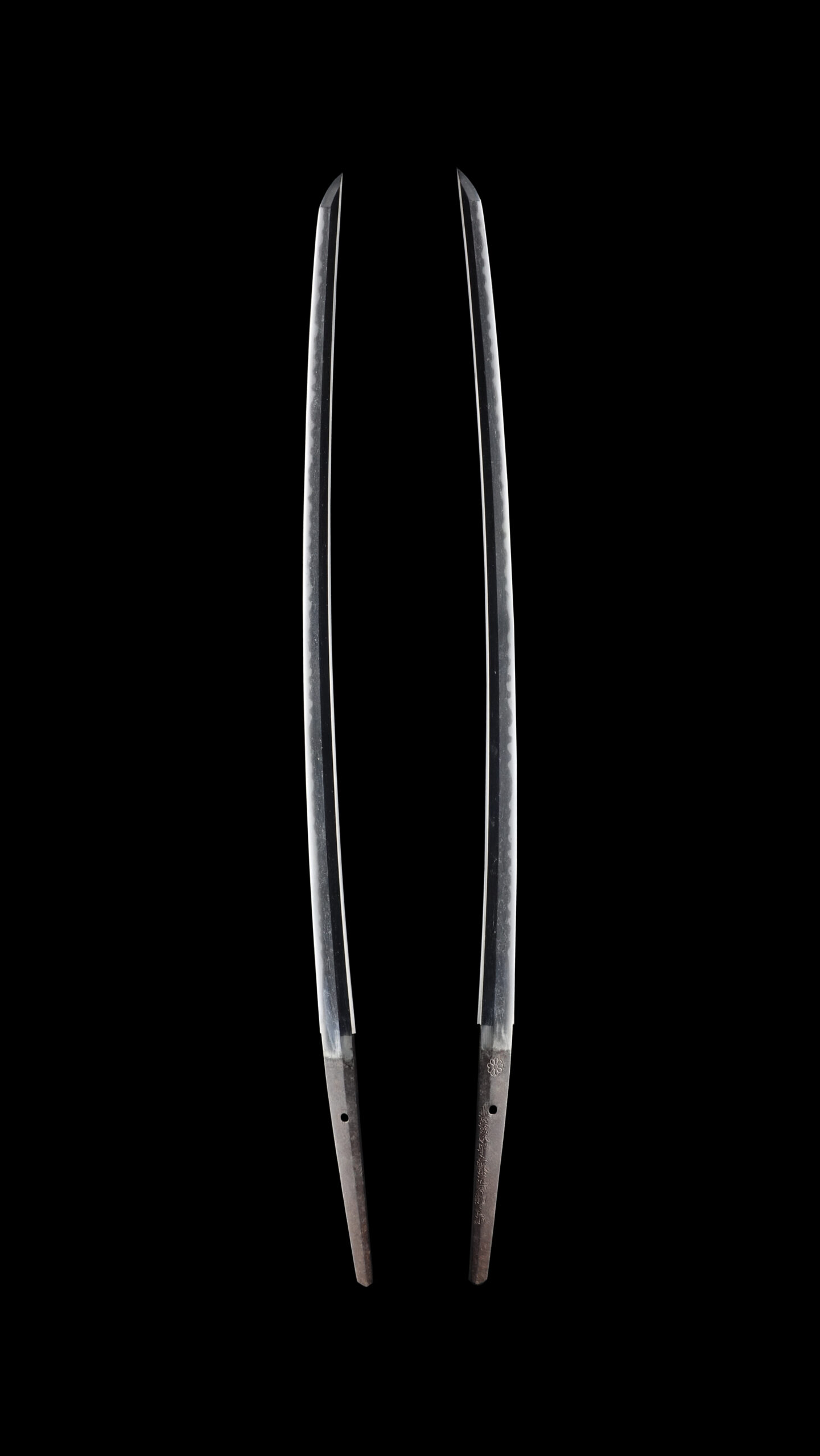
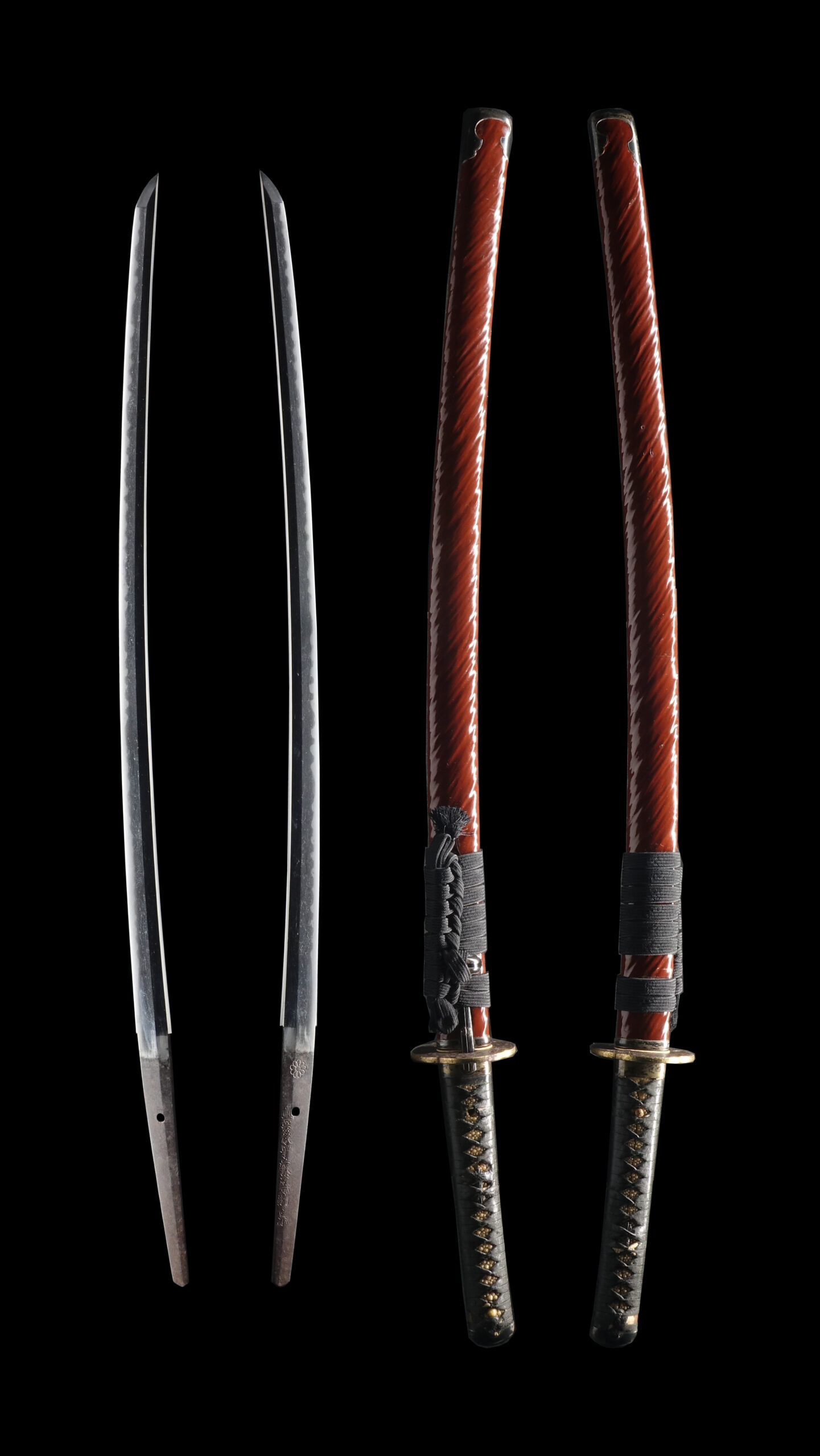
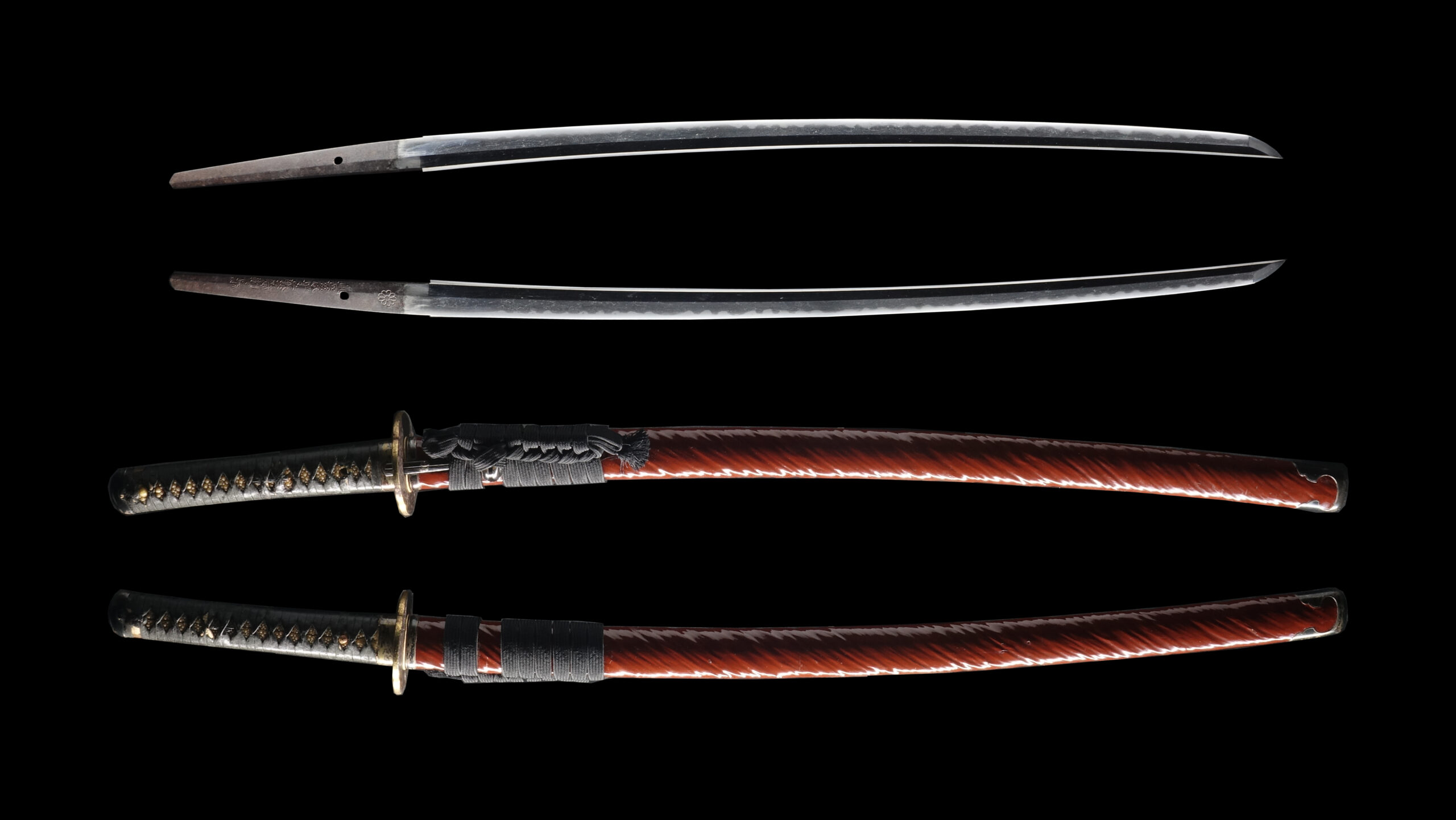
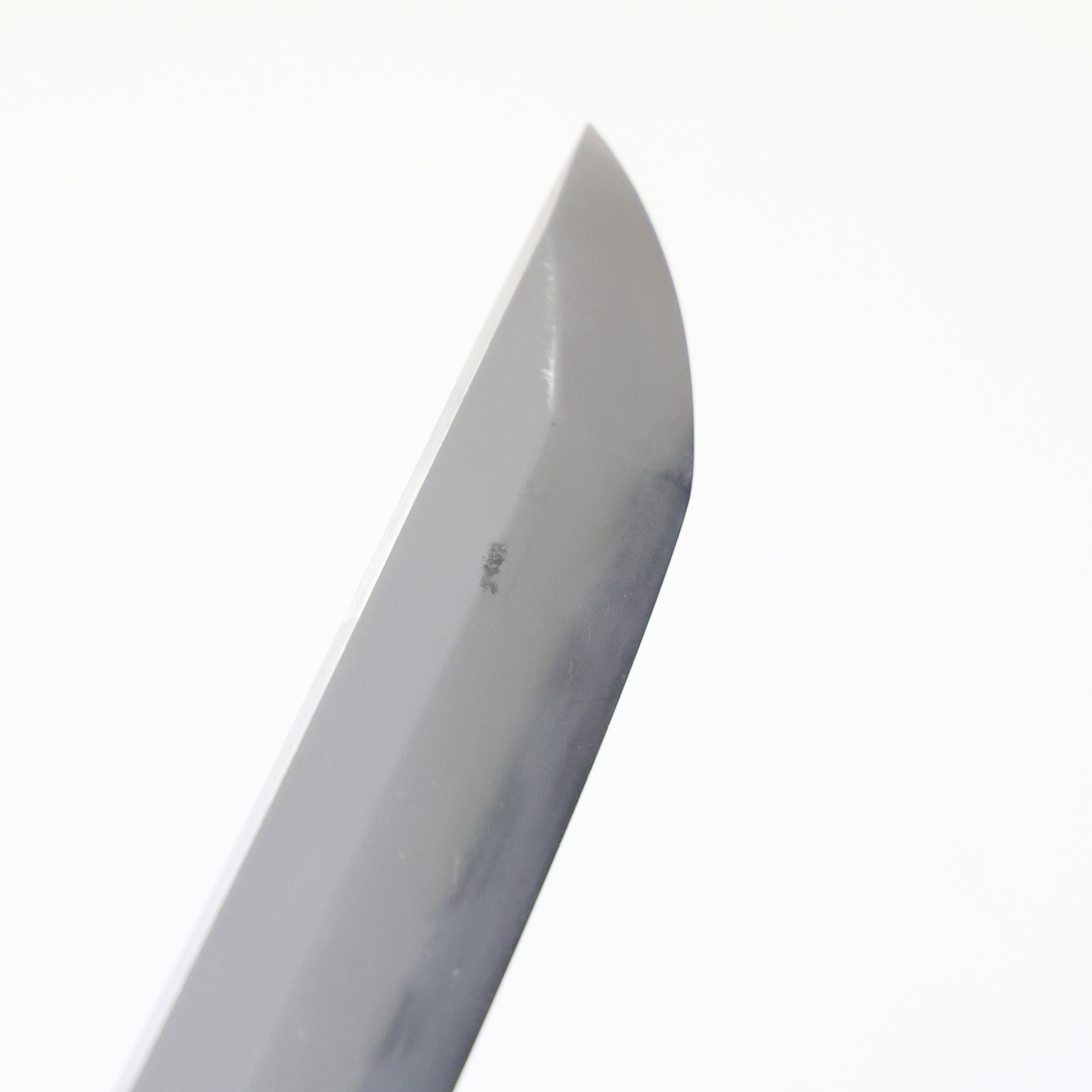
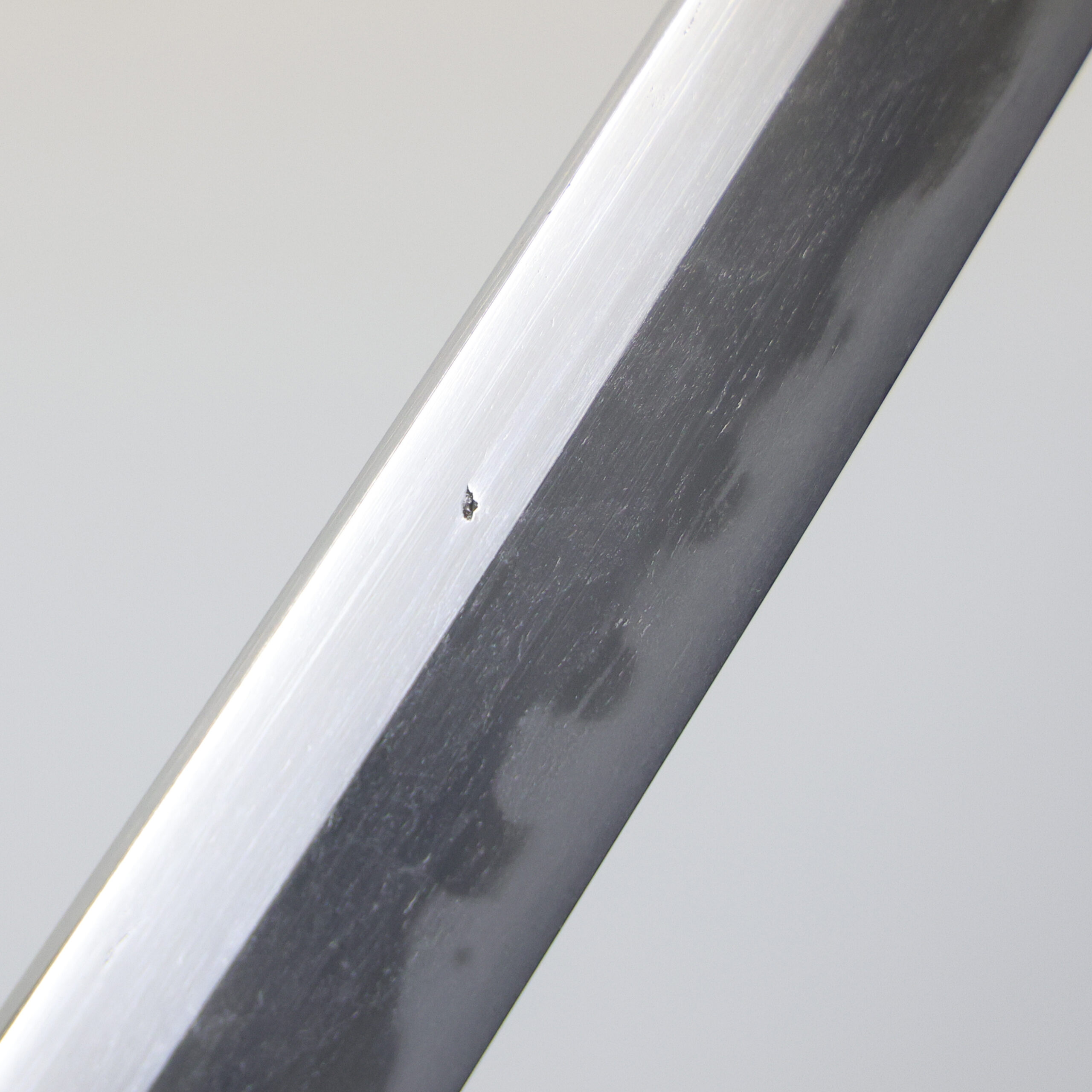
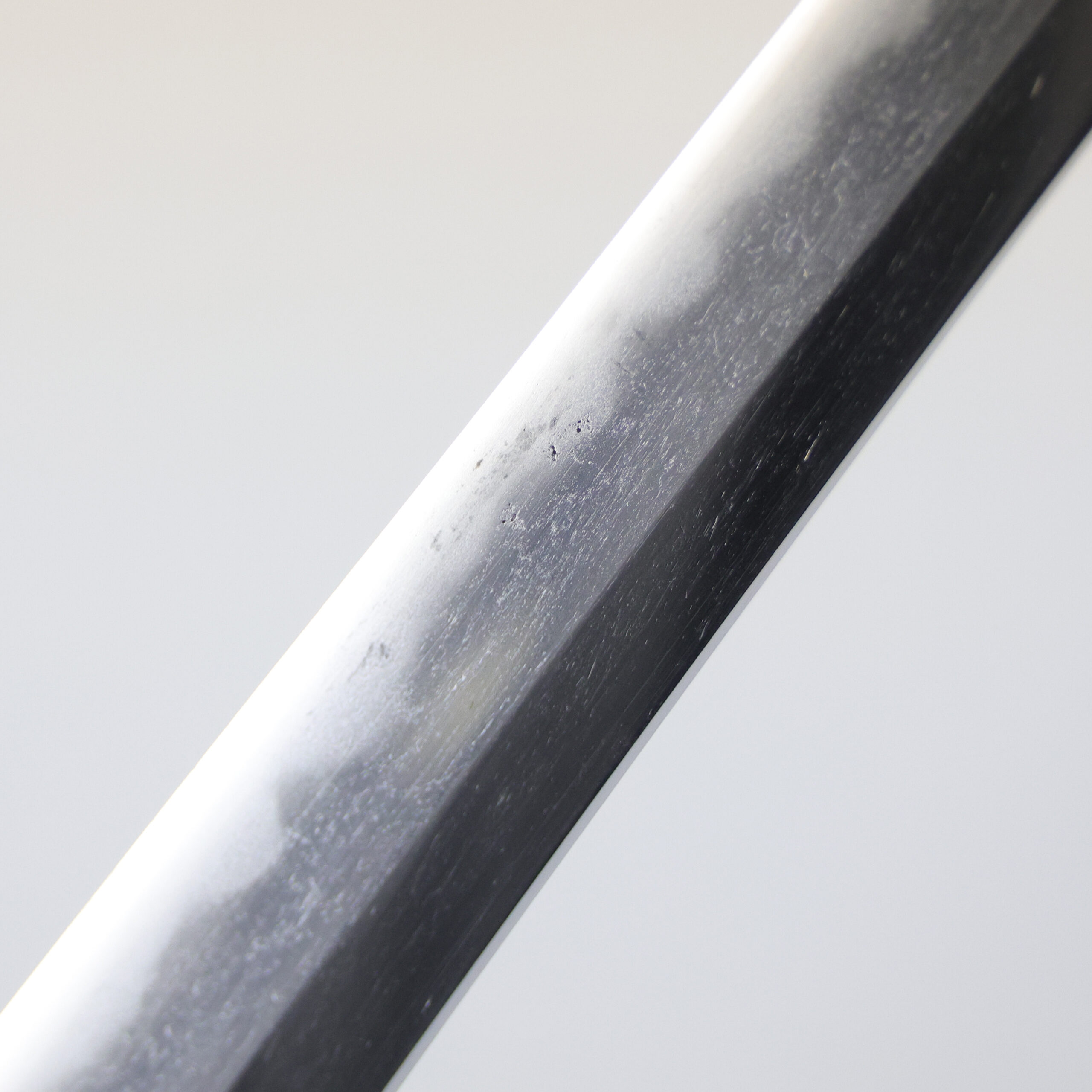
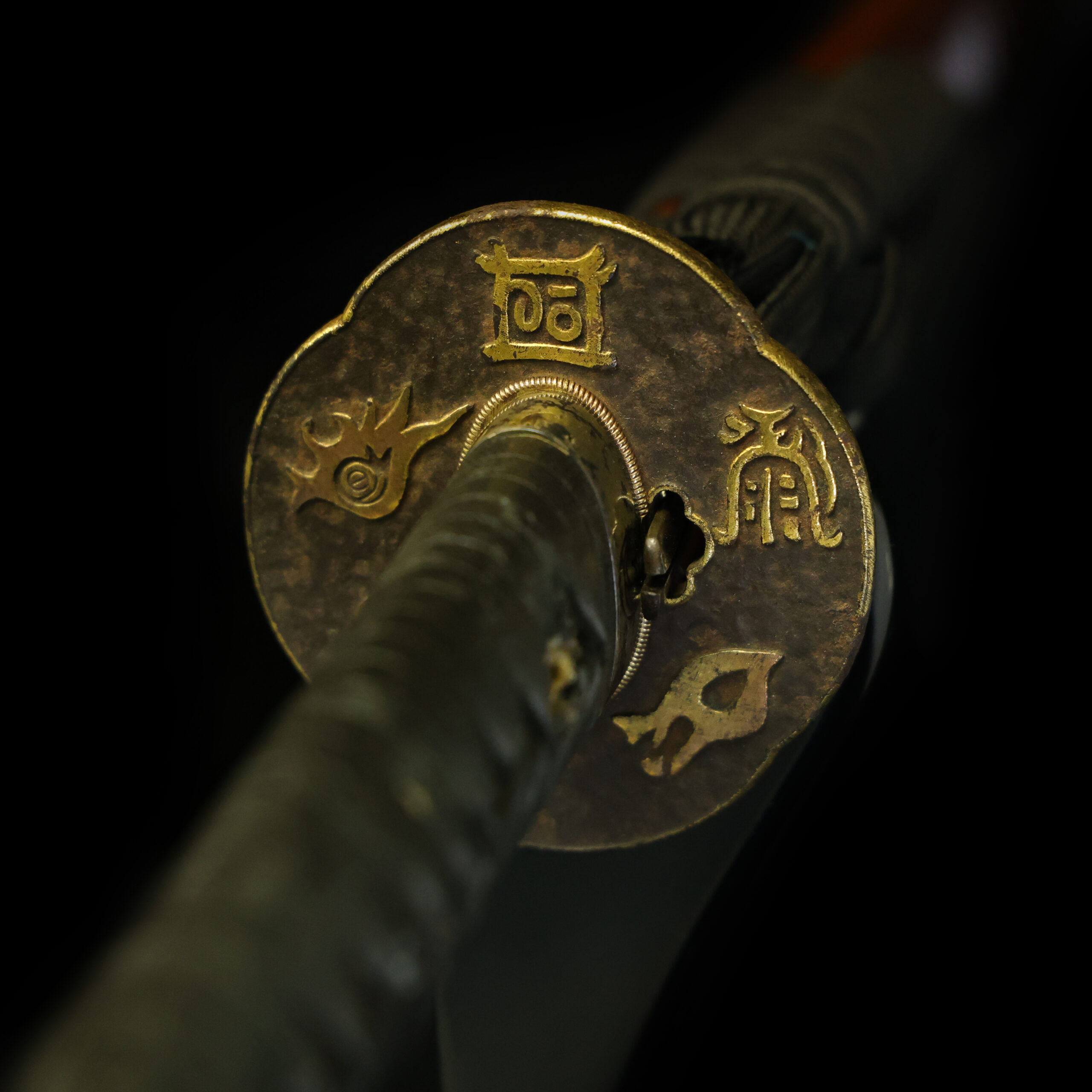
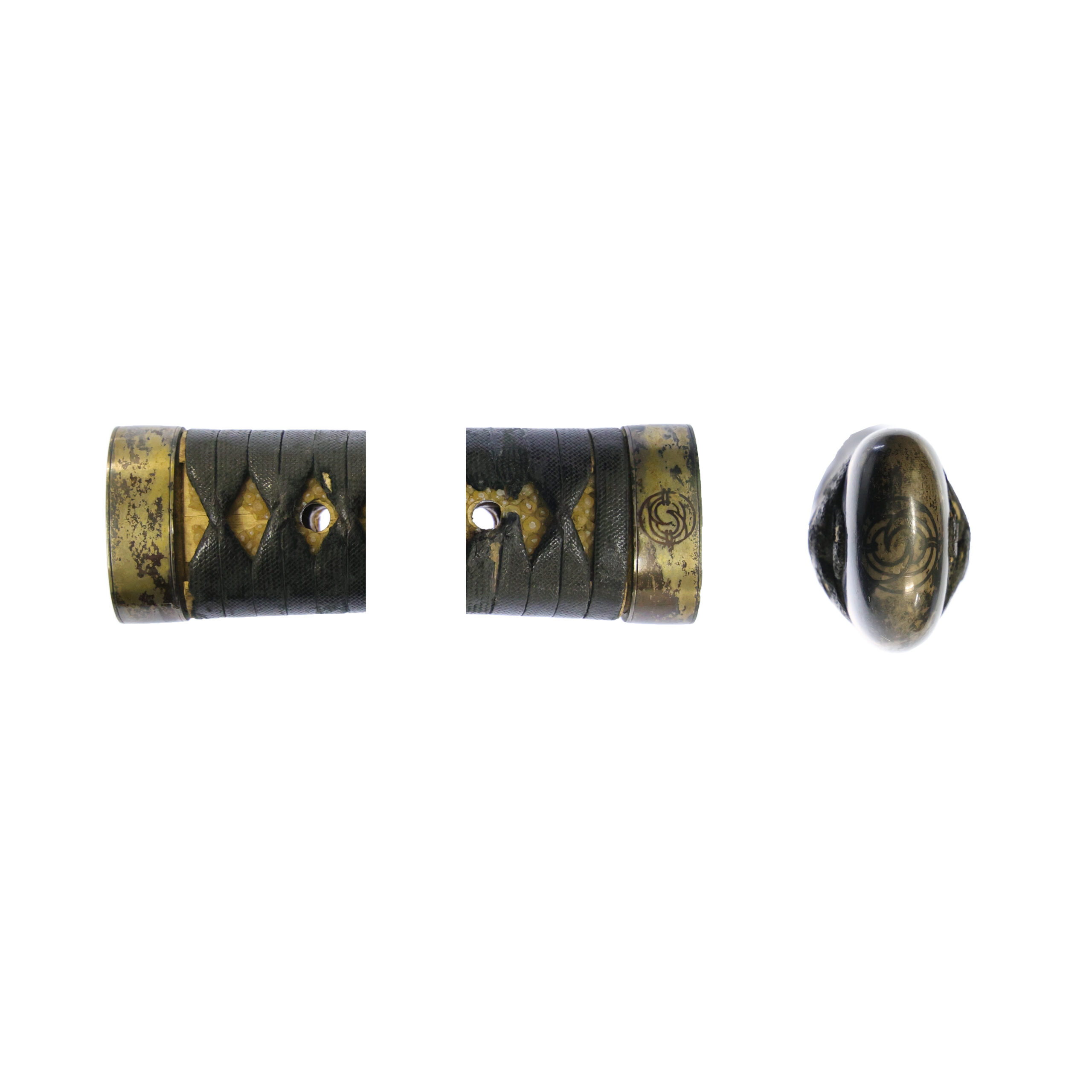
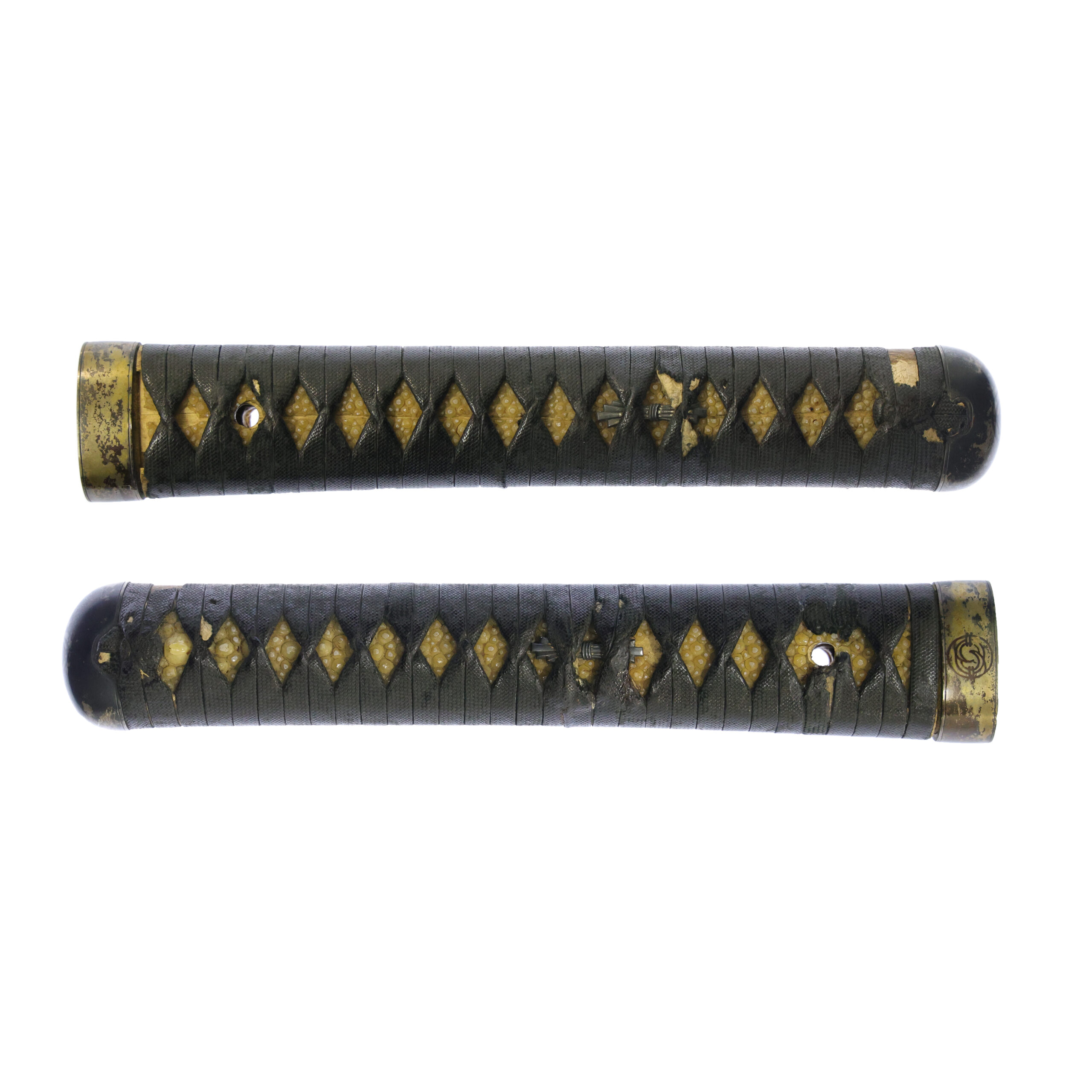
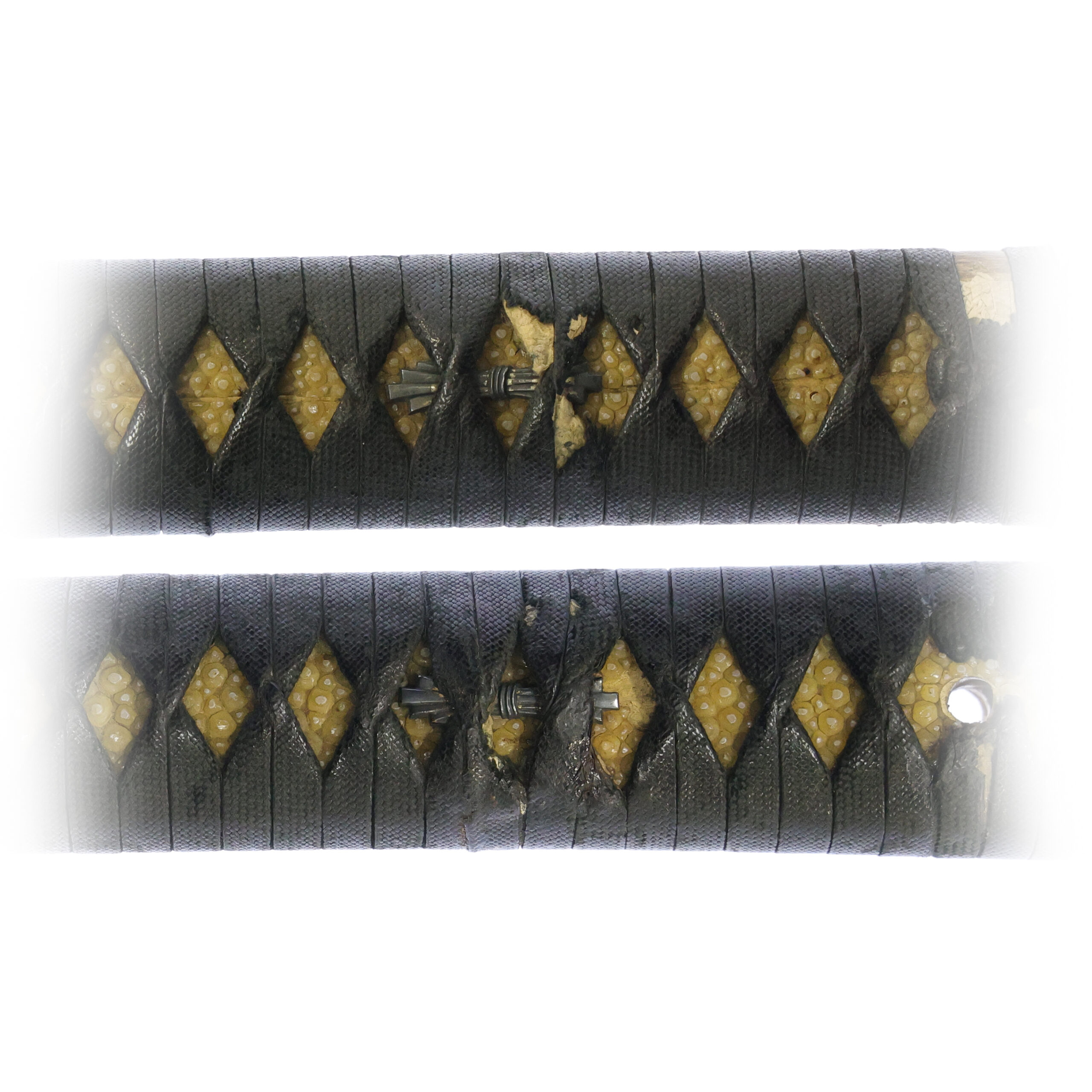
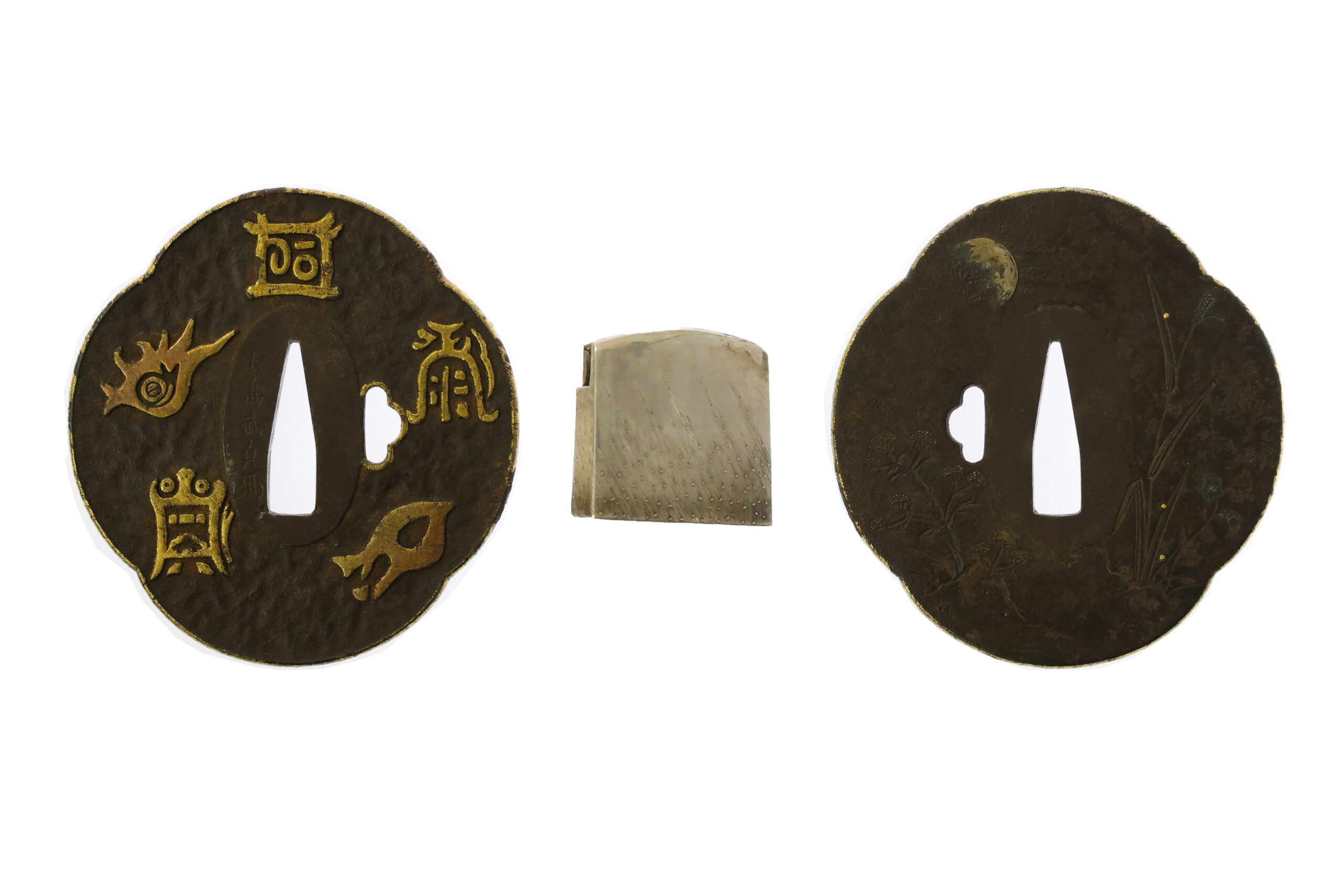
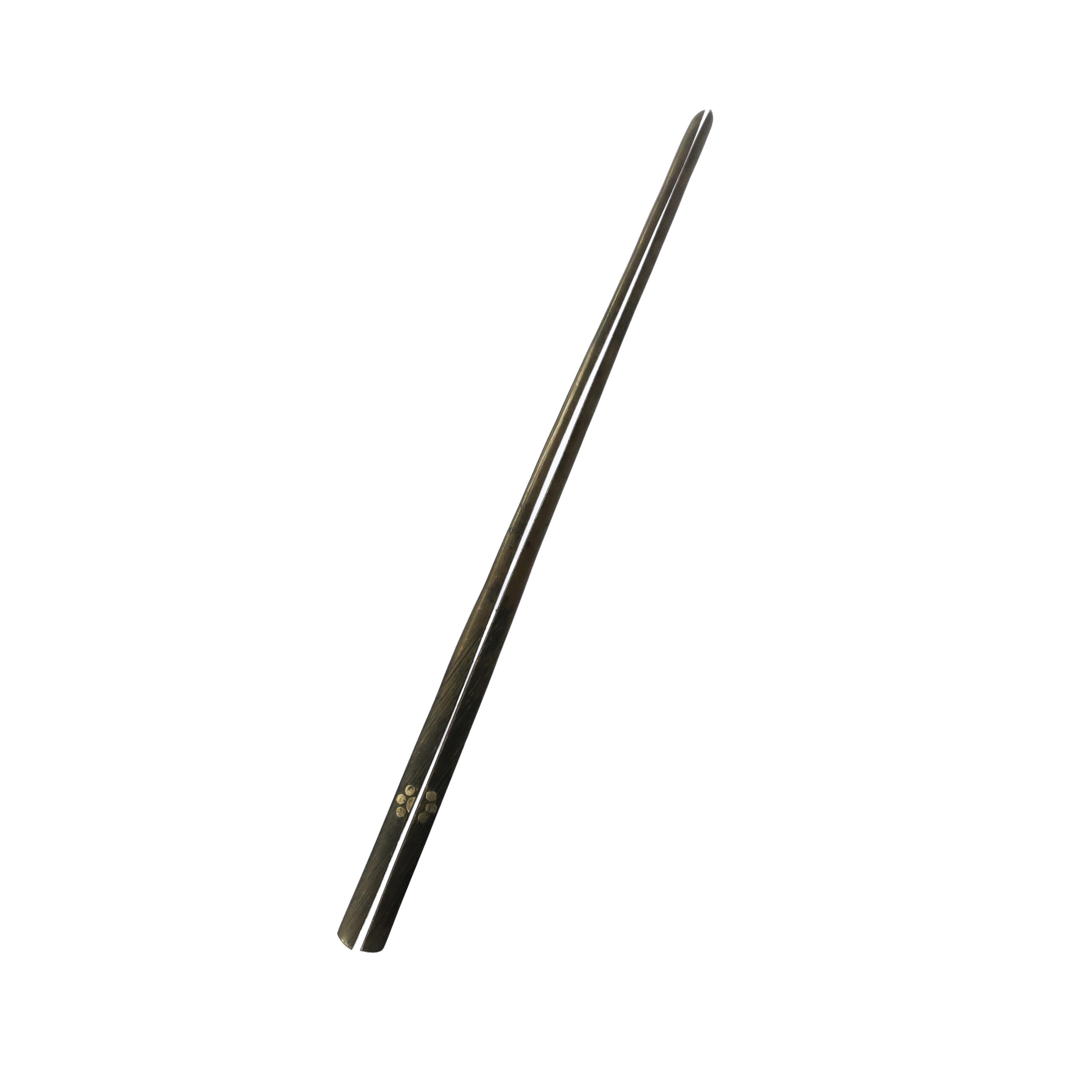
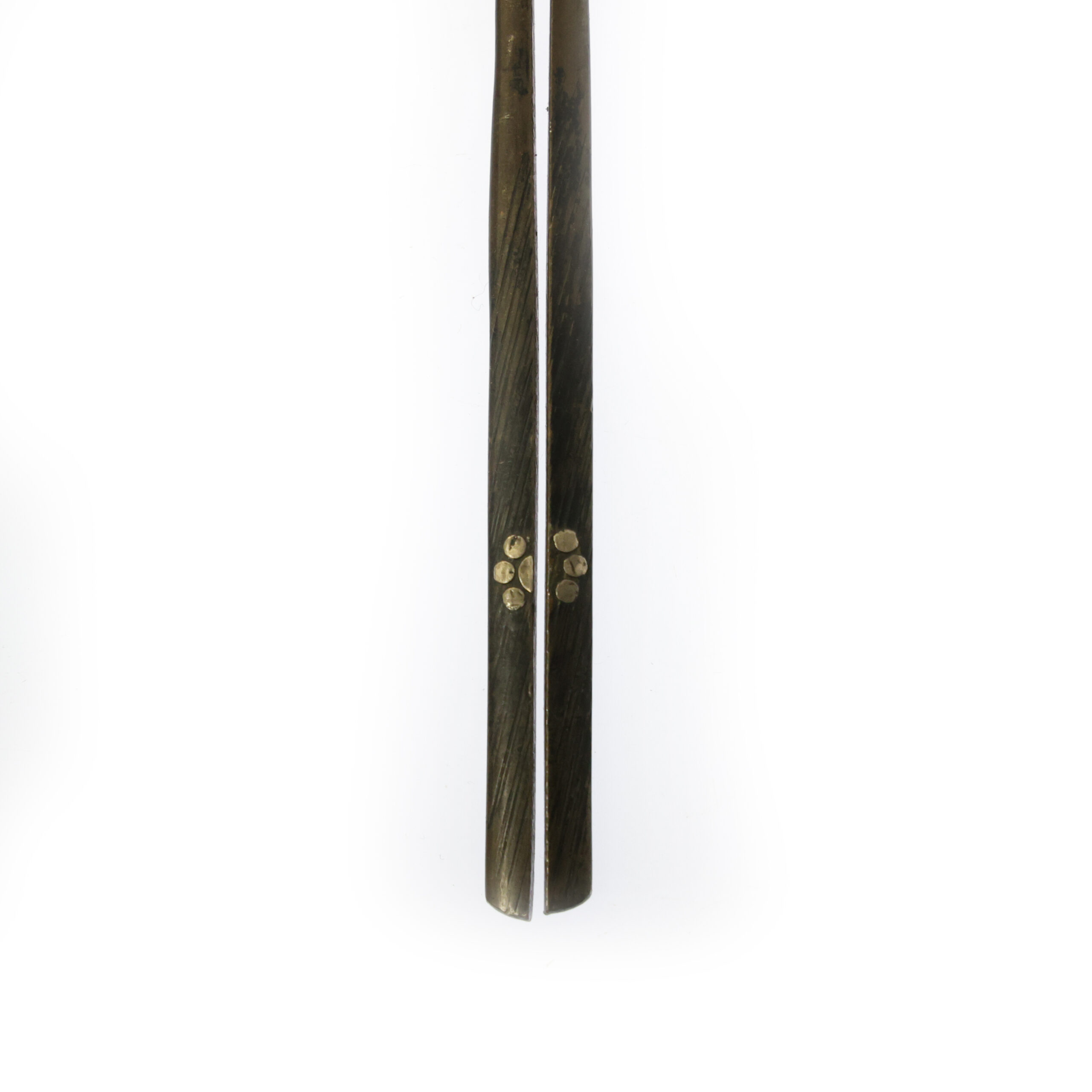
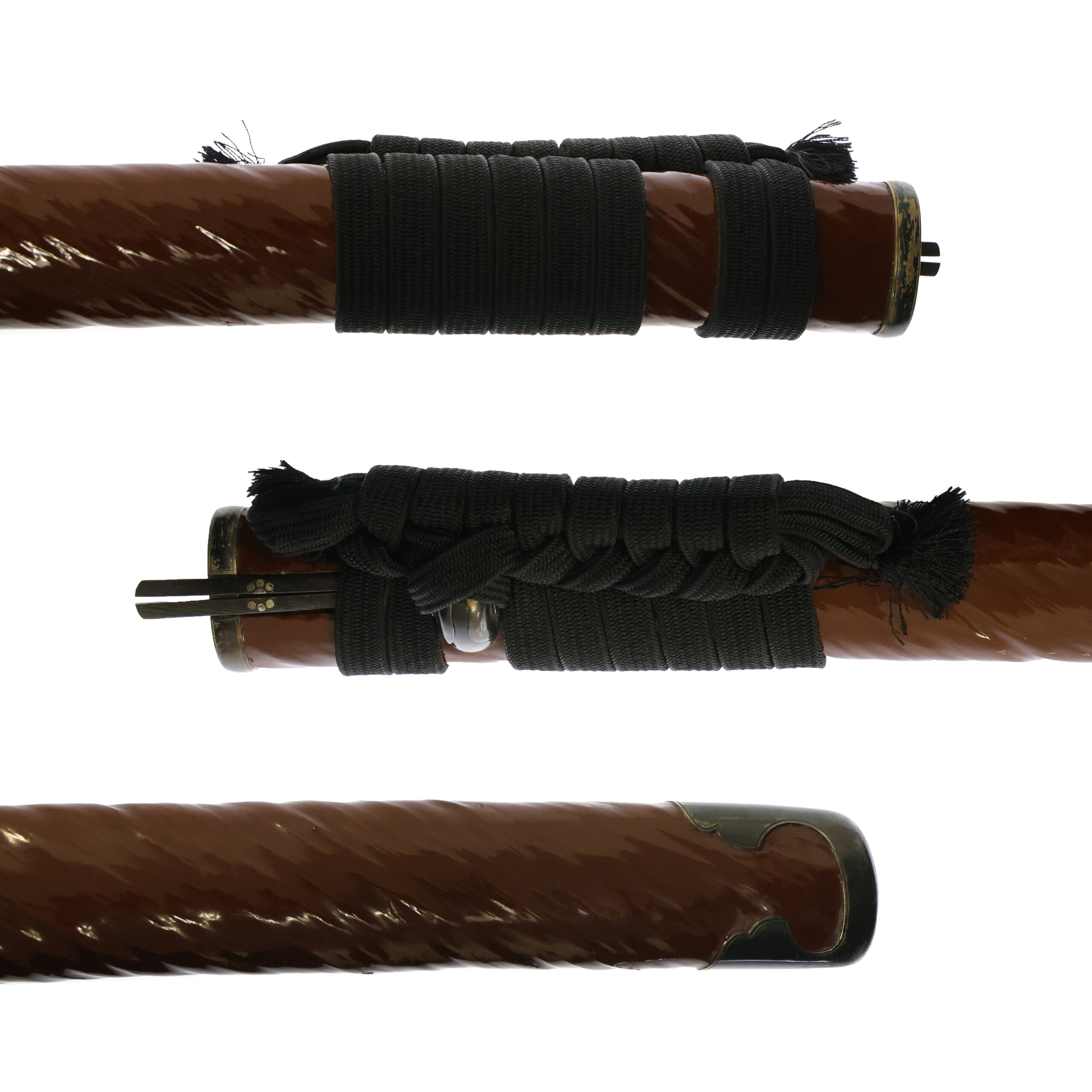
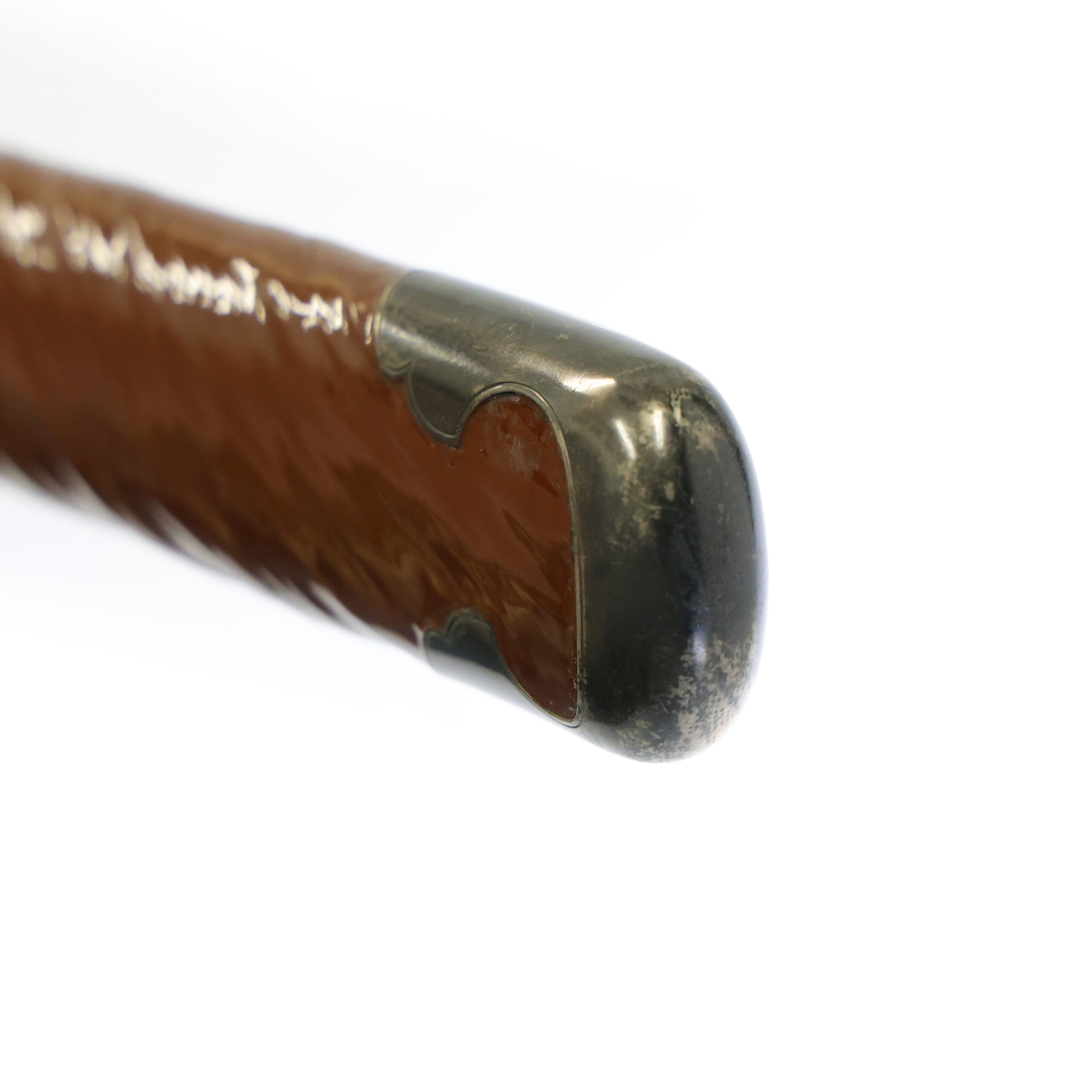
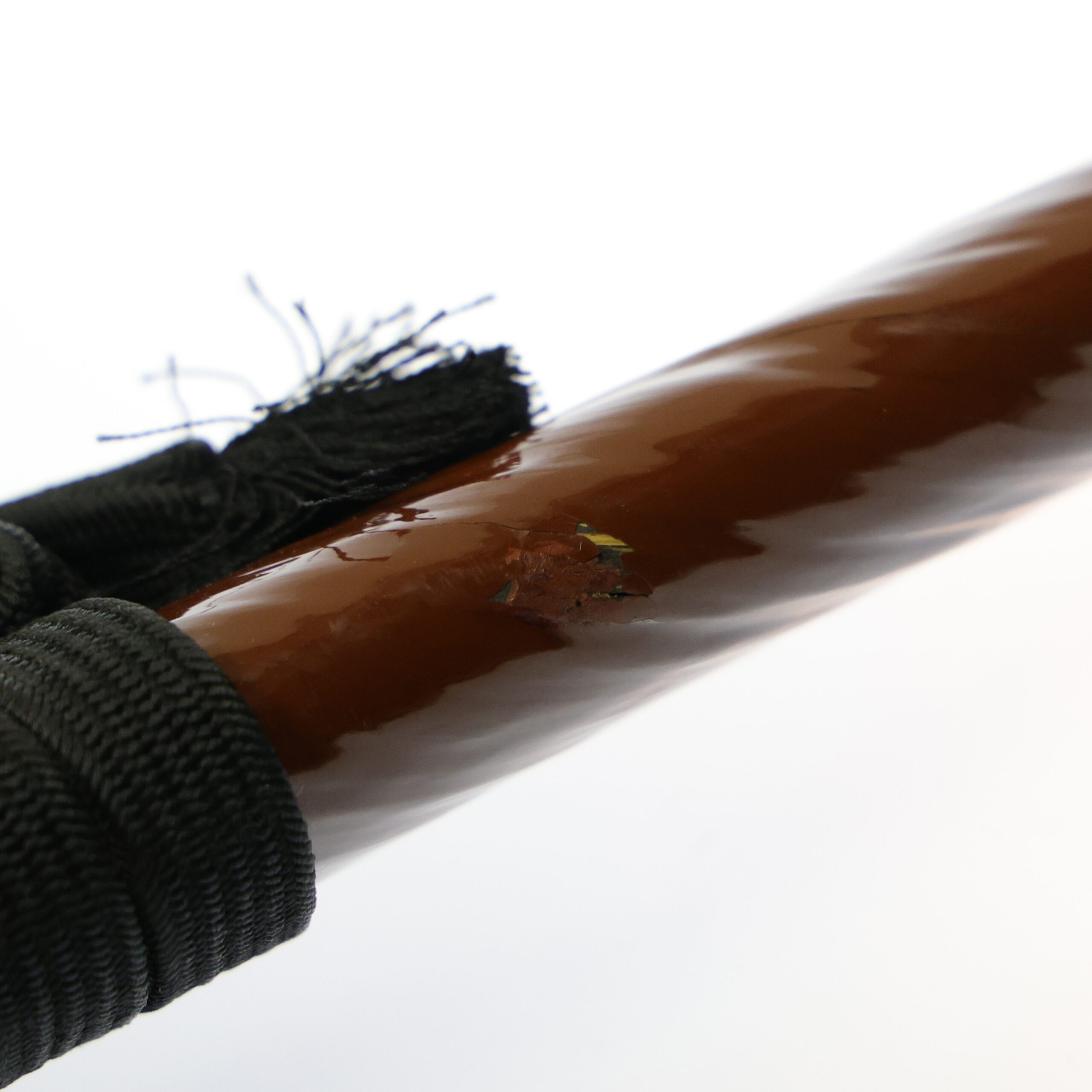
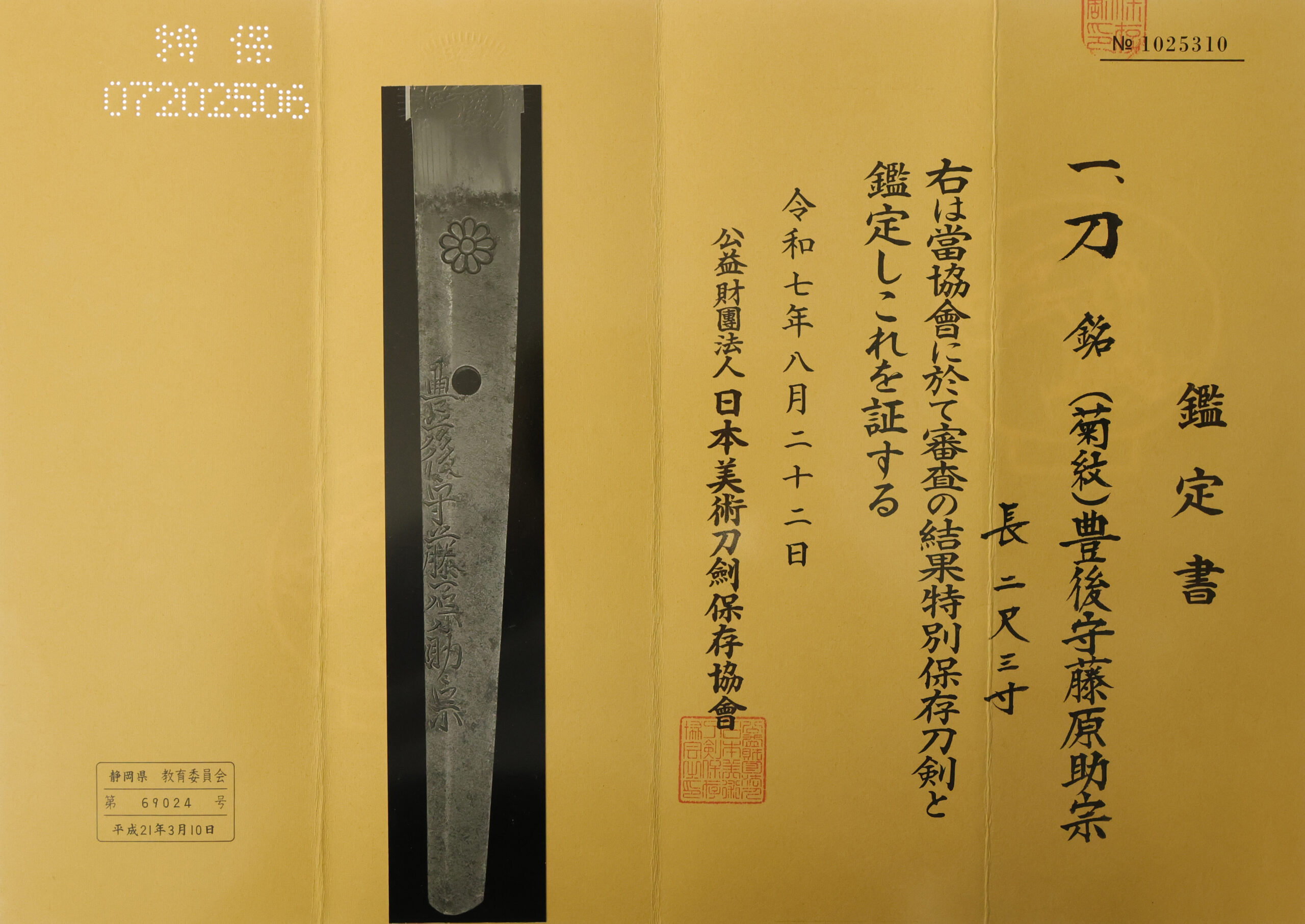
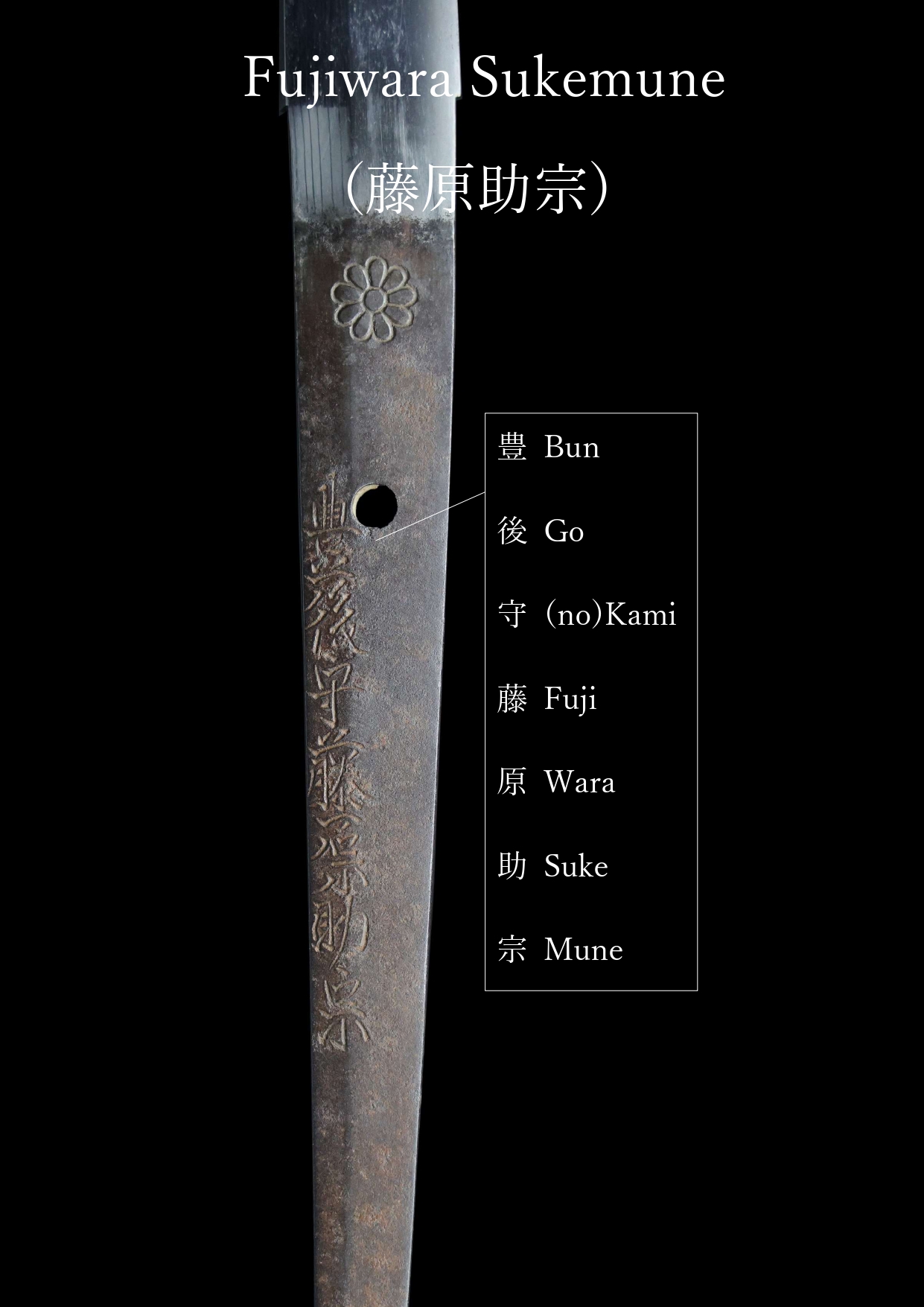
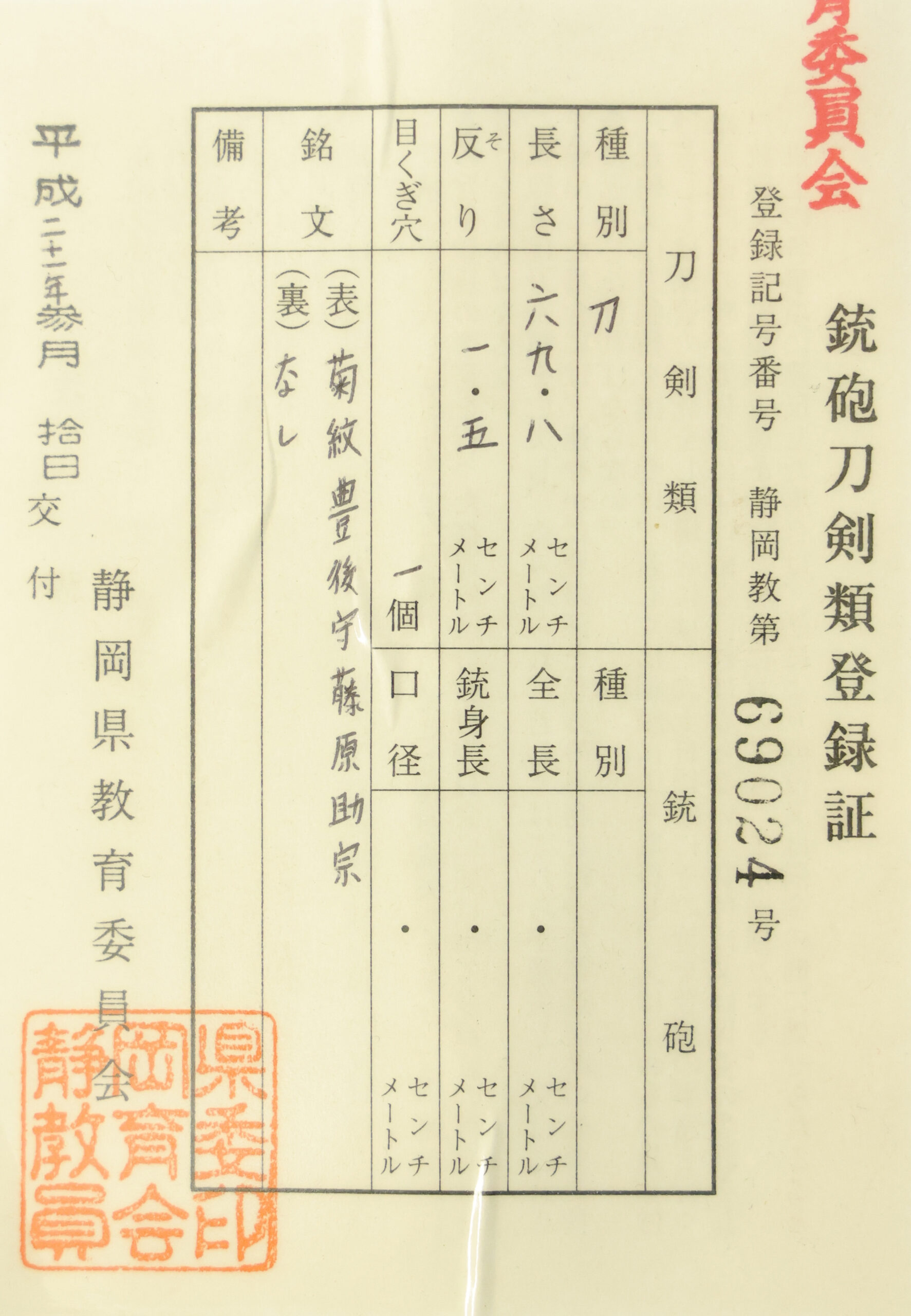
This blade was signed Bungo no Kami Fujiwara Sukemune (豊後守藤原助宗) and is believed to be the work of the third generation Shimada Sukemune, a prominent swordsmith of the Shimada school active around the Kanei era (1624–1644) in Suruga Province (today’s Shizuoka Prefecture). During this period, members of the Shimada lineage bearing the name Sukemune were dispatched to various regions, including Shinano and Dewa, reflecting the expansion and influence of the school. The “Bungo no Kami” was a hereditary honorary court title bestowed upon successive generations of Sukemune. The title Kami was granted by the imperial court in recognition of outstanding craftsmanship. Notably, the third-generation Sukemune was permitted to inscribe the chrysanthemum emblem (菊紋, kikumon)—the symbol of the Japanese emperor—on his blades. This privilege was extremely rare and signified exceptional skill and imperial favor. This blade bears that chrysanthemum emblem. About the Shimada School The Shimada school was founded by Yoshisuke (義助) in the mid-Muromachi period and continued its activity through the late Edo period. The school was based in Shimada, Suruga Province, and produced many accomplished swordsmiths, including Sukemune, Hirotsugu, and Sadahiro. The first-generation Yoshisuke was active during the Kosho era (1455–1457). According to tradition, he was a descendant of Bizen Ichimonji Sukemune, one of the most celebrated swordsmiths in Japanese history. Yoshisuke served the powerful Imagawa clan and is said to have received the character yoshi (義) in his name from Imagawa Yoshitada. The Shimada school maintained close interaction with Soshu-style swordsmiths active around Odawara Castle in present-day Kanagawa Prefecture. Owing to Suruga’s strategic importance, the school received commissions from major feudal powers such as the Takeda, Tokugawa, and Hojo clans during the Sengoku period (Warring States period). The high level of craftsmanship established by the first-generation Yoshisuke was carefully transmitted through successive generations, allowing the Shimada school to flourish from the Muromachi through the Edo period. It is appraised as a Tokubetsu Hozon Token (特別保存刀剣) issued by NBTHK (Nihon Bijutsu Touken Hozon Kyokai:日本美術刀剣保存協会). *Please keep in mind that there are a couple of Kitae Kizu and black rust on the blade. Tsuka and Menuki *Please keep in mind that there are some damage on the Tsuka due to the aging. Tsuba and Habaki The design motif of this tsuba is believed to be based on the Twelve Zodiac Signs (十二支, Jūnishi). The Jūnishi is a traditional East Asian system used to designate years, time, and directions. It originated in ancient China and was later transmitted to Japan. The system of the Twelve Zodiac Signs developed independently from the later pictorial representations of zodiac animals. On this tsuba, archaic character forms representing zodiac signs such as the Rat (鼠) and the Dog (戌) are depicted. These characters are thought to be inspired by oracle bone script, which was used during the Yellow River civilization of ancient China. Historically, the Twelve Zodiac Signs appear engraved on oracle bones from the Shang dynasty, where they were combined with the Ten Heavenly Stems to record dates. The reverse side of the tsuba features a bellflower (桔梗, kikyō) along with other autumn plants, presenting a contrasting motif rooted in seasonal imagery. Kougai This item is an antique kōgai (笄), a traditional Japanese hair ornament used by samurai to arrange or secure their hairstyle. A kōgai was typically inserted into the kōgai-hitsu, a dedicated slot on the scabbard, while a kozuka (小柄) was usually fitted into the slot on the opposite side. The design depicted on this kōgai is believed to represent the Shichiyō-mon (七曜紋), or “Seven Luminaries Crest.” This motif is based on the seven celestial bodies known in ancient East Asia: the Sun, Moon, Mars, Mercury, Jupiter, Venus, and Saturn. Together, these seven luminaries were associated with cosmology, timekeeping, and celestial order. In Japan, the Shichiyō-mon is also closely linked to the symbolism of the Big Dipper (北斗七星, Hokuto Shichisei) and was used as a family crest as well as a protective and auspicious emblem. Saya This saya features a luxurious red lacquer finish, decorated with a spiral pattern resembling a leech wrapped around its surface. This technique is likely a form of Hirumaki-nuri (蛭巻塗). *Please keep in mind that there is partial damage on the Saya. Authentication Paper They authenticated the blade on August 22nd in the 7th year of Reiwa (2025). They appraised it as Tokubetsu Hozon Touken, the blade especially worth preserving for Japanese society.

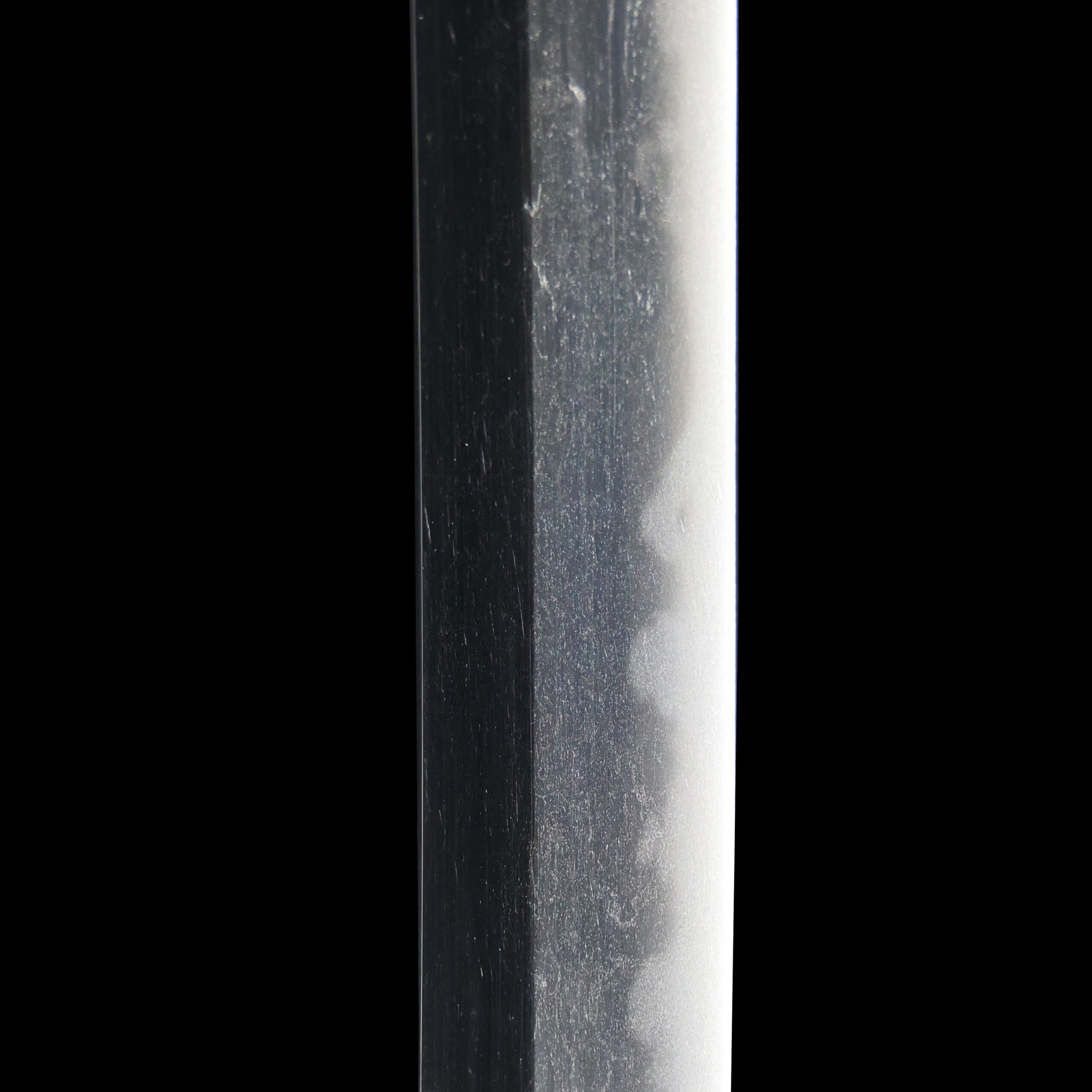
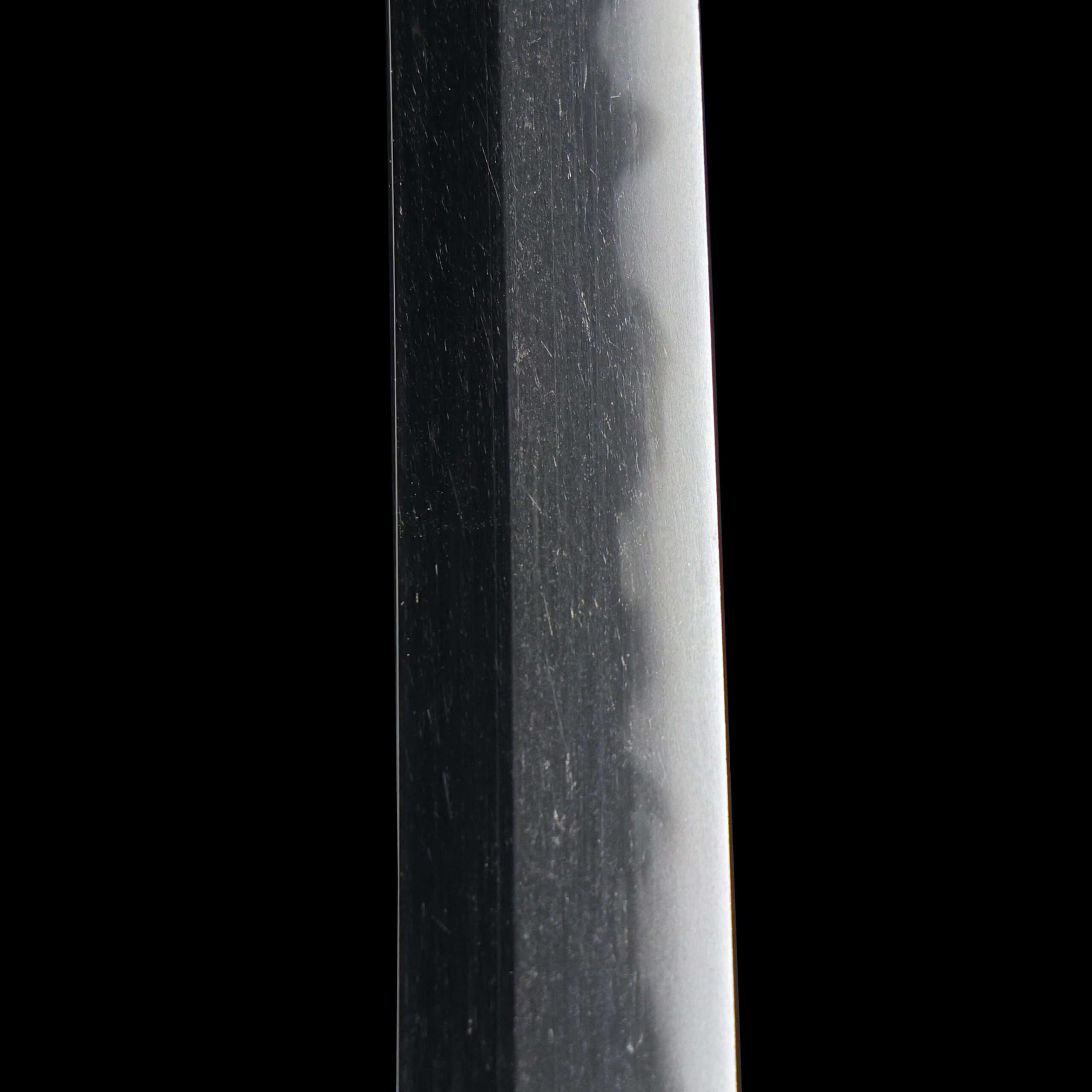
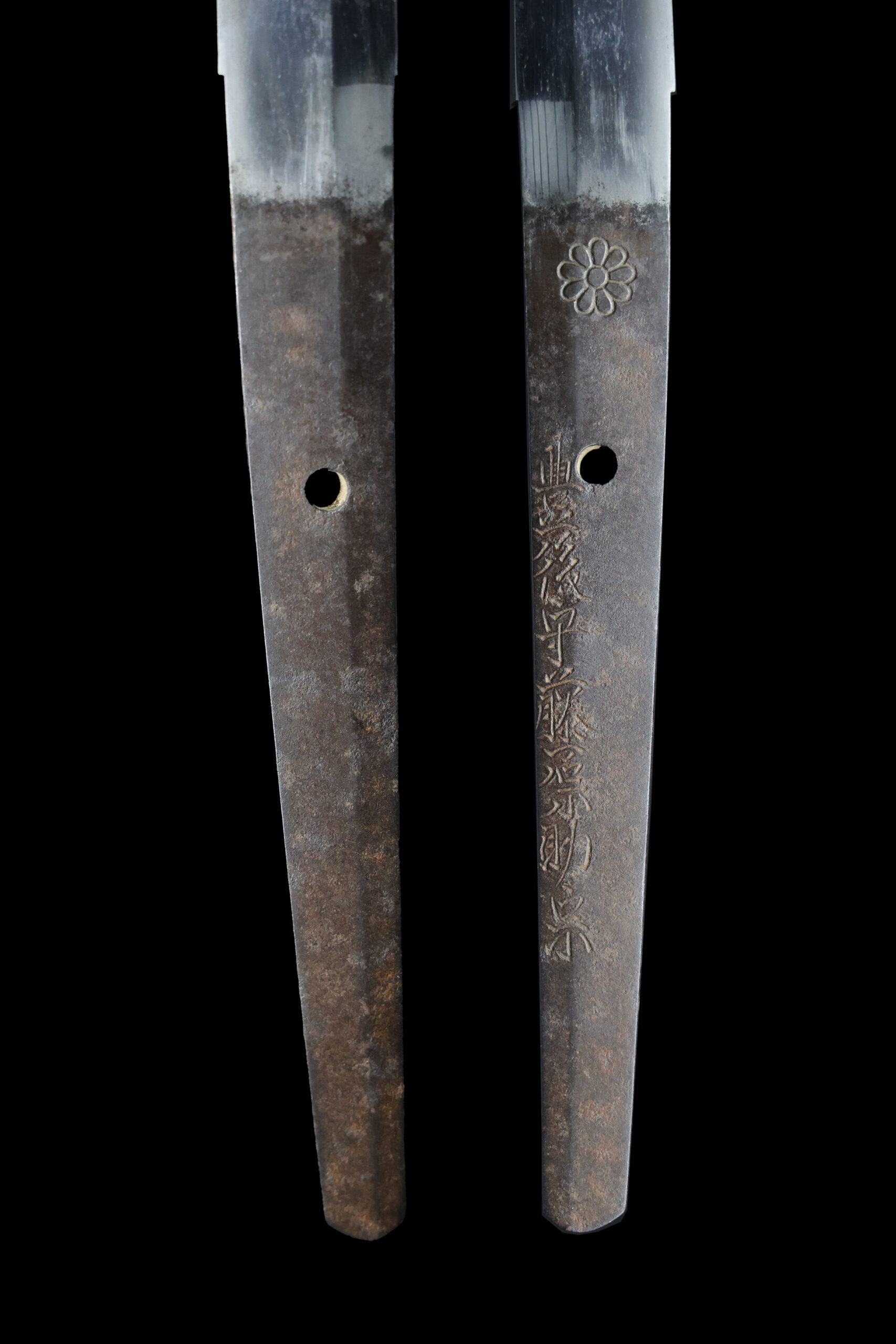
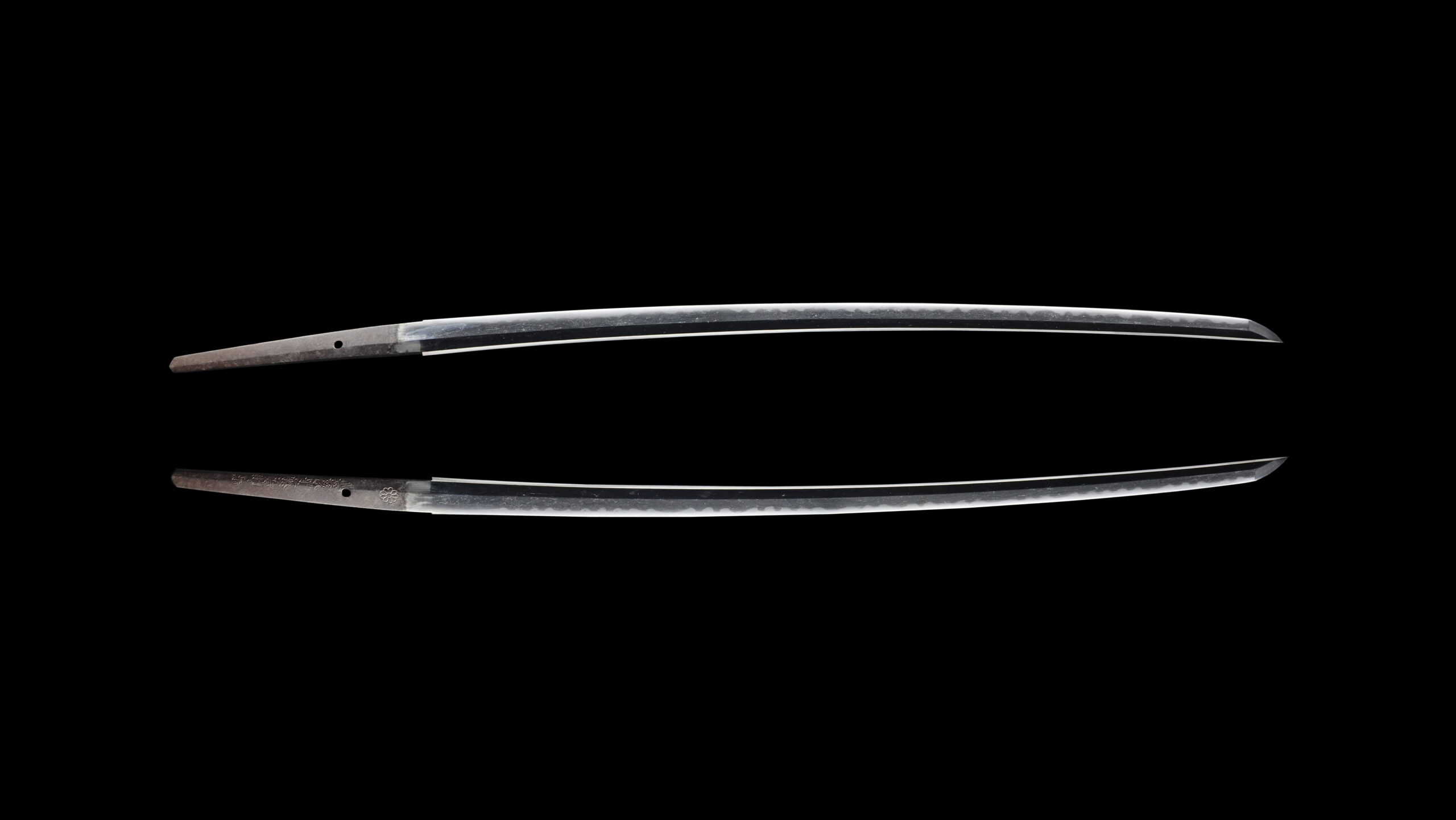
販売店の記載のまま
相州伝 · 駿河
現在9点販売中
駿河国島田の地に興ったこの一派は、室町期を通じて東海道の一隅に栄えた相州系の鍛冶群である。その主たる名は義助と助宗の二大名跡にあり、説明は義助を島田物の主流をなすものとし、助宗をその弟として室町中期に置く。銘鑑は両家の代を丁寧に並べ、義助の初代を康正の頃とし、助宗を古く文安・文亀より天文に至る連なりに据え、以後同名相継ぎて江戸期に及ぶと記す。されどこの整然たる図式は答えではなく難所であり、現存最古の有年紀作は永正二年の短刀にして、永正より古い年紀の作は遺らず、銘振りもまた各代を分かたぬゆえ、在銘の作は代を付すより一口ごとの出来によって見られる。NBTHKがその年代を量るのは、銘鑑の編年よりは茎に切る年紀によってであり、この一国の鍛冶場は、隣国相模の鍛えに強く影響され、美濃の関や千手派とも縁を結んで、その間に座した。 本派の作風はまず末相州風の沸の乱れにある。肌立ちごころに地沸つき地景の入る、流れて柾に寄る板目の地に、互の目を交えたのたれを焼き、小丁子・尖り刃を交え、沸厚く飛焼・金筋・砂流しをかける。説明は島田の作風が末相州鍛冶と深い関連があって互いに影響しあうと記す。助宗の手には一門自身のものと呼ぶ連れた互の目があり、腰の辺で箱がかったのたれとなり、匂口明るく金筋・砂流しのよく現われたものを、その特色のよく現われた作と読む。帽子は乱れに従い、小乱れあるいは尖りごころの乱れ込みより小丸に返り、ときに焼詰め、ときに掃きかけかかる。この典型に対し別貌が立ち、義助には少ない細直刃や、助宗が志津の風をねらった直刃のごとく、流れる板目に小互の目を交えた静かなる手をも焼く。地鉄は締まった備前地ではなく、流れてやや肌立ち、ときに白け立つこの板目こそが目に島田の手を告げ、刃中の沸の働きを載せる地となる。造込みは多彩にして、鎬造の刀より平造の脇指、内反りの短刀、大身槍に及び、説明は島田一門には比較的に槍が多いと記す。彫物は一門の特色を巧みに伝え、幅広の樋中に梵字と摩利支天を浮彫にし、表裏に倶利迦羅を、短刀に素剣・護摩箸を掻き、ときに珍しく透し彫をなす。 鑑定の勘所は、対比によるよりその自らの確かな見どころから引くにある。すなわち末相州の影響を受けた沸の互の目交じり湾れに砂流し・金筋を交え、流れてやや肌立つ板目に焼く駿州の手であり、直刃はその意図された例外、目立つ彫物と槍は周囲の島田工房の印である。代の判定が成らぬところで、説明はやはり作そのものに向かう。助宗においては大阪の一刀を地刃健全にして助宗の最高作と思われるものとし、永正二年の系譜に連なる十二回の刀を、現存作中最も地刃の冴えて明るく出来優れた一口とする。義助においては二十回の生ぶ茎・平造内反りの短刀を同名中の出色の一口と称え、大永の刀に見る年紀を初期諸代の編年がこれに拠るがゆえ極めて貴重とする。主要工たる義助・助宗が一派の中核をなし、広助らこれに次いで群を支える。茎は生ぶに切り、二字あるいは三字に銘し、年紀は遺るところでは銘に成し得ぬことを成して、長き連なりの中に一手を据える縁となる。物打辺の棟に打たれた切込みは、これらが室町の一国の実用刀であったことを思わせる。伝来としては、義助・助宗ともに本間による御物台帳に所載の一口があり、島田の作が市に現れることは稀である。一名のもとに分かたれぬ数代の中で、最上の刀・短刀に説明書が称えるあの冴えと健全をそなえた確かな一口こそ待つに値し、現われればそれは末相州の伝に近き、堅実な一地方の名門の佳き代表となる。 詳しく見る →
江戸時代
二世紀半の泰平のあいだ、刀は武器である以上に武士の身分の標章であった。江戸の実証と大坂の華やぎのように都市ごとの作風が育ち、時代の末には需要も細っていく。
保存刀剣のうち、出来が一層優れ、保存状態も良好と認められたものです。再刃や、室町・江戸期の多くの無銘作は対象外となり、保存刀剣より高い基準が課されます。
日本美術刀剣保存協会(NBTHK)は、1948年に設立され、文化庁の監督を受ける公益財団法人で、東京・刀剣博物館に本部を置きます。専門の審査員が出品作を直接審査し、美術的・歴史的価値に応じた鑑定書を発行します。NBTHKの鑑定書は、日本刀および刀装具の真正性を示す最も広く認知された基準です。
NBTHK公式サイトReturns/exchanges limited to defects caused by shipping (except willful misconduct or gross negligence by the company); customers must contact within 72 hours of receiving the product.