二世紀半の泰平のあいだ、刀は武器である以上に武士の身分の標章であった。江戸の実証と大坂の華やぎのように都市ごとの作風が育ち、時代の末には需要も細っていく。
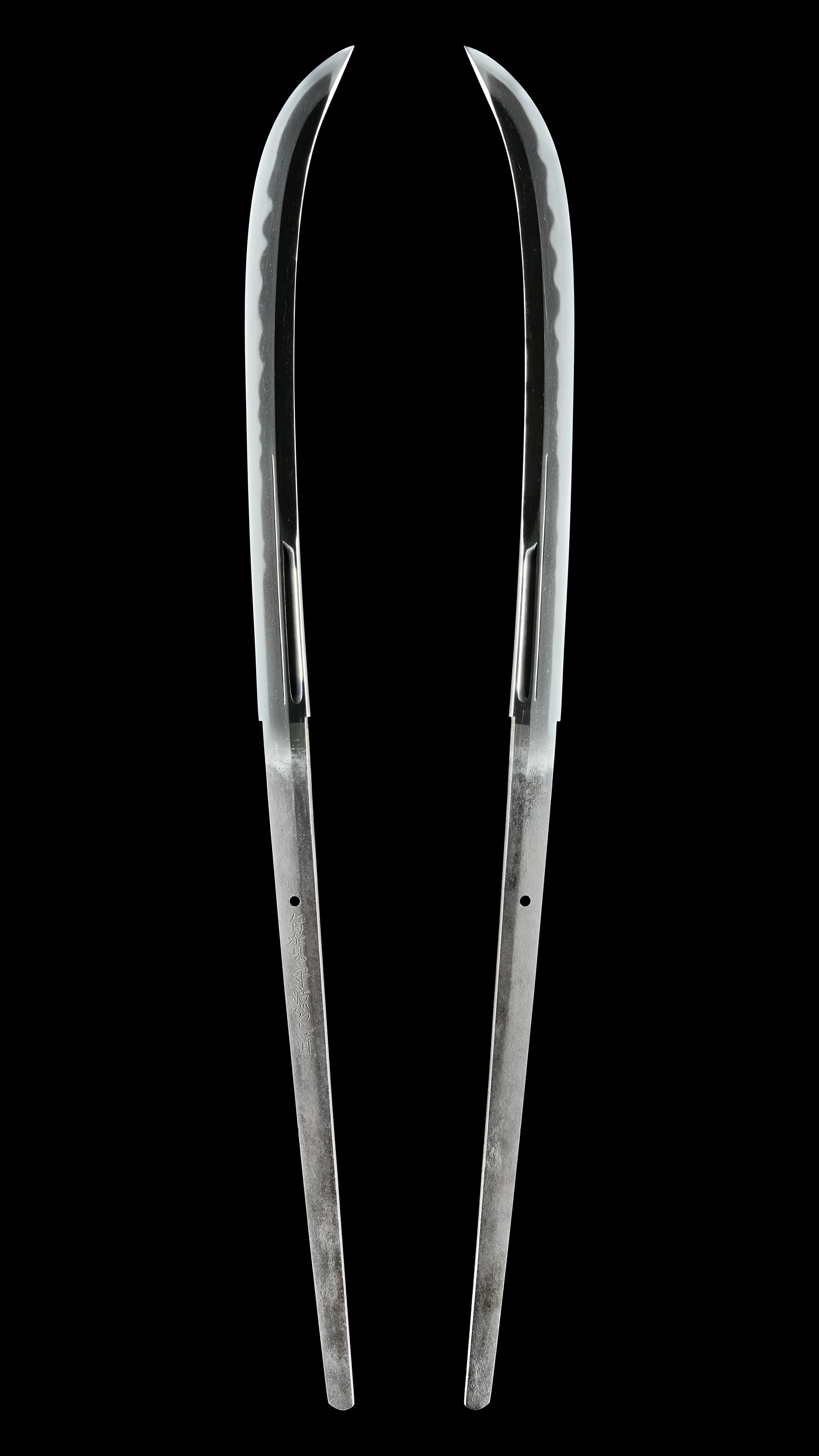
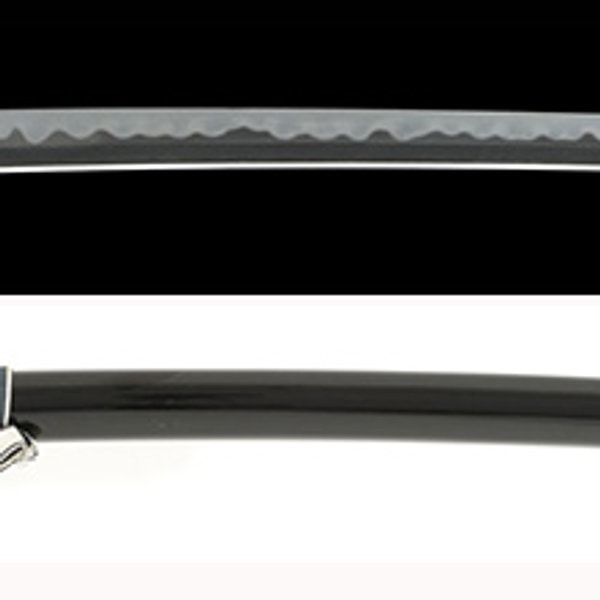
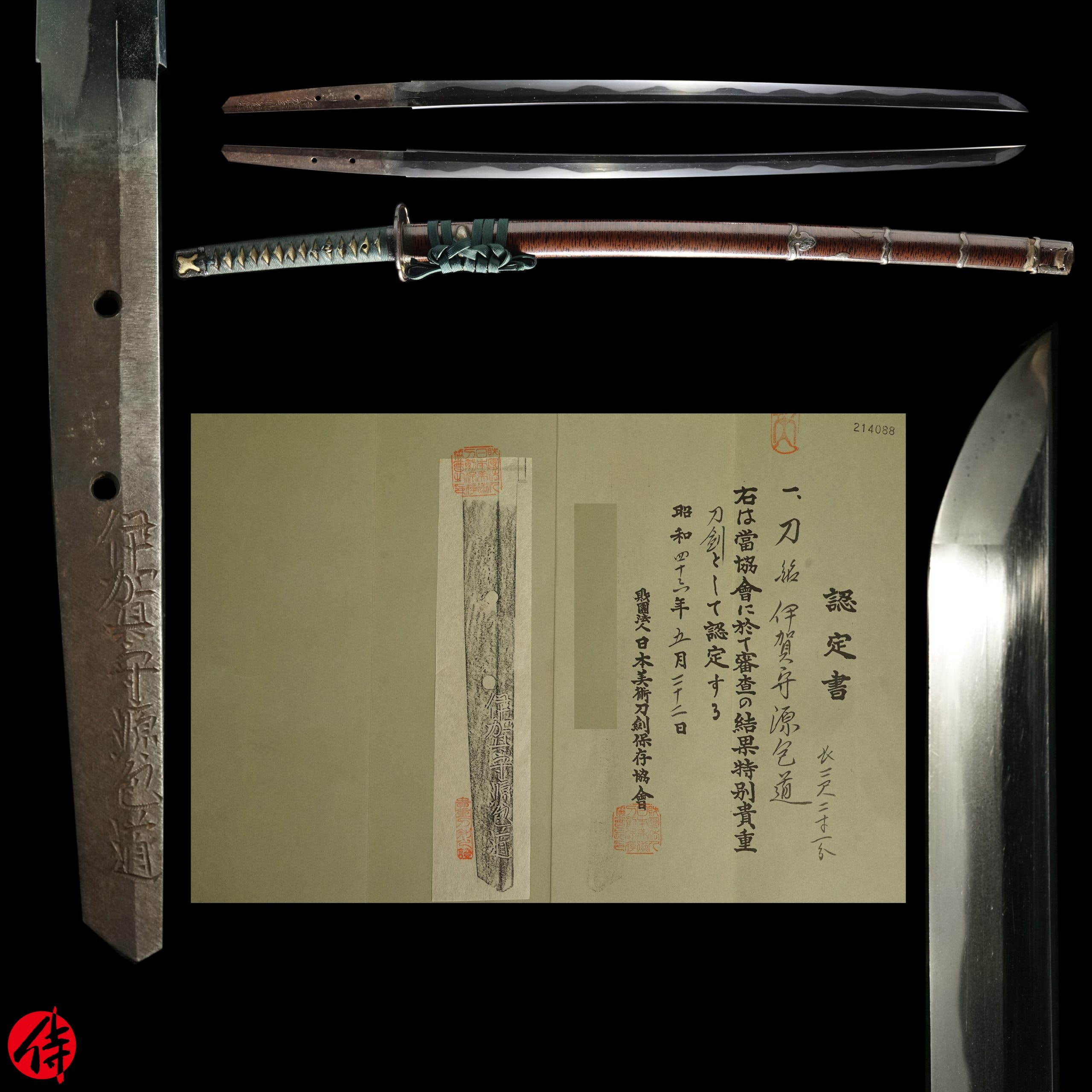
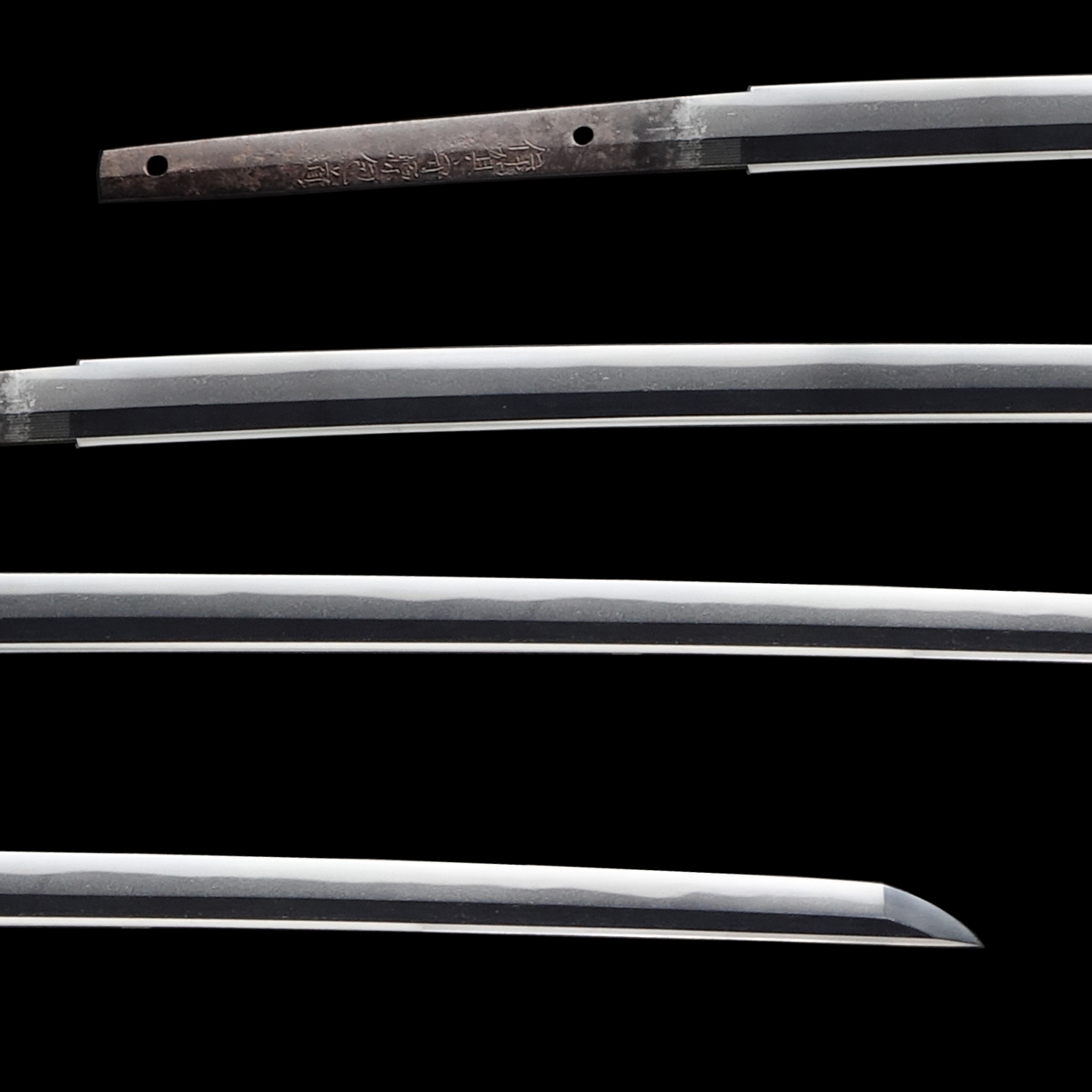
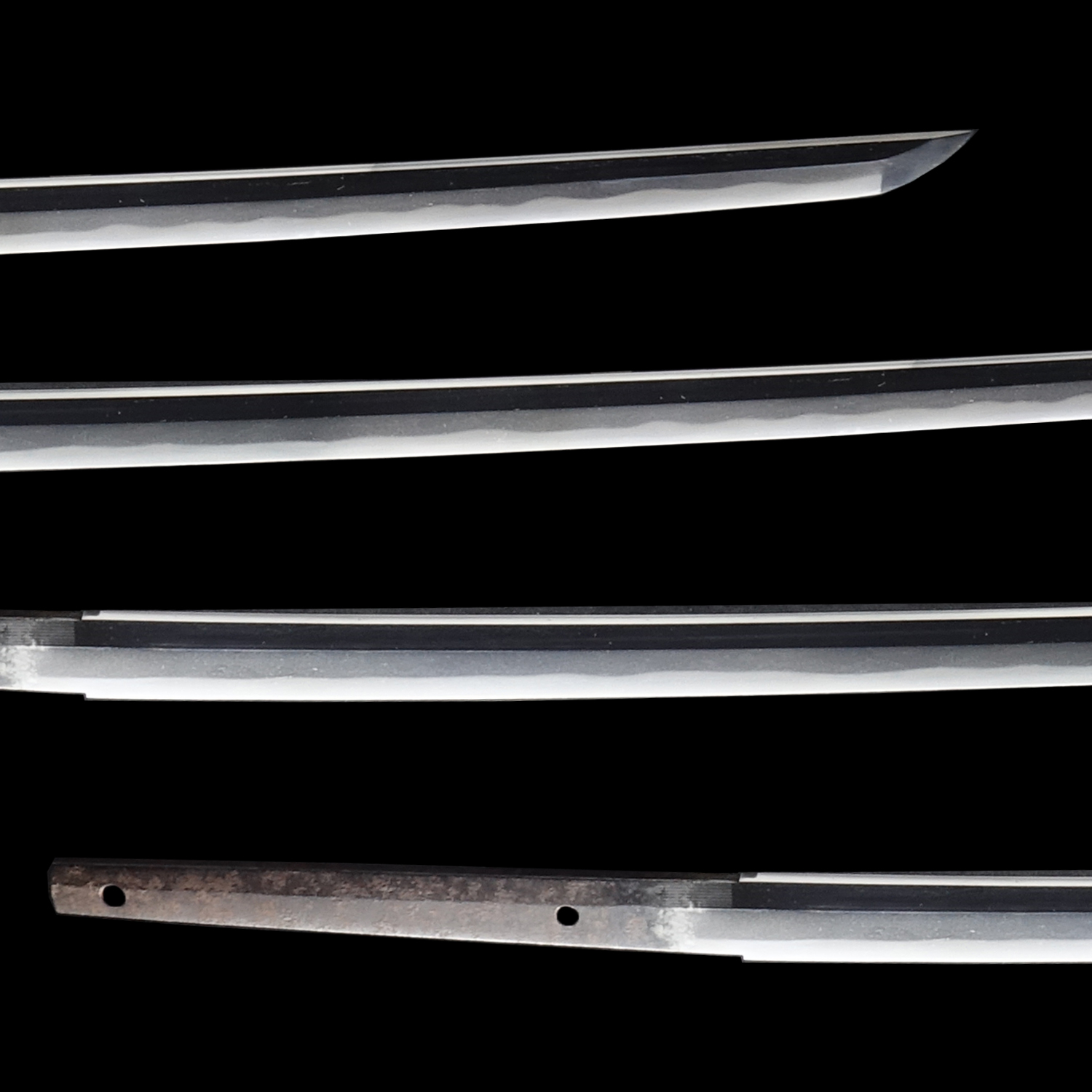
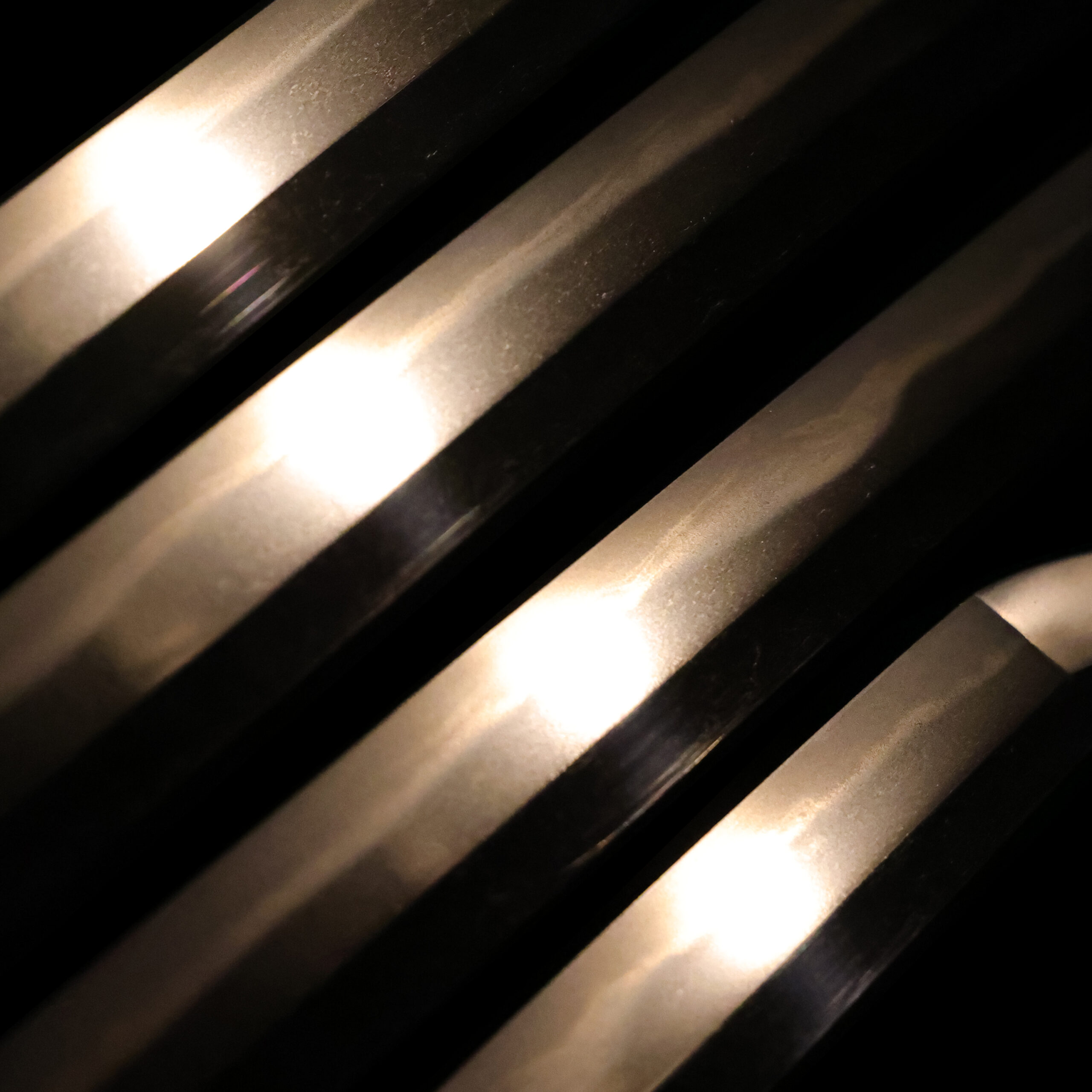
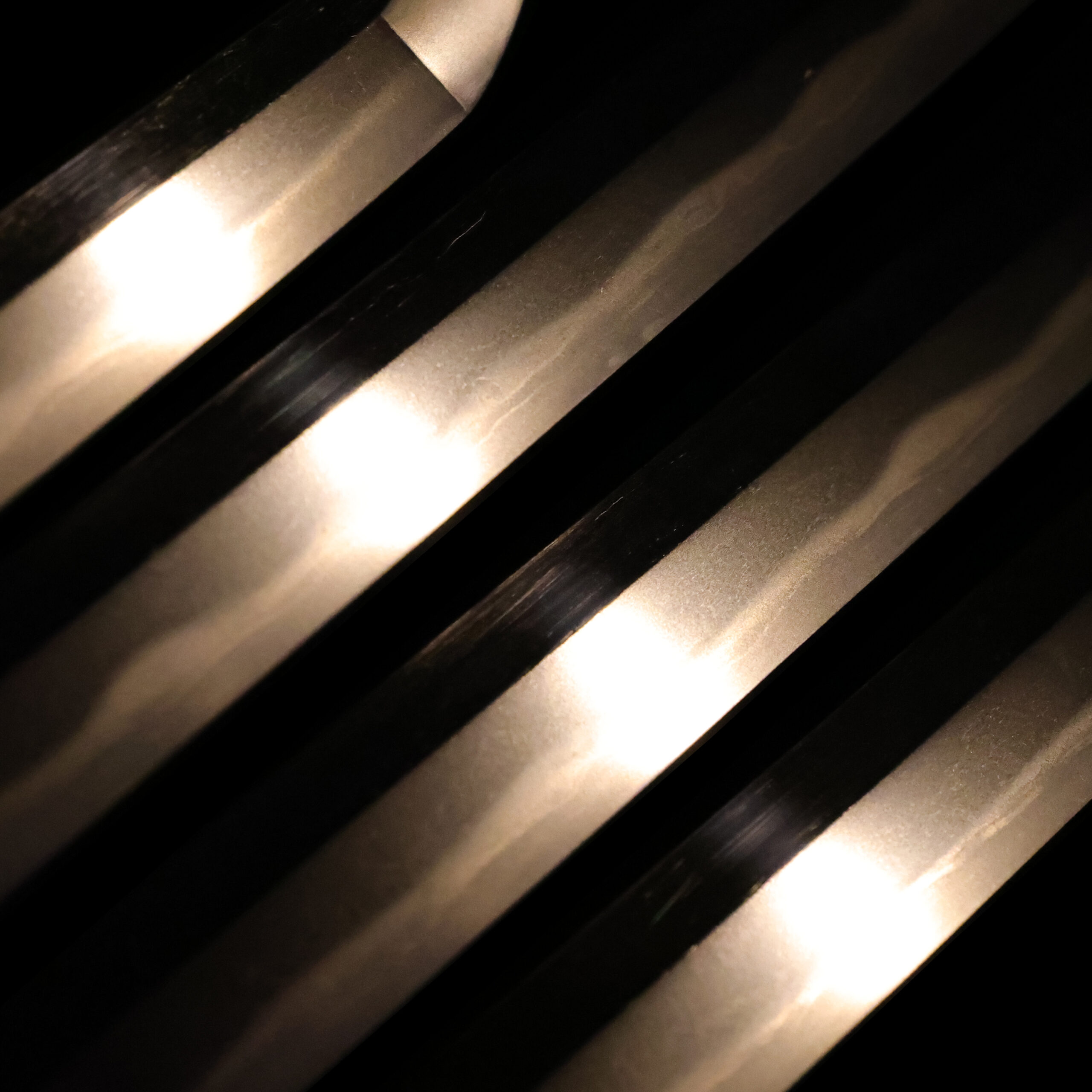
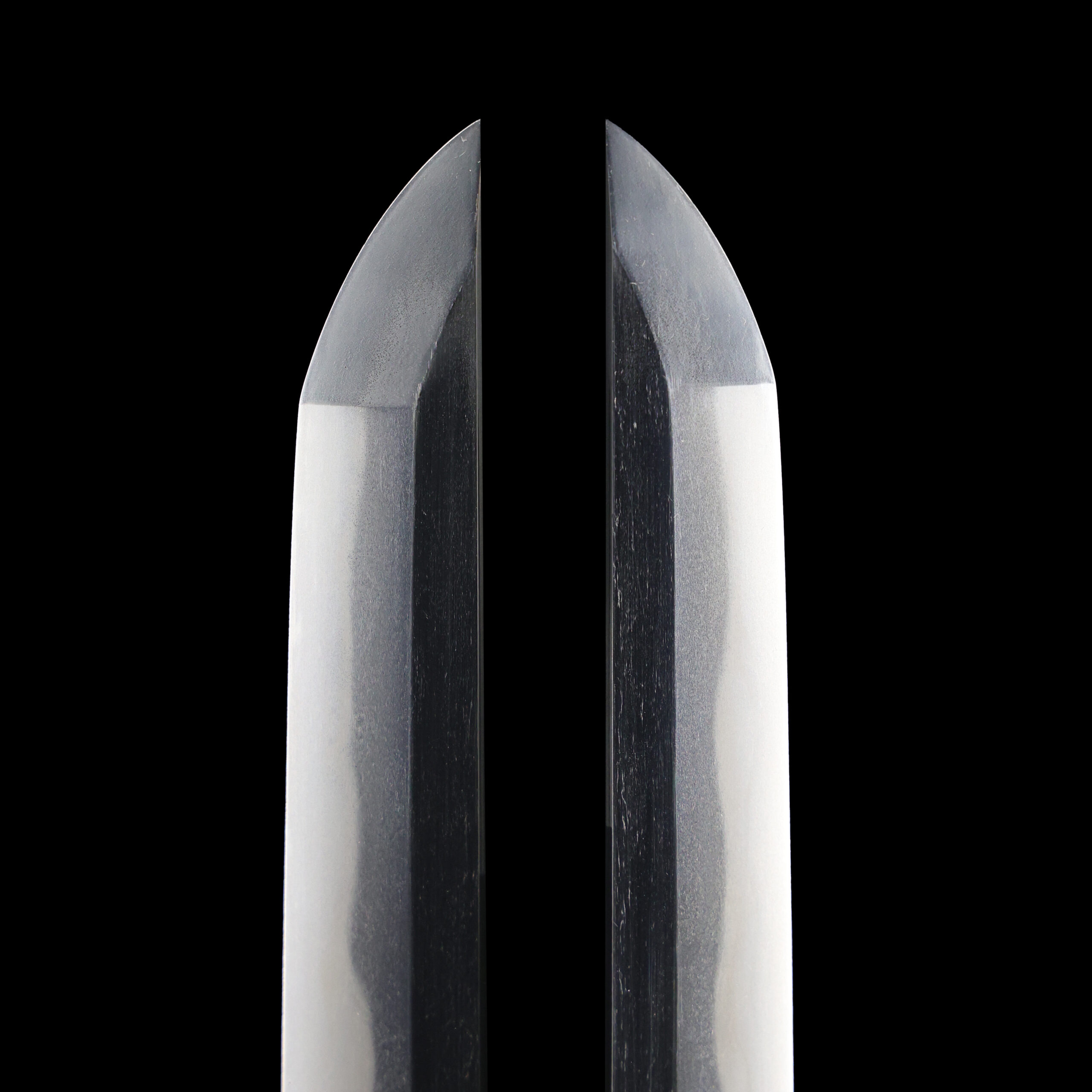
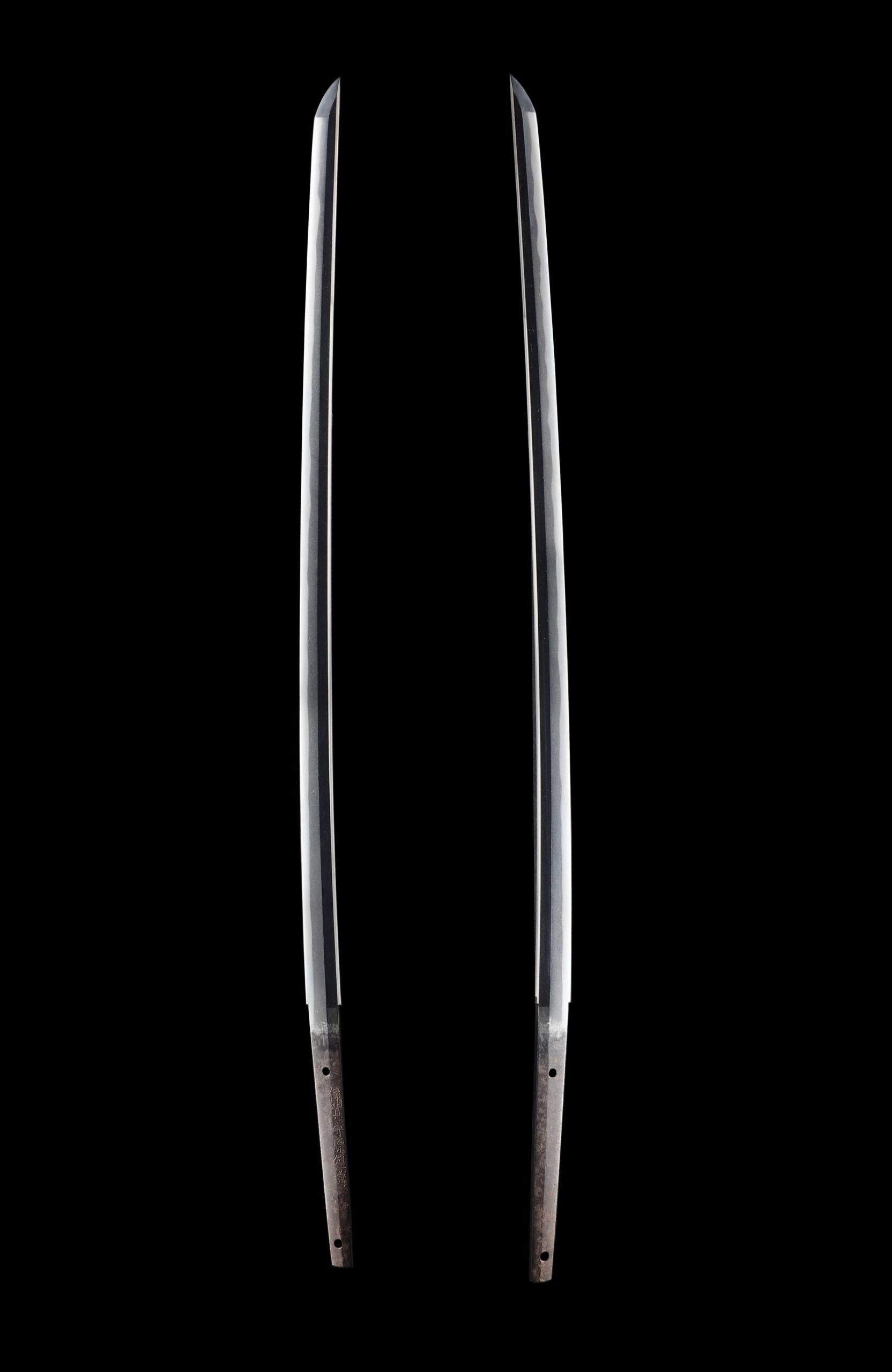
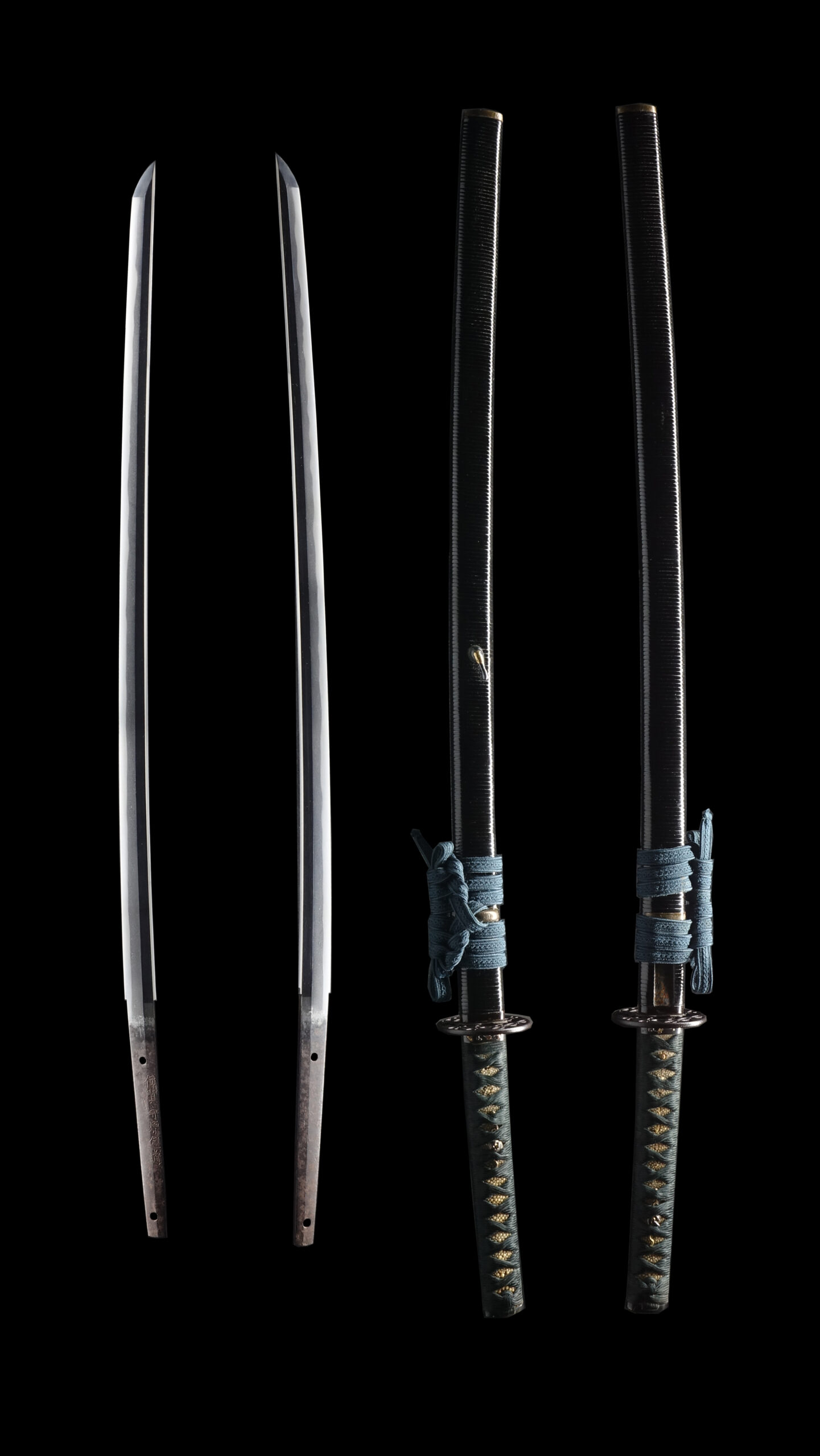
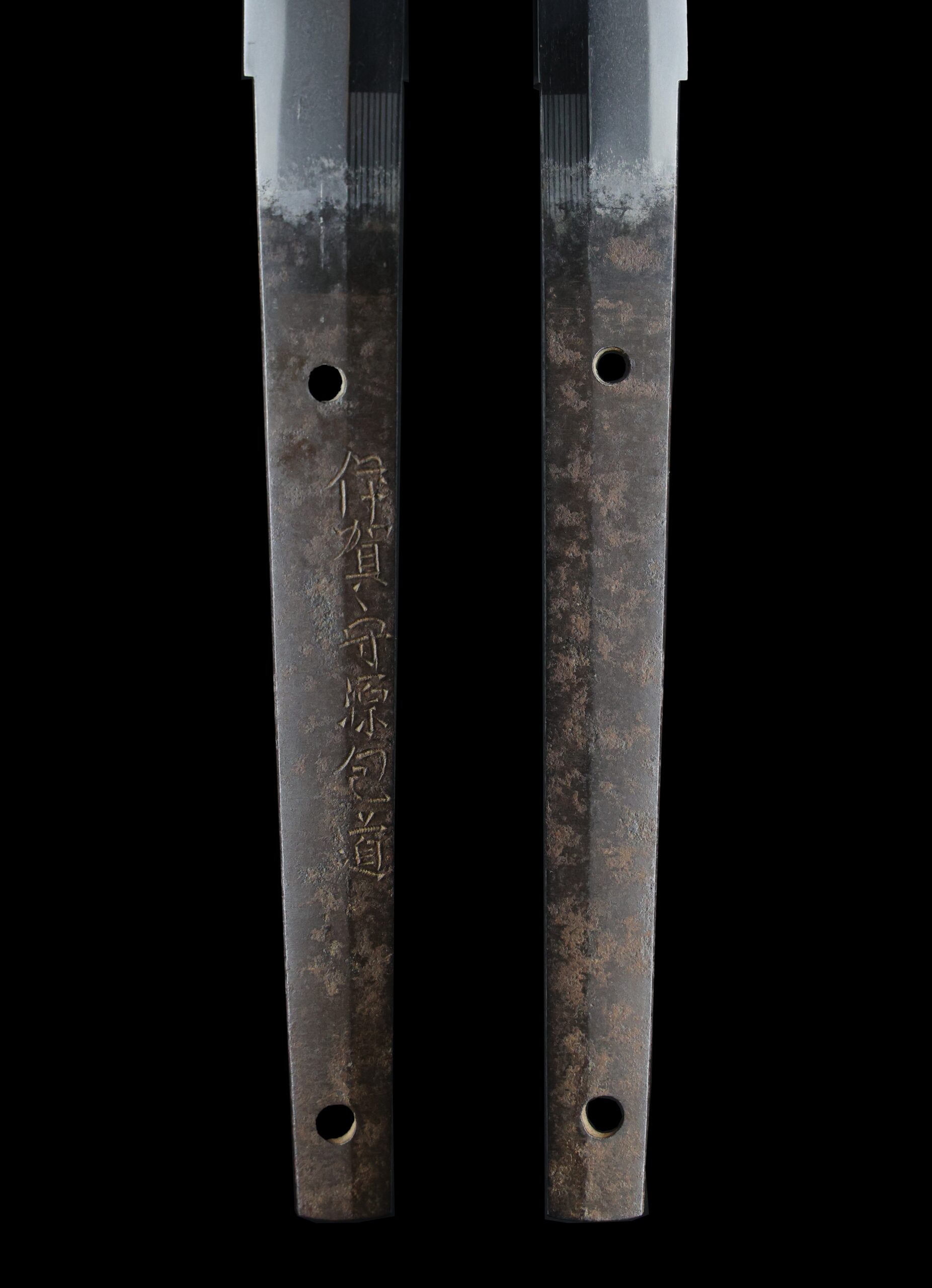
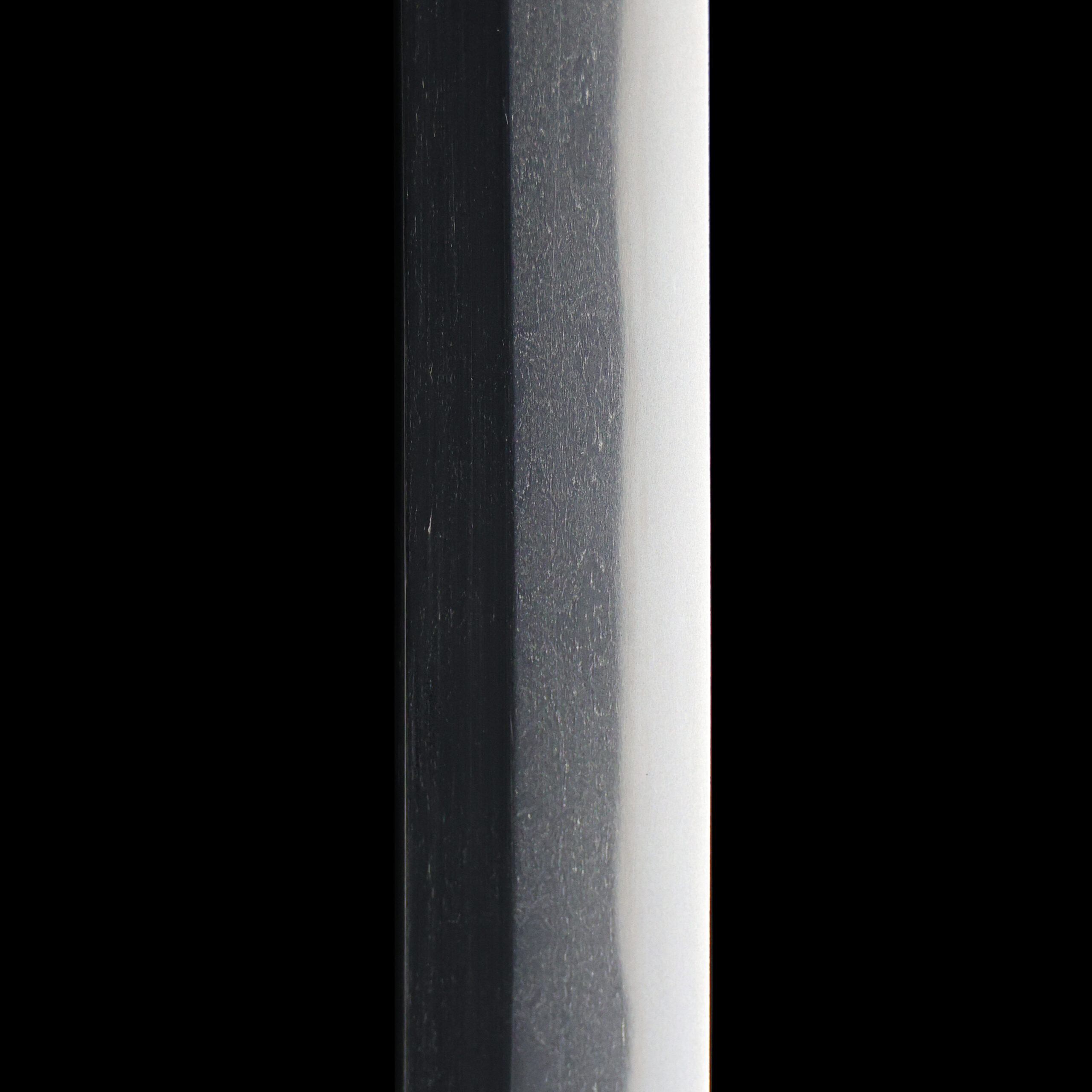
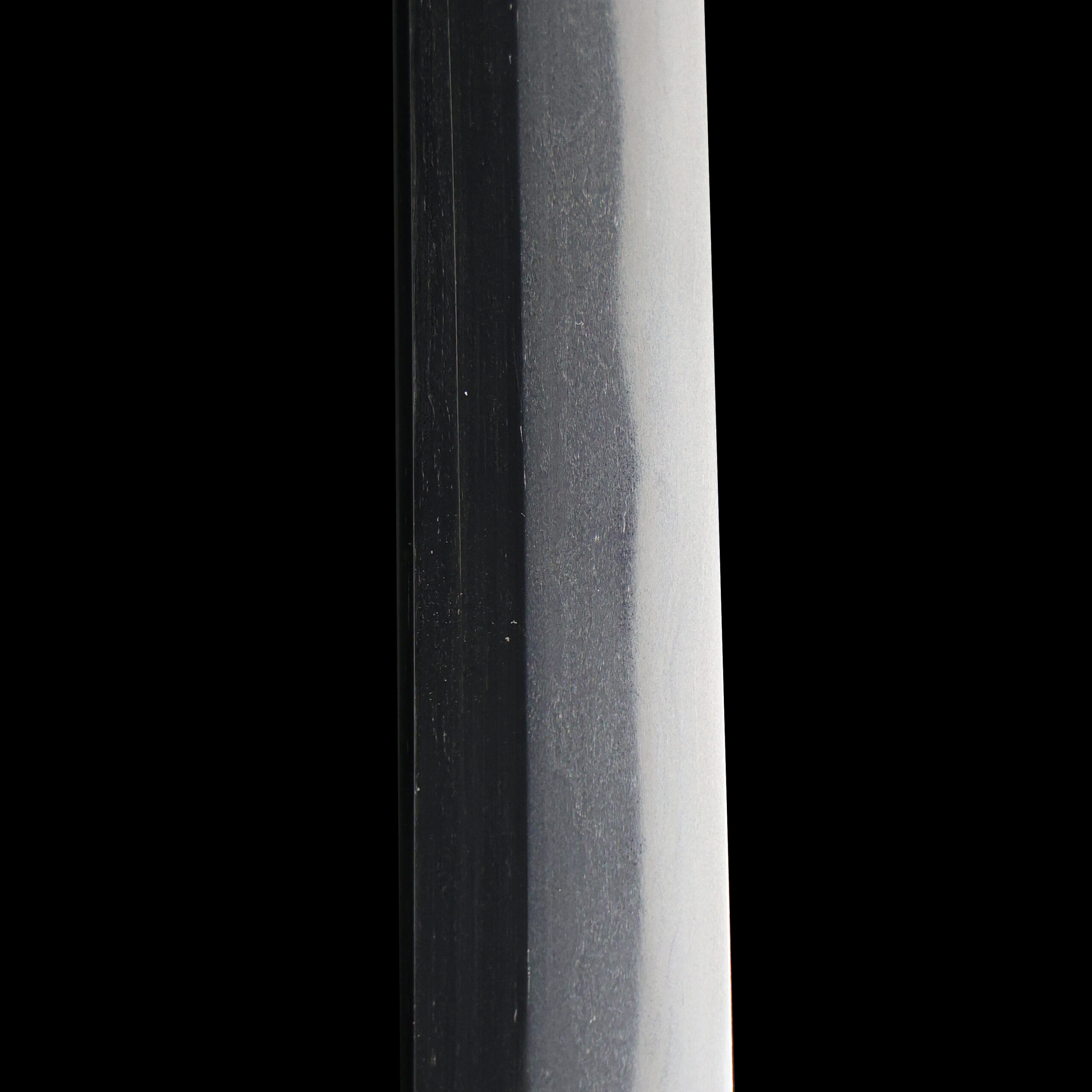
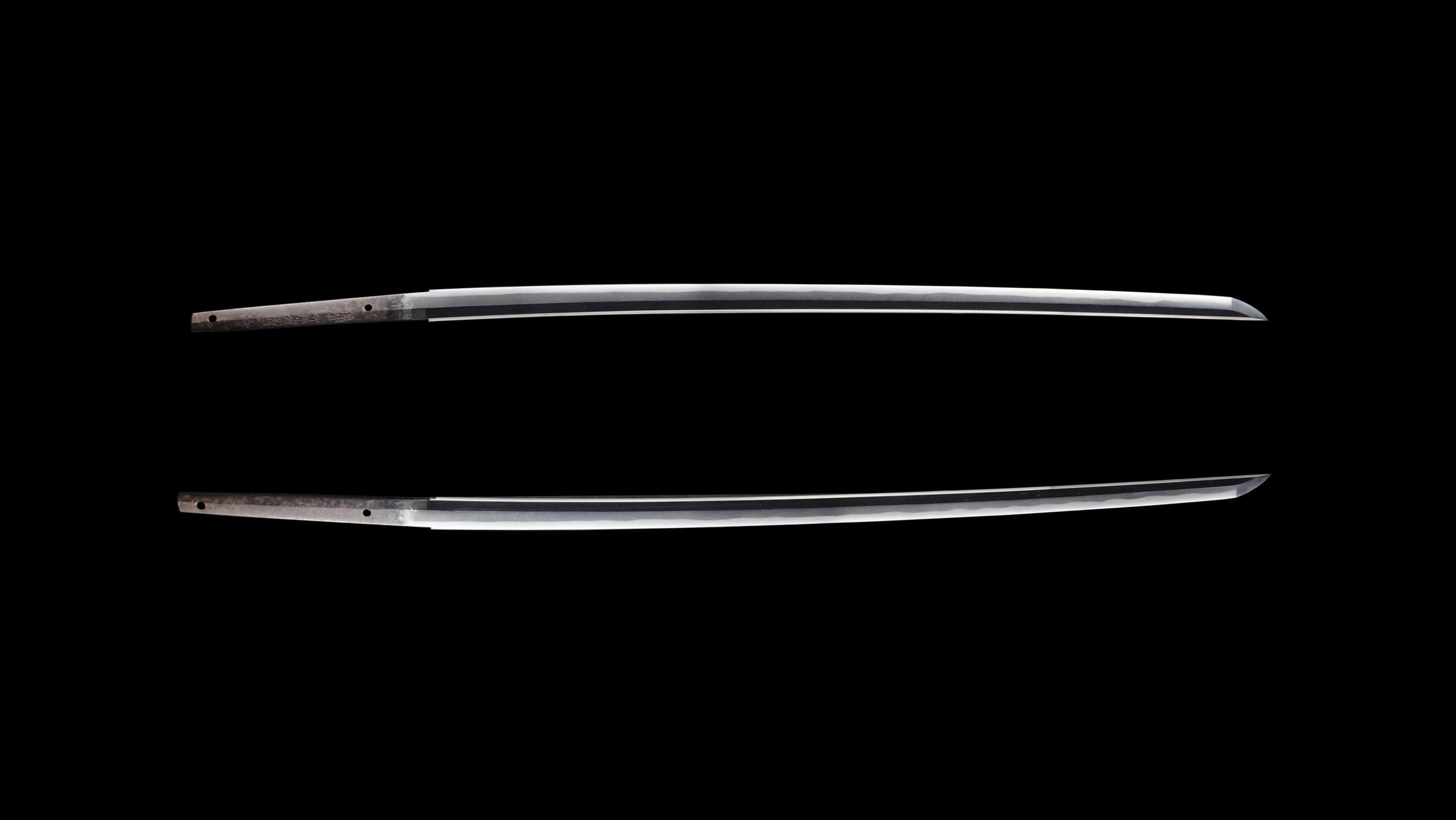
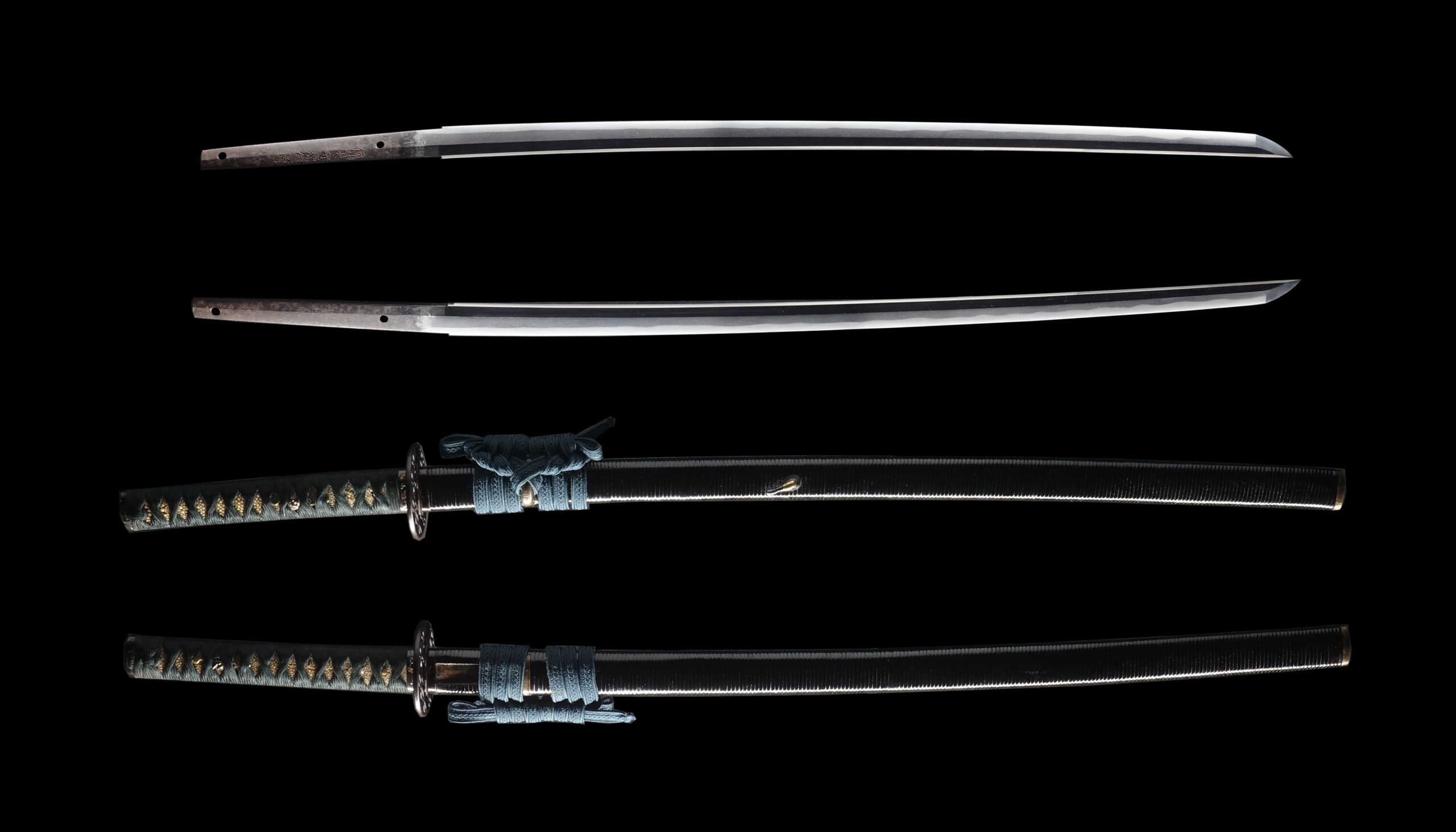
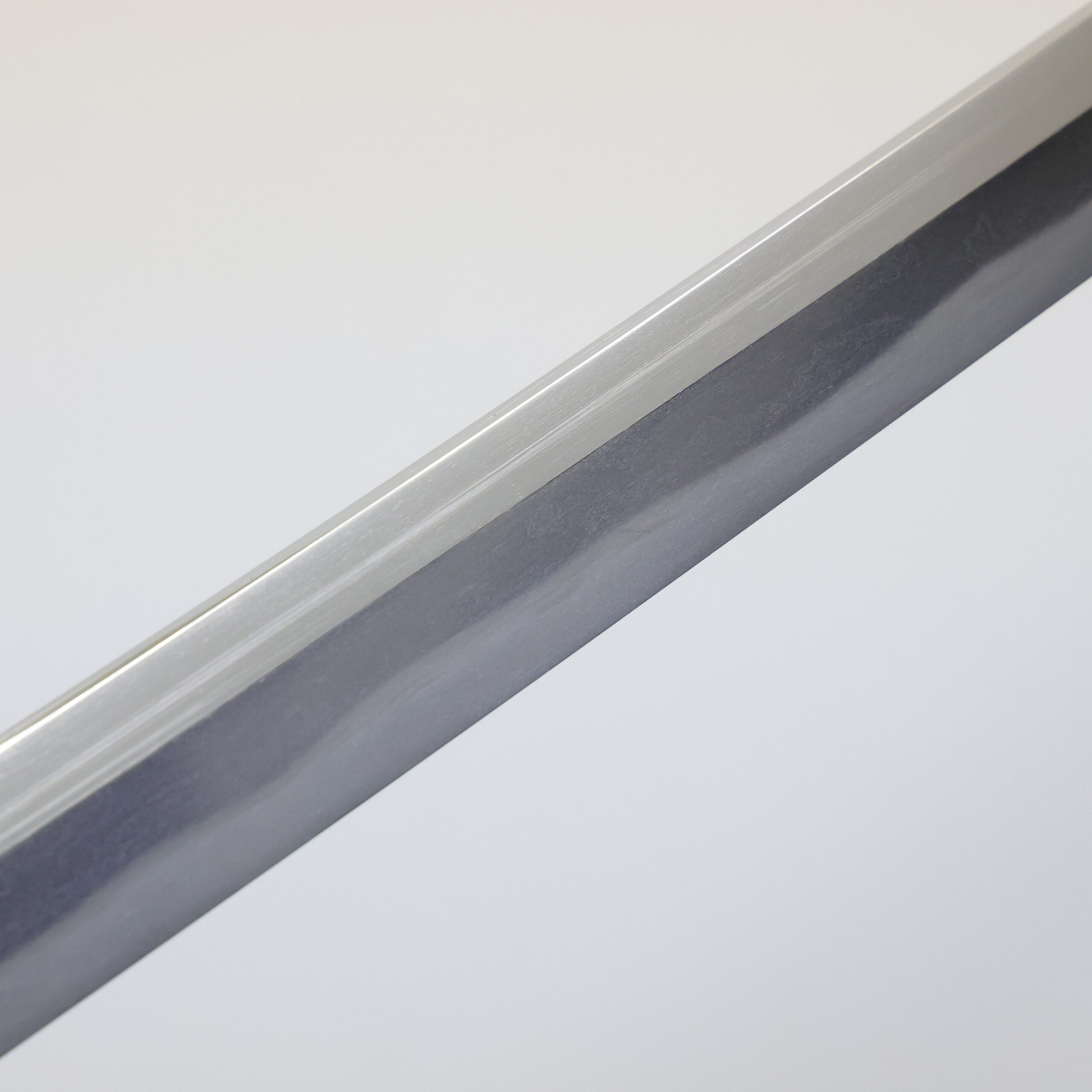
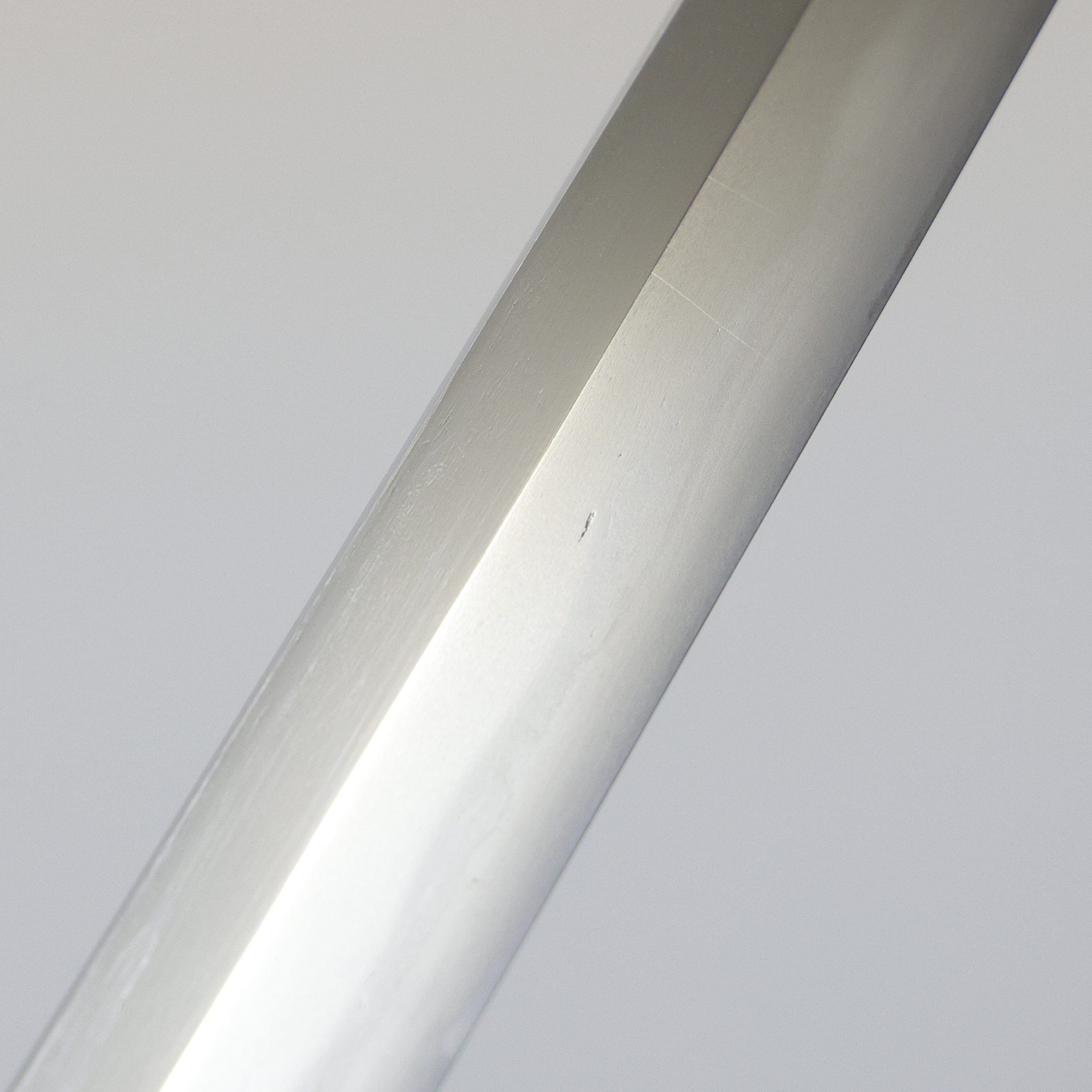
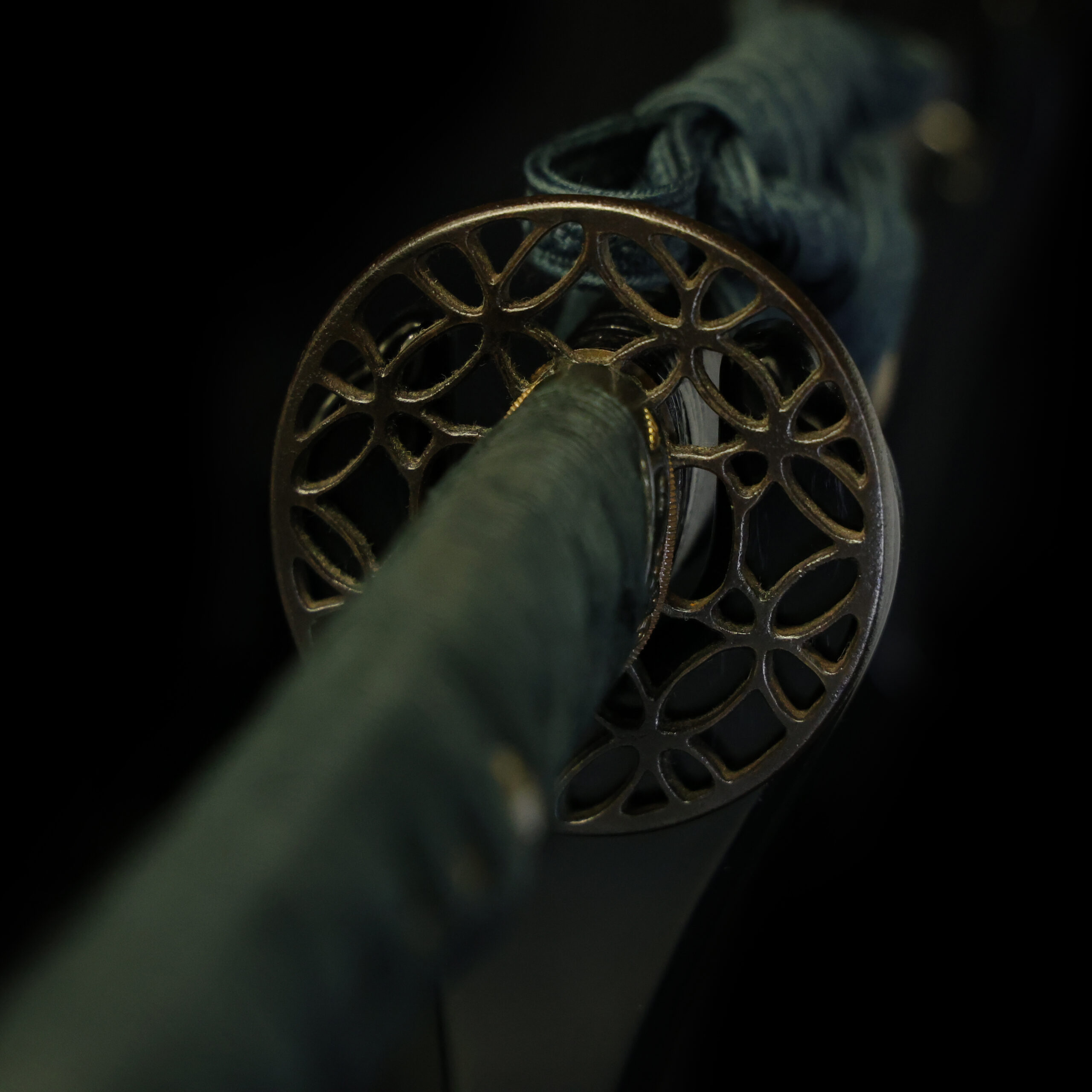
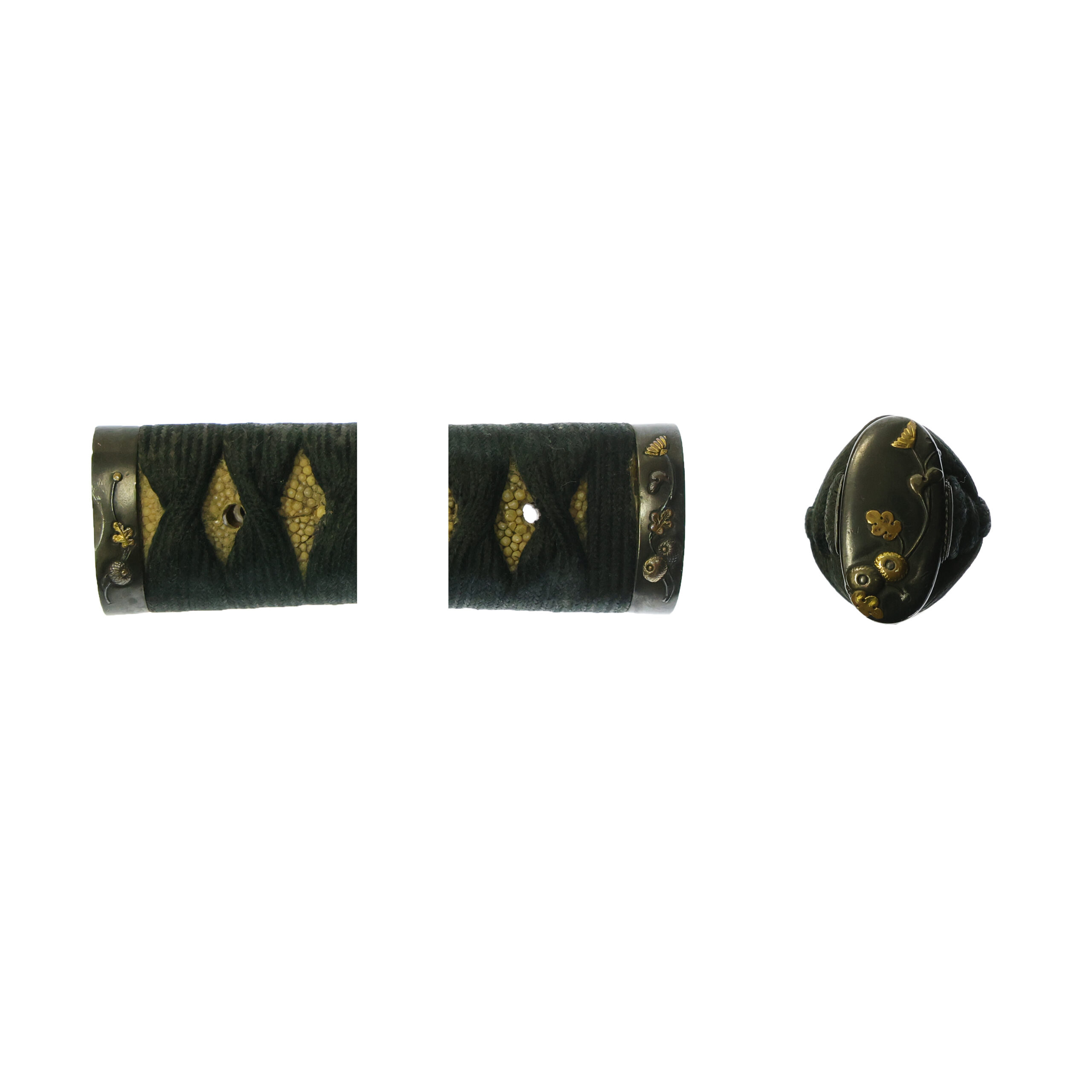
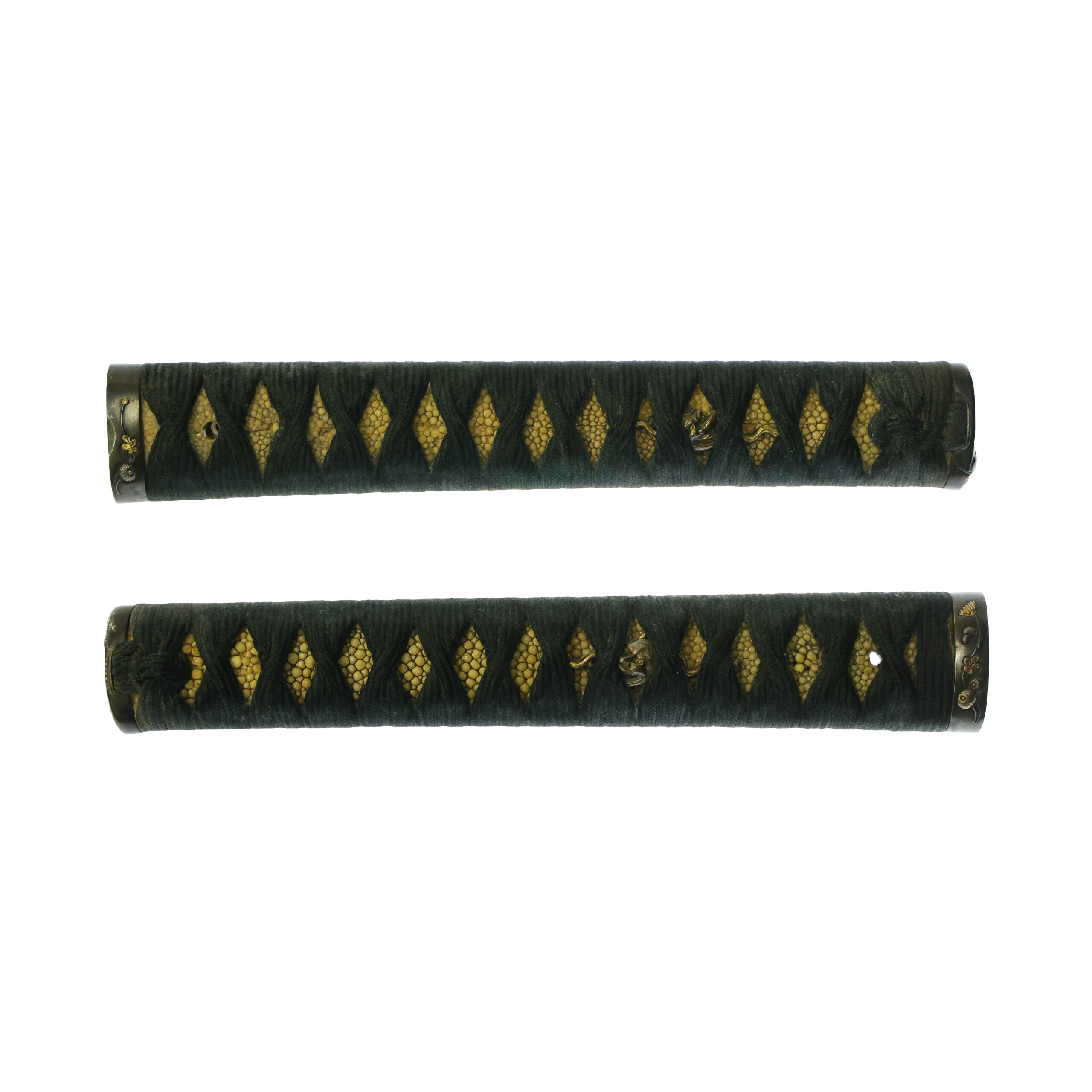
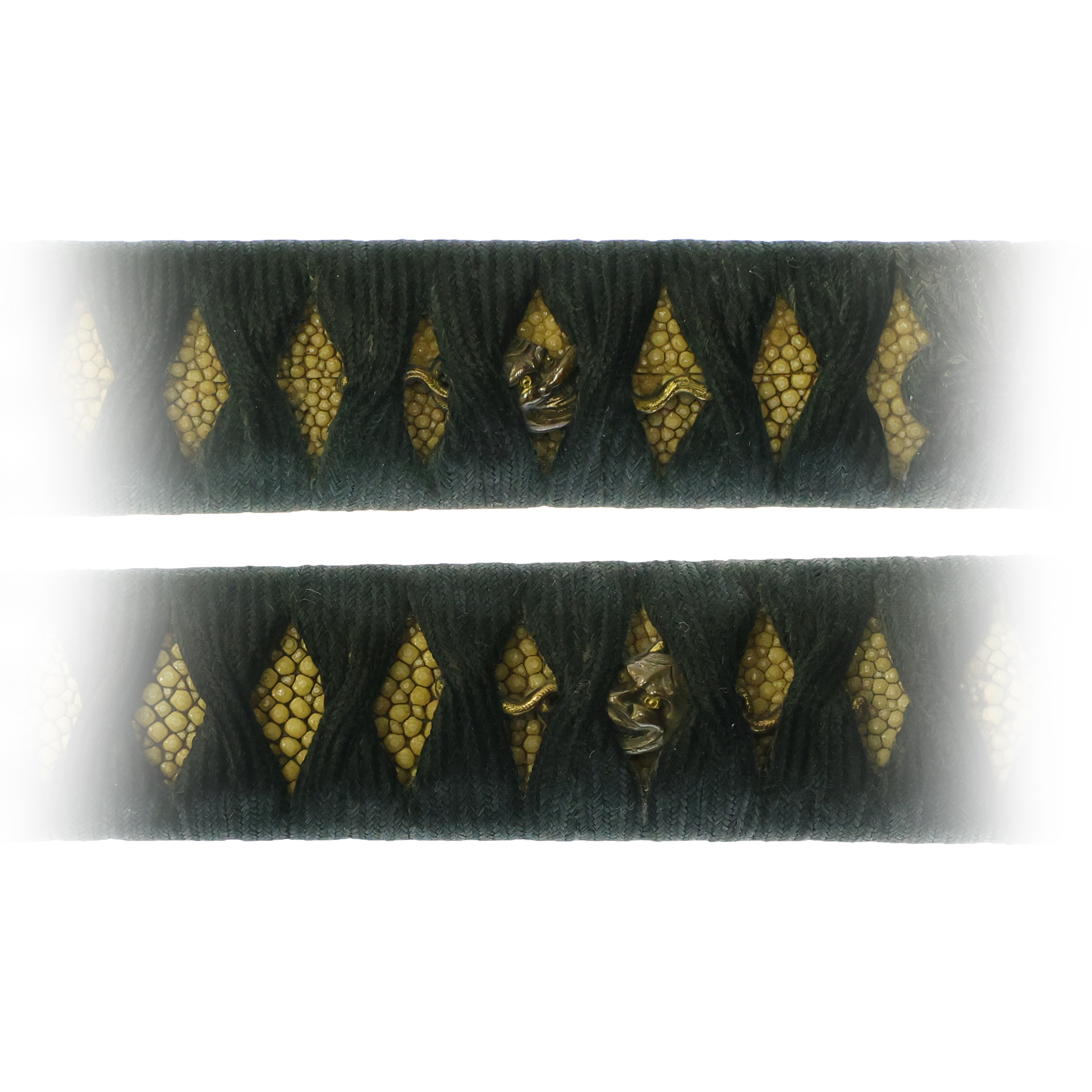
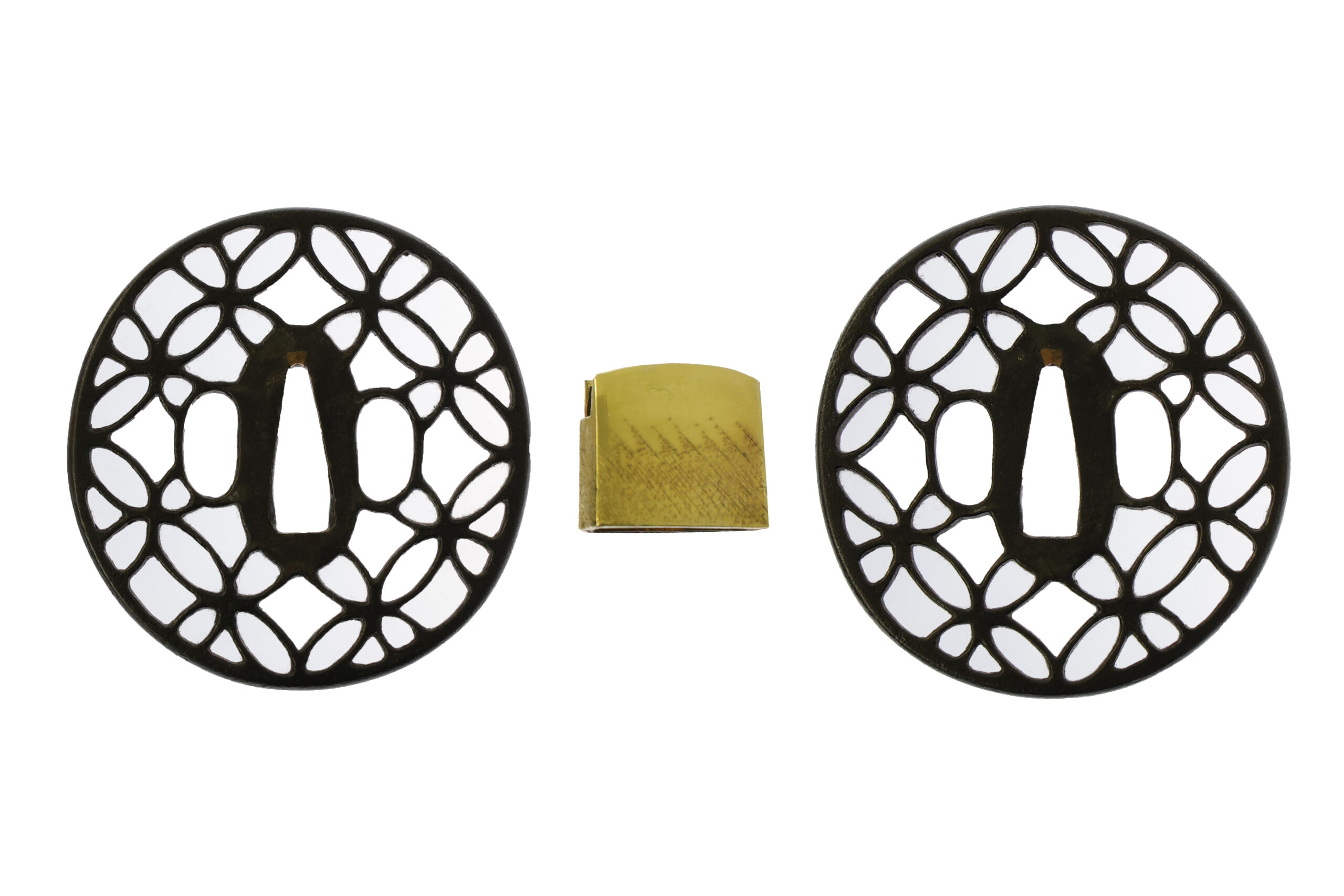
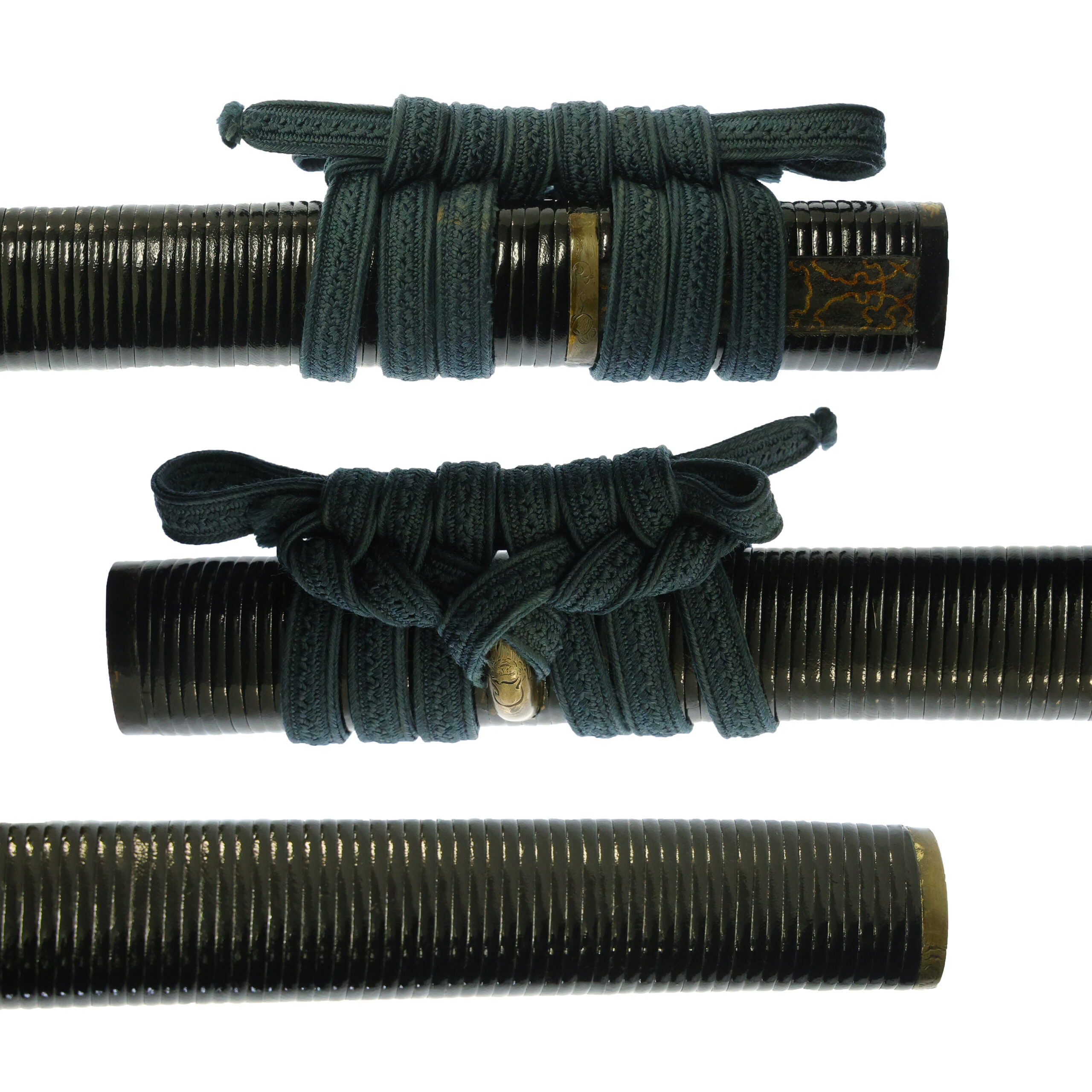
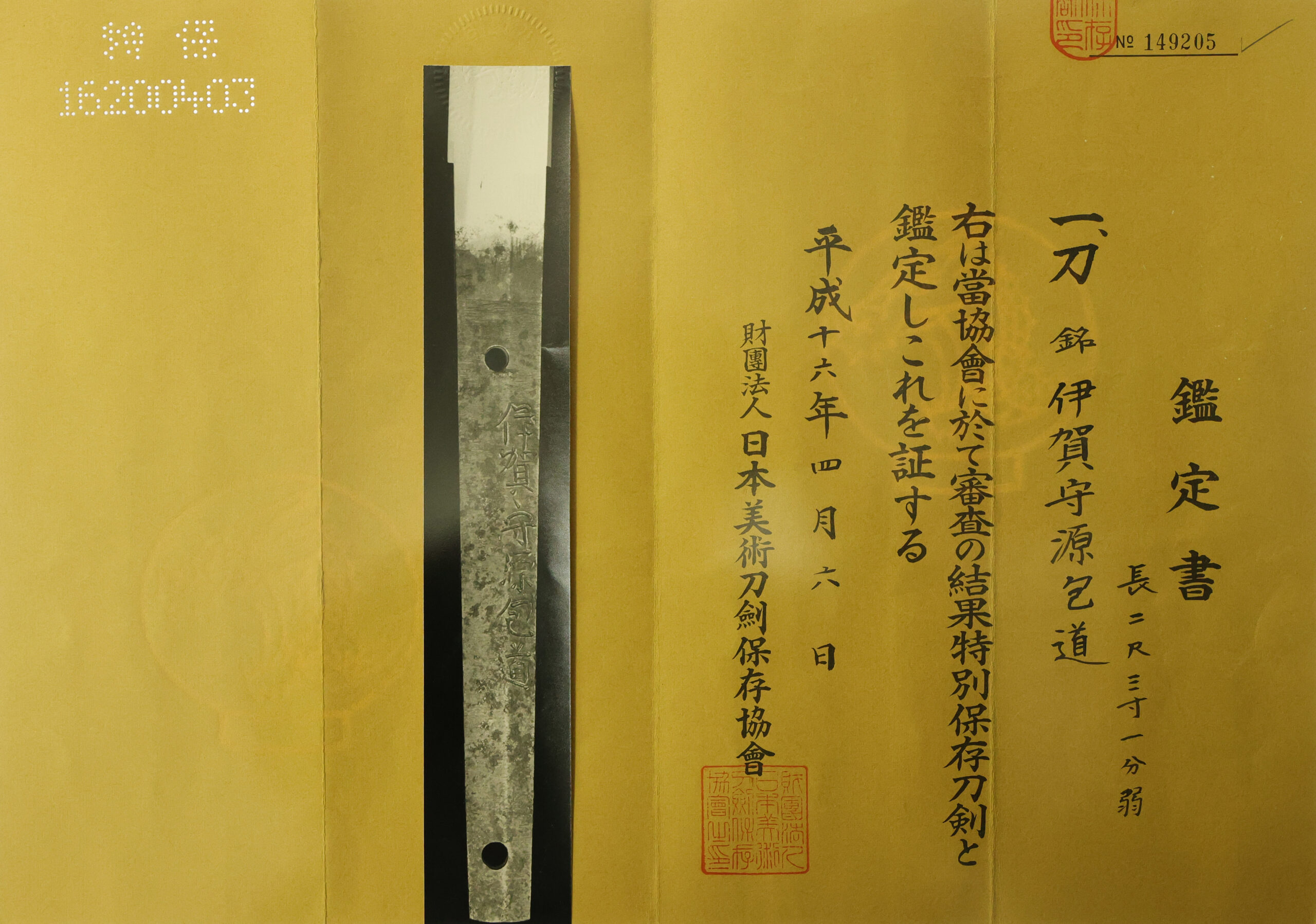
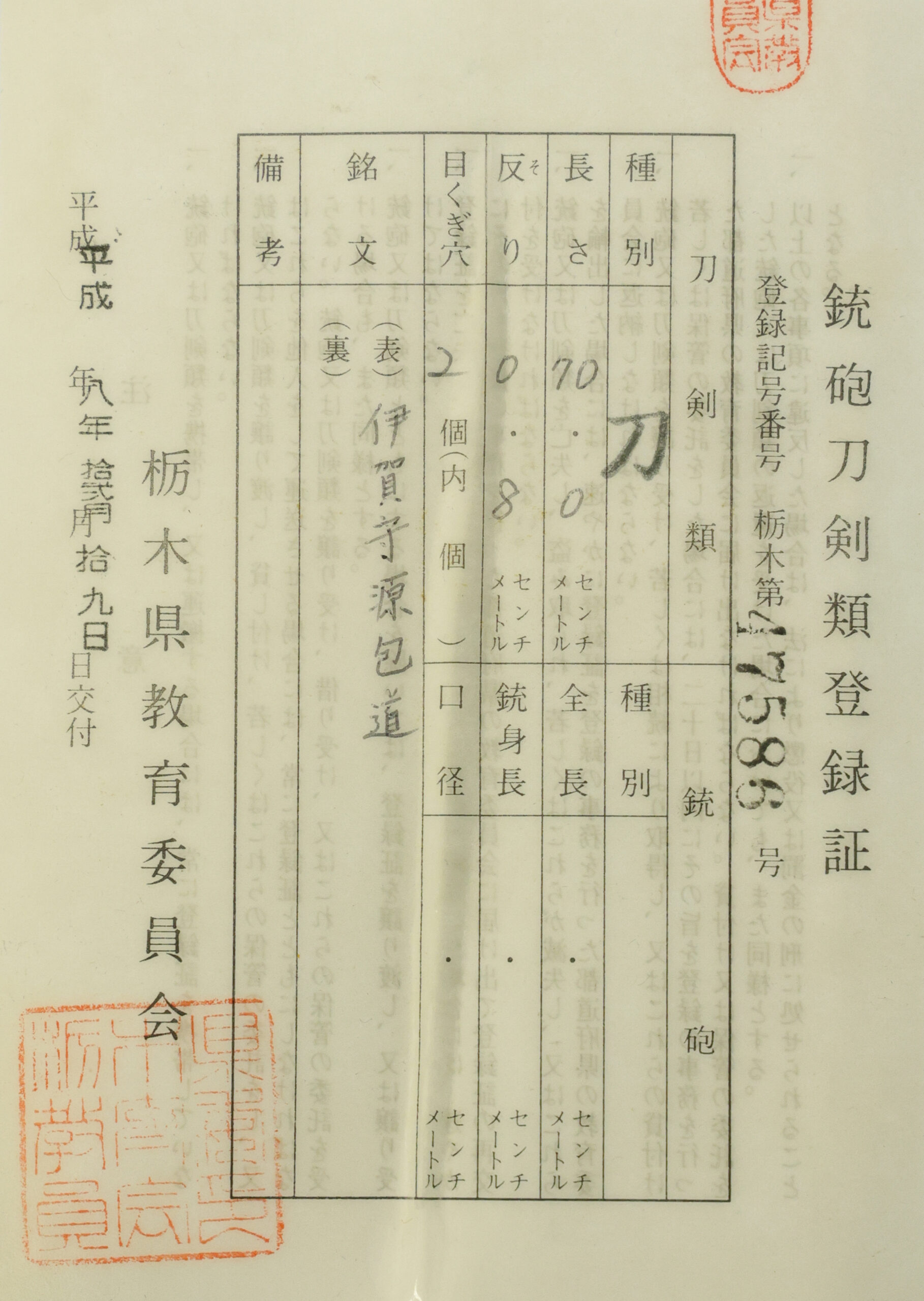
Antique Japanese Sword Katana Signed by Kanemichi with Tokubetsu Hozon Certificate 【Description】 This blade was signed by Iga no Kami Kanemichi (伊賀守包道), who was originally from Yamato province(today’s Nara). He was the son of Tatsu Zaemon Kanemichi (辰左衛門包道). During the KAN-BUN era(1661-1673), Kanemichi moved to Settsu province in Osaka prefecture. And, he worked for Mutsuno Kami Kaneyasu, a famous swordsmith in Osaka prefecture. Kanemichi received the title of Iganokami. The imperial court only gave the title of kami(守) to the swordsmiths who did excellent work. The Kanbun era (1661–1673) was part of Japan’s early Edo period, under the stable rule of the Tokugawa shogunate. After decades of conflict had ended, society was relatively peaceful, and people in major cities such as Edo (Tokyo), Kyoto, and Osaka saw steady economic and cultural growth. Osaka Shinto The blades forged by Iga no Kami Kanemichi are categorized as Osaka Shinto. Shinto is Japanese Sword terminology that refers to the swords forged during 1596-1781. The blades made in the Osaka area during this period are called Osaka Shinto. There are many famous swordsmiths in this Osaka Shinto era. After Hideyoshi Toyotomi built Osaka castle, Osaka city flourished as a castle town and became a business center. Many swordsmiths moved to Osaka to look for better opportunities. They not only forged swords for those Samurai who lived in Osaka but also for feudal lords nationwide. Ikanshi Tadatsuna(Awataguchi Omi no Kami Tadatsuna), Inoue Shinkai, and Tsuda Sukehiro are the most famous among many swordsmiths. One of the most notable characteristics of Osaka Shinto is its beauty in Jigane. Jigane is a visible steel surface pattern created by folding and hammering during the forging process), which made it possible by the location of Osaka. Osaka had close access to the production sites of the Tamahagane(special carbon steel to make Japanese swords). The swordsmiths residing in Osaka could get high-quality carbon steel from these sites. It is appraised as a Tokubetsu Hozon Token (特別保存刀剣) issued by NBTHK (Nihon Bijutsu Touken Hozon Kyokai:日本美術刀剣保存協会). This authentication paper was only given to authentic Japanese swords, especially well preserved and high quality with artistic value. *Please keep in mind that there are a couple of Kitae Kizu as well as relative long Hike Kizu (scratch on the blade). If you like to know the detailed condition, please feel free to contact us. 【Blade】 Cutting Edge Length(Nagasa) : 70.0 cm (27.5 inches) Curvature(Sori) : 0.8 cm (0.31 inches) Hamon : The crystalline structure which forms along the cutting edge of a blade as a result of the hardening process Jimon(Jihada) : visible steel surface pattern created by folding and hammering during forging process Kissaki : Kissaki is the tip of the Japanese sword. Nakago : Nakago is the tang of the Japanese sword. Japanese swordsmiths left the black rust on the tang because it prevents red rust while the tang is in its handle. And the discoloration of the tang was created over time, and it is a great indicator for a Japanese sword specialist to estimate when the sword was forged. Koshirae :Koshirae is the mounting of the Japanese sword. There are several parts that consist of Koshirae such as Saya (Scabbard), Tsuka (Handle), Tsuba (Handguard). Fuchi-Kashira : A pair of matching sword fittings that cover the upper and bottom parts of its sword hilt. The motif of this Fuchi-Kashira is Chrysanthemum (菊, Kiku). A long time ago, the chrysanthemum was used as a medicine to obtain a long life in China, and it was brought to Japan with this thought in the Nara period (648-781). The chrysanthemum is one of the flowers that symbolize fall, and people have appreciated it very much since ancient times. As its petals form radially, the chrysanthemum has been likened to the sun. That is why this flower pattern is treated as the symbol of perpetual youth and longevity or good health. “Kiku no Gomon (菊の御紋)” is a kind of
 NihontoWatch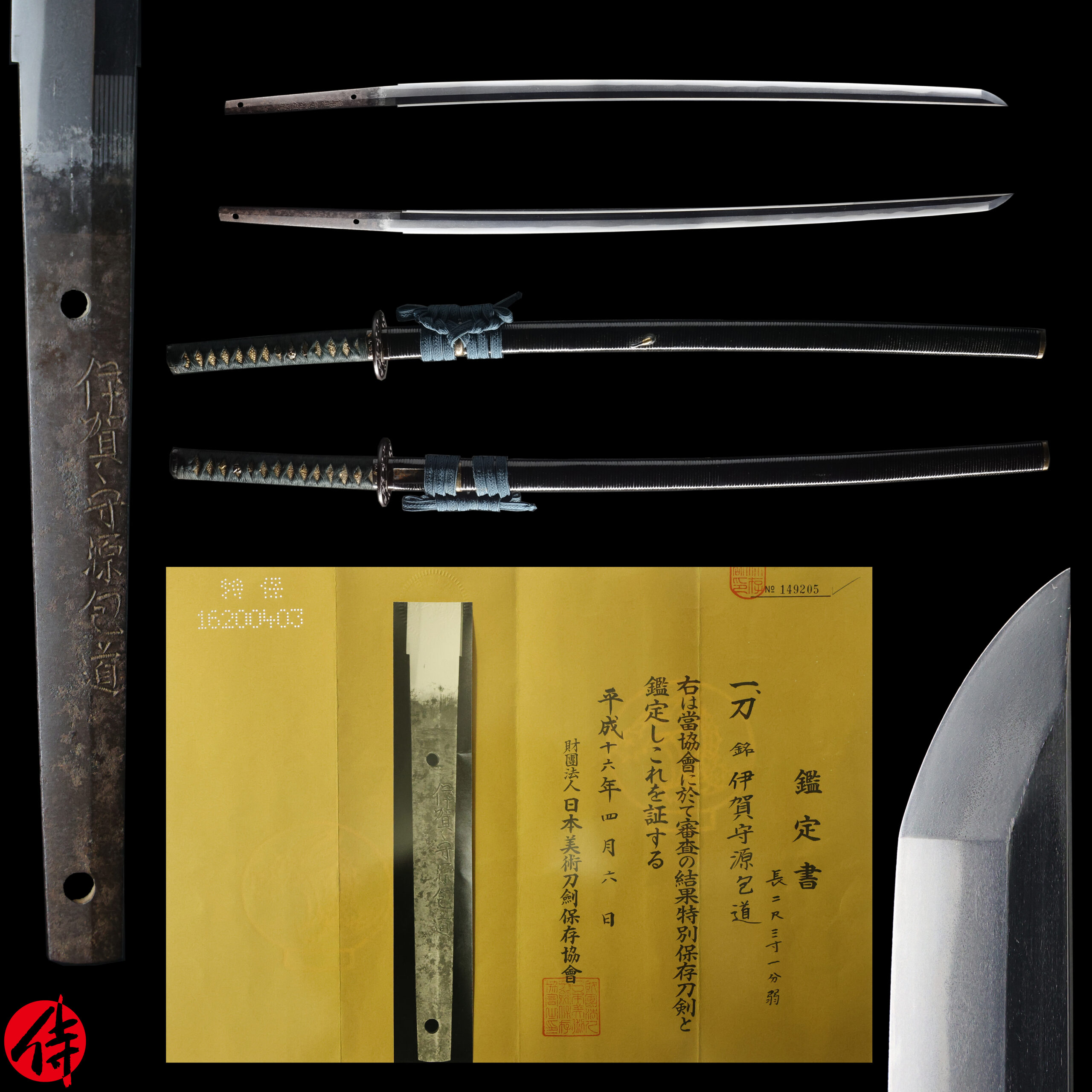
摂津 · 1673-1681頃
現在2点販売中
江戸時代
二世紀半の泰平のあいだ、刀は武器である以上に武士の身分の標章であった。江戸の実証と大坂の華やぎのように都市ごとの作風が育ち、時代の末には需要も細っていく。
保存刀剣のうち、出来が一層優れ、保存状態も良好と認められたものです。再刃や、室町・江戸期の多くの無銘作は対象外となり、保存刀剣より高い基準が課されます。
日本美術刀剣保存協会(NBTHK)は、1948年に設立され、文化庁の監督を受ける公益財団法人で、東京・刀剣博物館に本部を置きます。専門の審査員が出品作を直接審査し、美術的・歴史的価値に応じた鑑定書を発行します。NBTHKの鑑定書は、日本刀および刀装具の真正性を示す最も広く認知された基準です。
NBTHK公式サイトReturns/exchanges limited to defects caused by shipping (except willful misconduct or gross negligence by the company); customers must contact within 72 hours of receiving the product.
Antique Japanese Sword Katana Signed by Kanemichi with Tokubetsu Hozon Certificate 【Description】 This blade was signed by Iga no Kami Kanemichi (伊賀守包道), who was originally from Yamato province(today’s Nara). He was the son of Tatsu Zaemon Kanemichi (辰左衛門包道). During the KAN-BUN era(1661-1673), Kanemichi moved to Settsu province in Osaka prefecture. And, he worked for Mutsuno Kami Kaneyasu, a famous swordsmith in Osaka prefecture. Kanemichi received the title of Iganokami. The imperial court only gave the title of kami(守) to the swordsmiths who did excellent work. The Kanbun era (1661–1673) was part of Japan’s early Edo period, under the stable rule of the Tokugawa shogunate. After decades of conflict had ended, society was relatively peaceful, and people in major cities such as Edo (Tokyo), Kyoto, and Osaka saw steady economic and cultural growth. Osaka Shinto The blades forged by Iga no Kami Kanemichi are categorized as Osaka Shinto. Shinto is Japanese Sword terminology that refers to the swords forged during 1596-1781. The blades made in the Osaka area during this period are called Osaka Shinto. There are many famous swordsmiths in this Osaka Shinto era. After Hideyoshi Toyotomi built Osaka castle, Osaka city flourished as a castle town and became a business center. Many swordsmiths moved to Osaka to look for better opportunities. They not only forged swords for those Samurai who lived in Osaka but also for feudal lords nationwide. Ikanshi Tadatsuna(Awataguchi Omi no Kami Tadatsuna), Inoue Shinkai, and Tsuda Sukehiro are the most famous among many swordsmiths. One of the most notable characteristics of Osaka Shinto is its beauty in Jigane. Jigane is a visible steel surface pattern created by folding and hammering during the forging process), which made it possible by the location of Osaka. Osaka had close access to the production sites of the Tamahagane(special carbon steel to make Japanese swords). The swordsmiths residing in Osaka could get high-quality carbon steel from these sites. It is appraised as a Tokubetsu Hozon Token (特別保存刀剣) issued by NBTHK (Nihon Bijutsu Touken Hozon Kyokai:日本美術刀剣保存協会). This authentication paper was only given to authentic Japanese swords, especially well preserved and high quality with artistic value. *Please keep in mind that there are a couple of Kitae Kizu as well as relative long Hike Kizu (scratch on the blade). If you like to know the detailed condition, please feel free to contact us. 【Blade】 Cutting Edge Length(Nagasa) : 70.0 cm (27.5 inches) Curvature(Sori) : 0.8 cm (0.31 inches) Hamon : The crystalline structure which forms along the cutting edge of a blade as a result of the hardening process Jimon(Jihada) : visible steel surface pattern created by folding and hammering during forging process Kissaki : Kissaki is the tip of the Japanese sword. Nakago : Nakago is the tang of the Japanese sword. Japanese swordsmiths left the black rust on the tang because it prevents red rust while the tang is in its handle. And the discoloration of the tang was created over time, and it is a great indicator for a Japanese sword specialist to estimate when the sword was forged. Koshirae :Koshirae is the mounting of the Japanese sword. There are several parts that consist of Koshirae such as Saya (Scabbard), Tsuka (Handle), Tsuba (Handguard). Fuchi-Kashira : A pair of matching sword fittings that cover the upper and bottom parts of its sword hilt. The motif of this Fuchi-Kashira is Chrysanthemum (菊, Kiku). A long time ago, the chrysanthemum was used as a medicine to obtain a long life in China, and it was brought to Japan with this thought in the Nara period (648-781). The chrysanthemum is one of the flowers that symbolize fall, and people have appreciated it very much since ancient times. As its petals form radially, the chrysanthemum has been likened to the sun. That is why this flower pattern is treated as the symbol of perpetual youth and longevity or good health. “Kiku no Gomon (菊の御紋)” is a kind of
NihontoWatch摂津 · 1673-1681頃
現在2点販売中
江戸時代
二世紀半の泰平のあいだ、刀は武器である以上に武士の身分の標章であった。江戸の実証と大坂の華やぎのように都市ごとの作風が育ち、時代の末には需要も細っていく。
保存刀剣のうち、出来が一層優れ、保存状態も良好と認められたものです。再刃や、室町・江戸期の多くの無銘作は対象外となり、保存刀剣より高い基準が課されます。
日本美術刀剣保存協会(NBTHK)は、1948年に設立され、文化庁の監督を受ける公益財団法人で、東京・刀剣博物館に本部を置きます。専門の審査員が出品作を直接審査し、美術的・歴史的価値に応じた鑑定書を発行します。NBTHKの鑑定書は、日本刀および刀装具の真正性を示す最も広く認知された基準です。
NBTHK公式サイトReturns/exchanges limited to defects caused by shipping (except willful misconduct or gross negligence by the company); customers must contact within 72 hours of receiving the product.