江戸は刀の目利きの時代である。本阿弥の鑑定、1719年の享保名物帳、盛んな刀剣書が、戦で抜かれることのなくなった刀を学問の対象へと変えていった。
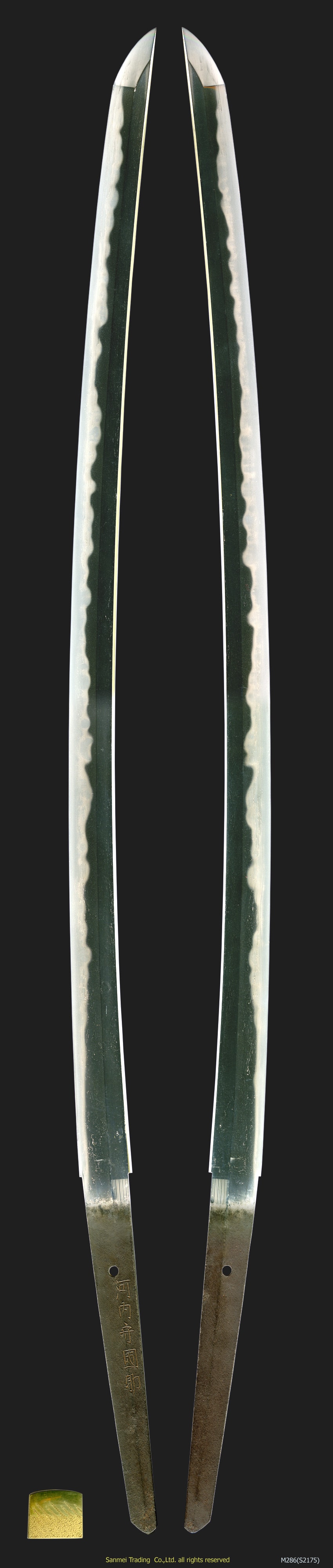
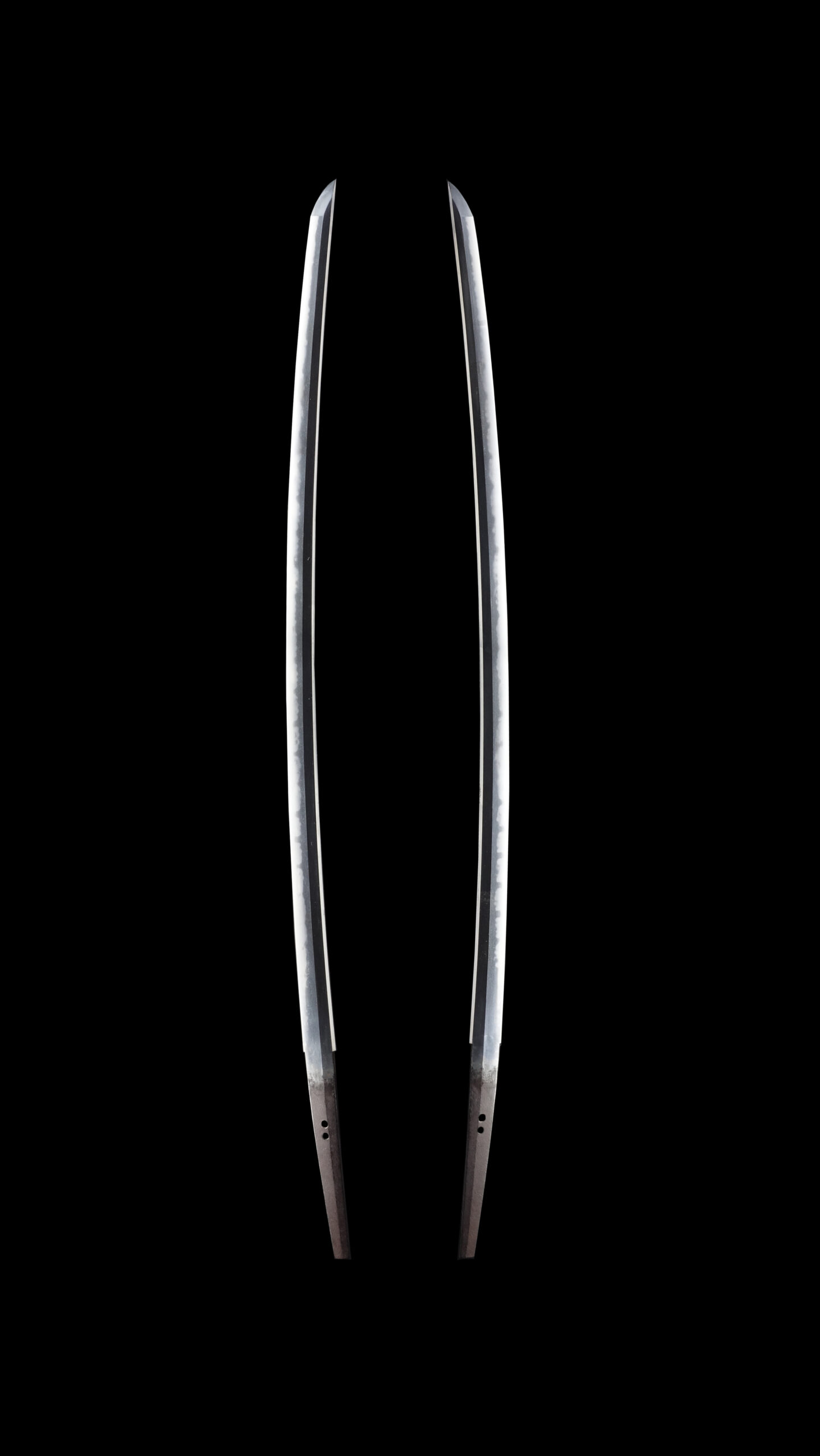
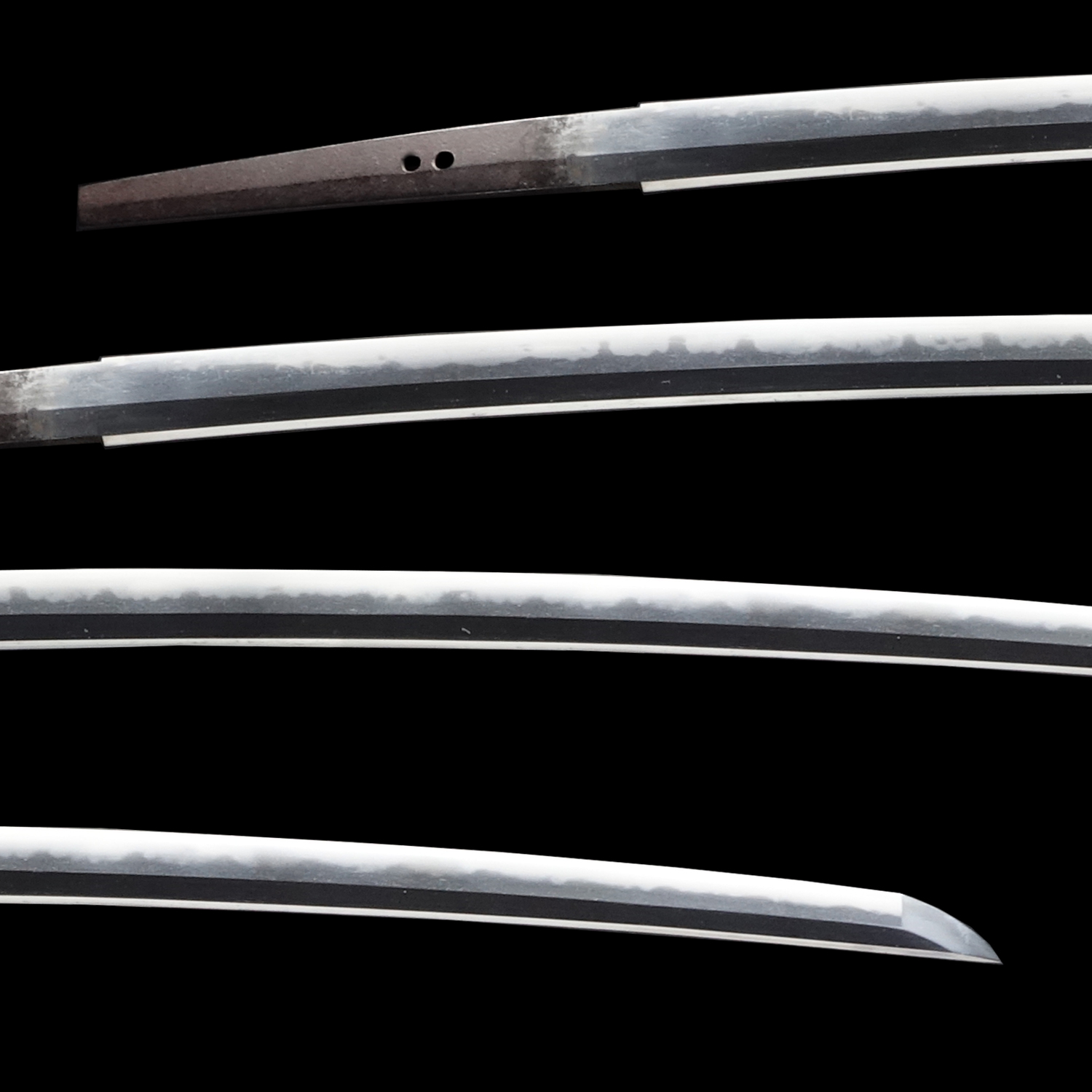
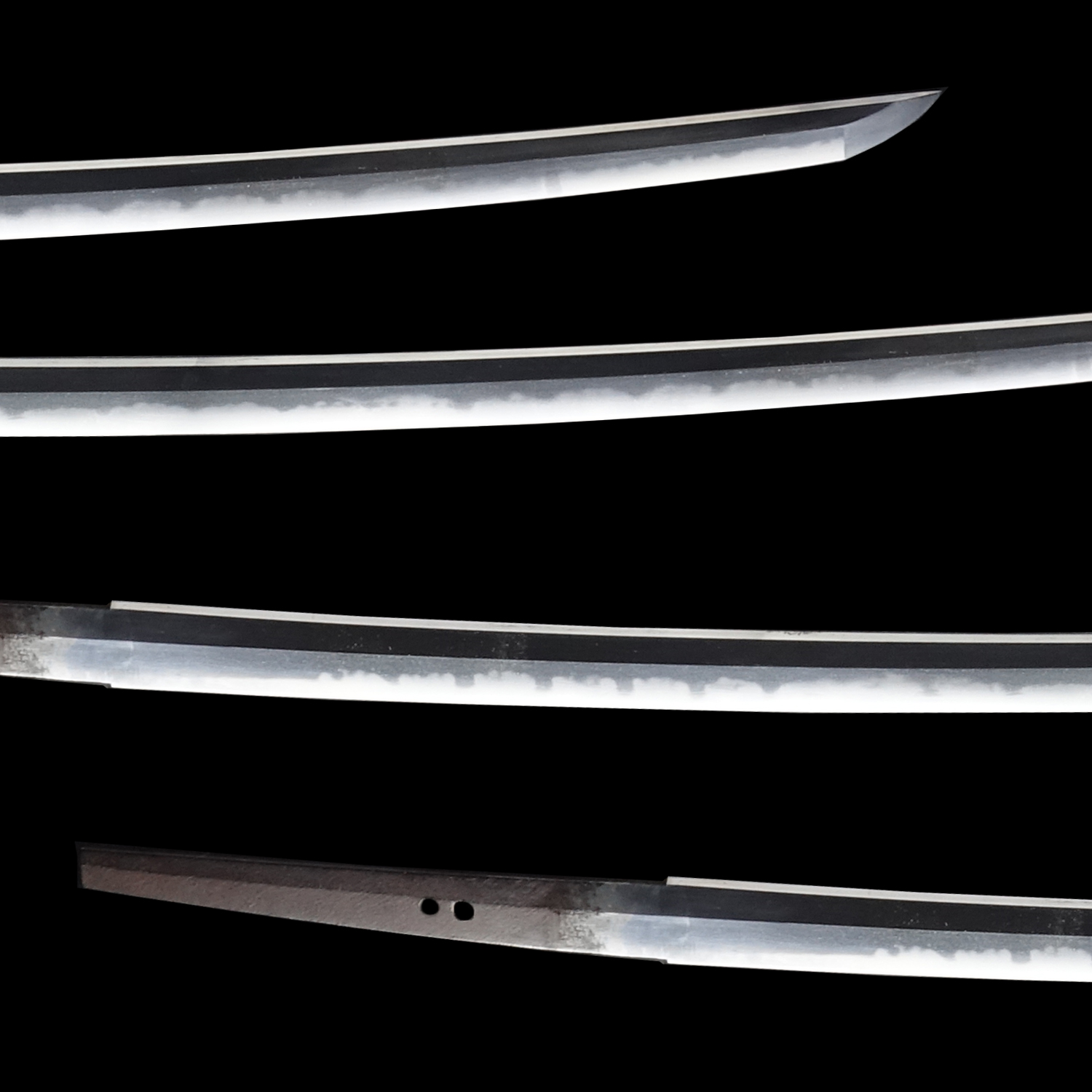
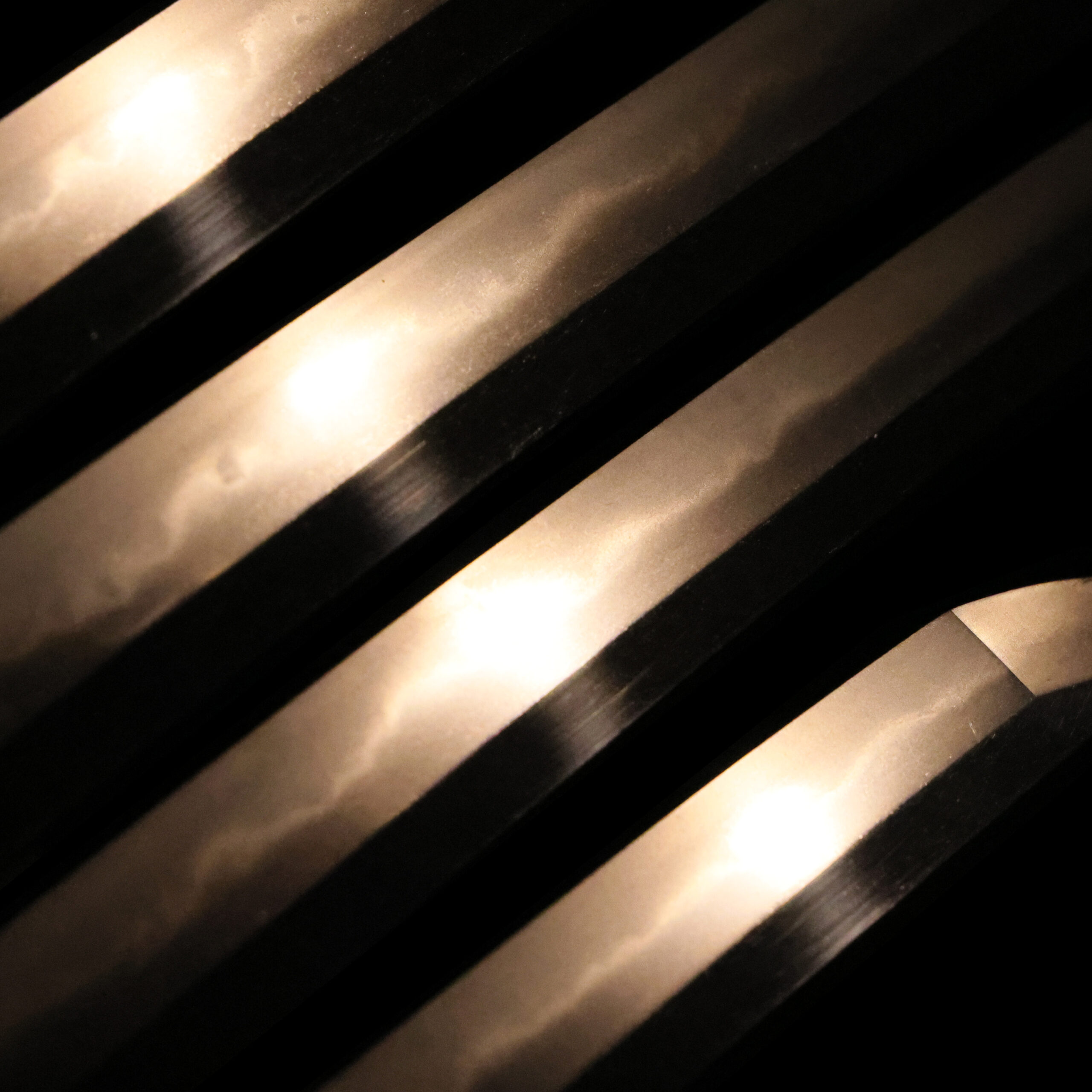
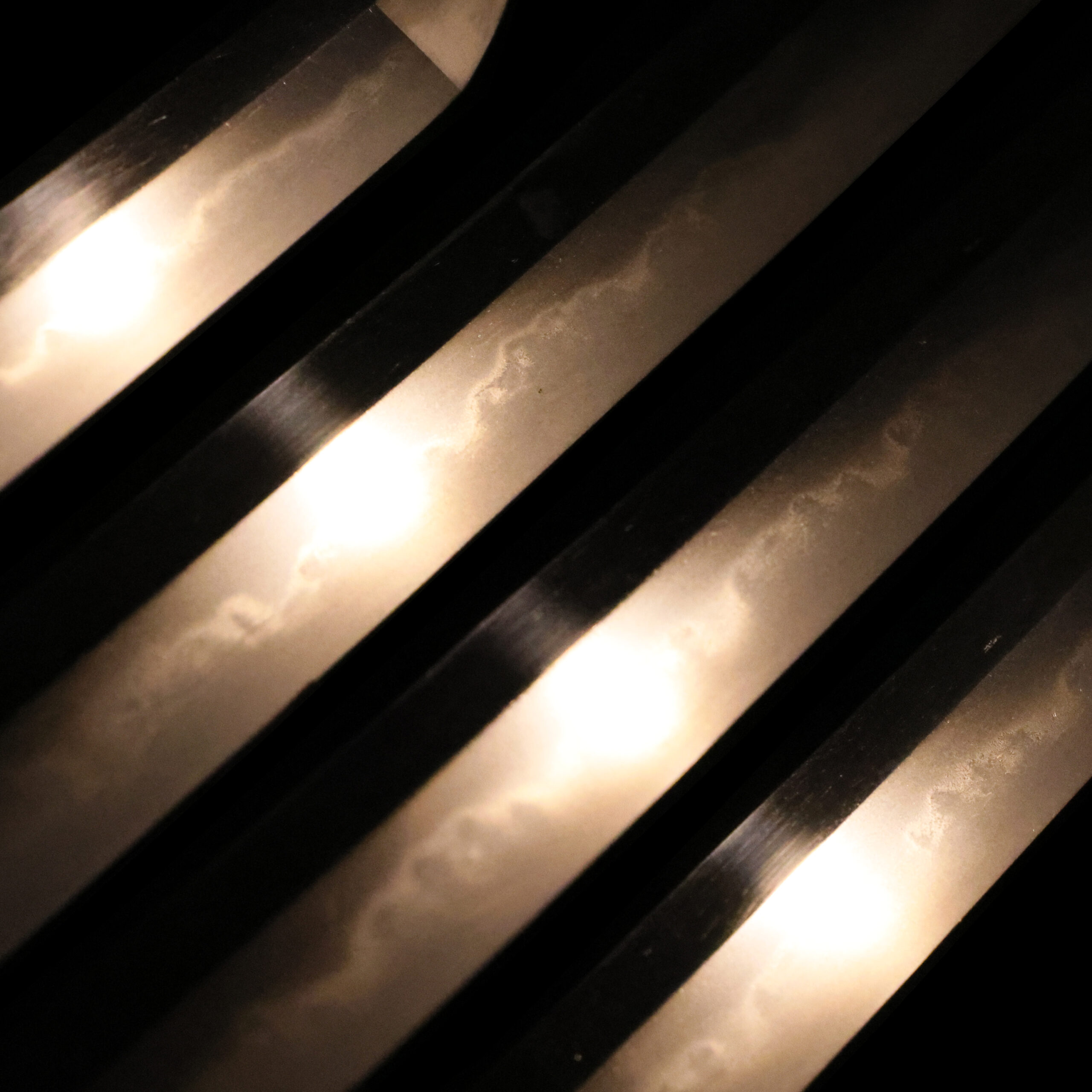
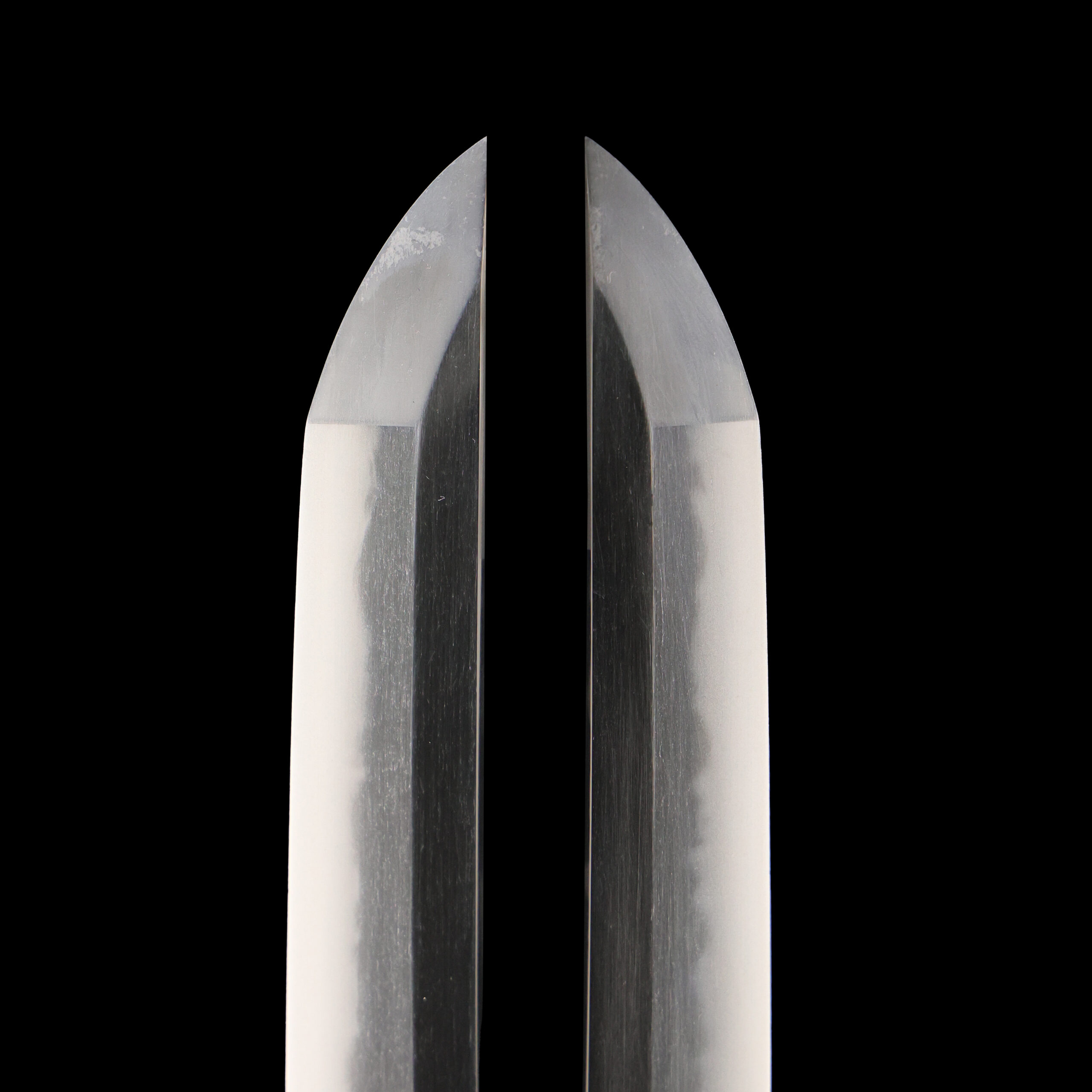
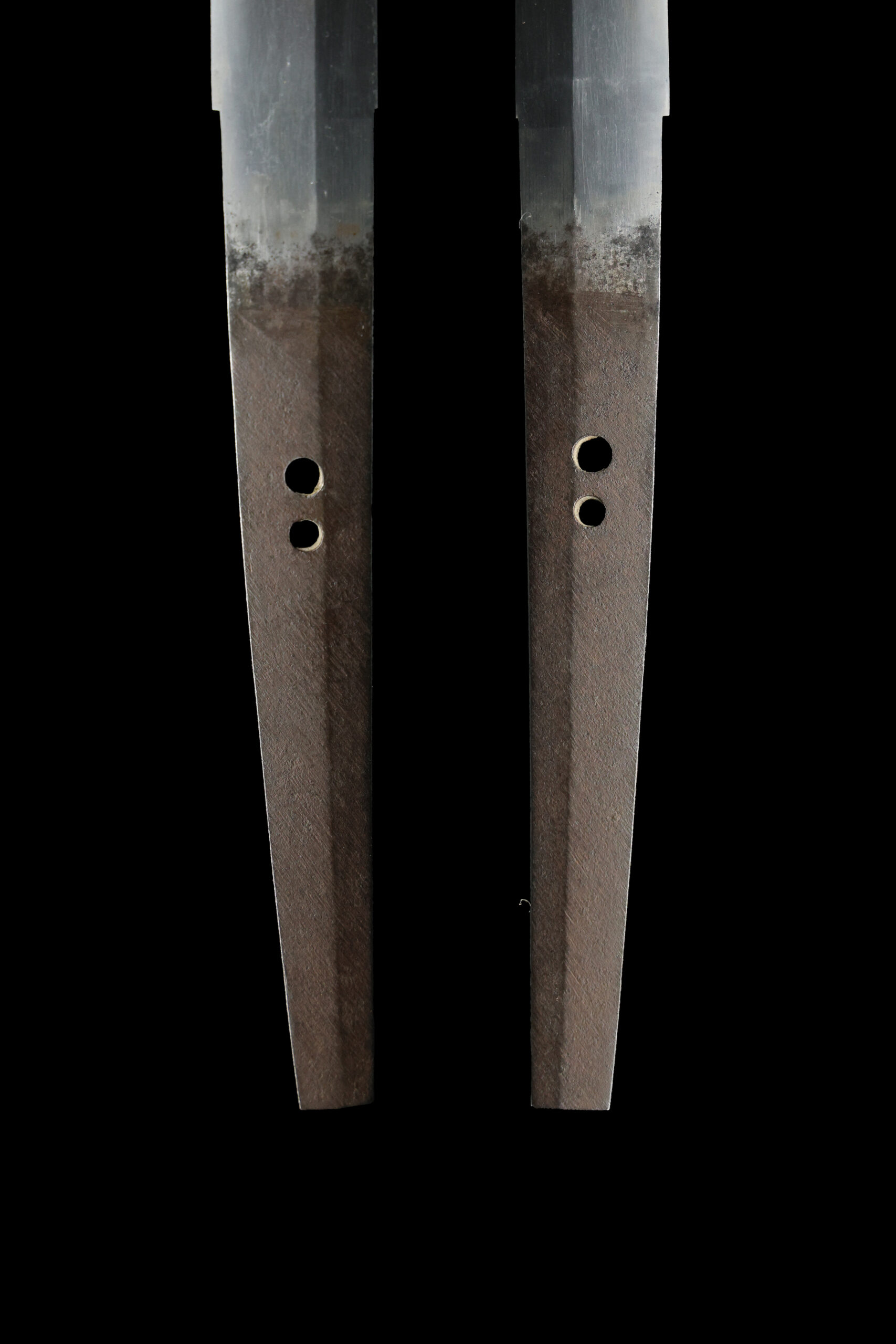
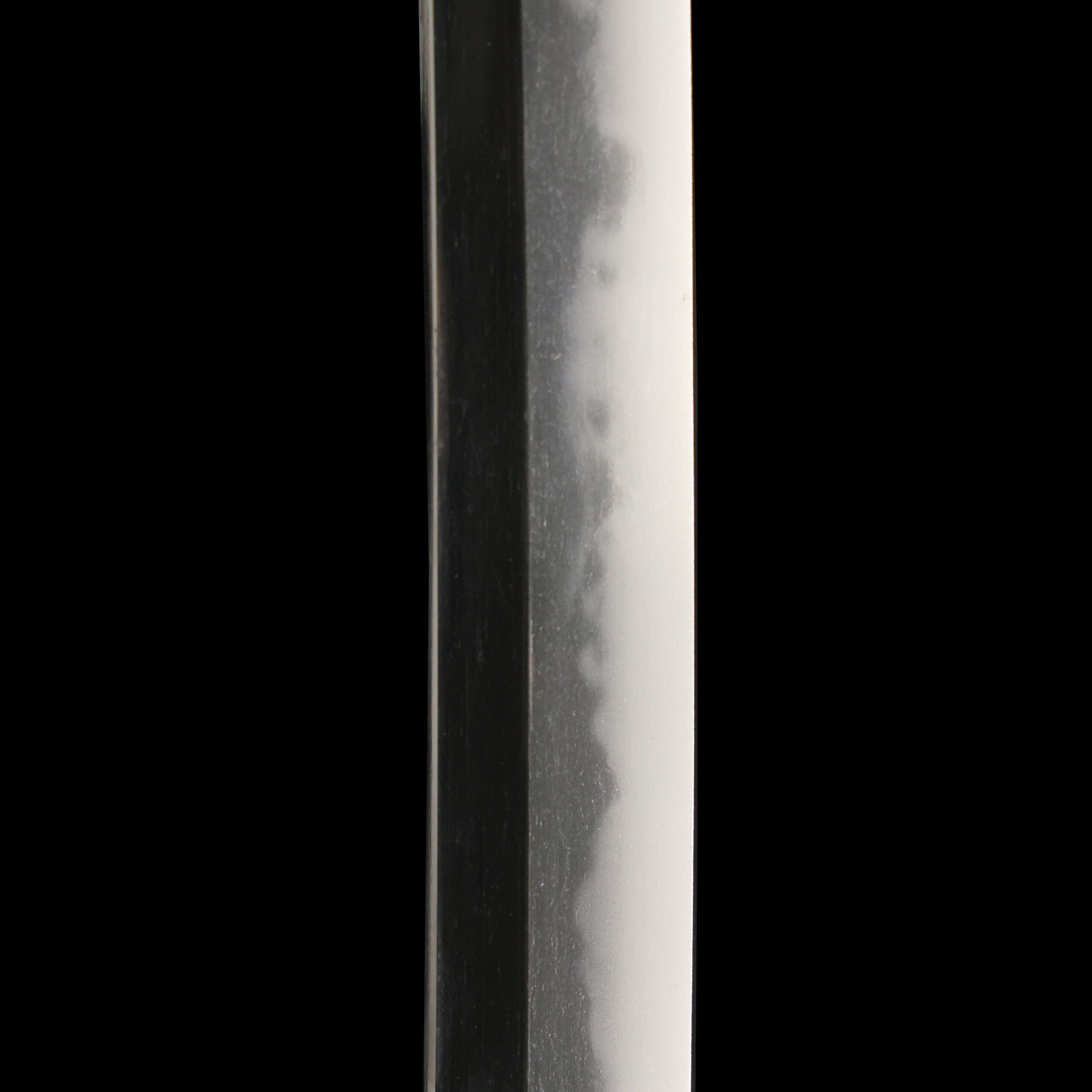
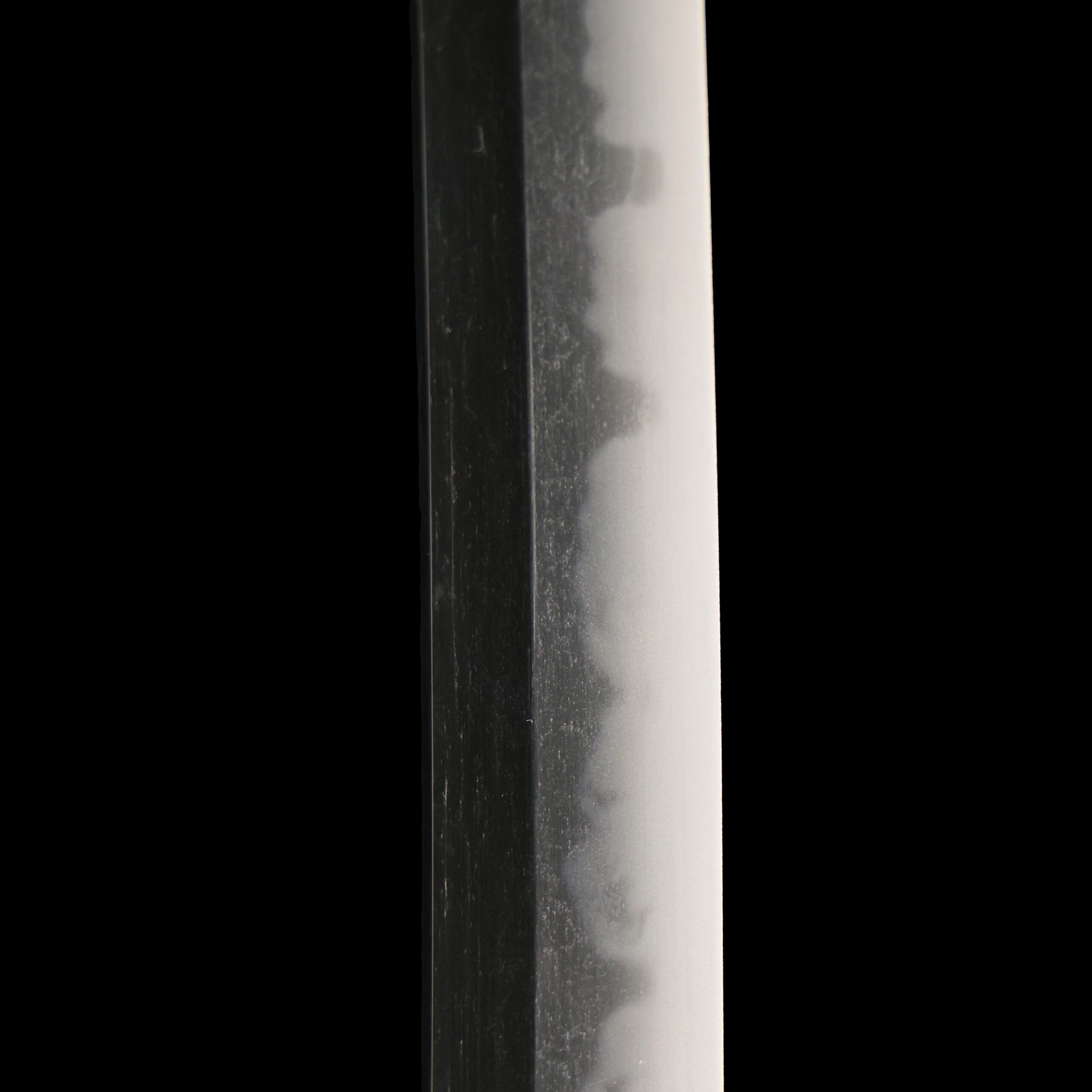
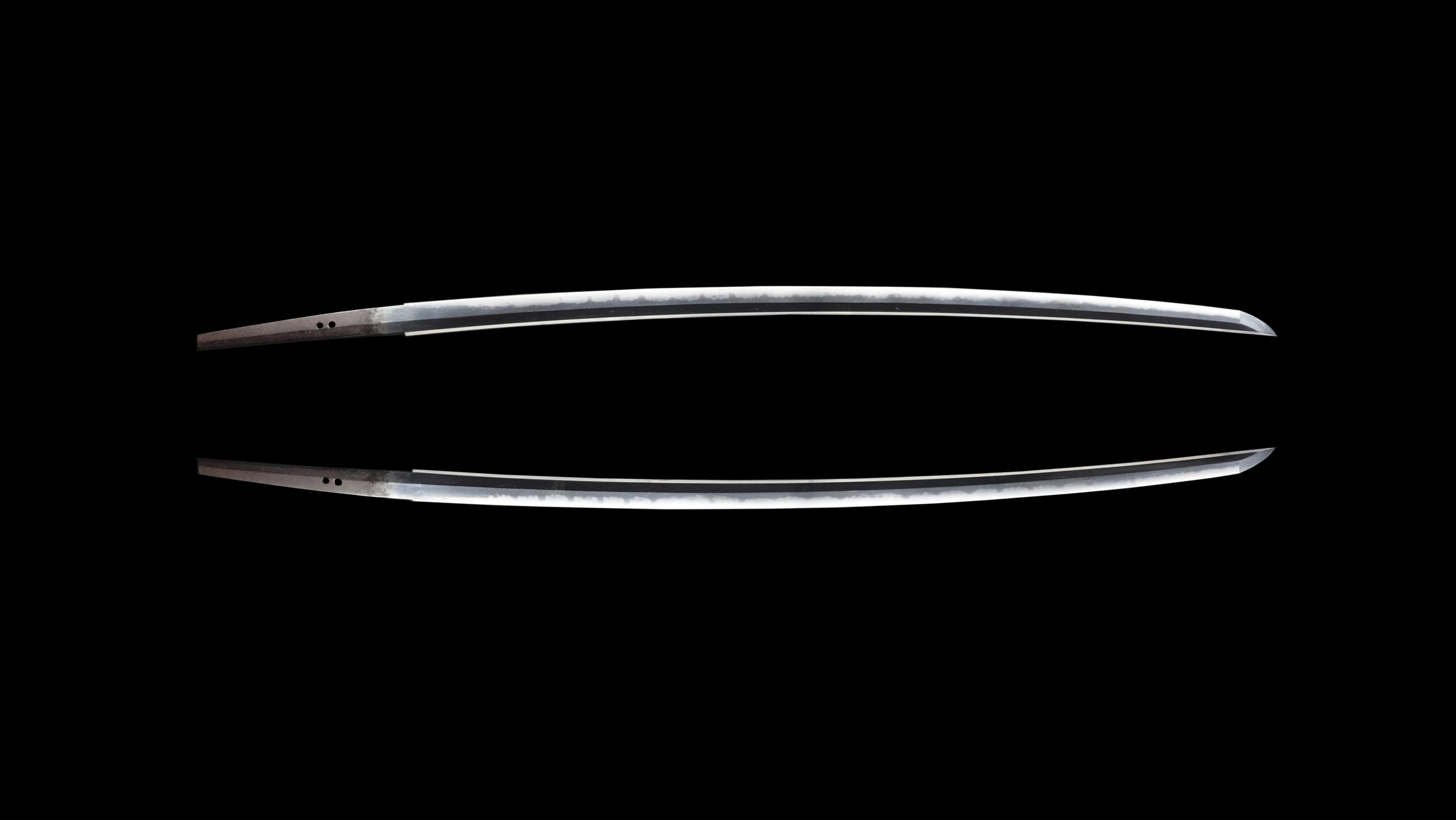
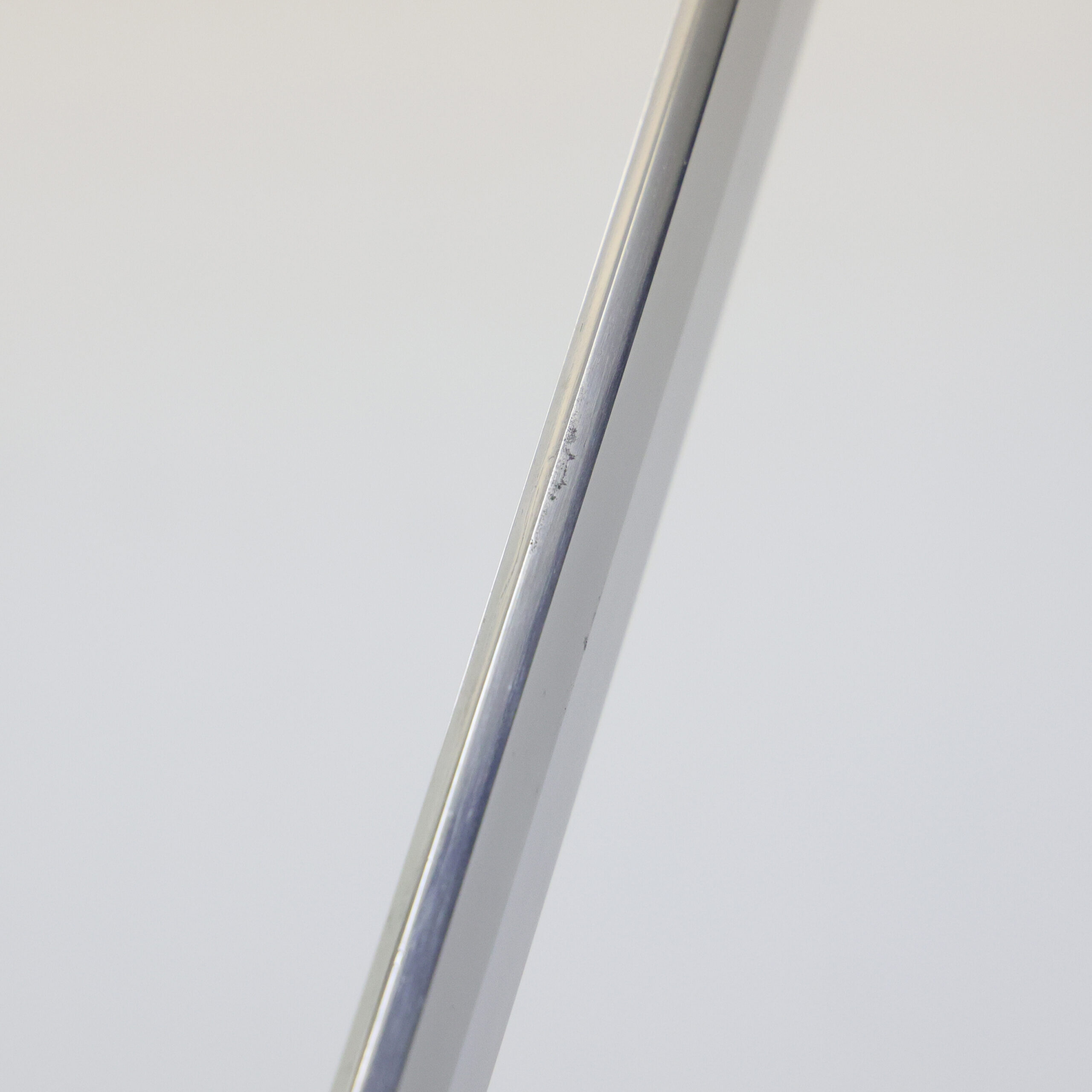
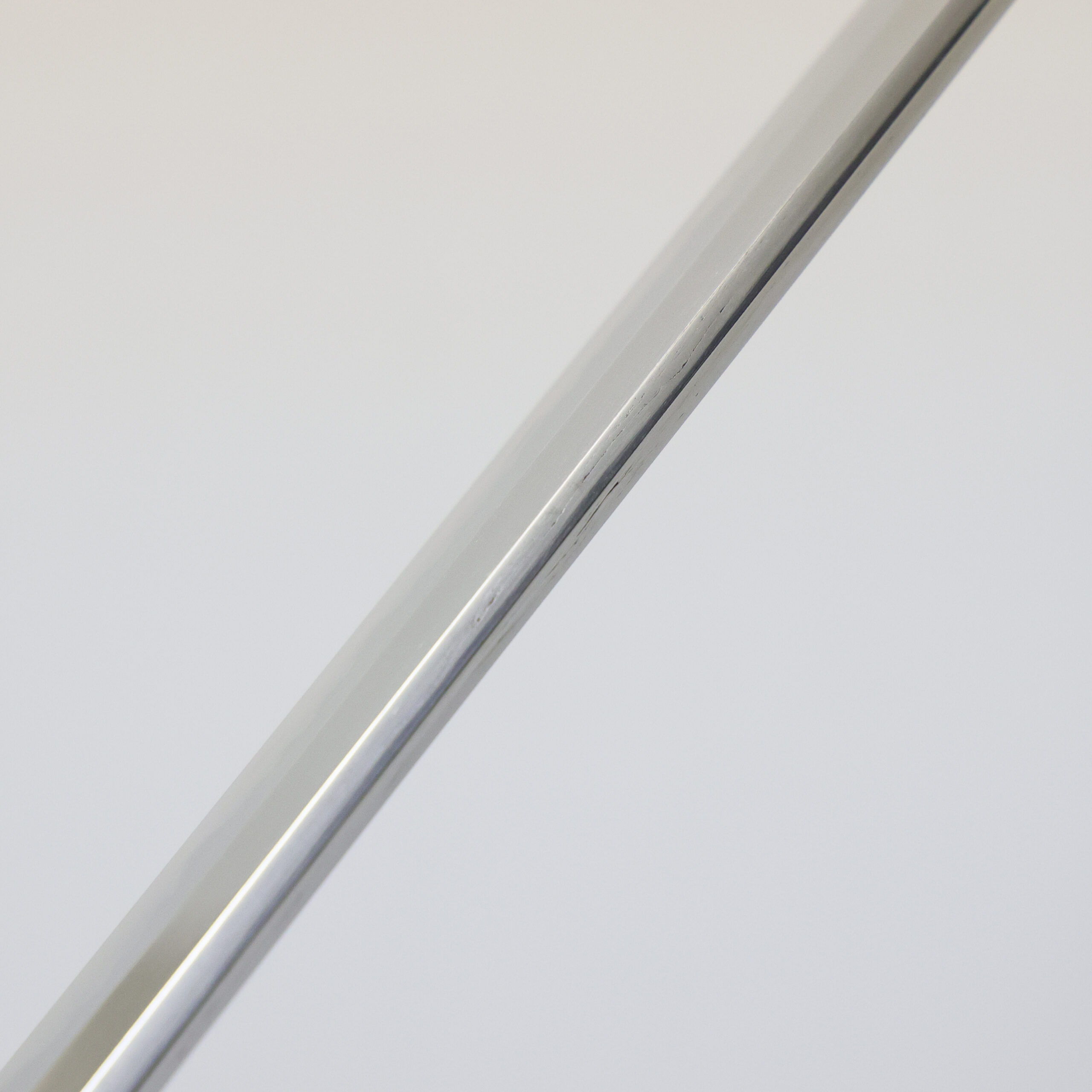
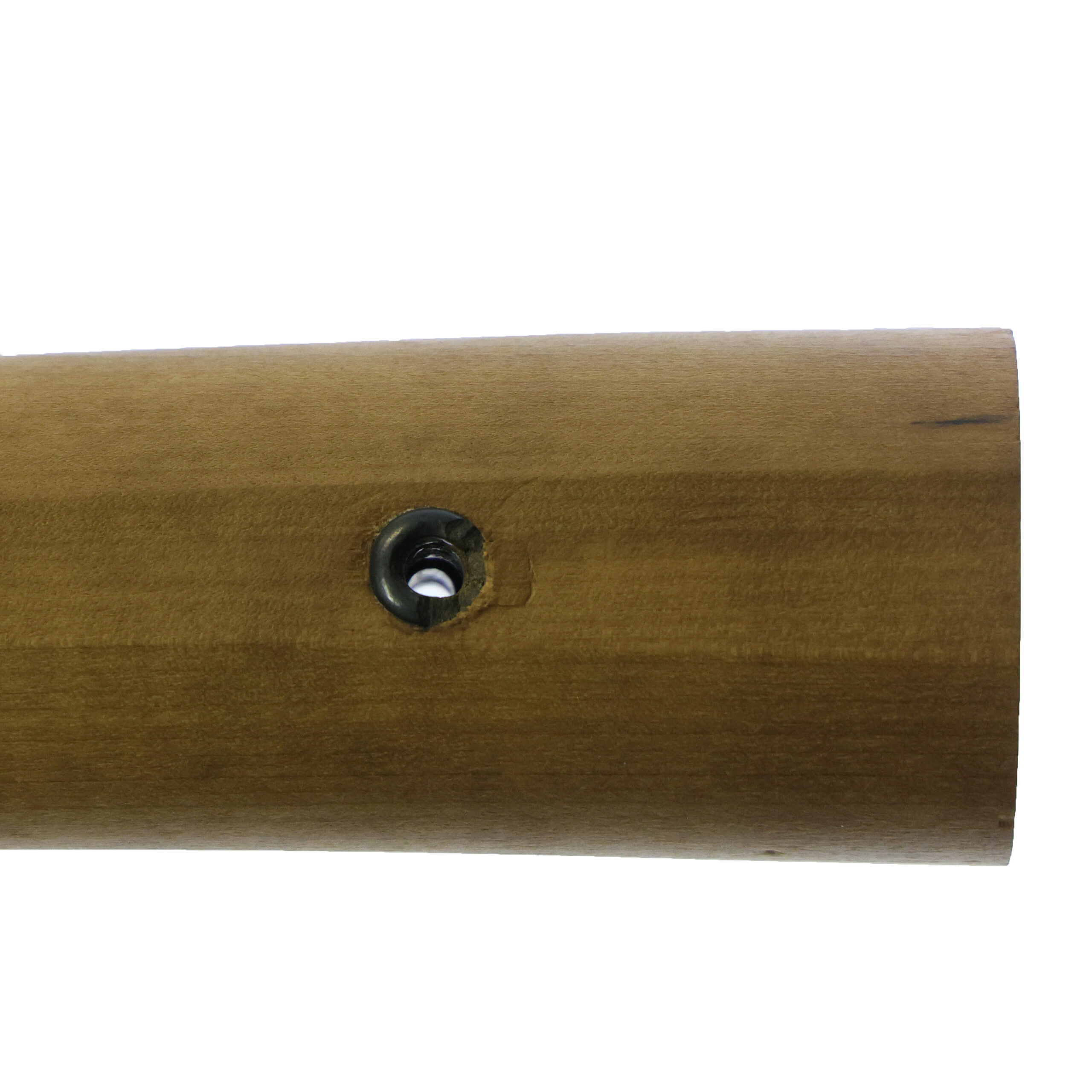
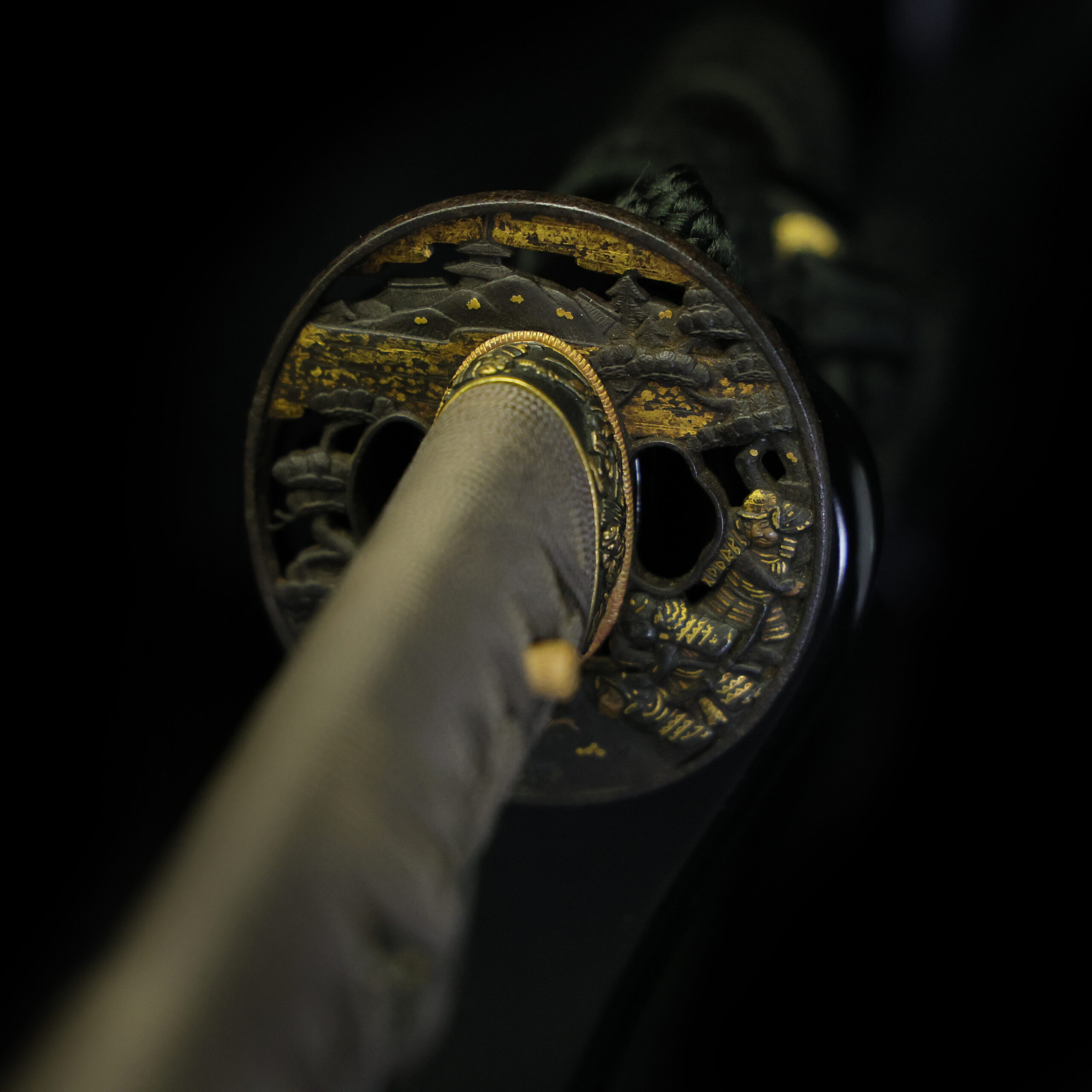
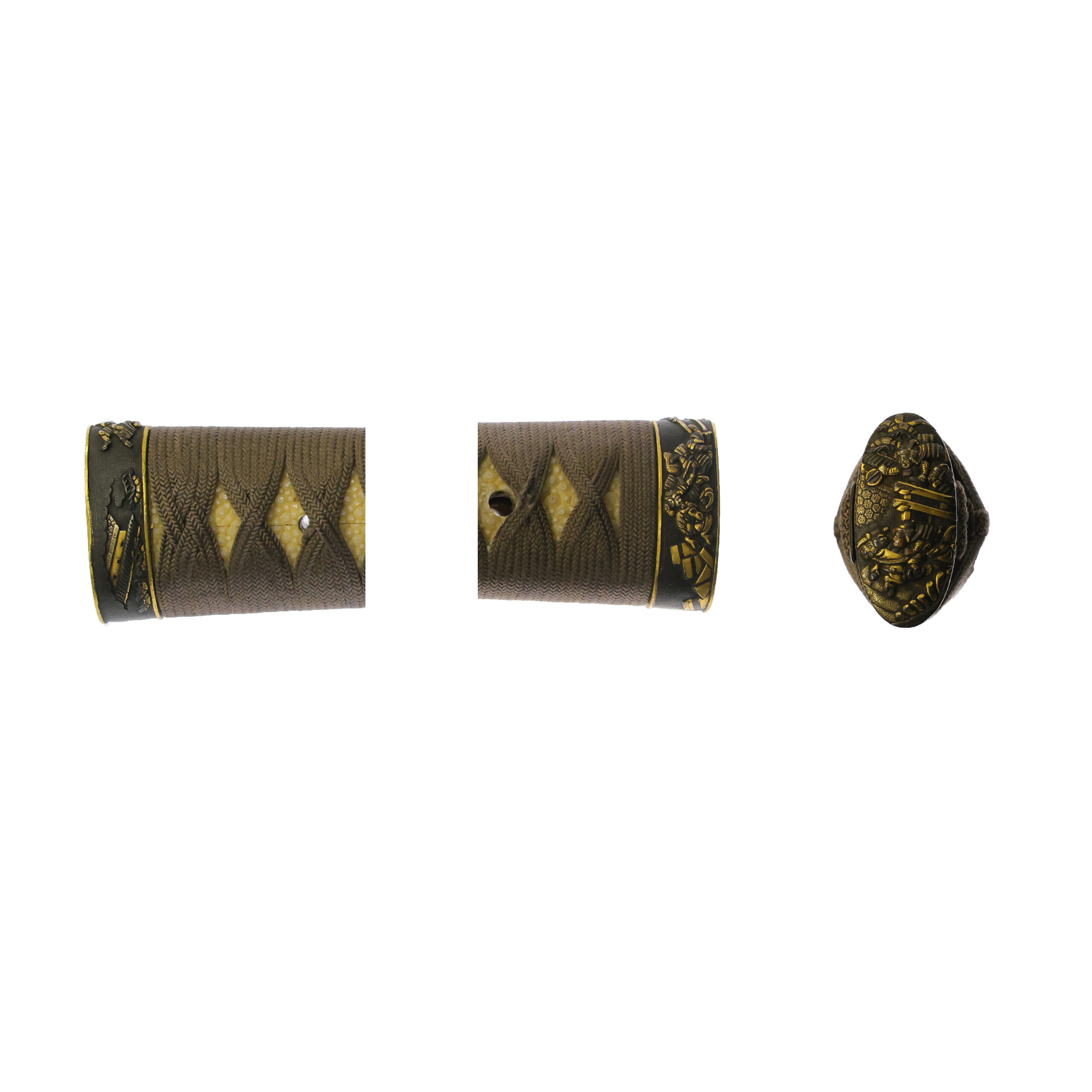
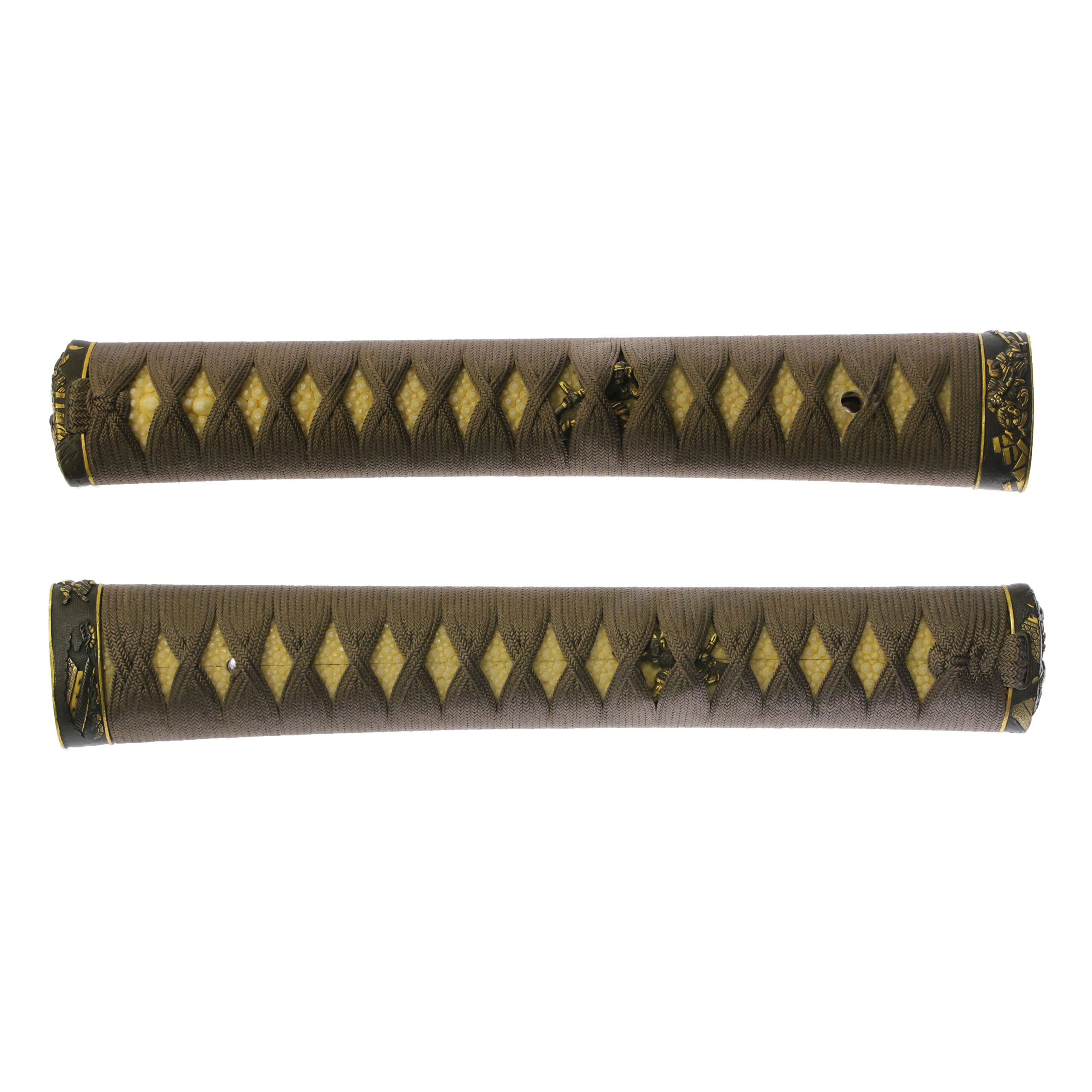
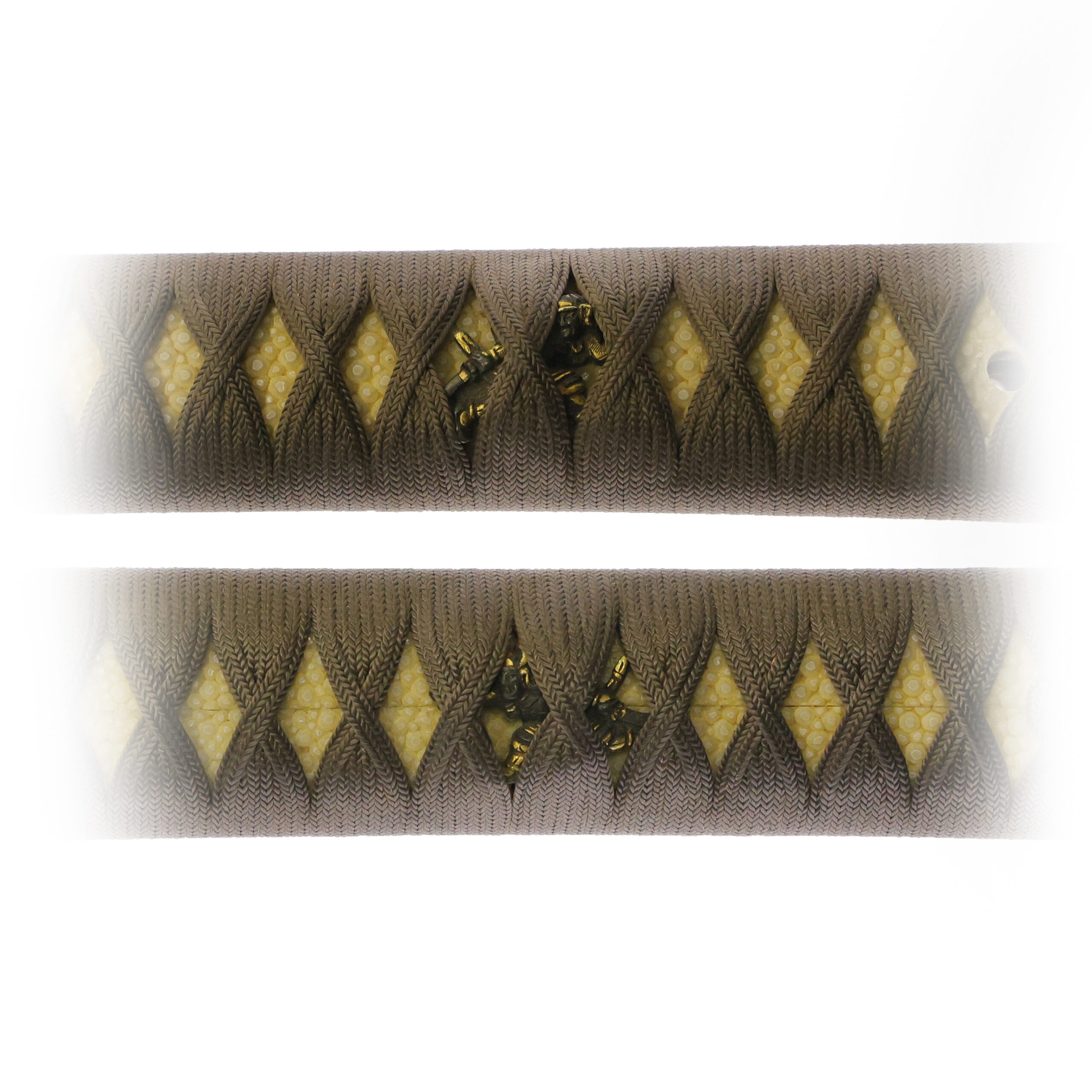
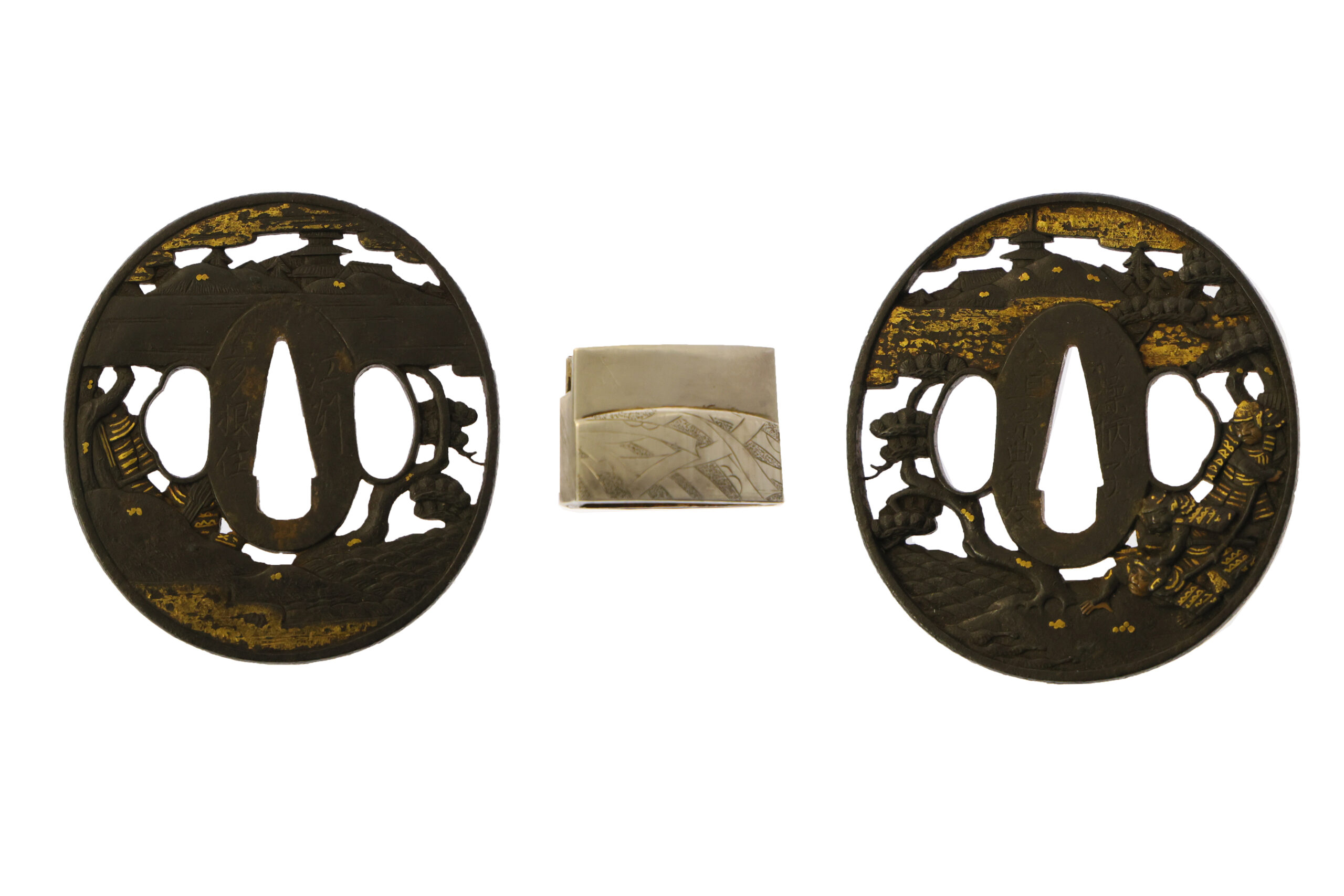
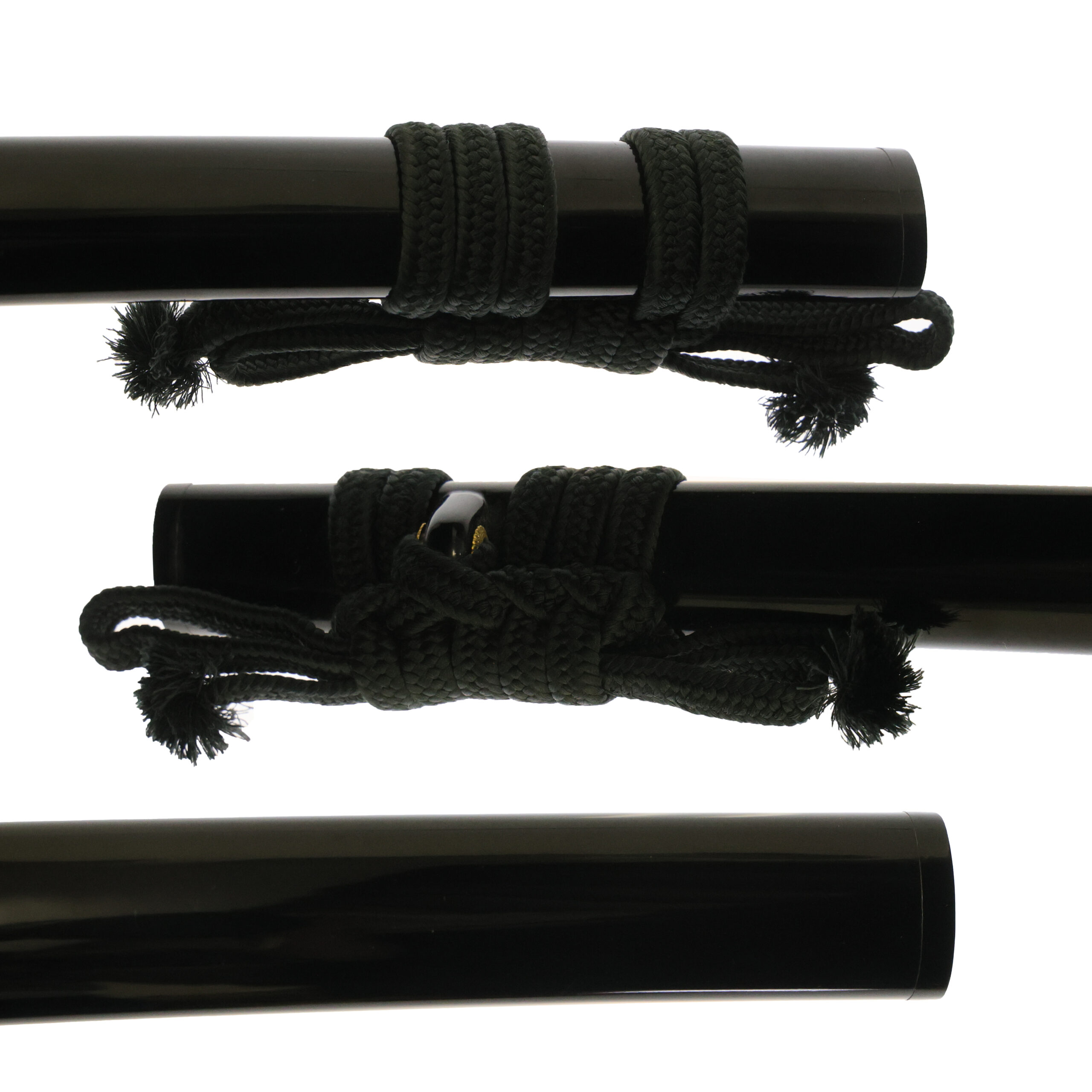
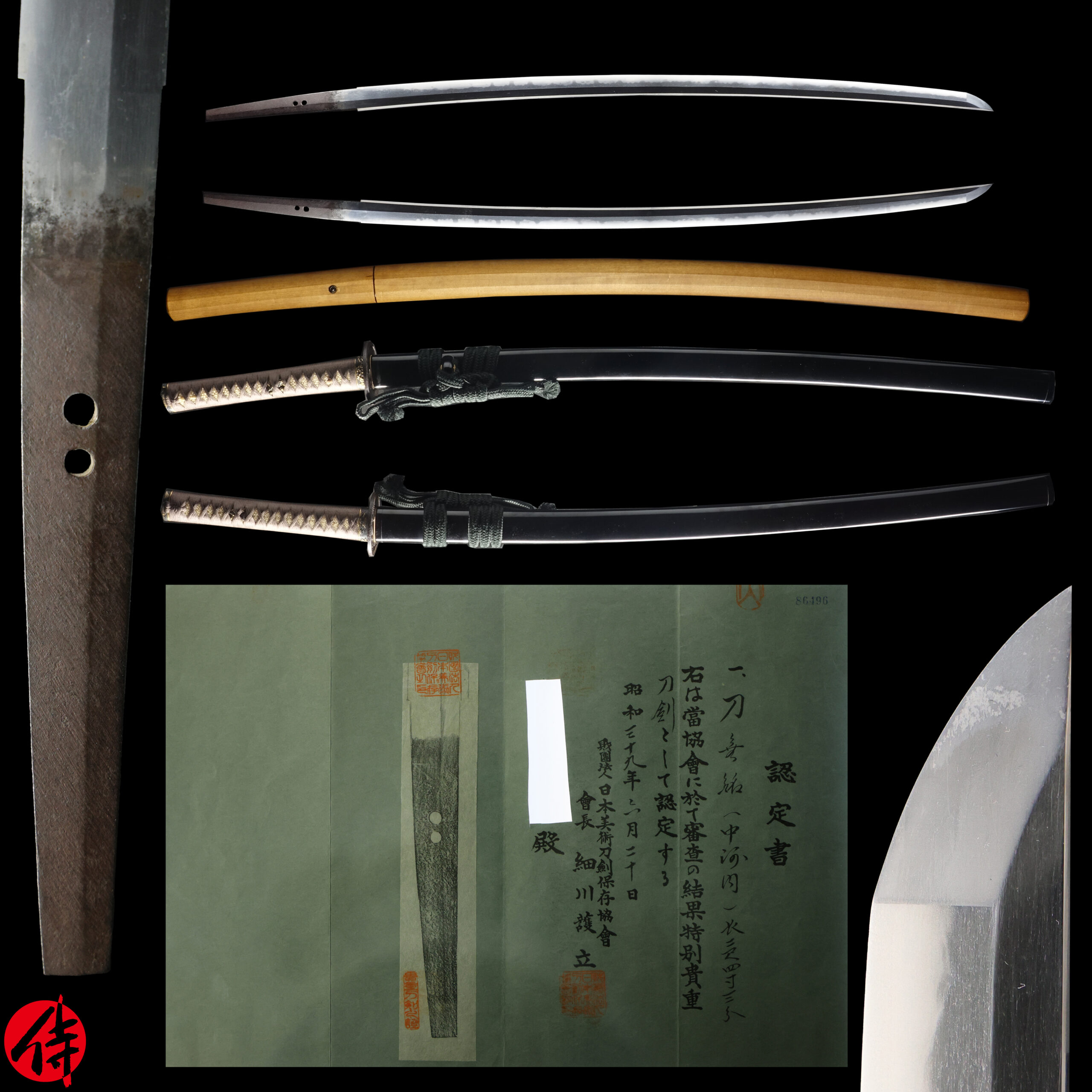
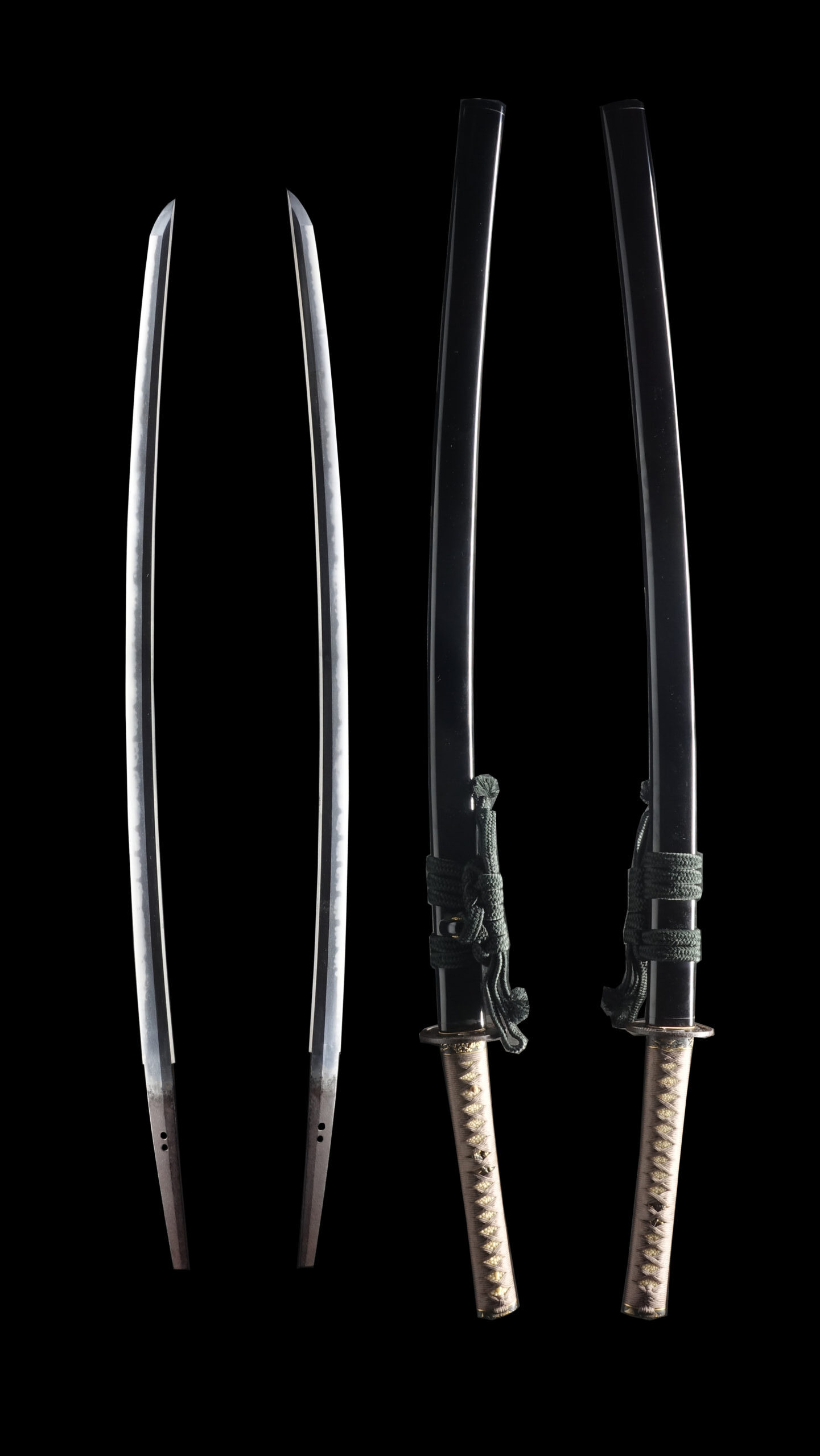
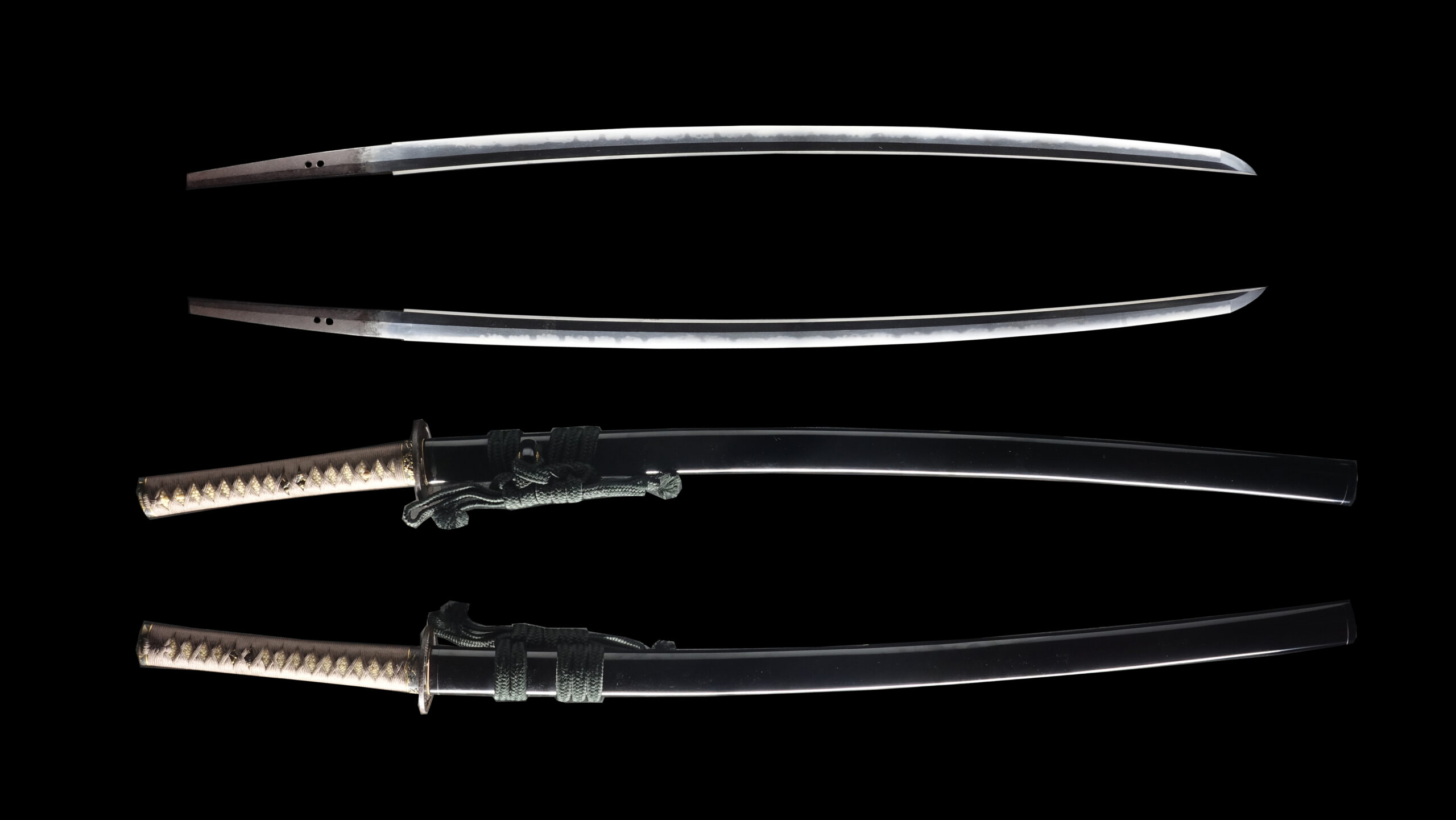
日本刀 刀:無銘 中河内(二代国助) 日本美術刀剣保存協会(NBTHK) 特別貴重刀剣鑑定書 【解説】 概要 本作は、江戸時代前期(万治〜寛文年間:1658-1673年頃)に大坂で活躍した二代国助、通称「中河内(なかかわち)」と極められた一振りです。 国助は大坂を代表する名工であり、三代にわたってその名が継承されました。二代目は初代と三代目の間に位置することから「中河内」と呼ばれ親しまれています。「河内」の名は、受領銘である「河内守」に由来します。彼は特に「拳形丁子(こぶしちょうじ)」と呼ばれる華やかな刃文を焼くことで知られています。これはその名の通り、握り拳が連なっているような丸みを帯びた丁子乱れが特徴です。 初代国助は伊勢国(現在の三重県)に生まれ、当初は亀山城主・関一政に仕えていました。関氏の改易後、京都へ移り、江戸時代初期の巨匠である堀川国広の門を叩きます。国広の没後は越後守国儔のもとでさらに技を磨きました。寛永7年(1630年)、和泉守国貞と共に大坂へ移住して独立。大坂新刀の礎を築いた一人とされており、その卓越した技術は二代国助へと見事に受け継がれました。 大坂新刀 二代国助の手による刀は「大坂新刀」に分類されます。「新刀」とは慶長から天明年間(1596-1781年)に打たれた刀を指す用語であり、その中でも大坂で制作されたものは大坂新刀と呼ばれます。豊臣秀吉による大坂城築城後、大坂は城下町として、また経済の中心地として繁栄しました。より良い機会を求めて多くの刀工がこの地へ集まり、大坂に住まう武士のみならず、全国の諸大名のためにも刀を打ちました。井上真改、津田助広、一竿子忠綱(粟田口近江守忠綱)などは、その代表格として知られています。 大坂新刀の大きな特徴の一つは、地鉄(じがね)の美しさにあります。大坂は良質な玉鋼の産地との交易が盛んであったため、刀工たちは質の高い原料を容易に入手することができ、それが澄んだ美しい地鉄を生み出す要因となりました。 ※棟(むね)に数箇所、鍛え傷がございます。詳細なコンディションについては、お気軽にお問い合わせください。 【法量・形状】 長さ(Nagasa):73.9 cm 反り(Sori):2.1 cm 刃文(Hamon): 焼き入れによって刃先に現れる結晶構造。本作は中河内の特徴である華やかな乱れを呈します。 地文(Jihada): 折り返し鍛錬によって現れる鋼の模様。 切先(Kissaki): 刀身の先端部分。 茎(Nakago): 柄に収まる中心(なかご)部分。 日本の刀工は、柄内での赤錆を防ぐために茎に黒錆を残します。この経年による錆色は、専門家が制作年代を推定する際の重要な指標となります。 拵(Koshirae): 刀の外装。鞘、柄、鍔などの諸金具で構成されます。 本拵の全体的な意匠は「合戦図」で統一されており、甲冑に身を包んだ武士たちが激しく戦う姿が生き生きと描写されています。緻密かつダイナミックな彫りからは、当時の武士の気概が強く伝わってきます。
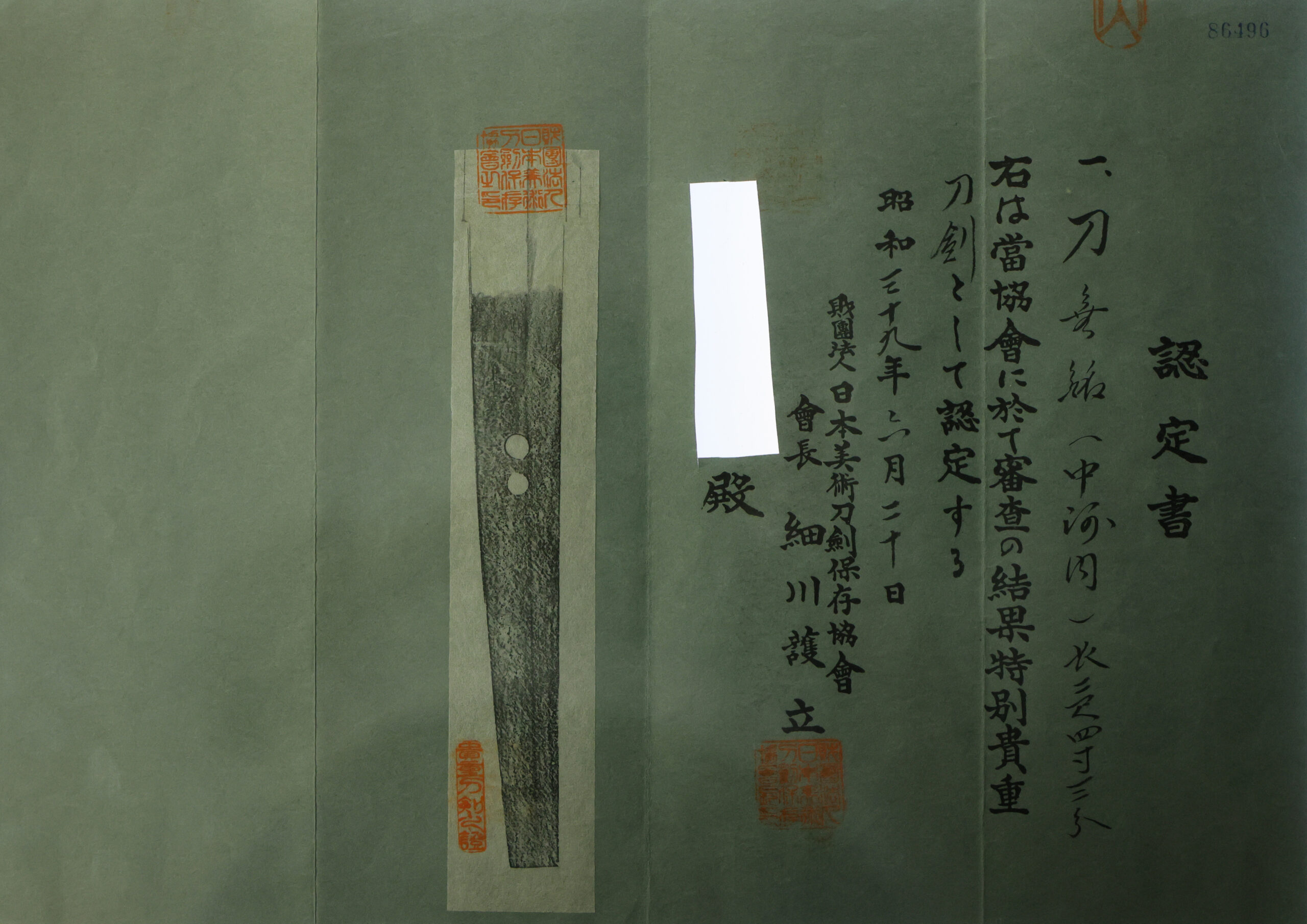
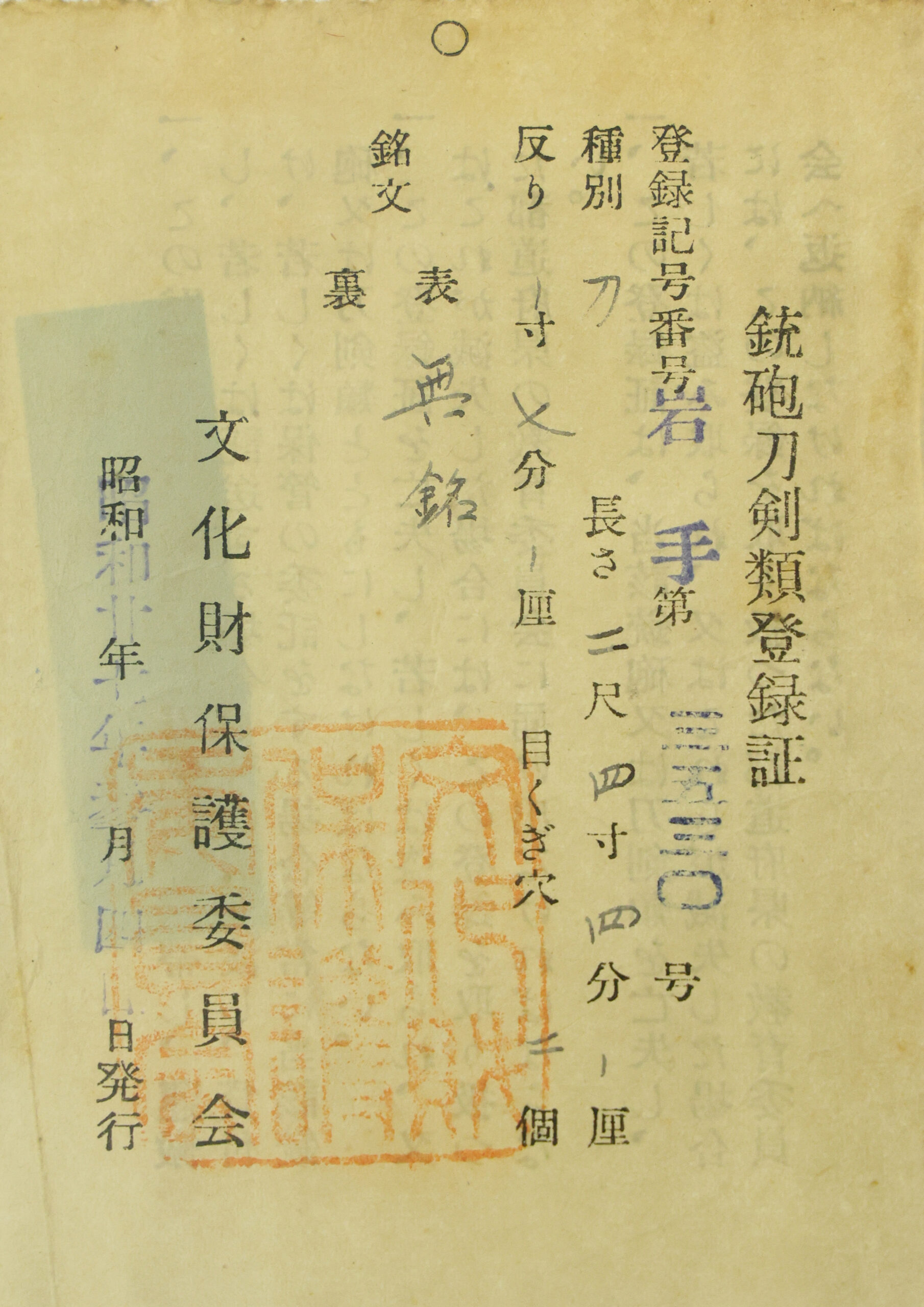
Certificate reading — 無銘(中河内)
 NihontoWatch
無銘 · Osaka Shinto · 江戸 · 長さ 73.9cm · 反り 2.1cm
江戸時代
江戸は刀の目利きの時代である。本阿弥の鑑定、1719年の享保名物帳、盛んな刀剣書が、戦で抜かれることのなくなった刀を学問の対象へと変えていった。
本作はNBTHKの旧鑑定書(貴重・特別貴重)を有しますが、これらは現在発行されておらず、信頼性に欠けるとされています。極めを確認するには、公的な鑑定機関(NBTHK・NTHKなど)への再提出による現代の鑑定をご検討いただけます。
Returns/exchanges limited to defects caused by shipping (except willful misconduct or gross negligence by the company); customers must contact within 72 hours of receiving the product.
¥850,000
日本刀 刀:無銘 中河内(二代国助) 日本美術刀剣保存協会(NBTHK) 特別貴重刀剣鑑定書 【解説】 概要 本作は、江戸時代前期(万治〜寛文年間:1658-1673年頃)に大坂で活躍した二代国助、通称「中河内(なかかわち)」と極められた一振りです。 国助は大坂を代表する名工であり、三代にわたってその名が継承されました。二代目は初代と三代目の間に位置することから「中河内」と呼ばれ親しまれています。「河内」の名は、受領銘である「河内守」に由来します。彼は特に「拳形丁子(こぶしちょうじ)」と呼ばれる華やかな刃文を焼くことで知られています。これはその名の通り、握り拳が連なっているような丸みを帯びた丁子乱れが特徴です。 初代国助は伊勢国(現在の三重県)に生まれ、当初は亀山城主・関一政に仕えていました。関氏の改易後、京都へ移り、江戸時代初期の巨匠である堀川国広の門を叩きます。国広の没後は越後守国儔のもとでさらに技を磨きました。寛永7年(1630年)、和泉守国貞と共に大坂へ移住して独立。大坂新刀の礎を築いた一人とされており、その卓越した技術は二代国助へと見事に受け継がれました。 大坂新刀 二代国助の手による刀は「大坂新刀」に分類されます。「新刀」とは慶長から天明年間(1596-1781年)に打たれた刀を指す用語であり、その中でも大坂で制作されたものは大坂新刀と呼ばれます。豊臣秀吉による大坂城築城後、大坂は城下町として、また経済の中心地として繁栄しました。より良い機会を求めて多くの刀工がこの地へ集まり、大坂に住まう武士のみならず、全国の諸大名のためにも刀を打ちました。井上真改、津田助広、一竿子忠綱(粟田口近江守忠綱)などは、その代表格として知られています。 大坂新刀の大きな特徴の一つは、地鉄(じがね)の美しさにあります。大坂は良質な玉鋼の産地との交易が盛んであったため、刀工たちは質の高い原料を容易に入手することができ、それが澄んだ美しい地鉄を生み出す要因となりました。 ※棟(むね)に数箇所、鍛え傷がございます。詳細なコンディションについては、お気軽にお問い合わせください。 【法量・形状】 長さ(Nagasa):73.9 cm 反り(Sori):2.1 cm 刃文(Hamon): 焼き入れによって刃先に現れる結晶構造。本作は中河内の特徴である華やかな乱れを呈します。 地文(Jihada): 折り返し鍛錬によって現れる鋼の模様。 切先(Kissaki): 刀身の先端部分。 茎(Nakago): 柄に収まる中心(なかご)部分。 日本の刀工は、柄内での赤錆を防ぐために茎に黒錆を残します。この経年による錆色は、専門家が制作年代を推定する際の重要な指標となります。 拵(Koshirae): 刀の外装。鞘、柄、鍔などの諸金具で構成されます。 本拵の全体的な意匠は「合戦図」で統一されており、甲冑に身を包んだ武士たちが激しく戦う姿が生き生きと描写されています。緻密かつダイナミックな彫りからは、当時の武士の気概が強く伝わってきます。
Certificate reading — 無銘(中河内)
NihontoWatch無銘 · Osaka Shinto · 江戸 · 長さ 73.9cm · 反り 2.1cm
江戸時代
江戸は刀の目利きの時代である。本阿弥の鑑定、1719年の享保名物帳、盛んな刀剣書が、戦で抜かれることのなくなった刀を学問の対象へと変えていった。
本作はNBTHKの旧鑑定書(貴重・特別貴重)を有しますが、これらは現在発行されておらず、信頼性に欠けるとされています。極めを確認するには、公的な鑑定機関(NBTHK・NTHKなど)への再提出による現代の鑑定をご検討いただけます。
Returns/exchanges limited to defects caused by shipping (except willful misconduct or gross negligence by the company); customers must contact within 72 hours of receiving the product.
¥850,000