NihontoWatch MonNihontoWatch
マーケット
事典
鑑定
NihontoWatch MonNihontoWatch
マーケット
事典
鑑定

説明

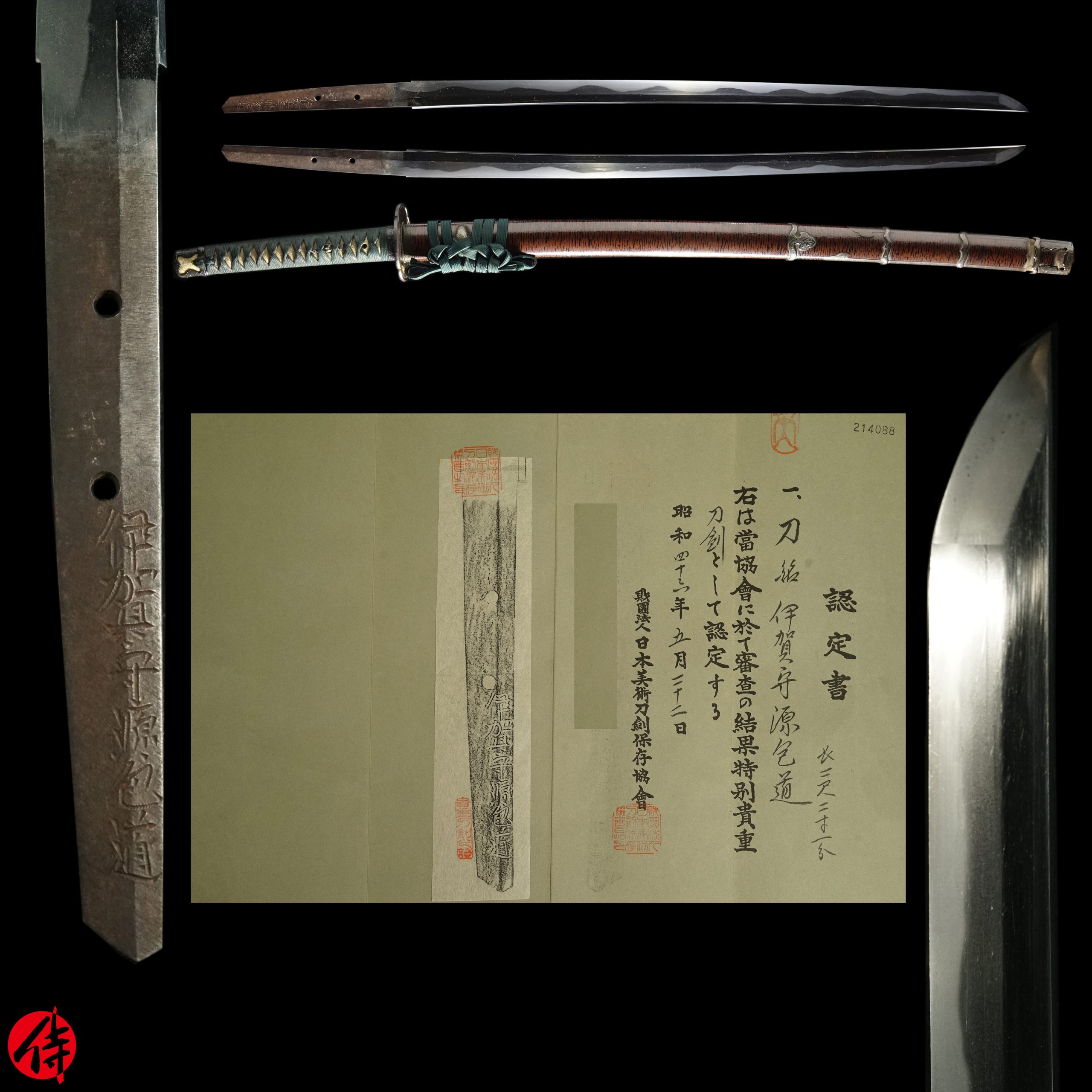
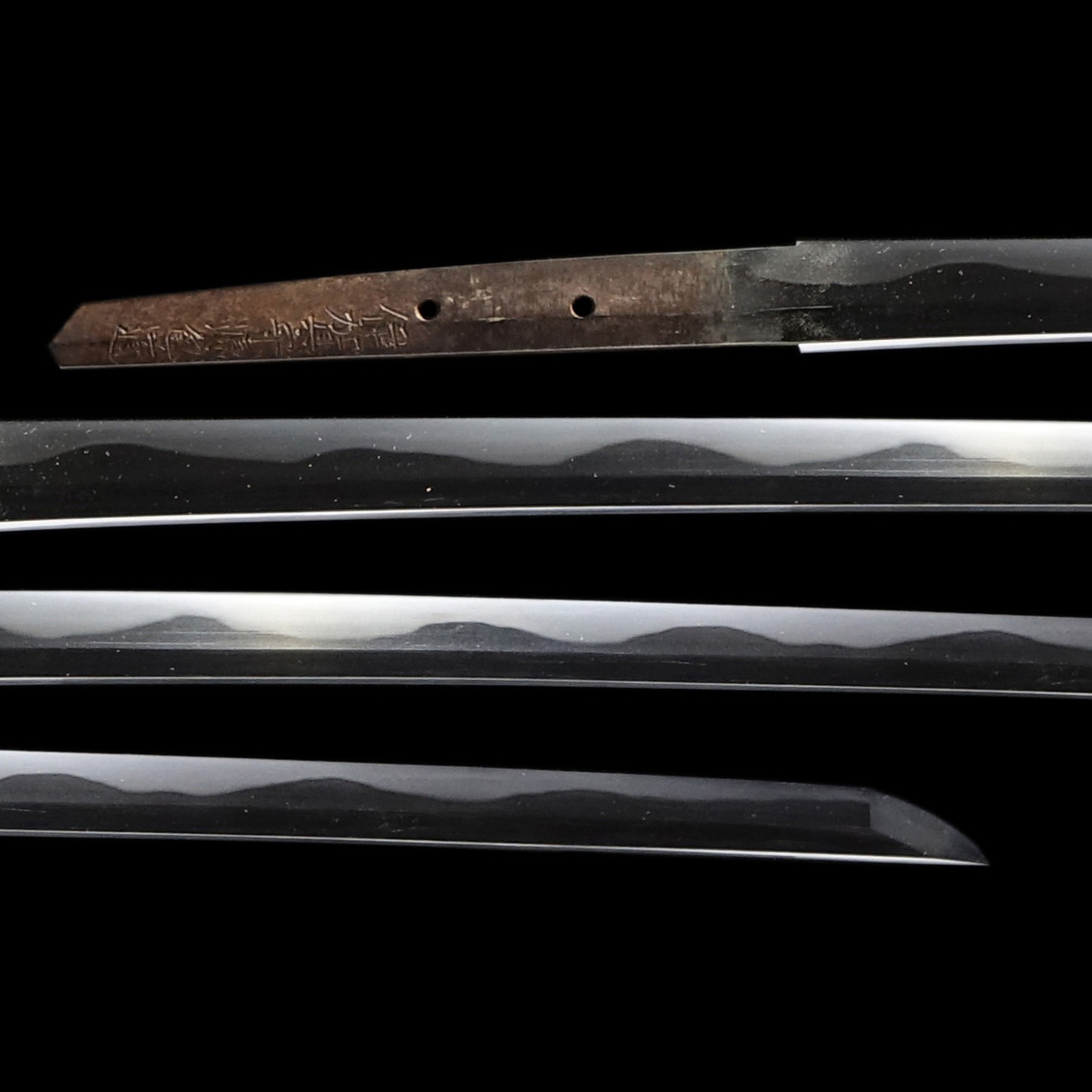
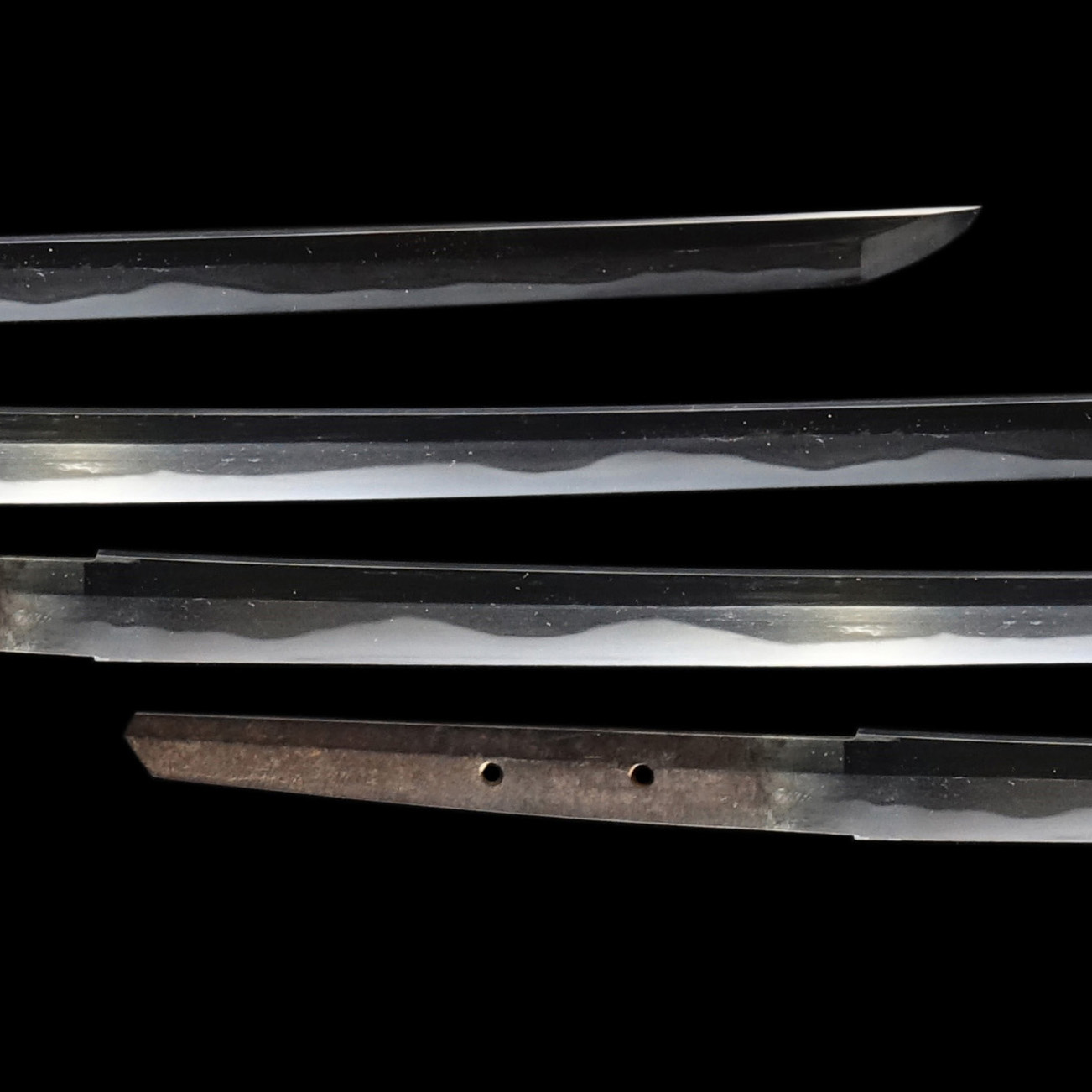
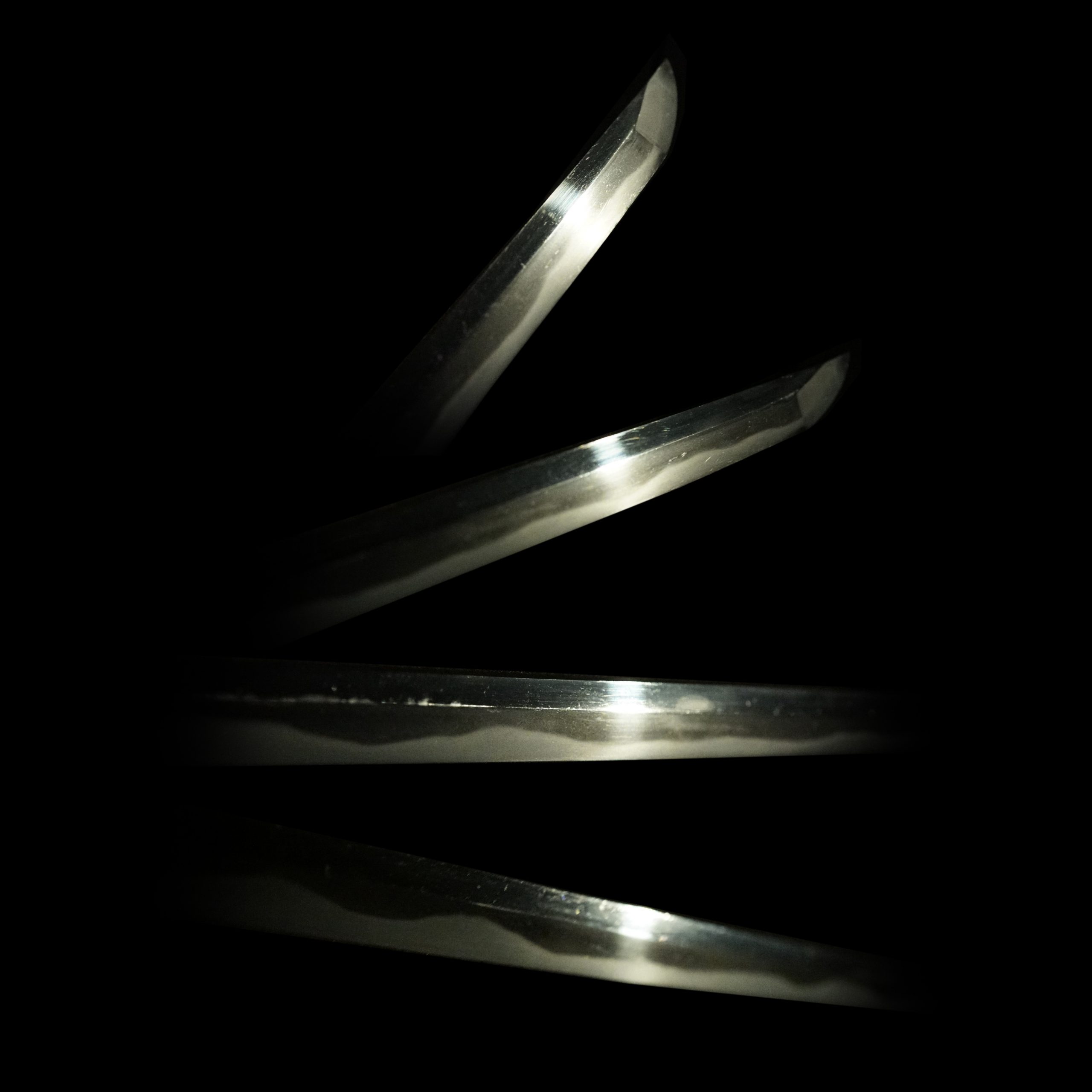
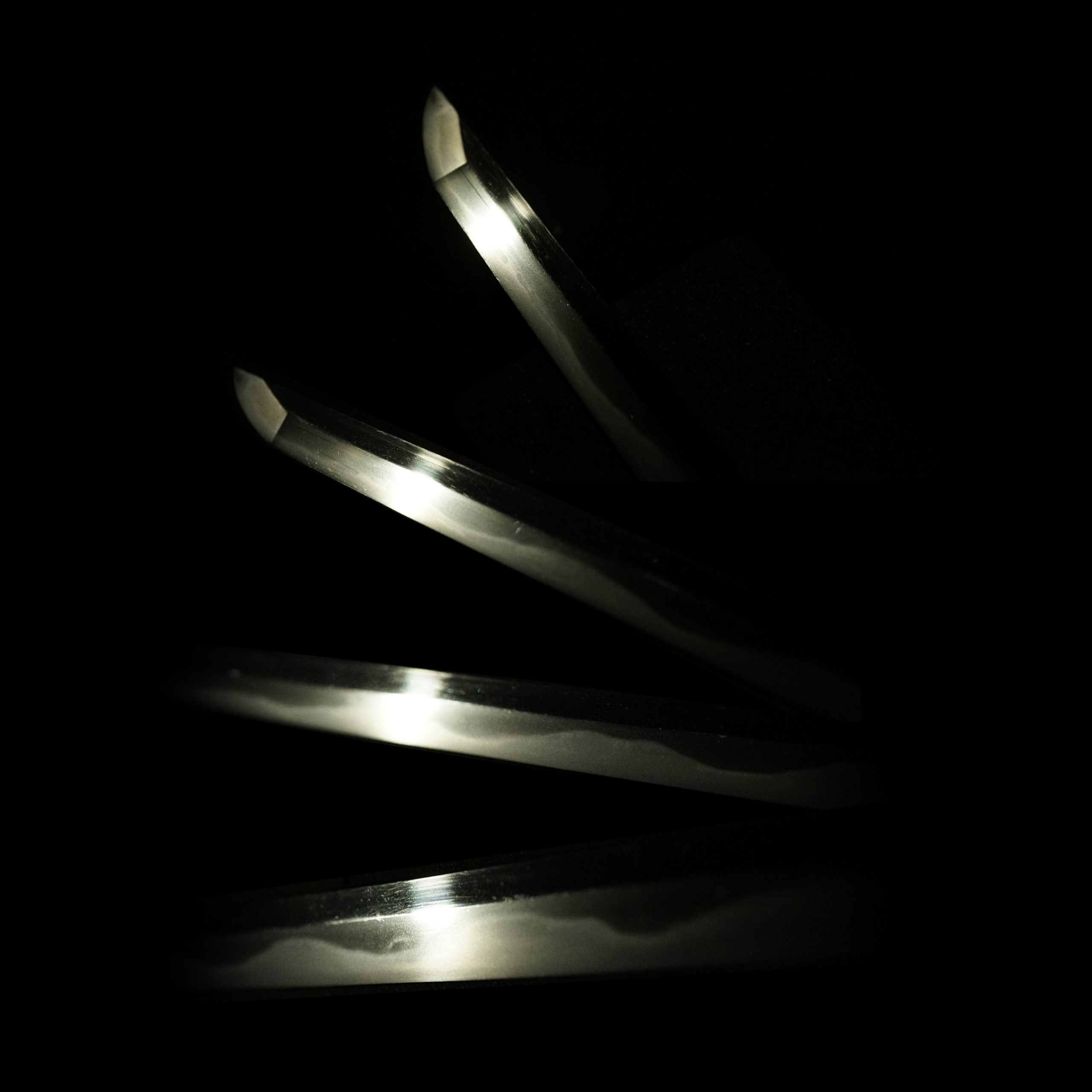
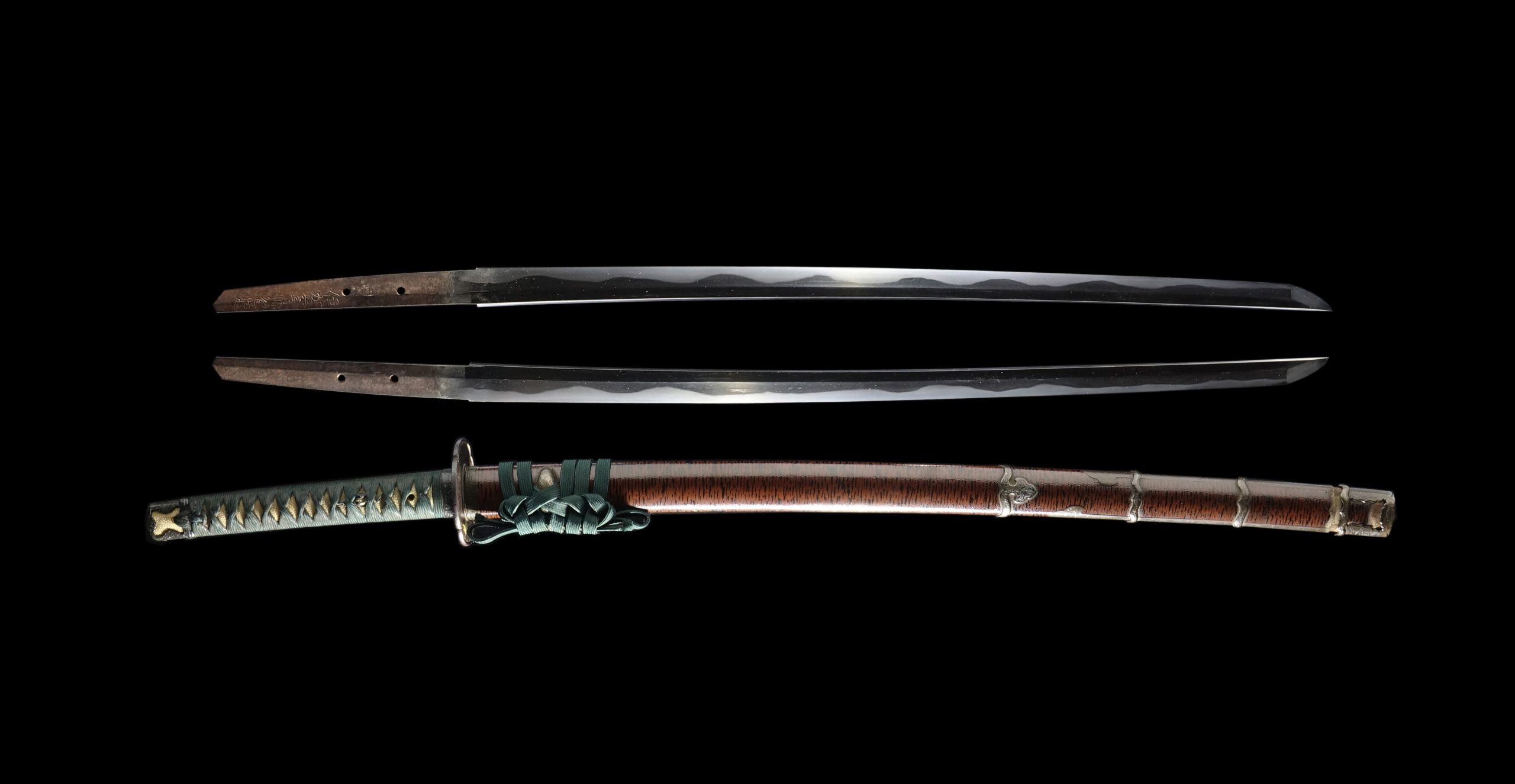
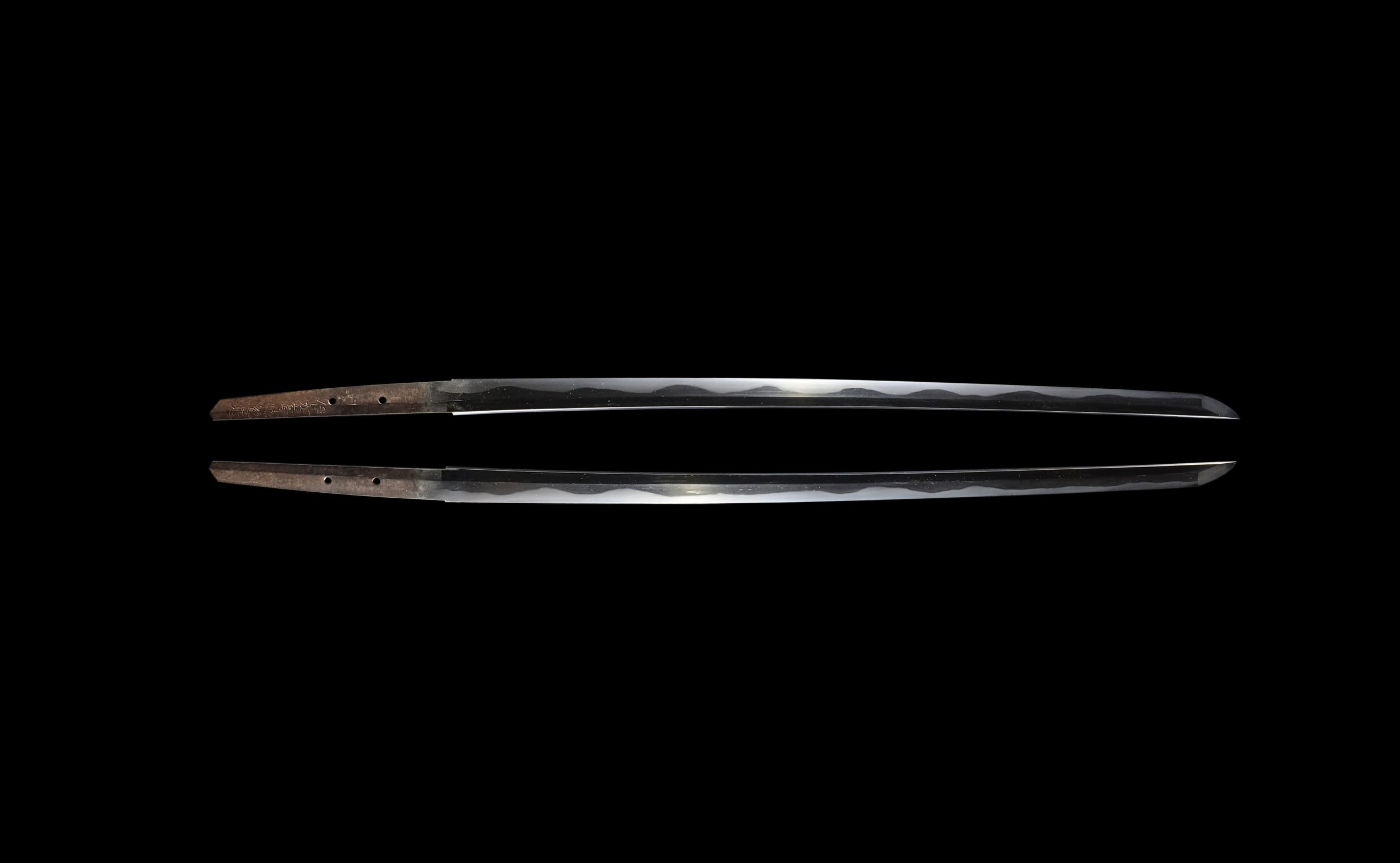
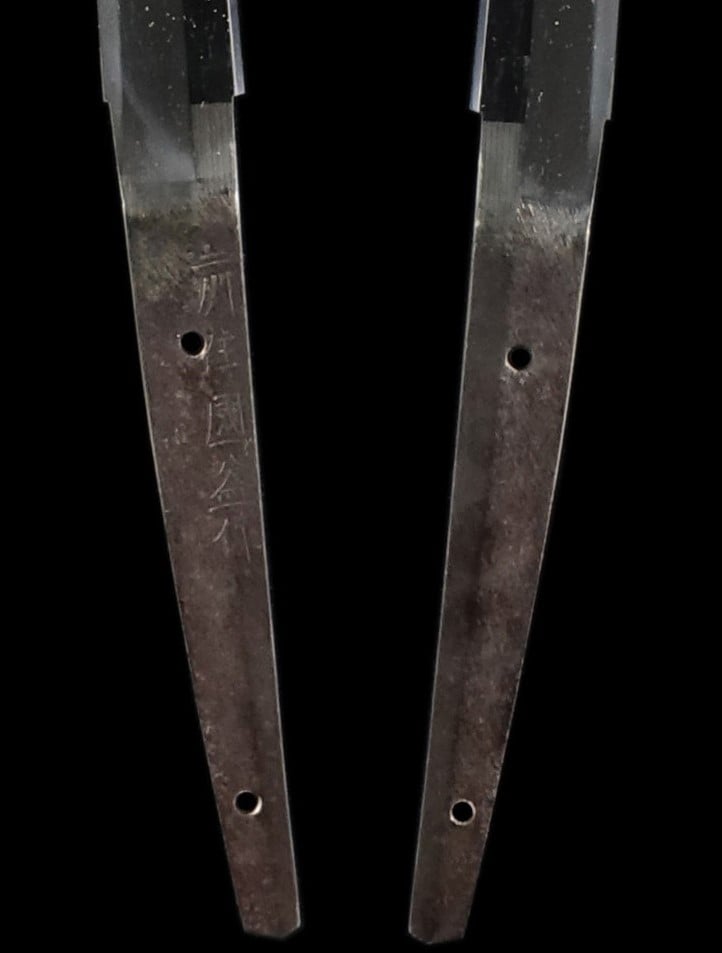
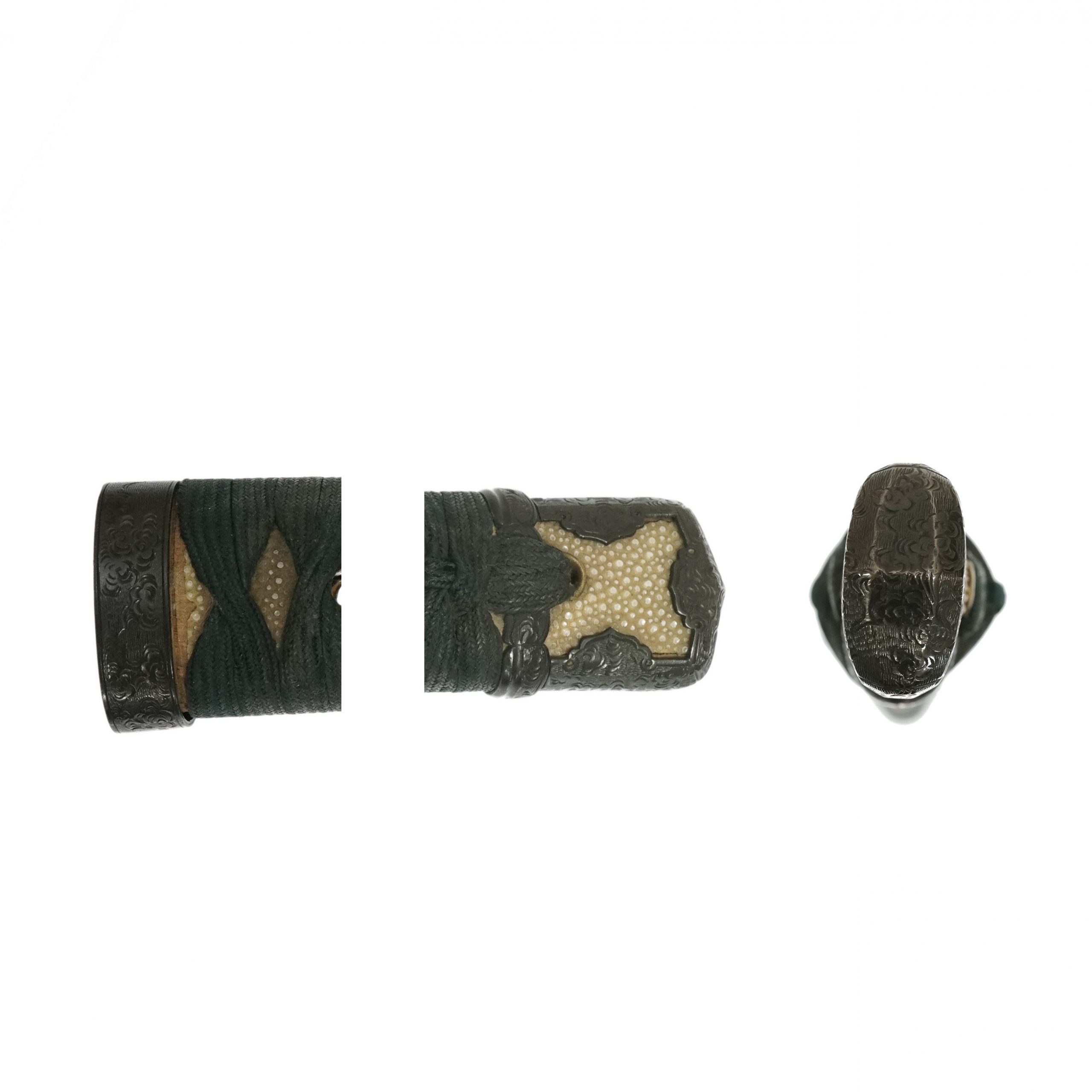
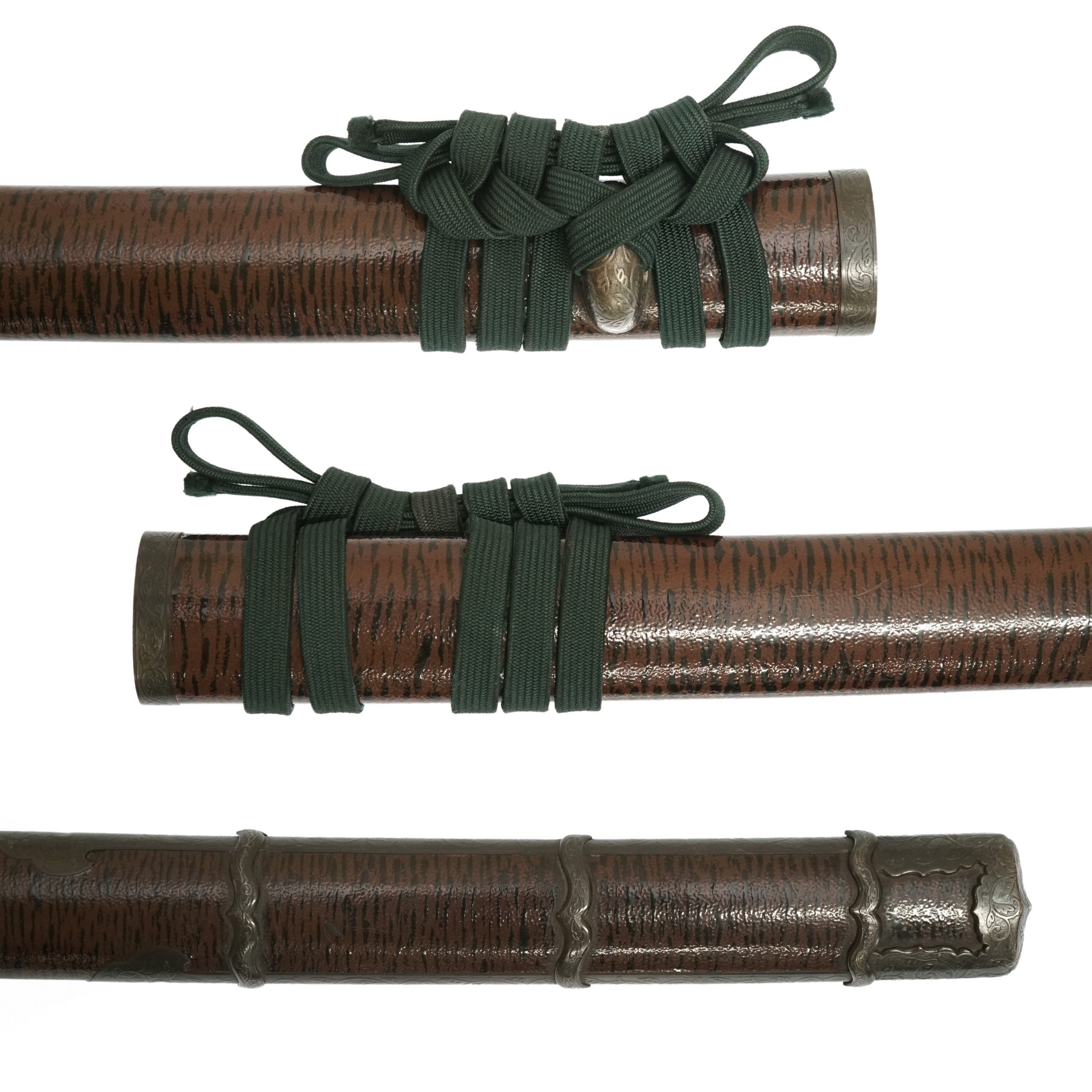
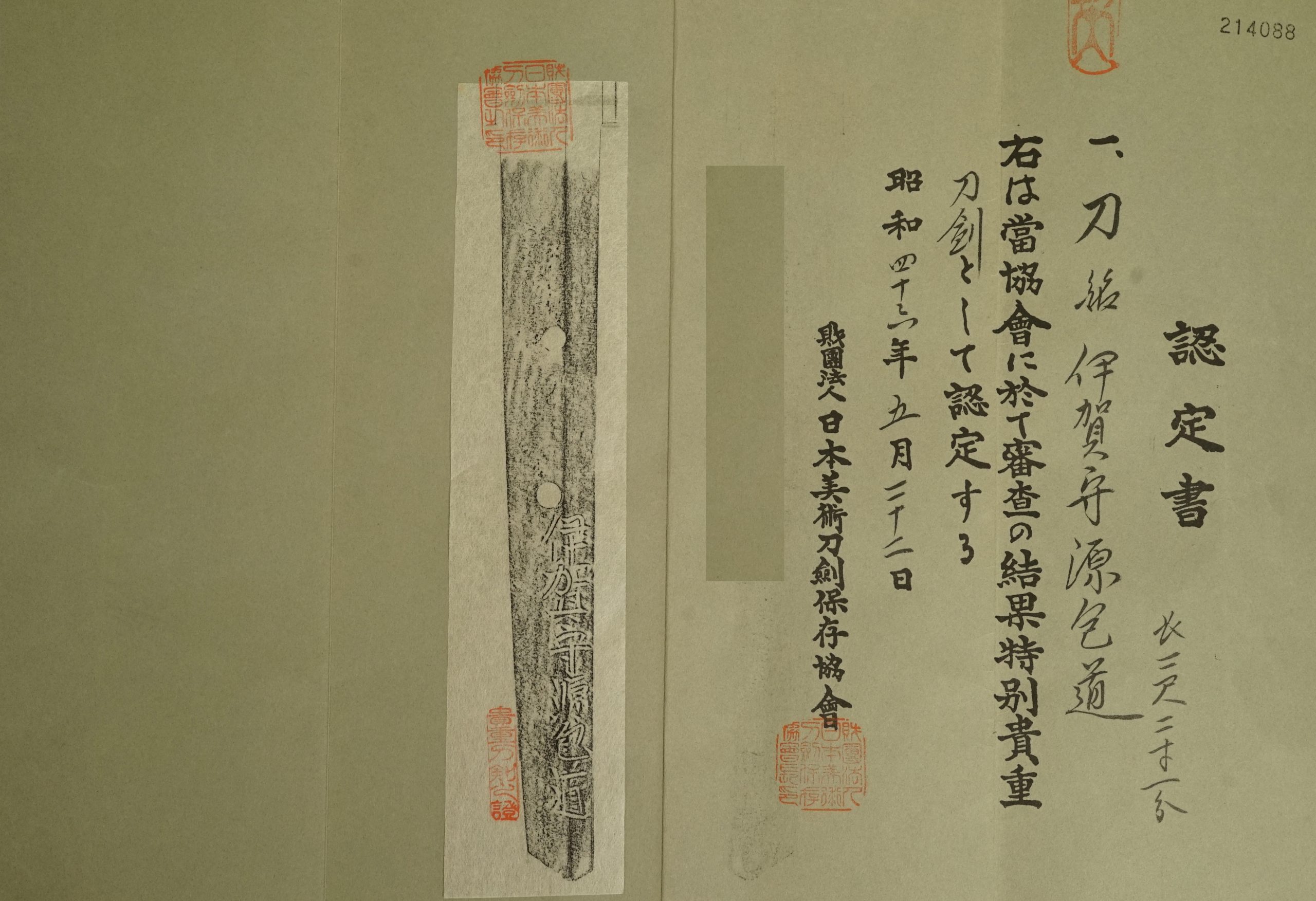
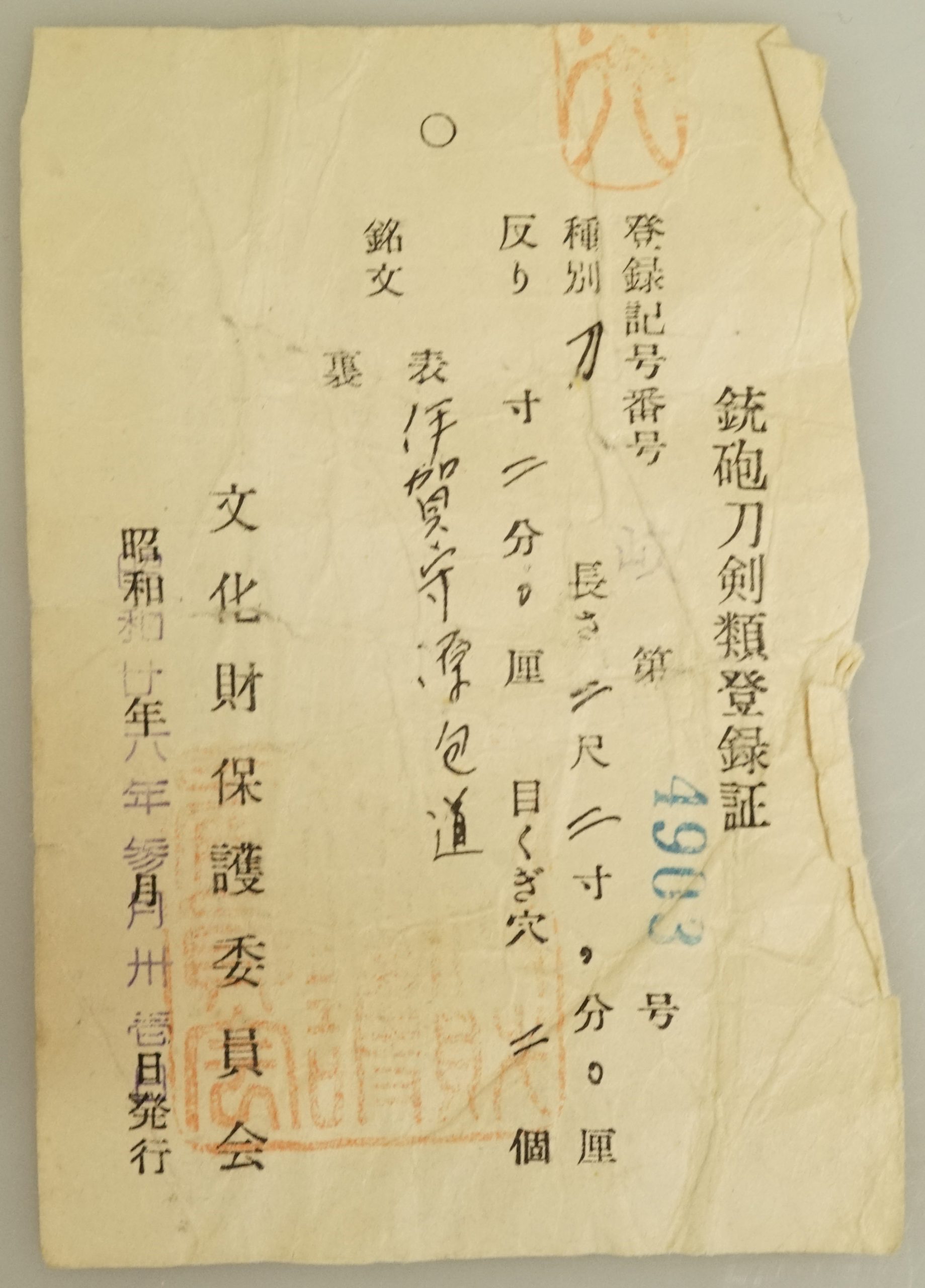
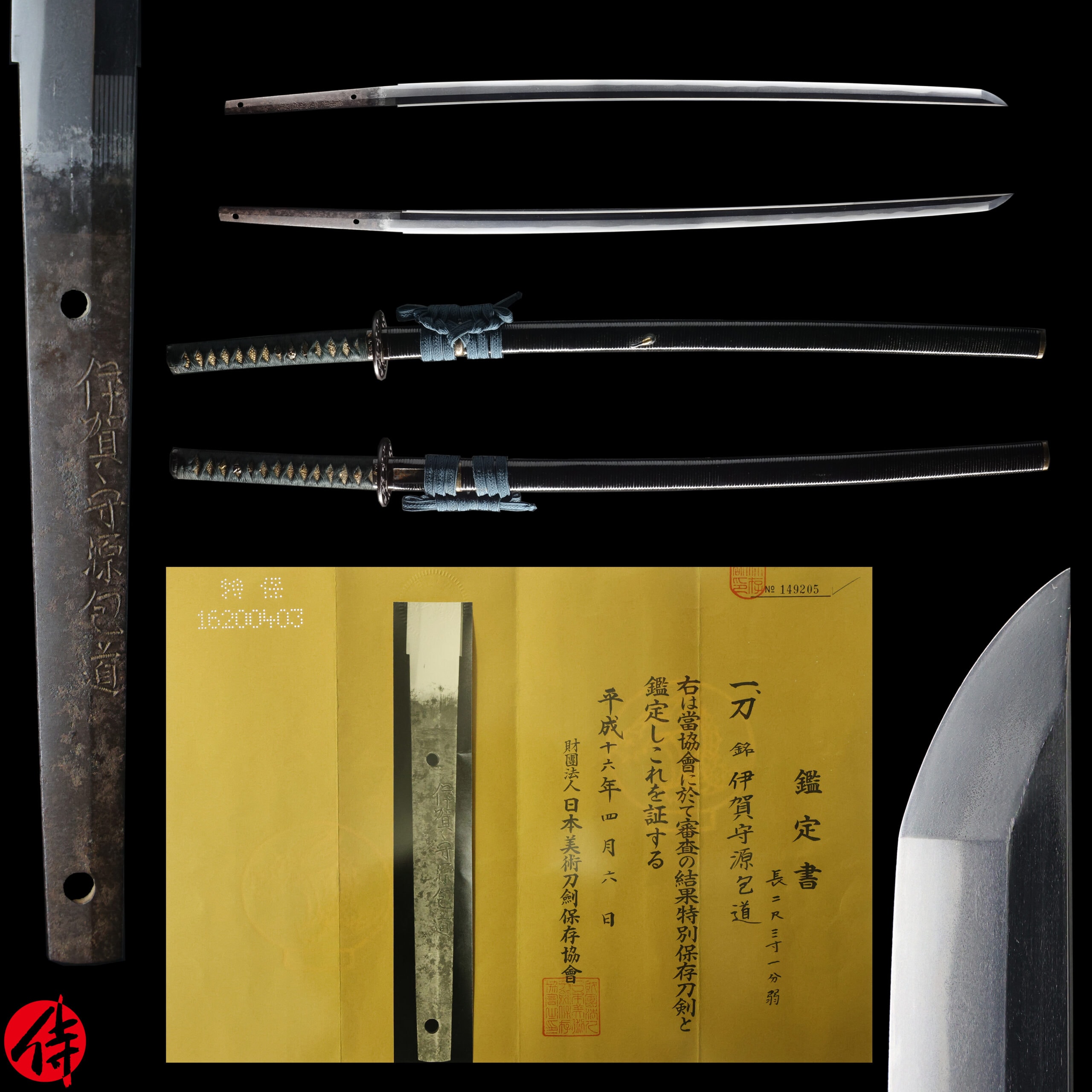
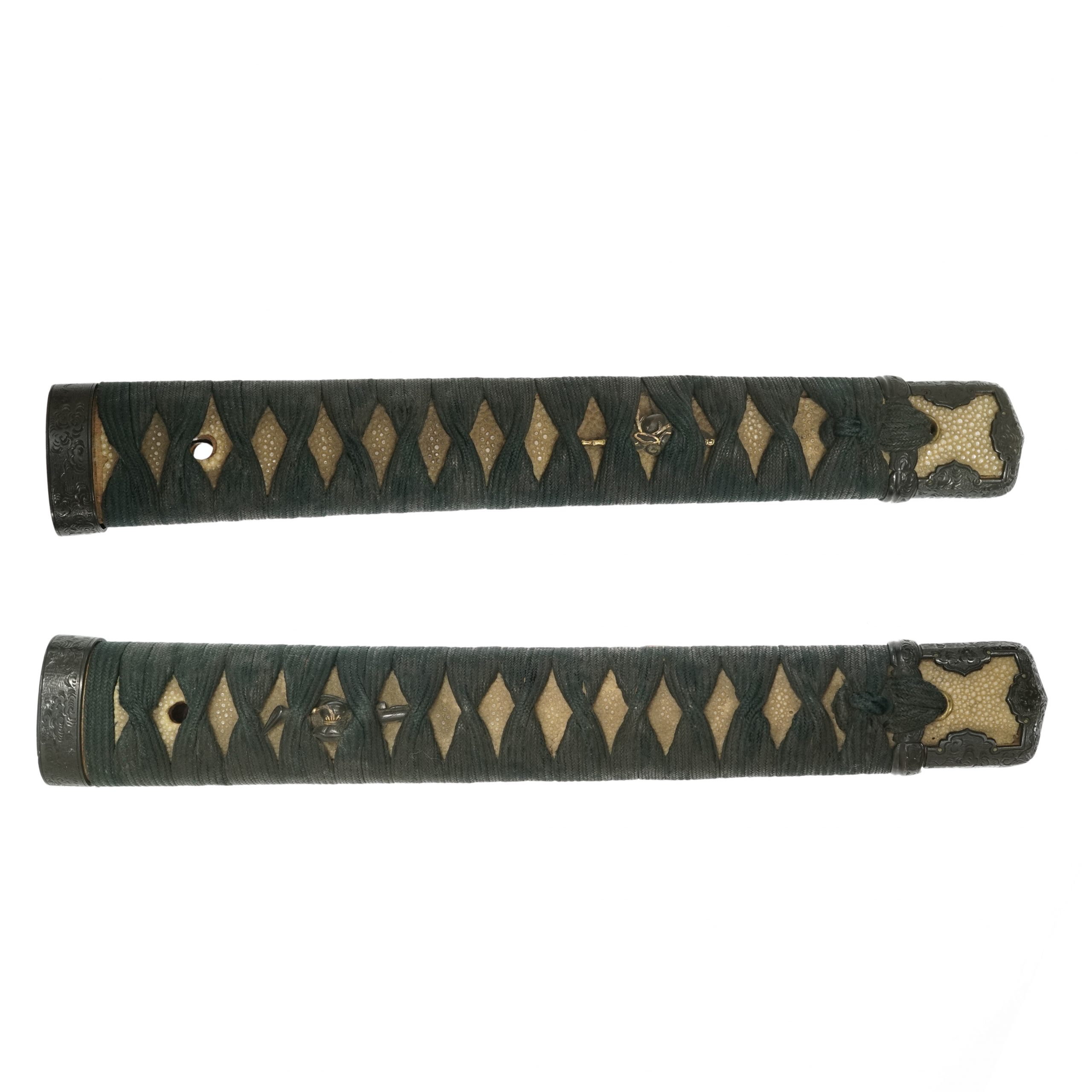
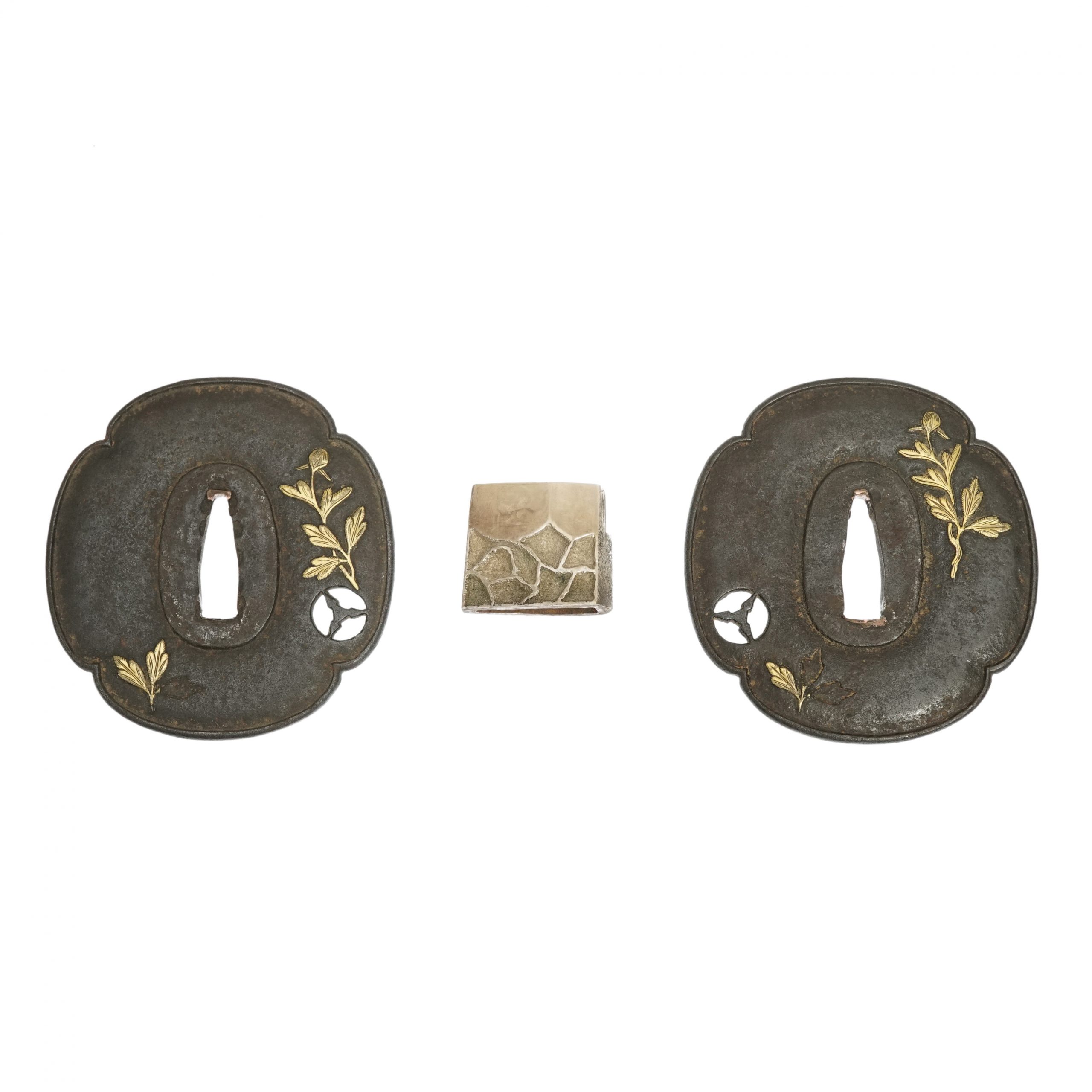
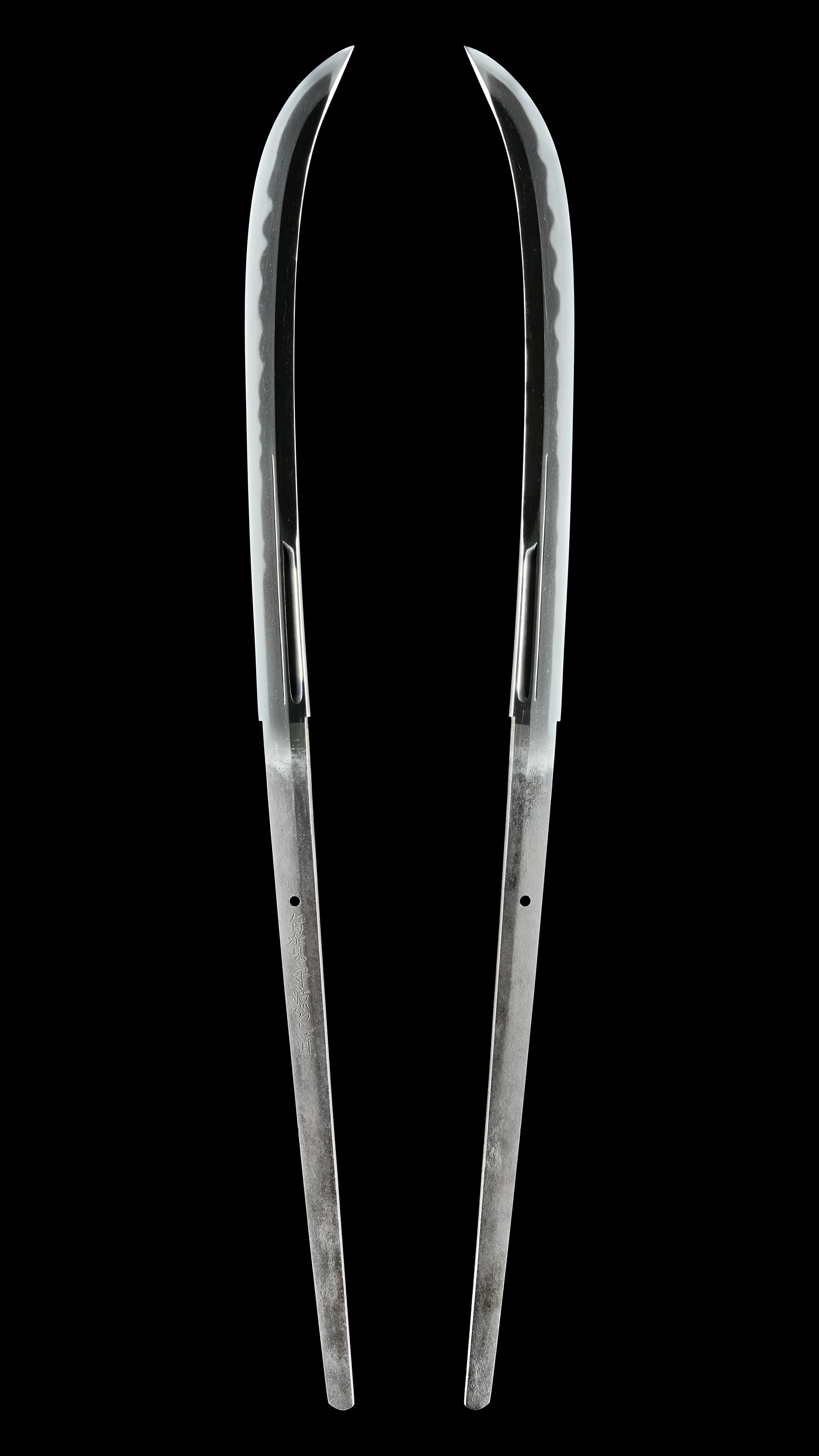
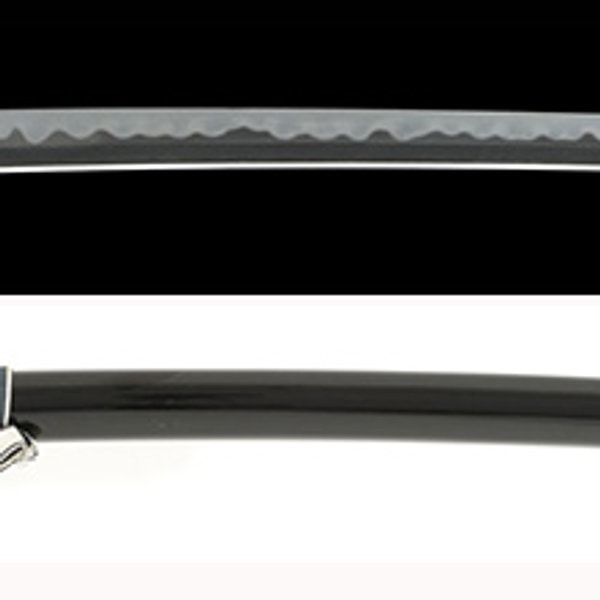
This Katana has been sold out. If you are looking for antique Katana for sale, please click the image below. Antique Japanese Sword Katana Signed by Kanemichi with NBTHK Certificate 【Description】 Kanemichi was originally from Yamato province(today’s Nara), famous for its famous Japanese sword style/tradition called YAMATO-DEN. YAMATO-DEN is the oldest tradition among GOKADEN. ( five most prestigious Japanese sword tradition; BIZEN-DEN, SOSHU-DEN, YAMASHIRO-DEN, MINO-DEN, YAMATO-DEN) The places that created the GOKADEN tradition were prosperous in sword-forging throughout the Samurai period. (1185-1868) During the KAN-BUN era(1661-1673), Kanemichi moved to Settsu province in Osaka prefecture. And, he worked for Mutsuno Kami Kaneyasu, a famous swordsmith in Osaka prefecture. kanemichi received the title of Iganokami. The imperial court only gave the title of kami(守) to the swordsmiths who did excellent work. This blade has the Tokubetsu NBTHK Kicho certificate, which was issued during 1950-1982. NBTHK is currently the most active organization for the authentication of Japanese swords. The foundation of NBTHK dates back to the post-WWII era, following the establishment of the current Japanese Government, when Japanese swords were on the verge of extinction. This blade is in excellent condition, and it comes with Handachi Koshirae.(Half-Tachi style sword mounting) 【Blade】 Cutting Edge Length(Nagasa) : 66.6 cm(26.2 inches) Curvature(Sori) : 0.6 cm(0.23 inches) Hamon : The blade pattern created by the tempering process Jimon : Visible surface pattern on the steel Nakago : Nakago is the tang of the Japanese sword. It has the signature of Iganokami Minamoto Kanemichi. Japanese swordsmiths left the black rust on the tang because it prevents red rust while the tang is in its handle. And the discoloration of the tang was created over time, and it is a great indicator for a Japanese sword specialist to estimate when the sword was forged. 【Other Details】 Fuchi-Kashira : A pair of matching sword fittings that cover the upper and bottom parts of its sword hilt. The cloud pattern is designed for this Fuchi-Kashira. It is believed dragons and gods live in the clouds: therefore, clouds associated with extraordinary power, and people considered the clouds as precursors to good things happening. As it appears repeatedly, the cloud design also has been regarded as the symbol of reincarnation. Tsuka and Menuki : Tsuka is the handle of the Japanese sword and Menuki is its decoration. This Tsuka is coiled with the black thread and decorated with the Hishimaki technique. The complete figure cannot be seen, but this Menuki might be designed Samurai’s Kabuto (helmet) and a kind of arms or costume. Tsuba and Habaki : Tsuba is the handguard for the Japanese Sword and Habaki is the equipment to make the blade not touch its scabbard inside. It prevents the blade from getting rusty and chipped. Yotsu-Mokkou shape Tsuba made from iron. A circle-shaped symbol is carved on the right side. It might be a family crest. In Japan, each family has their symbol mark. This mark looks similar to the “Mitsu-Ougi (三つ扇)” pattern; it combines three fans. Since ancient times, some people thought gods exist in fans. They believed fans have protective meaning. Also, because of its “Suehiro (末広, wide shape),” this item has been prized as lucky charms. Gold-colored leaves are engraved on both sides of this Tsuba. This plant might be a peony. Peony represents happiness, wealth, nobleness, and gorgeousness. Also, this flower pattern has been appreciated as a sign of a rich harvest. Peony is called “Botan (牡丹)” in Japanese. When we write this flower’s name in Kanji (one of the Japanese letters) character, its second letter has the meaning: medicine of mountain hermit that will give us the eternal youth. Based on this letter’s definition, the peony pattern symbolizes eternal youth and longevity. Saya : Saya is the scabbard for the Japanese sword. Authentication Paper : NBTHK Tokubet

NihontoWatch MonNihontoWatch
MarketEncyclopediaKantei
刀剣›包道›Antique Japanese Sword Katana Signed by Kanemichi NBTHK Certificate
刀特別貴重
包道

Antique Japanese Sword Katana Signed by Kanemichi NBTHK Certificate

在銘 · 寛永 · 長さ 66.6cm · 反り 0.6cm
売却済
包道 · 寛永販売中 2点 →
刀
刀身だけで刀工を見抜けますか? 本日の鑑定 →
包道 — 1 of 14
包道 — 2 of 14
包道 — 3 of 14
包道 — 4 of 14
包道 — 5 of 14
包道 — 6 of 14
包道 — 7 of 14
包道 — 8 of 14
包道 — 9 of 14
包道 — 10 of 14
包道 — 11 of 14
包道 — 12 of 14
包道 — 13 of 14
包道 — 14 of 14
1 / 14
1 / 14
包道 — 1 of 14包道 — 2 of 14包道 — 3 of 14包道 — 4 of 14包道 — 5 of 14包道 — 6 of 14包道 — 7 of 14包道 — 8 of 14包道 — 9 of 14包道 — 10 of 14包道 — 11 of 14包道 — 12 of 14包道 — 13 of 14包道 — 14 of 14
包道 · 寛永販売中 2点 →
刀
刀身だけで刀工を見抜けますか? 本日の鑑定 →
法量・詳細
刀工
包道
種別
刀
活動期
1673–1681年頃(延宝)
国
摂津
銘
在銘
法量
長さ 66.6cm反り 0.6cm
説明

This Katana has been sold out. If you are looking for antique Katana for sale, please click the image below. Antique Japanese Sword Katana Signed by Kanemichi with NBTHK Certificate 【Description】 Kanemichi was originally from Yamato province(today’s Nara), famous for its famous Japanese sword style/tradition called YAMATO-DEN. YAMATO-DEN is the oldest tradition among GOKADEN. ( five most prestigious Japanese sword tradition; BIZEN-DEN, SOSHU-DEN, YAMASHIRO-DEN, MINO-DEN, YAMATO-DEN) The places that created the GOKADEN tradition were prosperous in sword-forging throughout the Samurai period. (1185-1868) During the KAN-BUN era(1661-1673), Kanemichi moved to Settsu province in Osaka prefecture. And, he worked for Mutsuno Kami Kaneyasu, a famous swordsmith in Osaka prefecture. kanemichi received the title of Iganokami. The imperial court only gave the title of kami(守) to the swordsmiths who did excellent work. This blade has the Tokubetsu NBTHK Kicho certificate, which was issued during 1950-1982. NBTHK is currently the most active organization for the authentication of Japanese swords. The foundation of NBTHK dates back to the post-WWII era, following the establishment of the current Japanese Government, when Japanese swords were on the verge of extinction. This blade is in excellent condition, and it comes with Handachi Koshirae.(Half-Tachi style sword mounting) 【Blade】 Cutting Edge Length(Nagasa) : 66.6 cm(26.2 inches) Curvature(Sori) : 0.6 cm(0.23 inches) Hamon : The blade pattern created by the tempering process Jimon : Visible surface pattern on the steel Nakago : Nakago is the tang of the Japanese sword. It has the signature of Iganokami Minamoto Kanemichi. Japanese swordsmiths left the black rust on the tang because it prevents red rust while the tang is in its handle. And the discoloration of the tang was created over time, and it is a great indicator for a Japanese sword specialist to estimate when the sword was forged. 【Other Details】 Fuchi-Kashira : A pair of matching sword fittings that cover the upper and bottom parts of its sword hilt. The cloud pattern is designed for this Fuchi-Kashira. It is believed dragons and gods live in the clouds: therefore, clouds associated with extraordinary power, and people considered the clouds as precursors to good things happening. As it appears repeatedly, the cloud design also has been regarded as the symbol of reincarnation. Tsuka and Menuki : Tsuka is the handle of the Japanese sword and Menuki is its decoration. This Tsuka is coiled with the black thread and decorated with the Hishimaki technique. The complete figure cannot be seen, but this Menuki might be designed Samurai’s Kabuto (helmet) and a kind of arms or costume. Tsuba and Habaki : Tsuba is the handguard for the Japanese Sword and Habaki is the equipment to make the blade not touch its scabbard inside. It prevents the blade from getting rusty and chipped. Yotsu-Mokkou shape Tsuba made from iron. A circle-shaped symbol is carved on the right side. It might be a family crest. In Japan, each family has their symbol mark. This mark looks similar to the “Mitsu-Ougi (三つ扇)” pattern; it combines three fans. Since ancient times, some people thought gods exist in fans. They believed fans have protective meaning. Also, because of its “Suehiro (末広, wide shape),” this item has been prized as lucky charms. Gold-colored leaves are engraved on both sides of this Tsuba. This plant might be a peony. Peony represents happiness, wealth, nobleness, and gorgeousness. Also, this flower pattern has been appreciated as a sign of a rich harvest. Peony is called “Botan (牡丹)” in Japanese. When we write this flower’s name in Kanji (one of the Japanese letters) character, its second letter has the meaning: medicine of mountain hermit that will give us the eternal youth. Based on this letter’s definition, the peony pattern symbolizes eternal youth and longevity. Saya : Saya is the scabbard for the Japanese sword. Authentication Paper : NBTHK Tokubet

作者について

包道

摂津 · 1673-1681頃

現在2点販売中

›
包道の作 2点が現在販売中→
包道 — 詳細

この作者について学ぶ →

歴史的背景

江戸時代

›

二世紀半の泰平のあいだ、刀は武器である以上に武士の身分の標章であった。江戸の実証と大坂の華やぎのように都市ごとの作風が育ち、時代の末には需要も細っていく。

江戸時代 →

真贋は保証されません

本作はNBTHKの旧鑑定書(貴重・特別貴重)を有しますが、これらは現在発行されておらず、信頼性に欠けるとされています。極めを確認するには、公的な鑑定機関(NBTHK・NTHKなど)への再提出による現代の鑑定をご検討いただけます。

販売店
サ
サムライミュージアム
🇯🇵日本から発送
›
✓認証販売店samuraimuseum.jp
✓海外発送可✓英語対応PayPalクレジットカード
返品ポリシー

Returns/exchanges limited to defects caused by shipping (except willful misconduct or gross negligence by the company); customers must contact within 72 hours of receiving the product.

サムライミュージアムの出品一覧を見る→販売店サイトでこの商品を見る→

包道の他の作

すべて見る →
刀心
特別保存
Naginata - Tokuho - 作 包道 - 伊賀守源包道 6-077Naginata - Tokuho - 作 包道 - 伊賀守源包道 6-077

薙刀

作包道
38.3cm·新刀
¥495,000
銀座長州屋
Katana - 作 包道 - 銘 伊賀守源包道(業物)Katana - 作 包道 - 銘 伊賀守源包道(業物)

刀

作包道
寛永
お問い合わせ

包道の売約済み

すべて見る →
銀座長州屋
特別保存
Katana - Tokuho - 作 包道 - 刀 銘 伊賀守源包道(業物)Katana - Tokuho - 作 包道 - 刀 銘 伊賀守源包道(業物)
売切れ

刀

作包道
71.4cm·寛永
売却済
サムライミュージアム
特別保存
Katana - Tokuho - 作 包道 - Early Edo Nihonto signed by Kanemichi for saleKatana - Tokuho - 作 包道 - Early Edo Nihonto signed by Kanemichi for sale
売切れ

刀

作包道
70cm·新刀
売却済

刀剣

  • 刀
  • 脇差
  • 短刀
  • 太刀
  • 薙刀
  • 槍
  • 日本刀の販売
  • サムライソード

刀装具

  • 鍔
  • 縁頭
  • 小柄
  • 目貫
  • 鍔(ソードガード)

甲冑武具

  • 兜
  • 甲冑
  • 甲冑・武具一覧

鑑定別

  • 特重
  • 重要
  • 特別保存
  • 保存

リソース

  • 刀剣商一覧
  • 刀工一覧
  • 誌上鑑定
  • すべて見る
Nihontowatch© 2026
利用規約プライバシーCookie運営者情報
売切れ

説明

This Katana has been sold out. If you are looking for antique Katana for sale, please click the image below. Antique Japanese Sword Katana Signed by Kanemichi with NBTHK Certificate 【Description】 Kanemichi was originally from Yamato province(today’s Nara), famous for its famous Japanese sword style/tradition called YAMATO-DEN. YAMATO-DEN is the oldest tradition among GOKADEN. ( five most prestigious Japanese sword tradition; BIZEN-DEN, SOSHU-DEN, YAMASHIRO-DEN, MINO-DEN, YAMATO-DEN) The places that created the GOKADEN tradition were prosperous in sword-forging throughout the Samurai period. (1185-1868) During the KAN-BUN era(1661-1673), Kanemichi moved to Settsu province in Osaka prefecture. And, he worked for Mutsuno Kami Kaneyasu, a famous swordsmith in Osaka prefecture. kanemichi received the title of Iganokami. The imperial court only gave the title of kami(守) to the swordsmiths who did excellent work. This blade has the Tokubetsu NBTHK Kicho certificate, which was issued during 1950-1982. NBTHK is currently the most active organization for the authentication of Japanese swords. The foundation of NBTHK dates back to the post-WWII era, following the establishment of the current Japanese Government, when Japanese swords were on the verge of extinction. This blade is in excellent condition, and it comes with Handachi Koshirae.(Half-Tachi style sword mounting) 【Blade】 Cutting Edge Length(Nagasa) : 66.6 cm(26.2 inches) Curvature(Sori) : 0.6 cm(0.23 inches) Hamon : The blade pattern created by the tempering process Jimon : Visible surface pattern on the steel Nakago : Nakago is the tang of the Japanese sword. It has the signature of Iganokami Minamoto Kanemichi. Japanese swordsmiths left the black rust on the tang because it prevents red rust while the tang is in its handle. And the discoloration of the tang was created over time, and it is a great indicator for a Japanese sword specialist to estimate when the sword was forged. 【Other Details】 Fuchi-Kashira : A pair of matching sword fittings that cover the upper and bottom parts of its sword hilt. The cloud pattern is designed for this Fuchi-Kashira. It is believed dragons and gods live in the clouds: therefore, clouds associated with extraordinary power, and people considered the clouds as precursors to good things happening. As it appears repeatedly, the cloud design also has been regarded as the symbol of reincarnation. Tsuka and Menuki : Tsuka is the handle of the Japanese sword and Menuki is its decoration. This Tsuka is coiled with the black thread and decorated with the Hishimaki technique. The complete figure cannot be seen, but this Menuki might be designed Samurai’s Kabuto (helmet) and a kind of arms or costume. Tsuba and Habaki : Tsuba is the handguard for the Japanese Sword and Habaki is the equipment to make the blade not touch its scabbard inside. It prevents the blade from getting rusty and chipped. Yotsu-Mokkou shape Tsuba made from iron. A circle-shaped symbol is carved on the right side. It might be a family crest. In Japan, each family has their symbol mark. This mark looks similar to the “Mitsu-Ougi (三つ扇)” pattern; it combines three fans. Since ancient times, some people thought gods exist in fans. They believed fans have protective meaning. Also, because of its “Suehiro (末広, wide shape),” this item has been prized as lucky charms. Gold-colored leaves are engraved on both sides of this Tsuba. This plant might be a peony. Peony represents happiness, wealth, nobleness, and gorgeousness. Also, this flower pattern has been appreciated as a sign of a rich harvest. Peony is called “Botan (牡丹)” in Japanese. When we write this flower’s name in Kanji (one of the Japanese letters) character, its second letter has the meaning: medicine of mountain hermit that will give us the eternal youth. Based on this letter’s definition, the peony pattern symbolizes eternal youth and longevity. Saya : Saya is the scabbard for the Japanese sword. Authentication Paper : NBTHK Tokubet

NihontoWatch MonNihontoWatch
MarketEncyclopediaKantei
刀剣›包道›Antique Japanese Sword Katana Signed by Kanemichi NBTHK Certificate
刀特別貴重
包道

Antique Japanese Sword Katana Signed by Kanemichi NBTHK Certificate

在銘 · 寛永 · 長さ 66.6cm · 反り 0.6cm
売却済
包道 · 寛永販売中 2点 →
刀
刀身だけで刀工を見抜けますか? 本日の鑑定 →
包道 — 1 of 14
包道 — 2 of 14
包道 — 3 of 14
包道 — 4 of 14
包道 — 5 of 14
包道 — 6 of 14
包道 — 7 of 14
包道 — 8 of 14
包道 — 9 of 14
包道 — 10 of 14
包道 — 11 of 14
包道 — 12 of 14
包道 — 13 of 14
包道 — 14 of 14
1 / 14
1 / 14
包道 — 1 of 14包道 — 2 of 14包道 — 3 of 14包道 — 4 of 14包道 — 5 of 14包道 — 6 of 14包道 — 7 of 14包道 — 8 of 14包道 — 9 of 14包道 — 10 of 14包道 — 11 of 14包道 — 12 of 14包道 — 13 of 14包道 — 14 of 14
包道 · 寛永販売中 2点 →
刀
刀身だけで刀工を見抜けますか? 本日の鑑定 →
法量・詳細
刀工
包道
種別
刀
活動期
1673–1681年頃(延宝)
国
摂津
銘
在銘
法量
長さ 66.6cm反り 0.6cm
説明

This Katana has been sold out. If you are looking for antique Katana for sale, please click the image below. Antique Japanese Sword Katana Signed by Kanemichi with NBTHK Certificate 【Description】 Kanemichi was originally from Yamato province(today’s Nara), famous for its famous Japanese sword style/tradition called YAMATO-DEN. YAMATO-DEN is the oldest tradition among GOKADEN. ( five most prestigious Japanese sword tradition; BIZEN-DEN, SOSHU-DEN, YAMASHIRO-DEN, MINO-DEN, YAMATO-DEN) The places that created the GOKADEN tradition were prosperous in sword-forging throughout the Samurai period. (1185-1868) During the KAN-BUN era(1661-1673), Kanemichi moved to Settsu province in Osaka prefecture. And, he worked for Mutsuno Kami Kaneyasu, a famous swordsmith in Osaka prefecture. kanemichi received the title of Iganokami. The imperial court only gave the title of kami(守) to the swordsmiths who did excellent work. This blade has the Tokubetsu NBTHK Kicho certificate, which was issued during 1950-1982. NBTHK is currently the most active organization for the authentication of Japanese swords. The foundation of NBTHK dates back to the post-WWII era, following the establishment of the current Japanese Government, when Japanese swords were on the verge of extinction. This blade is in excellent condition, and it comes with Handachi Koshirae.(Half-Tachi style sword mounting) 【Blade】 Cutting Edge Length(Nagasa) : 66.6 cm(26.2 inches) Curvature(Sori) : 0.6 cm(0.23 inches) Hamon : The blade pattern created by the tempering process Jimon : Visible surface pattern on the steel Nakago : Nakago is the tang of the Japanese sword. It has the signature of Iganokami Minamoto Kanemichi. Japanese swordsmiths left the black rust on the tang because it prevents red rust while the tang is in its handle. And the discoloration of the tang was created over time, and it is a great indicator for a Japanese sword specialist to estimate when the sword was forged. 【Other Details】 Fuchi-Kashira : A pair of matching sword fittings that cover the upper and bottom parts of its sword hilt. The cloud pattern is designed for this Fuchi-Kashira. It is believed dragons and gods live in the clouds: therefore, clouds associated with extraordinary power, and people considered the clouds as precursors to good things happening. As it appears repeatedly, the cloud design also has been regarded as the symbol of reincarnation. Tsuka and Menuki : Tsuka is the handle of the Japanese sword and Menuki is its decoration. This Tsuka is coiled with the black thread and decorated with the Hishimaki technique. The complete figure cannot be seen, but this Menuki might be designed Samurai’s Kabuto (helmet) and a kind of arms or costume. Tsuba and Habaki : Tsuba is the handguard for the Japanese Sword and Habaki is the equipment to make the blade not touch its scabbard inside. It prevents the blade from getting rusty and chipped. Yotsu-Mokkou shape Tsuba made from iron. A circle-shaped symbol is carved on the right side. It might be a family crest. In Japan, each family has their symbol mark. This mark looks similar to the “Mitsu-Ougi (三つ扇)” pattern; it combines three fans. Since ancient times, some people thought gods exist in fans. They believed fans have protective meaning. Also, because of its “Suehiro (末広, wide shape),” this item has been prized as lucky charms. Gold-colored leaves are engraved on both sides of this Tsuba. This plant might be a peony. Peony represents happiness, wealth, nobleness, and gorgeousness. Also, this flower pattern has been appreciated as a sign of a rich harvest. Peony is called “Botan (牡丹)” in Japanese. When we write this flower’s name in Kanji (one of the Japanese letters) character, its second letter has the meaning: medicine of mountain hermit that will give us the eternal youth. Based on this letter’s definition, the peony pattern symbolizes eternal youth and longevity. Saya : Saya is the scabbard for the Japanese sword. Authentication Paper : NBTHK Tokubet

作者について

包道

摂津 · 1673-1681頃

現在2点販売中

›
包道の作 2点が現在販売中→
包道 — 詳細

この作者について学ぶ →

歴史的背景

江戸時代

›

二世紀半の泰平のあいだ、刀は武器である以上に武士の身分の標章であった。江戸の実証と大坂の華やぎのように都市ごとの作風が育ち、時代の末には需要も細っていく。

江戸時代 →

真贋は保証されません

本作はNBTHKの旧鑑定書(貴重・特別貴重)を有しますが、これらは現在発行されておらず、信頼性に欠けるとされています。極めを確認するには、公的な鑑定機関(NBTHK・NTHKなど)への再提出による現代の鑑定をご検討いただけます。

販売店
サ
サムライミュージアム
🇯🇵日本から発送
›
✓認証販売店samuraimuseum.jp
✓海外発送可✓英語対応PayPalクレジットカード
返品ポリシー

Returns/exchanges limited to defects caused by shipping (except willful misconduct or gross negligence by the company); customers must contact within 72 hours of receiving the product.
サムライミュージアムの出品一覧を見る→販売店サイトでこの商品を見る→

包道の他の作

すべて見る →
刀心
特別保存
Naginata - Tokuho - 作 包道 - 伊賀守源包道 6-077Naginata - Tokuho - 作 包道 - 伊賀守源包道 6-077

薙刀

作包道
38.3cm·新刀
¥495,000
銀座長州屋
Katana - 作 包道 - 銘 伊賀守源包道(業物)Katana - 作 包道 - 銘 伊賀守源包道(業物)

刀

作包道
寛永
お問い合わせ

包道の売約済み

すべて見る →
銀座長州屋
特別保存
Katana - Tokuho - 作 包道 - 刀 銘 伊賀守源包道(業物)Katana - Tokuho - 作 包道 - 刀 銘 伊賀守源包道(業物)
売切れ

刀

作包道
71.4cm·寛永
売却済
サムライミュージアム
特別保存
Katana - Tokuho - 作 包道 - Early Edo Nihonto signed by Kanemichi for saleKatana - Tokuho - 作 包道 - Early Edo Nihonto signed by Kanemichi for sale
売切れ

刀

作包道
70cm·新刀
売却済

刀剣

  • 刀
  • 脇差
  • 短刀
  • 太刀
  • 薙刀
  • 槍
  • 日本刀の販売
  • サムライソード

刀装具

  • 鍔
  • 縁頭
  • 小柄
  • 目貫
  • 鍔(ソードガード)

甲冑武具

  • 兜
  • 甲冑
  • 甲冑・武具一覧

鑑定別

  • 特重
  • 重要
  • 特別保存
  • 保存

リソース

  • 刀剣商一覧
  • 刀工一覧
  • 誌上鑑定
  • すべて見る
Nihontowatch© 2026
利用規約プライバシーCookie運営者情報
売切れ
NihontoWatch MonNihontoWatch
マーケット
事典
鑑定
NihontoWatch MonNihontoWatch
マーケット
事典
鑑定