応仁の乱が足利の体制を砕いた後、戦国の一世紀はほとんどすべての国を武装させた。この時代は選ぶ目に報いる。並の作は多いが、その傍らには第一級の注文打ちが立っている。
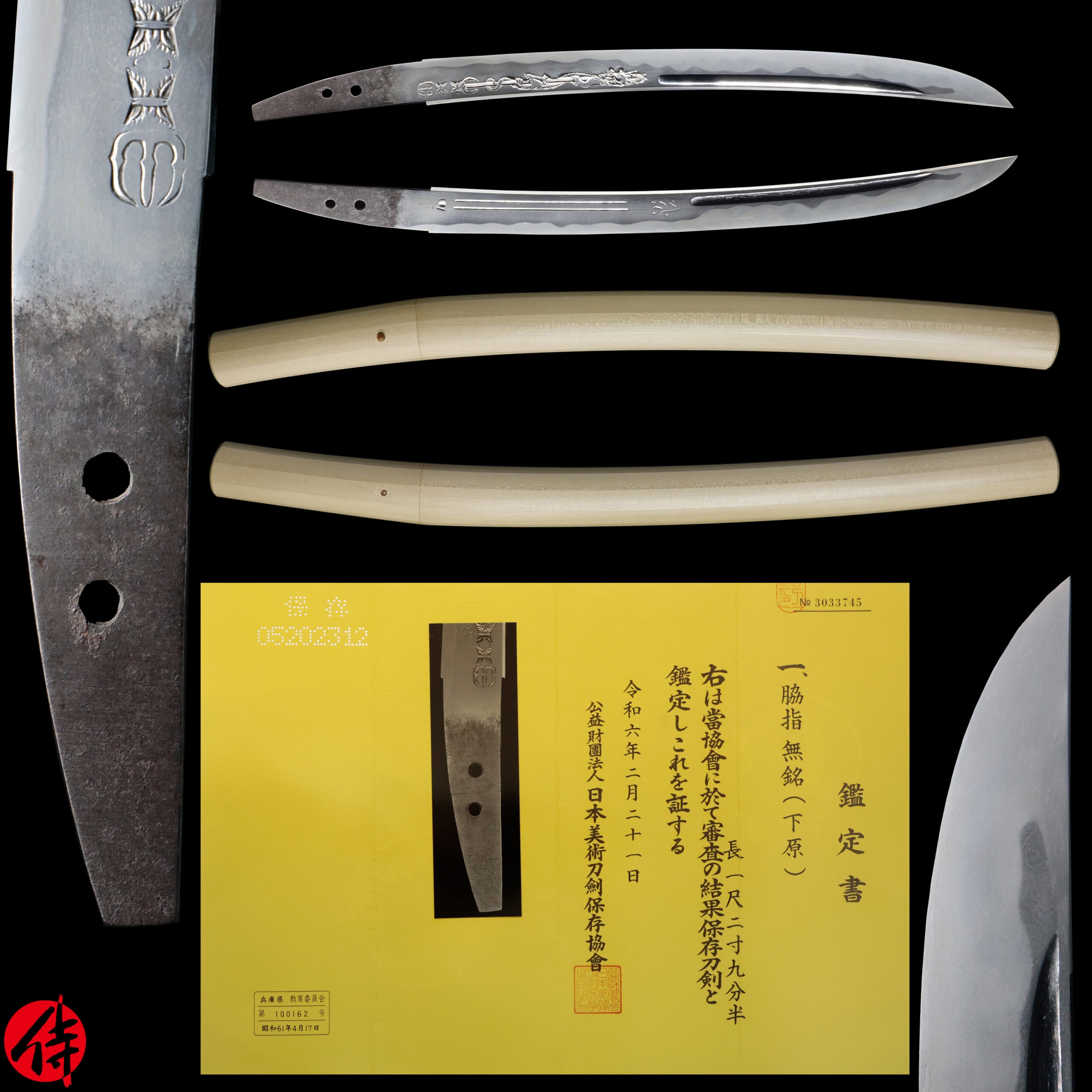
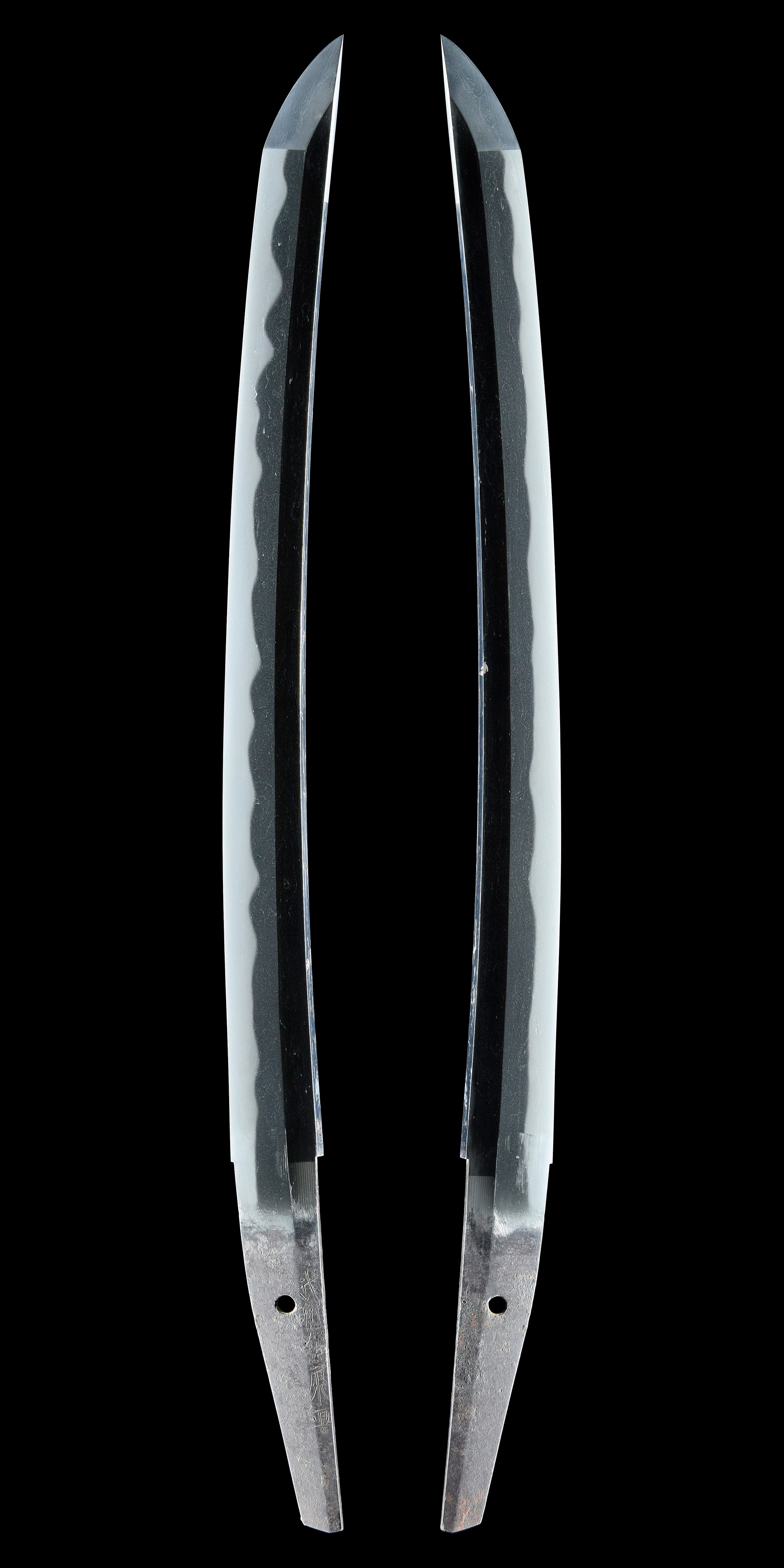
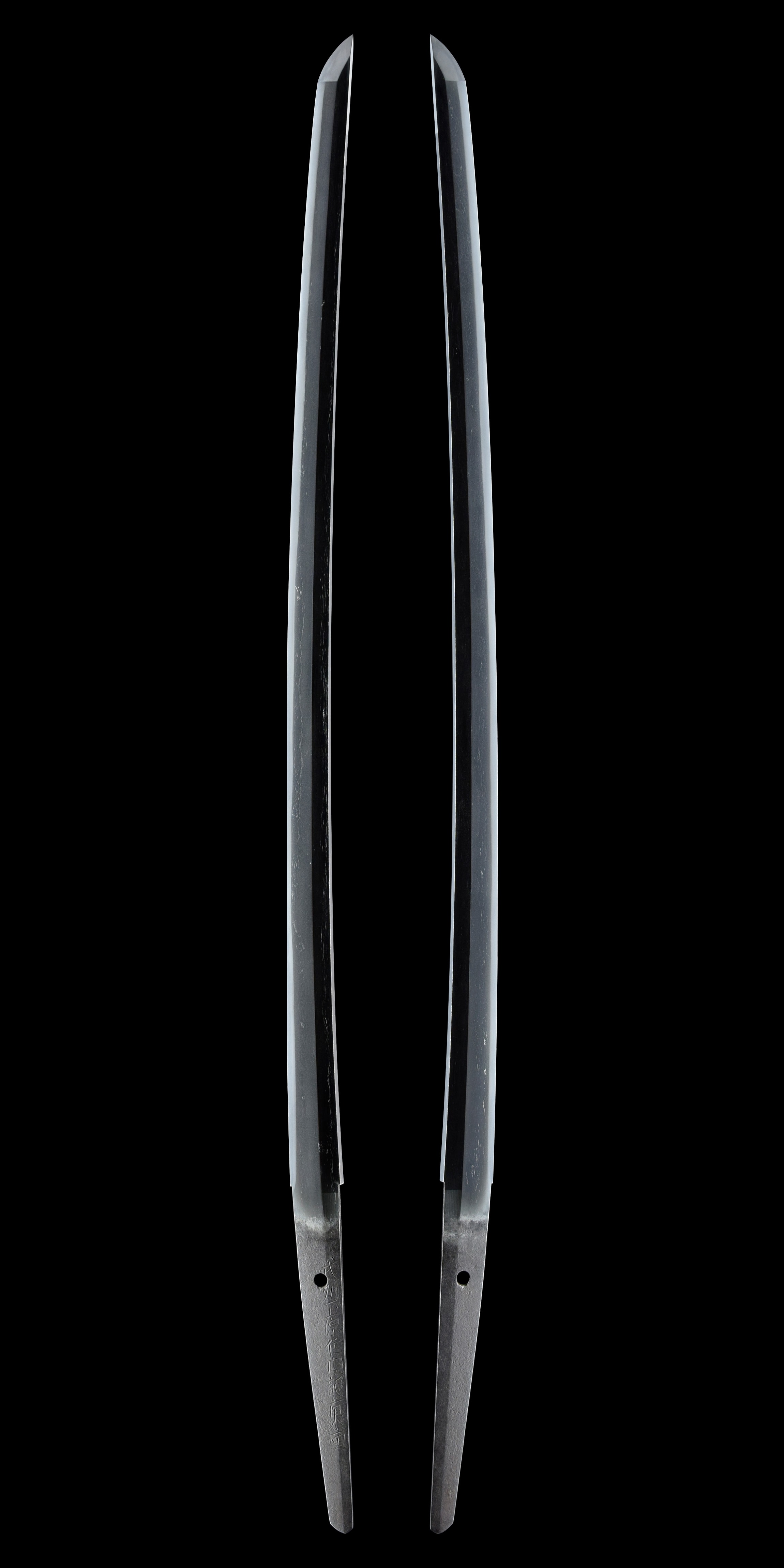
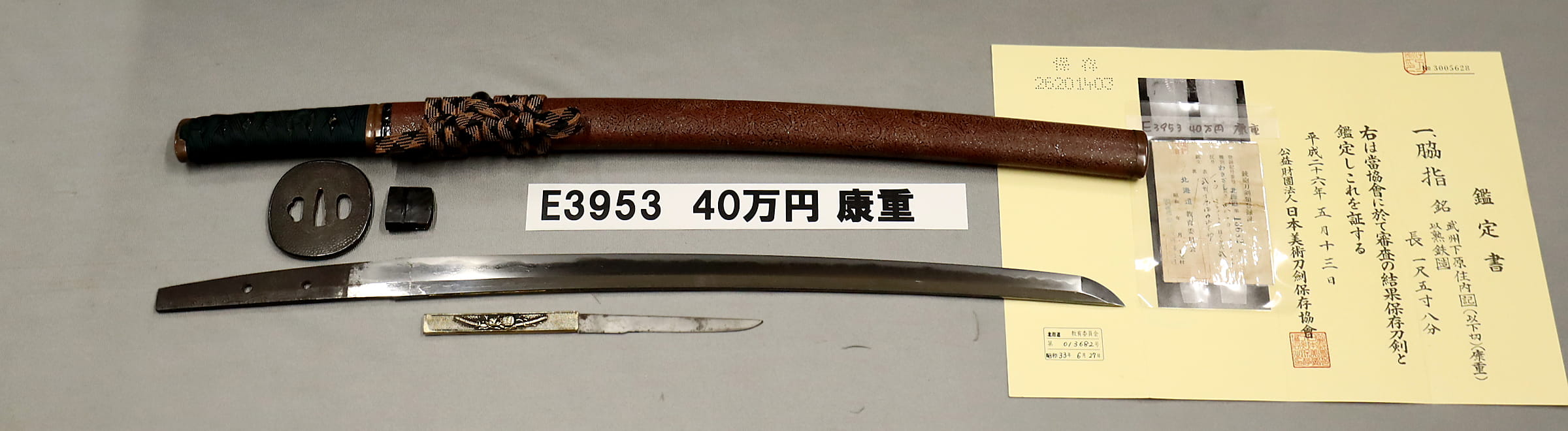
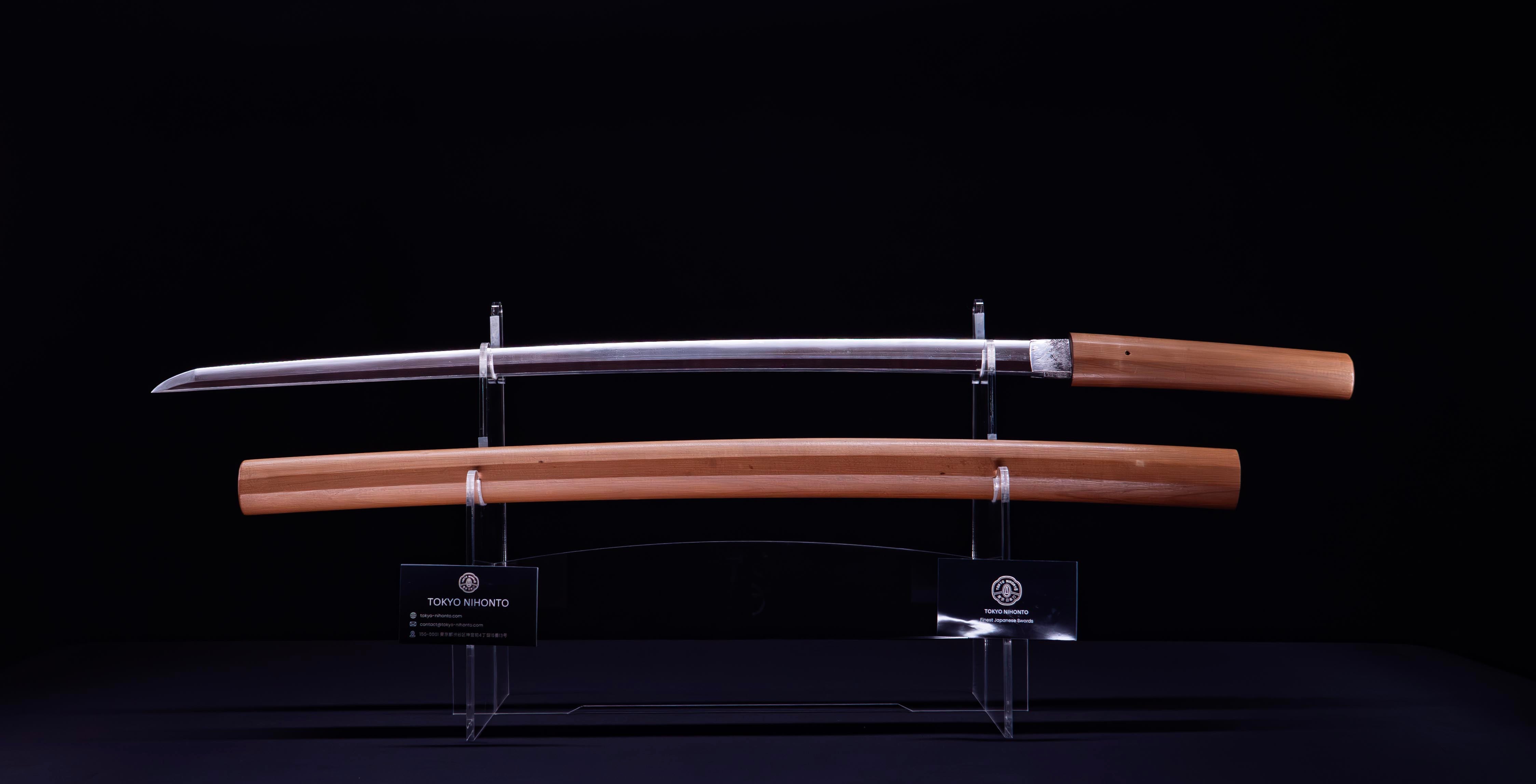
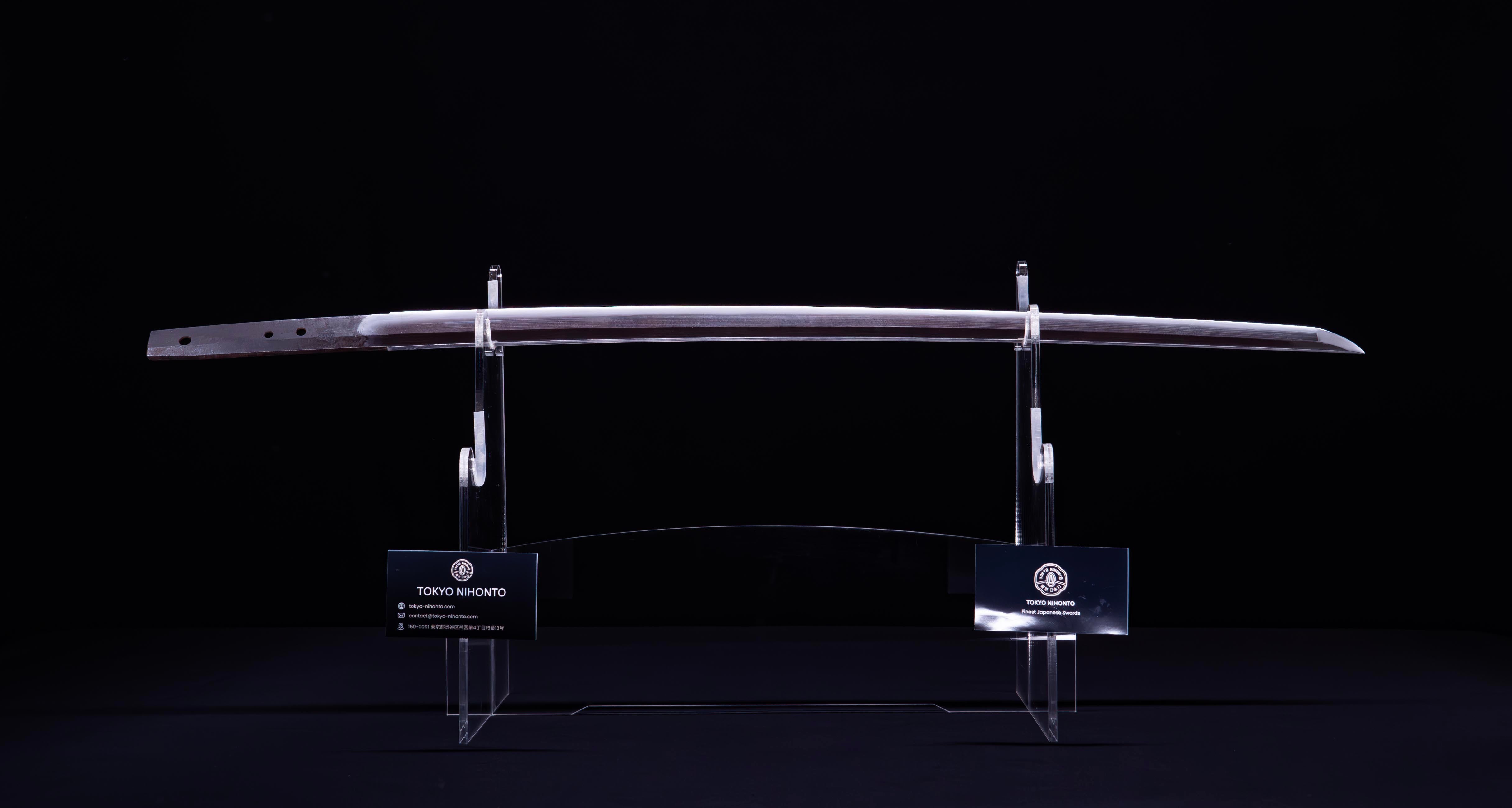
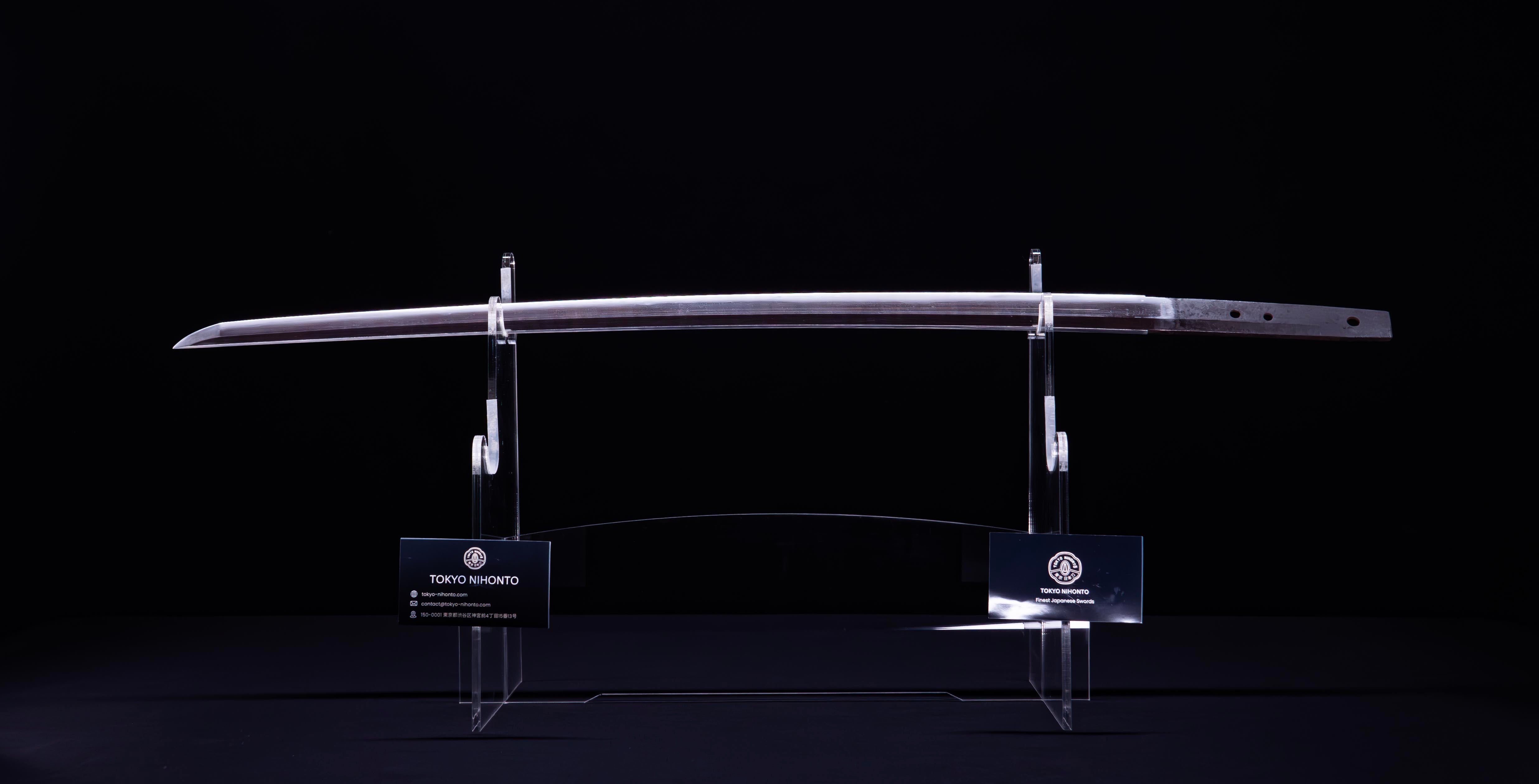
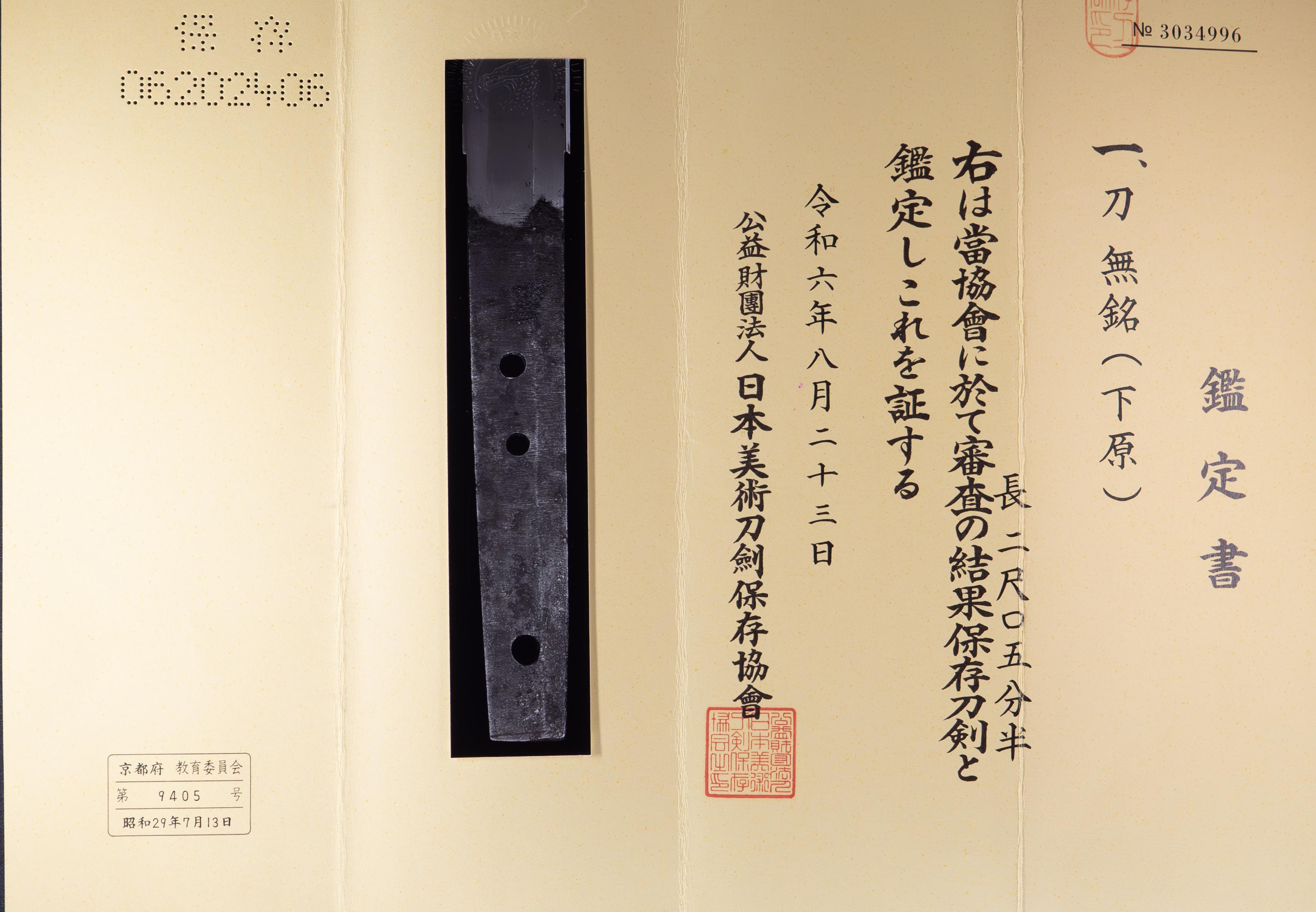
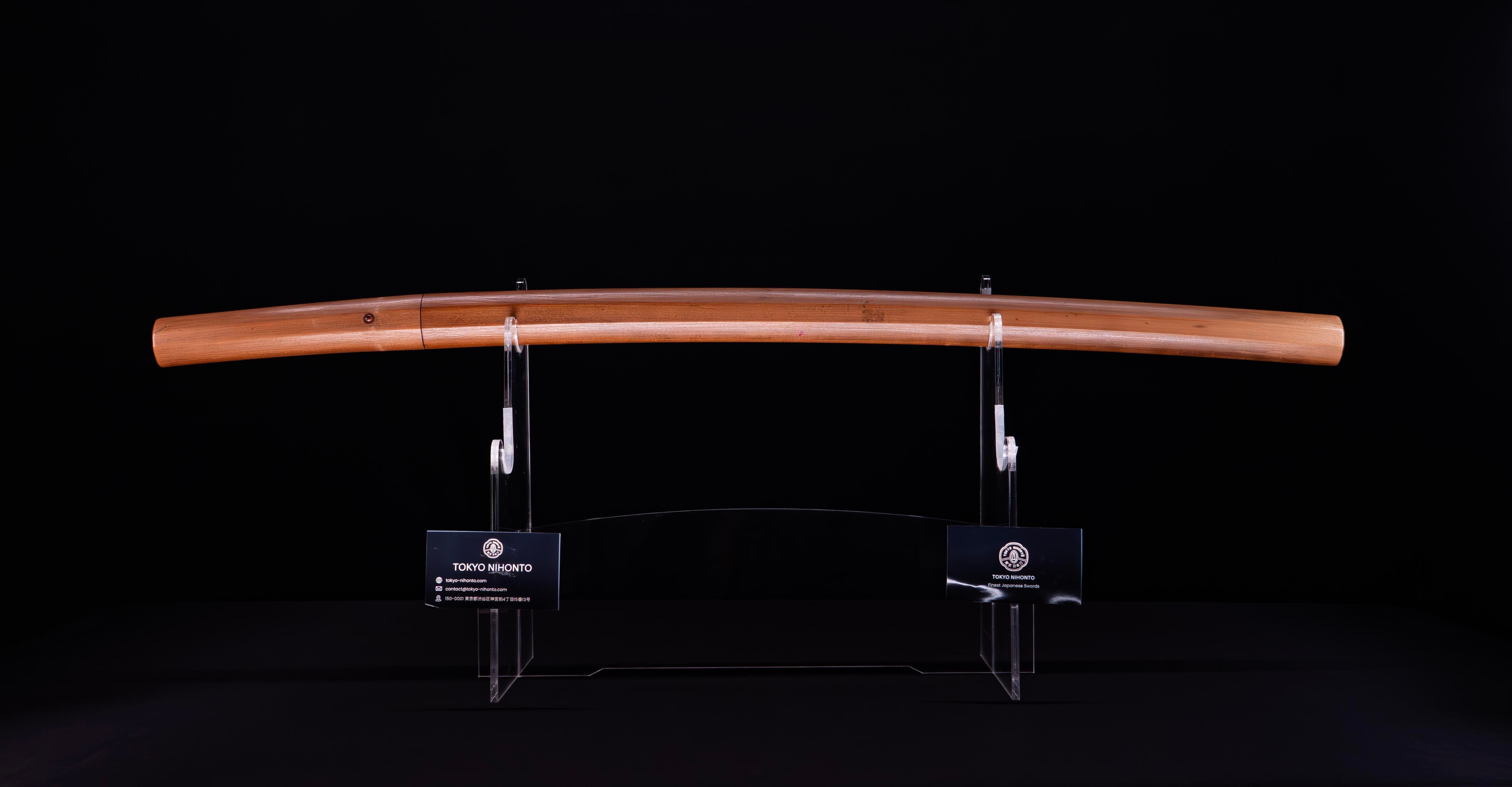
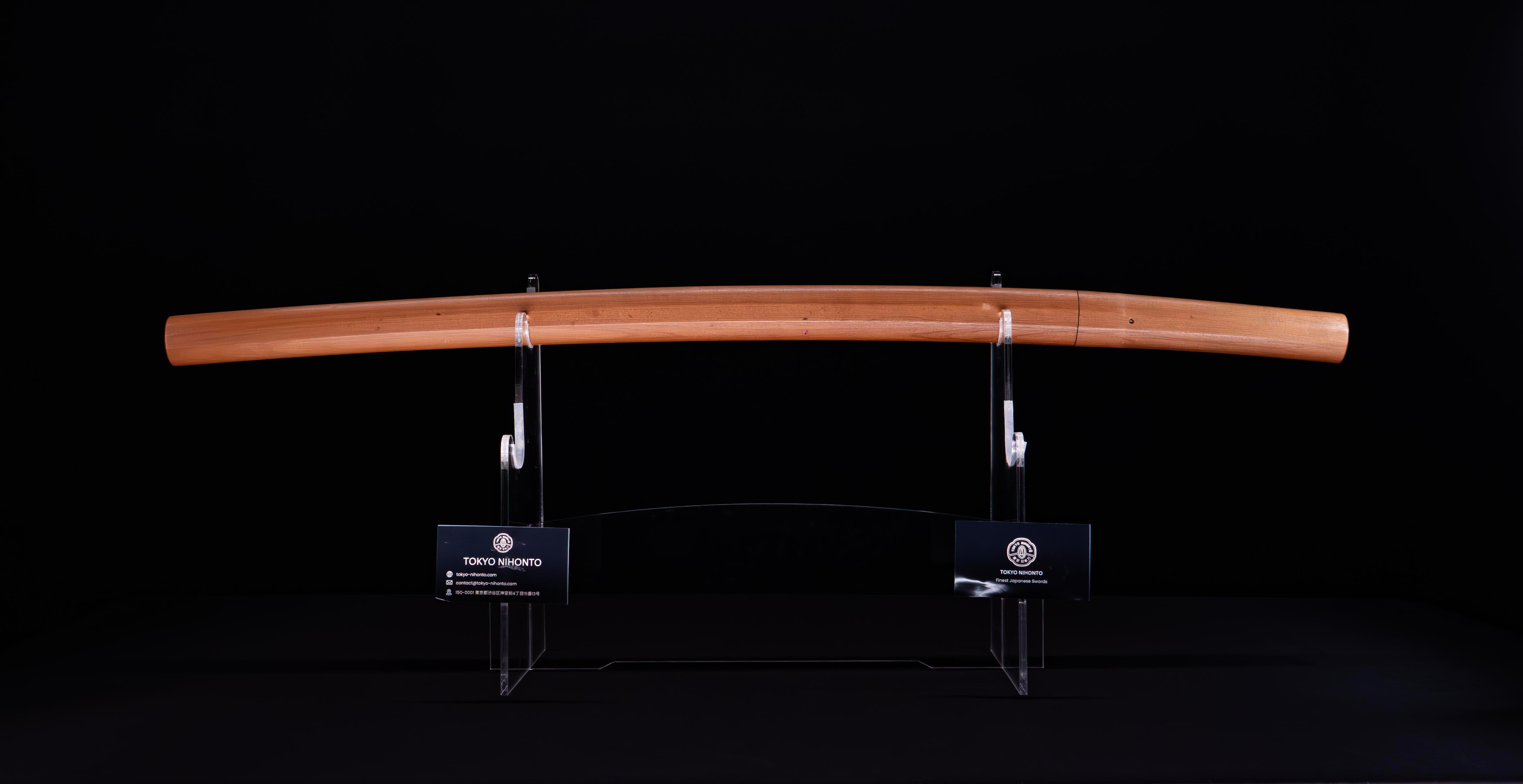
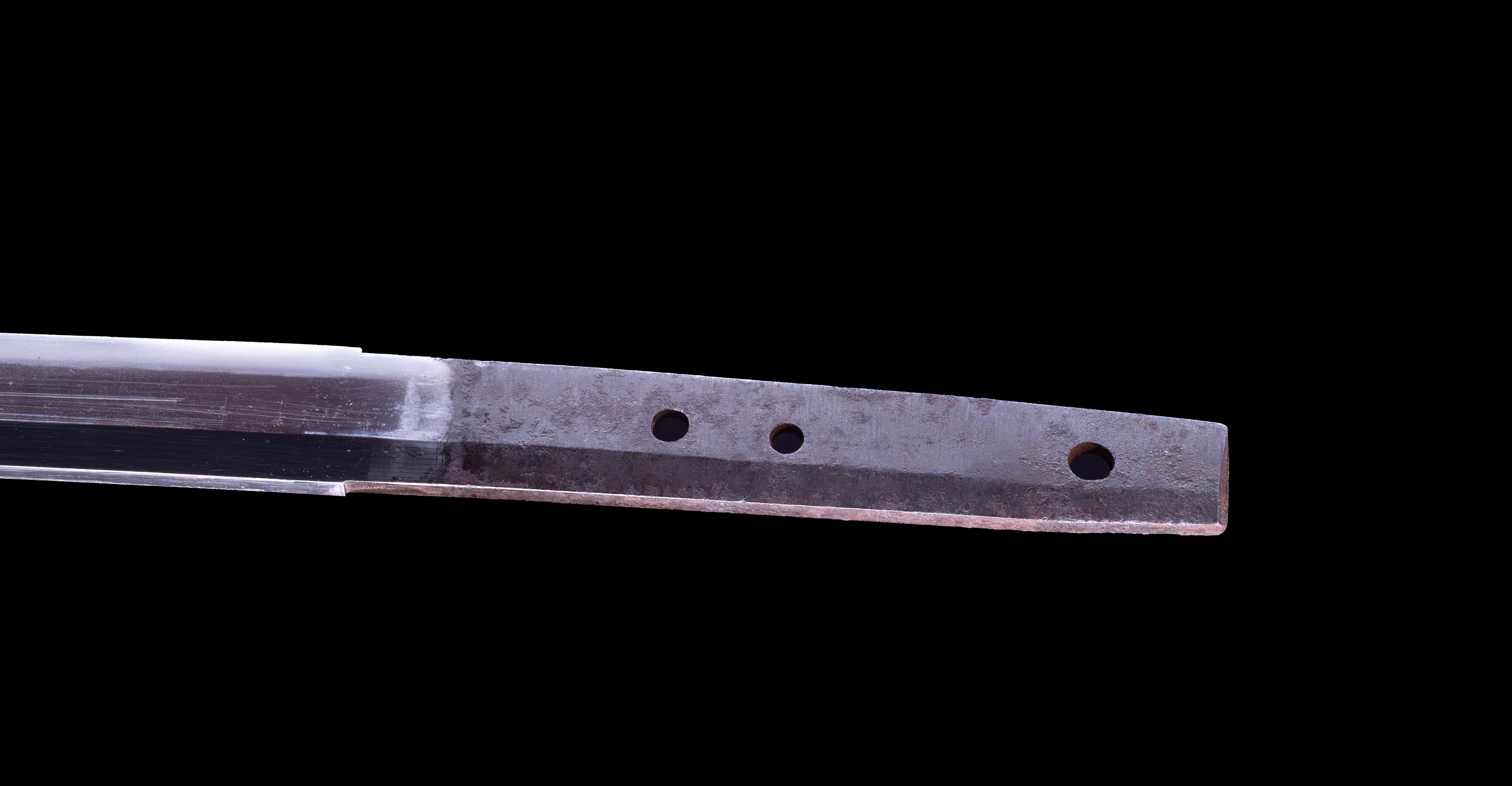
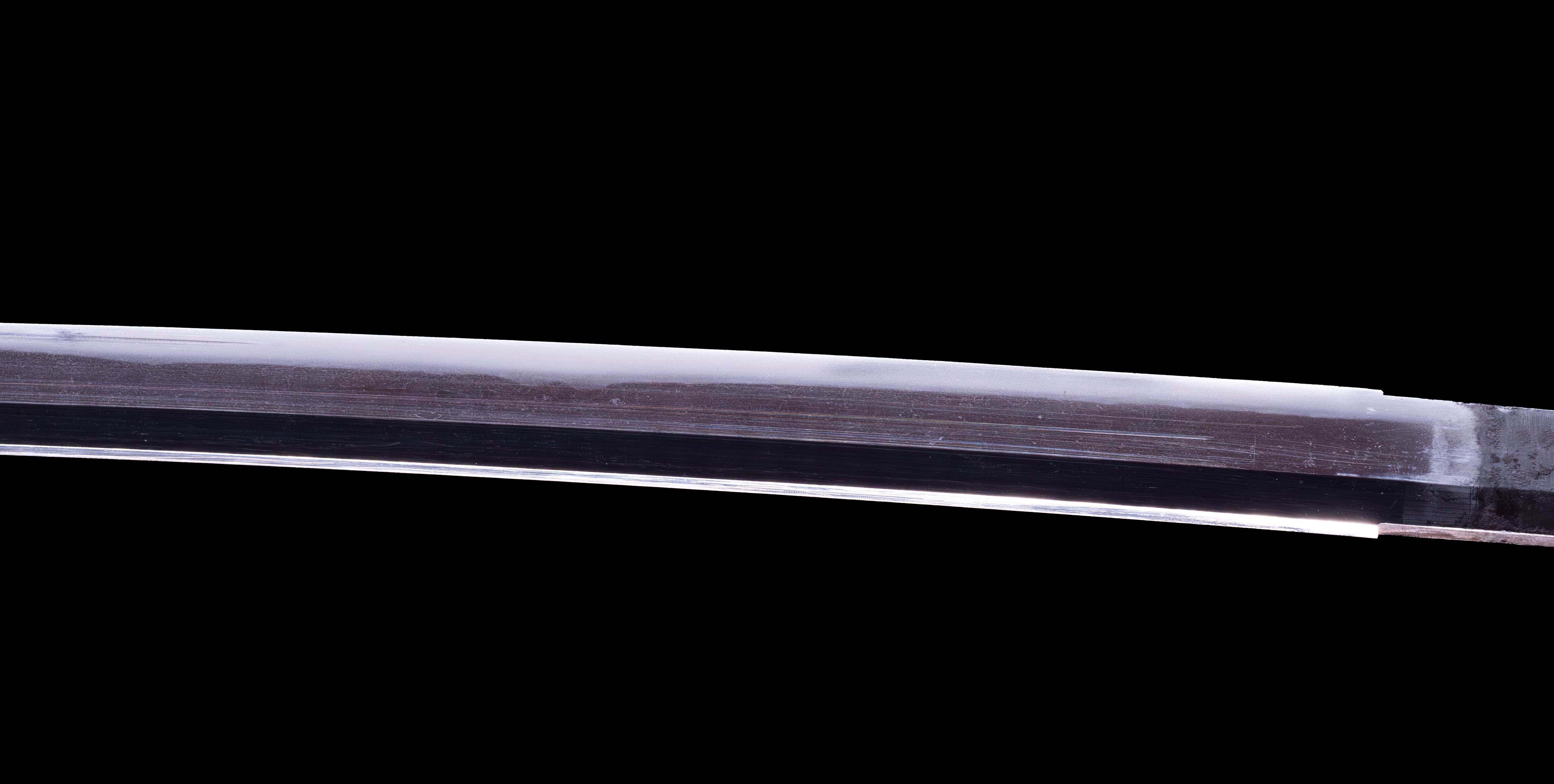
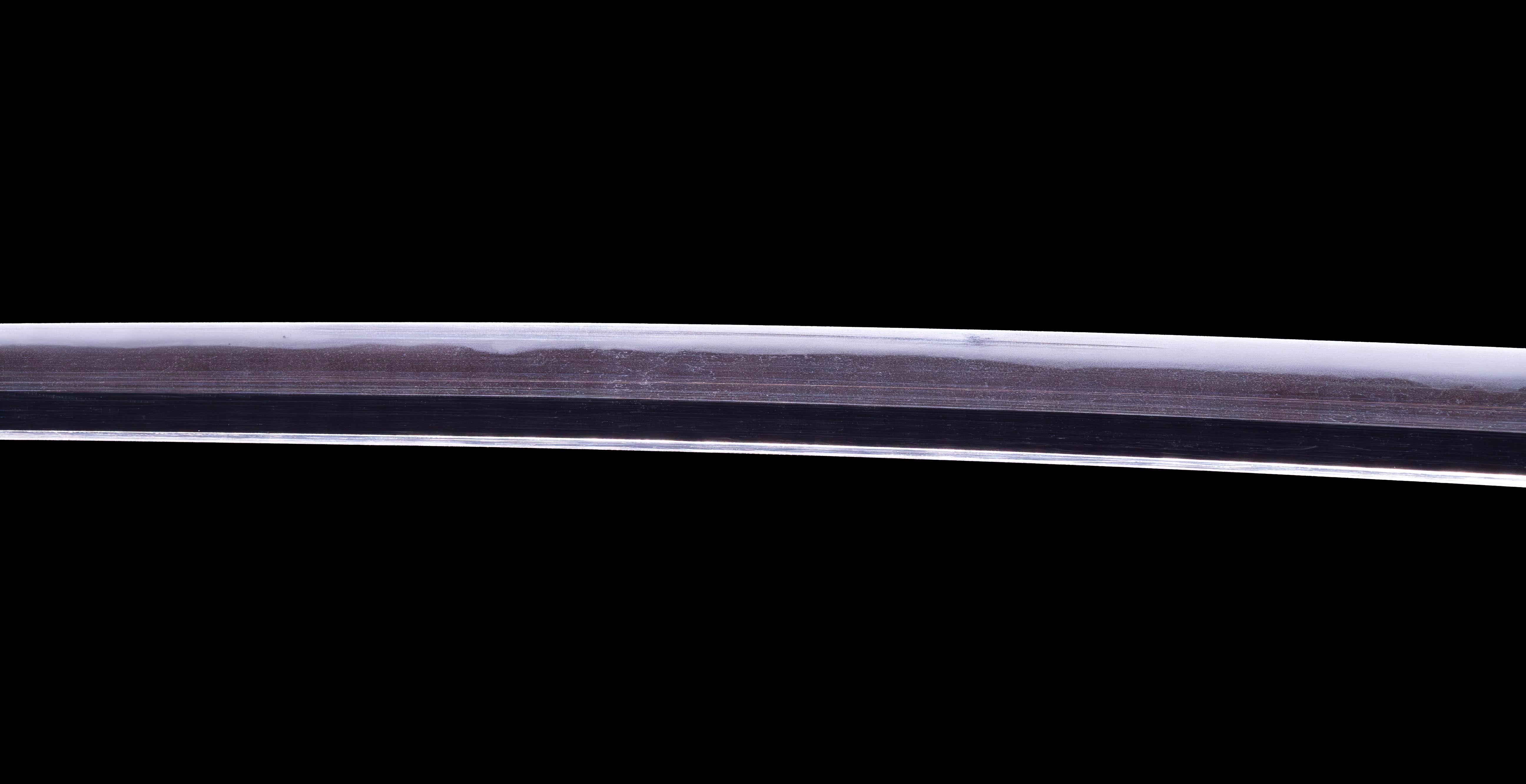
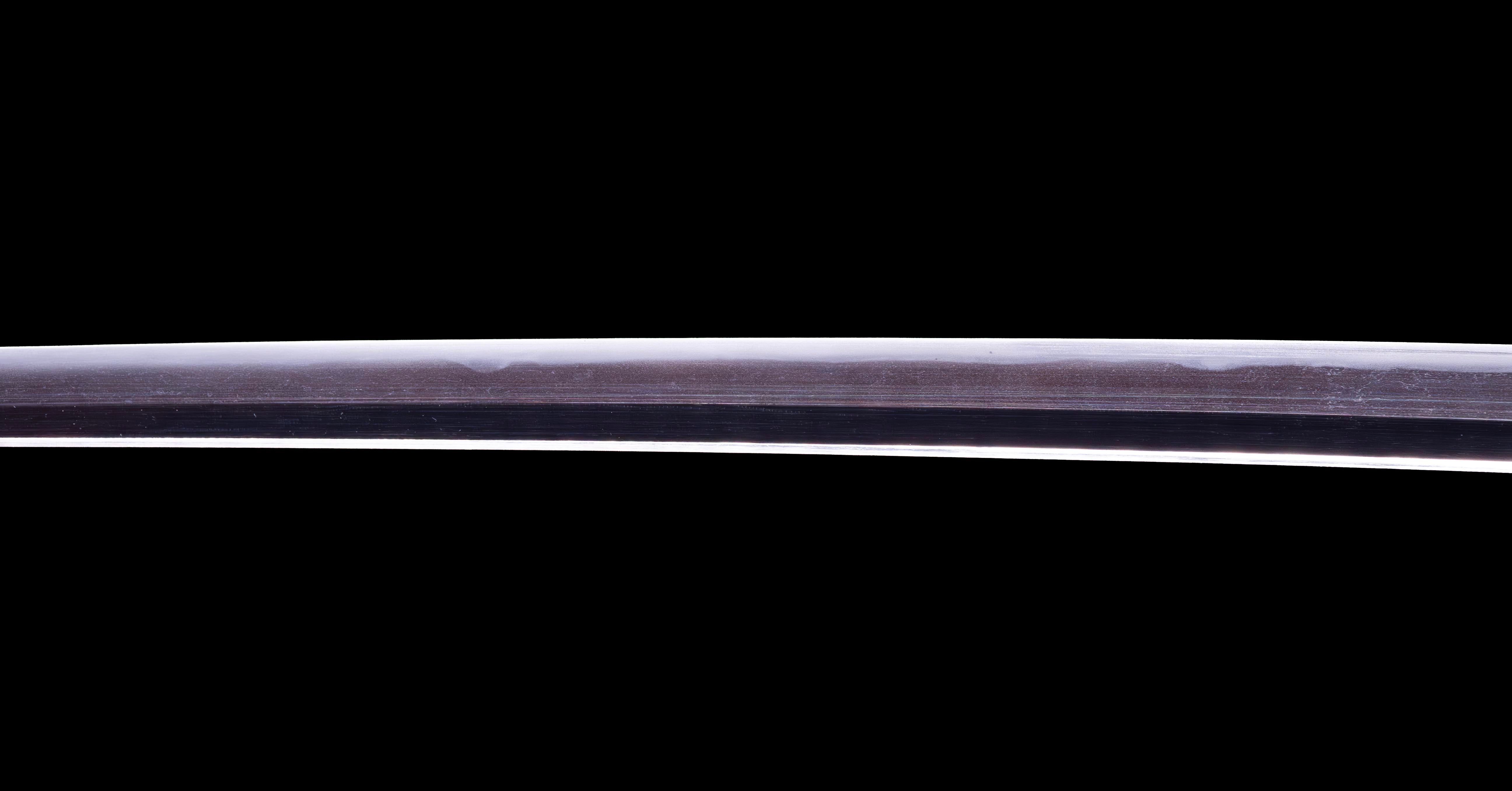
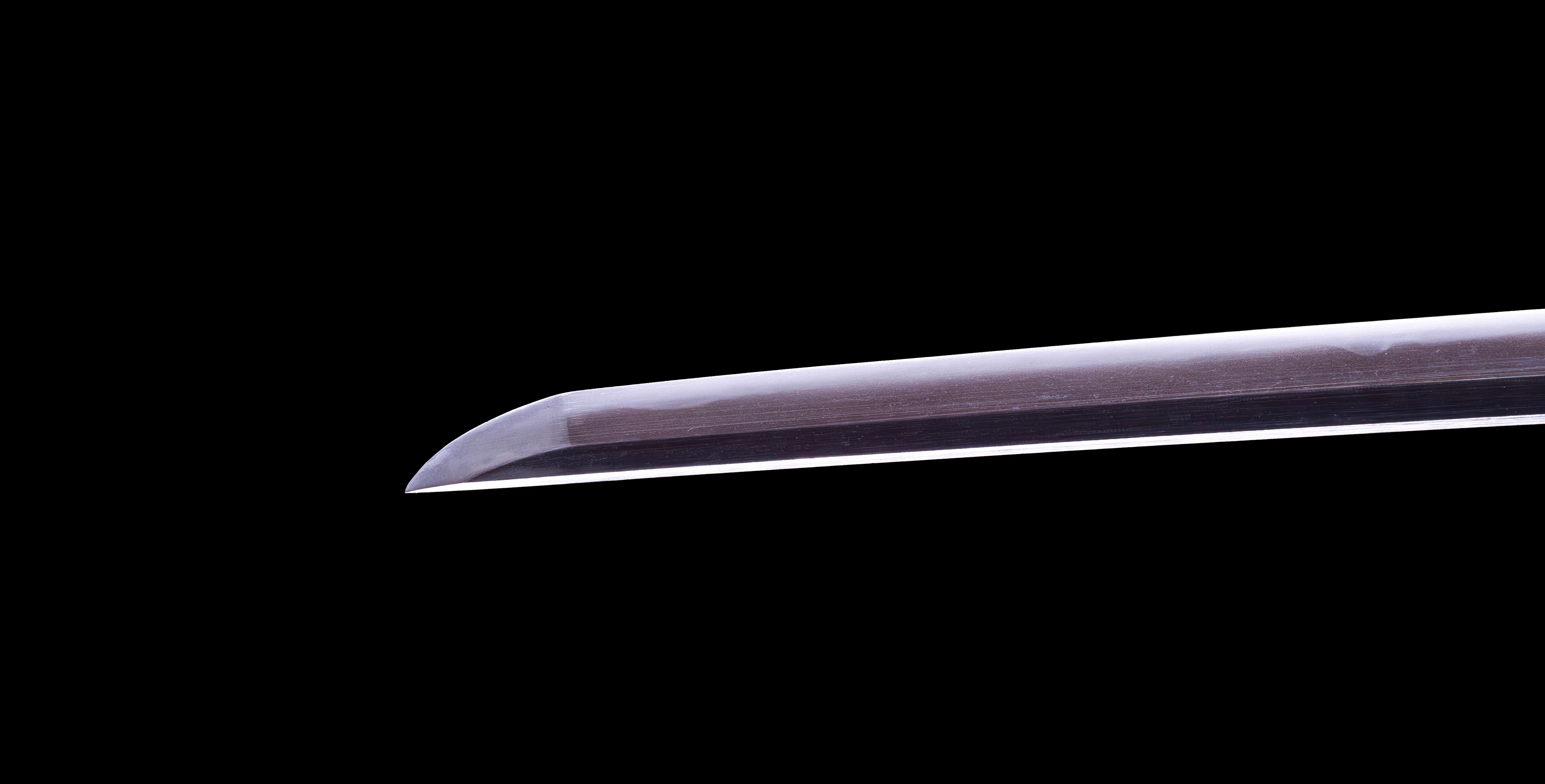
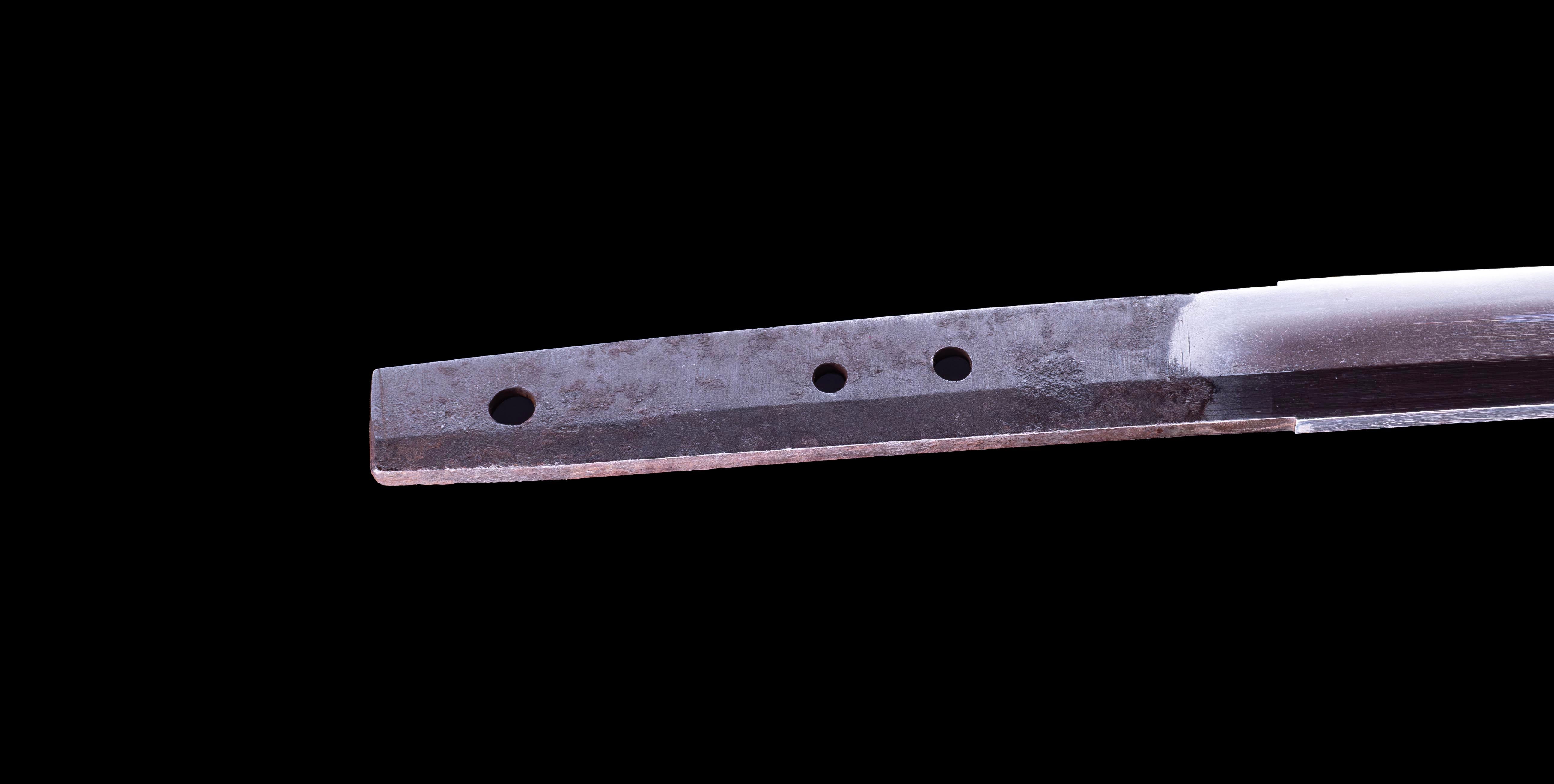
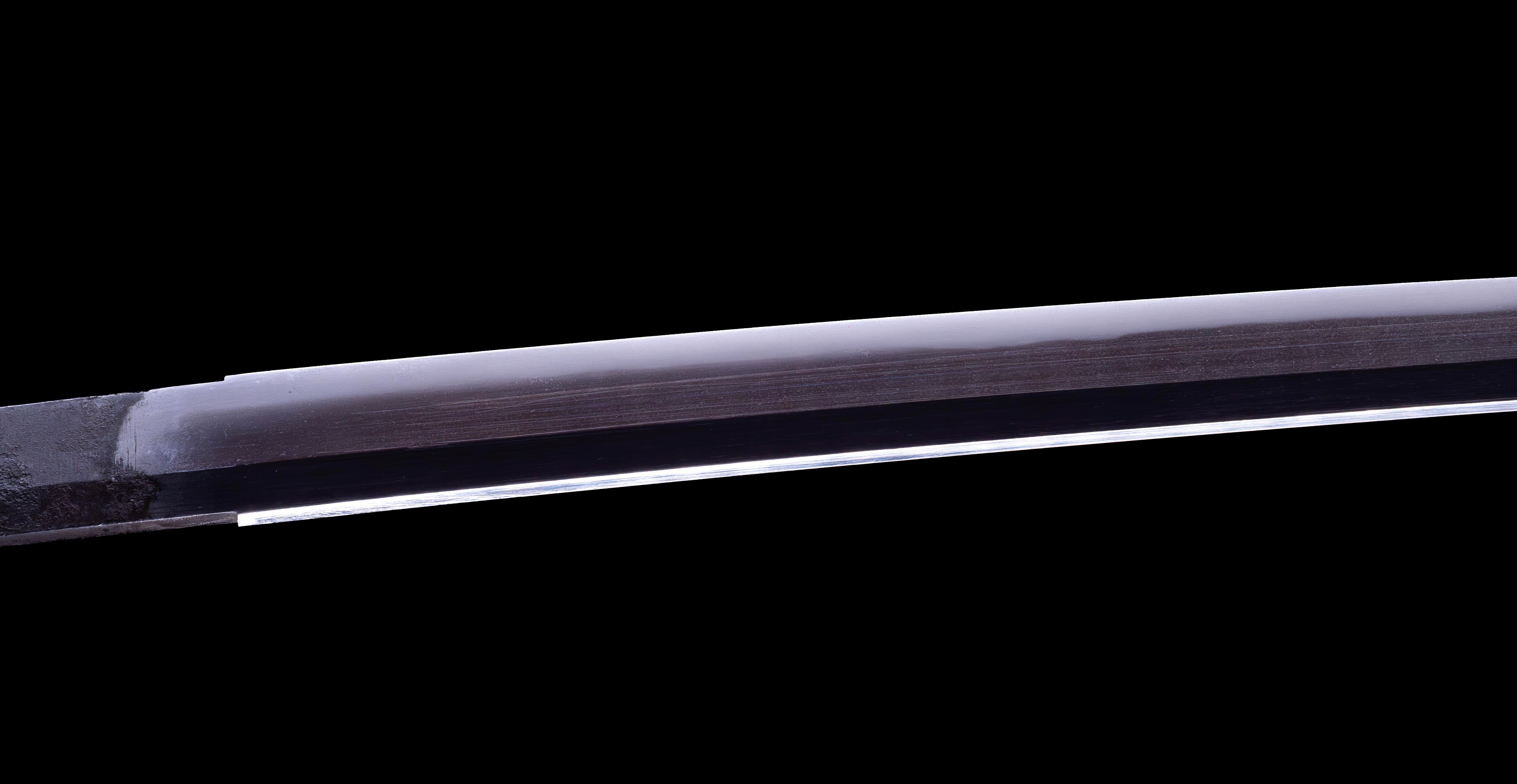
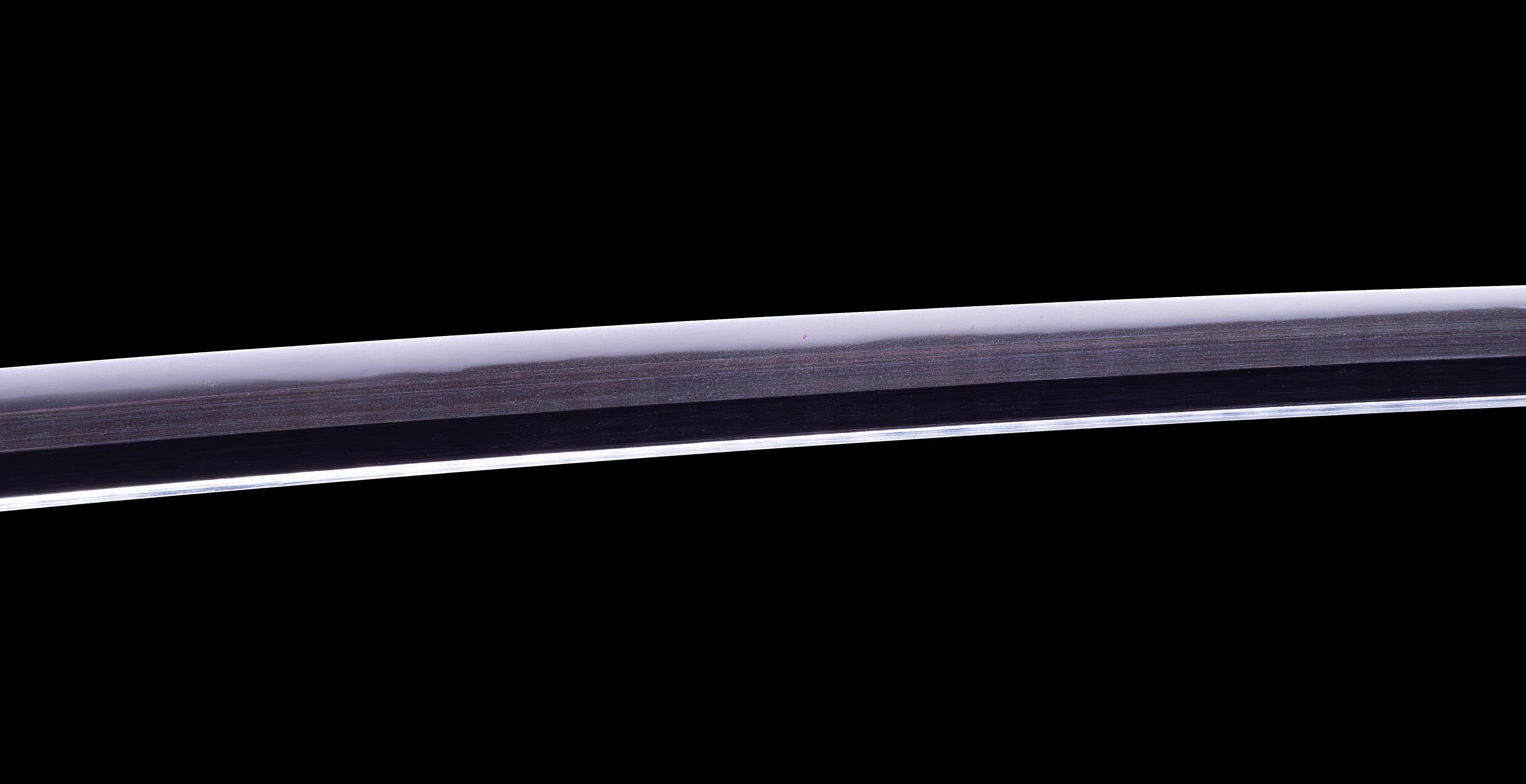
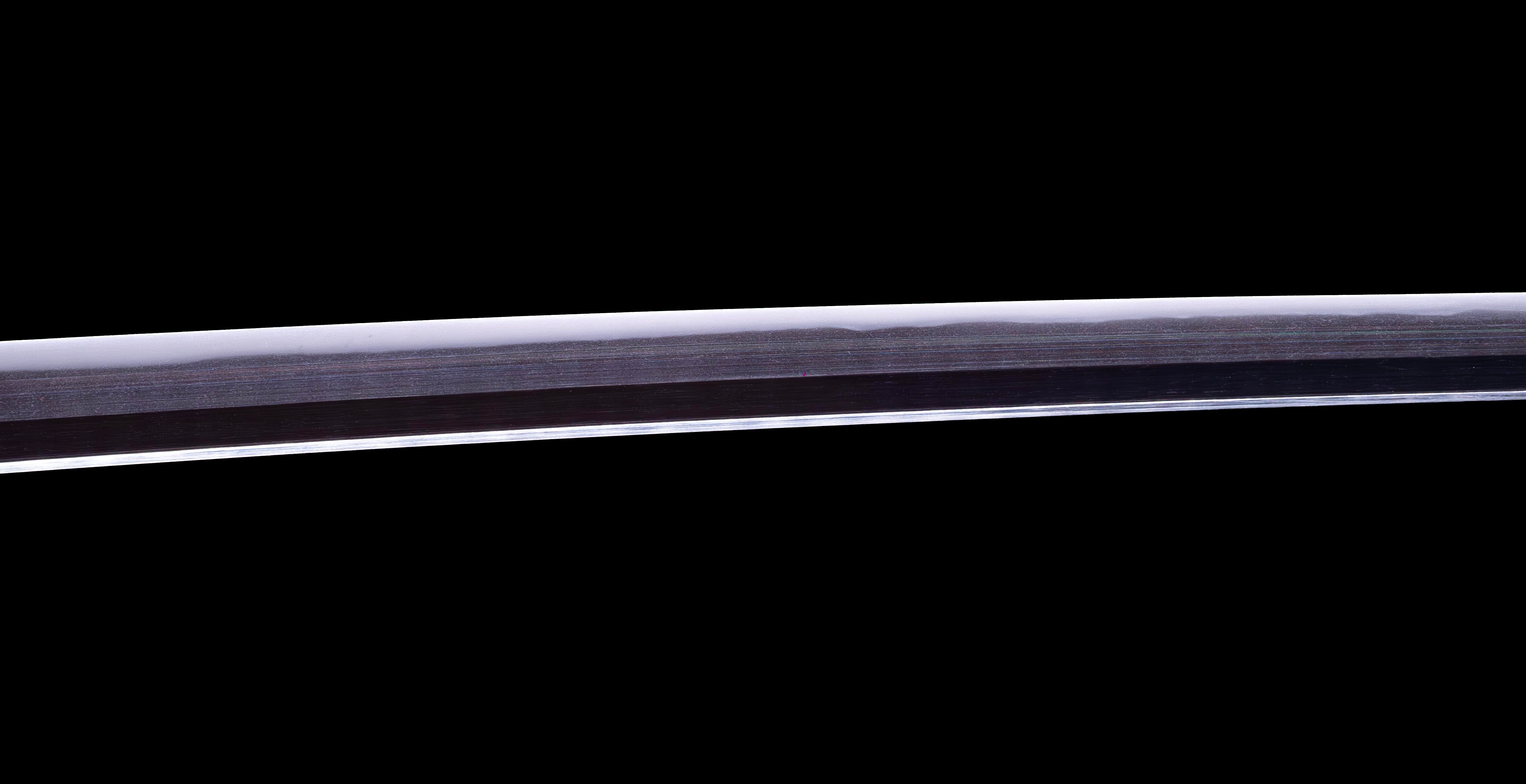
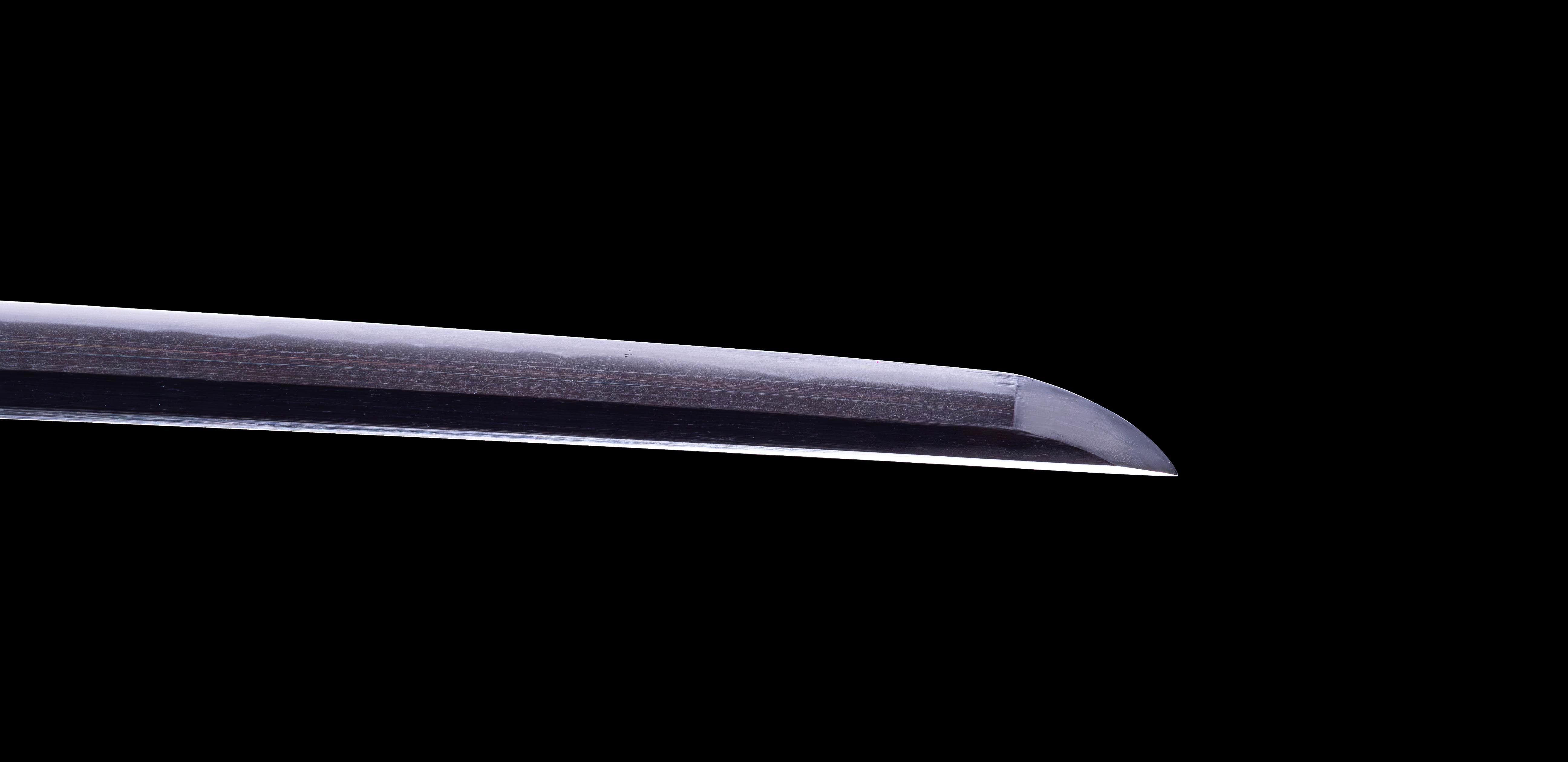
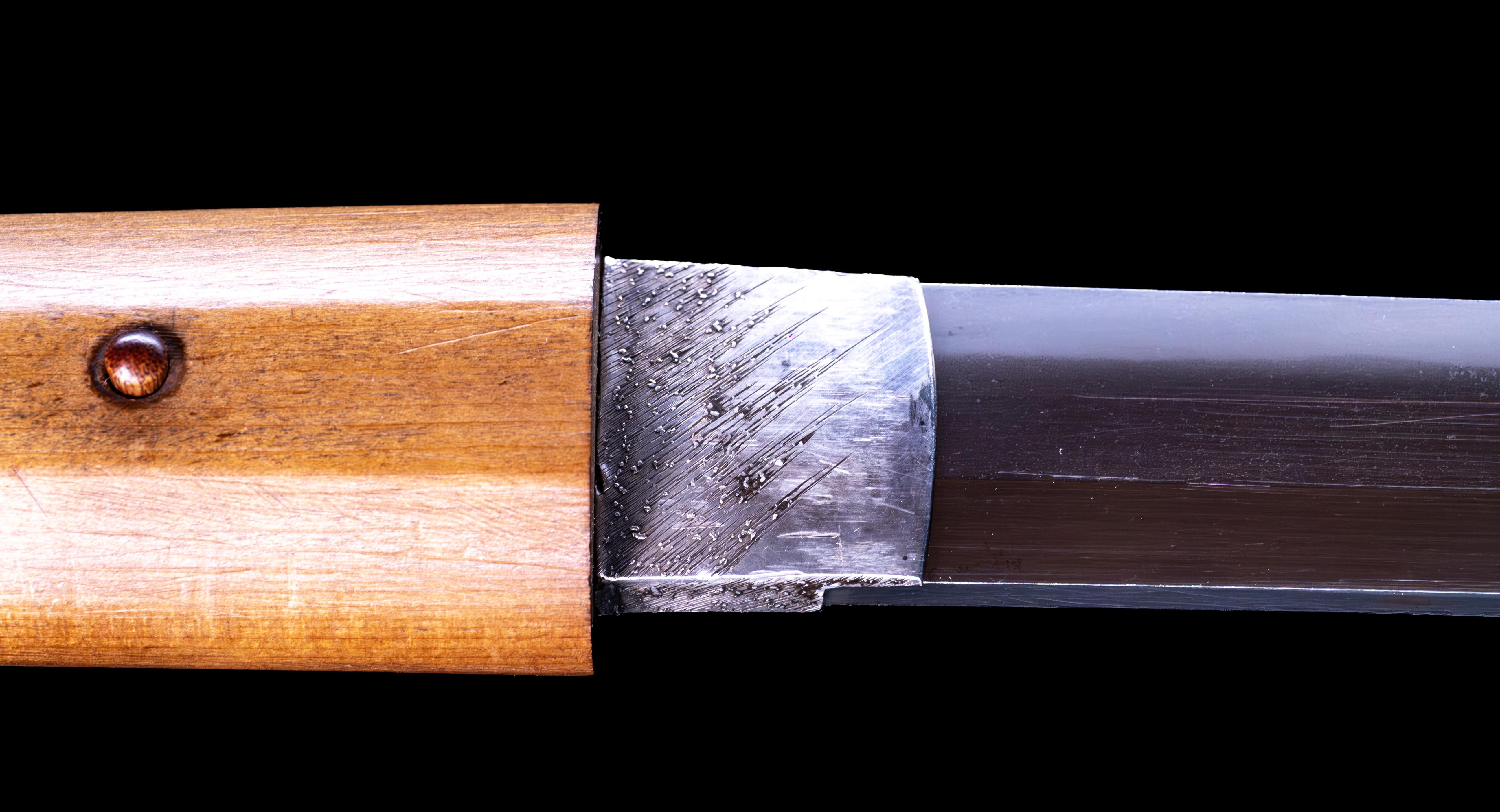
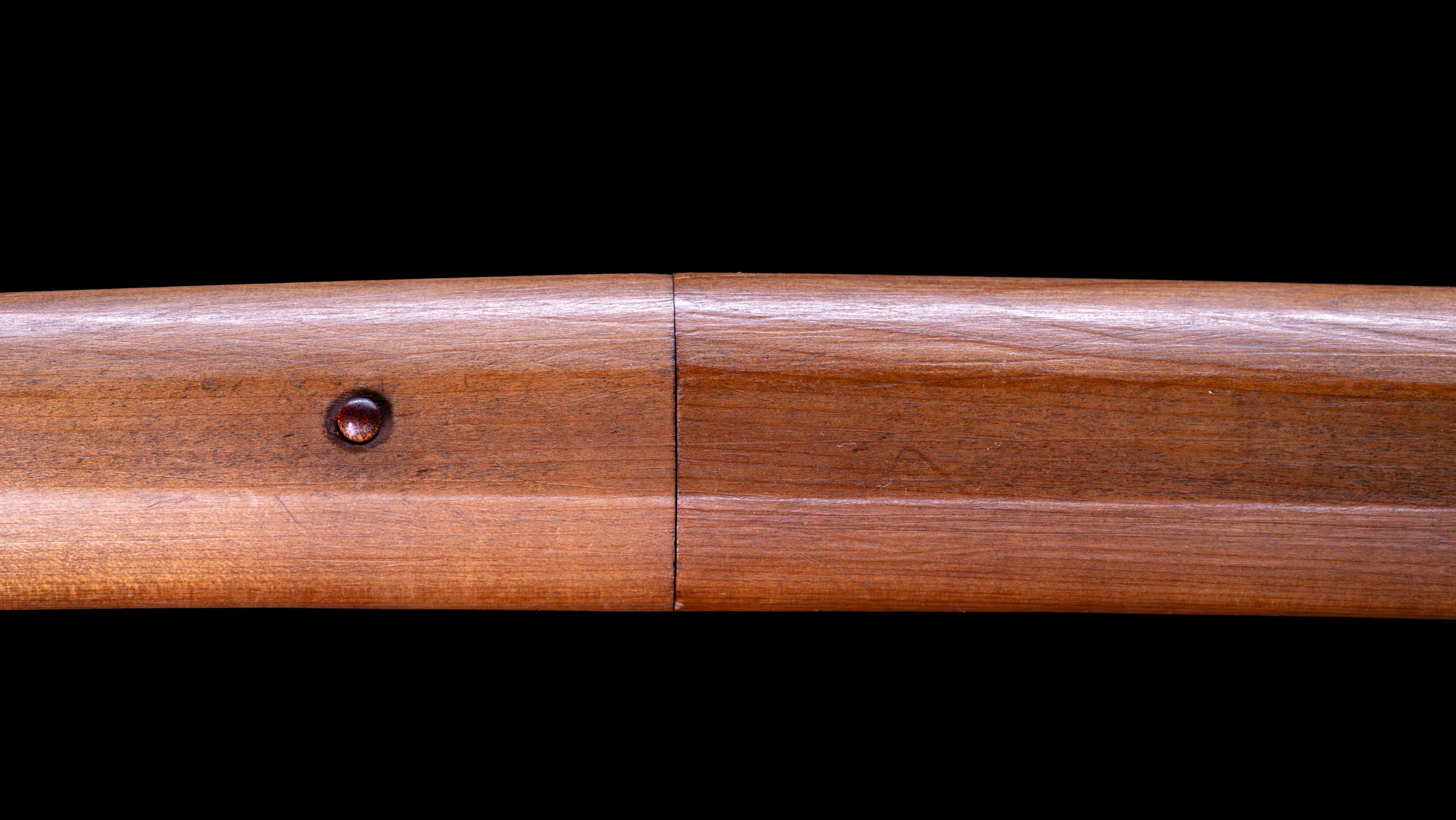
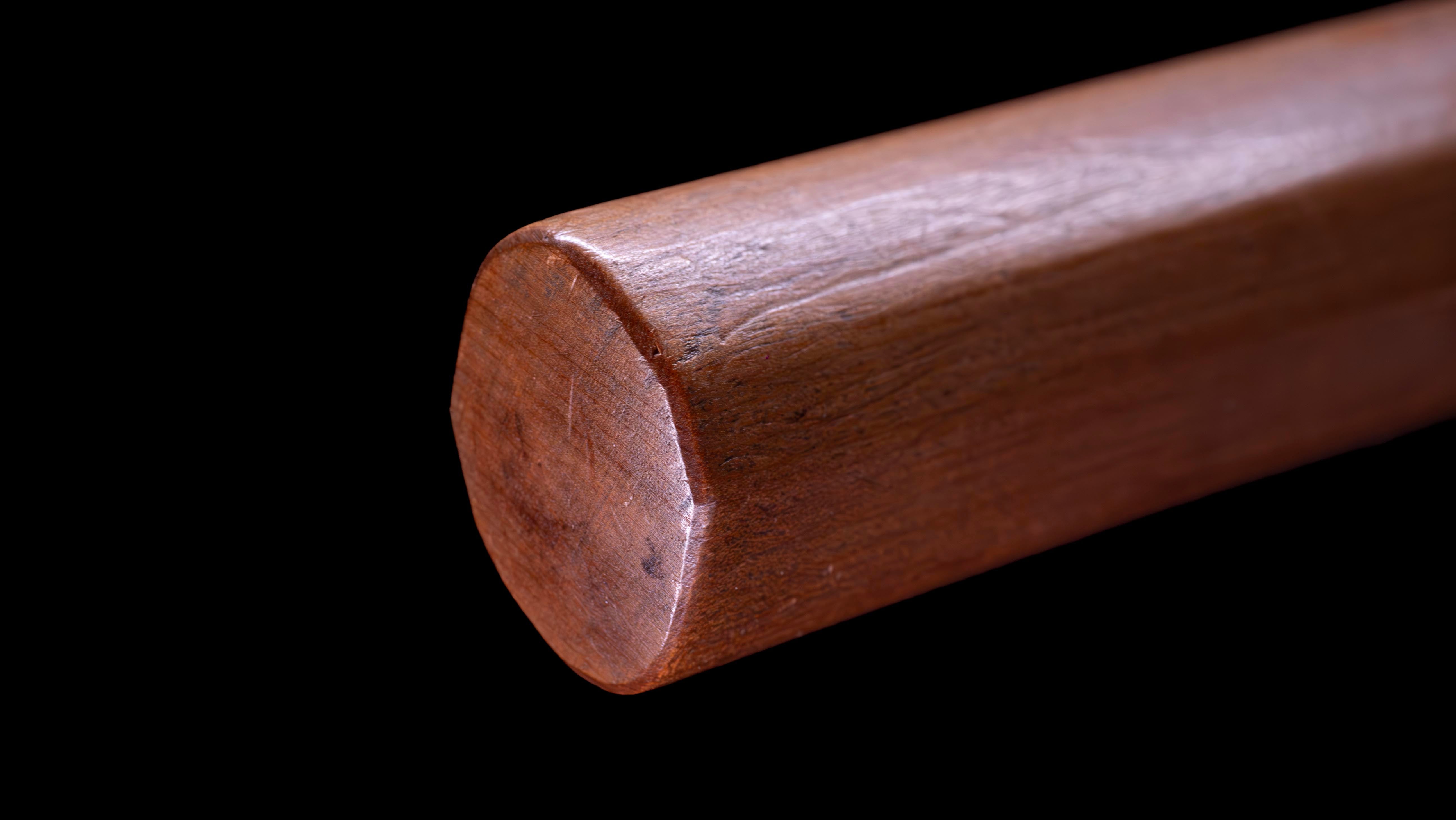
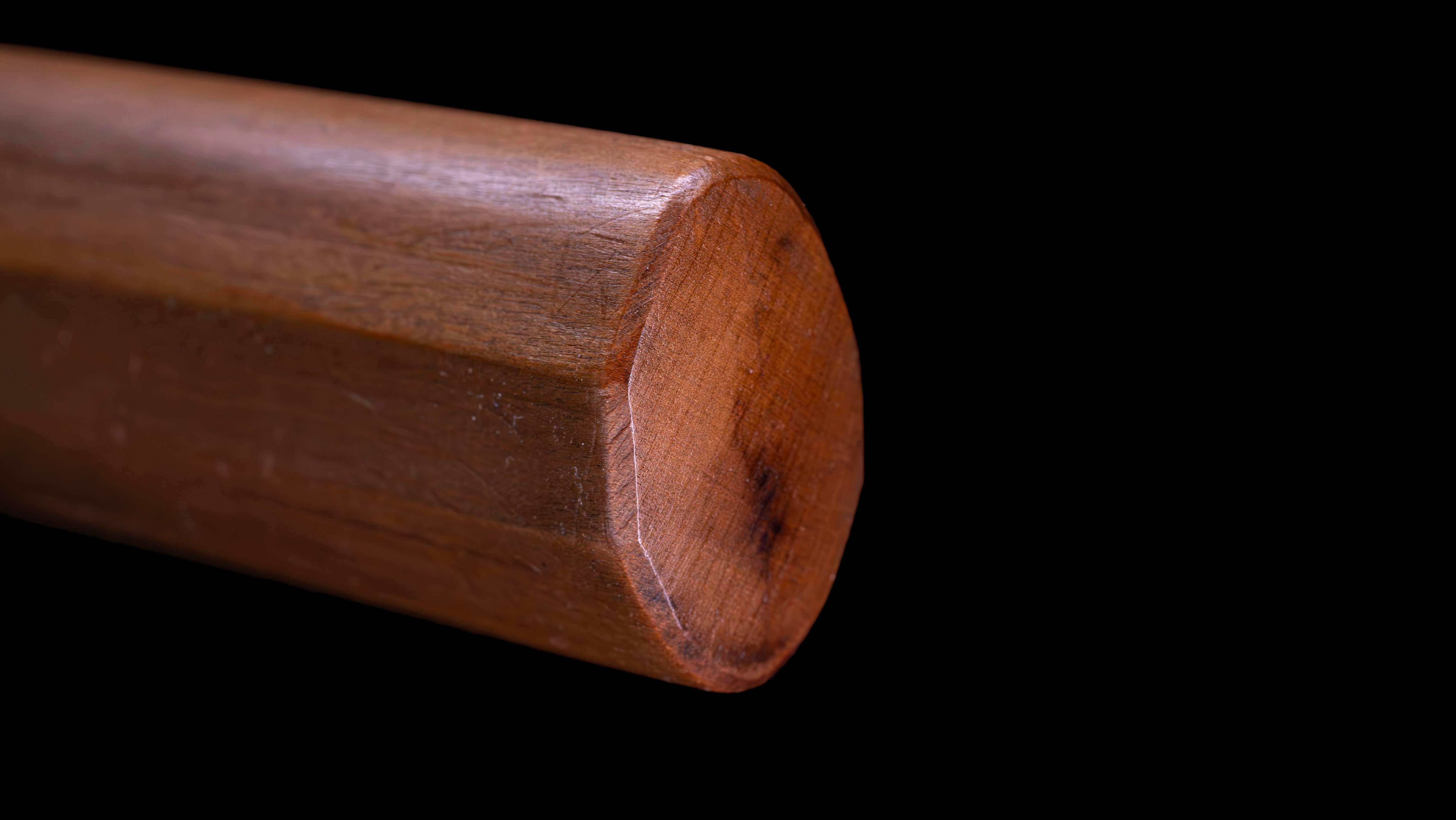
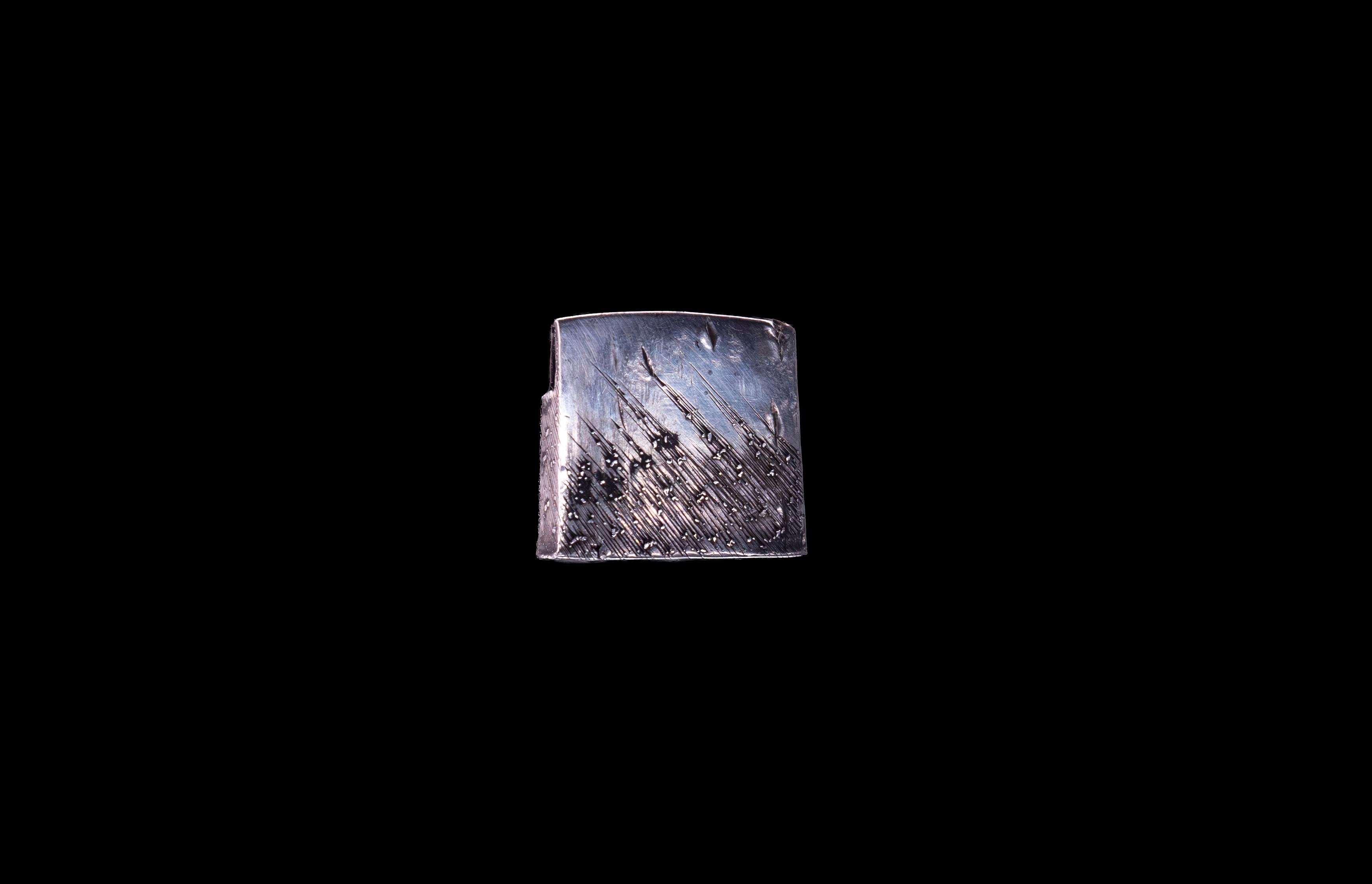
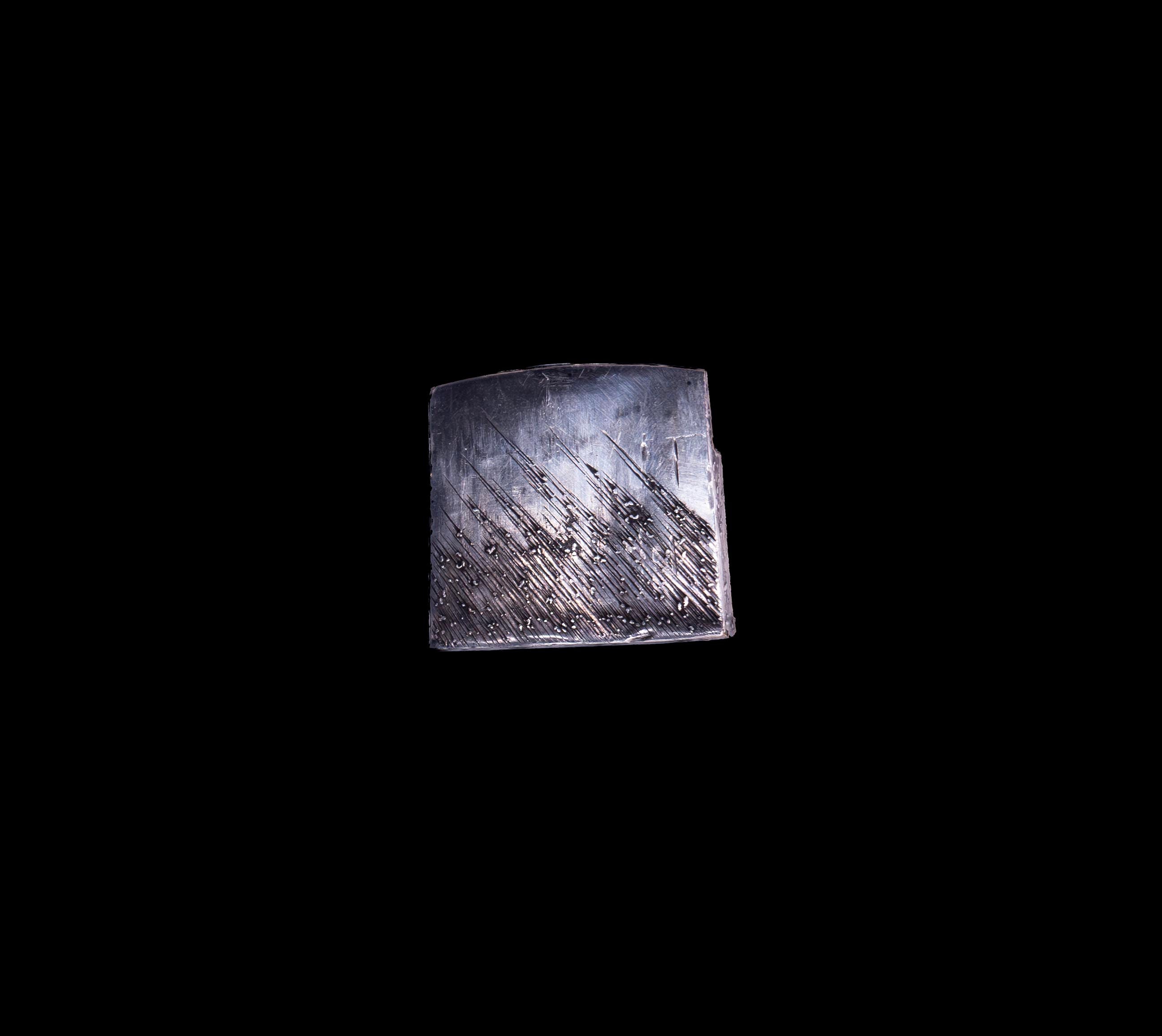
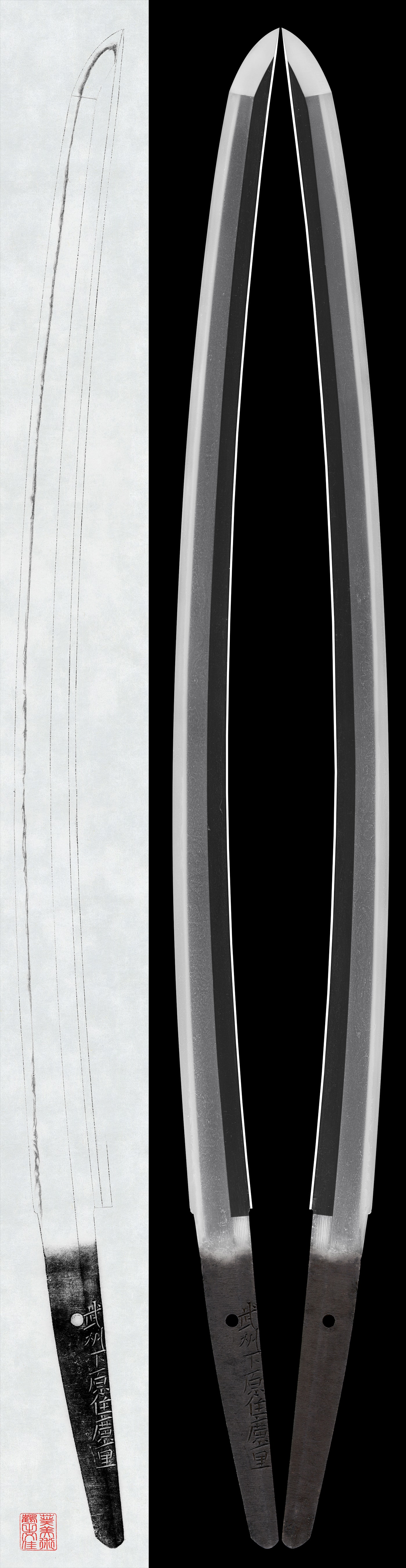
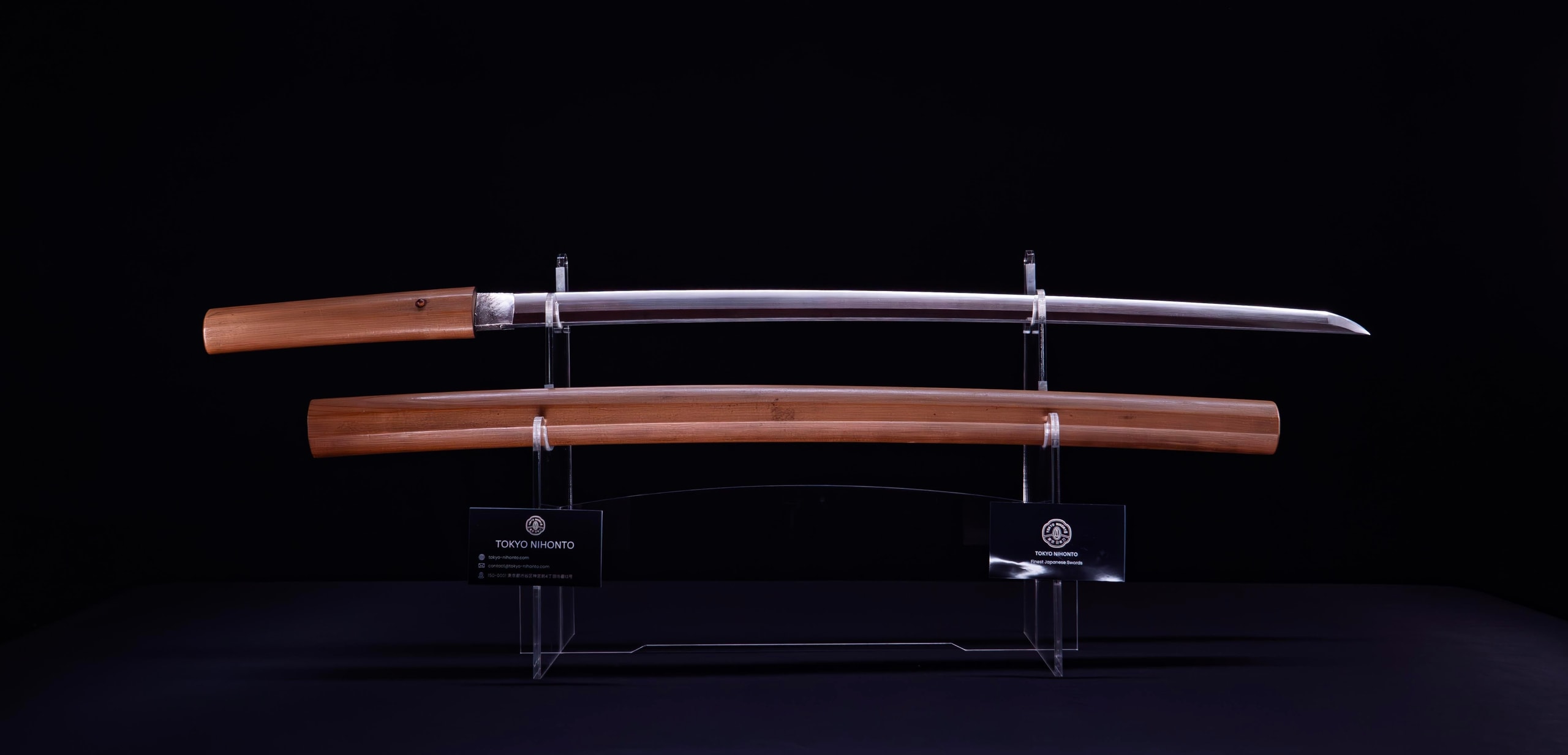
銘:無銘 極め:武州下原 流派:下原派(相州・美濃伝の作風) 時代・国:室町時代末期/武蔵国(現在の東京都八王子市) 鑑定書:日本美術刀剣保存協会(NBTHK) 保存刀剣 外装:白鞘、金工鎺(22.9g) 長さ(Nagasa):62.27 cm(二尺五分) 反り(Sori):0.76 cm 目釘穴:3個 形状:鎬造 肌:精緻な古刀肌に下原派特有の肌合。所々に如輪杢(じょりんもく)が交じる。 刀身重量:545.1 g 鎺重量:22.9 g 鞘全長:85.4 cm 元幅/元重:2.816 cm / 0.728 cm 先幅/先重:1.782 cm / 0.388 cm 本作は、日本美術刀剣保存協会(NBTHK)により「下原」と極められた保存刀剣です。 長さは62.27cm、反りは0.76cmと浅く、気品ある鎬造の姿を呈しています。三つの目釘穴は、長きにわたり実用に供され、大切に受け継がれてきた歴史を物語っています。 下原派の作風は、相州伝と美濃伝が混じり合った力強い鍛えが特徴です。特に、鋼の表面に現れる「如輪杢(じょりんもく)」と呼ばれる渦巻き状の杢目肌は、同派の代表的な見どころの一つとして知られています。 【刀工背景】 下原(したはら)とは、現在の東京都八王子市にあたる歴史的な作刀の地です。 下原派は山本則重を始祖と伝え、室町時代末期から江戸時代末期にかけて繁栄しました。 「下原鍛冶」として知られる彼らは、当初は小田原北条氏の庇護下にありました。名工として名高い「康重」の初代は、もともと「周重」と銘じていましたが、北条氏康より「康」の一字を賜り、康重と改名したと伝えられています。 安土桃山時代に北条氏が豊臣氏に敗れた後は、徳川家の御用鍛冶(お抱え鍛冶)として召し抱えられ、江戸時代を通じてその伝統を繋ぎました。
 NihontoWatch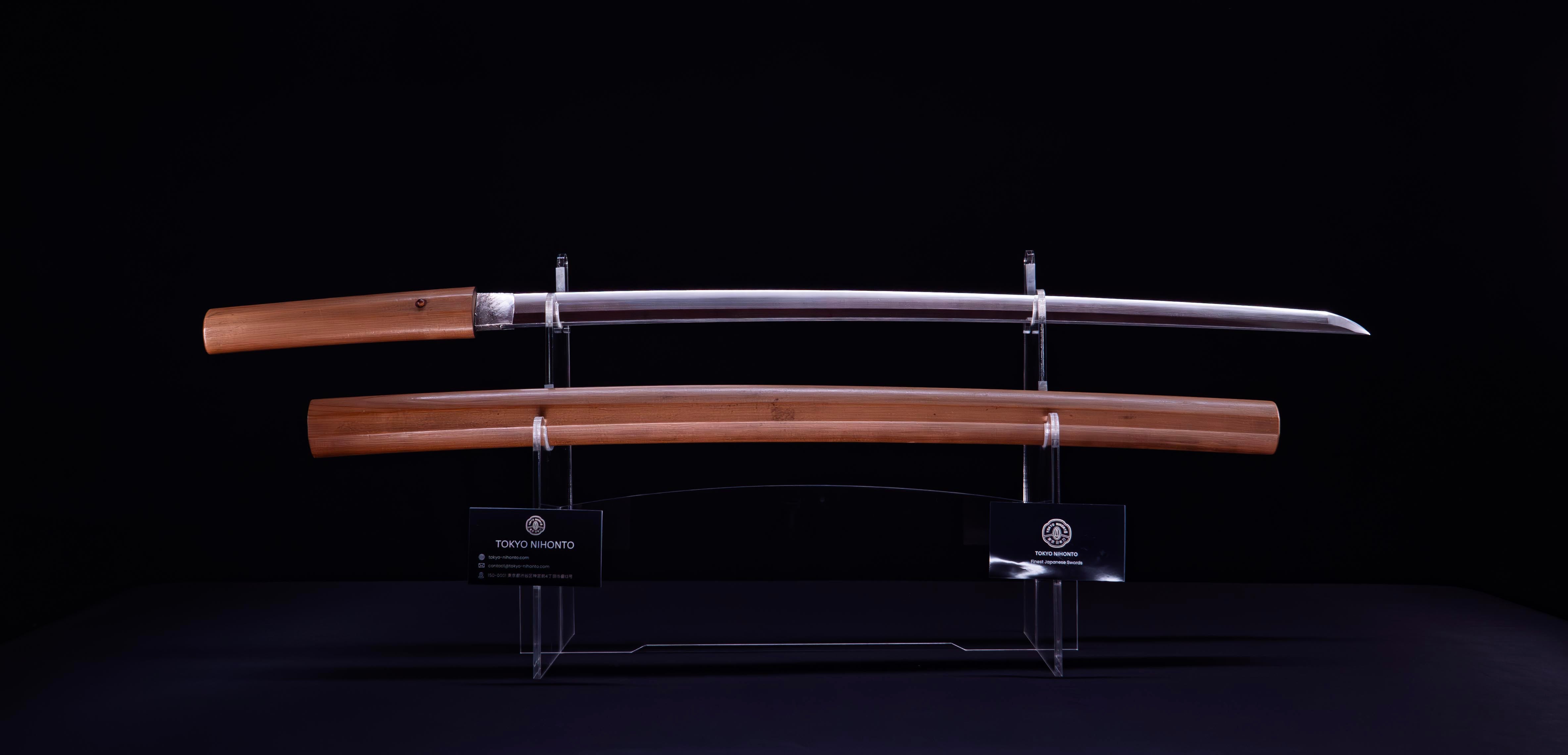
新刀 · 武蔵
現在12点販売中
下原派は武蔵国八王子の地に拠った刀工の一群で、室町末期に興り、以後江戸末期に至るまで作刀を続けた。古刀期の武蔵国を代表する鍛冶とされ、説示では周重・康重・照重・広重の四工を著名な工として挙げる。なかでも照重は康重・広重と並んで一派を代表する存在で、山本源二郎照重、山本与五郎康重のように山本姓を称した工も知られる。照重については銘鑑が初代を享禄、二代を永禄、三代を天正に充てており、永禄から天正の頃の作がもっとも時代の上がるものと鑑せられている。甲州の注文に応じて鍛えた薙刀も伝わり、地方を越えて求められた様子がうかがえる。 作風は末相州および村正一派の風に末関風を加味したものと説かれる。鍛えは板目に杢がしきりに交じって肌立ち、刃寄りが流れて綾杉風となり、渦を巻いたような肌があらわれる点に地がねの特色がある。刃文は湾れを基調に互の目が二つ三つ連れて尖り刃を交え、やや規則的に乱れて小沸がつき、砂流しのかかるものもある。帽子は乱れ込んで丸く返るものや先の尖って返るものがみられる。細かに肌立った杢目の地がねと、規則的に連れる互の目乱れにのたれを交えた刃文の組み合わせが、この一派を見分ける手がかりとなる。 鑑定にあたっては、肌立った地がねに綾杉風の流れと渦巻く肌があらわれること、互の目が規則的に連れて乱れる刃文の調子を要点とする。彫物では表に棒樋を掻き、倶利迦羅竜や不動、梵字を添えるものが多く、倶利迦羅竜の尾の巻き方に一派らしさが出るとされる。茎は栗尻に切鑢を施し、棟寄りに長銘を切るものが多い。室町末期の打刀や薙刀を代表する優品が重要刀剣に列せられており、照重の薙刀は両刃造という珍しい形状を伝える。武蔵国の在地鍛冶として実用に応えつつ、相州と関の風を併せ呑んだ独自の地刃を築いた点に、下原一派の位置づけがある。 詳しく見る →
室町時代
応仁の乱が足利の体制を砕いた後、戦国の一世紀はほとんどすべての国を武装させた。この時代は選ぶ目に報いる。並の作は多いが、その傍らには第一級の注文打ちが立っている。
銘が正しい、または無銘でも年代・国・系統を確実に指摘できる、保存に値する真正の作と鑑定されたものです。
日本美術刀剣保存協会(NBTHK)は、1948年に設立され、文化庁の監督を受ける公益財団法人で、東京・刀剣博物館に本部を置きます。専門の審査員が出品作を直接審査し、美術的・歴史的価値に応じた鑑定書を発行します。NBTHKの鑑定書は、日本刀および刀装具の真正性を示す最も広く認知された基準です。
NBTHK公式サイトReturns/exchanges only for manufactured defects or incorrect products; notify within 72 hours of delivery. Cancellation only within 2 hours of placing. Customer pays return shipping. Refund within 3 business days of package arrival.
銘:無銘 極め:武州下原 流派:下原派(相州・美濃伝の作風) 時代・国:室町時代末期/武蔵国(現在の東京都八王子市) 鑑定書:日本美術刀剣保存協会(NBTHK) 保存刀剣 外装:白鞘、金工鎺(22.9g) 長さ(Nagasa):62.27 cm(二尺五分) 反り(Sori):0.76 cm 目釘穴:3個 形状:鎬造 肌:精緻な古刀肌に下原派特有の肌合。所々に如輪杢(じょりんもく)が交じる。 刀身重量:545.1 g 鎺重量:22.9 g 鞘全長:85.4 cm 元幅/元重:2.816 cm / 0.728 cm 先幅/先重:1.782 cm / 0.388 cm 本作は、日本美術刀剣保存協会(NBTHK)により「下原」と極められた保存刀剣です。 長さは62.27cm、反りは0.76cmと浅く、気品ある鎬造の姿を呈しています。三つの目釘穴は、長きにわたり実用に供され、大切に受け継がれてきた歴史を物語っています。 下原派の作風は、相州伝と美濃伝が混じり合った力強い鍛えが特徴です。特に、鋼の表面に現れる「如輪杢(じょりんもく)」と呼ばれる渦巻き状の杢目肌は、同派の代表的な見どころの一つとして知られています。 【刀工背景】 下原(したはら)とは、現在の東京都八王子市にあたる歴史的な作刀の地です。 下原派は山本則重を始祖と伝え、室町時代末期から江戸時代末期にかけて繁栄しました。 「下原鍛冶」として知られる彼らは、当初は小田原北条氏の庇護下にありました。名工として名高い「康重」の初代は、もともと「周重」と銘じていましたが、北条氏康より「康」の一字を賜り、康重と改名したと伝えられています。 安土桃山時代に北条氏が豊臣氏に敗れた後は、徳川家の御用鍛冶(お抱え鍛冶)として召し抱えられ、江戸時代を通じてその伝統を繋ぎました。
NihontoWatch新刀 · 武蔵
現在12点販売中
下原派は武蔵国八王子の地に拠った刀工の一群で、室町末期に興り、以後江戸末期に至るまで作刀を続けた。古刀期の武蔵国を代表する鍛冶とされ、説示では周重・康重・照重・広重の四工を著名な工として挙げる。なかでも照重は康重・広重と並んで一派を代表する存在で、山本源二郎照重、山本与五郎康重のように山本姓を称した工も知られる。照重については銘鑑が初代を享禄、二代を永禄、三代を天正に充てており、永禄から天正の頃の作がもっとも時代の上がるものと鑑せられている。甲州の注文に応じて鍛えた薙刀も伝わり、地方を越えて求められた様子がうかがえる。 作風は末相州および村正一派の風に末関風を加味したものと説かれる。鍛えは板目に杢がしきりに交じって肌立ち、刃寄りが流れて綾杉風となり、渦を巻いたような肌があらわれる点に地がねの特色がある。刃文は湾れを基調に互の目が二つ三つ連れて尖り刃を交え、やや規則的に乱れて小沸がつき、砂流しのかかるものもある。帽子は乱れ込んで丸く返るものや先の尖って返るものがみられる。細かに肌立った杢目の地がねと、規則的に連れる互の目乱れにのたれを交えた刃文の組み合わせが、この一派を見分ける手がかりとなる。 鑑定にあたっては、肌立った地がねに綾杉風の流れと渦巻く肌があらわれること、互の目が規則的に連れて乱れる刃文の調子を要点とする。彫物では表に棒樋を掻き、倶利迦羅竜や不動、梵字を添えるものが多く、倶利迦羅竜の尾の巻き方に一派らしさが出るとされる。茎は栗尻に切鑢を施し、棟寄りに長銘を切るものが多い。室町末期の打刀や薙刀を代表する優品が重要刀剣に列せられており、照重の薙刀は両刃造という珍しい形状を伝える。武蔵国の在地鍛冶として実用に応えつつ、相州と関の風を併せ呑んだ独自の地刃を築いた点に、下原一派の位置づけがある。 詳しく見る →
室町時代
応仁の乱が足利の体制を砕いた後、戦国の一世紀はほとんどすべての国を武装させた。この時代は選ぶ目に報いる。並の作は多いが、その傍らには第一級の注文打ちが立っている。
銘が正しい、または無銘でも年代・国・系統を確実に指摘できる、保存に値する真正の作と鑑定されたものです。
日本美術刀剣保存協会(NBTHK)は、1948年に設立され、文化庁の監督を受ける公益財団法人で、東京・刀剣博物館に本部を置きます。専門の審査員が出品作を直接審査し、美術的・歴史的価値に応じた鑑定書を発行します。NBTHKの鑑定書は、日本刀および刀装具の真正性を示す最も広く認知された基準です。
NBTHK公式サイトReturns/exchanges only for manufactured defects or incorrect products; notify within 72 hours of delivery. Cancellation only within 2 hours of placing. Customer pays return shipping. Refund within 3 business days of package arrival.

![Katana - Hozon - 作 下原派 - Katana [Bushu-jyu-Yasuie] [N.B.T.H.K] Hozon Token](/_next/image?url=https%3A%2F%2Fitbhfhyptogxcjbjfzwx.supabase.co%2Fstorage%2Fv1%2Fobject%2Fpublic%2Flisting-images%2Fworld-seiyudo%2FL32362%2F00.jpg&w=2560&q=90)