二世紀半の泰平のあいだ、刀は武器である以上に武士の身分の標章であった。江戸の実証と大坂の華やぎのように都市ごとの作風が育ち、時代の末には需要も細っていく。
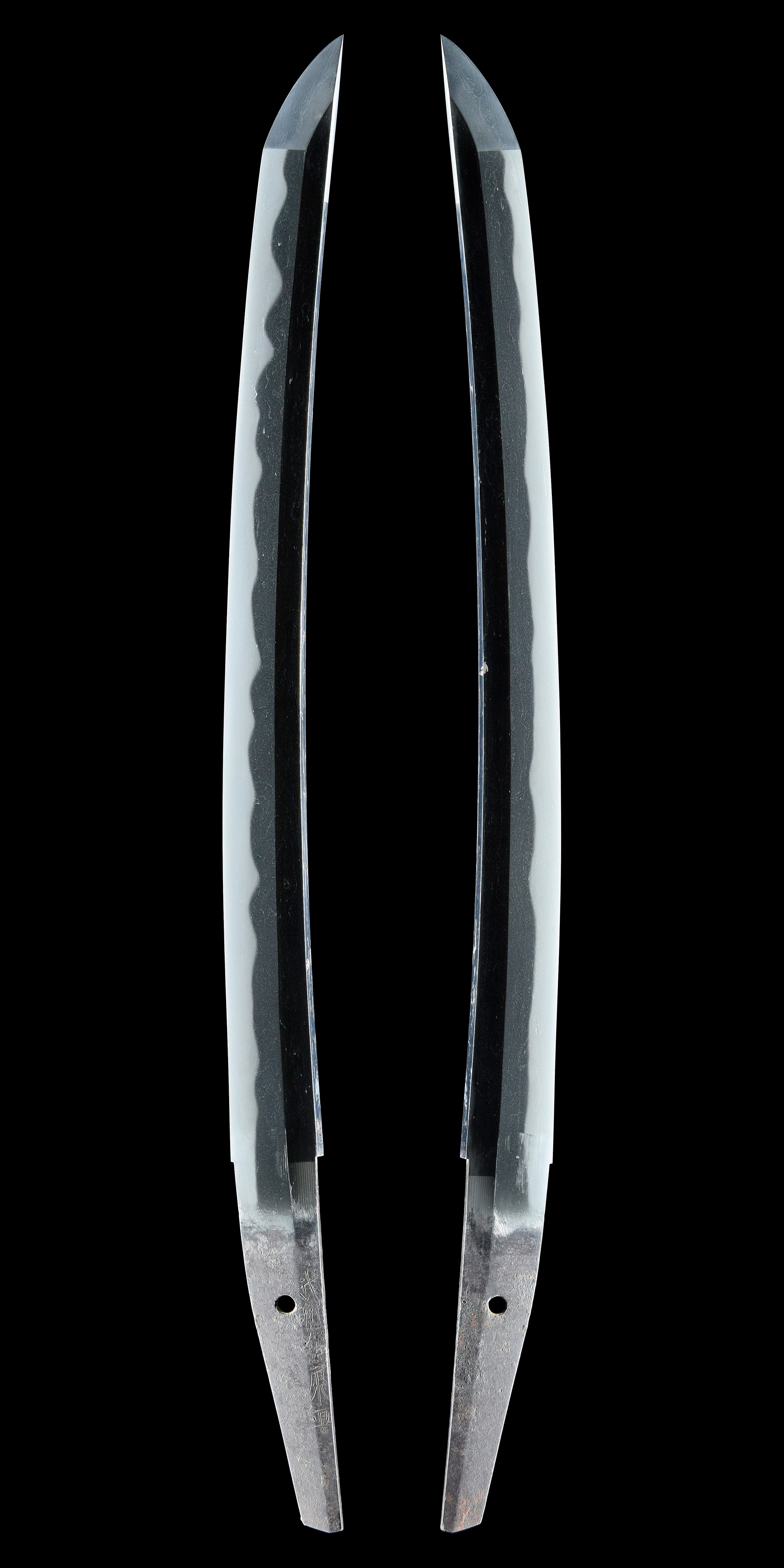
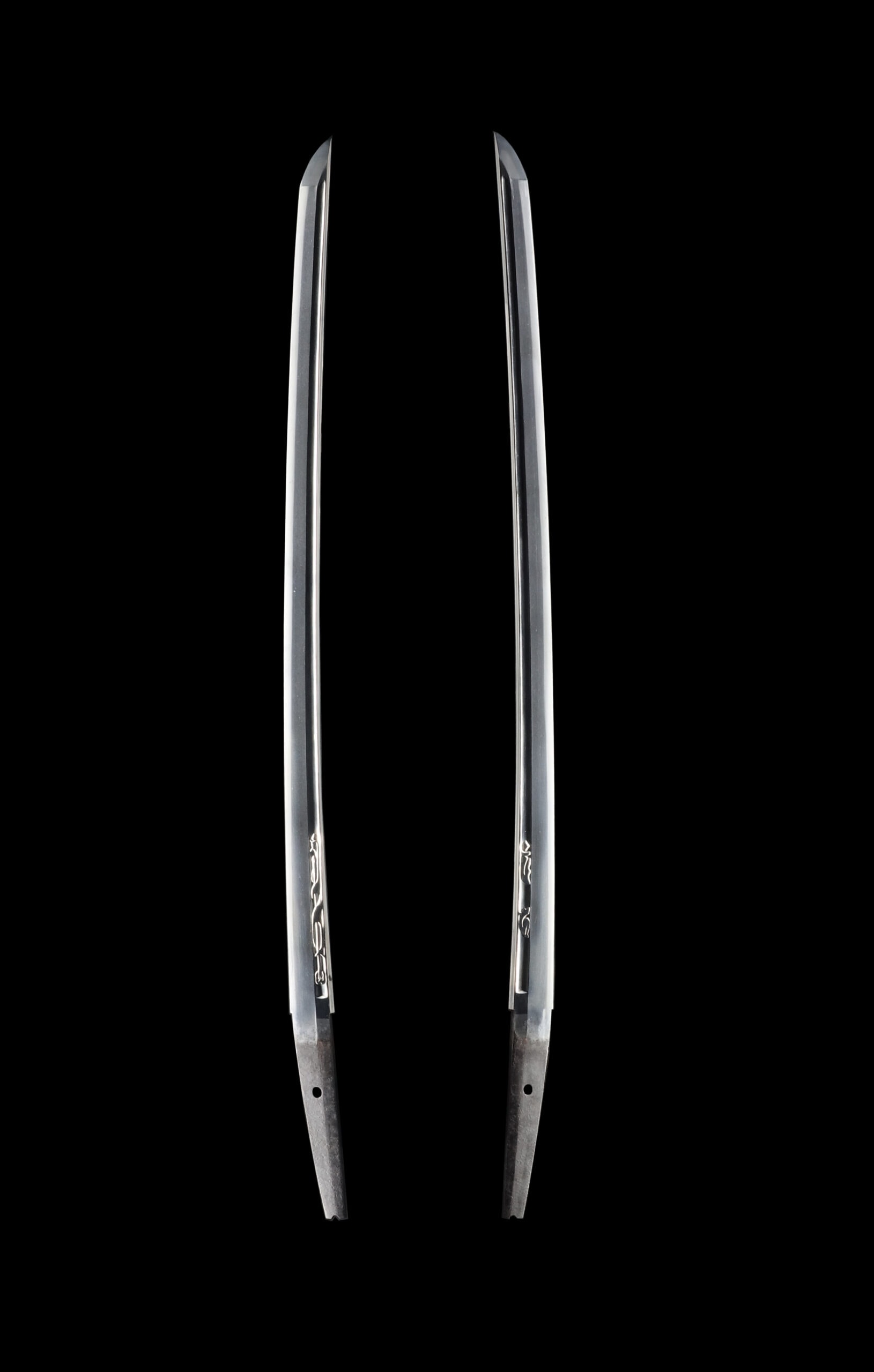
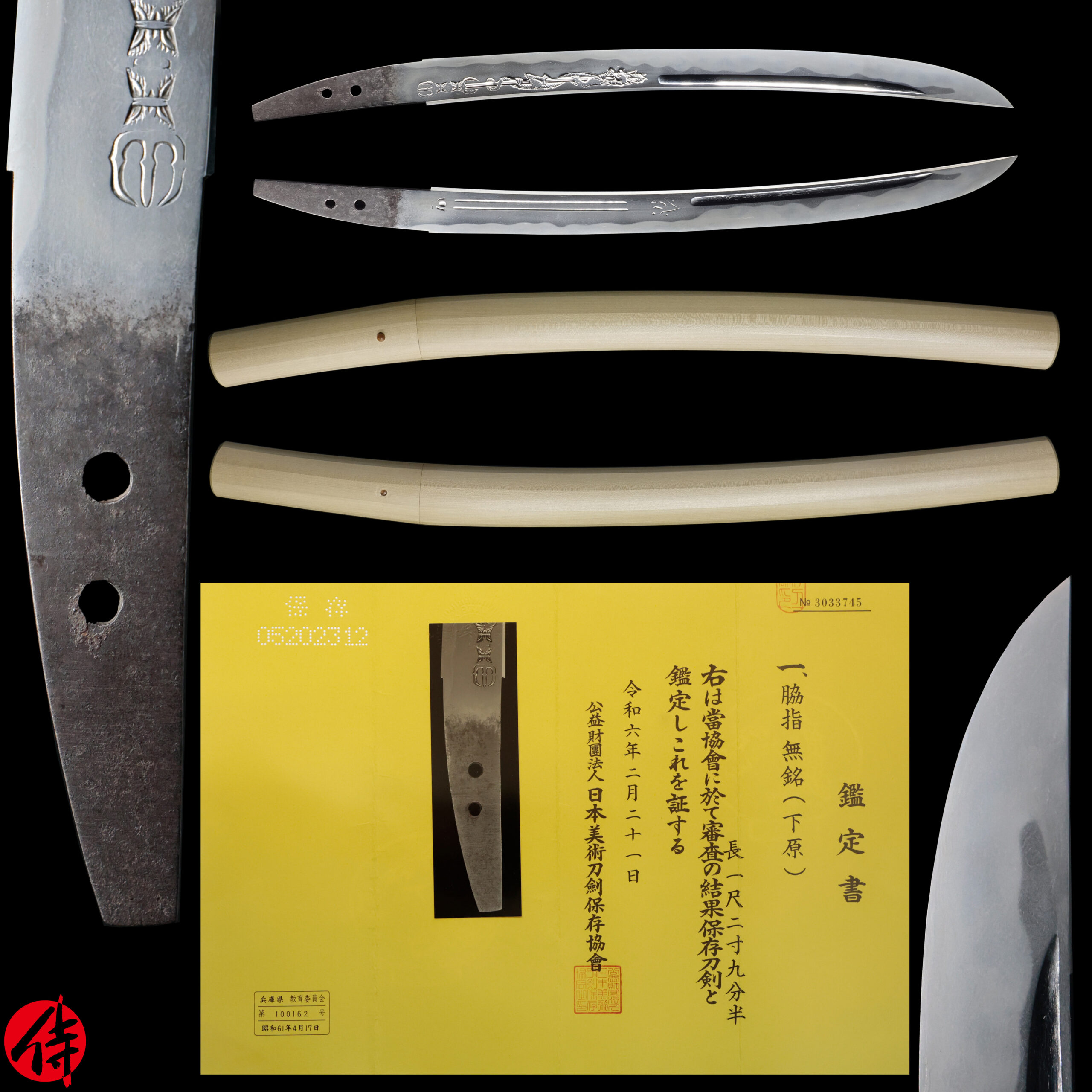
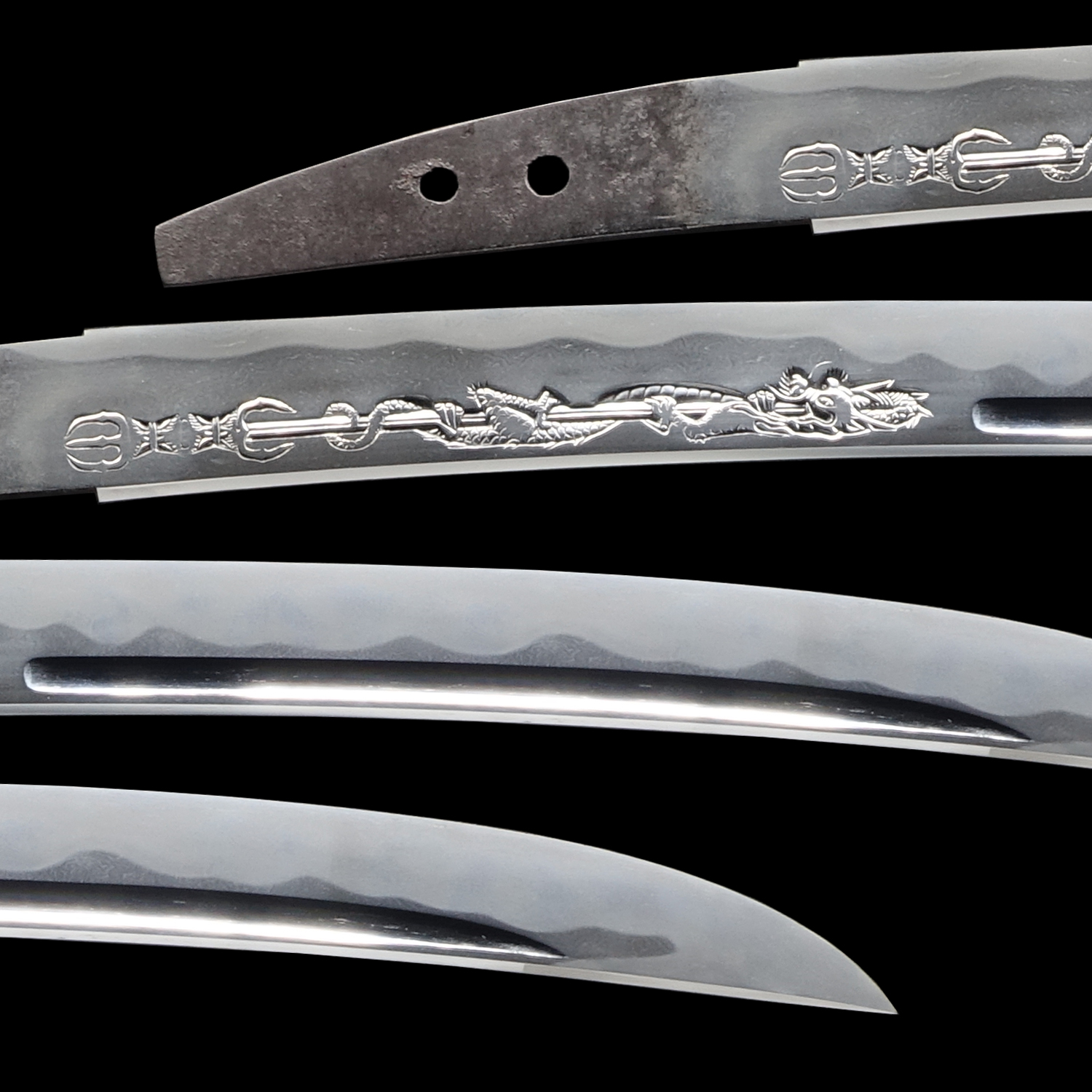
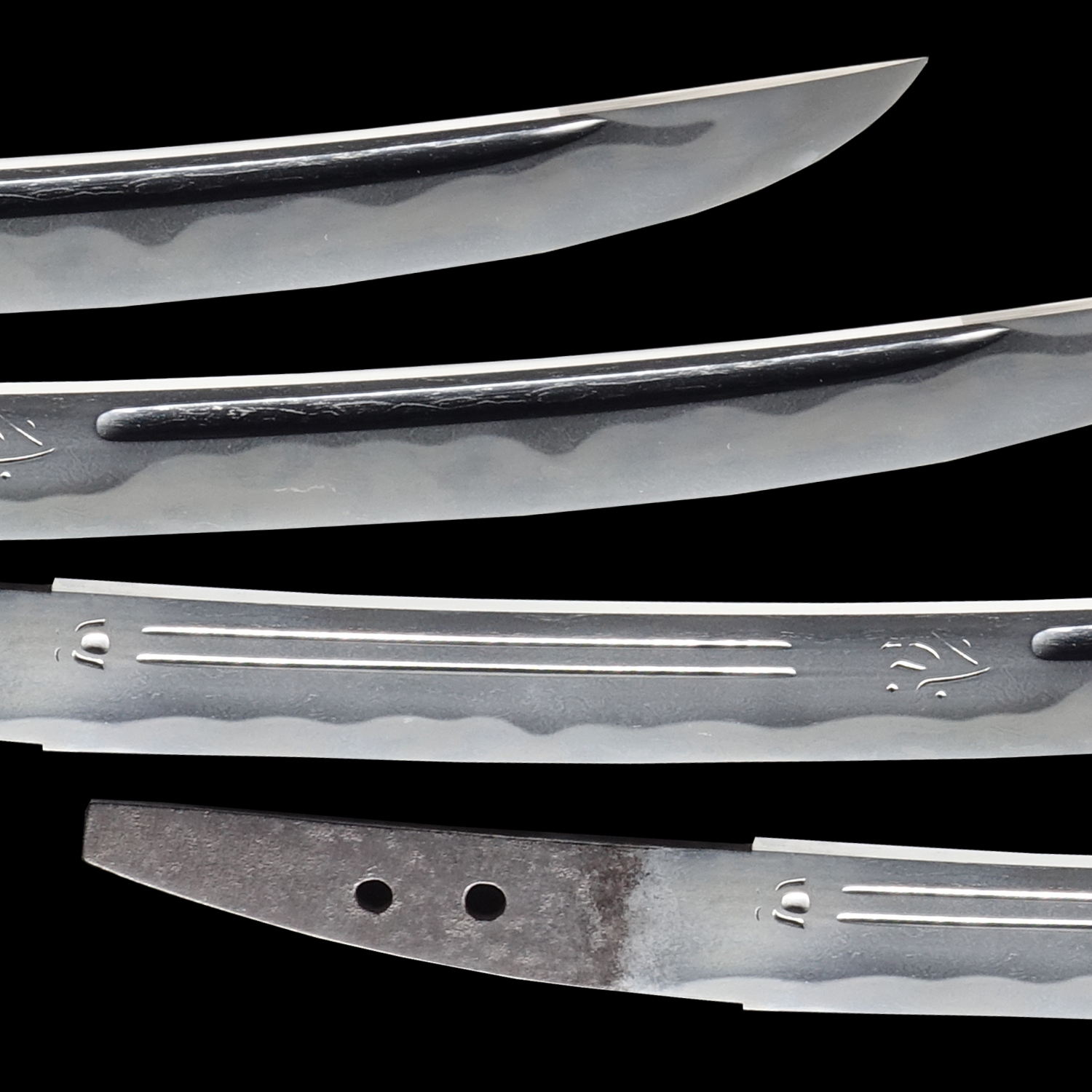
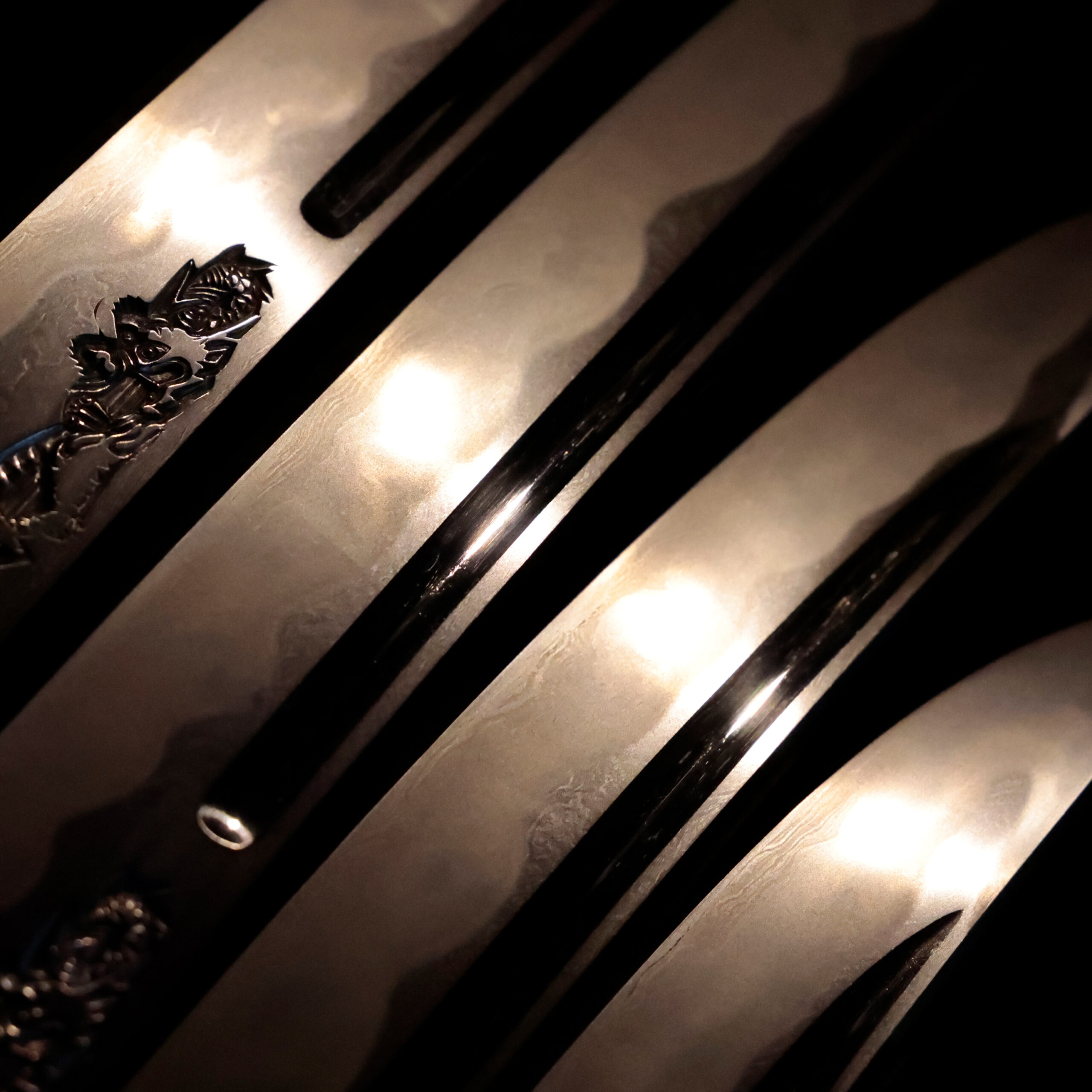
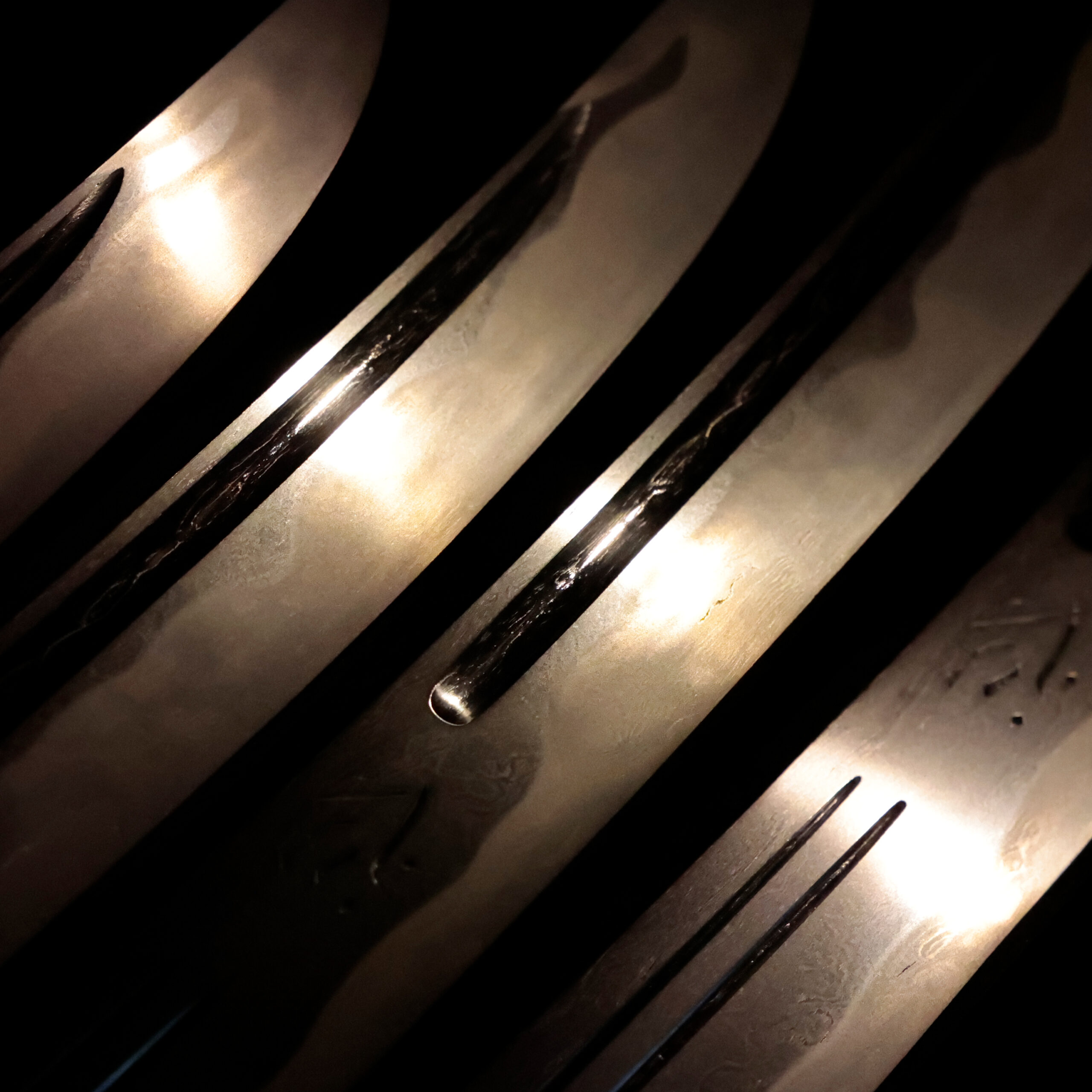
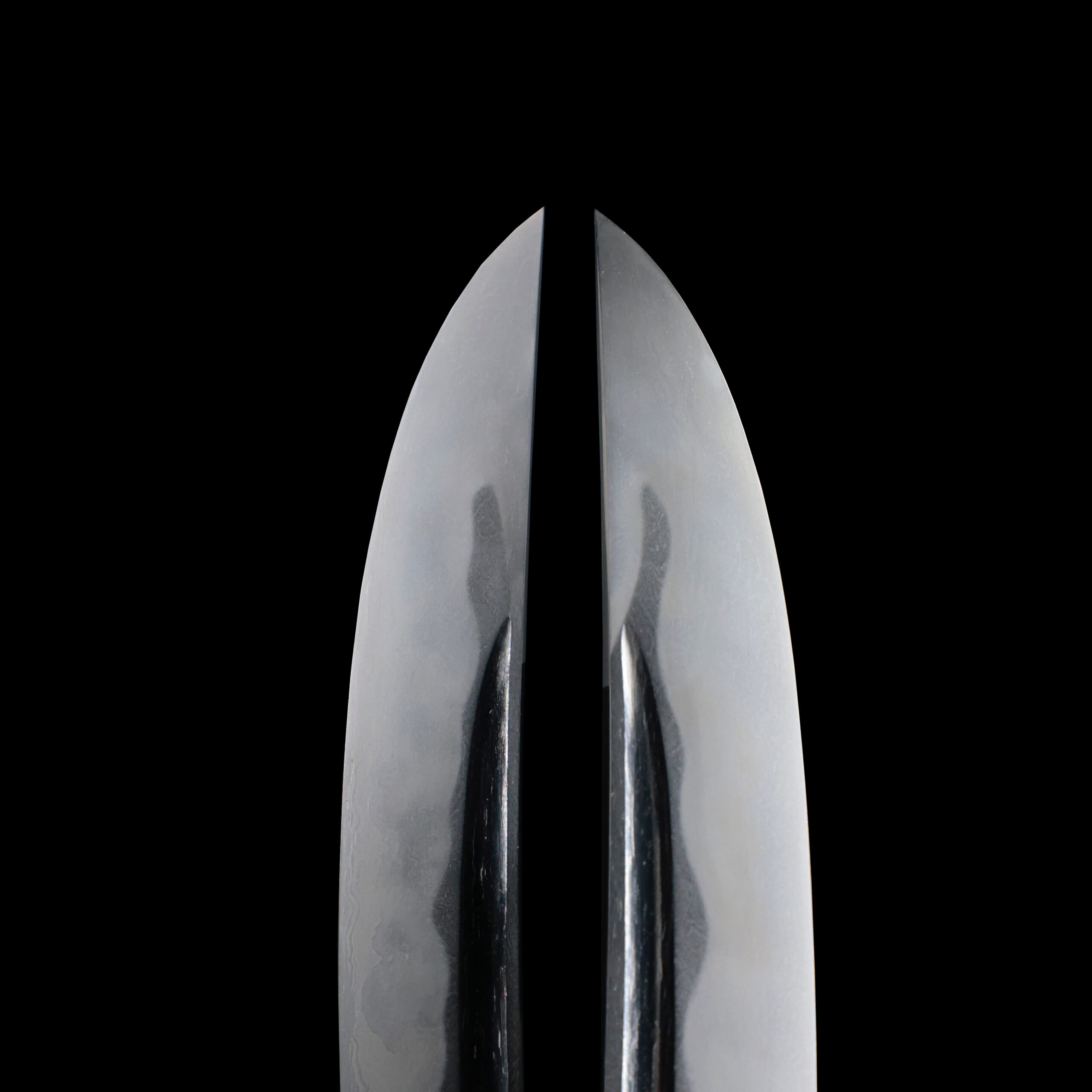
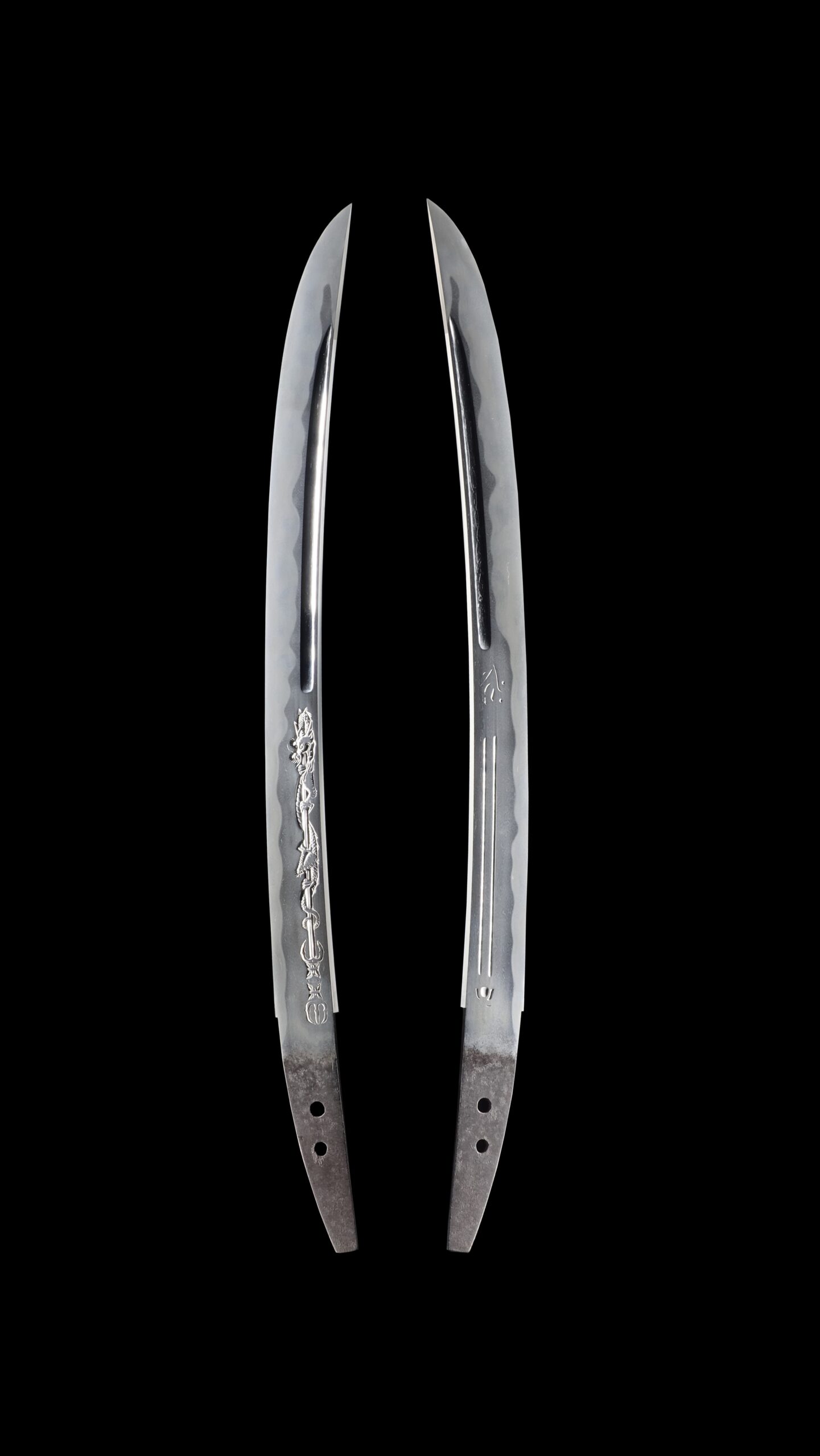
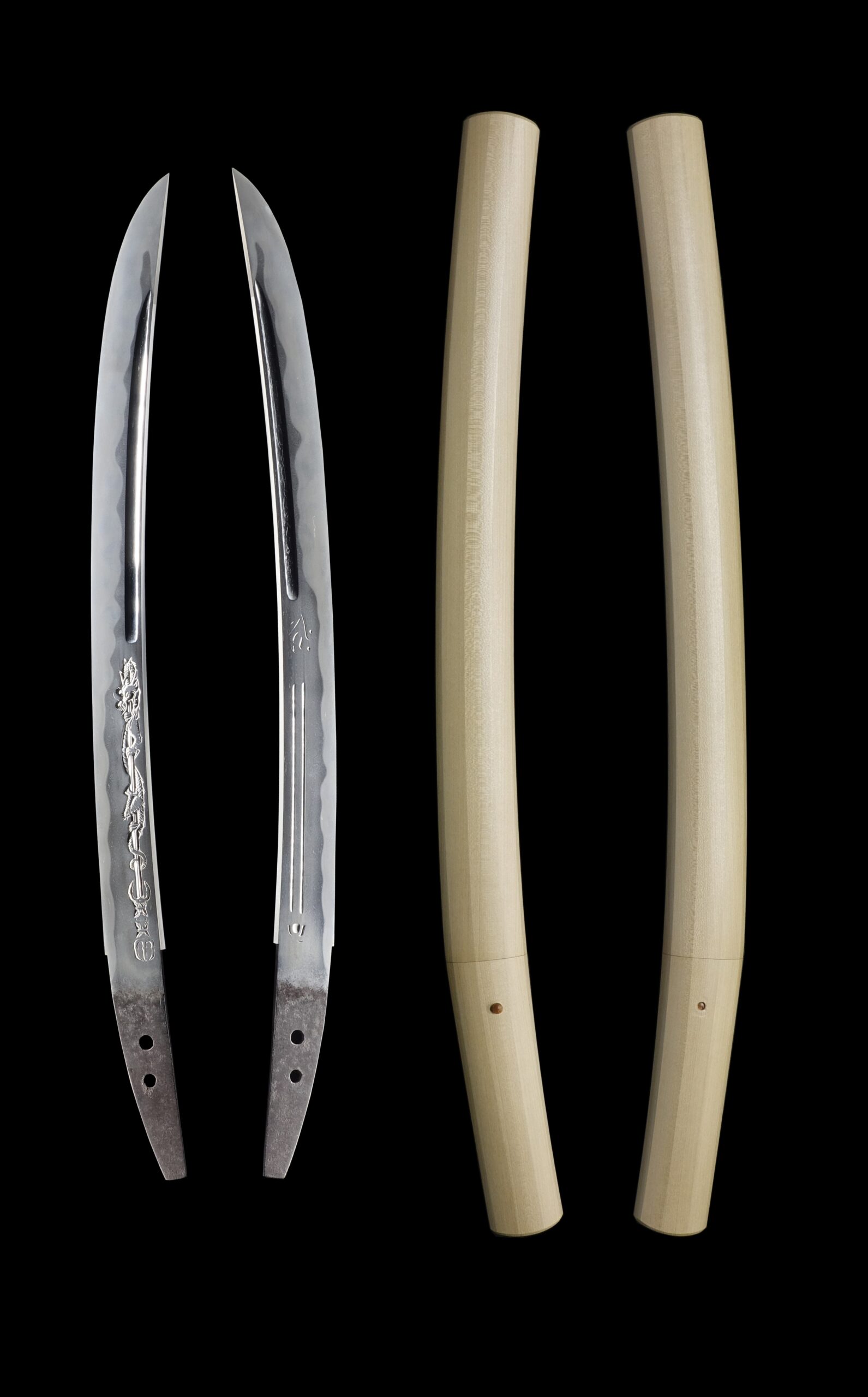
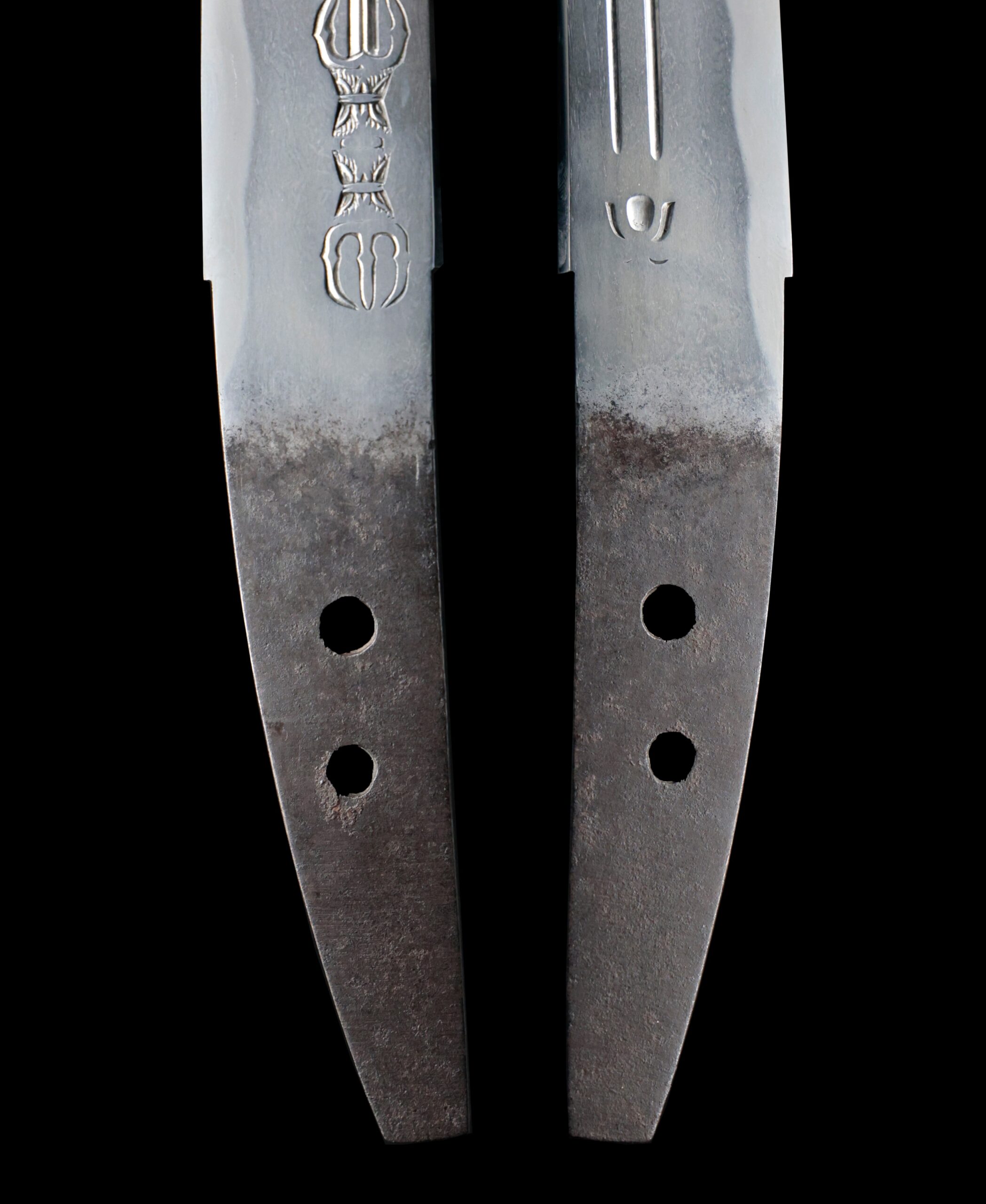
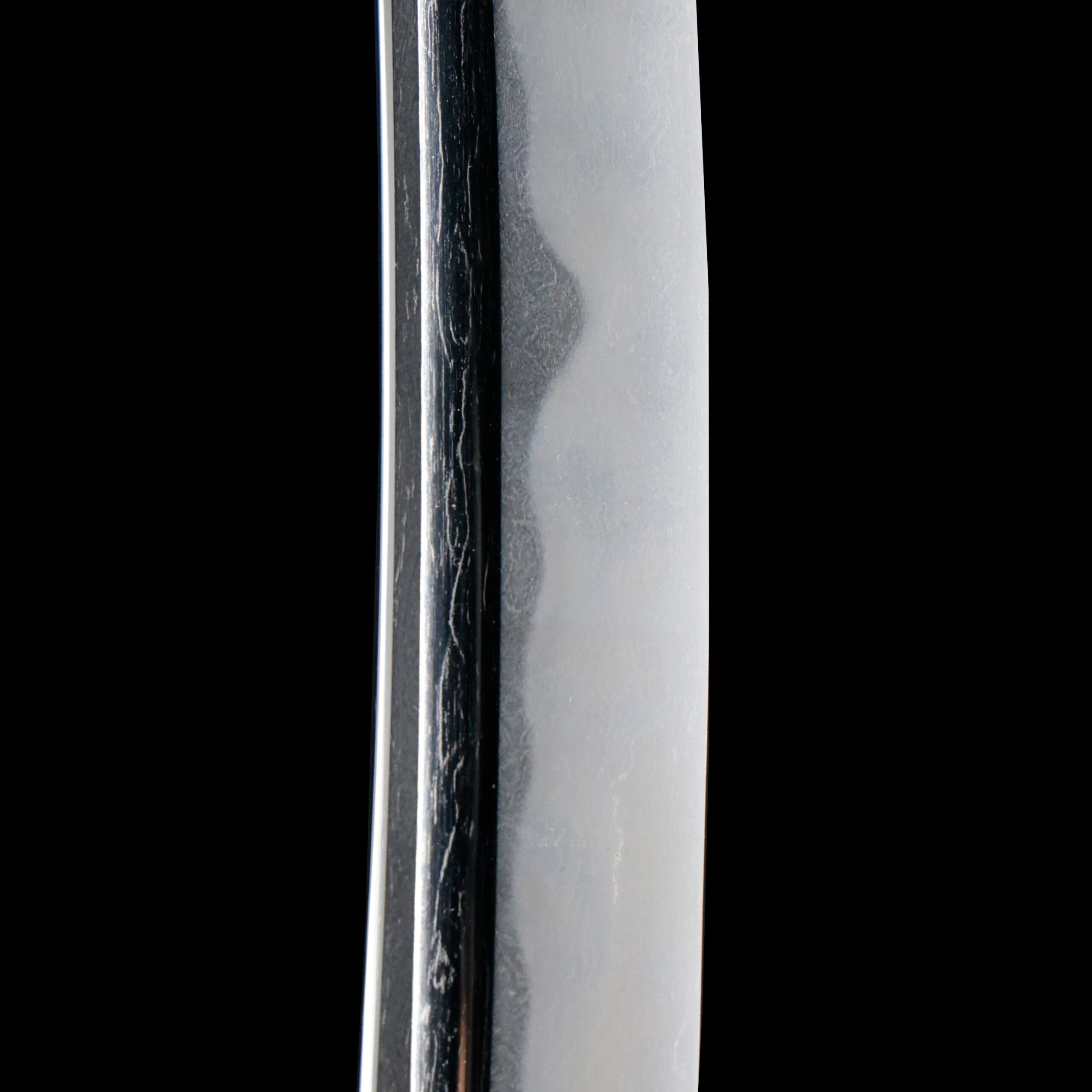
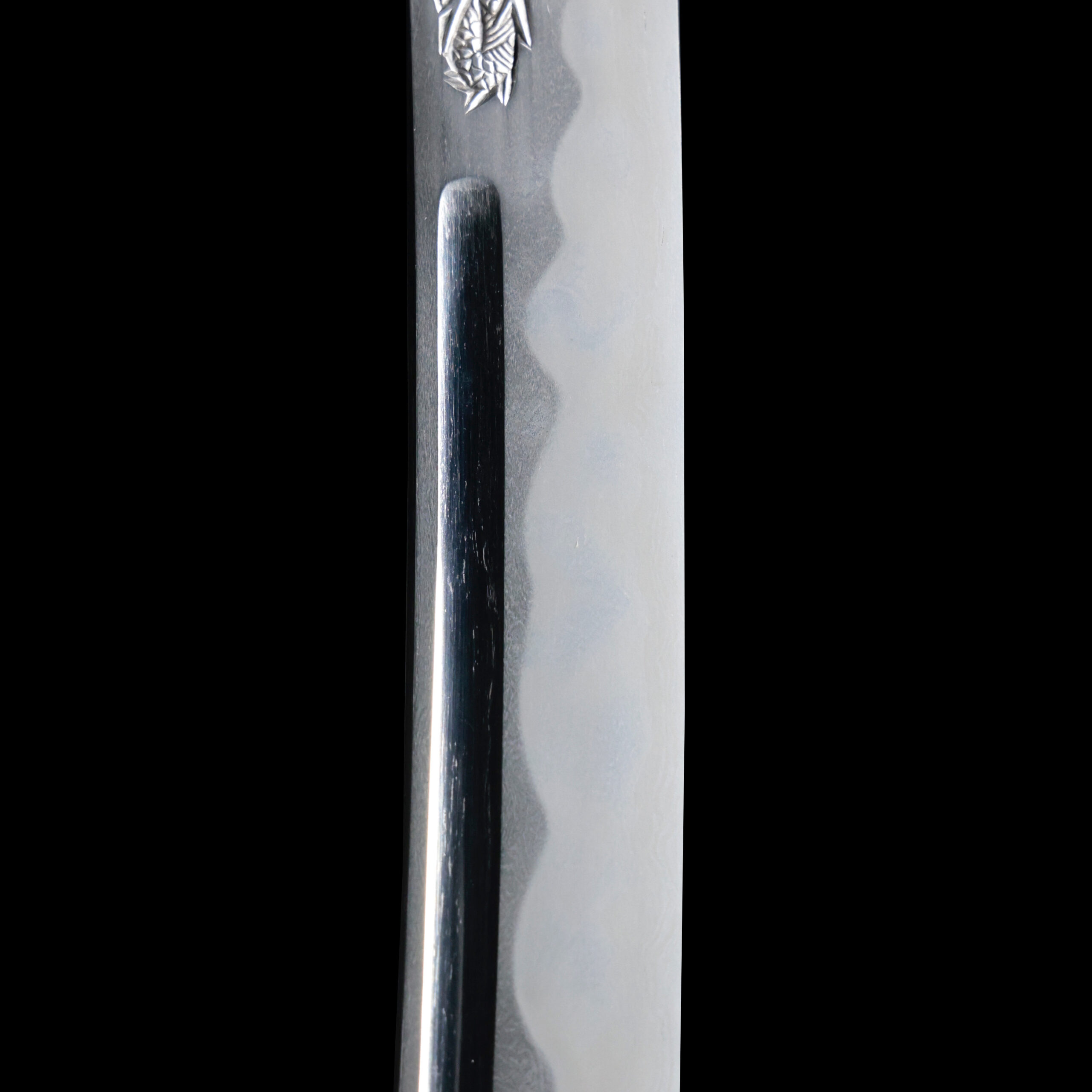
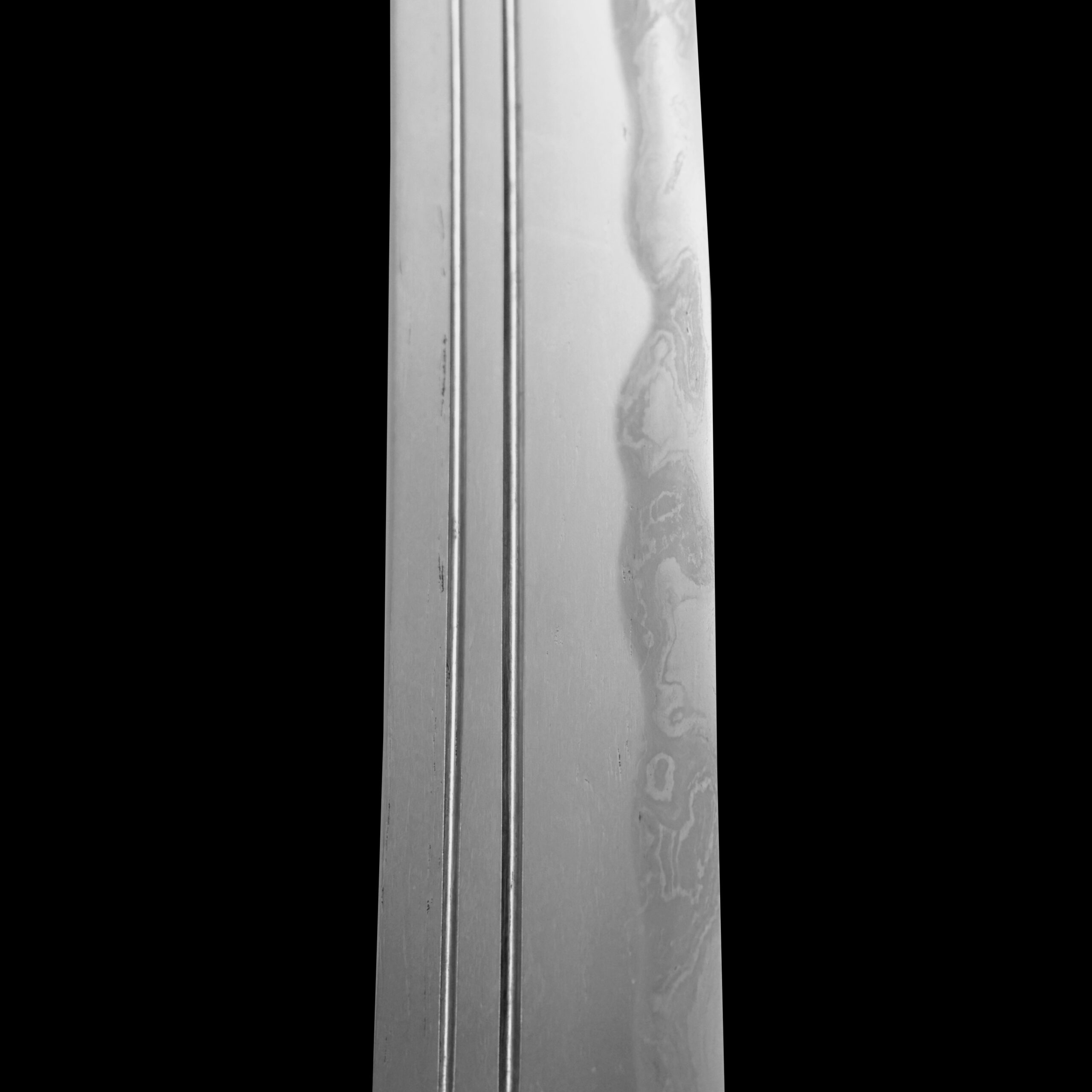
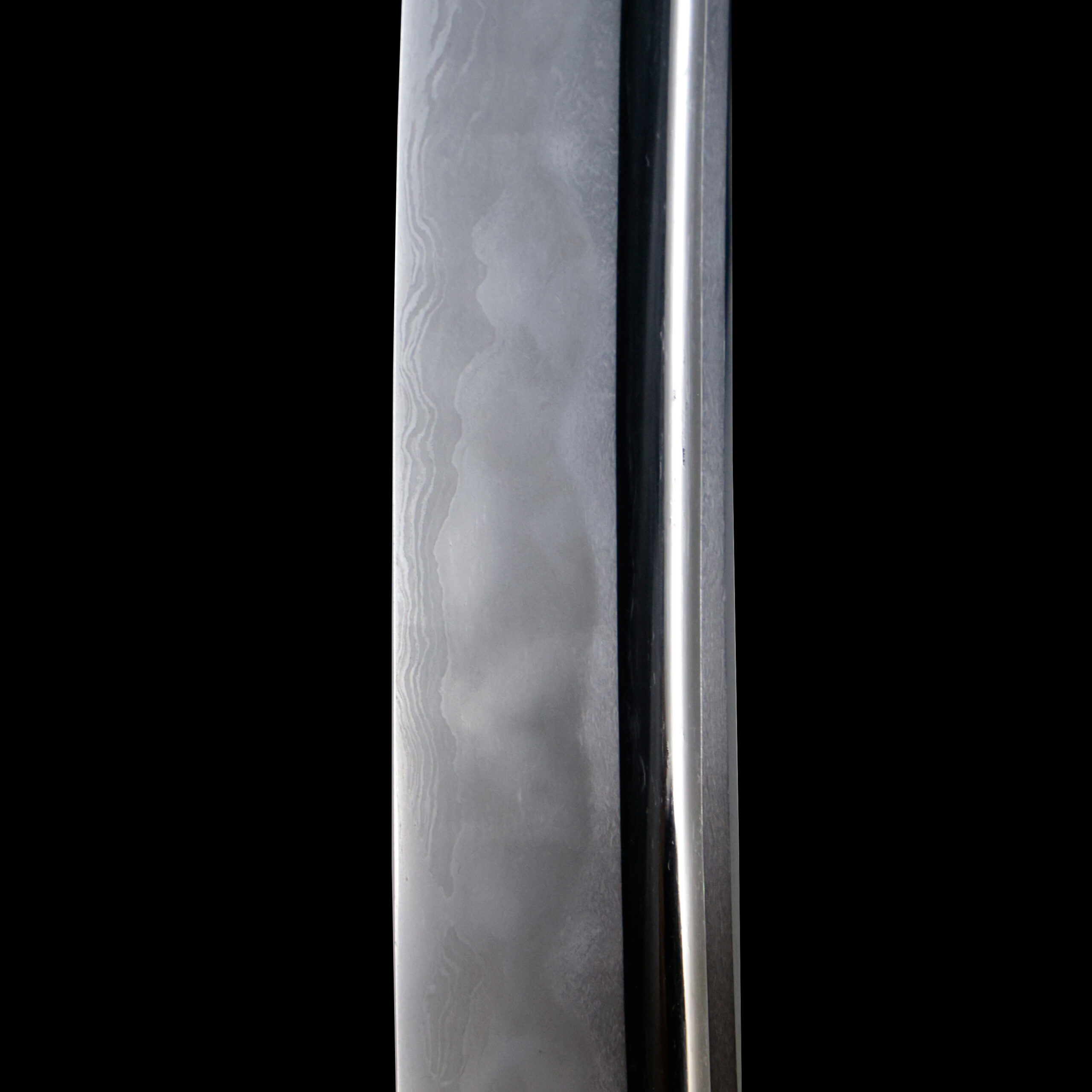
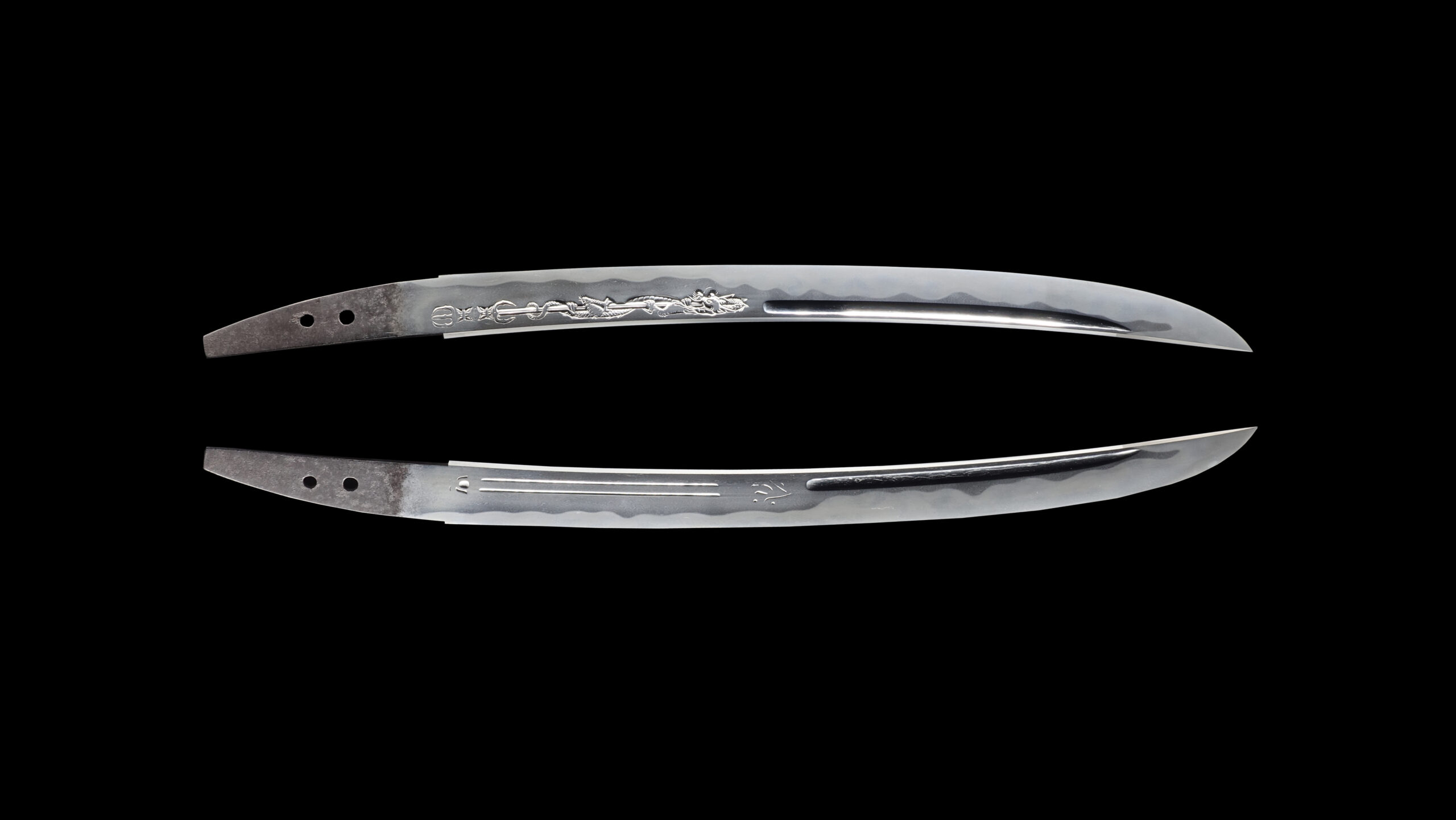
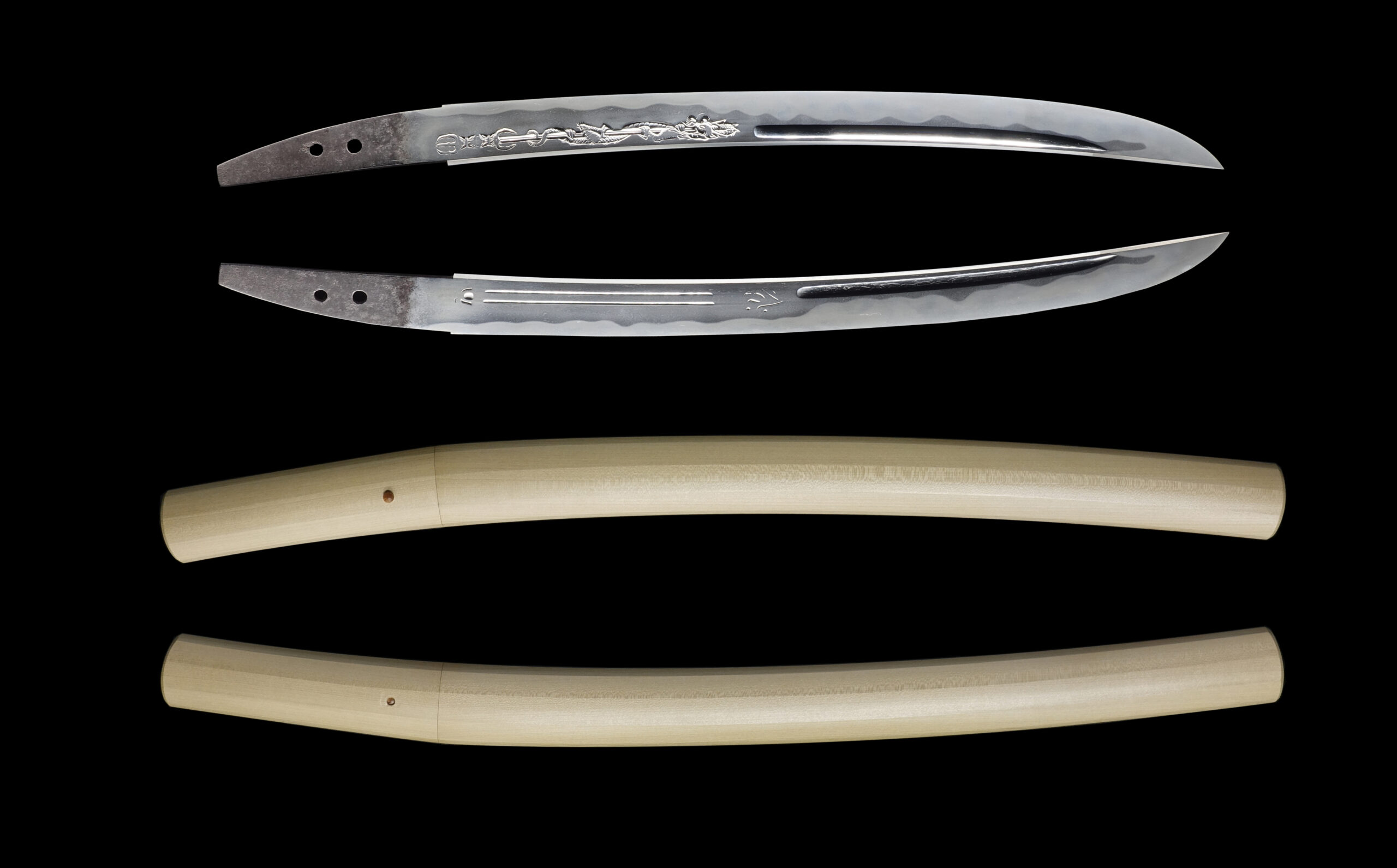
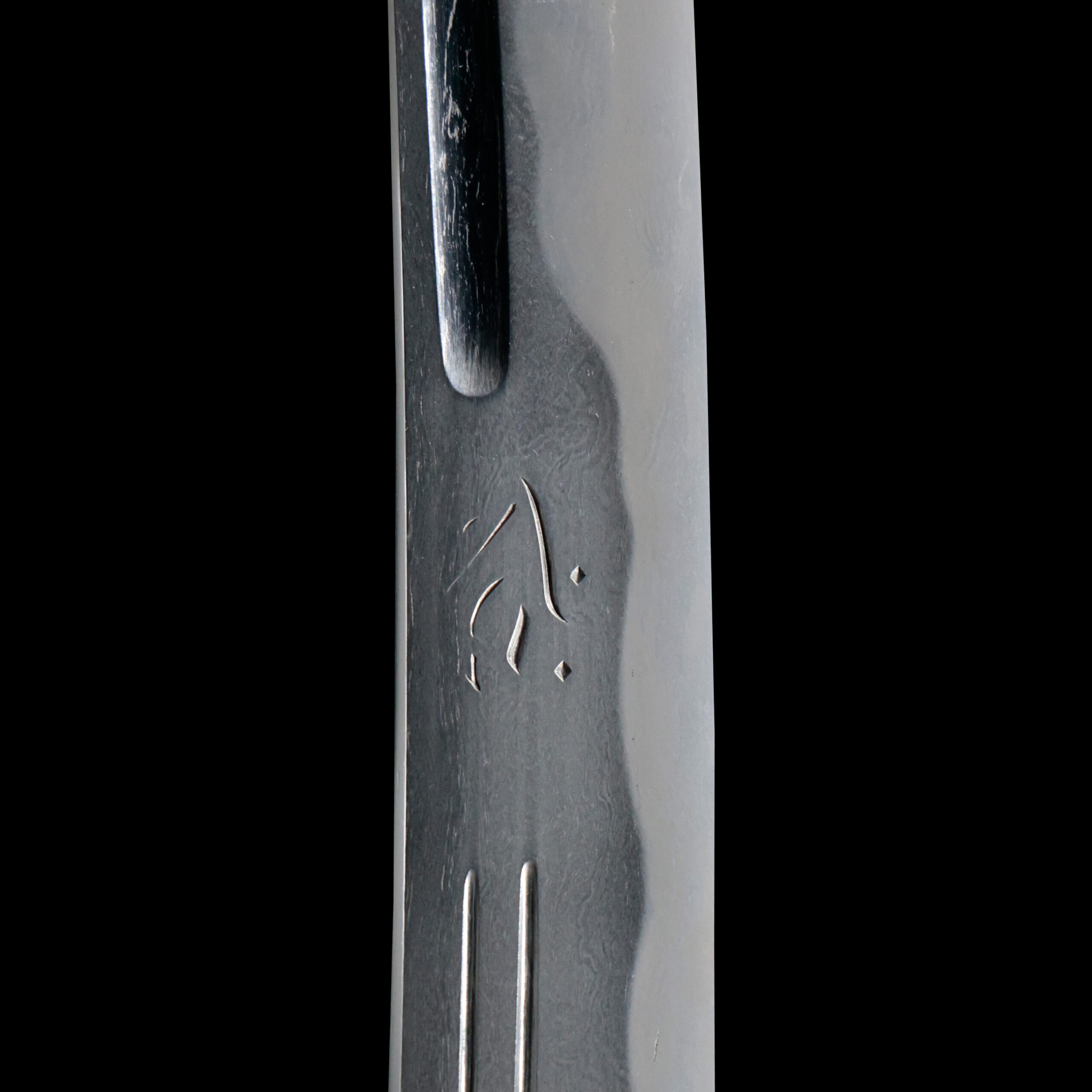
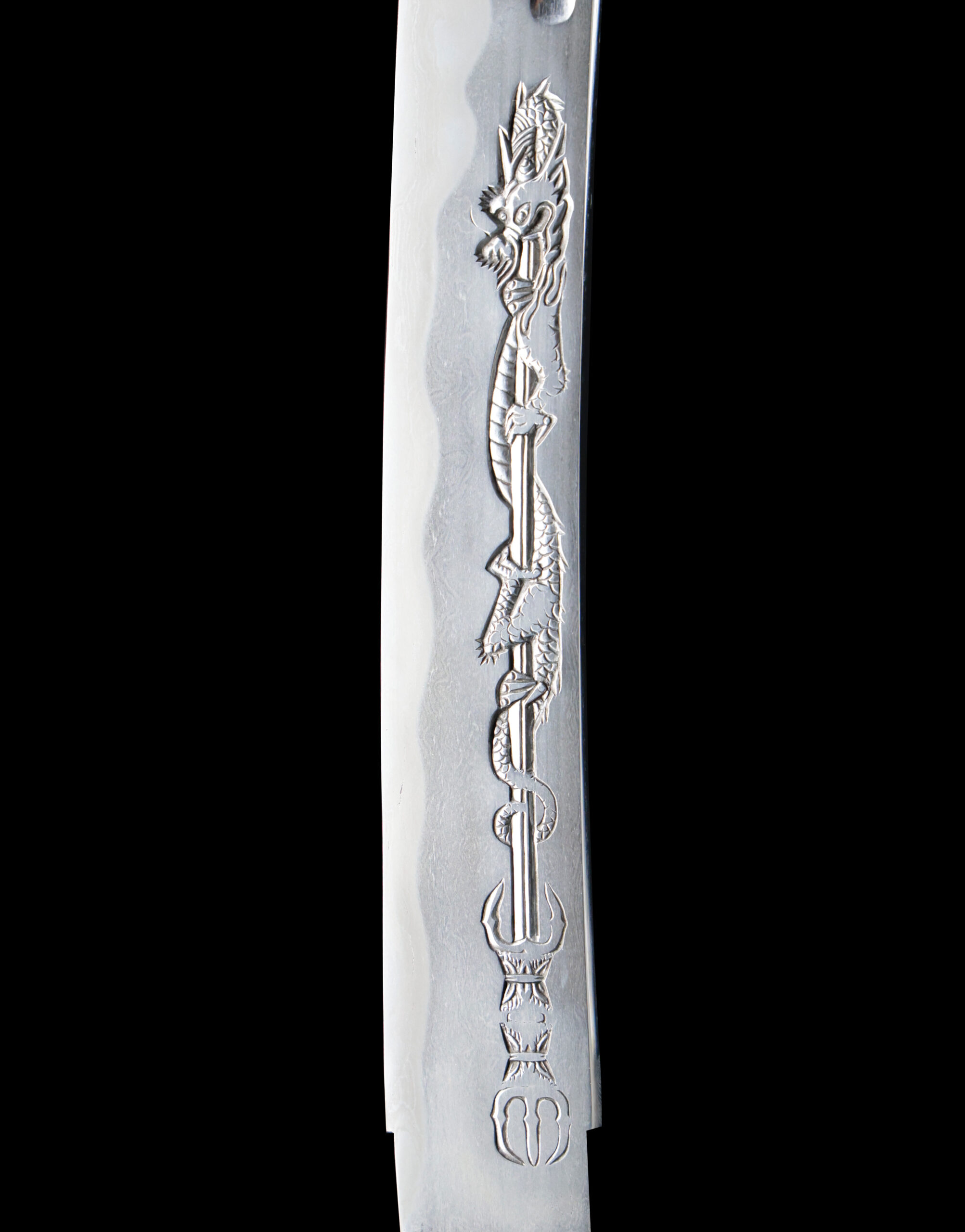
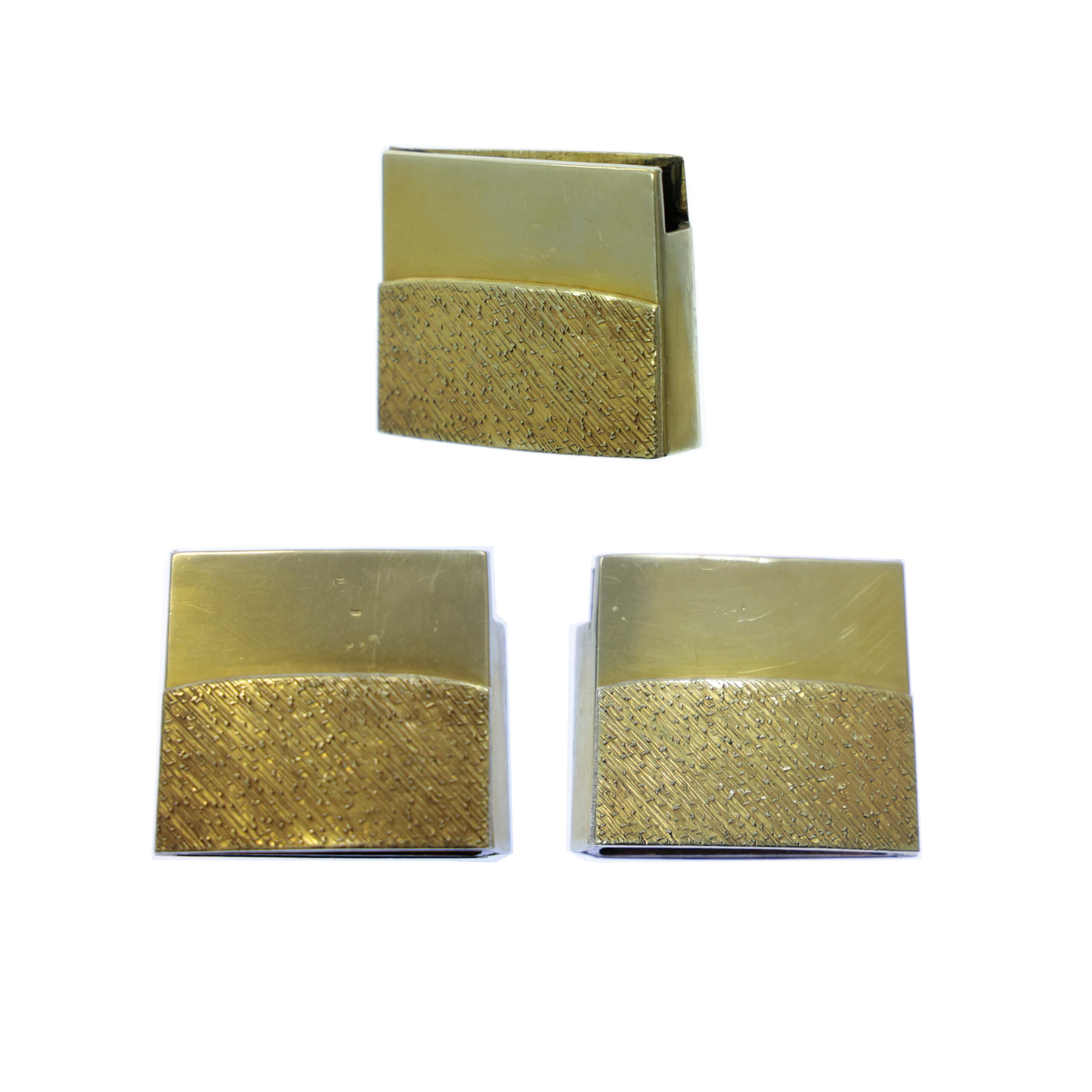
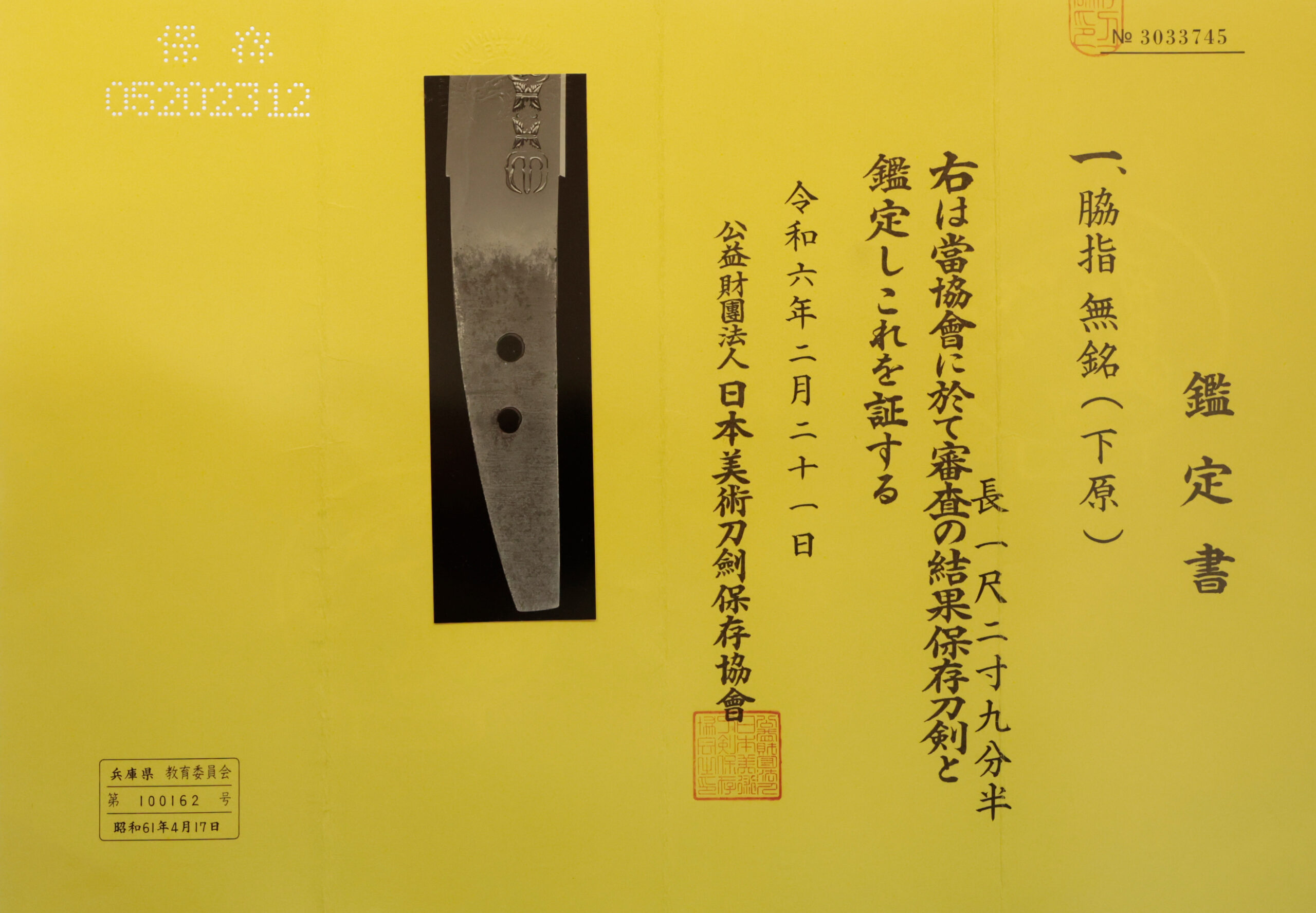
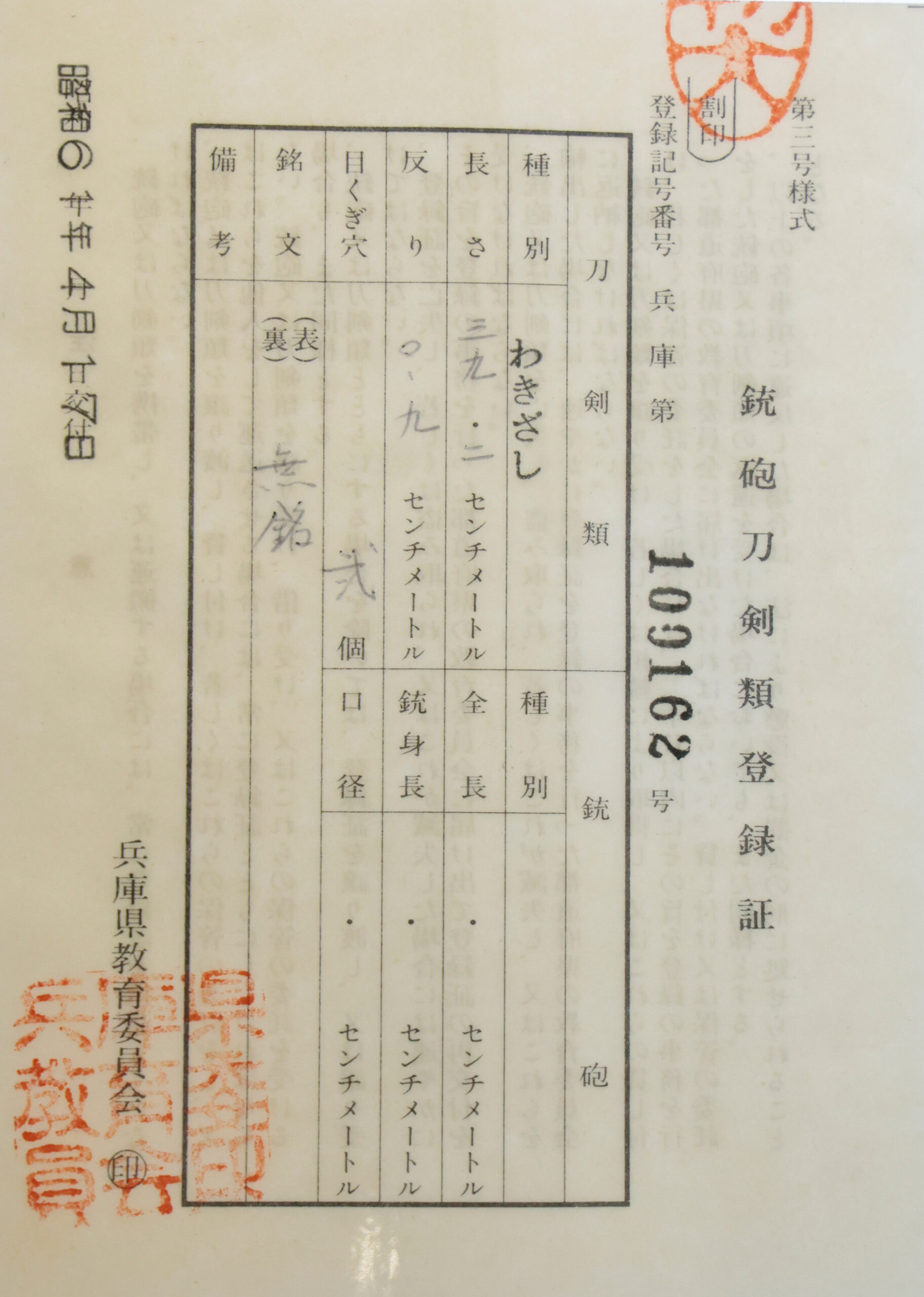
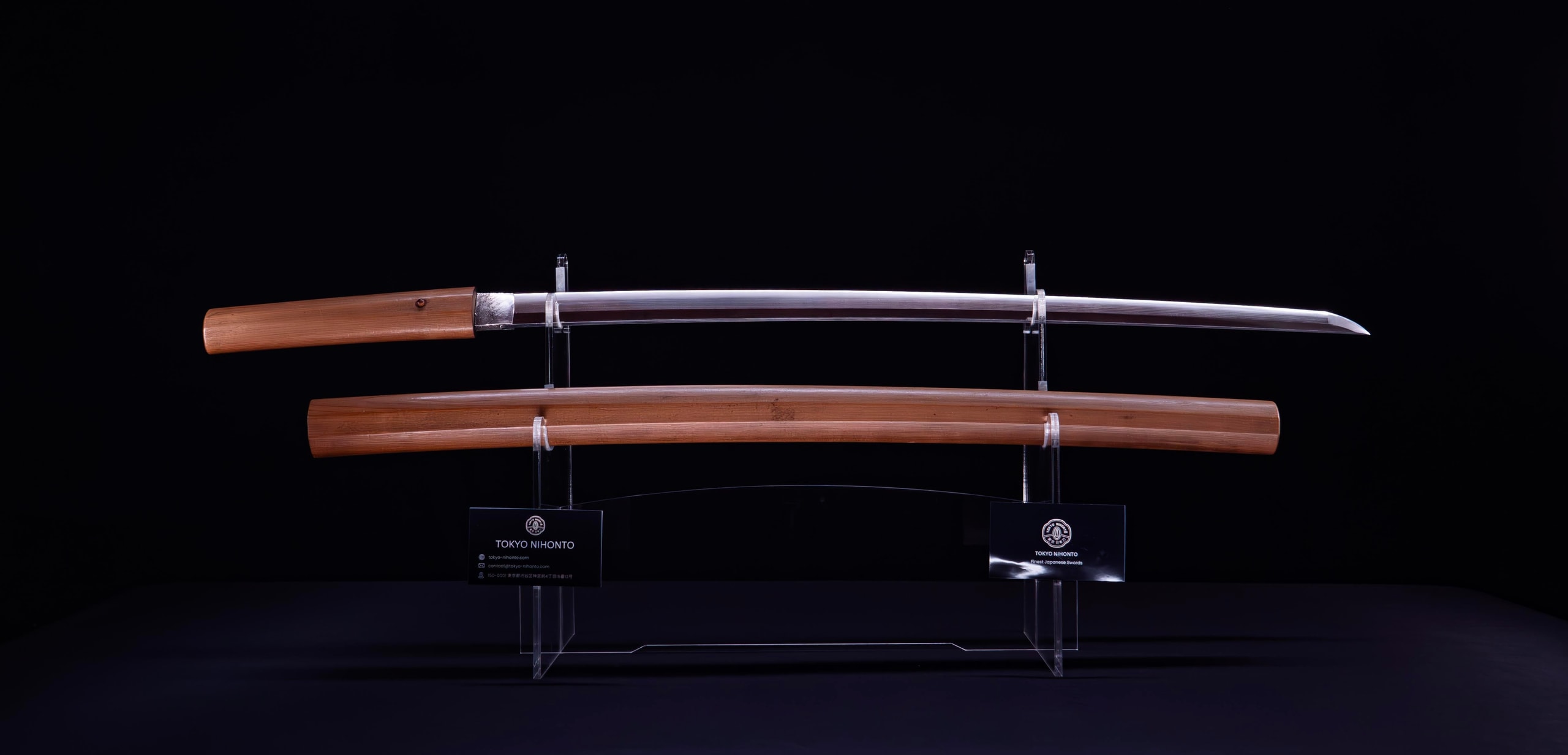
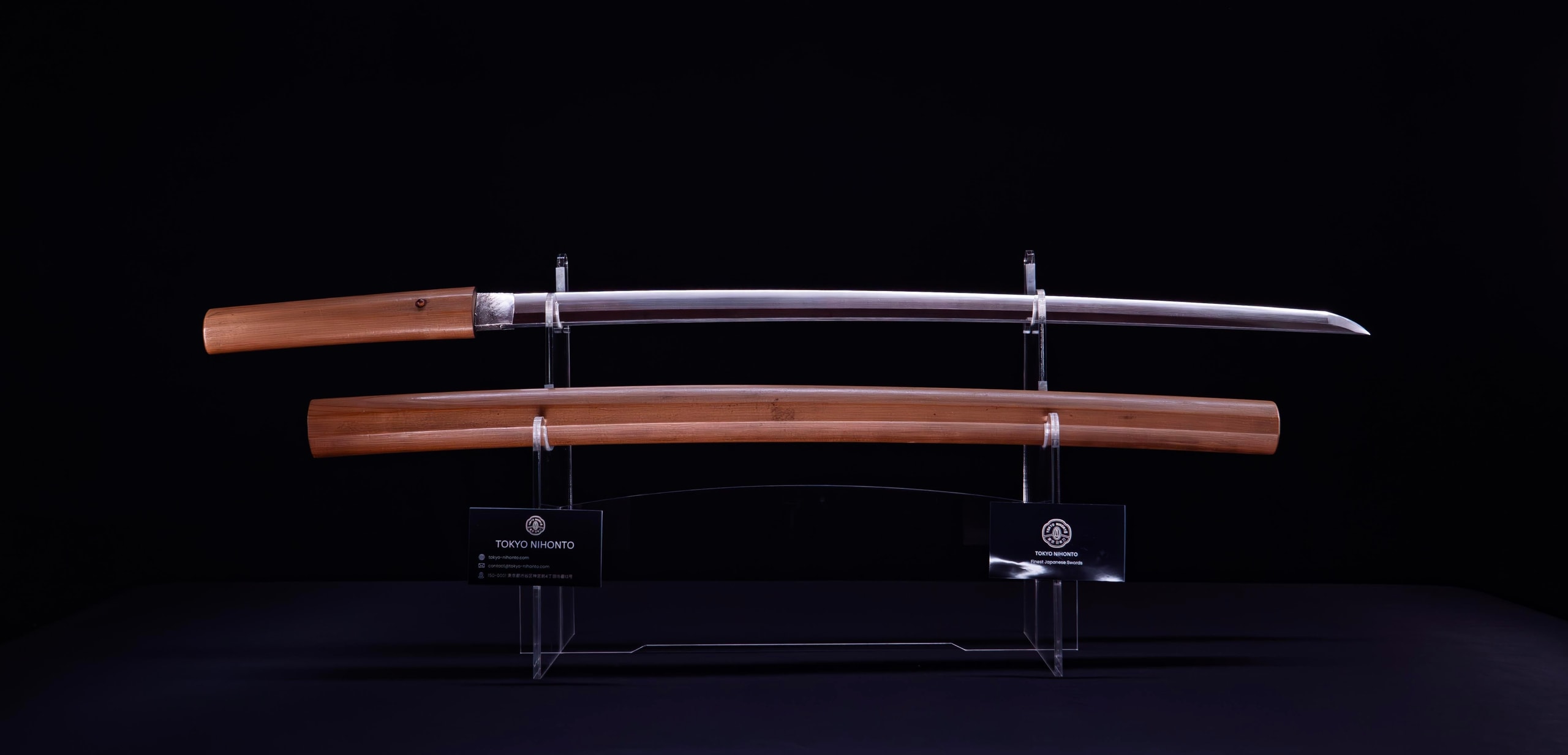
Antique Japanese Sword Wakizashi attributed to Shitahara with NBTHK Hozon Certificate 【Description】 This blade was attributed to Shitahara school during the early Edo Period (Mid-Late 17th century). Shitahara is also the name of the area in Hachioji city in today’s Tokyo. It is said that Yamamoto Norishige founded Shitahara school, and it thrived from the end of the Muromachi period to the late Edo period (Late 16th century to Late 19th century). The swordsmiths who lived in Shitahara were called Shitahara Kaji. They were the group of swordsmiths under the Hojo clan’s auspicious, powerful feudal line during the late Muromachi period first. It is said that the first-gen Yasushige was the son of Chikashige, another prominent figure in this school. The first-gen Yasushige originally signed Chikashige as his first maker’s name. However, he changed it to Yasushige after receiving 康 (Yasu) letter from Hojo Ujiyasu, a famous feudal lord he served. After the Toyotomi clan destroyed the Hojo clan in the Azuchi Momoyama period, Shitahara started to serve the Tokugawa clan as Okakae Kaji, swordsmiths exclusively working for a specific feudal family. Most of the Shitahara swordsmith’s real sir name was Yamamoto. They especially flourished during the late Muromachi period-early Edo period. They kept forging for the Tokugawa clan until the end of the Edo period. Among the Bushu Shitahara group, Yasushige was one of the most famous makers. One of the most distinctive characteristics of the blades forged by Shitahara Kaji is Jorinmoku (如輪杢), which looks like a whirlpool on Hada (the steel surface of the Japanese sword). Horimono (Engraving) On this blade, you would find a Horimo (彫物, blade sculpture) and Hi (樋, grooving) on each side. These are the elements of this blade’s beauty. On one side, Kurikara-Ken is depicted. Kurikara is the sword that Fudo Myo-O (不動明王, acalanātha) holds with his right hand. Fudo Myo-O is one of the objects of worship in Buddhism. According to a theory, it is the incarnation of Dainichi Nyorai (大日如来, Mahāvairocana, the principal image of esoteric Buddhism). Kurikara-ken was named after its appearance that Kurikara Ryu-O (倶利伽羅龍王, dragon) is winding around the sword. It is believed Kurikara-Ken could cut off worldly desires: Sandoku (三毒). Sandoku is the three fundamental human desires; Ton (貪, greed), Jin (瞋, anger, grudge), Chi (癡, delusion, complaint). On the other side, the Horimono of Bonji (梵字) and Gomahashi (護摩箸) are engraved. Bonji (梵字) is Sanscrit characters carved into the blade invoking Buddhist deities. There are also Sanskrit characters that represent Fudo Myo-O. Perhaps the most common type of Sanskrit character carved on the blades is the character “Kahn (カーン)”, which means Fudo Myo-O. There is also a Sanskrit character called “Kanmarn (カンマーン),” which is combined with the word “Man.” Gomahashi (護摩箸) is a horimono in the form of the ritual chopsticks used in both Shinto and Buddhist rites. The Hi (樋) is a grooving, often in the form of a bar, carved along the blade. The exact role of Hi is unknown; however, there are three accepted theories. First, it is for the weight saving of the blade without reducing its strength. Second, it is for making a nice-looking blade. And the third theory is to produce the sound of cutting the wind when the sword is swung. This blade is appraised as a Hozon Token (保存刀剣) issued by NBTHK (Nihon Bijutsu Touken Hozon Kyokai:日本美術刀剣保存協会). This authentication paper was only given to authentic Japanese swords, well preserved and high quality with artistic value. 【Blade】 Cutting Edge Length(Nagasa) : 39.2 cm (15.4 inches) Curvature(Sori) : 0.9 cm (0.35 inches) Hamon : The crystalline structure which forms along the cutting edge of a blade as a result of the hardening process Jimon(Jihada) : visible steel surface pattern created by folding and hammering during forging process Nakago :Nakago is the tang of the Japanese sword. Japanese swordsmiths left the black rust on the tang becau
 NihontoWatch
無銘 · Shitahara · 江戸 · 長さ 39.2cm · 反り 0.9cm
新刀 · 武蔵
現在13点販売中
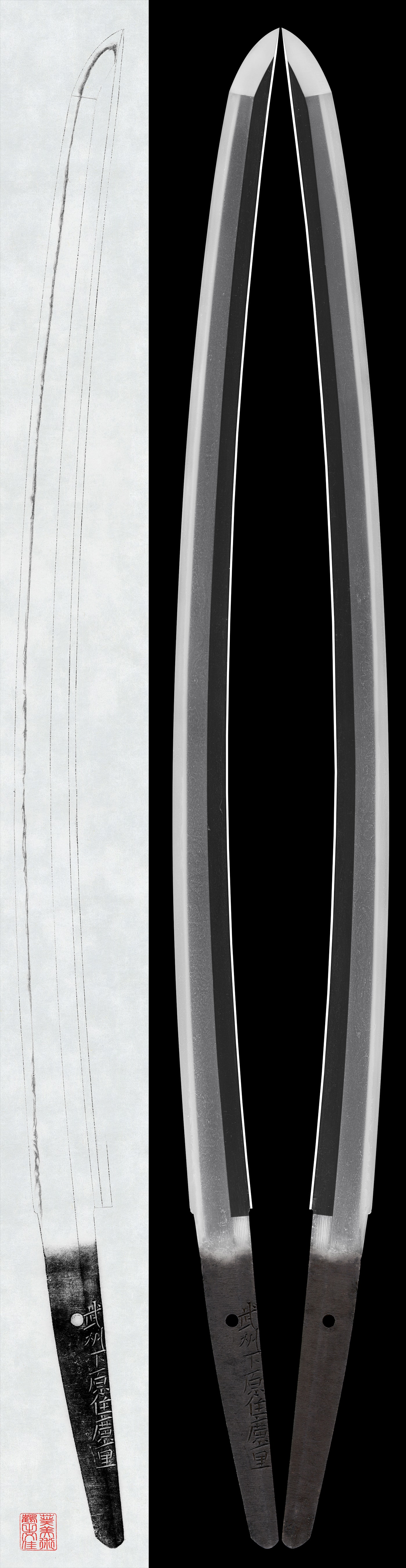
下原派は武蔵国八王子の地に拠った刀工の一群で、室町末期に興り、以後江戸末期に至るまで作刀を続けた。古刀期の武蔵国を代表する鍛冶とされ、説示では周重・康重・照重・広重の四工を著名な工として挙げる。なかでも照重は康重・広重と並んで一派を代表する存在で、山本源二郎照重、山本与五郎康重のように山本姓を称した工も知られる。照重については銘鑑が初代を享禄、二代を永禄、三代を天正に充てており、永禄から天正の頃の作がもっとも時代の上がるものと鑑せられている。甲州の注文に応じて鍛えた薙刀も伝わり、地方を越えて求められた様子がうかがえる。 作風は末相州および村正一派の風に末関風を加味したものと説かれる。鍛えは板目に杢がしきりに交じって肌立ち、刃寄りが流れて綾杉風となり、渦を巻いたような肌があらわれる点に地がねの特色がある。刃文は湾れを基調に互の目が二つ三つ連れて尖り刃を交え、やや規則的に乱れて小沸がつき、砂流しのかかるものもある。帽子は乱れ込んで丸く返るものや先の尖って返るものがみられる。細かに肌立った杢目の地がねと、規則的に連れる互の目乱れにのたれを交えた刃文の組み合わせが、この一派を見分ける手がかりとなる。 鑑定にあたっては、肌立った地がねに綾杉風の流れと渦巻く肌があらわれること、互の目が規則的に連れて乱れる刃文の調子を要点とする。彫物では表に棒樋を掻き、倶利迦羅竜や不動、梵字を添えるものが多く、倶利迦羅竜の尾の巻き方に一派らしさが出るとされる。茎は栗尻に切鑢を施し、棟寄りに長銘を切るものが多い。室町末期の打刀や薙刀を代表する優品が重要刀剣に列せられており、照重の薙刀は両刃造という珍しい形状を伝える。武蔵国の在地鍛冶として実用に応えつつ、相州と関の風を併せ呑んだ独自の地刃を築いた点に、下原一派の位置づけがある。 詳しく見る →
二世紀半の泰平のあいだ、刀は武器である以上に武士の身分の標章であった。江戸の実証と大坂の華やぎのように都市ごとの作風が育ち、時代の末には需要も細っていく。
銘が正しい、または無銘でも年代・国・系統を確実に指摘できる、保存に値する真正の作と鑑定されたものです。
日本美術刀剣保存協会(NBTHK)は、1948年に設立され、文化庁の監督を受ける公益財団法人で、東京・刀剣博物館に本部を置きます。専門の審査員が出品作を直接審査し、美術的・歴史的価値に応じた鑑定書を発行します。NBTHKの鑑定書は、日本刀および刀装具の真正性を示す最も広く認知された基準です。
NBTHK公式サイトReturns/exchanges limited to defects caused by shipping (except willful misconduct or gross negligence by the company); customers must contact within 72 hours of receiving the product.
Antique Japanese Sword Wakizashi attributed to Shitahara with NBTHK Hozon Certificate 【Description】 This blade was attributed to Shitahara school during the early Edo Period (Mid-Late 17th century). Shitahara is also the name of the area in Hachioji city in today’s Tokyo. It is said that Yamamoto Norishige founded Shitahara school, and it thrived from the end of the Muromachi period to the late Edo period (Late 16th century to Late 19th century). The swordsmiths who lived in Shitahara were called Shitahara Kaji. They were the group of swordsmiths under the Hojo clan’s auspicious, powerful feudal line during the late Muromachi period first. It is said that the first-gen Yasushige was the son of Chikashige, another prominent figure in this school. The first-gen Yasushige originally signed Chikashige as his first maker’s name. However, he changed it to Yasushige after receiving 康 (Yasu) letter from Hojo Ujiyasu, a famous feudal lord he served. After the Toyotomi clan destroyed the Hojo clan in the Azuchi Momoyama period, Shitahara started to serve the Tokugawa clan as Okakae Kaji, swordsmiths exclusively working for a specific feudal family. Most of the Shitahara swordsmith’s real sir name was Yamamoto. They especially flourished during the late Muromachi period-early Edo period. They kept forging for the Tokugawa clan until the end of the Edo period. Among the Bushu Shitahara group, Yasushige was one of the most famous makers. One of the most distinctive characteristics of the blades forged by Shitahara Kaji is Jorinmoku (如輪杢), which looks like a whirlpool on Hada (the steel surface of the Japanese sword). Horimono (Engraving) On this blade, you would find a Horimo (彫物, blade sculpture) and Hi (樋, grooving) on each side. These are the elements of this blade’s beauty. On one side, Kurikara-Ken is depicted. Kurikara is the sword that Fudo Myo-O (不動明王, acalanātha) holds with his right hand. Fudo Myo-O is one of the objects of worship in Buddhism. According to a theory, it is the incarnation of Dainichi Nyorai (大日如来, Mahāvairocana, the principal image of esoteric Buddhism). Kurikara-ken was named after its appearance that Kurikara Ryu-O (倶利伽羅龍王, dragon) is winding around the sword. It is believed Kurikara-Ken could cut off worldly desires: Sandoku (三毒). Sandoku is the three fundamental human desires; Ton (貪, greed), Jin (瞋, anger, grudge), Chi (癡, delusion, complaint). On the other side, the Horimono of Bonji (梵字) and Gomahashi (護摩箸) are engraved. Bonji (梵字) is Sanscrit characters carved into the blade invoking Buddhist deities. There are also Sanskrit characters that represent Fudo Myo-O. Perhaps the most common type of Sanskrit character carved on the blades is the character “Kahn (カーン)”, which means Fudo Myo-O. There is also a Sanskrit character called “Kanmarn (カンマーン),” which is combined with the word “Man.” Gomahashi (護摩箸) is a horimono in the form of the ritual chopsticks used in both Shinto and Buddhist rites. The Hi (樋) is a grooving, often in the form of a bar, carved along the blade. The exact role of Hi is unknown; however, there are three accepted theories. First, it is for the weight saving of the blade without reducing its strength. Second, it is for making a nice-looking blade. And the third theory is to produce the sound of cutting the wind when the sword is swung. This blade is appraised as a Hozon Token (保存刀剣) issued by NBTHK (Nihon Bijutsu Touken Hozon Kyokai:日本美術刀剣保存協会). This authentication paper was only given to authentic Japanese swords, well preserved and high quality with artistic value. 【Blade】 Cutting Edge Length(Nagasa) : 39.2 cm (15.4 inches) Curvature(Sori) : 0.9 cm (0.35 inches) Hamon : The crystalline structure which forms along the cutting edge of a blade as a result of the hardening process Jimon(Jihada) : visible steel surface pattern created by folding and hammering during forging process Nakago :Nakago is the tang of the Japanese sword. Japanese swordsmiths left the black rust on the tang becau
NihontoWatch無銘 · Shitahara · 江戸 · 長さ 39.2cm · 反り 0.9cm
新刀 · 武蔵
現在13点販売中
下原派は武蔵国八王子の地に拠った刀工の一群で、室町末期に興り、以後江戸末期に至るまで作刀を続けた。古刀期の武蔵国を代表する鍛冶とされ、説示では周重・康重・照重・広重の四工を著名な工として挙げる。なかでも照重は康重・広重と並んで一派を代表する存在で、山本源二郎照重、山本与五郎康重のように山本姓を称した工も知られる。照重については銘鑑が初代を享禄、二代を永禄、三代を天正に充てており、永禄から天正の頃の作がもっとも時代の上がるものと鑑せられている。甲州の注文に応じて鍛えた薙刀も伝わり、地方を越えて求められた様子がうかがえる。 作風は末相州および村正一派の風に末関風を加味したものと説かれる。鍛えは板目に杢がしきりに交じって肌立ち、刃寄りが流れて綾杉風となり、渦を巻いたような肌があらわれる点に地がねの特色がある。刃文は湾れを基調に互の目が二つ三つ連れて尖り刃を交え、やや規則的に乱れて小沸がつき、砂流しのかかるものもある。帽子は乱れ込んで丸く返るものや先の尖って返るものがみられる。細かに肌立った杢目の地がねと、規則的に連れる互の目乱れにのたれを交えた刃文の組み合わせが、この一派を見分ける手がかりとなる。 鑑定にあたっては、肌立った地がねに綾杉風の流れと渦巻く肌があらわれること、互の目が規則的に連れて乱れる刃文の調子を要点とする。彫物では表に棒樋を掻き、倶利迦羅竜や不動、梵字を添えるものが多く、倶利迦羅竜の尾の巻き方に一派らしさが出るとされる。茎は栗尻に切鑢を施し、棟寄りに長銘を切るものが多い。室町末期の打刀や薙刀を代表する優品が重要刀剣に列せられており、照重の薙刀は両刃造という珍しい形状を伝える。武蔵国の在地鍛冶として実用に応えつつ、相州と関の風を併せ呑んだ独自の地刃を築いた点に、下原一派の位置づけがある。 詳しく見る →
二世紀半の泰平のあいだ、刀は武器である以上に武士の身分の標章であった。江戸の実証と大坂の華やぎのように都市ごとの作風が育ち、時代の末には需要も細っていく。
銘が正しい、または無銘でも年代・国・系統を確実に指摘できる、保存に値する真正の作と鑑定されたものです。
日本美術刀剣保存協会(NBTHK)は、1948年に設立され、文化庁の監督を受ける公益財団法人で、東京・刀剣博物館に本部を置きます。専門の審査員が出品作を直接審査し、美術的・歴史的価値に応じた鑑定書を発行します。NBTHKの鑑定書は、日本刀および刀装具の真正性を示す最も広く認知された基準です。
NBTHK公式サイトReturns/exchanges limited to defects caused by shipping (except willful misconduct or gross negligence by the company); customers must contact within 72 hours of receiving the product.
![Katana - Hozon - by Shitahara School - Katana [Bushu-jyu-Yasuie] [N.B.T.H.K] Hozon Token](/_next/image?url=https%3A%2F%2Fitbhfhyptogxcjbjfzwx.supabase.co%2Fstorage%2Fv1%2Fobject%2Fpublic%2Flisting-images%2Fworld-seiyudo%2FL32362%2F00.jpg&w=2560&q=90)