二十世紀は二度この工芸を殺しかけた。戦時の歪みと、占領下の禁令である。1948年の日刀保設立と1953年の作刀再開が刀を美術として再建し、人間国宝と無鑑査がその頂に立つ。
 NihontoWatchNihontoWatch
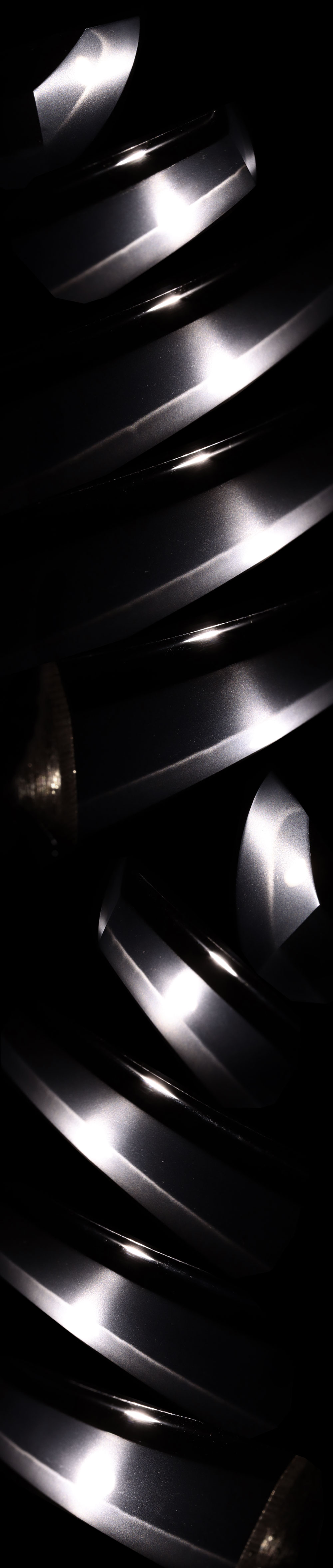
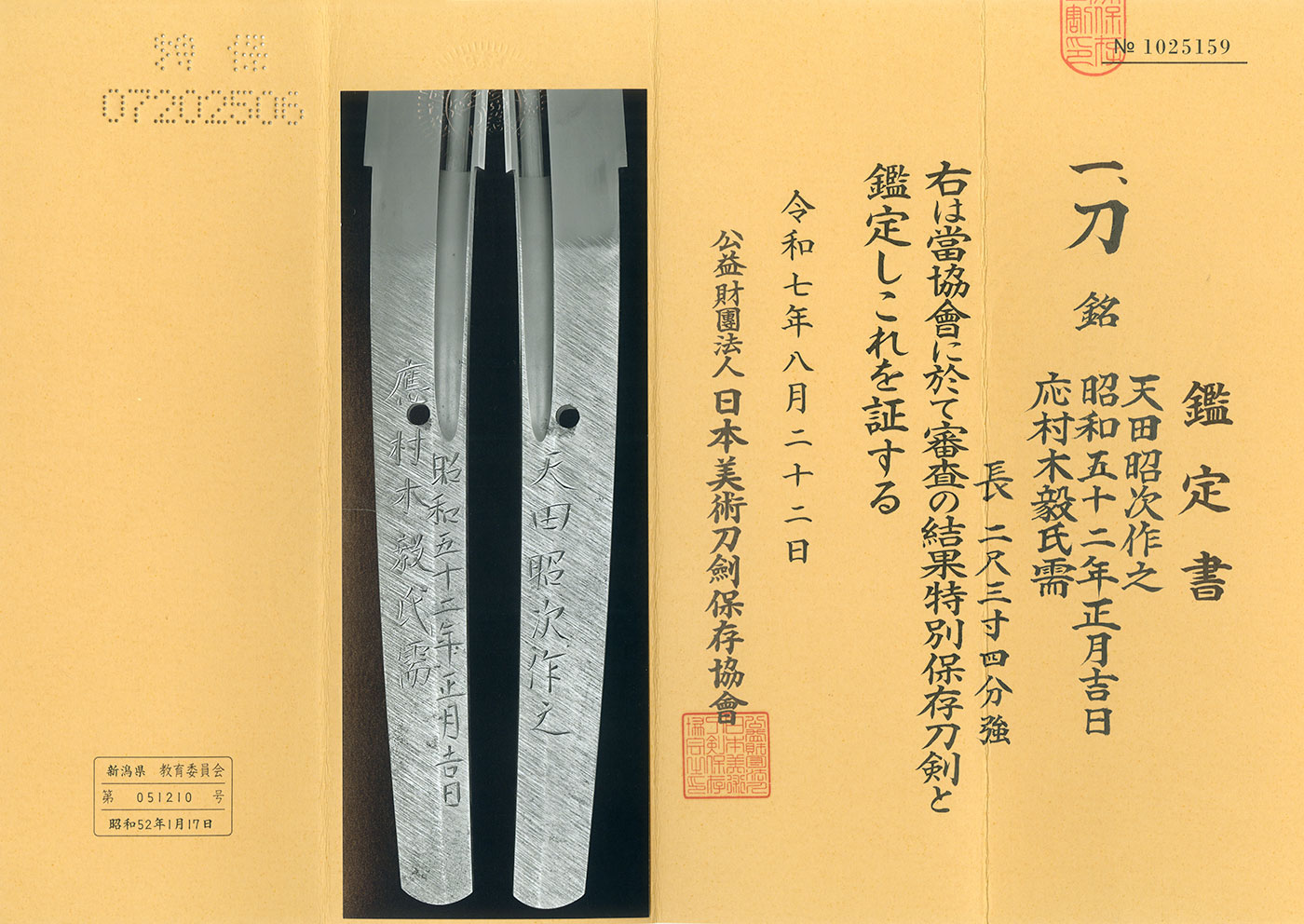
Ordering number:26061Katana in Shirasaya (NBTHK Tokubetsu Hozon Token)Signature: Amata Akitsugu Saku Kore (Living National Treasure)A fortunate day in January, 1977Made on request by Mr. Takeshi Muraki天田昭次作之(人間国宝)昭和五十二年正月吉日應村木毅氏需We divide 4 sections for each sword as Saijyo Saku, Jyojyo Saku, Jyo Saku and Regular Saku.This work is ranked as Saijyo Saku (the highest grade) among the works by Amata Akitsugu.Habaki: Gold-plated double HabakiBlade Length: 72.0 cm (28.35 in)Curvature: 2.6 cm (1.02 in)Mekugi Hole: 1Width at Base (Motohaba): 3.08 cm (1.21 in)Width at Yokote: 2.29 cm (0.90 in)Thickness of rim (Kasane): 0.725 cm (0.29 in)Sword Weight: 805 gShape: A healthy blade with solid width and thickness, retaining the ubuha (original edge).There are bohi (grooves) on both sides.Jigane: Finely forged ko-itame hada of top quality, becoming a refined and excellent steel.Hamon: A bright and clear suguha with fine nioi-ashi.The boshi turns back with a gentle notare and finishes in a komaru.Features: Born in Niigata Prefecture in 1927 (Showa 2) as the eldest son of swordsmith Amata Sadayoshi.His father passed away when he was 10 years old.Following advice, he moved to Tokyo right after graduating elementary school to study under Kurihara Hikosaburo.He entered the Nihonto Tanrenjo (Japanese Sword Forging Studio) established by Kurihara and was engaged in making military swords.After the war ended in Tokyo, he returned to Niigata.In 1954 (Showa 29), he received official permission to forge swords from the Cultural Properties Sword Forging Committee and began full-scale swordsmithing.He studied the Soshu tradition, focusing deeply on sword-making, and mastered suguha with exceptional jigane, winning the prestigious Masamune Prize three times.From 1973 (Showa 48), he forged sacred treasure swords for the Ise Shrine three times.In 1997 (Heisei 9), he was designated as a Living National Treasure (Ningen Kokuho).He passed away in 2013 (Heisei 25), deeply mourned by many.Aoi Art’s C
NihontoWatch
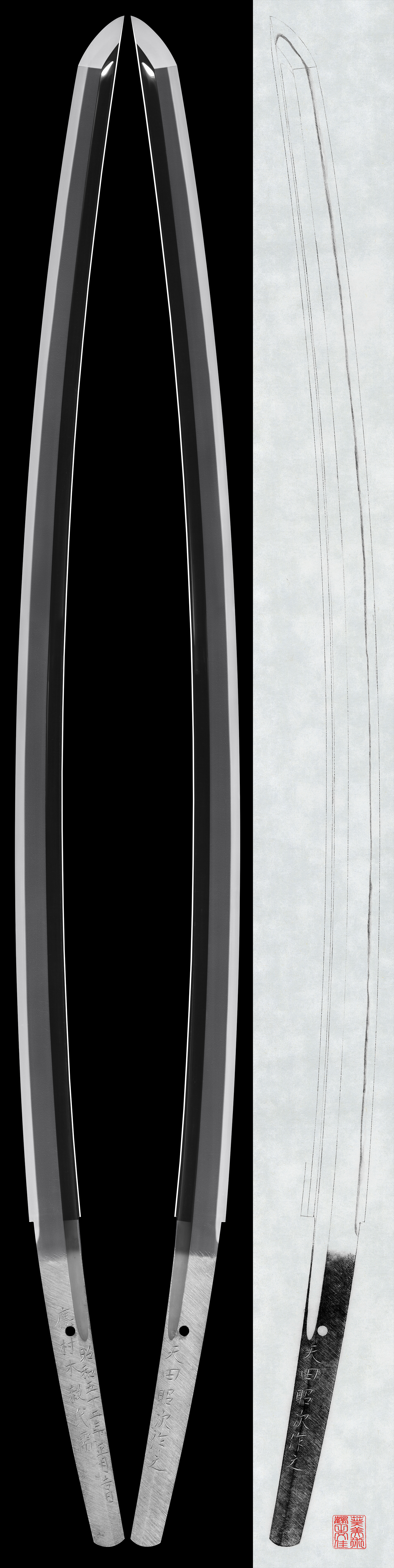
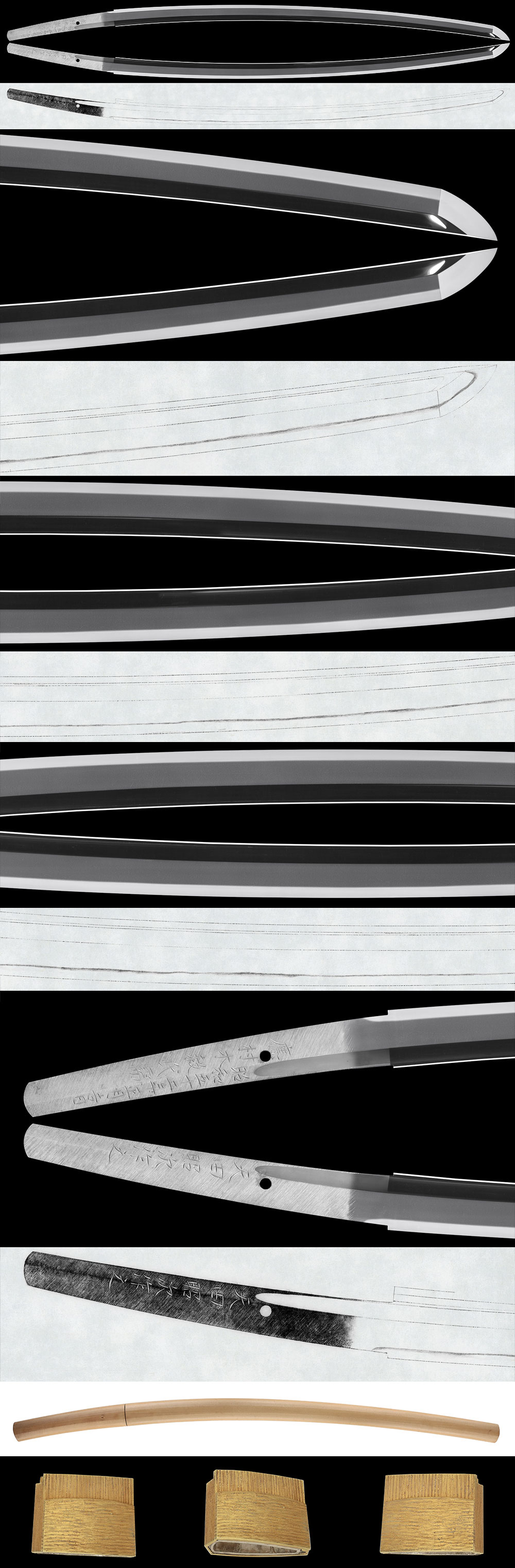
(翻訳なし) 店主の原文のまま表示しています。正確さの確認を通った翻訳のみを表示します。
新潟 · 1926-1989頃
刀剣大鑑 上位87%
現在6点販売中
昭和から現代へ 断絶と再生
二十世紀は二度この工芸を殺しかけた。戦時の歪みと、占領下の禁令である。1948年の日刀保設立と1953年の作刀再開が刀を美術として再建し、人間国宝と無鑑査がその頂に立つ。
保存刀剣のうち、出来が一層優れ、保存状態も良好と認められたものです。再刃や、室町・江戸期の多くの無銘作は対象外となり、保存刀剣より高い基準が課されます。
日本美術刀剣保存協会(日刀保)は、1948年に設立され、文化庁の監督を受ける公益財団法人で、東京・刀剣博物館に本部を置きます。専門の審査員が出品作を直接審査し、美術的・歴史的価値に応じた鑑定書を発行します。日刀保の鑑定書は、日本刀および刀装具の真正性を示す最も広く認知された基準です。
日刀保公式サイト返品をご希望の場合、お客様が受領されてから3日以内にお知らせください。この期間を過ぎますとキャンセルはお受けできかねますので何卒ご了承ください。なお当社へのご返送は、5営業日以内の発送をお願いしております。なおキャンセルは販売した当時の状態がそのまま保持されている事が条件となりますのでお取り扱いには十分ご注意下さい。