NihontoWatch MonNihontoWatchBETA
MarketAuctionsEncyclopedia
NihontoWatch Mon

NihontoWatchBETA

MarketAuctions
Encyclopedia
Overview·Historical importance·Designations·Kantei·Work Types·Signatures·Lineage·School
OverviewHistorical importanceDesignationsKanteiWork TypesSignaturesLineageSchool
  1. Schools
  2. Otsuki
  3. Oki/Masaoki/Minayama Oki

Otsuki Oki/Masaoki/Minayama Oki

応起

Jūyō
Vol. 47, No. 245 · Mitokoromono

Otsuki Oki/Masaoki/Minayama Oki

応起

7 ranked works

Leading artist
EraEdo (1670)Period1670SchoolOtsukiTraditionMachiboriTypeTosogu MakerCodeGAS001
7Jūyō Tōken

Overview

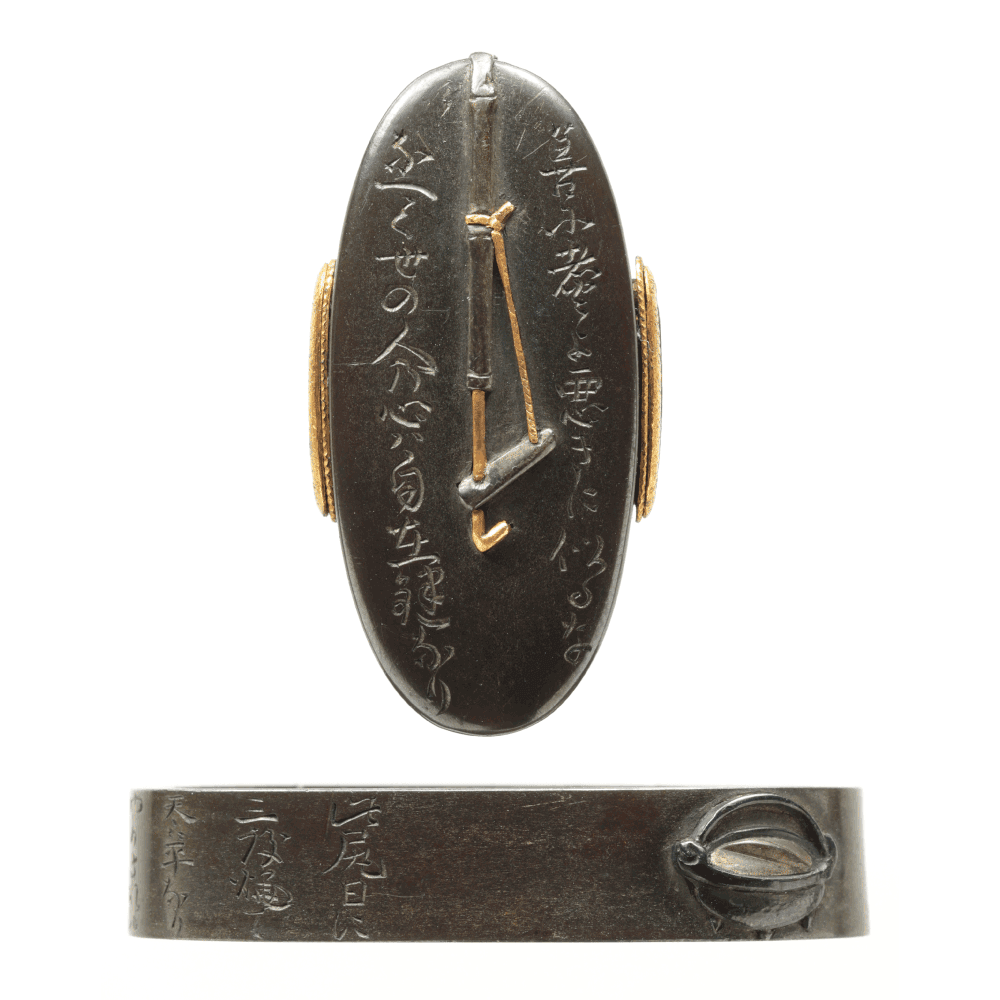
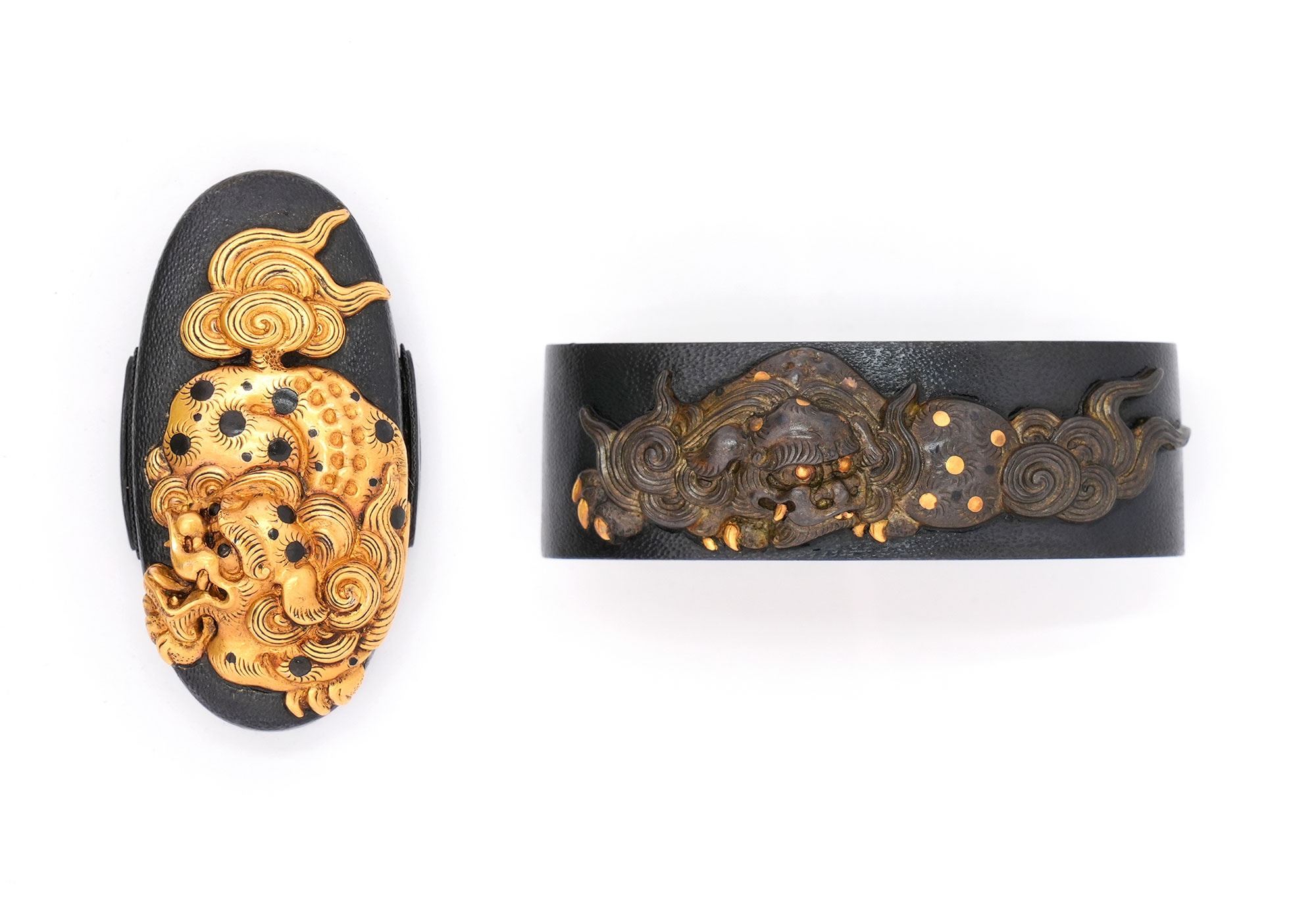
Kaizan Oki was a student of Otsuki Mitsuoki (Otsuki Koko) and a central figure in the succession of highly skilled craftsmen that the Otsuki lineage produced during the late period. His common name was Naoichi, and he lived at Nijo in Kyoto. He initially signed his works as Oko, later changing the signature to Oki, and used art-names including Reibokudo and Chikufudo. The situates him within a direct line of distinguished Kyoto metalworkers that includes Otsuki Mitsuhiro, Kawarabayashi Hideoki, Tenkodo Hidekuni, and Matsuo Gassan, a group that "enjoyed a period of great prosperity."

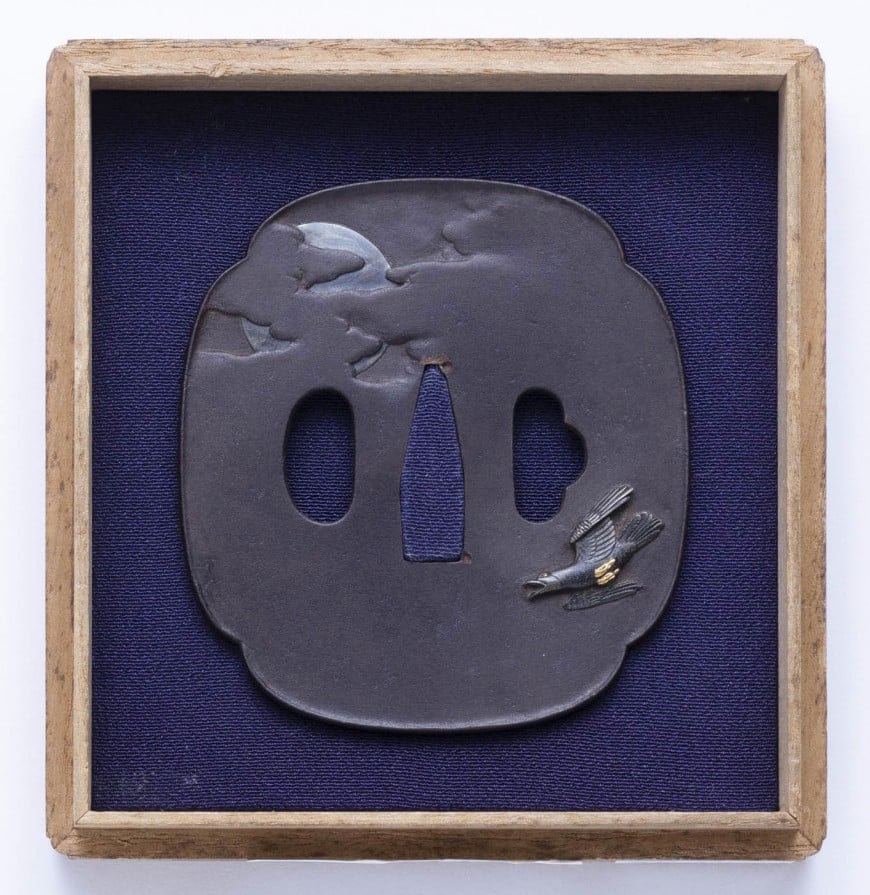
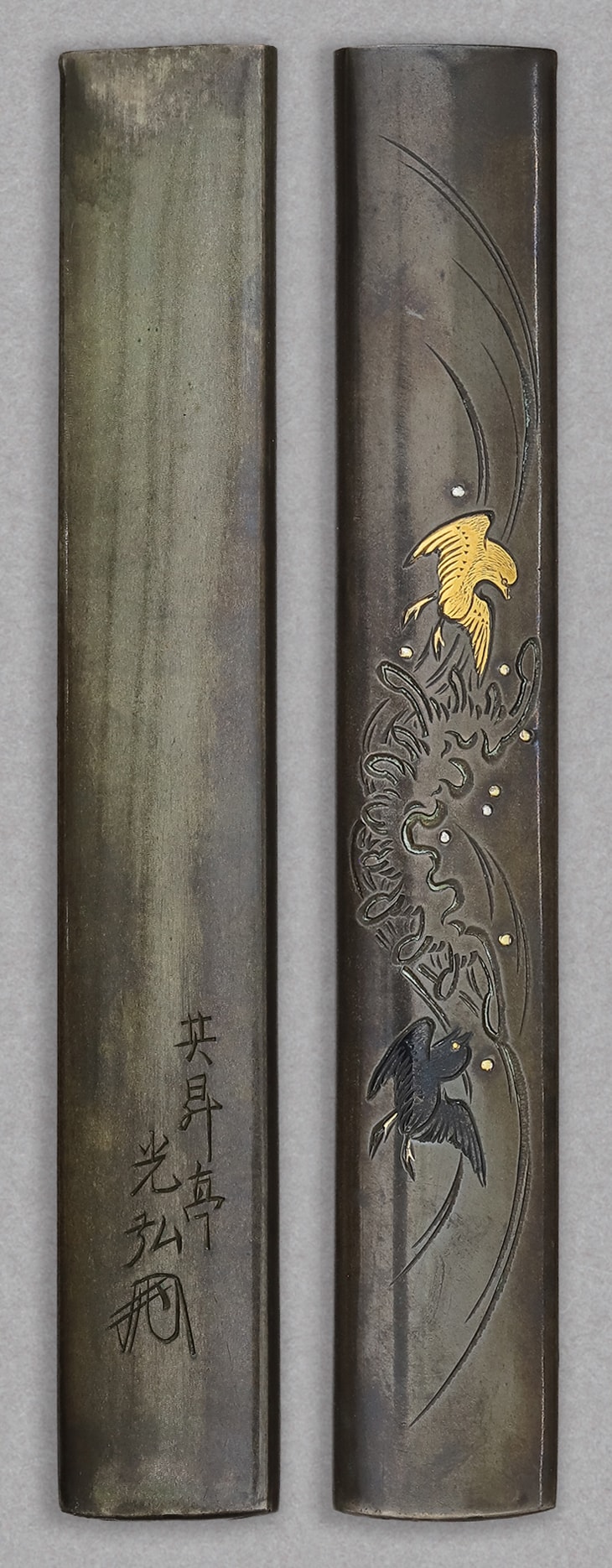
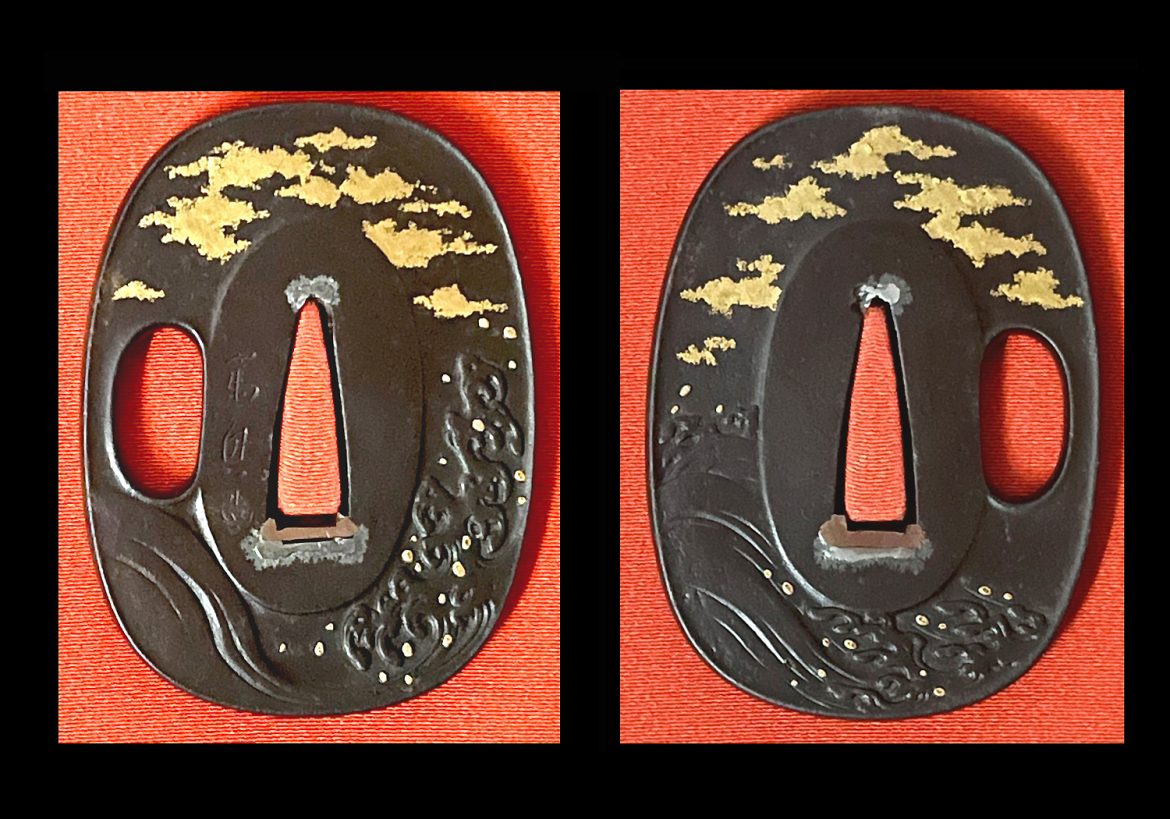
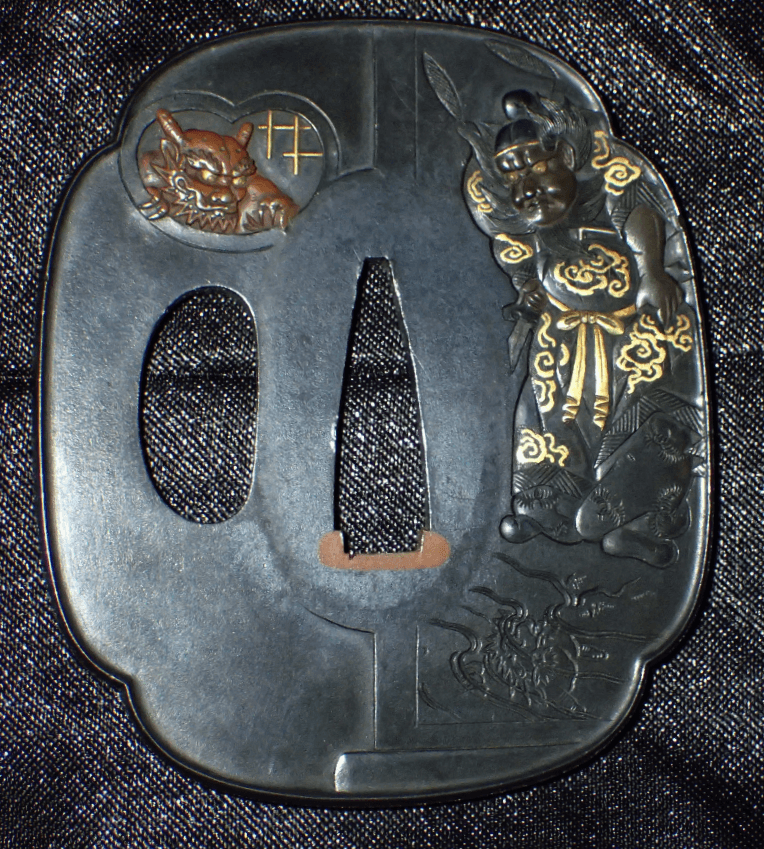
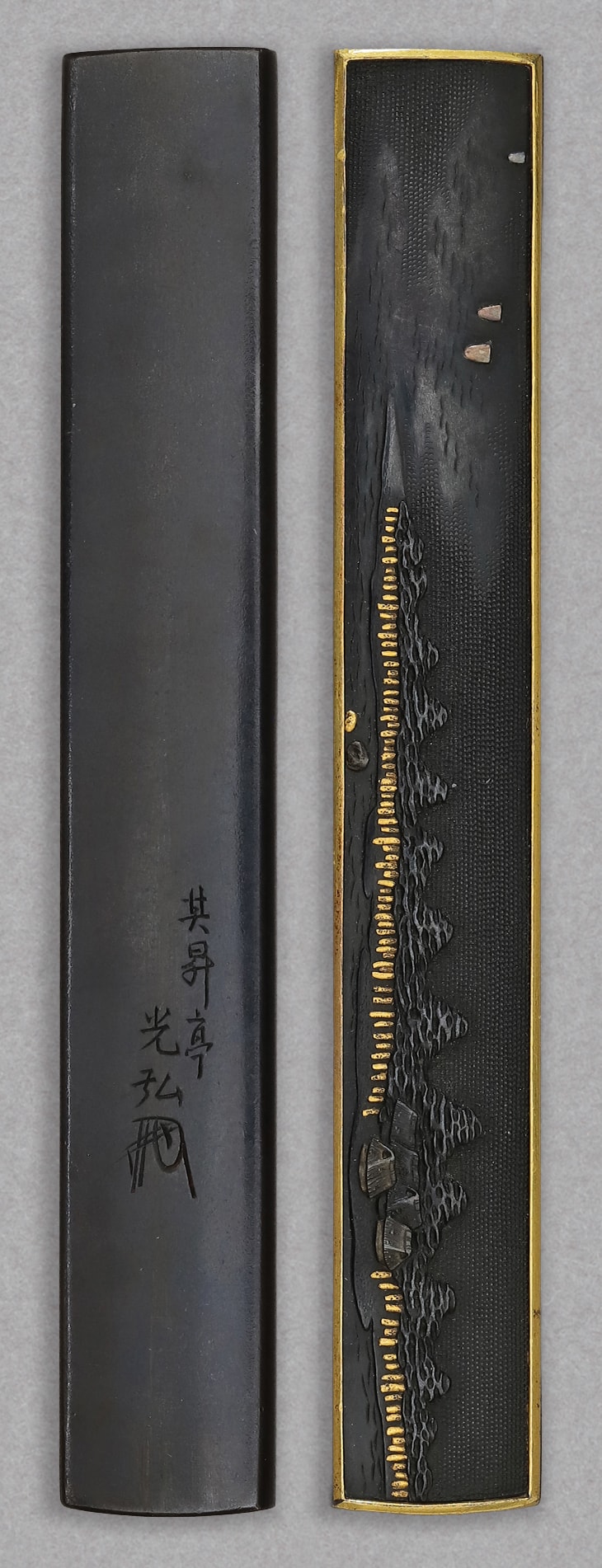
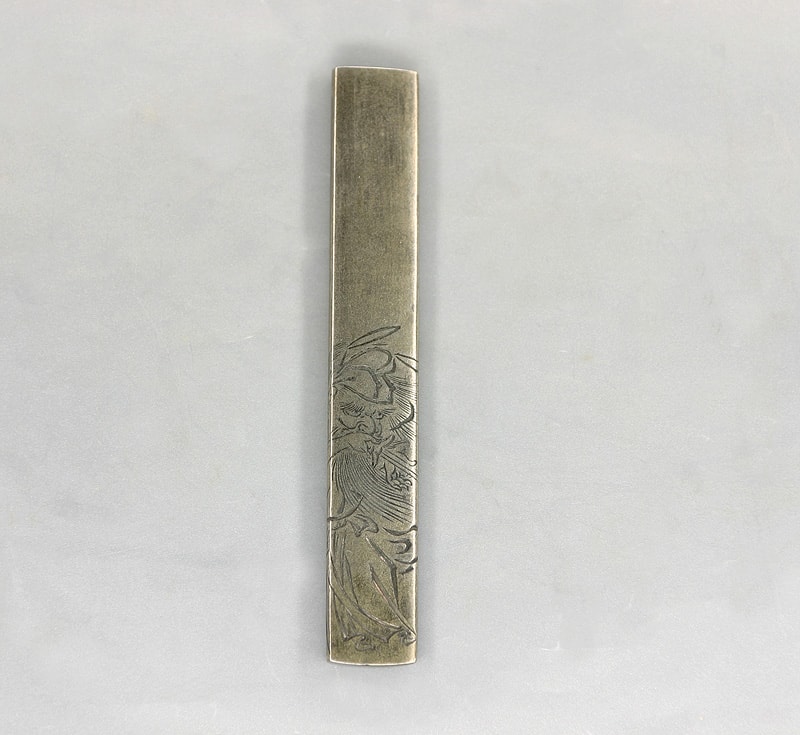
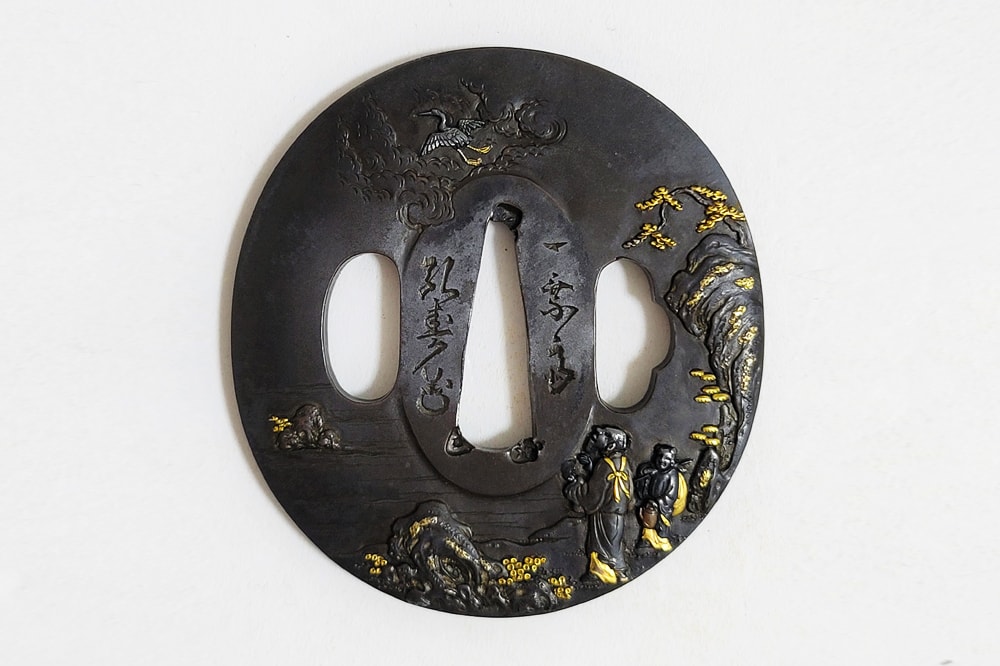
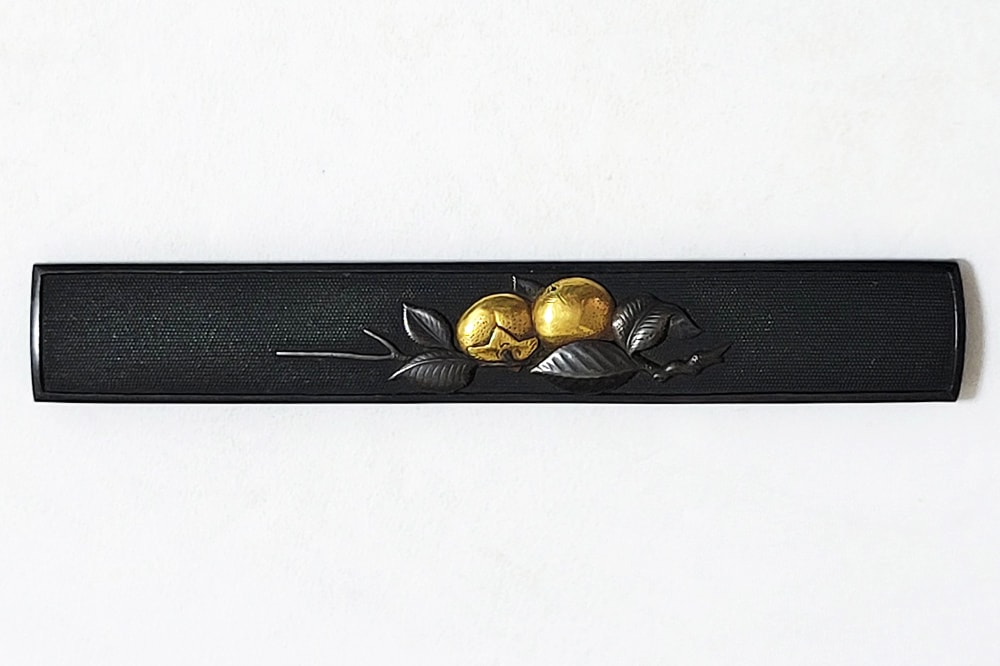
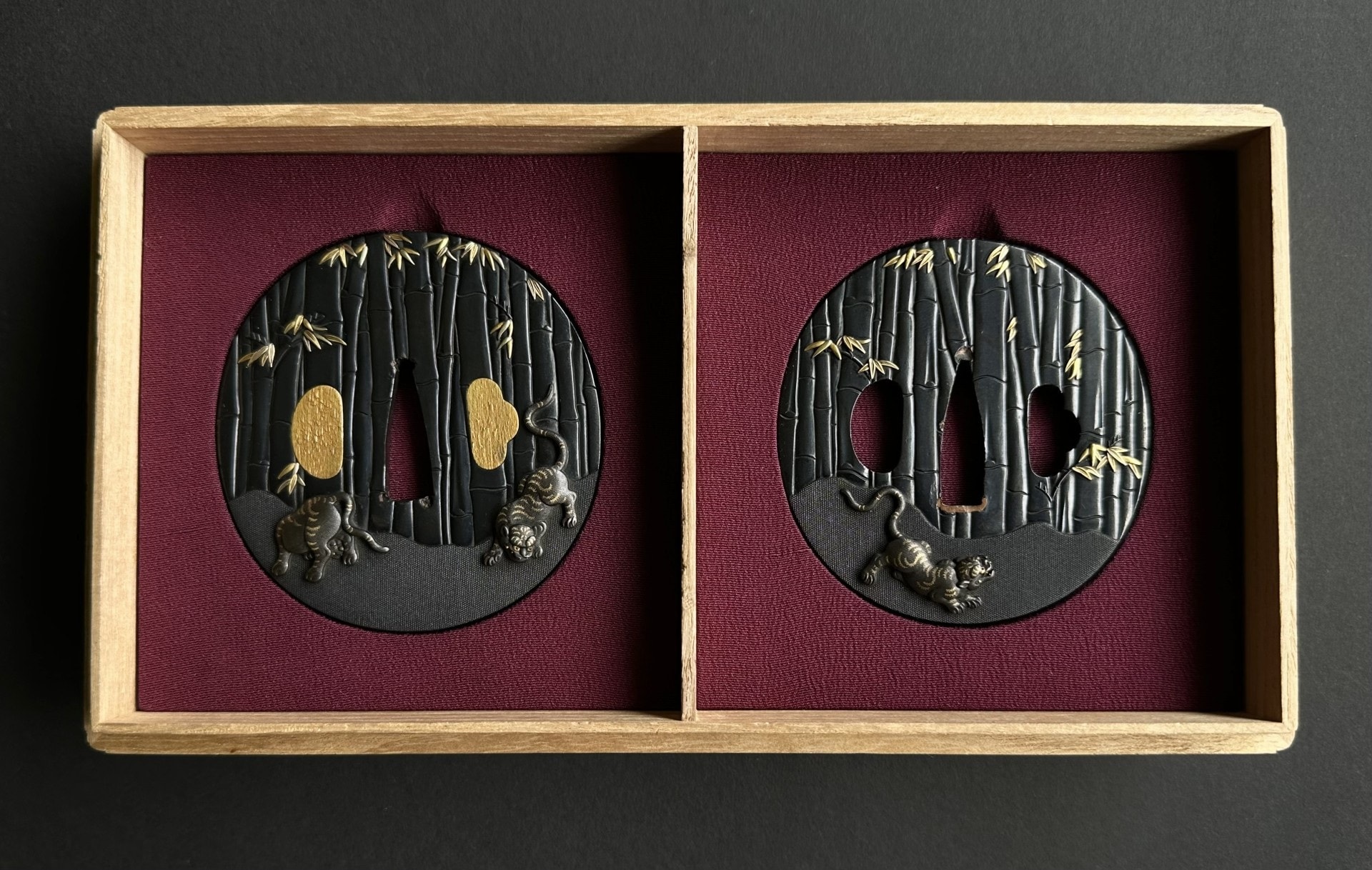
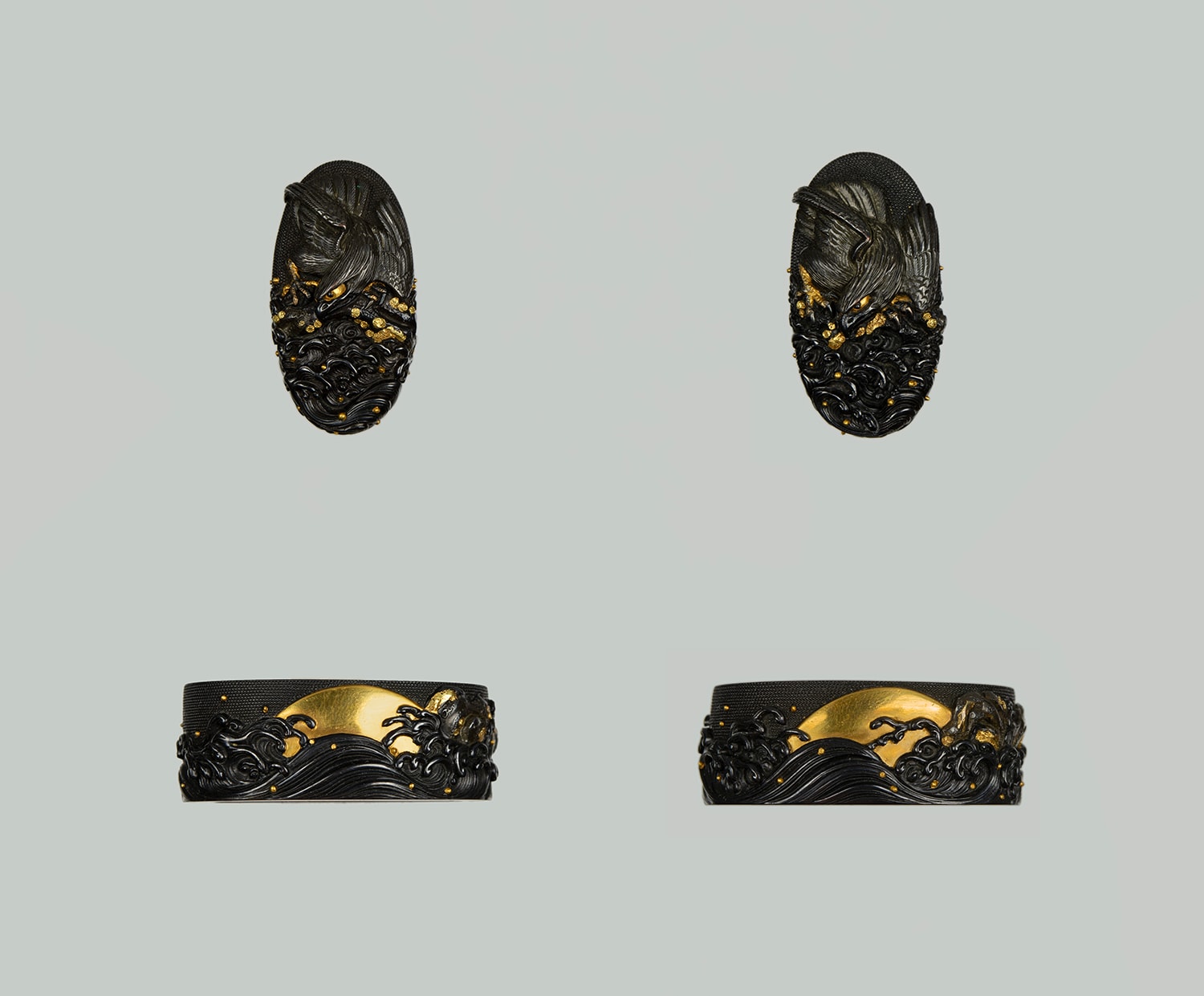
Oki's characteristic technique centers on yobori high-relief carving executed on solid gold () or grounds, brought to completion with oki- and polychrome metal accents in gold, silver, , and . His display what the describes as "the unrestrained, open manner characteristic of Kyoto ," marked by an "outstanding power of direct observation." His chisel control is consistently praised as "smooth and expansive," capable of rendering delicate leaf veins with crisp precision while modeling adjacent forms with "rich fullness." In his earlier works signed Oko, the carving shows earnest strength in each stroke of and , though it "has not yet reached the fluent and fully flowing manner seen in works signed Oki" — a distinction the draws to chart his artistic maturation.

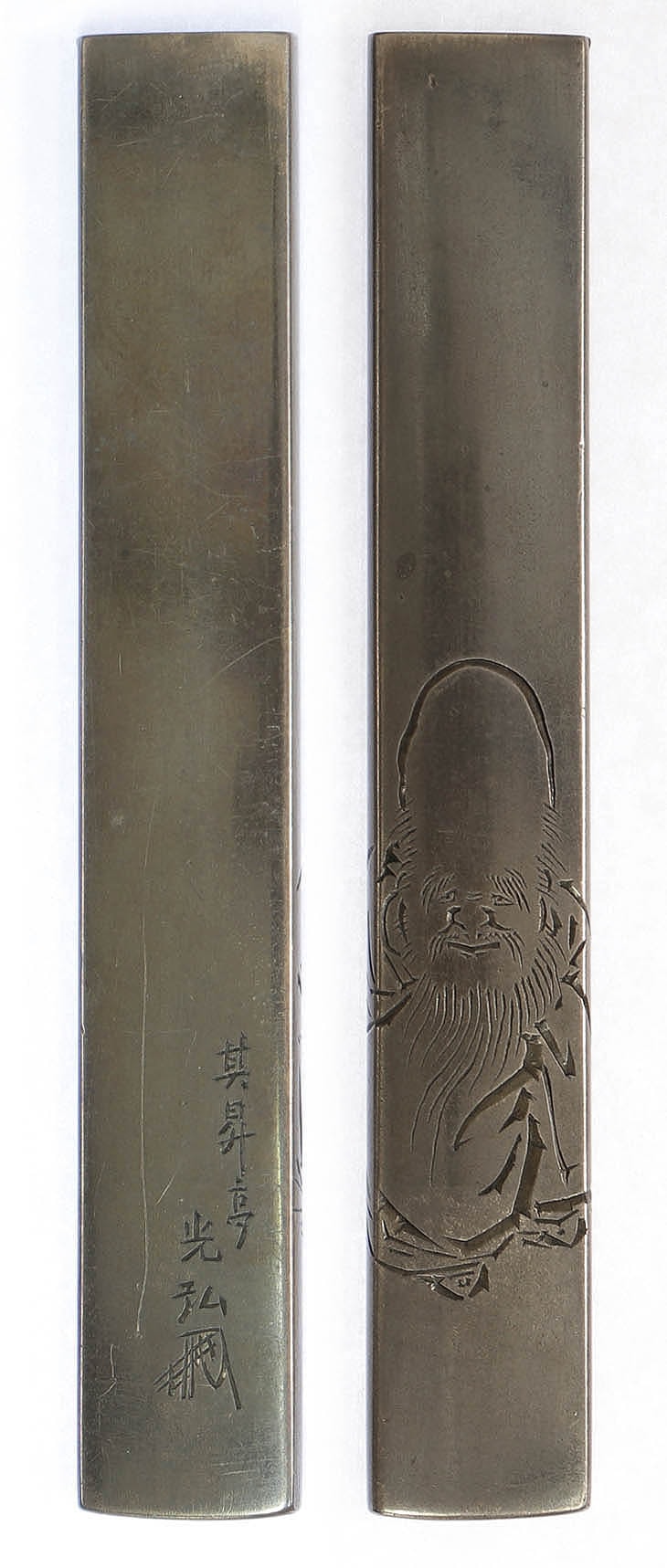
Across the record, Oki's work is characterized by compositions of "elevated tone and dignity," whether treating classical literary subjects such as Monogatari or rendering mythological figures with "powerfully masculine" force. The repeatedly affirms that his pieces "fully demonstrate the high technical level" of his art, describing them as works "in which Oki fully realized his abilities." His standing is summarized as that of "a key figure among Kyoto metalworkers," and his oeuvre reaffirms the continued vitality of the Otsuki school tradition at its highest level of accomplishment.

Historical importance

Where Oki/Masaoki/Minayama Oki stands among comparable artisans: across all of nihontō, and within tradition, era, and period. The tiers (Foremost · Leading · Major · Notable) weigh official designations from the NBTHK and Japan's Agency for Cultural Affairs, together with historical honors of lasting repute such as the Sansaku and Meibutsu-chō.

随一
Foremost
屈指
Leading
有数
Major
著名
Notable

Select a lens to see how it's measured.

Designations

Kokuhō—
Jūyō Bunkazai—
Jūyō Bijutsuhin—
Gyobutsu—
Tokubetsu Jūyō—
Jūyō Tōken7

Elite Standing

Kantei

Work Types

Distribution across 7 ranked works

Signatures

Signature types across 7 ranked works

Currently Available

Lineage

TeacherMitsuoki
Oki/Masaoki/Minayama Oki

Otsuki School

Other artisans of the Otsuki school

  1. 1.Tokuoki篤興4 for sale20designated
  2. 2.Mitsuoki光興12designated
  3. 3.Hidekuni秀国2 for sale8designated
  4. 4.Harutsura春貫1 for sale6designated
  5. 5.Motohiro元広1 for sale4designated
  6. 6.Matsuo Gassan松尾月山1 for sale4designated
  7. 7.Mitsuhiro光弘5 for sale1designated
  8. 8.Hideoki秀興2designated

Oki/Masaoki/Minayama Oki

Oki/Masaoki/Minayama Oki(応起) was a maker of Japanese sword fittings (tōsōgu) of the Otsuki school, active during the Edo (1670) period.

The work follows the Machibori tradition.

Designated works by Oki/Masaoki/Minayama Oki include 7 Jūyō.