NihontoWatch MonNihontoWatch
MarketAuctionsEncyclopedia
NihontoWatch Mon

NihontoWatch

MarketAuctions
Encyclopedia
Overview·Historical importance·Designations·Kantei·Provenance·Work Types·Signatures·Lineage·School
OverviewHistorical importanceDesignationsKanteiProvenanceWork TypesSignaturesLineageSchool
  1. Schools
  2. Yokoya
  3. Somin

Yokoya Somin

宗珉

Tokujū
Vol. 7, No. 64 · Kozuka

Yokoya Somin

宗珉

50 ranked works

Foremost artist
ProvinceEdoEraMid-Edo (1670–1733)SchoolYokoyaTraditionMachiboriTeacherGoto school (inherited bakufu metalworker post); influenced by painter Hanabusa IchoSpecialtieskozuka, menuki, fuchi-kashira, kogaiTypeTosogu MakerCodeYOK001
4Jūyō Bunkazai
15Jūyō Bijutsuhin
6Tokubetsu Jūyō25Jūyō Tōken

Overview

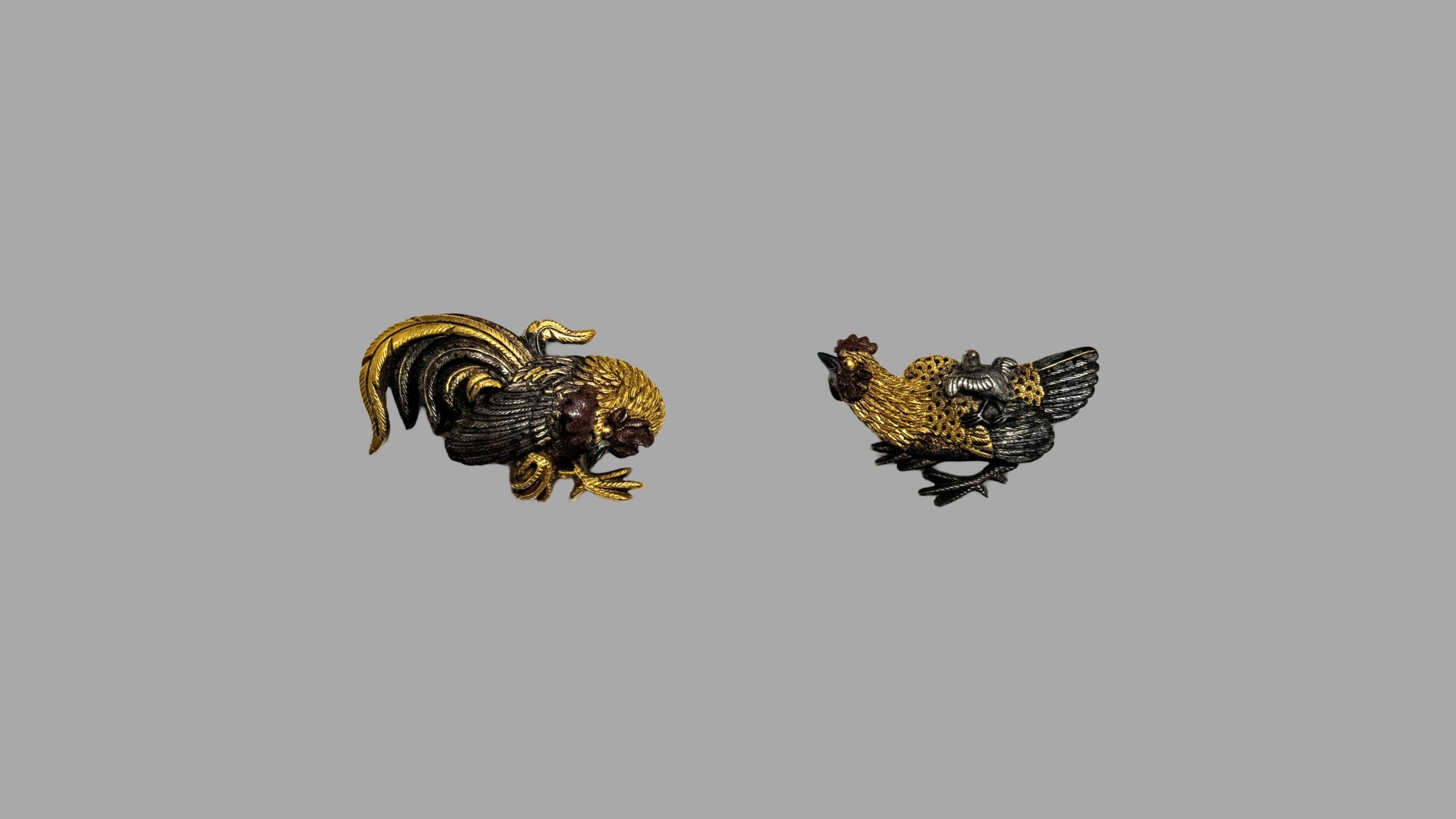
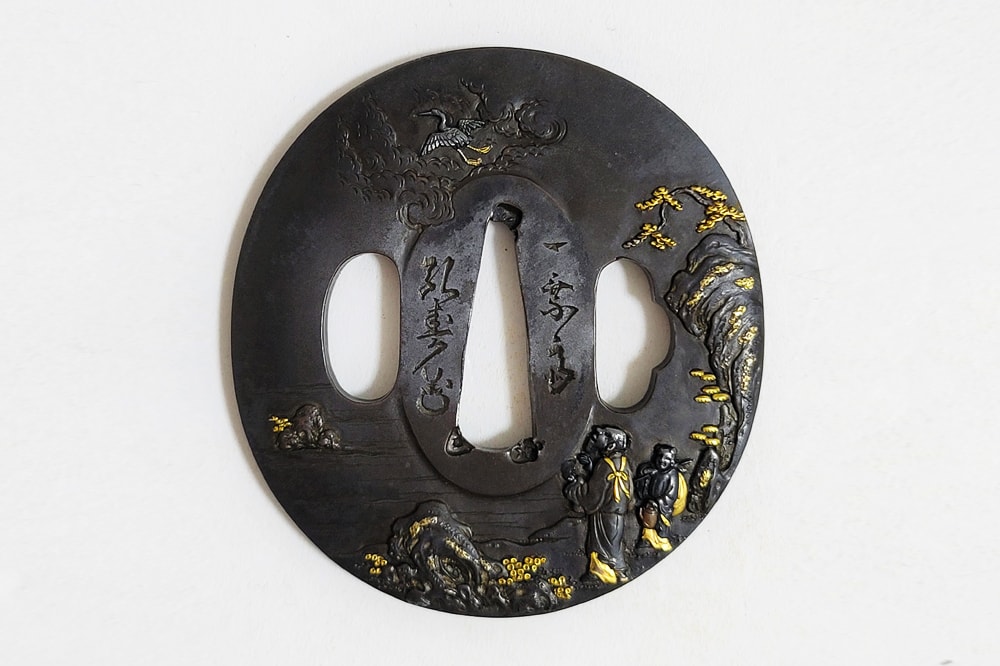
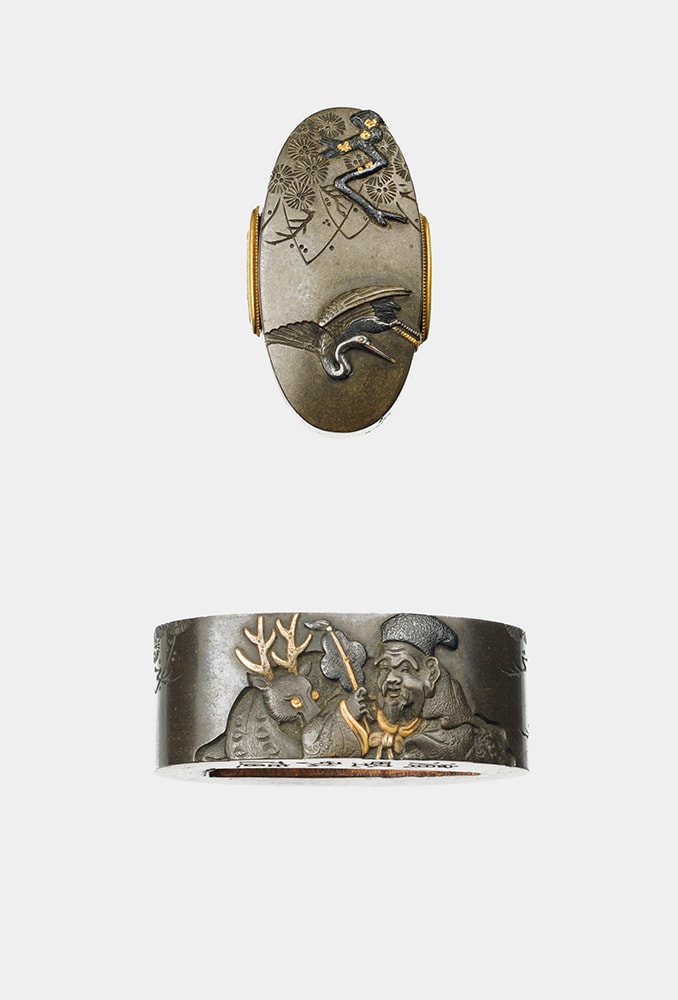
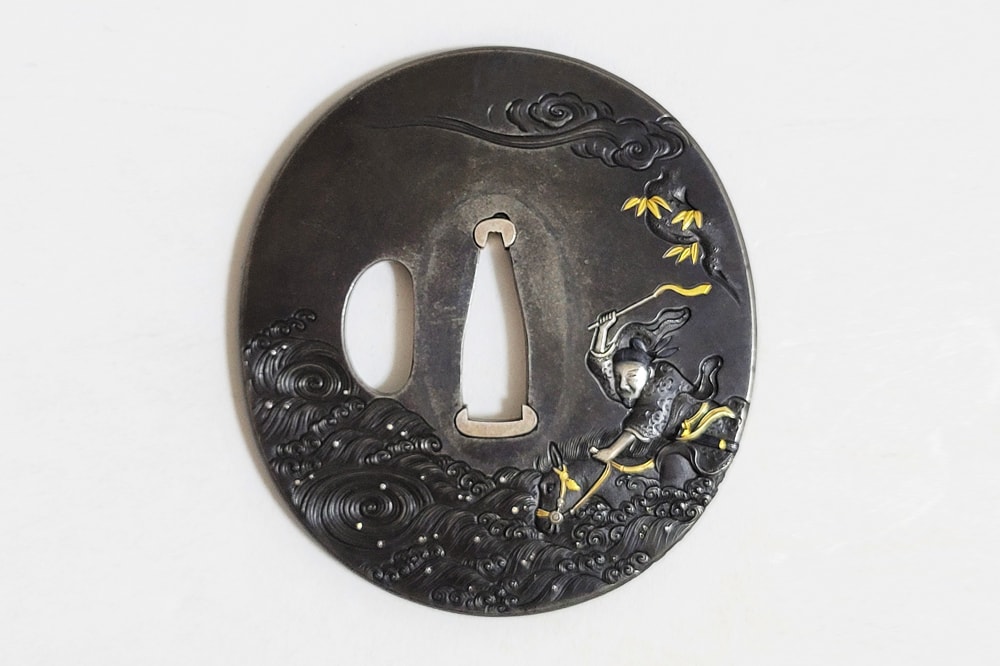
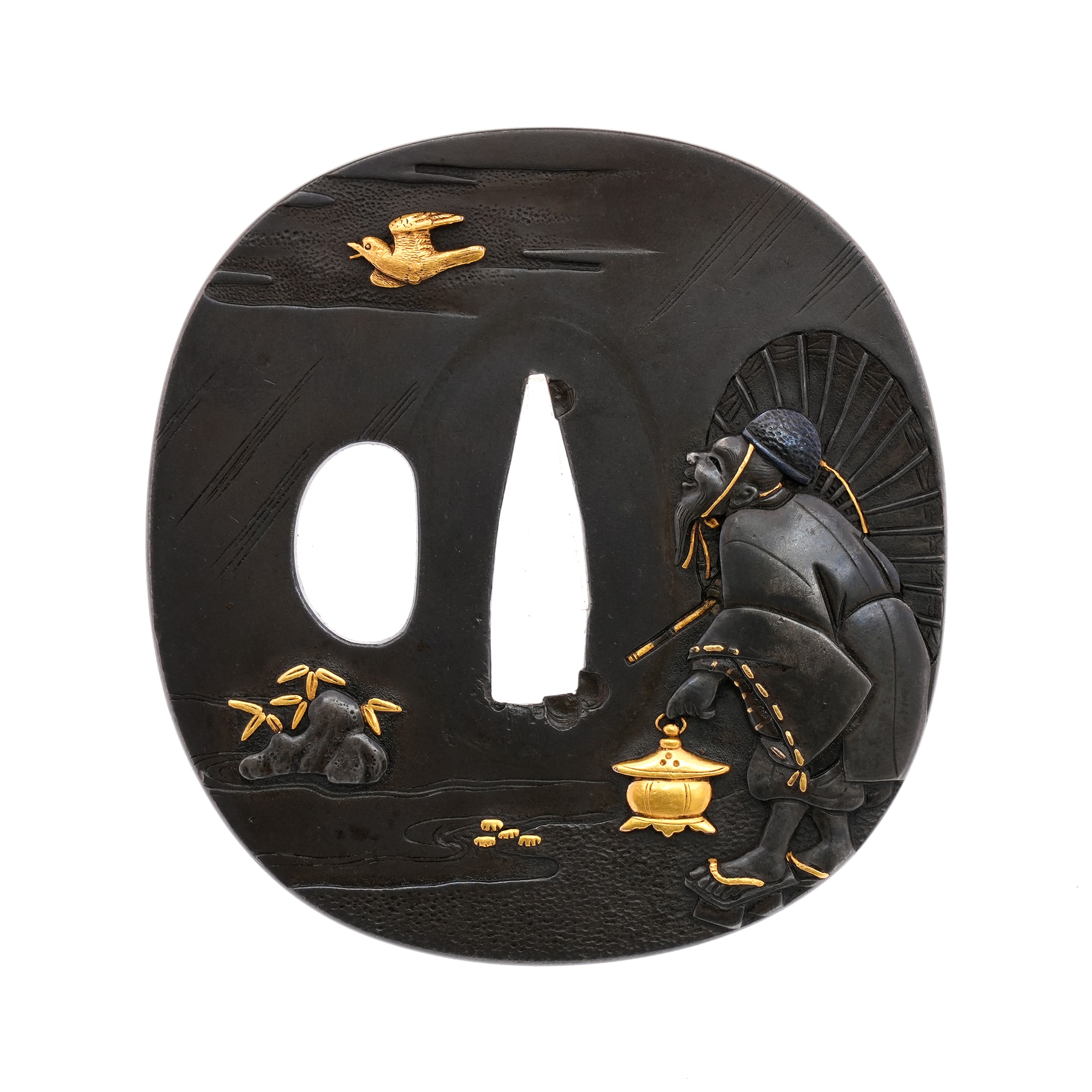
Yokoya Somin (横谷宗珉), born in in 10 (1670) under the personal name Tomotsune, was the third-generation master of the Yokoya family, the largest metalworking lineage of the period. His grandfather, the first-generation Yokoya Soko, had studied under the Goto house and served the Tokugawa shogunate as an official metalworker. Somin likewise entered shogunal service and trained in the hereditary iebori manner, but — finding the convention-bound idiom of the Goto house unsatisfying and "influenced as well by the tastes of the time" — he resigned his stipend and entered the independent sphere. There he "exercised his abilities to the fullest, achieved great success, and came to be called the founder of ." He cultivated a close friendship with the Kano-school-trained painter Hanabusa Iccho, from whom he "received guidance regarding designs and pictorial conceptions." He also studied with Kano Tan'yu, deepening his art by working from painters' designs. He used the common name Chojiro (later Jihei), the art name Ton'an, and was first called Sochi before adopting the name Somin after his father's death. He died in Kyoho 18 (1733) at the age of sixty-four.

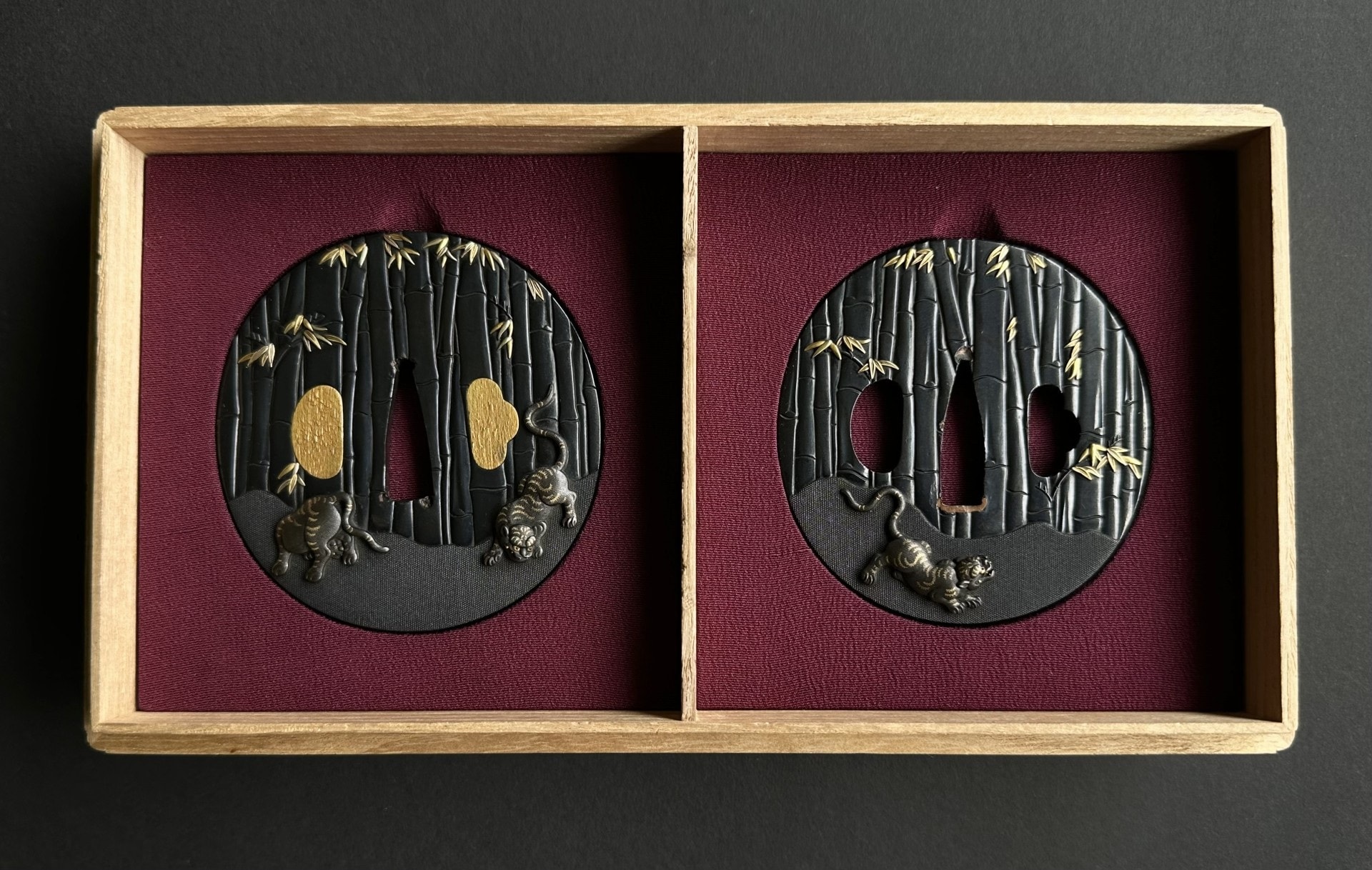
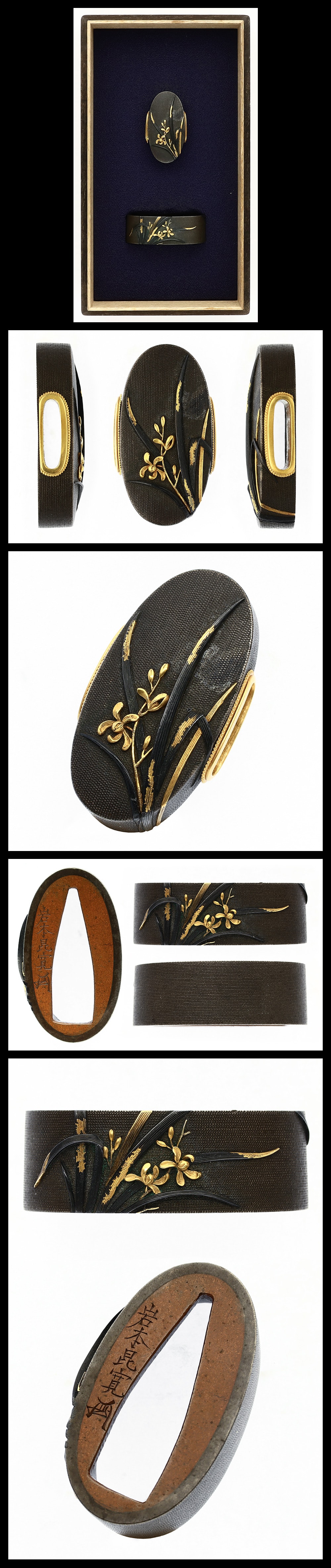
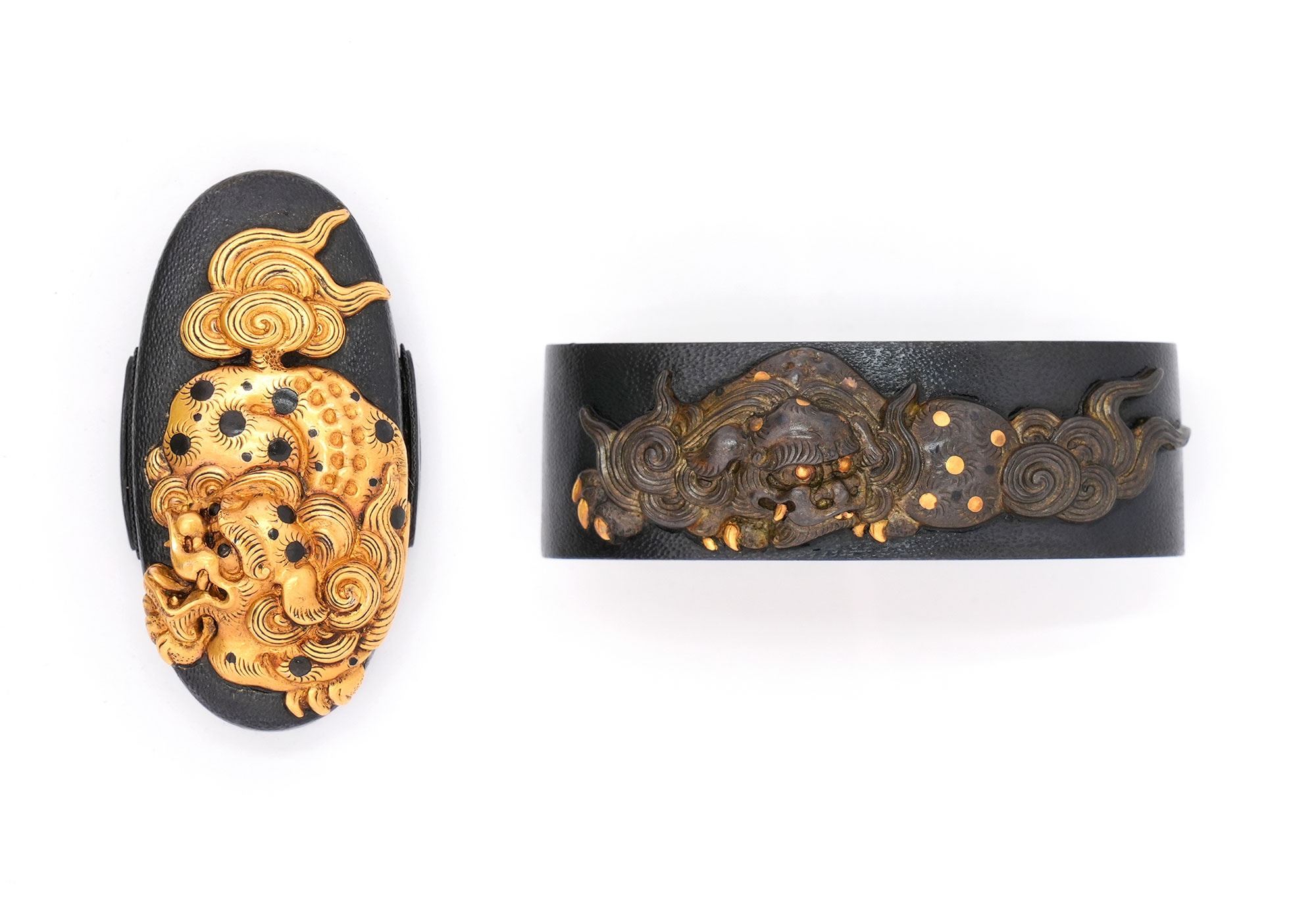
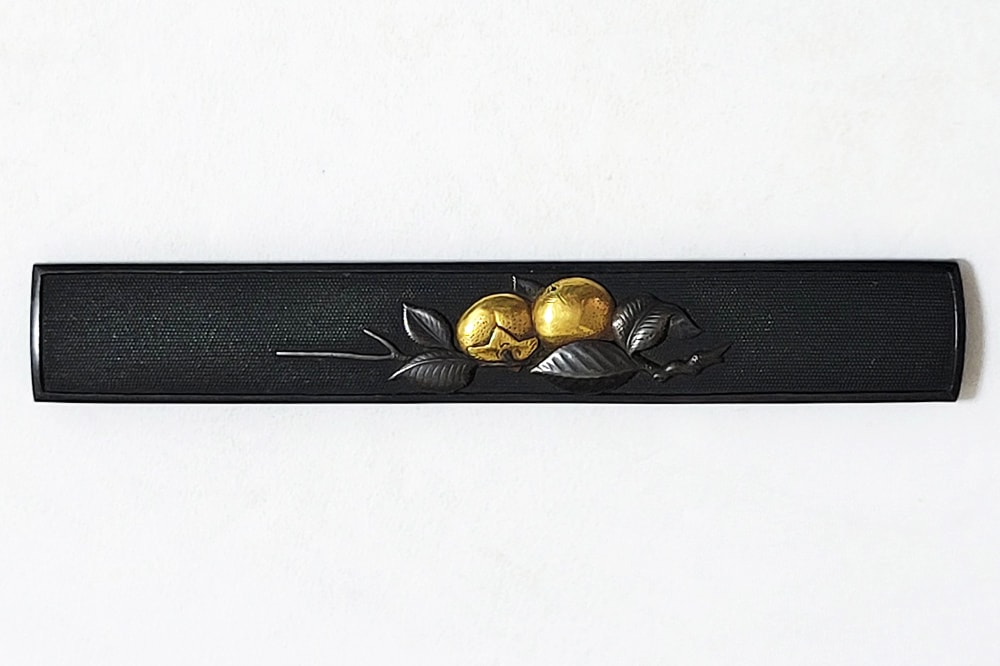
Somin's manner "may broadly be divided into two principal modes": richly modeled with polychrome metal inlay () in gold, silver, and , and , "a technique he originated." In the former mode, his carving displays "an overwhelming abundance of modeled volume" () with "bold rises and falls in the flesh, producing a forceful and crisply articulated carving manner" that "clearly reveals both Somin's Goto lineage and the thoroughness of his training." In the latter, his chisel work shows "pronounced modulation" and "decisive" strokes, "alternating depth and shallowness at will," with "modulations of speed and emphasis that recall ink painting." His command of grounds in , polished surfaces, and techniques such as , , and yobori was comprehensive. Among his most distinctive inventions are the "Yokoya lions" (shishi) — rendered with such immediacy that "one experiences the illusion that the lion might spring forth from the itself" — and his innovative vertically oriented tatezu compositions for , depicting lions, tigers, horses, and other subjects "from the front or from behind." His employ in'-ne roots, kukuridashi, and chikara-gane, while his demonstrate a mastery of negative space, "unfolding a weighty subject with an unforced expansiveness."

The consistently characterize Somin as an artist of supreme technical authority, describing his work as displaying "the very quintessence of Somin's artistry" and "outstanding technical mastery." His ability to harmonize deliberately contrasting ground treatments and carving methods within a single composition is called "an exceptionally difficult task" in which "Somin's outstanding technique is displayed to its fullest." His chisel handling is praised as "at once delicate and boldly expressive," possessing "a severity and awe-inspiring intensity that other craftsmen could not rival." His influence is described as having "exerted a major influence on later generations of metalworkers" — a phrase that appears in virtually every assessment. Whether working in the high-relief of his Goto heritage or in the freely modulated he pioneered, Somin "opened a new direction through freer, life-sketch-based realism," establishing a tradition that fundamentally reshaped the world of -period sword fittings.

Historical importance

Where Somin stands among comparable artisans: across all of nihontō, and within tradition, era, and period. The tiers (Foremost · Leading · Major · Notable) weigh official designations from the NBTHK and Japan's Agency for Cultural Affairs, together with historical honors of lasting repute such as the Sansaku and Meibutsu-chō.

随一
Foremost
屈指
Leading
有数
Major
著名
Notable

Select a lens to see how it's measured.

Designations

Kokuhō—
Jūyō Bunkazai4
Jūyō Bijutsuhin15
Gyobutsu—
Tokubetsu Jūyō6
Jūyō Tōken25

Elite Standing

Kantei

Provenance

Work Types

Distribution across 50 ranked works

Signatures

Signature types across 50 ranked works

Currently Available

Lineage

Somin
Students (5)
  1. 1.Soyo宗與2 for sale13designated
  2. 2.Soju宗壽1 for sale3designated
  3. 3.Genchin元珍3 for sale1designated
  4. 4.Terumasa英昌
  5. 5.Terukiyo英精1designated

Yokoya School

Other artisans of the Yokoya school

  1. 1.Soyo宗與2 for sale13designated
  2. 2.Soju宗壽1 for sale3designated
  3. 3.Eiko英光1designated
  4. 4.Naoteru直照1designated
  5. 5.Kiryusai Somin起龍斎宗珉3 for sale1designated
  6. 6.Nobusada宣貞1designated
  7. 7.Terukiyo英精1designated
  8. 8.Tomoyoshi友喜1 for sale2designated
  9. 9.Soyo宗与1designated
  10. 10.Katsura Eiju桂永寿1 for sale2designated
  11. 11.Miyake Hidemasa三宅英政1 for sale1designated
  12. 12.Genchin元珍3 for sale1designated

Somin

Somin(宗珉) was a maker of Japanese sword fittings (tōsōgu) of the Yokoya school in Edo province, active during the Mid-Edo (1670-1733) period.

The work follows the Machibori tradition.

Designated works by Somin include 4 Jūyō Bunkazai (Important Cultural Property), 6 Tokubetsu Jūyō, 25 Jūyō.