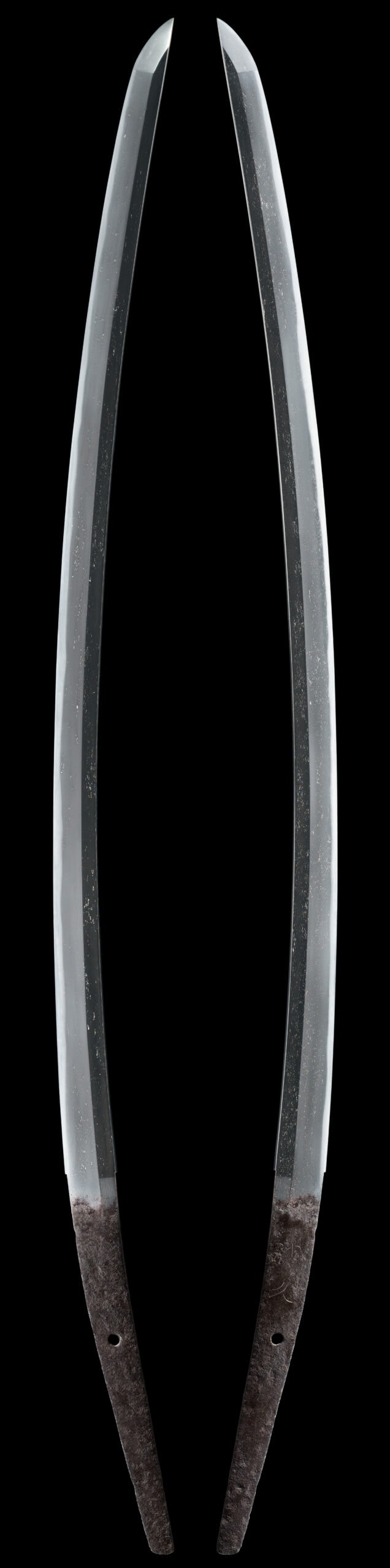
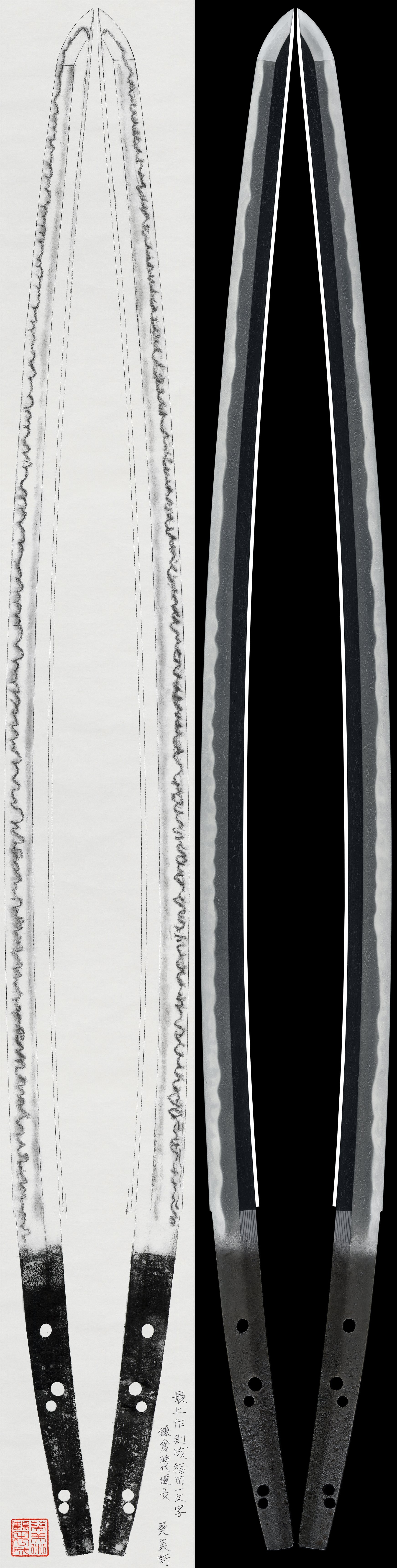
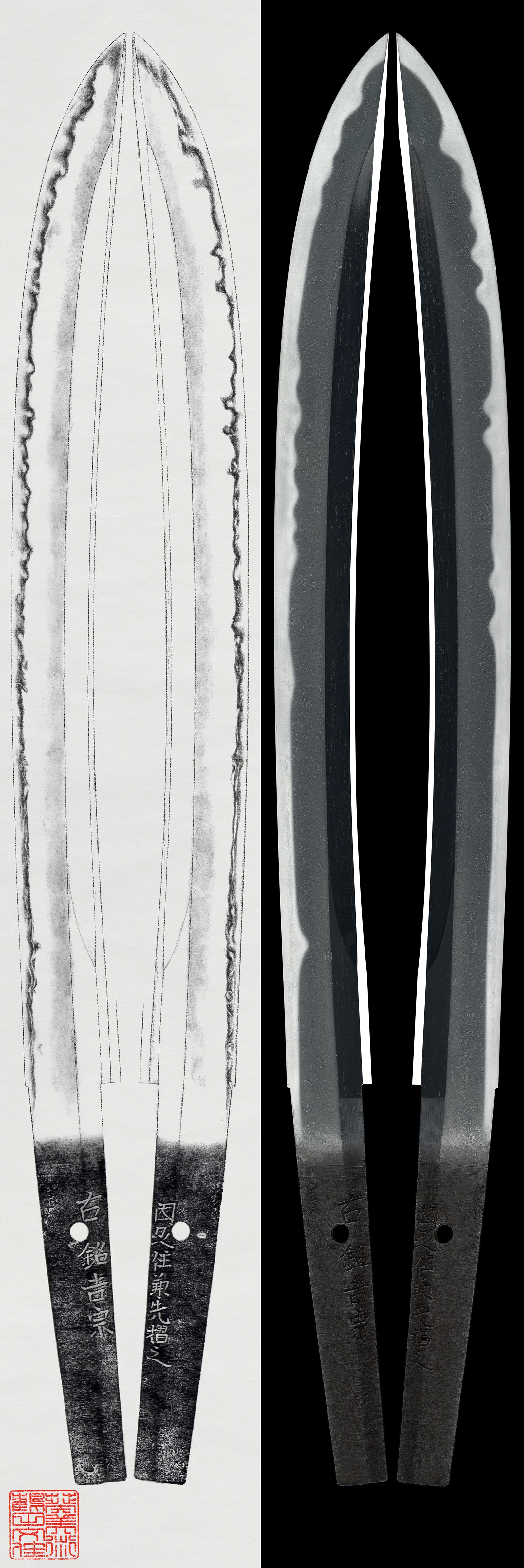
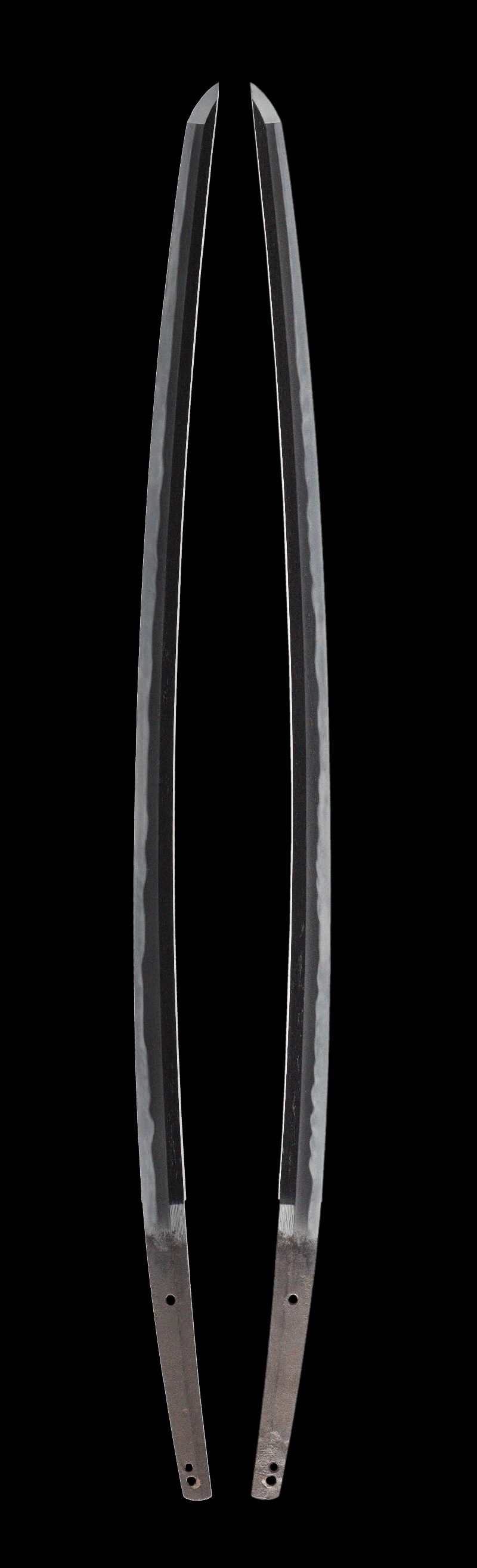
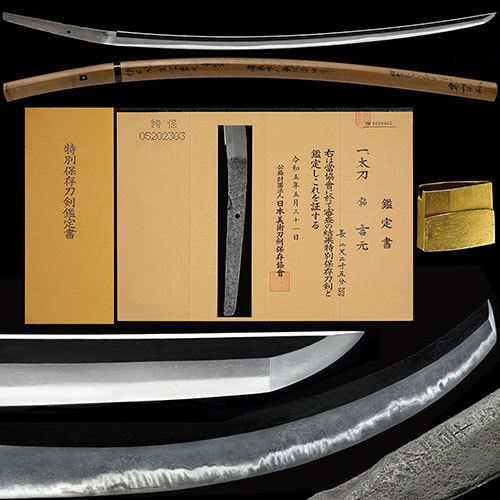
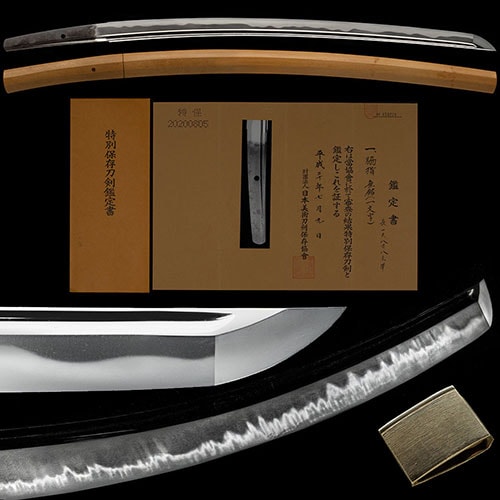
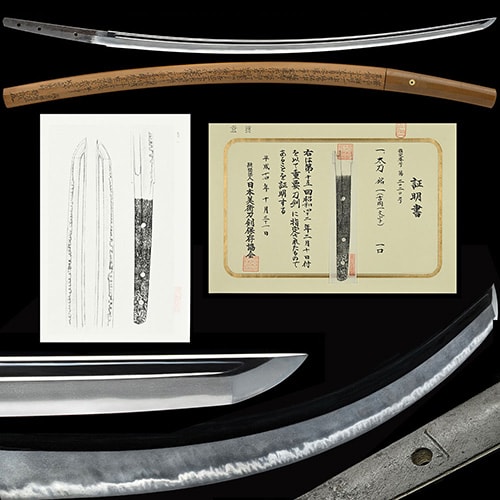
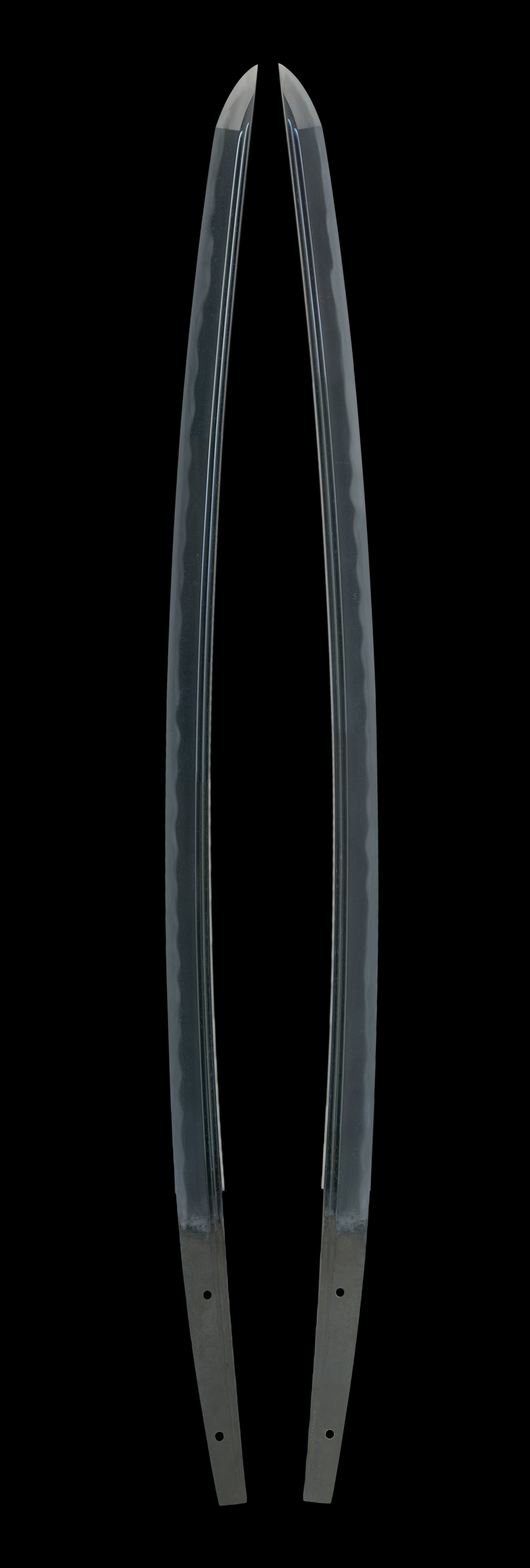
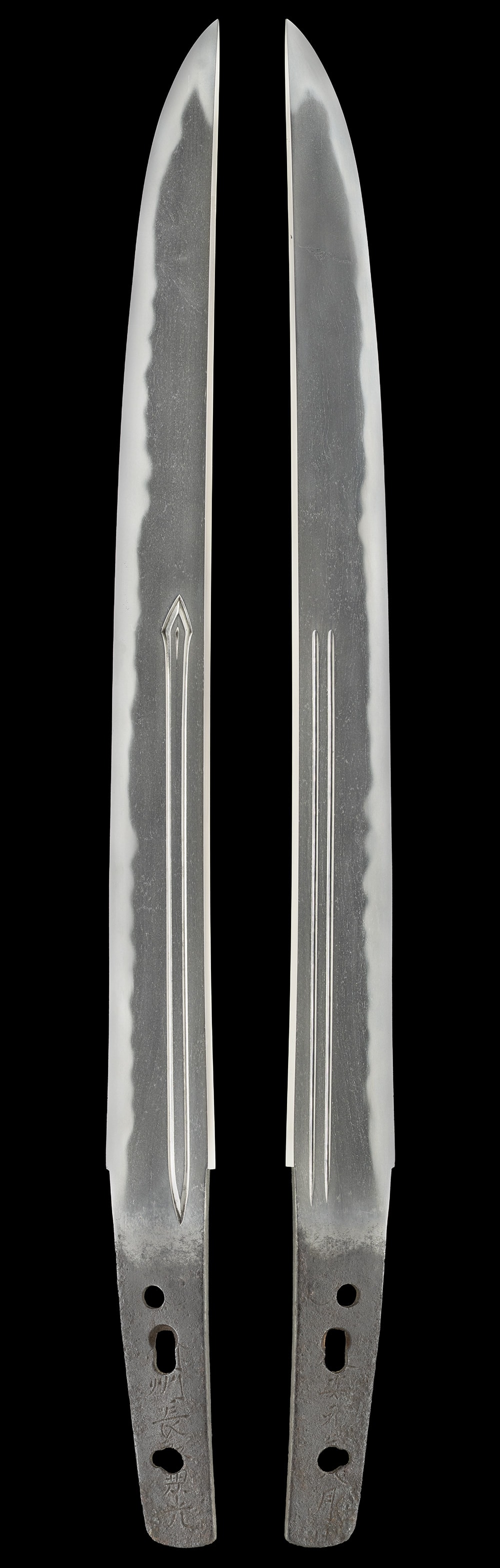
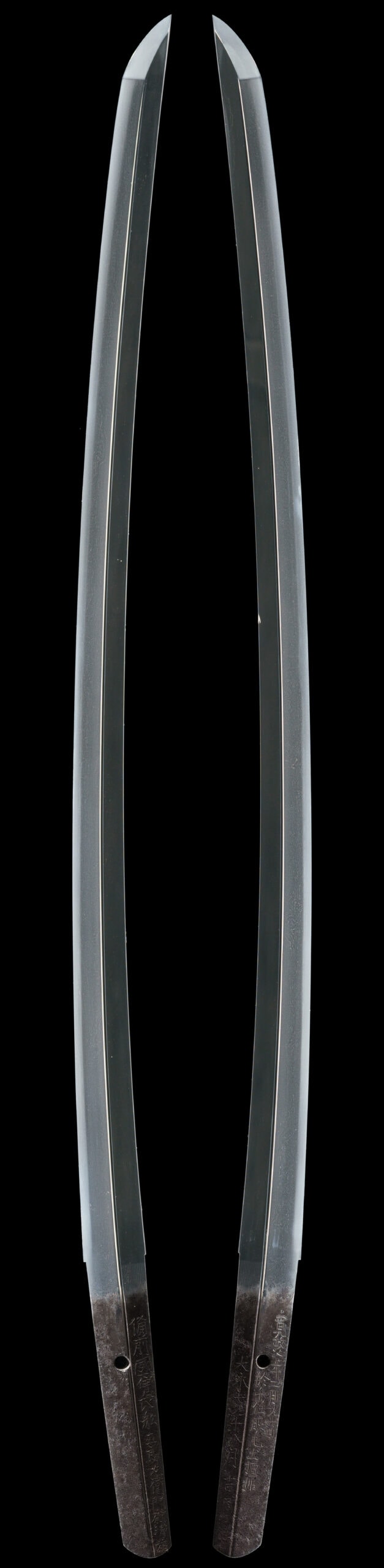
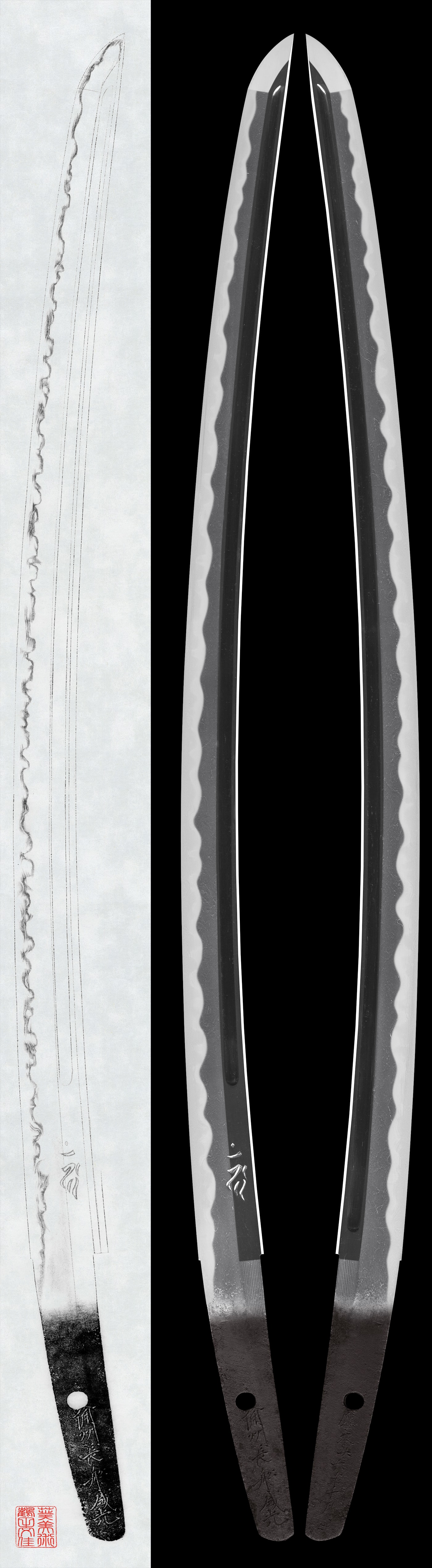
The name Yoshikane is found among both the group and the Ko- group, and distinguishing between them has long required careful attention to workmanship and signature style. As the has observed, "pieces in which is especially prominent are regarded as products of the school," while those with quieter tempering may suggest origins. The present maker is identified with the lineage, active during the period in Province. One blade carries an by Kochu dated the eleventh month of Hoei 1 (1704), valuing the work at thirty of gold and attributing it to " Province Yoshikane," while another bears the authentication of Koson in (red inscription) -- appraisals the has judged reliable.
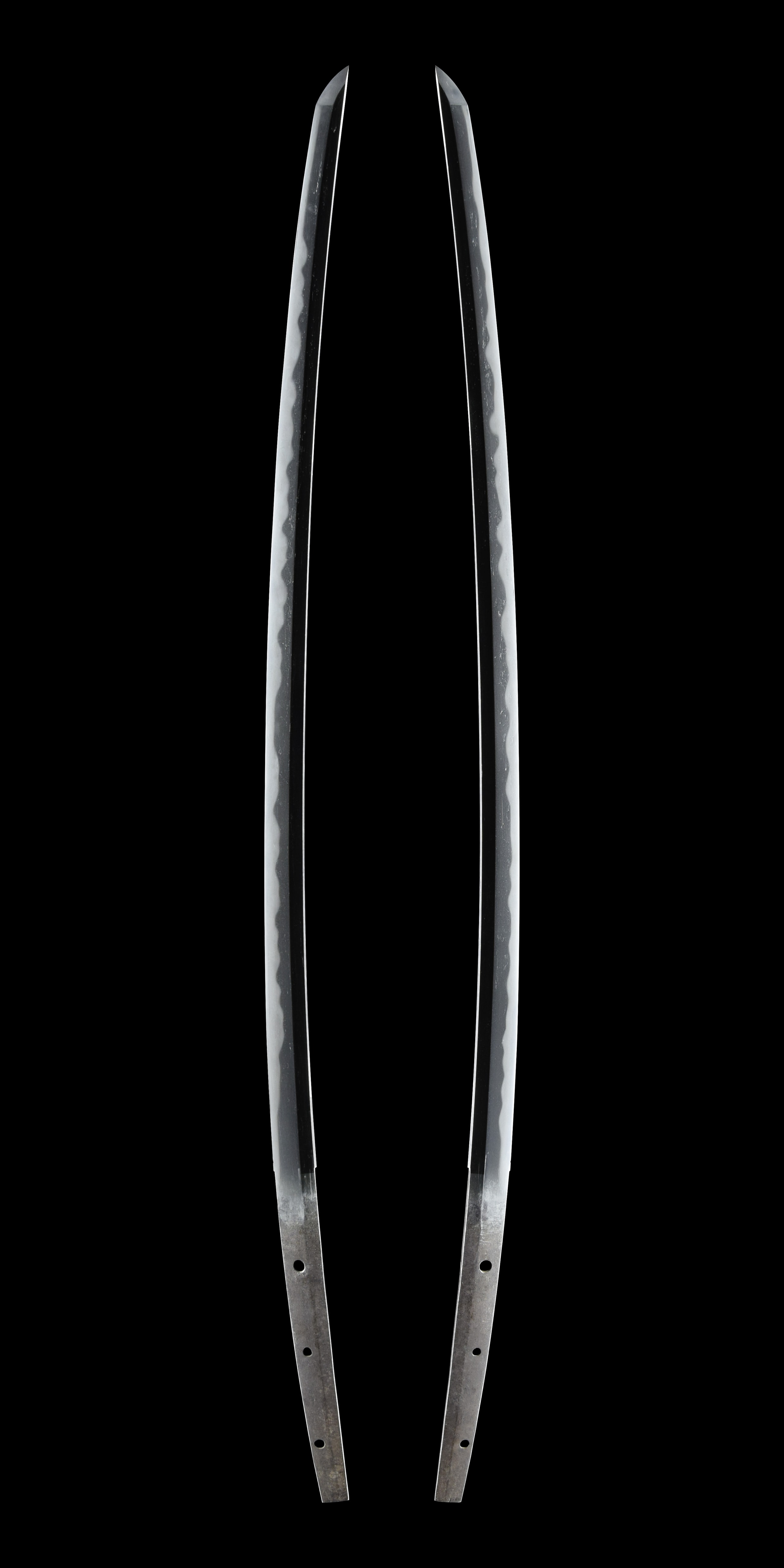
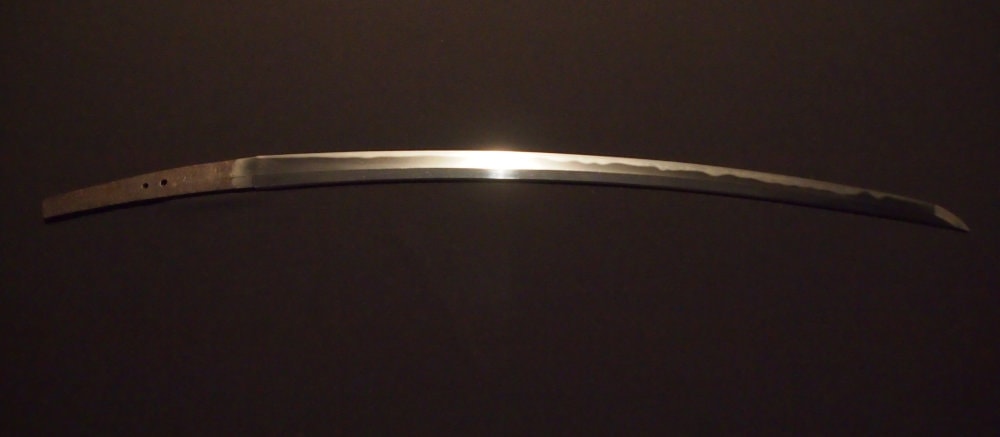
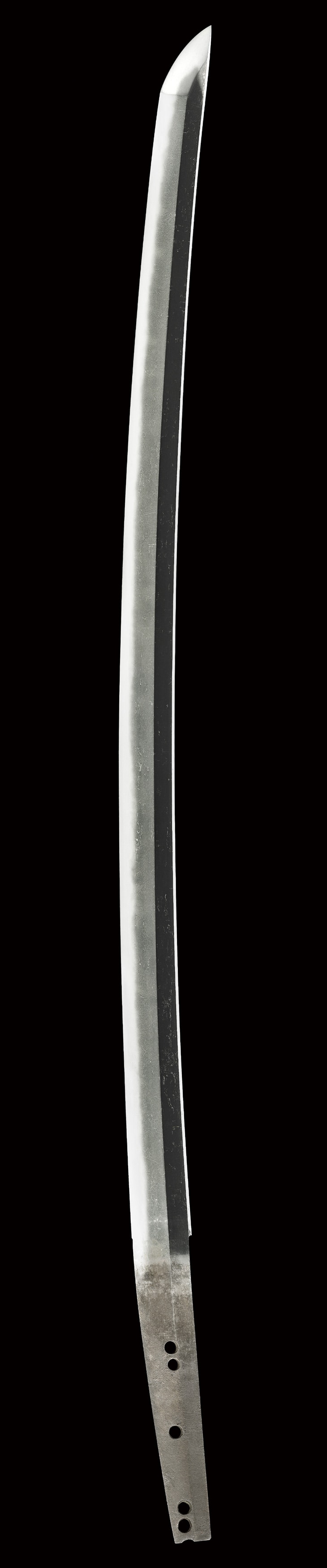
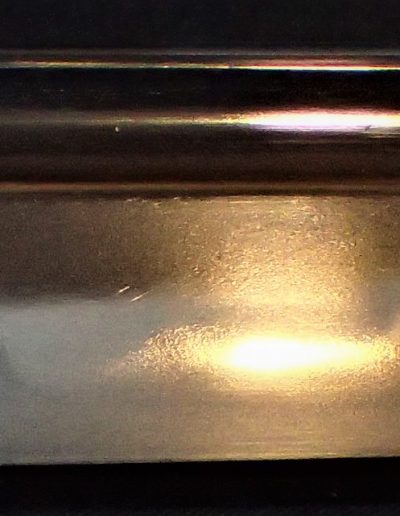
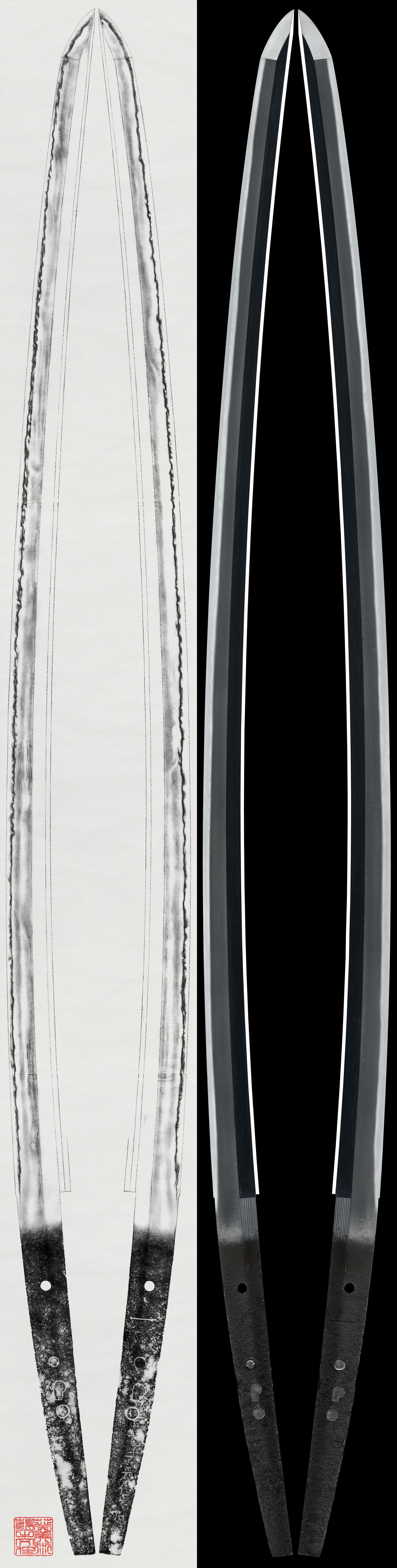
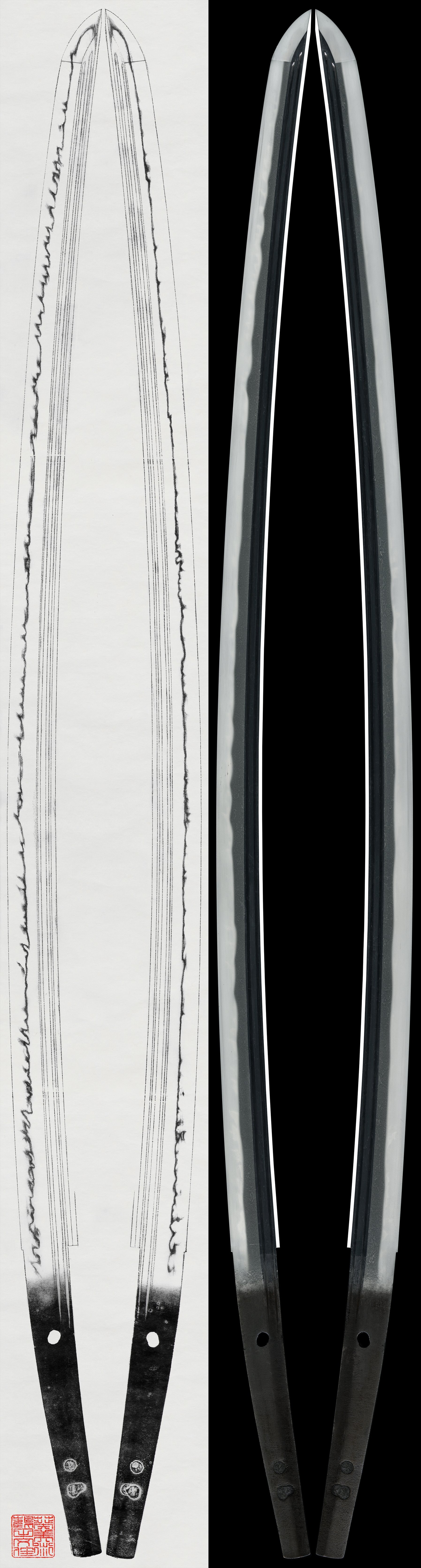
Yoshikane's workmanship centers on a - temper base, with and mixed in, and entering frequently, and forming alongside and traces of . The may show a subdued tendency, and around the the can widen with appearing. Distinct is a consistent feature across his productions and serves as one of the principal grounds for attribution -- a diagnostic criterion that separates this Yoshikane's hand from that of the smith of the name, whose works tend toward quieter temperwork without the vivid pattern. The is with a flowing tendency, the grain standing somewhat with thick and appearing. The is typically straight, turning back in or , though one piece finishes with and . His blades, though all greatly shortened, retain characteristics of their original form -- somewhat high , traces of at the base, and proportions ranging from to that speak to the generous of the period.
All of Yoshikane's designated works survive as or , their tangs bearing evidence of significant shortening with as many as five . Despite this, the notes that the and are "comparatively (sound and well-preserved)" and the workmanship is "consistent with early ." One piece retains its three-character signature reading "Yoshikane ," providing direct physical evidence of authorship. Another preserves a black-lacquered -- a mounting that speaks to the blade's continued use and esteem across the centuries. That these greatly shortened blades have been recognized as on the strength of their forging and temperwork alone, without recourse to original signatures, testifies to the distinctiveness of Yoshikane's hand within the broader tradition.