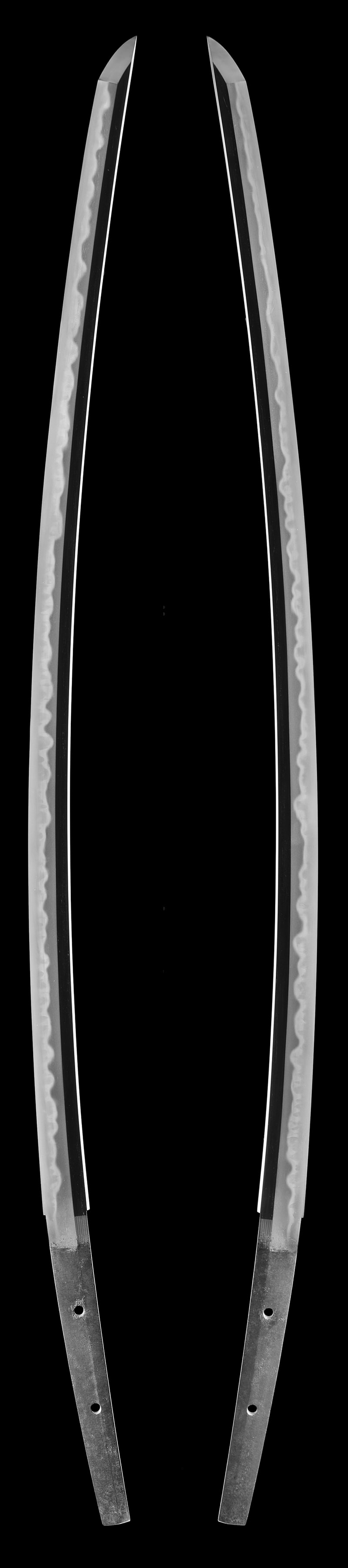
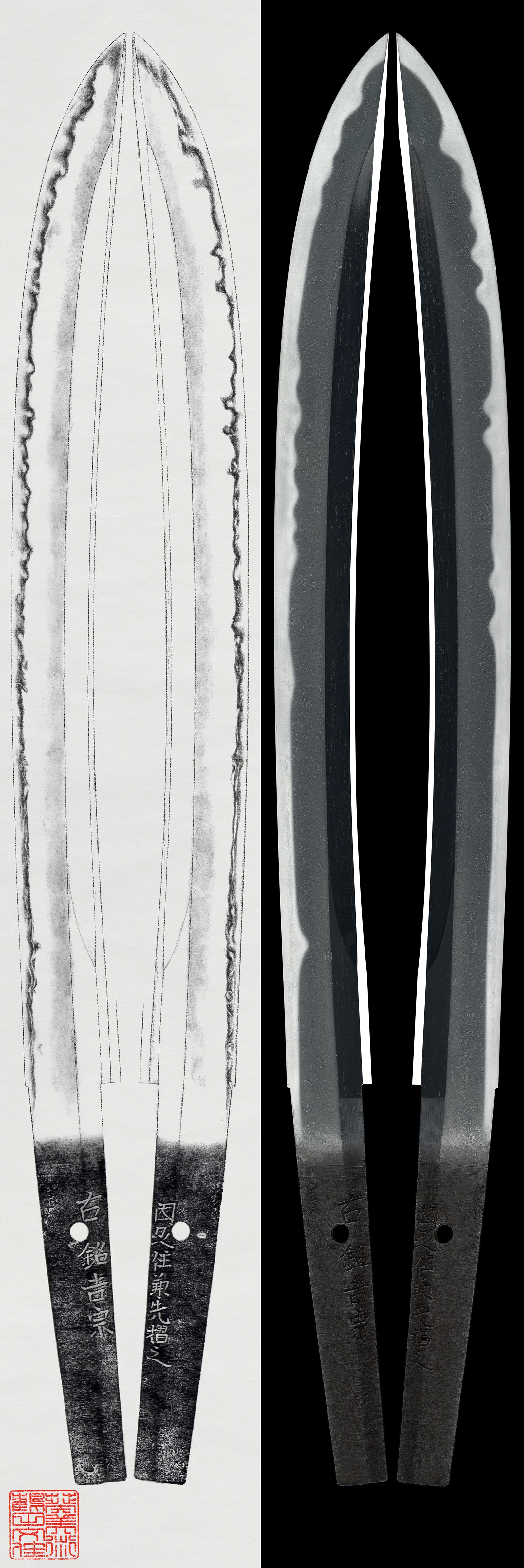
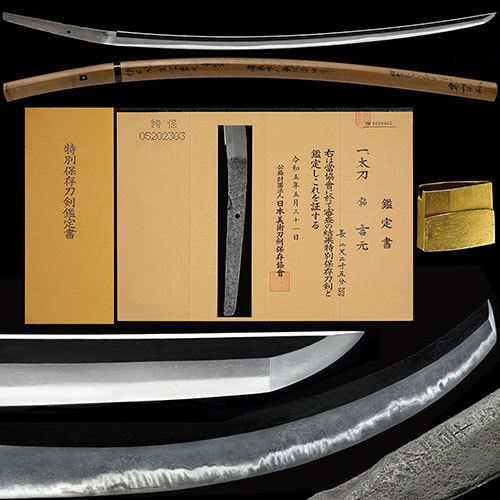
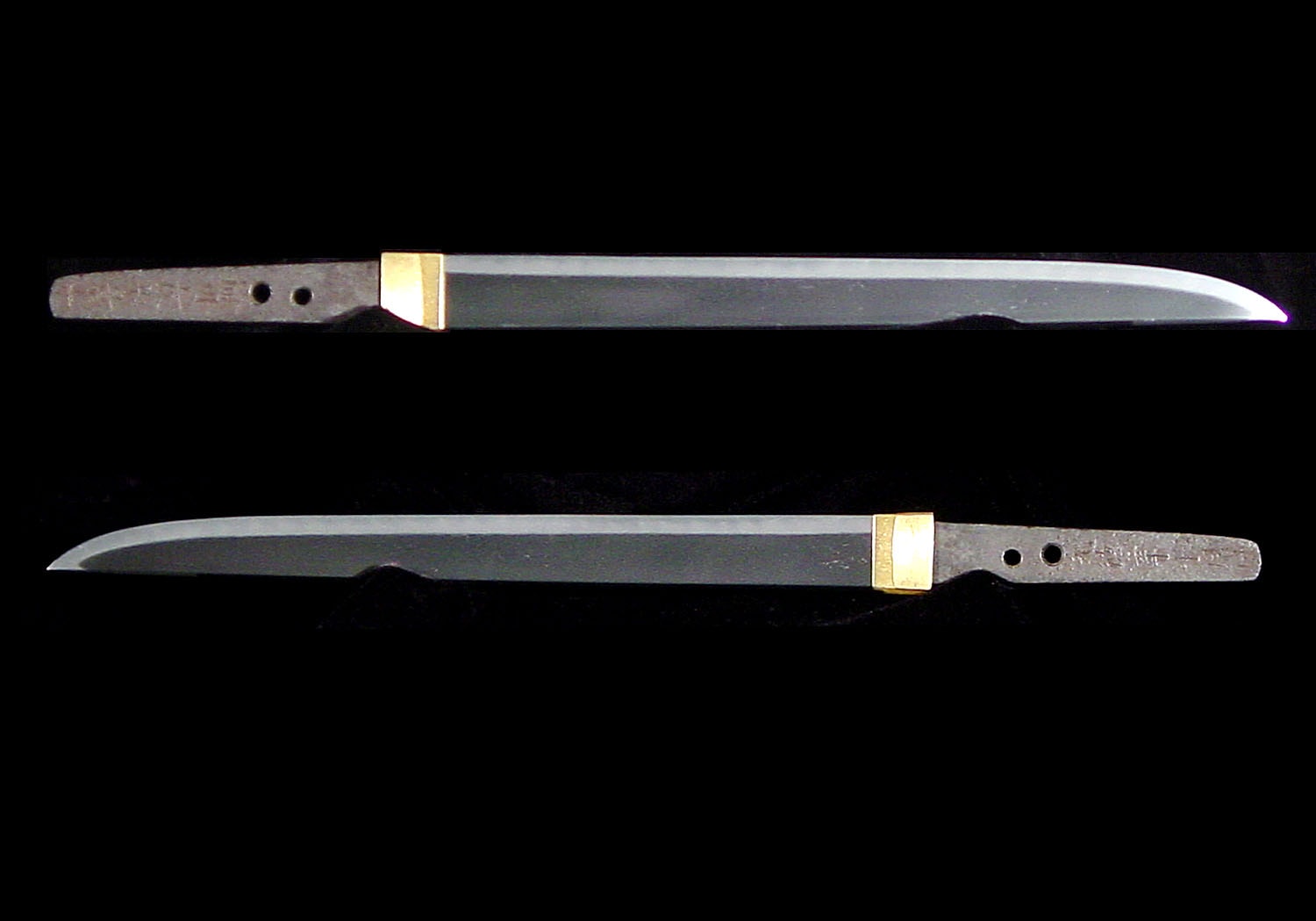
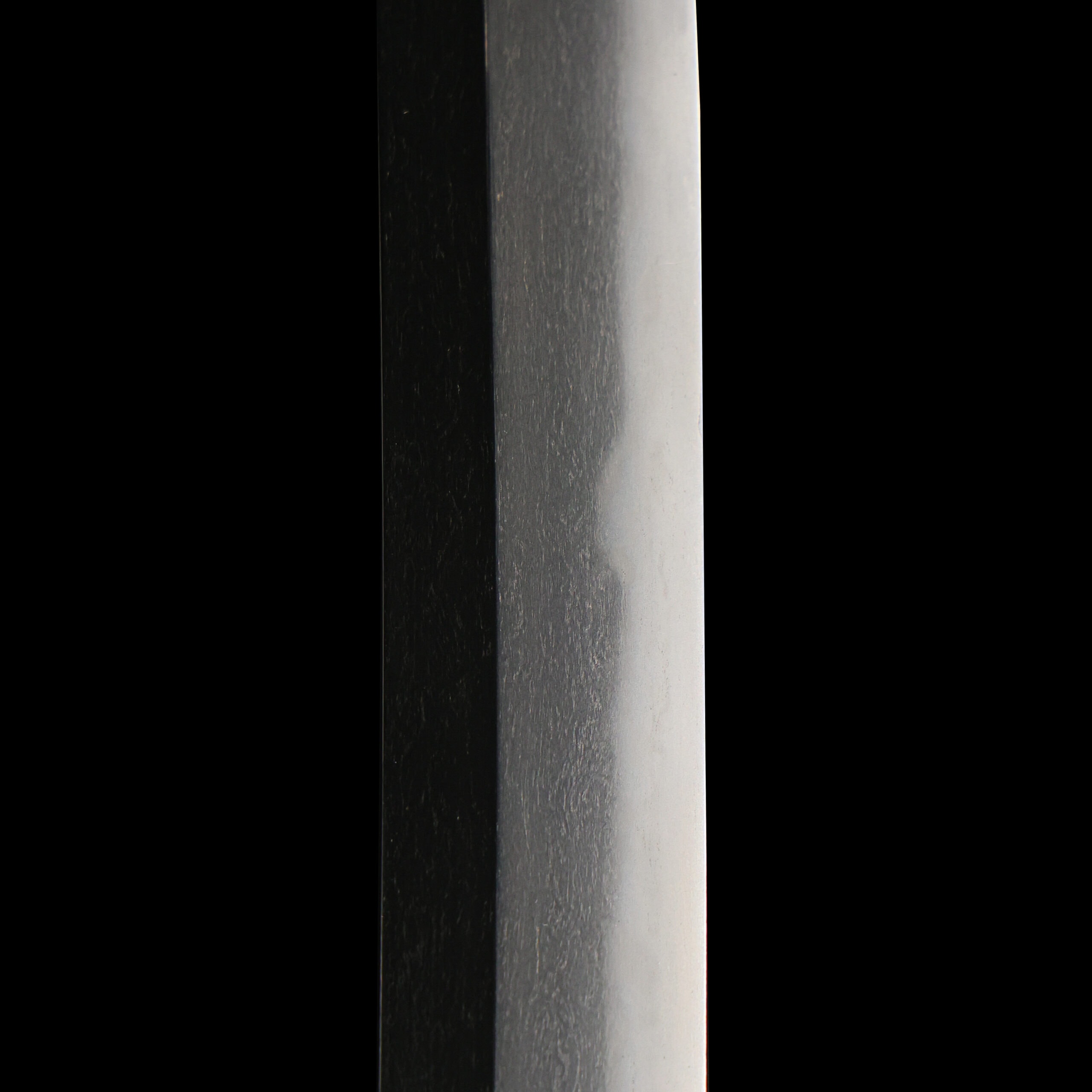
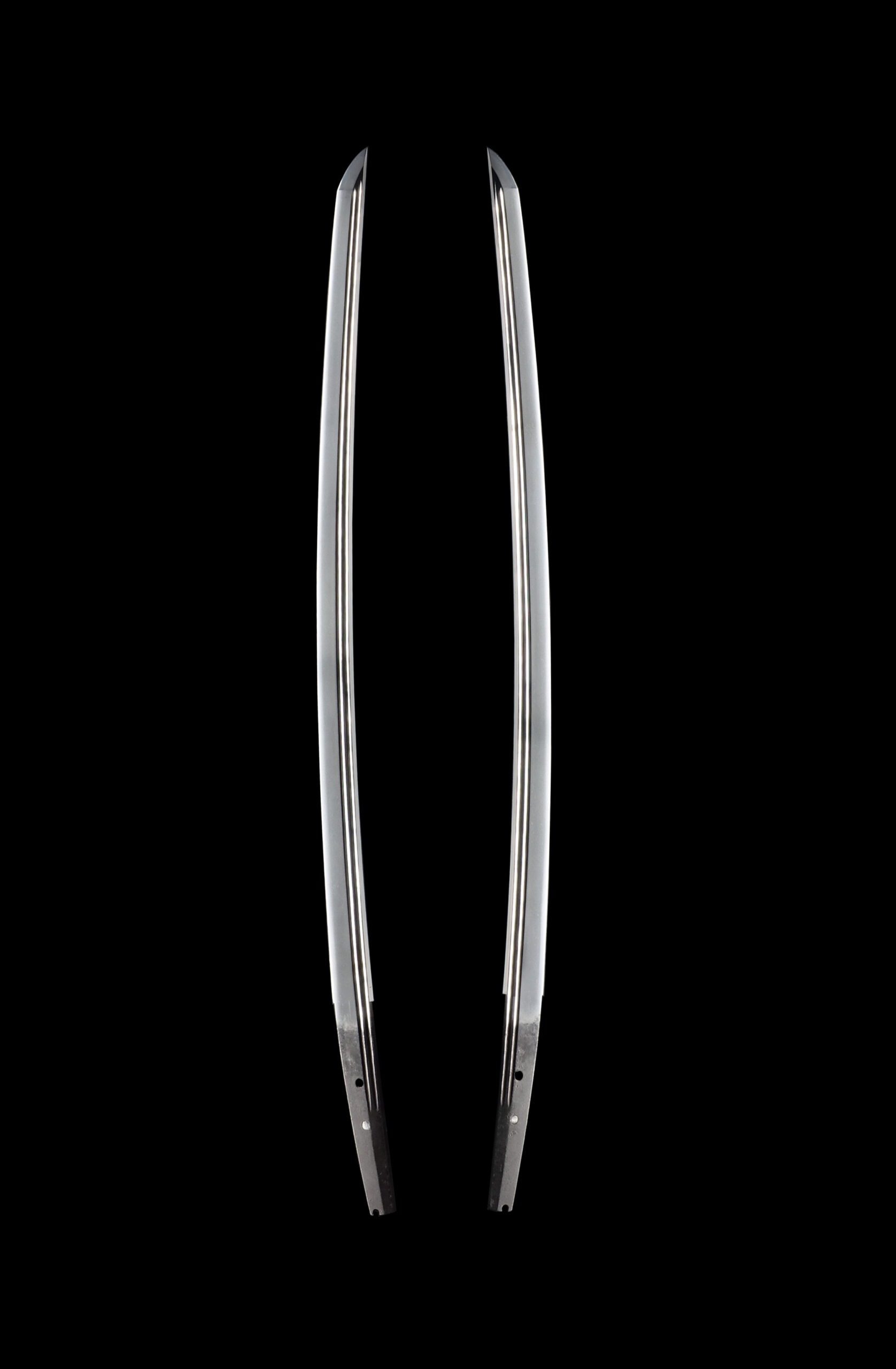
Yasunori is a swordsmith whose name appears across several traditions of Province, including , Fukuoka , , and further among lineages such as Senjuin and Hoki. The most prominent Yasunori is traditionally regarded as a son of Fukuoka Norimune, active around the Hoji era (1247--1249) in the early period. In sword reference works, Yasunori is also recorded as the teacher of Noriyoshi, who resided in Nitta-sho of Province. He is documented in sources such as the Kanchiin-bon Meizukushi, the Chokyo Meizukushi, and the Koji Meizukushi, though signed works extant today are few.
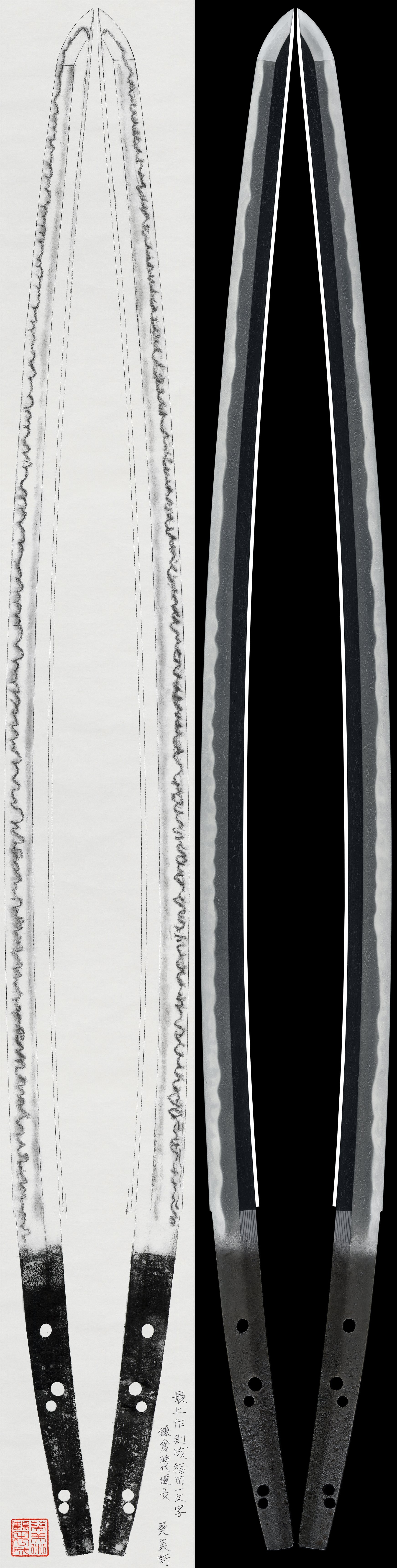
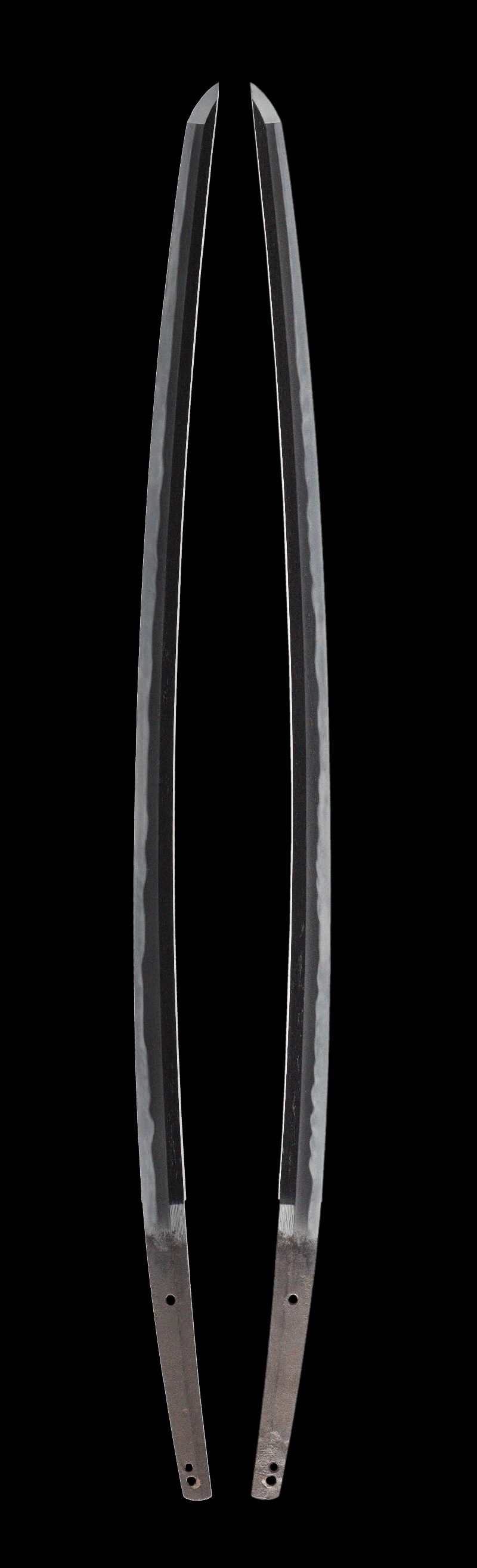
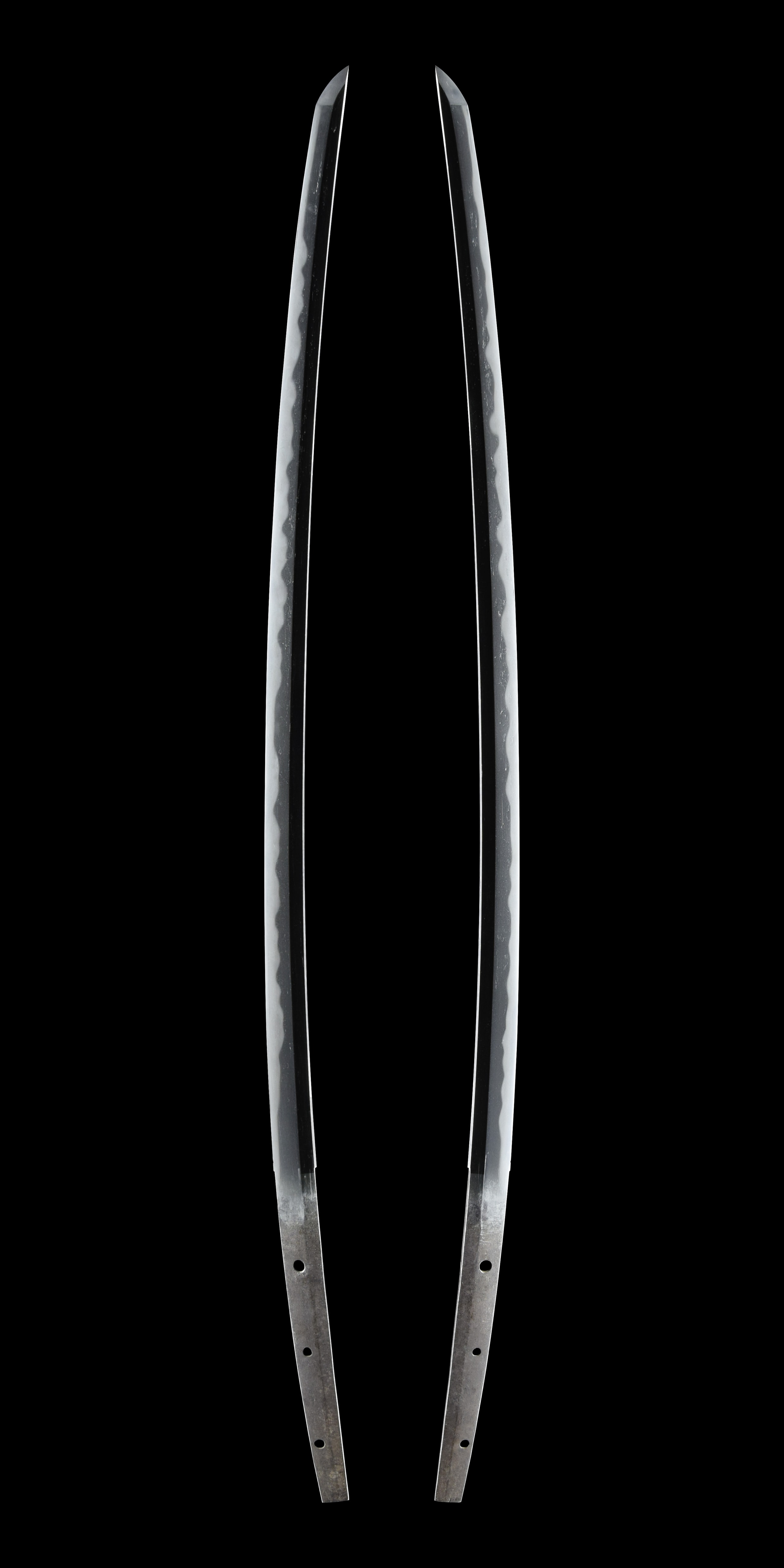
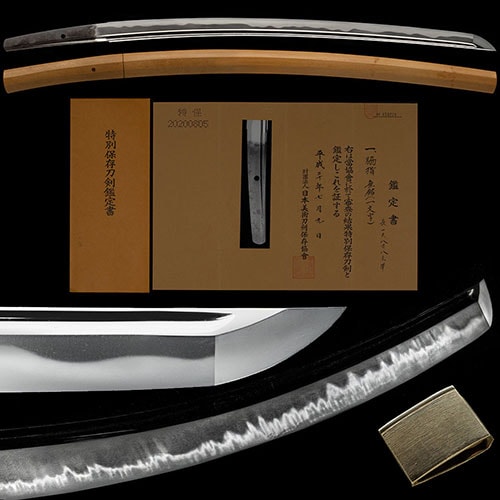
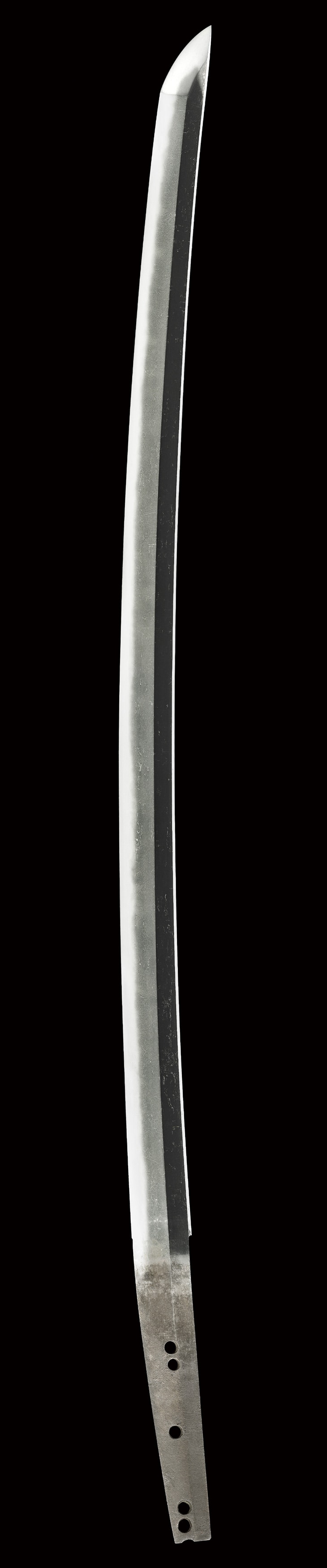
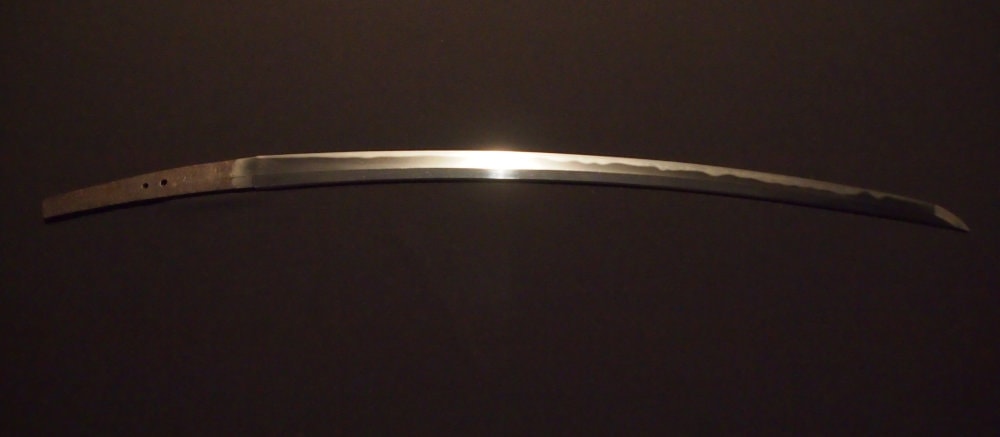
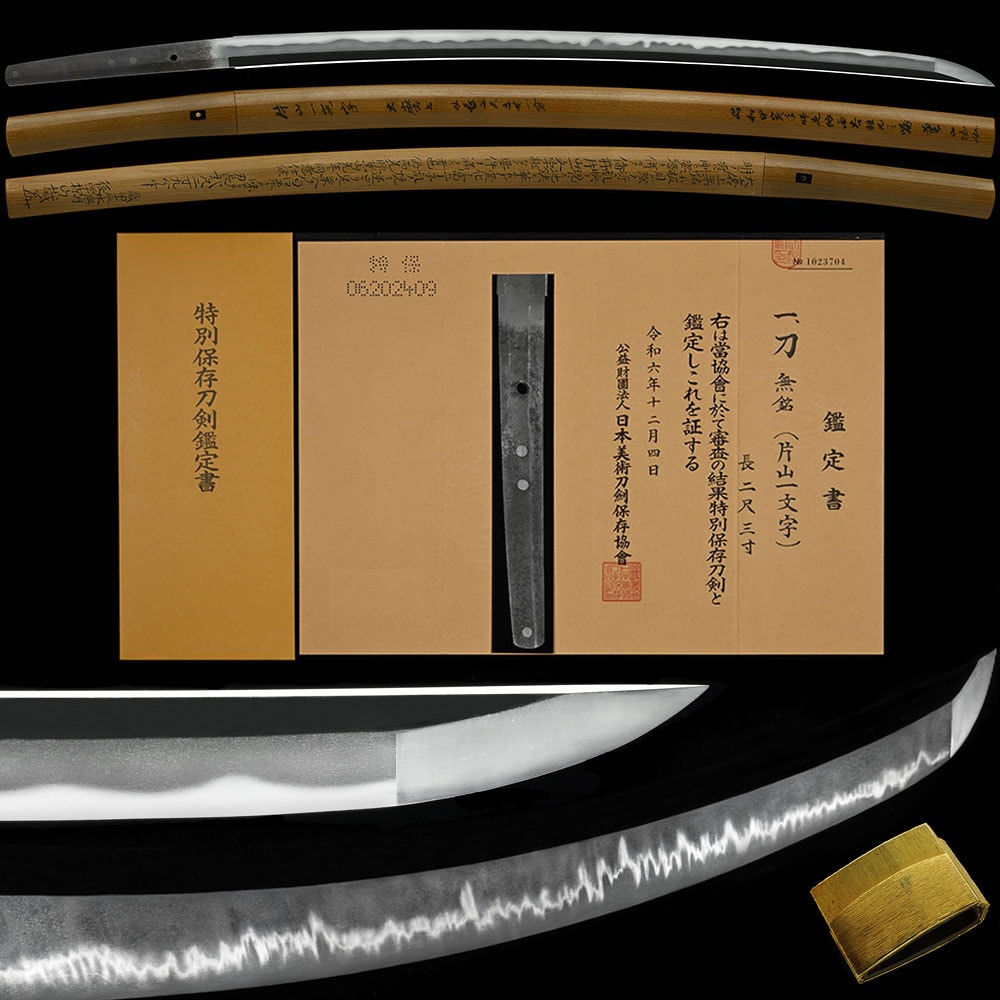
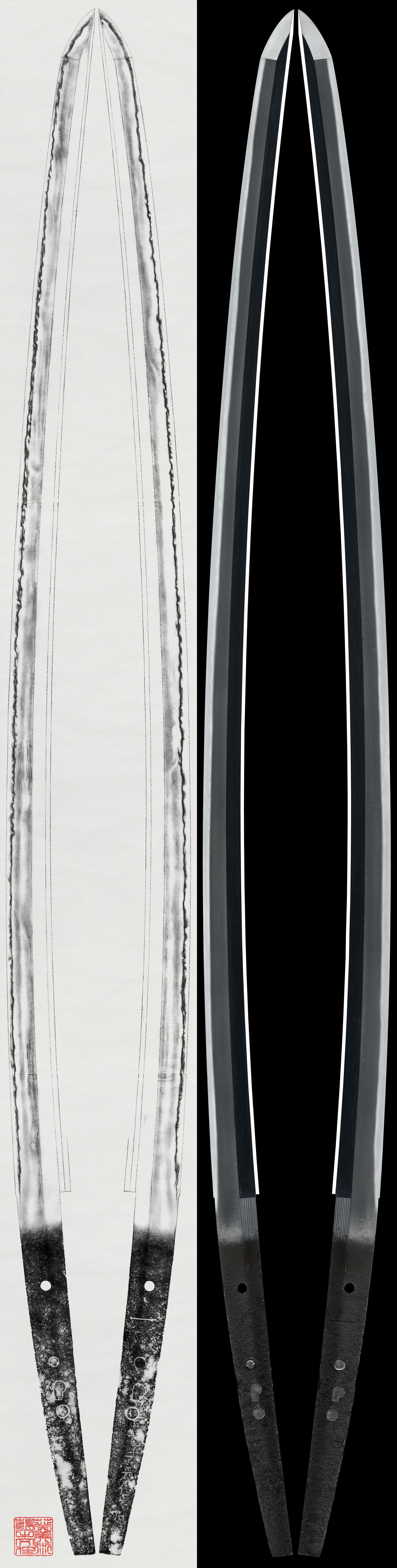
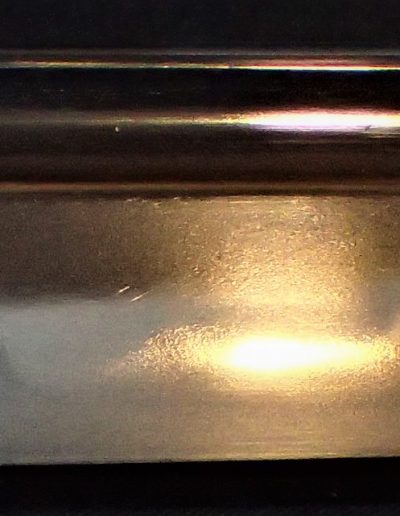
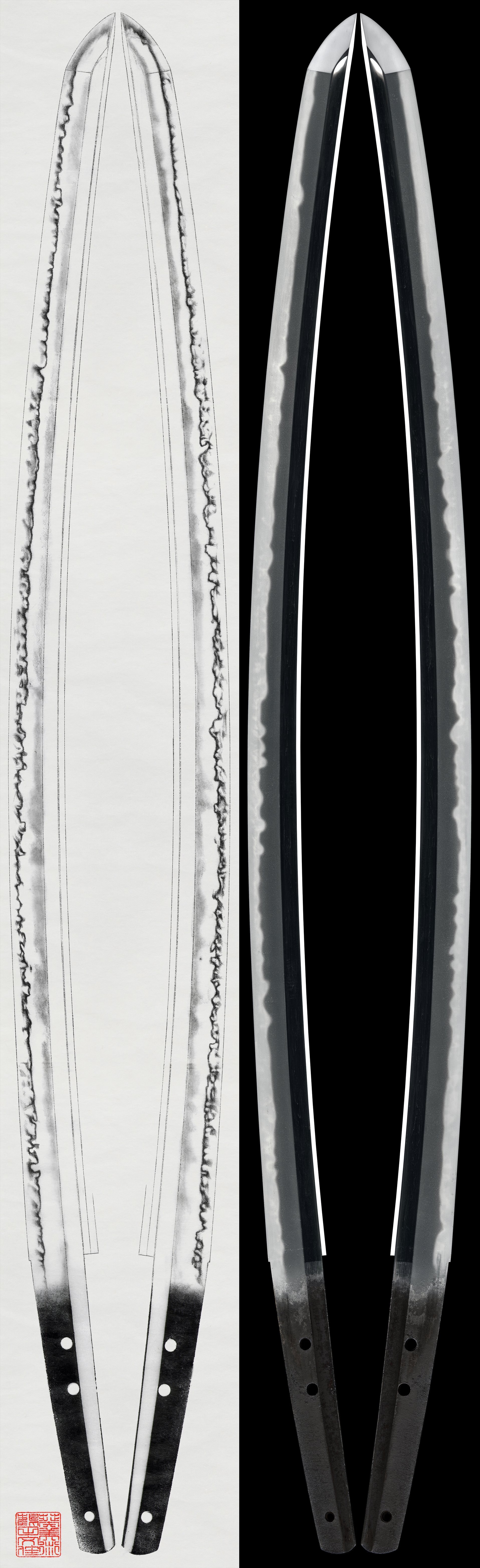
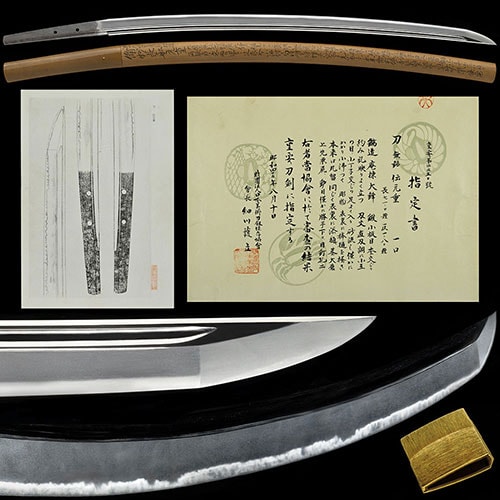
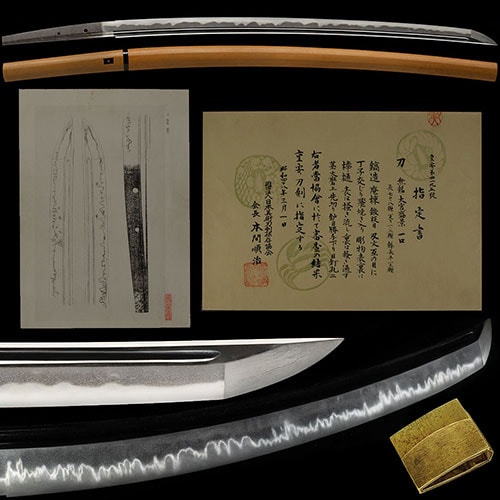
Yasunori's blades characteristically present slender forms with high and to , retaining an elegant archaic character even when shortened. The forging shows mixed with , tending toward , with fine adhering thickly and entering profusely. Vivid stands out prominently in the ground. The ranges from -based - mixed with and to quieter with gentle undulations; - and enter, the is bright with , and fine and run through the tempered edge. While at a glance his work preserves an archaic flavor reminiscent of Old , the intermingling of and - allows one to discern points characteristic of the Ko- group.
As a smith whose extant works are rare, Yasunori's blades are invaluable for understanding the scope of his craftsmanship and the stylistic transition from to the Fukuoka group. His work displays abundant and an overall robust build, with a forging quality that, in its standing with antique flavor, has been compared to the by Ko- Sukemune preserved at Matsugasaki Shrine in Yonezawa. Each surviving example permits a deeper appreciation of the early -period tradition and the nascent characteristics that would come to define the school.