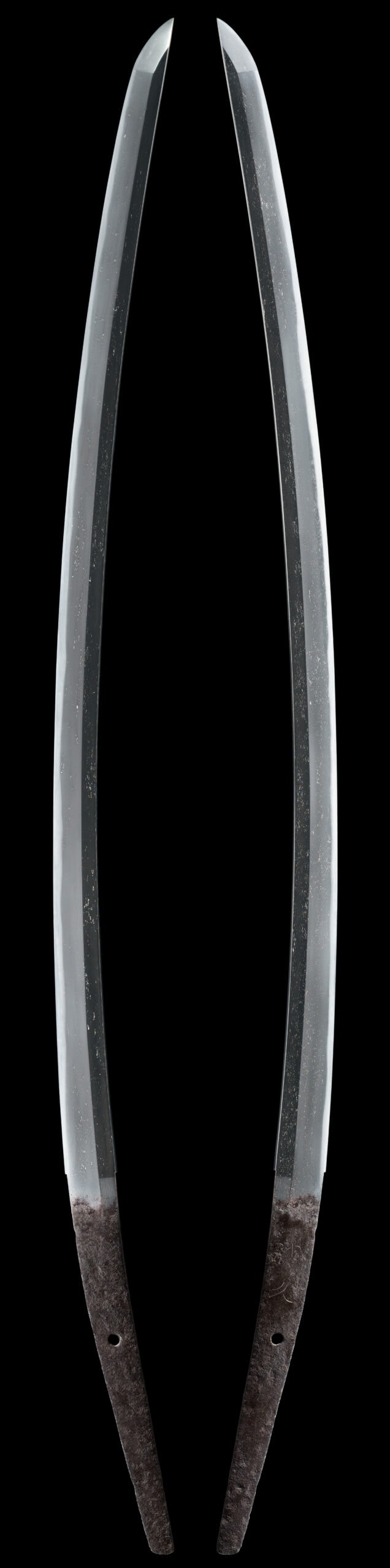
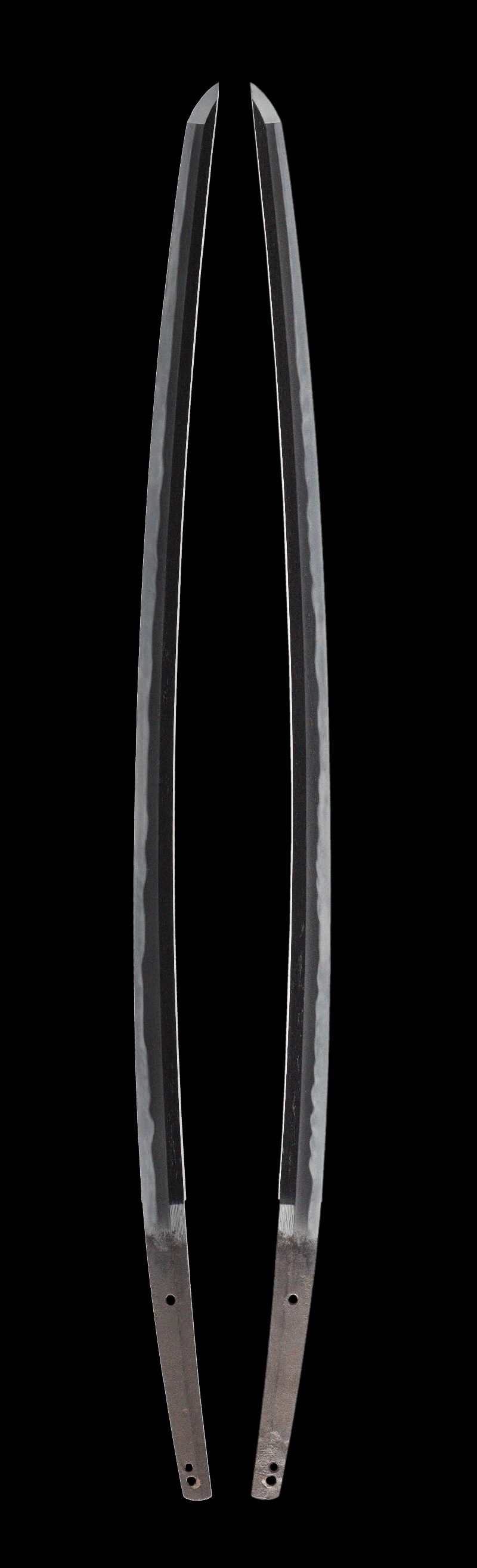
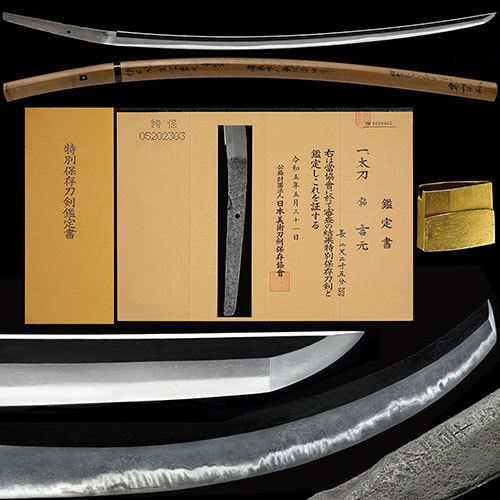
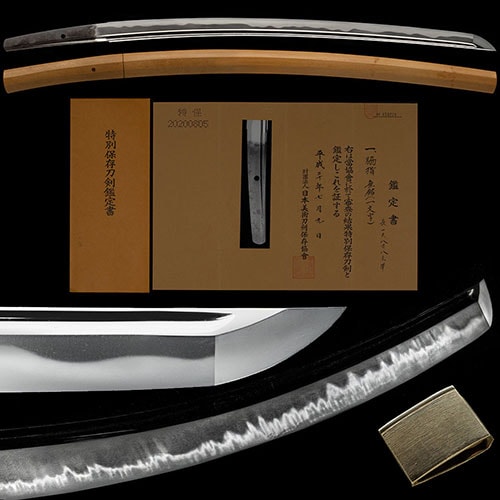
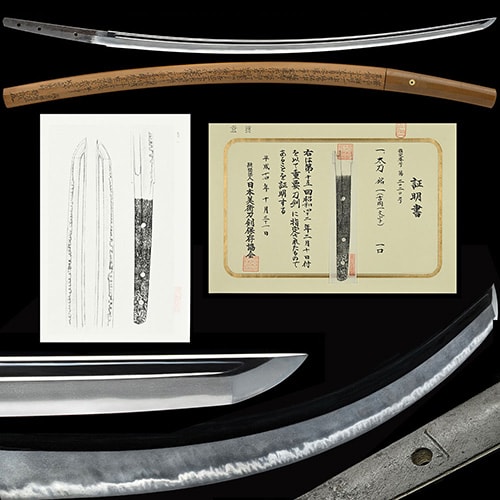
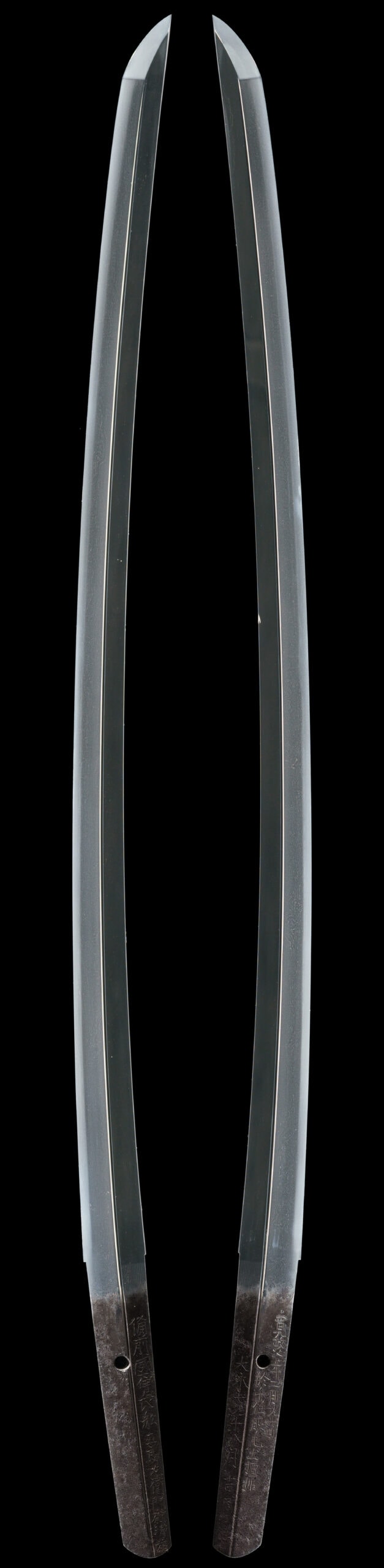
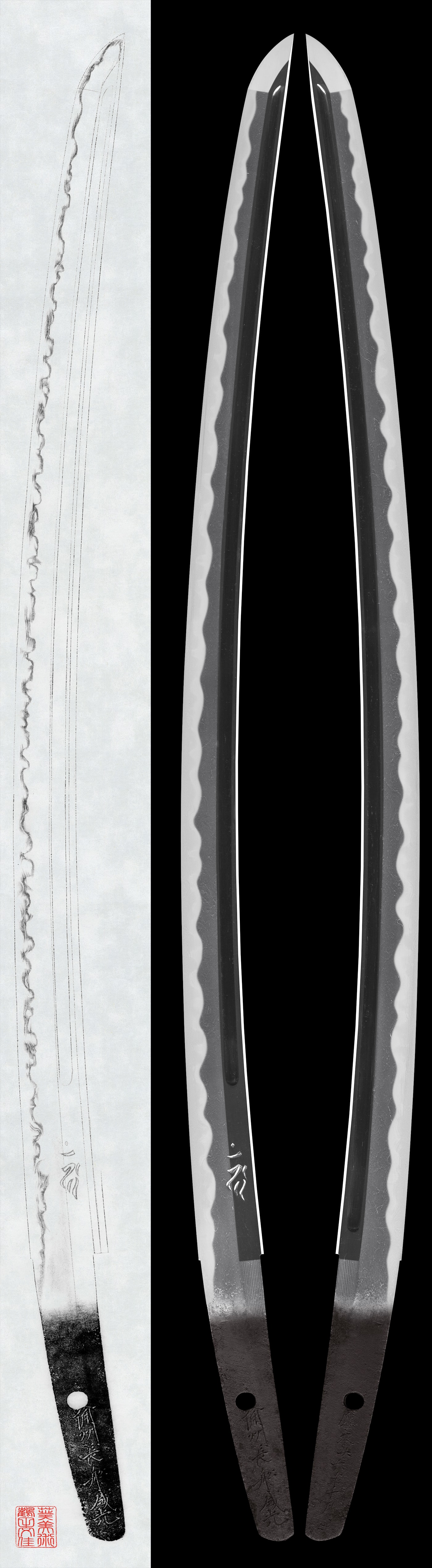
Sukefusa is recorded in sword-signature reference works () as a two-character-signature smith of the Fukuoka group, with entries placing him in the Genryaku era and, separately, as a second generation active in the Kenpo era. Three smiths -- Yoshifusa, Norifusa, and Sukezane -- are transmitted as his sons, situating him at a pivotal generational node within the Fukuoka lineage during the early to mid- period. Almost no signed works survive today, and the great majority of blades bearing his name do so through traditional attribution () or later gold-inlaid inscription ().
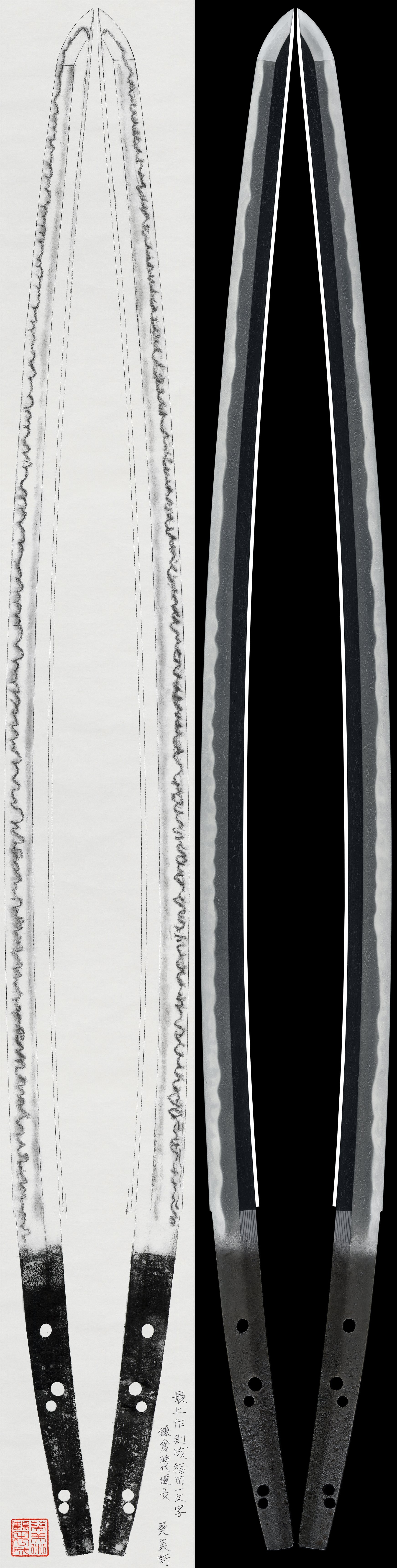
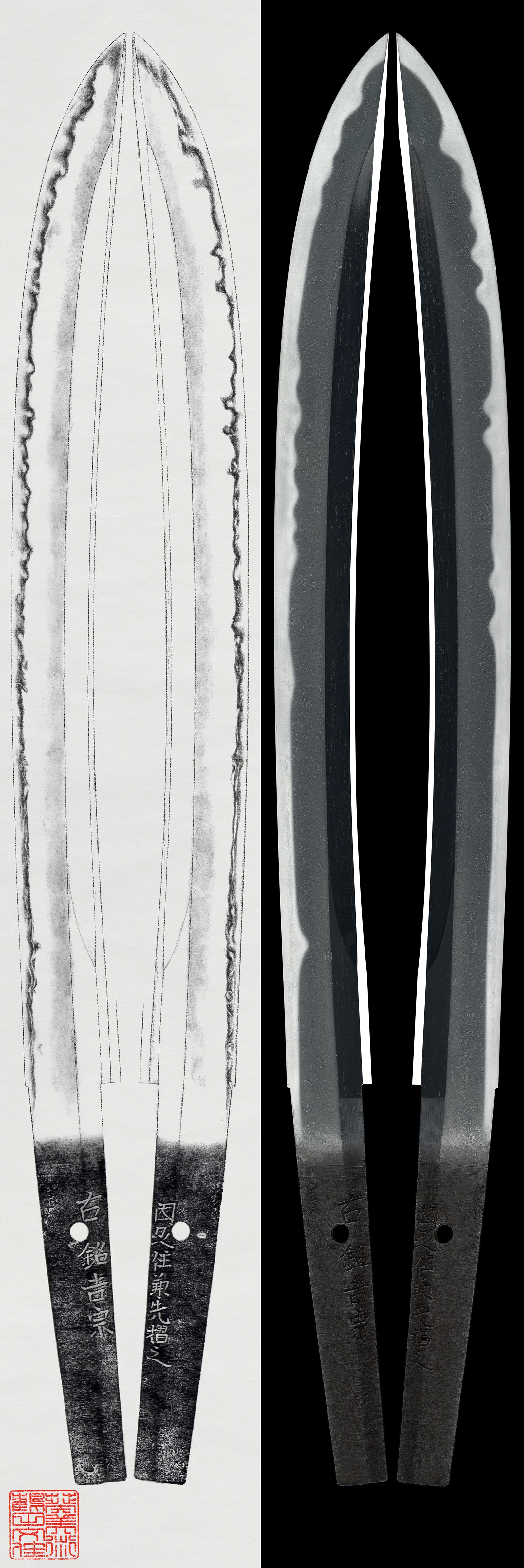
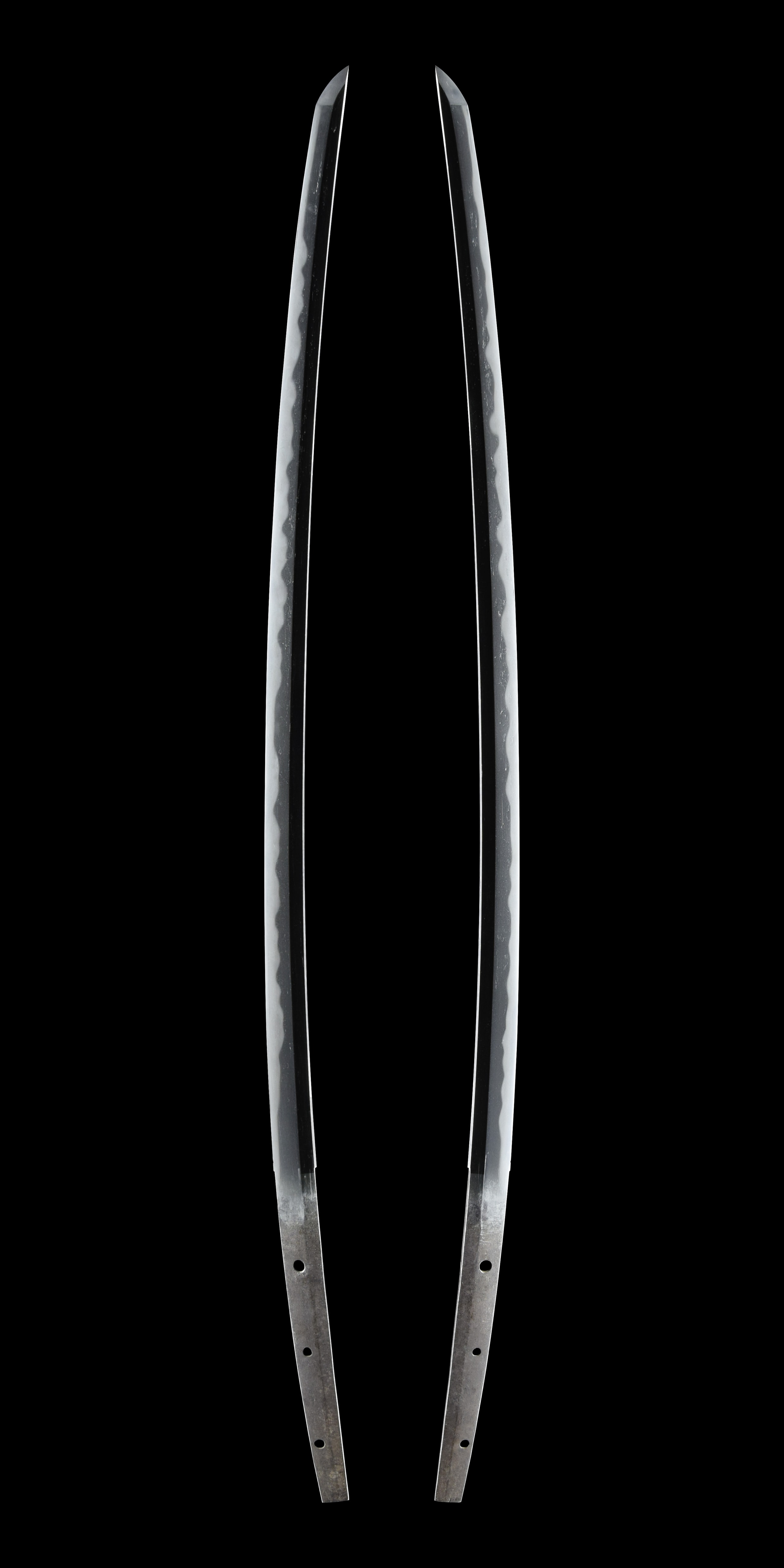
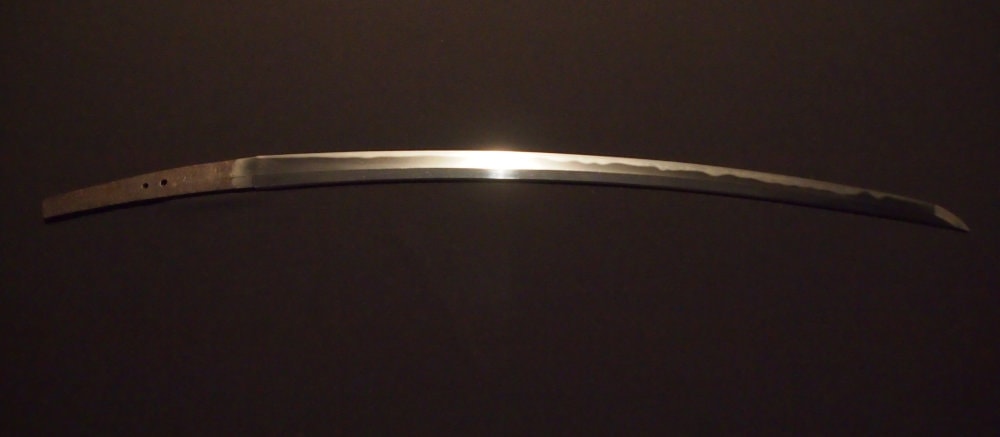
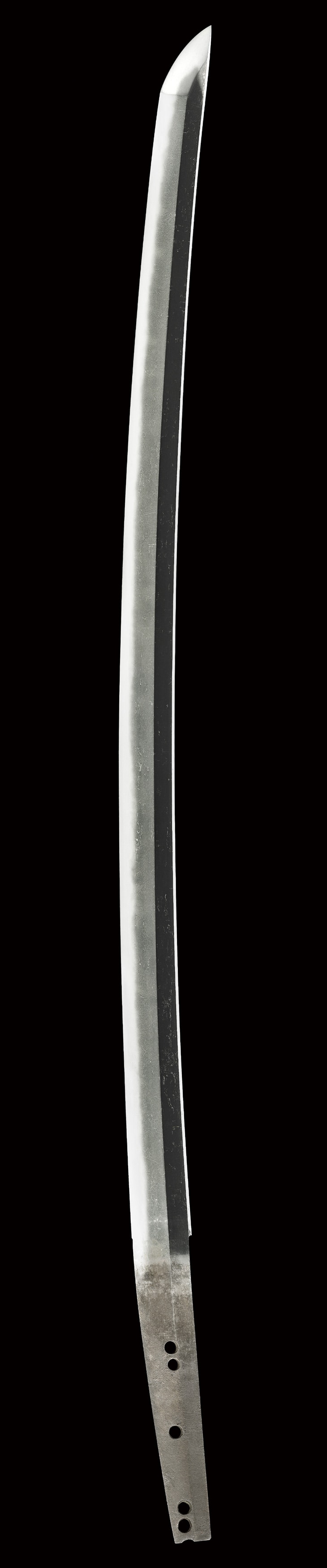
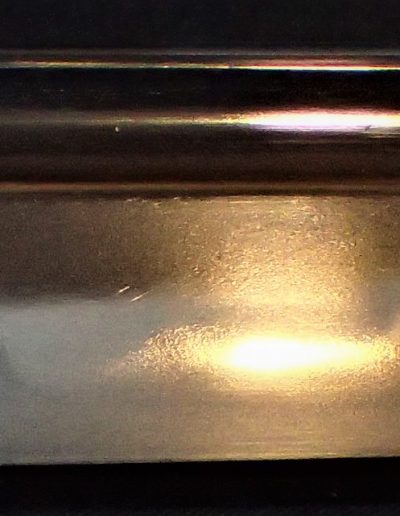
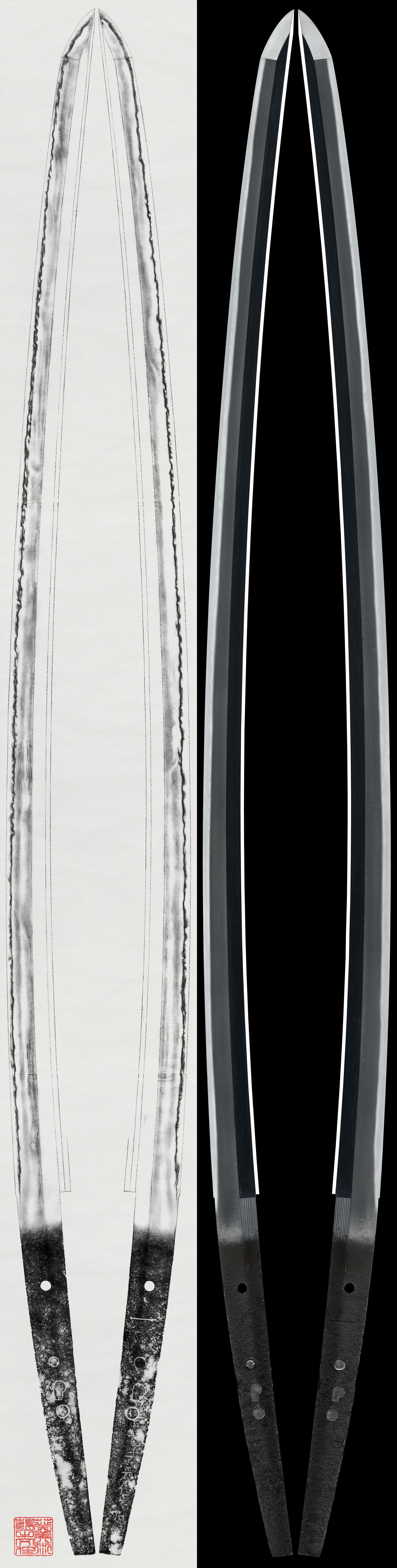
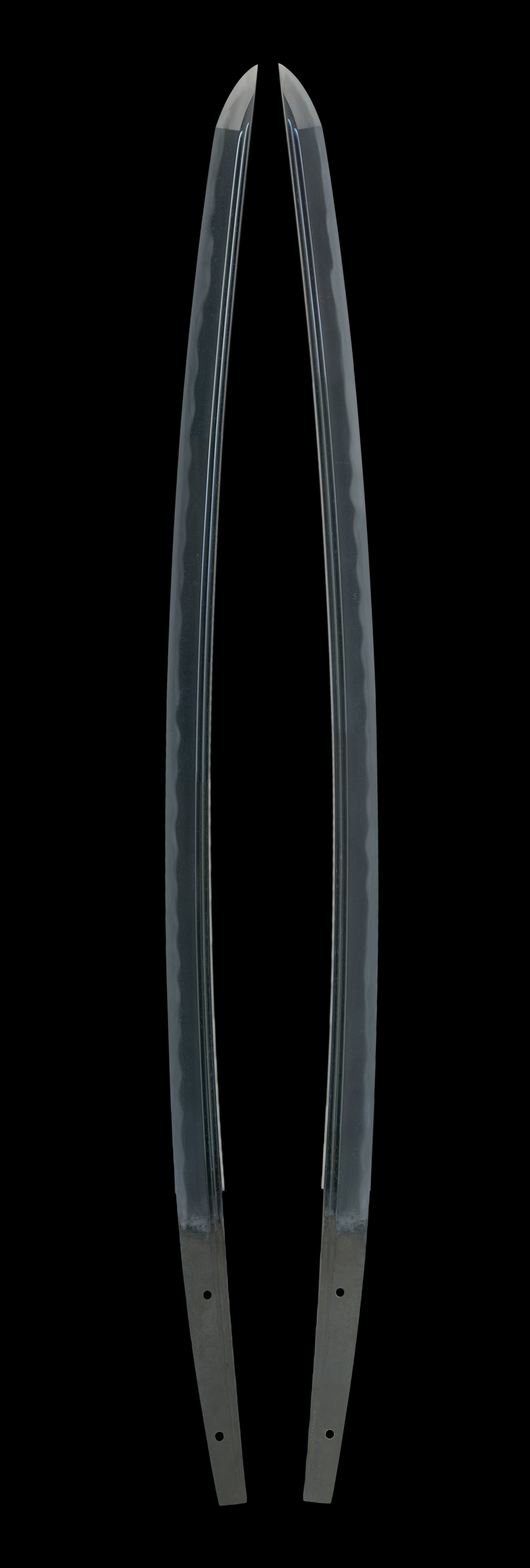
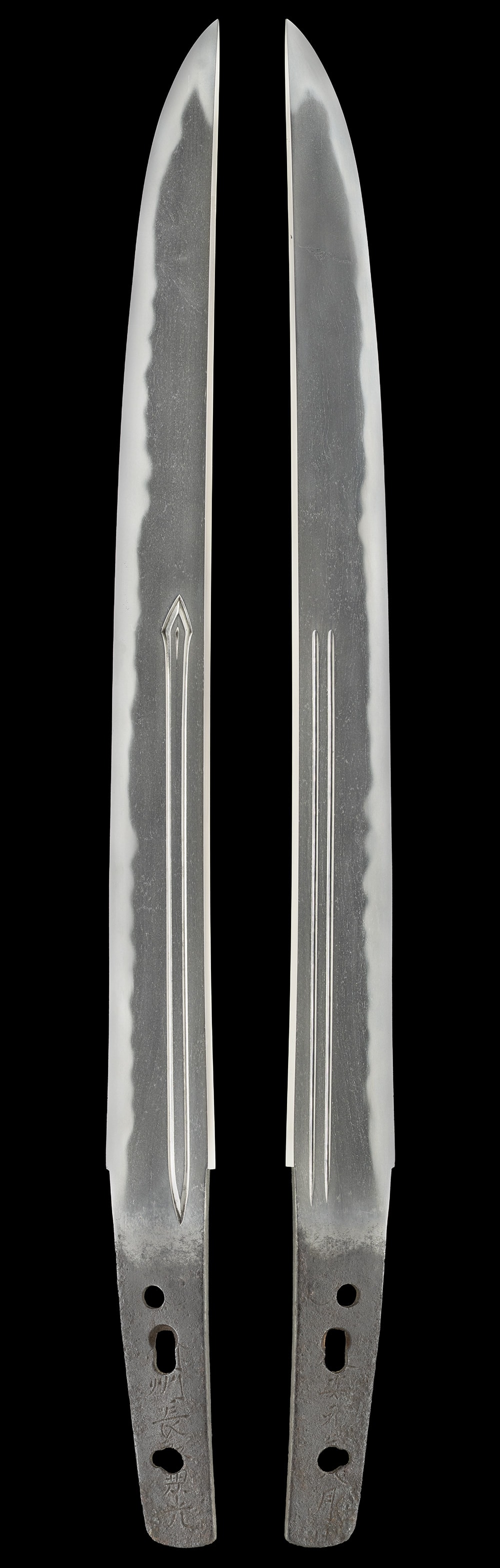
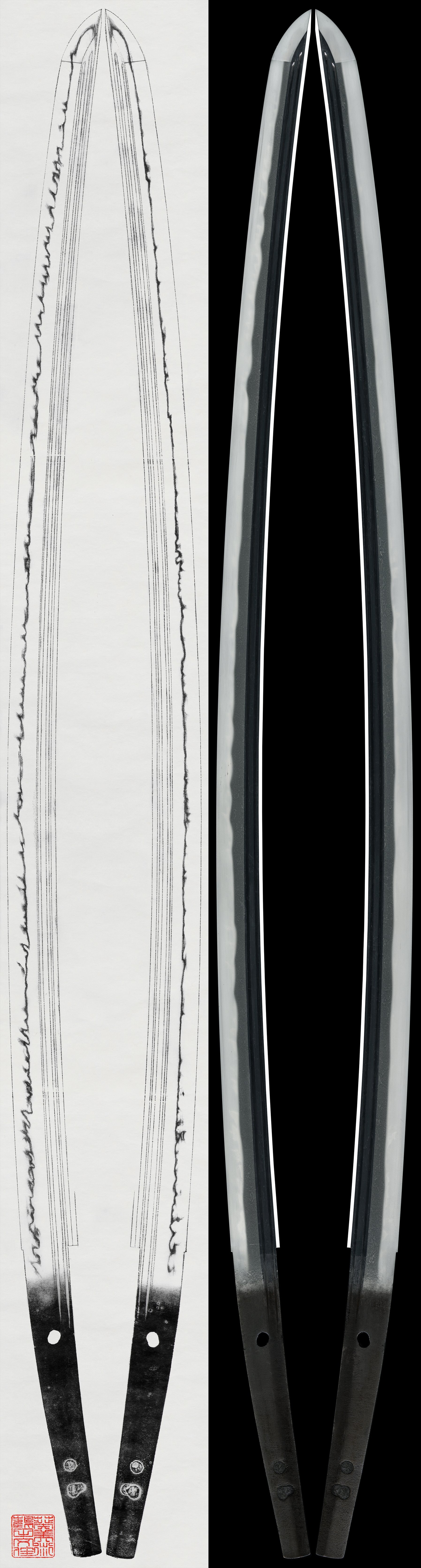
Blades attributed to Sukefusa display a finely forged that is extremely well packed, with forming clearly and standing out in the . The characteristically features mixed with layered and -like , worked in deep with and well-entering . A diagnostic trait considered central to his attribution is a slightly reverse-slanting near the base on the , often accompanied by appearing on the near the . The tends toward turning back in with a slightly pointed feeling. While the is comparatively small in scale relative to the flamboyant of some contemporaries, it is exceedingly rich in variation, and both and are strongly enlivened by .
While the question of whether a specific personal attribution to Sukefusa can be sustained in individual cases remains a matter requiring further study, there is no dissent from the view that works so attributed should be regarded as products of the Fukuoka school, the workmanship placing them somewhat earlier in date than his documented sons. Blades carrying his attribution are further distinguished by exceptionally good and outstanding preservation, confirming their standing as meito of the highest order within the tradition.