The Haitōrei edict of 1876 ended sword wearing and nearly ended the craft itself. Military demand and imperial patronage kept a remnant alive, and in 1906 Gassan Sadakazu and Miyamoto Kanenori were named Artists to the Imperial Household.
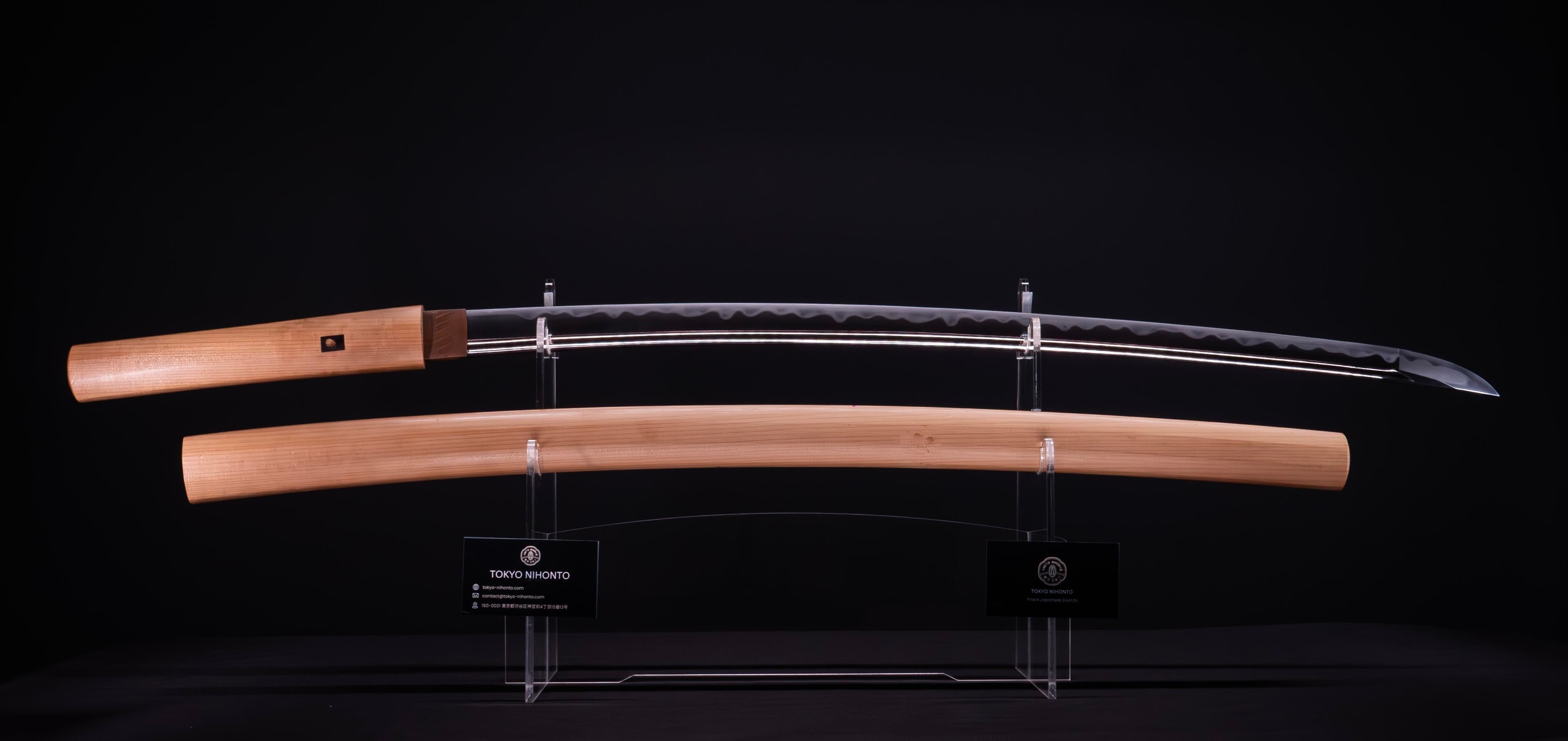
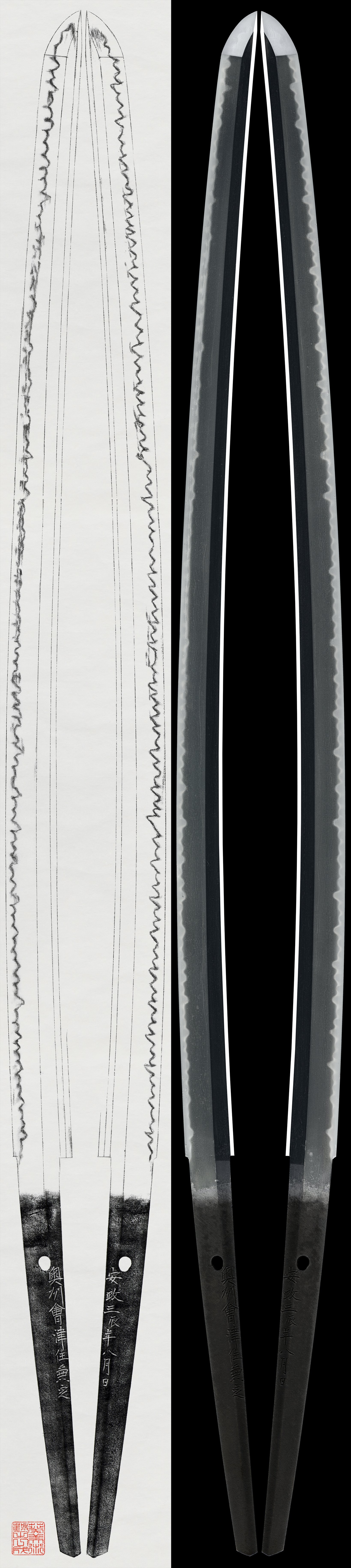
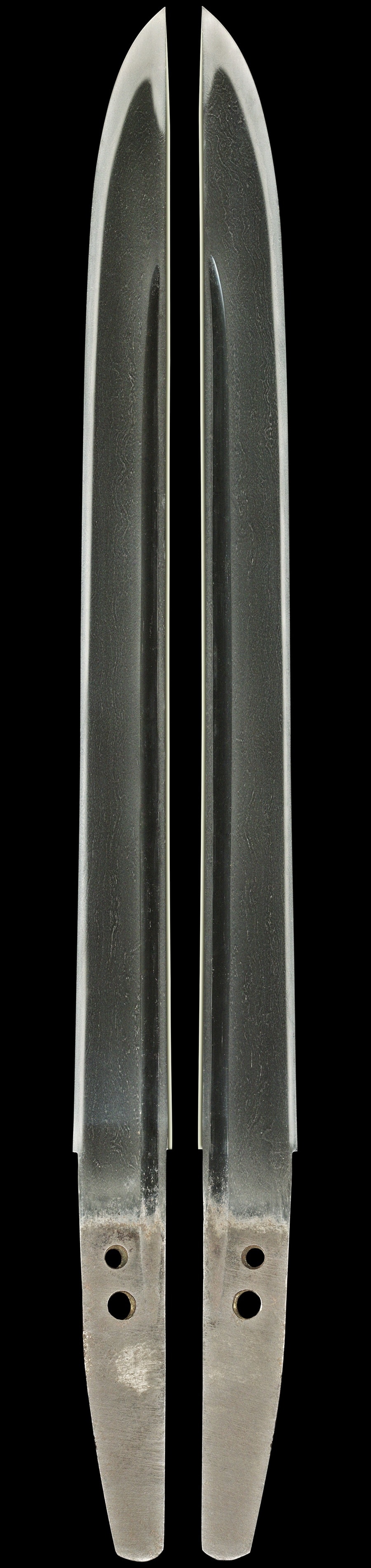
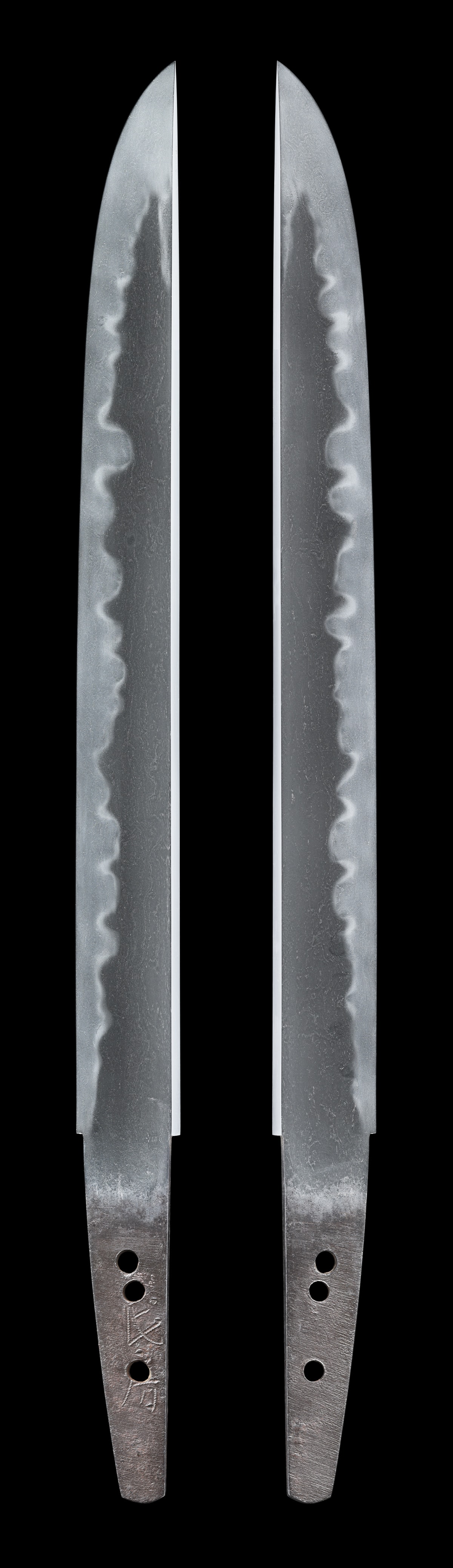
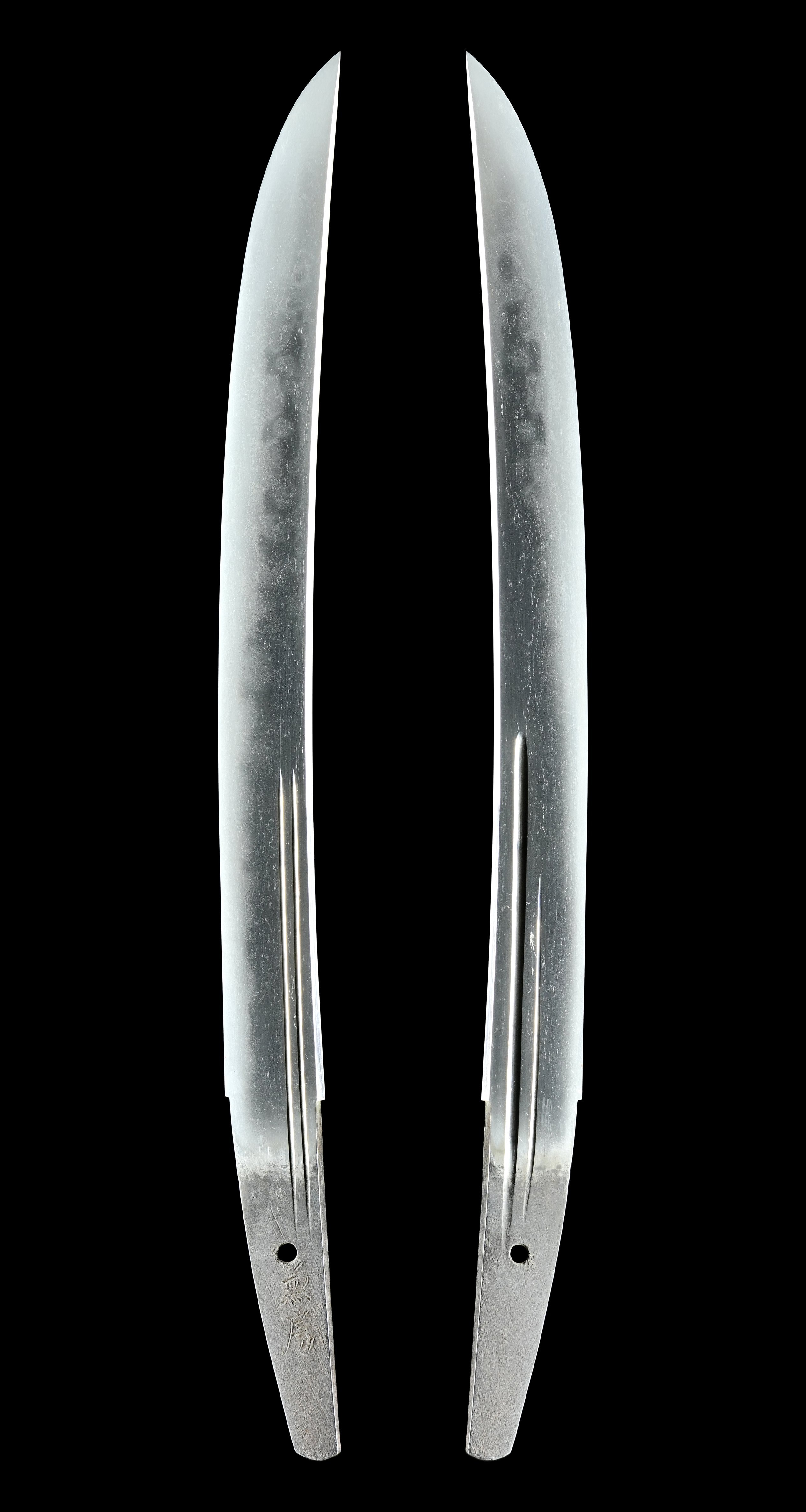
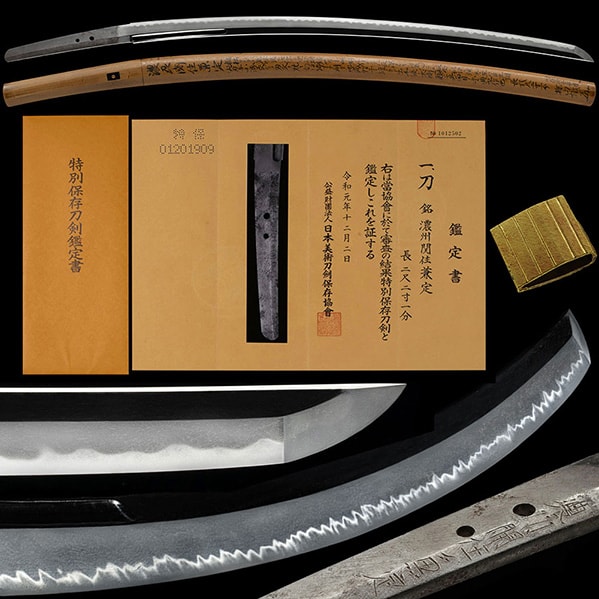
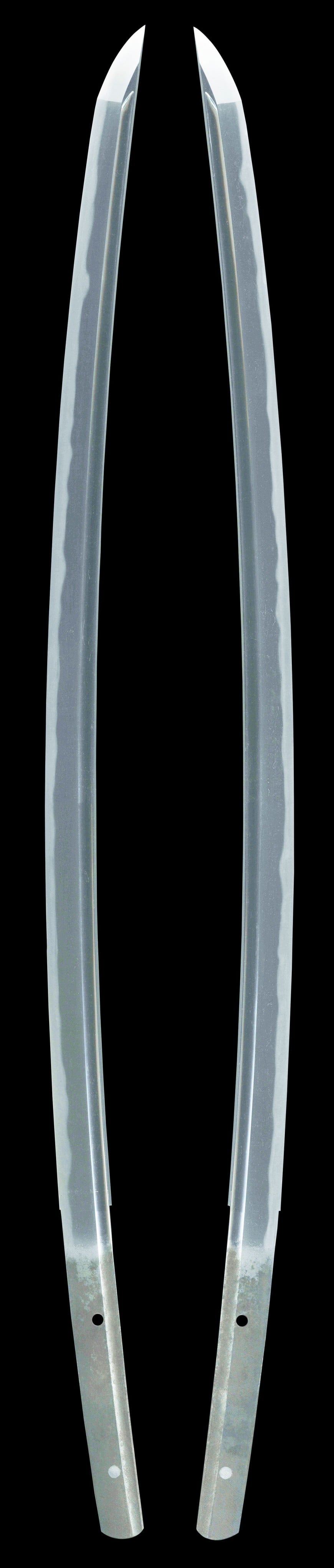
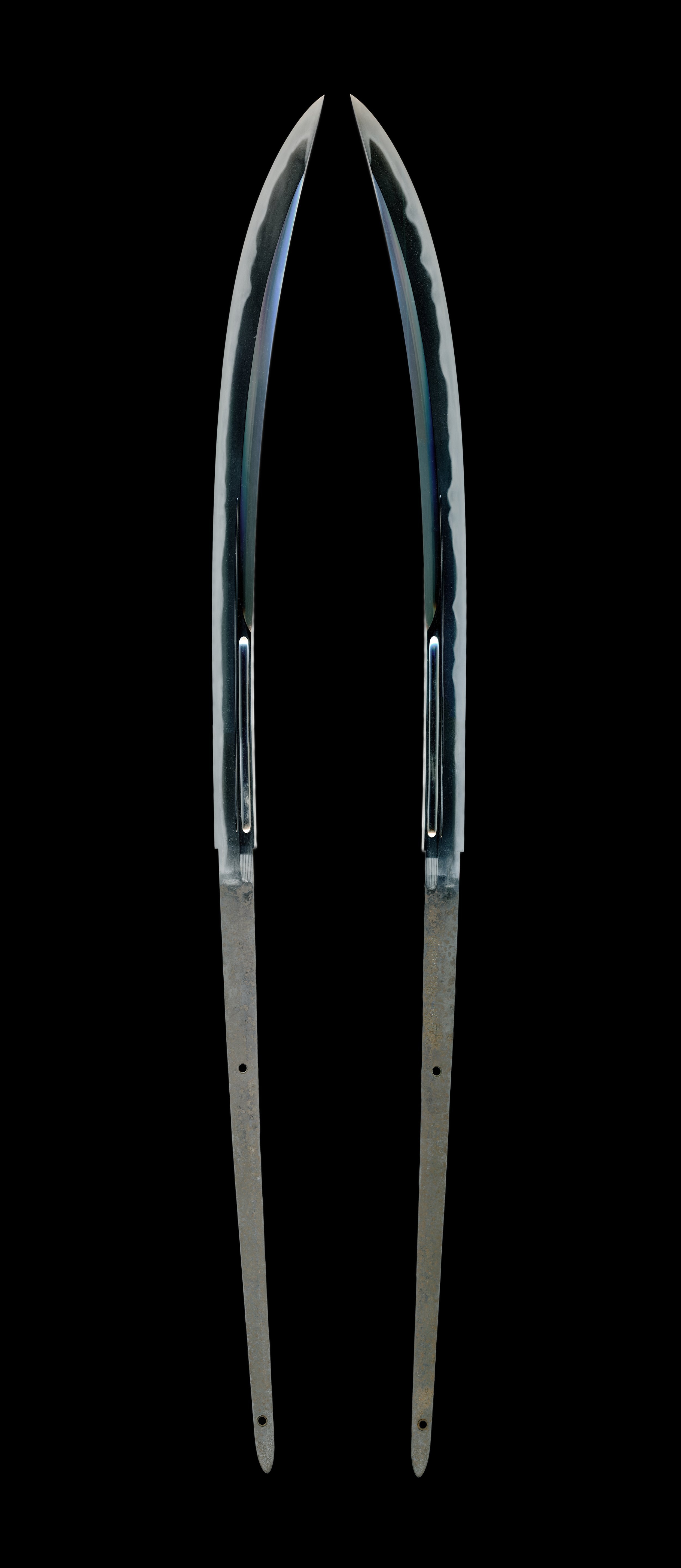
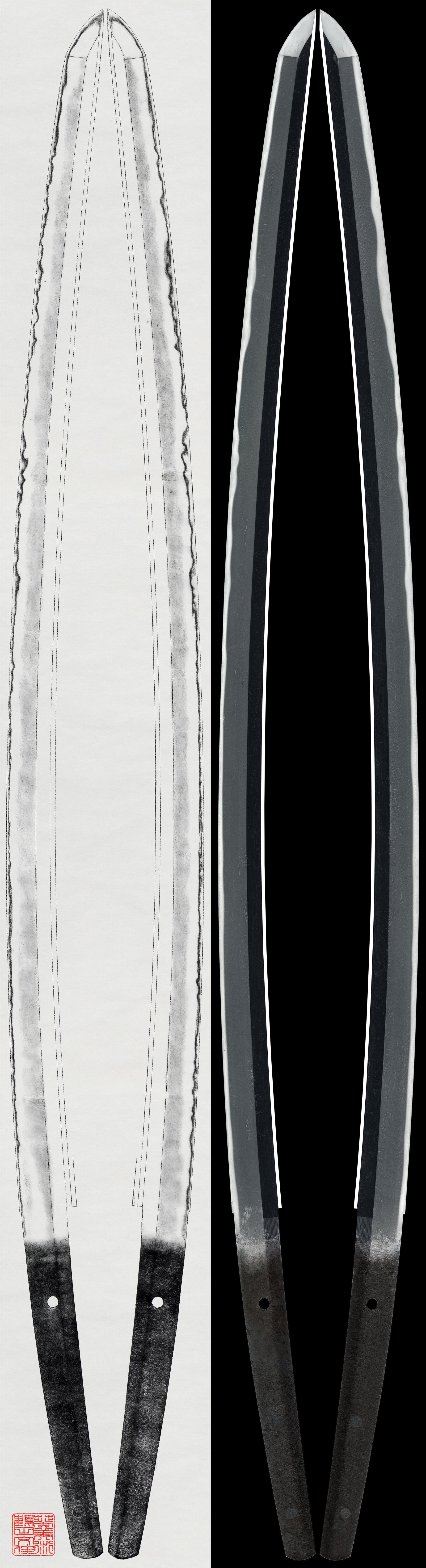
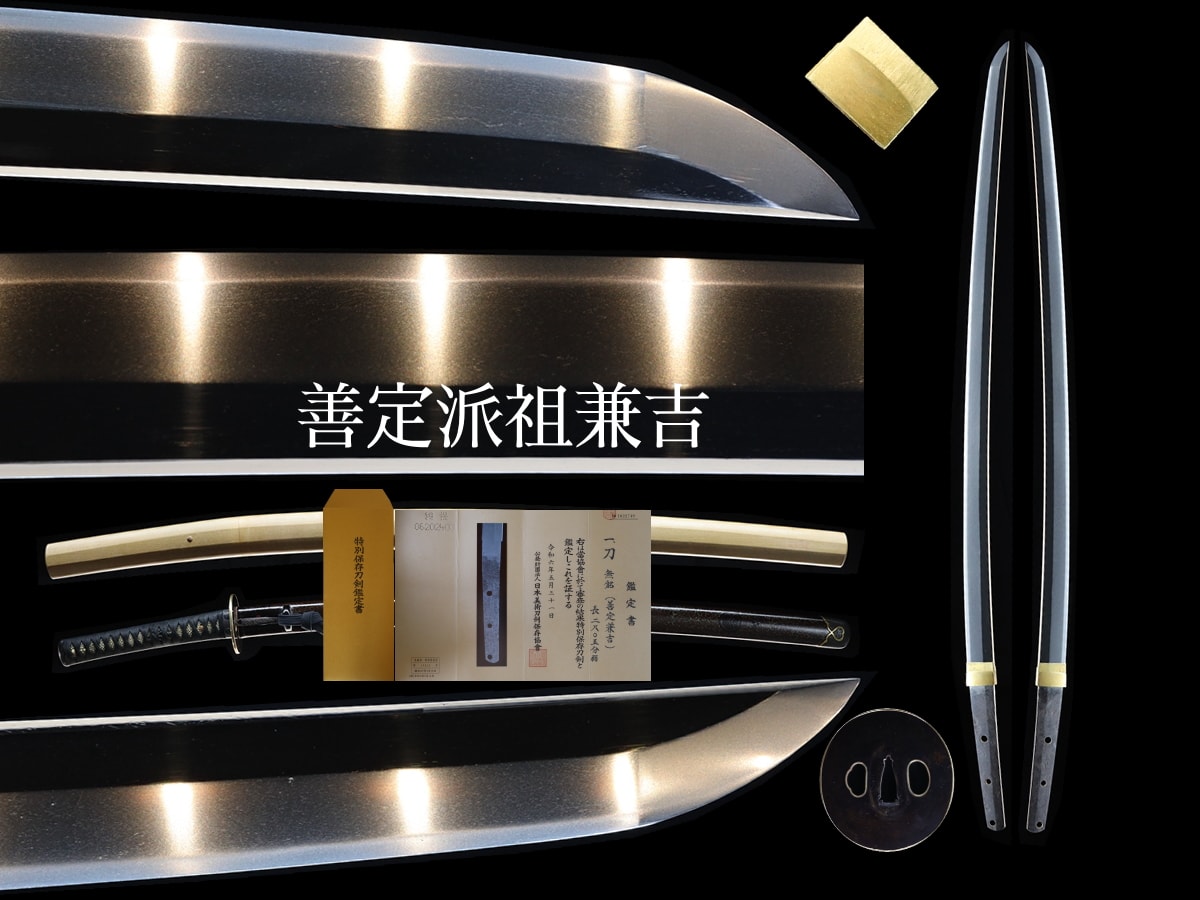
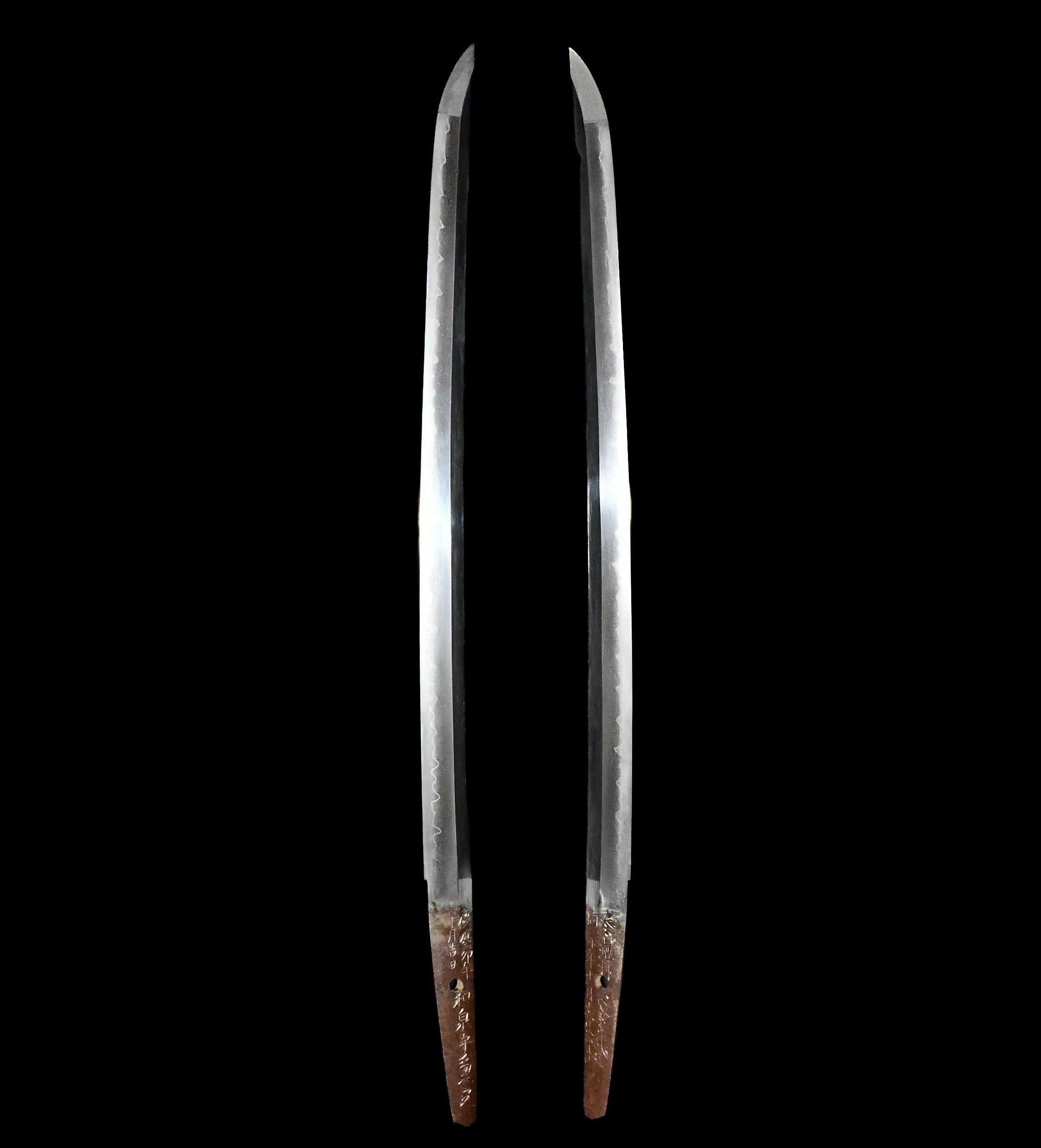
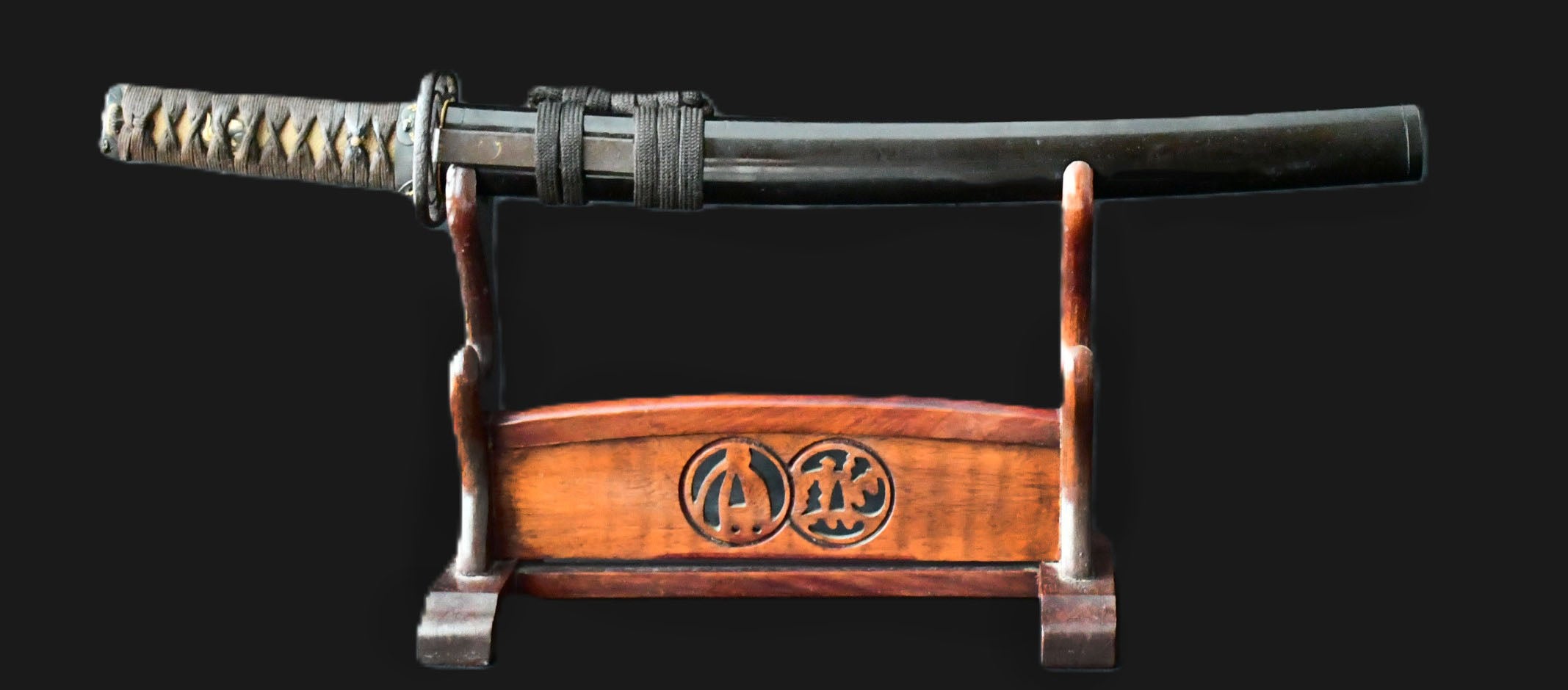
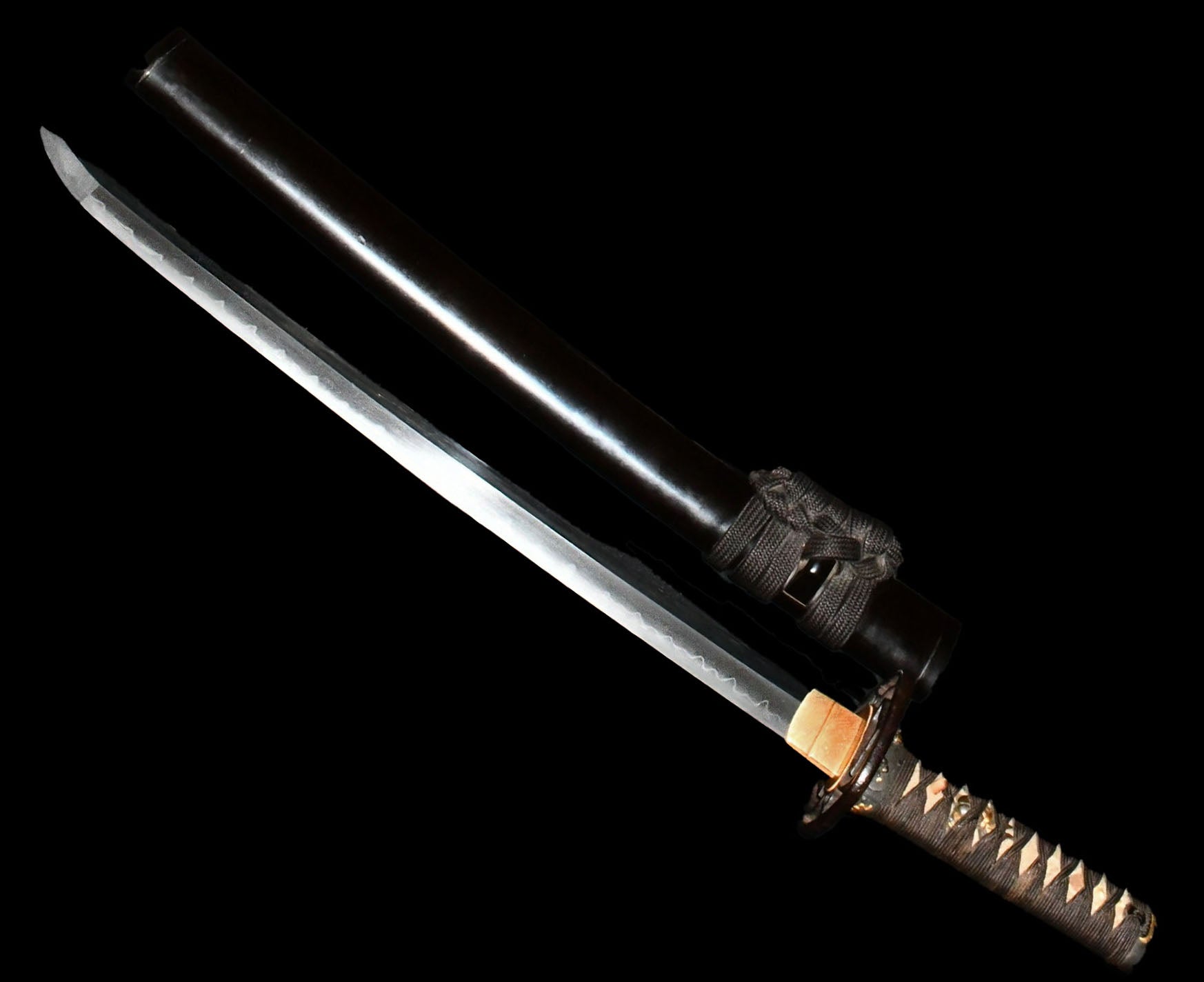
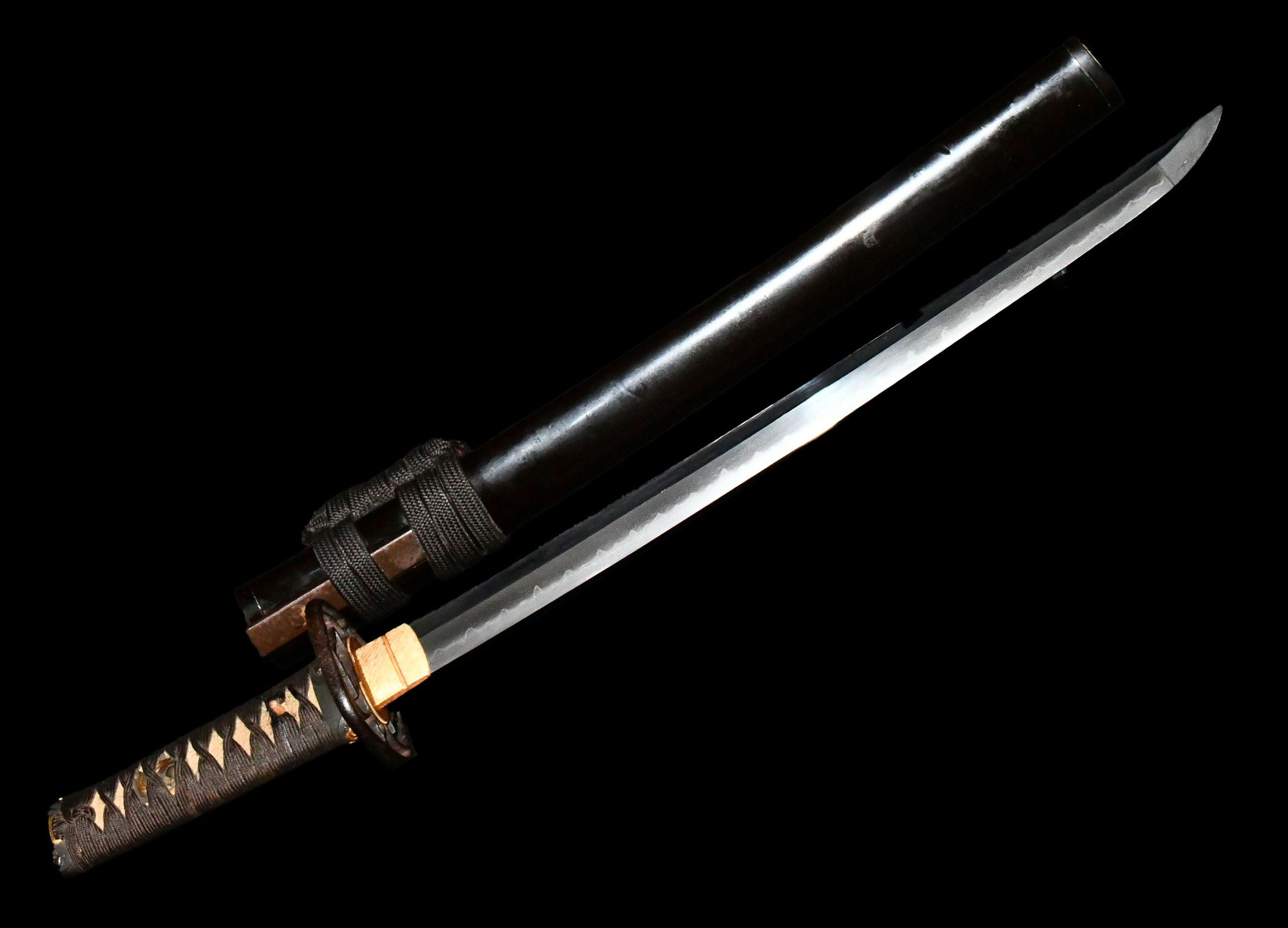
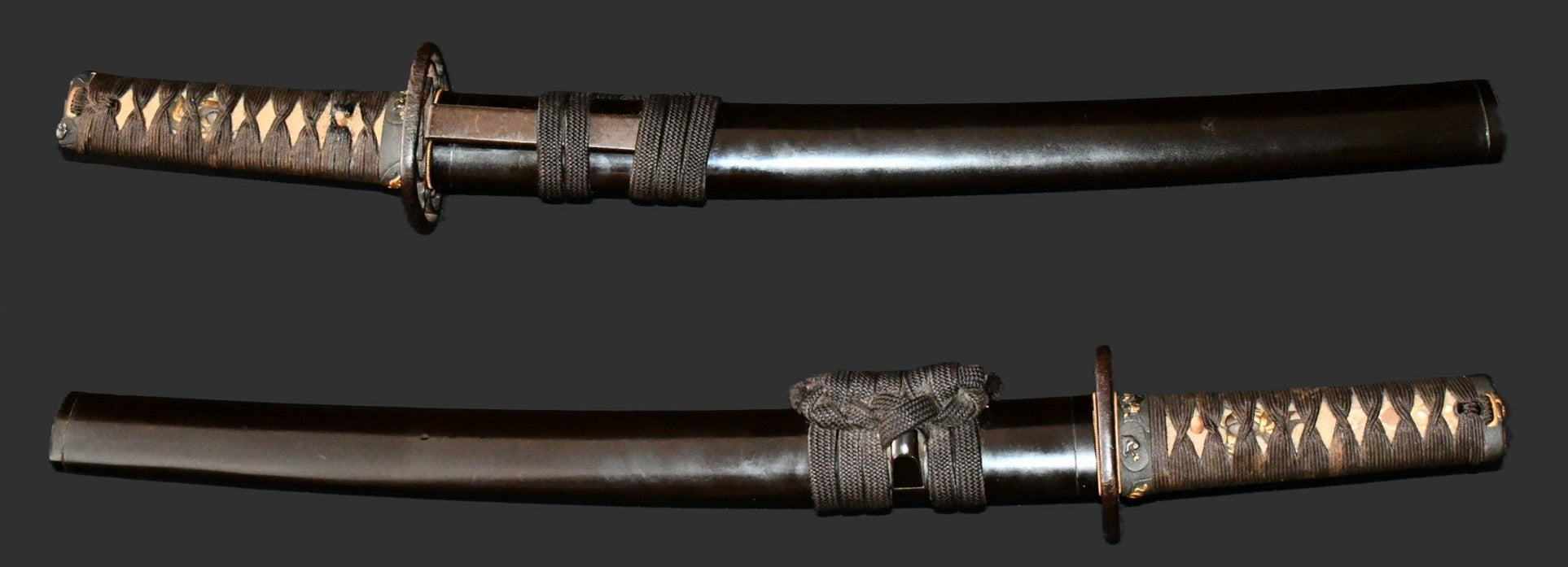
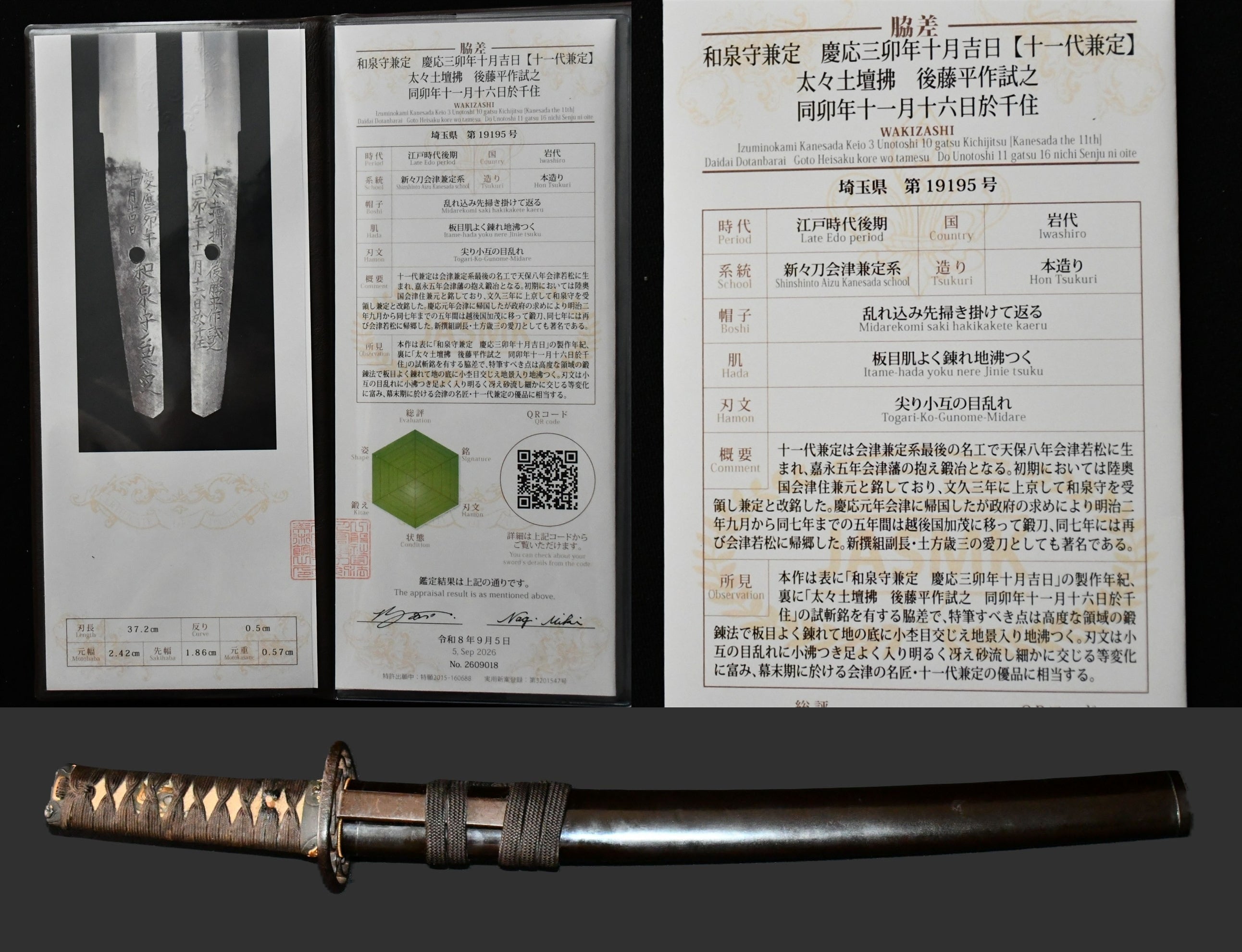
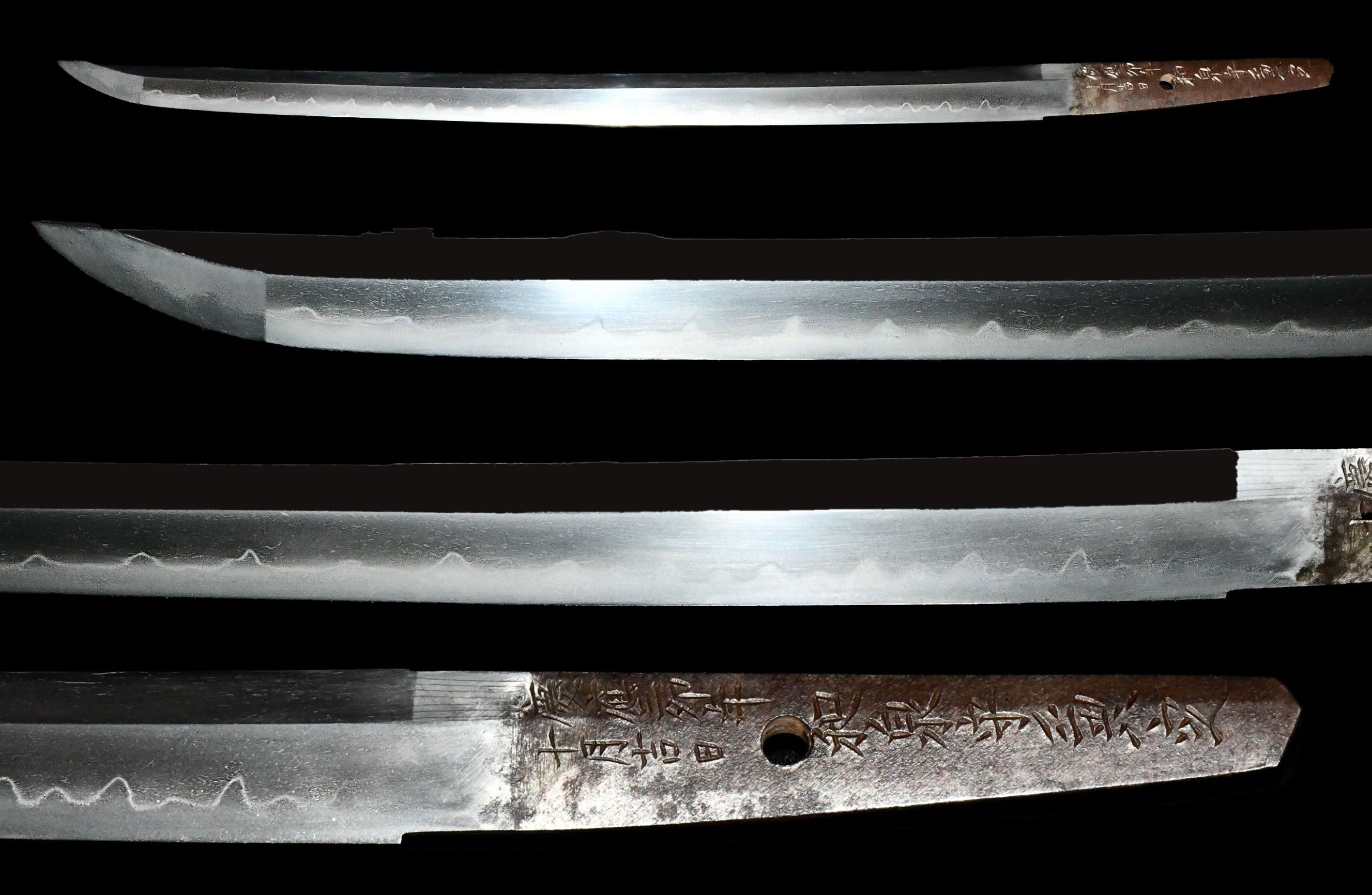
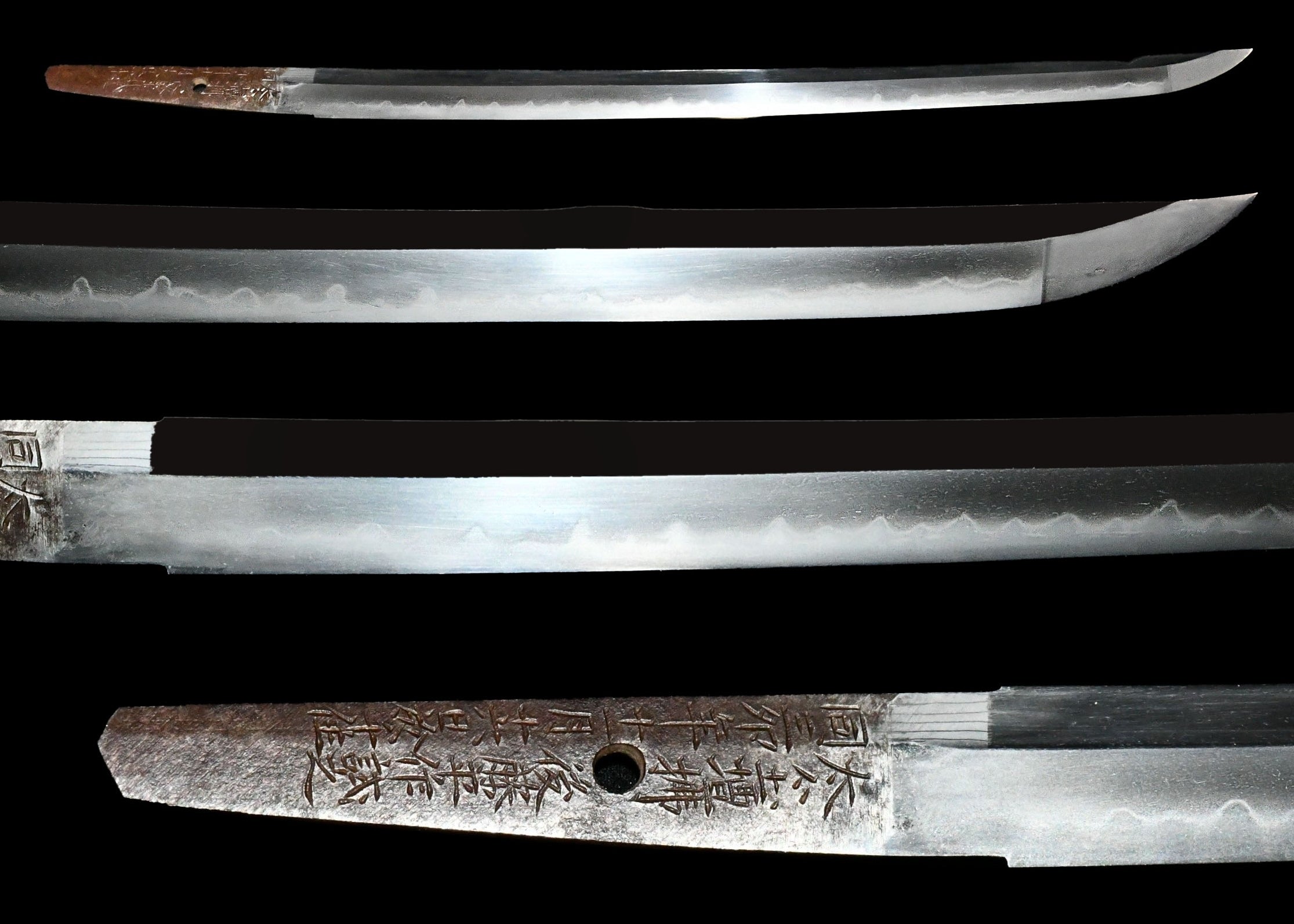
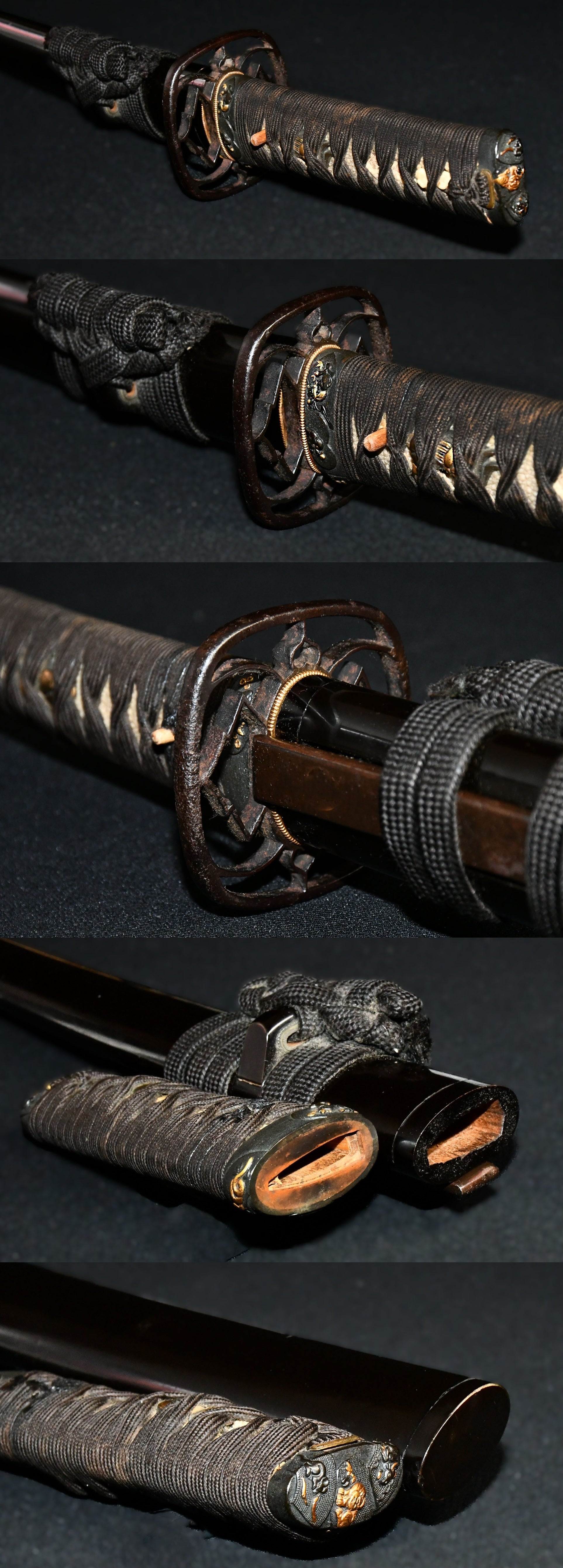
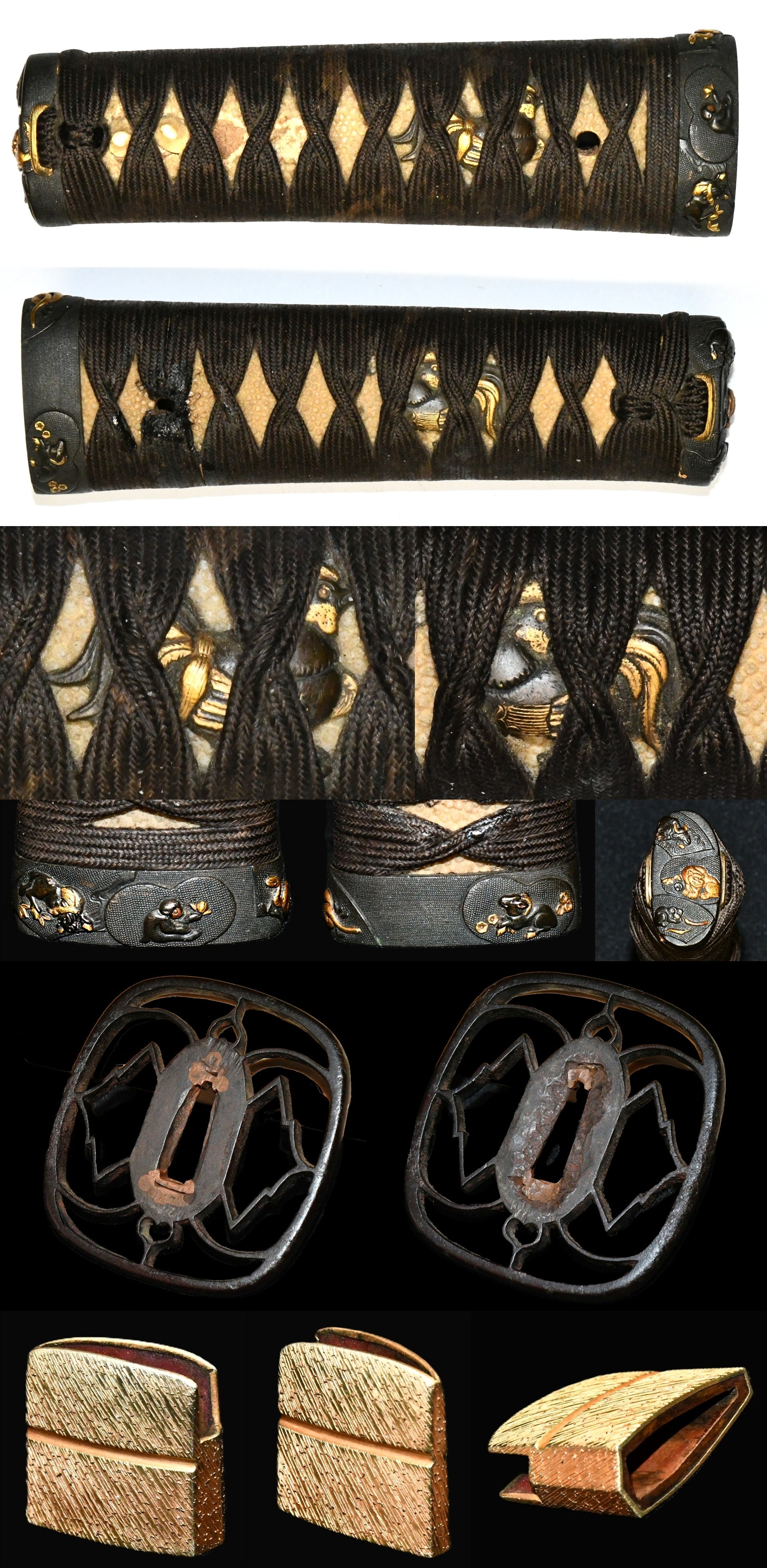
This wakizashi is signed by Izumi no Kami Kanesada, dated Keio 3 (1867), and features a tameshigiri (cutting test) inscription by Goto Heisaku. Kanesada is famous for being the smith of Hijikata Toshizo's (Shinsengumi Vice-Commander) beloved sword. The presence of a cutting test inscription adds significant value to this piece.
 NihontoWatch
mei · Shin-shinto · nagasa 37.2cm · sori 0.5cm
Mino-den · Mutsu · around 1837-1903
3 pieces on the market now
Mino-den · Iwashiro
7 pieces on the market now
| Smith | Era | Designated |
|---|---|---|
| Kanesada兼定 | 1818-1869 | 0 |
| Kanesada兼定 | 1624-1644 | 0 |
| Kanesada兼定 | 1624-1644 | 0 |
| Kanesada兼定 | 1655-1658 | 0 |
| Kanesada兼定 | 1661-1673 | 0 |
Meiji: survival after the edict
The Haitōrei edict of 1876 ended sword wearing and nearly ended the craft itself. Military demand and imperial patronage kept a remnant alive, and in 1906 Gassan Sadakazu and Miyamoto Kanenori were named Artists to the Imperial Household.
We could not find an authenticity certificate on the seller’s listing. Japanese swords and fittings are normally papered by the NBTHK (or the NTHK). Without one, the attribution is the seller’s own assessment and has not been independently verified — treat it with caution and ask the dealer about certification before buying.
Contact within 3 days of receipt; returns not accepted for modified items or when trade-in goods are involved.
¥1,800,000
This wakizashi is signed by Izumi no Kami Kanesada, dated Keio 3 (1867), and features a tameshigiri (cutting test) inscription by Goto Heisaku. Kanesada is famous for being the smith of Hijikata Toshizo's (Shinsengumi Vice-Commander) beloved sword. The presence of a cutting test inscription adds significant value to this piece.
NihontoWatchmei · Shin-shinto · nagasa 37.2cm · sori 0.5cm
Mino-den · Mutsu · around 1837-1903
3 pieces on the market now
Mino-den · Iwashiro
7 pieces on the market now
| Smith | Era | Designated |
|---|---|---|
| Kanesada兼定 | 1818-1869 | 0 |
| Kanesada兼定 | 1624-1644 | 0 |
| Kanesada兼定 | 1624-1644 | 0 |
| Kanesada兼定 | 1655-1658 | 0 |
| Kanesada兼定 | 1661-1673 | 0 |
Meiji: survival after the edict
The Haitōrei edict of 1876 ended sword wearing and nearly ended the craft itself. Military demand and imperial patronage kept a remnant alive, and in 1906 Gassan Sadakazu and Miyamoto Kanenori were named Artists to the Imperial Household.
We could not find an authenticity certificate on the seller’s listing. Japanese swords and fittings are normally papered by the NBTHK (or the NTHK). Without one, the attribution is the seller’s own assessment and has not been independently verified — treat it with caution and ask the dealer about certification before buying.
Contact within 3 days of receipt; returns not accepted for modified items or when trade-in goods are involved.
¥1,800,000