Perry’s arrival in 1853 unraveled the Tokugawa peace and created the first mass demand for working swords in two centuries. Kiyomaro, called the Masamune of Yotsuya, died on its eve; Munetsugu and Yukihide carried the boom to the end.
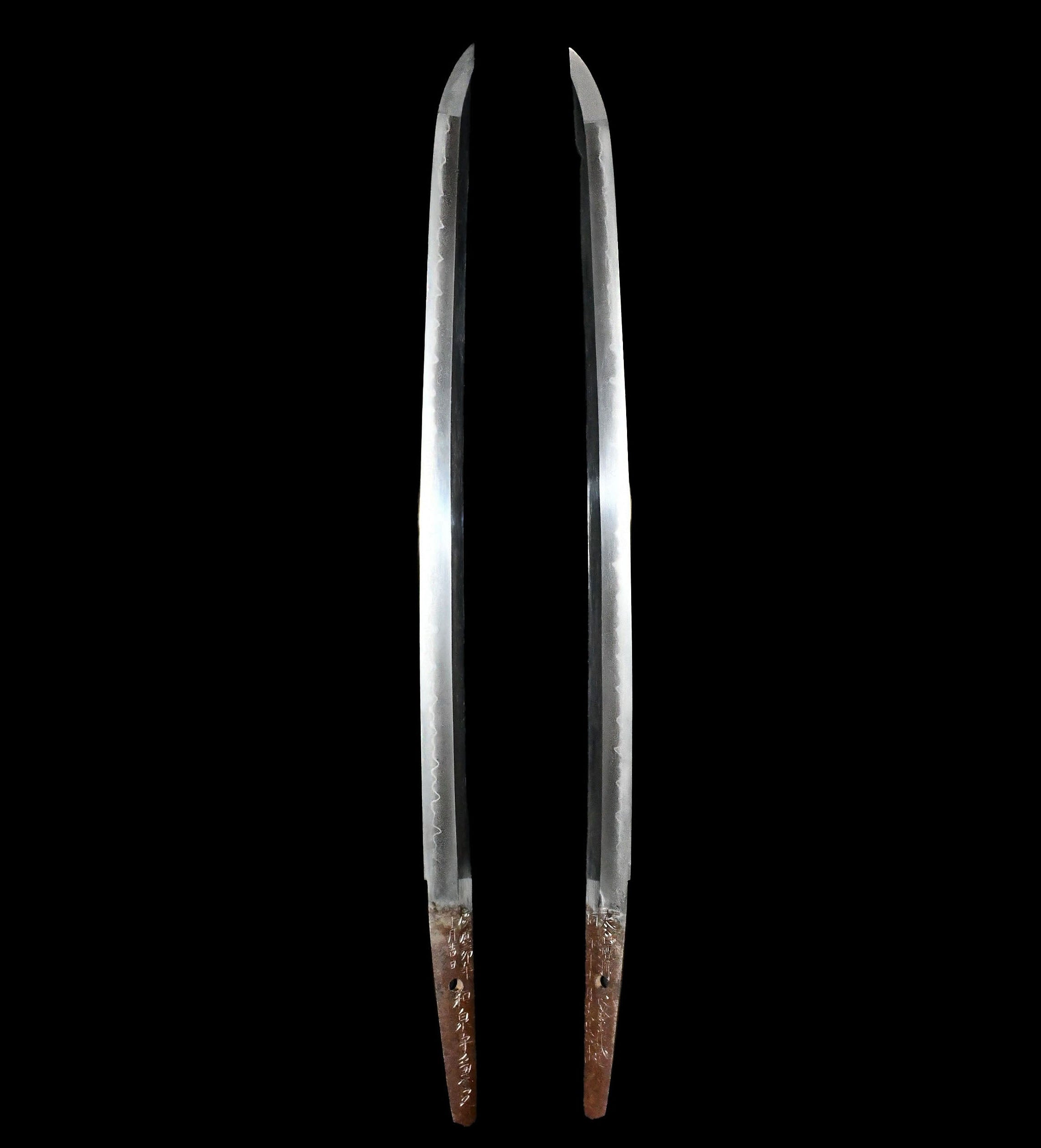
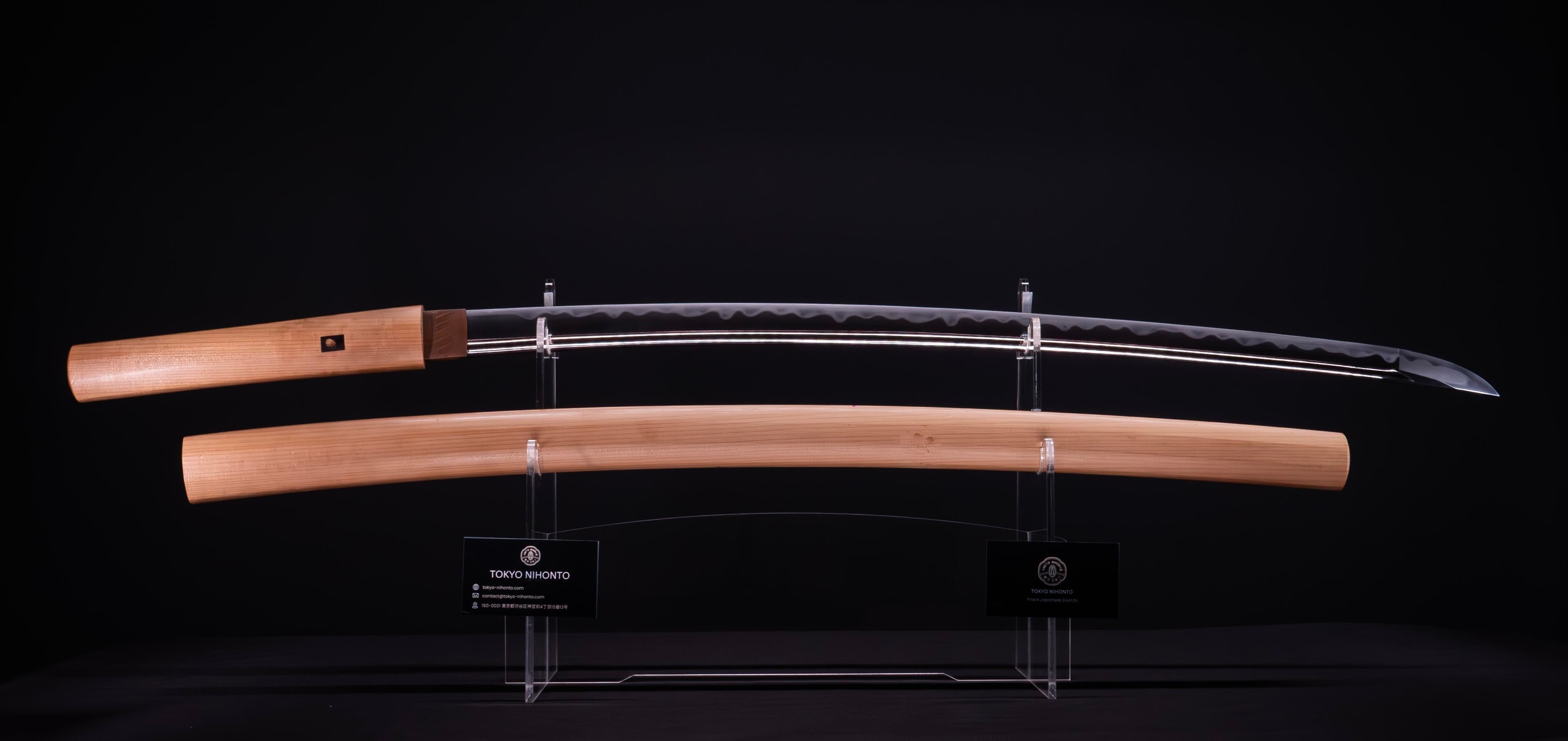
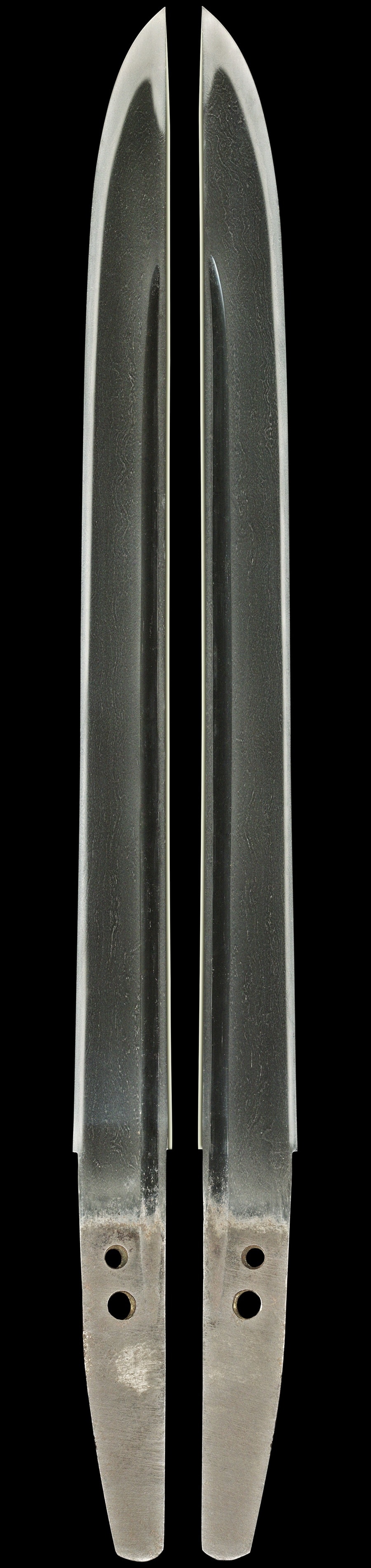
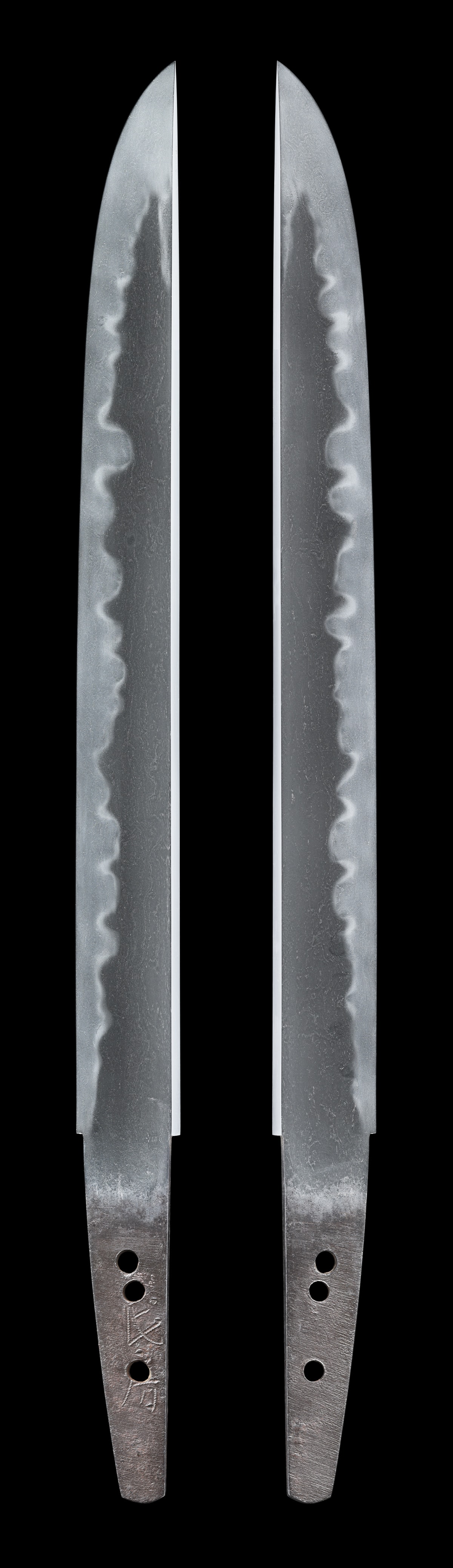
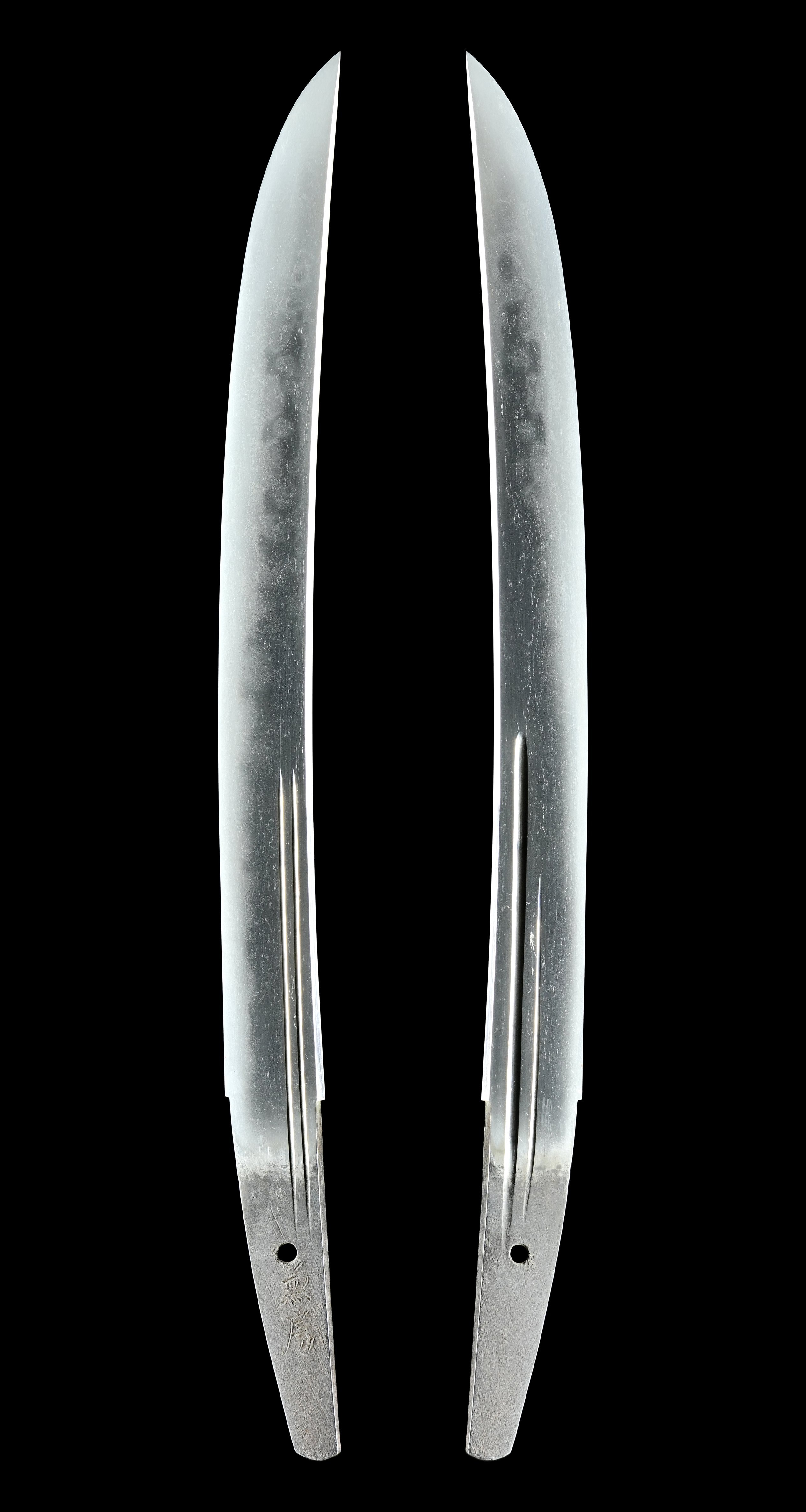
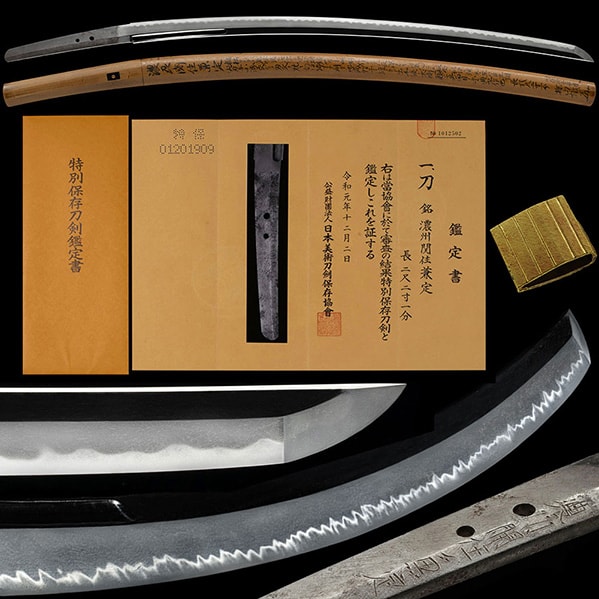
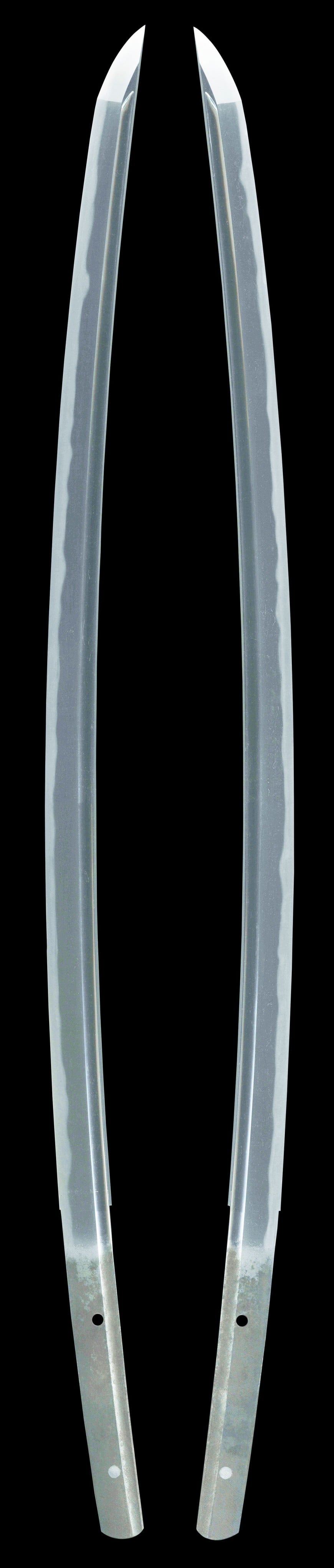
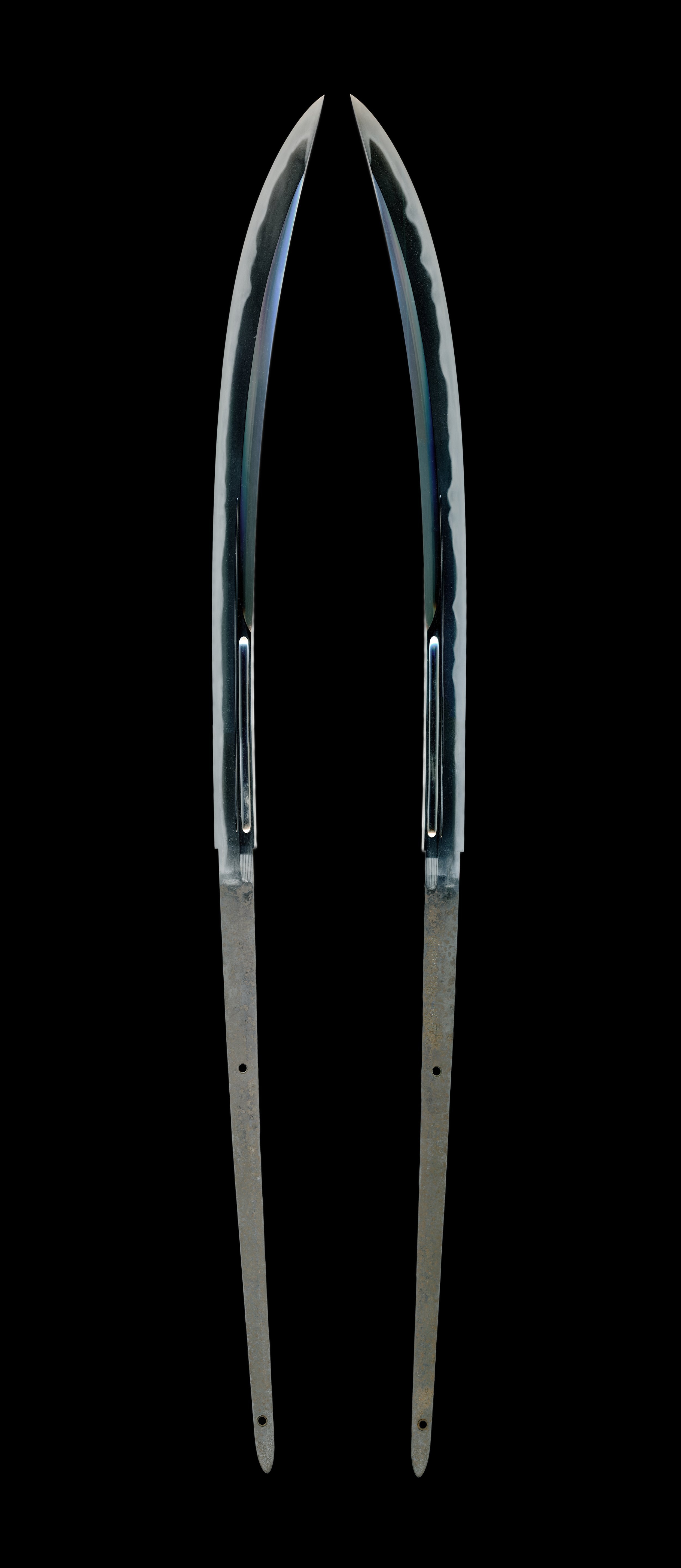
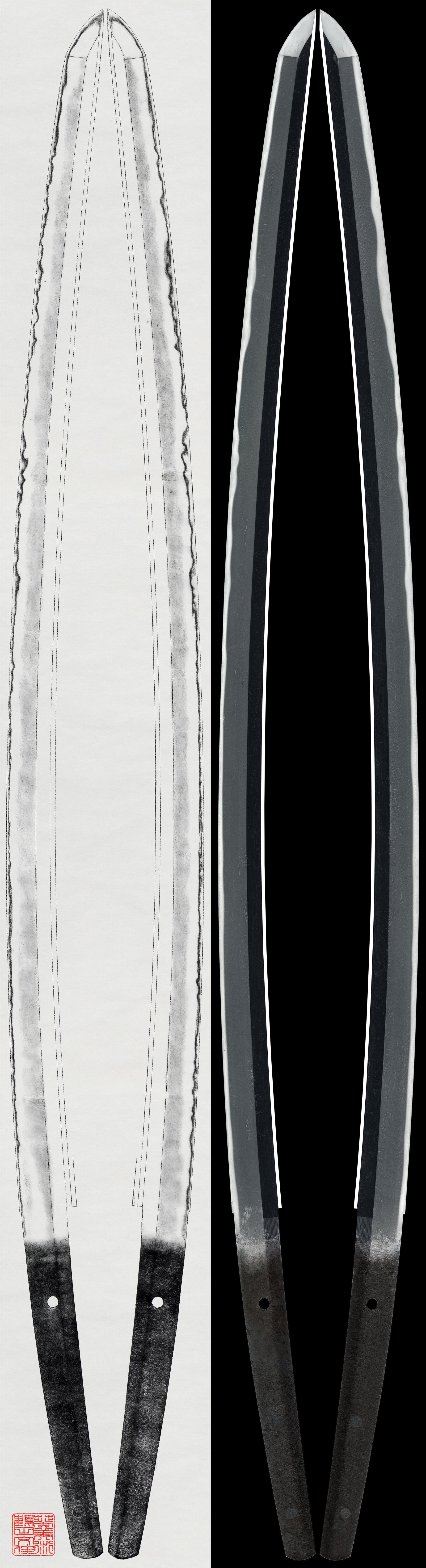
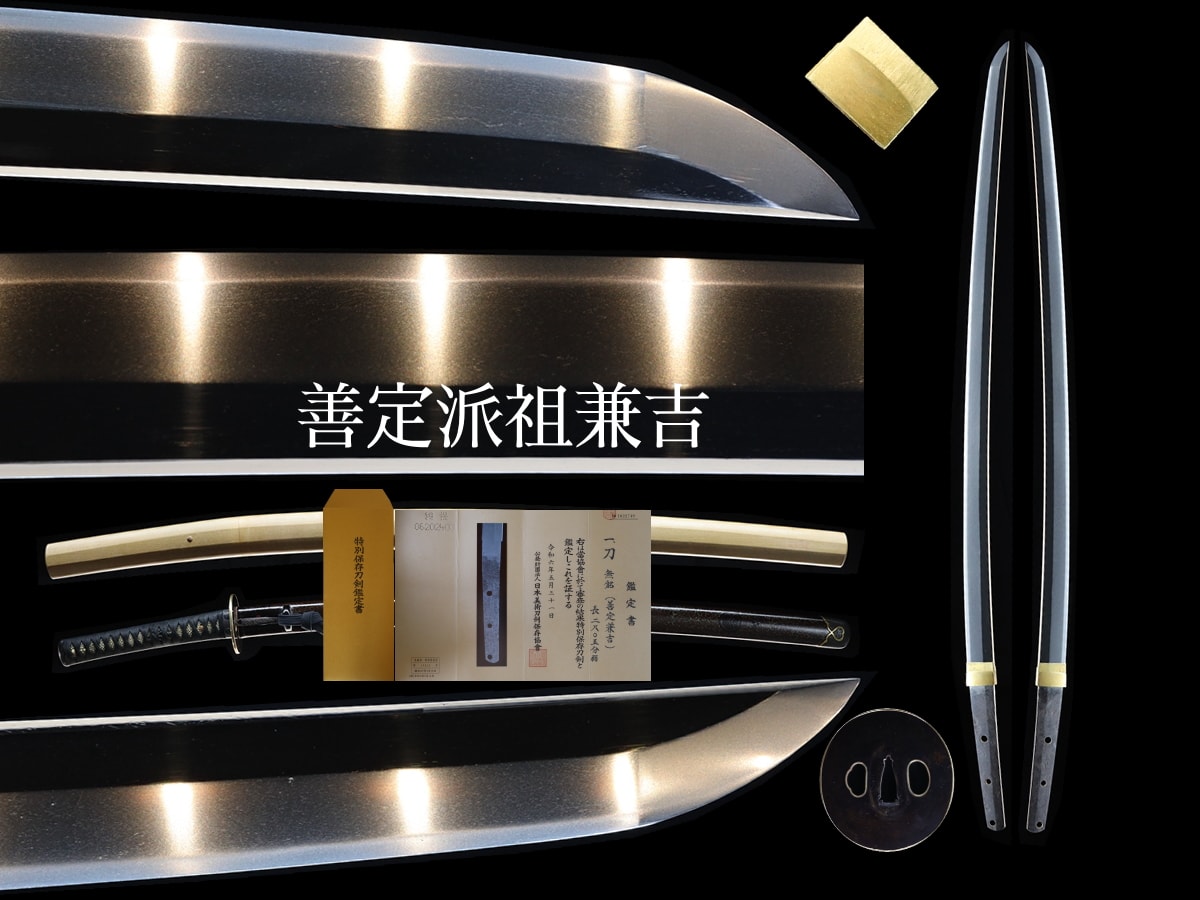
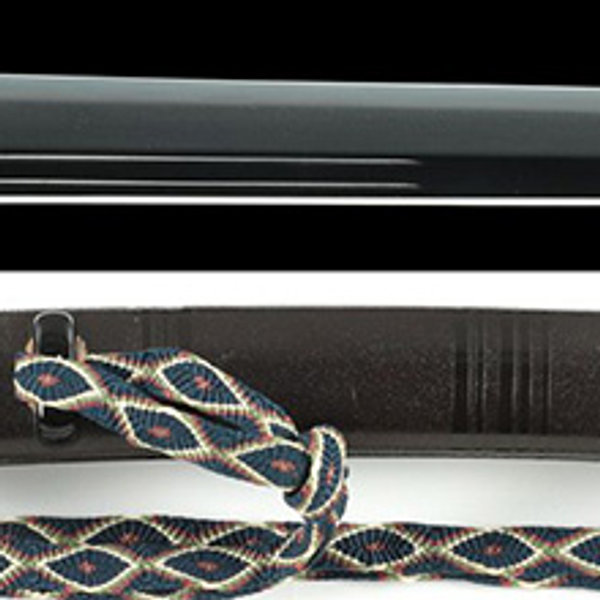
This listing features a tanto attributed to the 11th generation Aizu Kanesada, a prominent smith active in Aizu during the late Edo period. Though the tang is unsigned (mumei) and in its original (ubu) state, it has been authenticated as a work of Aizu Kanesada. This robust and elegant tanto would have been carried by samurai defending Aizu-Wakamatsu, the last stronghold of the pro-Shogunate forces, against the Satsuma-Choshu army.
 NihontoWatch
mumei · Ansei (1854-1860)
Mino-den · Mutsu · around 1837-1903
3 pieces on the market now
Mino-den · Iwashiro
7 pieces on the market now
| Smith | Era | Designated |
|---|---|---|
| Kanesada兼定 | 1818-1869 | 0 |
| Kanesada兼定 | 1624-1644 | 0 |
| Kanesada兼定 | 1624-1644 | 0 |
| Kanesada兼定 | 1655-1658 | 0 |
| Kanesada兼定 | 1661-1673 | 0 |
Bakumatsu: the last war market
Perry’s arrival in 1853 unraveled the Tokugawa peace and created the first mass demand for working swords in two centuries. Kiyomaro, called the Masamune of Yotsuya, died on its eve; Munetsugu and Yukihide carried the boom to the end.
We could not find an authenticity certificate on the seller’s listing. Japanese swords and fittings are normally papered by the NBTHK (or the NTHK). Without one, the attribution is the seller’s own assessment and has not been independently verified — treat it with caution and ask the dealer about certification before buying.
If, due to our fault, the item differs significantly from its proper condition, the item may be returned. Cooling-off is within one week of the item's arrival.
Price on request
This listing features a tanto attributed to the 11th generation Aizu Kanesada, a prominent smith active in Aizu during the late Edo period. Though the tang is unsigned (mumei) and in its original (ubu) state, it has been authenticated as a work of Aizu Kanesada. This robust and elegant tanto would have been carried by samurai defending Aizu-Wakamatsu, the last stronghold of the pro-Shogunate forces, against the Satsuma-Choshu army.
NihontoWatchmumei · Ansei (1854-1860)
Mino-den · Mutsu · around 1837-1903
3 pieces on the market now
Mino-den · Iwashiro
7 pieces on the market now
| Smith | Era | Designated |
|---|---|---|
| Kanesada兼定 | 1818-1869 | 0 |
| Kanesada兼定 | 1624-1644 | 0 |
| Kanesada兼定 | 1624-1644 | 0 |
| Kanesada兼定 | 1655-1658 | 0 |
| Kanesada兼定 | 1661-1673 | 0 |
Bakumatsu: the last war market
Perry’s arrival in 1853 unraveled the Tokugawa peace and created the first mass demand for working swords in two centuries. Kiyomaro, called the Masamune of Yotsuya, died on its eve; Munetsugu and Yukihide carried the boom to the end.
We could not find an authenticity certificate on the seller’s listing. Japanese swords and fittings are normally papered by the NBTHK (or the NTHK). Without one, the attribution is the seller’s own assessment and has not been independently verified — treat it with caution and ask the dealer about certification before buying.
If, due to our fault, the item differs significantly from its proper condition, the item may be returned. Cooling-off is within one week of the item's arrival.
Price on request