War at home and trade abroad made Muromachi Bizen the busiest forge region in Japan: a century of Sengoku demand after the Ōnin War, and export missions to Ming China carrying blades by the tens of thousands.
 NihontoWatchNihontoWatch
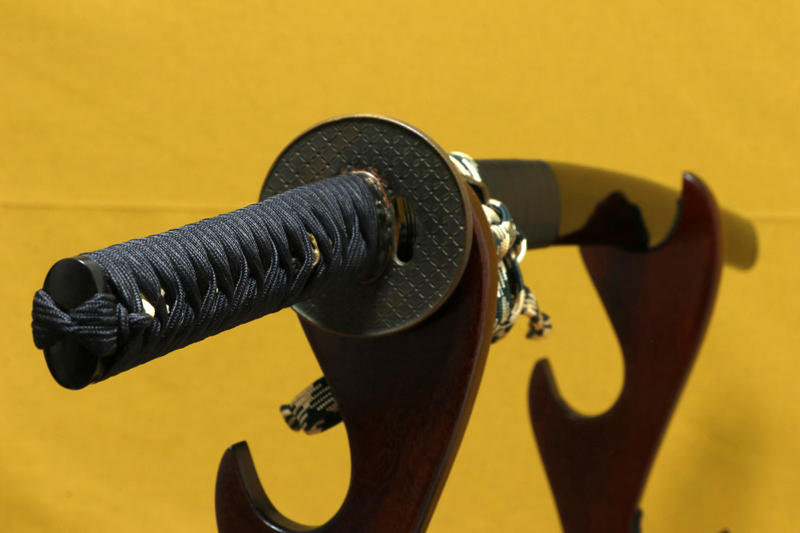
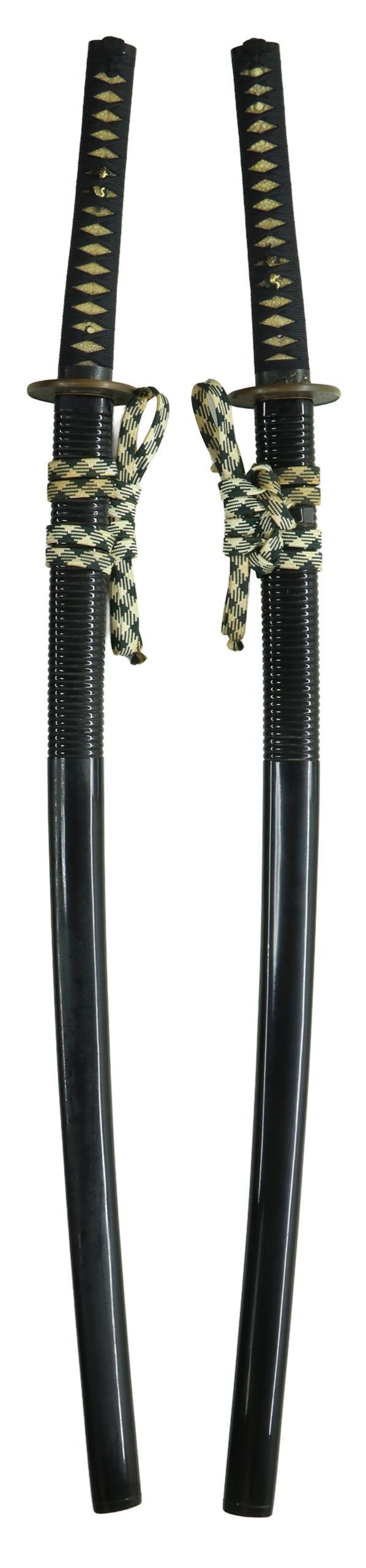
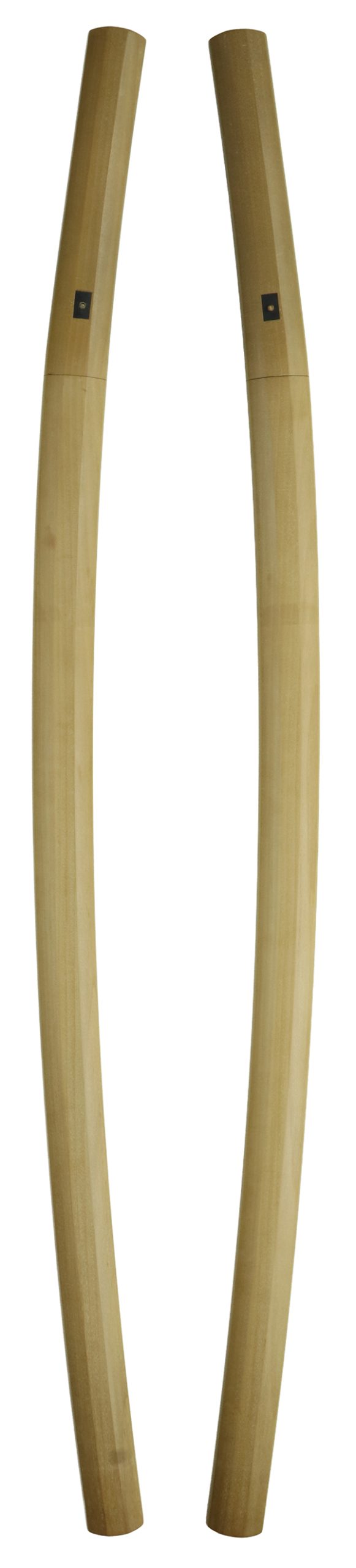
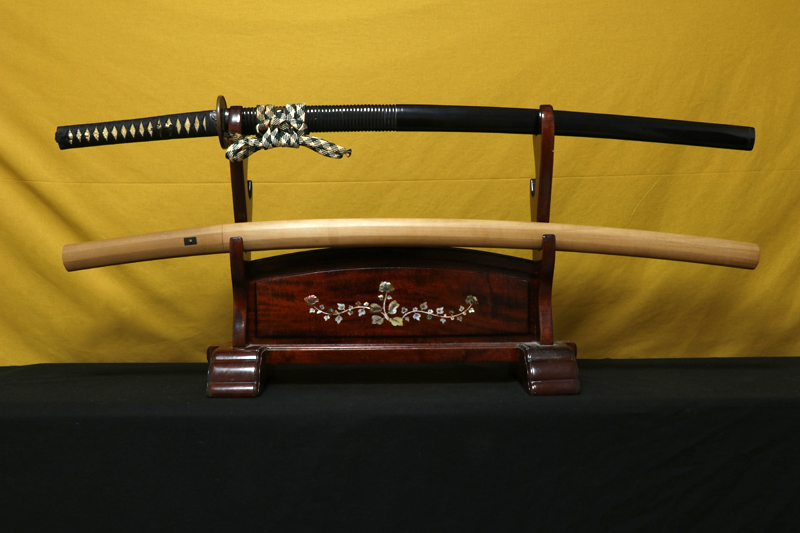
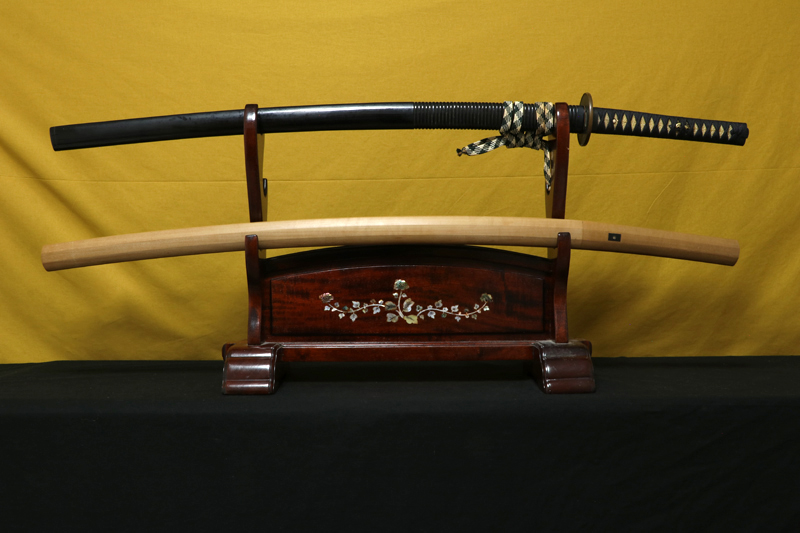
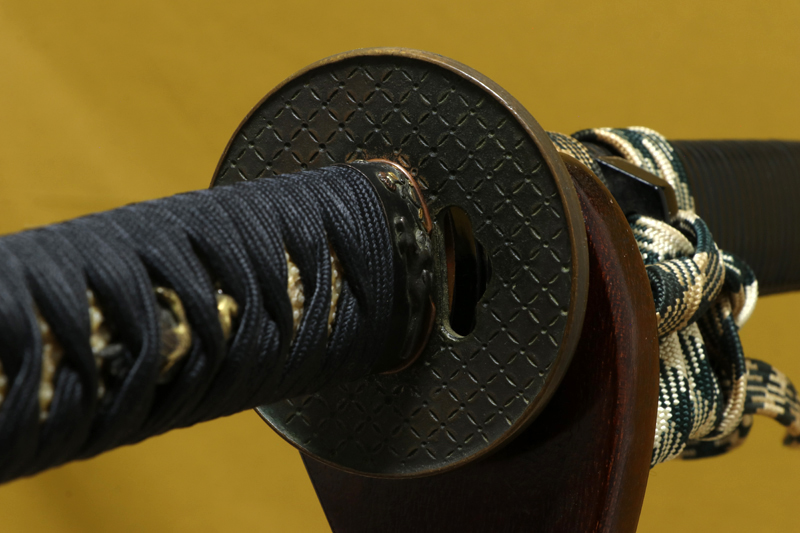
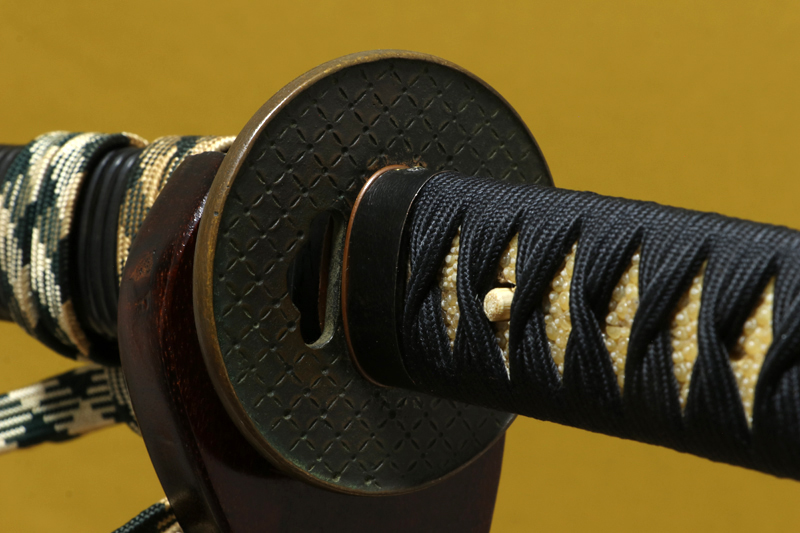
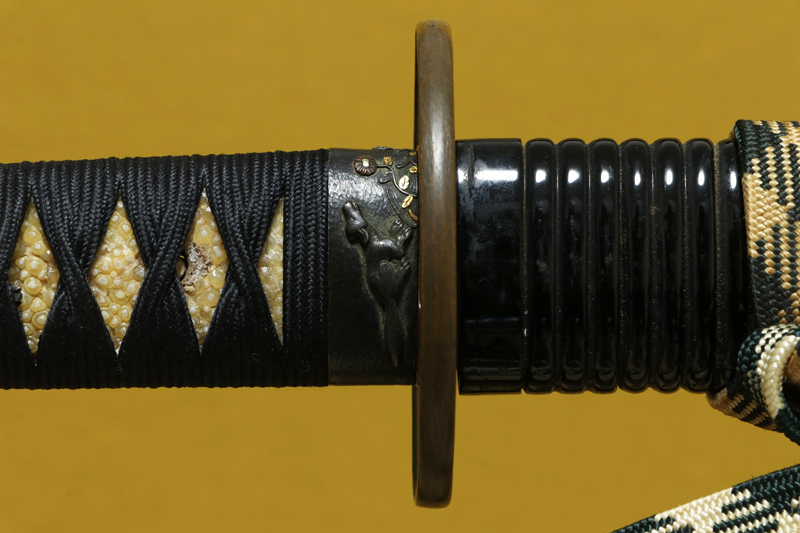
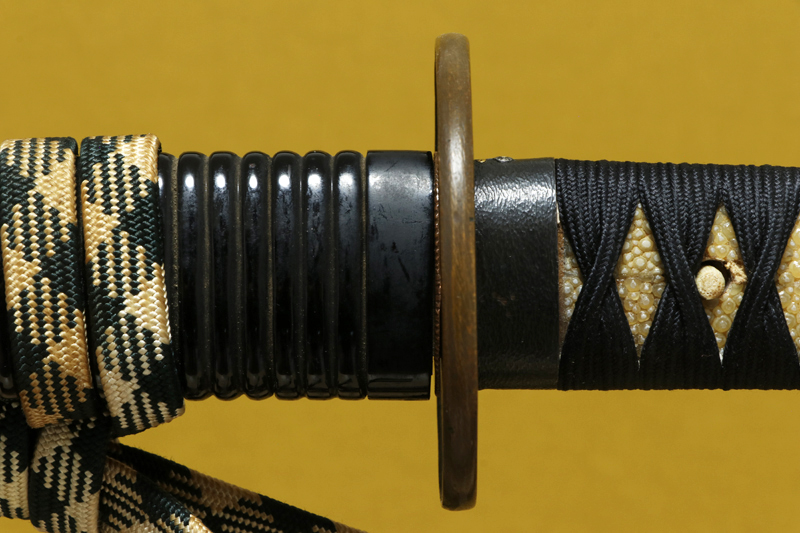
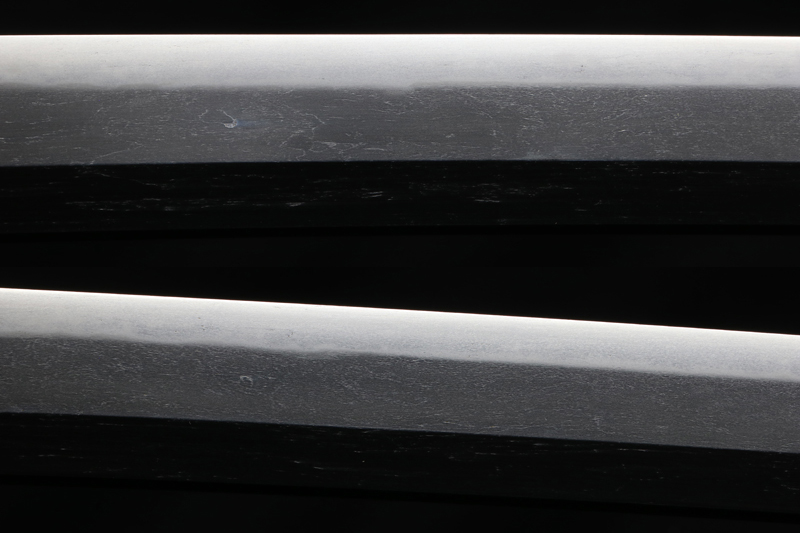
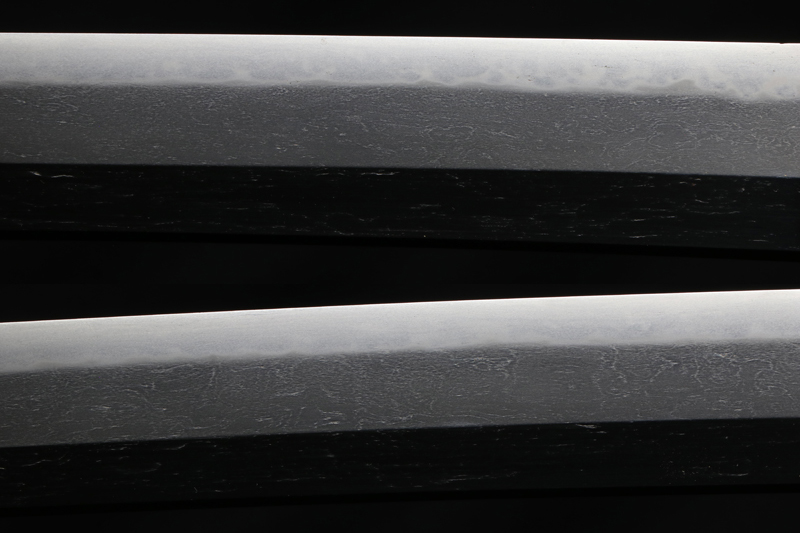
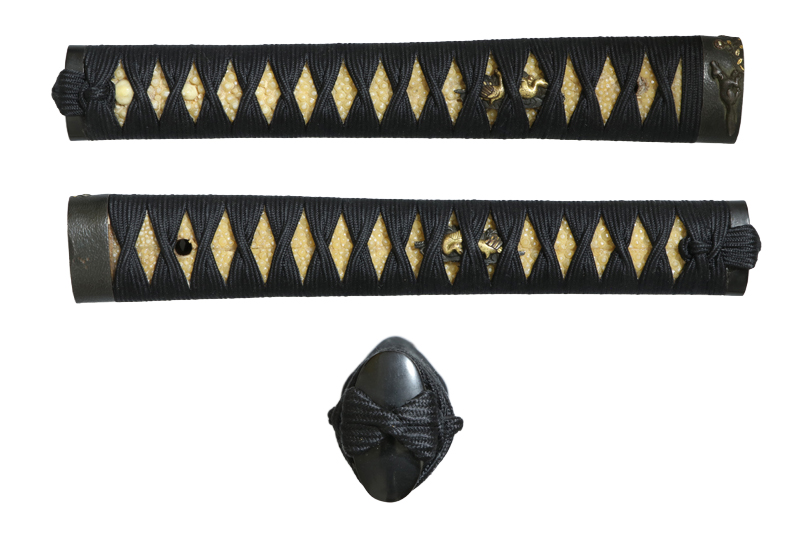
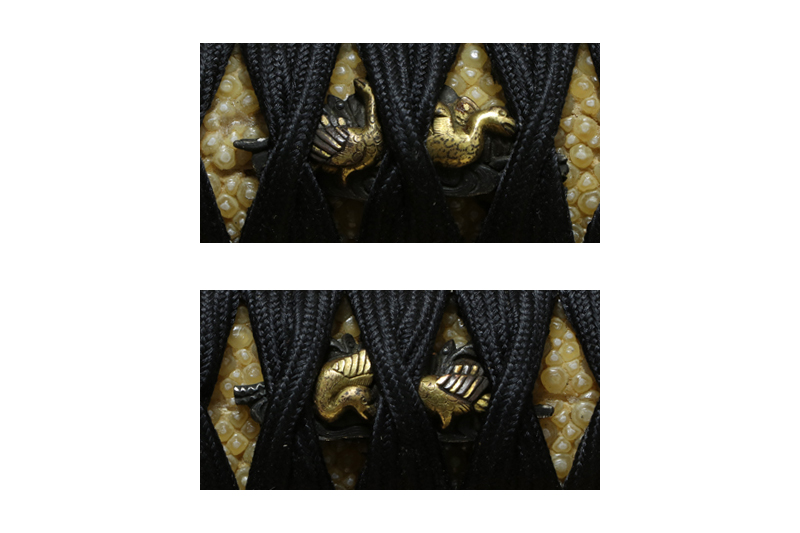
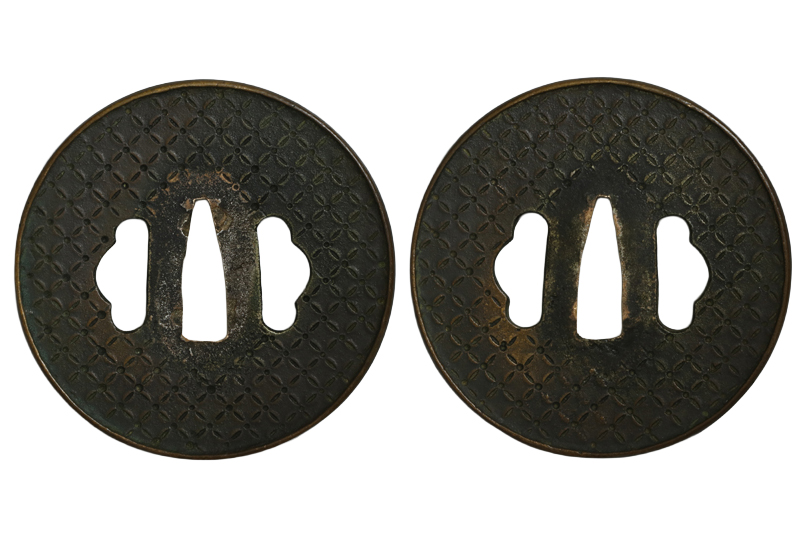
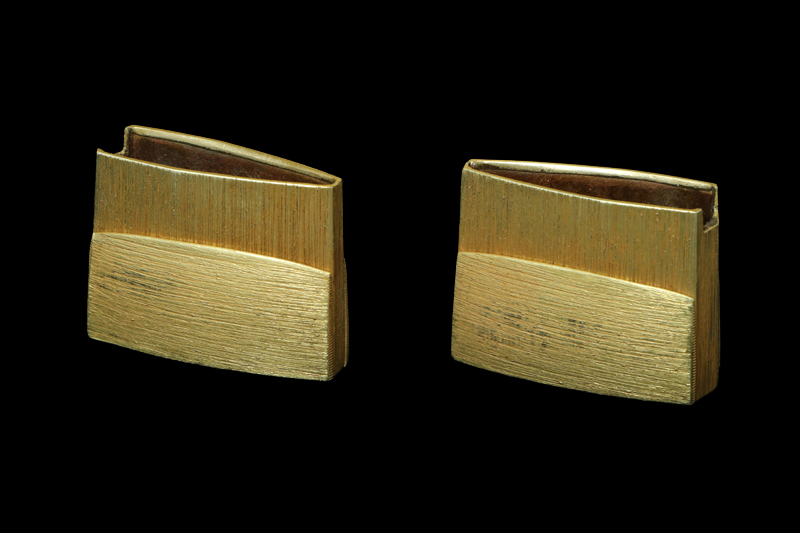
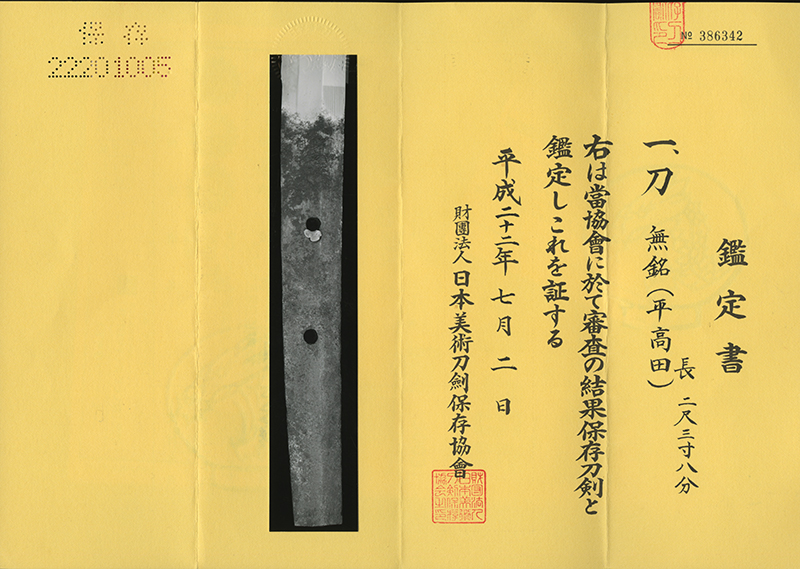
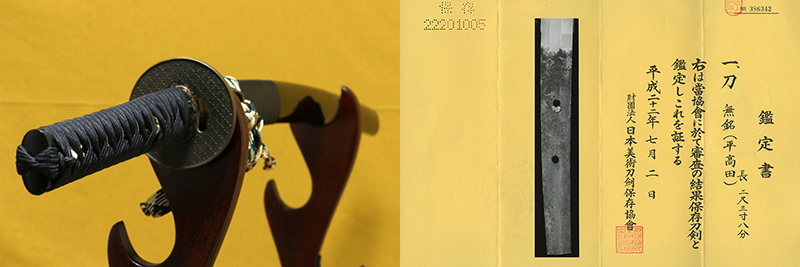
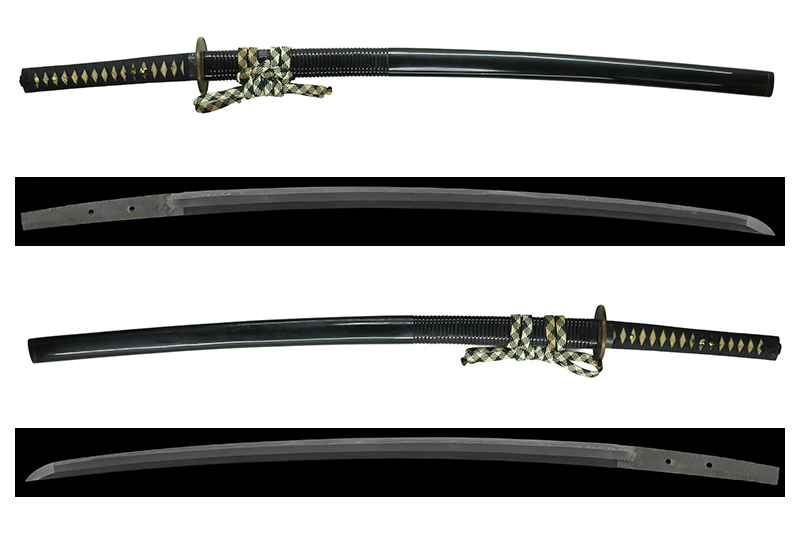
Hozon Token Koto Mumei Taira Takada with Koshirae and Shirosaya. 室町時代後期・天文頃(1532~1555年)に鍛えられた「平高田」の一振り。 板目肌をよく鍛え、小互の目乱れを焼いた刀で、元来は約77cmの太刀として制作され、後に磨上げられて打刀となったものです。目立った鍛え傷もなく、刀身の状態は良好です。 拵えは鯉口に千段刻みを施した趣ある仕立てで、素銅地金着二重鎺を備えています。保存状態も良く、大切に受け継がれてきたことがうかがえます。 歴史ある平高田の魅力を楽しめる、コレクションにも居合にもおすすめの一振りです。 A fine example of the Hira Takada school, forged around the Tenbun era (1532–1555) during the late Muromachi period. The blade features a well-forged itame-hada with a ko-gunome midare hamon. Originally made as a tachi measuring approximately 77 cm, it was later shortened (suriage) and converted into an uchigatana. The blade remains in good condition with no significant forging flaws. The koshirae features an elegant sendan-kizami design around the koiguchi and is fitted with a two-piece gold-covered copper habaki. Its well-preserved condition reflects the care with which this sword has been handed down through generations. A historic and attractive Hira Takada sword, well suited for both collecting and iaido. 「刀姿 sword figure」 鎬造り庵棟、身幅重尋常、鳥居反り中鋒。茎は磨り上げられ切鑢がかかる、茎尻は一文字に切られる。 he nakago has slight machi-okuri and shows kesho-yasuri file marks; the nakago-jiri is kurijiri. 「地鉄 jigane」 地鉄は板目肌が積み地沸付き地景が入る。 The jihada displays a layered itame grain, with abundant ji-nie and streaks of chikei. 「刃紋 hamon」 刃紋は小互の目乱れ、刃縁は沸が付き砂流しかかり、刃中は葉が入り金筋が働く。釯子は刃紋成りに入り小丸に返る。 The hamon is a ko-gunome midare. The habuchi is covered in nie, with sunagashi running through it. Within the ha, yo appear and kinsuji are active. The boshi follows the pattern of the hamon and turns back in a ko-maru. 「特徴 detailed」 豊後国高田(現在の大分市鶴崎周辺)では、鎌倉時代から幕末に至るまで、数多くの日本刀が作られてきました。古刀期、特に室町時代に制作されたものは「平高田」、新刀期以降のものは「藤原高田」と呼ばれています。 本作は、室町時代後期、天文頃(1532~1555年)の「平高田」の刀工による一振りです。 刀身は板目肌をよく鍛え、刃文は小互の目乱れを焼いています。元来は全長約77cmの太刀として制作されたものですが、その後、江戸時代に磨上げが施され、打刀に仕立て直されたものです。 鍛え割れなど、欠点となるような目立った傷は見られず、刀身の状態は良好です。また、今後の研ぎについても十分に見込める状態です。 拵えは柄の修復が施されており、ガタつきもなく、しっかりとした状態です。鞘の鯉口部分には千段刻みが施され、意匠性にも優れた見事な仕上がりとなっています。拵え全体の状態も良好です。また鎺は素銅地金着二重鎺がついておりこの刀が大切にされて来たことが伺い知れます。 歴史ある平高田の作として、コレクションにおすすめできる一振りです。また、茎が長く、手持ちのバランスにも優れているため、鑑賞用としてだけでなく、居合用としても適しています。 拵えは柄に修復が施されており、ガタつきもなく、しっかりとした状態を保っています。鞘の鯉口部分には千段刻みが施され、意匠性にも優れた見事な仕上がりとなっています。拵え全体の保存状態も良好です。 また、鎺には素銅地金着二重鎺が付されており、こうした丁寧な仕立てからも、本刀が歴代の所有者によって大切に受け継がれてきたことがうかがえます。 歴史ある平高田の作として、コレクションにもおすすめできる一振りです。また、茎が長く、手持ちのバランスにも優れているため、鑑賞・収集用としてはもちろん、居合用としても適した一振りです。 In Takada, Bungo Province (around present-day Tsurusaki, Oita City), Japanese swords were produced in considerable numbers from the Kamakura period through the end of the Edo period. Blades made during the Koto period, particularly those dating from the Muromachi period, are generally known as “Taira Takada,” while those produced from the Shinto period onward are referred to as “Fujiwara Takada.” This sword is a work of the Taira Takada school dating from the late Muromachi period, around the Tenbun era (1532–1555). The blade is well forged in itame-hada, with a hamon of ko-gunome midare. It was originally made as a tachi measuring approximately 77 cm in overall length, and was later shortened (suriage) during the Edo period and remounted as an uchigatana. The blade is in good condition, with no significant flaws such as forging cracks or other defects that would detract from its quality. It also retains sufficient material for future polishing. The tsuka of the koshirae has been restored and remains firm and secure, with no looseness. The koiguchi area of the saya features finely executed sendan-kizami, giving the mounting a distinctive and refined appearance. The koshirae as a whole is also in very good condition. The sword is fitted with a two-piece habaki of copper covered with gold (suaka-ji kin-kise nijū habaki). The quality and care evident in such fittings suggest that this sword has been highly valued and carefully preserved by its successive owners over the generations. As a historic work of the Hira Takada school, this sword would make an excellent addition to a Japanese sword collection. Its relatively long nakago also provides excellent balance in the hand, making it well suited not only for appreciation and collecting, but also for iaido practice. 「拵 Koshirae」 ハバキ(habaki) :素銅地金着二重。 鍔(tsuba) :素銅地網目の図。 縁頭(futikasira):縁は赤銅地栗鼠の図、頭は水牛の角です。 目貫(menuki) :赤銅金色絵山鳩の図。 柄(tsuka) : 鮫は親粒が付き巻鮫、柄巻きは正絹黒の諸摘み巻きです。 鞘(saya) : 鯉口は千段刻みの黒呂鞘です。 「刀剣の状態 condition of blade」 研:概ね良好です。 傷:鍛え割れ等欠点になるような傷は有りません。
Offered by Giheiya
This piece has sold
29 on the market
Get an email when new Takada School work hits the market.


As written by the shop
Bizen-den · Bungo
29 pieces on the market now
In Bungo Province on Kyushu, the early Kamakura masters Sadahide and Yukihira appeared and then, for a span, distinguished makers ceased; the setsumei repeatedly mark this gap before the line that became the Takada school took hold. The school was founded in the Nanbokuchō period by Tomoyuki, who arose at Takada Manor (Takada-shō) and signed in the long form "Hōshū Takada-shō Fujiwara Tomoyuki," with dated work surviving from the Shōhei (1349) and Jōji eras into the 1360s. Beside him the registers place Tokiyuki, said to be his son or disciple, and Masayuki, thought to belong to a separate line, whose Kentoku 2 (1371) tantō carries Southern Court dating and a Kurikara relief following the example of Yukihira. From these Nanbokuchō roots the lineage ran continuously through Muromachi and on into the shintō era. The naming itself tracks the periods: Nanbokuchō smiths prefixed Fujiwara; from Muromachi they signed Taira and shared the characters 盛・守・鎮・統, so the group is broadly called Taira-Takada (Heike or Hira-Takada); late in the line they returned to Fujiwara, and that stream, carried into the Edo period, is distinguished as Fujiwara-Takada. Named Muromachi hands in the setsumei include Taira Naomori (a ken dated Ōnin 3, 1469), Taira Nagamori, Takada Tatemori (Meiō 10, 1501), Taira Shizunori, and Fujiwara Shinkiyo. Across the blades a consistent vocabulary recurs. The jihada is itame mixed with mokume, frequently tending toward standing grain (hada-dachi) and, in the early work, drifting toward masame or nagare; ji-nie and chikei appear, the steel often carries a darkish kanagu tone with patches of jifu, and a whitish shirake-utsuri (sometimes a faint midare-utsuri) stands out conspicuously.
The temper runs from suguha and chū-suguha mixed with ko-gunome up to gunome-midare, with nie adhering and ashi and yō entering; kinsuji and sunagashi run through, and in fuller-tempered work tobiyaki, muneyaki and hitatsura develop (as in Nagamori's Eishō wakizashi). Founder-period Tomoyuki work is recognized by angular gunome spaced at wide intervals, an overall subdued (shizumi) impression, strong shirake with jifu, and a manner the setsumei liken to Sue-Sa and the Samonji group; the school as a whole shows Bizen-leaning utsuri, Yamato-tinged masame and nagare, and at its summit, in Shizunori, work judged to take Rai Kuniyuki as its model. Branch and period read off the signature prefix and the shape: deep curvature with an arched, upturned profile through mid-Muromachi, then broader blades with shallower sori and an extended chū-kissaki in the later phase. " Among the smiths the setsumei single out Nagamori as the most accomplished of the Heike-Takada, a suguha specialist with notably good jigane and skilled horimono, his name carried across several generations and dated freely in the Eishō and Daiei eras; one of his blades was bestowed by Shimazu Tsugutoyo of Kagoshima on the retainer Honda Chikaaki, and Tatemori is rated near him. The line reached into early shintō through Kunifusa, a disciple of Shizumasa of Takada who moved to Uwajima in Iyo, served Date Hidemune, and worked in a Horikawa manner. Provenance runs through the descriptions: Masayuki's tantō was transmitted in the Shōnai Sakai family with a Hon'ami Kōchū origami of Kyōhō 6 and recorded in the Kōzan oshigata and Umetada Meikan, and Nagamori's tachi survives with a maki-e and raden scabbard. The cutting-oriented robustness of the work, weighty in hand with thick kasane and a sturdy build, reflects the taste of an age of warfare, and these blades served as practical arms across Kyushu. The setsumei are candid that Takada has drawn a generally low evaluation in the field, and several of the registered pieces are framed expressly as answering that judgment, restoring the standing of a long lineage on the strength of its best surviving work. Learn more →
| Smith | Era | Designated |
|---|---|---|
| Tomoyuki友行 | 1350-1367 | 15 |
| Kunifusa國房 | 1615-1624 | 5 |
| Akiyuki鑑行 | 1532-1555 | 0 |
| Kagenari景也 | 1661-1673 | 0 |
| Chikayuki及行 | 1661-1673 | 0 |
Bizen in the Muromachi period
War at home and trade abroad made Muromachi Bizen the busiest forge region in Japan: a century of Sengoku demand after the Ōnin War, and export missions to Ming China carrying blades by the tens of thousands.
Within 3 days of the item's arrival, we offer a refund or an exchange. Return shipping and the bank transfer fee for the refund are at the customer's expense.