NihontoWatch Mon

NihontoWatch

Market
Encyclopedia
Kantei
NihontoWatch Mon

NihontoWatch

Market
Encyclopedia
Kantei

Description

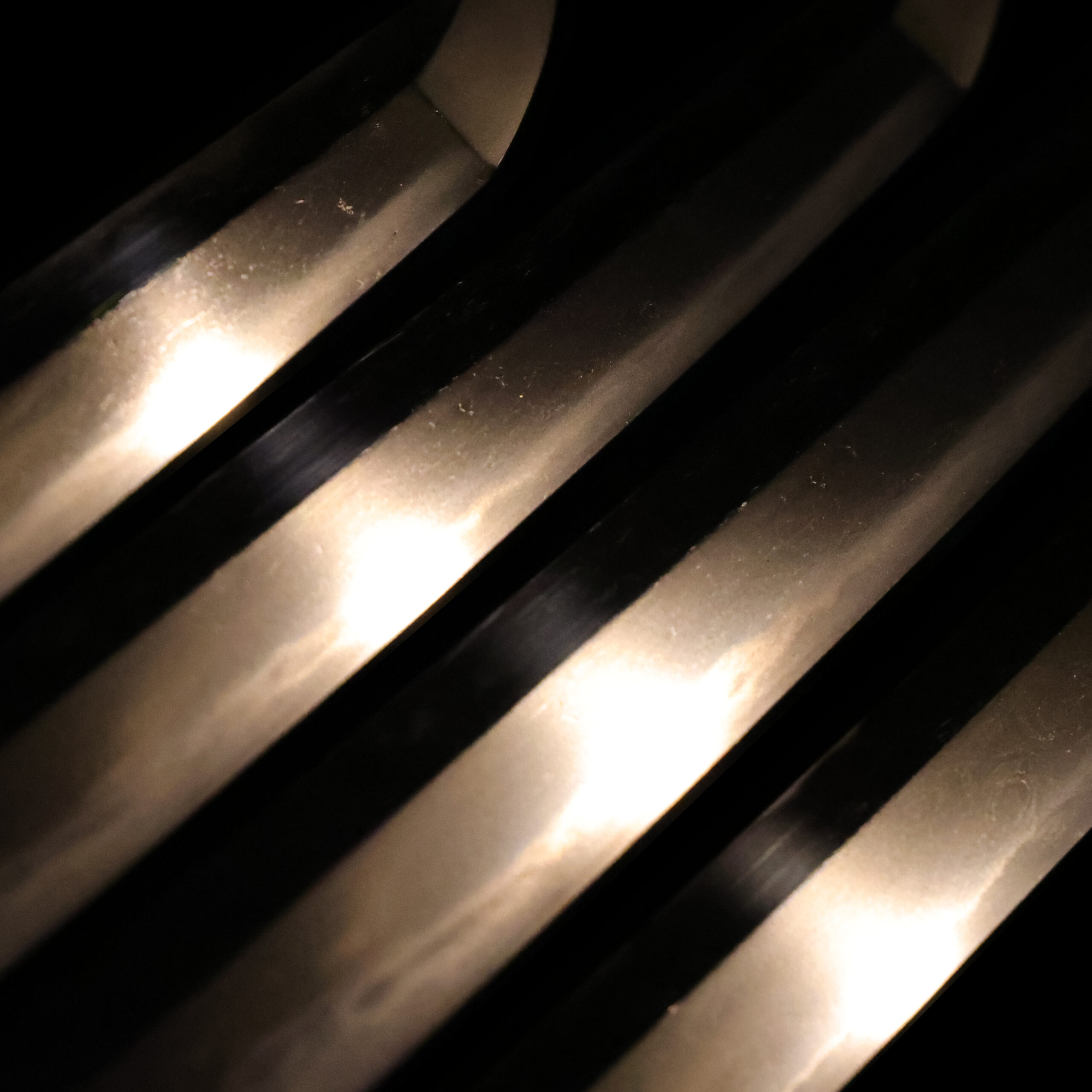
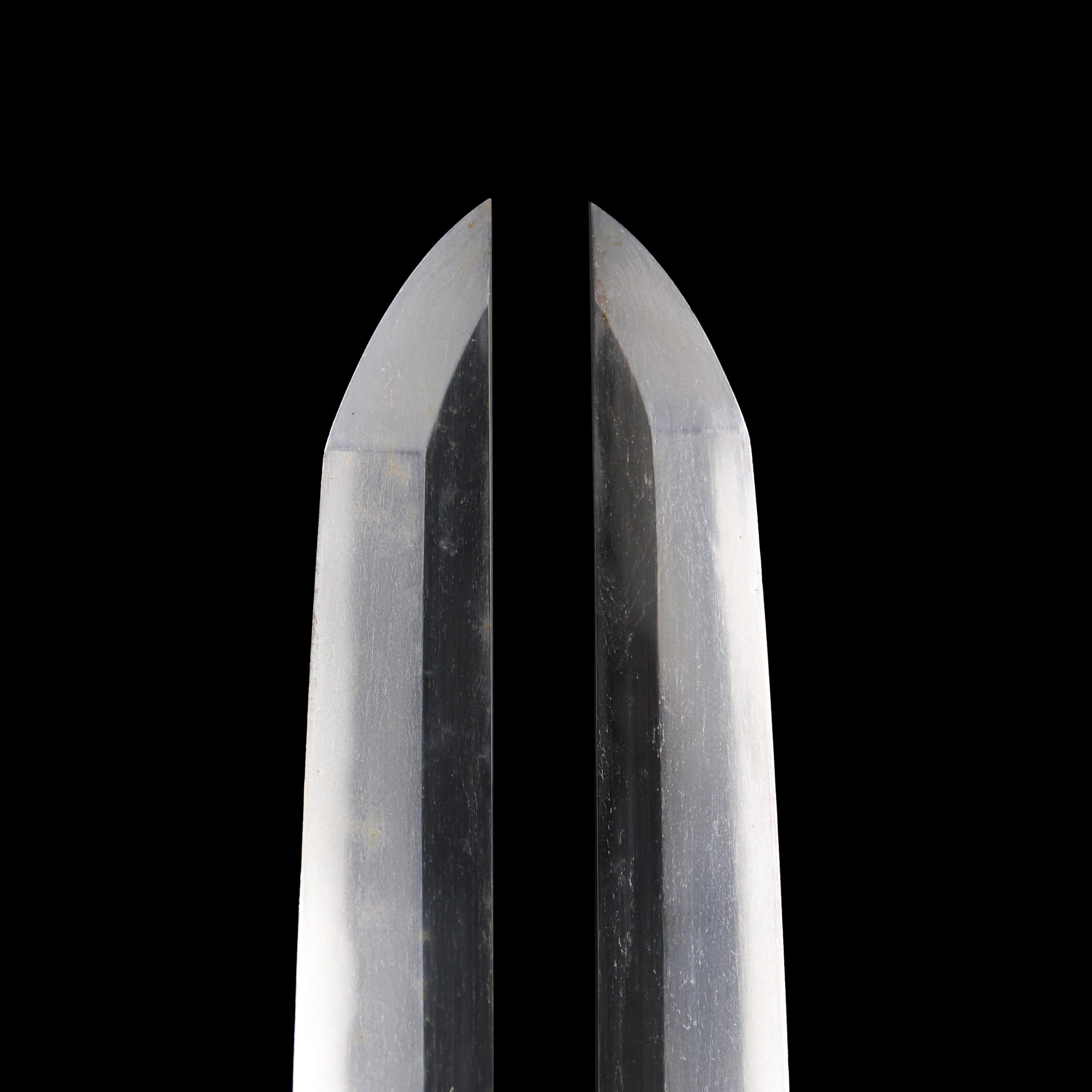
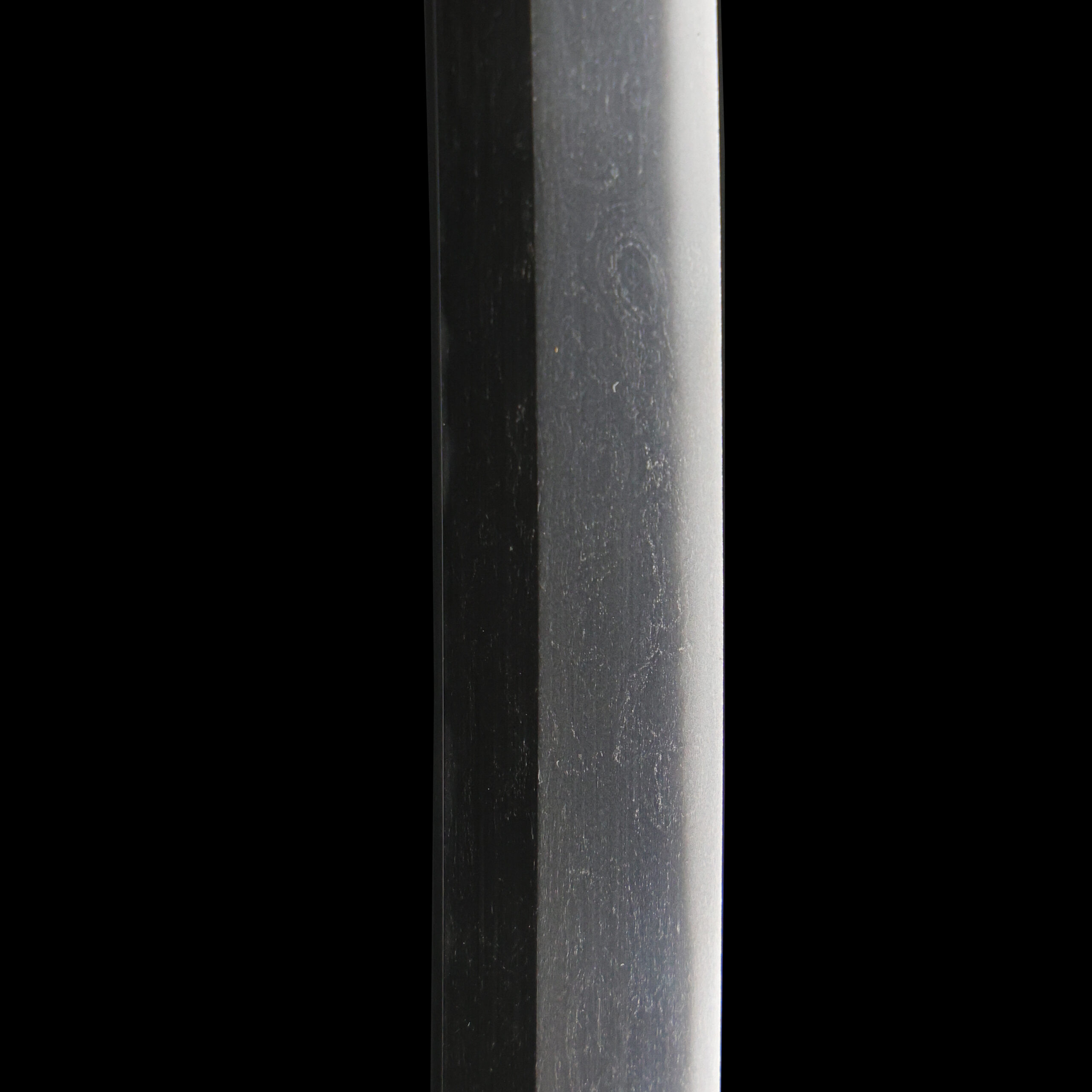
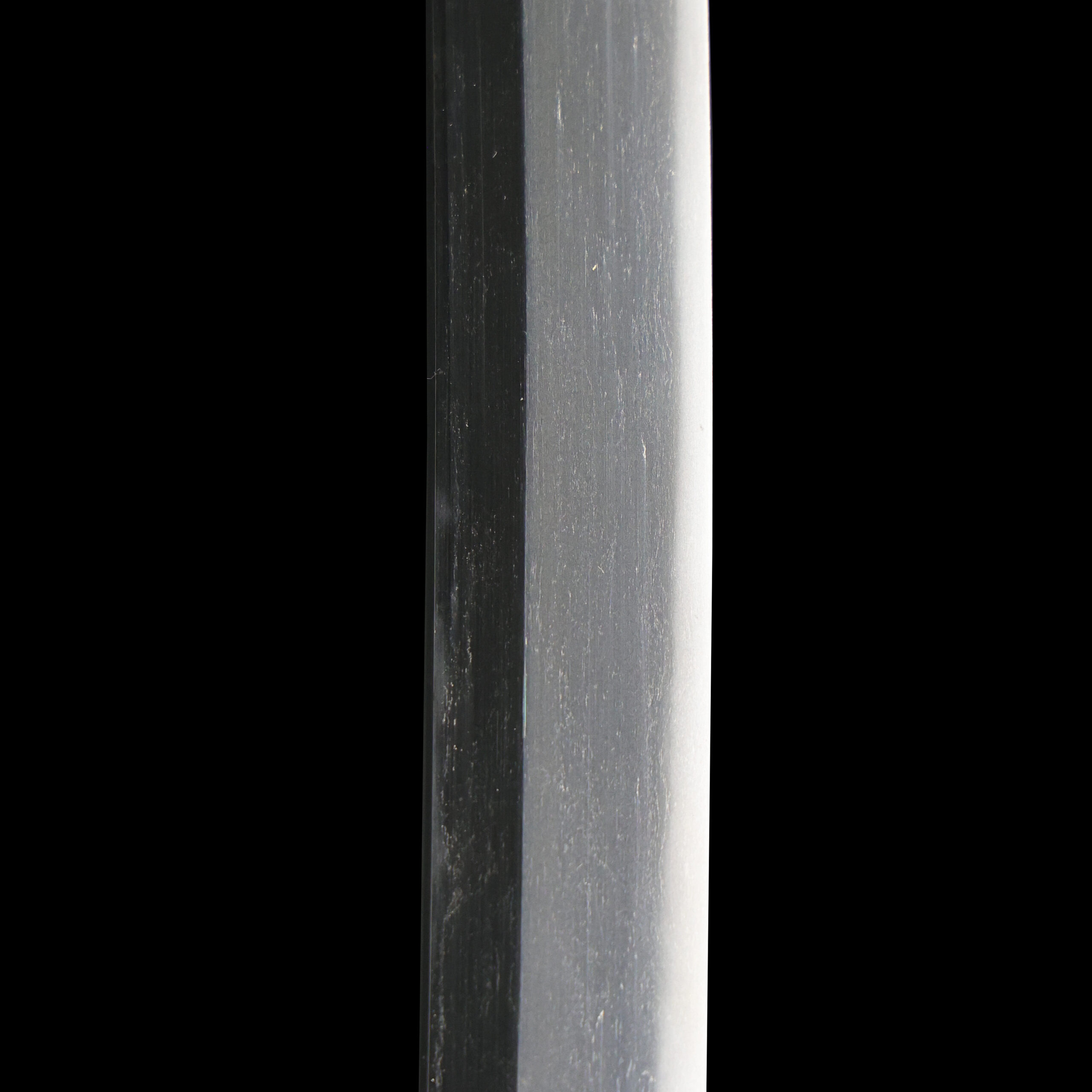
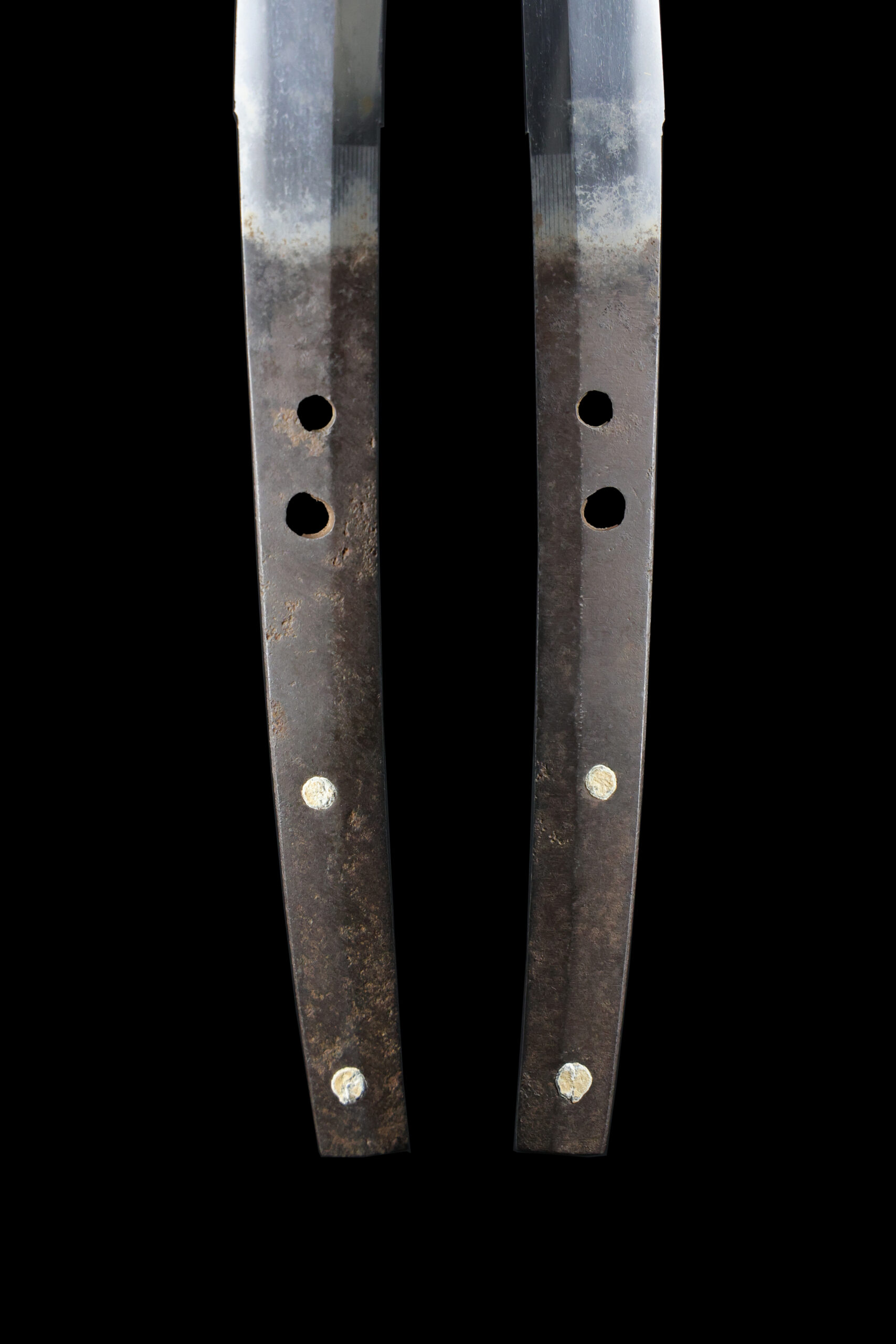
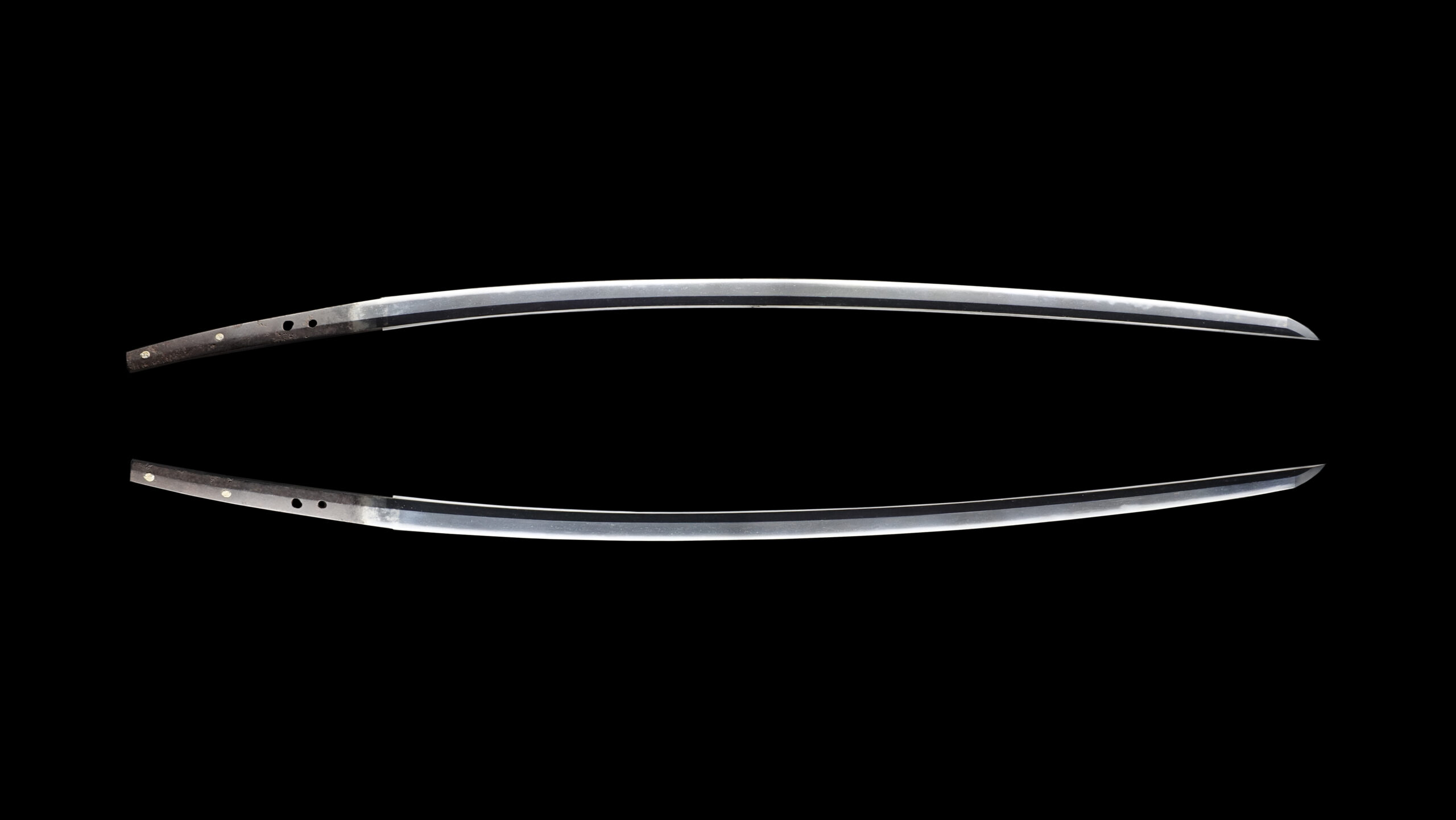
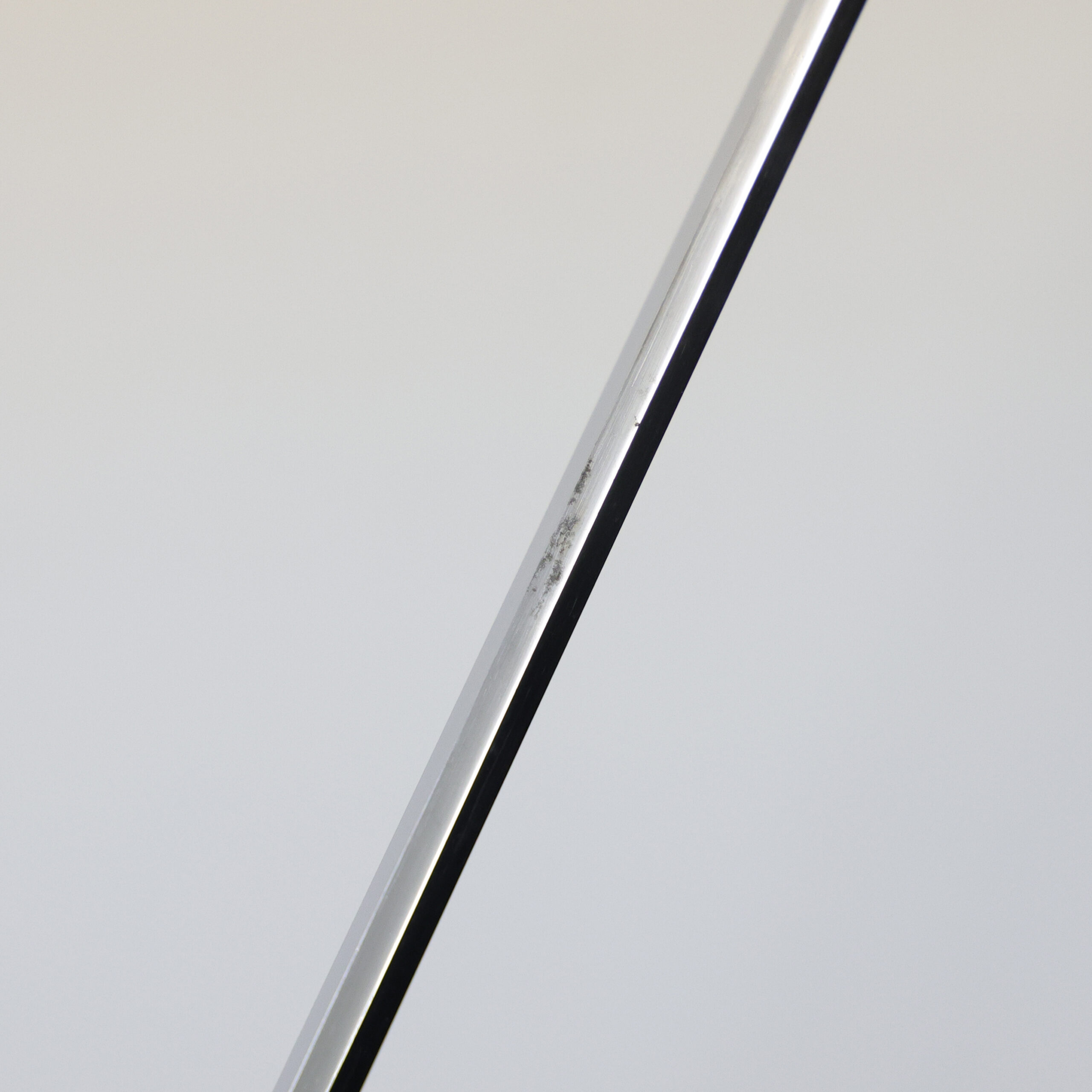
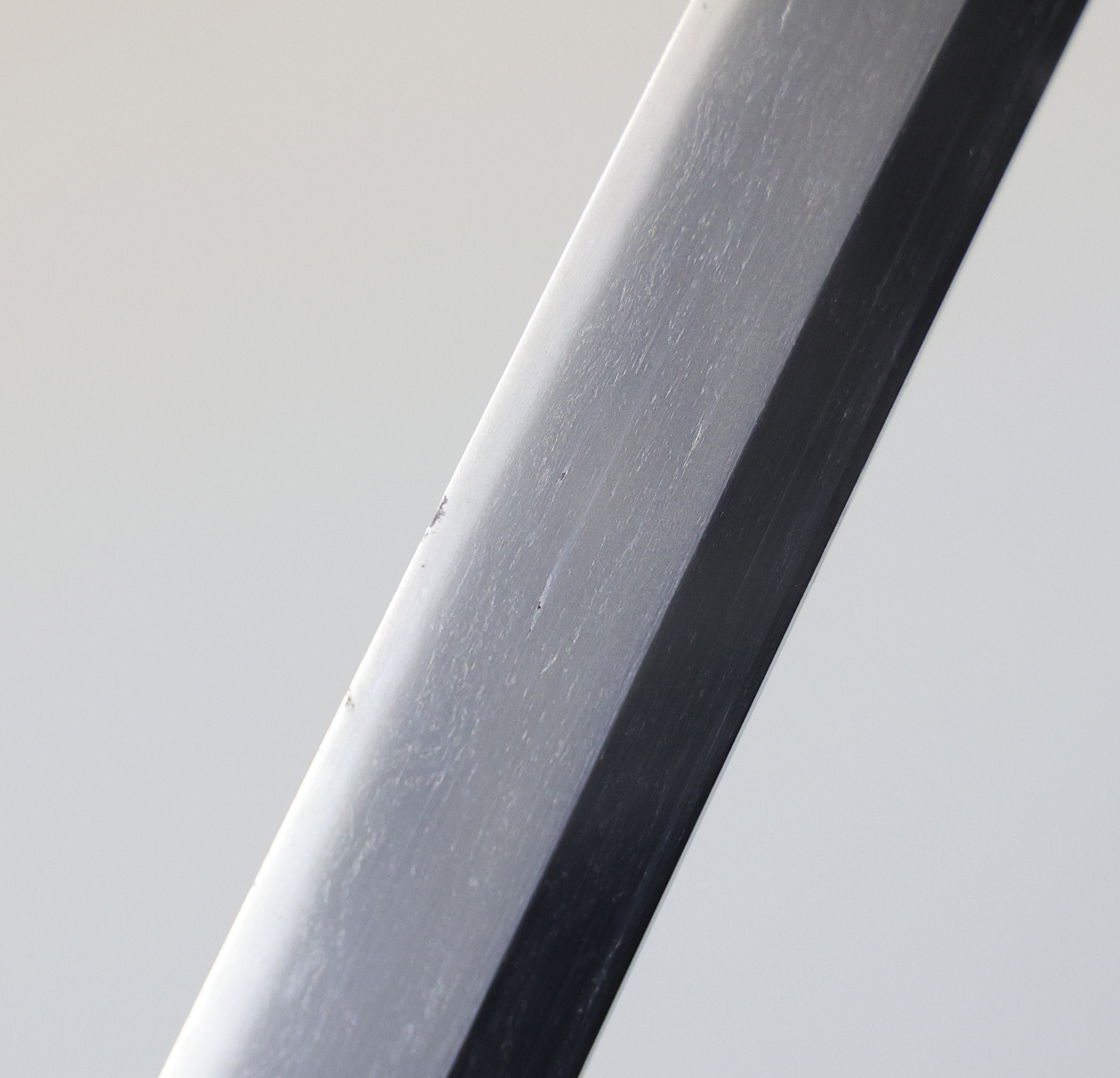
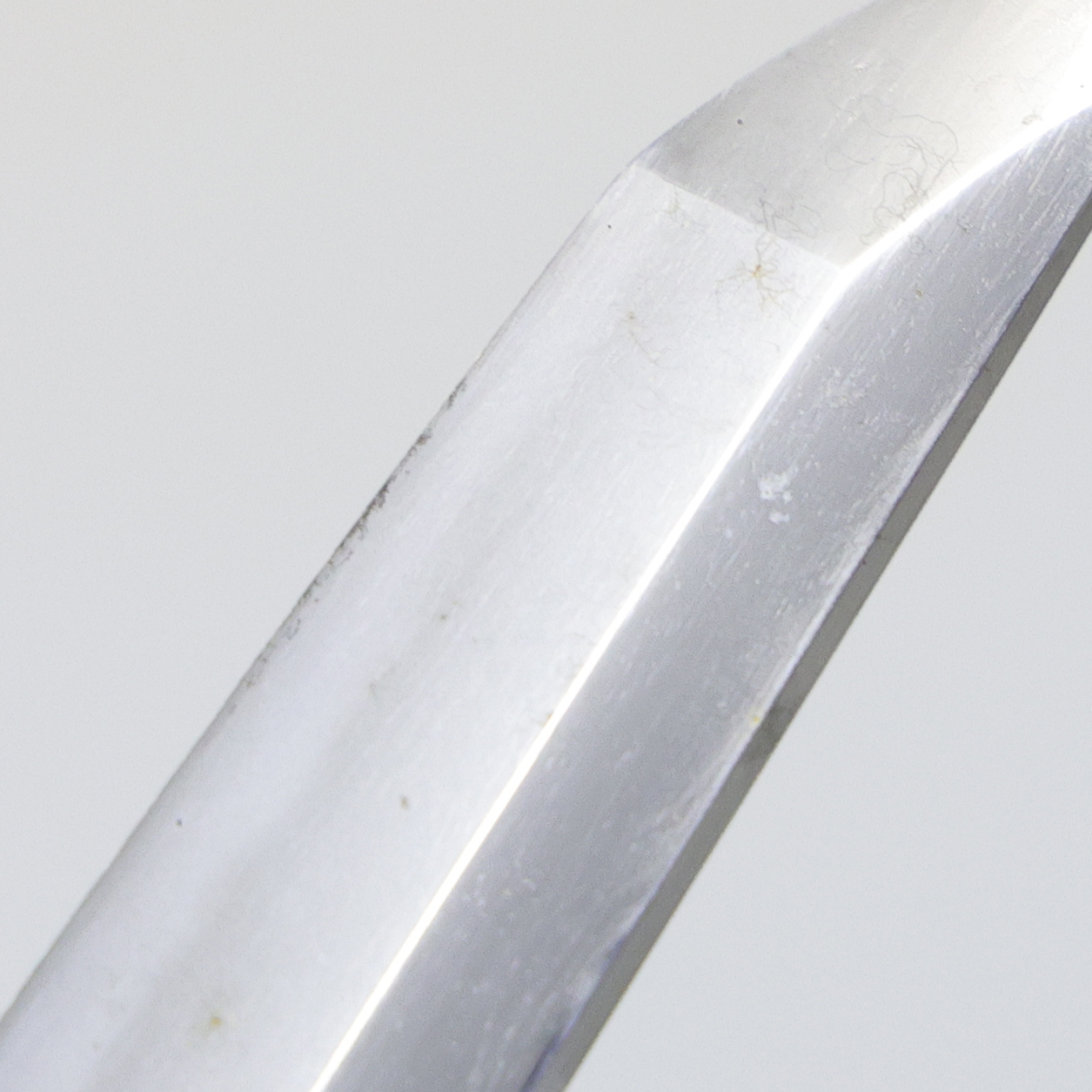
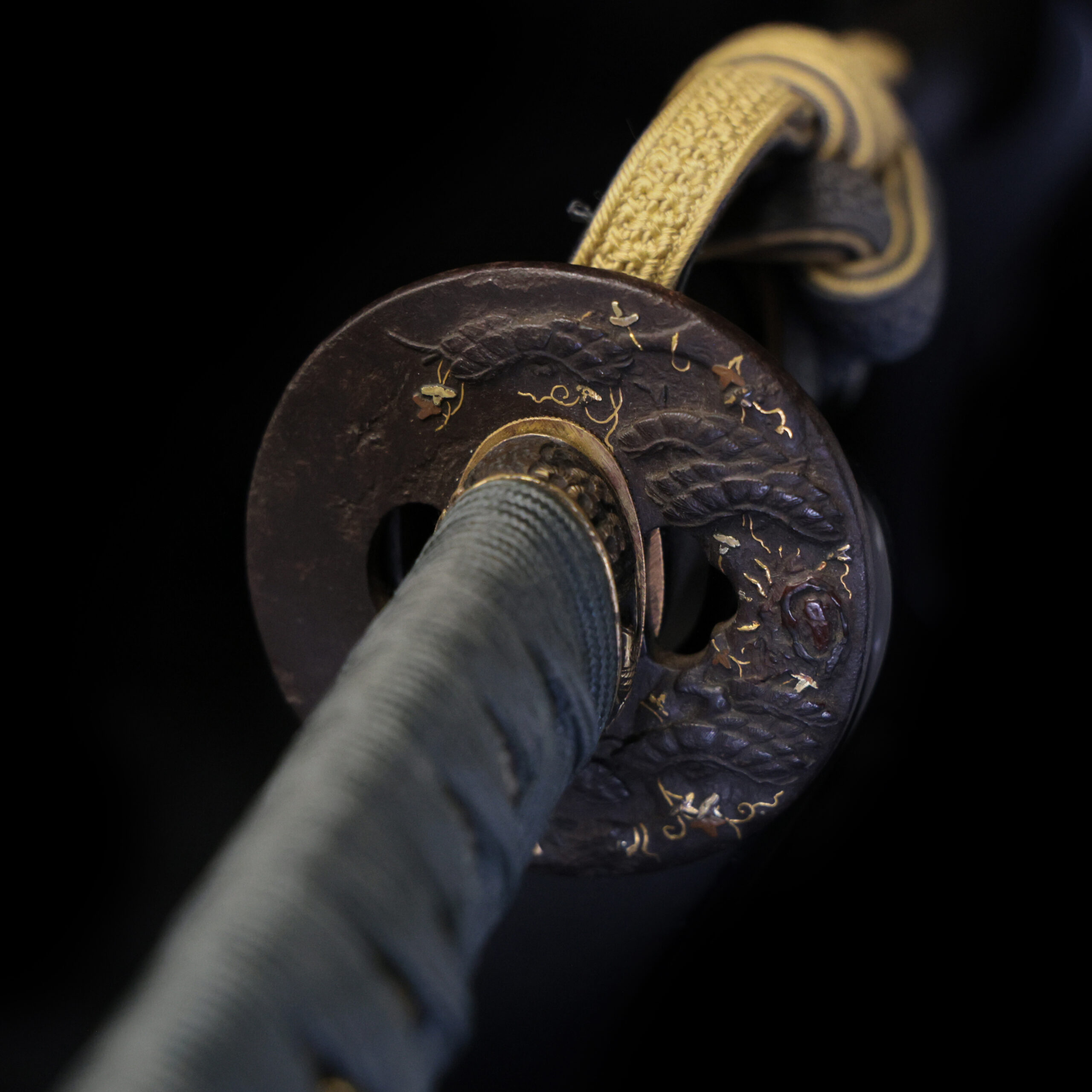
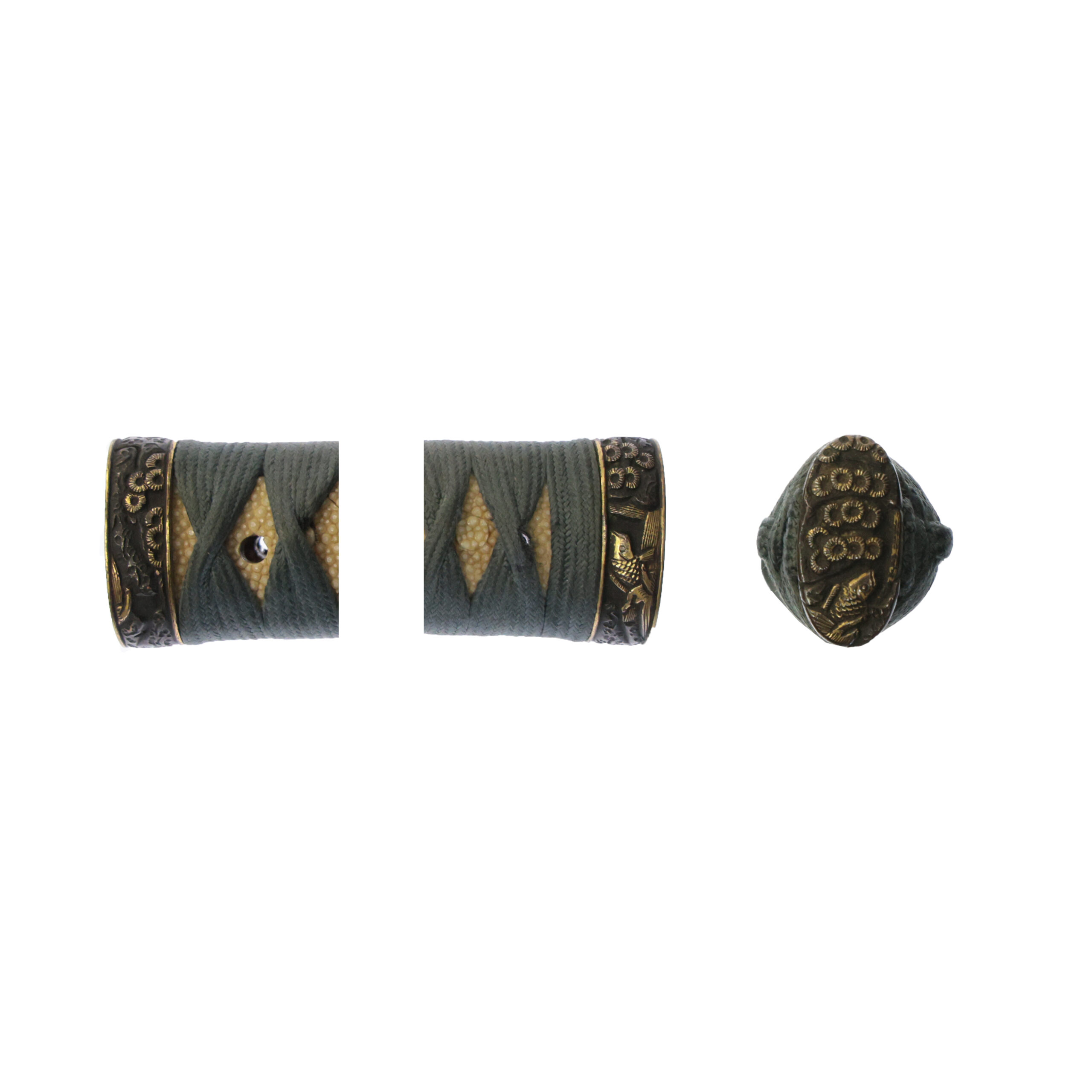
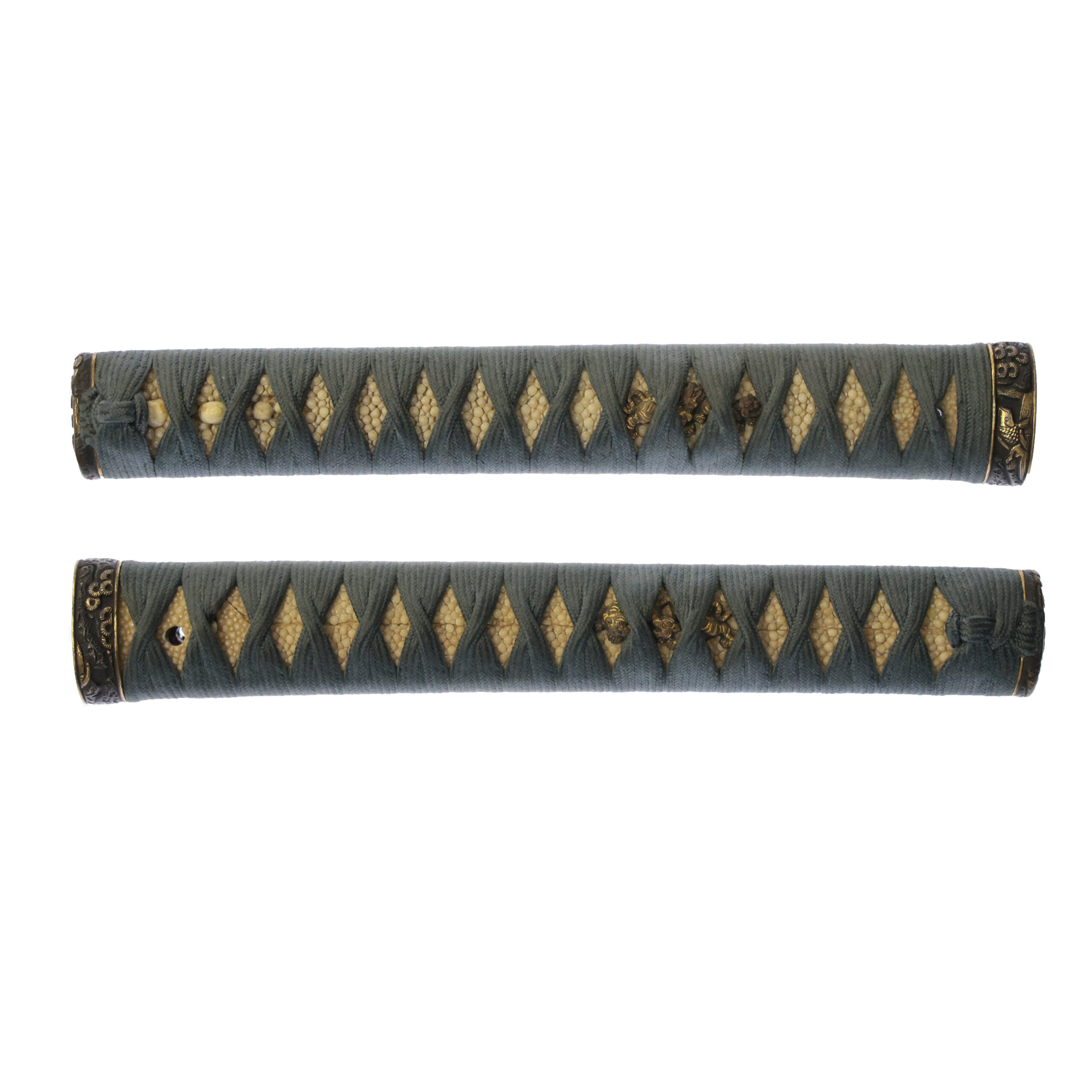
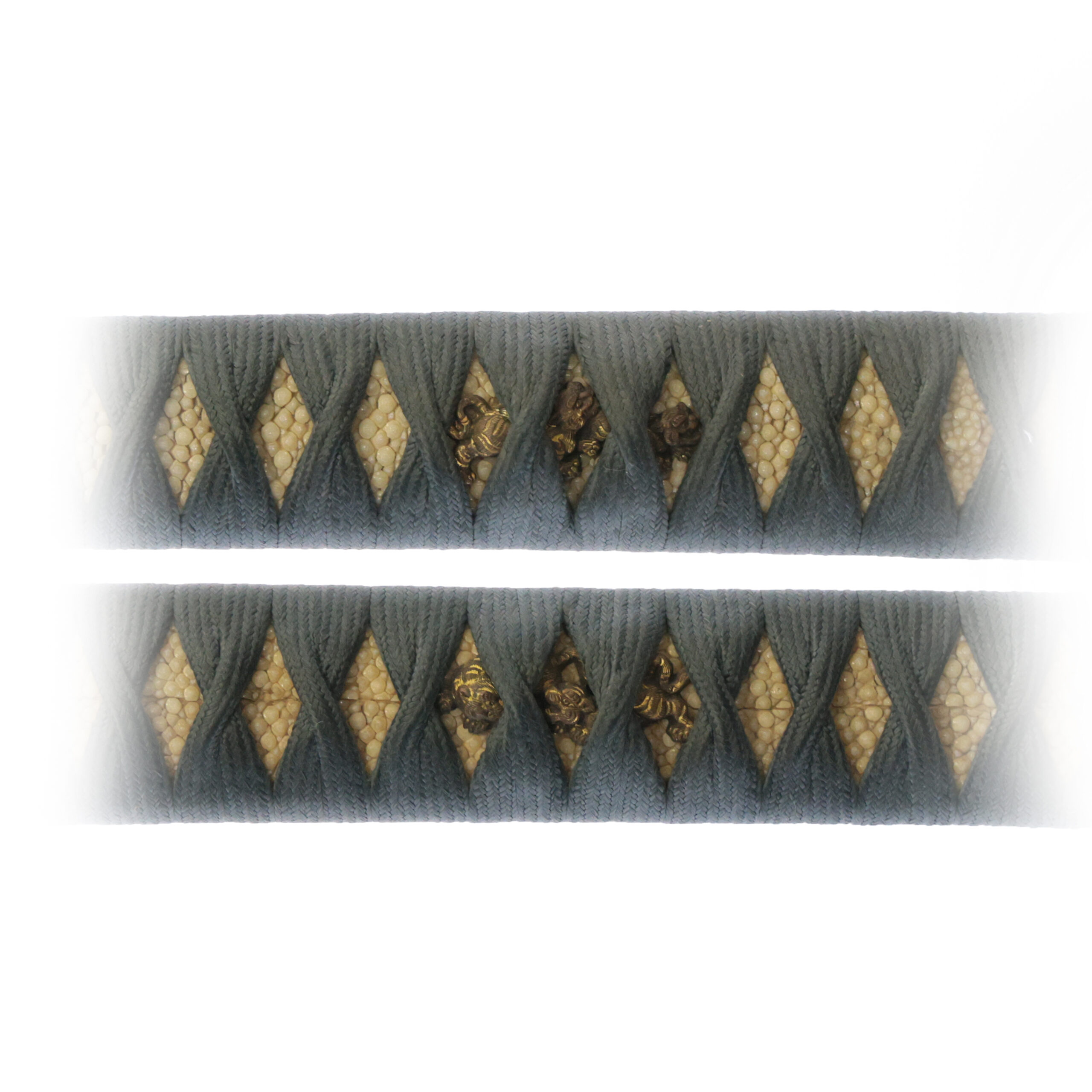
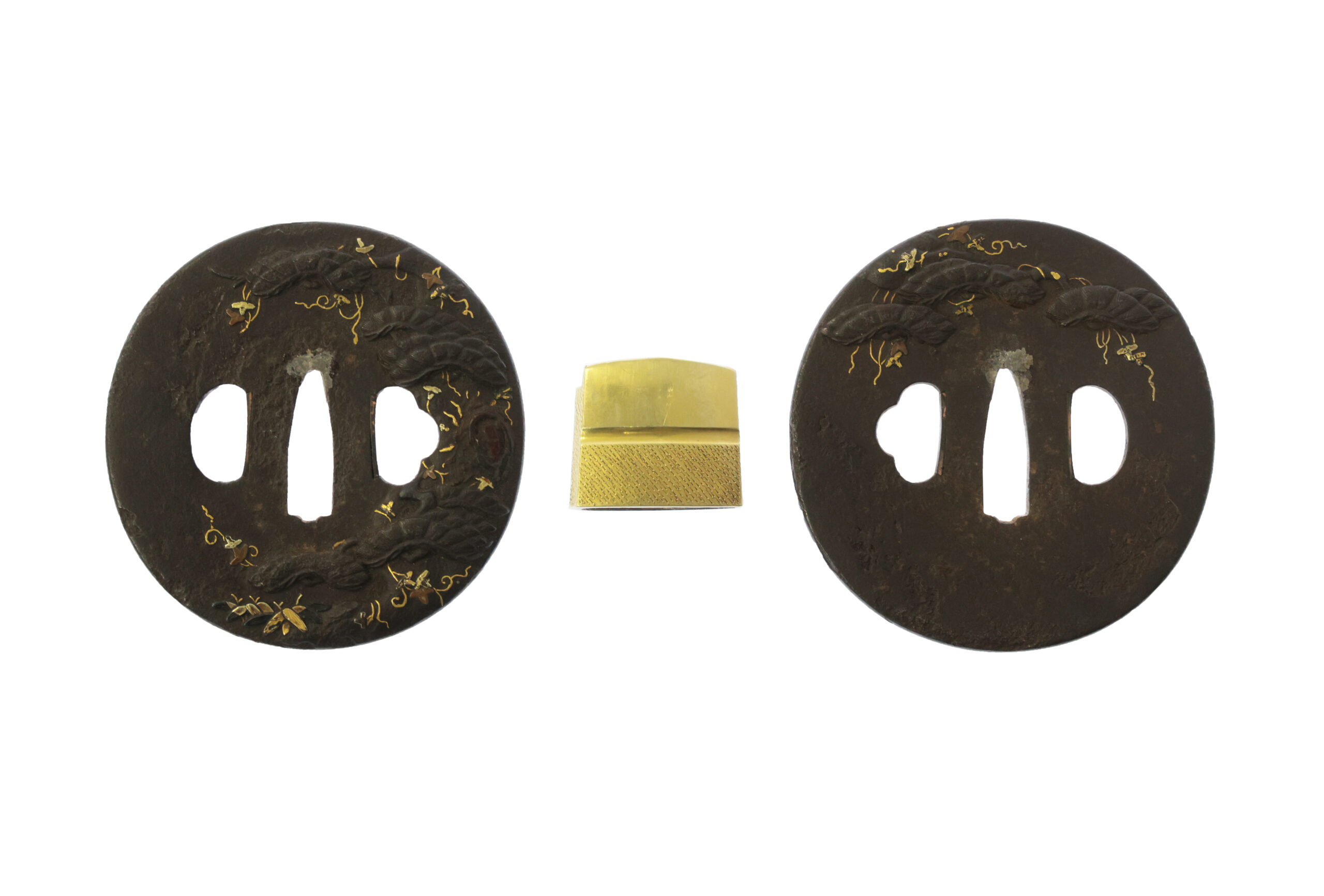
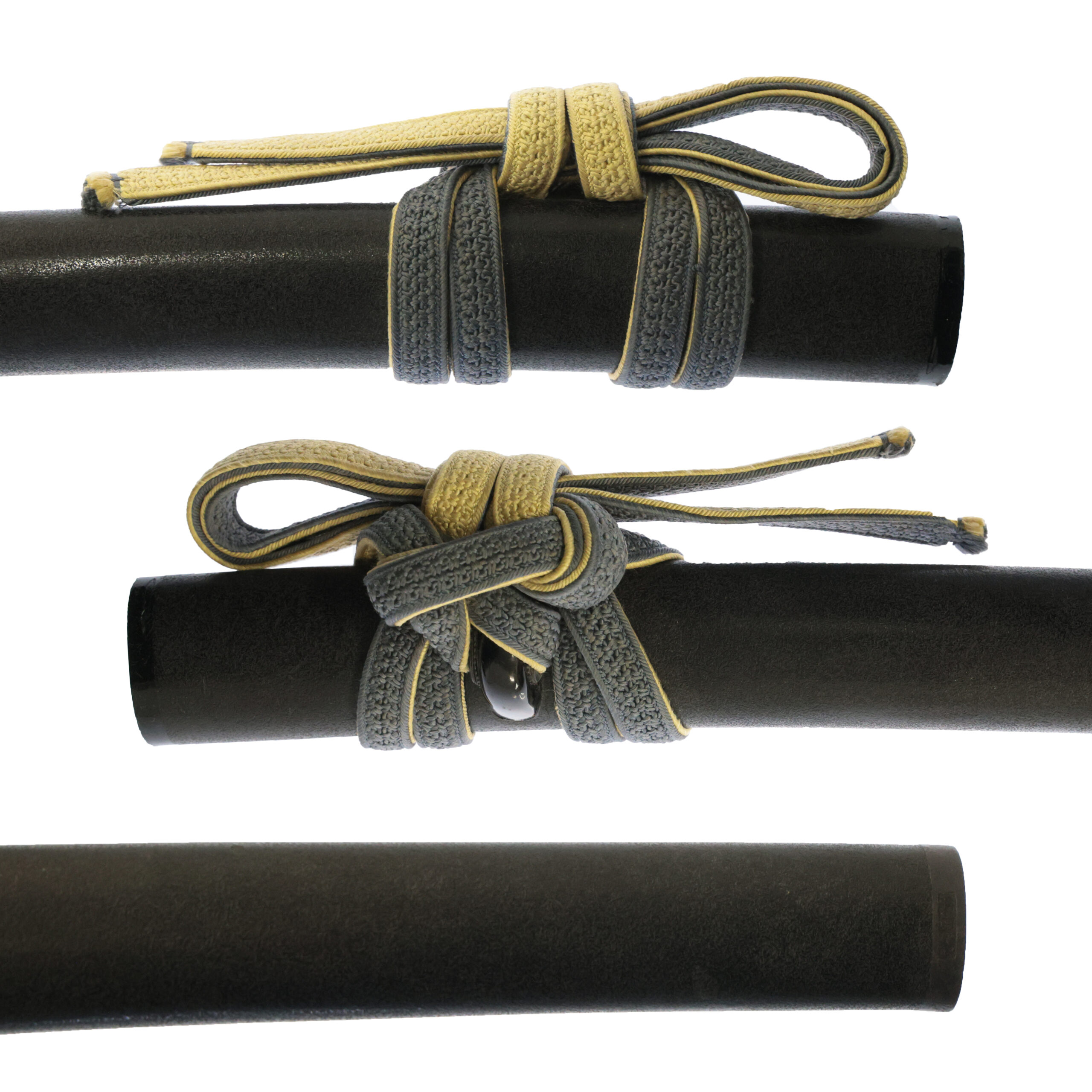
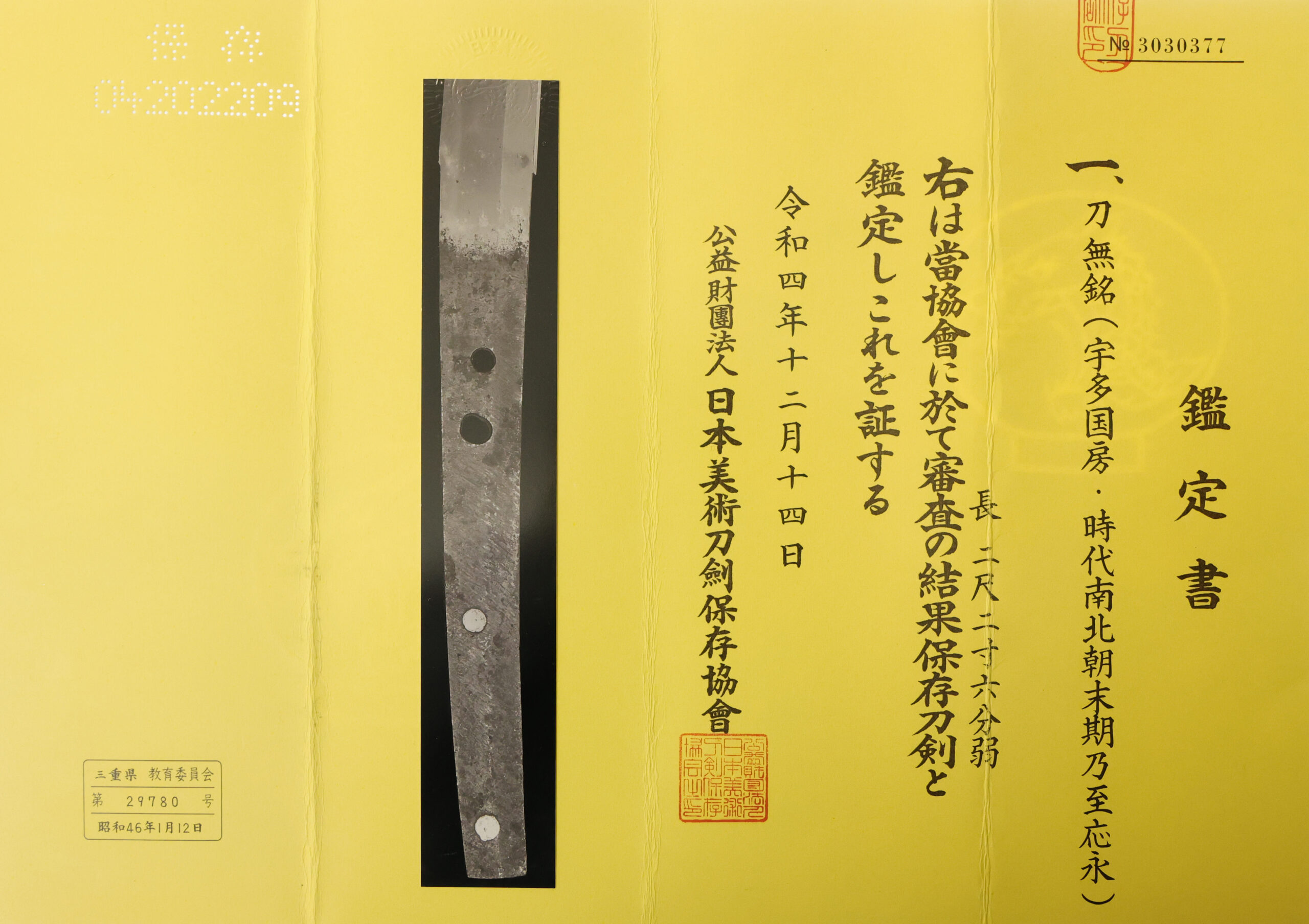
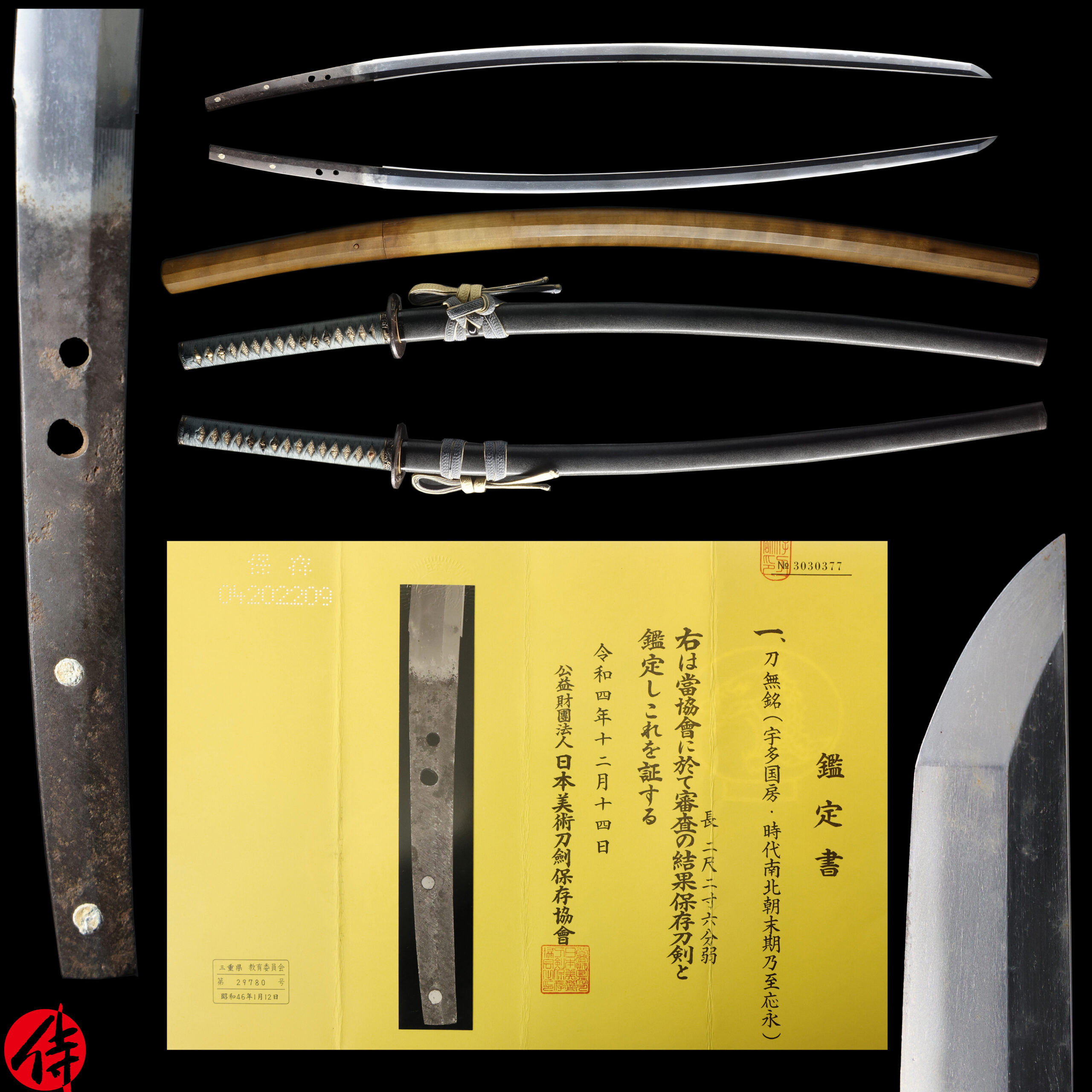
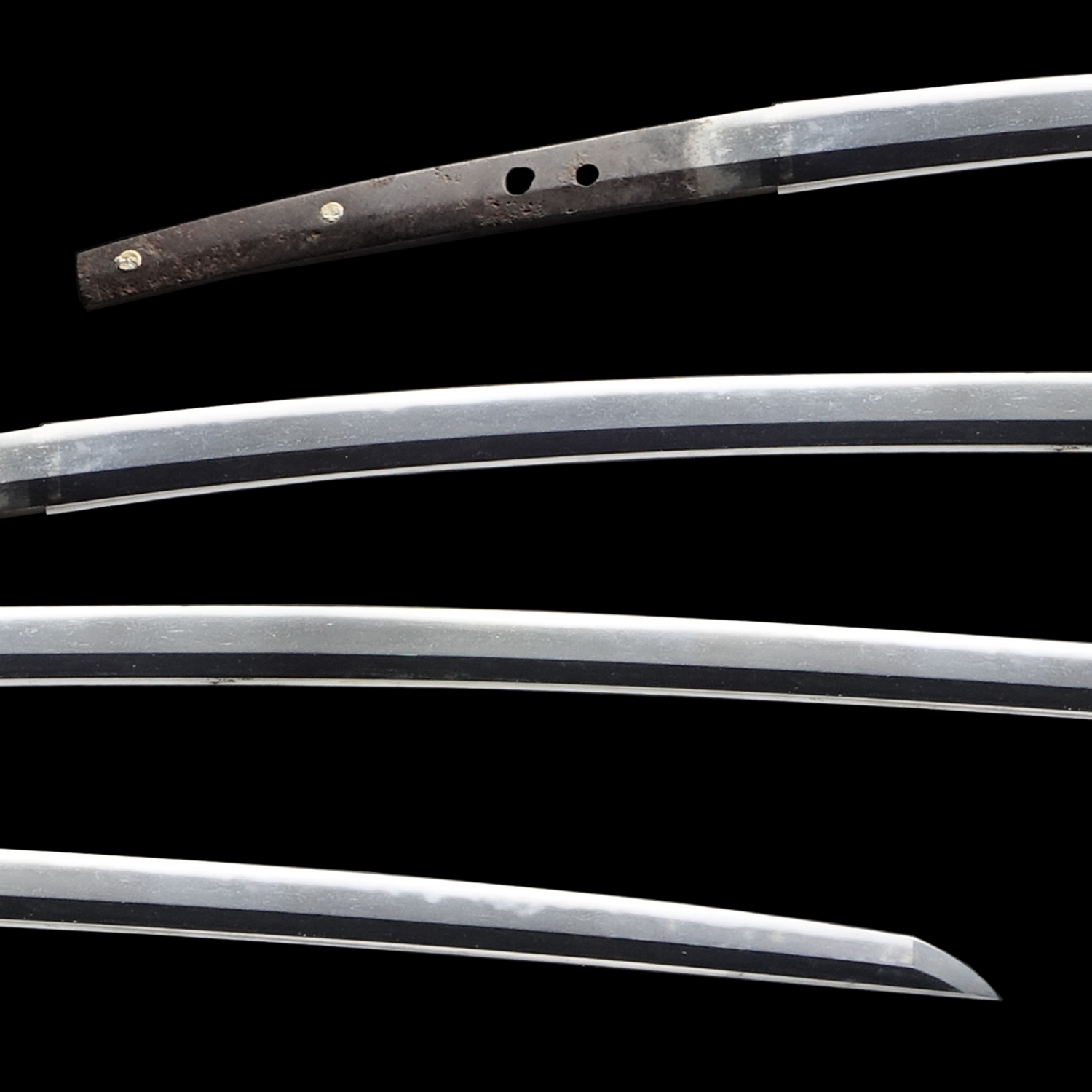
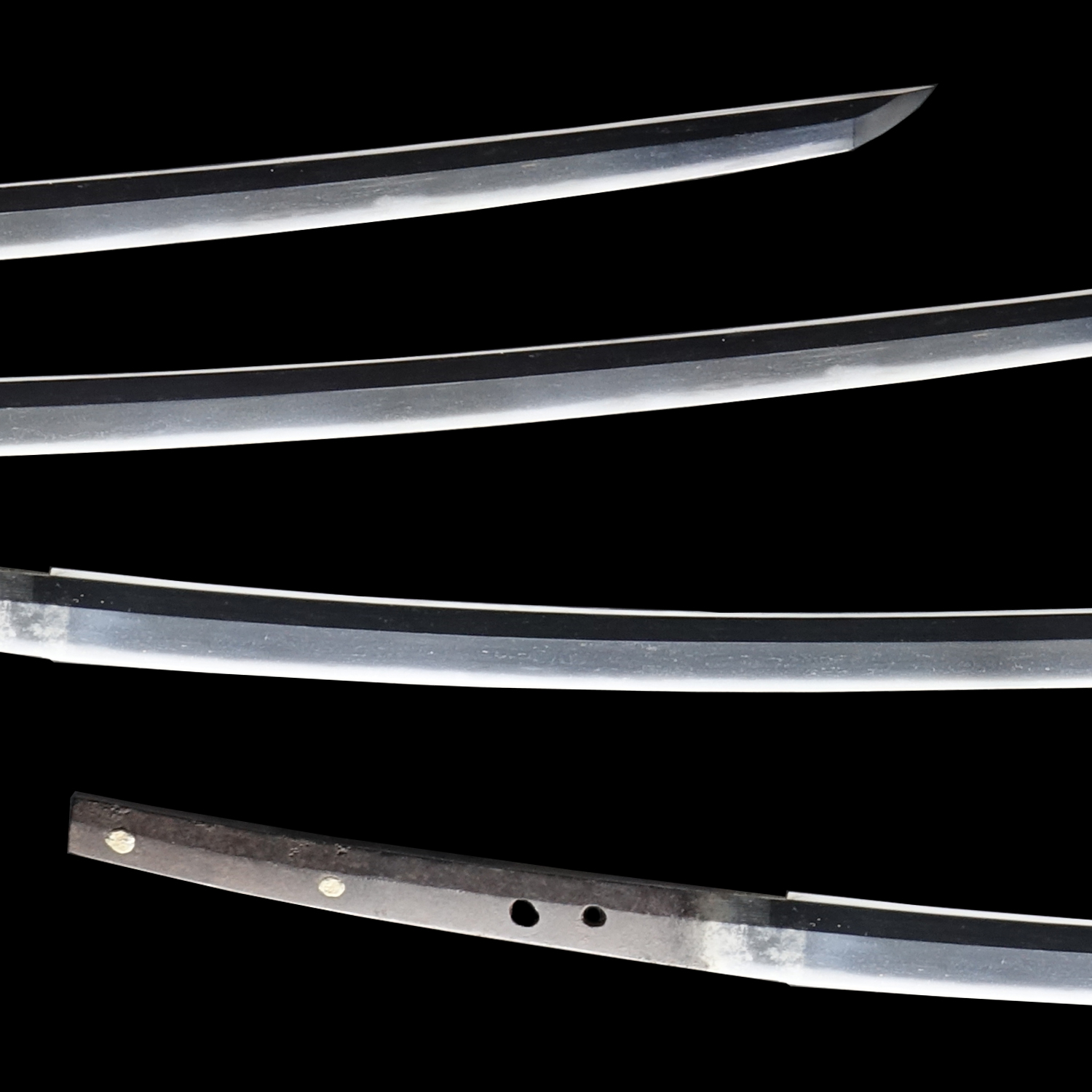
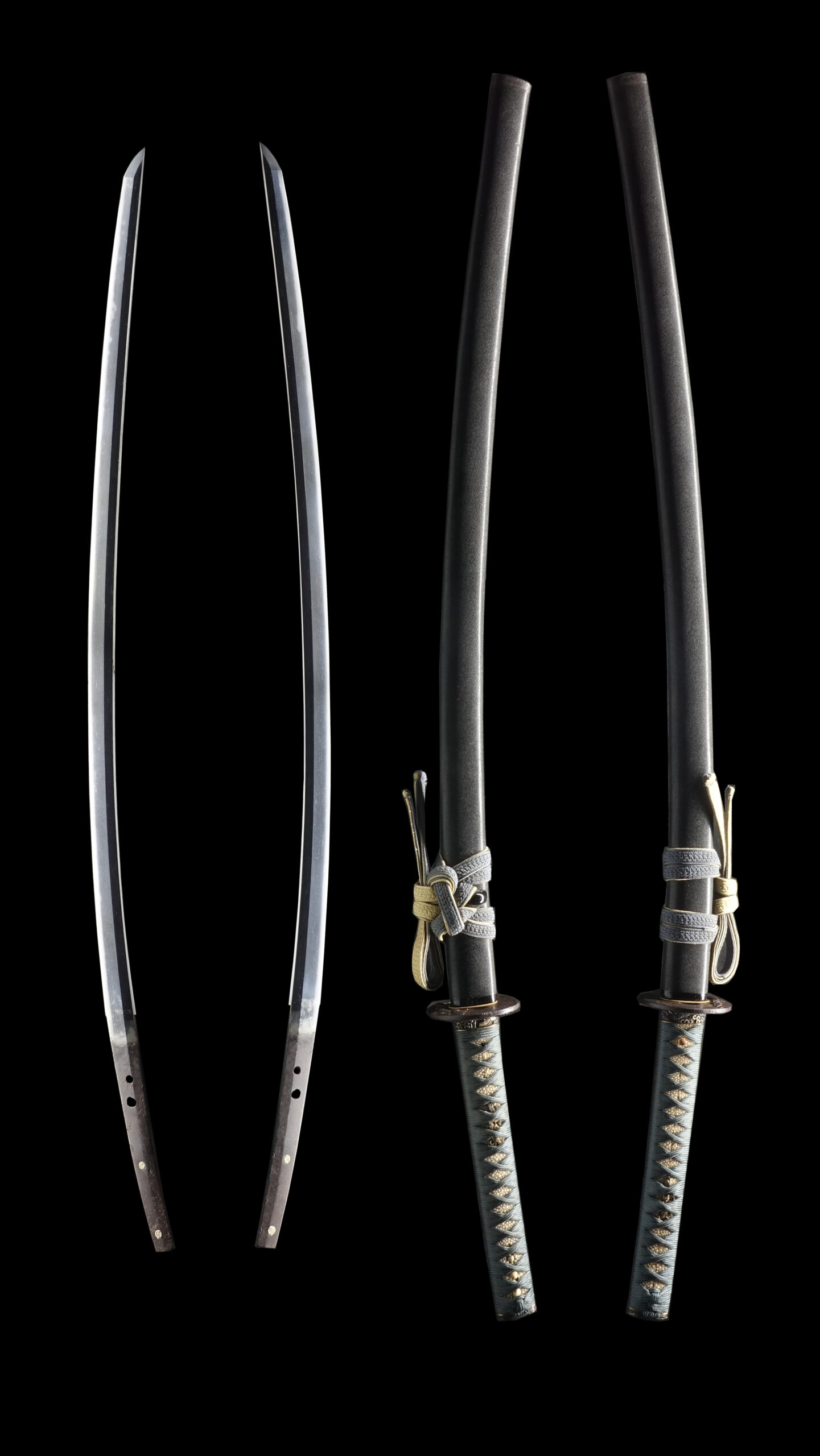
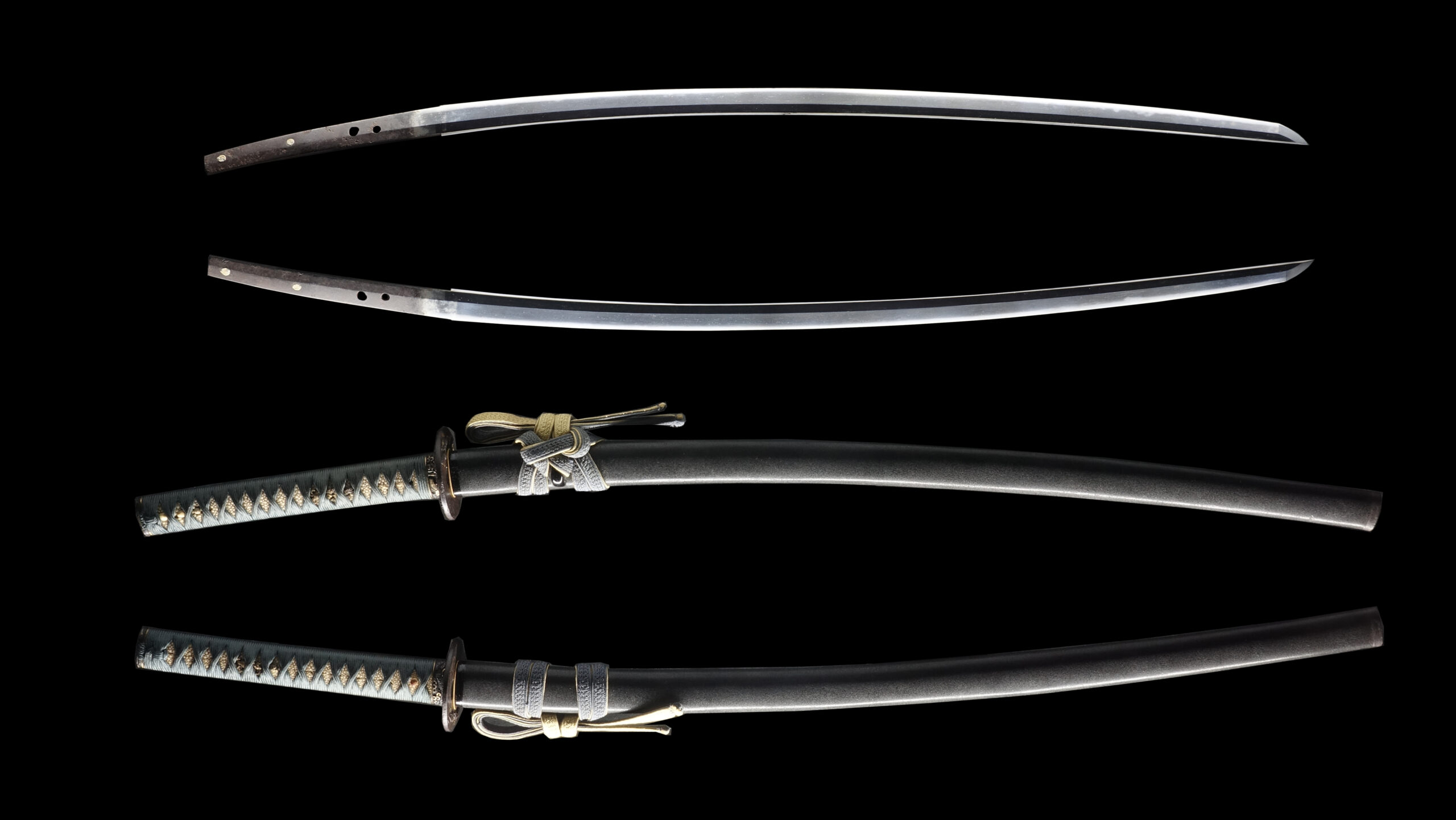
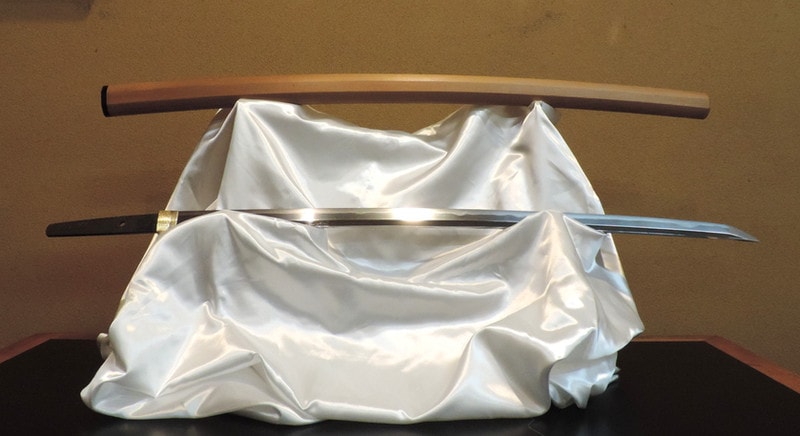
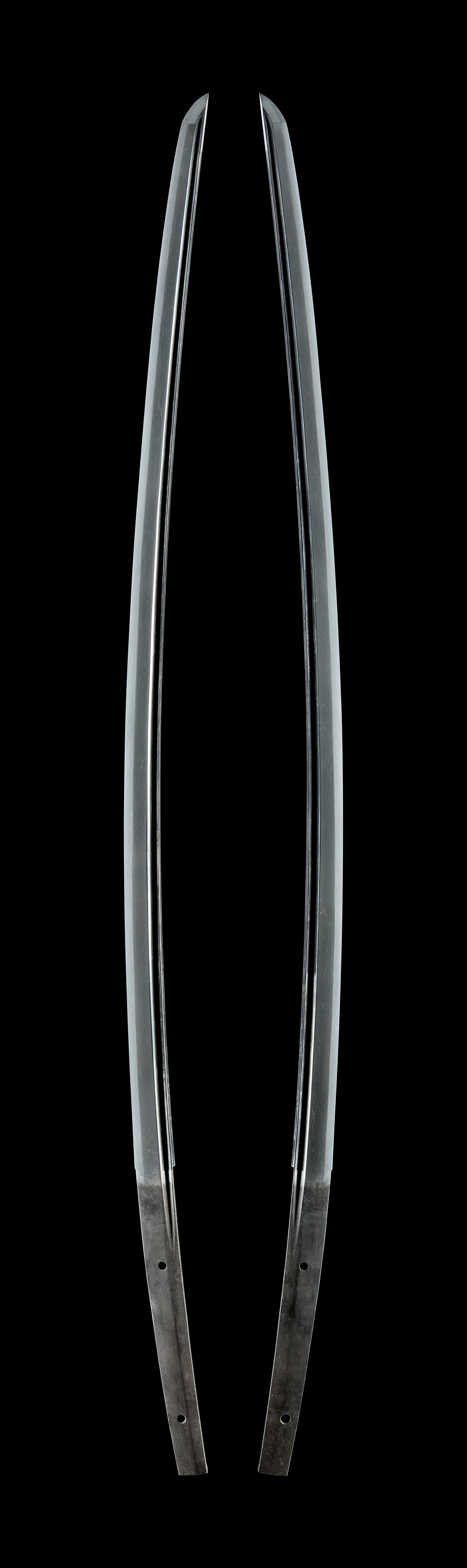
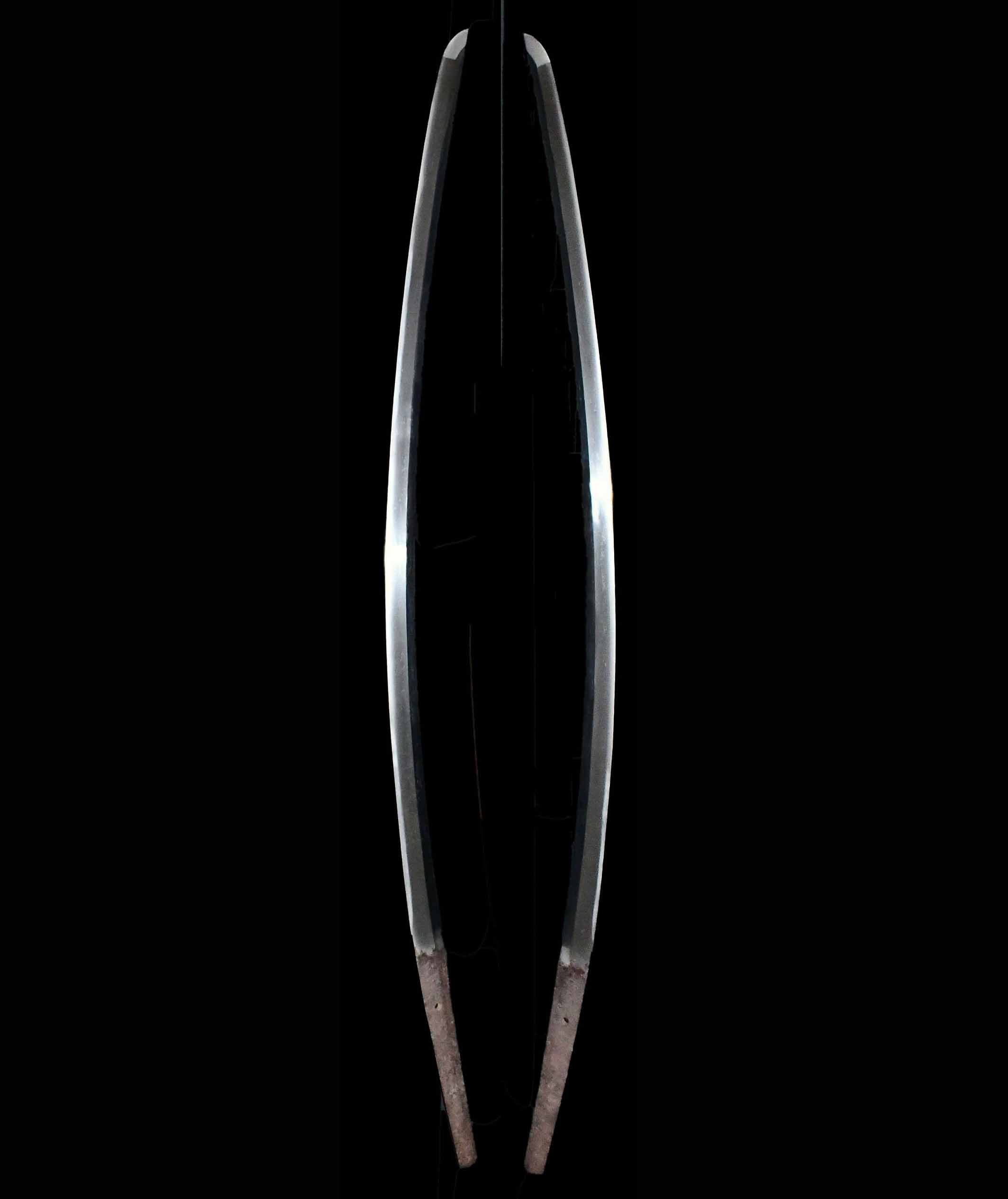
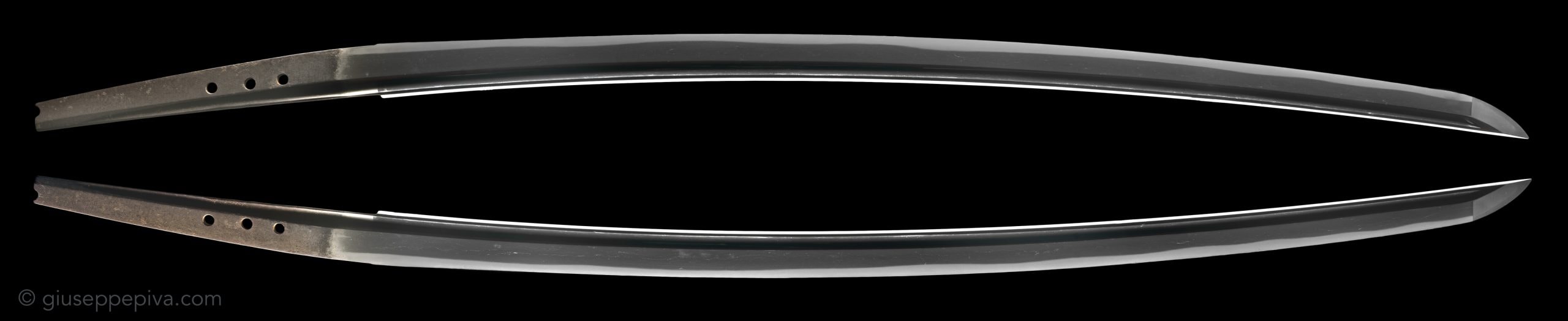
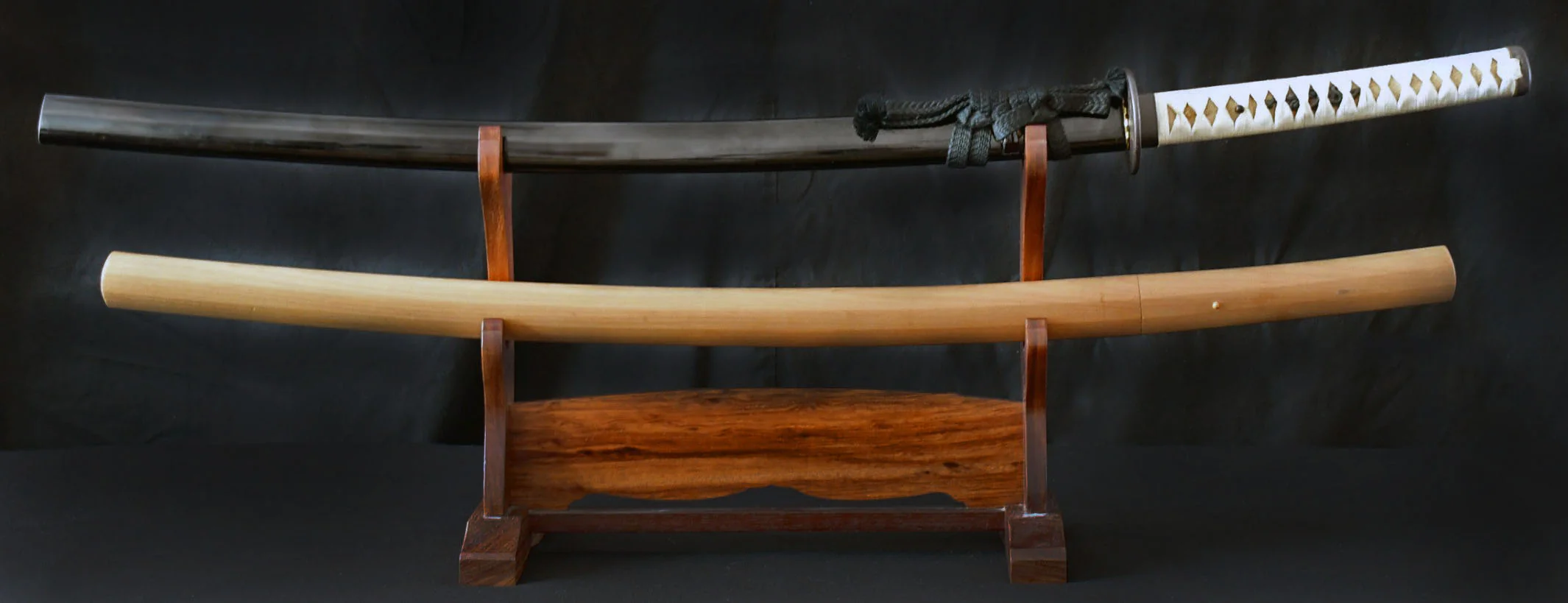
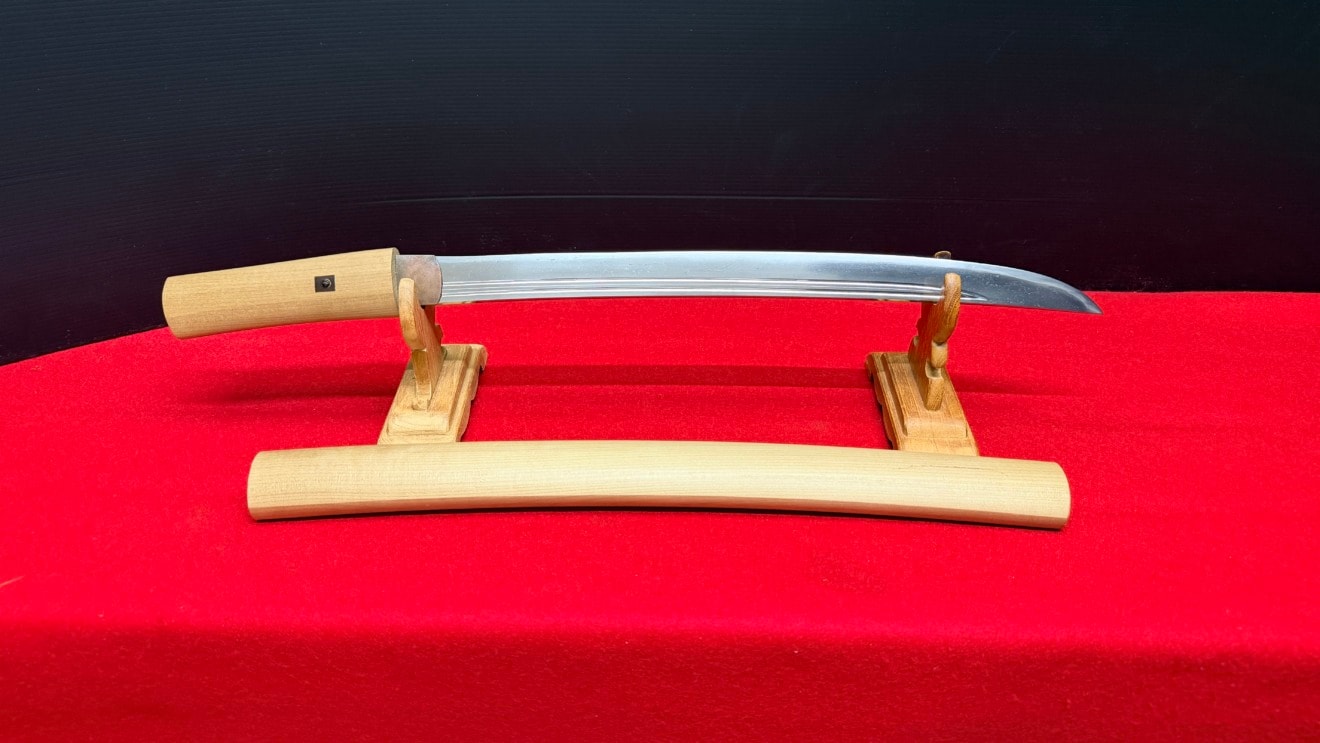
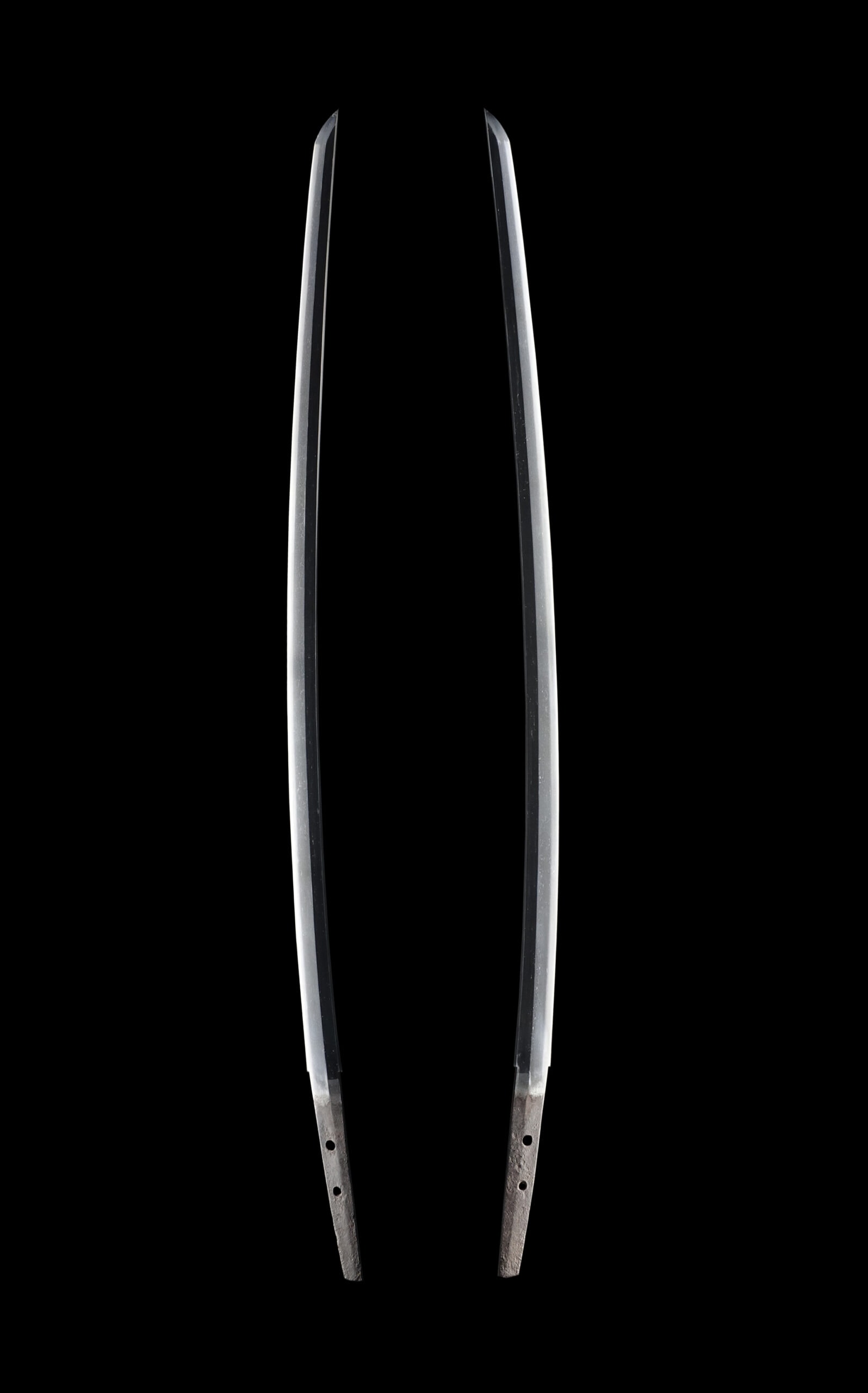
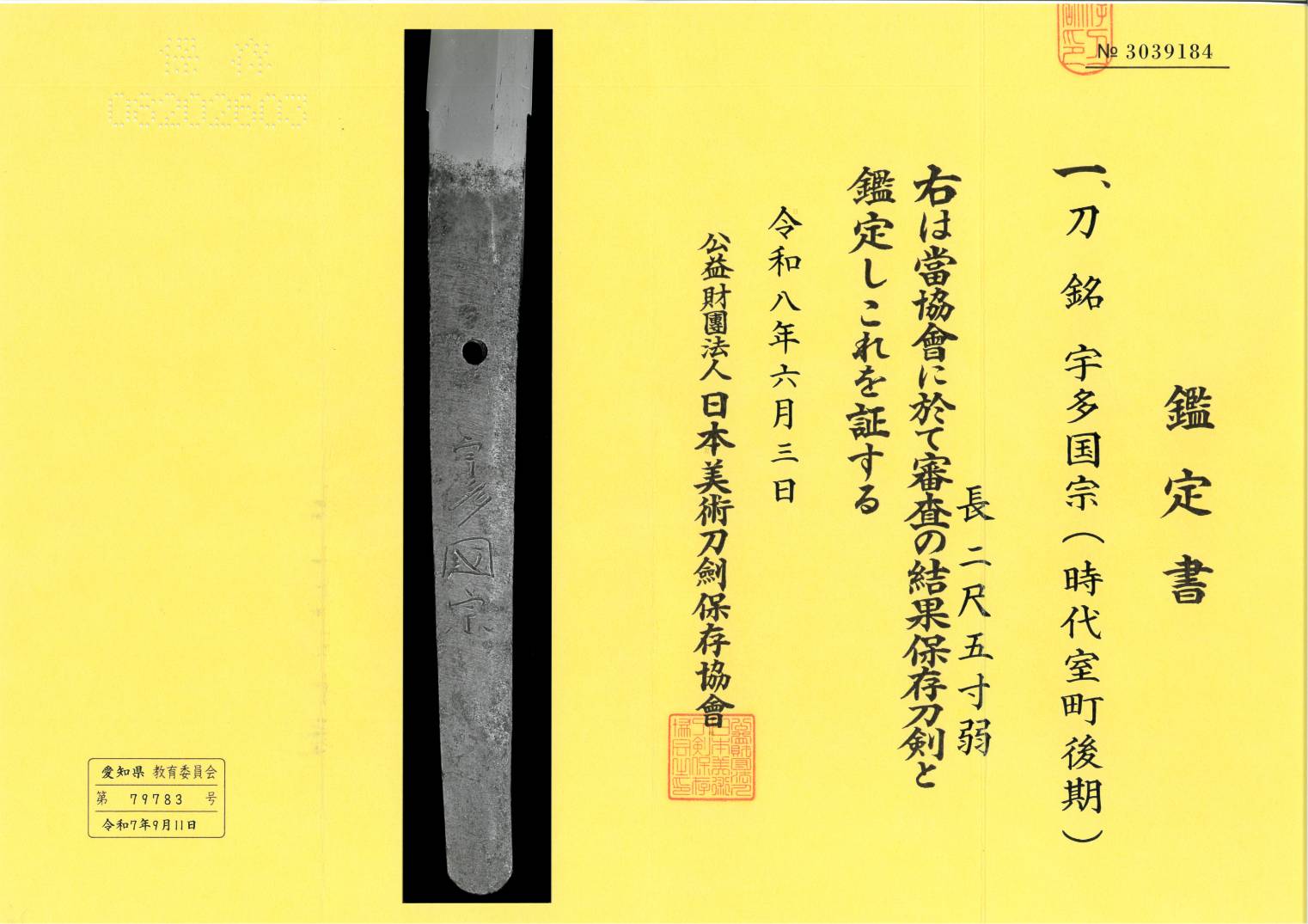
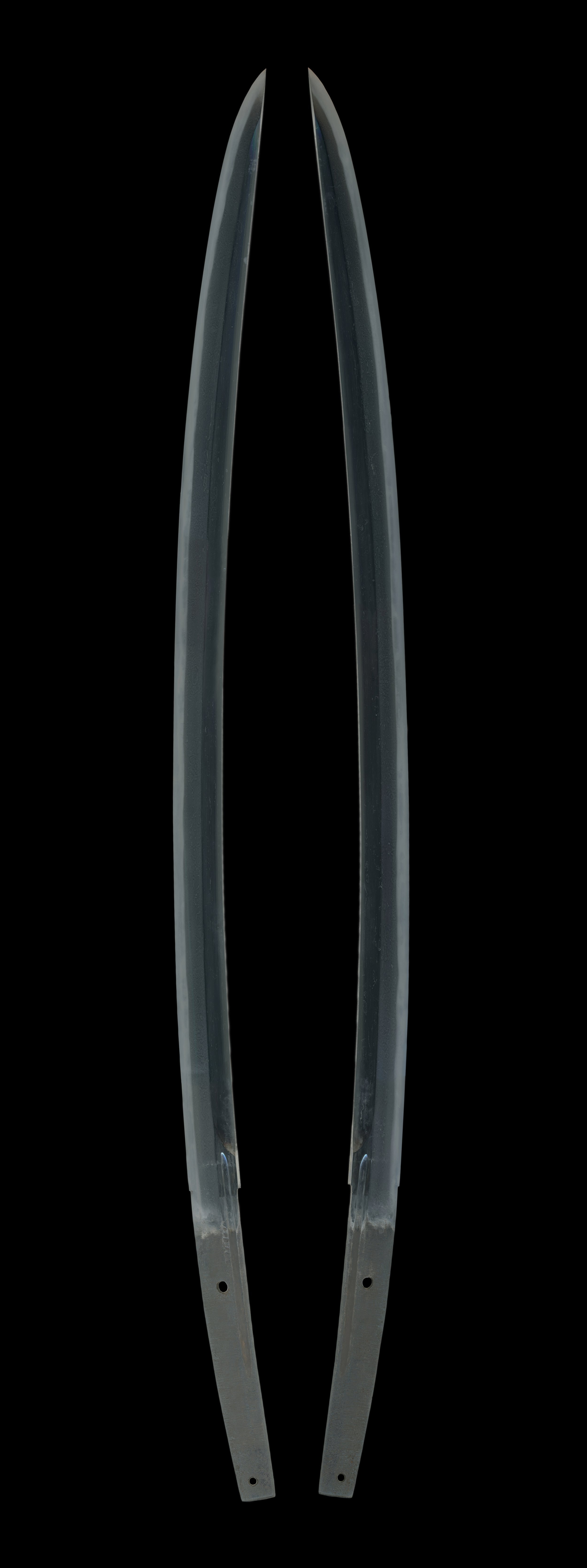
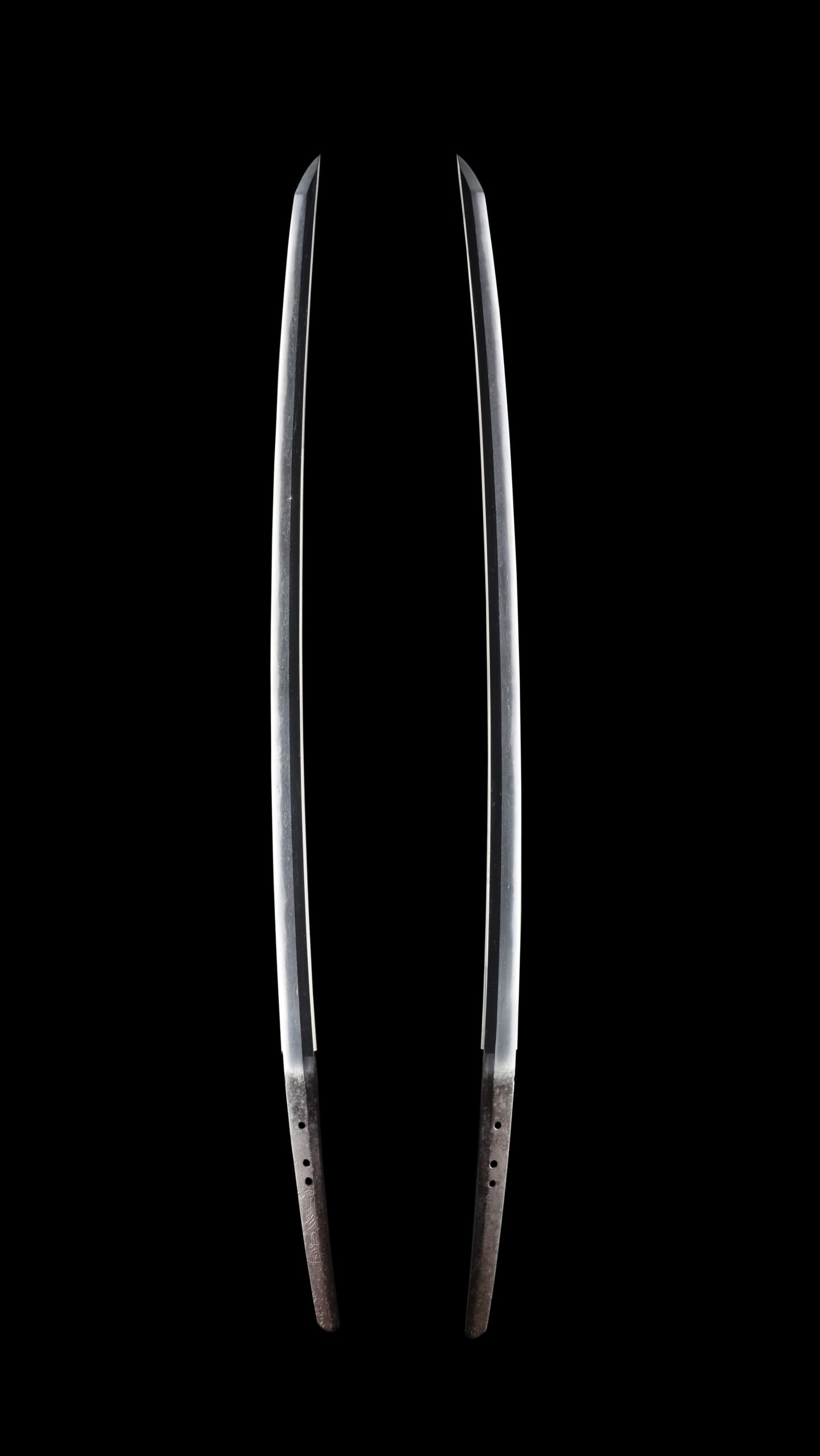
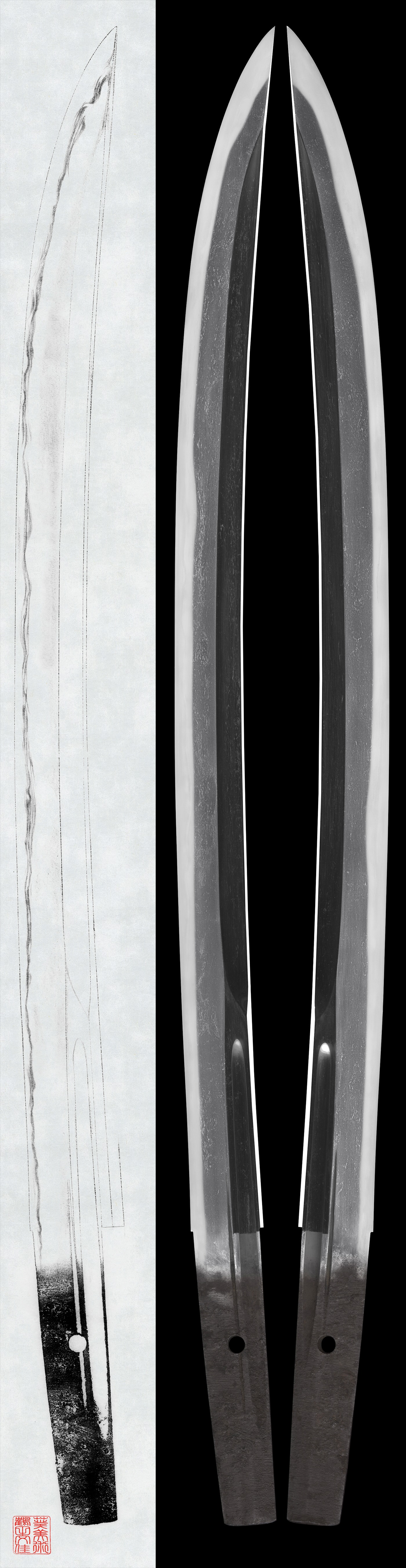
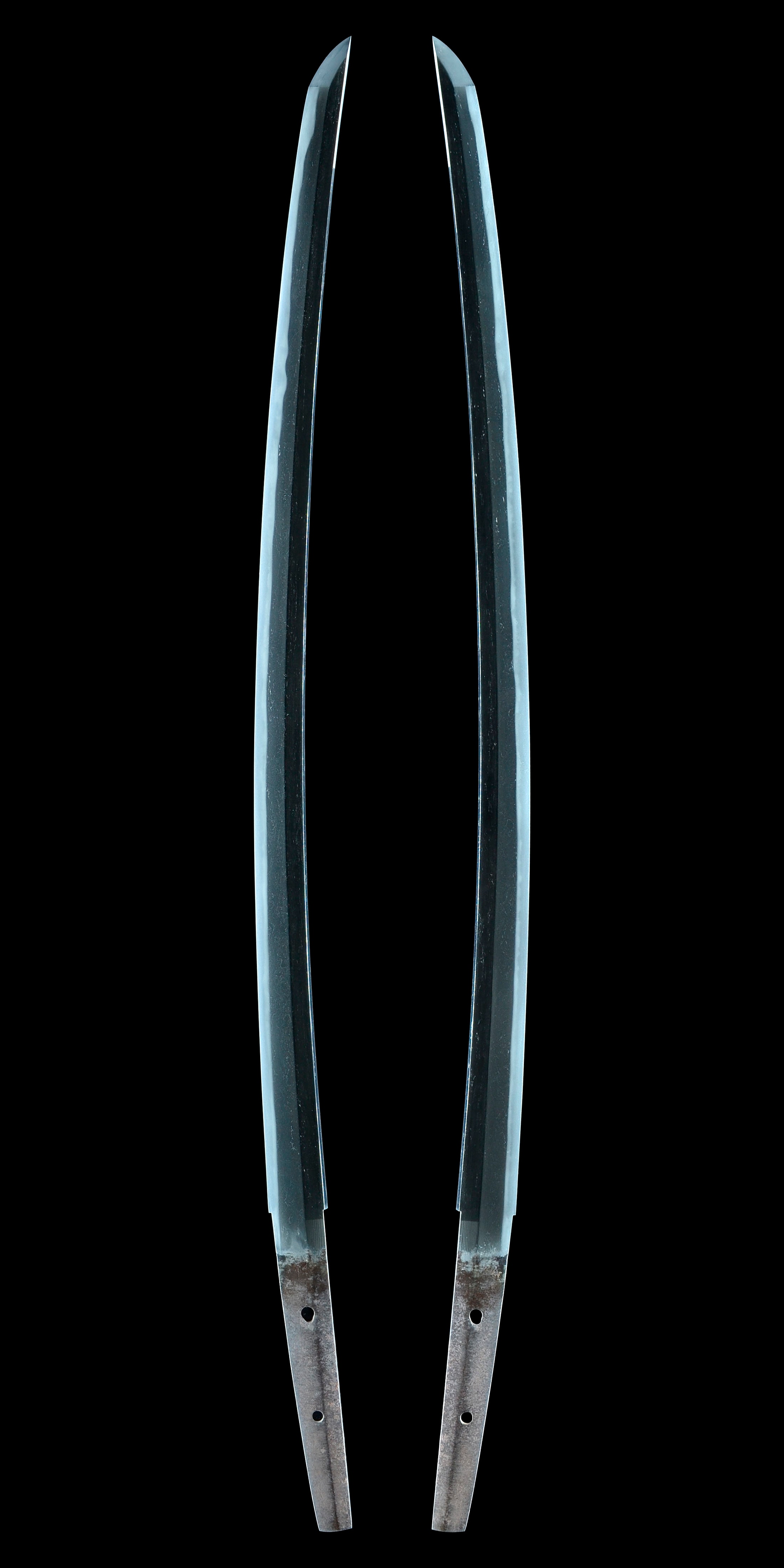
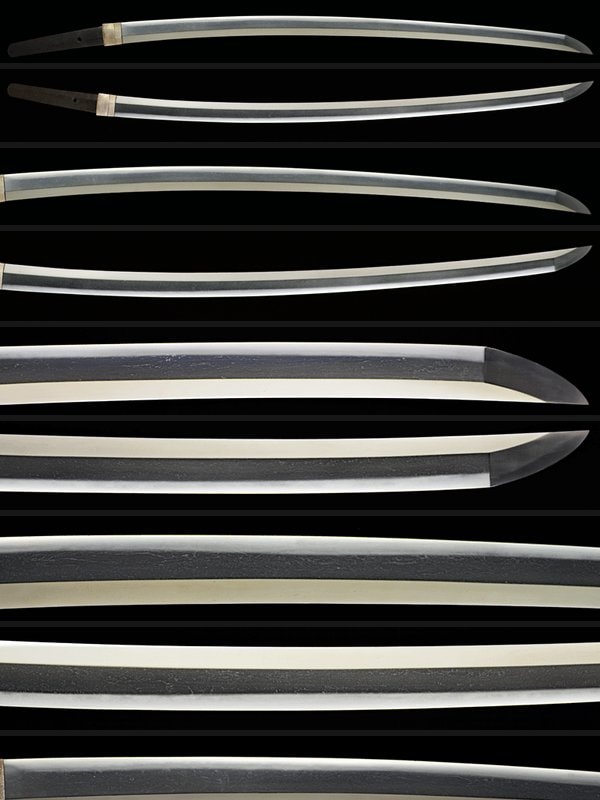
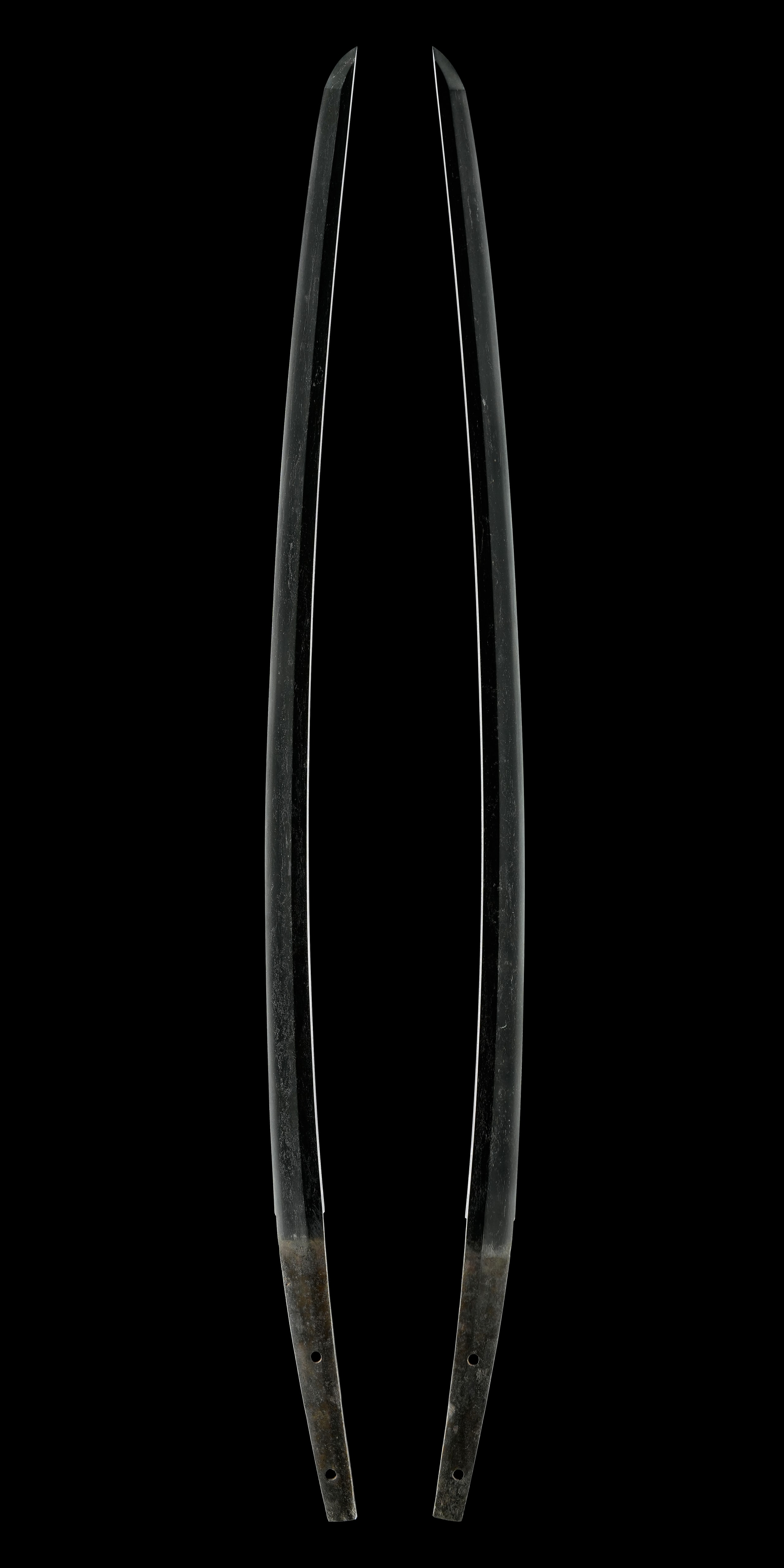
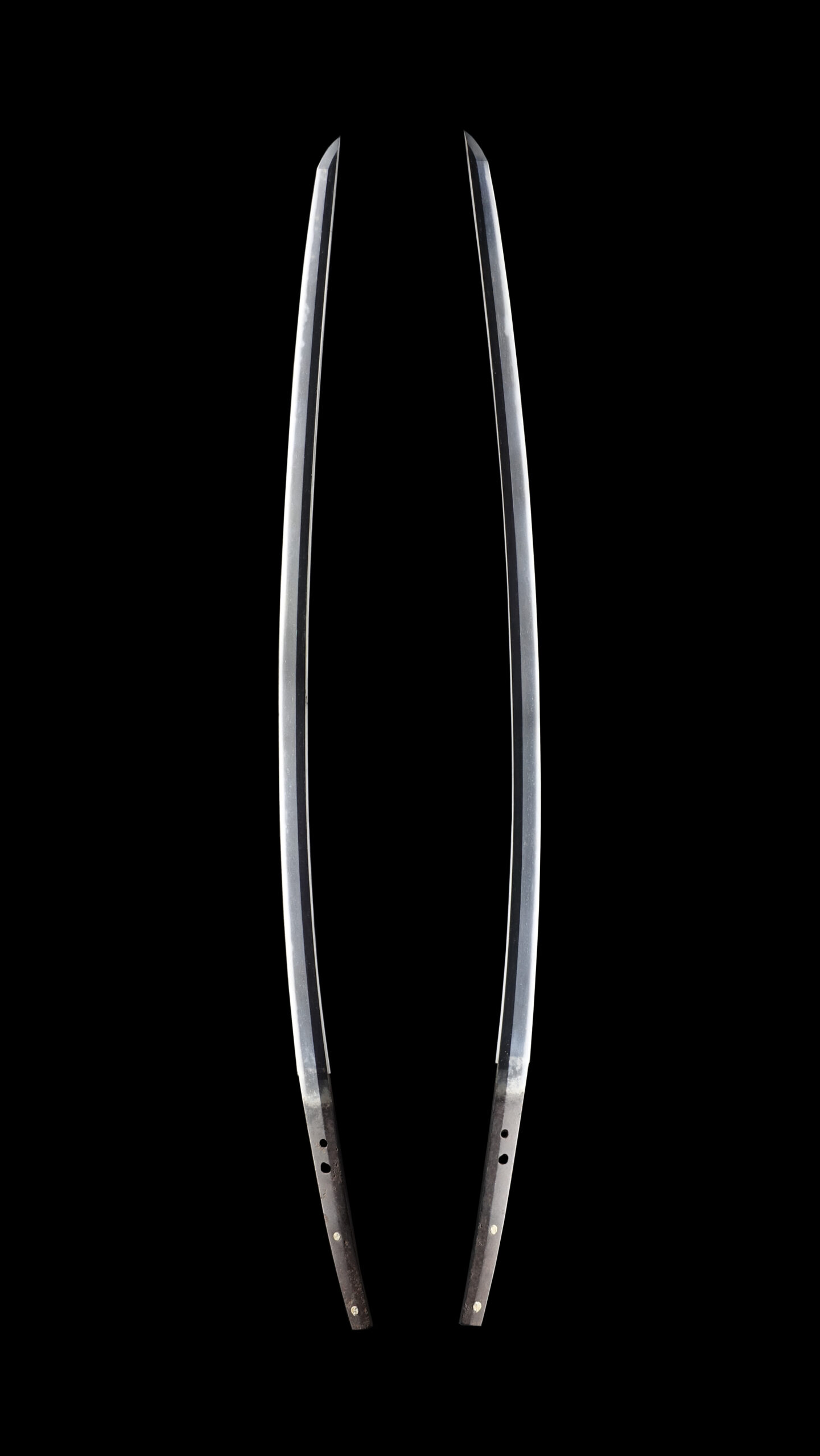
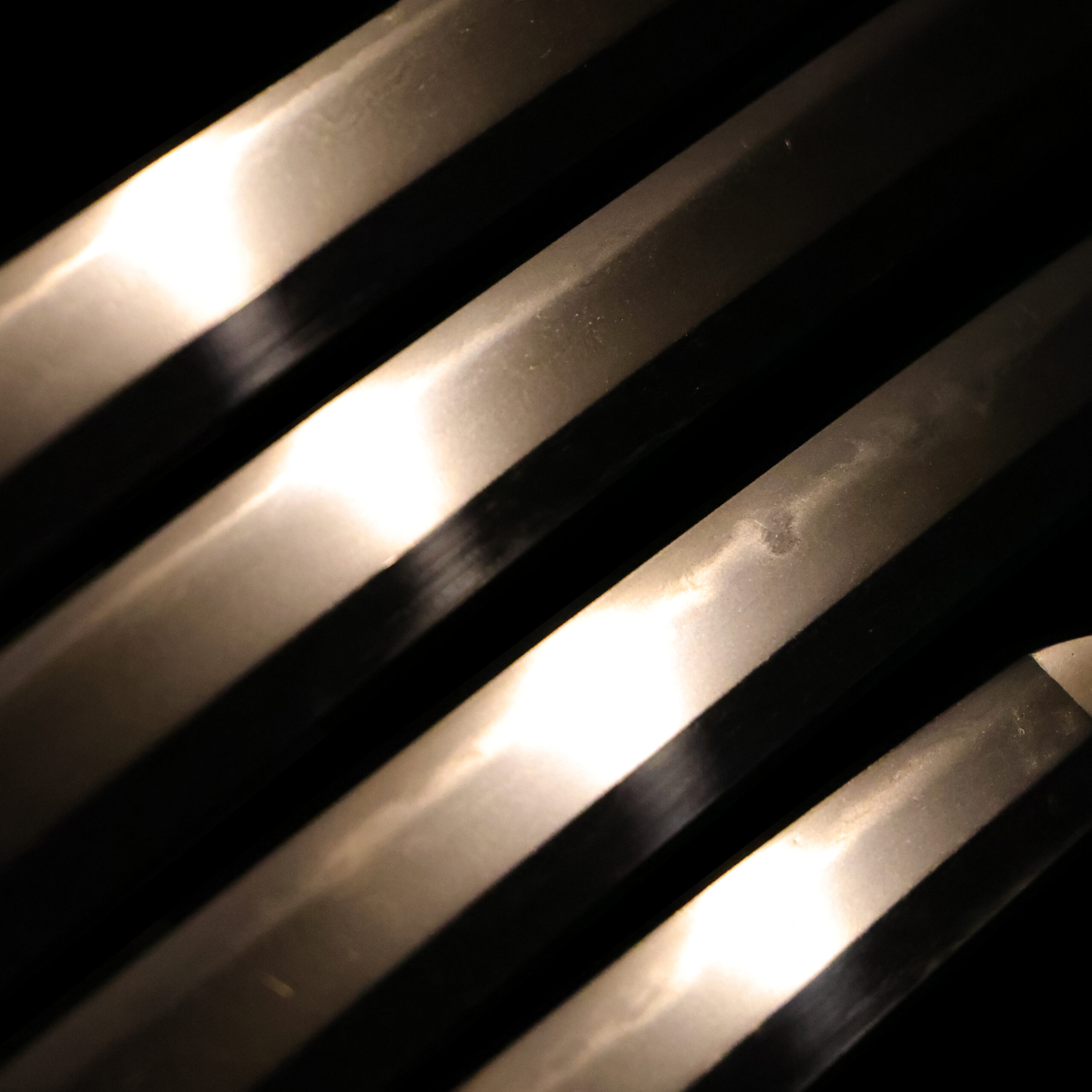
This antique Japanese Katana is attributed to Uda Kunifusa, a smith of the Uda school active during the late Nanbokucho period (late 14th to early 15th century) in Etchu province. The blade comes with an NBTHK Hozon Certificate, confirming its authenticity and artistic value. It is accompanied by a koshirae mounting featuring a Tōryūmon-themed Fuchi-Kashira and a Tora (tiger) motif Menuki, along with a shirasaya case.

NihontoWatch MonNihontoWatch
MarketEncyclopediaKantei
Swords›Uda›Ko-Uda›Kunifusa›Katana: Attributed to Uda Kunifusa (Nanbokucho Period)
katanaHozon
Ko-Uda Kunifusa

Katana: Attributed to Uda Kunifusa (Nanbokucho Period)

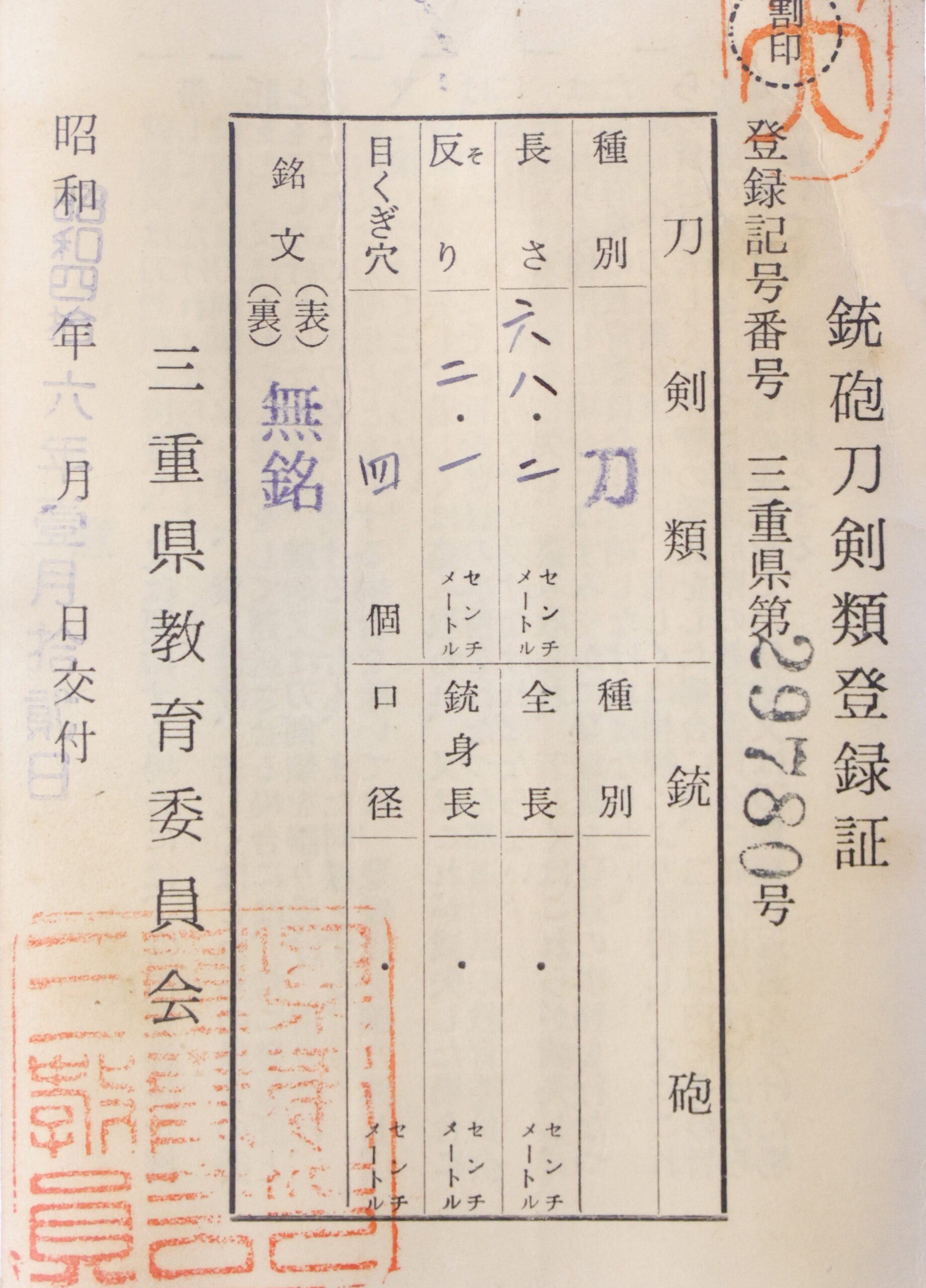
mumei · Uda · Oan (1368-1375) ND · nagasa 68.2cm · sori 2.1cm
$6,605.77
Visit seller website →
Ko-Uda Kunifusa — 1 of 24
Ko-Uda Kunifusa — 2 of 24
Ko-Uda Kunifusa — 3 of 24
Ko-Uda Kunifusa — 4 of 24
Ko-Uda Kunifusa — 5 of 24
Ko-Uda Kunifusa — 6 of 24
Ko-Uda Kunifusa — 7 of 24
Ko-Uda Kunifusa — 8 of 24
Ko-Uda Kunifusa — 9 of 24
Ko-Uda Kunifusa — 10 of 24
Ko-Uda Kunifusa — 11 of 24
Ko-Uda Kunifusa — 12 of 24
Ko-Uda Kunifusa — 13 of 24
Ko-Uda Kunifusa — 14 of 24
Ko-Uda Kunifusa — 15 of 24
Ko-Uda Kunifusa — 16 of 24
Ko-Uda Kunifusa — 17 of 24
Ko-Uda Kunifusa — 18 of 24
Ko-Uda Kunifusa — 19 of 24
Ko-Uda Kunifusa — 20 of 24
Ko-Uda Kunifusa — 21 of 24
Ko-Uda Kunifusa — 22 of 24
Ko-Uda Kunifusa — 23 of 24
Ko-Uda Kunifusa — 24 of 24
1 / 24
1 / 24
Ko-Uda Kunifusa — 1 of 24Ko-Uda Kunifusa — 2 of 24Ko-Uda Kunifusa — 3 of 24Ko-Uda Kunifusa — 4 of 24Ko-Uda Kunifusa — 5 of 24Ko-Uda Kunifusa — 6 of 24Ko-Uda Kunifusa — 7 of 24Ko-Uda Kunifusa — 8 of 24Ko-Uda Kunifusa — 9 of 24Ko-Uda Kunifusa — 10 of 24Ko-Uda Kunifusa — 11 of 24Ko-Uda Kunifusa — 12 of 24Ko-Uda Kunifusa — 13 of 24Ko-Uda Kunifusa — 14 of 24Ko-Uda Kunifusa — 15 of 24Ko-Uda Kunifusa — 16 of 24Ko-Uda Kunifusa — 17 of 24Ko-Uda Kunifusa — 18 of 24Ko-Uda Kunifusa — 19 of 24Ko-Uda Kunifusa — 20 of 24Ko-Uda Kunifusa — 21 of 24Ko-Uda Kunifusa — 22 of 24Ko-Uda Kunifusa — 23 of 24Ko-Uda Kunifusa — 24 of 24
Measurements & details
Smith
Ko-Uda Kunifusa
Type
Katana
School
Ko-Uda
Period
Around 1368–1375(Oan ND)
Province
Etchu
Signature
Unsigned(88% of this smith's designated works are signed)
Measurements
Nagasa 68.2cmSori 2.1cm
Description

This antique Japanese Katana is attributed to Uda Kunifusa, a smith of the Uda school active during the late Nanbokucho period (late 14th to early 15th century) in Etchu province. The blade comes with an NBTHK Hozon Certificate, confirming its authenticity and artistic value. It is accompanied by a koshirae mounting featuring a Tōryūmon-themed Fuchi-Kashira and a Tora (tiger) motif Menuki, along with a shirasaya case.

About the maker

Kunifusa

國房

Ko-Uda (Uda, Etchū) · Etchu · around 1368-1375

Fujishiro Jo-jo saku · Tōken Taikan top 23%

1 piece on the market now

›

Uda Kunifusa is the first-generation master of the Etchū Uda school, and one of the very few Ko-Uda smiths whose name survives in signed work. The published sources record him as a son of the Uda founder Ko-Nyūdō Kunimitsu, who carried the craft from Uda District in Yamato north to Etchū in the late Kamakura period, and they hold by tradition that Kunifusa himself studied under Etchū Norishige, naming the smith called Gō alongside as a model. The school's whole record is overwhelmingly mumei, ō-suriage, and appraised only to the group, so a signed Kunifusa is already a document; an early signed Kunifusa is rarer still. The appraisers anchor his shodai identity on two tachi designated Important Art Objects, one held by Hie Shrine and one by the Kurokawa Institute of Ancient Cultures, and judge further blades to him by the close calligraphic match of the inscription, in which, as one Jūyō entry puts it, the kuni enclosure of the character 国 is collapsed almost like a lattice. The earliest dated example of the name is a piece of Kōō 1 (1389).

His hand runs in two registers the Uda school never fused, and Kunifusa works both. The first is the Yamato root, seen most clearly in his tantō and wakizashi: hira-zukuri with mitsu-mune and a faint uchizori, several with a slightly elongated sun-nobi proportion, the kitae a well-packed itame or ko-itame with a flowing tendency. Over it he sets a chū-suguha mixed with ko-gunome and a shallow ko-notare, ashi entering, the nioi deep with ko-nie well adhered and at times somewhat coarse, and sunagashi and fine kinsuji running through. The bōshi runs straight into a ko-maru, often pointed in tendency with a deep turnback and hakikake. At the base he carves a devotional program of kurikara, su-ken, gomabashi and paired grooves, the kurikara on one tantō noted as unusual for the school. The published sources read these calmer signed pieces as his typical work, Ōei-dated or judged together with dated examples, sound in both ji and ha.

The jihada is the constant beneath both manners. Itame mixed with mokume and a flowing grain that tends to stand carries a well-adhering ji-nie, with chikei entering, and where the forging tightens into ko-itame a shirake-utsuri stands clearly. That tightness is in fact his personal tell within the school. Discussing the difference between the two principal Uda names, the published commentary observes that 「国宗がやや肌立ったものが多いのに対し国房には地がねのつんだものが多い」[[c:1]], that Kunimune is more often seen with a standing grain, whereas Kunifusa is frequently seen in a tightly forged jigane. On one mumei tachi judged to him, the commentary names the excellence of that forging as the deciding point, 「地がねの鍛錬がすぐれているところに国房と鑑すべき」[[c:2]], the quality of the steel itself returning the verdict to his hand.

The second register is the Sōshū-leaning manner, which the sources trace to his study under Norishige, and which shows in his bold Nanbokuchō tachi. These are wide in body with a thick kasane and a chū- or ō-kissaki, several keeping a high koshizori and funbari even where shortened, an imposing Nanbokuchō shape. Over a flowing itame with conspicuous chikei and ji-nie he tempers a notare or suguha base mixed with gunome, the nioi deep, the nie well adhered and at times coarse, with sunagashi running conspicuously and kinsuji entering, the bōshi midare-komi and turning back with hakikake. The published sources grant that such blades call the Sōshū tradition to mind through their prominent chikei and abundant nie, modeled on the earlier Etchū masters Norishige and Gō; the same entries caution that there are no purely Sōshū-construction works among them, and the verdict is held to Uda. The school's manner spans these poles, and the dating of any single Kunifusa blade is given as a span, late Nanbokuchō to early Muromachi, rather than to one hand, because the name continued through several generations.

What returns even his most Sōshū-looking blade to the northern provinces is the jigane, the feature the appraisal turns on. The steel tends to a dark, kanairo tone and grows kasu-datsu, hazy and standing, in places, a texture the published sources name as 「北国物特有の肌合」[[c:3]], the character distinctive to works of the north; the nioiguchi tends to sink rather than to glow, and the ha-nie carries rounded, compact nie that the same commentary calls 「つぶらな沸を交えている点などには宇多派の特徴」[[c:4]], a mark of the Uda school. His shirake-utsuri and the Yamato character of his calmer blades set him apart from the plainer northern smiths, while this darkened, dry-standing steel and the rounded ha-nie set him apart from the bright clear steel of true Sōshū. He stands beside Kunimune as a representative hand of the school, the tighter-forging brother by the appraisers' own account, the shodai whose lattice-broken kuni character secures the attributions.

For the collector Kunifusa is a rare early northern name rather than a market presence. Fujishiro grades him Jō-jō saku. He has no National Treasures and no Important Cultural Properties; his record runs instead through fourteen Jūyō blades and three prewar Jūyō Bijutsuhin, seventeen designated works in all, with the shodai represented by the two Important Art Object tachi held at Hie Shrine and at the Kurokawa Institute of Ancient Cultures. Of recorded whereabouts, a Jūyō tachi passed through the Kajimura collection of Osaka and another Important Art Object descends from Kurokawa Fukusaburō into the Kurokawa Institute. The published commentary calls one shodai tantō 「数少ない初代国房の作として資料的にも貴重」[[c:5]], valuable as documentary material, being among the few first-generation works. Most designated Uda, in public and long-private hands alike, is held rather than traded; a signed Kunifusa of the early dated period reaches the market only seldom, and a shodai example with the lattice-broken kuni character is a notable thing for a collector to encounter, a document of how a Yamato craft took root in the north.

Historical importance

Where Kunifusa stands among comparable artisans: across all of nihontō, and within tradition, era, and period. The tiers (Foremost · Leading · Major · Notable) weigh official designations from the NBTHK and Japan's Agency for Cultural Affairs, together with historical honors of lasting repute such as the Sansaku and Meibutsu-chō.

随一
Foremost
屈指
Leading
有数
Major
著名
Notable

Select a lens to see how it's measured.

Designation record
17 designated works
Jūyō Bijutsuhin
3
Jūyō
14
1 work by Kunifusa on the market→
Kunifusa — full profileKo-Uda (Uda, Etchū) school
About the school

Ko-Uda

古宇多

Wakimono · Etchu

Phase: Ko-Uda古宇多· 1310–1394

7 pieces on the market now

›

Ko-Uda (古宇多) names the founding stratum of the Uda school, the work that does not descend later than the Nanbokucho period and so stands before the long Muromachi continuation that the same studio names would carry. The setsumei place the origin in Yamato: around the Bunpo era at the close of Kamakura, the monk-smith Ko-nyudo Kunimitsu left Uda District in Yamato and settled at Utsu in Etchu, and from him the lineage took root. His sons Kunifusa and Kunimune are recorded, and across the Juyo and Jubi explanations the active founding hands are listed together as Kunifusa, Kunimune, and Kunitsugu, the generations that worked through the Nanbokucho period before the name-bearing successions ran down into late Muromachi. A signed Ko-nyudo Kunimitsu is hard to fix among several smiths who used the name; the Tokuju tachi is read as the founder precisely because it shows the most archaic character of the surviving examples, earlier even than the Kunifusa pieces taken for Nanbokucho. The early steel is the school read at its source. The forging is itame mixed with mokume and running nagare-hada that tends to stand (hada-dachi), ji-nie adhering with chikei, and over it a whitish shirake-utsuri or, on the founder's own work, a nie-utsuri; the jigane carries a blackish, golden-toned cast that the explanations call a northern-province feeling. The temper sits in narrow to chu-suguha, opening into ko-notare, ko-gunome, ko-midare, and togariba, with ko-ashi and yo and ko-nie well set; along the habuchi the Yamato signature of hotsure and kuichigai-ba appears, while kinsuji and sunagashi run through.

Against the later Uda generations, the Ko-Uda face is the purer one. The Tokuju founder is appraised as workmanship entirely like Yamato; the Hie Shrine and Kurokawa tachi by the shodai Kunifusa hold a tight, clear nioiguchi and a bright forging, and the nie in the best stands strong and rounded where the later hands run coarser and more provincial. A Soshu lean exists, traced to the study of Norishige and Go, yet in this phase the steel and nioiguchi keep returning the blade to Yamato roots rather than dissolving into them. To kantei a Ko-Uda blade is to catch the standing, whitish jigane with its masame tendency and utsuri beneath a suguha that might otherwise recall Yamashiro, and to bring a nie-rich, chikei-laden example home from Soshu by the dark steel and the subdued (shizumi) nioiguchi. The named early hands recur across the corpus: the shodai Kunifusa, fixed against dated pieces no earlier than Koo 1 (1389) and the calligraphy of the lattice-broken 国; the signed Ko-Uda Kunimitsu and Ko-Uda Tomonori of around Meitoku; and the rare Tomoshige and Tomonori, smiths of few survivals through whom the phase's reach is gauged. Because signed early work is uncommon, the phase leans on mumei attributions read off forging and temper, several entered as den Ko-nyudo Kunimitsu. Provenance settles into shrine and institutional holding, the Hie Shrine and Kurokawa Institute tachi serving as the calibrating standards against which other early Kunifusa are judged, and the dated examples valued as documentary footing for the study of how Yamato workmanship took its northern form. Learn more →

6 recorded smiths84 designated works
Leading smiths
SmithEraDesignated
Ko-Uda古宇多1310-136050
Kunifusa國房1368-137517
Kunimitsu國光1362-13689
Tomonori友則1390-13944
Kunitsugu國次1356-13611
Explore the Ko-Uda school →

Historical context

Two courts, sixty years of war, and the most dramatic silhouettes in the sword’s history: broad blades, extended points, true ōdachi later cut down into the majestic katana collectors prize. The Sōshū manner was the style of the age.

The Nanbokuchō period (1333 to 1392) →

NBTHK Certificate
Hozon Tōken保存刀剣
Sword Worthy of Preservation
›

Certifies a genuine blade worth preserving: a signature confirmed correct, or, if unsigned, an era, province, and school that the NBTHK can reliably identify.

About the NBTHK›

The NBTHK (Nihon Bijutsu Tōken Hozon Kyōkai, the Society for the Preservation of Japanese Art Swords) is a public-interest incorporated foundation founded in 1948 and supervised by Japan’s Agency for Cultural Affairs (Bunkachō); it is based at the Japanese Sword Museum in Tokyo. Its expert panels physically examine each submitted work (shinsa) and issue a certificate (kanteishō) ranking it by artistic and historical merit. NBTHK papers are the most widely recognized standard of authentication for Japanese swords and fittings.

NBTHK official site→
Seller
S
Samurai Museum
🇯🇵Ships from Japan
›
✓Verified dealersamuraimuseum.jp
Settles in USD
✓Ships worldwide✓English supportPayPalCredit card
Return policy

Returns/exchanges limited to defects caused by shipping (except willful misconduct or gross negligence by the company); customers must contact within 72 hours of receiving the product.

View all of Samurai Museum’s listings→View this item on the dealer’s site→

Previously sold by Ko-Uda Kunifusa

View all →
Samurai Museum
Hozon
Tanto - Hozon - by Ko-Uda Kunifusa - Koto Tanto Attributed to Uda KunifusaTanto - Hozon - by Ko-Uda Kunifusa - Koto Tanto Attributed to Uda Kunifusa
Sold

Tantō

ByKo-Uda Kunifusa
SOLD

More from the Ko-Uda school

View all →
Toushin
Tokuho
Katana - Tokuho - by Ko-Uda Kunifusa - Uda Kunifusa (Mumei)Katana - Tokuho - by Ko-Uda Kunifusa - Uda Kunifusa (Mumei)

Katana

ByKo-Uda Kunifusa
¥770,000
Toyuukai
Hozon
Tachi - Hozon - by Ko-Uda School - Mumei (Koudai Houju) - NBTHK Hozon TokenTachi - Hozon - by Ko-Uda School - Mumei (Koudai Houju) - NBTHK Hozon Token

Tachi

ByKo-Uda School
¥1,500,000
Giuseppe Piva
Jūyō
Katana - Jūyō - by Ko-Uda School - Ko-Uda - Juyo TokenKatana - Jūyō - by Ko-Uda School - Ko-Uda - Juyo Token

Katana

ByKo-Uda School
Ask
Toyuukai
Tokuho
Katana - Tokuho - by Ko-Uda School - KoutaKatana - Tokuho - by Ko-Uda School - Kouta

Katana

ByKo-Uda School
¥1,300,000
Yushindou
Hozon
Wakizashi - Hozon - by Ko-Uda School - Hozon Wakizashi: Mumei (Ko-Uda)Wakizashi - Hozon - by Ko-Uda School - Hozon Wakizashi: Mumei (Ko-Uda)

Wakizashi

ByKo-Uda School
¥800,000
Samurai Museum
Tokuho
Katana - Tokuho - by Ko-Uda School - Ko-Uda - NBTHK Tokubetsu Hozon CertificateKatana - Tokuho - by Ko-Uda School - Ko-Uda - NBTHK Tokubetsu Hozon Certificate

Katana

ByKo-Uda School
¥6,606

More from the Uda school

View all →
Choshuya
Tokuho
Katana - Tokuho - by Uda Hirakuni - Signed Uda HirakuniKatana - Tokuho - by Uda Hirakuni - Signed Uda Hirakuni

Katana

ByUda Hirakuni
¥1,400,000
Token Oranda
Tokuho
Katana - Tokuho - by Uda Kunimune - Mumei Uda Kunimune Katana with Koshirae and Shirasaya with Hon'ami origami and NBTHK Tokubetsu HozonKatana - Tokuho - by Uda Kunimune - Mumei Uda Kunimune Katana with Koshirae and Shirasaya with Hon'ami origami and NBTHK Tokubetsu Hozon

Katana

ByUda Kunimune
¥4,900
Token-Net
Hozon
Wakizashi - Hozon - by Uda Hirakuni - Mumei (Uda Hirakuni) (Etchu) (Hokurikudo)Wakizashi - Hozon - by Uda Hirakuni - Mumei (Uda Hirakuni) (Etchu) (Hokurikudo)

Wakizashi

ByUda Hirakuni
¥190,000
Toushin
Hozon
Katana - Hozon - by Uda School - Mumei (Uda)Katana - Hozon - by Uda School - Mumei (Uda)

Katana

ByUda School
¥385,000
Toukentakarado
Hozon
Katana - Hozon - by Uda Kunimune - Mumei Attributed to Uda KunimuneKatana - Hozon - by Uda Kunimune - Mumei Attributed to Uda Kunimune

Katana

ByUda Kunimune
¥850,000
Samurai Museum
Tokuho
Katana - Tokuho - by Uda Sanekuni - Uda Sanekuni - NBTHK Tokubetsu Hozon CertificateKatana - Tokuho - by Uda Sanekuni - Uda Sanekuni - NBTHK Tokubetsu Hozon Certificate

Katana

ByUda Sanekuni
¥7,545
Toushin
Katana - by Uda Kuniyoshi - KuniyoshiKatana - by Uda Kuniyoshi - Kuniyoshi

Katana

ByUda Kuniyoshi
¥297,000
Hyozaemon
Tokuho
Katana - Tokuho - by Uda School - Uda KunimuneKatana - Tokuho - by Uda School - Uda Kunimune

Katana

ByUda School
¥1,750,000

Swords

  • Katana
  • Wakizashi
  • Tantō
  • Tachi
  • Naginata
  • Yari

Fittings

  • Tsuba
  • Fuchi-Kashira
  • Kozuka
  • Menuki

Armor

  • Kabuto
  • Samurai Armor

By Certification

  • Tokujū
  • Jūyō
  • Tokuho
  • Hozon

Resources

  • Dealer Directory
  • Artist Directory
  • The Daily Kantei
  • Glossary
  • Browse All
Nihontowatch© 2026
TermsPrivacyCookiesAbout

Description

This antique Japanese Katana is attributed to Uda Kunifusa, a smith of the Uda school active during the late Nanbokucho period (late 14th to early 15th century) in Etchu province. The blade comes with an NBTHK Hozon Certificate, confirming its authenticity and artistic value. It is accompanied by a koshirae mounting featuring a Tōryūmon-themed Fuchi-Kashira and a Tora (tiger) motif Menuki, along with a shirasaya case.

NihontoWatch MonNihontoWatch
MarketEncyclopediaKantei
Swords›Uda›Ko-Uda›Kunifusa›Katana: Attributed to Uda Kunifusa (Nanbokucho Period)
katanaHozon
Ko-Uda Kunifusa

Katana: Attributed to Uda Kunifusa (Nanbokucho Period)

mumei · Uda · Oan (1368-1375) ND · nagasa 68.2cm · sori 2.1cm
$6,605.77
Visit seller website →
Ko-Uda Kunifusa — 1 of 24
Ko-Uda Kunifusa — 2 of 24
Ko-Uda Kunifusa — 3 of 24
Ko-Uda Kunifusa — 4 of 24
Ko-Uda Kunifusa — 5 of 24
Ko-Uda Kunifusa — 6 of 24
Ko-Uda Kunifusa — 7 of 24
Ko-Uda Kunifusa — 8 of 24
Ko-Uda Kunifusa — 9 of 24
Ko-Uda Kunifusa — 10 of 24
Ko-Uda Kunifusa — 11 of 24
Ko-Uda Kunifusa — 12 of 24
Ko-Uda Kunifusa — 13 of 24
Ko-Uda Kunifusa — 14 of 24
Ko-Uda Kunifusa — 15 of 24
Ko-Uda Kunifusa — 16 of 24
Ko-Uda Kunifusa — 17 of 24
Ko-Uda Kunifusa — 18 of 24
Ko-Uda Kunifusa — 19 of 24
Ko-Uda Kunifusa — 20 of 24
Ko-Uda Kunifusa — 21 of 24
Ko-Uda Kunifusa — 22 of 24
Ko-Uda Kunifusa — 23 of 24
Ko-Uda Kunifusa — 24 of 24
1 / 24
1 / 24
Ko-Uda Kunifusa — 1 of 24Ko-Uda Kunifusa — 2 of 24Ko-Uda Kunifusa — 3 of 24Ko-Uda Kunifusa — 4 of 24Ko-Uda Kunifusa — 5 of 24Ko-Uda Kunifusa — 6 of 24Ko-Uda Kunifusa — 7 of 24Ko-Uda Kunifusa — 8 of 24Ko-Uda Kunifusa — 9 of 24Ko-Uda Kunifusa — 10 of 24Ko-Uda Kunifusa — 11 of 24Ko-Uda Kunifusa — 12 of 24Ko-Uda Kunifusa — 13 of 24Ko-Uda Kunifusa — 14 of 24Ko-Uda Kunifusa — 15 of 24Ko-Uda Kunifusa — 16 of 24Ko-Uda Kunifusa — 17 of 24Ko-Uda Kunifusa — 18 of 24Ko-Uda Kunifusa — 19 of 24Ko-Uda Kunifusa — 20 of 24Ko-Uda Kunifusa — 21 of 24Ko-Uda Kunifusa — 22 of 24Ko-Uda Kunifusa — 23 of 24Ko-Uda Kunifusa — 24 of 24
Measurements & details
Smith
Ko-Uda Kunifusa
Type
Katana
School
Ko-Uda
Period
Around 1368–1375(Oan ND)
Province
Etchu
Signature
Unsigned(88% of this smith's designated works are signed)
Measurements
Nagasa 68.2cmSori 2.1cm
Description

This antique Japanese Katana is attributed to Uda Kunifusa, a smith of the Uda school active during the late Nanbokucho period (late 14th to early 15th century) in Etchu province. The blade comes with an NBTHK Hozon Certificate, confirming its authenticity and artistic value. It is accompanied by a koshirae mounting featuring a Tōryūmon-themed Fuchi-Kashira and a Tora (tiger) motif Menuki, along with a shirasaya case.

About the maker

Kunifusa

國房

Ko-Uda (Uda, Etchū) · Etchu · around 1368-1375

Fujishiro Jo-jo saku · Tōken Taikan top 23%

1 piece on the market now

›

Uda Kunifusa is the first-generation master of the Etchū Uda school, and one of the very few Ko-Uda smiths whose name survives in signed work. The published sources record him as a son of the Uda founder Ko-Nyūdō Kunimitsu, who carried the craft from Uda District in Yamato north to Etchū in the late Kamakura period, and they hold by tradition that Kunifusa himself studied under Etchū Norishige, naming the smith called Gō alongside as a model. The school's whole record is overwhelmingly mumei, ō-suriage, and appraised only to the group, so a signed Kunifusa is already a document; an early signed Kunifusa is rarer still. The appraisers anchor his shodai identity on two tachi designated Important Art Objects, one held by Hie Shrine and one by the Kurokawa Institute of Ancient Cultures, and judge further blades to him by the close calligraphic match of the inscription, in which, as one Jūyō entry puts it, the kuni enclosure of the character 国 is collapsed almost like a lattice. The earliest dated example of the name is a piece of Kōō 1 (1389).

His hand runs in two registers the Uda school never fused, and Kunifusa works both. The first is the Yamato root, seen most clearly in his tantō and wakizashi: hira-zukuri with mitsu-mune and a faint uchizori, several with a slightly elongated sun-nobi proportion, the kitae a well-packed itame or ko-itame with a flowing tendency. Over it he sets a chū-suguha mixed with ko-gunome and a shallow ko-notare, ashi entering, the nioi deep with ko-nie well adhered and at times somewhat coarse, and sunagashi and fine kinsuji running through. The bōshi runs straight into a ko-maru, often pointed in tendency with a deep turnback and hakikake. At the base he carves a devotional program of kurikara, su-ken, gomabashi and paired grooves, the kurikara on one tantō noted as unusual for the school. The published sources read these calmer signed pieces as his typical work, Ōei-dated or judged together with dated examples, sound in both ji and ha.

The jihada is the constant beneath both manners. Itame mixed with mokume and a flowing grain that tends to stand carries a well-adhering ji-nie, with chikei entering, and where the forging tightens into ko-itame a shirake-utsuri stands clearly. That tightness is in fact his personal tell within the school. Discussing the difference between the two principal Uda names, the published commentary observes that 「国宗がやや肌立ったものが多いのに対し国房には地がねのつんだものが多い」[[c:1]], that Kunimune is more often seen with a standing grain, whereas Kunifusa is frequently seen in a tightly forged jigane. On one mumei tachi judged to him, the commentary names the excellence of that forging as the deciding point, 「地がねの鍛錬がすぐれているところに国房と鑑すべき」[[c:2]], the quality of the steel itself returning the verdict to his hand.

The second register is the Sōshū-leaning manner, which the sources trace to his study under Norishige, and which shows in his bold Nanbokuchō tachi. These are wide in body with a thick kasane and a chū- or ō-kissaki, several keeping a high koshizori and funbari even where shortened, an imposing Nanbokuchō shape. Over a flowing itame with conspicuous chikei and ji-nie he tempers a notare or suguha base mixed with gunome, the nioi deep, the nie well adhered and at times coarse, with sunagashi running conspicuously and kinsuji entering, the bōshi midare-komi and turning back with hakikake. The published sources grant that such blades call the Sōshū tradition to mind through their prominent chikei and abundant nie, modeled on the earlier Etchū masters Norishige and Gō; the same entries caution that there are no purely Sōshū-construction works among them, and the verdict is held to Uda. The school's manner spans these poles, and the dating of any single Kunifusa blade is given as a span, late Nanbokuchō to early Muromachi, rather than to one hand, because the name continued through several generations.

What returns even his most Sōshū-looking blade to the northern provinces is the jigane, the feature the appraisal turns on. The steel tends to a dark, kanairo tone and grows kasu-datsu, hazy and standing, in places, a texture the published sources name as 「北国物特有の肌合」[[c:3]], the character distinctive to works of the north; the nioiguchi tends to sink rather than to glow, and the ha-nie carries rounded, compact nie that the same commentary calls 「つぶらな沸を交えている点などには宇多派の特徴」[[c:4]], a mark of the Uda school. His shirake-utsuri and the Yamato character of his calmer blades set him apart from the plainer northern smiths, while this darkened, dry-standing steel and the rounded ha-nie set him apart from the bright clear steel of true Sōshū. He stands beside Kunimune as a representative hand of the school, the tighter-forging brother by the appraisers' own account, the shodai whose lattice-broken kuni character secures the attributions.

For the collector Kunifusa is a rare early northern name rather than a market presence. Fujishiro grades him Jō-jō saku. He has no National Treasures and no Important Cultural Properties; his record runs instead through fourteen Jūyō blades and three prewar Jūyō Bijutsuhin, seventeen designated works in all, with the shodai represented by the two Important Art Object tachi held at Hie Shrine and at the Kurokawa Institute of Ancient Cultures. Of recorded whereabouts, a Jūyō tachi passed through the Kajimura collection of Osaka and another Important Art Object descends from Kurokawa Fukusaburō into the Kurokawa Institute. The published commentary calls one shodai tantō 「数少ない初代国房の作として資料的にも貴重」[[c:5]], valuable as documentary material, being among the few first-generation works. Most designated Uda, in public and long-private hands alike, is held rather than traded; a signed Kunifusa of the early dated period reaches the market only seldom, and a shodai example with the lattice-broken kuni character is a notable thing for a collector to encounter, a document of how a Yamato craft took root in the north.

Historical importance

Where Kunifusa stands among comparable artisans: across all of nihontō, and within tradition, era, and period. The tiers (Foremost · Leading · Major · Notable) weigh official designations from the NBTHK and Japan's Agency for Cultural Affairs, together with historical honors of lasting repute such as the Sansaku and Meibutsu-chō.

随一
Foremost
屈指
Leading
有数
Major
著名
Notable

Select a lens to see how it's measured.

Designation record
17 designated works
Jūyō Bijutsuhin
3
Jūyō
14
1 work by Kunifusa on the market→
Kunifusa — full profileKo-Uda (Uda, Etchū) school
About the school

Ko-Uda

古宇多

Wakimono · Etchu

Phase: Ko-Uda古宇多· 1310–1394

7 pieces on the market now

›

Ko-Uda (古宇多) names the founding stratum of the Uda school, the work that does not descend later than the Nanbokucho period and so stands before the long Muromachi continuation that the same studio names would carry. The setsumei place the origin in Yamato: around the Bunpo era at the close of Kamakura, the monk-smith Ko-nyudo Kunimitsu left Uda District in Yamato and settled at Utsu in Etchu, and from him the lineage took root. His sons Kunifusa and Kunimune are recorded, and across the Juyo and Jubi explanations the active founding hands are listed together as Kunifusa, Kunimune, and Kunitsugu, the generations that worked through the Nanbokucho period before the name-bearing successions ran down into late Muromachi. A signed Ko-nyudo Kunimitsu is hard to fix among several smiths who used the name; the Tokuju tachi is read as the founder precisely because it shows the most archaic character of the surviving examples, earlier even than the Kunifusa pieces taken for Nanbokucho. The early steel is the school read at its source. The forging is itame mixed with mokume and running nagare-hada that tends to stand (hada-dachi), ji-nie adhering with chikei, and over it a whitish shirake-utsuri or, on the founder's own work, a nie-utsuri; the jigane carries a blackish, golden-toned cast that the explanations call a northern-province feeling. The temper sits in narrow to chu-suguha, opening into ko-notare, ko-gunome, ko-midare, and togariba, with ko-ashi and yo and ko-nie well set; along the habuchi the Yamato signature of hotsure and kuichigai-ba appears, while kinsuji and sunagashi run through.

Against the later Uda generations, the Ko-Uda face is the purer one. The Tokuju founder is appraised as workmanship entirely like Yamato; the Hie Shrine and Kurokawa tachi by the shodai Kunifusa hold a tight, clear nioiguchi and a bright forging, and the nie in the best stands strong and rounded where the later hands run coarser and more provincial. A Soshu lean exists, traced to the study of Norishige and Go, yet in this phase the steel and nioiguchi keep returning the blade to Yamato roots rather than dissolving into them. To kantei a Ko-Uda blade is to catch the standing, whitish jigane with its masame tendency and utsuri beneath a suguha that might otherwise recall Yamashiro, and to bring a nie-rich, chikei-laden example home from Soshu by the dark steel and the subdued (shizumi) nioiguchi. The named early hands recur across the corpus: the shodai Kunifusa, fixed against dated pieces no earlier than Koo 1 (1389) and the calligraphy of the lattice-broken 国; the signed Ko-Uda Kunimitsu and Ko-Uda Tomonori of around Meitoku; and the rare Tomoshige and Tomonori, smiths of few survivals through whom the phase's reach is gauged. Because signed early work is uncommon, the phase leans on mumei attributions read off forging and temper, several entered as den Ko-nyudo Kunimitsu. Provenance settles into shrine and institutional holding, the Hie Shrine and Kurokawa Institute tachi serving as the calibrating standards against which other early Kunifusa are judged, and the dated examples valued as documentary footing for the study of how Yamato workmanship took its northern form. Learn more →

6 recorded smiths84 designated works
Leading smiths
SmithEraDesignated
Ko-Uda古宇多1310-136050
Kunifusa國房1368-137517
Kunimitsu國光1362-13689
Tomonori友則1390-13944
Kunitsugu國次1356-13611
Explore the Ko-Uda school →

Historical context

Two courts, sixty years of war, and the most dramatic silhouettes in the sword’s history: broad blades, extended points, true ōdachi later cut down into the majestic katana collectors prize. The Sōshū manner was the style of the age.

The Nanbokuchō period (1333 to 1392) →

NBTHK Certificate
Hozon Tōken保存刀剣
Sword Worthy of Preservation
›

Certifies a genuine blade worth preserving: a signature confirmed correct, or, if unsigned, an era, province, and school that the NBTHK can reliably identify.

About the NBTHK›

The NBTHK (Nihon Bijutsu Tōken Hozon Kyōkai, the Society for the Preservation of Japanese Art Swords) is a public-interest incorporated foundation founded in 1948 and supervised by Japan’s Agency for Cultural Affairs (Bunkachō); it is based at the Japanese Sword Museum in Tokyo. Its expert panels physically examine each submitted work (shinsa) and issue a certificate (kanteishō) ranking it by artistic and historical merit. NBTHK papers are the most widely recognized standard of authentication for Japanese swords and fittings.

NBTHK official site→
Seller
S
Samurai Museum
🇯🇵Ships from Japan
›
✓Verified dealersamuraimuseum.jp
Settles in USD
✓Ships worldwide✓English supportPayPalCredit card
Return policy

Returns/exchanges limited to defects caused by shipping (except willful misconduct or gross negligence by the company); customers must contact within 72 hours of receiving the product.

View all of Samurai Museum’s listings→View this item on the dealer’s site→

Previously sold by Ko-Uda Kunifusa

View all →
Samurai Museum
Hozon
Tanto - Hozon - by Ko-Uda Kunifusa - Koto Tanto Attributed to Uda KunifusaTanto - Hozon - by Ko-Uda Kunifusa - Koto Tanto Attributed to Uda Kunifusa
Sold

Tantō

ByKo-Uda Kunifusa
SOLD

More from the Ko-Uda school

View all →
Toushin
Tokuho
Katana - Tokuho - by Ko-Uda Kunifusa - Uda Kunifusa (Mumei)Katana - Tokuho - by Ko-Uda Kunifusa - Uda Kunifusa (Mumei)

Katana

ByKo-Uda Kunifusa
¥770,000
Toyuukai
Hozon
Tachi - Hozon - by Ko-Uda School - Mumei (Koudai Houju) - NBTHK Hozon TokenTachi - Hozon - by Ko-Uda School - Mumei (Koudai Houju) - NBTHK Hozon Token

Tachi

ByKo-Uda School
¥1,500,000
Giuseppe Piva
Jūyō
Katana - Jūyō - by Ko-Uda School - Ko-Uda - Juyo TokenKatana - Jūyō - by Ko-Uda School - Ko-Uda - Juyo Token

Katana

ByKo-Uda School
Ask
Toyuukai
Tokuho
Katana - Tokuho - by Ko-Uda School - KoutaKatana - Tokuho - by Ko-Uda School - Kouta

Katana

ByKo-Uda School
¥1,300,000
Yushindou
Hozon
Wakizashi - Hozon - by Ko-Uda School - Hozon Wakizashi: Mumei (Ko-Uda)Wakizashi - Hozon - by Ko-Uda School - Hozon Wakizashi: Mumei (Ko-Uda)

Wakizashi

ByKo-Uda School
¥800,000
Samurai Museum
Tokuho
Katana - Tokuho - by Ko-Uda School - Ko-Uda - NBTHK Tokubetsu Hozon CertificateKatana - Tokuho - by Ko-Uda School - Ko-Uda - NBTHK Tokubetsu Hozon Certificate

Katana

ByKo-Uda School
¥6,606

More from the Uda school

View all →
Choshuya
Tokuho
Katana - Tokuho - by Uda Hirakuni - Signed Uda HirakuniKatana - Tokuho - by Uda Hirakuni - Signed Uda Hirakuni

Katana

ByUda Hirakuni
¥1,400,000
Token Oranda
Tokuho
Katana - Tokuho - by Uda Kunimune - Mumei Uda Kunimune Katana with Koshirae and Shirasaya with Hon'ami origami and NBTHK Tokubetsu HozonKatana - Tokuho - by Uda Kunimune - Mumei Uda Kunimune Katana with Koshirae and Shirasaya with Hon'ami origami and NBTHK Tokubetsu Hozon

Katana

ByUda Kunimune
¥4,900
Token-Net
Hozon
Wakizashi - Hozon - by Uda Hirakuni - Mumei (Uda Hirakuni) (Etchu) (Hokurikudo)Wakizashi - Hozon - by Uda Hirakuni - Mumei (Uda Hirakuni) (Etchu) (Hokurikudo)

Wakizashi

ByUda Hirakuni
¥190,000
Toushin
Hozon
Katana - Hozon - by Uda School - Mumei (Uda)Katana - Hozon - by Uda School - Mumei (Uda)

Katana

ByUda School
¥385,000
Toukentakarado
Hozon
Katana - Hozon - by Uda Kunimune - Mumei Attributed to Uda KunimuneKatana - Hozon - by Uda Kunimune - Mumei Attributed to Uda Kunimune

Katana

ByUda Kunimune
¥850,000
Samurai Museum
Tokuho
Katana - Tokuho - by Uda Sanekuni - Uda Sanekuni - NBTHK Tokubetsu Hozon CertificateKatana - Tokuho - by Uda Sanekuni - Uda Sanekuni - NBTHK Tokubetsu Hozon Certificate

Katana

ByUda Sanekuni
¥7,545
Toushin
Katana - by Uda Kuniyoshi - KuniyoshiKatana - by Uda Kuniyoshi - Kuniyoshi

Katana

ByUda Kuniyoshi
¥297,000
Hyozaemon
Tokuho
Katana - Tokuho - by Uda School - Uda KunimuneKatana - Tokuho - by Uda School - Uda Kunimune

Katana

ByUda School
¥1,750,000

Swords

  • Katana
  • Wakizashi
  • Tantō
  • Tachi
  • Naginata
  • Yari

Fittings

  • Tsuba
  • Fuchi-Kashira
  • Kozuka
  • Menuki

Armor

  • Kabuto
  • Samurai Armor

By Certification

  • Tokujū
  • Jūyō
  • Tokuho
  • Hozon

Resources

  • Dealer Directory
  • Artist Directory
  • The Daily Kantei
  • Glossary
  • Browse All
Nihontowatch© 2026
TermsPrivacyCookiesAbout
NihontoWatch Mon

NihontoWatch

Market
Encyclopedia
Kantei
NihontoWatch Mon

NihontoWatch

Market
Encyclopedia
Kantei