Edo was the sword’s age of connoisseurship: the Hon’ami appraisers, the shogunal register of famous blades of 1719, and a thriving literature turned the sword into an object of study even as it ceased to be drawn in war.
 NihontoWatchNihontoWatch
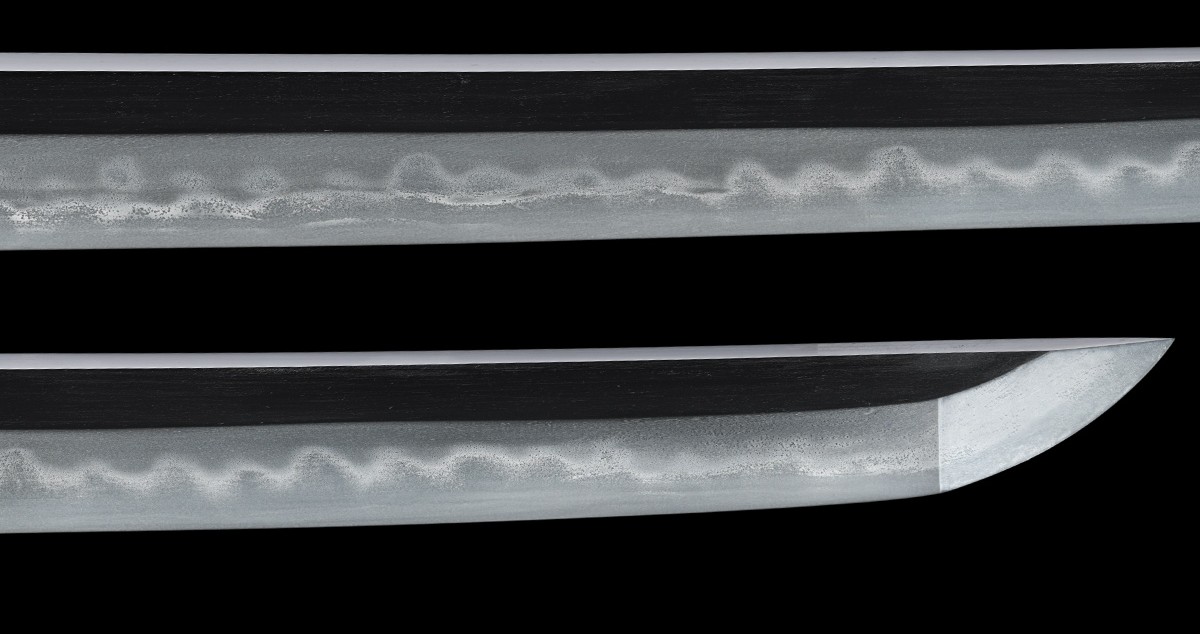
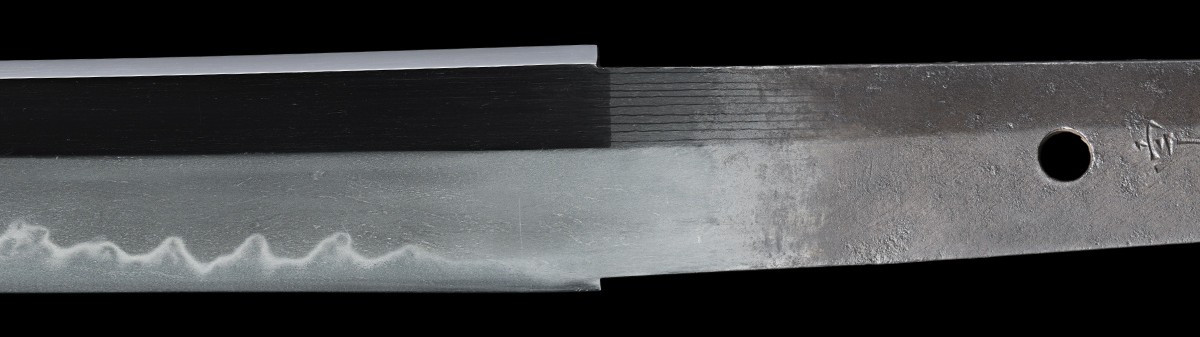
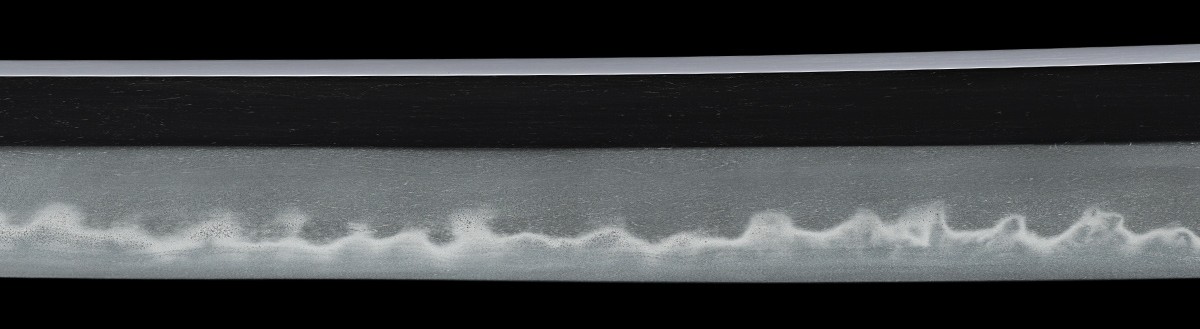
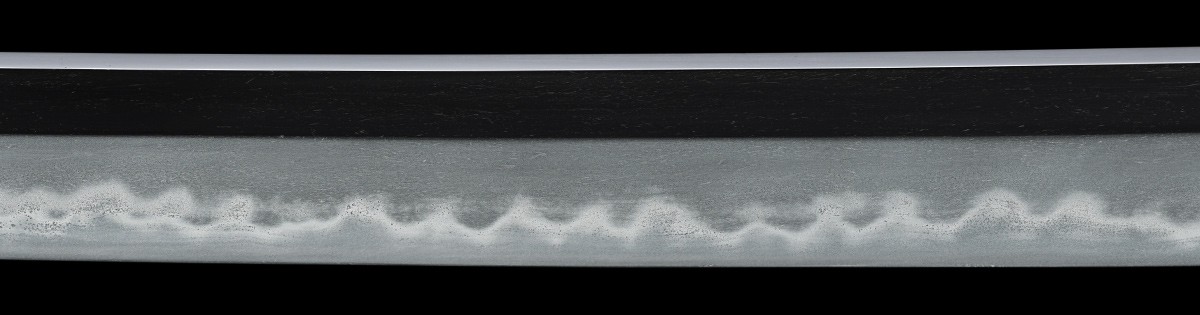
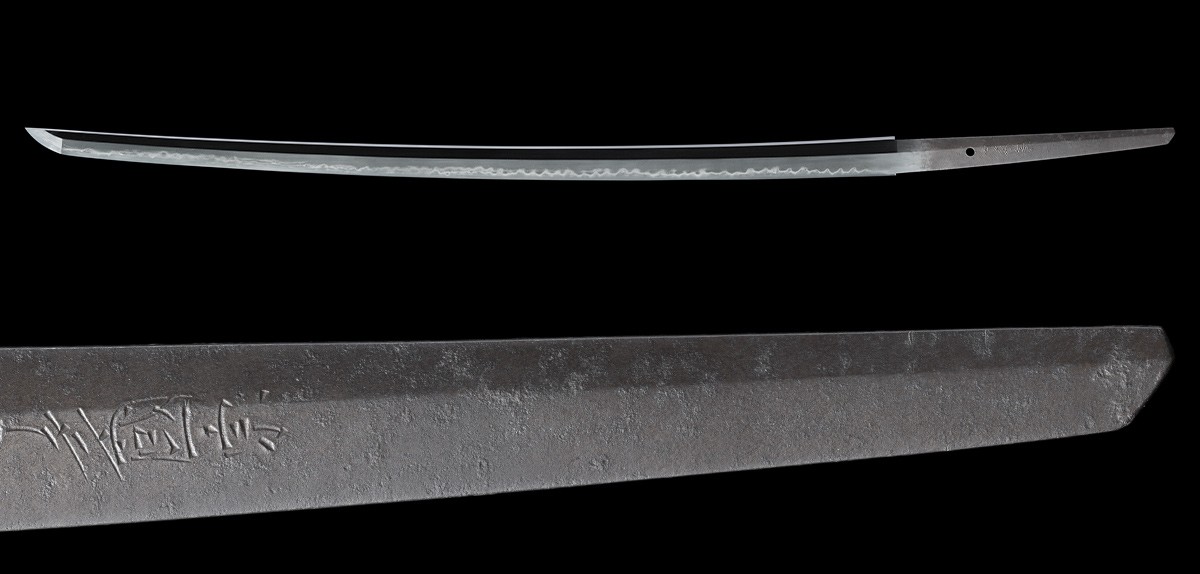
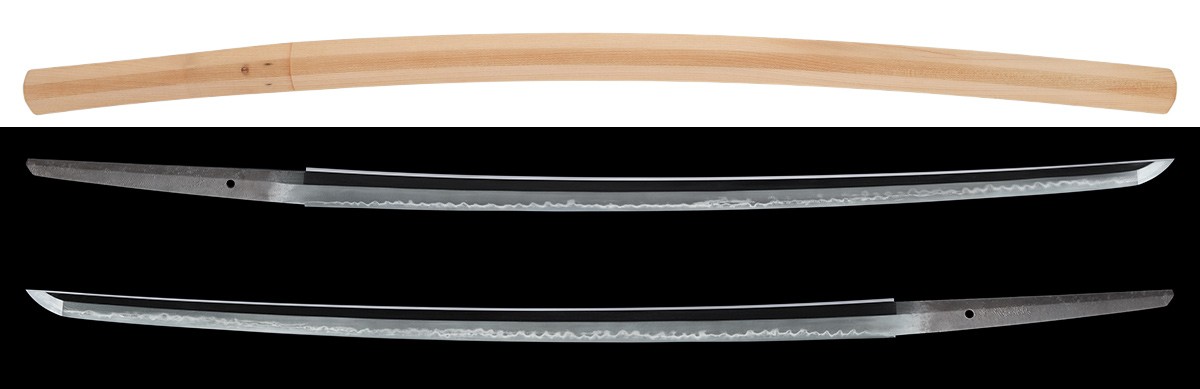
Around the Bunpo era in the late Kamakura period, the Uda school was founded by Ko-nyudo Kunimitsu, who moved from Uda District in Yamato Province to Etchu Province. Kunimitsu's sons were Kunimune and Kunifusa, and the school flourished thereafter through the Nanbokucho and Muromachi periods. Famous names such as Kunimune, Kunifusa, Kunitsugu, Kunihiro, Kunizane, and Tomotsugu are known from this school, and they were very active. Works of the Uda school from the end of the Kamakura period to the Nanbokucho period are called "Ko-Uda," while those from the Muromachi period onwards are called "Uda." The style is broad, including pieces similar to the original Yamato mono, those with jitetsu reminiscent of Yamashiro mono, and those incorporating Soshu-den; the jitetsu is itame mixed with mokume and masame becoming ohada, the ji is somewhat darkish, and there are pieces where kuichigaiba, hotsure, kinsuji, sunagashii, etc., work well. Because the swordsmiths of this school signed as "Uda so-and-so," they are called Uda-mono, and along with the Fujishima school of the same province, they are a representative main school of Hokugoku-mono. The first generation Uda Kunimune is said to be the son of Kunimitsu and the younger brother of Kunifusa, and the same mei continued until later generations. This katana is appraised as Uda Kunimune from around Kanbun. The sugata of this work has a nagasa of 2 shaku 3 sun 5 bu, a standard mihaba with a difference in width between the moto and saki, a somewhat shallow sori, and leads to a chu-kissaki, making it a blade in Kanbun Shinto sugata. The jitetsu is tight itame hada mixed with nagare-hada, and ji-nie attaches well. The hamon is gunome mixed with togari-ba and notare, with many ashi entering the ha, mixed with sunagashi and tobiyaki, and works actively with intense yubashiri appearing in places; coarse nie attaches to the habuchi, and the nioiguchi is bright and clear. The boshi is midare-komi, with a hakikake saki and kaeri. The nakago is ubu, finished with sujikai yasurime, and bears the swordsmith's mei. This katana is a work by Uda Kunimune from the Edo period, around Kanbun (1661~). The hamon is gunome mixed with togari-ba and notare, with coarse nie on the habuchi and active, intense workings such as sunagashi and yubashiri, making it a healthy blade that overall shows the flavor of the Soshu-den style. Shirasaya, gold-clad ichiju habaki, Tokubetsu Hozon Token Kanteisho.
Offered by World Seiyudo
25 on the market


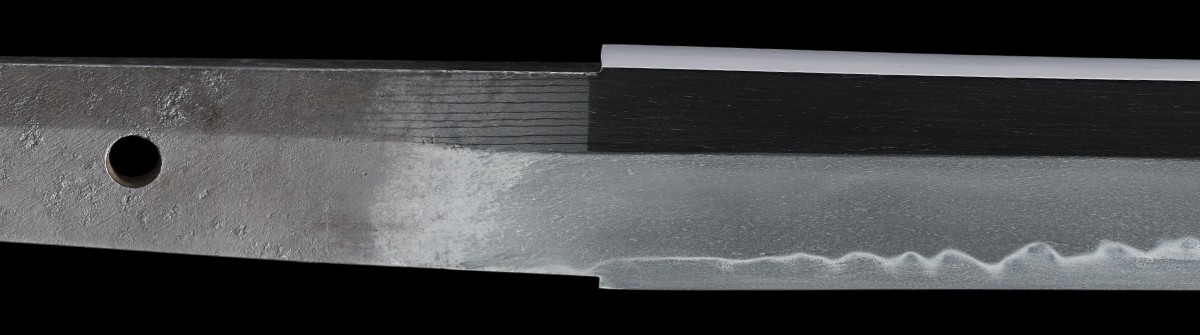
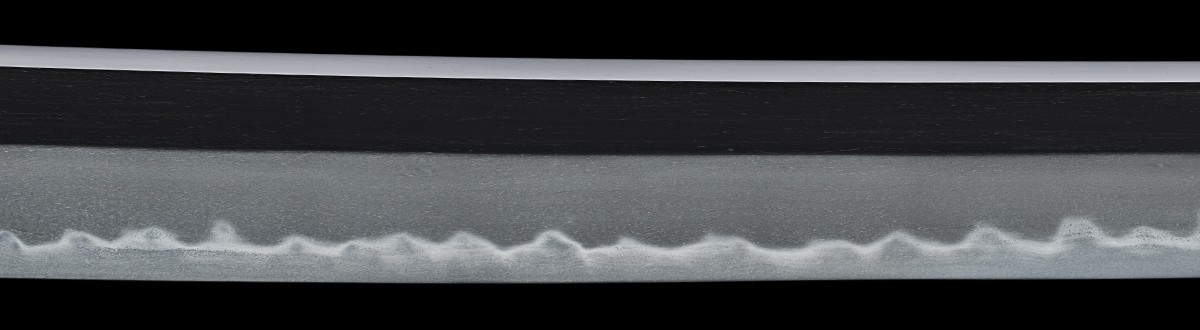
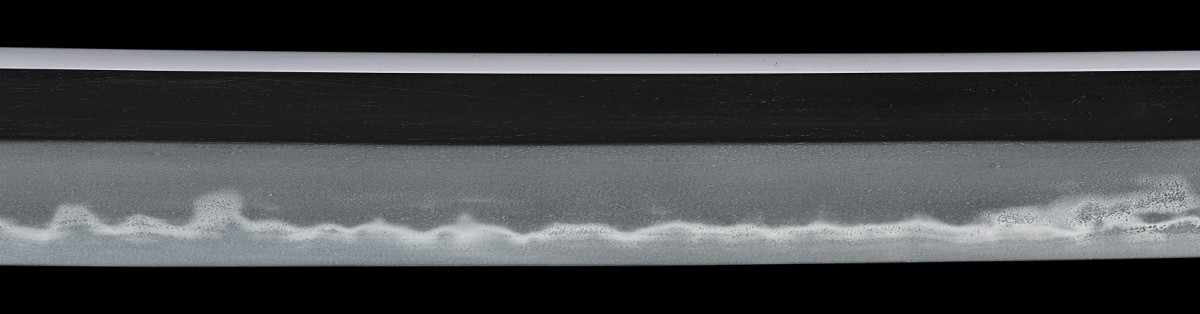
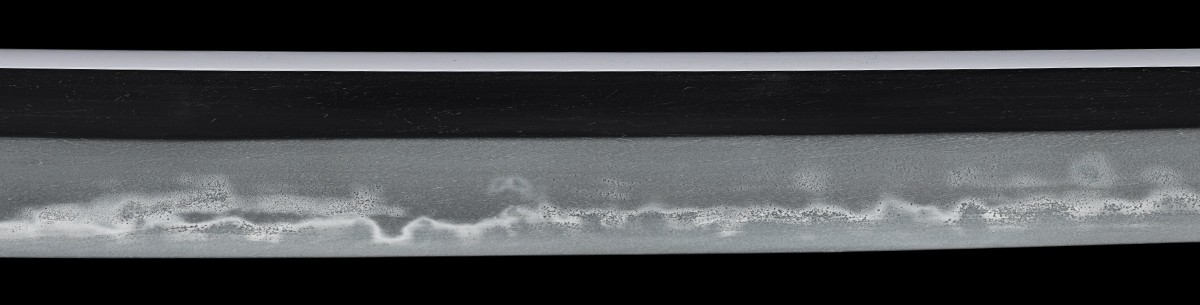
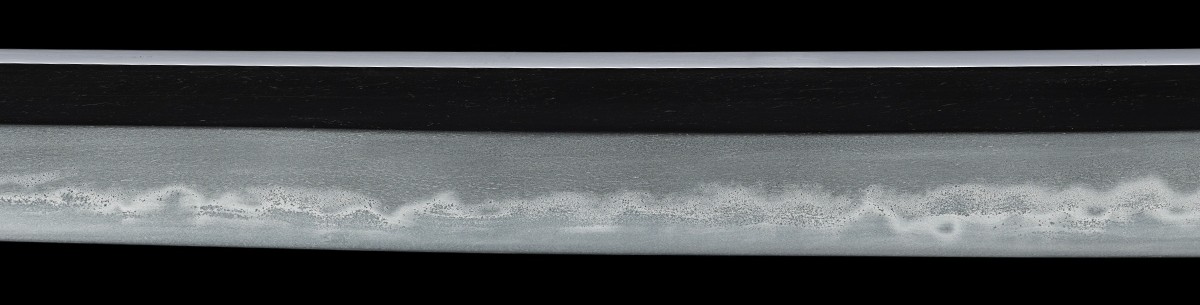
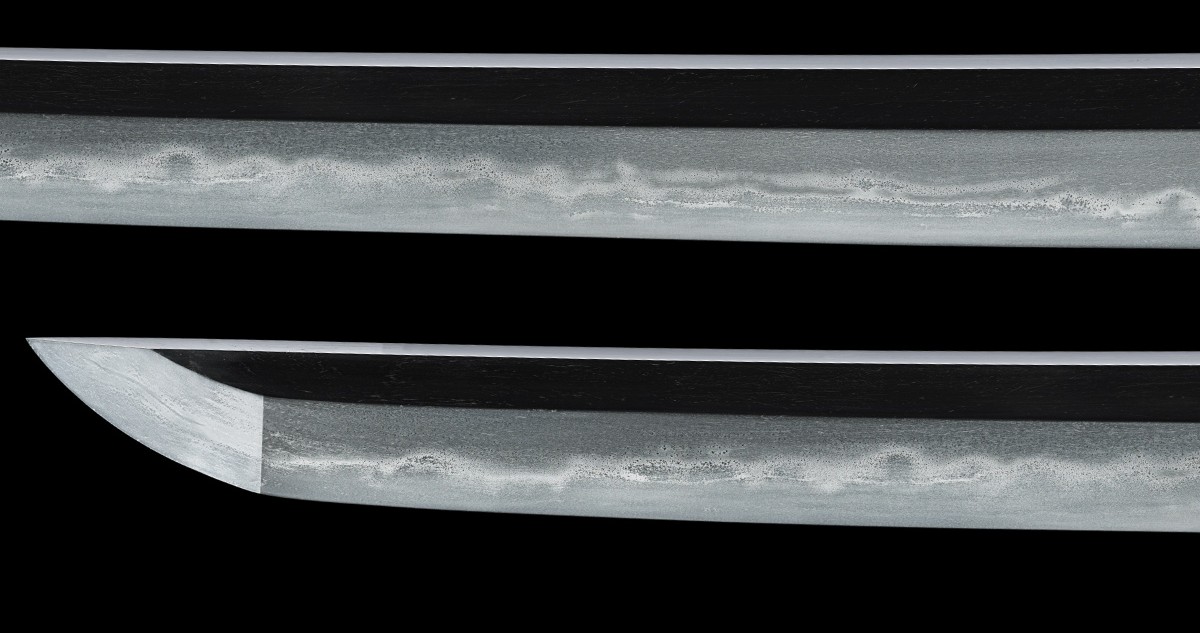
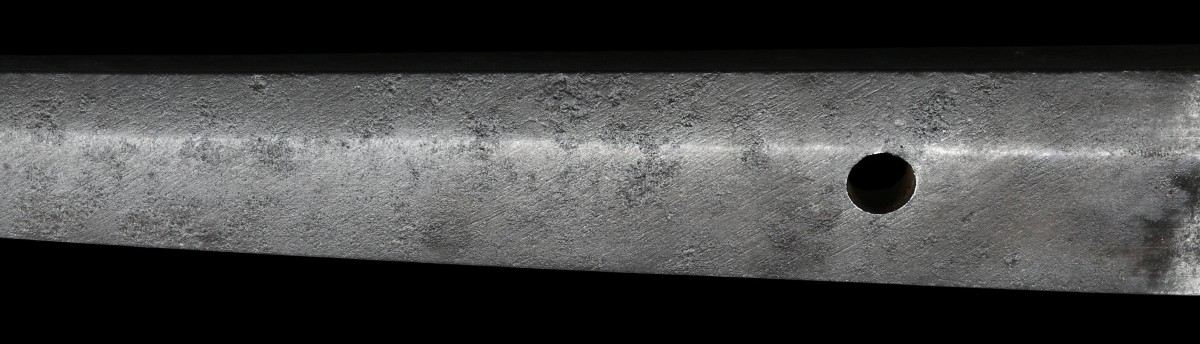
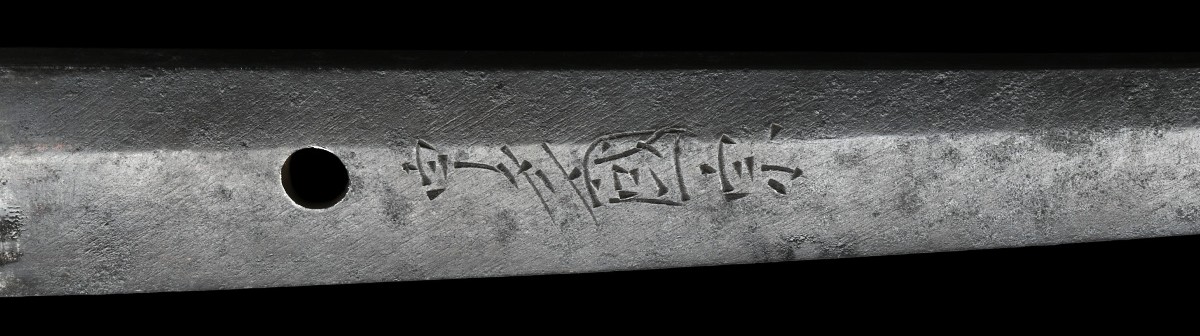
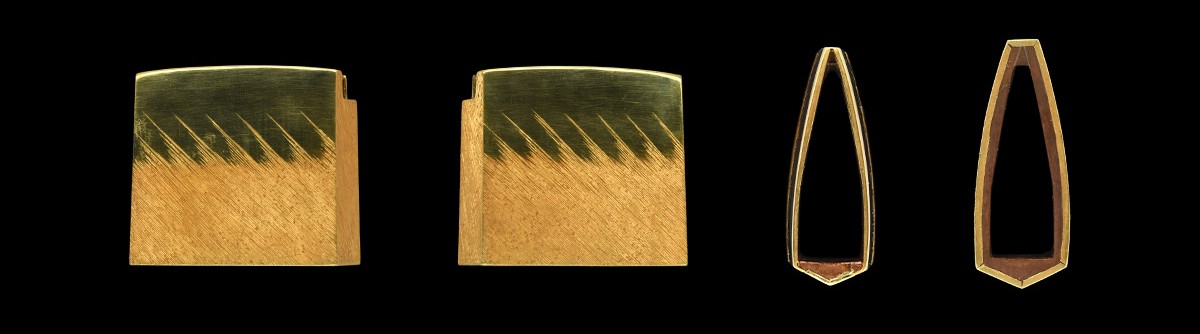
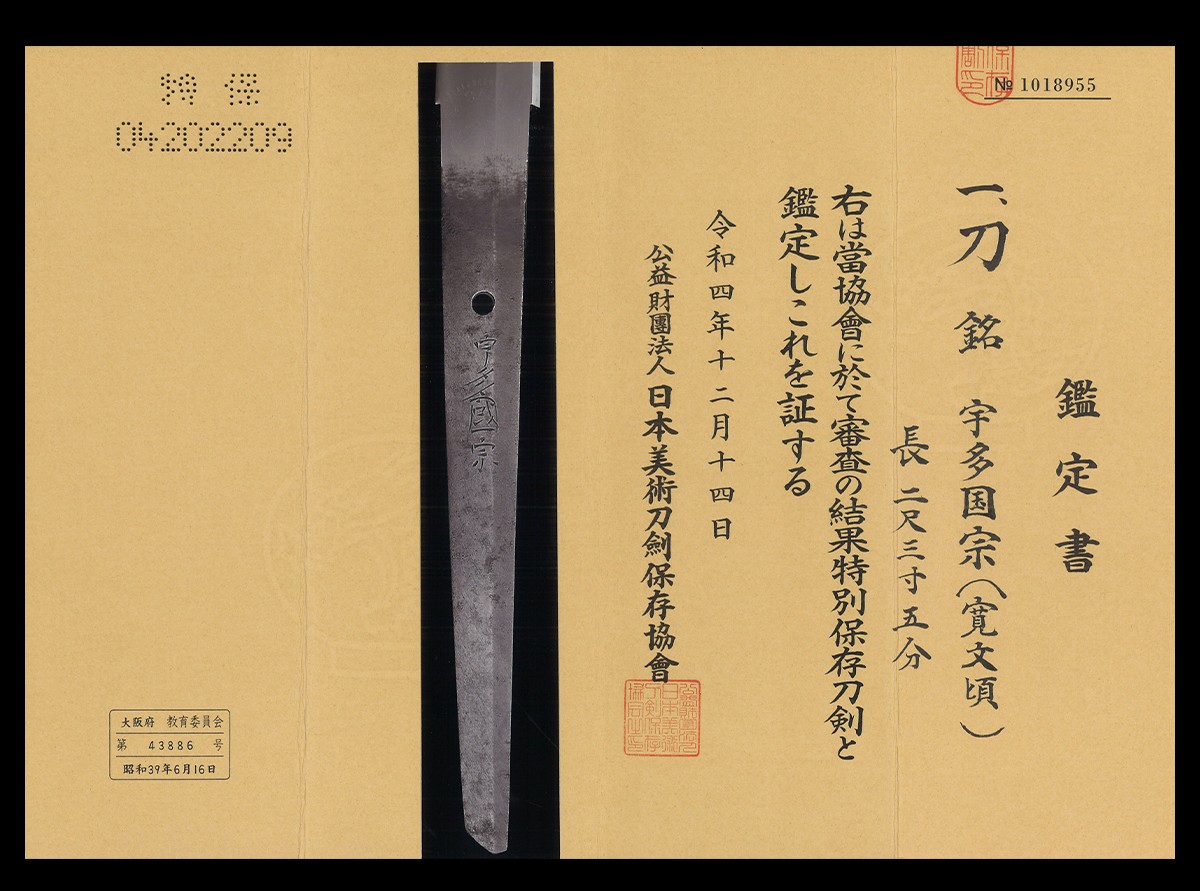
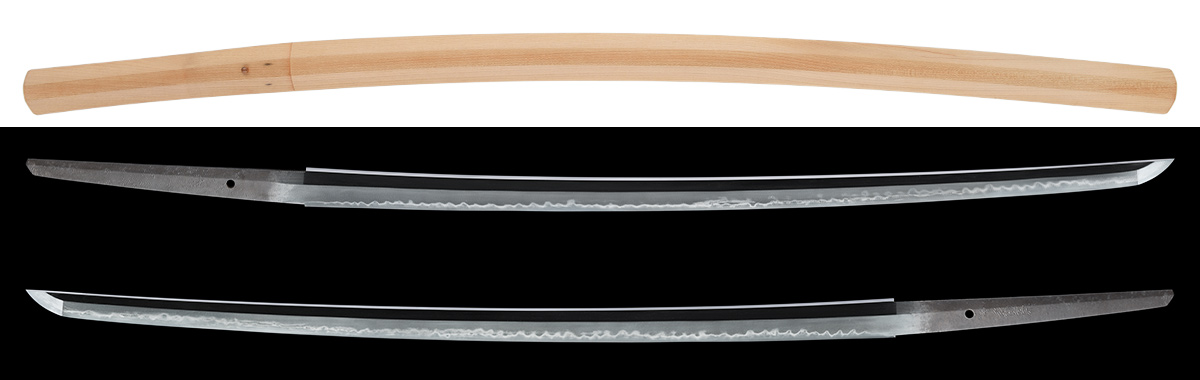
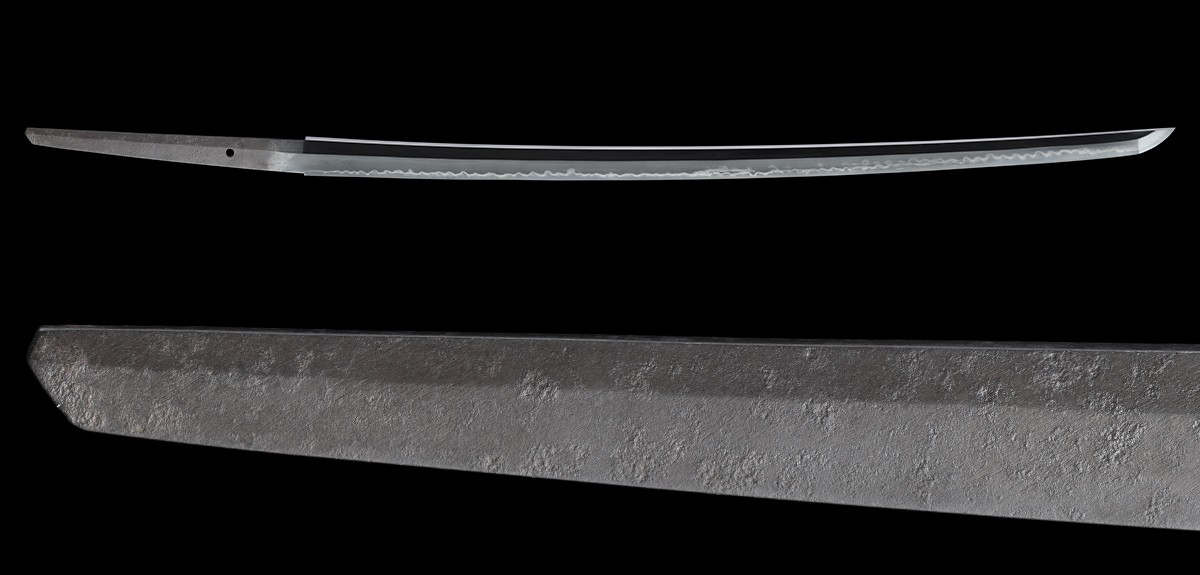
Machine translation from the shop's Japanese · may contain errors ·
Wakimono · Etchu
25 pieces on the market now
Among the provincial lineages that carried the Yamato-den northward, the Uda school (宇多) of Etchu province holds a distinct place. Its origin lies in the late Kamakura period, when the monk-smith Kunimitsu, remembered as Ko-Nyudo Kunimitsu, migrated from Uda District in Yamato to Etchu around the close of the era. From this founder descended a long line of Kuni-named smiths; the reference registers carry Kunifusa and Kunimune as sons of the founder, Kunitsugu and Kunihisa among the generations that followed, the studio names recurring through the Oei, Hotoku, Bunmei and Tenbun eras down to the end of Muromachi and on into shinto times. The school worked the tanto (broad for its length, with little curvature) more readily than the tachi or uchigatana, and because its smiths individuate little, a signed Uda blade is read less as one hand than as the manner of its period. The school is identified first off the steel rather than the temper. The shared forging is an itame that runs and tends to stand, flowing toward masame and mixing mokume, with standing o-hada and ji-nie throughout; the steel turns whitish and at times blackish, so that a shirake-utsuri or faint bo-utsuri stands in the ji. Over this northern jigane the temper ranges from a chu-suguha opening shallowly into ko-notare and ko-midare to a vigorous gunome carrying pointed elements, ashi and yo entering, ko-nie well adhered along a tight nioiguchi. The Yamato activity of hotsure and kuichigai-ba names the old province along the habuchi, while kinsuji and sunagashi run through nearly every surviving blade.
From this base the corpus divides: a quieter Yamato-rooted suguha face, seen on the tanto; a Soshu-leaning midare face traced to Kunifusa's study under Etchu Norishige, in which the nie thickens and grows at times coarse with yubashiri and broadened yakihaba; and a refined register in which a compacted ko-itame gathers abundant ji-nie and a round, luminous nie scatters through the yakiba. Ko-Uda, the earlier work of the Nanbokucho and early Muromachi generations, reads cleaner and closer to its Yamato and Soshu models; the later Uda hands run coarser and more provincial in character. To kantei an Uda blade is to find its Yamato roots wearing a coarser northern character. The whitish, standing jigane with its masame tendency and shirake-utsuri returns the blade to the school when the temper alone might recall a Yamashiro or Soshu hand; a nie-laden example reads as Soshu at first glance and is brought home by the dark, standing steel and the nioiguchi that holds rather than glows. The best members close the distance to their models: Kunihisa, the Oei-era hand the published sources read against the founder, forged a ko-itame bright enough that the judges found his finest wakizashi and tanto all but mistakable for Rai Kunimitsu or Kunitsugu, while his standing itame and shirake-utsuri keep him within Uda. Kunimune and Kunitsugu carry the same two faces over the one northern steel, the dated and signed pieces (a Bunmei 11 katana, a Bunmei 17 yari) valued as research material for the school as much as for their make. Signed Uda blades are uncommon, so the school's standing rests heavily on mumei attributions read by jigane and temper. Provenance tends toward long, settled holding, with designated work resting in shrines and museums, and some recorded in Honma's inventory of the Imperial collection, rather than circulating, so that a signed Uda piece comes to a private collector only from time to time and with patience, a clear window onto how the Yamato tradition was carried into the northern provinces. Learn more →
| Smith | Era | Designated |
|---|---|---|
| Kunihisa國久 | 1394-1428 | 10 |
| Kunimune國宗 | 1429-1479 | 5 |
| Tomotsugu友次 | 1381-1384 | 3 |
| Kunitsugu國次 | 1469-1487 | 3 |
| Kunifusa國房 | 1455-1457 | 3 |
The Edo period (1615 to 1868)
Edo was the sword’s age of connoisseurship: the Hon’ami appraisers, the shogunal register of famous blades of 1719, and a thriving literature turned the sword into an object of study even as it ceased to be drawn in war.
A Hozon-certified blade judged to show notably superior workmanship and a better state of preservation. The bar is higher: re-tempered blades and most unsigned Muromachi/Edo works are excluded.
The NBTHK (Nihon Bijutsu Tōken Hozon Kyōkai, the Society for the Preservation of Japanese Art Swords) is a public-interest incorporated foundation founded in 1948 and supervised by Japan’s Agency for Cultural Affairs (Bunkachō); it is based at the Japanese Sword Museum in Tokyo. Its expert panels physically examine each submitted work (shinsa) and issue a certificate (kanteishō) ranking it by artistic and historical merit. NBTHK papers are the most widely recognized standard of authentication for Japanese swords and fittings.
NBTHK official siteNo cooling-off period or returns; refund only if the purchased sword is proven fake, capped at purchase price (excludes commission sales, accessories, auction items).
¥1,400,000