 NihontoWatchNihontoWatch
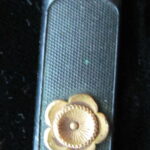
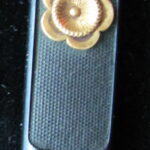
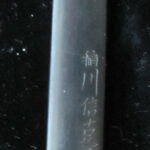
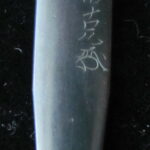
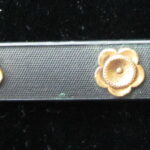
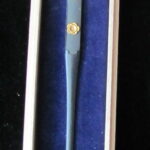
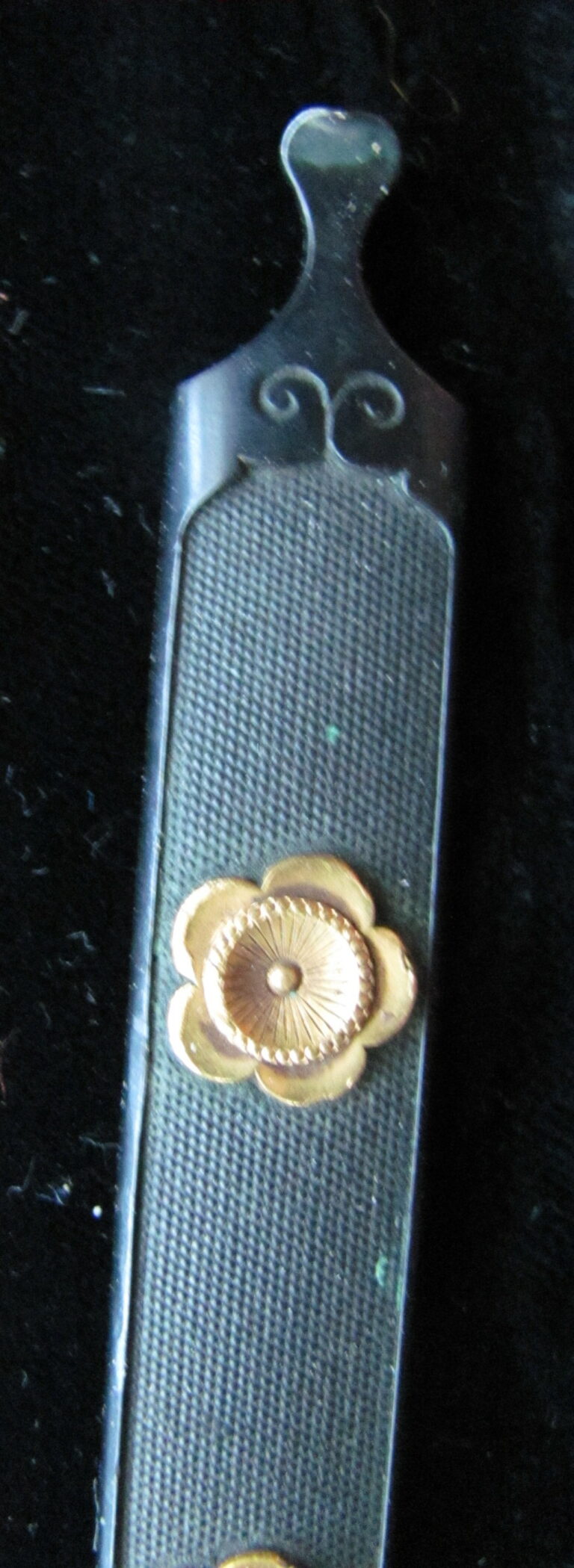
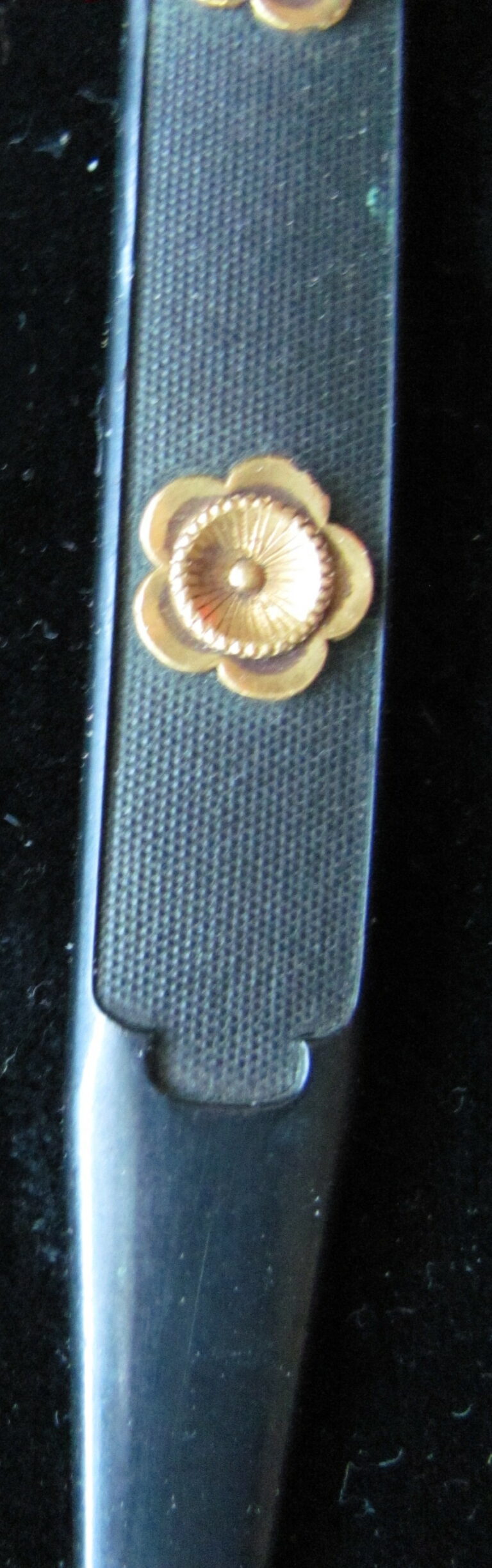
Q799. Shakudo Kogai. 1.3 x 21.2 cm. According to Robert Haynes, Yanagawa Nobuyoshi worked in Edo period and died sometime between 1800 and 1825. He was the student of Yanagawa Naotsura. Shakudo plate with very fine nanako and gold flowers applied. Condition is excellent; this comes in a box.
NihontoWatchOffered by Japanese Sword Books and Tsuba
This piece has sold
Get an email when a new Iwama Nobuyoshi piece hits the market.
Iwama Nobuyoshi
Edo
Signed
Machibori · Musashi · around 1670
1 piece on the market now
Where Nobuyoshi stands among comparable artisans: across all of nihontō, and within tradition, era, and period. The tiers (Foremost · Leading · Major · Notable) weigh official designations from the NBTHK and Japan's Agency for Cultural Affairs, together with historical honors of lasting repute such as the Sansaku and Meibutsu-chō.
Select a lens to see how it's measured.
Machibori · Edo
32 pieces on the market now
The Hamano school of machibori carving was established in mid-Edo Edo by Hamano Masazui (浜野政隨), commonly known as Tarōbei, an exceptionally gifted pupil of Nara Toshihisa. As the Edo Kinkō Meifu states of him that he "thunders through the world," Masazui won widespread renown as one of the "Four Guardian Kings of Nara" (Nara Shitennō). Training many disciples and employing numerous art names—including Otsuryūken, Aji-zumi, Kankei, Rifūdō, Yūkotei, Shūhōsai, Hankei-shi, and Isshunan—he formed what came to be known as the Hamano school, establishing one of the principal lineages of machibori artistry and founding an independent house. " Works are rendered by means of yōbori (sculptural carving) upon varied grounds—gold-and-silver imo-tsugi-ji, solid gold (kinmuku)—with details frequently treated in the in'yō-kon mode, suggesting the early Gotō masters as models.
The carving is executed with "ample, well-judged volume (nikudori)" and "exceptionally full, weighty presence," while applied metal (okigane) in silver and shakudō with shakudō iroe tightens pictorial fields and imparts additional movement. Later Hamano artists such as Katsurano Akafumi maintained this technical versatility, favoring polychrome inlay applied to high-relief compositions. " The NBTHK repeatedly notes that works "clearly demonstrate the high level of technique," "amply demonstrate advanced technical mastery," and possess "a composed dignity"—attestations to the school's sustained excellence across generations and its enduring place within the broader machibori tradition. Learn more →
| Smith | Era | Designated |
|---|---|---|
| Shozui政随 | — | 17 |
| Sekibun赤文 | 1670 | 8 |
| Noriyuki矩随 | — | 4 |
| Naotoshi直寿 | — | 0 |
| Naoharu直春 | — | 0 |
3-day return window from receipt.