Muromachi turned sword making into an industry: the uchigatana rose with massed infantry warfare, Osafune and Seki produced bundle swords beside custom orders, and the Ming trade carried Japanese blades abroad by the tens of thousands.
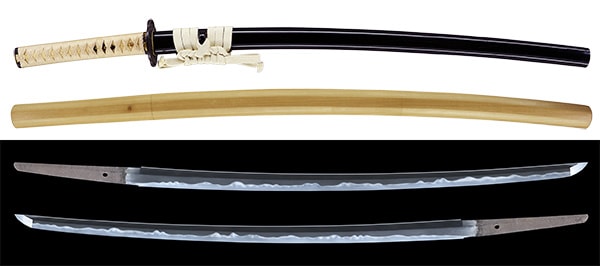
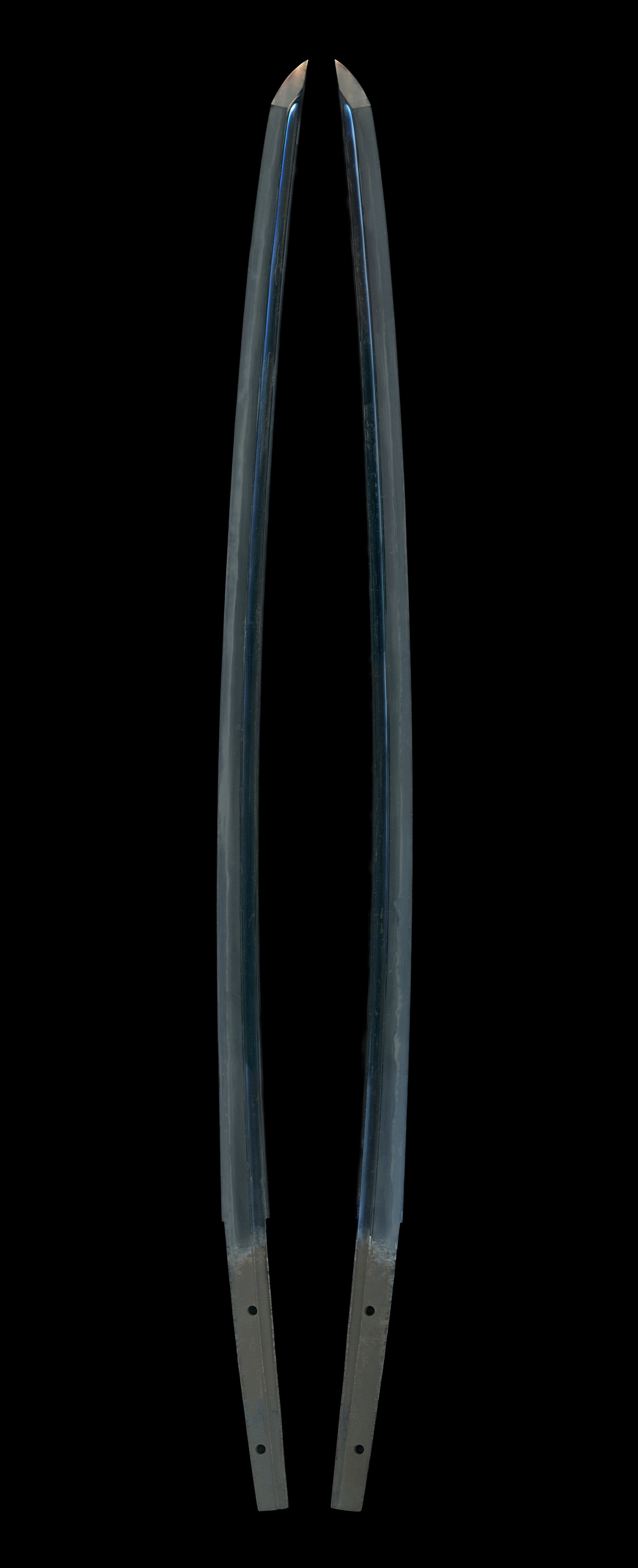
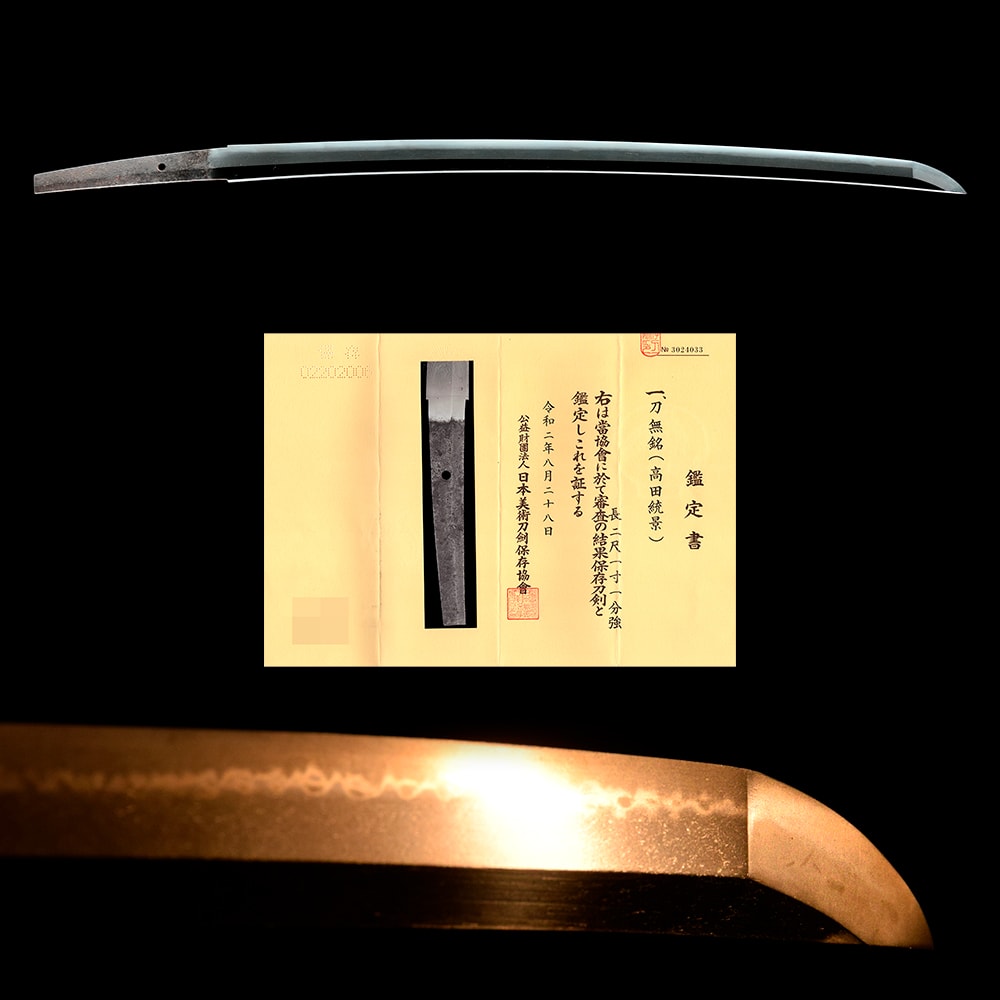
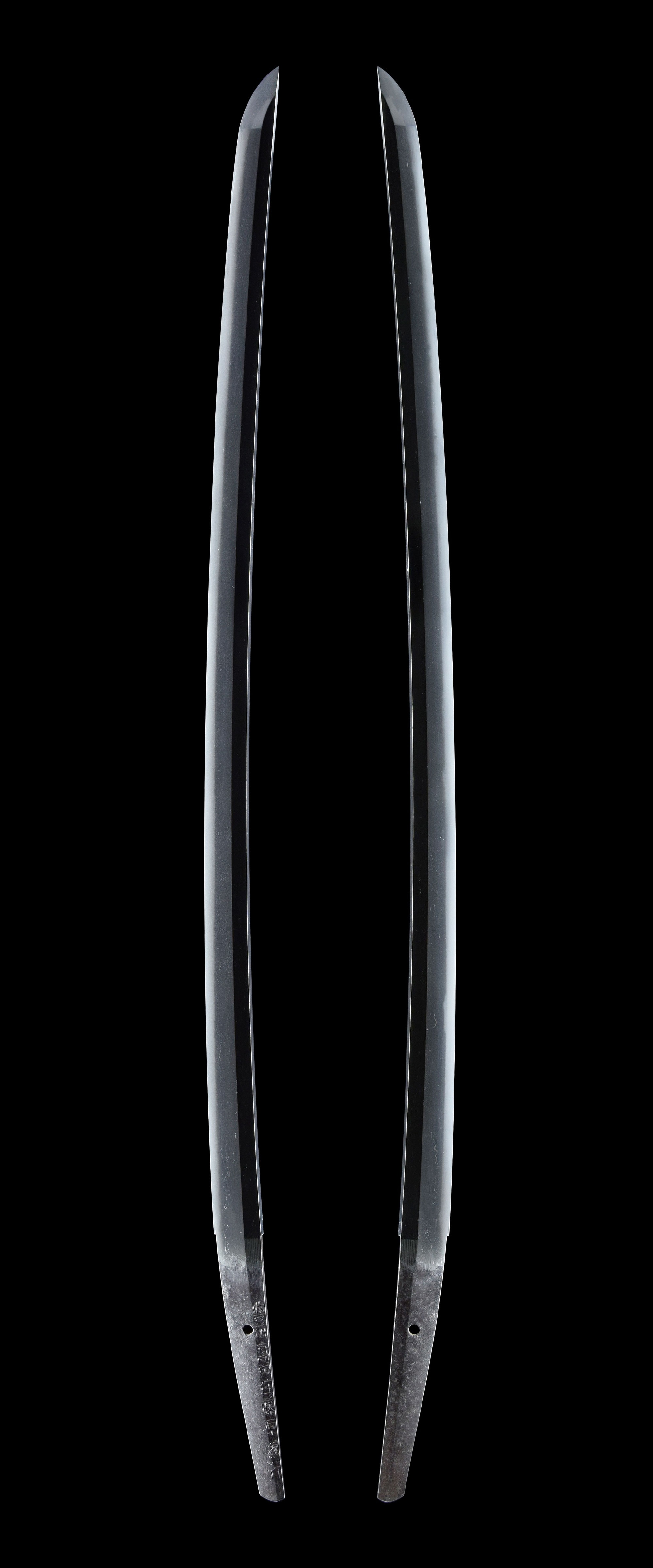
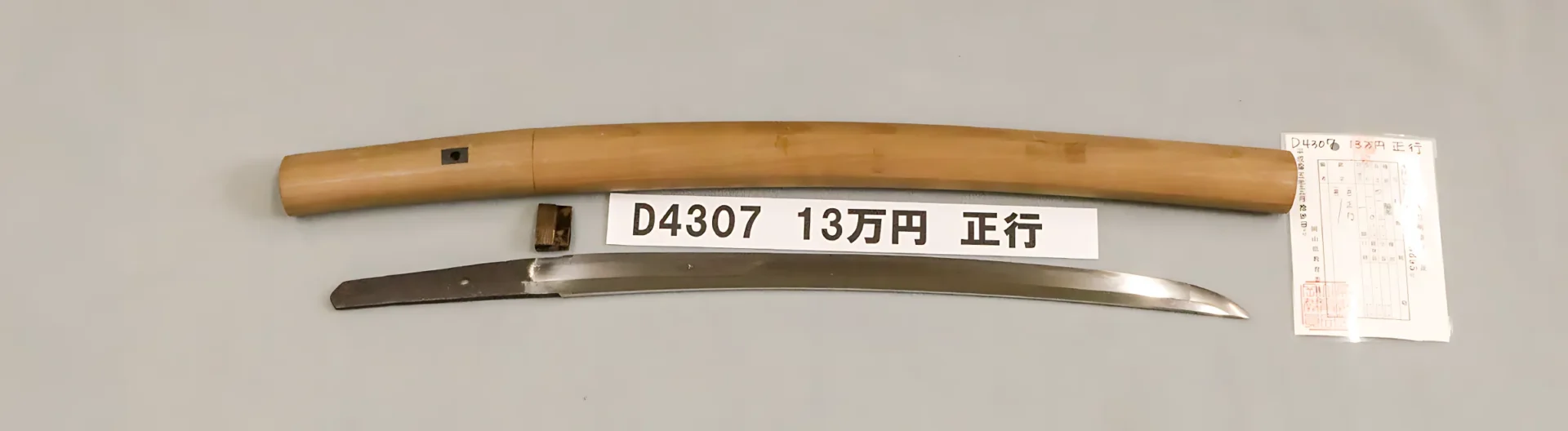
This is a wakizashi by Masayuki, a swordsmith of the Takada school in Bungo province, dating to the late Muromachi period. The blade features a flowing itame hada, gunome midare hamon, and a beautiful kissaki. It has an ubu nakago with a kurijiri end and is fitted with a double copper habaki. The blade is free of rust and chips.
 NihontoWatch
mei · Takada · Muromachi · nagasa 41.3cm · sori 1cm
Bungo · around 1624-1644
Tōken Taikan top 76%
2 pieces on the market now
Muromachi turned sword making into an industry: the uchigatana rose with massed infantry warfare, Osafune and Seki produced bundle swords beside custom orders, and the Ming trade carried Japanese blades abroad by the tens of thousands.
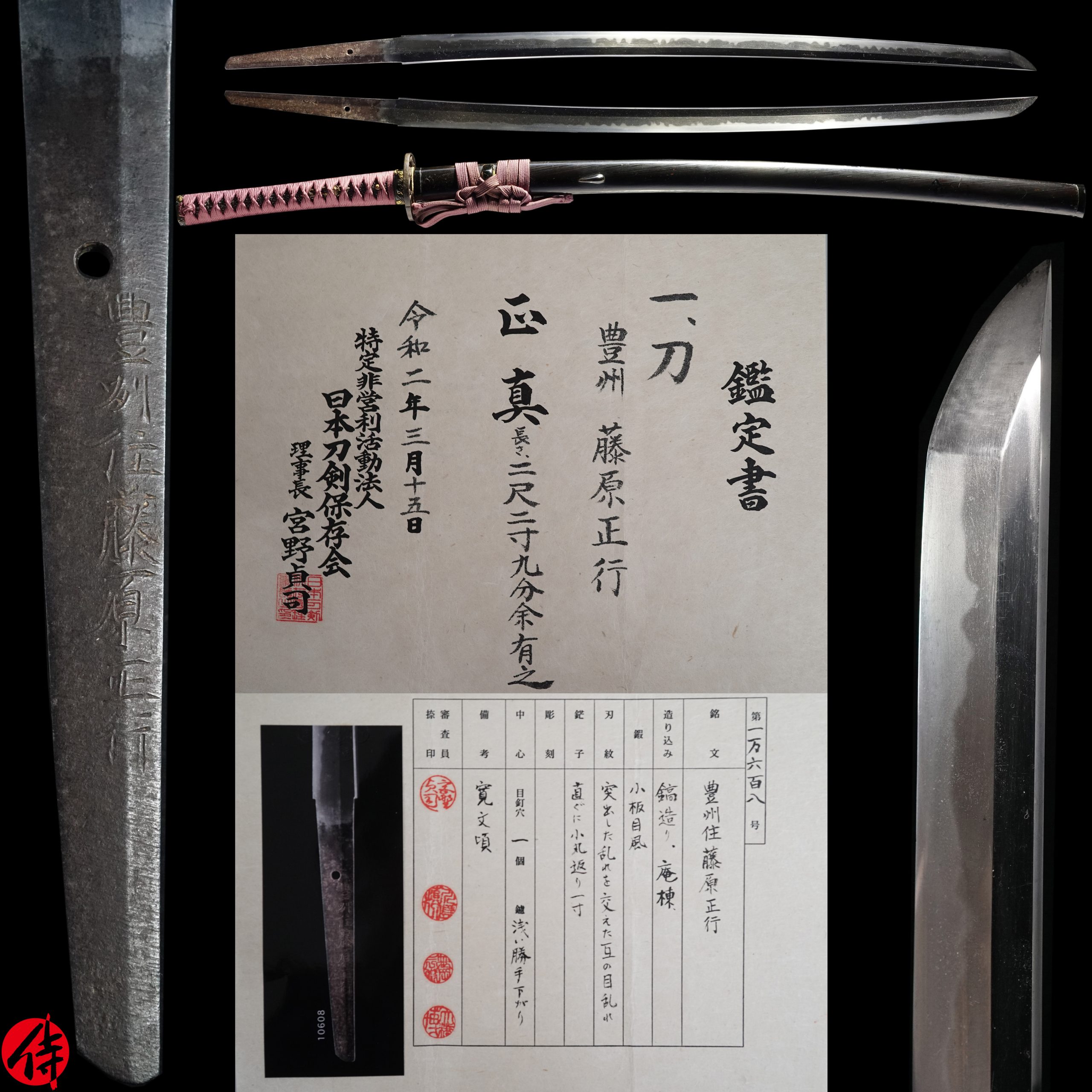
We could not find an authenticity certificate on the seller’s listing. Japanese swords and fittings are normally papered by the NBTHK (or the NTHK). Without one, the attribution is the seller’s own assessment and has not been independently verified — treat it with caution and ask the dealer about certification before buying.
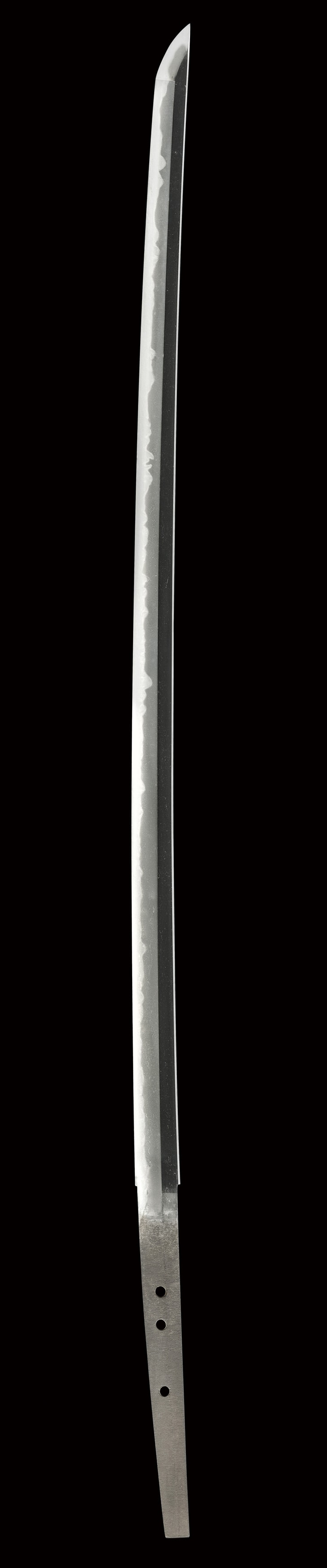
This is a wakizashi by Masayuki, a swordsmith of the Takada school in Bungo province, dating to the late Muromachi period. The blade features a flowing itame hada, gunome midare hamon, and a beautiful kissaki. It has an ubu nakago with a kurijiri end and is fitted with a double copper habaki. The blade is free of rust and chips.
NihontoWatchmei · Takada · Muromachi · nagasa 41.3cm · sori 1cm
Bungo · around 1624-1644
Tōken Taikan top 76%
2 pieces on the market now
Muromachi turned sword making into an industry: the uchigatana rose with massed infantry warfare, Osafune and Seki produced bundle swords beside custom orders, and the Ming trade carried Japanese blades abroad by the tens of thousands.
We could not find an authenticity certificate on the seller’s listing. Japanese swords and fittings are normally papered by the NBTHK (or the NTHK). Without one, the attribution is the seller’s own assessment and has not been independently verified — treat it with caution and ask the dealer about certification before buying.