Sengoku Seki was an industry: smiths organized under their tutelary Kasuga shrine, arming the war bands of central Japan. Magoroku Kanemoto’s sanbonsugi and the finest Kanesada work prove quality survived inside mass production.
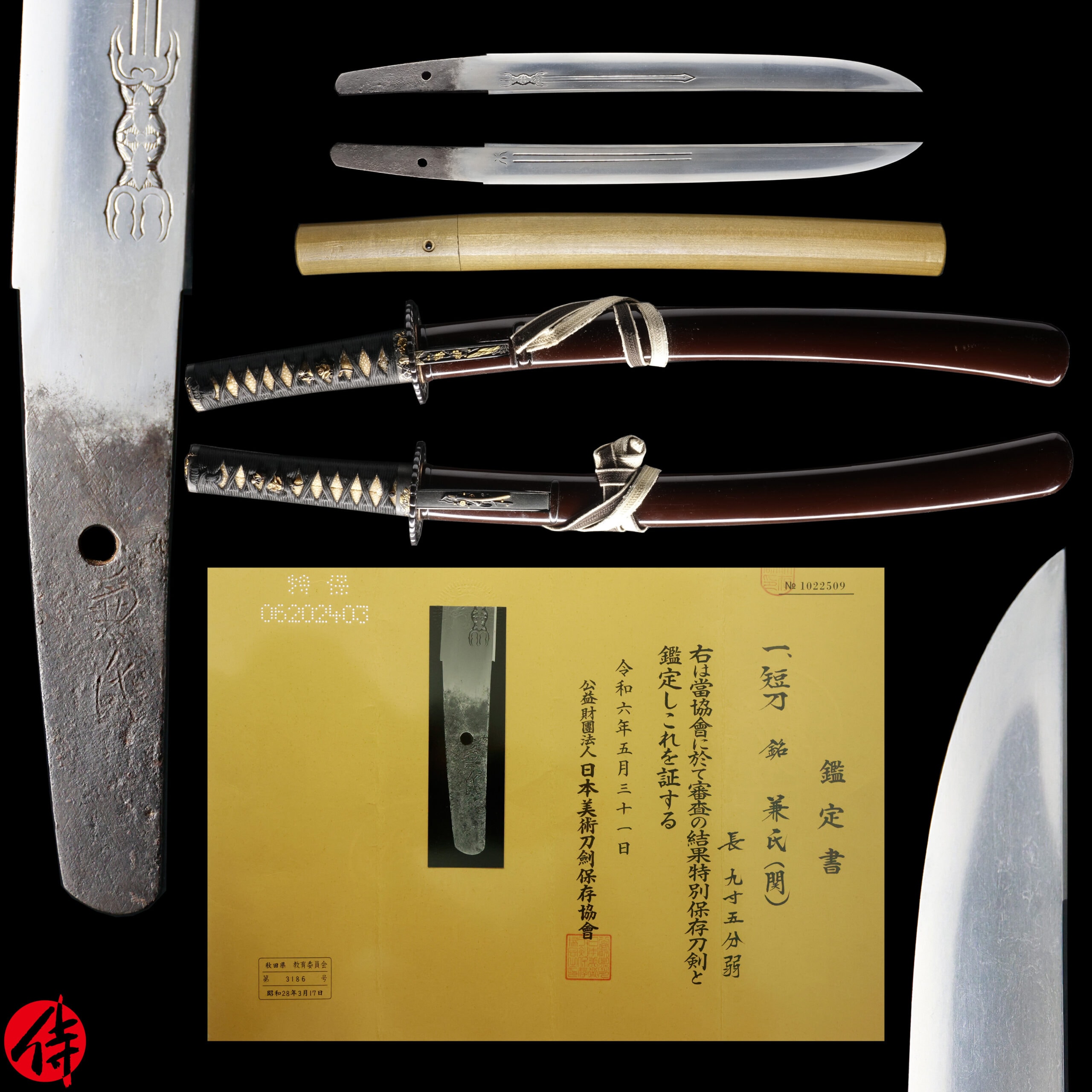
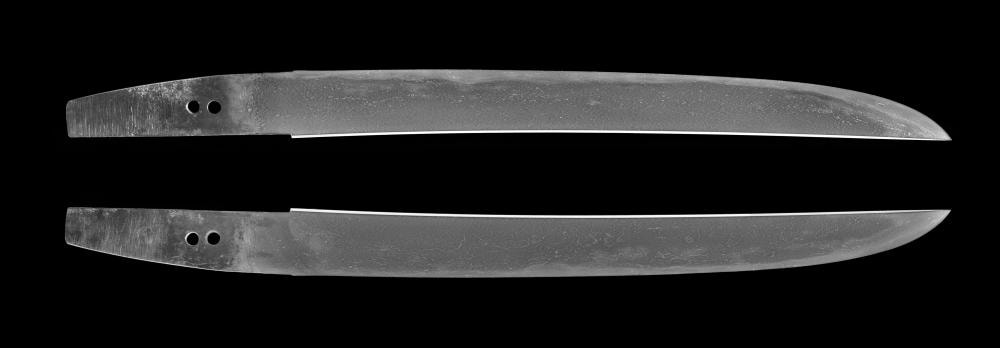
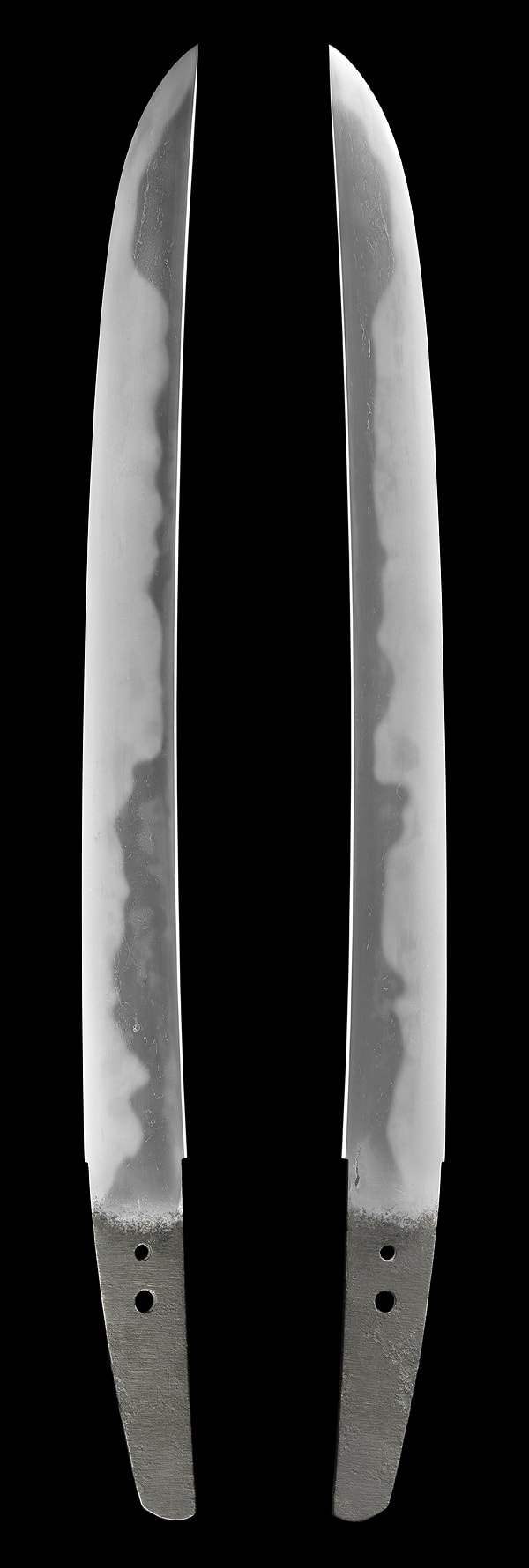
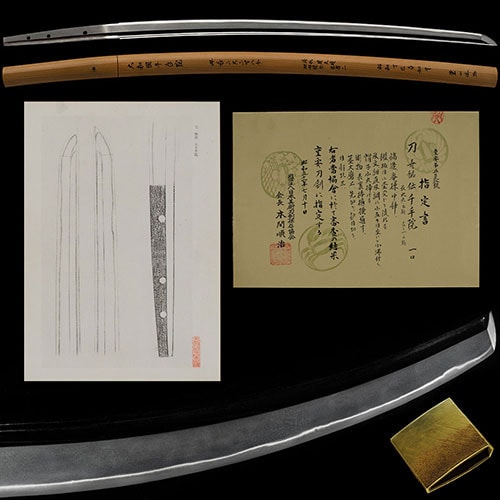
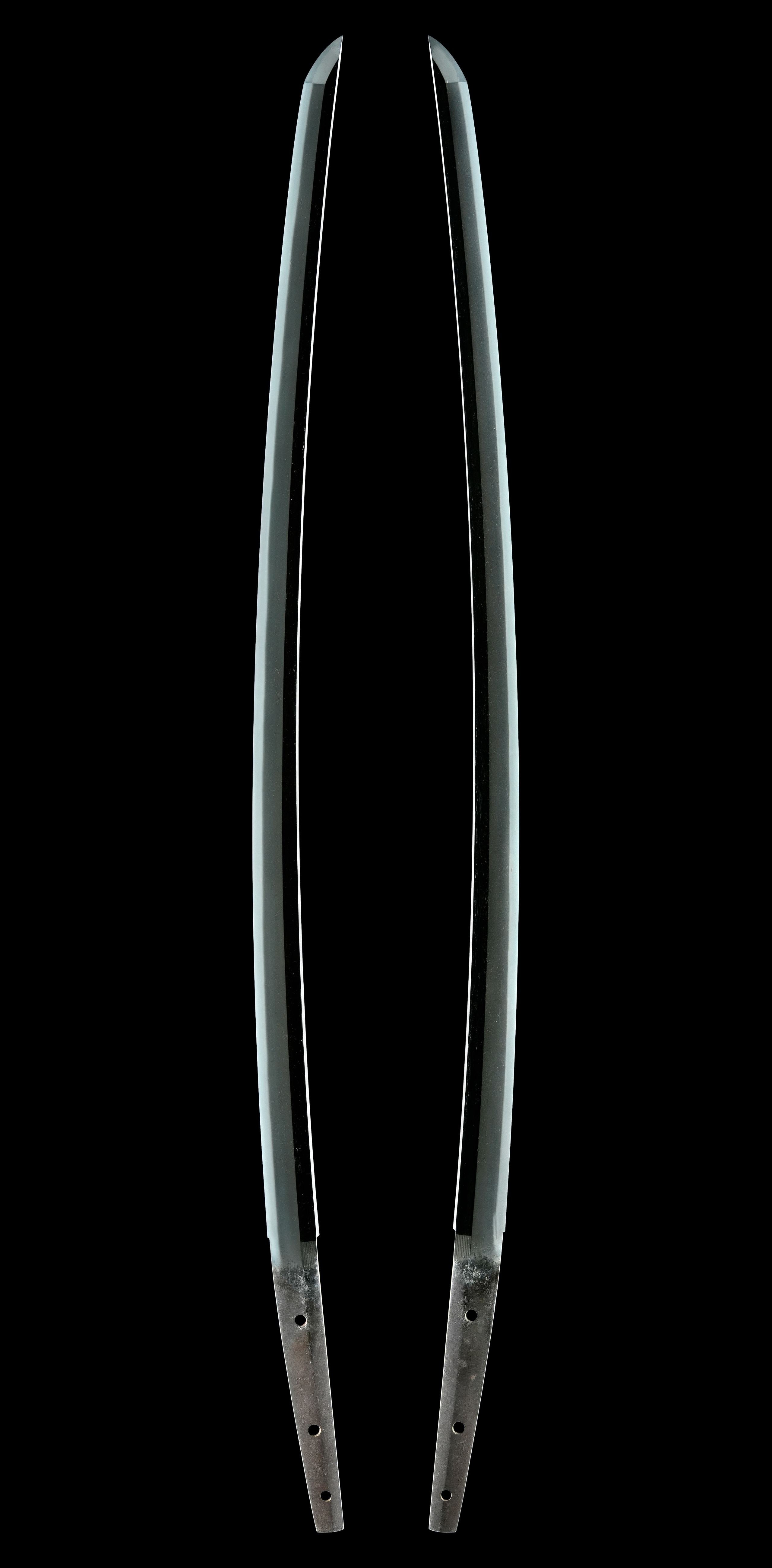
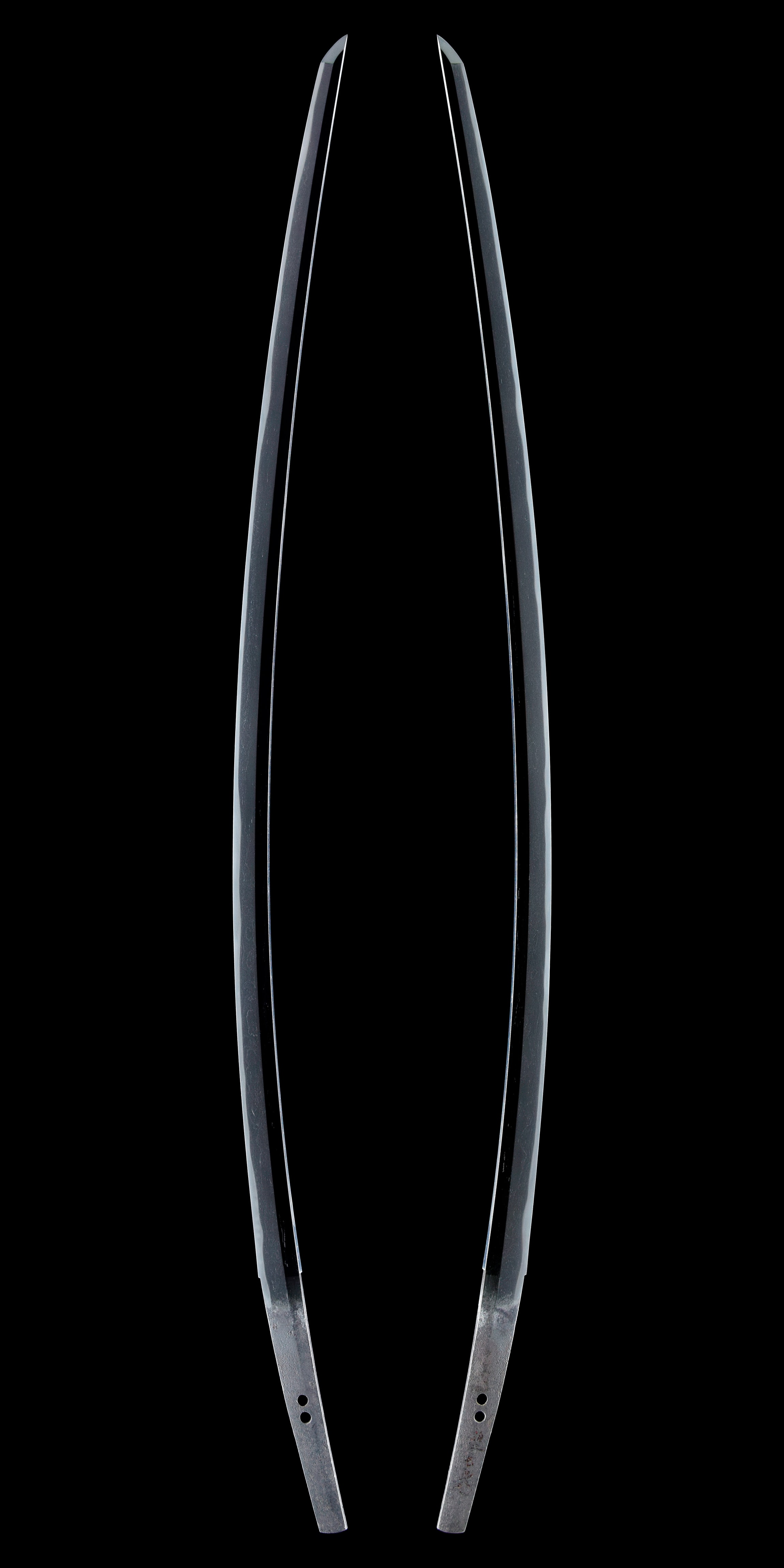
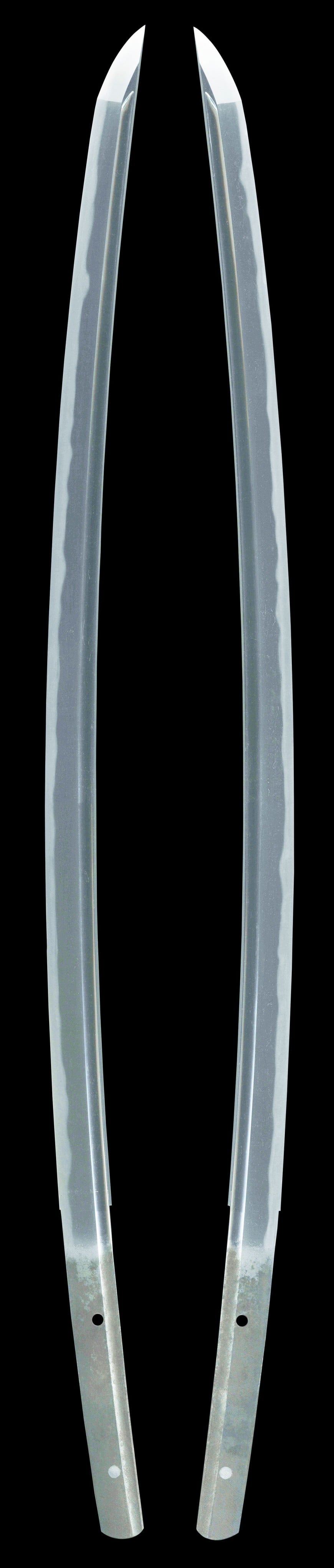
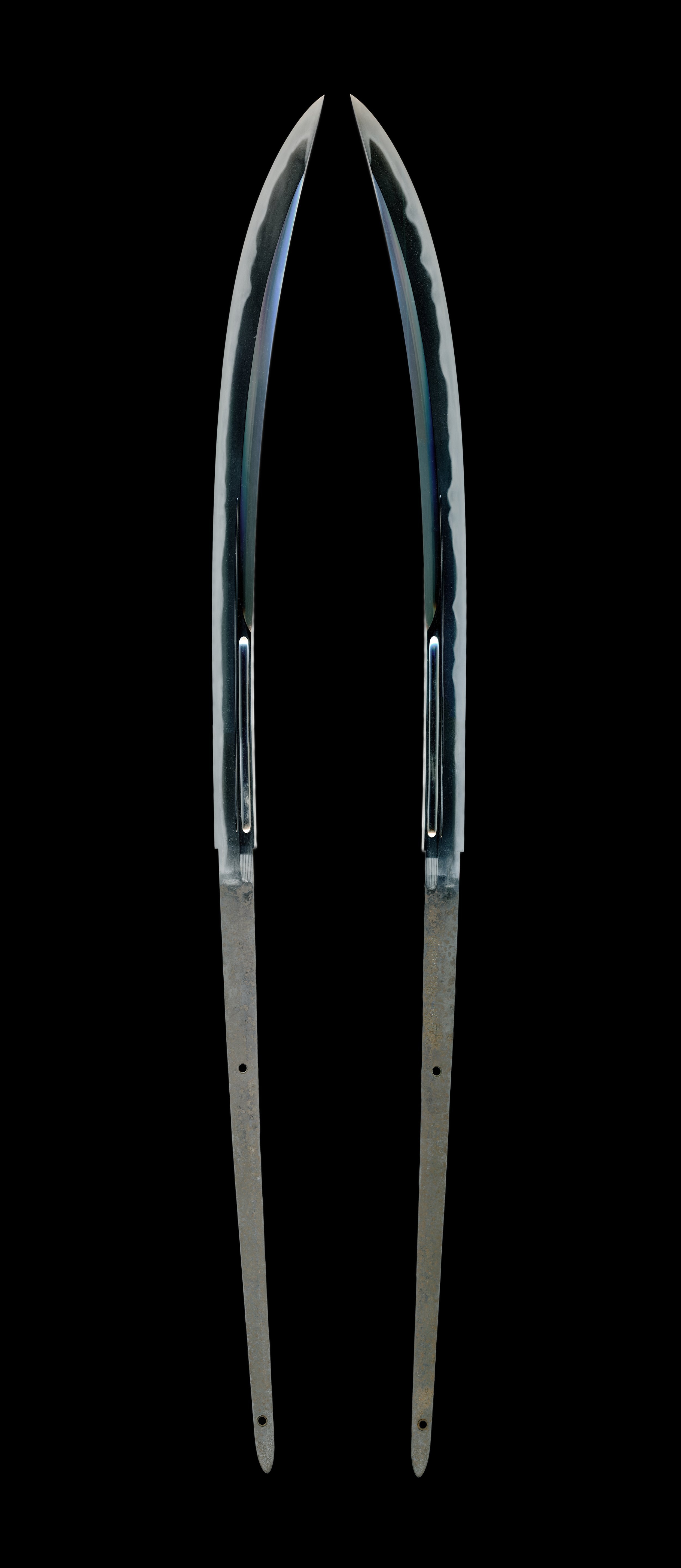
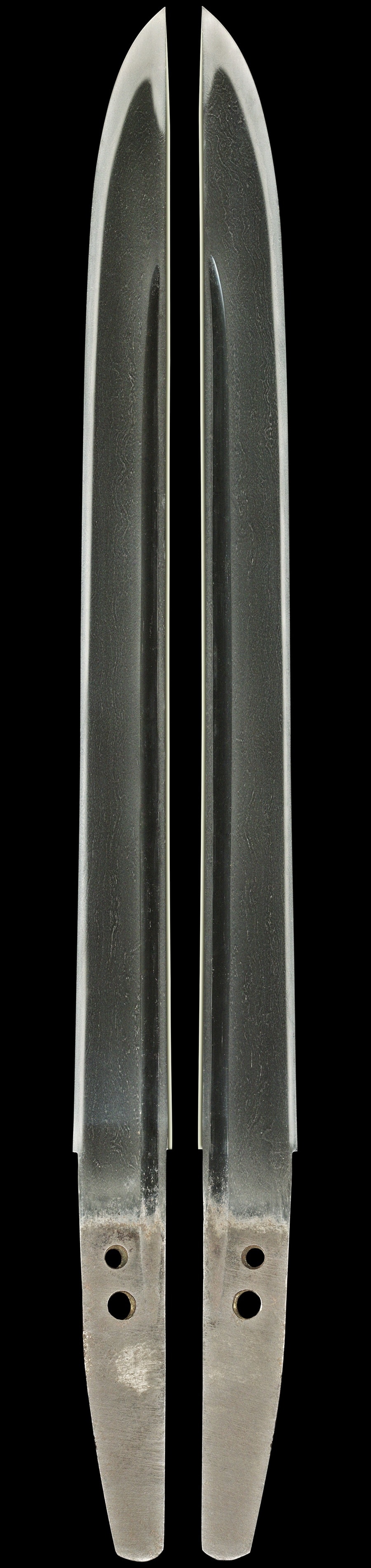
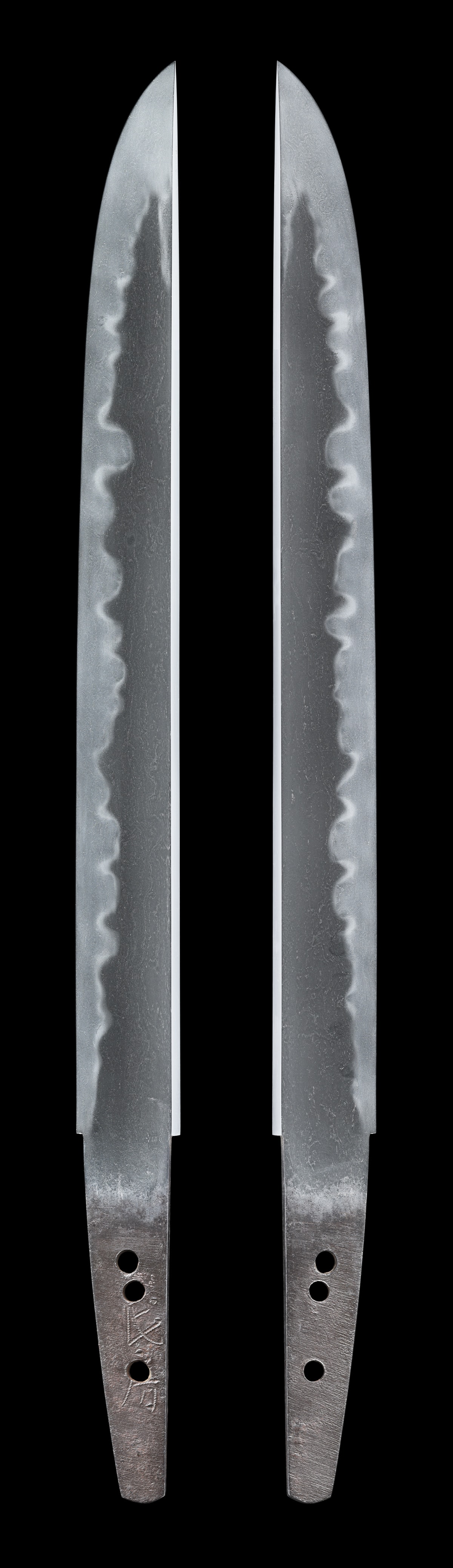
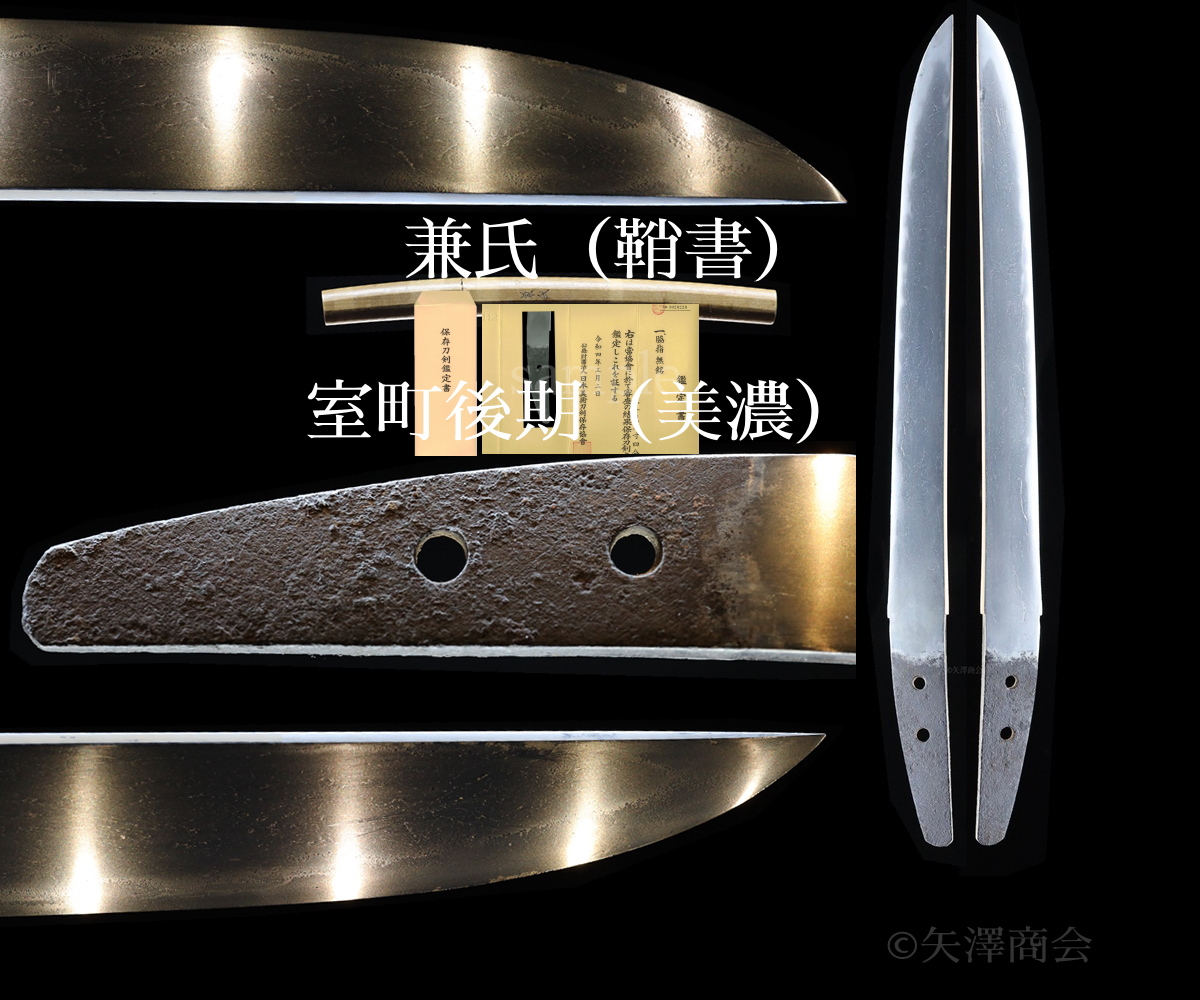
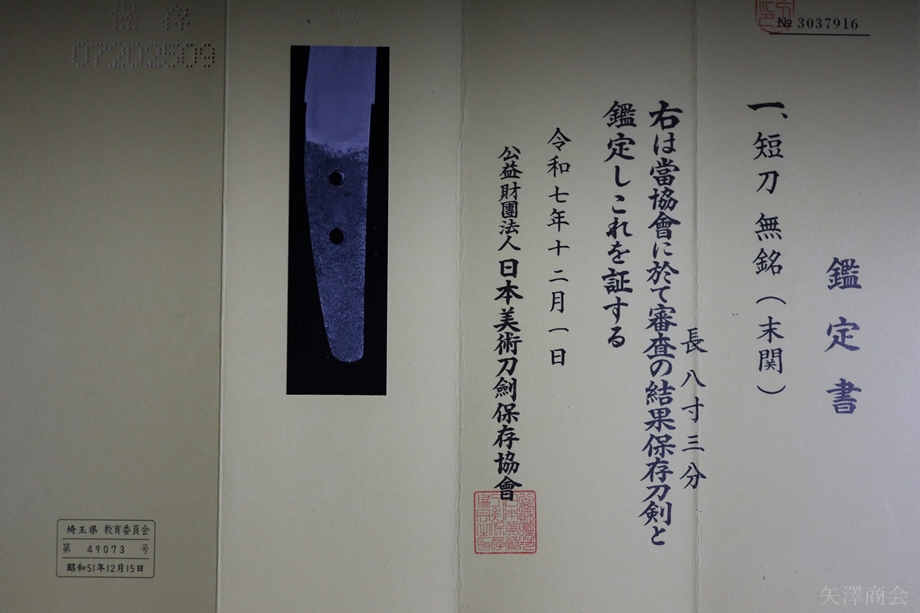
This is a tanto attributed to Kaneuji, from the late Muromachi period in Mino province. It is accompanied by an NBTHK Hozon certificate and comes in a shirasaya. The blade features a togari-gunome hamon with utsuri and a flowing itame hada, making it a good example of an older blade.
 NihontoWatch
mumei · Muromachi · nagasa 25.2cm · sori 0.1cm



Mino-den · Mino · around 1492-1501
Tōken Taikan top 76%
1 piece on the market now
Mino-den · Mino
6 pieces on the market now
Akasaka in Mino Province was the seat of a group the NBTHK setsumei records under two names, Mino Senjuin and Akasaka Senjuin, and the documents are consistent on its descent: the line traces to the Yamato Senjuin tradition, whose craftsmen relocated north into Mino. The setsumei place that migration around the end of the Nanbokuchō period, with the group then flourishing into the Muromachi. According to the Kōsei Kotō Meikan as cited, the founder was Kuninaga, set around the Jōji years, with the line carrying the Kuninaga name onward to the Meiō era; Kunishige is placed near Kenmu and is represented by surviving work. The smiths the setsumei name span this arc: Kuninaga, Kunishige, and Kuniyuki of the Nanbokuchō; the joint spear-makers Hironaga and Hiroshige and the ancient smith Tōga of the Muromachi; and later hands signing Dōei, Dōin, Yasumichi, or simply Senjuin. The documents also chart a parallel current, the Echizen smith Kuniyuki of Tsuruga (signing Esshū or Etsushū) who entered Mino between Ōan 6 and 7, alongside Kaneshige and Tametsugu who likewise moved from Echizen. The shared vocabulary of these blades begins in the forging: itame mixed with mokume that flows toward masame, with grain that stands out (hada-dachi), ji-nie, chikei, and a whitish cast (shirake-gokoro) the setsumei return to repeatedly. The temper divides along two lines the documents describe as habitual. " The other runs hotter: notare mixed with gunome, abundant nie, yubashiri, tobiyaki, and muneyaki building toward hitatsura, the manner that marks the Echizen Kuniyuki current.
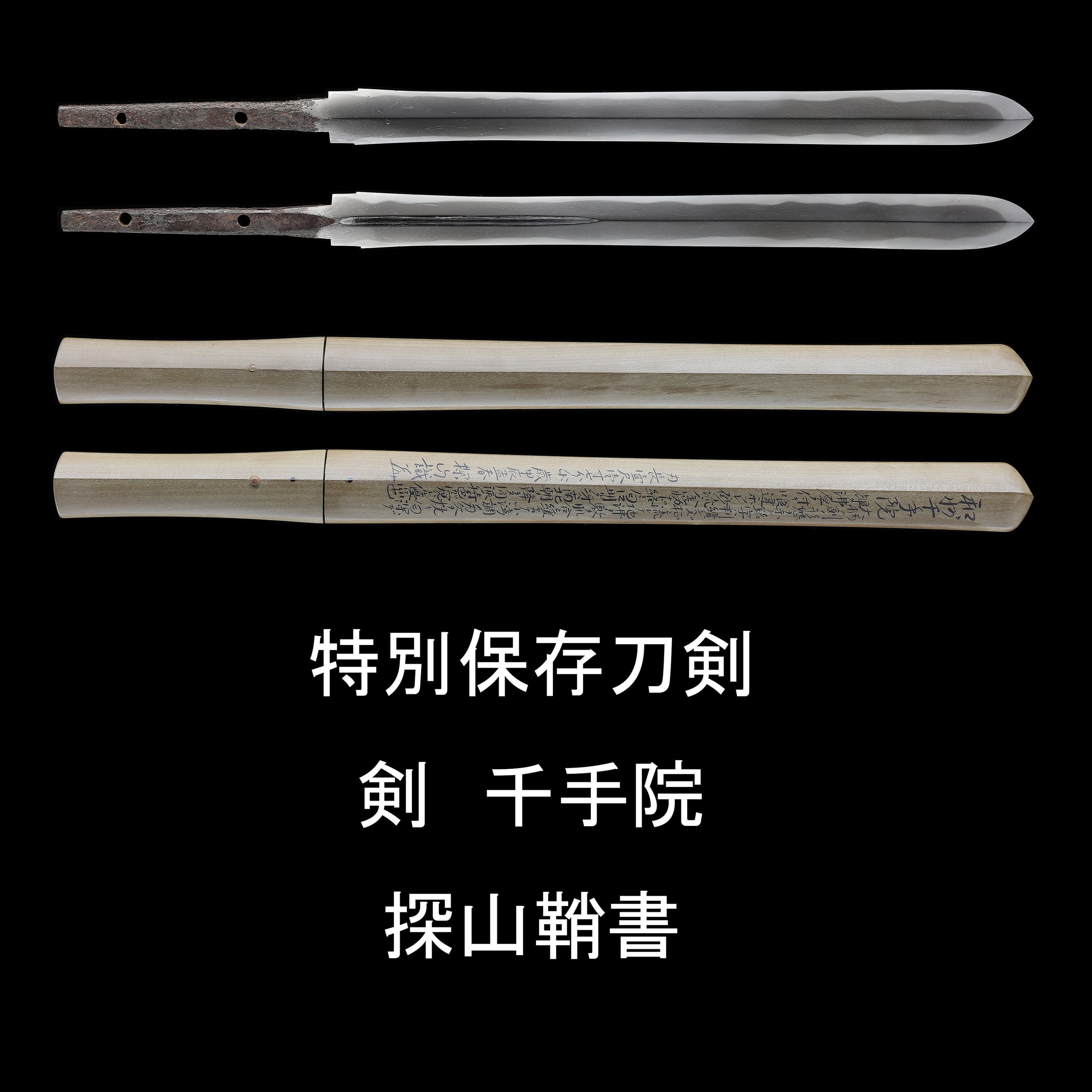
The bōshi tends to midare-komi with hakikake and a pointed return. To recognize the hand, the setsumei direct attention to the masame-bearing, whitish ji carrying Yamato traits of hotsure and kuichigai-ba, set against a gunome base that leans toward emerging Mino-den character. For kantei the documents are explicit that this line "consistently displays a stronger Yamato character" than the Seki-mono otherwise encountered, and that its hamon "stands at a considerable remove from typical Mino workmanship," though the jigane keeps it within that milieu. Signed pieces carrying an individual maker's name are noted as scarce, which raises the documentary weight of the dated and signed examples the setsumei single out: the Kuninaga tantō dated Ōan gannen, the signed Kunishige and Kuniyuki tachi, and the Esshū Kuniyuki wakizashi dated Sadaji and Ōan whose signatures incorporate Fujiwara. Among named works the setsumei cite the ōmi-yari signed Senjuin with its vermilion-lacquered long-shaft mounting, the joint spear of Hironaga and Hiroshige, and the wakizashi by Tōga held to copy the Genji treasure Higekiri. Provenance is recorded for the Tōga piece, formerly of Tanzan Shrine in Yamato and donated to the Imperial Household, with two further Tanzan blades assigned to the Nanbokuchō. The documents place these works across Tokubetsu-Jūyō, Jūyō, and Imperial registers, reading the group as a Yamato offshoot that carried its masame-grounded manner into Mino while the gunome base turned toward Mino-den. Learn more →
| Smith | Era | Designated |
|---|---|---|
| Kuniyuki國行 | 1362-1368 | 8 |
| Kunishige国重 | 1336-1392 | 1 |
| Sadashige定重 | 1379-1381 | 0 |
| Yasutsugu康繼 | 1532-1555 | 0 |
| Hironaga弘長 | 1469-1487 | 1 |
Mino in the Muromachi period
Sengoku Seki was an industry: smiths organized under their tutelary Kasuga shrine, arming the war bands of central Japan. Magoroku Kanemoto’s sanbonsugi and the finest Kanesada work prove quality survived inside mass production.
Certifies a genuine blade worth preserving: a signature confirmed correct, or, if unsigned, an era, province, and school that the NBTHK can reliably identify.
The NBTHK (Nihon Bijutsu Tōken Hozon Kyōkai, the Society for the Preservation of Japanese Art Swords) is a public-interest incorporated foundation founded in 1948 and supervised by Japan’s Agency for Cultural Affairs (Bunkachō); it is based at the Japanese Sword Museum in Tokyo. Its expert panels physically examine each submitted work (shinsa) and issue a certificate (kanteishō) ranking it by artistic and historical merit. NBTHK papers are the most widely recognized standard of authentication for Japanese swords and fittings.
NBTHK official site¥135,000
This is a tanto attributed to Kaneuji, from the late Muromachi period in Mino province. It is accompanied by an NBTHK Hozon certificate and comes in a shirasaya. The blade features a togari-gunome hamon with utsuri and a flowing itame hada, making it a good example of an older blade.
NihontoWatchmumei · Muromachi · nagasa 25.2cm · sori 0.1cm
Mino-den · Mino · around 1492-1501
Tōken Taikan top 76%
1 piece on the market now
Mino-den · Mino
6 pieces on the market now
Akasaka in Mino Province was the seat of a group the NBTHK setsumei records under two names, Mino Senjuin and Akasaka Senjuin, and the documents are consistent on its descent: the line traces to the Yamato Senjuin tradition, whose craftsmen relocated north into Mino. The setsumei place that migration around the end of the Nanbokuchō period, with the group then flourishing into the Muromachi. According to the Kōsei Kotō Meikan as cited, the founder was Kuninaga, set around the Jōji years, with the line carrying the Kuninaga name onward to the Meiō era; Kunishige is placed near Kenmu and is represented by surviving work. The smiths the setsumei name span this arc: Kuninaga, Kunishige, and Kuniyuki of the Nanbokuchō; the joint spear-makers Hironaga and Hiroshige and the ancient smith Tōga of the Muromachi; and later hands signing Dōei, Dōin, Yasumichi, or simply Senjuin. The documents also chart a parallel current, the Echizen smith Kuniyuki of Tsuruga (signing Esshū or Etsushū) who entered Mino between Ōan 6 and 7, alongside Kaneshige and Tametsugu who likewise moved from Echizen. The shared vocabulary of these blades begins in the forging: itame mixed with mokume that flows toward masame, with grain that stands out (hada-dachi), ji-nie, chikei, and a whitish cast (shirake-gokoro) the setsumei return to repeatedly. The temper divides along two lines the documents describe as habitual. " The other runs hotter: notare mixed with gunome, abundant nie, yubashiri, tobiyaki, and muneyaki building toward hitatsura, the manner that marks the Echizen Kuniyuki current.
The bōshi tends to midare-komi with hakikake and a pointed return. To recognize the hand, the setsumei direct attention to the masame-bearing, whitish ji carrying Yamato traits of hotsure and kuichigai-ba, set against a gunome base that leans toward emerging Mino-den character. For kantei the documents are explicit that this line "consistently displays a stronger Yamato character" than the Seki-mono otherwise encountered, and that its hamon "stands at a considerable remove from typical Mino workmanship," though the jigane keeps it within that milieu. Signed pieces carrying an individual maker's name are noted as scarce, which raises the documentary weight of the dated and signed examples the setsumei single out: the Kuninaga tantō dated Ōan gannen, the signed Kunishige and Kuniyuki tachi, and the Esshū Kuniyuki wakizashi dated Sadaji and Ōan whose signatures incorporate Fujiwara. Among named works the setsumei cite the ōmi-yari signed Senjuin with its vermilion-lacquered long-shaft mounting, the joint spear of Hironaga and Hiroshige, and the wakizashi by Tōga held to copy the Genji treasure Higekiri. Provenance is recorded for the Tōga piece, formerly of Tanzan Shrine in Yamato and donated to the Imperial Household, with two further Tanzan blades assigned to the Nanbokuchō. The documents place these works across Tokubetsu-Jūyō, Jūyō, and Imperial registers, reading the group as a Yamato offshoot that carried its masame-grounded manner into Mino while the gunome base turned toward Mino-den. Learn more →
| Smith | Era | Designated |
|---|---|---|
| Kuniyuki國行 | 1362-1368 | 8 |
| Kunishige国重 | 1336-1392 | 1 |
| Sadashige定重 | 1379-1381 | 0 |
| Yasutsugu康繼 | 1532-1555 | 0 |
| Hironaga弘長 | 1469-1487 | 1 |
Mino in the Muromachi period
Sengoku Seki was an industry: smiths organized under their tutelary Kasuga shrine, arming the war bands of central Japan. Magoroku Kanemoto’s sanbonsugi and the finest Kanesada work prove quality survived inside mass production.
Certifies a genuine blade worth preserving: a signature confirmed correct, or, if unsigned, an era, province, and school that the NBTHK can reliably identify.
The NBTHK (Nihon Bijutsu Tōken Hozon Kyōkai, the Society for the Preservation of Japanese Art Swords) is a public-interest incorporated foundation founded in 1948 and supervised by Japan’s Agency for Cultural Affairs (Bunkachō); it is based at the Japanese Sword Museum in Tokyo. Its expert panels physically examine each submitted work (shinsa) and issue a certificate (kanteishō) ranking it by artistic and historical merit. NBTHK papers are the most widely recognized standard of authentication for Japanese swords and fittings.
NBTHK official site¥135,000