Sengoku Seki was an industry: smiths organized under their tutelary Kasuga shrine, arming the war bands of central Japan. Magoroku Kanemoto’s sanbonsugi and the finest Kanesada work prove quality survived inside mass production.
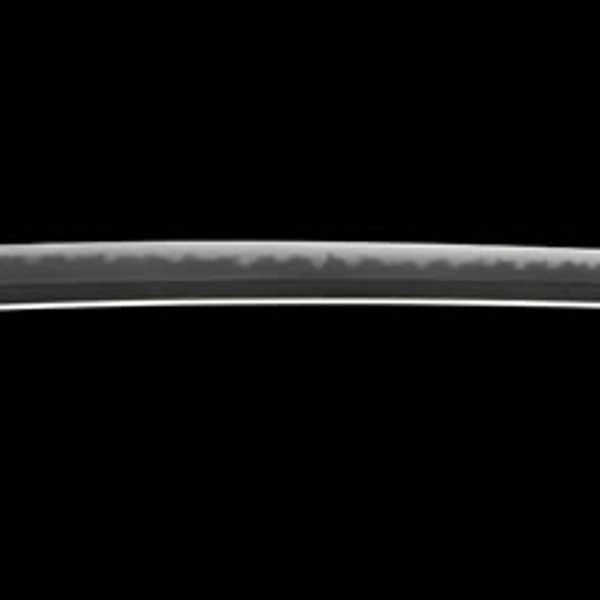
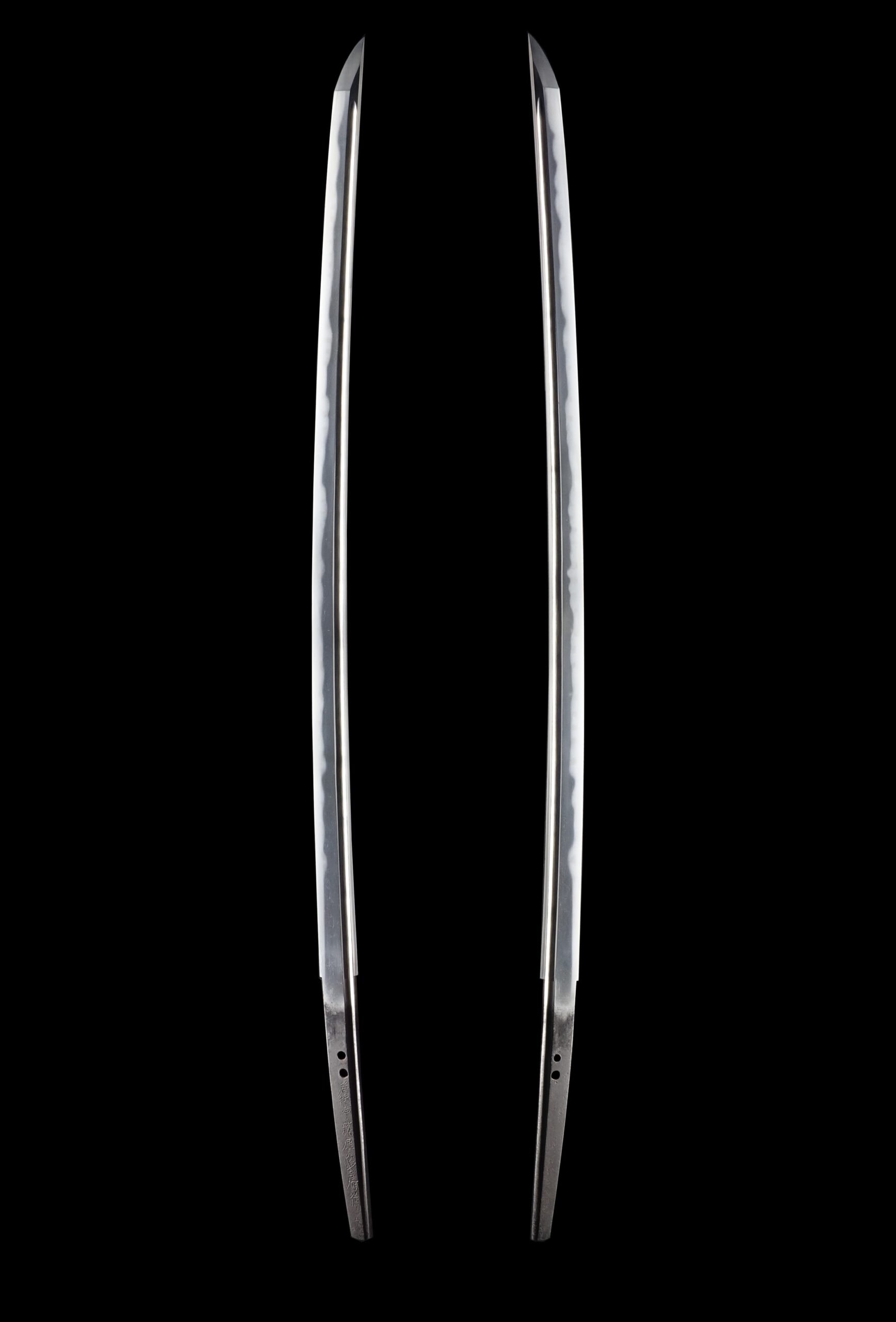
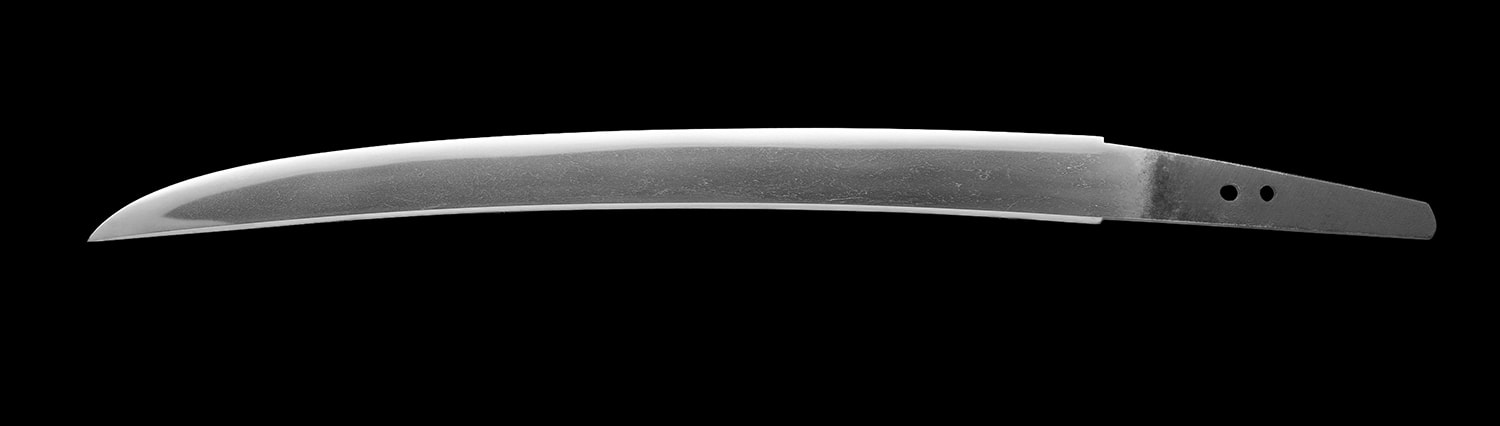
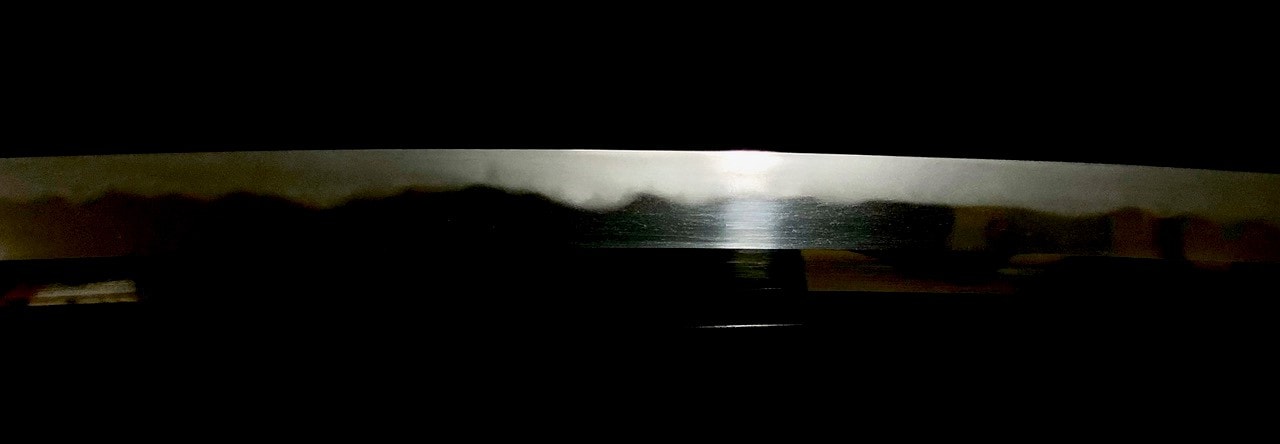
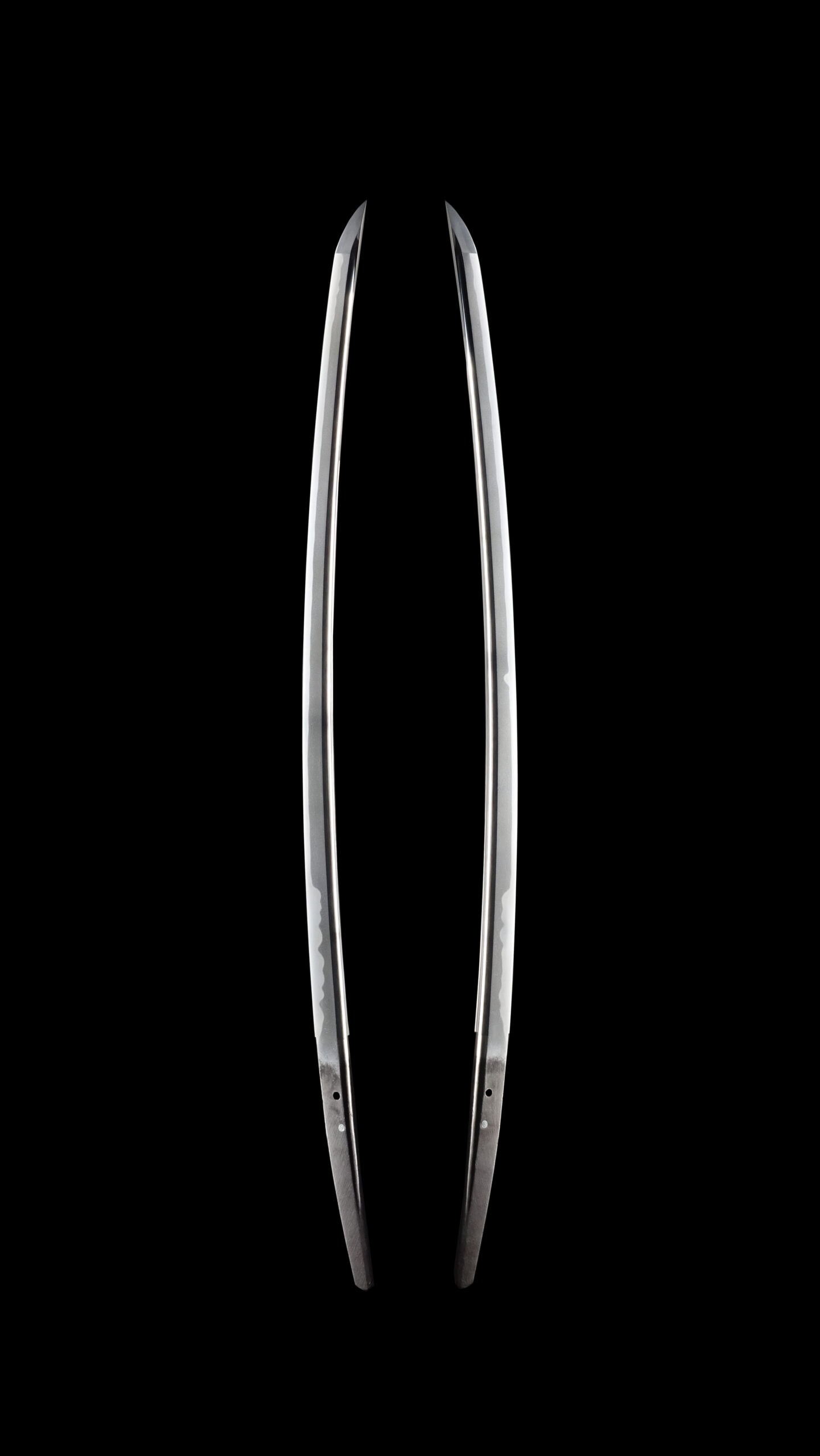
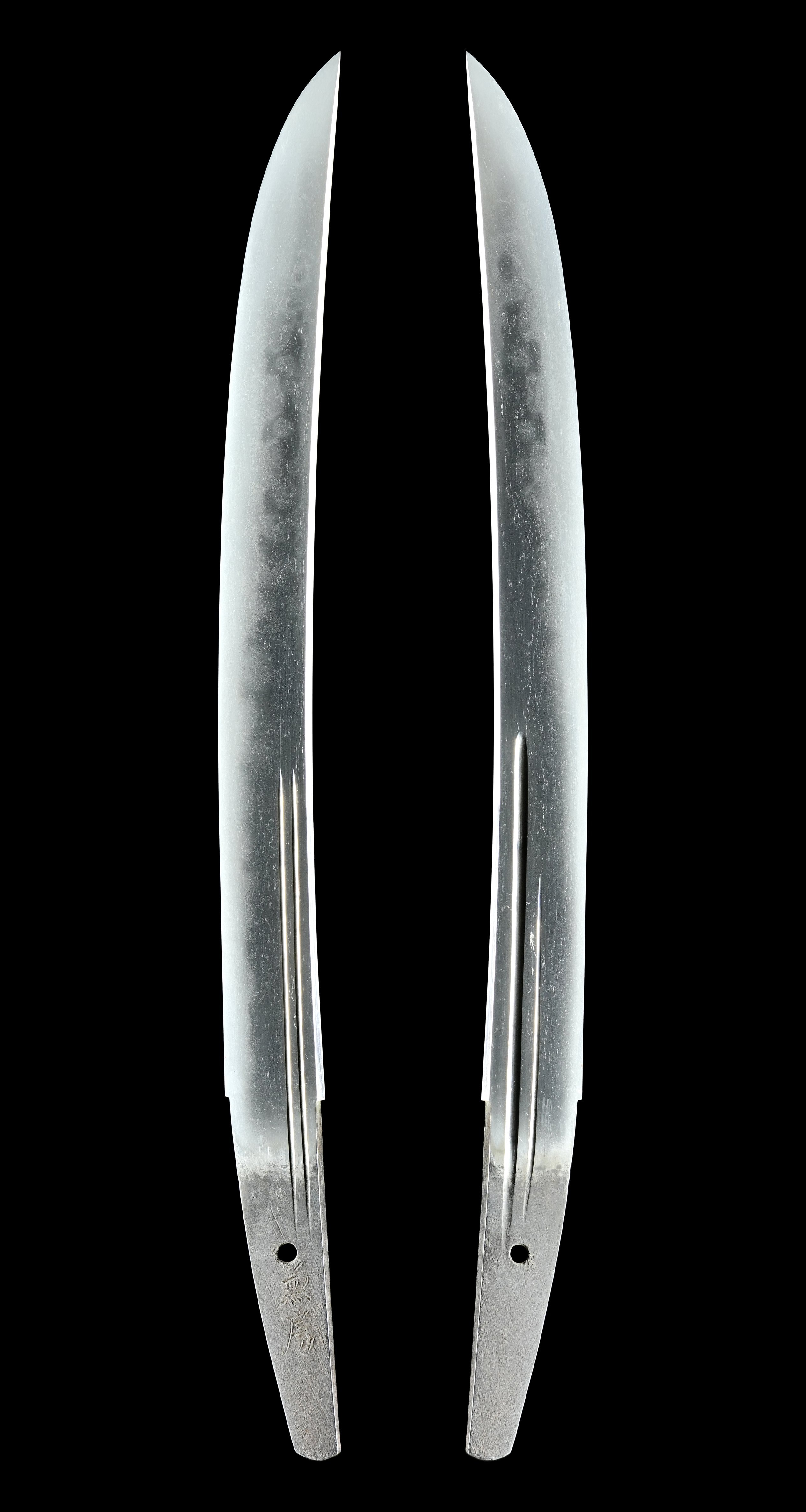
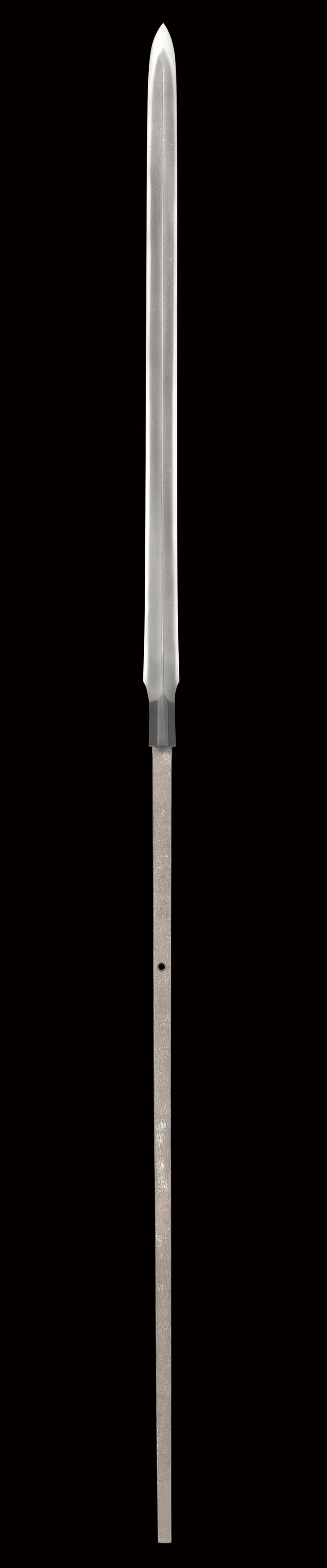
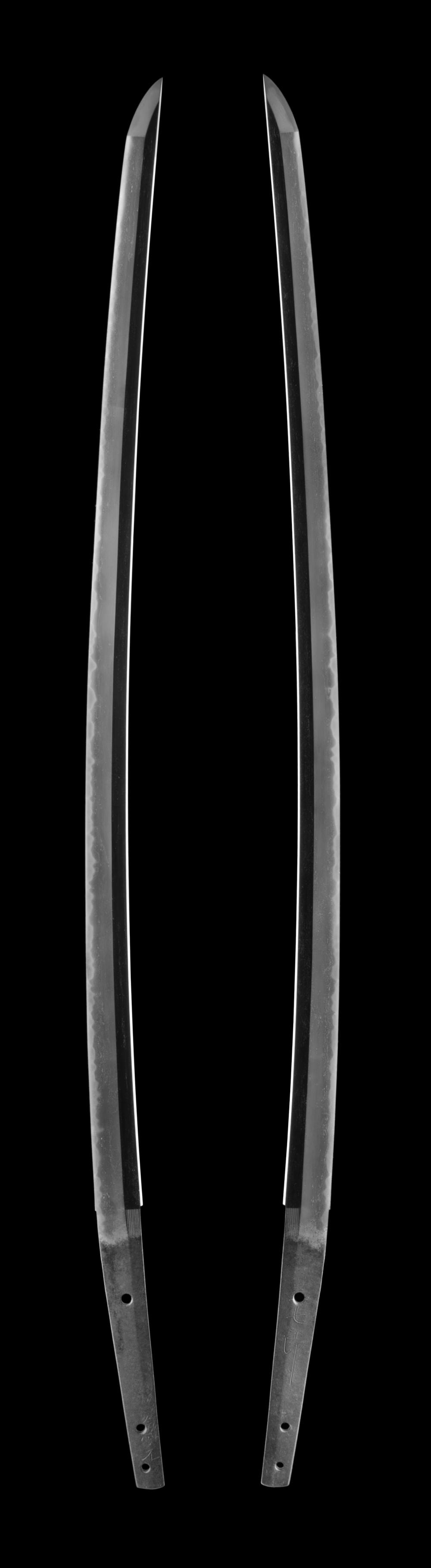
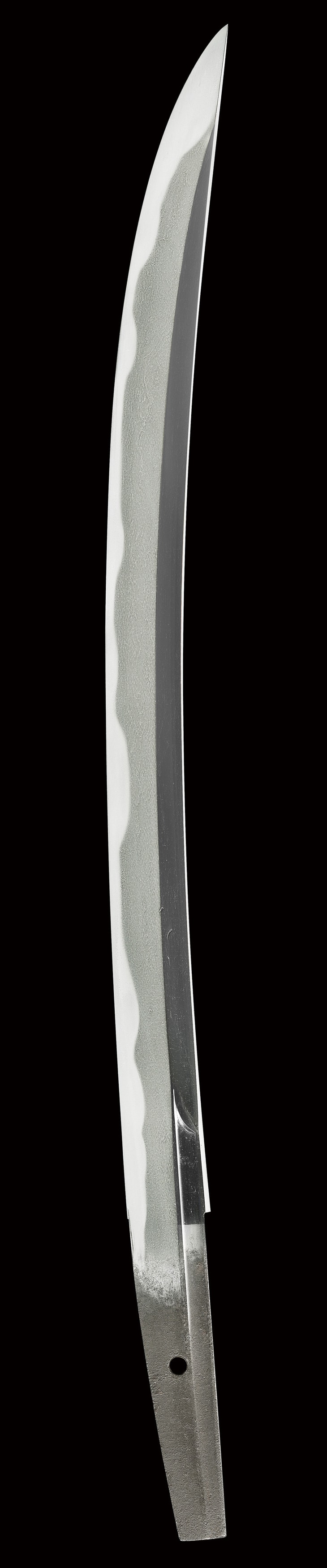
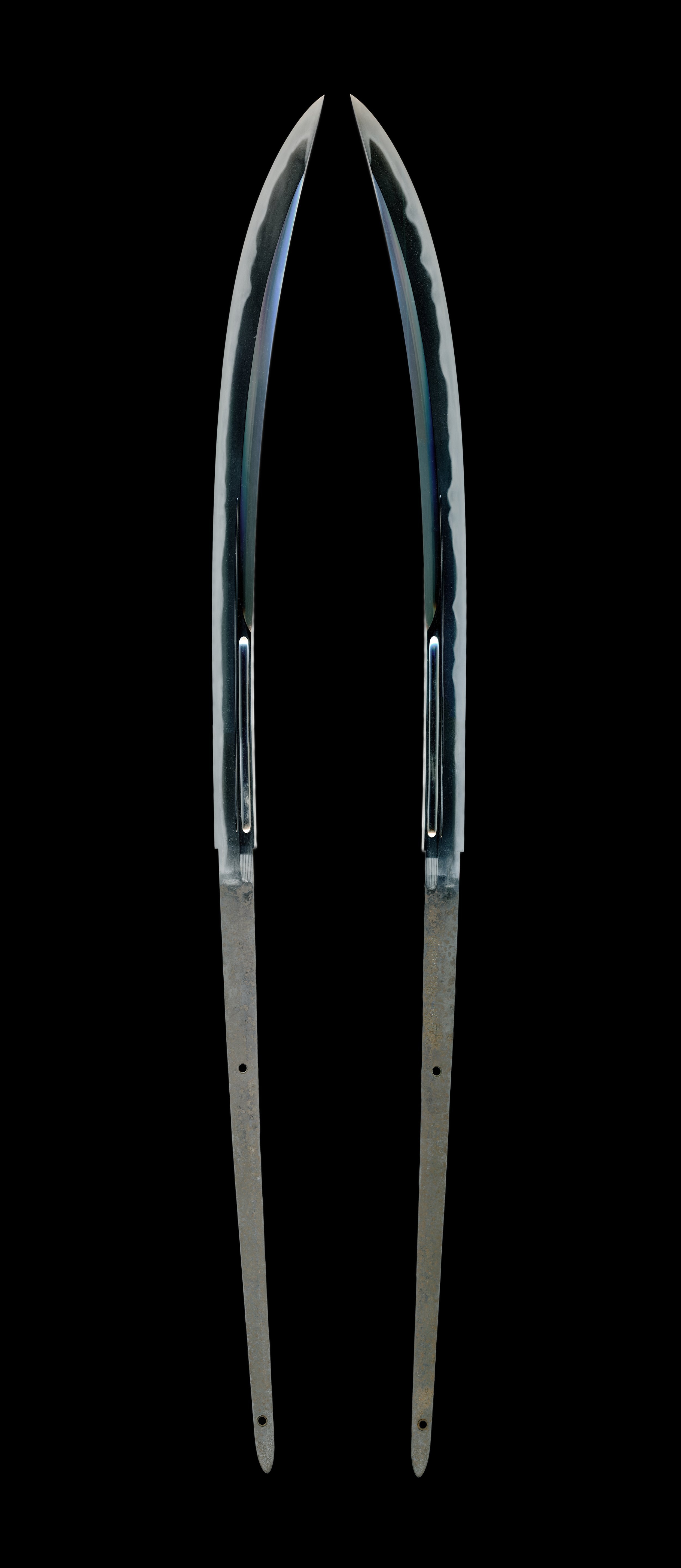
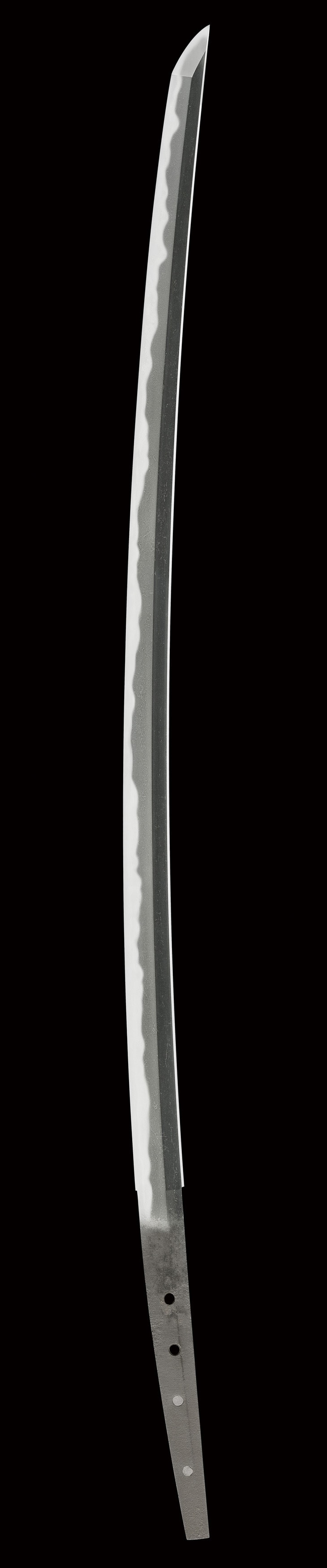
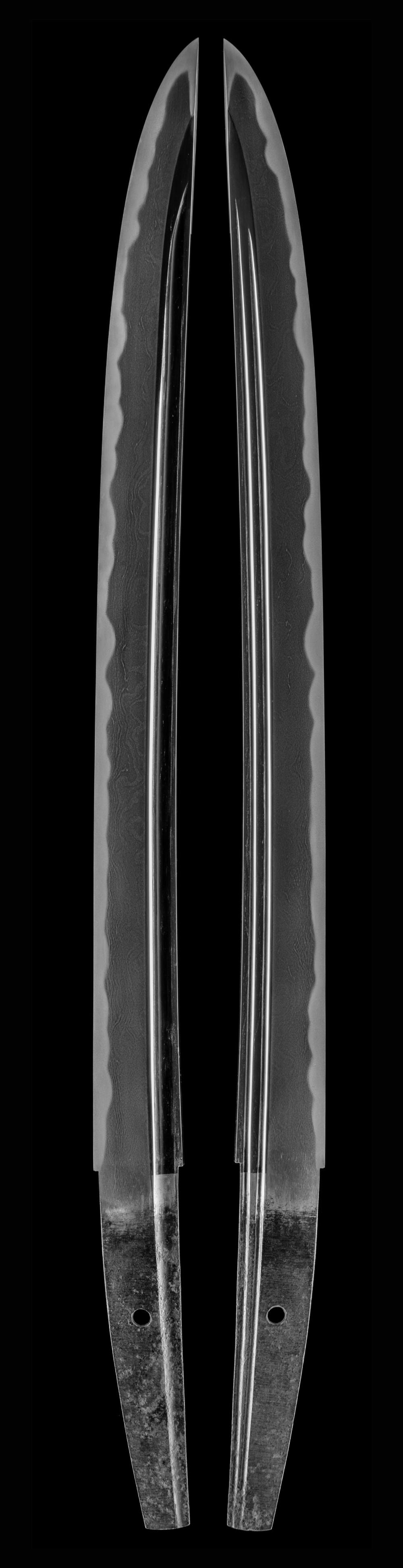
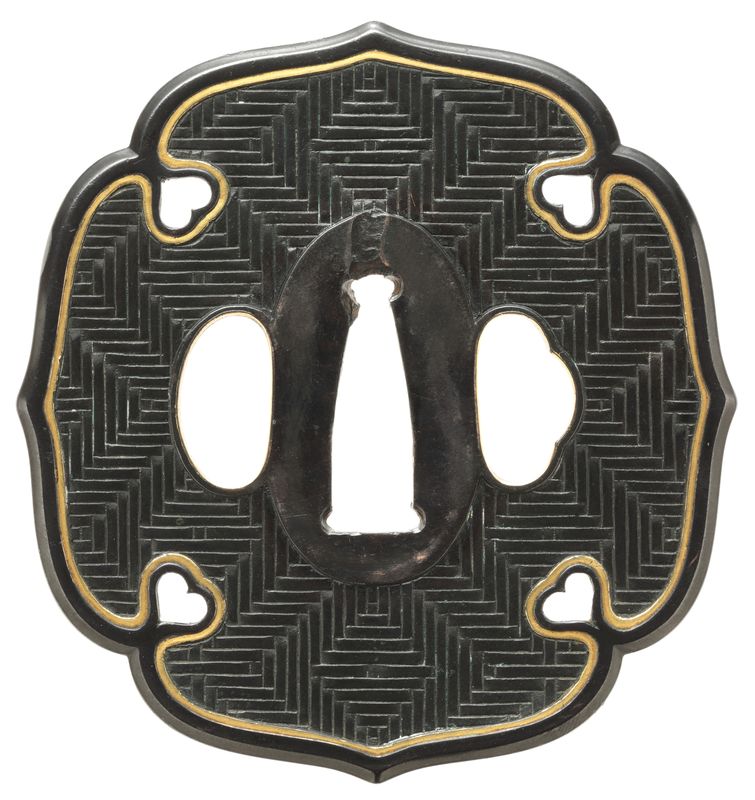
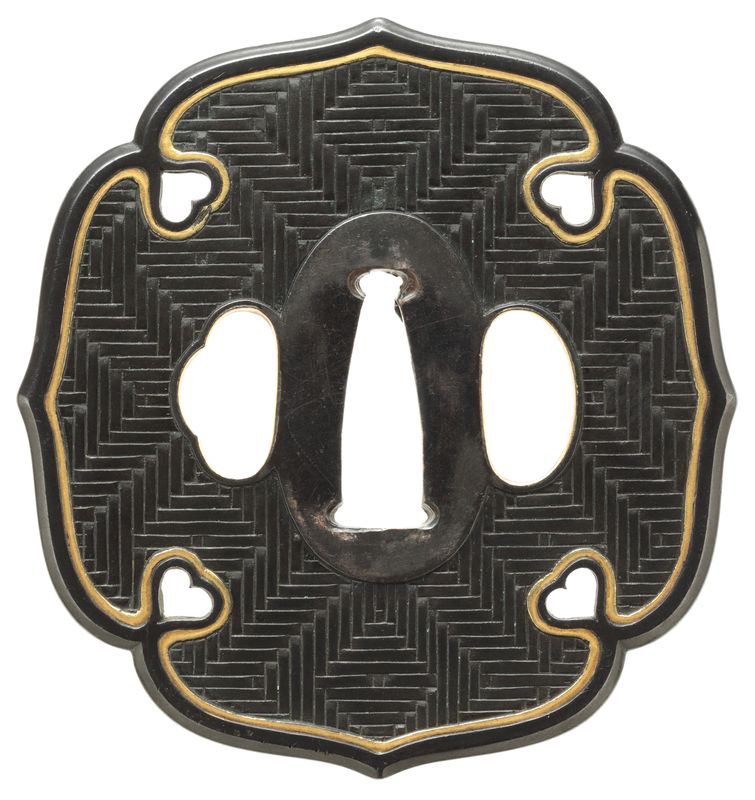
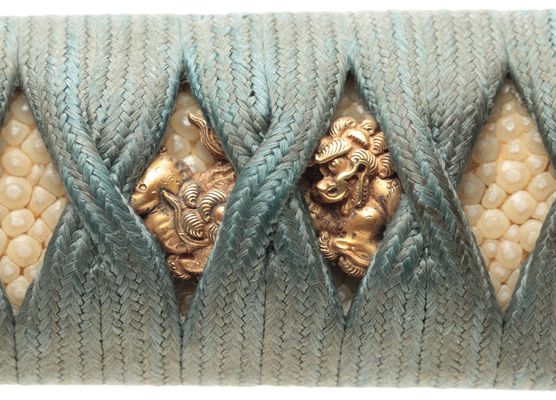
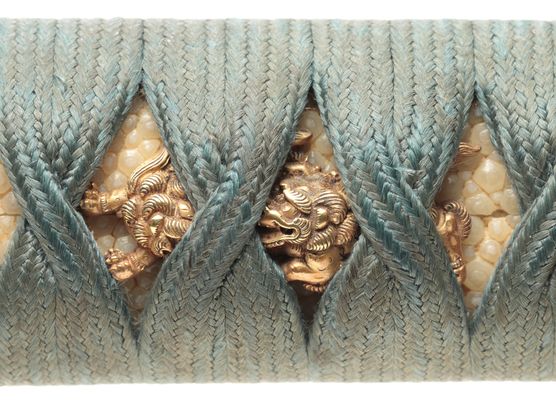
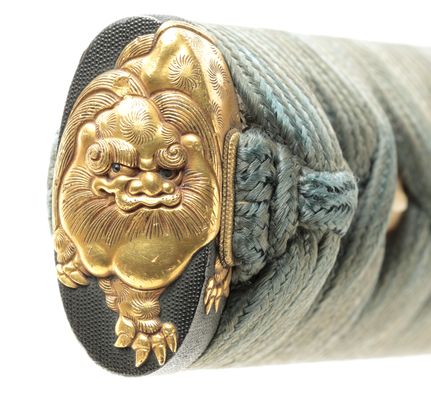
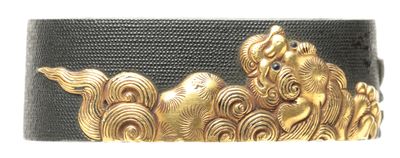
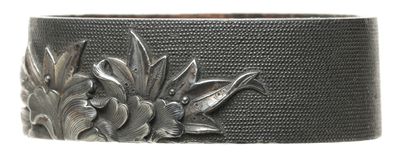
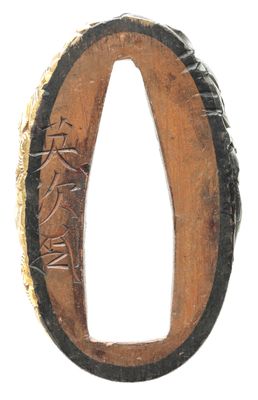
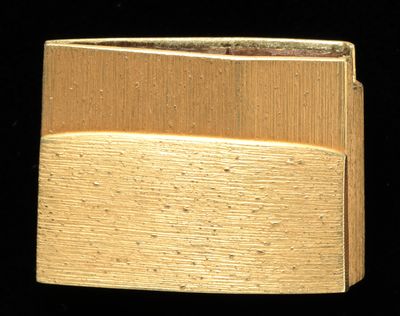
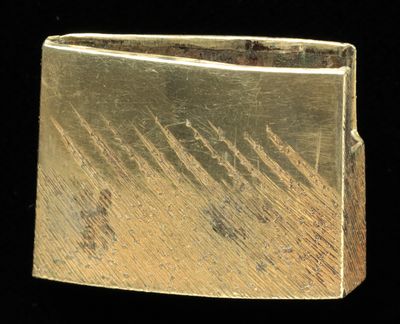
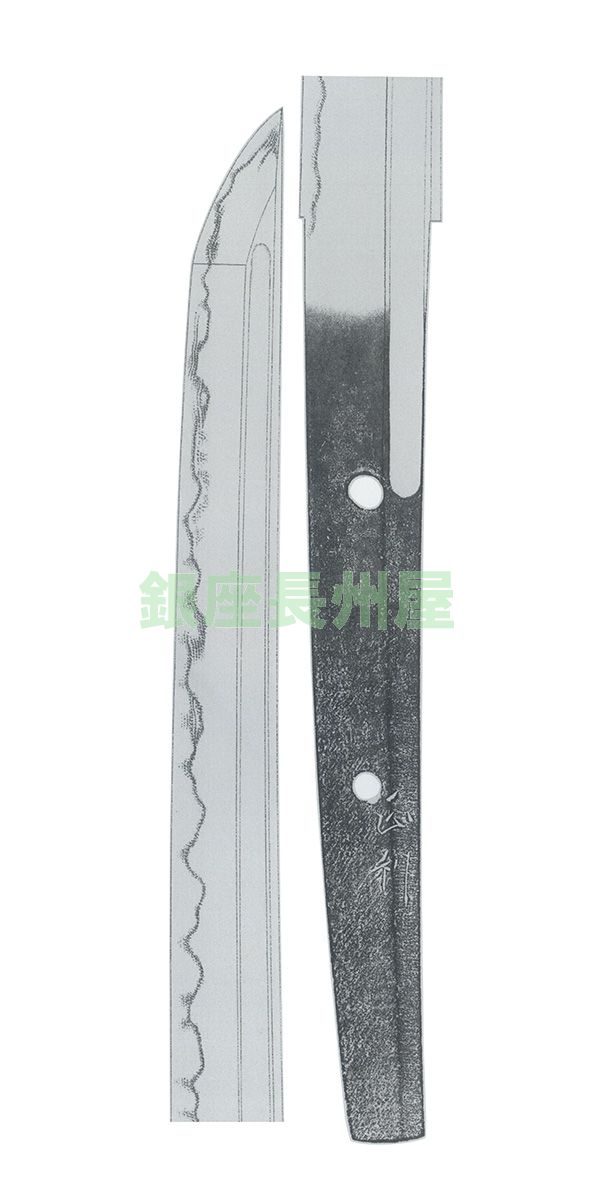
This is a katana signed Masatoshi, a Mino smith from the late Muromachi period. The blade has a nagasa of 70cm and features a "Bo-hi" engraving. It comes with a gold foil double Habaki, a wooden case (Shirasaya), and a Shu urushi nuri Inro-kizami saya uchigatana koshirae.
 NihontoWatch
mei · Sakakura-Zeki · Muromachi · nagasa 70cm · sori 1.82cm










Mino-den · Mino · around 1504-1521
Tōken Taikan top 49%
2 pieces on the market now
Where Masatoshi stands among comparable artisans: across all of nihontō, and within tradition, era, and period. The tiers (Foremost · Leading · Major · Notable) weigh official designations from the NBTHK and Japan's Agency for Cultural Affairs, together with historical honors of lasting repute such as the Sansaku and Meibutsu-chō.
Select a lens to see how it's measured.
Mino-den · Mino
2 pieces on the market now
| Smith | Era | Designated |
|---|---|---|
| Masatoshi正利 | 1504-1521 | 1 |
| Masatoshi正俊 | 1487-1489 | 1 |
Sengoku Seki was an industry: smiths organized under their tutelary Kasuga shrine, arming the war bands of central Japan. Magoroku Kanemoto’s sanbonsugi and the finest Kanesada work prove quality survived inside mass production.
A Hozon-certified blade judged to show notably superior workmanship and a better state of preservation. The bar is higher: re-tempered blades and most unsigned Muromachi/Edo works are excluded.
The NBTHK (Nihon Bijutsu Tōken Hozon Kyōkai, the Society for the Preservation of Japanese Art Swords) is a public-interest incorporated foundation founded in 1948 and supervised by Japan’s Agency for Cultural Affairs (Bunkachō); it is based at the Japanese Sword Museum in Tokyo. Its expert panels physically examine each submitted work (shinsa) and issue a certificate (kanteishō) ranking it by artistic and historical merit. NBTHK papers are the most widely recognized standard of authentication for Japanese swords and fittings.
NBTHK official siteIf, due to our fault, the item differs significantly from its proper condition, the item may be returned. Cooling-off is within one week of the item's arrival.
This is a katana signed Masatoshi, a Mino smith from the late Muromachi period. The blade has a nagasa of 70cm and features a "Bo-hi" engraving. It comes with a gold foil double Habaki, a wooden case (Shirasaya), and a Shu urushi nuri Inro-kizami saya uchigatana koshirae.
NihontoWatchmei · Sakakura-Zeki · Muromachi · nagasa 70cm · sori 1.82cm
Mino-den · Mino · around 1504-1521
Tōken Taikan top 49%
2 pieces on the market now
Where Masatoshi stands among comparable artisans: across all of nihontō, and within tradition, era, and period. The tiers (Foremost · Leading · Major · Notable) weigh official designations from the NBTHK and Japan's Agency for Cultural Affairs, together with historical honors of lasting repute such as the Sansaku and Meibutsu-chō.
Select a lens to see how it's measured.
Mino-den · Mino
2 pieces on the market now
| Smith | Era | Designated |
|---|---|---|
| Masatoshi正利 | 1504-1521 | 1 |
| Masatoshi正俊 | 1487-1489 | 1 |
Sengoku Seki was an industry: smiths organized under their tutelary Kasuga shrine, arming the war bands of central Japan. Magoroku Kanemoto’s sanbonsugi and the finest Kanesada work prove quality survived inside mass production.
A Hozon-certified blade judged to show notably superior workmanship and a better state of preservation. The bar is higher: re-tempered blades and most unsigned Muromachi/Edo works are excluded.
The NBTHK (Nihon Bijutsu Tōken Hozon Kyōkai, the Society for the Preservation of Japanese Art Swords) is a public-interest incorporated foundation founded in 1948 and supervised by Japan’s Agency for Cultural Affairs (Bunkachō); it is based at the Japanese Sword Museum in Tokyo. Its expert panels physically examine each submitted work (shinsa) and issue a certificate (kanteishō) ranking it by artistic and historical merit. NBTHK papers are the most widely recognized standard of authentication for Japanese swords and fittings.
NBTHK official siteIf, due to our fault, the item differs significantly from its proper condition, the item may be returned. Cooling-off is within one week of the item's arrival.