NihontoWatch Mon

NihontoWatchBETA

MarketAuctions
Encyclopedia
NihontoWatch Mon

NihontoWatchBETA

MarketAuctions
Encyclopedia

Description

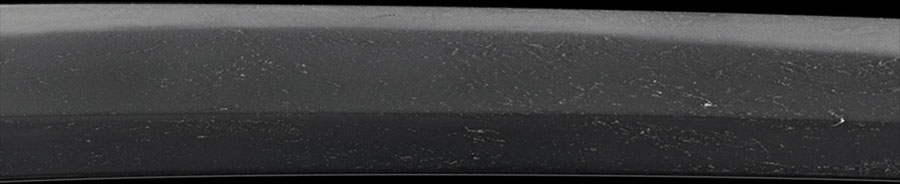
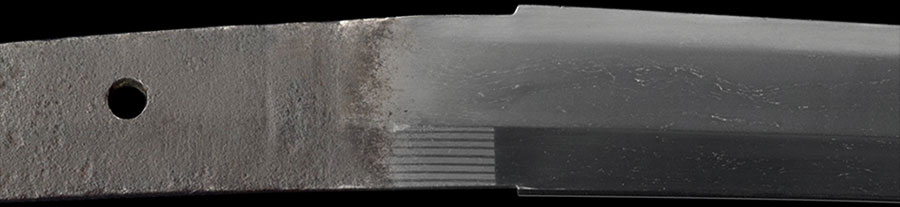
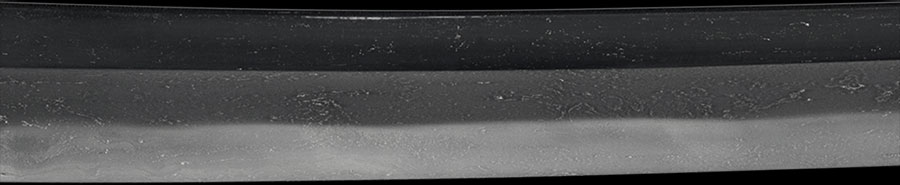
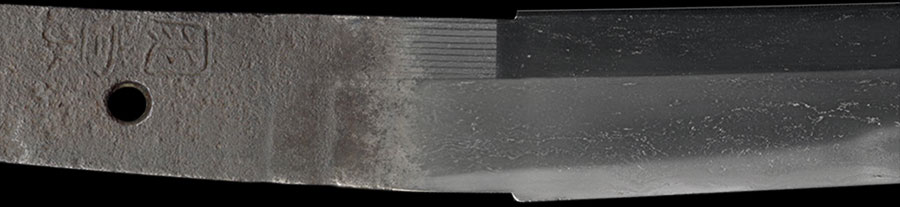
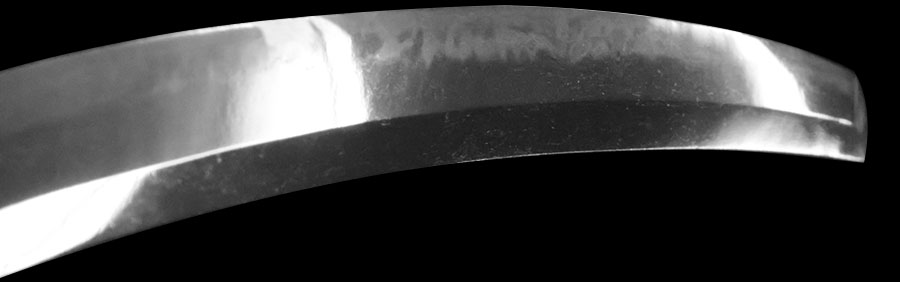
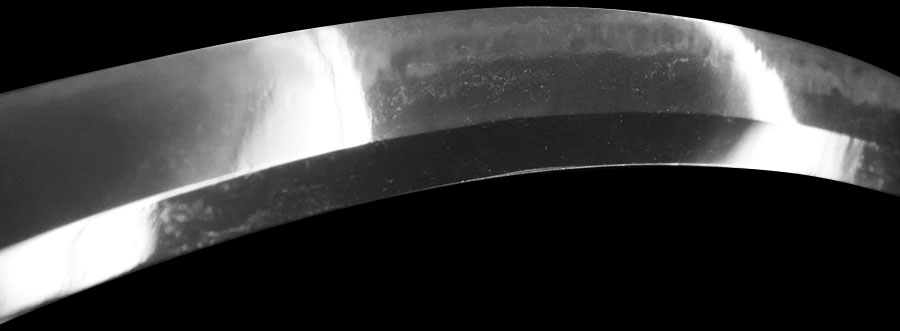
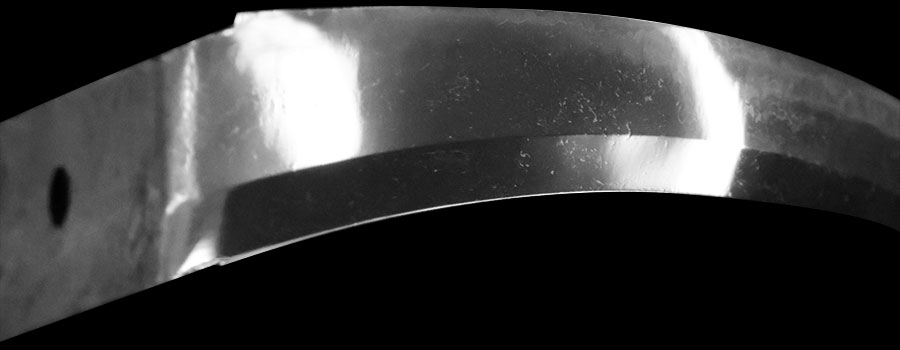
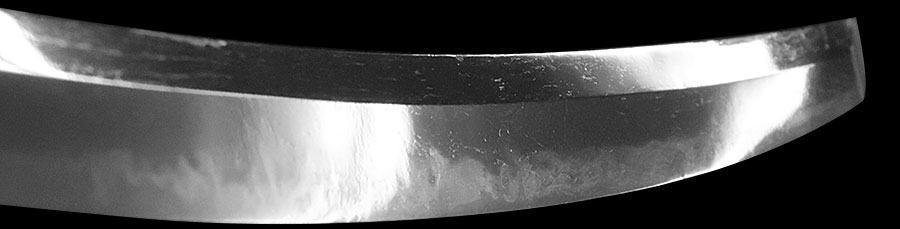
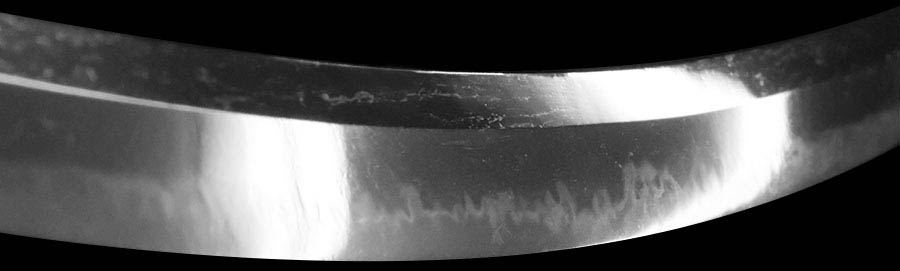
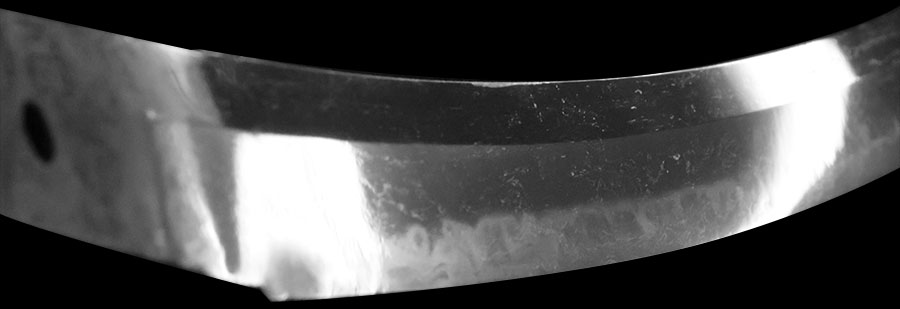
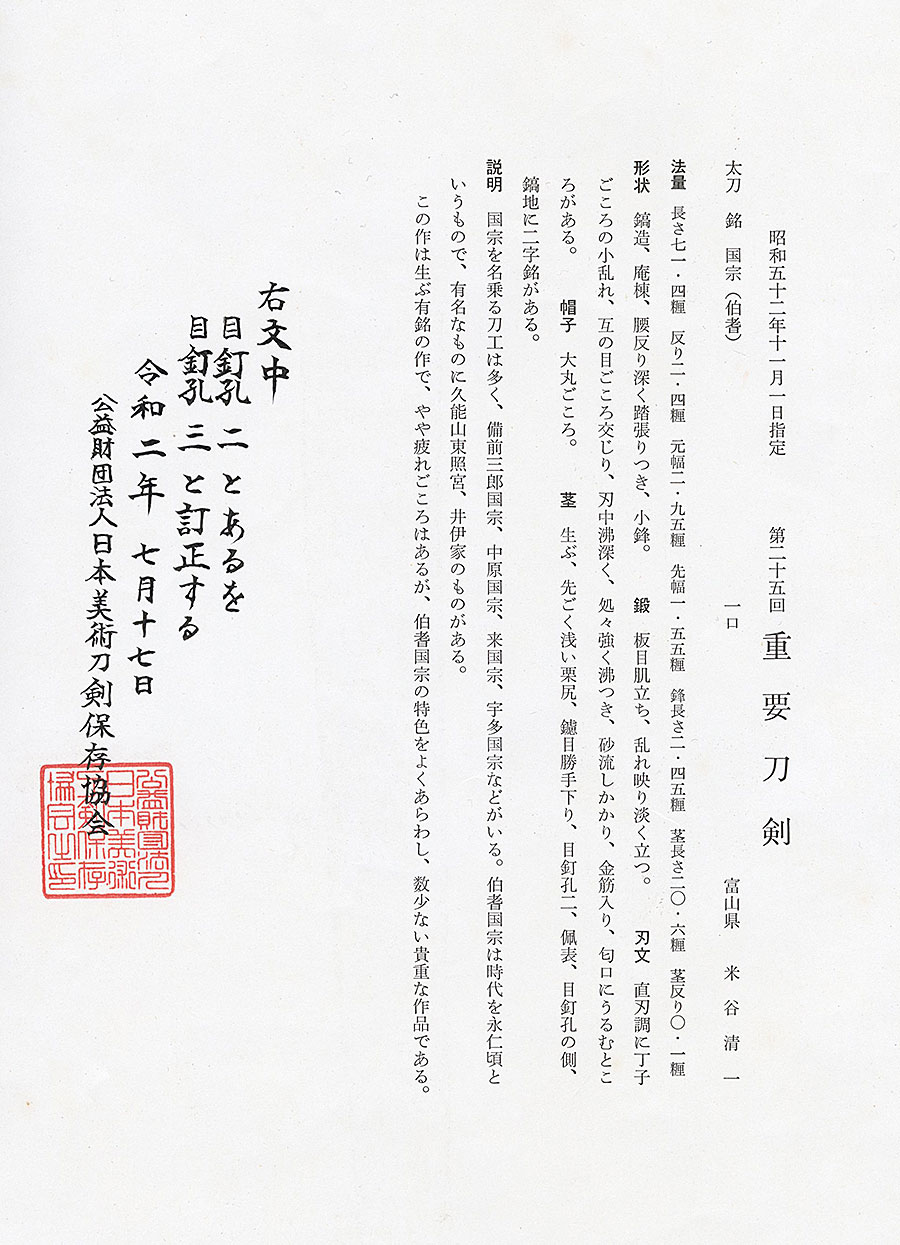
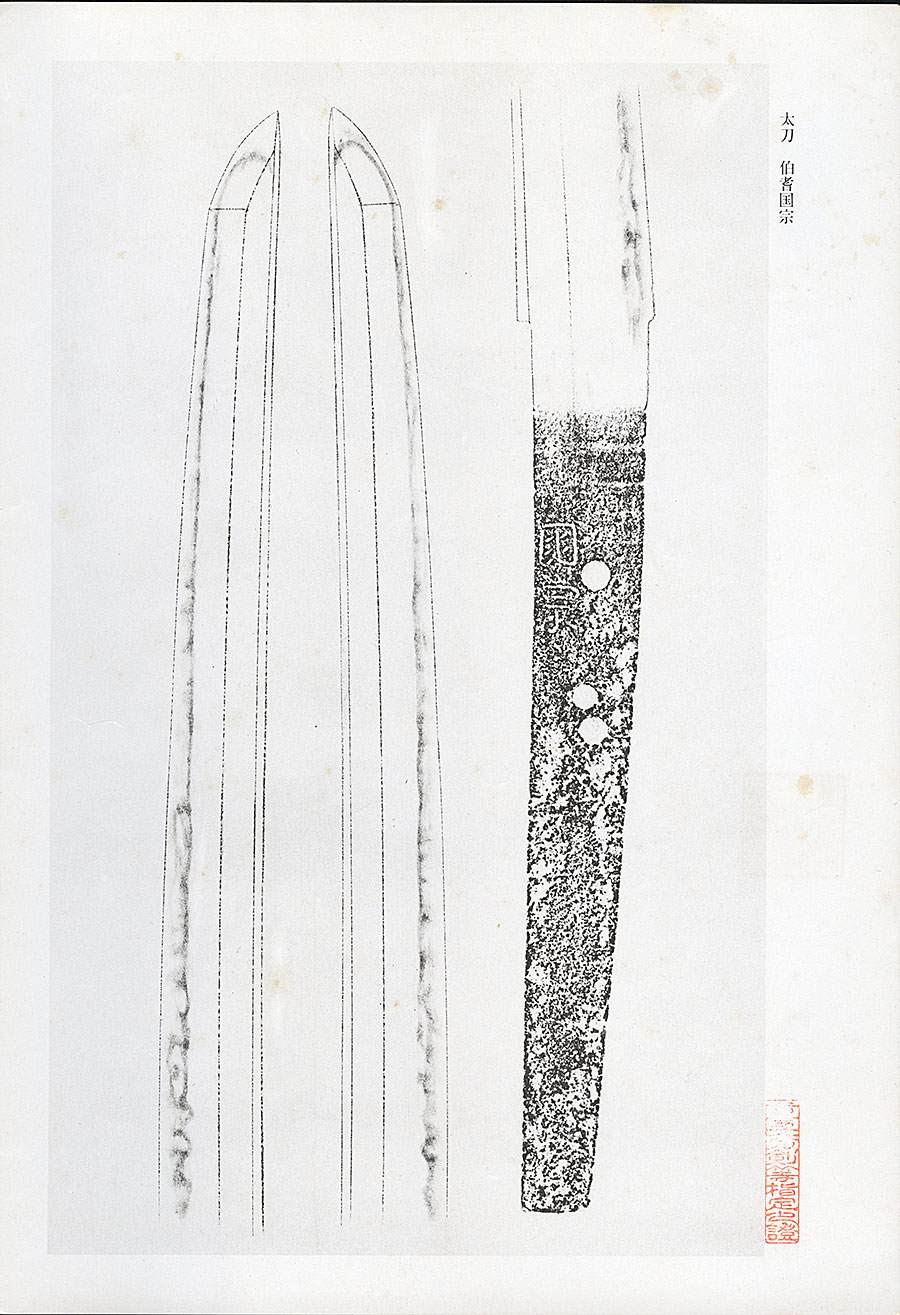
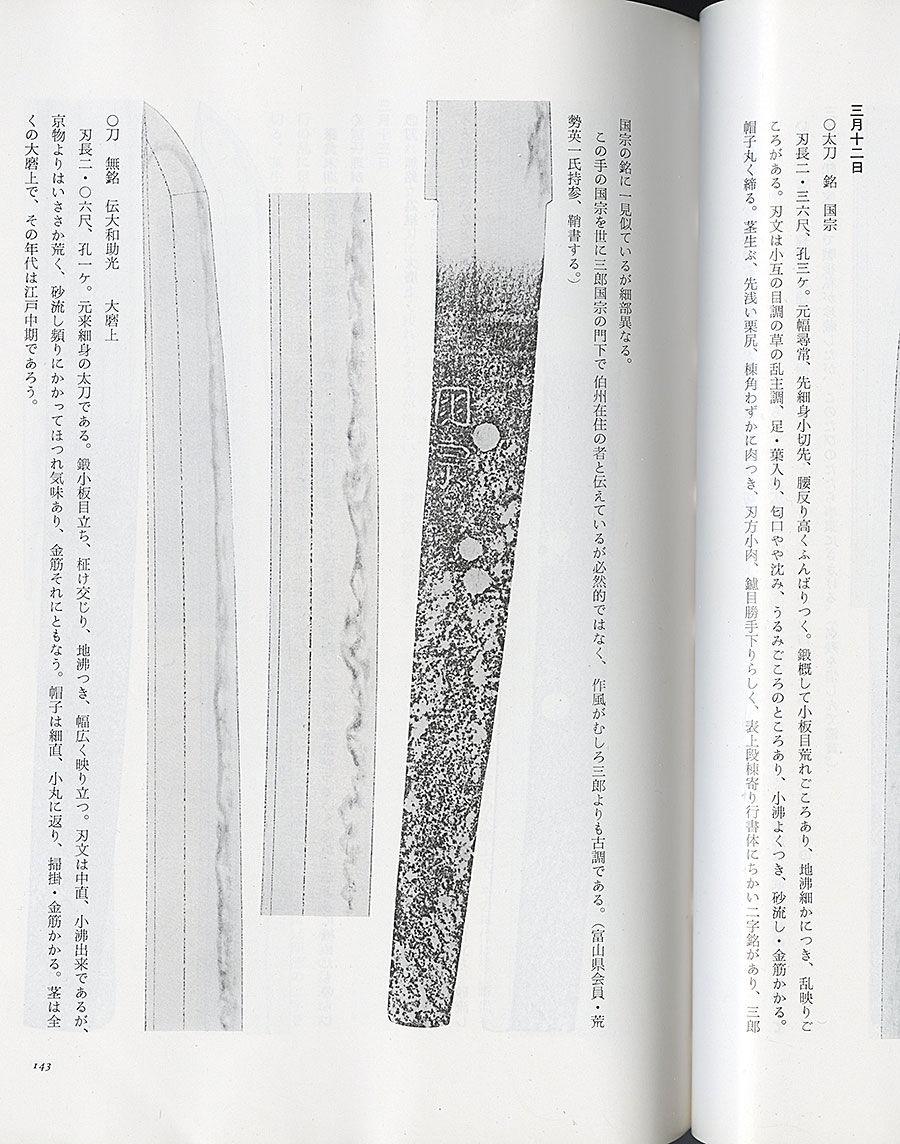
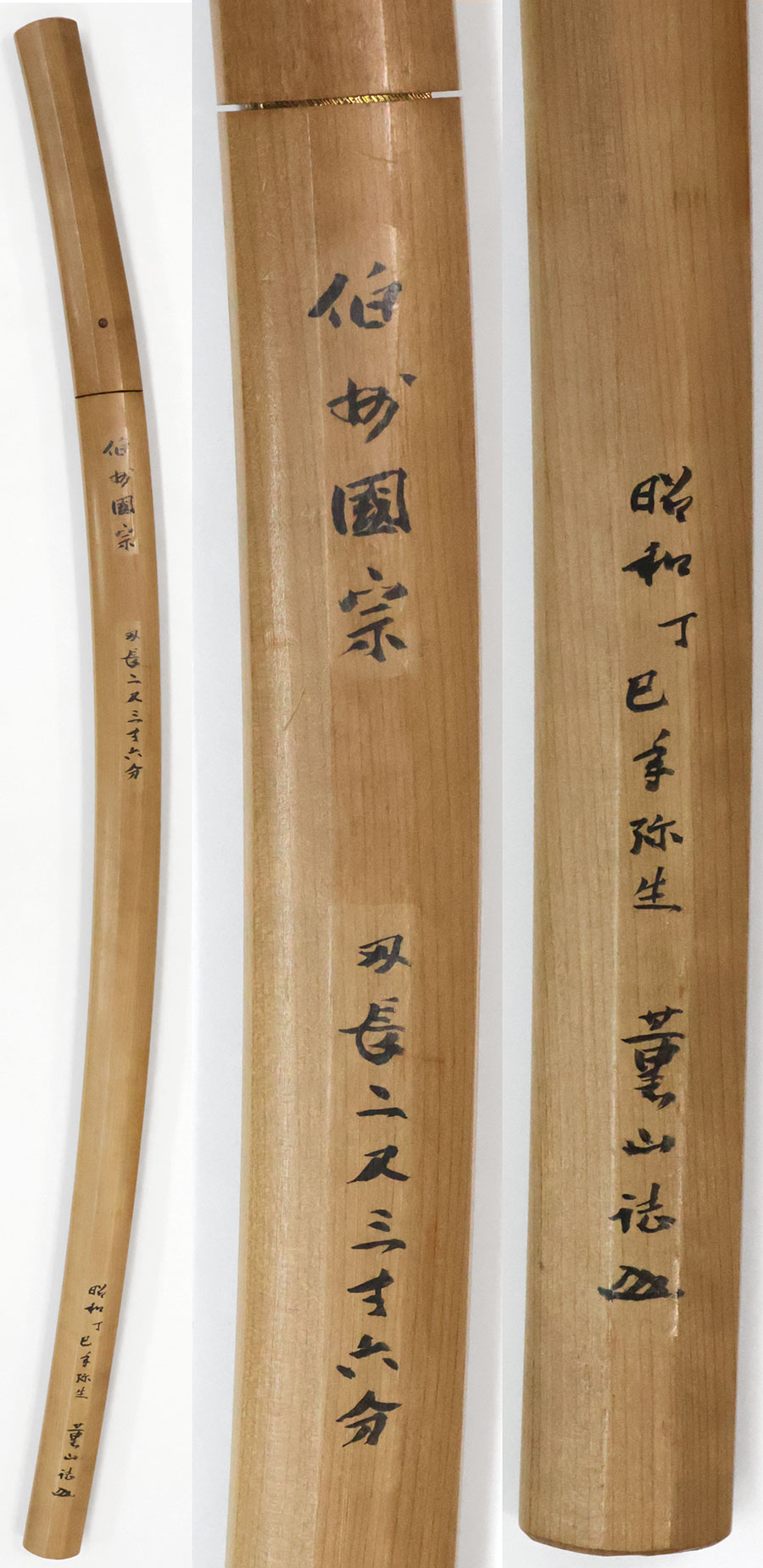
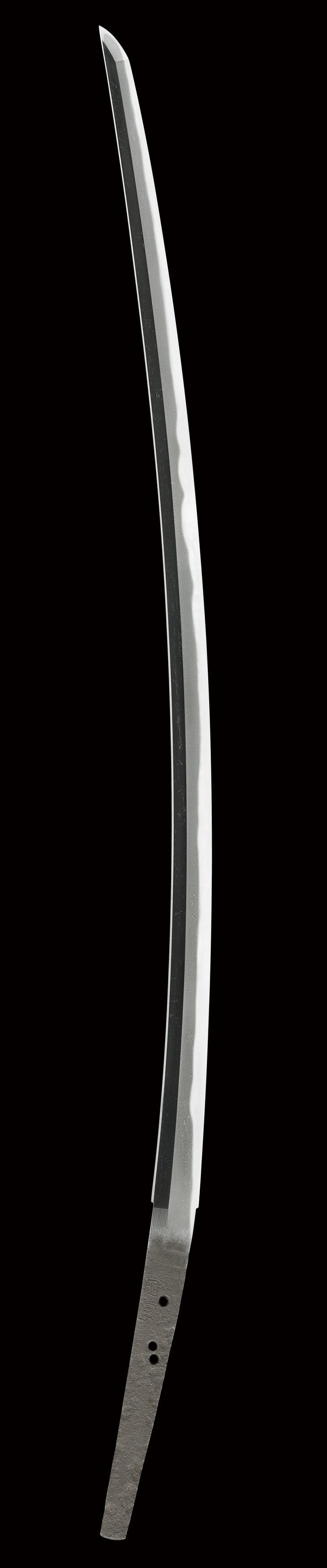
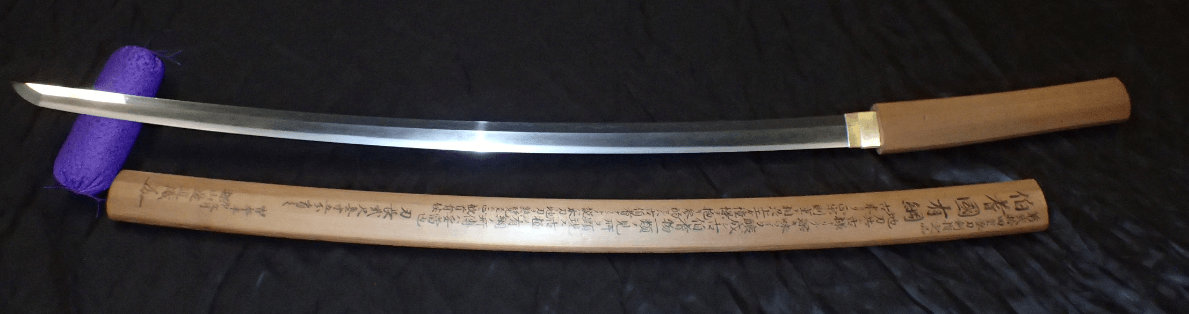
It has appeared, it has appeared! A precious ubu-sugata tachi by Kunimune (Hoki), designated as Juyo Token in Showa 52 at the 25th shinsa. Among the only 5 or 6 extant works said to exist, two are designated as Juyo Bunkazai (the Kunimune (Hoki) of Kunozan Toshogu and the Kunimune (Hoki) of the Ii family); this is a tachi in the same precious ubu-sugata by Kunimune (Hoki). This tachi has a standard moto-haba, shinogi-zukuri, iori-mune, with a deep koshi-zori. Due to its ubu-sugata, it possesses funbari at the moto, and the kissaki is a ko-kissaki. The jigane is itame-hada-tachi with fine jinie, and a faint midare-utsuri appears on the ji. The hamon is suguha-cho with choji-gokoro, mixed with ko-midare and gunome-gokoro; the ha-chu is deeply nie, with strong nie-zuki in places, accompanied by sunagashi and frequent kinsuji. The boshi is omaru-gokoro. The nakago is ubu-nakago. The pristine, original tachi-sugata is magnificent and precious. According to Dr. Honma Kunzan, while the mei of this tachi resembles that of Bizen Saburo Kunimune at first glance, the details differ. Such swords have traditionally been passed down as works by a Kunimune residing in Hoki from the school of Bizen Saburo Kunimune, but the sakufu is older than that of Bizen Saburo Kunimune. While Saburo Kunimune is said to be from the mid-Kamakura Shogen era (1256, 770 years ago) and Kunimune (Hoki) from the Einin era (1293, 733 years ago), observing this tachi suggests an even older period. It exhibits a tachi-sugata from the early Kamakura Jokyu era (1219, 807 years ago) with its ko-kissaki, funbari, and sori curving at the habaki-moto. The jigane shows a prominent itame-hada with chikei-fu and nie-zuki, and the hamon is ko-midare with nie extending into the ha-chu and sunagashi—truly a meito by Kunimune (Hoki) that connects to Yasutsuna of Hoki, who is called the origin of the nihonto. Having received this on consignment from an old sukisha (connoisseur) with the request to pass it on to someone who specifically wishes to own a precious, ancient tachi from the Kamakura period, we offer this magnificent and rare ubu-sugata Kunimune tachi that will never appear again. Please truly enjoy it.

NBTHK Setsumei

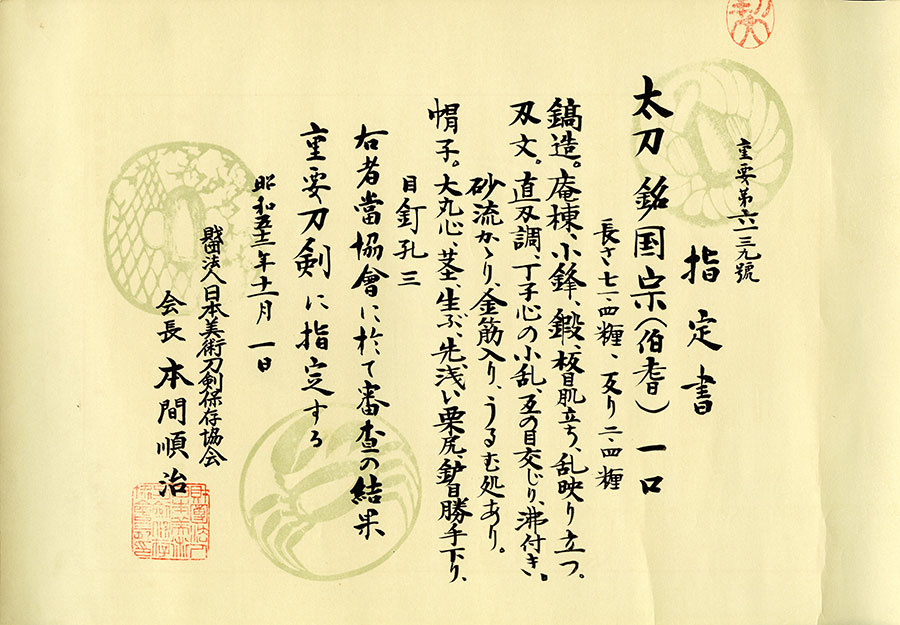
Jūyō-Tōken, 25th Session — Designated November 1, 1977 Tachi, mei: Kunimune (国宗) (Hōki) Measurements Nagasa 71.4 cm, sori 2.4 cm, motohaba 2.95 cm, sakihaba 1.55 cm, kissaki-nagasa 2.45 cm, nakago-nagasa 20.6 cm, nakago-sori 0.1 cm Description Keijō: Shinogi-zukuri, iori-mune; deep koshizori with funbari; ko-kissaki. Kitae: Itame-hada with standing grain; faint midare-utsuri appears. Hamon: A suguha-based temper with a chōji-flavored small undulation, mixed with a gunome-like tendency; the nie is deep within the ha, becoming strongly granular in places; sunagashi runs through, with kinsuji; there are areas where the nioiguchi shows urumi (a moist/soft quality). Bōshi: Inclining to ō-maru. Horimono: None. Nakago: Ubu; tip a very shallow kurijiri; yasurime katte-sagari; two mekugi-ana; on the ha-omote, beside the mekugi-ana, on the shinogi-ji, there is a two-character signature. Artisan Hōki Kunimune (伯耆国宗) Era Late Kamakura period (around the Einin era, 1293–1299) Explanation Many swordsmiths bore the name Kunimune, including Bizen Saburō Kunimune, Nakahara Kunimune, Rai Kunimune, and Uda Kunimune, among others. Hōki Kunimune is dated to around the Einin era, and well-known examples include those preserved at Kunōzan Tōshōgū as well as one formerly in the Ii family. This work is an ubu, signed example. Although it shows a slight tendency toward tsukare (fatigue), it clearly expresses the characteristic features of Hōki Kunimune and is a precious work, as surviving examples are few.

NihontoWatch MonNihontoWatchBETA
MarketAuctionsEncyclopedia
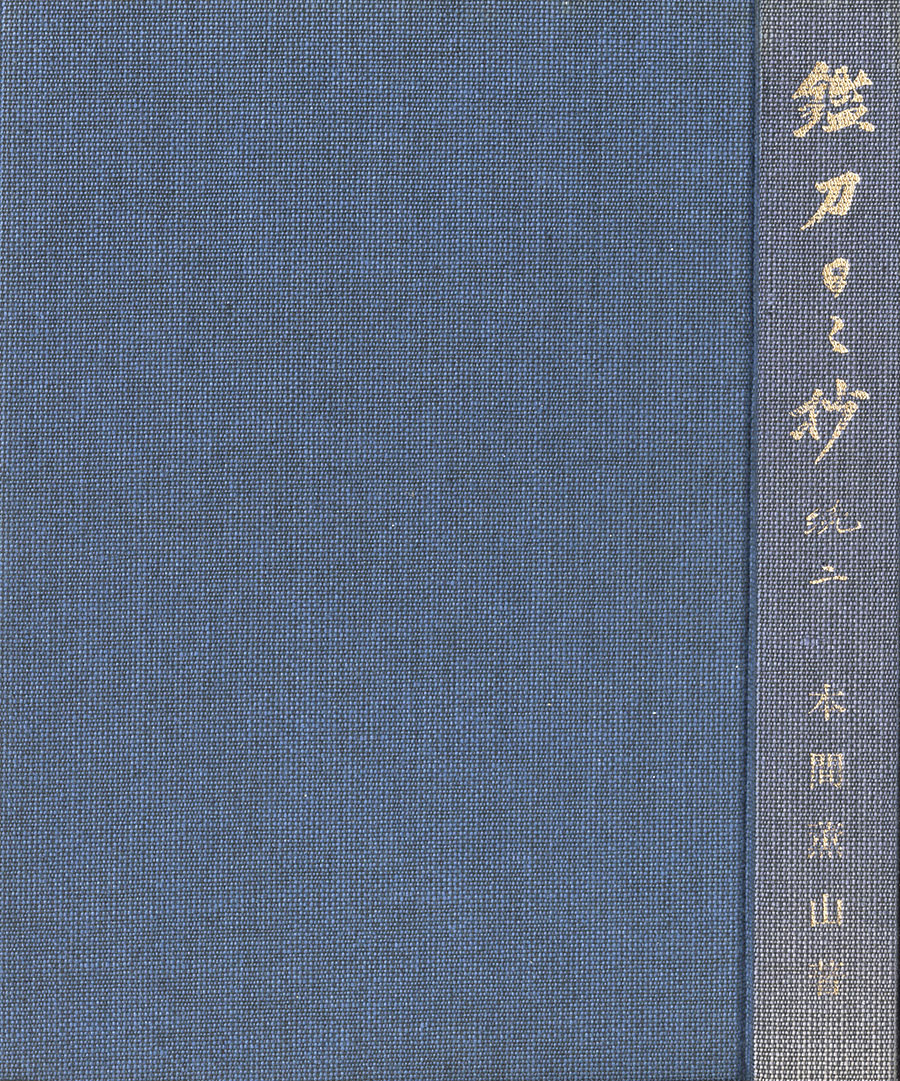
Swords›Hoki›Ko-Hoki›Kunimune›Japanese Sword: Kunimune (Juyo Token) (Mentioned in Honma Kunzan Sensei Kantō Hibishō Zoku 2 P142)
katanaJūyō
Hoki Kunimune

Japanese Sword: Kunimune (Juyo Token) (Mentioned in Honma Kunzan Sensei Kantō Hibishō Zoku 2 P142)

Koan (1278-1288) · nagasa 71.7cm · sori 2.7cm

Price on request
Visit seller website →
Hoki Kunimune — 1 of 29
Hoki Kunimune — 2 of 29
Hoki Kunimune — 3 of 29
Hoki Kunimune — 4 of 29
Hoki Kunimune — 5 of 29
Hoki Kunimune — 6 of 29
Hoki Kunimune — 7 of 29
Hoki Kunimune — 8 of 29
Hoki Kunimune — 9 of 29
Hoki Kunimune — 10 of 29
Hoki Kunimune — 11 of 29
Hoki Kunimune — 12 of 29
Hoki Kunimune — 13 of 29
Hoki Kunimune — 14 of 29
Hoki Kunimune — 15 of 29
Hoki Kunimune — 16 of 29
Hoki Kunimune — 17 of 29
Hoki Kunimune — 18 of 29
Hoki Kunimune — 19 of 29
Hoki Kunimune — 20 of 29
Hoki Kunimune — 21 of 29
Hoki Kunimune — 22 of 29
Hoki Kunimune — 23 of 29
Hoki Kunimune — 24 of 29
Hoki Kunimune — 25 of 29
Hoki Kunimune — 26 of 29
Hoki Kunimune — 27 of 29
Hoki Kunimune — 28 of 29
Hoki Kunimune — 29 of 29
1 / 29
1 / 29
Hoki Kunimune — 1 of 29Hoki Kunimune — 2 of 29Hoki Kunimune — 3 of 29Hoki Kunimune — 4 of 29Hoki Kunimune — 5 of 29Hoki Kunimune — 6 of 29Hoki Kunimune — 7 of 29Hoki Kunimune — 8 of 29Hoki Kunimune — 9 of 29Hoki Kunimune — 10 of 29Hoki Kunimune — 11 of 29Hoki Kunimune — 12 of 29Hoki Kunimune — 13 of 29Hoki Kunimune — 14 of 29Hoki Kunimune — 15 of 29Hoki Kunimune — 16 of 29Hoki Kunimune — 17 of 29Hoki Kunimune — 18 of 29Hoki Kunimune — 19 of 29Hoki Kunimune — 20 of 29Hoki Kunimune — 21 of 29Hoki Kunimune — 22 of 29Hoki Kunimune — 23 of 29Hoki Kunimune — 24 of 29Hoki Kunimune — 25 of 29Hoki Kunimune — 26 of 29Hoki Kunimune — 27 of 29Hoki Kunimune — 28 of 29Hoki Kunimune — 29 of 29
Measurements & details
Smith
Hoki Kunimune
Type
Katana
School
Hoki
Period
Around 1150–1220(Koan)
Province
備前
Measurements
Nagasa 71.7cmSori 2.7cmMotohaba 2.93cmSakihaba 1.43cmKasane 0.62cm
Description

It has appeared, it has appeared! A precious ubu-sugata tachi by Kunimune (Hoki), designated as Juyo Token in Showa 52 at the 25th shinsa. Among the only 5 or 6 extant works said to exist, two are designated as Juyo Bunkazai (the Kunimune (Hoki) of Kunozan Toshogu and the Kunimune (Hoki) of the Ii family); this is a tachi in the same precious ubu-sugata by Kunimune (Hoki). This tachi has a standard moto-haba, shinogi-zukuri, iori-mune, with a deep koshi-zori. Due to its ubu-sugata, it possesses funbari at the moto, and the kissaki is a ko-kissaki. The jigane is itame-hada-tachi with fine jinie, and a faint midare-utsuri appears on the ji. The hamon is suguha-cho with choji-gokoro, mixed with ko-midare and gunome-gokoro; the ha-chu is deeply nie, with strong nie-zuki in places, accompanied by sunagashi and frequent kinsuji. The boshi is omaru-gokoro. The nakago is ubu-nakago. The pristine, original tachi-sugata is magnificent and precious. According to Dr. Honma Kunzan, while the mei of this tachi resembles that of Bizen Saburo Kunimune at first glance, the details differ. Such swords have traditionally been passed down as works by a Kunimune residing in Hoki from the school of Bizen Saburo Kunimune, but the sakufu is older than that of Bizen Saburo Kunimune. While Saburo Kunimune is said to be from the mid-Kamakura Shogen era (1256, 770 years ago) and Kunimune (Hoki) from the Einin era (1293, 733 years ago), observing this tachi suggests an even older period. It exhibits a tachi-sugata from the early Kamakura Jokyu era (1219, 807 years ago) with its ko-kissaki, funbari, and sori curving at the habaki-moto. The jigane shows a prominent itame-hada with chikei-fu and nie-zuki, and the hamon is ko-midare with nie extending into the ha-chu and sunagashi—truly a meito by Kunimune (Hoki) that connects to Yasutsuna of Hoki, who is called the origin of the nihonto. Having received this on consignment from an old sukisha (connoisseur) with the request to pass it on to someone who specifically wishes to own a precious, ancient tachi from the Kamakura period, we offer this magnificent and rare ubu-sugata Kunimune tachi that will never appear again. Please truly enjoy it.

NBTHK Zufu Commentary

Juyo #25

AI translation — may contain errors

-, 25th Session — Designated November 1, 1977

, : Kunimune (国宗) (Hōki)

Measurements 71.4 cm, 2.4 cm, 2.95 cm, 1.55 cm, 2.45 cm, 20.6 cm, 0.1 cm

Description Keijō: , ; deep with ; . : with standing grain; faint appears. : A -based temper with a -flavored small undulation, mixed with a -like tendency; the is deep within the , becoming strongly granular in places; runs through, with ; there are areas where the shows (a moist/soft quality). : Inclining to . : None. : ; tip a very shallow ; ; two ; on the , beside the , on the , there is a two-character signature.

Artisan Hōki Kunimune (伯耆国宗)

Era Late period (around the Einin era, 1293–1299)

Explanation Many swordsmiths bore the name Kunimune, including Saburō Kunimune, Nakahara Kunimune, Kunimune, and Uda Kunimune, among others. Hōki Kunimune is dated to around the Einin era, and well-known examples include those preserved at Kunōzan Tōshōgū as well as one formerly in the Ii family.

This work is an , signed example. Although it shows a slight tendency toward (fatigue), it clearly expresses the characteristic features of Hōki Kunimune and is a precious work, as surviving examples are few.

About the maker

Kunimune

國宗

Ko-Hoki (Yasutsuna lineage, Hoki province) · Hoki · around 1150-1220

Tōken Taikan top 14%

2 pieces on the market now

›

Kunimune of Hōki is one of the standing puzzles of the old Hōki school, a smith of the late Heian to early Kamakura period whose work is bound up at every turn with the problem of telling him from his far more famous namesake. The published sources are candid about how little is settled. No fixed account of him survives, and no blade among the few that remain records Hōki as his place of residence, so that he is known almost entirely from the workmanship and the cut of his signature. One tradition passes him down as a pupil of the Bizen smith Saburō Kunimune who later moved to Hōki, but the published commentary on his extant signed tachi finds this hard to sustain: examined together, the surviving blades show none of Saburō's manner, run more archaic in tone, and may even precede him, so that the NBTHK reads him not as a Bizen offshoot but as a smith who, in their words, 'inherited the line of the Yasutsuna group'[[c:1]]. He stands, in other words, beside Sadatsuna and the other early Hōki hands rather than among the Bizen chōji-makers, and the constant refrain of his designation entries is that his work is 'distinct from Bizen Saburō Kunimune'[[c:2]].

What the judges actually name as his hand is a nie-laden, archaic temper rather than the bright chōji of Bizen. Over the body of his signed and shortened tachi he tempers a suguha-based ko-midare, broken with gunome and a shallow notare tone, the ashi entering well and the nie gathering thickly within the edge, and through it run insistent sunagashi and kinsuji, with the nioiguchi clouding to urumi in places. This nie-rich, restless edge is the tell the published sources lean on to separate him from the calmer, nioi-built chōji of the Bizen Kunimune. The bōshi answers the hamon: a midare-komi or straight sweep that brushes into hakikake and finishes in a yakizume tone, rich in nie at the point.

The jigane is the other half of the picture, and it is the more rustic for being old Hōki. The forging is itame with the grain standing, at times flowing, ji-nie well applied and patches of jifu intermingled, the steel inclining to a dark, iron-like color. It is the kind of jigane the published sources warn can be mistaken for contemporaneous old Bizen, told apart by its standing grain, its darkish tone and the soft, clouded edge over it. On the finer pieces, where the forging tightens, a faint midare-utsuri rises, and on one shortened katana the close ko-itame with a masa tendency takes on a whitish reflection instead. Throughout, the manner is read as archaic and 'of high antiquarian fragrance'[[c:3]], no later than the early Kamakura.

His small record divides into two registers. The mainstream face, carried on most of the signed and suriage tachi, is the rustic Hōki manner just described: standing itame, darkish steel, a clouded suguha-based ko-midare full of sunagashi and kinsuji. The second face is a small group of finer signed tachi, two of them at the Tokubetsu Jūyō rank, where the forging packs into a dense ko-itame with chikei, the temper brightens into ko-chōji, and the upper half of the edge breaks into a banded double- and triple-temper, a nijūba and sanjūba effect. This banding is the feature the published sources single out as 'reminiscent of Sadatsuna of the same lineage'[[c:4]], and it is the clearest internal link tying Hōki Kunimune into the Yasutsuna group. Across both registers he cuts a bold, archaic two-character signature near the tip of the tang with a thick chisel; the judges find its strokes 'rounder than the Bizen Kunimune's, with a somewhat different movement of the chisel'[[c:5]], and note that he never signs the fuller Hōki no Kuni Kunimune.

What sets him apart, then, is precisely what the comparison with Bizen brings out. His extant signed tachi 'show no manner of Saburō Kunimune and are more archaic', and so are referred back to the Hōki line; his nie-rich edge, his sunagashi and kinsuji, and the nijūba and sanjūba of his best pieces are the affirmative evidence, not a borrowed Bizen flamboyance. The published sources fold his work into the body of Hōki blades they describe as sharing 'a manner common to old Hōki work'[[c:6]], and date the school's reach in his case as late as the Einin era. He is, in short, a quiet, archaic Hōki hand carrying the Yasutsuna inheritance forward, valued as much for what he documents about that line as for any single brilliant trait.

For the collector he is a rare early name with a thin but real record. He has no National Treasures and no Important Cultural Properties; his standing rests instead on the designated tiers, where five of his blades fall in the Tokubetsu Jūyō and Jūyō ranks, two of them at the higher level. One shortened katana bears a gold-inlaid Hakushū Kunimune signature, and one prewar tachi was certified an Important Art Object and recorded in the Nihontō Taikan. Provenance, where it is recorded at all, runs through old houses rather than museums: a blade transmitted in the Yamana and Ikeda families, and well-known examples the published sources name as once held at 'Kunōzan Tōshōgū'[[c:7]] and in the Ii family. Surviving works are few, and the commentary calls them precious as documentary material for so rare a smith. A signed Hōki Kunimune is not a blade that comes to market often; when one of recorded whereabouts does change hands it is a notable thing for a collector to encounter, a document of how the Yasutsuna line ran on into the Kamakura period.


Historical importance

Where Kunimune stands among comparable artisans: across all of nihontō, and within tradition, era, and period. The tiers (Foremost · Leading · Major · Notable) weigh official designations from the NBTHK and Japan's Agency for Cultural Affairs, together with historical honors of lasting repute such as the Sansaku and Meibutsu-chō.

随一
Foremost
屈指
Leading
有数
Major
著名
Notable

Select a lens to see how it's measured.

Designation record
5 designated works
Tokubetsu Jūyō
2
Jūyō
3
2 works by Kunimune on the market→
Kunimune — full profileKo-Hoki (Yasutsuna lineage, Hoki province) school
About the school

Hoki

伯耆

Wakimono · Hoki

Phase: Ko-Hoki古伯耆· 966–1334

6 pieces on the market now

›

Ko-Hoki occupies the deepest stratum of the school, the chapter in which the Hoki name first enters the record at all. The published commentary places Yasutsuna roughly contemporary with Sanjo Munechika in the late Heian period, correcting the older reference-book dating that pushed him back to the Daido era (806 to 810), and the gap between that legend and the inferred reality is itself a measure of how far back this phase reaches. Learn more →

13 recorded smiths97 designated works
Leading smiths
SmithEraDesignated
Yasutsuna安綱987-115035
Ohara大原987-159617
Sadatsuna貞綱1184-118519
Hiroyoshi廣賀1532-15656
Aritsuna有綱1181-11825
Explore the Hoki school →
NBTHK Certificate
Jūyō Tōken重要刀剣
Important Sword
›

A blade of top-grade workmanship and condition, formally judged to rank with a nationally recognized Important Art Object (Jūyō Bijutsuhin). Awarded only at the NBTHK’s competitive annual examination.

Of Japan’s roughly 2.5 million registered swords, only 12,307 (about 1 in 203) have ever attained Jūyō.

About the NBTHK›

The NBTHK (Nihon Bijutsu Tōken Hozon Kyōkai, the Society for the Preservation of Japanese Art Swords) is a public-interest incorporated foundation founded in 1948 and supervised by Japan’s Agency for Cultural Affairs (Bunkachō); it is based at the Japanese Sword Museum in Tokyo. Its expert panels physically examine each submitted work (shinsa) and issue a certificate (kanteishō) ranking it by artistic and historical merit. NBTHK papers are the most widely recognized standard of authentication for Japanese swords and fittings.

NBTHK official site→
Seller
N
Nipponto
Established 1953 · 73 yrs on the market
🇯🇵Ships from Japan
›
✓Verified dealernipponto.co.jp
✓Ships worldwide✓English supportPayPalCredit card
Return policy

For returns due to customer circumstances, the cost is the customer's responsibility. For returns due to our mis-shipment or a defective item, we bear the cost.

View all of Nipponto’s listings→View this item on the dealer’s site→

More works by Hoki Kunimune

View all →
Iida Koendo
Tokujū
Tachi - Tokuju - by Hoki Kunimune - Kunimune (Hoki no Kuni) TachiTachi - Tokuju - by Hoki Kunimune - Kunimune (Hoki no Kuni) Tachi

Tachi

ByHoki Kunimune
¥33,000,000

Previously sold by Hoki Kunimune

Samurai Nippon
Jūyō
Tachi - Jūyō - by Hoki Kunimune - Kunimune (Ko-Hoki)Tachi - Jūyō - by Hoki Kunimune - Kunimune (Ko-Hoki)
Sold

Tachi

ByHoki Kunimune
SOLD

More Ko-Hoki works

View all →
Nihonto Australia
Jūyō
Tachi - Jūyō - by Hoki Aritsuna - Aritsuna - JuyoTachi - Jūyō - by Hoki Aritsuna - Aritsuna - Juyo

Tachi

ByHoki Aritsuna
Ask
E-sword
Hozon
Tanto - Hozon - by Hoki Sanemori - Hoki no Kuni Sanemori - Kansei 12, FebruaryTanto - Hozon - by Hoki Sanemori - Hoki no Kuni Sanemori - Kansei 12, February

Tantō

ByHoki Sanemori
¥280,000

More from the Hoki school

View all →
Samurai Museum
Hozon
Katana - Hozon - by Hoki Morihiro - Attributed to Sainoo Morihiro - NBTHK Hozon CertificateKatana - Hozon - by Hoki Morihiro - Attributed to Sainoo Morihiro - NBTHK Hozon Certificate

Katana

ByHoki Morihiro
¥3,678
Nipponto
Tokuho
Katana - Tokuho - by Hoki Hiroyoshi - Katana by Hiroyoshi of Hoki Province with Tokubetsu Hozon CertificateKatana - Tokuho - by Hoki Hiroyoshi - Katana by Hiroyoshi of Hoki Province with Tokubetsu Hozon Certificate

Katana

ByHoki Hiroyoshi
¥1,900,000

Swords

  • Katana
  • Wakizashi
  • Tantō
  • Tachi
  • Naginata
  • Yari

Fittings

  • Tsuba
  • Fuchi-Kashira
  • Kozuka
  • Menuki

By Certification

  • Tokujū
  • Jūyō
  • Tokuho
  • Hozon

Resources

  • Dealer Directory
  • Artist Directory
  • Glossary
  • Browse All
Nihontowatch© 2026
TermsPrivacyCookiesAbout

Description

It has appeared, it has appeared! A precious ubu-sugata tachi by Kunimune (Hoki), designated as Juyo Token in Showa 52 at the 25th shinsa. Among the only 5 or 6 extant works said to exist, two are designated as Juyo Bunkazai (the Kunimune (Hoki) of Kunozan Toshogu and the Kunimune (Hoki) of the Ii family); this is a tachi in the same precious ubu-sugata by Kunimune (Hoki). This tachi has a standard moto-haba, shinogi-zukuri, iori-mune, with a deep koshi-zori. Due to its ubu-sugata, it possesses funbari at the moto, and the kissaki is a ko-kissaki. The jigane is itame-hada-tachi with fine jinie, and a faint midare-utsuri appears on the ji. The hamon is suguha-cho with choji-gokoro, mixed with ko-midare and gunome-gokoro; the ha-chu is deeply nie, with strong nie-zuki in places, accompanied by sunagashi and frequent kinsuji. The boshi is omaru-gokoro. The nakago is ubu-nakago. The pristine, original tachi-sugata is magnificent and precious. According to Dr. Honma Kunzan, while the mei of this tachi resembles that of Bizen Saburo Kunimune at first glance, the details differ. Such swords have traditionally been passed down as works by a Kunimune residing in Hoki from the school of Bizen Saburo Kunimune, but the sakufu is older than that of Bizen Saburo Kunimune. While Saburo Kunimune is said to be from the mid-Kamakura Shogen era (1256, 770 years ago) and Kunimune (Hoki) from the Einin era (1293, 733 years ago), observing this tachi suggests an even older period. It exhibits a tachi-sugata from the early Kamakura Jokyu era (1219, 807 years ago) with its ko-kissaki, funbari, and sori curving at the habaki-moto. The jigane shows a prominent itame-hada with chikei-fu and nie-zuki, and the hamon is ko-midare with nie extending into the ha-chu and sunagashi—truly a meito by Kunimune (Hoki) that connects to Yasutsuna of Hoki, who is called the origin of the nihonto. Having received this on consignment from an old sukisha (connoisseur) with the request to pass it on to someone who specifically wishes to own a precious, ancient tachi from the Kamakura period, we offer this magnificent and rare ubu-sugata Kunimune tachi that will never appear again. Please truly enjoy it.

NBTHK Setsumei

Jūyō-Tōken, 25th Session — Designated November 1, 1977 Tachi, mei: Kunimune (国宗) (Hōki) Measurements Nagasa 71.4 cm, sori 2.4 cm, motohaba 2.95 cm, sakihaba 1.55 cm, kissaki-nagasa 2.45 cm, nakago-nagasa 20.6 cm, nakago-sori 0.1 cm Description Keijō: Shinogi-zukuri, iori-mune; deep koshizori with funbari; ko-kissaki. Kitae: Itame-hada with standing grain; faint midare-utsuri appears. Hamon: A suguha-based temper with a chōji-flavored small undulation, mixed with a gunome-like tendency; the nie is deep within the ha, becoming strongly granular in places; sunagashi runs through, with kinsuji; there are areas where the nioiguchi shows urumi (a moist/soft quality). Bōshi: Inclining to ō-maru. Horimono: None. Nakago: Ubu; tip a very shallow kurijiri; yasurime katte-sagari; two mekugi-ana; on the ha-omote, beside the mekugi-ana, on the shinogi-ji, there is a two-character signature. Artisan Hōki Kunimune (伯耆国宗) Era Late Kamakura period (around the Einin era, 1293–1299) Explanation Many swordsmiths bore the name Kunimune, including Bizen Saburō Kunimune, Nakahara Kunimune, Rai Kunimune, and Uda Kunimune, among others. Hōki Kunimune is dated to around the Einin era, and well-known examples include those preserved at Kunōzan Tōshōgū as well as one formerly in the Ii family. This work is an ubu, signed example. Although it shows a slight tendency toward tsukare (fatigue), it clearly expresses the characteristic features of Hōki Kunimune and is a precious work, as surviving examples are few.

NihontoWatch MonNihontoWatchBETA
MarketAuctionsEncyclopedia
Swords›Hoki›Ko-Hoki›Kunimune›Japanese Sword: Kunimune (Juyo Token) (Mentioned in Honma Kunzan Sensei Kantō Hibishō Zoku 2 P142)
katanaJūyō
Hoki Kunimune

Japanese Sword: Kunimune (Juyo Token) (Mentioned in Honma Kunzan Sensei Kantō Hibishō Zoku 2 P142)

Koan (1278-1288) · nagasa 71.7cm · sori 2.7cm

Price on request
Visit seller website →
Hoki Kunimune — 1 of 29
Hoki Kunimune — 2 of 29
Hoki Kunimune — 3 of 29
Hoki Kunimune — 4 of 29
Hoki Kunimune — 5 of 29
Hoki Kunimune — 6 of 29
Hoki Kunimune — 7 of 29
Hoki Kunimune — 8 of 29
Hoki Kunimune — 9 of 29
Hoki Kunimune — 10 of 29
Hoki Kunimune — 11 of 29
Hoki Kunimune — 12 of 29
Hoki Kunimune — 13 of 29
Hoki Kunimune — 14 of 29
Hoki Kunimune — 15 of 29
Hoki Kunimune — 16 of 29
Hoki Kunimune — 17 of 29
Hoki Kunimune — 18 of 29
Hoki Kunimune — 19 of 29
Hoki Kunimune — 20 of 29
Hoki Kunimune — 21 of 29
Hoki Kunimune — 22 of 29
Hoki Kunimune — 23 of 29
Hoki Kunimune — 24 of 29
Hoki Kunimune — 25 of 29
Hoki Kunimune — 26 of 29
Hoki Kunimune — 27 of 29
Hoki Kunimune — 28 of 29
Hoki Kunimune — 29 of 29
1 / 29
1 / 29
Hoki Kunimune — 1 of 29Hoki Kunimune — 2 of 29Hoki Kunimune — 3 of 29Hoki Kunimune — 4 of 29Hoki Kunimune — 5 of 29Hoki Kunimune — 6 of 29Hoki Kunimune — 7 of 29Hoki Kunimune — 8 of 29Hoki Kunimune — 9 of 29Hoki Kunimune — 10 of 29Hoki Kunimune — 11 of 29Hoki Kunimune — 12 of 29Hoki Kunimune — 13 of 29Hoki Kunimune — 14 of 29Hoki Kunimune — 15 of 29Hoki Kunimune — 16 of 29Hoki Kunimune — 17 of 29Hoki Kunimune — 18 of 29Hoki Kunimune — 19 of 29Hoki Kunimune — 20 of 29Hoki Kunimune — 21 of 29Hoki Kunimune — 22 of 29Hoki Kunimune — 23 of 29Hoki Kunimune — 24 of 29Hoki Kunimune — 25 of 29Hoki Kunimune — 26 of 29Hoki Kunimune — 27 of 29Hoki Kunimune — 28 of 29Hoki Kunimune — 29 of 29
Measurements & details
Smith
Hoki Kunimune
Type
Katana
School
Hoki
Period
Around 1150–1220(Koan)
Province
備前
Measurements
Nagasa 71.7cmSori 2.7cmMotohaba 2.93cmSakihaba 1.43cmKasane 0.62cm
Description

It has appeared, it has appeared! A precious ubu-sugata tachi by Kunimune (Hoki), designated as Juyo Token in Showa 52 at the 25th shinsa. Among the only 5 or 6 extant works said to exist, two are designated as Juyo Bunkazai (the Kunimune (Hoki) of Kunozan Toshogu and the Kunimune (Hoki) of the Ii family); this is a tachi in the same precious ubu-sugata by Kunimune (Hoki). This tachi has a standard moto-haba, shinogi-zukuri, iori-mune, with a deep koshi-zori. Due to its ubu-sugata, it possesses funbari at the moto, and the kissaki is a ko-kissaki. The jigane is itame-hada-tachi with fine jinie, and a faint midare-utsuri appears on the ji. The hamon is suguha-cho with choji-gokoro, mixed with ko-midare and gunome-gokoro; the ha-chu is deeply nie, with strong nie-zuki in places, accompanied by sunagashi and frequent kinsuji. The boshi is omaru-gokoro. The nakago is ubu-nakago. The pristine, original tachi-sugata is magnificent and precious. According to Dr. Honma Kunzan, while the mei of this tachi resembles that of Bizen Saburo Kunimune at first glance, the details differ. Such swords have traditionally been passed down as works by a Kunimune residing in Hoki from the school of Bizen Saburo Kunimune, but the sakufu is older than that of Bizen Saburo Kunimune. While Saburo Kunimune is said to be from the mid-Kamakura Shogen era (1256, 770 years ago) and Kunimune (Hoki) from the Einin era (1293, 733 years ago), observing this tachi suggests an even older period. It exhibits a tachi-sugata from the early Kamakura Jokyu era (1219, 807 years ago) with its ko-kissaki, funbari, and sori curving at the habaki-moto. The jigane shows a prominent itame-hada with chikei-fu and nie-zuki, and the hamon is ko-midare with nie extending into the ha-chu and sunagashi—truly a meito by Kunimune (Hoki) that connects to Yasutsuna of Hoki, who is called the origin of the nihonto. Having received this on consignment from an old sukisha (connoisseur) with the request to pass it on to someone who specifically wishes to own a precious, ancient tachi from the Kamakura period, we offer this magnificent and rare ubu-sugata Kunimune tachi that will never appear again. Please truly enjoy it.

NBTHK Zufu Commentary

Juyo #25

AI translation — may contain errors

-, 25th Session — Designated November 1, 1977

, : Kunimune (国宗) (Hōki)

Measurements 71.4 cm, 2.4 cm, 2.95 cm, 1.55 cm, 2.45 cm, 20.6 cm, 0.1 cm

Description Keijō: , ; deep with ; . : with standing grain; faint appears. : A -based temper with a -flavored small undulation, mixed with a -like tendency; the is deep within the , becoming strongly granular in places; runs through, with ; there are areas where the shows (a moist/soft quality). : Inclining to . : None. : ; tip a very shallow ; ; two ; on the , beside the , on the , there is a two-character signature.

Artisan Hōki Kunimune (伯耆国宗)

Era Late period (around the Einin era, 1293–1299)

Explanation Many swordsmiths bore the name Kunimune, including Saburō Kunimune, Nakahara Kunimune, Kunimune, and Uda Kunimune, among others. Hōki Kunimune is dated to around the Einin era, and well-known examples include those preserved at Kunōzan Tōshōgū as well as one formerly in the Ii family.

This work is an , signed example. Although it shows a slight tendency toward (fatigue), it clearly expresses the characteristic features of Hōki Kunimune and is a precious work, as surviving examples are few.

About the maker

Kunimune

國宗

Ko-Hoki (Yasutsuna lineage, Hoki province) · Hoki · around 1150-1220

Tōken Taikan top 14%

2 pieces on the market now

›

Kunimune of Hōki is one of the standing puzzles of the old Hōki school, a smith of the late Heian to early Kamakura period whose work is bound up at every turn with the problem of telling him from his far more famous namesake. The published sources are candid about how little is settled. No fixed account of him survives, and no blade among the few that remain records Hōki as his place of residence, so that he is known almost entirely from the workmanship and the cut of his signature. One tradition passes him down as a pupil of the Bizen smith Saburō Kunimune who later moved to Hōki, but the published commentary on his extant signed tachi finds this hard to sustain: examined together, the surviving blades show none of Saburō's manner, run more archaic in tone, and may even precede him, so that the NBTHK reads him not as a Bizen offshoot but as a smith who, in their words, 'inherited the line of the Yasutsuna group'[[c:1]]. He stands, in other words, beside Sadatsuna and the other early Hōki hands rather than among the Bizen chōji-makers, and the constant refrain of his designation entries is that his work is 'distinct from Bizen Saburō Kunimune'[[c:2]].

What the judges actually name as his hand is a nie-laden, archaic temper rather than the bright chōji of Bizen. Over the body of his signed and shortened tachi he tempers a suguha-based ko-midare, broken with gunome and a shallow notare tone, the ashi entering well and the nie gathering thickly within the edge, and through it run insistent sunagashi and kinsuji, with the nioiguchi clouding to urumi in places. This nie-rich, restless edge is the tell the published sources lean on to separate him from the calmer, nioi-built chōji of the Bizen Kunimune. The bōshi answers the hamon: a midare-komi or straight sweep that brushes into hakikake and finishes in a yakizume tone, rich in nie at the point.

The jigane is the other half of the picture, and it is the more rustic for being old Hōki. The forging is itame with the grain standing, at times flowing, ji-nie well applied and patches of jifu intermingled, the steel inclining to a dark, iron-like color. It is the kind of jigane the published sources warn can be mistaken for contemporaneous old Bizen, told apart by its standing grain, its darkish tone and the soft, clouded edge over it. On the finer pieces, where the forging tightens, a faint midare-utsuri rises, and on one shortened katana the close ko-itame with a masa tendency takes on a whitish reflection instead. Throughout, the manner is read as archaic and 'of high antiquarian fragrance'[[c:3]], no later than the early Kamakura.

His small record divides into two registers. The mainstream face, carried on most of the signed and suriage tachi, is the rustic Hōki manner just described: standing itame, darkish steel, a clouded suguha-based ko-midare full of sunagashi and kinsuji. The second face is a small group of finer signed tachi, two of them at the Tokubetsu Jūyō rank, where the forging packs into a dense ko-itame with chikei, the temper brightens into ko-chōji, and the upper half of the edge breaks into a banded double- and triple-temper, a nijūba and sanjūba effect. This banding is the feature the published sources single out as 'reminiscent of Sadatsuna of the same lineage'[[c:4]], and it is the clearest internal link tying Hōki Kunimune into the Yasutsuna group. Across both registers he cuts a bold, archaic two-character signature near the tip of the tang with a thick chisel; the judges find its strokes 'rounder than the Bizen Kunimune's, with a somewhat different movement of the chisel'[[c:5]], and note that he never signs the fuller Hōki no Kuni Kunimune.

What sets him apart, then, is precisely what the comparison with Bizen brings out. His extant signed tachi 'show no manner of Saburō Kunimune and are more archaic', and so are referred back to the Hōki line; his nie-rich edge, his sunagashi and kinsuji, and the nijūba and sanjūba of his best pieces are the affirmative evidence, not a borrowed Bizen flamboyance. The published sources fold his work into the body of Hōki blades they describe as sharing 'a manner common to old Hōki work'[[c:6]], and date the school's reach in his case as late as the Einin era. He is, in short, a quiet, archaic Hōki hand carrying the Yasutsuna inheritance forward, valued as much for what he documents about that line as for any single brilliant trait.

For the collector he is a rare early name with a thin but real record. He has no National Treasures and no Important Cultural Properties; his standing rests instead on the designated tiers, where five of his blades fall in the Tokubetsu Jūyō and Jūyō ranks, two of them at the higher level. One shortened katana bears a gold-inlaid Hakushū Kunimune signature, and one prewar tachi was certified an Important Art Object and recorded in the Nihontō Taikan. Provenance, where it is recorded at all, runs through old houses rather than museums: a blade transmitted in the Yamana and Ikeda families, and well-known examples the published sources name as once held at 'Kunōzan Tōshōgū'[[c:7]] and in the Ii family. Surviving works are few, and the commentary calls them precious as documentary material for so rare a smith. A signed Hōki Kunimune is not a blade that comes to market often; when one of recorded whereabouts does change hands it is a notable thing for a collector to encounter, a document of how the Yasutsuna line ran on into the Kamakura period.

Historical importance

Where Kunimune stands among comparable artisans: across all of nihontō, and within tradition, era, and period. The tiers (Foremost · Leading · Major · Notable) weigh official designations from the NBTHK and Japan's Agency for Cultural Affairs, together with historical honors of lasting repute such as the Sansaku and Meibutsu-chō.

随一
Foremost
屈指
Leading
有数
Major
著名
Notable

Select a lens to see how it's measured.

Designation record
5 designated works
Tokubetsu Jūyō
2
Jūyō
3
2 works by Kunimune on the market→
Kunimune — full profileKo-Hoki (Yasutsuna lineage, Hoki province) school
About the school

Hoki

伯耆

Wakimono · Hoki

Phase: Ko-Hoki古伯耆· 966–1334

6 pieces on the market now

›

Ko-Hoki occupies the deepest stratum of the school, the chapter in which the Hoki name first enters the record at all. The published commentary places Yasutsuna roughly contemporary with Sanjo Munechika in the late Heian period, correcting the older reference-book dating that pushed him back to the Daido era (806 to 810), and the gap between that legend and the inferred reality is itself a measure of how far back this phase reaches. Learn more →

13 recorded smiths97 designated works
Leading smiths
SmithEraDesignated
Yasutsuna安綱987-115035
Ohara大原987-159617
Sadatsuna貞綱1184-118519
Hiroyoshi廣賀1532-15656
Aritsuna有綱1181-11825
Explore the Hoki school →
NBTHK Certificate
Jūyō Tōken重要刀剣
Important Sword
›

A blade of top-grade workmanship and condition, formally judged to rank with a nationally recognized Important Art Object (Jūyō Bijutsuhin). Awarded only at the NBTHK’s competitive annual examination.

Of Japan’s roughly 2.5 million registered swords, only 12,307 (about 1 in 203) have ever attained Jūyō.

About the NBTHK›

The NBTHK (Nihon Bijutsu Tōken Hozon Kyōkai, the Society for the Preservation of Japanese Art Swords) is a public-interest incorporated foundation founded in 1948 and supervised by Japan’s Agency for Cultural Affairs (Bunkachō); it is based at the Japanese Sword Museum in Tokyo. Its expert panels physically examine each submitted work (shinsa) and issue a certificate (kanteishō) ranking it by artistic and historical merit. NBTHK papers are the most widely recognized standard of authentication for Japanese swords and fittings.

NBTHK official site→
Seller
N
Nipponto
Established 1953 · 73 yrs on the market
🇯🇵Ships from Japan
›
✓Verified dealernipponto.co.jp
✓Ships worldwide✓English supportPayPalCredit card
Return policy

For returns due to customer circumstances, the cost is the customer's responsibility. For returns due to our mis-shipment or a defective item, we bear the cost.

View all of Nipponto’s listings→View this item on the dealer’s site→

More works by Hoki Kunimune

View all →
Iida Koendo
Tokujū
Tachi - Tokuju - by Hoki Kunimune - Kunimune (Hoki no Kuni) TachiTachi - Tokuju - by Hoki Kunimune - Kunimune (Hoki no Kuni) Tachi

Tachi

ByHoki Kunimune
¥33,000,000

Previously sold by Hoki Kunimune

Samurai Nippon
Jūyō
Tachi - Jūyō - by Hoki Kunimune - Kunimune (Ko-Hoki)Tachi - Jūyō - by Hoki Kunimune - Kunimune (Ko-Hoki)
Sold

Tachi

ByHoki Kunimune
SOLD

More Ko-Hoki works

View all →
Nihonto Australia
Jūyō
Tachi - Jūyō - by Hoki Aritsuna - Aritsuna - JuyoTachi - Jūyō - by Hoki Aritsuna - Aritsuna - Juyo

Tachi

ByHoki Aritsuna
Ask
E-sword
Hozon
Tanto - Hozon - by Hoki Sanemori - Hoki no Kuni Sanemori - Kansei 12, FebruaryTanto - Hozon - by Hoki Sanemori - Hoki no Kuni Sanemori - Kansei 12, February

Tantō

ByHoki Sanemori
¥280,000

More from the Hoki school

View all →
Samurai Museum
Hozon
Katana - Hozon - by Hoki Morihiro - Attributed to Sainoo Morihiro - NBTHK Hozon CertificateKatana - Hozon - by Hoki Morihiro - Attributed to Sainoo Morihiro - NBTHK Hozon Certificate

Katana

ByHoki Morihiro
¥3,678
Nipponto
Tokuho
Katana - Tokuho - by Hoki Hiroyoshi - Katana by Hiroyoshi of Hoki Province with Tokubetsu Hozon CertificateKatana - Tokuho - by Hoki Hiroyoshi - Katana by Hiroyoshi of Hoki Province with Tokubetsu Hozon Certificate

Katana

ByHoki Hiroyoshi
¥1,900,000

Swords

  • Katana
  • Wakizashi
  • Tantō
  • Tachi
  • Naginata
  • Yari

Fittings

  • Tsuba
  • Fuchi-Kashira
  • Kozuka
  • Menuki

By Certification

  • Tokujū
  • Jūyō
  • Tokuho
  • Hozon

Resources

  • Dealer Directory
  • Artist Directory
  • Glossary
  • Browse All
Nihontowatch© 2026
TermsPrivacyCookiesAbout
NihontoWatch Mon

NihontoWatchBETA

MarketAuctions
Encyclopedia
NihontoWatch Mon

NihontoWatchBETA

MarketAuctions
Encyclopedia