NihontoWatch MonNihontoWatch
Market
Encyclopedia
Kantei
NihontoWatch MonNihontoWatch
Market
Encyclopedia
Kantei

Description

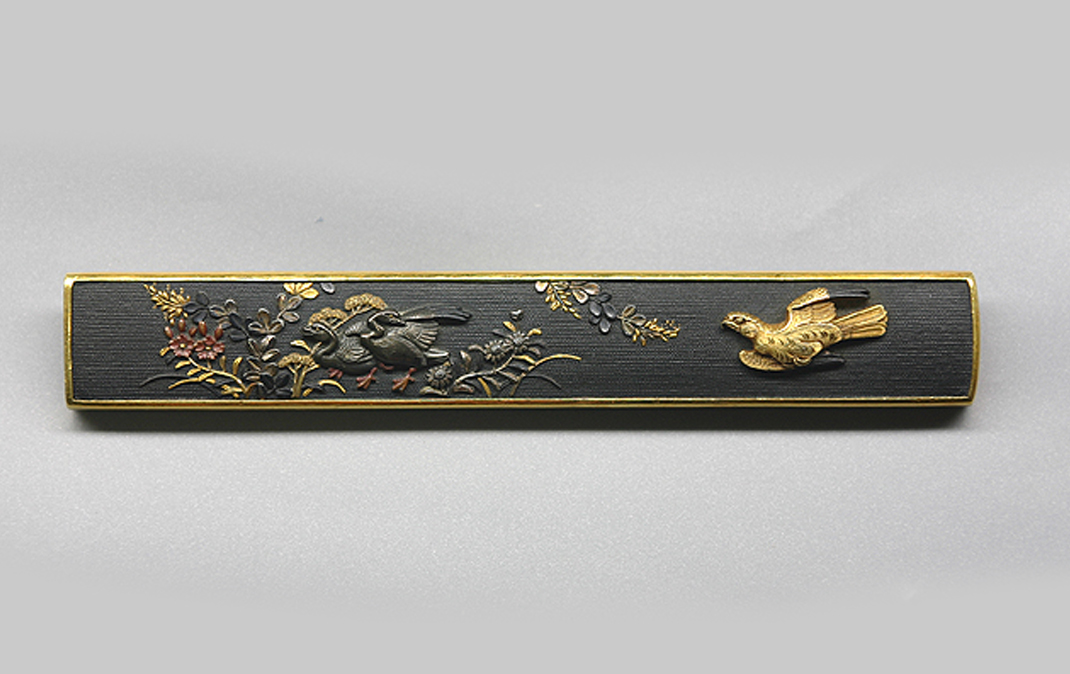
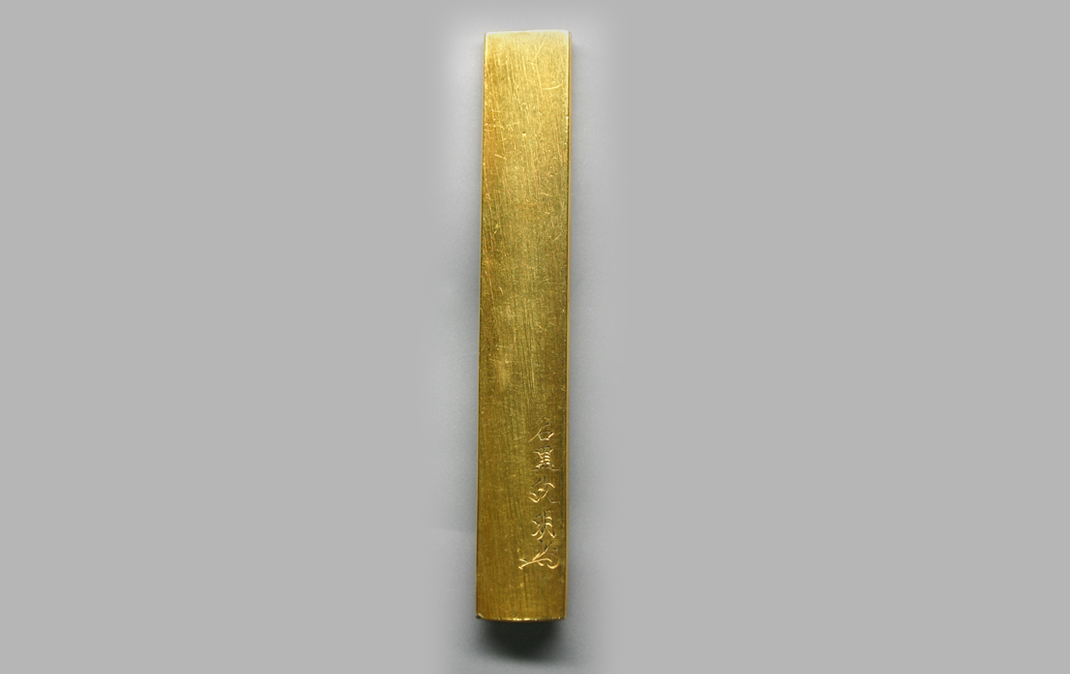
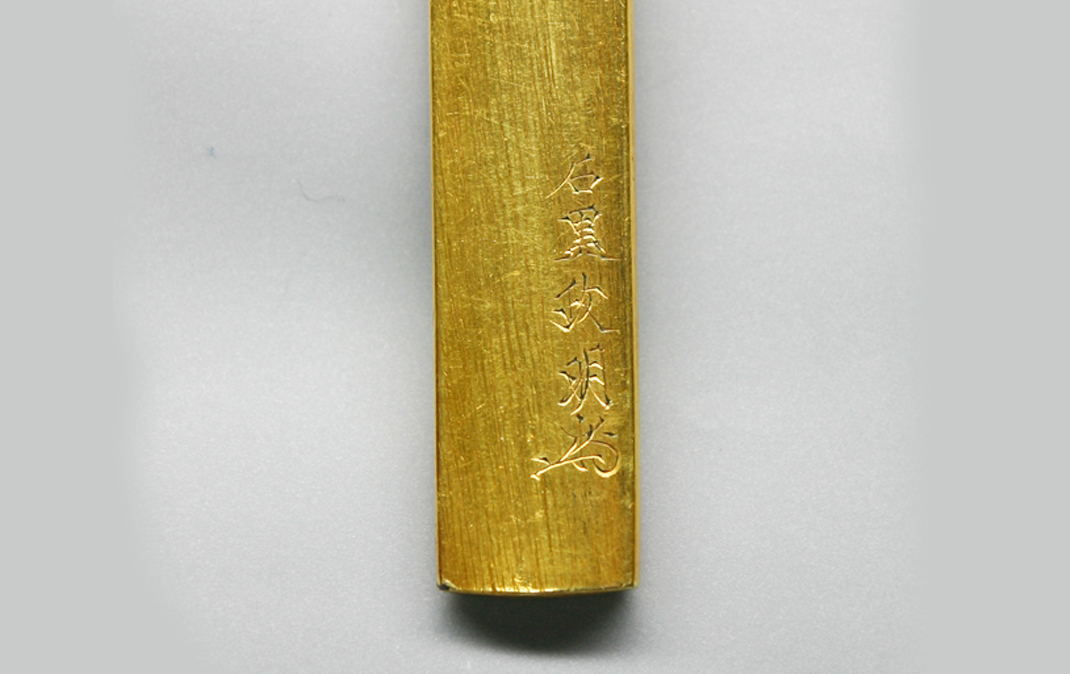
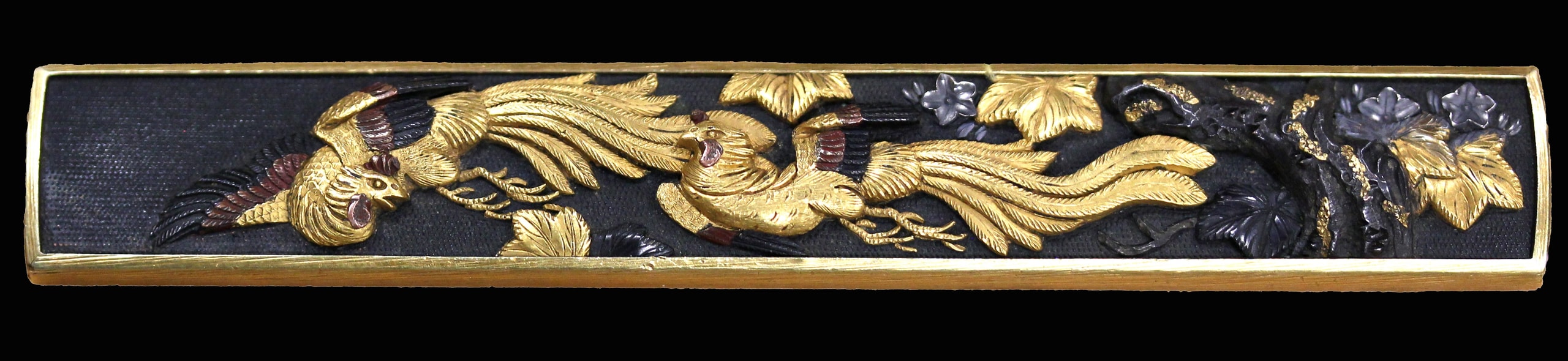
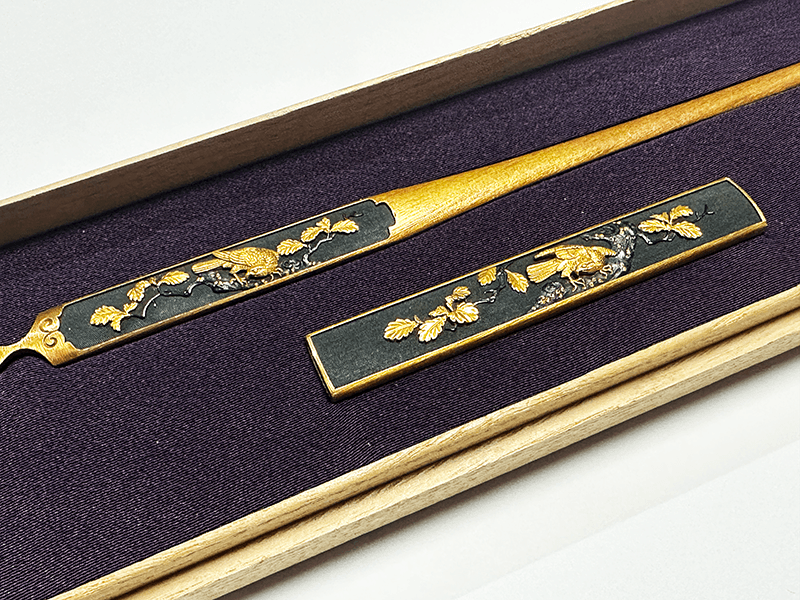
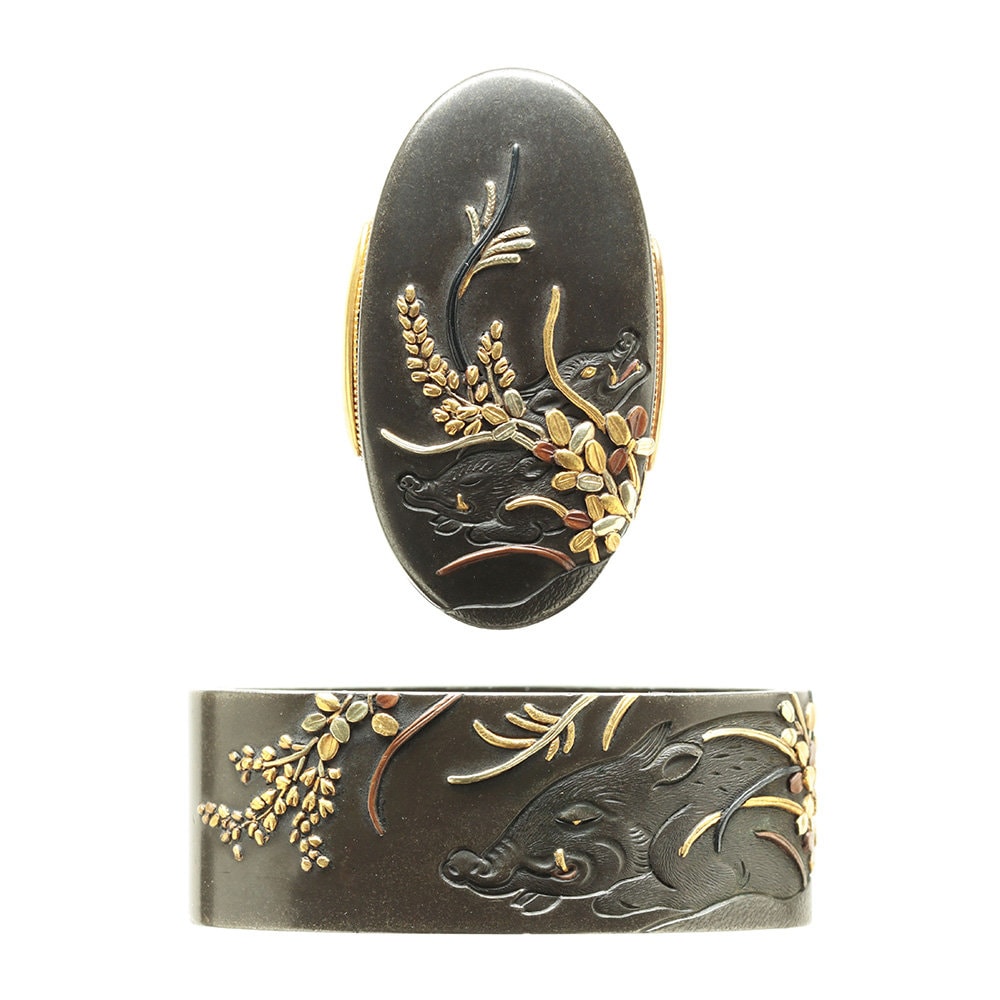
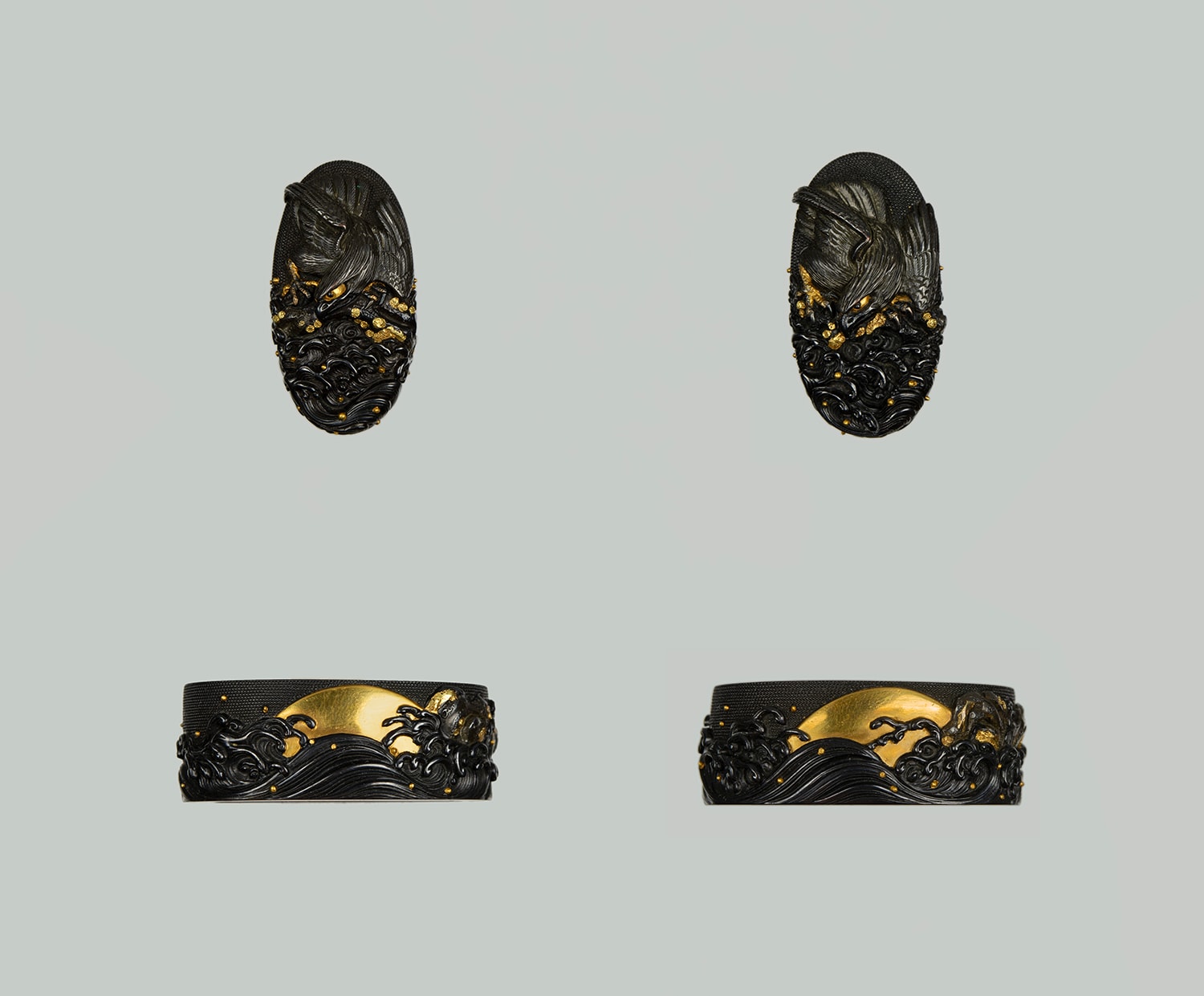
This is a kozuka made by Ishiguro Masaaki. It features a design of autumn grass, two geese, and an eagle. It comes with a NBTHK Tokubetsu Hozon Tosogu Certificate.

NihontoWatch MonNihontoWatch
MarketEncyclopediaKantei
Fittings›Machibori›Yokoya›Yanagawa›Ishiguro›Masaaki›Kozuka: Ishiguro Masaaki - Autumn grass, two geese and eagle
kozukaTokubetsu Hozon
Ishiguro Masaaki

Kozuka: Ishiguro Masaaki - Autumn grass, two geese and eagle

mei · Edo

SOLD
Ishiguro Masaaki (政明) · EdoView artist page →
Kozuka
Could you name the smith from the blade alone? Today’s kantei →
Ishiguro Masaaki — 1 of 3
Ishiguro Masaaki — 2 of 3
Ishiguro Masaaki — 3 of 3
1 / 3
1 / 3
Ishiguro Masaaki — 1 of 3Ishiguro Masaaki — 2 of 3Ishiguro Masaaki — 3 of 3
Ishiguro Masaaki (政明) · EdoView artist page →
Kozuka
Could you name the smith from the blade alone? Today’s kantei →
Measurements & details
Maker

Ishiguro Masaaki

Era

Edo

Signature

Signed

Papers

Tokuho (NBTHK)

Description

This is a kozuka made by Ishiguro Masaaki. It features a design of autumn grass, two geese, and an eagle. It comes with a NBTHK Tokubetsu Hozon Tosogu Certificate.

About the maker

Masaaki

政明

Machibori · Musashi

›

Ishiguro Masaaki (石黒政明) was a pupil of the first-generation Ishiguro Masatsune, the founder of the Ishiguro school, and lived at Matsushita-chō in Kanda, Edo. He is said to have been born in Bunka 10 (1813) and to have entered the school during Masatsune's late years, leading to the conjecture that his practical instruction may have been received from either the second-generation Masatsune or from Ishiguro Masayoshi. He used the art names Mokuen-sai (木鵬斎) and Kibōsai (木鵬斎), and within the Ishiguro lineage he was regarded as a highly skilled artist, praised as forming a "twin pinnacle" alongside his fellow disciple Masayoshi. His works are comparatively few, yet among them many outstanding masterpieces are known. He was active from around the Ka'ei era into the Meiji period.

The stylistic character of the Ishiguro school gives direct expression to the tastes of its time, unfolding a lustrous, pictorial world rendered through meticulously executed takabori and richly colored iroe. Masaaki faithfully inherited the techniques of the first-generation Masatsune, and his depictions — thoroughly grounded in close observation from life — are striking. He worked predominantly on shakudō grounds finished with nanako-ji, upon which he executed high-relief carving combined with suemon-zōgan and polychrome iroe using gold, silver, shakudō, shibuichi, suaka, and oborogin. The method of combining many varieties of colored metals in high relief and inlay is extraordinarily sumptuous, yet never lapses into vulgarity. When an ordinary craftsman attempts such density, the result tends to become overwrought; yet Masaaki displays consummate control, producing work so accomplished that it seems to allow not the slightest margin for fault. His chisel work is minute, his sense of color outstanding, and compositions that leave broad areas of open ground are filled with a lucid, pure vitality.

The Ishiguro school excelled in bird-and-flower subjects, and Masaaki was no exception. In particular, many of his finest works take pheasants and golden pheasants (kinkeichō) as their principal themes, alongside peacocks, hawks, bush warblers, and quail arranged with seasonal flowers in a naturalistic, sketch-like manner. His spacious compositional sense was inherited from his teacher Masatsune. Through the skillful deployment of multiple varieties of colored metals, the coloring effects are accomplished and the sense of sumptuousness heightened, producing a thoroughly brilliant impression. In both technique and design, his works display the essential character of the Ishiguro school brought to a refined culmination — and the distinctly more splendid application of iroe among his peers may be said to represent Masaaki's individual character.

Historical importance

Where Masaaki stands among comparable artisans: across all of nihontō, and within tradition, era, and period. The tiers (Foremost · Leading · Major · Notable) weigh official designations from the NBTHK and Japan's Agency for Cultural Affairs, together with historical honors of lasting repute such as the Sansaku and Meibutsu-chō.

随一
Foremost
屈指
Leading
有数
Major
著名
Notable

Select a lens to see how it's measured.

Designation record
19 designated works
Jūyō
19
Masaaki — full profileMachibori school

Study this maker →

About the school

Ishiguro

石黒

Machibori · Edo

21 pieces on the market now

›

The Ishiguro school was founded by Ishiguro Masatsune, born in Horeki 10 (1760), who trained under Kato Naotsune and Yanagawa Naomasa within the broader Yokoya lineage before establishing an independent atelier that would become one of the most celebrated machibori ("town carving") workshops of the late Edo period. Masatsune combined one character from each teacher's name to form his professional identity, and under the art name Togakushi he attracted a succession of gifted pupils -- Masayoshi, Masaaki, Koretsune (his eldest son), Koreyoshi, Masahide, and Masahiro -- who carried the school's distinctive manner through the final decades of the Tokugawa period and into the Meiji era. Centered in Edo, the Ishiguro lineage operated within the machibori sphere, producing fittings for discerning warrior-class and merchant patrons rather than under the hereditary commissions of the Goto iebori tradition, a commercial independence that fostered pictorial ambition and technical innovation. The collective technical identity of the Ishiguro school is defined by a painterly naturalism executed through takabori upon shakudo nanako-ji grounds, enriched by lavish polychrome iroe employing an unusually wide palette of colored metals -- gold, silver, shibuichi, suaka (scarlet copper), oborogin, and hi-irodo. The school's signature subjects are kacho-zu (flowers and birds), rendered with a naturalistic, sketch-like fidelity grounded in close observation from life. Masatsune established this direction, transforming the Yanagawa manner into a personal idiom centered on birds of prey and bird-and-flower compositions that became the hallmarks of the house. His works are characterized by an "honest, finely detailed manner" and a "clear and limpid spirit" achieved through masterful use of open space. Masayoshi, who succeeded as third head, brought the school's painterly idiom to its fullest expression: front and reverse surfaces are linked through continuous branches and contrasting water motifs, male and female birds are paired with deliberate compositional care, and the interplay of a-un expression lends narrative depth to each scene.

His compositions on iron migaki-ji grounds demonstrate equal command, with kin-sunago zogan evoking atmospheric haze. " Koretsune served as vital link between the founder and the school's later flourishing, with takabori described as "dignified and sumptuous, yet steadfast and reliable," and a command of perspective achieved by subtly modulating surface depth. Koreyoshi, credited with ability "surpassing that of his father" Masayoshi, brought the school's character to its fullest late-period expression, producing work likened to the nishiki-e color woodblock prints of the age. The Ishiguro school's significance within the tosogu canon rests upon its transformation of the Yokoya-Yanagawa classical discipline into a pictorial art of extraordinary chromatic richness and compositional sophistication. Where earlier metalworking traditions relied predominantly on monochrome shakudo or gold tonalities, the Ishiguro masters deployed polychrome iroe with a sumptuousness "that never lapses into vulgarity" -- a balance of brilliance and restraint that defines the school's aesthetic. Masatsune's founding generation retained a martial vigor suited to warrior taste that distinguished his work from the "more purely ornamental output of later Ishiguro artists," while the successive generations of Masayoshi, Masaaki, and Koreyoshi progressively refined the school's decorative vocabulary toward an opulence that mirrored the cultural efflorescence of the Bunka-Bunsei era. Complete soroe-kanagu sets and unified issaku suites represent the school's highest achievement, demonstrating rigorous thematic coherence across every component of a mounting. The NBTHK has consistently praised the school's finest works as pieces in which "the Ishiguro school's distinctive character" is left "nothing unexpressed," and the tradition's enduring legacy is that of a workshop which, across four generations, brought the art of polychrome metalwork to its most accomplished and visually resplendent expression in Edo-period Japan. Learn more →

9 recorded smiths78 designated works
Leading smiths
SmithEraDesignated
Masayoshi政美—29
Masatsune政常—17
Masaaki政明—19
Koretsune是常—4
Koreyoshi是美—4
Explore the Ishiguro school →
NBTHK Certificate
Tokubetsu Hozon Tōsōgu特別保存刀装具
Fitting Especially Worthy of Preservation
›

A Hozon-certified fitting of notably superior craftsmanship and condition, often with signature or workmanship of high reference value.

About the NBTHK›

The NBTHK (Nihon Bijutsu Tōken Hozon Kyōkai, the Society for the Preservation of Japanese Art Swords) is a public-interest incorporated foundation founded in 1948 and supervised by Japan’s Agency for Cultural Affairs (Bunkachō); it is based at the Japanese Sword Museum in Tokyo. Its expert panels physically examine each submitted work (shinsa) and issue a certificate (kanteishō) ranking it by artistic and historical merit. NBTHK papers are the most widely recognized standard of authentication for Japanese swords and fittings.

NBTHK official site→
Seller
G
Ginza Seikodo
Established 1905 · 121 yrs on the market
🇯🇵Ships from Japan
›
✓Verified dealerginzaseikodo.com
✓Ships worldwide✓English supportWire transfer
Return policy

Returns accepted within 7 days of receipt (JP terms; EN page states 3 days). Customer must contact within the window and return at own cost. Refund after items confirmed in original condition; repair fees charged if damage occurs.
View all of Ginza Seikodo’s listings→View this item on the dealer’s site→

Previously sold by Ishiguro Masaaki

View all →
Choshuya
Tokuho
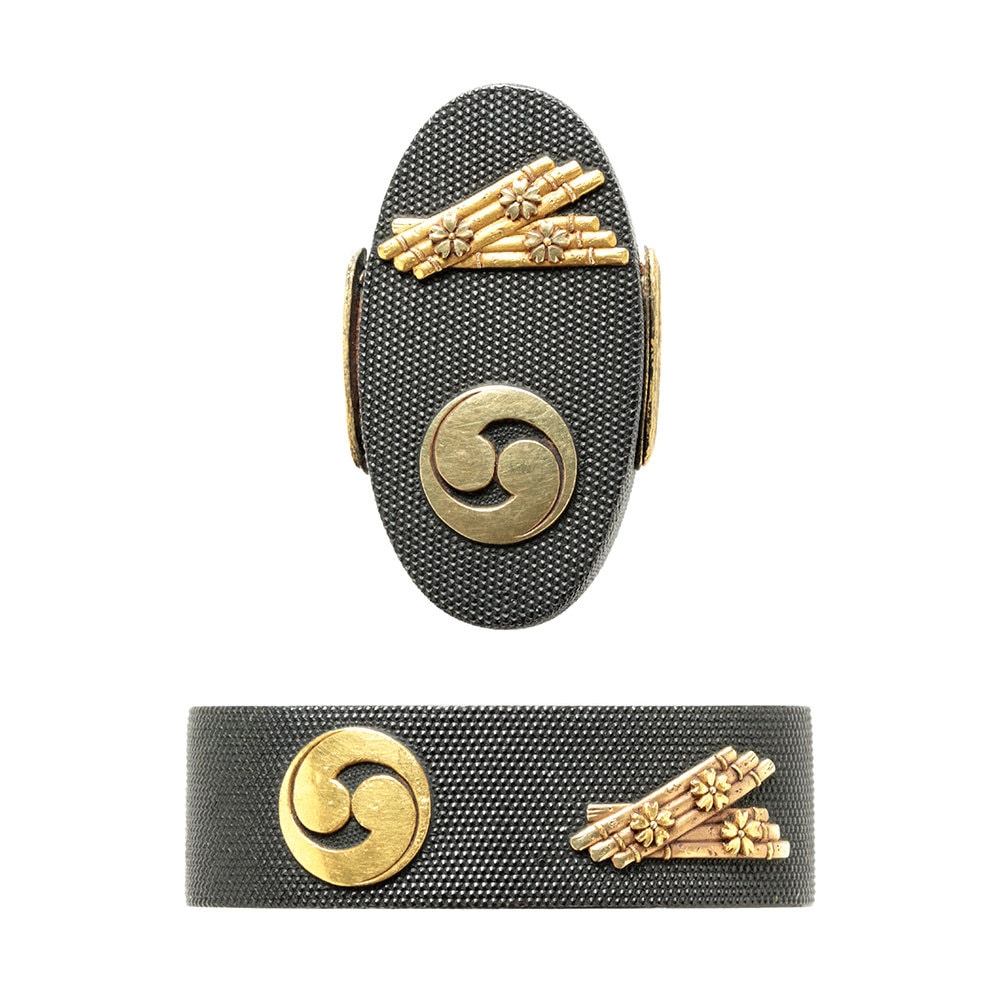
Fuchi-Kashira - Tokuho - by Ishiguro Masaaki - Fuchi-Kashira with Hana-ikada and Tomoe Mon Design, Signed Noda Masaaki (Kao)Fuchi-Kashira - Tokuho - by Ishiguro Masaaki - Fuchi-Kashira with Hana-ikada and Tomoe Mon Design, Signed Noda Masaaki (Kao)
Sold

Fuchi-Kashira

ByIshiguro Masaaki
SOLD
Ginza Seikodo
Jūyō
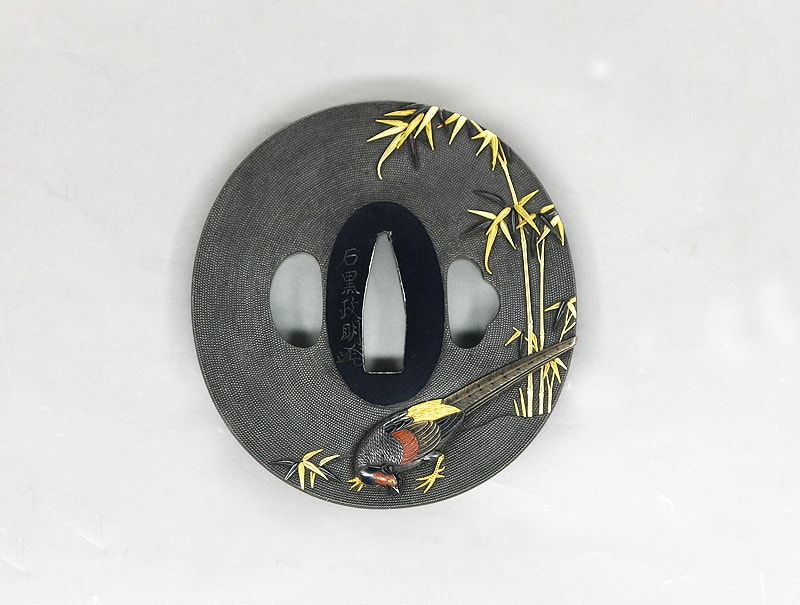
Tsuba - Jūyō - by Ishiguro Masaaki - Ishiguro Masaaki - Bamboo and PheasantTsuba - Jūyō - by Ishiguro Masaaki - Ishiguro Masaaki - Bamboo and Pheasant
Sold

Tsuba

ByIshiguro Masaaki
SOLD
Samurai Museum
Fuchi-Kashira - by Ishiguro Masaaki - Edo period Tenpou antique Fuchi Kashira for Samurai Sword (F-4)Fuchi-Kashira - by Ishiguro Masaaki - Edo period Tenpou antique Fuchi Kashira for Samurai Sword (F-4)
Sold

Fuchi-Kashira

ByIshiguro Masaaki
SOLD

More from the Ishiguro school

View all →
Nihonto Australia
Mitokoromono - by Ishiguro Masayoshi - Ishiguro MasayoshiMitokoromono - by Ishiguro Masayoshi - Ishiguro Masayoshi

Mitokoromono

ByIshiguro Masayoshi
Ask
Samurai Museum
Hozon
Kozuka - Hozon - by Ishiguro Masayoshi - Antique Kozuka for Samurai Sword with NBTHK Hozon Certificate (K-78)Kozuka - Hozon - by Ishiguro Masayoshi - Antique Kozuka for Samurai Sword with NBTHK Hozon Certificate (K-78)

Kozuka

ByIshiguro Masayoshi
¥480,000
Nihontocraft
Jūyō
Mitokoromono - Jūyō - by Ishiguro Koretsune - Ishiguro Koretsune: The 28th Juyo TosoguMitokoromono - Jūyō - by Ishiguro Koretsune - Ishiguro Koretsune: The 28th Juyo Tosogu

Mitokoromono

ByIshiguro Koretsune
¥56,000
Samurai Nippon
Hozon
Menuki - Hozon - by Ishiguro School - Shrimp and Abalone DesignMenuki - Hozon - by Ishiguro School - Shrimp and Abalone Design

Menuki

ByIshiguro School
¥350,000
Choshuya
Tokuho
Kozuka - Tokuho - by Ishiguro School - Kozuka with Mino-game (Straw Raincoat Turtle) Design, Signed Sano Masayoshi (Kao)Kozuka - Tokuho - by Ishiguro School - Kozuka with Mino-game (Straw Raincoat Turtle) Design, Signed Sano Masayoshi (Kao)

Kozuka

ByIshiguro School
¥400,000
Aoi Art
Tokuho
Mitokoromono - Tokuho - by Ishiguro Masamori - Set of Tosogu: MasamoriMitokoromono - Tokuho - by Ishiguro Masamori - Set of Tosogu: Masamori

Mitokoromono

ByIshiguro Masamori
¥450,000
Tetsugendo
Kozuka - by Ishiguro Koretsune - Togakushi Koretsune KozukaKozuka - by Ishiguro Koretsune - Togakushi Koretsune Kozuka

Kozuka

ByIshiguro Koretsune
¥12,500
Iida Koendo
Hozon
Futatokoro - Hozon - by Ishiguro Masayoshi - Tosogu: Signed Masayoshi Ishiguro (Kao)Futatokoro - Hozon - by Ishiguro Masayoshi - Tosogu: Signed Masayoshi Ishiguro (Kao)

Futatokoromono

ByIshiguro Masayoshi
¥3,300,000

More from the Yanagawa school

View all →
Toushin
Hozon
Tsuba - Hozon - by Yanagawa School - Dragon Cloud Design Tsuba: Ren'ei Hori, TomozuruTsuba - Hozon - by Yanagawa School - Dragon Cloud Design Tsuba: Ren'ei Hori, Tomozuru

Tsuba

ByYanagawa School
¥297,000
Sugie Art
Hozon
Tsuba - Hozon - by Yanagawa Naoyoshi - Hozon Tsuba by Sano Naoyoshi, Shakudo with Two Cranes DesignTsuba - Hozon - by Yanagawa Naoyoshi - Hozon Tsuba by Sano Naoyoshi, Shakudo with Two Cranes Design

Tsuba

ByYanagawa Naoyoshi
¥850,000
Choshuya
Tokuho
Kozuka - Tokuho - by Kikuoka Mitsumasa - Crawling Dragon Design, Signed Kikuoka Mitsumasa (with Kao)Kozuka - Tokuho - by Kikuoka Mitsumasa - Crawling Dragon Design, Signed Kikuoka Mitsumasa (with Kao)

Kozuka

ByKikuoka Mitsumasa
¥400,000
Choshuya
Hozon
Kozuka - Hozon - by Yanagawa School - Swallow Design, Signed Harushige (Kao)Kozuka - Hozon - by Yanagawa School - Swallow Design, Signed Harushige (Kao)

Kozuka

ByYanagawa School
¥280,000
Katanahanbai
Tokuho
Tsuba - Tokuho - by Yanagawa Naotoki - Yanagawa NaotokiTsuba - Tokuho - by Yanagawa Naotoki - Yanagawa Naotoki

Tsuba

ByYanagawa Naotoki
¥1,600,000
Yamasiroya
Hozon
Fuchi-Kashira - Hozon - by Kikuoka Mitsumasa - Fuchi-Kashira: Unryu Zu, Signed RinsendoFuchi-Kashira - Hozon - by Kikuoka Mitsumasa - Fuchi-Kashira: Unryu Zu, Signed Rinsendo

Fuchi-Kashira

ByKikuoka Mitsumasa
¥140,000
Choshuya
Tokuho
Fuchi-Kashira - Tokuho - by Toryusai School - Fuchi-Kashira: Autumn Grass and Boar Design, Signed Kiryusai Uchida Toshinori (Kao)Fuchi-Kashira - Tokuho - by Toryusai School - Fuchi-Kashira: Autumn Grass and Boar Design, Signed Kiryusai Uchida Toshinori (Kao)

Fuchi-Kashira

ByToryusai School
¥250,000
Wakeidou
Hozon
Tsuba - Hozon - by Toryusai School - Shojusai Kagenori (Kao) - Saikan Senryo ZuTsuba - Hozon - by Toryusai School - Shojusai Kagenori (Kao) - Saikan Senryo Zu

Tsuba

ByToryusai School
¥800,000

More from the Yokoya school

View all →
Ginza Seikodo
Tokuho
Kozuka - Tokuho - by Yokoya Somin - Somin - Depiction of Shoki (Zhong Kui)Kozuka - Tokuho - by Yokoya Somin - Somin - Depiction of Shoki (Zhong Kui)

Kozuka

ByYokoya Somin
¥1,500,000
Toukentakarado
Hozon
Fuchi-Kashira - Hozon - by Iwamoto School - Iwamoto HirotoshiFuchi-Kashira - Hozon - by Iwamoto School - Iwamoto Hirotoshi

Fuchi-Kashira

ByIwamoto School
¥350,000
Connoisseur Arms
Jūyō
Tsuba - Jūyō - by Iwamoto Konju - Iwamoto Konju Juyo Daisho Tsuba MasterpieceTsuba - Jūyō - by Iwamoto Konju - Iwamoto Konju Juyo Daisho Tsuba Masterpiece

Tsuba

ByIwamoto Konju
Ask
Nihontocraft
Jūyō
Fuchi-Kashira - Jūyō - by Omori Teruhide - Omori Eishu (Teruhide)Fuchi-Kashira - Jūyō - by Omori Teruhide - Omori Eishu (Teruhide)

Fuchi-Kashira

ByOmori Teruhide
¥55,000
Ginza Seikodo
Jūyō
Menuki - Jūyō - by Omori Chizuka Hisanori - Split Tanzaku Signature Hisanori (kao) - Hen and Chicks MotifMenuki - Jūyō - by Omori Chizuka Hisanori - Split Tanzaku Signature Hisanori (kao) - Hen and Chicks Motif

Menuki

ByOmori Chizuka Hisanori
Ask
Aoi Art
Jūyō
Fuchi-Kashira - Jūyō - by Iwamoto Konkan - Fuchikashira: Iwamoto KonkanFuchi-Kashira - Jūyō - by Iwamoto Konkan - Fuchikashira: Iwamoto Konkan

Fuchi-Kashira

ByIwamoto Konkan
¥2,500,000
Wakeidou
Hozon
Fuchi-Kashira - Hozon - by Omori Hidetoshi - Fuchi-Kashira: Hidetoshi (Kao) - Sunrise Sailboat DesignFuchi-Kashira - Hozon - by Omori Hidetoshi - Fuchi-Kashira: Hidetoshi (Kao) - Sunrise Sailboat Design

Fuchi-Kashira

ByOmori Hidetoshi
¥450,000
Soryu
Tsuba - by Yokoya Yasukiyo - Iron tsuba signed "Hamano Yasukiyo", decorated with JurojinTsuba - by Yokoya Yasukiyo - Iron tsuba signed "Hamano Yasukiyo", decorated with Jurojin

Tsuba

ByYokoya Yasukiyo
¥500

More from the Machibori tradition

View all →
Toushin
Tokuho
Fuchi-Kashira - Tokuho - by Hamano Masanobu - Fuchi-Kashira: Masanobu - 14-291Fuchi-Kashira - Tokuho - by Hamano Masanobu - Fuchi-Kashira: Masanobu - 14-291

Fuchi-Kashira

ByHamano Masanobu
¥2,200,000
Touken Matsumoto
Tokuho
Tsuba - Tokuho - by Mito Hirotoshi - Tsuba with Lin Hejing Design, Signed Ichijosai Hirotoshi (Kao)Tsuba - Tokuho - by Mito Hirotoshi - Tsuba with Lin Hejing Design, Signed Ichijosai Hirotoshi (Kao)

Tsuba

ByMito Hirotoshi
¥500,000
Touken Matsumoto
Tokuho
Kozuka - Tokuho - by Hamano Naotoshi - Branching Persimmon DesignKozuka - Tokuho - by Hamano Naotoshi - Branching Persimmon Design

Kozuka

ByHamano Naotoshi
¥200,000
Toukentakarado
Hozon
Fuchi-Kashira - Hozon - by Mito School - Mumei Attributed to Mito School Dragonfly Fuchi KashiraFuchi-Kashira - Hozon - by Mito School - Mumei Attributed to Mito School Dragonfly Fuchi Kashira

Fuchi-Kashira

ByMito School
¥250,000
Nihontocraft
Tokuho
Fuchi-Kashira - Tokuho - by Hamano Hiroyuki - Fuchi Kashira: Hamano YasuyukiFuchi-Kashira - Tokuho - by Hamano Hiroyuki - Fuchi Kashira: Hamano Yasuyuki

Fuchi-Kashira

ByHamano Hiroyuki
¥2,900
Toushin
Hozon
Kozuka - Hozon - by Mito School - Kozuka with Sennin Design, Mumei (Mito)Kozuka - Hozon - by Mito School - Kozuka with Sennin Design, Mumei (Mito)

Kozuka

ByMito School
¥275,000
Touken Matsumoto
Hozon
Tsuba - Hozon - by Mito School - Dankei-zuTsuba - Hozon - by Mito School - Dankei-zu

Tsuba

ByMito School
¥400,000
Toushin
Tokuho
Tsuba - Tokuho - by Nara Tsuneshige - Antoogu-zu Tsuba by Takeya TsuneshigeTsuba - Tokuho - by Nara Tsuneshige - Antoogu-zu Tsuba by Takeya Tsuneshige

Tsuba

ByNara Tsuneshige
¥660,000

Swords

  • Katana
  • Wakizashi
  • Tantō
  • Tachi
  • Naginata
  • Yari
  • Japanese Swords
  • Samurai Swords

Fittings

  • Tsuba
  • Fuchi-Kashira
  • Kozuka
  • Menuki
  • Sword Guards (Tsuba)

Armor

  • Kabuto
  • Samurai Armor
  • All Samurai Armor

By Certification

  • Tokujū
  • Jūyō
  • Tokuho
  • Hozon

Resources

  • Dealer Directory
  • Artist Directory
  • The Daily Kantei
  • Glossary
  • Browse All
Nihontowatch© 2026
TermsPrivacyCookiesAbout
Sold

Description

This is a kozuka made by Ishiguro Masaaki. It features a design of autumn grass, two geese, and an eagle. It comes with a NBTHK Tokubetsu Hozon Tosogu Certificate.

NihontoWatch MonNihontoWatch
MarketEncyclopediaKantei
Fittings›Machibori›Yokoya›Yanagawa›Ishiguro›Masaaki›Kozuka: Ishiguro Masaaki - Autumn grass, two geese and eagle
kozukaTokubetsu Hozon
Ishiguro Masaaki

Kozuka: Ishiguro Masaaki - Autumn grass, two geese and eagle

mei · Edo

SOLD
Ishiguro Masaaki (政明) · EdoView artist page →
Kozuka
Could you name the smith from the blade alone? Today’s kantei →
Ishiguro Masaaki — 1 of 3
Ishiguro Masaaki — 2 of 3
Ishiguro Masaaki — 3 of 3
1 / 3
1 / 3
Ishiguro Masaaki — 1 of 3Ishiguro Masaaki — 2 of 3Ishiguro Masaaki — 3 of 3
Ishiguro Masaaki (政明) · EdoView artist page →
Kozuka
Could you name the smith from the blade alone? Today’s kantei →
Measurements & details
Maker

Ishiguro Masaaki

Era

Edo

Signature

Signed

Papers

Tokuho (NBTHK)

Description

This is a kozuka made by Ishiguro Masaaki. It features a design of autumn grass, two geese, and an eagle. It comes with a NBTHK Tokubetsu Hozon Tosogu Certificate.

About the maker

Masaaki

政明

Machibori · Musashi

›

Ishiguro Masaaki (石黒政明) was a pupil of the first-generation Ishiguro Masatsune, the founder of the Ishiguro school, and lived at Matsushita-chō in Kanda, Edo. He is said to have been born in Bunka 10 (1813) and to have entered the school during Masatsune's late years, leading to the conjecture that his practical instruction may have been received from either the second-generation Masatsune or from Ishiguro Masayoshi. He used the art names Mokuen-sai (木鵬斎) and Kibōsai (木鵬斎), and within the Ishiguro lineage he was regarded as a highly skilled artist, praised as forming a "twin pinnacle" alongside his fellow disciple Masayoshi. His works are comparatively few, yet among them many outstanding masterpieces are known. He was active from around the Ka'ei era into the Meiji period.

The stylistic character of the Ishiguro school gives direct expression to the tastes of its time, unfolding a lustrous, pictorial world rendered through meticulously executed takabori and richly colored iroe. Masaaki faithfully inherited the techniques of the first-generation Masatsune, and his depictions — thoroughly grounded in close observation from life — are striking. He worked predominantly on shakudō grounds finished with nanako-ji, upon which he executed high-relief carving combined with suemon-zōgan and polychrome iroe using gold, silver, shakudō, shibuichi, suaka, and oborogin. The method of combining many varieties of colored metals in high relief and inlay is extraordinarily sumptuous, yet never lapses into vulgarity. When an ordinary craftsman attempts such density, the result tends to become overwrought; yet Masaaki displays consummate control, producing work so accomplished that it seems to allow not the slightest margin for fault. His chisel work is minute, his sense of color outstanding, and compositions that leave broad areas of open ground are filled with a lucid, pure vitality.

The Ishiguro school excelled in bird-and-flower subjects, and Masaaki was no exception. In particular, many of his finest works take pheasants and golden pheasants (kinkeichō) as their principal themes, alongside peacocks, hawks, bush warblers, and quail arranged with seasonal flowers in a naturalistic, sketch-like manner. His spacious compositional sense was inherited from his teacher Masatsune. Through the skillful deployment of multiple varieties of colored metals, the coloring effects are accomplished and the sense of sumptuousness heightened, producing a thoroughly brilliant impression. In both technique and design, his works display the essential character of the Ishiguro school brought to a refined culmination — and the distinctly more splendid application of iroe among his peers may be said to represent Masaaki's individual character.

Historical importance

Where Masaaki stands among comparable artisans: across all of nihontō, and within tradition, era, and period. The tiers (Foremost · Leading · Major · Notable) weigh official designations from the NBTHK and Japan's Agency for Cultural Affairs, together with historical honors of lasting repute such as the Sansaku and Meibutsu-chō.

随一
Foremost
屈指
Leading
有数
Major
著名
Notable

Select a lens to see how it's measured.

Designation record
19 designated works
Jūyō
19
Masaaki — full profileMachibori school

Study this maker →

About the school

Ishiguro

石黒

Machibori · Edo

21 pieces on the market now

›

The Ishiguro school was founded by Ishiguro Masatsune, born in Horeki 10 (1760), who trained under Kato Naotsune and Yanagawa Naomasa within the broader Yokoya lineage before establishing an independent atelier that would become one of the most celebrated machibori ("town carving") workshops of the late Edo period. Masatsune combined one character from each teacher's name to form his professional identity, and under the art name Togakushi he attracted a succession of gifted pupils -- Masayoshi, Masaaki, Koretsune (his eldest son), Koreyoshi, Masahide, and Masahiro -- who carried the school's distinctive manner through the final decades of the Tokugawa period and into the Meiji era. Centered in Edo, the Ishiguro lineage operated within the machibori sphere, producing fittings for discerning warrior-class and merchant patrons rather than under the hereditary commissions of the Goto iebori tradition, a commercial independence that fostered pictorial ambition and technical innovation. The collective technical identity of the Ishiguro school is defined by a painterly naturalism executed through takabori upon shakudo nanako-ji grounds, enriched by lavish polychrome iroe employing an unusually wide palette of colored metals -- gold, silver, shibuichi, suaka (scarlet copper), oborogin, and hi-irodo. The school's signature subjects are kacho-zu (flowers and birds), rendered with a naturalistic, sketch-like fidelity grounded in close observation from life. Masatsune established this direction, transforming the Yanagawa manner into a personal idiom centered on birds of prey and bird-and-flower compositions that became the hallmarks of the house. His works are characterized by an "honest, finely detailed manner" and a "clear and limpid spirit" achieved through masterful use of open space. Masayoshi, who succeeded as third head, brought the school's painterly idiom to its fullest expression: front and reverse surfaces are linked through continuous branches and contrasting water motifs, male and female birds are paired with deliberate compositional care, and the interplay of a-un expression lends narrative depth to each scene.

His compositions on iron migaki-ji grounds demonstrate equal command, with kin-sunago zogan evoking atmospheric haze. " Koretsune served as vital link between the founder and the school's later flourishing, with takabori described as "dignified and sumptuous, yet steadfast and reliable," and a command of perspective achieved by subtly modulating surface depth. Koreyoshi, credited with ability "surpassing that of his father" Masayoshi, brought the school's character to its fullest late-period expression, producing work likened to the nishiki-e color woodblock prints of the age. The Ishiguro school's significance within the tosogu canon rests upon its transformation of the Yokoya-Yanagawa classical discipline into a pictorial art of extraordinary chromatic richness and compositional sophistication. Where earlier metalworking traditions relied predominantly on monochrome shakudo or gold tonalities, the Ishiguro masters deployed polychrome iroe with a sumptuousness "that never lapses into vulgarity" -- a balance of brilliance and restraint that defines the school's aesthetic. Masatsune's founding generation retained a martial vigor suited to warrior taste that distinguished his work from the "more purely ornamental output of later Ishiguro artists," while the successive generations of Masayoshi, Masaaki, and Koreyoshi progressively refined the school's decorative vocabulary toward an opulence that mirrored the cultural efflorescence of the Bunka-Bunsei era. Complete soroe-kanagu sets and unified issaku suites represent the school's highest achievement, demonstrating rigorous thematic coherence across every component of a mounting. The NBTHK has consistently praised the school's finest works as pieces in which "the Ishiguro school's distinctive character" is left "nothing unexpressed," and the tradition's enduring legacy is that of a workshop which, across four generations, brought the art of polychrome metalwork to its most accomplished and visually resplendent expression in Edo-period Japan. Learn more →

9 recorded smiths78 designated works
Leading smiths
SmithEraDesignated
Masayoshi政美—29
Masatsune政常—17
Masaaki政明—19
Koretsune是常—4
Koreyoshi是美—4
Explore the Ishiguro school →
NBTHK Certificate
Tokubetsu Hozon Tōsōgu特別保存刀装具
Fitting Especially Worthy of Preservation
›

A Hozon-certified fitting of notably superior craftsmanship and condition, often with signature or workmanship of high reference value.

About the NBTHK›

The NBTHK (Nihon Bijutsu Tōken Hozon Kyōkai, the Society for the Preservation of Japanese Art Swords) is a public-interest incorporated foundation founded in 1948 and supervised by Japan’s Agency for Cultural Affairs (Bunkachō); it is based at the Japanese Sword Museum in Tokyo. Its expert panels physically examine each submitted work (shinsa) and issue a certificate (kanteishō) ranking it by artistic and historical merit. NBTHK papers are the most widely recognized standard of authentication for Japanese swords and fittings.

NBTHK official site→
Seller
G
Ginza Seikodo
Established 1905 · 121 yrs on the market
🇯🇵Ships from Japan
›
✓Verified dealerginzaseikodo.com
✓Ships worldwide✓English supportWire transfer
Return policy

Returns accepted within 7 days of receipt (JP terms; EN page states 3 days). Customer must contact within the window and return at own cost. Refund after items confirmed in original condition; repair fees charged if damage occurs.

View all of Ginza Seikodo’s listings→View this item on the dealer’s site→

Previously sold by Ishiguro Masaaki

View all →
Choshuya
Tokuho
Fuchi-Kashira - Tokuho - by Ishiguro Masaaki - Fuchi-Kashira with Hana-ikada and Tomoe Mon Design, Signed Noda Masaaki (Kao)Fuchi-Kashira - Tokuho - by Ishiguro Masaaki - Fuchi-Kashira with Hana-ikada and Tomoe Mon Design, Signed Noda Masaaki (Kao)
Sold

Fuchi-Kashira

ByIshiguro Masaaki
SOLD
Ginza Seikodo
Jūyō
Tsuba - Jūyō - by Ishiguro Masaaki - Ishiguro Masaaki - Bamboo and PheasantTsuba - Jūyō - by Ishiguro Masaaki - Ishiguro Masaaki - Bamboo and Pheasant
Sold

Tsuba

ByIshiguro Masaaki
SOLD
Samurai Museum
Fuchi-Kashira - by Ishiguro Masaaki - Edo period Tenpou antique Fuchi Kashira for Samurai Sword (F-4)Fuchi-Kashira - by Ishiguro Masaaki - Edo period Tenpou antique Fuchi Kashira for Samurai Sword (F-4)
Sold

Fuchi-Kashira

ByIshiguro Masaaki
SOLD

More from the Ishiguro school

View all →
Nihonto Australia
Mitokoromono - by Ishiguro Masayoshi - Ishiguro MasayoshiMitokoromono - by Ishiguro Masayoshi - Ishiguro Masayoshi

Mitokoromono

ByIshiguro Masayoshi
Ask
Samurai Museum
Hozon
Kozuka - Hozon - by Ishiguro Masayoshi - Antique Kozuka for Samurai Sword with NBTHK Hozon Certificate (K-78)Kozuka - Hozon - by Ishiguro Masayoshi - Antique Kozuka for Samurai Sword with NBTHK Hozon Certificate (K-78)

Kozuka

ByIshiguro Masayoshi
¥480,000
Nihontocraft
Jūyō
Mitokoromono - Jūyō - by Ishiguro Koretsune - Ishiguro Koretsune: The 28th Juyo TosoguMitokoromono - Jūyō - by Ishiguro Koretsune - Ishiguro Koretsune: The 28th Juyo Tosogu

Mitokoromono

ByIshiguro Koretsune
¥56,000
Samurai Nippon
Hozon
Menuki - Hozon - by Ishiguro School - Shrimp and Abalone DesignMenuki - Hozon - by Ishiguro School - Shrimp and Abalone Design

Menuki

ByIshiguro School
¥350,000
Choshuya
Tokuho
Kozuka - Tokuho - by Ishiguro School - Kozuka with Mino-game (Straw Raincoat Turtle) Design, Signed Sano Masayoshi (Kao)Kozuka - Tokuho - by Ishiguro School - Kozuka with Mino-game (Straw Raincoat Turtle) Design, Signed Sano Masayoshi (Kao)

Kozuka

ByIshiguro School
¥400,000
Aoi Art
Tokuho
Mitokoromono - Tokuho - by Ishiguro Masamori - Set of Tosogu: MasamoriMitokoromono - Tokuho - by Ishiguro Masamori - Set of Tosogu: Masamori

Mitokoromono

ByIshiguro Masamori
¥450,000
Tetsugendo
Kozuka - by Ishiguro Koretsune - Togakushi Koretsune KozukaKozuka - by Ishiguro Koretsune - Togakushi Koretsune Kozuka

Kozuka

ByIshiguro Koretsune
¥12,500
Iida Koendo
Hozon
Futatokoro - Hozon - by Ishiguro Masayoshi - Tosogu: Signed Masayoshi Ishiguro (Kao)Futatokoro - Hozon - by Ishiguro Masayoshi - Tosogu: Signed Masayoshi Ishiguro (Kao)

Futatokoromono

ByIshiguro Masayoshi
¥3,300,000

More from the Yanagawa school

View all →
Toushin
Hozon
Tsuba - Hozon - by Yanagawa School - Dragon Cloud Design Tsuba: Ren'ei Hori, TomozuruTsuba - Hozon - by Yanagawa School - Dragon Cloud Design Tsuba: Ren'ei Hori, Tomozuru

Tsuba

ByYanagawa School
¥297,000
Sugie Art
Hozon
Tsuba - Hozon - by Yanagawa Naoyoshi - Hozon Tsuba by Sano Naoyoshi, Shakudo with Two Cranes DesignTsuba - Hozon - by Yanagawa Naoyoshi - Hozon Tsuba by Sano Naoyoshi, Shakudo with Two Cranes Design

Tsuba

ByYanagawa Naoyoshi
¥850,000
Choshuya
Tokuho
Kozuka - Tokuho - by Kikuoka Mitsumasa - Crawling Dragon Design, Signed Kikuoka Mitsumasa (with Kao)Kozuka - Tokuho - by Kikuoka Mitsumasa - Crawling Dragon Design, Signed Kikuoka Mitsumasa (with Kao)

Kozuka

ByKikuoka Mitsumasa
¥400,000
Choshuya
Hozon
Kozuka - Hozon - by Yanagawa School - Swallow Design, Signed Harushige (Kao)Kozuka - Hozon - by Yanagawa School - Swallow Design, Signed Harushige (Kao)

Kozuka

ByYanagawa School
¥280,000
Katanahanbai
Tokuho
Tsuba - Tokuho - by Yanagawa Naotoki - Yanagawa NaotokiTsuba - Tokuho - by Yanagawa Naotoki - Yanagawa Naotoki

Tsuba

ByYanagawa Naotoki
¥1,600,000
Yamasiroya
Hozon
Fuchi-Kashira - Hozon - by Kikuoka Mitsumasa - Fuchi-Kashira: Unryu Zu, Signed RinsendoFuchi-Kashira - Hozon - by Kikuoka Mitsumasa - Fuchi-Kashira: Unryu Zu, Signed Rinsendo

Fuchi-Kashira

ByKikuoka Mitsumasa
¥140,000
Choshuya
Tokuho
Fuchi-Kashira - Tokuho - by Toryusai School - Fuchi-Kashira: Autumn Grass and Boar Design, Signed Kiryusai Uchida Toshinori (Kao)Fuchi-Kashira - Tokuho - by Toryusai School - Fuchi-Kashira: Autumn Grass and Boar Design, Signed Kiryusai Uchida Toshinori (Kao)

Fuchi-Kashira

ByToryusai School
¥250,000
Wakeidou
Hozon
Tsuba - Hozon - by Toryusai School - Shojusai Kagenori (Kao) - Saikan Senryo ZuTsuba - Hozon - by Toryusai School - Shojusai Kagenori (Kao) - Saikan Senryo Zu

Tsuba

ByToryusai School
¥800,000

More from the Yokoya school

View all →
Ginza Seikodo
Tokuho
Kozuka - Tokuho - by Yokoya Somin - Somin - Depiction of Shoki (Zhong Kui)Kozuka - Tokuho - by Yokoya Somin - Somin - Depiction of Shoki (Zhong Kui)

Kozuka

ByYokoya Somin
¥1,500,000
Toukentakarado
Hozon
Fuchi-Kashira - Hozon - by Iwamoto School - Iwamoto HirotoshiFuchi-Kashira - Hozon - by Iwamoto School - Iwamoto Hirotoshi

Fuchi-Kashira

ByIwamoto School
¥350,000
Connoisseur Arms
Jūyō
Tsuba - Jūyō - by Iwamoto Konju - Iwamoto Konju Juyo Daisho Tsuba MasterpieceTsuba - Jūyō - by Iwamoto Konju - Iwamoto Konju Juyo Daisho Tsuba Masterpiece

Tsuba

ByIwamoto Konju
Ask
Nihontocraft
Jūyō
Fuchi-Kashira - Jūyō - by Omori Teruhide - Omori Eishu (Teruhide)Fuchi-Kashira - Jūyō - by Omori Teruhide - Omori Eishu (Teruhide)

Fuchi-Kashira

ByOmori Teruhide
¥55,000
Ginza Seikodo
Jūyō
Menuki - Jūyō - by Omori Chizuka Hisanori - Split Tanzaku Signature Hisanori (kao) - Hen and Chicks MotifMenuki - Jūyō - by Omori Chizuka Hisanori - Split Tanzaku Signature Hisanori (kao) - Hen and Chicks Motif

Menuki

ByOmori Chizuka Hisanori
Ask
Aoi Art
Jūyō
Fuchi-Kashira - Jūyō - by Iwamoto Konkan - Fuchikashira: Iwamoto KonkanFuchi-Kashira - Jūyō - by Iwamoto Konkan - Fuchikashira: Iwamoto Konkan

Fuchi-Kashira

ByIwamoto Konkan
¥2,500,000
Wakeidou
Hozon
Fuchi-Kashira - Hozon - by Omori Hidetoshi - Fuchi-Kashira: Hidetoshi (Kao) - Sunrise Sailboat DesignFuchi-Kashira - Hozon - by Omori Hidetoshi - Fuchi-Kashira: Hidetoshi (Kao) - Sunrise Sailboat Design

Fuchi-Kashira

ByOmori Hidetoshi
¥450,000
Soryu
Tsuba - by Yokoya Yasukiyo - Iron tsuba signed "Hamano Yasukiyo", decorated with JurojinTsuba - by Yokoya Yasukiyo - Iron tsuba signed "Hamano Yasukiyo", decorated with Jurojin

Tsuba

ByYokoya Yasukiyo
¥500

More from the Machibori tradition

View all →
Toushin
Tokuho
Fuchi-Kashira - Tokuho - by Hamano Masanobu - Fuchi-Kashira: Masanobu - 14-291Fuchi-Kashira - Tokuho - by Hamano Masanobu - Fuchi-Kashira: Masanobu - 14-291

Fuchi-Kashira

ByHamano Masanobu
¥2,200,000
Touken Matsumoto
Tokuho
Tsuba - Tokuho - by Mito Hirotoshi - Tsuba with Lin Hejing Design, Signed Ichijosai Hirotoshi (Kao)Tsuba - Tokuho - by Mito Hirotoshi - Tsuba with Lin Hejing Design, Signed Ichijosai Hirotoshi (Kao)

Tsuba

ByMito Hirotoshi
¥500,000
Touken Matsumoto
Tokuho
Kozuka - Tokuho - by Hamano Naotoshi - Branching Persimmon DesignKozuka - Tokuho - by Hamano Naotoshi - Branching Persimmon Design

Kozuka

ByHamano Naotoshi
¥200,000
Toukentakarado
Hozon
Fuchi-Kashira - Hozon - by Mito School - Mumei Attributed to Mito School Dragonfly Fuchi KashiraFuchi-Kashira - Hozon - by Mito School - Mumei Attributed to Mito School Dragonfly Fuchi Kashira

Fuchi-Kashira

ByMito School
¥250,000
Nihontocraft
Tokuho
Fuchi-Kashira - Tokuho - by Hamano Hiroyuki - Fuchi Kashira: Hamano YasuyukiFuchi-Kashira - Tokuho - by Hamano Hiroyuki - Fuchi Kashira: Hamano Yasuyuki

Fuchi-Kashira

ByHamano Hiroyuki
¥2,900
Toushin
Hozon
Kozuka - Hozon - by Mito School - Kozuka with Sennin Design, Mumei (Mito)Kozuka - Hozon - by Mito School - Kozuka with Sennin Design, Mumei (Mito)

Kozuka

ByMito School
¥275,000
Touken Matsumoto
Hozon
Tsuba - Hozon - by Mito School - Dankei-zuTsuba - Hozon - by Mito School - Dankei-zu

Tsuba

ByMito School
¥400,000
Toushin
Tokuho
Tsuba - Tokuho - by Nara Tsuneshige - Antoogu-zu Tsuba by Takeya TsuneshigeTsuba - Tokuho - by Nara Tsuneshige - Antoogu-zu Tsuba by Takeya Tsuneshige

Tsuba

ByNara Tsuneshige
¥660,000

Swords

  • Katana
  • Wakizashi
  • Tantō
  • Tachi
  • Naginata
  • Yari
  • Japanese Swords
  • Samurai Swords

Fittings

  • Tsuba
  • Fuchi-Kashira
  • Kozuka
  • Menuki
  • Sword Guards (Tsuba)

Armor

  • Kabuto
  • Samurai Armor
  • All Samurai Armor

By Certification

  • Tokujū
  • Jūyō
  • Tokuho
  • Hozon

Resources

  • Dealer Directory
  • Artist Directory
  • The Daily Kantei
  • Glossary
  • Browse All
Nihontowatch© 2026
TermsPrivacyCookiesAbout
Sold
NihontoWatch MonNihontoWatch
Market
Encyclopedia
Kantei
NihontoWatch MonNihontoWatch
Market
Encyclopedia
Kantei