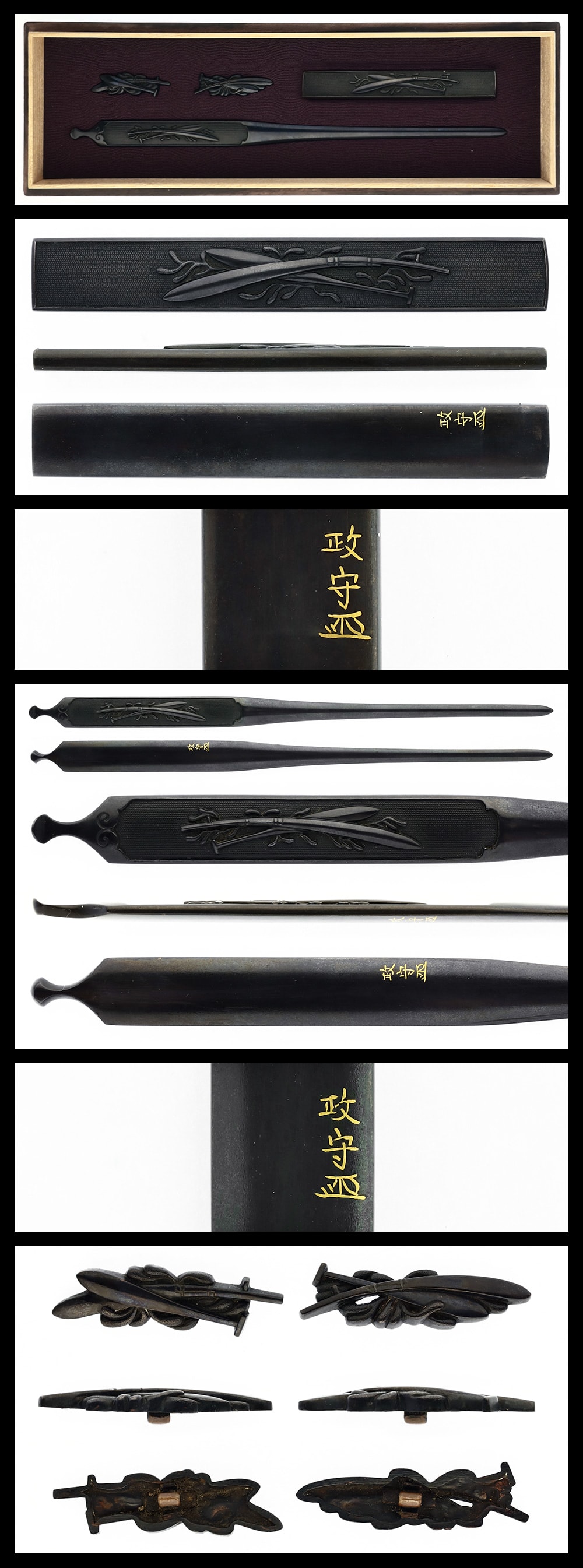
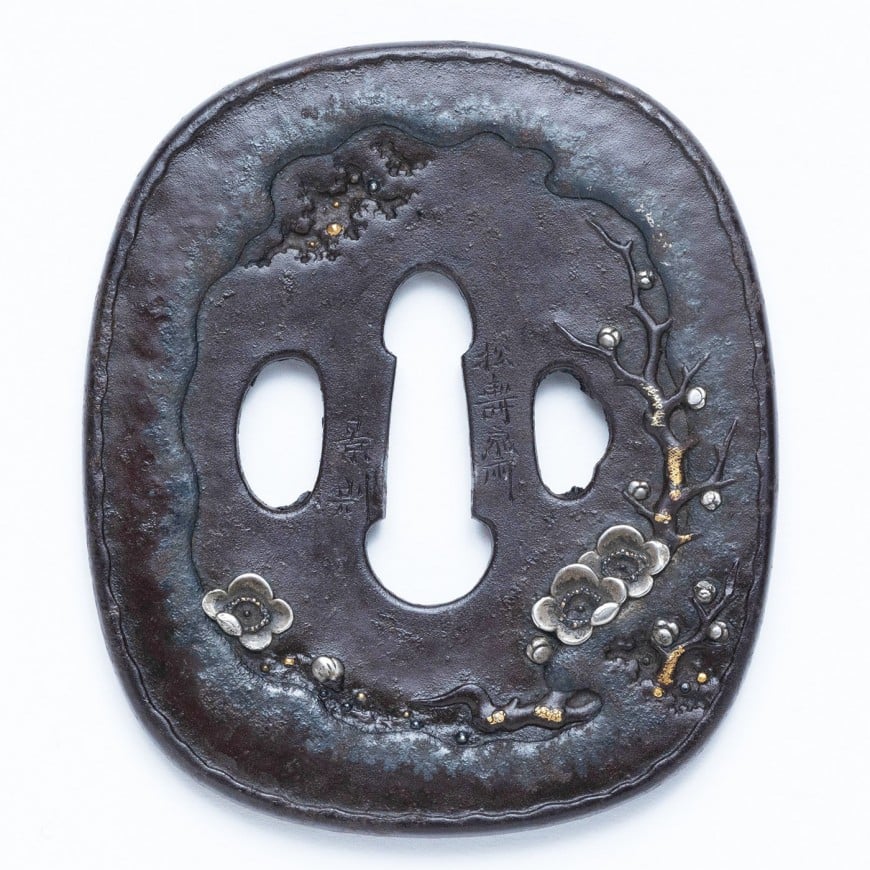
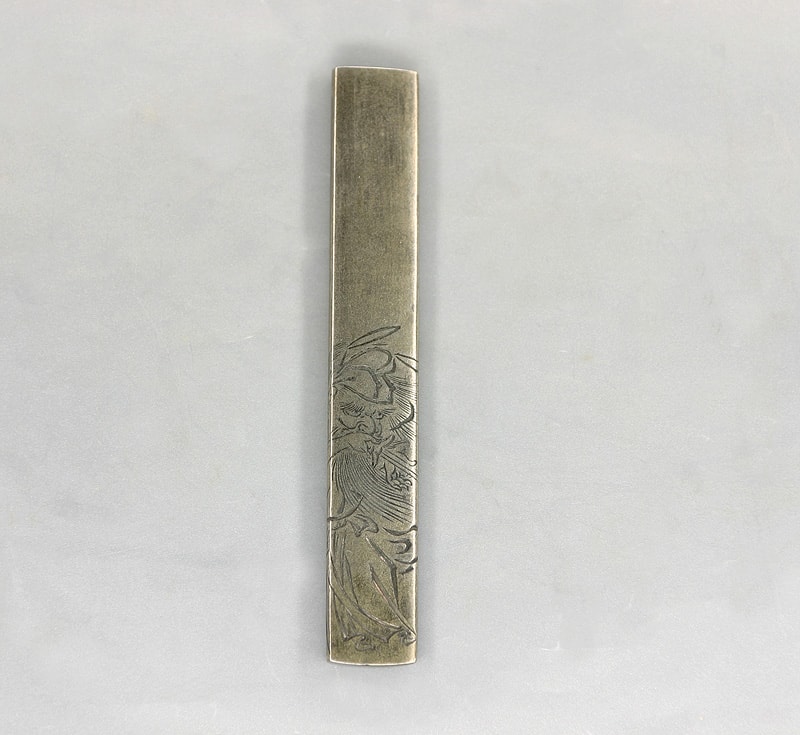
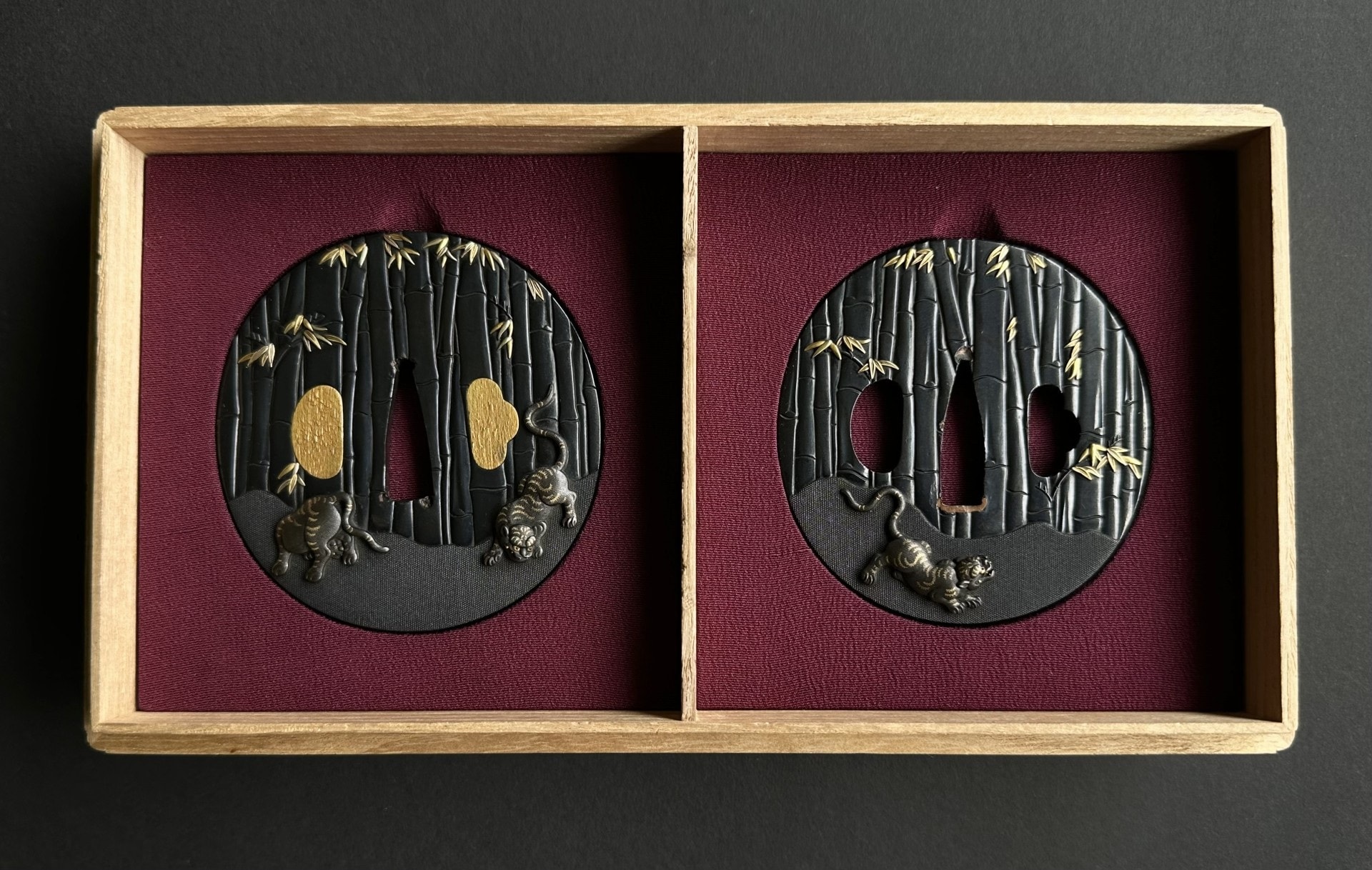
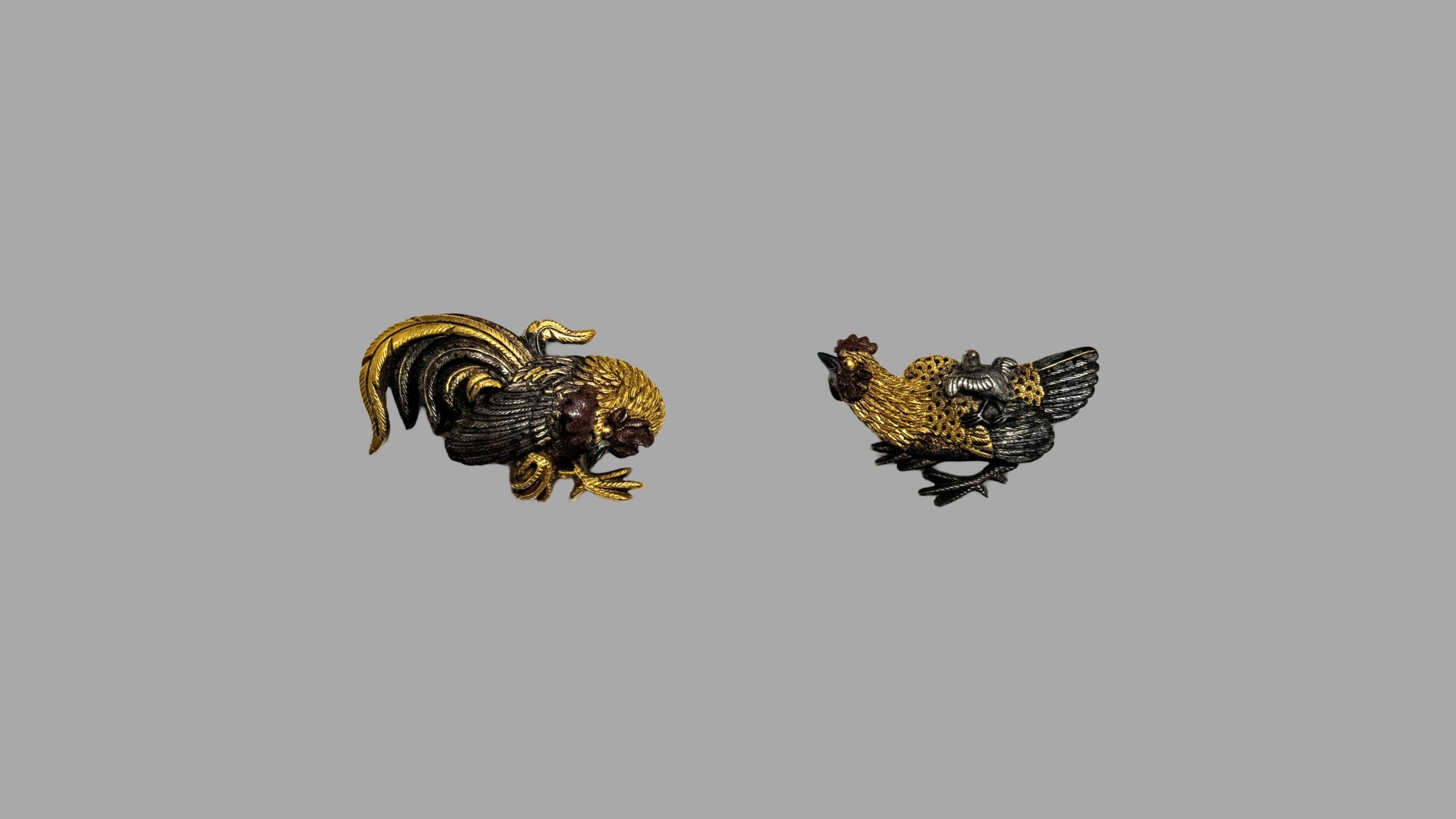
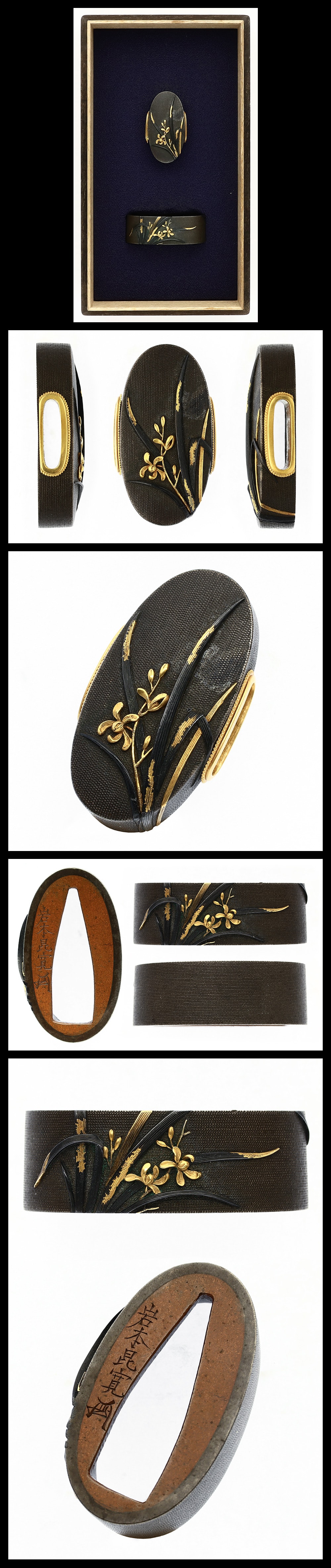
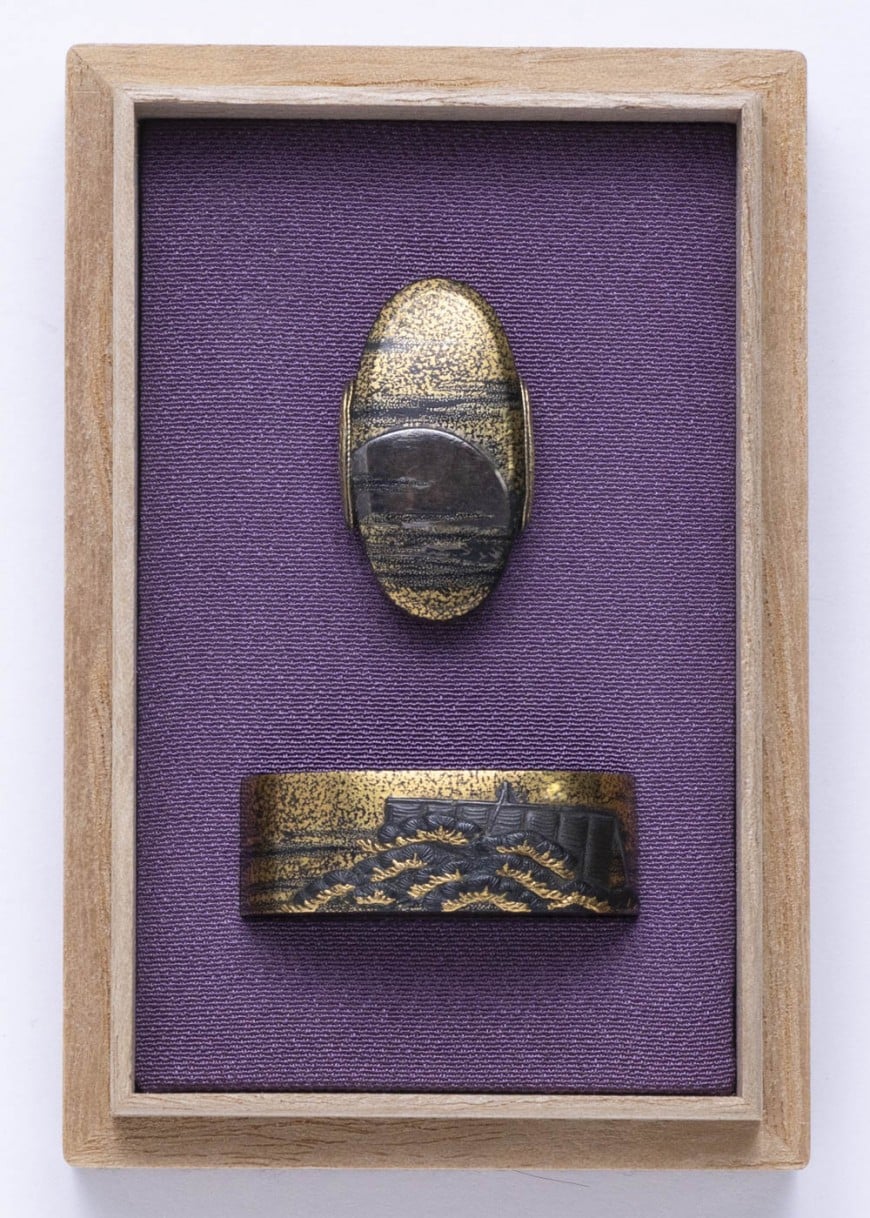
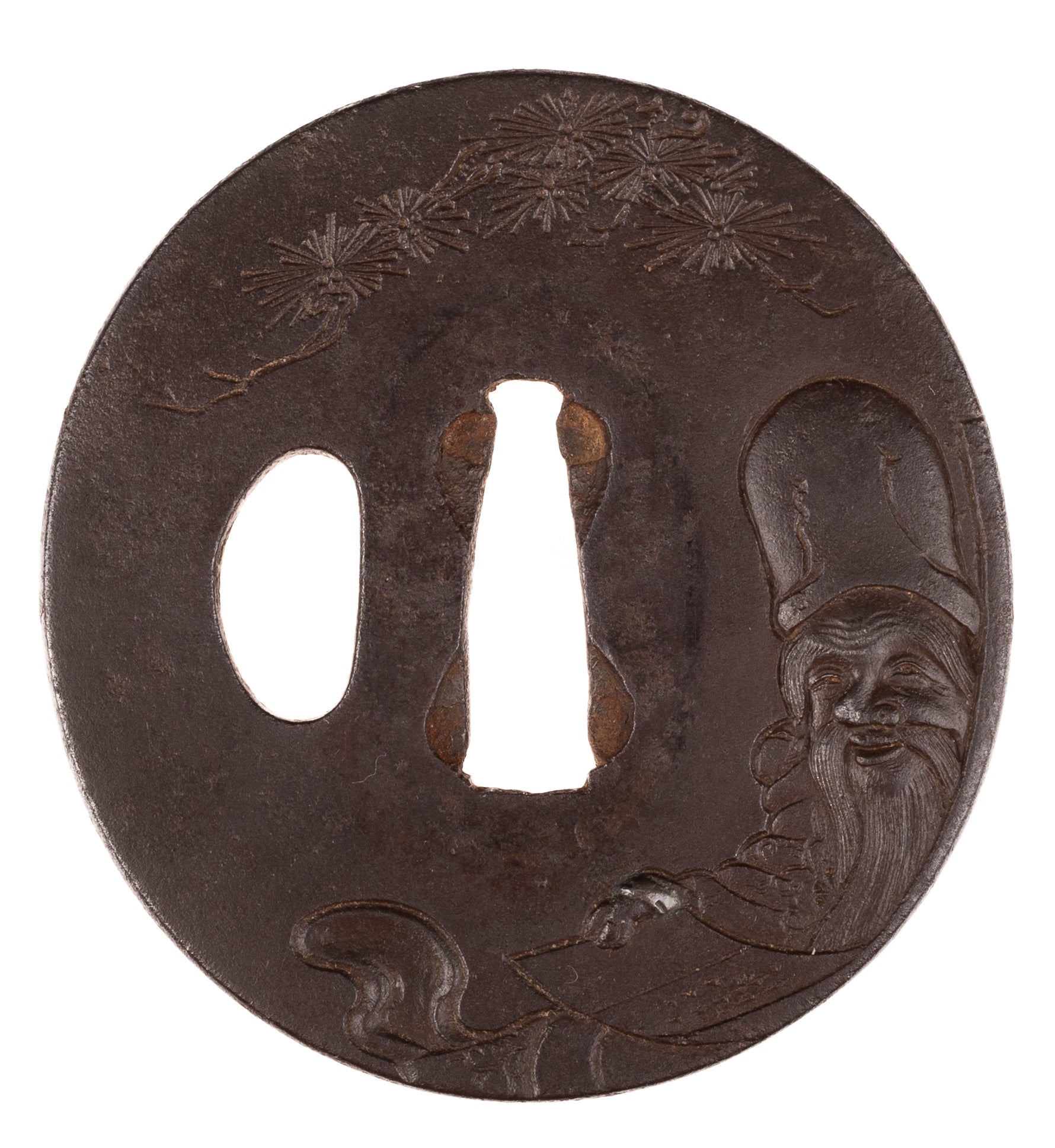
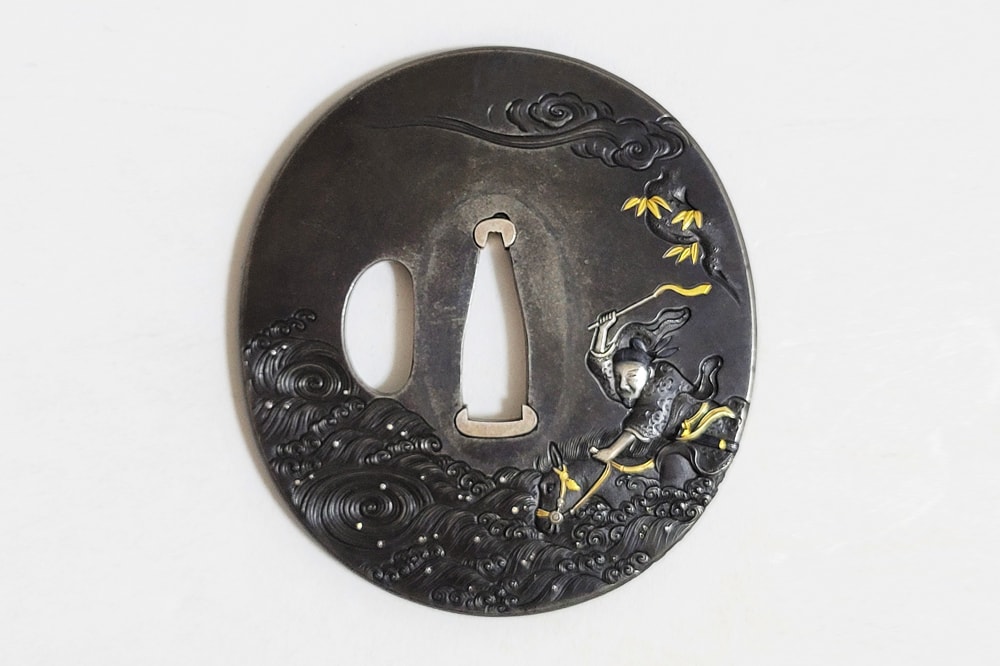
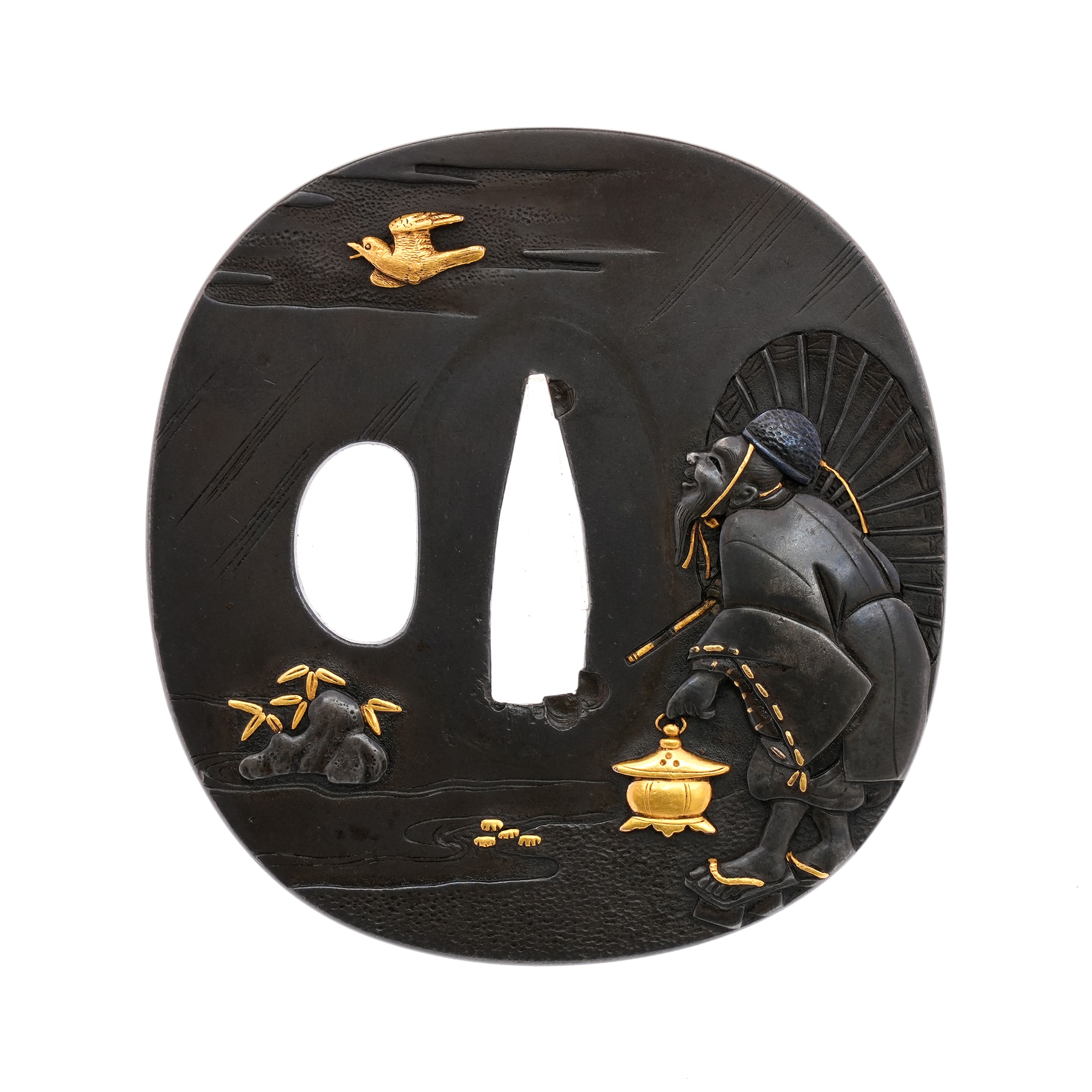
Ishiguro Masaaki (石黒政明) was a pupil of the first-generation Ishiguro Masatsune, the founder of the Ishiguro school, and lived at Matsushita-chō in Kanda, . He is said to have been born in Bunka 10 (1813) and to have entered the school during Masatsune's late years, leading to the conjecture that his practical instruction may have been received from either the second-generation Masatsune or from Ishiguro Masayoshi. He used the art names Mokuen-sai (木鵬斎) and Kibōsai (木鵬斎), and within the Ishiguro lineage he was regarded as a highly skilled artist, praised as forming a "twin pinnacle" alongside his fellow disciple Masayoshi. His works are comparatively few, yet among them many outstanding masterpieces are known. He was active from around the Ka'ei era into the Meiji period.
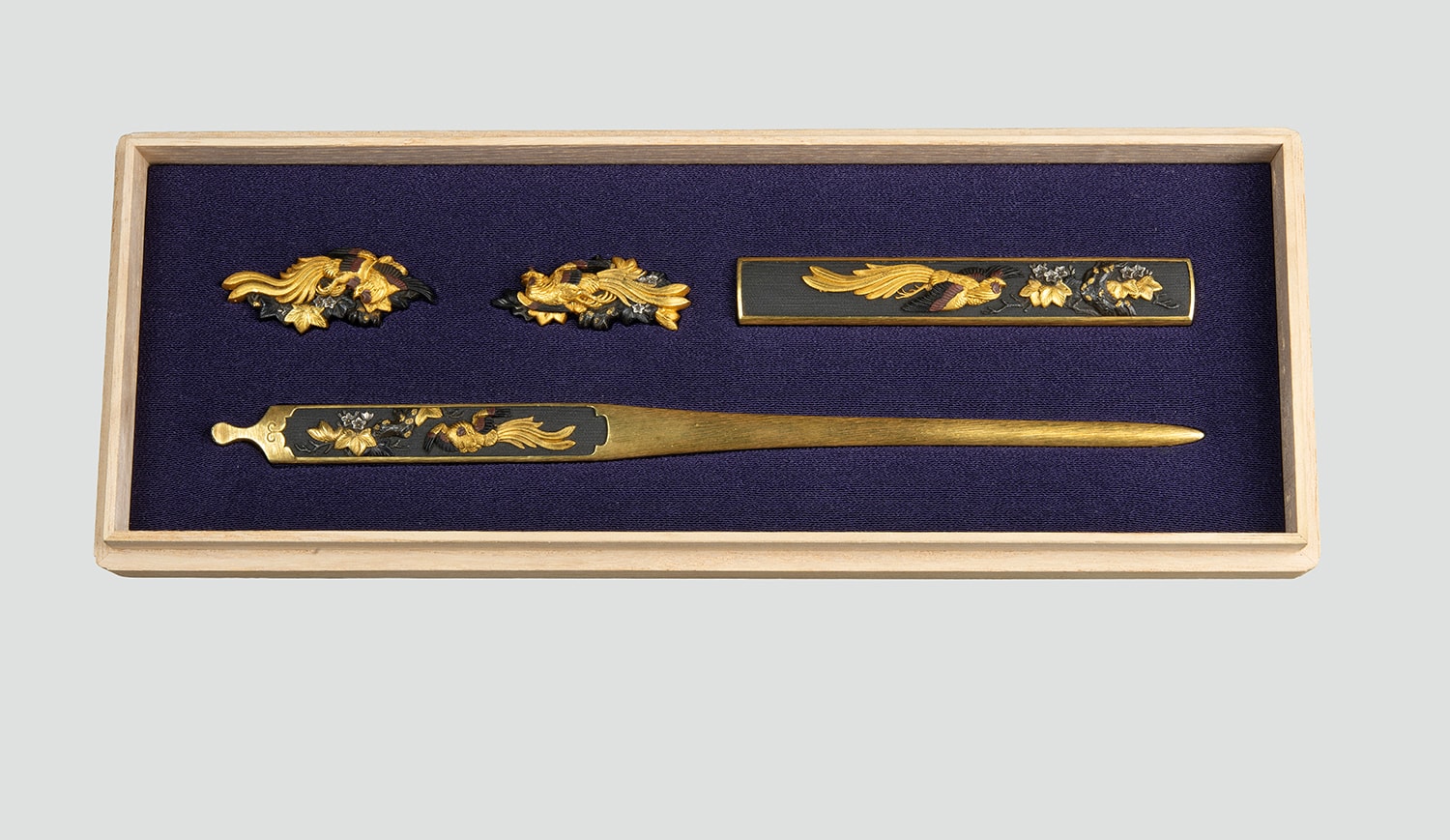
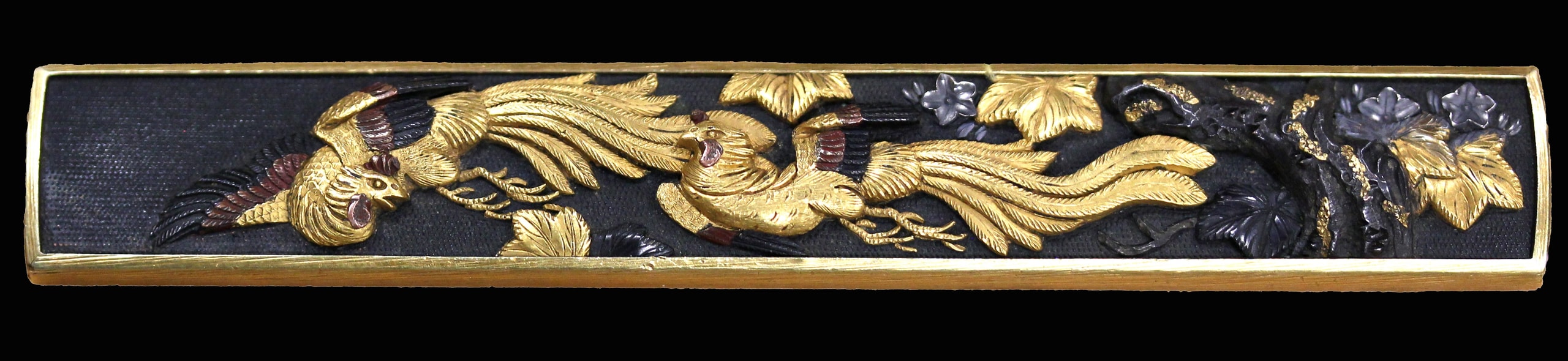
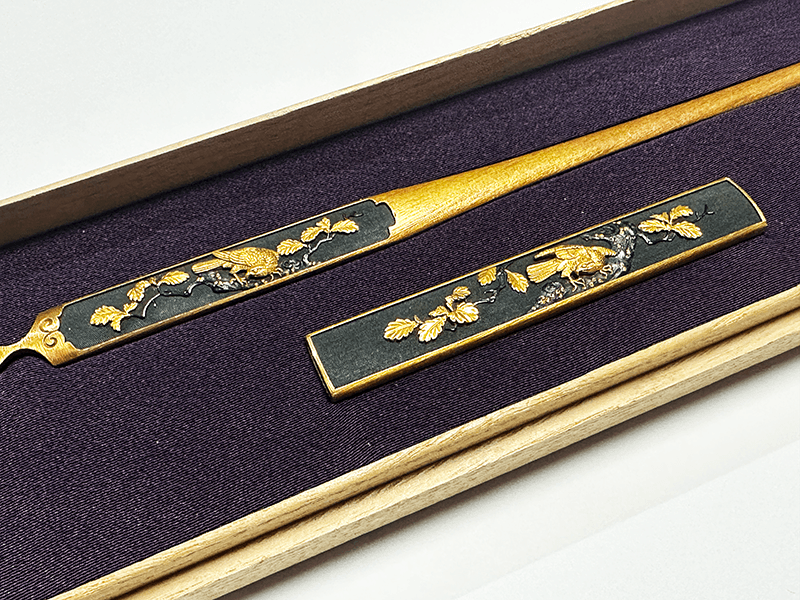
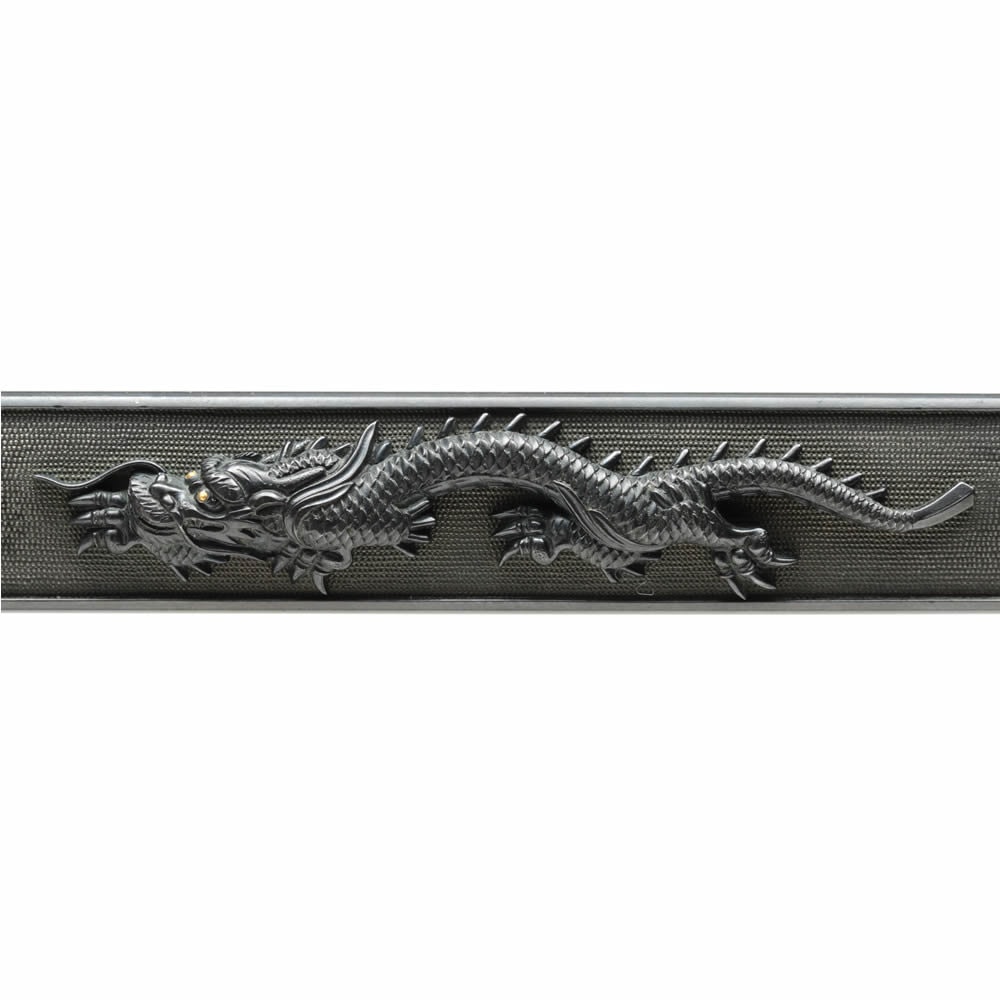
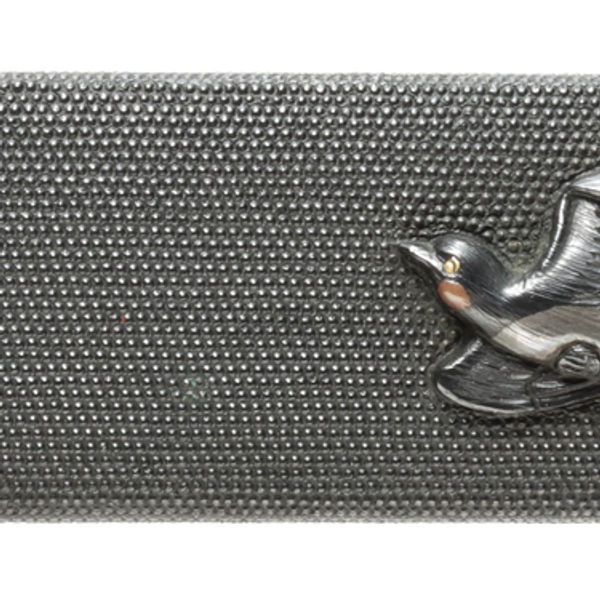
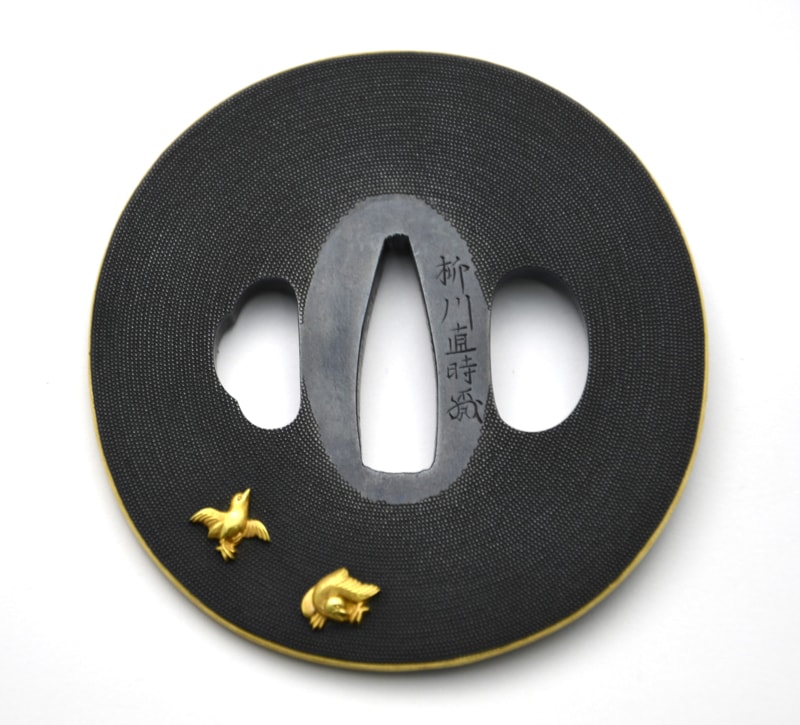
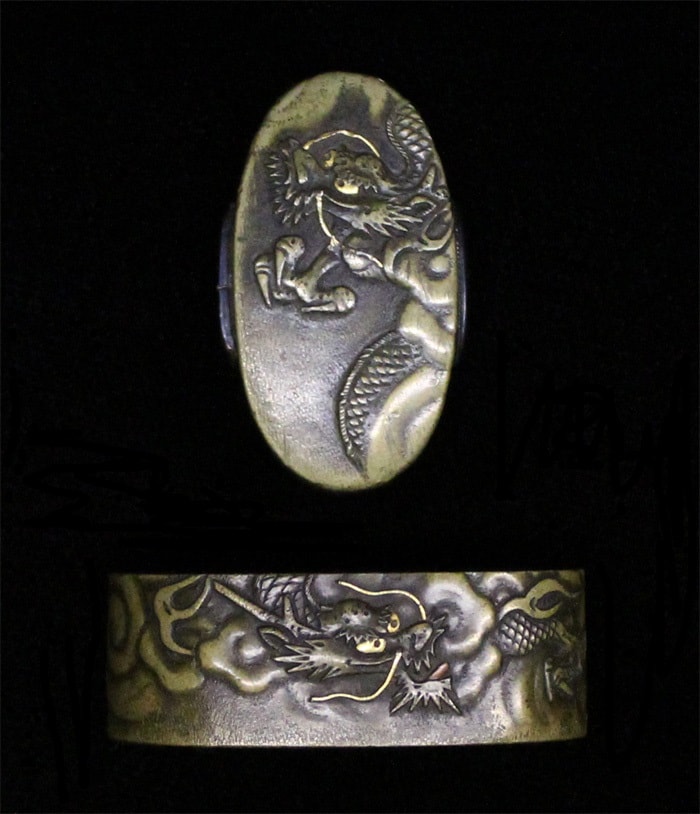
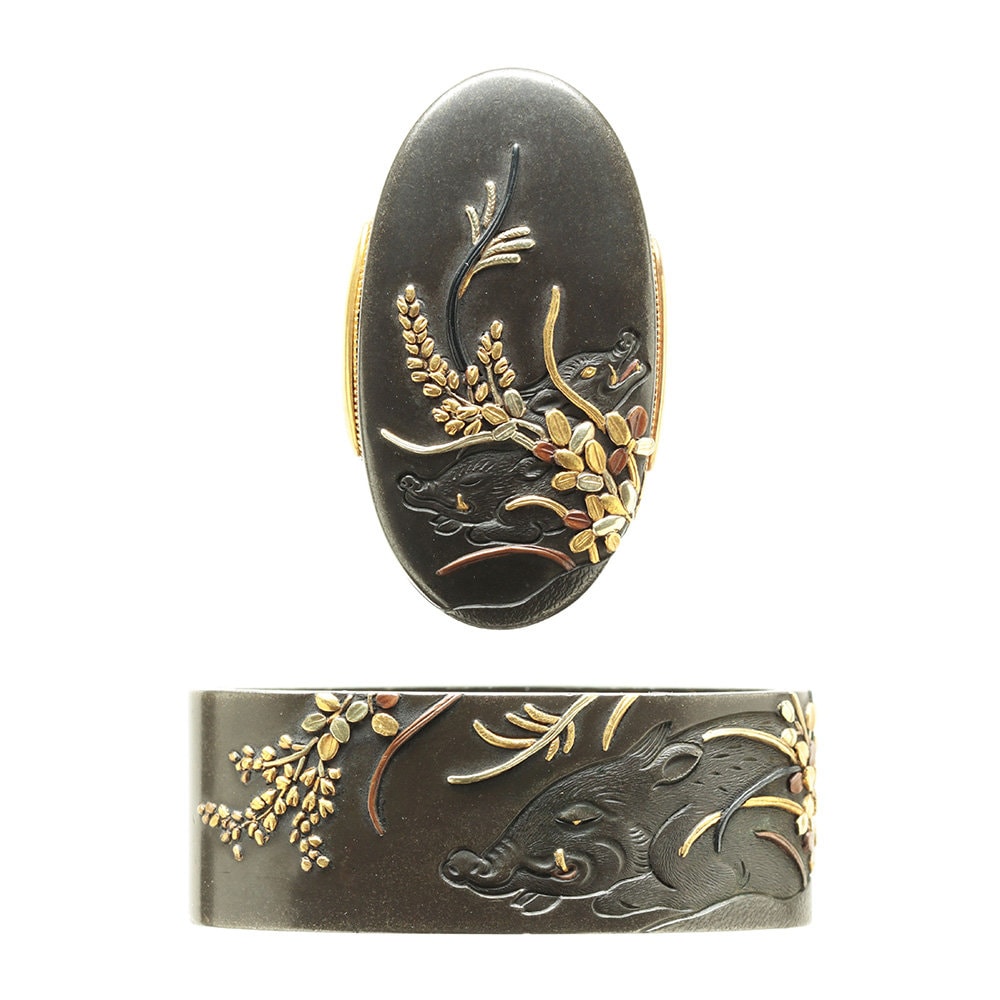
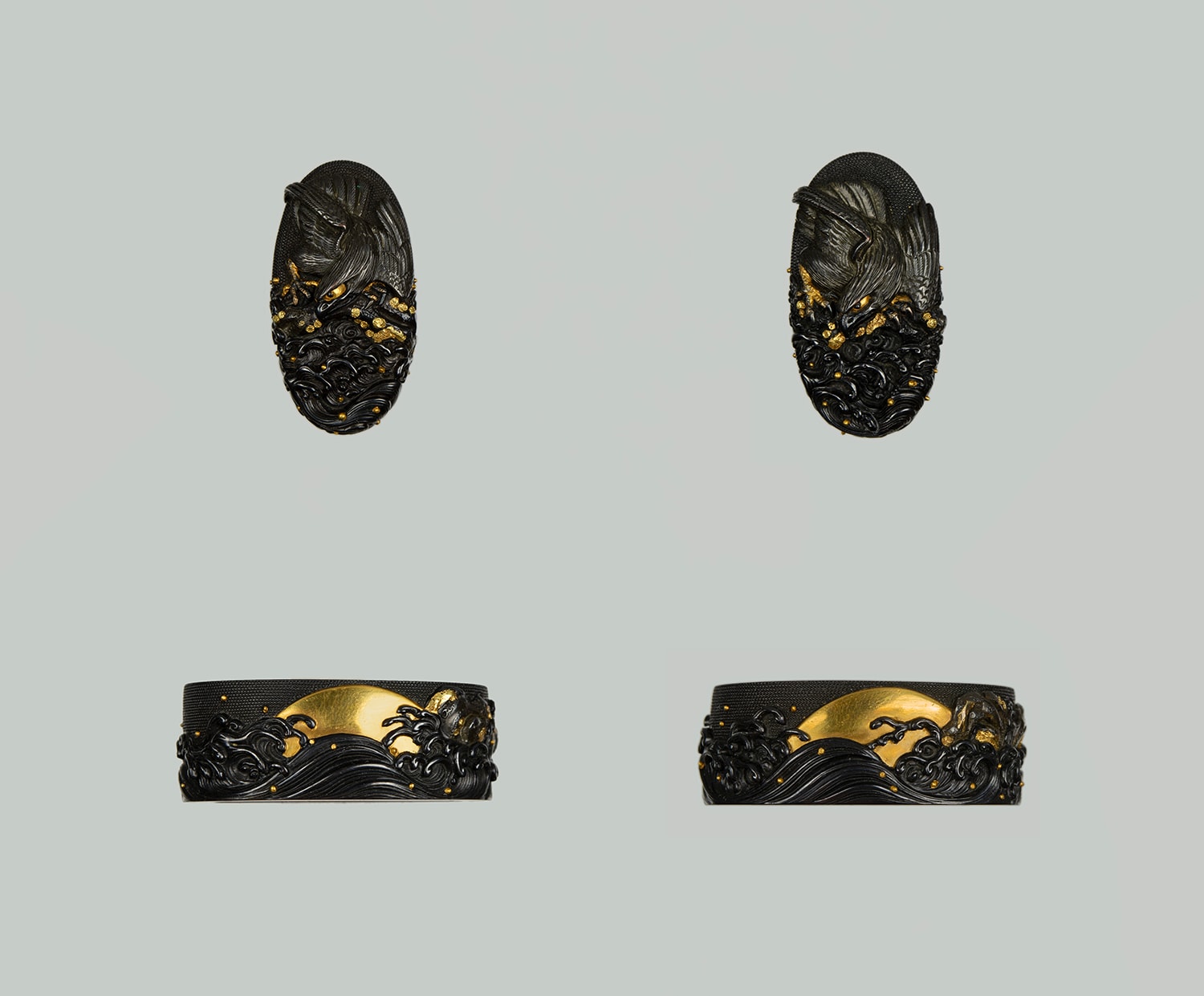
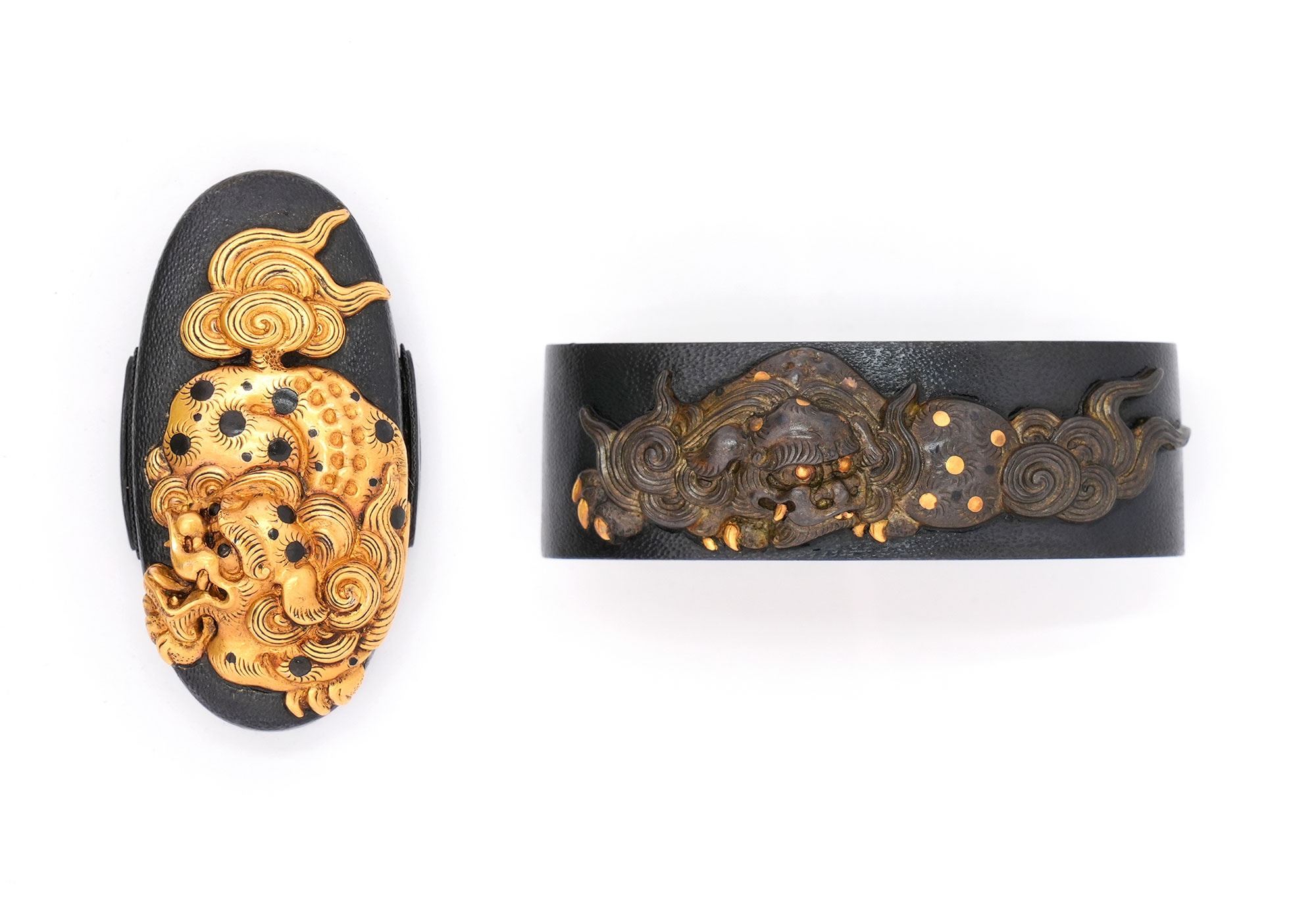
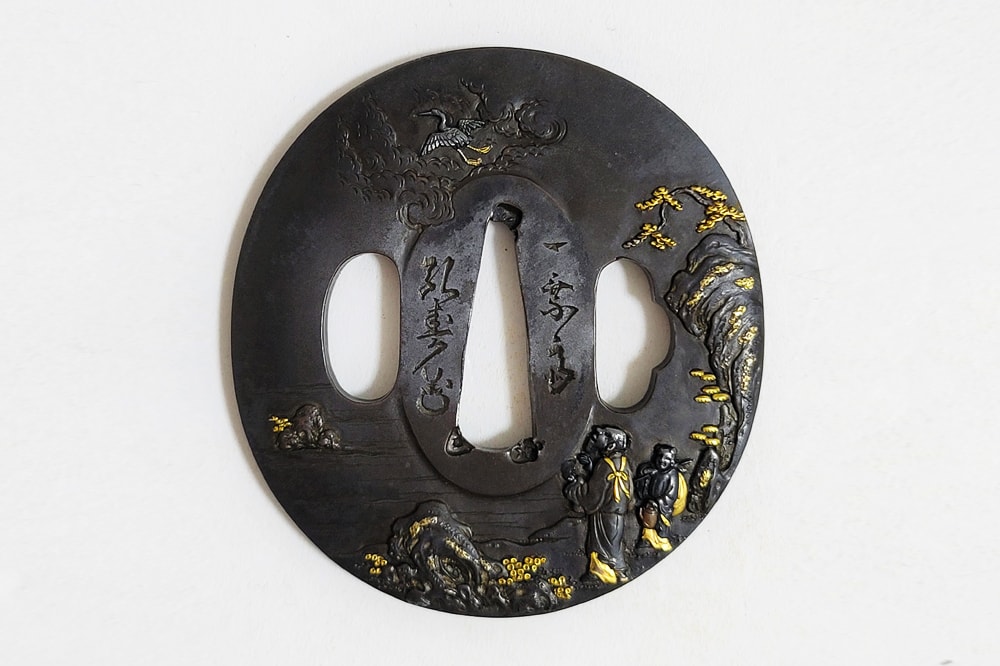
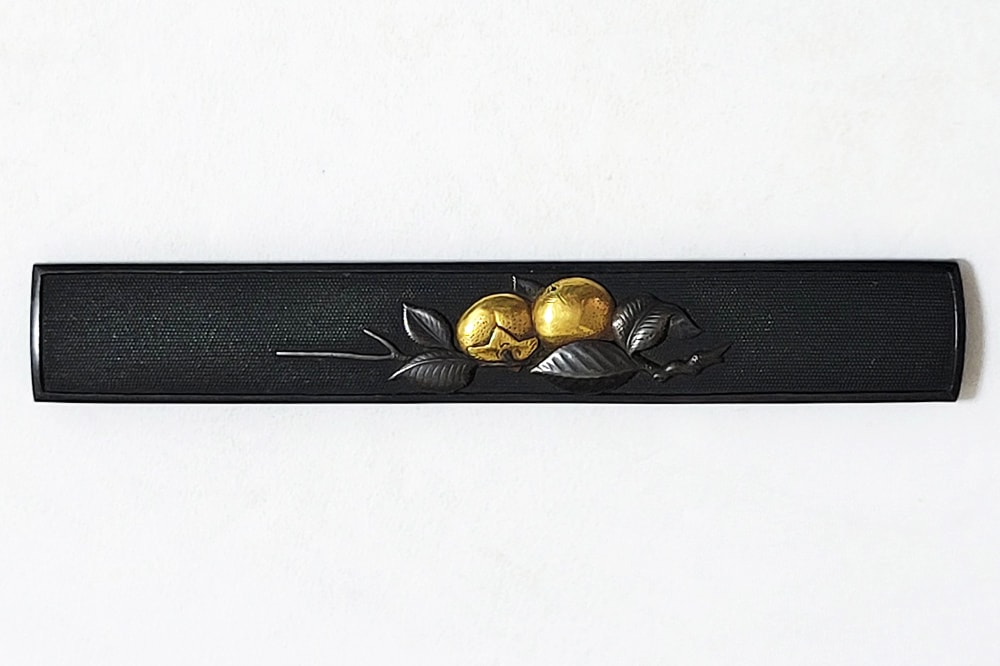
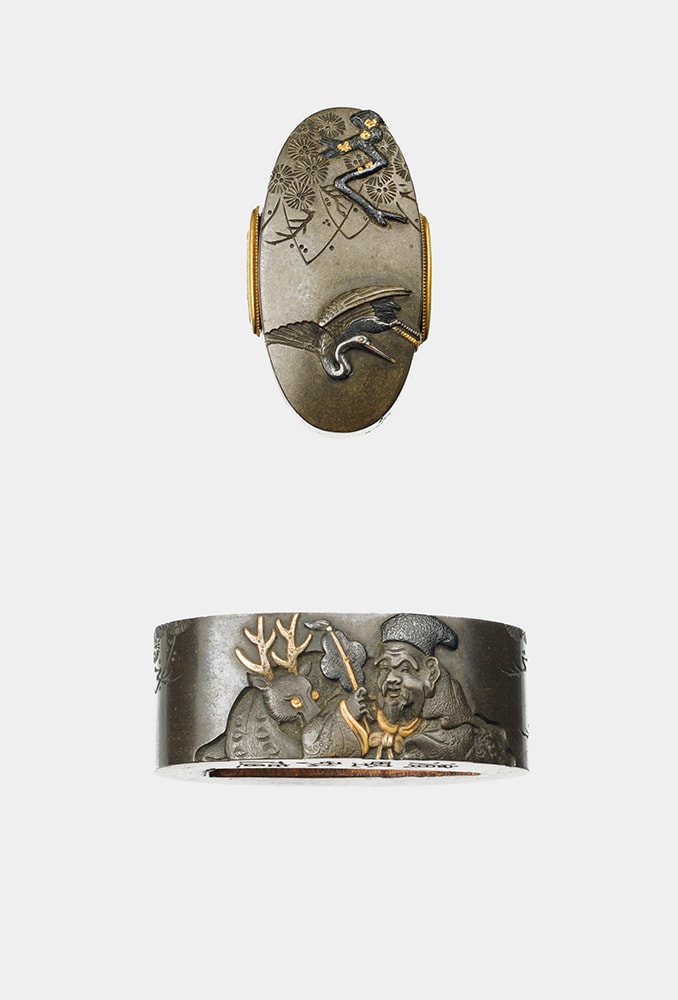
The stylistic character of the Ishiguro school gives direct expression to the tastes of its time, unfolding a lustrous, pictorial world rendered through meticulously executed and richly colored . Masaaki faithfully inherited the techniques of the first-generation Masatsune, and his depictions — thoroughly grounded in close observation from life — are striking. He worked predominantly on grounds finished with , upon which he executed high-relief carving combined with suemon-zōgan and polychrome using gold, silver, , , , and . The method of combining many varieties of colored metals in high relief and inlay is extraordinarily sumptuous, yet never lapses into vulgarity. When an ordinary craftsman attempts such density, the result tends to become overwrought; yet Masaaki displays consummate control, producing work so accomplished that it seems to allow not the slightest margin for fault. His chisel work is minute, his sense of color outstanding, and compositions that leave broad areas of open ground are filled with a lucid, pure vitality.
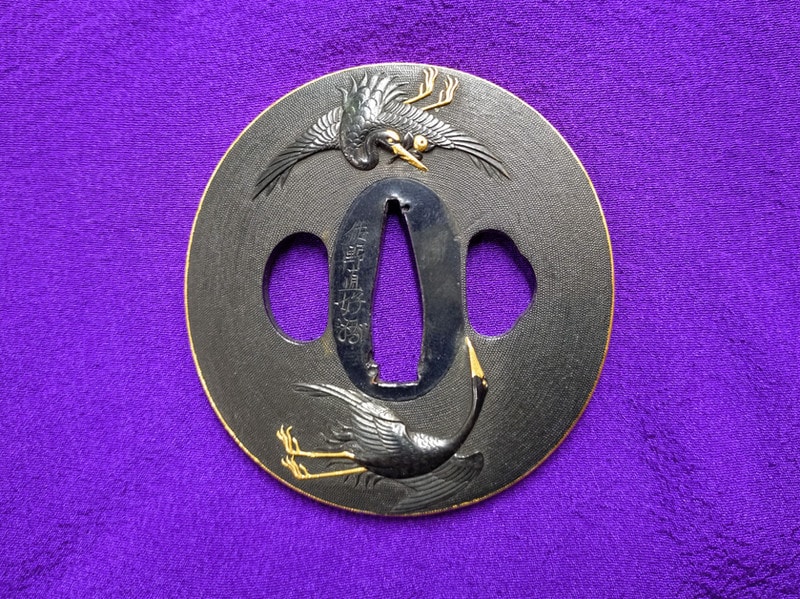
The Ishiguro school excelled in bird-and-flower subjects, and Masaaki was no exception. In particular, many of his finest works take pheasants and golden pheasants (kinkeichō) as their principal themes, alongside peacocks, hawks, bush warblers, and quail arranged with seasonal flowers in a naturalistic, sketch-like manner. His spacious compositional sense was inherited from his teacher Masatsune. Through the skillful deployment of multiple varieties of colored metals, the coloring effects are accomplished and the sense of sumptuousness heightened, producing a thoroughly brilliant impression. In both technique and design, his works display the essential character of the Ishiguro school brought to a refined culmination — and the distinctly more splendid application of among his peers may be said to represent Masaaki's individual character.