Ishiguro Koreyoshi was the son of Masayoshi, whom the identifies as "a representative master of the Ishiguro school." His common name was Kanjiro, and he employed the art names Jukakushi and Kansai. Koreyoshi trained under Koretsune of the school, and in forming his professional name took one character from his master Koretsune and one from his father Masayoshi — a gesture of lineage that bound the school's successive generations. Possessing, in the 's assessment, ability that "surpassed that of his father," Koreyoshi contributed together with Masayoshi to the continued prosperity of the Ishiguro lineage. Works bearing Tenpo-era dates are known, and his survival is confirmed as late as Meiji 20 (1887), placing him among the last major figures of the school's classical production.
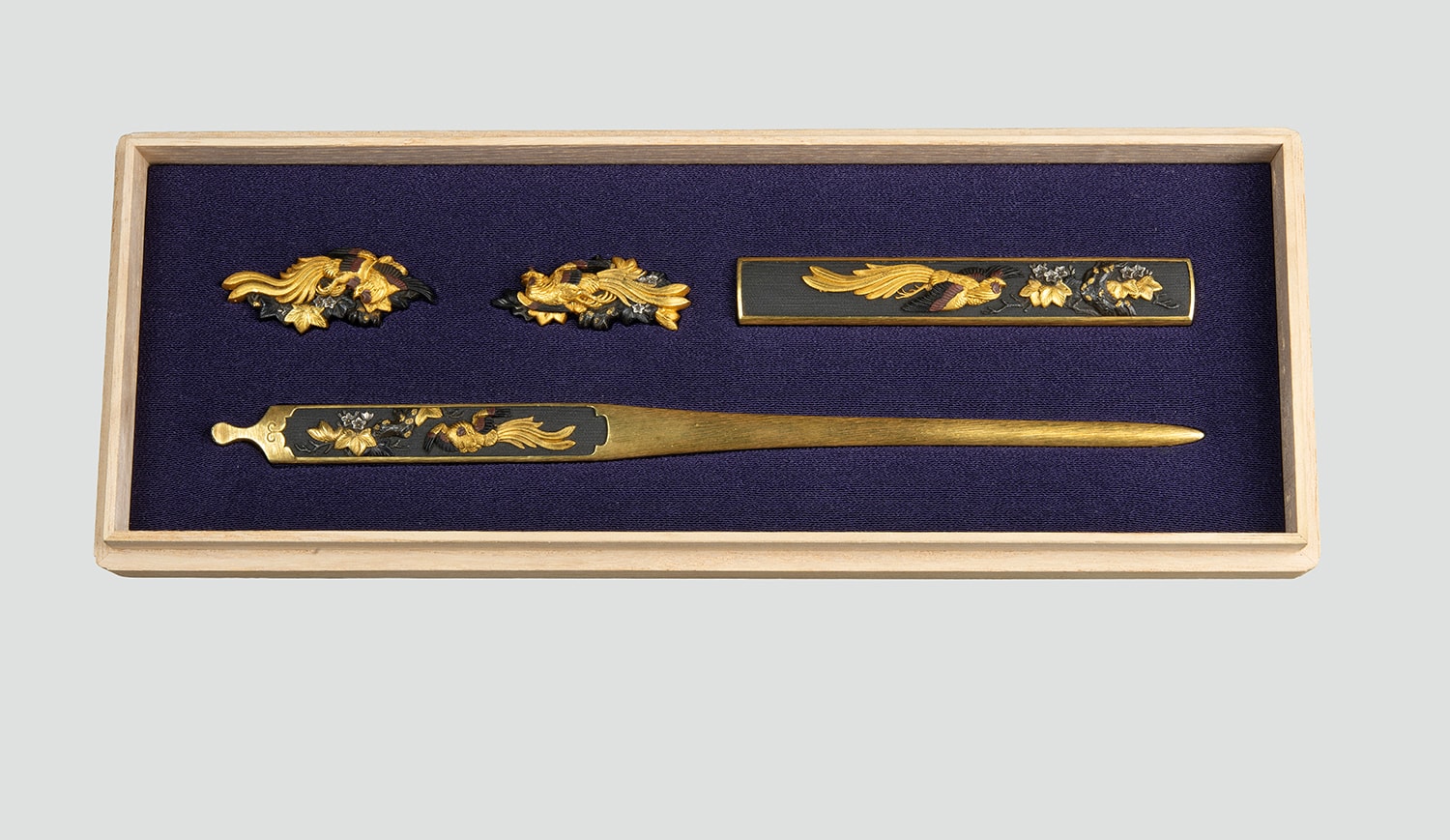
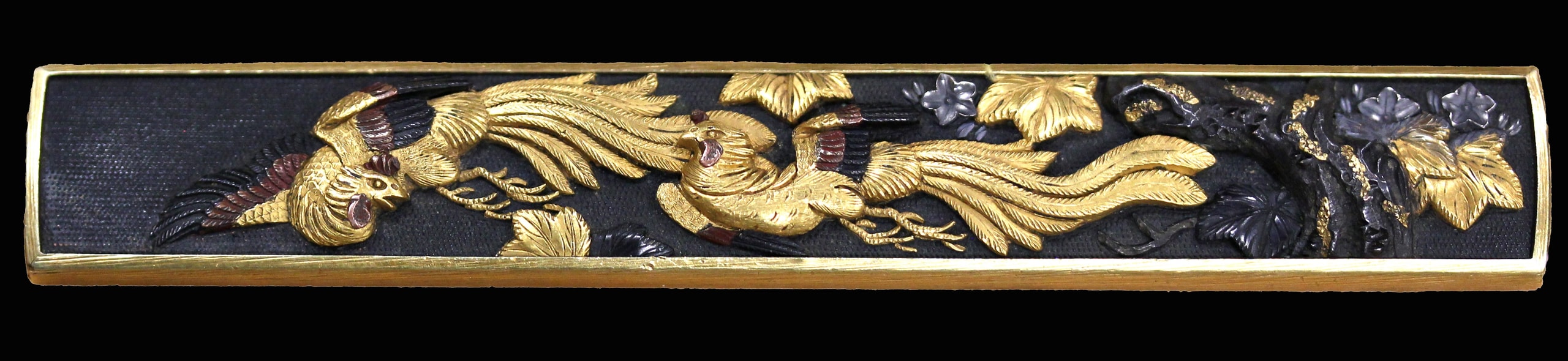
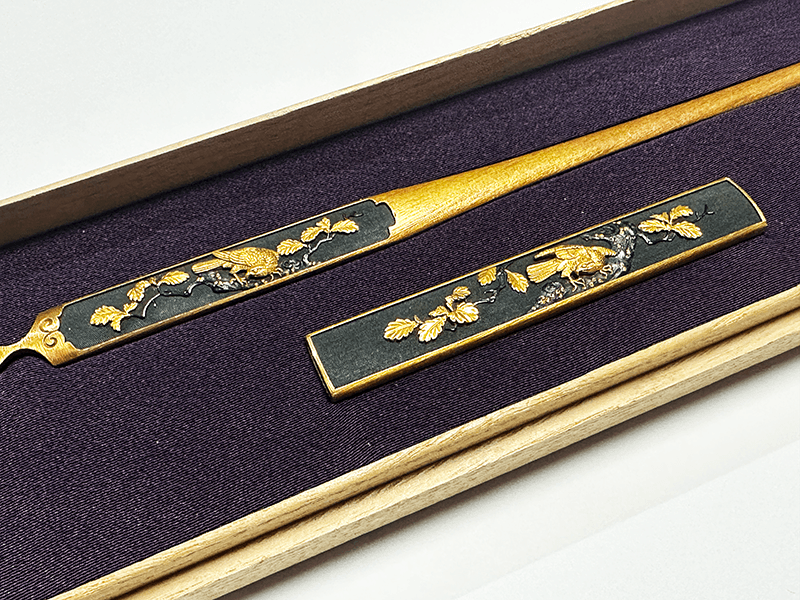
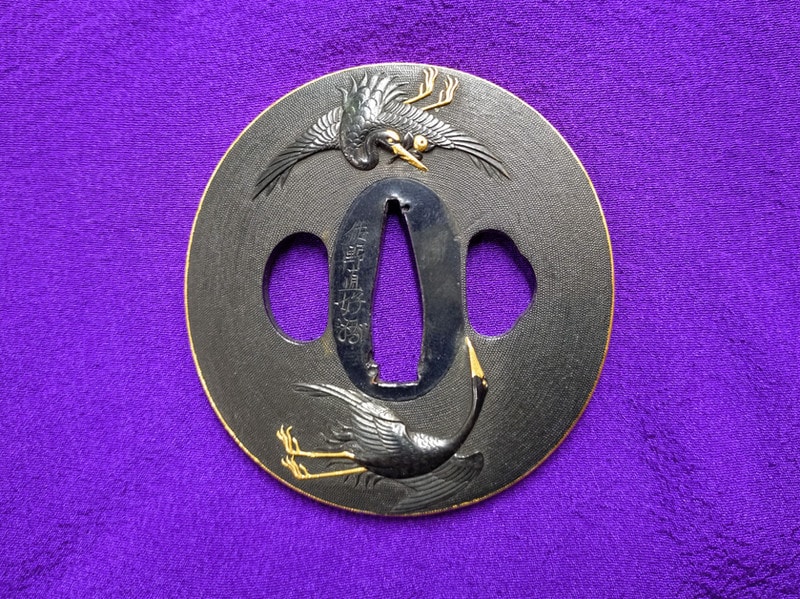
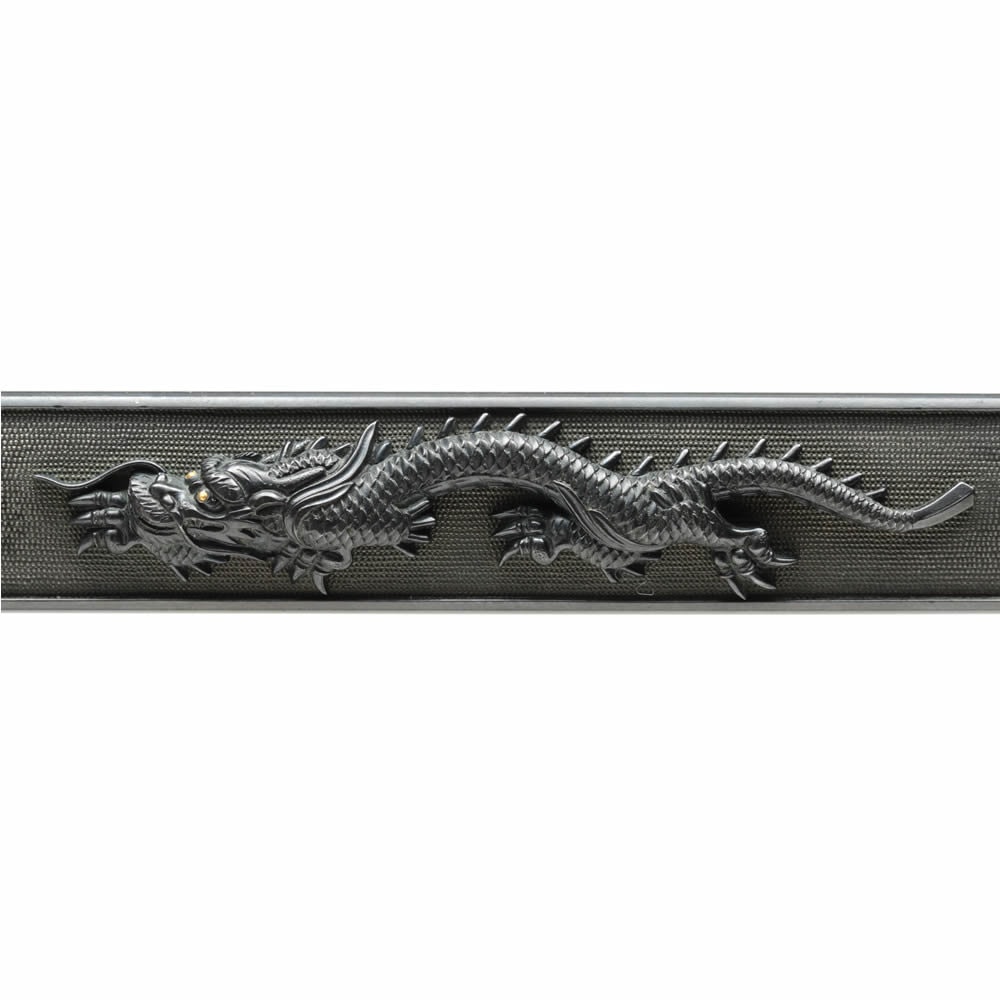
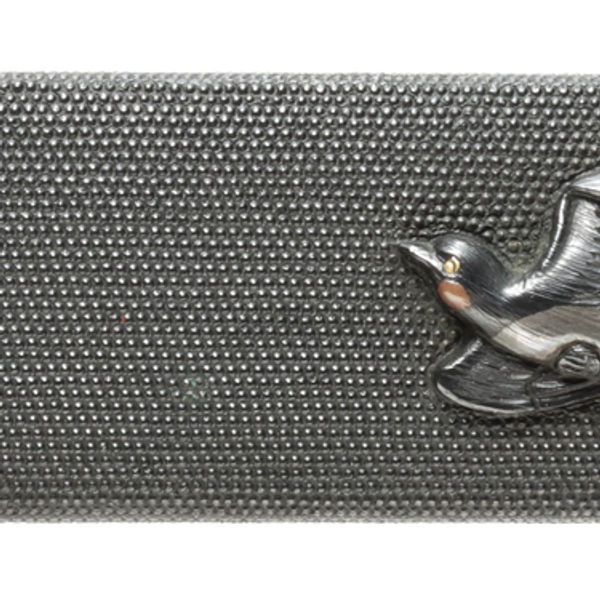
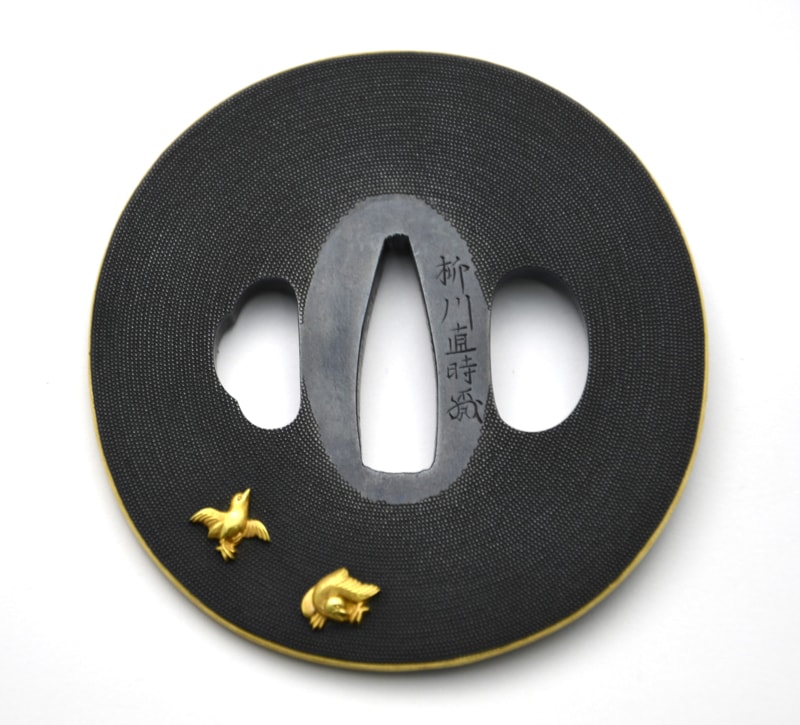
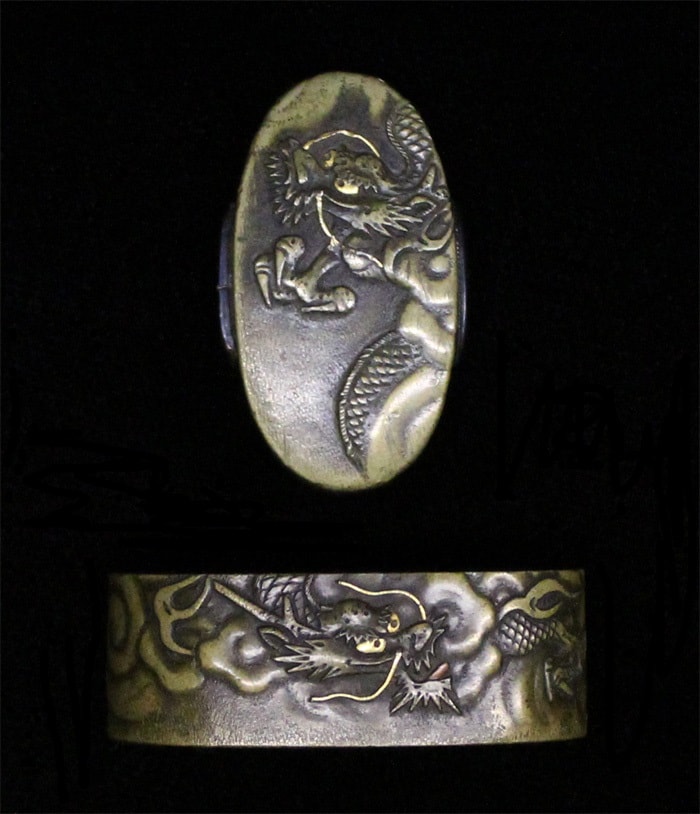
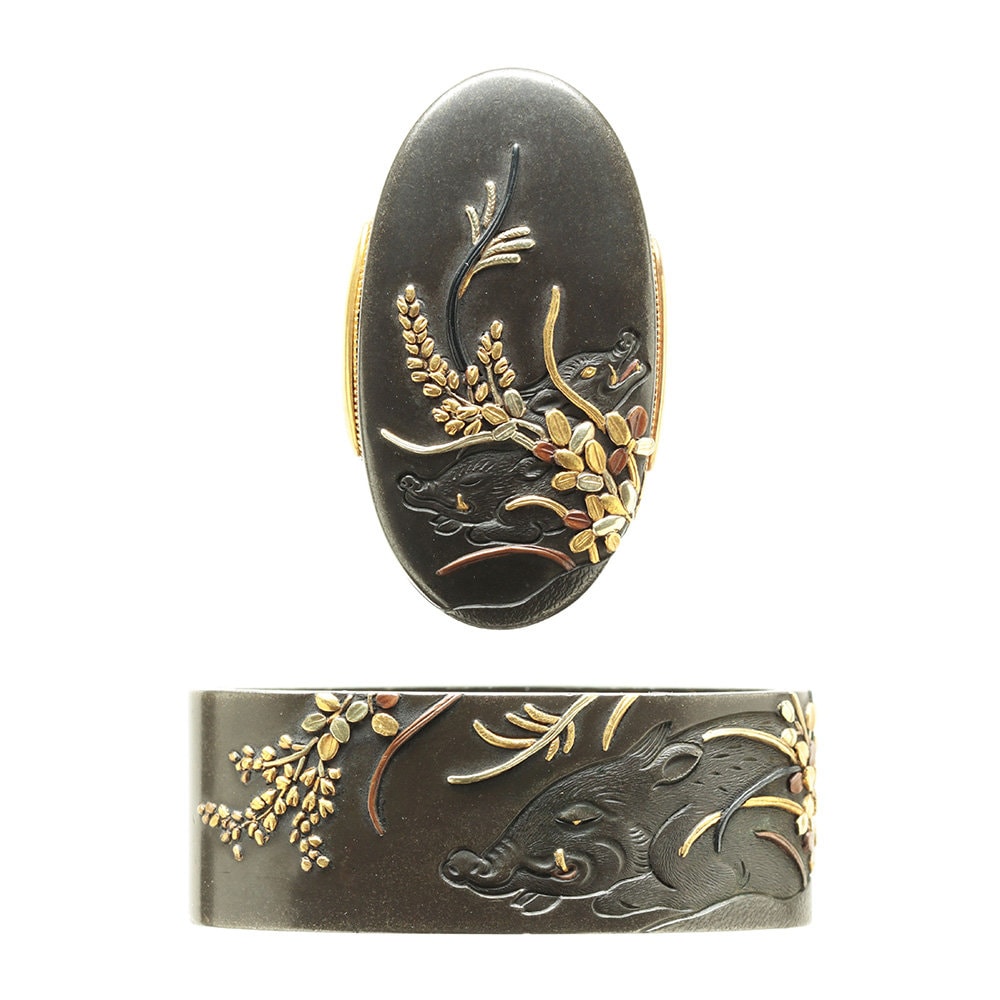
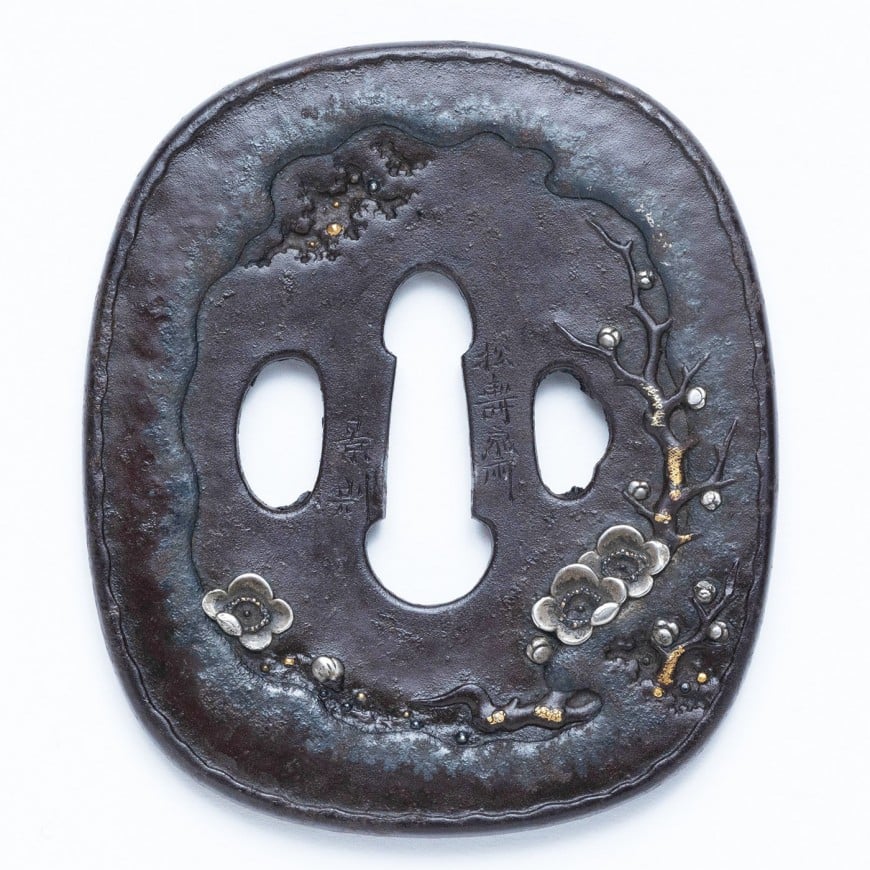
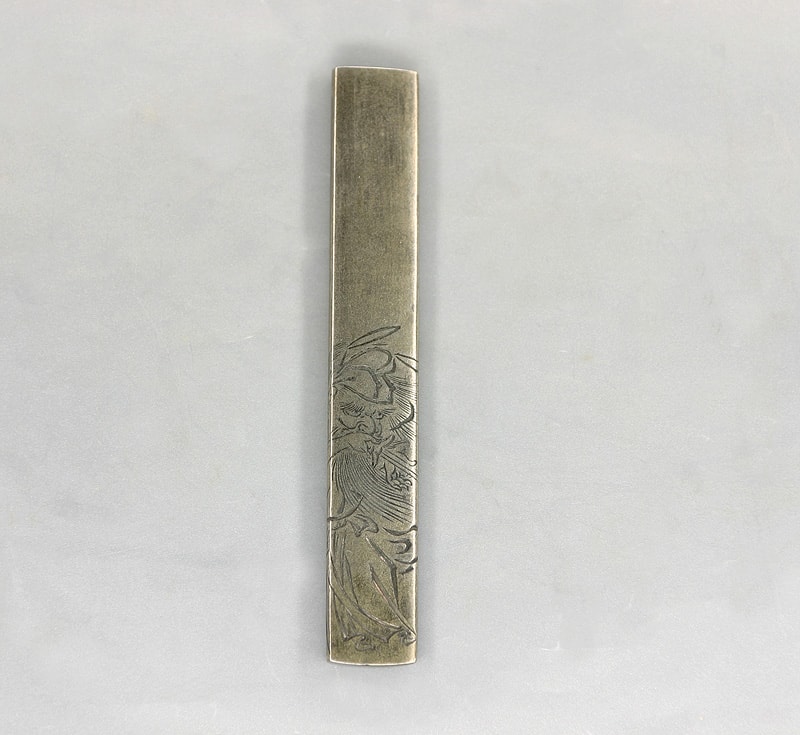
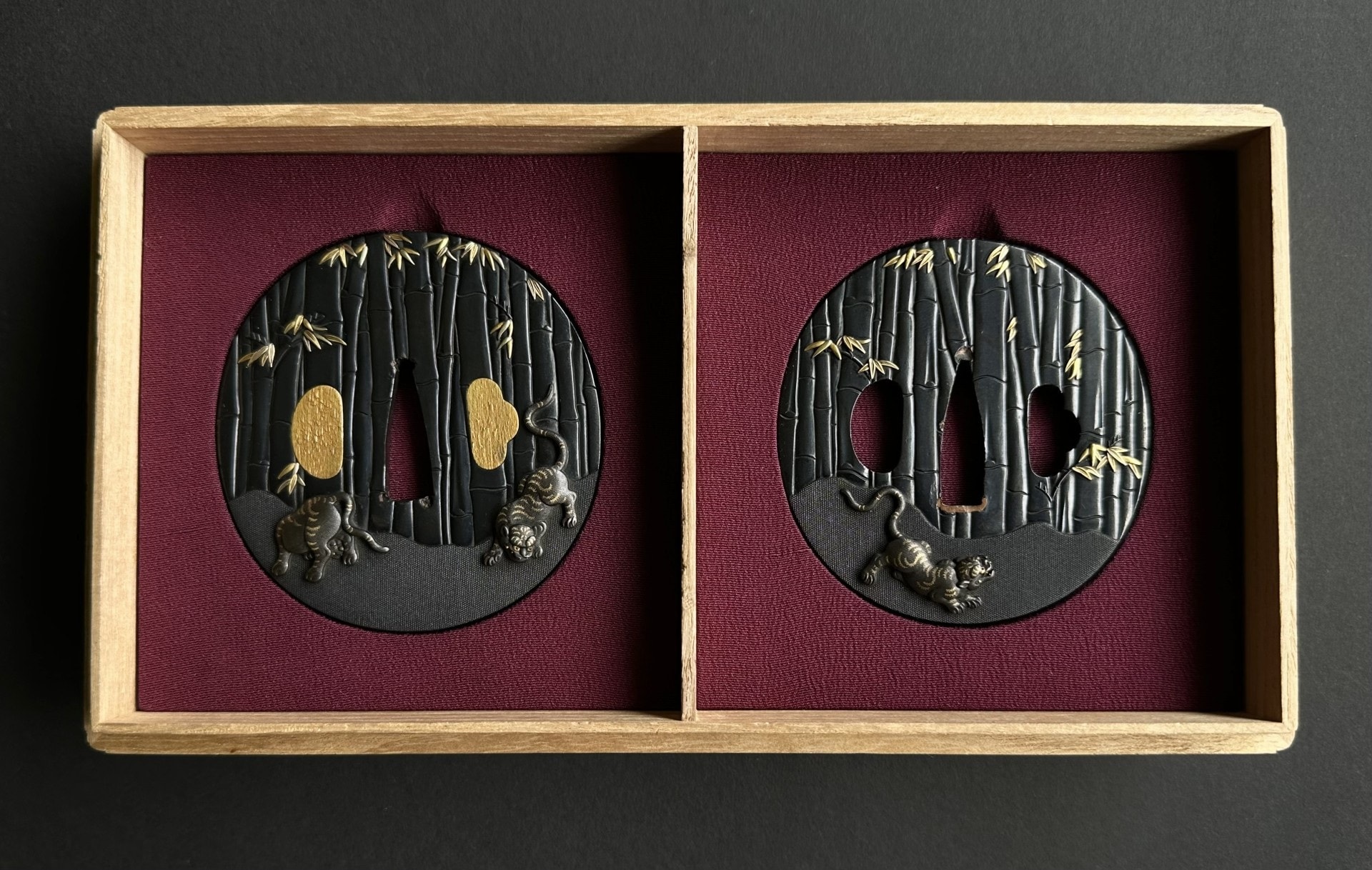
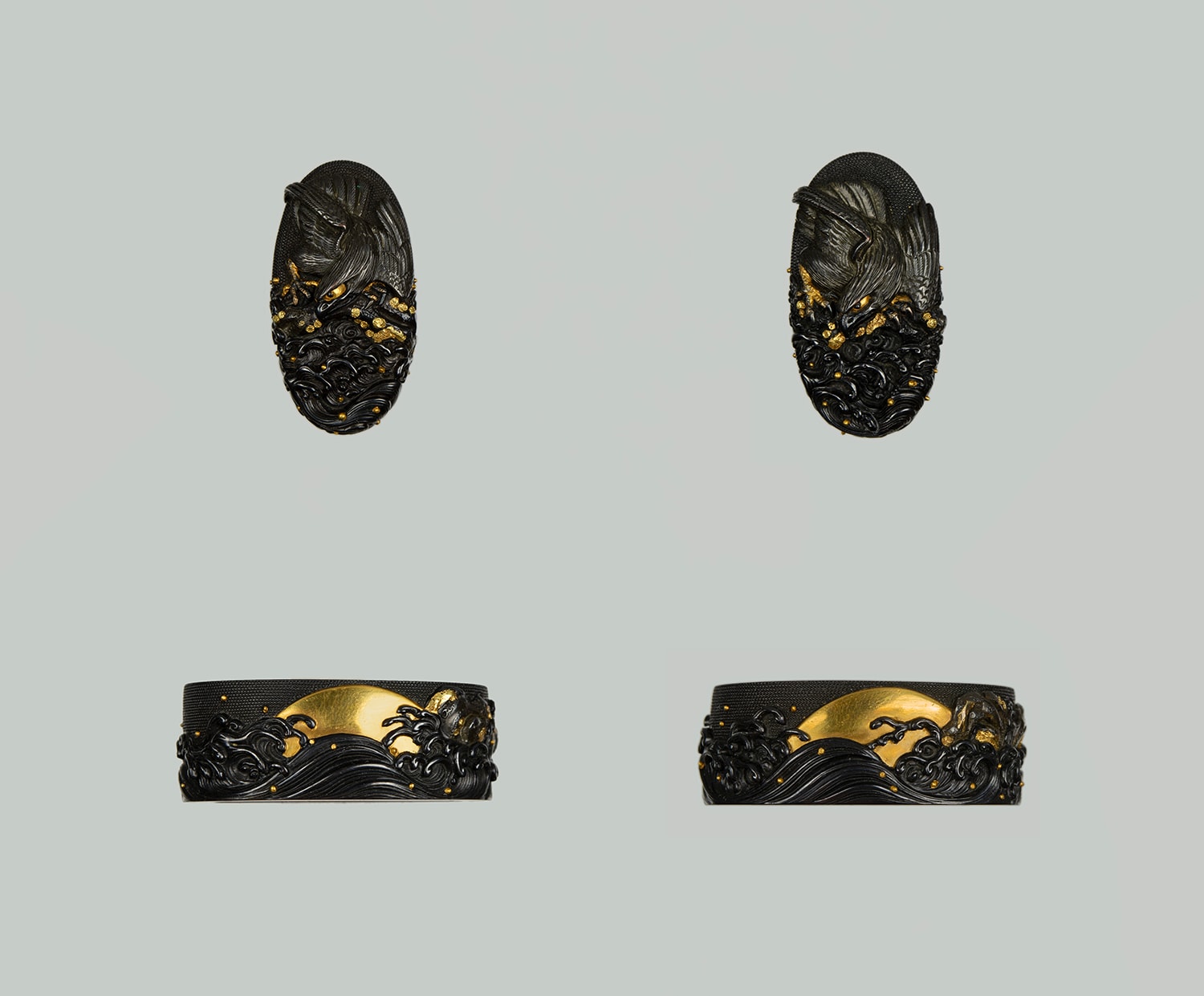
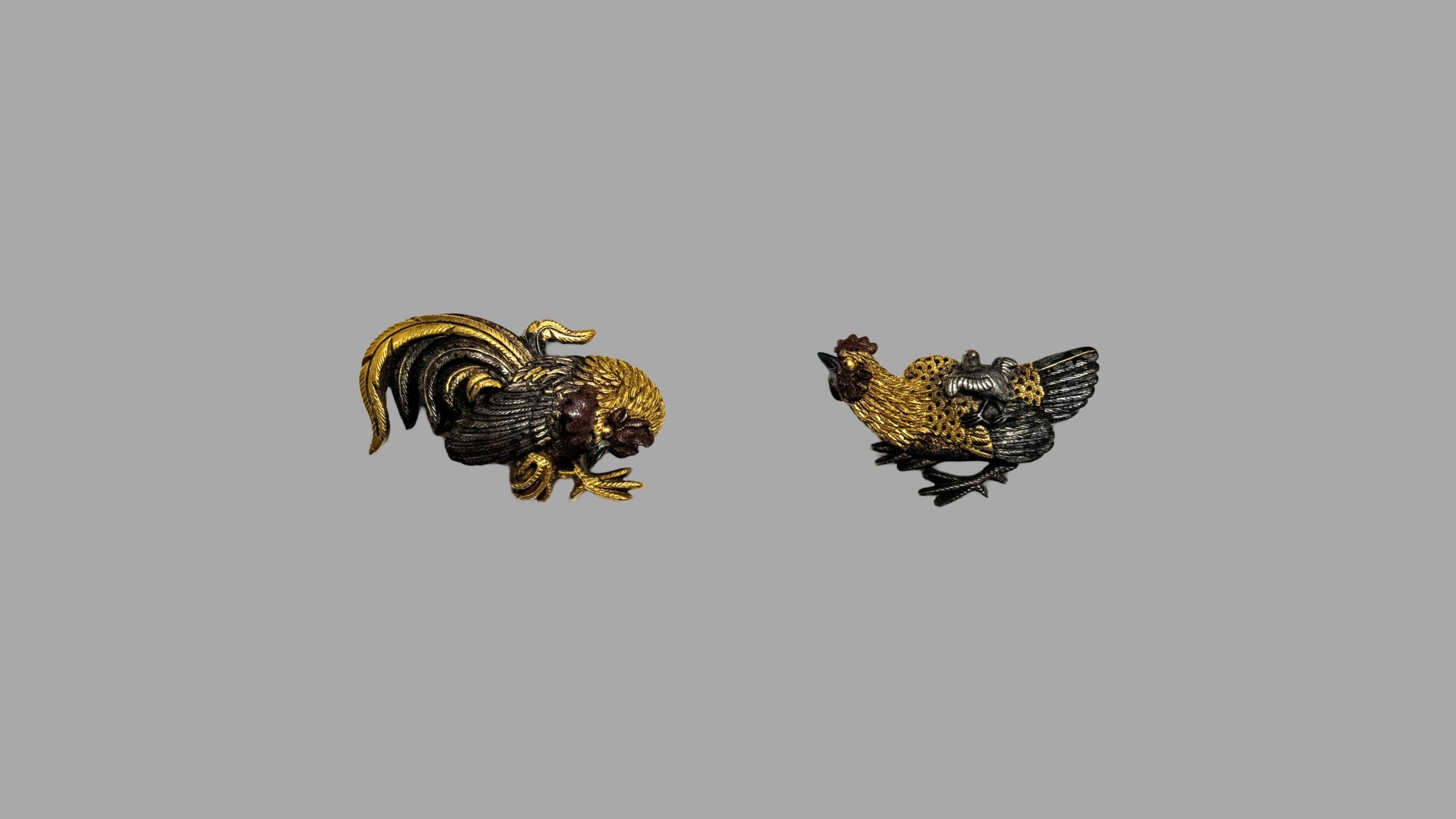
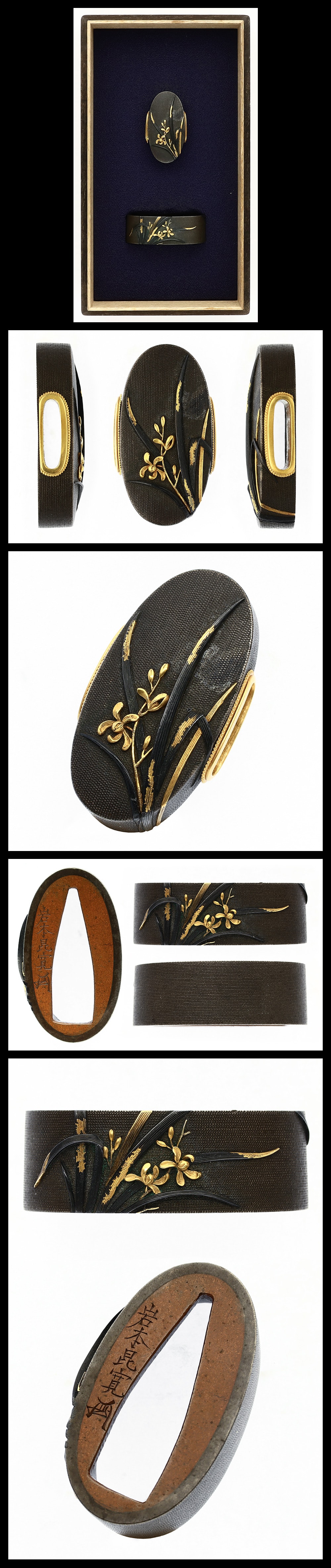
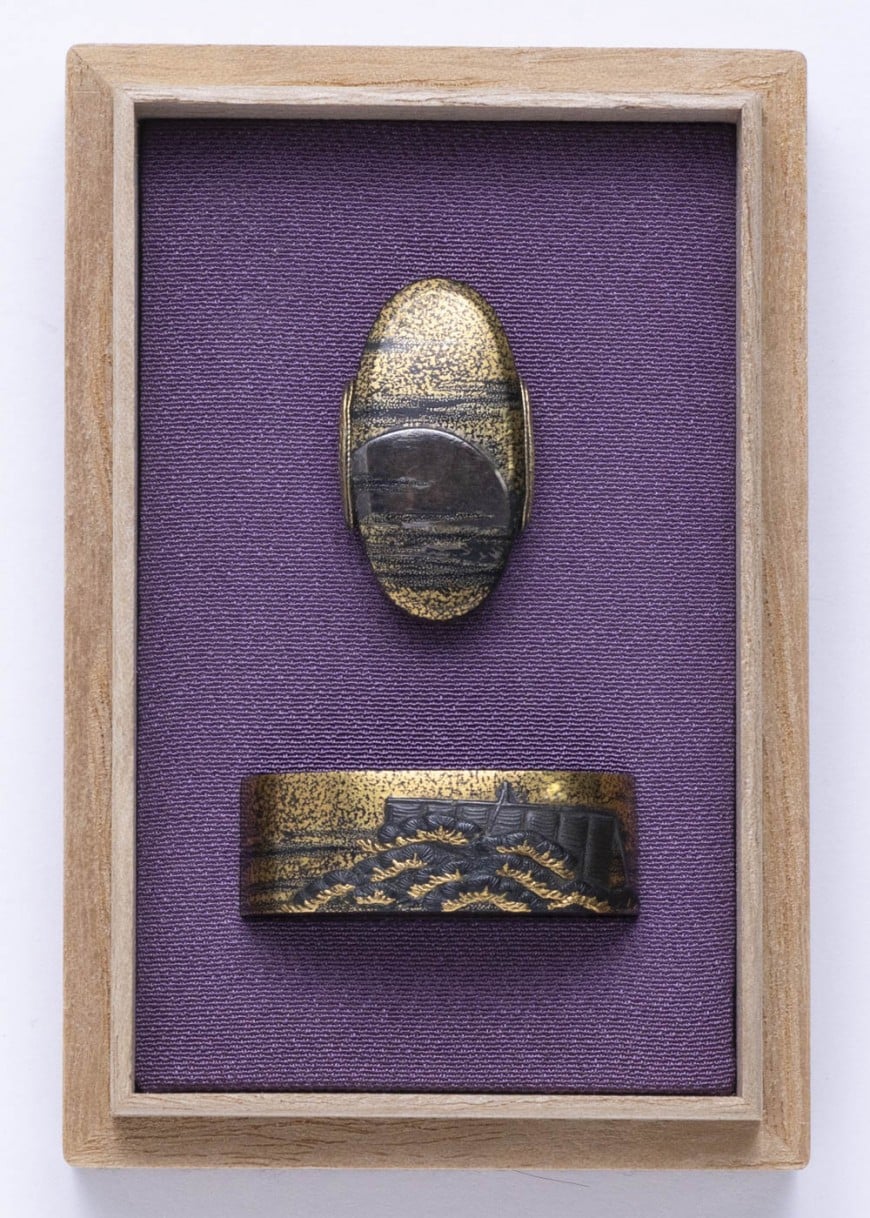
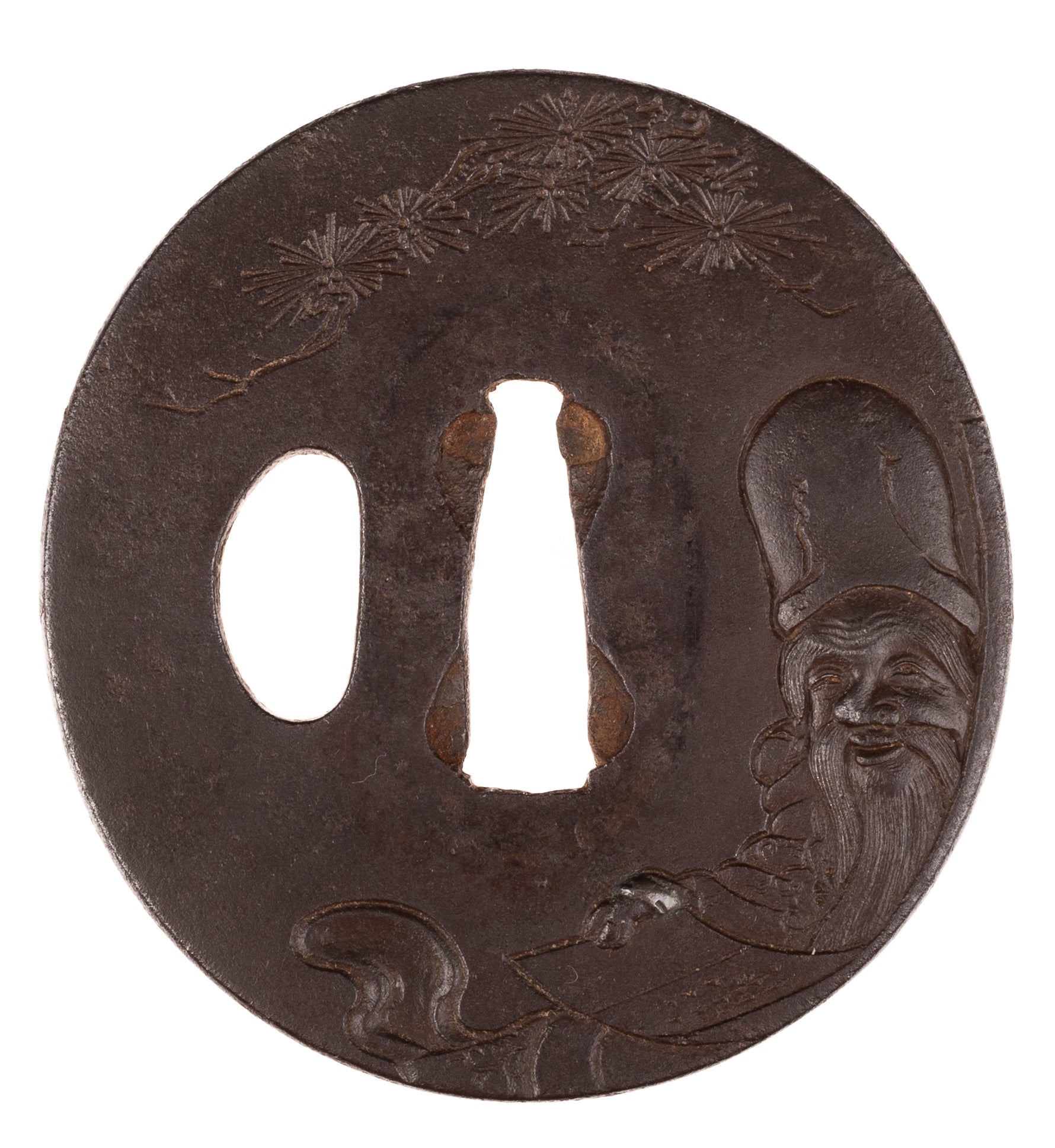
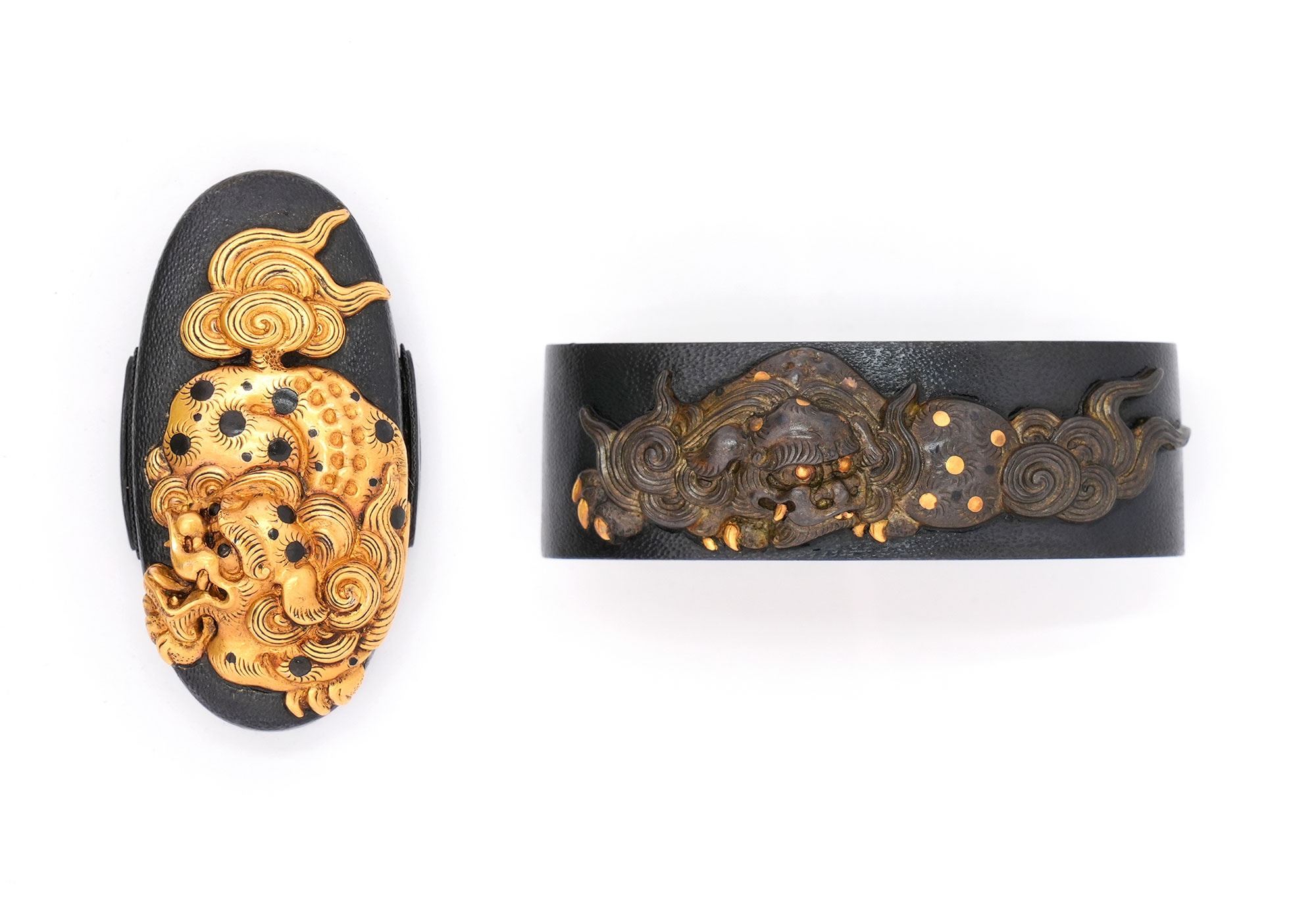
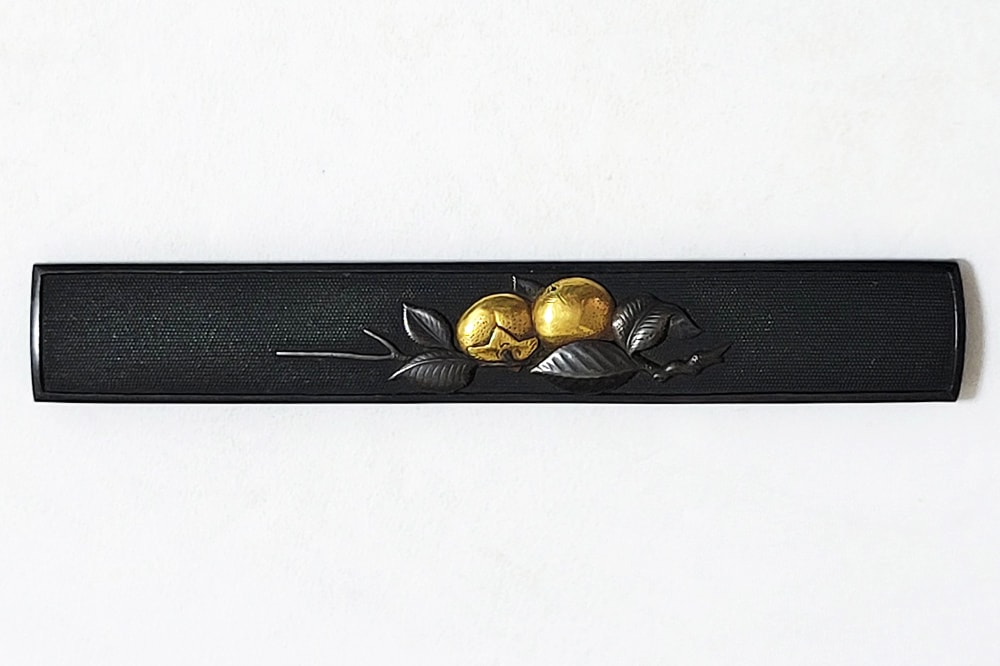
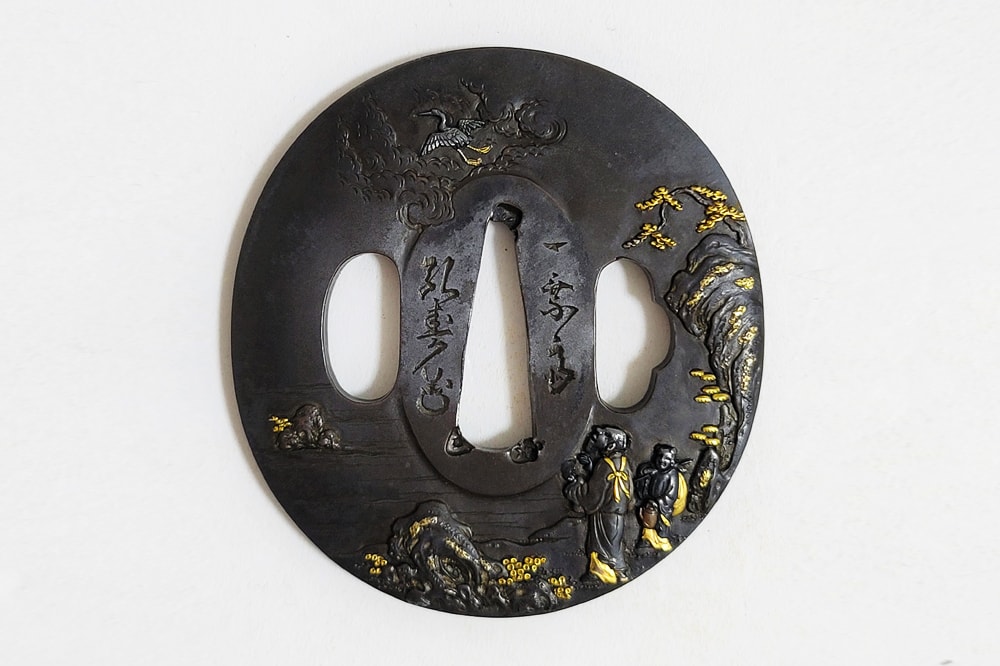
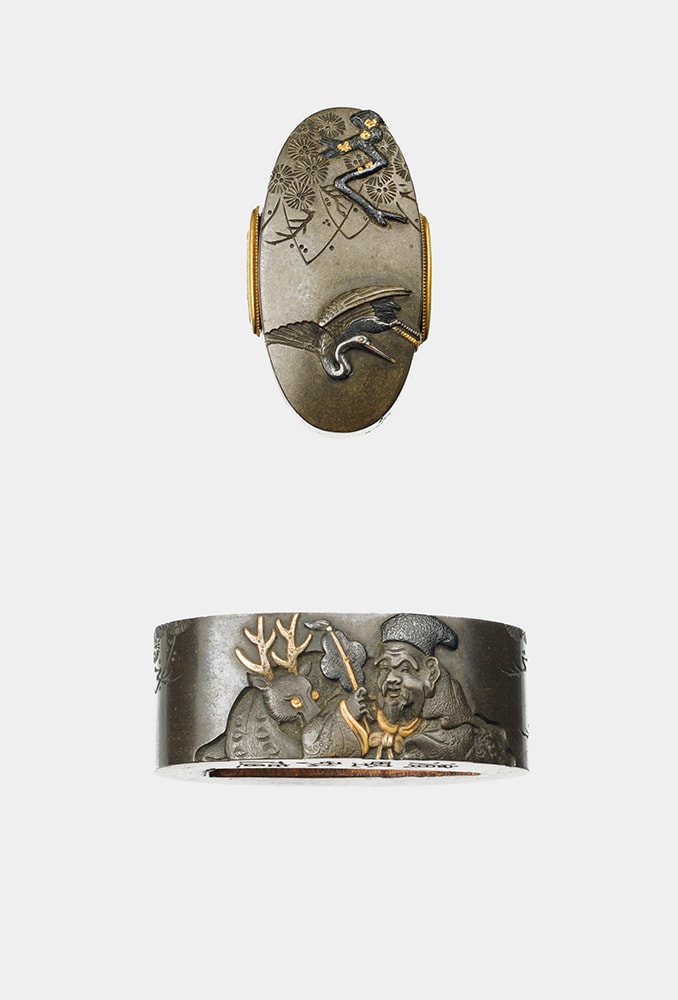
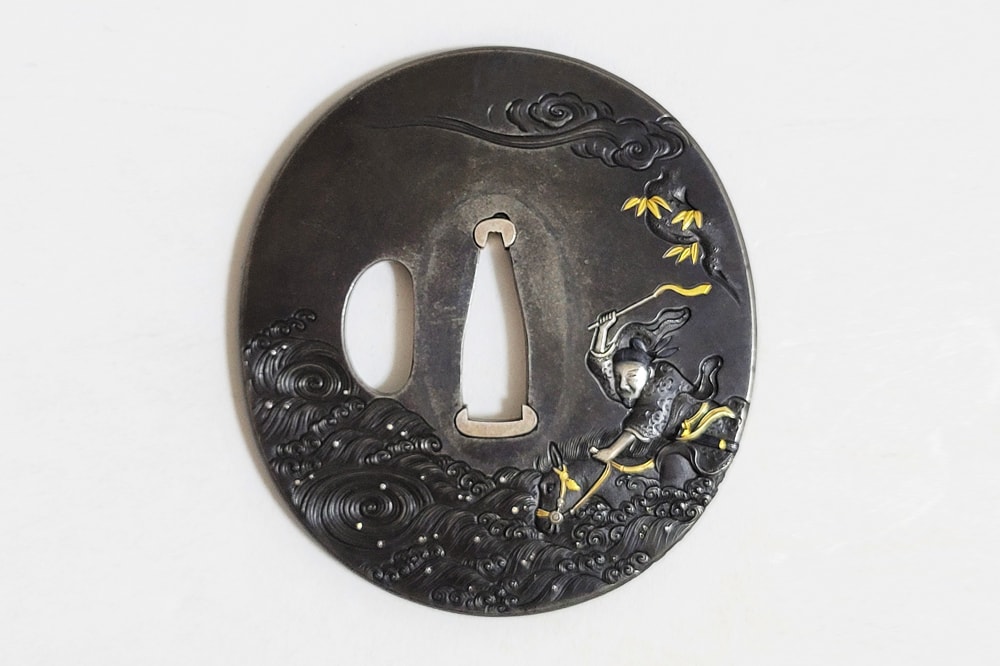
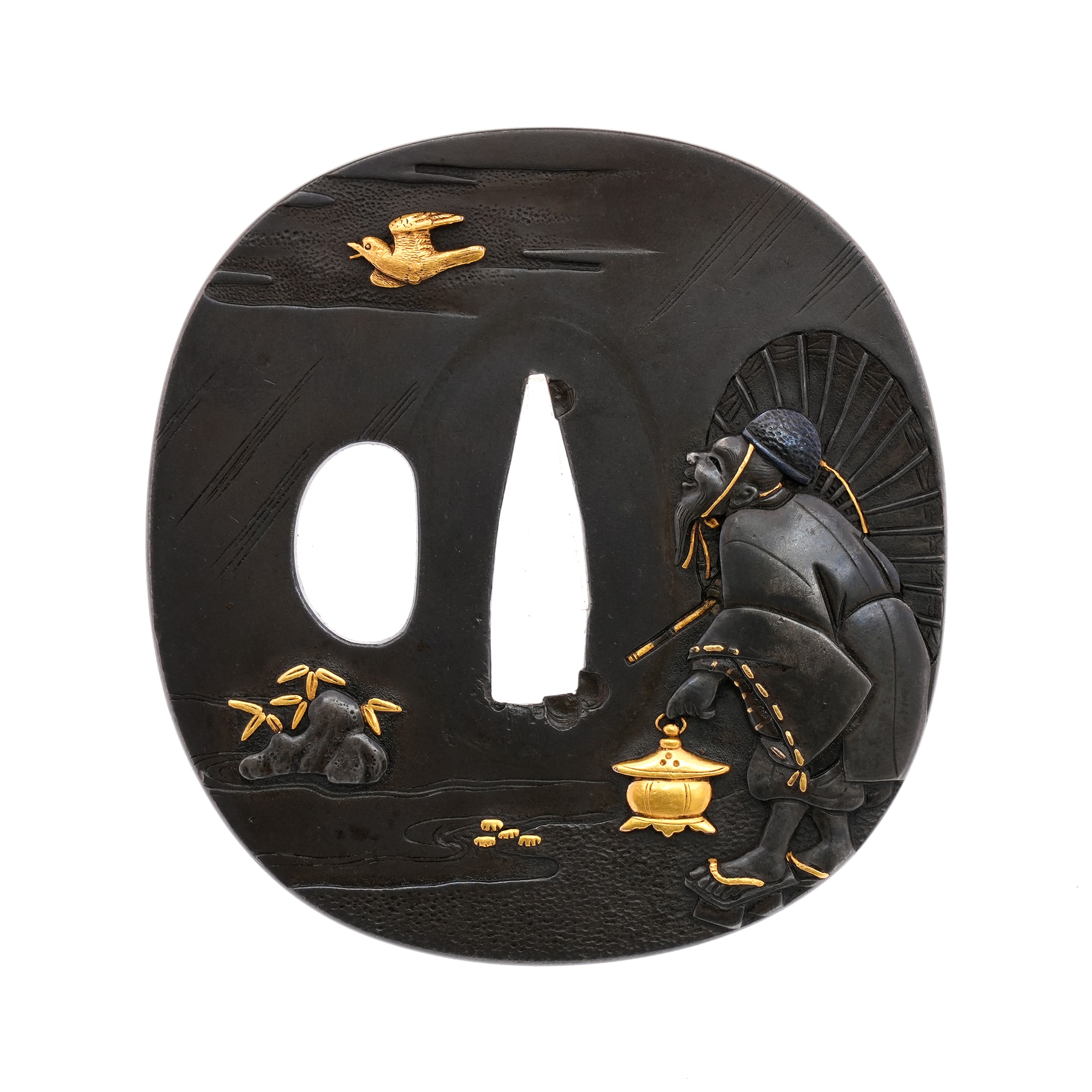
Koreyoshi worked in the established Ishiguro idiom of with on grounds, yet brought to it a distinctive refinement of color and naturalistic observation. His bird-and-flower subjects — among which the golden pheasant may be called the school's hallmark — are rendered through meticulous chiselwork that achieves "great splendor without any vulgarity." He employed an unusually wide palette of inlay metals, including scarlet copper, silver, and , deployed with what the examiners recognize as "an outstanding sense of color." His display rounded sculptural carving (yobori) on gold grounds, while his and feature the characteristic ' (gold-backed reverse) of the Ishiguro workshop. In certain works, his approach takes on a naturalistic, sketch-like quality that sets his production apart from the more formal manner of his predecessors.
The has consistently recognized Koreyoshi as an artist in whom the Ishiguro school's distinctive character finds its fullest late-period expression. His complete fitting sets are praised as works that leave "nothing of the Ishiguro school's distinctive character unexpressed," while his finest are described as achieving a brilliance "akin to the nishiki-e color woodblock prints then in vogue." Through a superb fusion of high-relief carving, richly modeled gold ornament, and polychrome inlay, Koreyoshi's production represents the summation of the Ishiguro tradition — works of "great visual mass and presence" that embody the school's legacy of sumptuous yet disciplined metalwork.