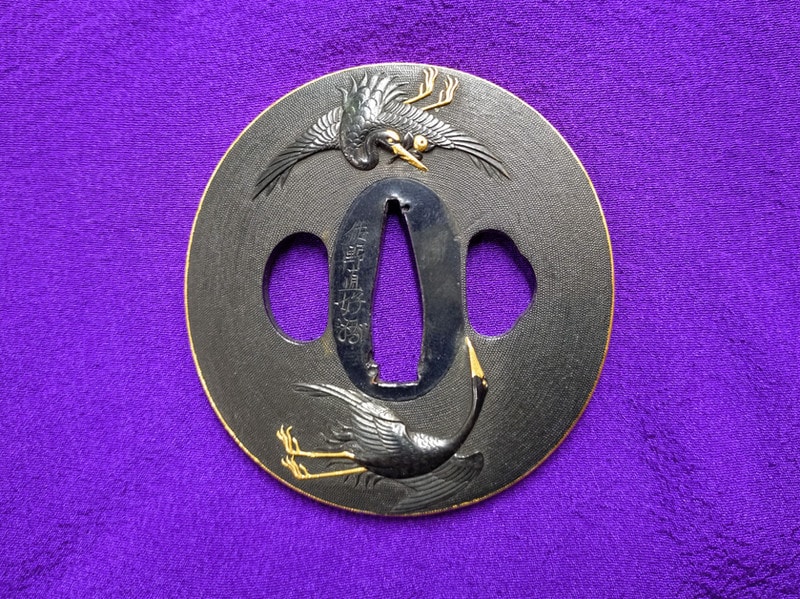
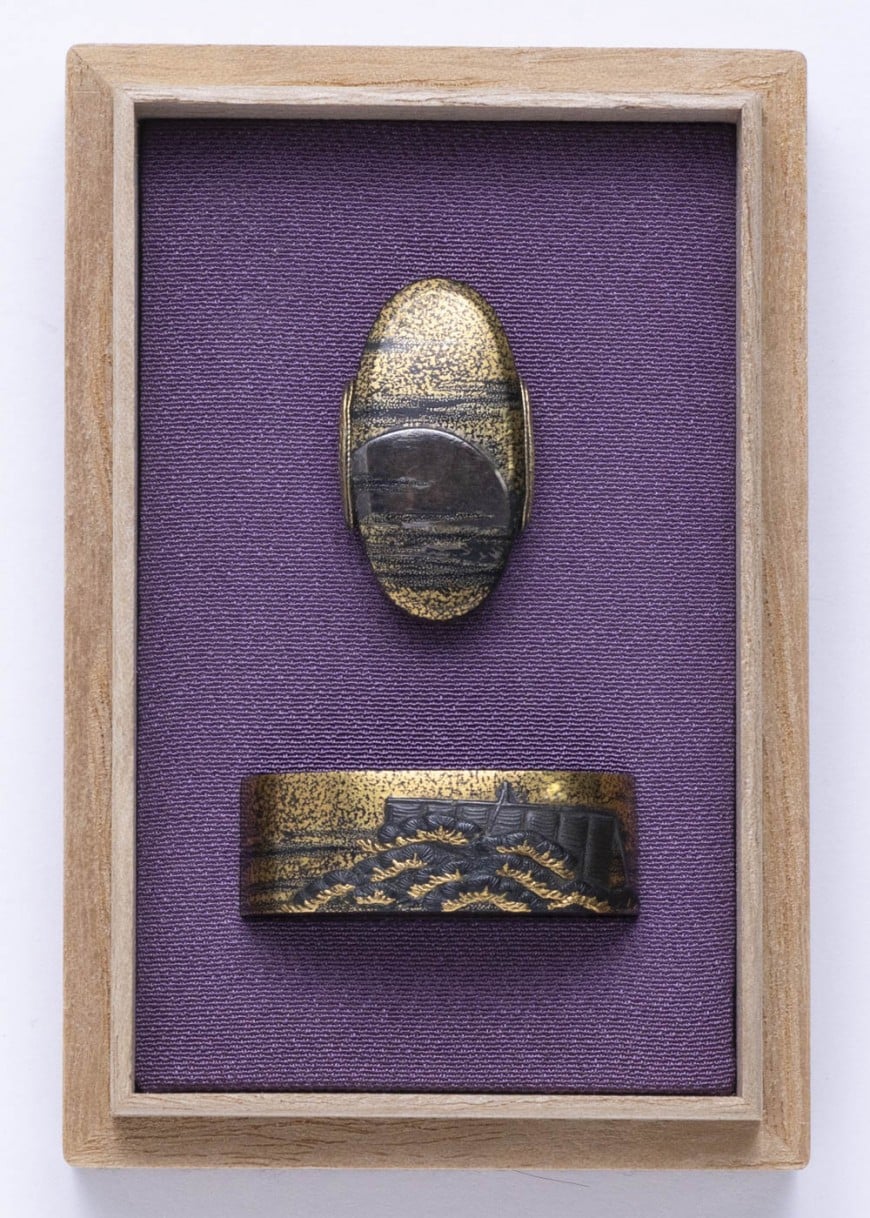
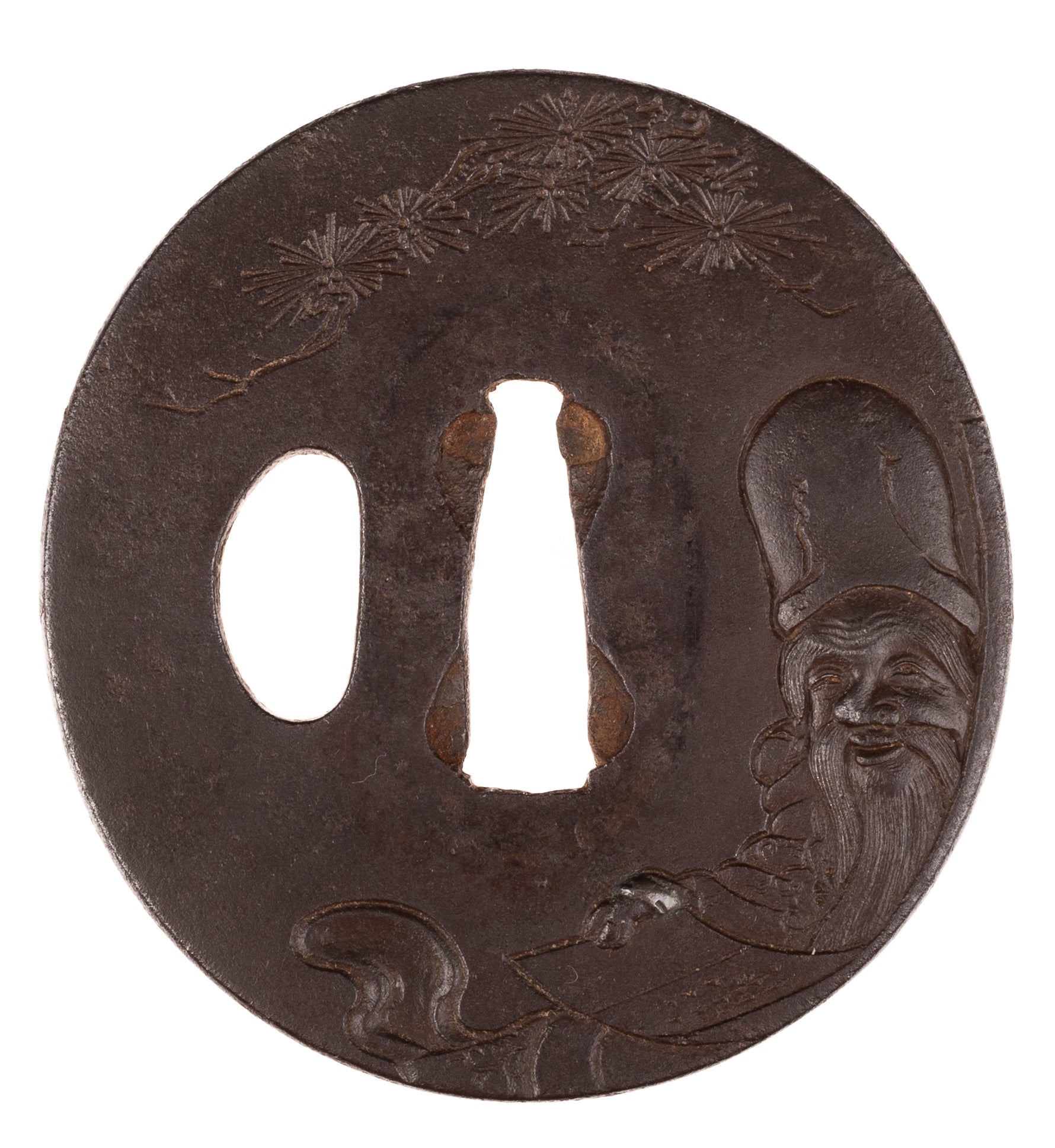
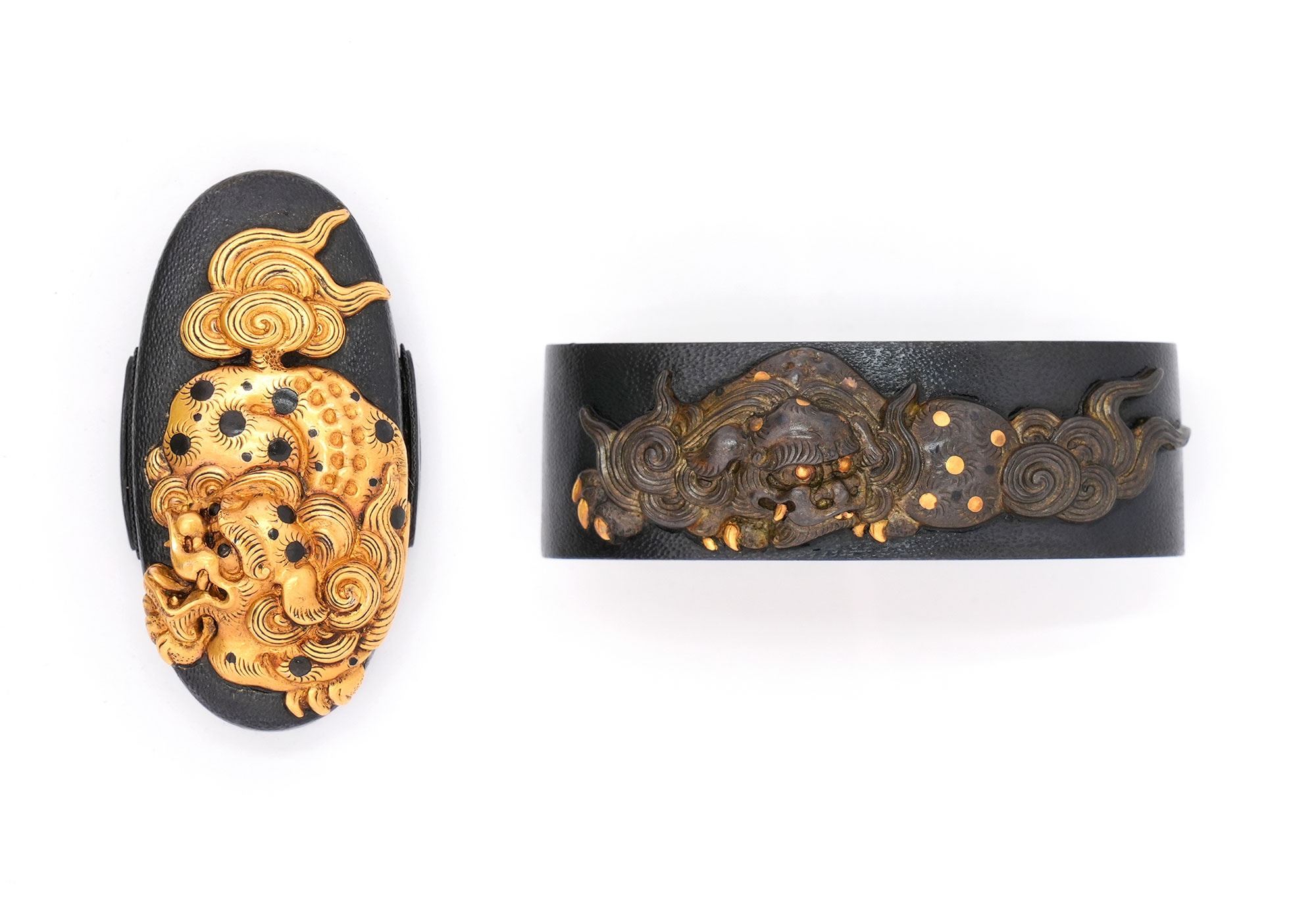
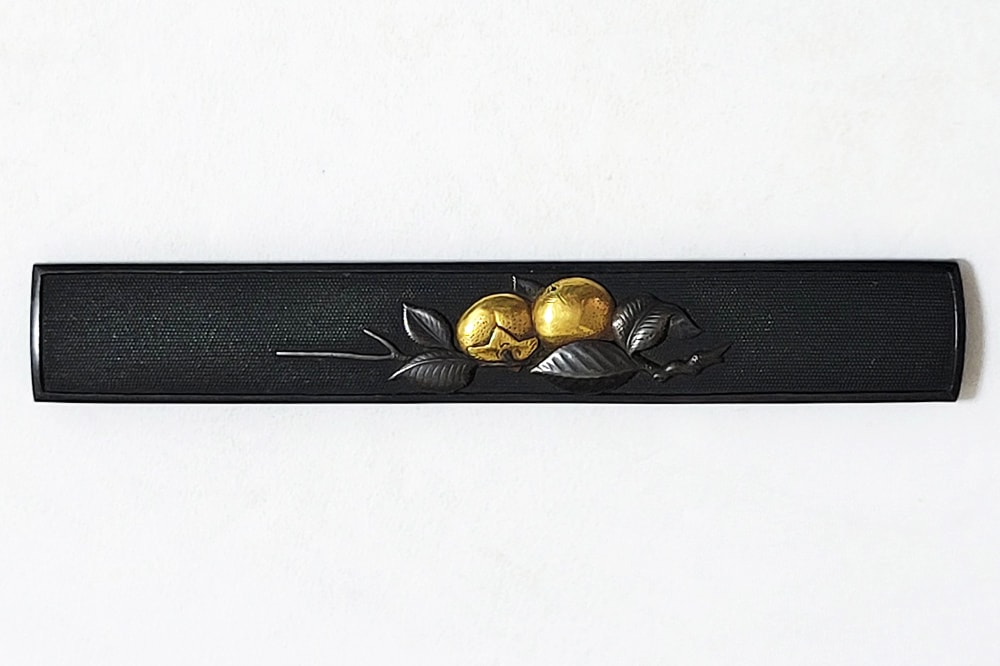
Ishiguro Masayoshi (石黒政美), also read Masami, was a preeminent master of the Ishiguro school, a distinguished lineage of -period metalworkers descended from the Yokoya tradition. Born in An'ei 3 (1774), his common name was Shōzō, and he employed a succession of art names including Jugakusai, Jukakusai, Juōsai, and Juō. He first trained under Sano Naoyoshi of the Yanagawa school before entering the atelier of Ishiguro Masatsune, the founder of the Ishiguro house. In tribute to both teachers, he derived his art name by taking one character from each master's name and substituting the character mi (美) for (好), thus arriving at Masayoshi (政美). Extant works bearing the inscription "Third-generation Ishiguro Masayoshi" confirm that he succeeded as the third head of the family following the second Masatsune. Within the school he was celebrated alongside his fellow pupil Masaaki as forming a "matched pair" of supreme ability, and he trained numerous disciples who carried the Ishiguro manner into the late period.
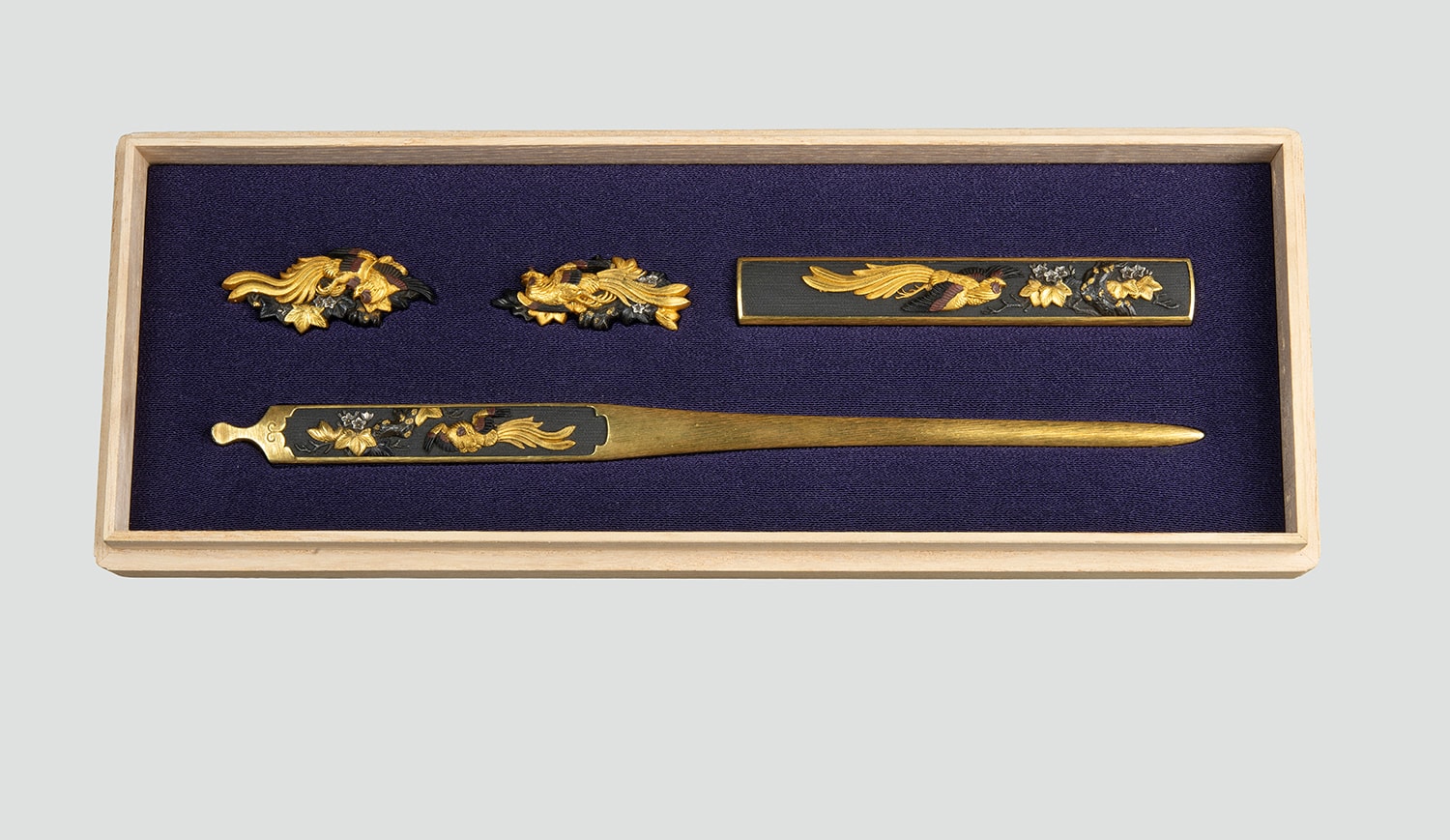
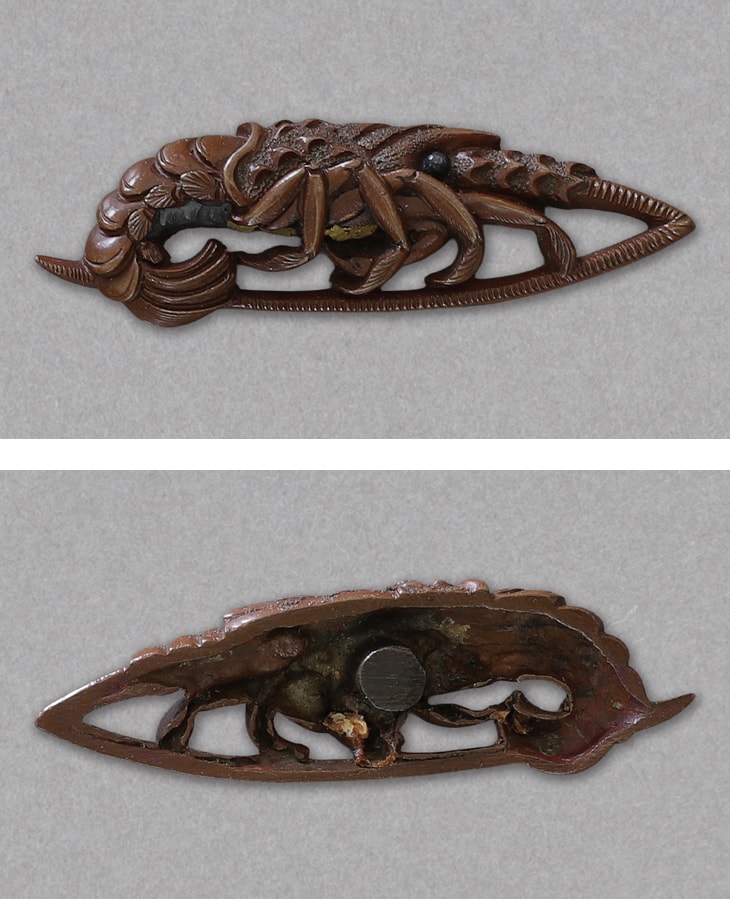
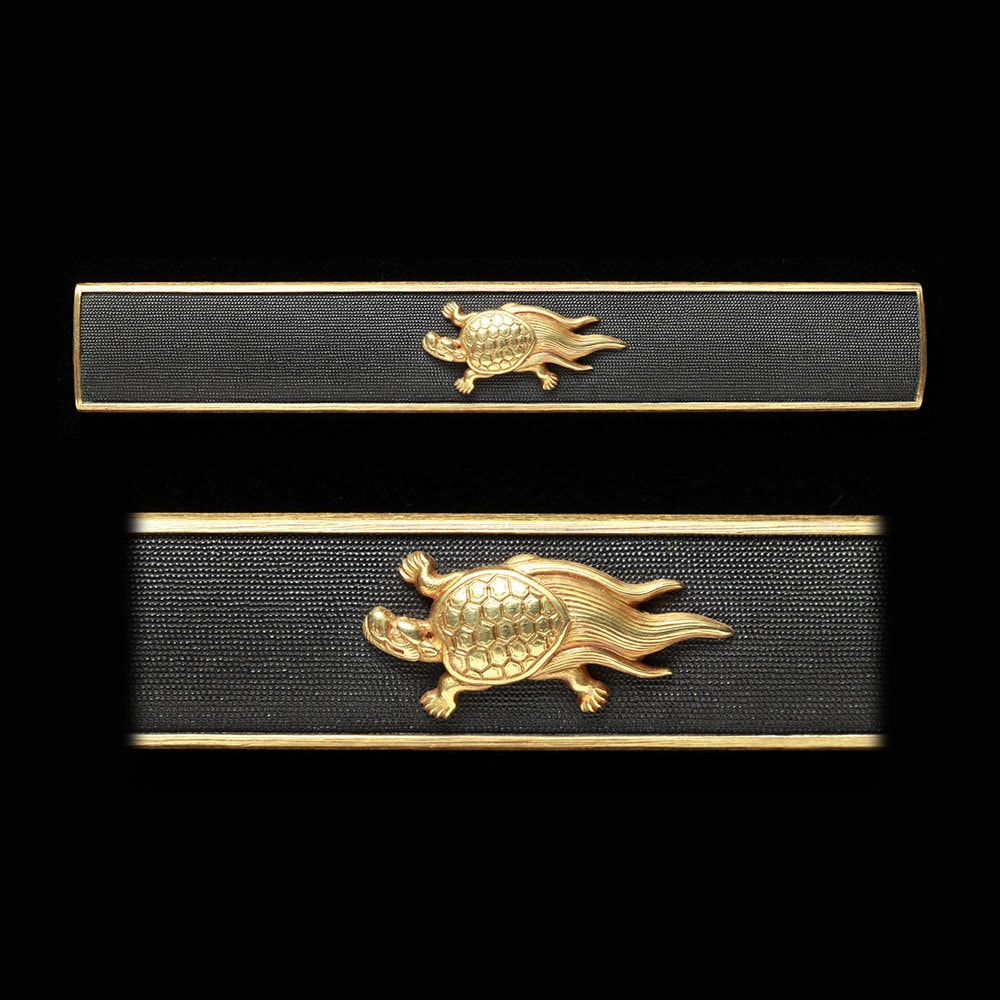
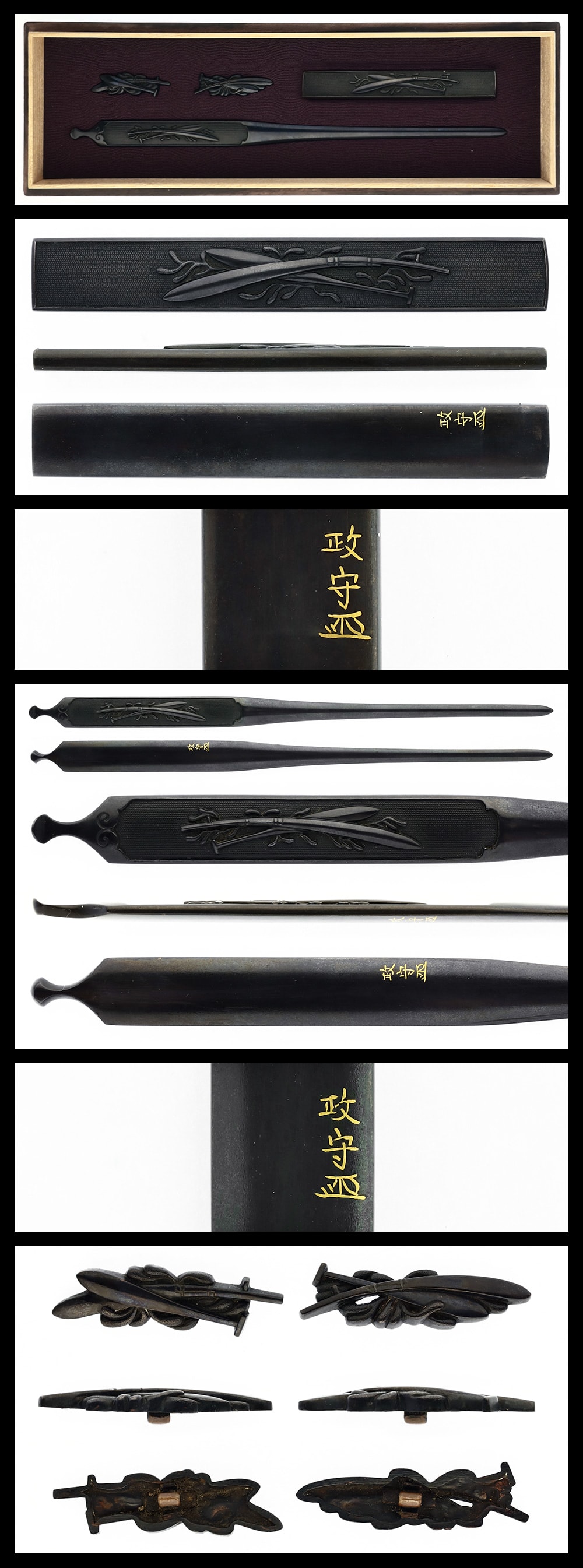
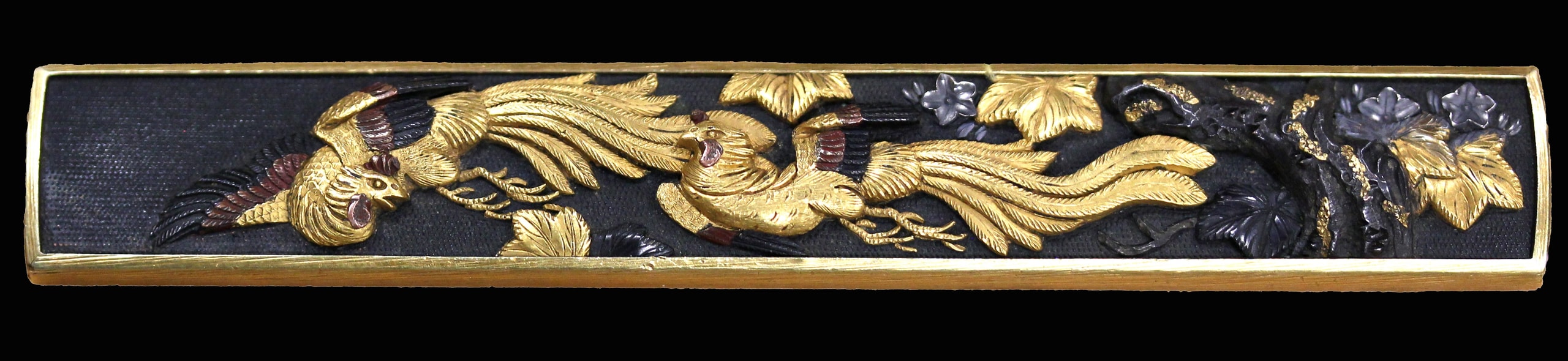
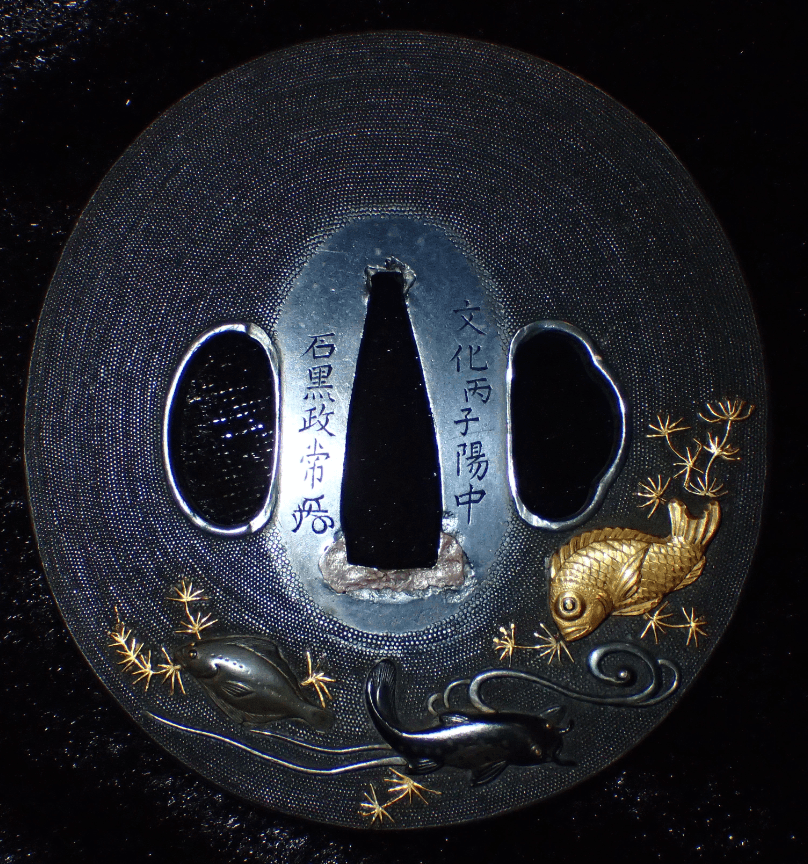
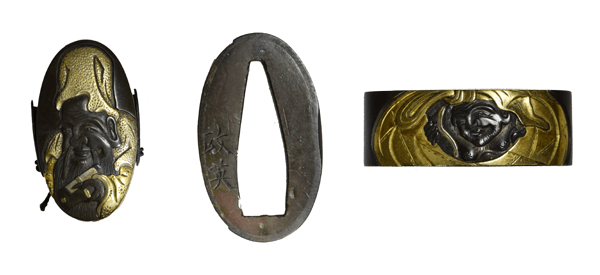
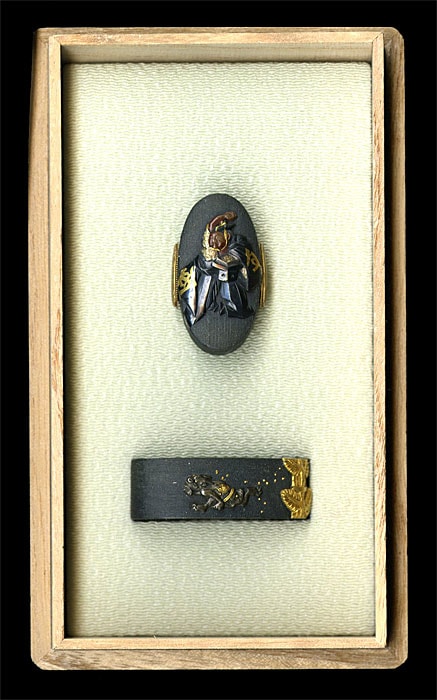
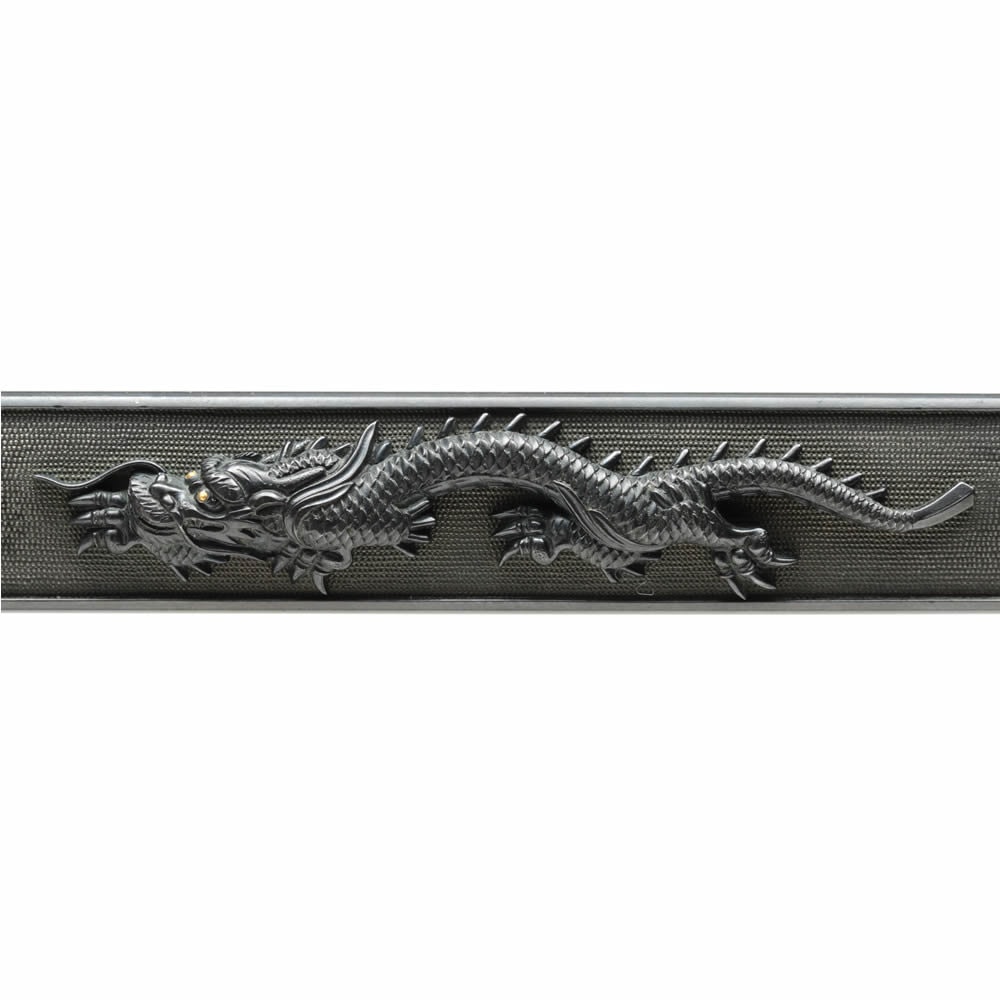
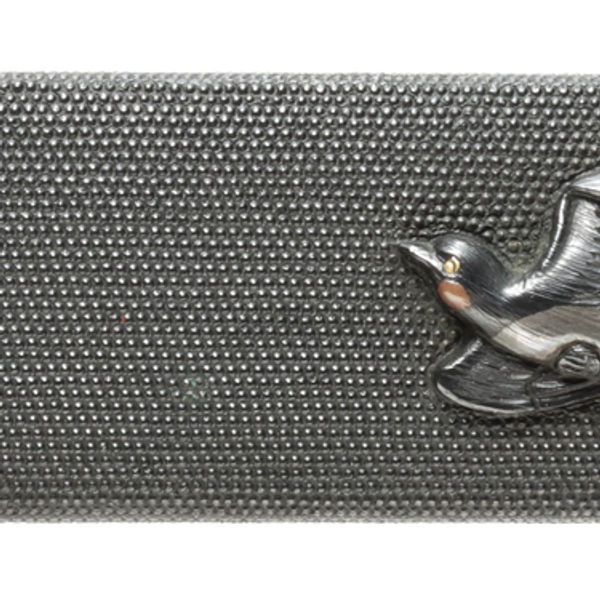
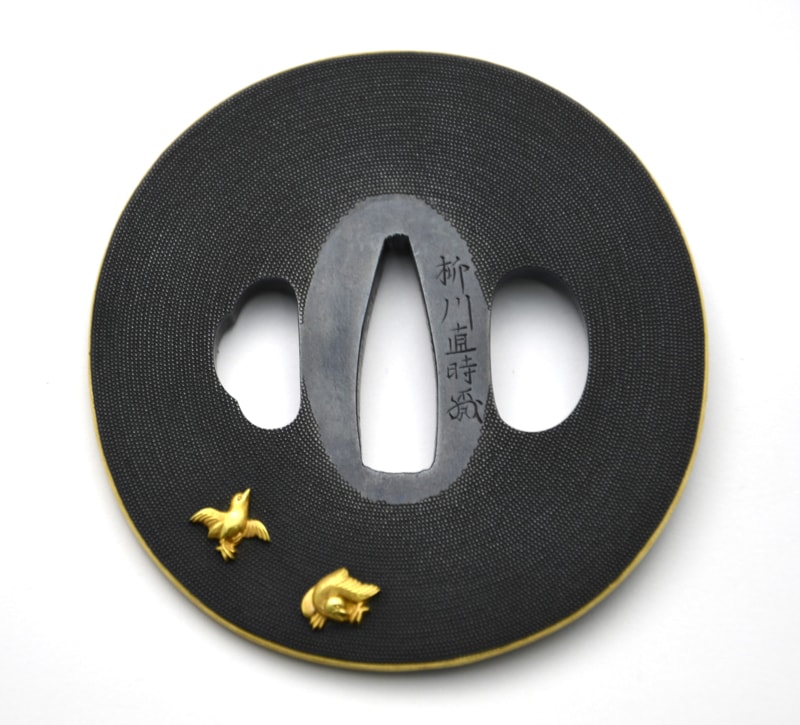
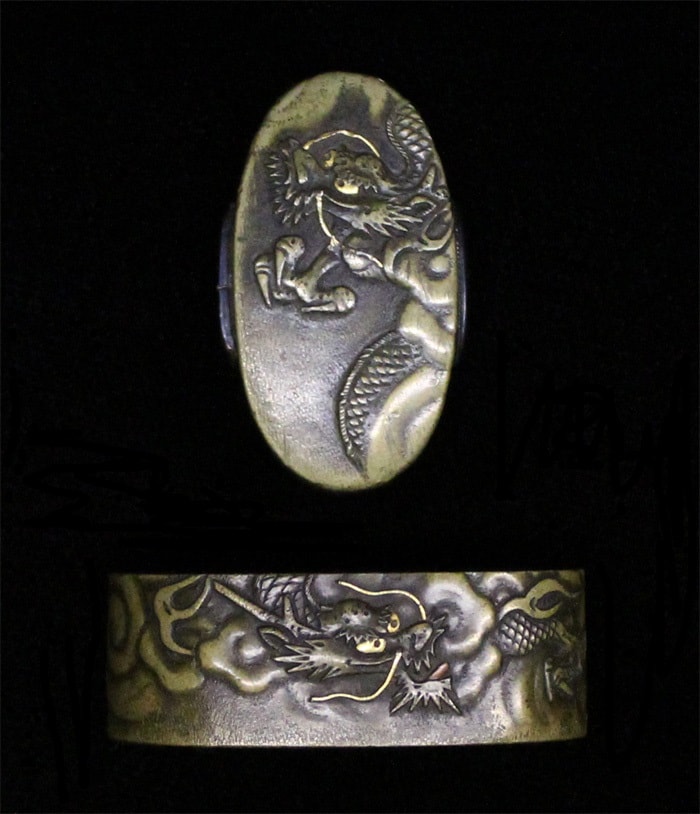
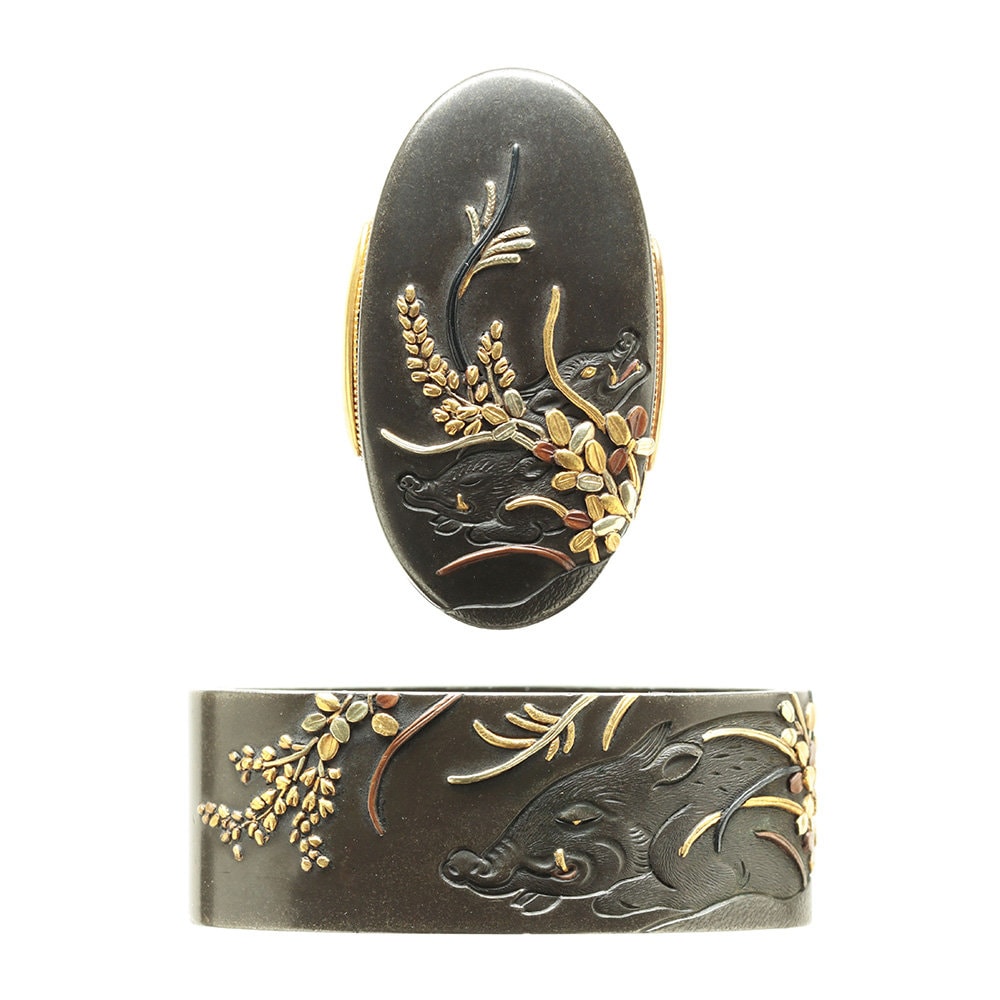
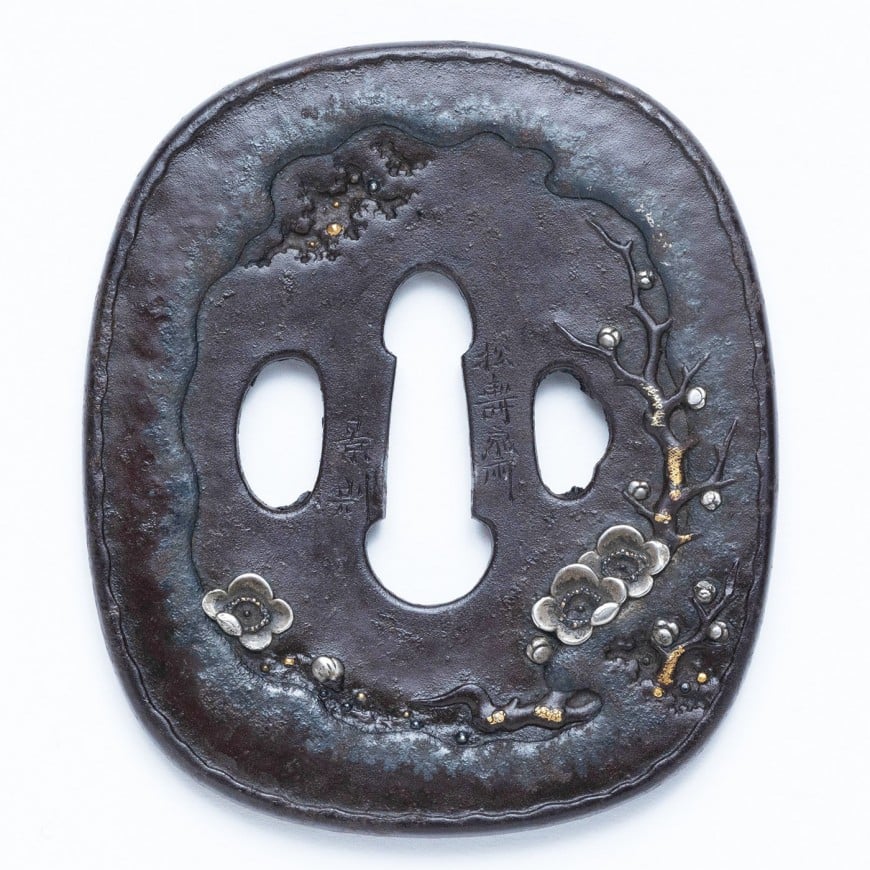
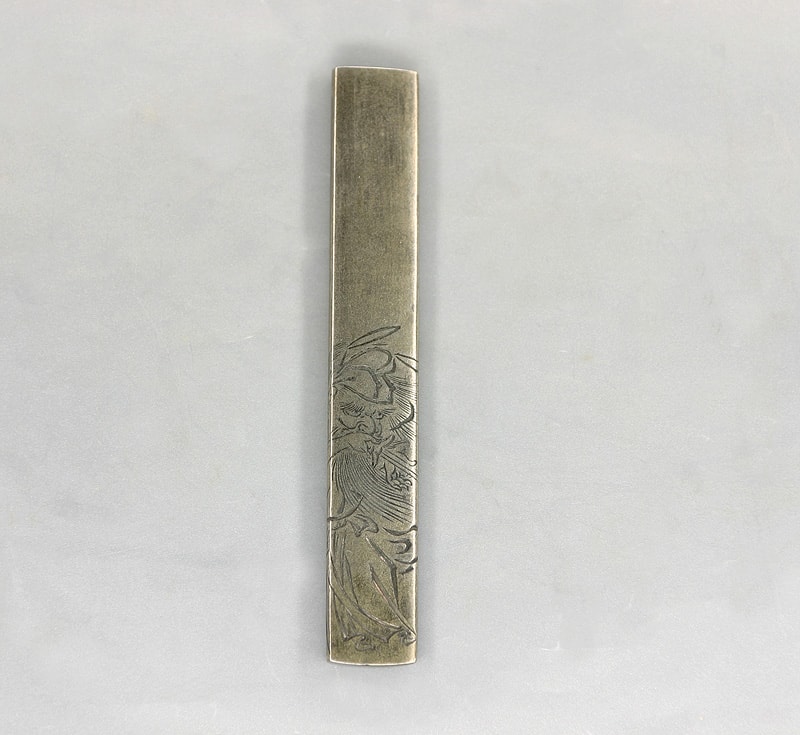
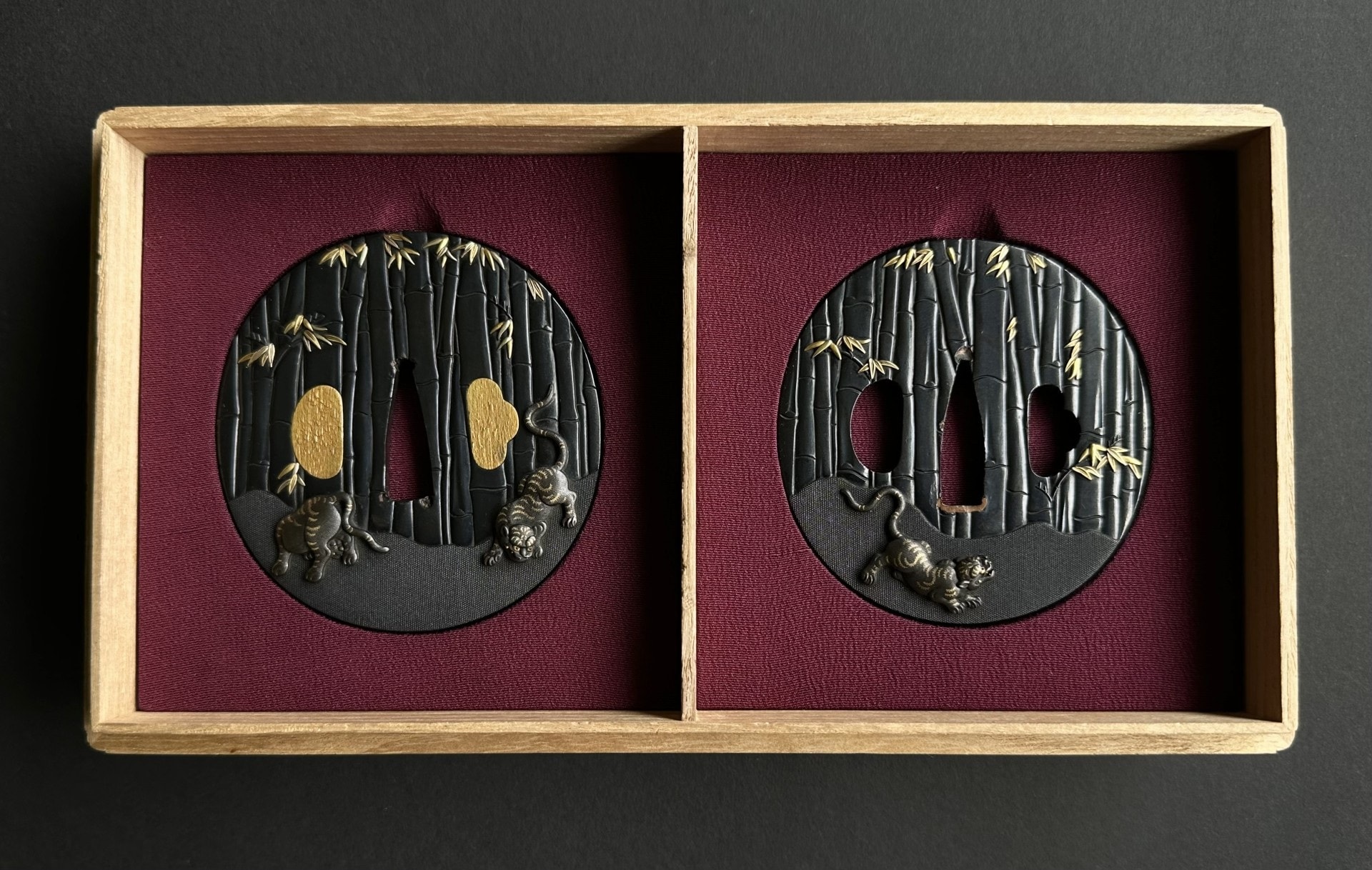
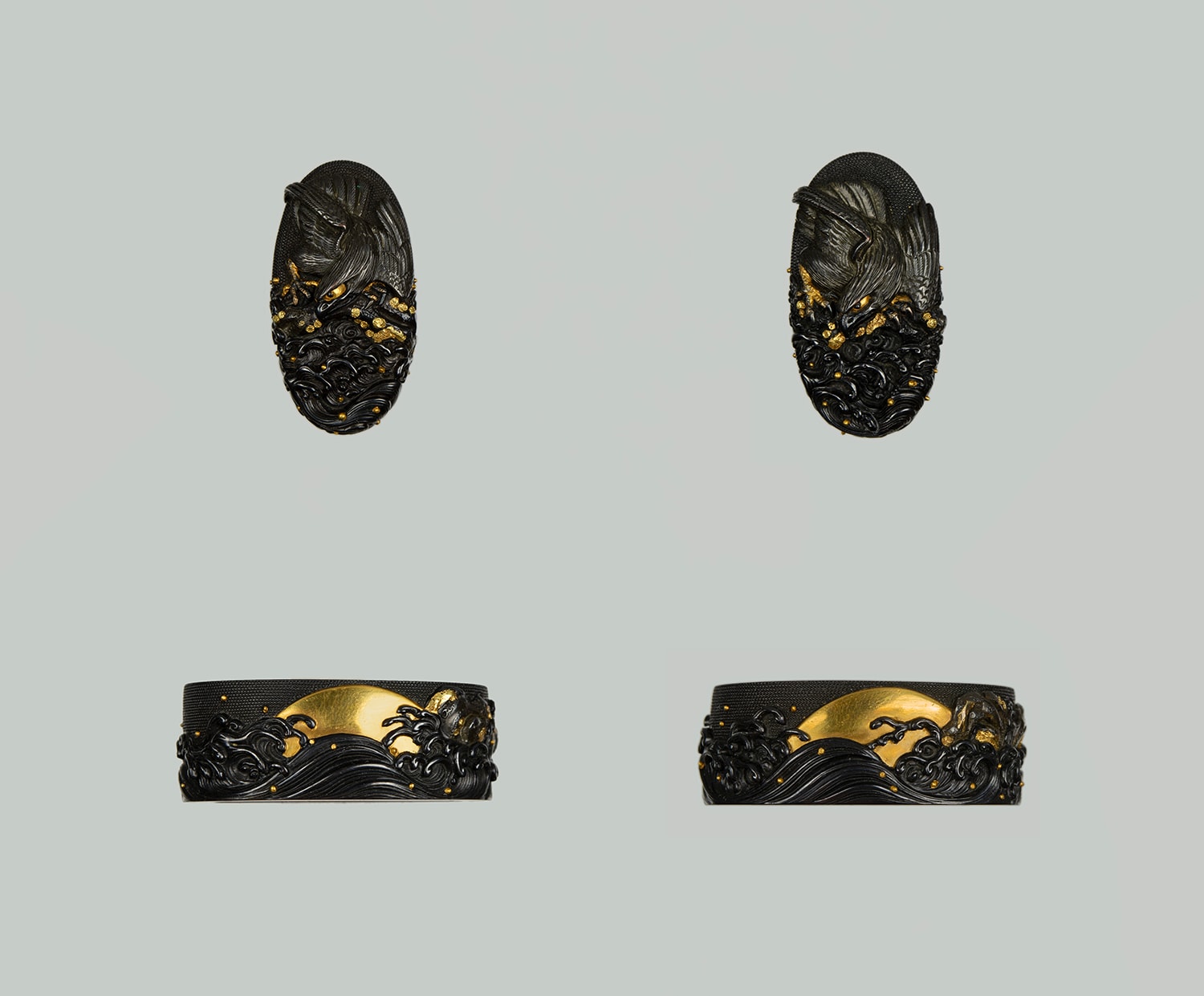
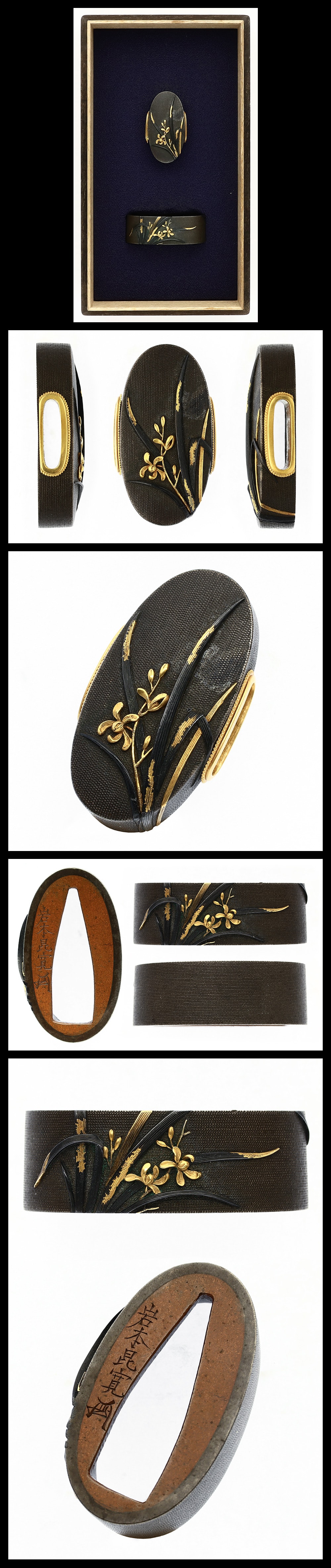
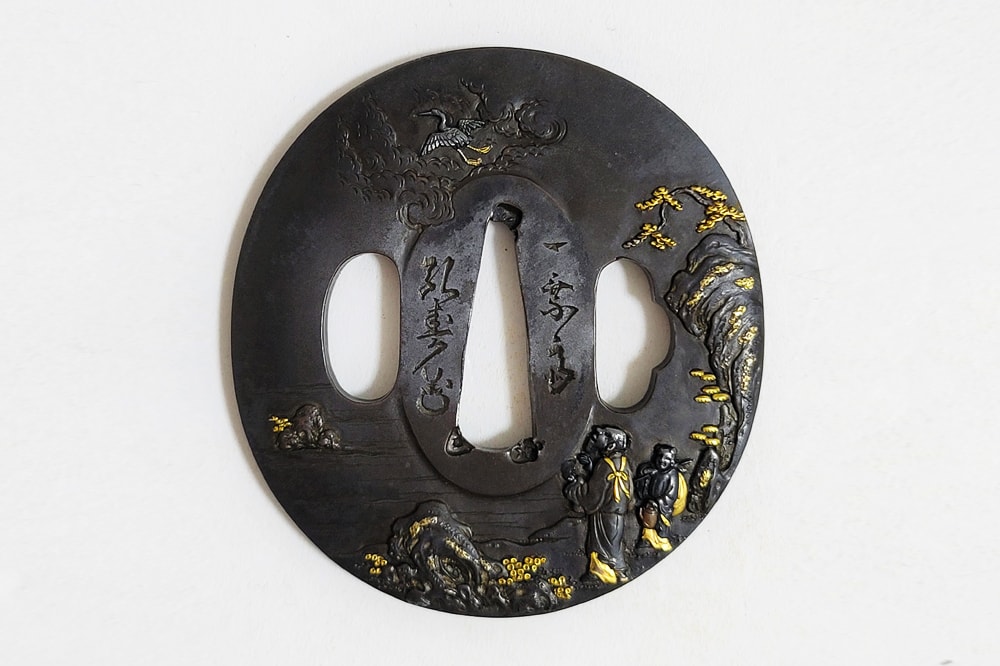
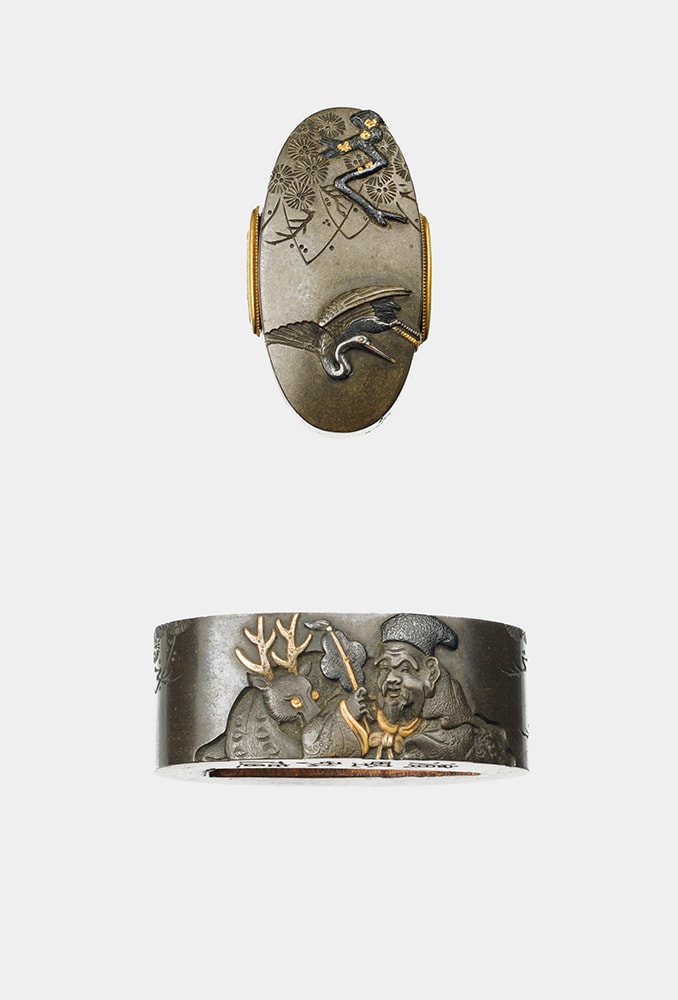
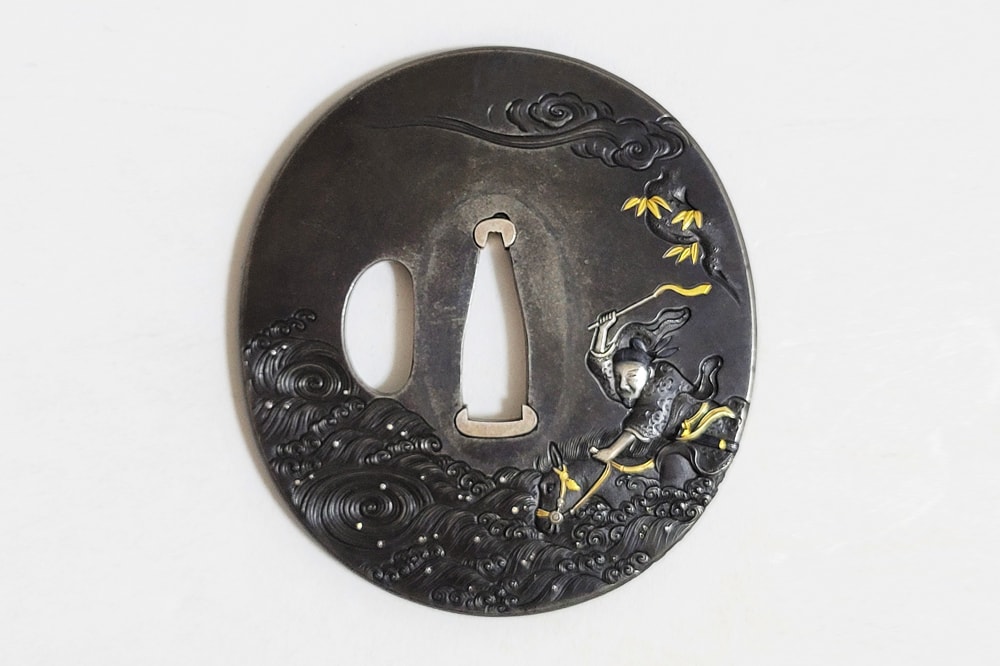
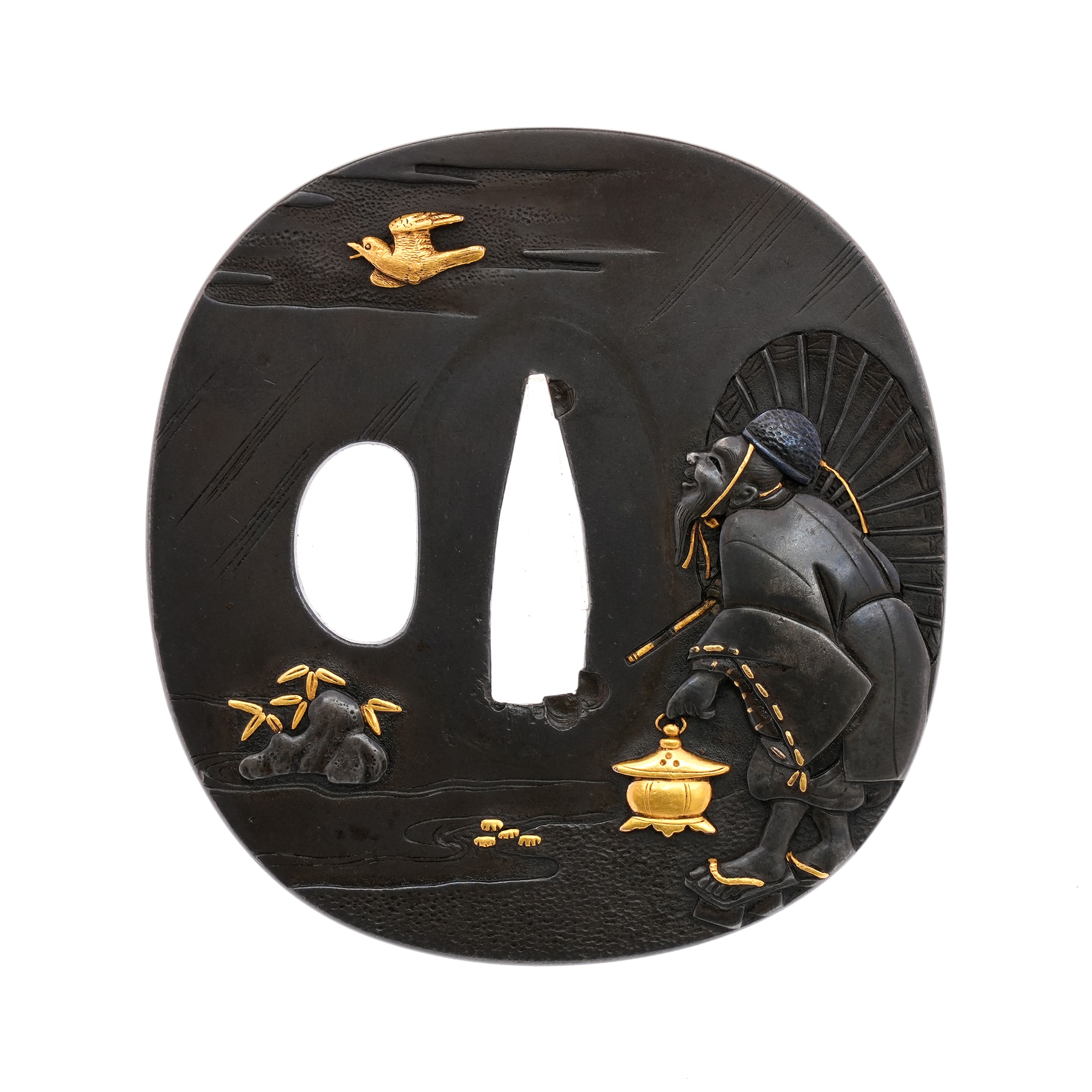
Masayoshi's technical command encompassed the full repertoire of the Ishiguro school's metalworking vocabulary. His preferred format was a ground finished in dense upon which elaborate pictorial compositions were built through executed as applied motifs in the technique, enriched with lavish polychrome employing gold, silver, , and scarlet copper (hiirōdō). His , , , , and frequently formed unified suites—soroi or complete sets—demonstrating rigorous thematic coherence across every fitting. While the school's signature kachō-zu (flowers-and-birds) subjects predominated, Masayoshi proved equally commanding in martial themes: hawks poised on rocks above raging torrents, raptors fixed upon prey amid aged pines, and dragon-and-tiger compositions rendered through varied relief techniques from through rounded modeling to full high relief. He also worked with distinction on and grounds, and produced refined and line-engraving on solid-gold fittings, as seen in his celebrated "Four Gentlemen" suite. His works inscribed at the age of seventy-seven and seventy-eight confirm an undiminished creative intensity sustained across decades.
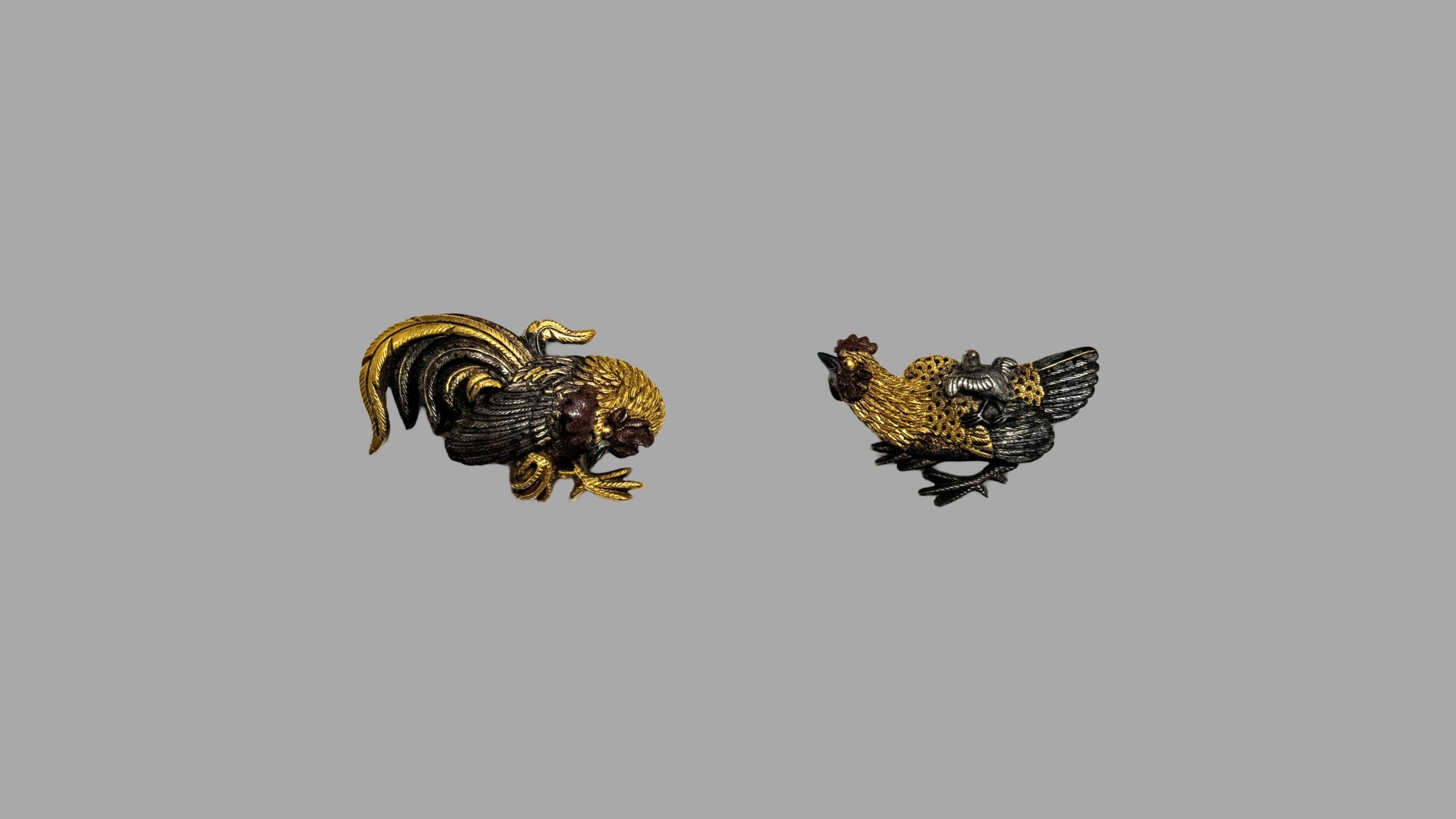
Masayoshi occupies a central place in the history of late metalwork as the artist who brought the Ishiguro school's painterly idiom to its fullest expression. His compositions reveal a pictorial intelligence that extends beyond virtuoso carving: front and reverse surfaces are linked through continuous branches and contrasting water motifs, male and female birds are paired with deliberate compositional care, and the interplay of a- expression lends narrative depth to each scene. The examiners have repeatedly noted that his finest pieces represent works in which "Masayoshi's full capabilities are brought to fruition," praising both the steadfast precision of his chisel work at the smallest scale and the monumental presence of his high-relief compositions. Whether rendering the opulent splendor of peacocks with peonies or the austere nobility of a solitary hawk upon iron, Masayoshi demonstrated a range and mastery that secured his standing as one of the foremost tōsōgu artists of the late Tokugawa period.