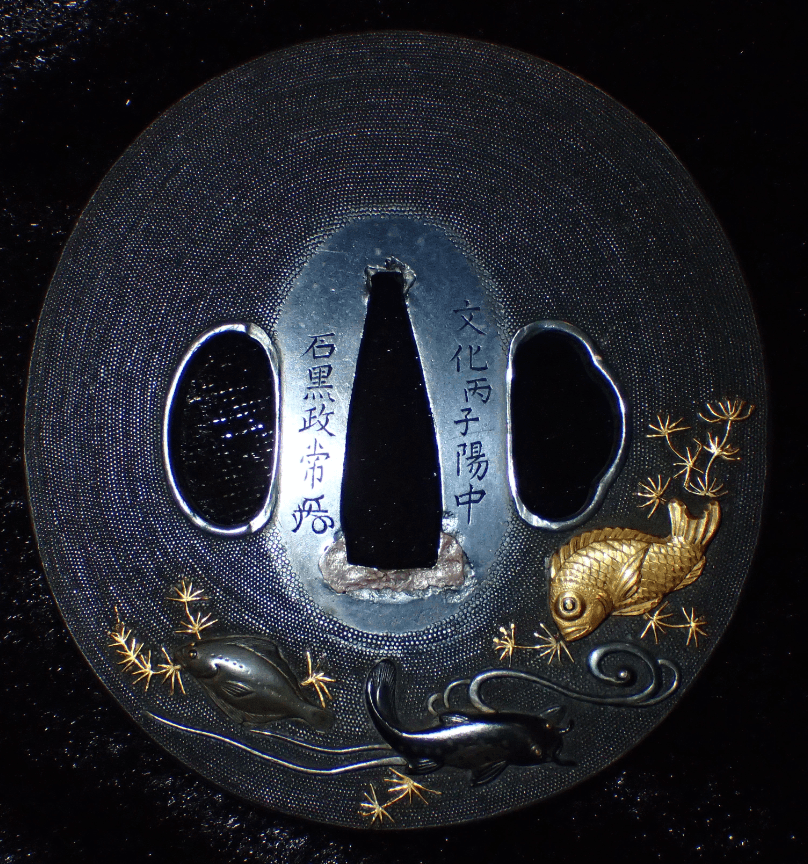
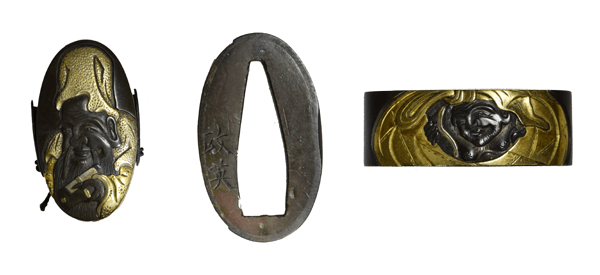
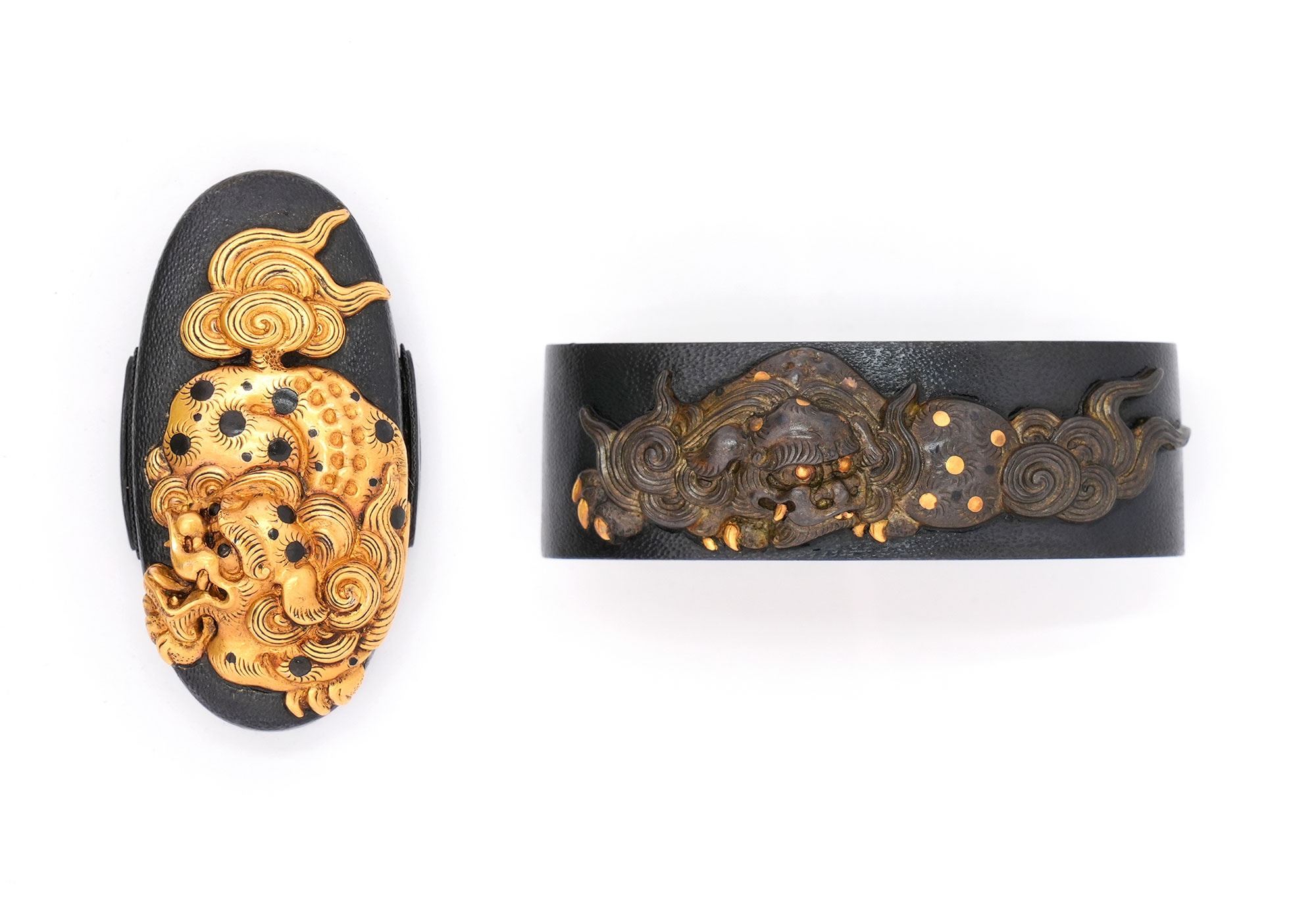
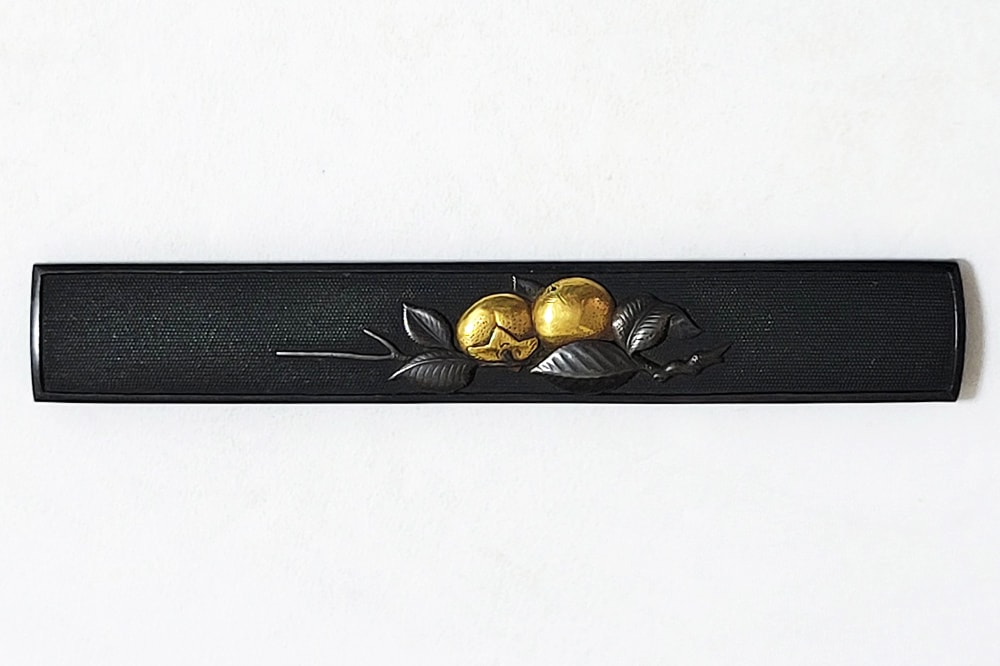
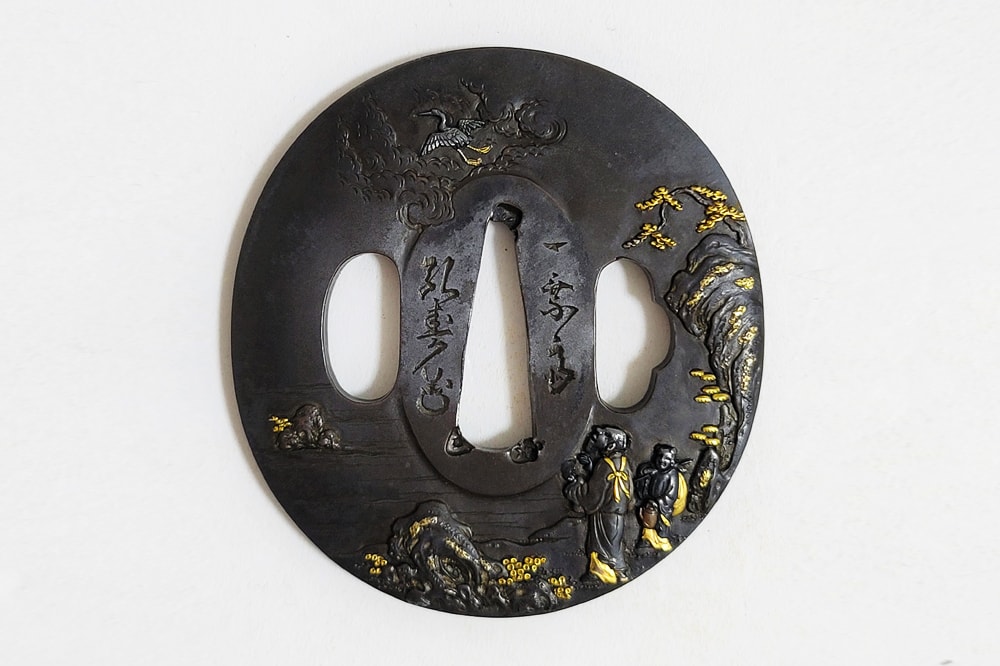
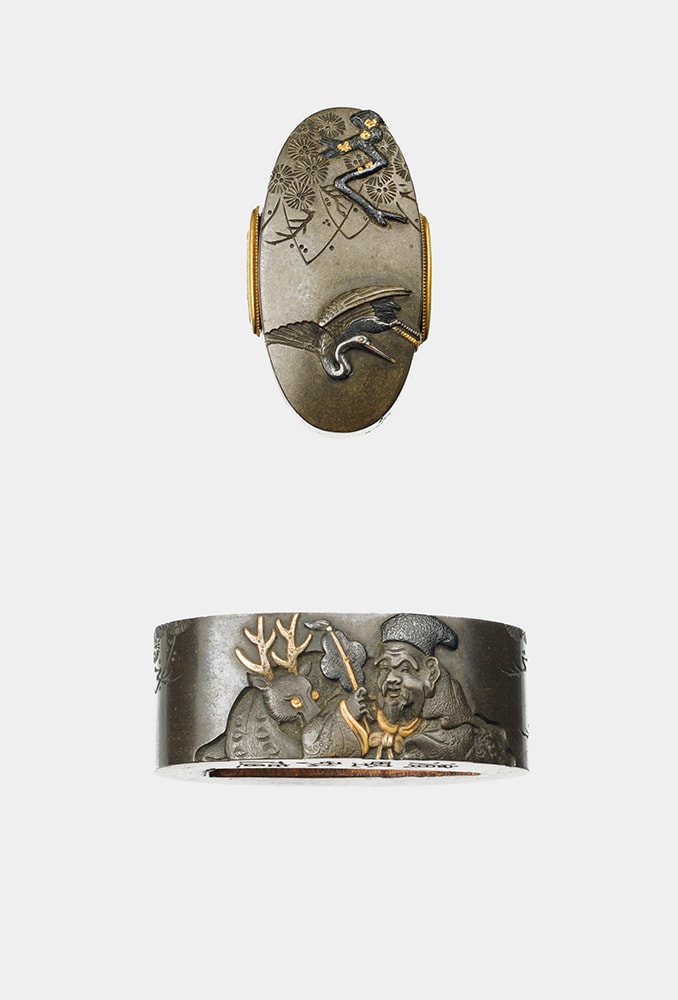
Ishiguro Koretsune was the eldest son of the first-generation Masatsune, the founding master of the Ishiguro school within the broader Yokoya lineage. Known by the common name Shukichi, he employed the art names Togakushi and Shuhosai. Together with the second-generation Masatsune, Koretsune served as a substitute maker () for his father, assuming a central role in the workshop's prolific output during the late period. He is further credited with having provided technical guidance to the first-generation Koreyoshi, thereby transmitting the school's methods to the next generation. It is recorded that Koretsune died in the prime of life, lending a particular rarity to his surviving oeuvre.
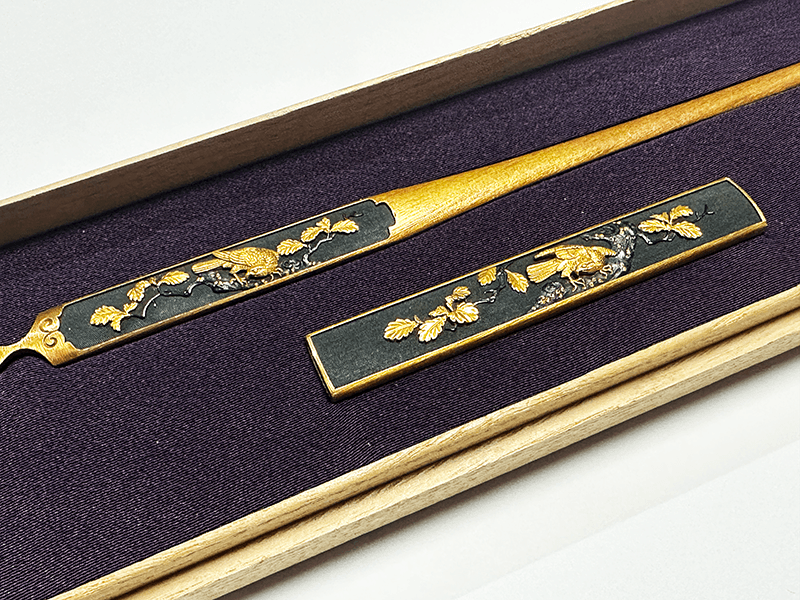
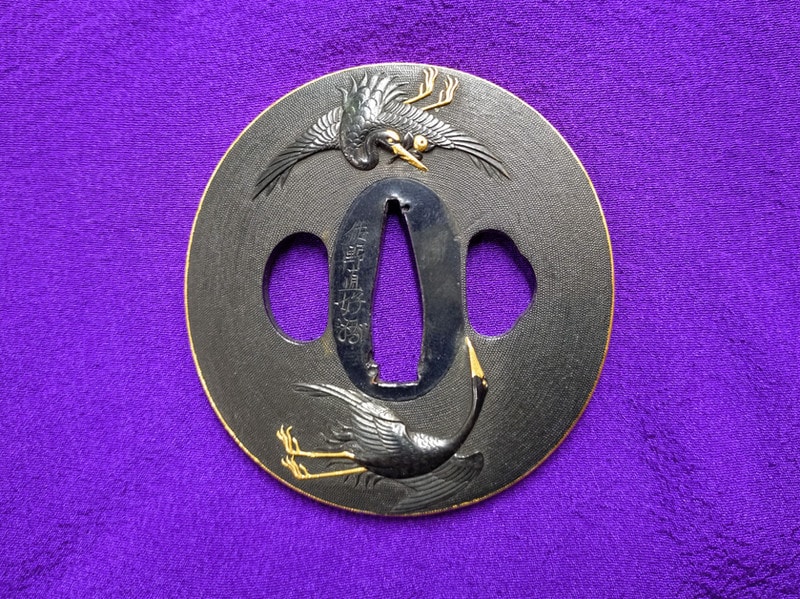
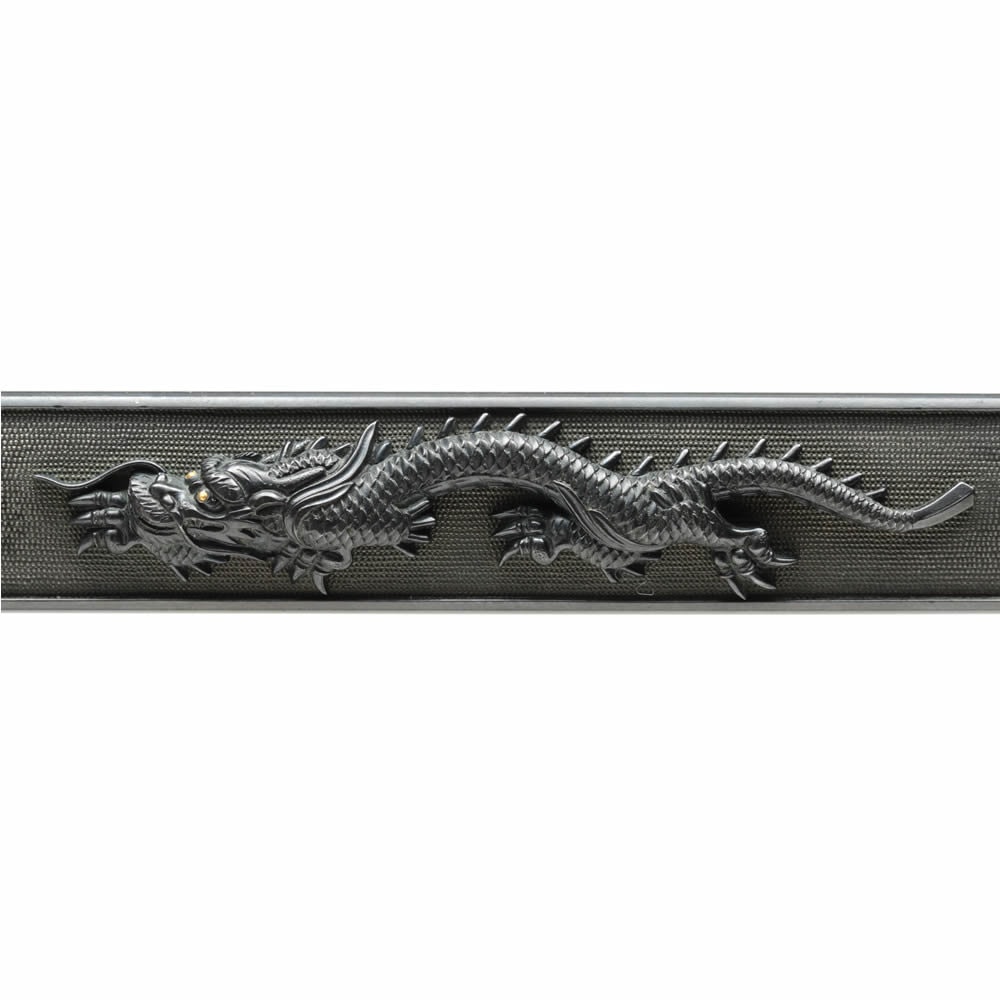
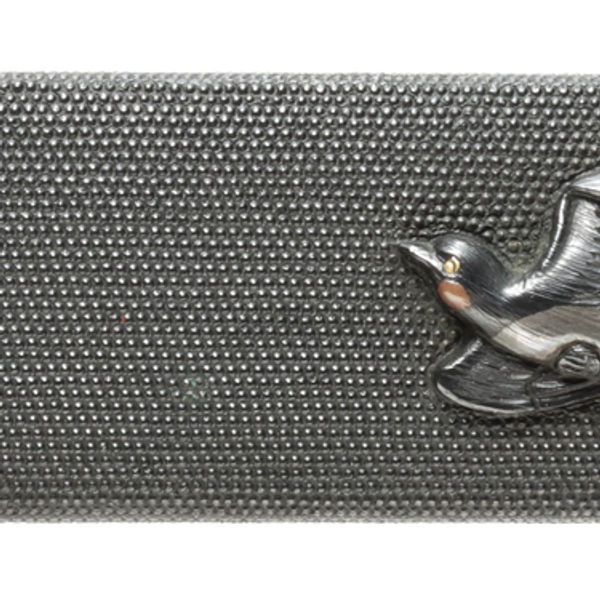
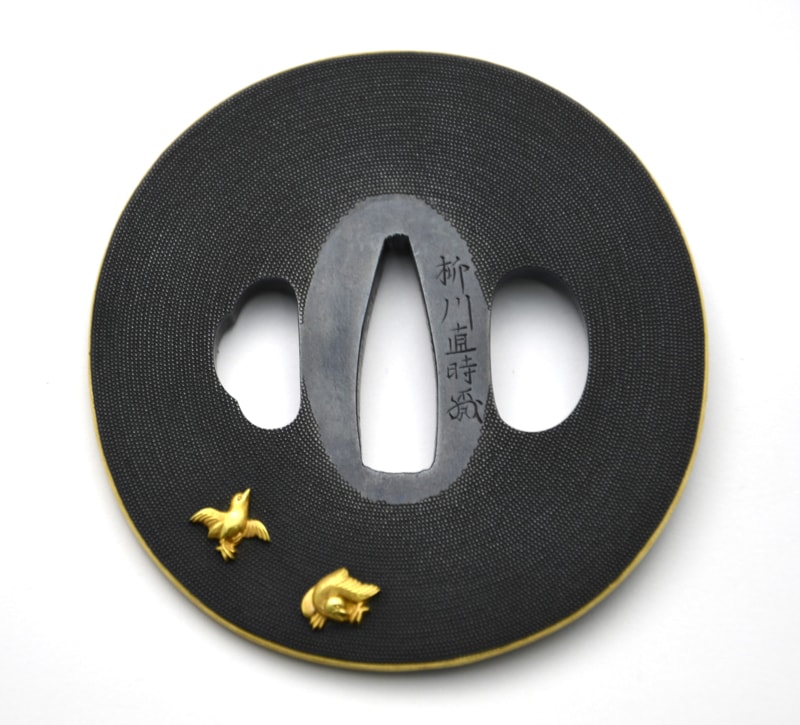
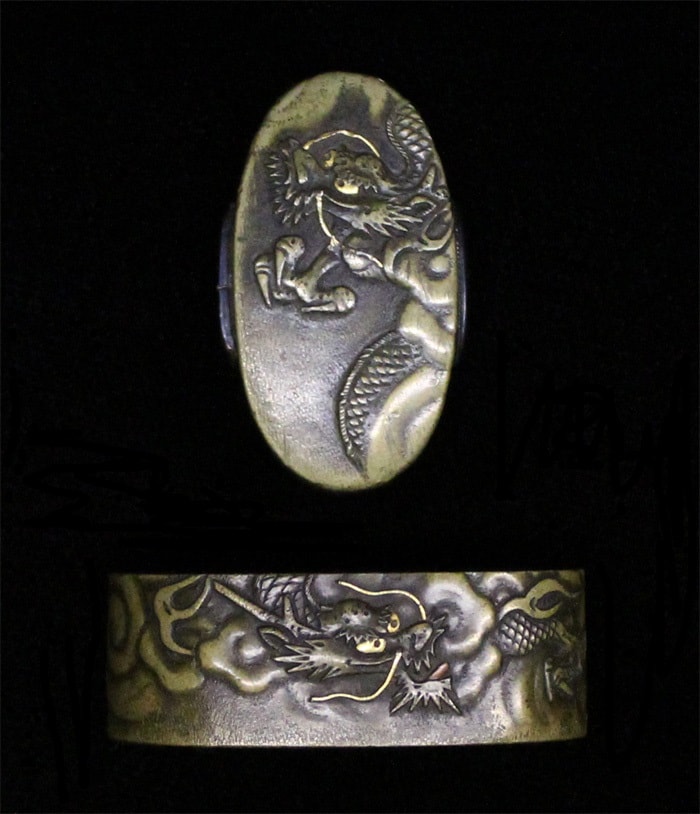
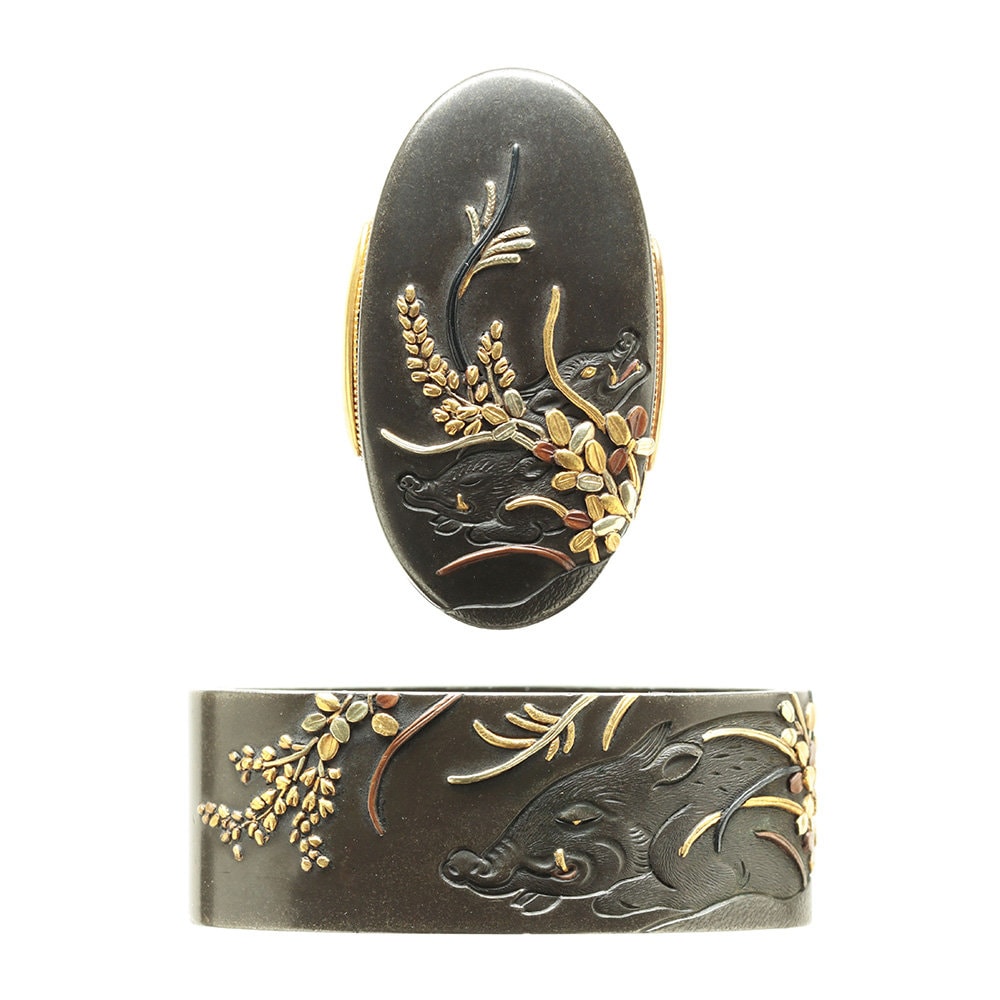
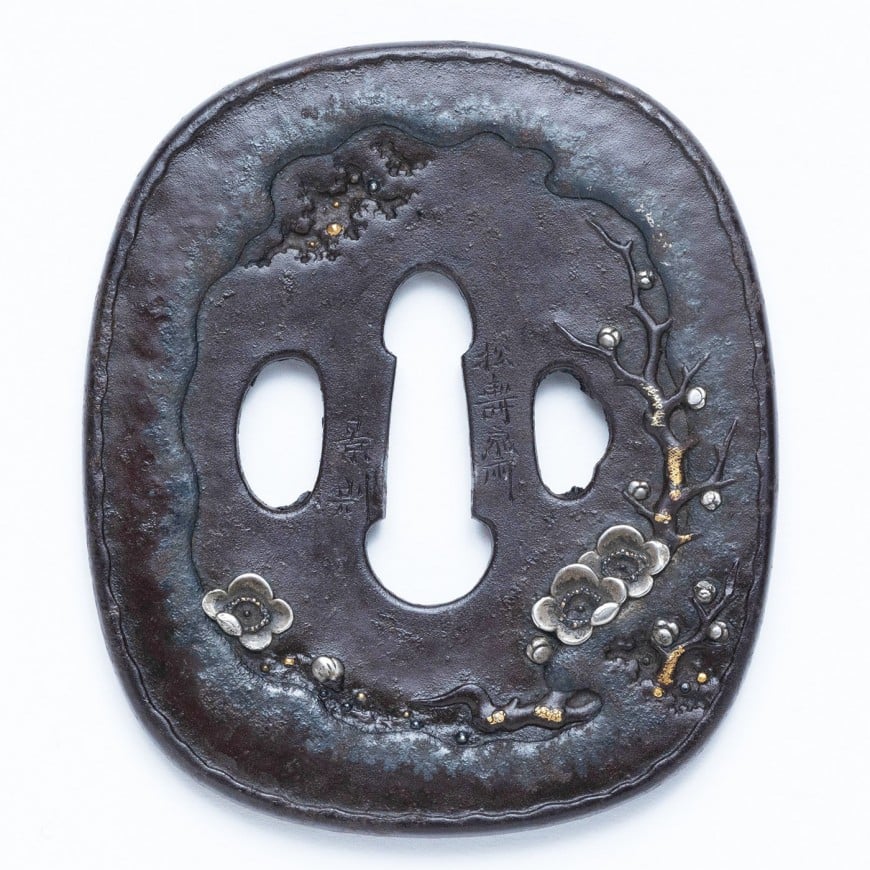
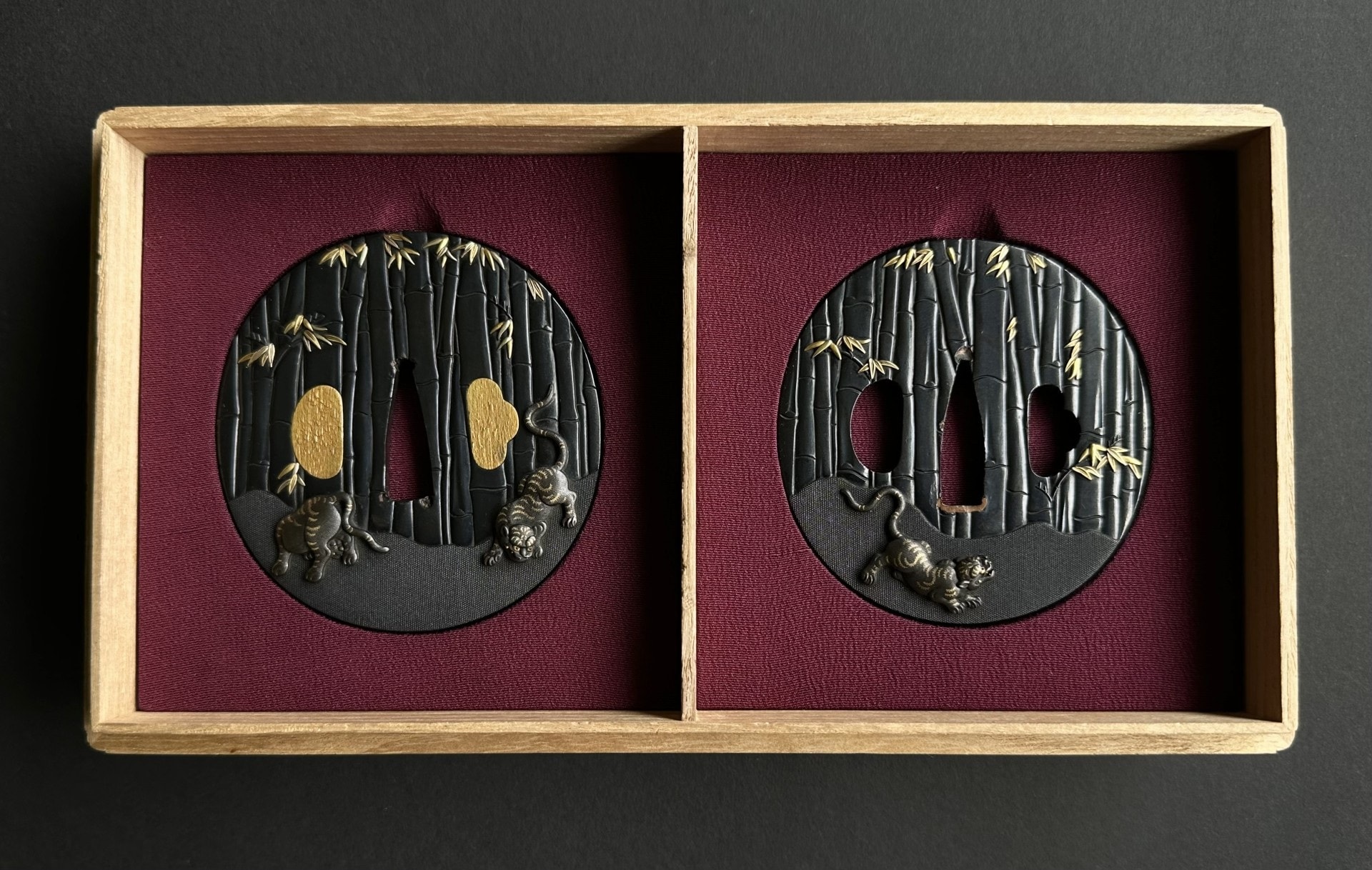
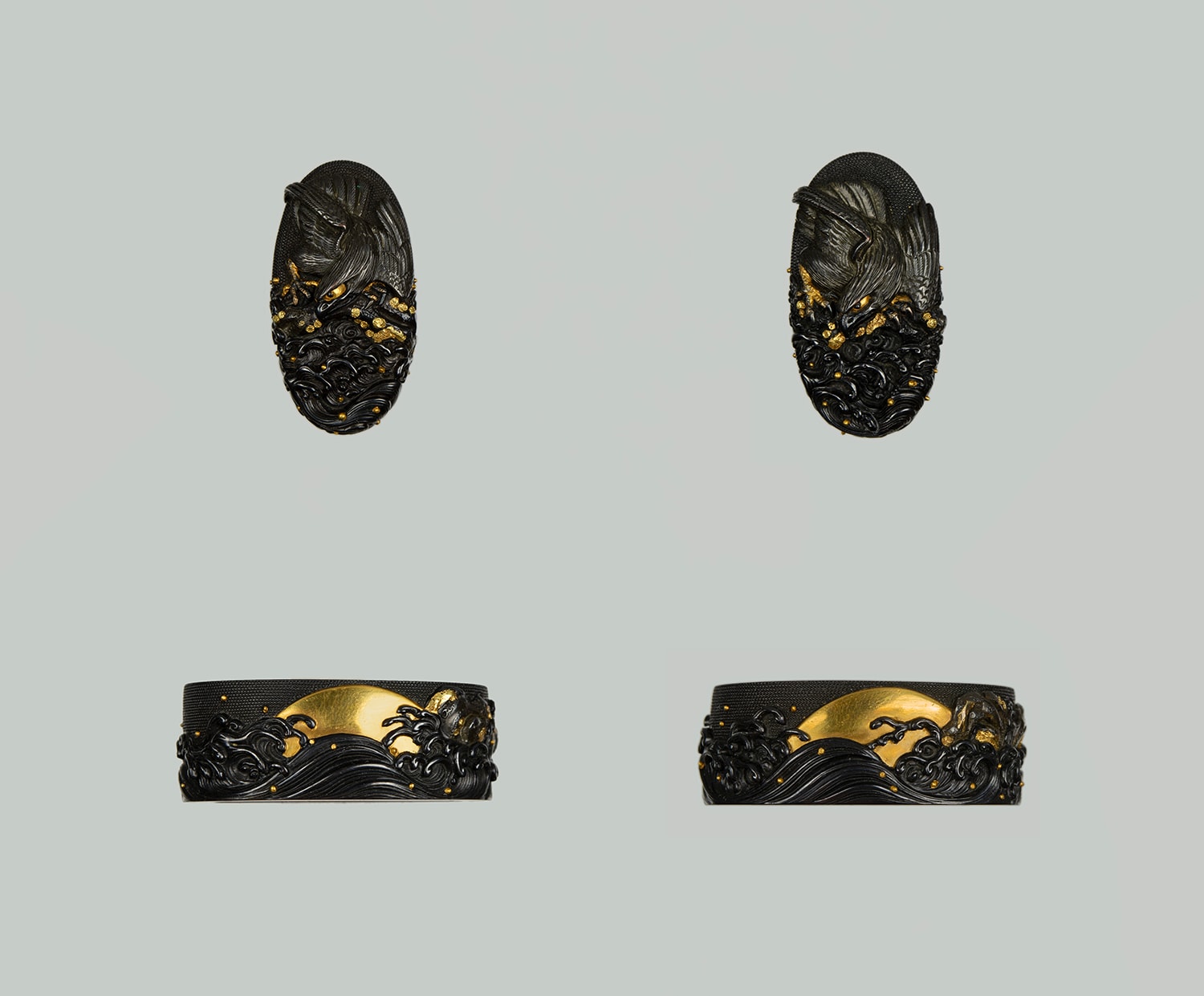
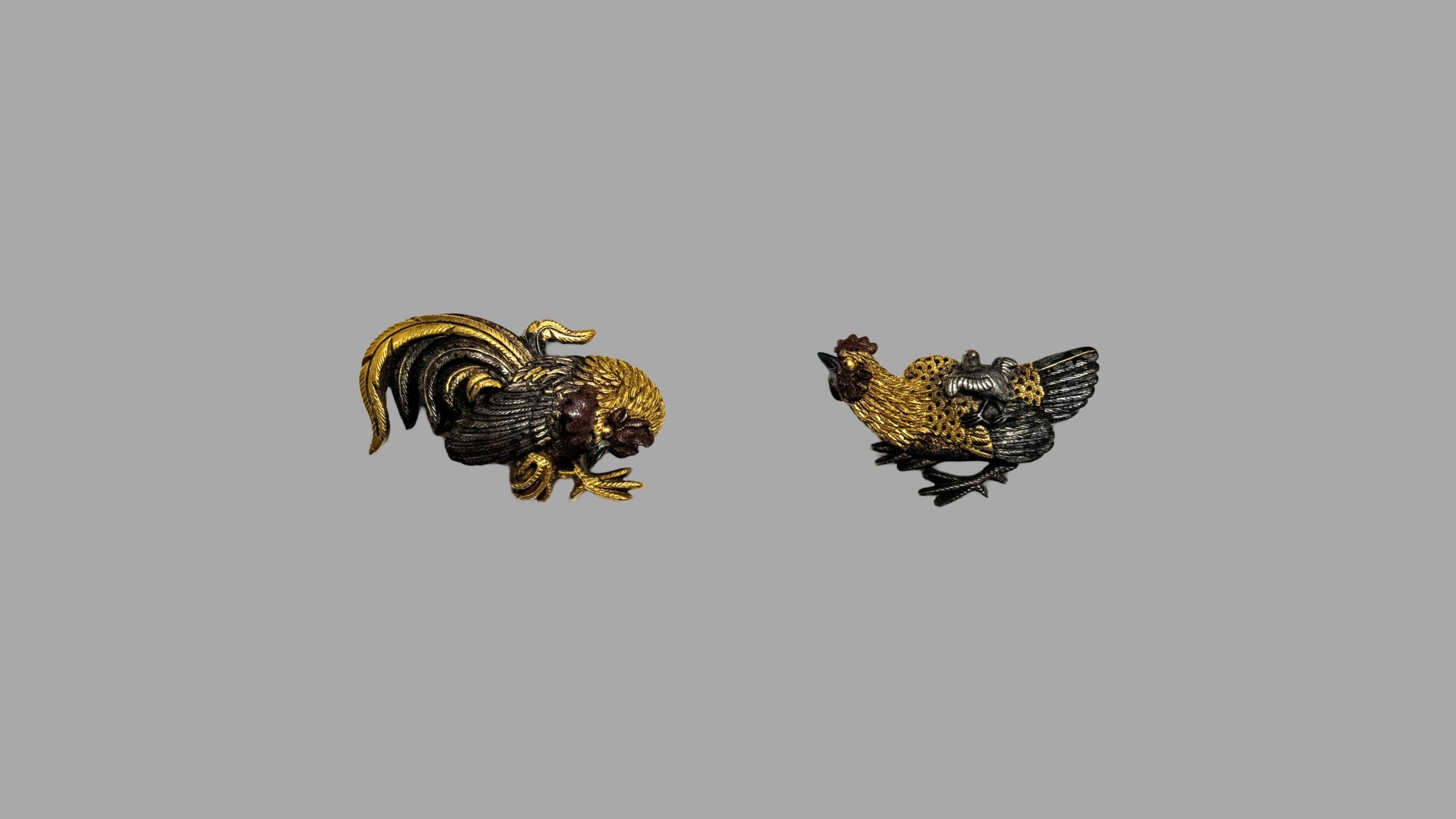
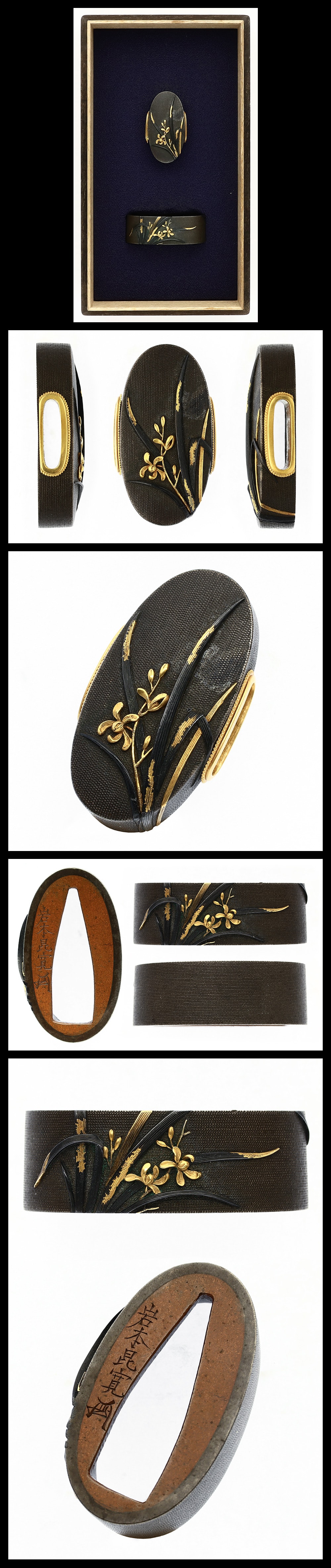
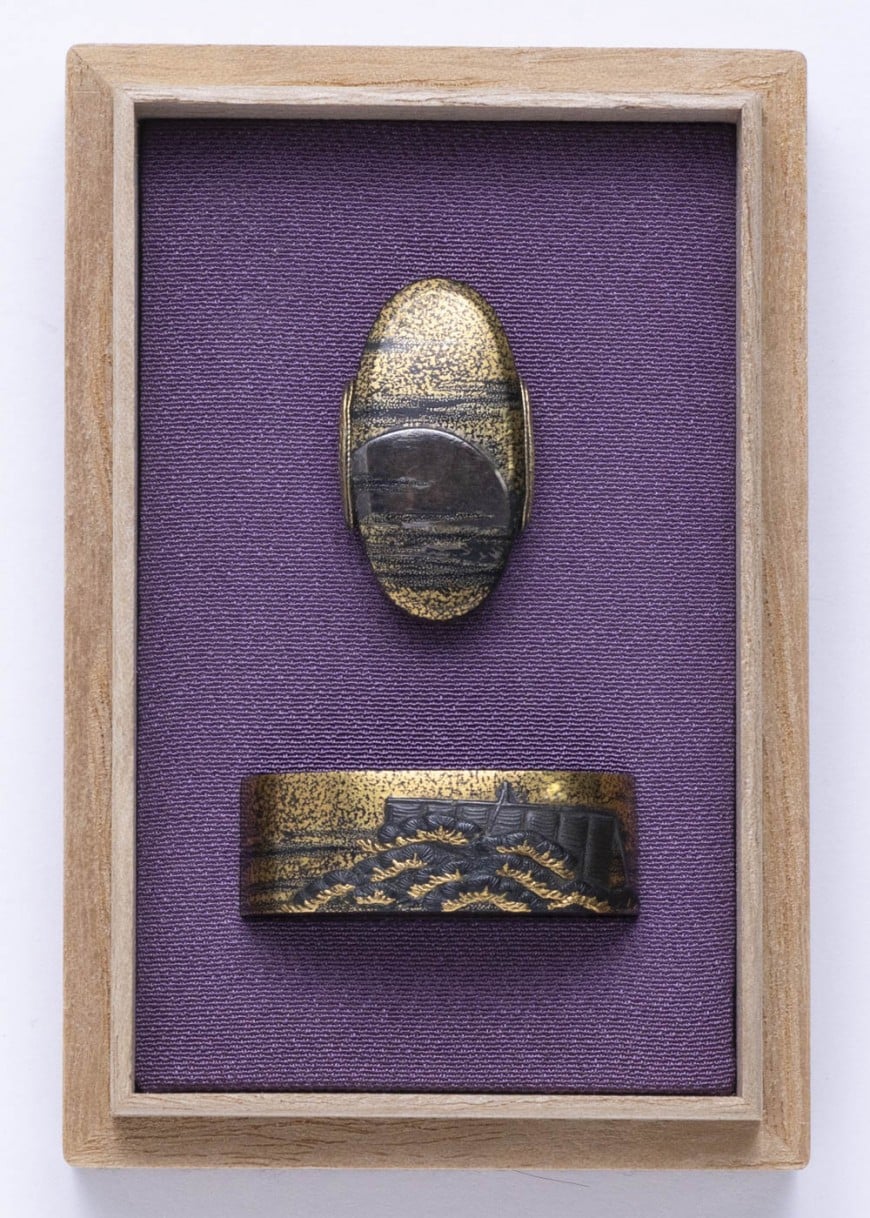
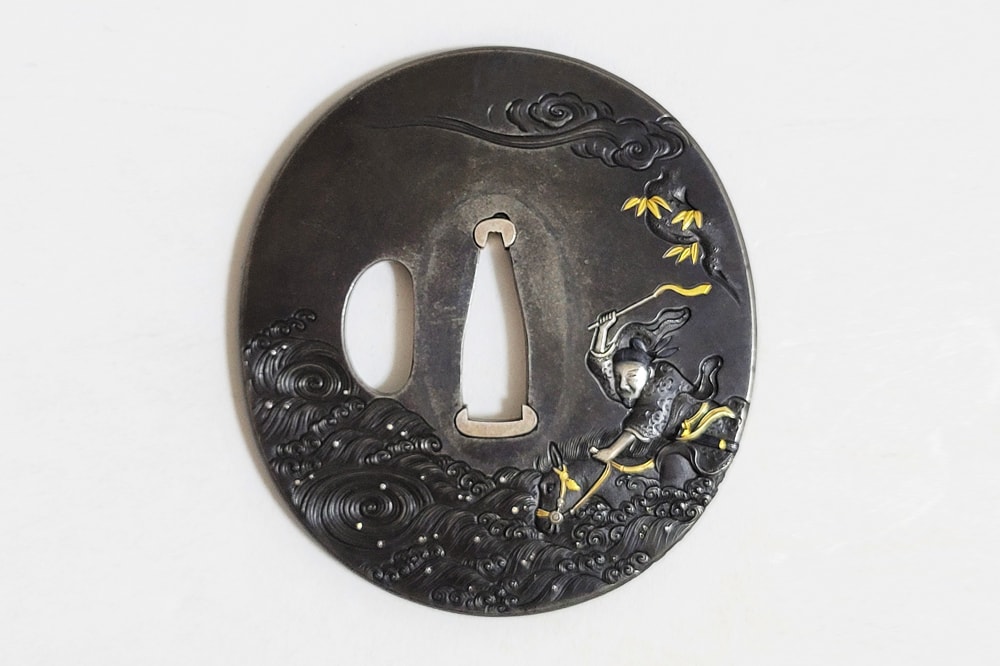
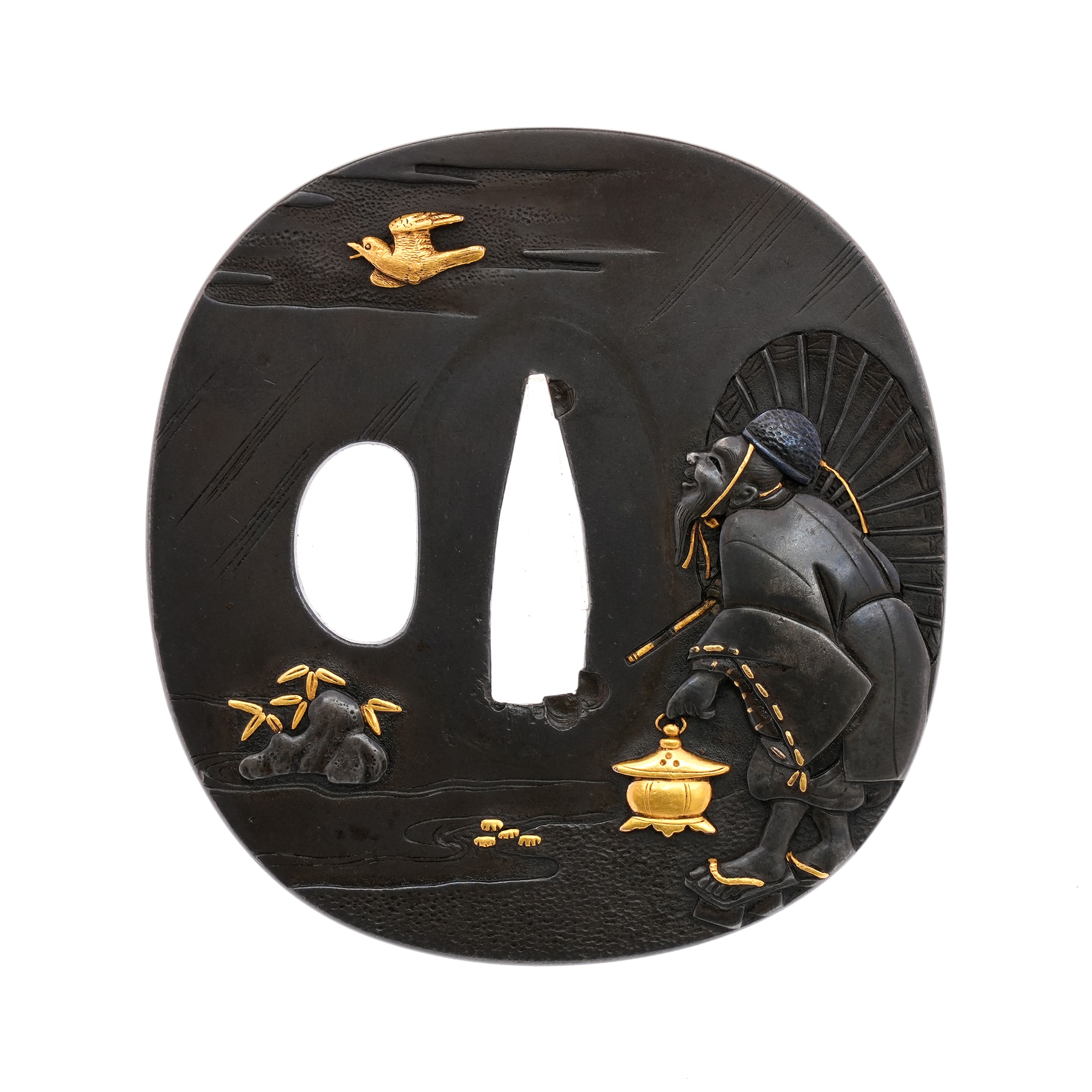
Koretsune's carving methods are characterized by the as "dignified and sumptuous, yet steadfast and reliable." Working principally on grounds, he excelled in bold with polychrome employing gold, silver, , , and hi-irodo (scarlet copper). His command of sculptural depth is especially notable: by subtly lowering the from the toward the rim, he achieved a heightened sense of perspective that transforms the surface into what the examiners describe as "a magnificent and excellent screen-painting transformed into metalwork." His bird-and-flower subjects — from phoenix and paulownia to raptorial birds upon aged plum trees — display vigorous, spreading forms and a courageous bearing that constitute "the very essence of the Ishiguro school."
Koretsune's significance rests both in his role as the vital link between the first-generation Masatsune and the school's later flourishing, and in the exceptional quality of his individual production. The has consistently praised works in which "Koretsune's full strengths are amply displayed," noting in particular his lavish yet controlled use of gold and his ability to render subjects with an immediacy "such that the bird seems about to burst forth from the surface." Because examples by Koretsune are acknowledged to be scarce, each surviving work is valued not only as a demonstration of supreme craftsmanship but also as "important material for the study of the Ishiguro school."