NihontoWatch Mon

NihontoWatch

Market
Encyclopedia
Kantei
NihontoWatch Mon

NihontoWatch

Market
Encyclopedia
Kantei

Description

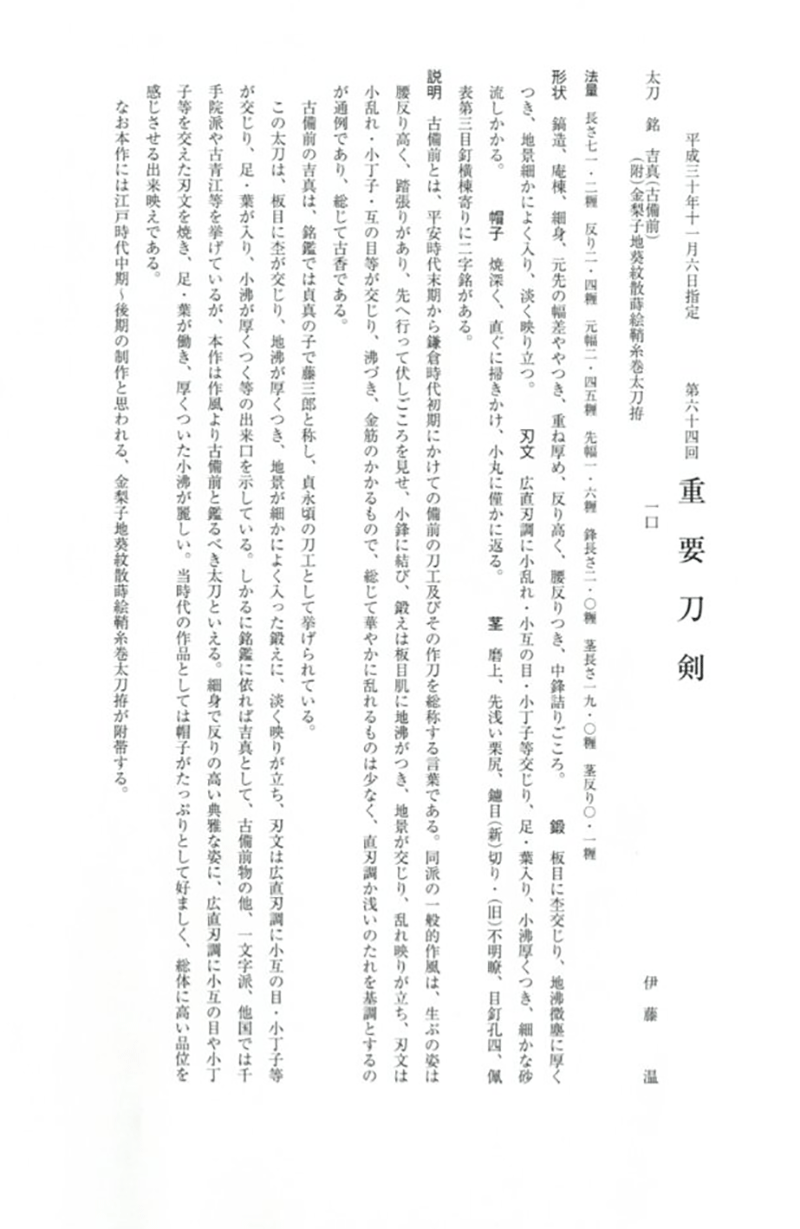
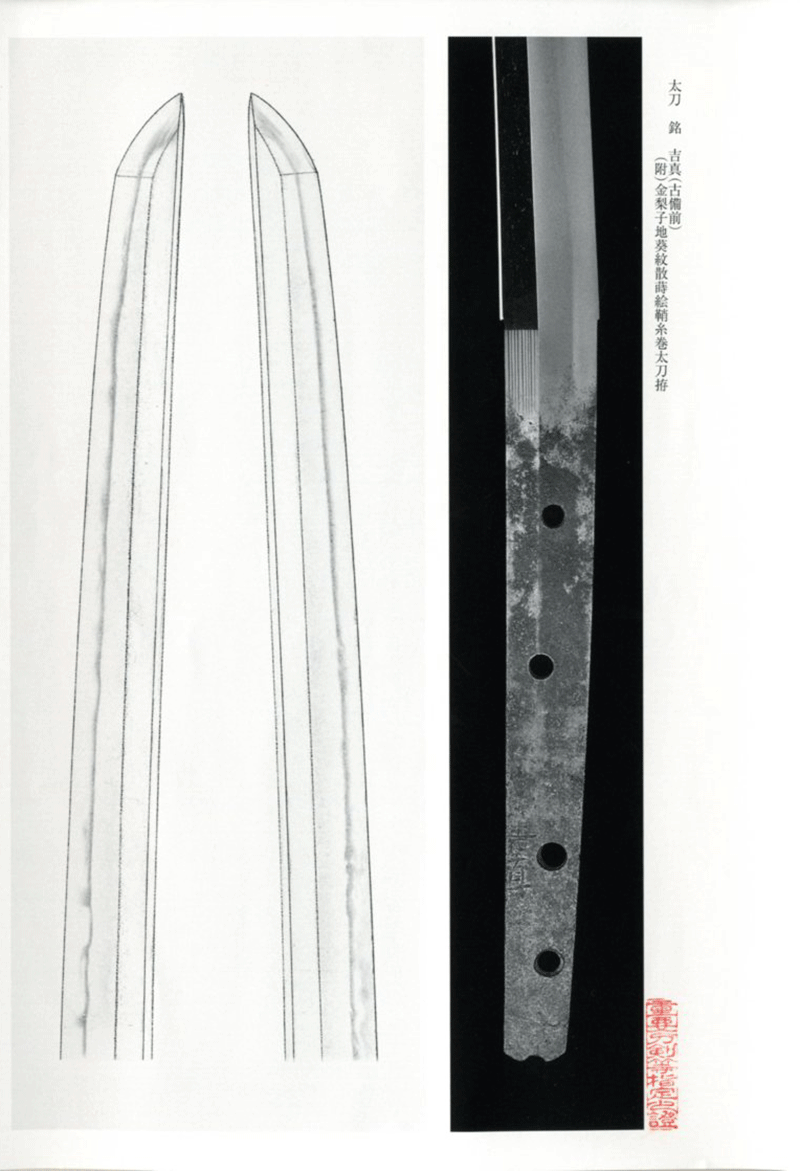
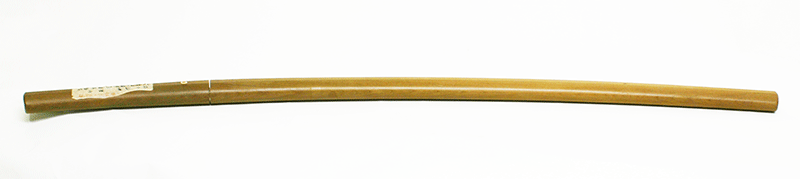
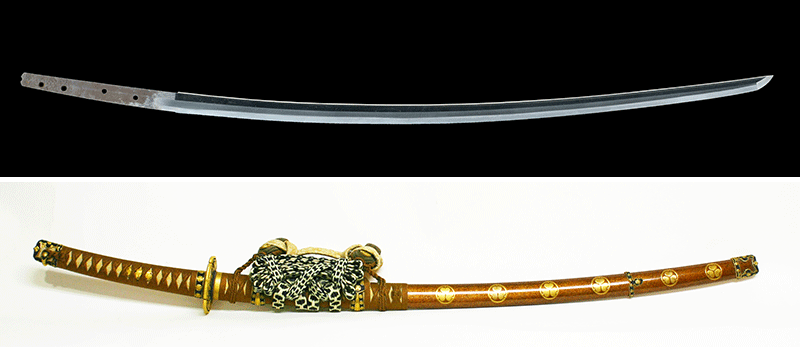
This is a Juyo Token designated tachi by Ko-Bizen Yoshizane, active in Bizen Province (Okayama Prefecture) during the Kamakura period. Yoshizane is the son of Sadazane, known for his work around the貞永 era (1232~), and extant works are extremely rare. This piece, though suriage, retains a long nagasa with a strong koshi-zori and a dignified sugata. It features a well-forged ko-itame hada with a faint utsuri, and a wide suguha hamon mixed with ko-choji and ko-gunome, with a deep yakiba in the boshi returning to a ko-maru.

NBTHK Setsumei

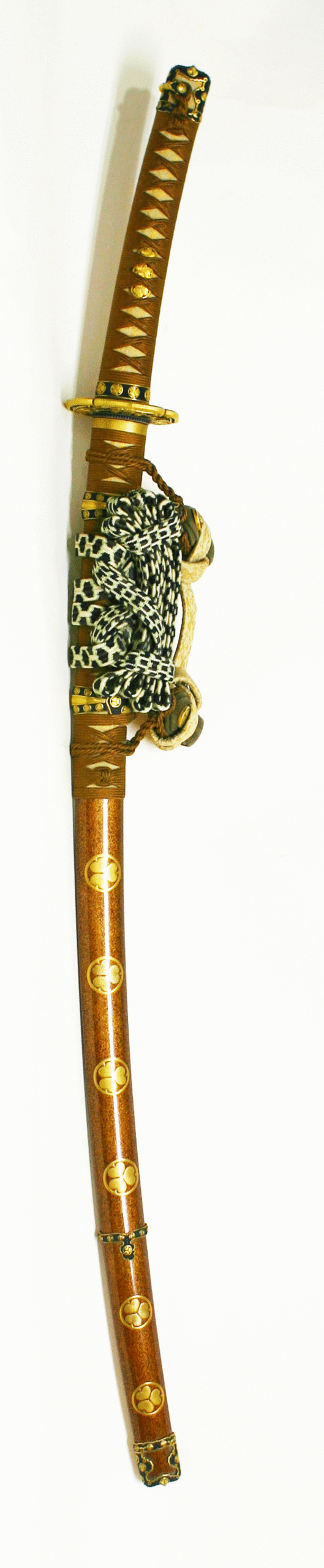
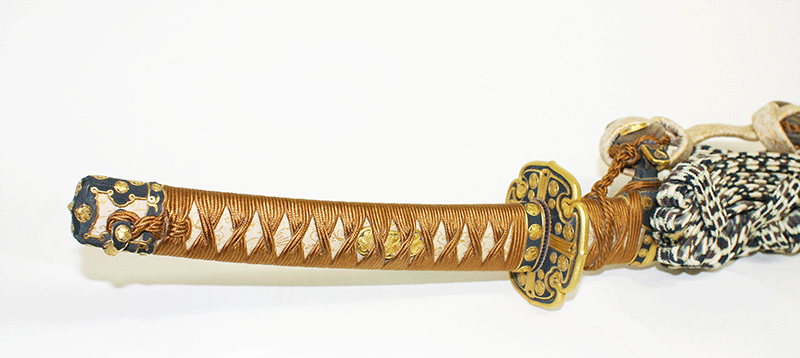
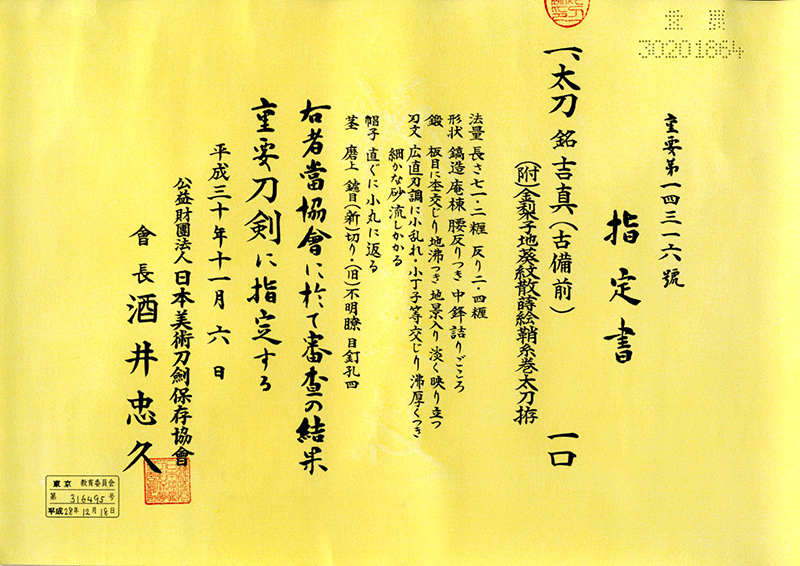
古備前とは、平安時代末期から鎌倉時代初期にかけての備前の刀工及びその作刀を総称する言葉である。同派の一般的作風は、生ぶの姿は 腰反り高く、踏張りがあり、先へ行って伏しごころを見せ、小鋒に結び、鍛えは板目肌に地沸がつき、地景が交じり、乱れ映りが立ち、刃文は 小乱れ・小丁子・互の目等が交じり、 沸づき、金筋のかかるもので、総じて華やかに乱れるものは少なく、直刃調か浅いのたれを基調とするの が通例であり、総じて古香であ 古備前の吉真は、銘鑑では貞真の子で藤三郎と称し、貞永頃の刀工として挙げられている。 この太刀は、板目に杢が交じり、地沸が厚くつき、地景が細かによく入った鍛えに、淡く映りが立ち、刃文は広直刃調に小互の目・小丁子等 が交じり、足・葉が入り、小沸が厚くつく等の出来口を示している。しかるに銘鑑に依れば吉真として、 古備前物の他、一文字派、他国では千 手院派や古青江等を挙げているが、本作は作風より古備前と鑑るべき太刀といえる。細身で反りの高い典雅な姿に、広直刃調に小互の目や小丁 子等を交えた刃文を焼き、足・葉が働き、厚くついた小沸が麗しい。当時代の作品としては帽子がたっぷりとして好ましく、総体に高い品位を 感じさせる出来映えである。 なお本作には江戸時代中期~後期の制作と思われる、金梨子地葵紋散蒔絵鞘糸巻太刀拵が附帯する。

NihontoWatch MonNihontoWatch
MarketEncyclopediaKantei
Swords›Bizen-den›Ko-Bizen›Koto Tachi: Yoshizane (Ko-Bizen) - NBTHK Juyo Token No.64
tachiJūyō
Ko-Bizen School

Koto Tachi: Yoshizane (Ko-Bizen) - NBTHK Juyo Token No.64

mei · Ko-Bizen · Kamakura · nagasa 71.2cm · sori 2.4cm

SOLD
Ko-Bizen School — 1 of 8
Ko-Bizen School — 2 of 8
Ko-Bizen School — 3 of 8
Ko-Bizen School — 4 of 8
Ko-Bizen School — 5 of 8
Ko-Bizen School — 6 of 8
Ko-Bizen School — 7 of 8
Ko-Bizen School — 8 of 8
1 / 8
1 / 8
Ko-Bizen School — 1 of 8Ko-Bizen School — 2 of 8Ko-Bizen School — 3 of 8Ko-Bizen School — 4 of 8Ko-Bizen School — 5 of 8Ko-Bizen School — 6 of 8Ko-Bizen School — 7 of 8Ko-Bizen School — 8 of 8
Measurements & details
Smith
Ko-Bizen School
Type
Tachi
School
Ko-Bizen
Period
Kamakura
Province
Bizen
Signature
Signed(6% of this smith's designated works are signed)
Measurements
Nagasa 71.2cmSori 2.4cmMotohaba 2.4cmSakihaba 1.6cmKasane 0.6cm
Description

This is a Juyo Token designated tachi by Ko-Bizen Yoshizane, active in Bizen Province (Okayama Prefecture) during the Kamakura period. Yoshizane is the son of Sadazane, known for his work around the貞永 era (1232~), and extant works are extremely rare. This piece, though suriage, retains a long nagasa with a strong koshi-zori and a dignified sugata. It features a well-forged ko-itame hada with a faint utsuri, and a wide suguha hamon mixed with ko-choji and ko-gunome, with a deep yakiba in the boshi returning to a ko-maru.

About the school

Ko-Bizen

古備前

Bizen-den · Bizen

4 pieces on the market now

›

Ko-Bizen (古備前) is the oldest stratum of the Bizen tradition, the work of the smiths who forged in Bizen province from the late Heian period, around the Eien era, into the early and middle Kamakura. The published sources trace the line to a founding Tomonari and to Masatsune, the two counted from old as the twin pillars (sōheki) of the group, and they are careful to read each of the great names as a name-line rather than a single man: surviving tachi signed Tomonari carry Katei-era dates of the early Kamakura, the Masatsune name is transmitted across three generations or more, and the Kanehira and Sukehira signatures fall into distinct chisel hands. Beside the pillars stand the three Bizen Sanpei, Kanehira, Sukehira and Takahira, and a wider field of hands, Nobufusa, Naritaka, Yukihide, Sukekane, Yoshikane and the smiths of the Masatsune house such as Tsunemitsu, Toshitsune and Tochika. From this root, before the school's great flowering at Fukuoka, the whole Bizen tradition descends. Several of these names recur in the early Ichimonji line of the same province, so that the appraisal of any one of them begins by separating the archaic Ko-Bizen hand from its later namesake. The shared vocabulary is consistent enough that the school is read as a single manner held across many hands. The sugata is the slender tachi of the age: shinogi-zukuri with iori-mune, high koshizori with pronounced funbari, the curvature settling toward a small ko-kissaki. The forging is an itame mixed with mokume, the grain often standing a little (hada-dachi), with ji-nie adhering, chikei woven through, and over it the speckled jifu-utsuri or a midare-utsuri of old Bizen steel.

The temper is the quietest reading of Bizen: a suguha tone undulating shallowly into ko-midare, into which ko-chōji and ko-gunome enter, ko-nie adhering thickly, ashi and yō working in the ha, and kinsuji and sunagashi running through; the bōshi runs straight to a calm ko-maru, at times to yakizume with hakikake, and a yakiotoshi dropped above the machi is an archaic touch met across the group. Within that norm the early masters keep their individuality. The sources separate Tomonari and Masatsune by saying the first is marked by the excellence of his sugata and the second by the excellence of his kitae; Yoshikane is known by a hada that stands more than his fellows and a nioiguchi that sinks; Yukihide leans his midare in the reverse (saka) direction; Naritaka crowds the edge with uchinoke and a doubled nijūba; and Kageyasu sets angular gunome and chōji further forward than the pillars, the manner the earliest Ichimonji would inherit. A collector seeks Ko-Bizen as the source of the Bizen line, and the kantei turns on restraint rather than display. Against the later Fukuoka Ichimonji, whose flamboyant ō-chōji stand under a brilliant midare-utsuri, Ko-Bizen keeps its ko-midare quiet and its nie archaic; against the Osafune line of Nagamitsu, which is nioi-based and utsuri-bearing, the Ko-Bizen edge is nie-deki, a distinction the published record makes the whole ground for separating Junkei from the man he was long mistaken for. The standing of the best members is fixed by the weight of designation behind their names: Tomonari, Masatsune, Kanehira and Nobufusa are graded Sai-jo saku by Fujishiro, and the school's summit is the Ō-Kanehira, the broadest and most powerful tachi old Bizen produced, a National Treasure long held as the patrimony of the Ikeda house and now in the Tokyo National Museum. The signature works carry provenance through the first houses of the realm, the Imperial Household, the Tokugawa shogunal family, and the Ikeda, Maeda, Date, Shimazu and Satake daimyo, with the Nobufusa tachi given by Ieyasu to Sakai Tadatsugu and the Naritaka blade transmitted as the wearing sword of Nasu no Yoichi. Because so much of the corpus is held as heritage and the signed early hands are scarce, a signed Ko-Bizen tachi reaching open hands is among the rarer encounters the field affords, a document of how the Bizen tradition began. Learn more →

88 recorded smiths497 designated works
Leading smiths
SmithEraDesignated
Tomonari友成987-98933
Masatsune正恒987-98966
Kanehira包平1151-120028
Kageyasu景安1222-122427
Yoshikane吉包1150-122046
Explore the Ko-Bizen school →

Historical context

Kamakura was Bizen’s summit. Tradition places Ichimonji smiths among Go-Toba’s goban kaji, Mitsutada founded the Osafune line at mid-century, and orders flowed from the court and the warrior government alike. No province holds more National Treasure blades.

Bizen in the Kamakura period →

NBTHK Certificate
Jūyō Tōken重要刀剣
Important Sword
›

A blade of top-grade workmanship and condition, formally judged to rank with a nationally recognized Important Art Object (Jūyō Bijutsuhin). Awarded only at the NBTHK’s competitive annual examination.

Of Japan’s roughly 2.5 million registered swords, only 12,307 (about 1 in 203) have ever attained Jūyō.

About the NBTHK›

The NBTHK (Nihon Bijutsu Tōken Hozon Kyōkai, the Society for the Preservation of Japanese Art Swords) is a public-interest incorporated foundation founded in 1948 and supervised by Japan’s Agency for Cultural Affairs (Bunkachō); it is based at the Japanese Sword Museum in Tokyo. Its expert panels physically examine each submitted work (shinsa) and issue a certificate (kanteishō) ranking it by artistic and historical merit. NBTHK papers are the most widely recognized standard of authentication for Japanese swords and fittings.

NBTHK official site→
Seller
I
Iida Koendo
Established 1880 · 146 yrs on the market
🇯🇵Ships from Japan
›
✓Verified dealeriidakoendo.com
✓Ships worldwide✓English supportWire transfer
Return policy

Customer-initiated returns accepted within two days of arrival; return shipping paid by customer and fees non-refundable. Returns/refunds unavailable for overseas deliveries.

View all of Iida Koendo’s listings→View this item on the dealer’s site→

Previously sold — Ko-Bizen School

Samurai Nippon
Tokuho
Tachi - Tokuho - by Ko-Bizen School - Tsune (Ko-Bizen Tsunemitsu)Tachi - Tokuho - by Ko-Bizen School - Tsune (Ko-Bizen Tsunemitsu)
Sold

Tachi

ByKo-Bizen School
SOLD
Token-Net
Tokuho
Katana - Tokuho - by Ko-Bizen School - Mai (Ko-Bizen)Katana - Tokuho - by Ko-Bizen School - Mai (Ko-Bizen)
Sold

Katana

ByKo-Bizen School
SOLD
World Seiyudo
Jūyō
Katana - Jūyō - by Ko-Bizen School - Mumei Attributed to Masatsune - Juyo TokenKatana - Jūyō - by Ko-Bizen School - Mumei Attributed to Masatsune - Juyo Token
Sold

Katana

ByKo-Bizen School
SOLD
Samurai Nippon
Tokuho
Tachi - Tokuho - by Ko-Bizen School - Kobizen (Mumei)Tachi - Tokuho - by Ko-Bizen School - Kobizen (Mumei)
Sold

Tachi

ByKo-Bizen School
SOLD
Touken Komachi
Tachi - by Ko-Bizen School - Sukemura - ShirasayaTachi - by Ko-Bizen School - Sukemura - Shirasaya
Sold

Tachi

ByKo-Bizen School
SOLD
Nihontocraft
Jūyō
Wakizashi - Jūyō - by Ko-Bizen School - Ko-BizenWakizashi - Jūyō - by Ko-Bizen School - Ko-Bizen
Sold

Wakizashi

ByKo-Bizen School
SOLD
Aoi Art
Katana - by Ko-Bizen School - Mumei (Ko-Bizen) - 70th NBTHK Juyo TokenKatana - by Ko-Bizen School - Mumei (Ko-Bizen) - 70th NBTHK Juyo Token
Sold

Katana

ByKo-Bizen School
SOLD
Unique Japan
Tokuho
Tachi - Tokuho - by Ko-Bizen School - A Ko-Bizen Ietoshi TachiTachi - Tokuho - by Ko-Bizen School - A Ko-Bizen Ietoshi Tachi
Sold

Tachi

ByKo-Bizen School
SOLD

More from the Ko-Bizen school

View all →
Eirakudo
Tokuho
Tachi - Tokuho - by Ko-Bizen Sukekane - Sukekane - Tokubetsu Hozon TokenTachi - Tokuho - by Ko-Bizen Sukekane - Sukekane - Tokubetsu Hozon Token

Tachi

ByKo-Bizen Sukekane
¥5,800,000
Eirakudo
Tokuho
Tachi - Tokuho - by Ko-Bizen Masatsugu - Masatsugu - Tokubetsu Hozon TokenTachi - Tokuho - by Ko-Bizen Masatsugu - Masatsugu - Tokubetsu Hozon Token

Tachi

ByKo-Bizen Masatsugu
¥8,000,000
Nihonto Australia
Tachi - by Ko-Bizen Tsuneto - Important Ko Bizen Heian Tachi by TsunetoTachi - by Ko-Bizen Tsuneto - Important Ko Bizen Heian Tachi by Tsuneto

Tachi

ByKo-Bizen Tsuneto
Ask

More from the Bizen tradition

View all →
Aoi Art
Jūyō
Jūyō - by Ichimonji School - Naginata-Naoshi Katana: Mumei (Ichimonji)Jūyō - by Ichimonji School - Naginata-Naoshi Katana: Mumei (Ichimonji)

Naginata-Naoshi Katana: Mumei (Ichimonji)

ByIchimonji School
Starting Bid¥9,500,000
Aoi Art
Jūyō Bijutsuhin
Daisho - Jubi - by Osafune Nagamitsu - Dai Sho: Katana (Important Art Object): Mumei (Den Nagamitsu) / Wakizashi: Mumei (Sekishu Naotsuna)Daisho - Jubi - by Osafune Nagamitsu - Dai Sho: Katana (Important Art Object): Mumei (Den Nagamitsu) / Wakizashi: Mumei (Sekishu Naotsuna)

Daishō

ByOsafune Nagamitsu
Ask
Nihonto.com
Jūyō
Tanto - Jūyō - by Osafune Kagemitsu - Juyo Tanto by Bizen KagemitsuTanto - Jūyō - by Osafune Kagemitsu - Juyo Tanto by Bizen Kagemitsu

Tantō

ByOsafune Kagemitsu
¥89,500
Tsuruginoya
Jūyō
Katana - Jūyō - by Fukuoka Ichimonji School - Mumei Fukuoka IchimonjiKatana - Jūyō - by Fukuoka Ichimonji School - Mumei Fukuoka Ichimonji

Katana

ByFukuoka Ichimonji School
Ask
Eirakudo
Hozon
Katana - Hozon - by Sukesada - Yosouzaemonnojo Sukesada - Hozon TokenKatana - Hozon - by Sukesada - Yosouzaemonnojo Sukesada - Hozon Token

Katana

BySukesada
¥3,800,000
Eirakudo
Jūyō Bijutsuhin
Katana - Jubi - by Chu-Aoe School - Aoe Sadatsugu Katana Juyo BijutsuhinKatana - Jubi - by Chu-Aoe School - Aoe Sadatsugu Katana Juyo Bijutsuhin

Katana

ByChu-Aoe School
Ask
Toyuukai
Jūyō
Katana - Jūyō - by Aoe School - Mumei (Aoe) - 51st Juyo TokenKatana - Jūyō - by Aoe School - Mumei (Aoe) - 51st Juyo Token

Katana

ByAoe School
¥5,500,000
Samurai Museum
Tokuho
Wakizashi - Tokuho - by Osafune Kagemitsu - Antique Japanese Sword Wakizashi attributed to Den Osafune Kagemitsu NBTHK Tokubetsu Hozon CertificateWakizashi - Tokuho - by Osafune Kagemitsu - Antique Japanese Sword Wakizashi attributed to Den Osafune Kagemitsu NBTHK Tokubetsu Hozon Certificate

Wakizashi

ByOsafune Kagemitsu
¥20,748

Swords

  • Katana
  • Wakizashi
  • Tantō
  • Tachi
  • Naginata
  • Yari

Fittings

  • Tsuba
  • Fuchi-Kashira
  • Kozuka
  • Menuki

Armor

  • Kabuto
  • Samurai Armor

By Certification

  • Tokujū
  • Jūyō
  • Tokuho
  • Hozon

Resources

  • Dealer Directory
  • Artist Directory
  • The Daily Kantei
  • Glossary
  • Browse All
Nihontowatch© 2026
TermsPrivacyCookiesAbout

Description

This is a Juyo Token designated tachi by Ko-Bizen Yoshizane, active in Bizen Province (Okayama Prefecture) during the Kamakura period. Yoshizane is the son of Sadazane, known for his work around the貞永 era (1232~), and extant works are extremely rare. This piece, though suriage, retains a long nagasa with a strong koshi-zori and a dignified sugata. It features a well-forged ko-itame hada with a faint utsuri, and a wide suguha hamon mixed with ko-choji and ko-gunome, with a deep yakiba in the boshi returning to a ko-maru.

NBTHK Setsumei

古備前とは、平安時代末期から鎌倉時代初期にかけての備前の刀工及びその作刀を総称する言葉である。同派の一般的作風は、生ぶの姿は 腰反り高く、踏張りがあり、先へ行って伏しごころを見せ、小鋒に結び、鍛えは板目肌に地沸がつき、地景が交じり、乱れ映りが立ち、刃文は 小乱れ・小丁子・互の目等が交じり、 沸づき、金筋のかかるもので、総じて華やかに乱れるものは少なく、直刃調か浅いのたれを基調とするの が通例であり、総じて古香であ 古備前の吉真は、銘鑑では貞真の子で藤三郎と称し、貞永頃の刀工として挙げられている。 この太刀は、板目に杢が交じり、地沸が厚くつき、地景が細かによく入った鍛えに、淡く映りが立ち、刃文は広直刃調に小互の目・小丁子等 が交じり、足・葉が入り、小沸が厚くつく等の出来口を示している。しかるに銘鑑に依れば吉真として、 古備前物の他、一文字派、他国では千 手院派や古青江等を挙げているが、本作は作風より古備前と鑑るべき太刀といえる。細身で反りの高い典雅な姿に、広直刃調に小互の目や小丁 子等を交えた刃文を焼き、足・葉が働き、厚くついた小沸が麗しい。当時代の作品としては帽子がたっぷりとして好ましく、総体に高い品位を 感じさせる出来映えである。 なお本作には江戸時代中期~後期の制作と思われる、金梨子地葵紋散蒔絵鞘糸巻太刀拵が附帯する。

NihontoWatch MonNihontoWatch
MarketEncyclopediaKantei
Swords›Bizen-den›Ko-Bizen›Koto Tachi: Yoshizane (Ko-Bizen) - NBTHK Juyo Token No.64
tachiJūyō
Ko-Bizen School

Koto Tachi: Yoshizane (Ko-Bizen) - NBTHK Juyo Token No.64

mei · Ko-Bizen · Kamakura · nagasa 71.2cm · sori 2.4cm

SOLD
Ko-Bizen School — 1 of 8
Ko-Bizen School — 2 of 8
Ko-Bizen School — 3 of 8
Ko-Bizen School — 4 of 8
Ko-Bizen School — 5 of 8
Ko-Bizen School — 6 of 8
Ko-Bizen School — 7 of 8
Ko-Bizen School — 8 of 8
1 / 8
1 / 8
Ko-Bizen School — 1 of 8Ko-Bizen School — 2 of 8Ko-Bizen School — 3 of 8Ko-Bizen School — 4 of 8Ko-Bizen School — 5 of 8Ko-Bizen School — 6 of 8Ko-Bizen School — 7 of 8Ko-Bizen School — 8 of 8
Measurements & details
Smith
Ko-Bizen School
Type
Tachi
School
Ko-Bizen
Period
Kamakura
Province
Bizen
Signature
Signed(6% of this smith's designated works are signed)
Measurements
Nagasa 71.2cmSori 2.4cmMotohaba 2.4cmSakihaba 1.6cmKasane 0.6cm
Description

This is a Juyo Token designated tachi by Ko-Bizen Yoshizane, active in Bizen Province (Okayama Prefecture) during the Kamakura period. Yoshizane is the son of Sadazane, known for his work around the貞永 era (1232~), and extant works are extremely rare. This piece, though suriage, retains a long nagasa with a strong koshi-zori and a dignified sugata. It features a well-forged ko-itame hada with a faint utsuri, and a wide suguha hamon mixed with ko-choji and ko-gunome, with a deep yakiba in the boshi returning to a ko-maru.

About the school

Ko-Bizen

古備前

Bizen-den · Bizen

4 pieces on the market now

›

Ko-Bizen (古備前) is the oldest stratum of the Bizen tradition, the work of the smiths who forged in Bizen province from the late Heian period, around the Eien era, into the early and middle Kamakura. The published sources trace the line to a founding Tomonari and to Masatsune, the two counted from old as the twin pillars (sōheki) of the group, and they are careful to read each of the great names as a name-line rather than a single man: surviving tachi signed Tomonari carry Katei-era dates of the early Kamakura, the Masatsune name is transmitted across three generations or more, and the Kanehira and Sukehira signatures fall into distinct chisel hands. Beside the pillars stand the three Bizen Sanpei, Kanehira, Sukehira and Takahira, and a wider field of hands, Nobufusa, Naritaka, Yukihide, Sukekane, Yoshikane and the smiths of the Masatsune house such as Tsunemitsu, Toshitsune and Tochika. From this root, before the school's great flowering at Fukuoka, the whole Bizen tradition descends. Several of these names recur in the early Ichimonji line of the same province, so that the appraisal of any one of them begins by separating the archaic Ko-Bizen hand from its later namesake. The shared vocabulary is consistent enough that the school is read as a single manner held across many hands. The sugata is the slender tachi of the age: shinogi-zukuri with iori-mune, high koshizori with pronounced funbari, the curvature settling toward a small ko-kissaki. The forging is an itame mixed with mokume, the grain often standing a little (hada-dachi), with ji-nie adhering, chikei woven through, and over it the speckled jifu-utsuri or a midare-utsuri of old Bizen steel.

The temper is the quietest reading of Bizen: a suguha tone undulating shallowly into ko-midare, into which ko-chōji and ko-gunome enter, ko-nie adhering thickly, ashi and yō working in the ha, and kinsuji and sunagashi running through; the bōshi runs straight to a calm ko-maru, at times to yakizume with hakikake, and a yakiotoshi dropped above the machi is an archaic touch met across the group. Within that norm the early masters keep their individuality. The sources separate Tomonari and Masatsune by saying the first is marked by the excellence of his sugata and the second by the excellence of his kitae; Yoshikane is known by a hada that stands more than his fellows and a nioiguchi that sinks; Yukihide leans his midare in the reverse (saka) direction; Naritaka crowds the edge with uchinoke and a doubled nijūba; and Kageyasu sets angular gunome and chōji further forward than the pillars, the manner the earliest Ichimonji would inherit. A collector seeks Ko-Bizen as the source of the Bizen line, and the kantei turns on restraint rather than display. Against the later Fukuoka Ichimonji, whose flamboyant ō-chōji stand under a brilliant midare-utsuri, Ko-Bizen keeps its ko-midare quiet and its nie archaic; against the Osafune line of Nagamitsu, which is nioi-based and utsuri-bearing, the Ko-Bizen edge is nie-deki, a distinction the published record makes the whole ground for separating Junkei from the man he was long mistaken for. The standing of the best members is fixed by the weight of designation behind their names: Tomonari, Masatsune, Kanehira and Nobufusa are graded Sai-jo saku by Fujishiro, and the school's summit is the Ō-Kanehira, the broadest and most powerful tachi old Bizen produced, a National Treasure long held as the patrimony of the Ikeda house and now in the Tokyo National Museum. The signature works carry provenance through the first houses of the realm, the Imperial Household, the Tokugawa shogunal family, and the Ikeda, Maeda, Date, Shimazu and Satake daimyo, with the Nobufusa tachi given by Ieyasu to Sakai Tadatsugu and the Naritaka blade transmitted as the wearing sword of Nasu no Yoichi. Because so much of the corpus is held as heritage and the signed early hands are scarce, a signed Ko-Bizen tachi reaching open hands is among the rarer encounters the field affords, a document of how the Bizen tradition began. Learn more →
88 recorded smiths497 designated works
Leading smiths
SmithEraDesignated
Tomonari友成987-98933
Masatsune正恒987-98966
Kanehira包平1151-120028
Kageyasu景安1222-122427
Yoshikane吉包1150-122046
Explore the Ko-Bizen school →

Historical context

Kamakura was Bizen’s summit. Tradition places Ichimonji smiths among Go-Toba’s goban kaji, Mitsutada founded the Osafune line at mid-century, and orders flowed from the court and the warrior government alike. No province holds more National Treasure blades.

Bizen in the Kamakura period →

NBTHK Certificate
Jūyō Tōken重要刀剣
Important Sword
›

A blade of top-grade workmanship and condition, formally judged to rank with a nationally recognized Important Art Object (Jūyō Bijutsuhin). Awarded only at the NBTHK’s competitive annual examination.

Of Japan’s roughly 2.5 million registered swords, only 12,307 (about 1 in 203) have ever attained Jūyō.

About the NBTHK›

The NBTHK (Nihon Bijutsu Tōken Hozon Kyōkai, the Society for the Preservation of Japanese Art Swords) is a public-interest incorporated foundation founded in 1948 and supervised by Japan’s Agency for Cultural Affairs (Bunkachō); it is based at the Japanese Sword Museum in Tokyo. Its expert panels physically examine each submitted work (shinsa) and issue a certificate (kanteishō) ranking it by artistic and historical merit. NBTHK papers are the most widely recognized standard of authentication for Japanese swords and fittings.

NBTHK official site→
Seller
I
Iida Koendo
Established 1880 · 146 yrs on the market
🇯🇵Ships from Japan
›
✓Verified dealeriidakoendo.com
✓Ships worldwide✓English supportWire transfer
Return policy

Customer-initiated returns accepted within two days of arrival; return shipping paid by customer and fees non-refundable. Returns/refunds unavailable for overseas deliveries.

View all of Iida Koendo’s listings→View this item on the dealer’s site→

Previously sold — Ko-Bizen School

Samurai Nippon
Tokuho
Tachi - Tokuho - by Ko-Bizen School - Tsune (Ko-Bizen Tsunemitsu)Tachi - Tokuho - by Ko-Bizen School - Tsune (Ko-Bizen Tsunemitsu)
Sold

Tachi

ByKo-Bizen School
SOLD
Token-Net
Tokuho
Katana - Tokuho - by Ko-Bizen School - Mai (Ko-Bizen)Katana - Tokuho - by Ko-Bizen School - Mai (Ko-Bizen)
Sold

Katana

ByKo-Bizen School
SOLD
World Seiyudo
Jūyō
Katana - Jūyō - by Ko-Bizen School - Mumei Attributed to Masatsune - Juyo TokenKatana - Jūyō - by Ko-Bizen School - Mumei Attributed to Masatsune - Juyo Token
Sold

Katana

ByKo-Bizen School
SOLD
Samurai Nippon
Tokuho
Tachi - Tokuho - by Ko-Bizen School - Kobizen (Mumei)Tachi - Tokuho - by Ko-Bizen School - Kobizen (Mumei)
Sold

Tachi

ByKo-Bizen School
SOLD
Touken Komachi
Tachi - by Ko-Bizen School - Sukemura - ShirasayaTachi - by Ko-Bizen School - Sukemura - Shirasaya
Sold

Tachi

ByKo-Bizen School
SOLD
Nihontocraft
Jūyō
Wakizashi - Jūyō - by Ko-Bizen School - Ko-BizenWakizashi - Jūyō - by Ko-Bizen School - Ko-Bizen
Sold

Wakizashi

ByKo-Bizen School
SOLD
Aoi Art
Katana - by Ko-Bizen School - Mumei (Ko-Bizen) - 70th NBTHK Juyo TokenKatana - by Ko-Bizen School - Mumei (Ko-Bizen) - 70th NBTHK Juyo Token
Sold

Katana

ByKo-Bizen School
SOLD
Unique Japan
Tokuho
Tachi - Tokuho - by Ko-Bizen School - A Ko-Bizen Ietoshi TachiTachi - Tokuho - by Ko-Bizen School - A Ko-Bizen Ietoshi Tachi
Sold

Tachi

ByKo-Bizen School
SOLD

More from the Ko-Bizen school

View all →
Eirakudo
Tokuho
Tachi - Tokuho - by Ko-Bizen Sukekane - Sukekane - Tokubetsu Hozon TokenTachi - Tokuho - by Ko-Bizen Sukekane - Sukekane - Tokubetsu Hozon Token

Tachi

ByKo-Bizen Sukekane
¥5,800,000
Eirakudo
Tokuho
Tachi - Tokuho - by Ko-Bizen Masatsugu - Masatsugu - Tokubetsu Hozon TokenTachi - Tokuho - by Ko-Bizen Masatsugu - Masatsugu - Tokubetsu Hozon Token

Tachi

ByKo-Bizen Masatsugu
¥8,000,000
Nihonto Australia
Tachi - by Ko-Bizen Tsuneto - Important Ko Bizen Heian Tachi by TsunetoTachi - by Ko-Bizen Tsuneto - Important Ko Bizen Heian Tachi by Tsuneto

Tachi

ByKo-Bizen Tsuneto
Ask

More from the Bizen tradition

View all →
Aoi Art
Jūyō
Jūyō - by Ichimonji School - Naginata-Naoshi Katana: Mumei (Ichimonji)Jūyō - by Ichimonji School - Naginata-Naoshi Katana: Mumei (Ichimonji)

Naginata-Naoshi Katana: Mumei (Ichimonji)

ByIchimonji School
Starting Bid¥9,500,000
Aoi Art
Jūyō Bijutsuhin
Daisho - Jubi - by Osafune Nagamitsu - Dai Sho: Katana (Important Art Object): Mumei (Den Nagamitsu) / Wakizashi: Mumei (Sekishu Naotsuna)Daisho - Jubi - by Osafune Nagamitsu - Dai Sho: Katana (Important Art Object): Mumei (Den Nagamitsu) / Wakizashi: Mumei (Sekishu Naotsuna)

Daishō

ByOsafune Nagamitsu
Ask
Nihonto.com
Jūyō
Tanto - Jūyō - by Osafune Kagemitsu - Juyo Tanto by Bizen KagemitsuTanto - Jūyō - by Osafune Kagemitsu - Juyo Tanto by Bizen Kagemitsu

Tantō

ByOsafune Kagemitsu
¥89,500
Tsuruginoya
Jūyō
Katana - Jūyō - by Fukuoka Ichimonji School - Mumei Fukuoka IchimonjiKatana - Jūyō - by Fukuoka Ichimonji School - Mumei Fukuoka Ichimonji

Katana

ByFukuoka Ichimonji School
Ask
Eirakudo
Hozon
Katana - Hozon - by Sukesada - Yosouzaemonnojo Sukesada - Hozon TokenKatana - Hozon - by Sukesada - Yosouzaemonnojo Sukesada - Hozon Token

Katana

BySukesada
¥3,800,000
Eirakudo
Jūyō Bijutsuhin
Katana - Jubi - by Chu-Aoe School - Aoe Sadatsugu Katana Juyo BijutsuhinKatana - Jubi - by Chu-Aoe School - Aoe Sadatsugu Katana Juyo Bijutsuhin

Katana

ByChu-Aoe School
Ask
Toyuukai
Jūyō
Katana - Jūyō - by Aoe School - Mumei (Aoe) - 51st Juyo TokenKatana - Jūyō - by Aoe School - Mumei (Aoe) - 51st Juyo Token

Katana

ByAoe School
¥5,500,000
Samurai Museum
Tokuho
Wakizashi - Tokuho - by Osafune Kagemitsu - Antique Japanese Sword Wakizashi attributed to Den Osafune Kagemitsu NBTHK Tokubetsu Hozon CertificateWakizashi - Tokuho - by Osafune Kagemitsu - Antique Japanese Sword Wakizashi attributed to Den Osafune Kagemitsu NBTHK Tokubetsu Hozon Certificate

Wakizashi

ByOsafune Kagemitsu
¥20,748

Swords

  • Katana
  • Wakizashi
  • Tantō
  • Tachi
  • Naginata
  • Yari

Fittings

  • Tsuba
  • Fuchi-Kashira
  • Kozuka
  • Menuki

Armor

  • Kabuto
  • Samurai Armor

By Certification

  • Tokujū
  • Jūyō
  • Tokuho
  • Hozon

Resources

  • Dealer Directory
  • Artist Directory
  • The Daily Kantei
  • Glossary
  • Browse All
Nihontowatch© 2026
TermsPrivacyCookiesAbout
NihontoWatch Mon

NihontoWatch

Market
Encyclopedia
Kantei
NihontoWatch Mon

NihontoWatch

Market
Encyclopedia
Kantei